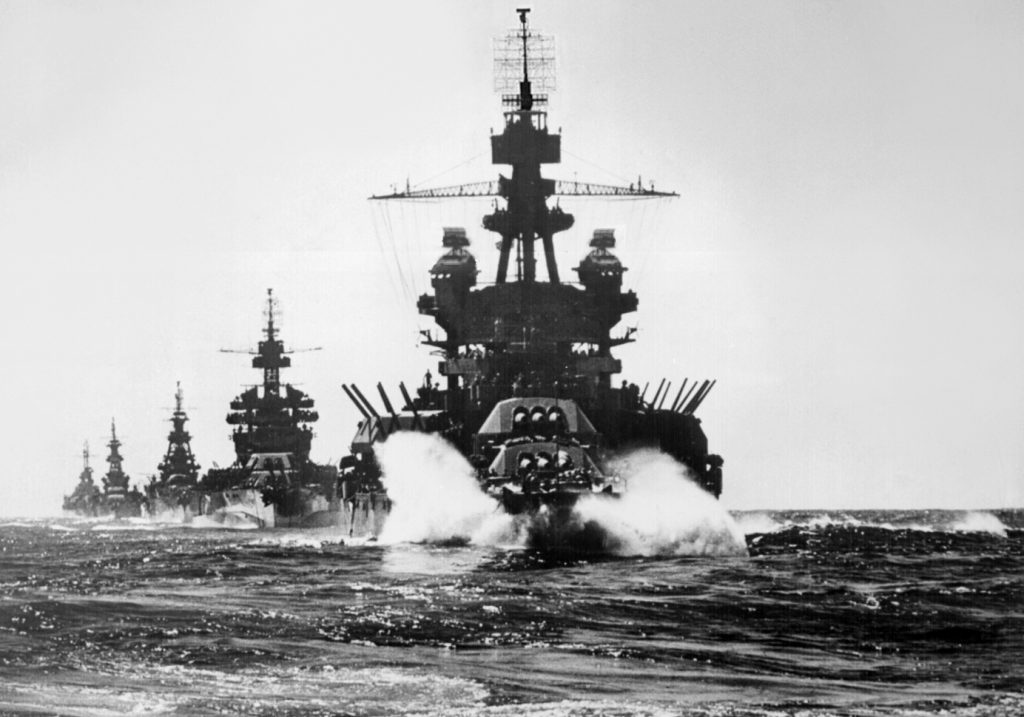
9 January 1945: The Landings at Lingayen Gulf
Three years after the Japanese came ashore at the same beaches, the US Sixth Army lands on Luzon to begin the campaign to retake Manila.
Dispatches involving United States.
Three years after the Japanese came ashore at the same beaches, the US Sixth Army lands on Luzon to begin the campaign to retake Manila.
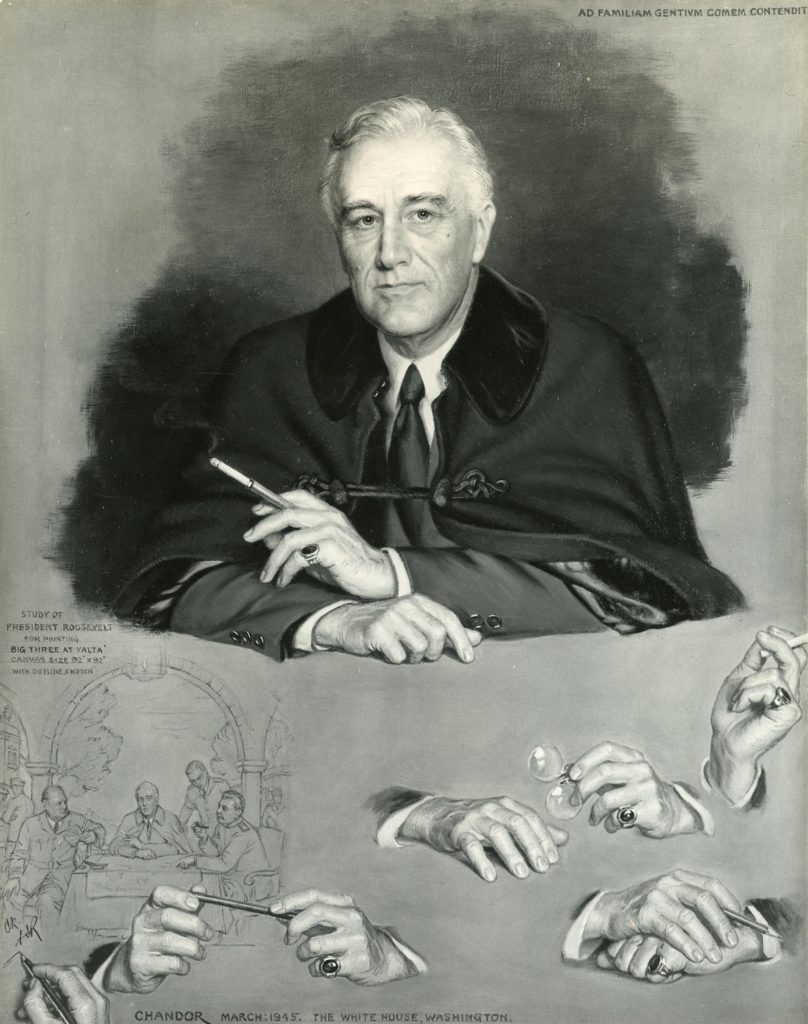
In his State of the Union address, Roosevelt sets out four freedoms that he says every person in the world should enjoy, and asks Congress to arm the nations defending them.
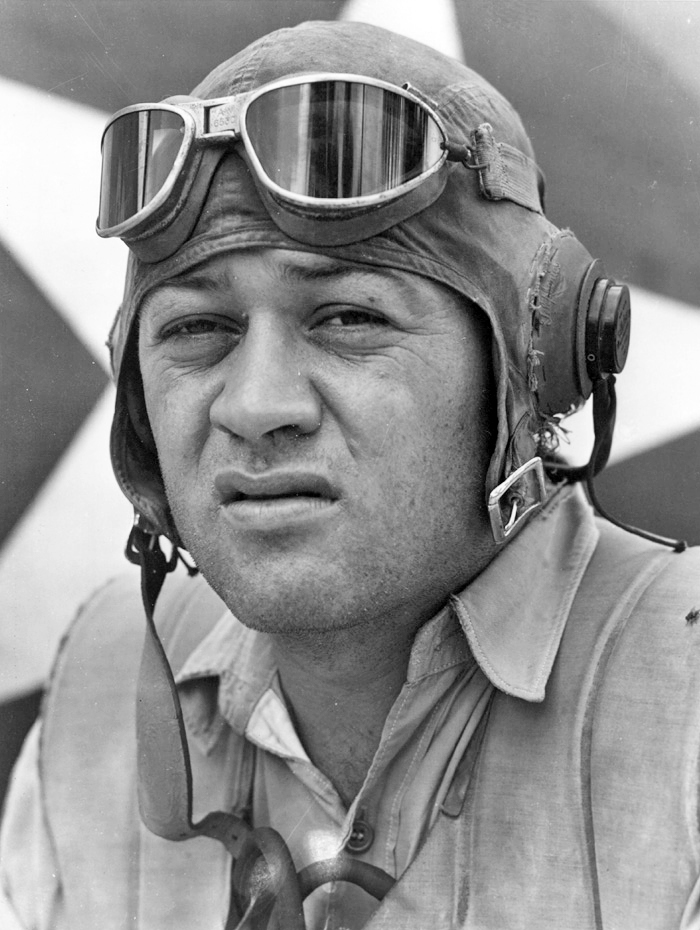
The leader of the Marine Corps’ famous Black Sheep Squadron is shot down over Rabaul. America will believe him dead for more than a year and a half.
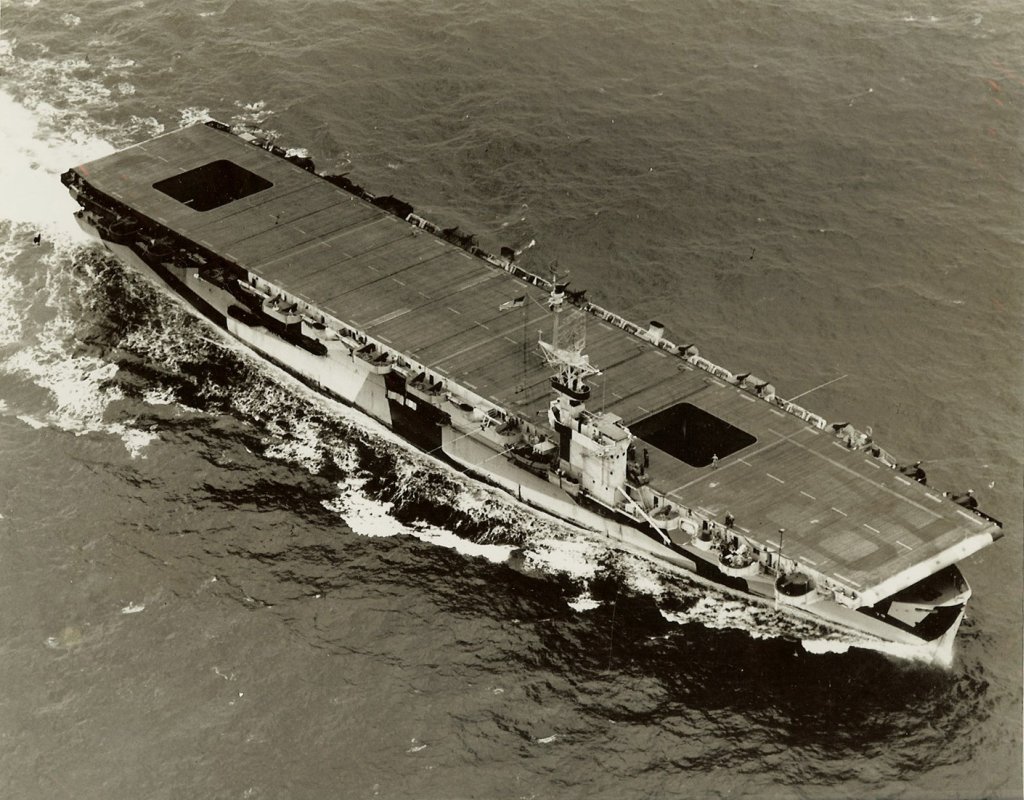
As the American invasion fleet sails for Luzon, a single suicide aircraft sets the escort carrier Ommaney Bay ablaze. She has to be sunk by her own escorts.
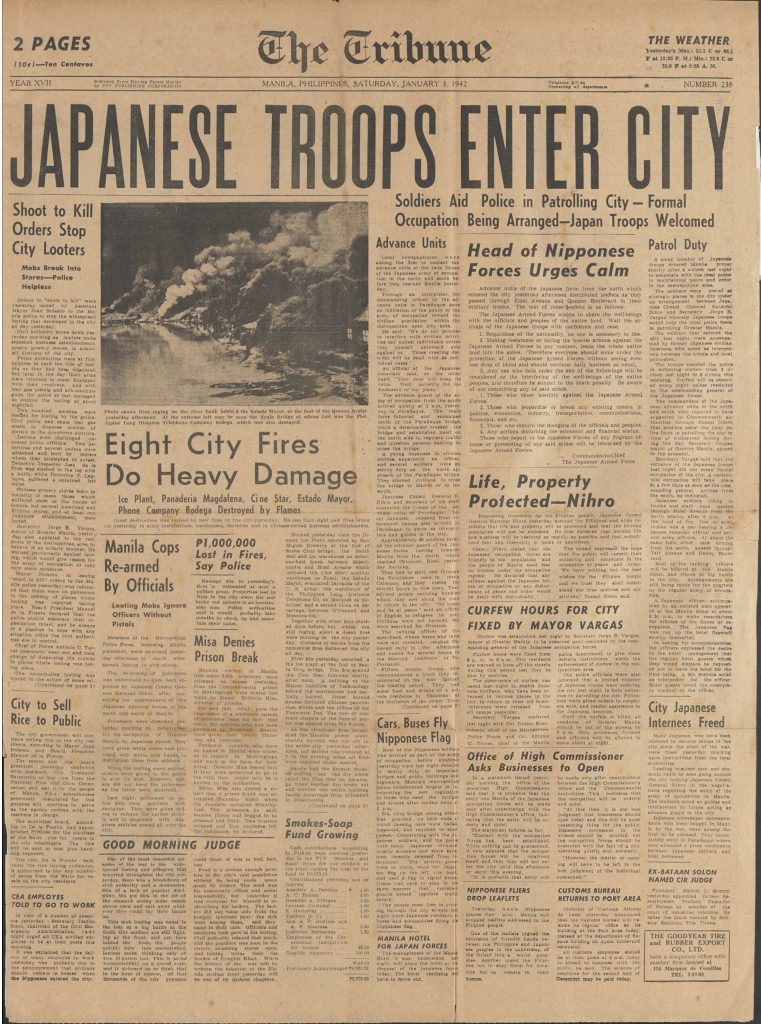
Declared an open city to spare it from destruction, the Philippine capital is occupied by the Japanese army as American and Filipino forces fall back to Bataan.
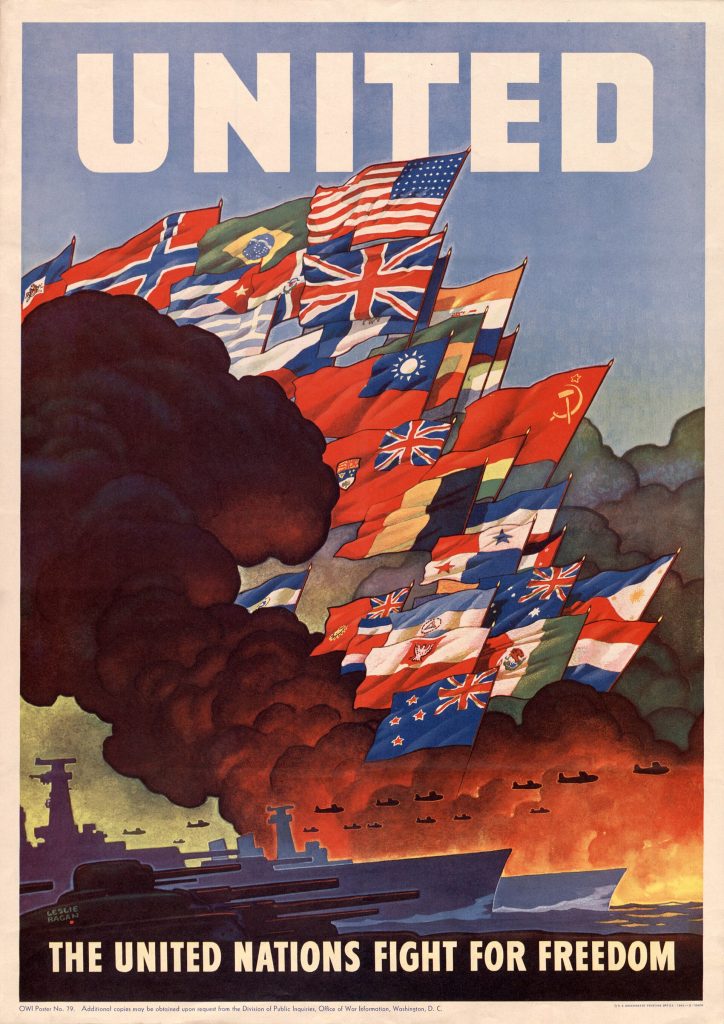
Weeks after Pearl Harbor, the nations fighting the Axis sign a single pledge in Washington. Their name for themselves will outlive the war.
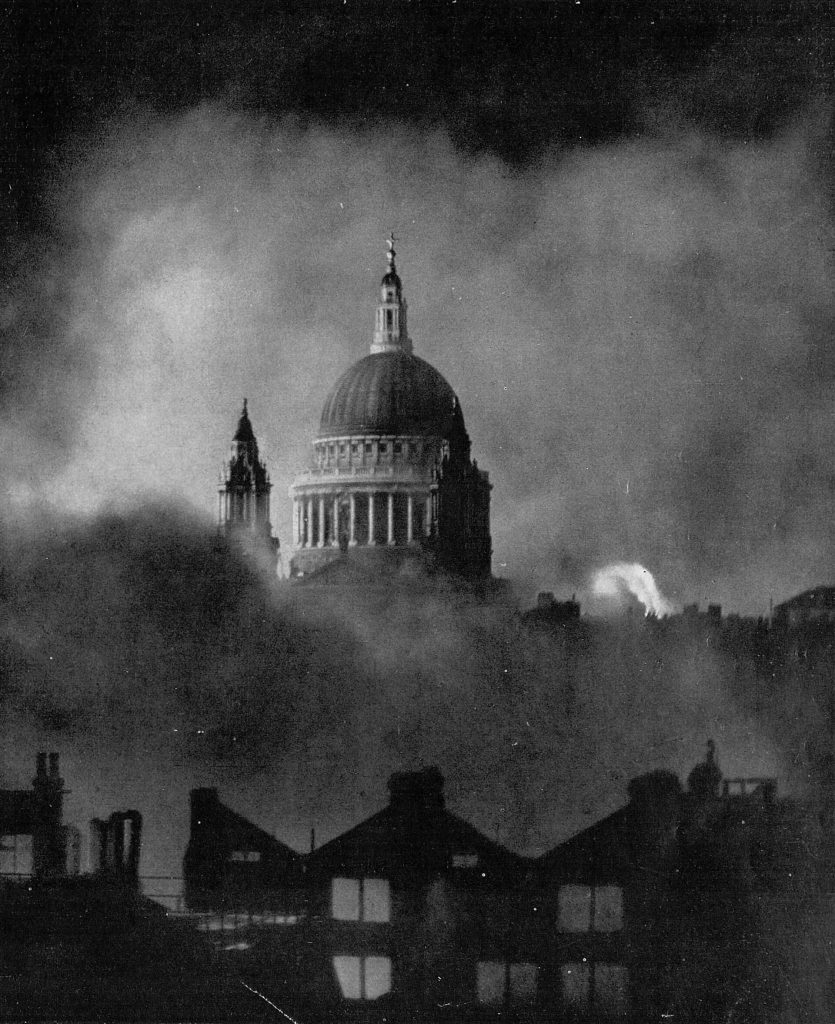
On a Sunday night with the Thames at low tide, German bombers set the City of London ablaze. St Paul’s Cathedral stands untouched amid the flames.
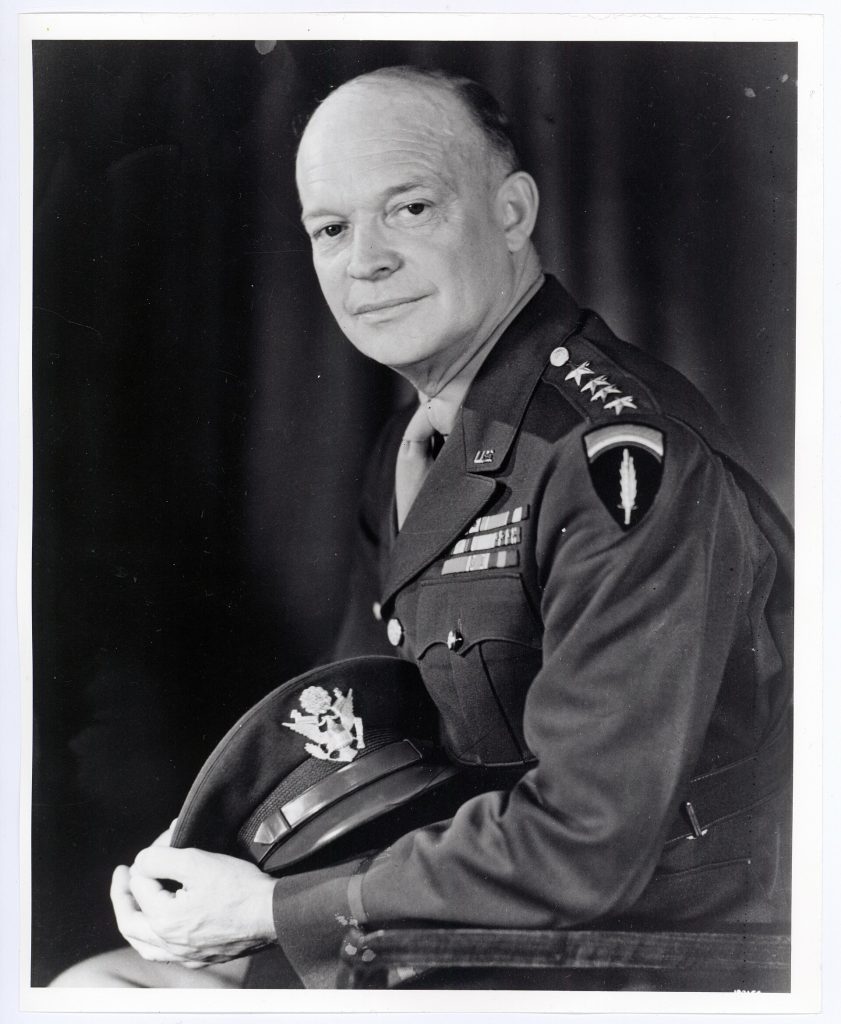
In a Christmas Eve radio address, Roosevelt announces that General Dwight D. Eisenhower will command the Allied invasion of Western Europe.
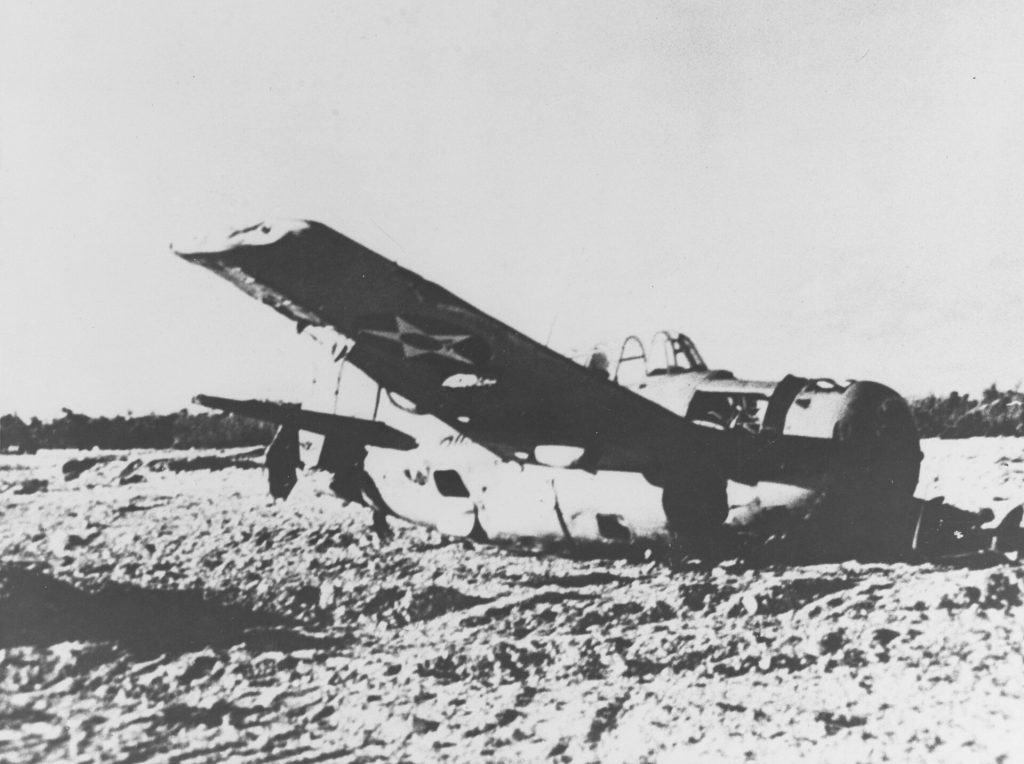
After beating off one invasion and holding out for two weeks, the Marine garrison of Wake Island is overwhelmed by a second Japanese assault. The relief force turns back.
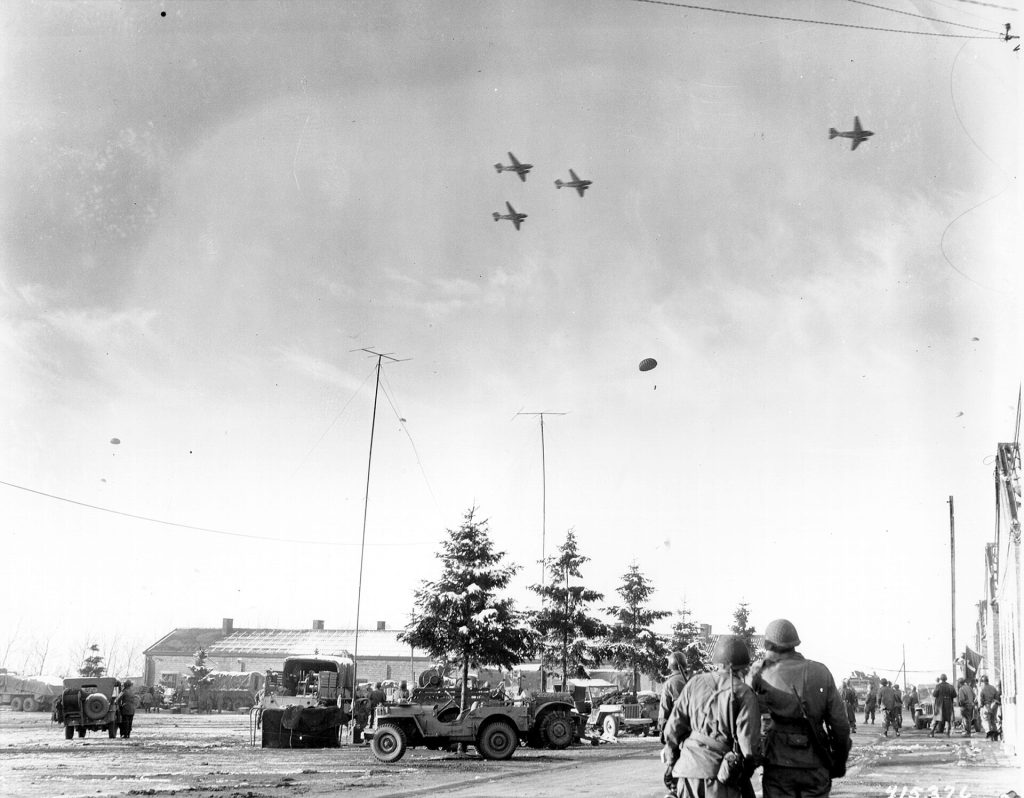
Surrounded at the Belgian crossroads town of Bastogne, the American commander receives a formal German demand to surrender. His one-word reply becomes legend.
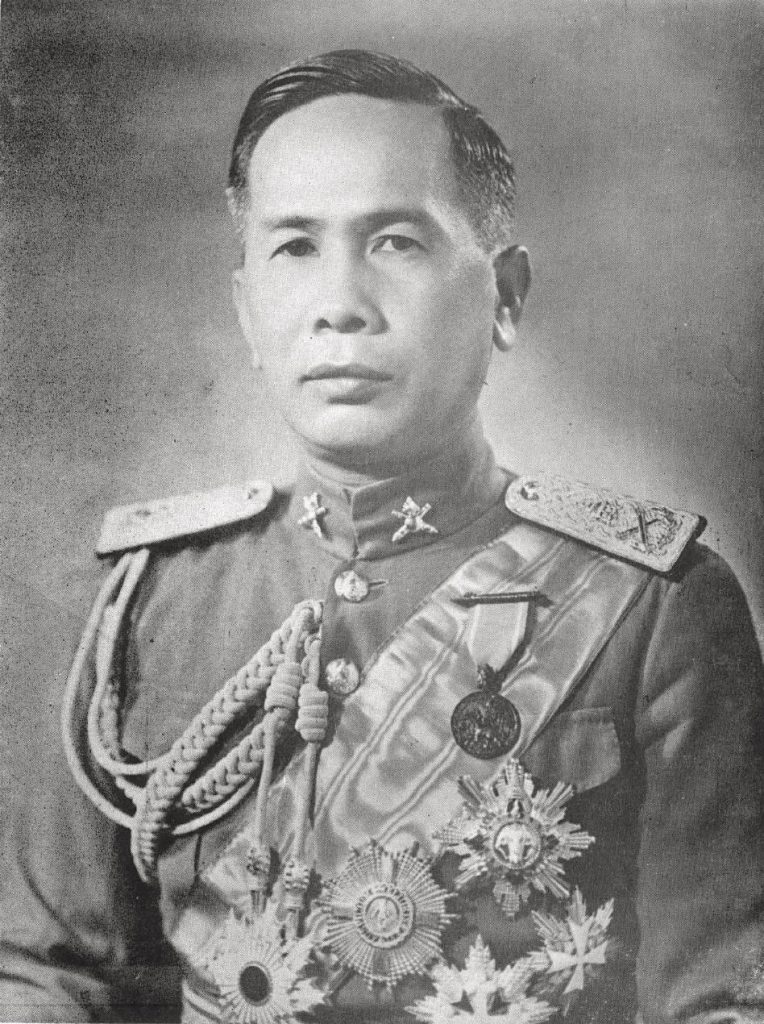
Two weeks after Japanese troops crossed its borders, Thailand signs a treaty of alliance with Japan in Bangkok. In Washington, the Thai ambassador quietly refuses to go along.
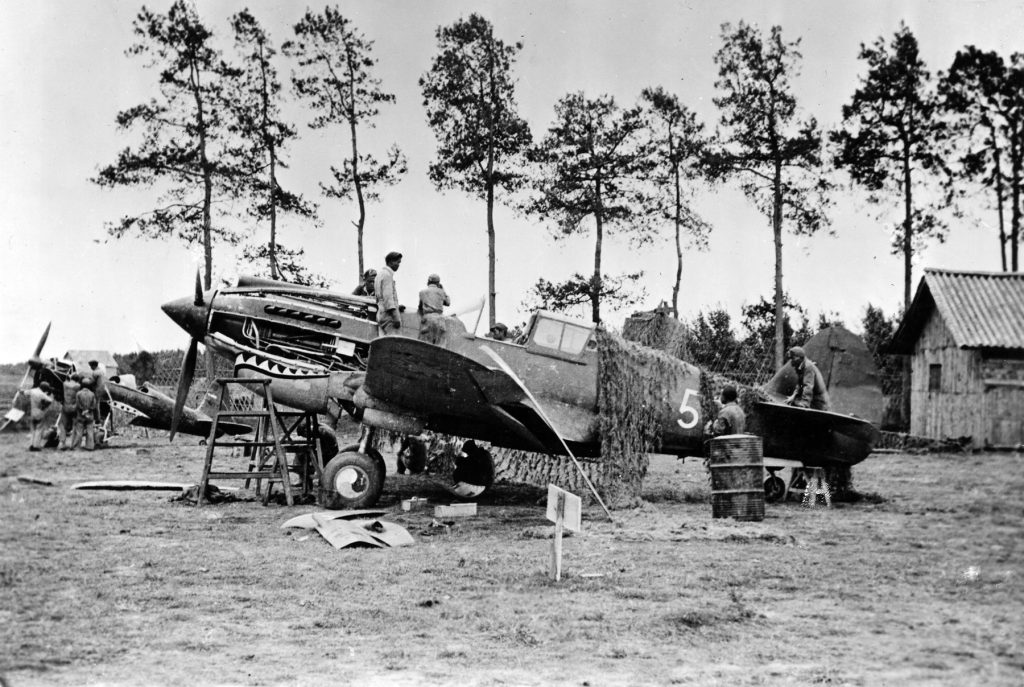
Shark-mouthed P-40 fighters of the American Volunteer Group intercept a Japanese bombing raid over Kunming, their first combat in defence of China.
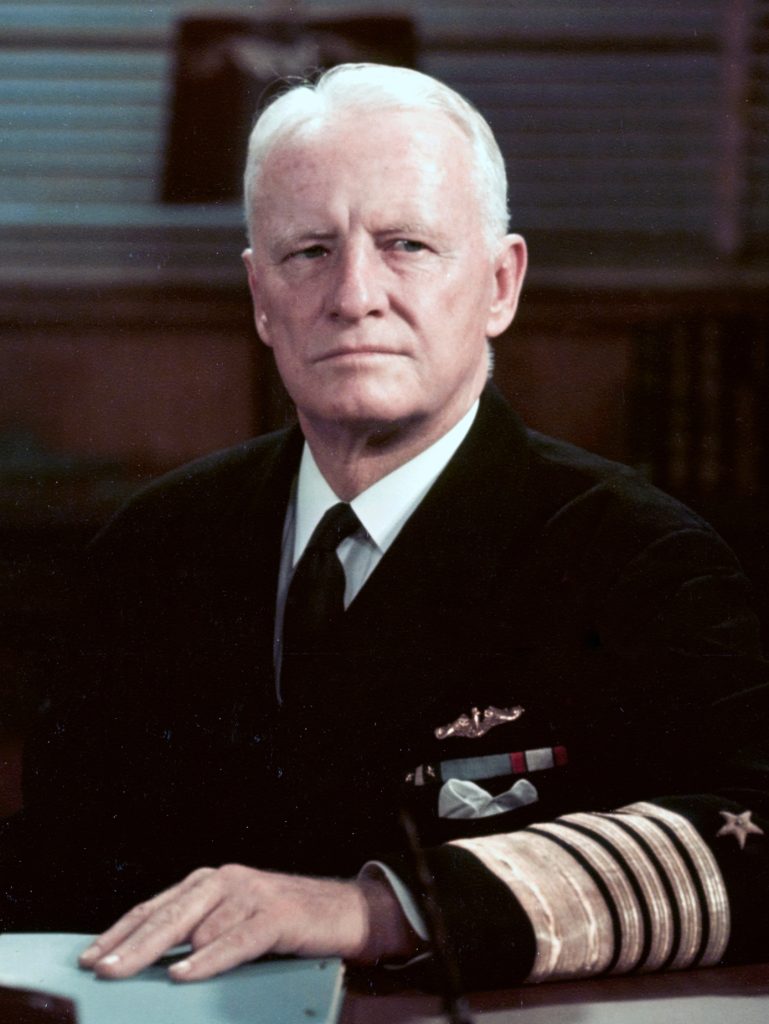
Ten days after Pearl Harbor, Roosevelt picks a quiet Texan admiral, Chester Nimitz, to take command of what is left of the Pacific Fleet.
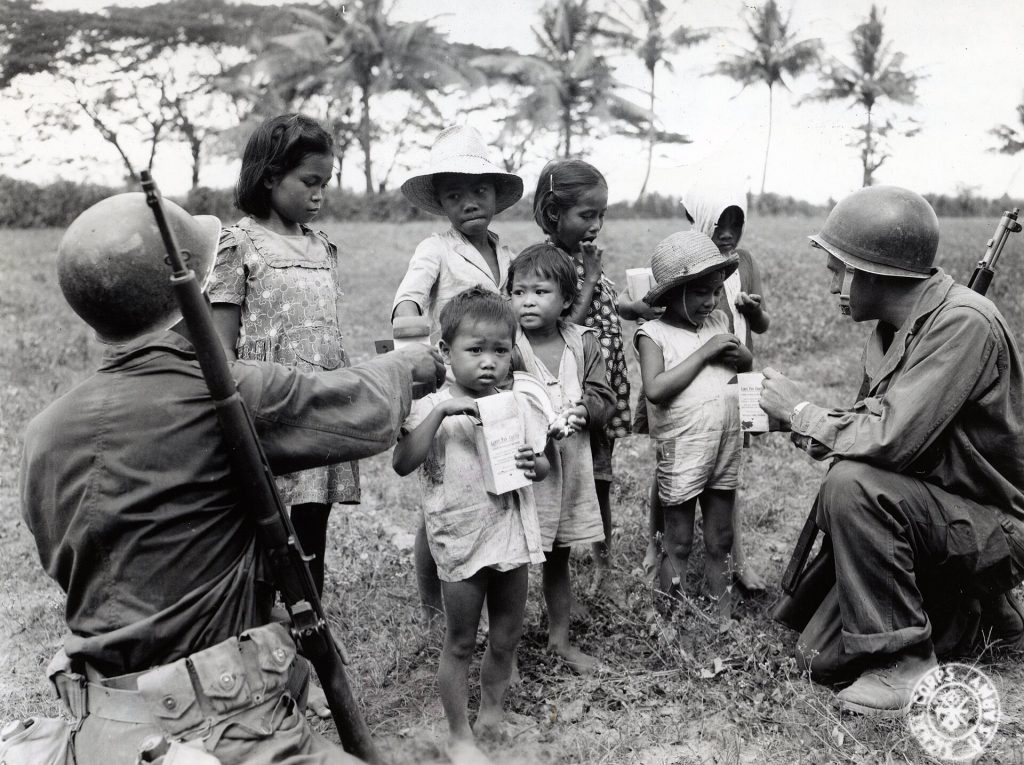
American troops land almost unopposed on Mindoro in the Philippines to build airfields for the coming invasion of Luzon. The real fight is at sea, against kamikazes.
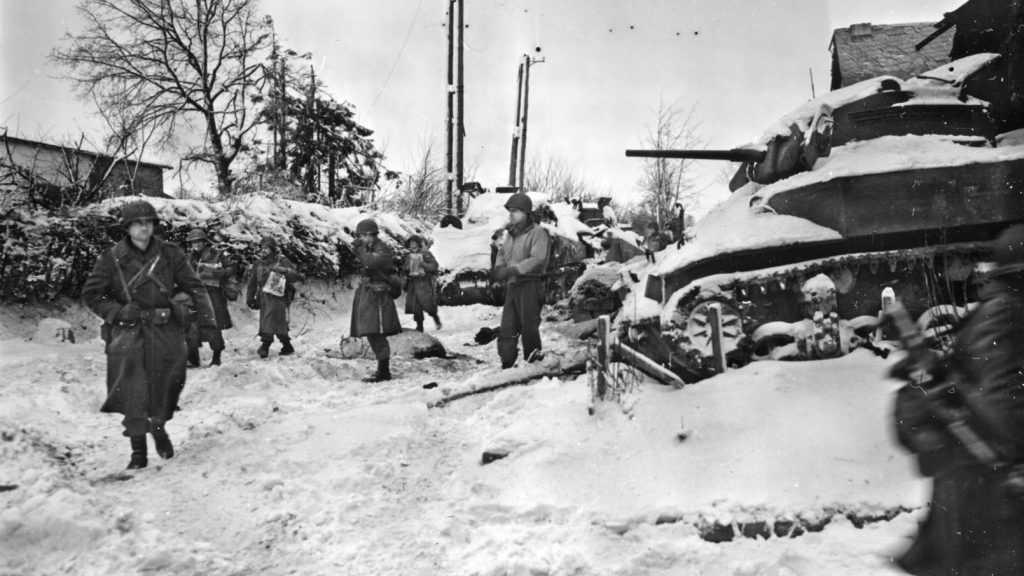
Out of the fog-bound forests of the Ardennes, three German armies smash into a thinly held American front. Hitler’s last great gamble in the west has begun.
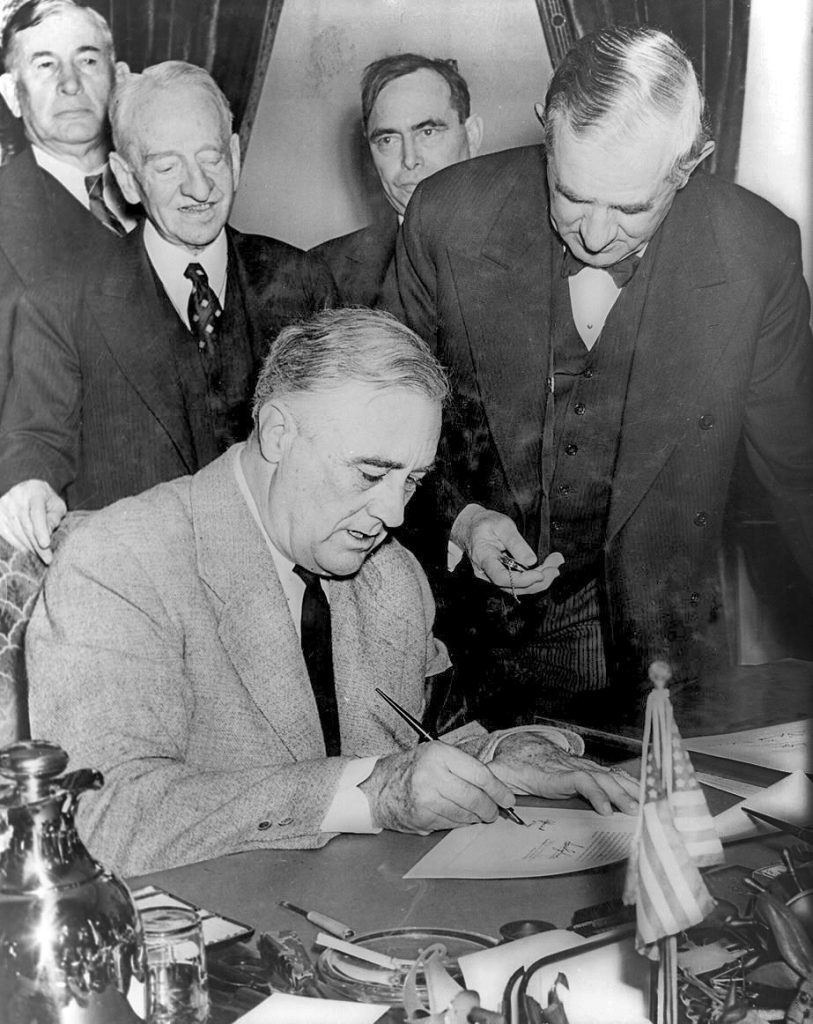
Under no treaty obligation to do so, Hitler declares war on the United States. Roosevelt no longer has to persuade Americans to fight Germany.
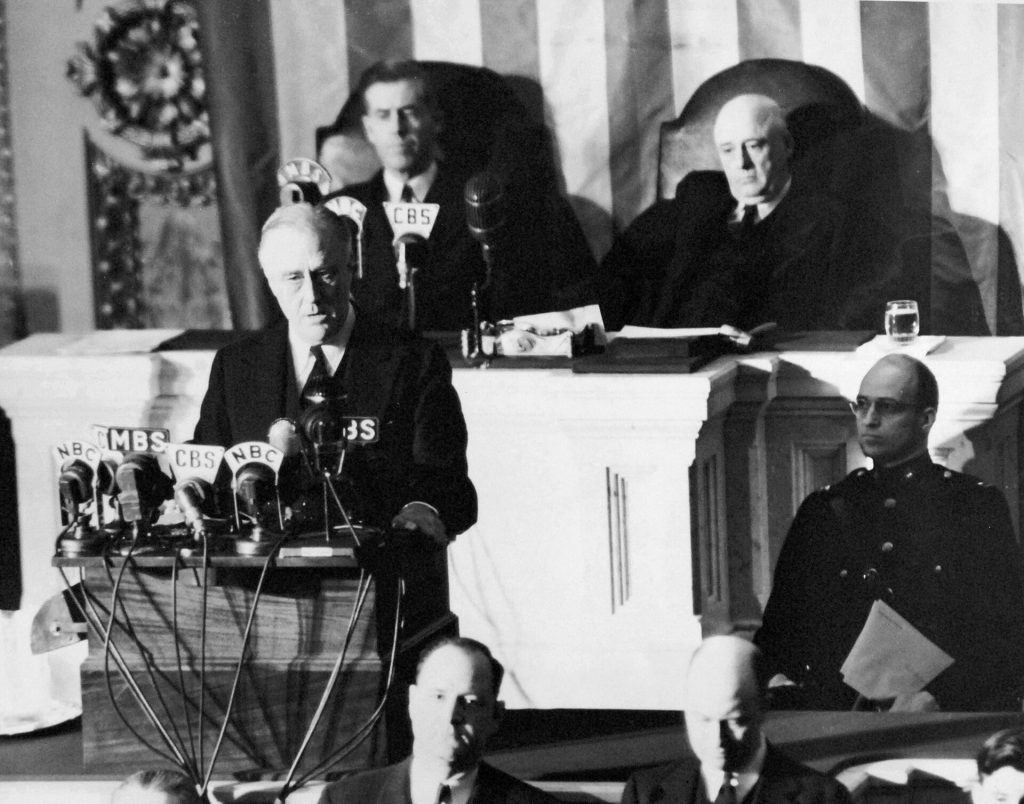
Roosevelt asks Congress for a declaration of war on Japan, as Japanese forces strike Malaya, Hong Kong, the Philippines, Guam and Wake across a front of thousands of kilometres.
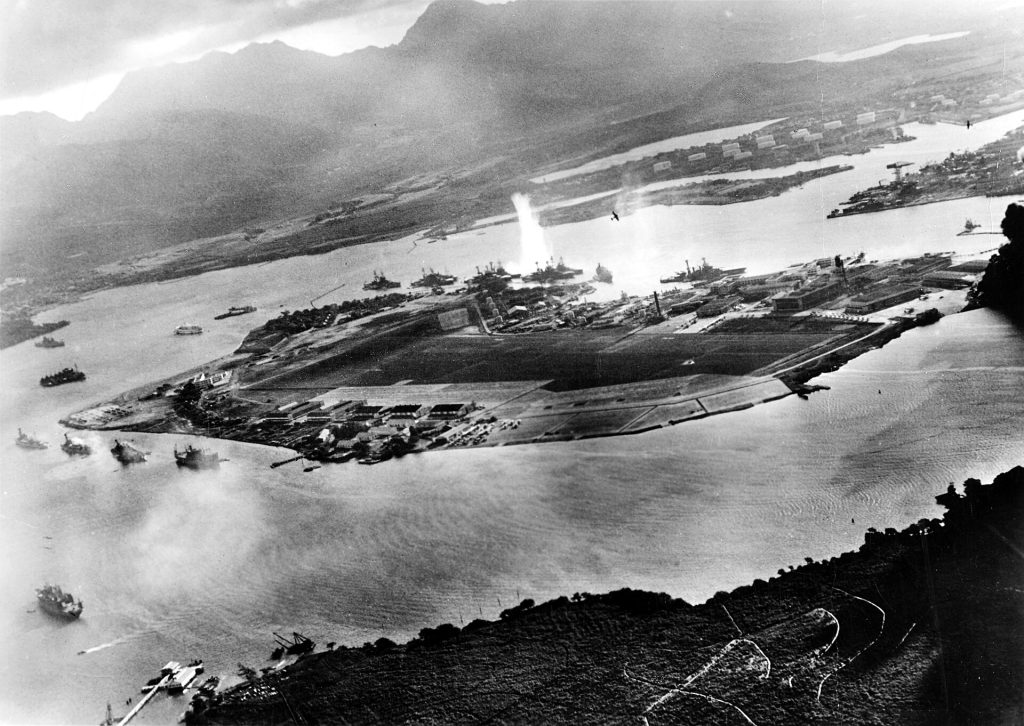
Just before 08:00 on a Sunday morning, more than 350 Japanese carrier aircraft strike the US Pacific Fleet at its base in Hawaii. In under two hours the war becomes global.
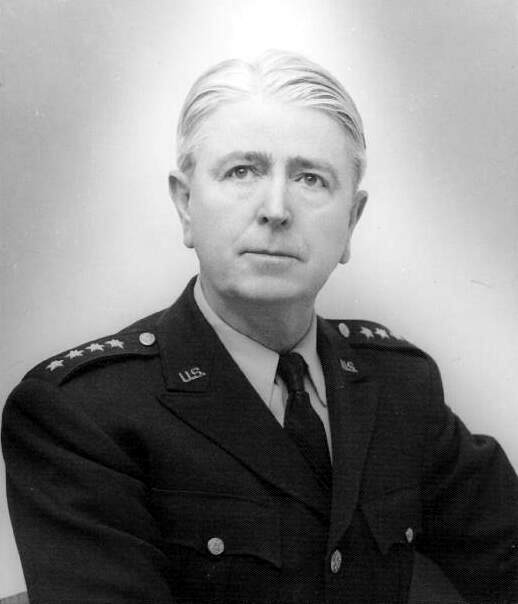
Three days before Pearl Harbor, an isolationist newspaper publishes America’s top-secret plan for fighting and winning a world war.
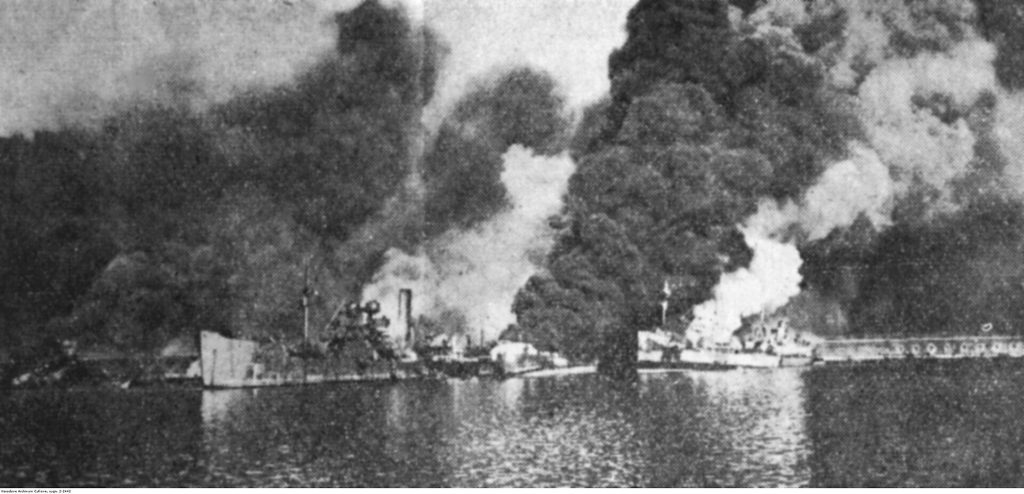
German bombers catch a crowded Allied supply port fully lit at dusk. Among the ships destroyed is an American freighter secretly carrying mustard gas bombs.
 United Kingdom
 United States
 Soviet Union
 Germany
 Japan
 France
 Poland
 South Africa