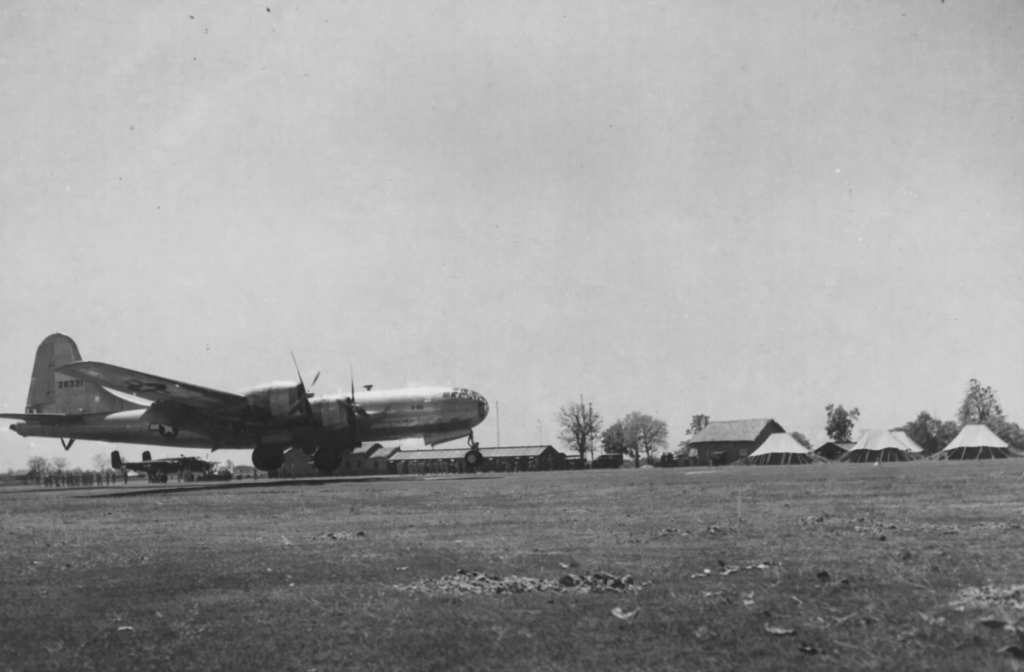
2 April 1944: The First B-29 Reaches India
A Boeing B-29 named Gone With the Wind lands at Chakulia in Bengal, the first of the new Superfortresses to reach India for the bombing of Japan.
China’s long war with Japan, Burma and the defence of India.
A Boeing B-29 named Gone With the Wind lands at Chakulia in Bengal, the first of the new Superfortresses to reach India for the bombing of Japan.
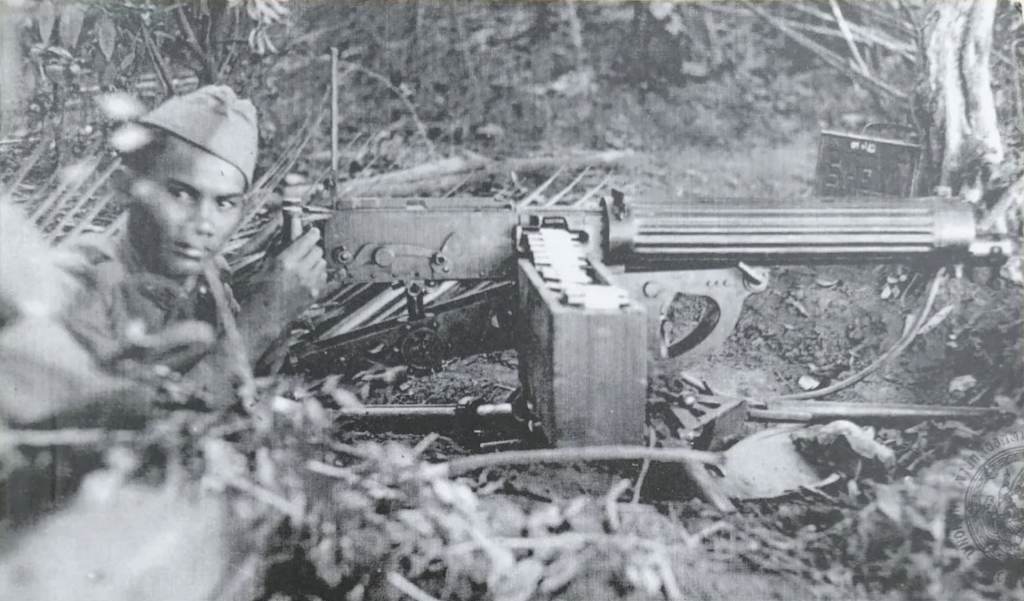
Japan imposes a ceasefire on Thailand and French Indochina, ending a short border war and setting itself up as the arbiter of Southeast Asia.

Under Japanese pressure and after Allied air raids on Bangkok, Field Marshal Phibun’s government declares war on Britain and the United States.
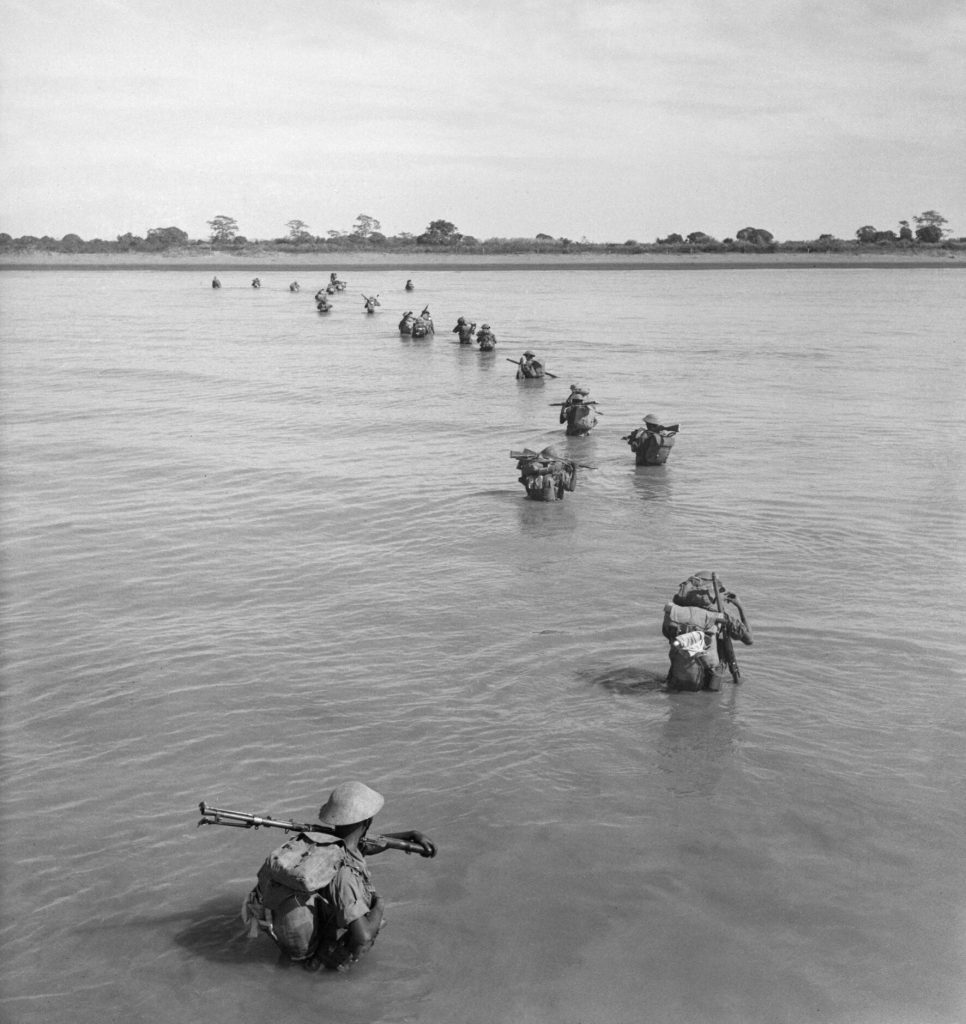
British and Indian troops storm ashore at Akyab on the Arakan coast of Burma, the prize two earlier campaigns had failed to win, and find the Japanese have already gone.
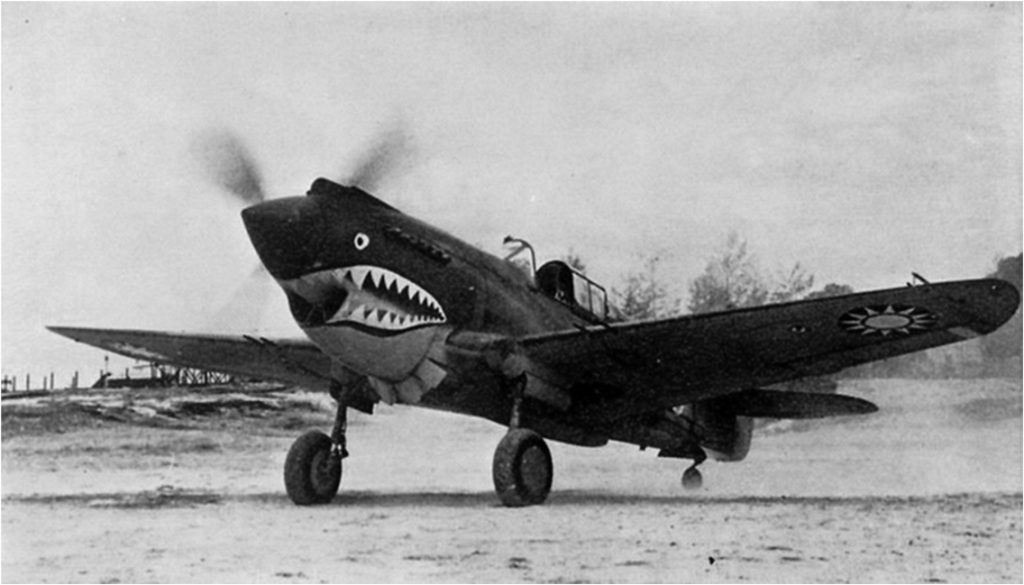
Japanese bombers strike the capital of British Burma for the first time, killing over a thousand civilians and setting off an exodus that paralyses the port.
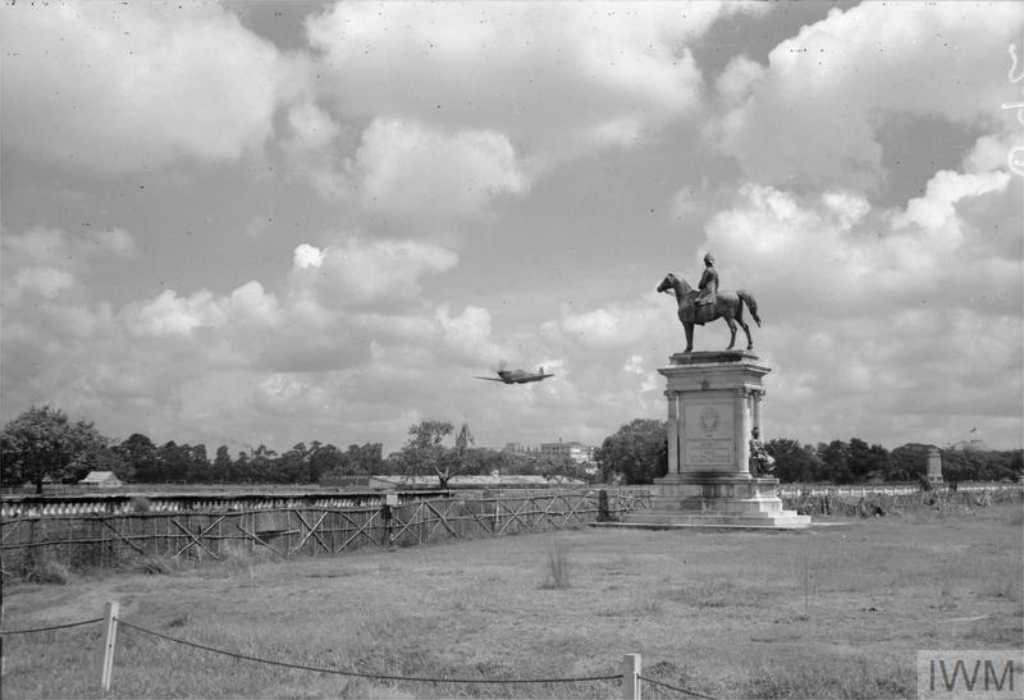
Japanese aircraft from Burma raid Calcutta, the great port and industrial city of British India, setting off a mass flight of its people.
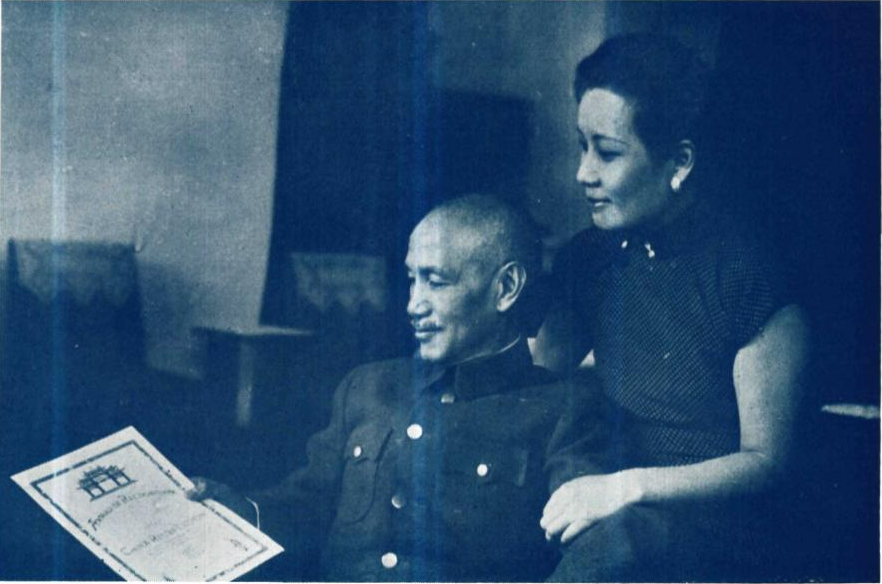
After more than four years of undeclared war with Japan, Chiang Kai-shek’s government formally declares war on Japan, Germany and Italy, joining the new Allied coalition.
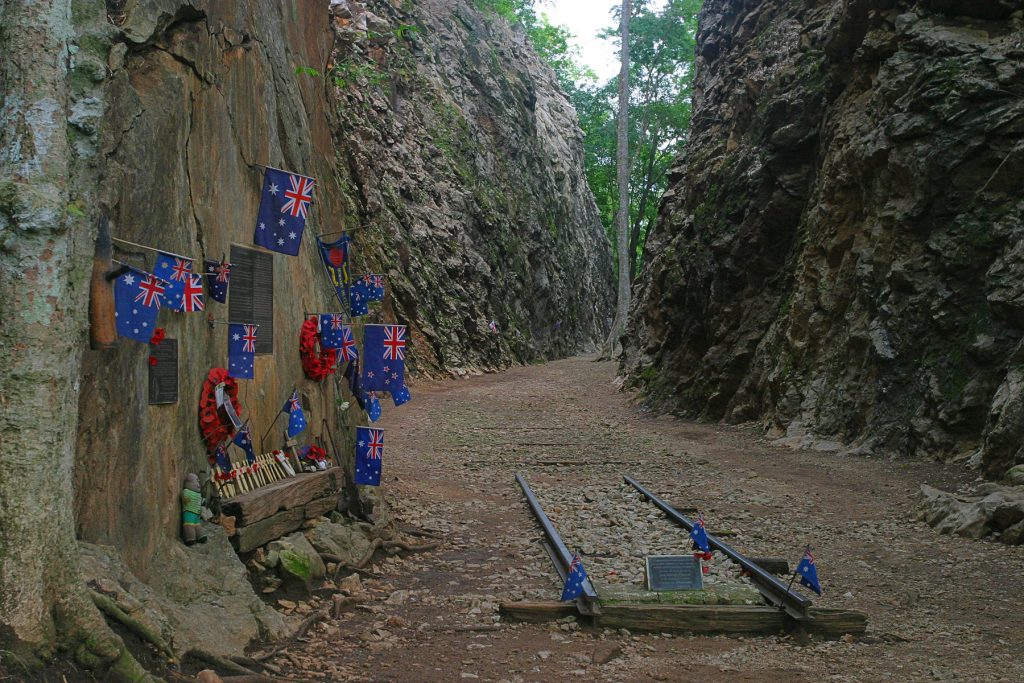
Near the Thai-Burmese border, the two halves of a 415-kilometre railway built by prisoners of war and Asian labourers are joined. Tens of thousands have died building it.
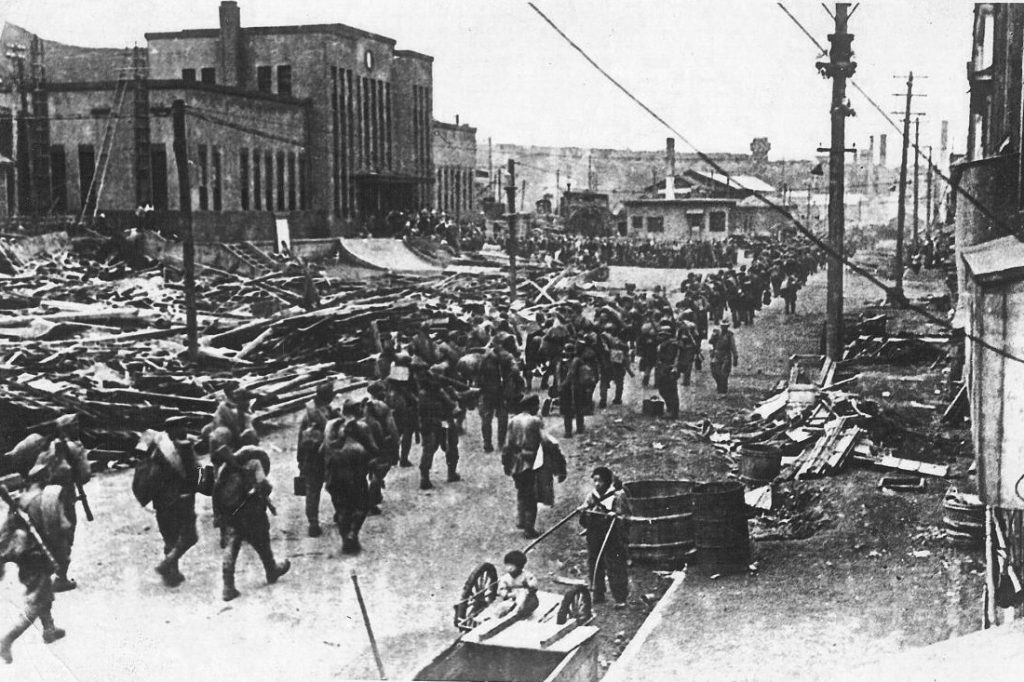
Exactly three months after Germany’s surrender, as Stalin promised at Yalta, Moscow declares war on Japan. Within hours, Soviet armies pour into Manchuria.
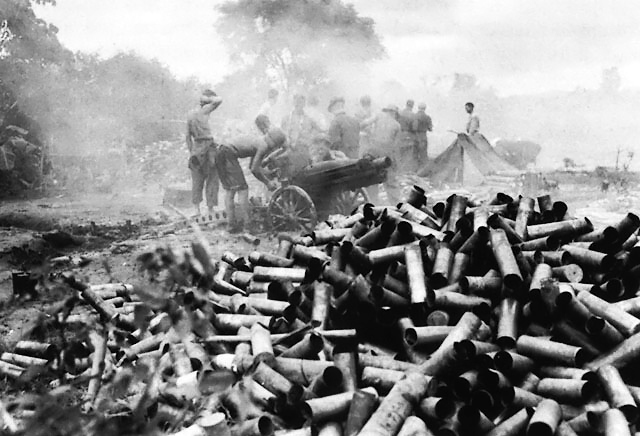
After a gruelling march over the Kumon mountains, American and Chinese troops seize the airfield at Myitkyina in northern Burma by surprise.
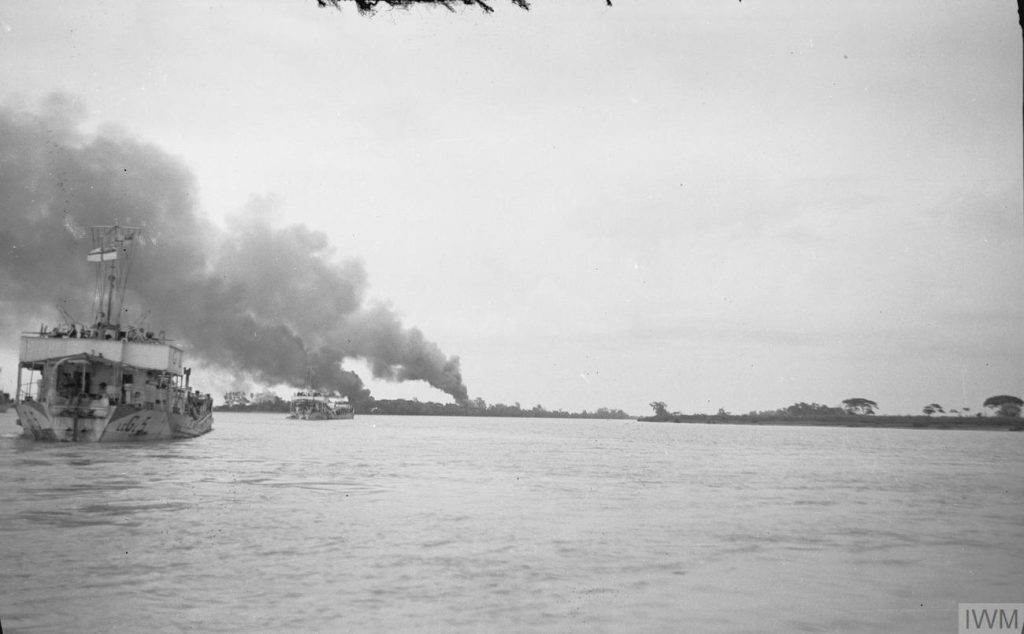
Indian troops landing from the sea enter Rangoon, just ahead of the monsoon. The Japanese have already gone. Three years after the long retreat, the capital of Burma is back in Allied hands.
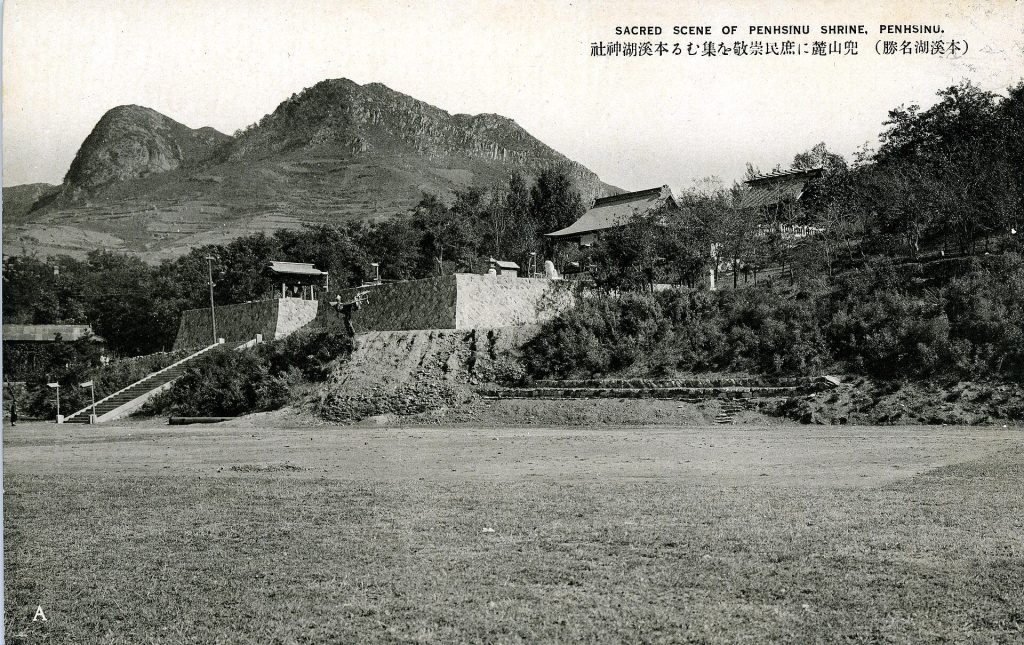
An explosion tears through a Japanese-run coal mine in occupied Manchuria. More than 1,500 miners die, making it the deadliest mining disaster ever recorded.
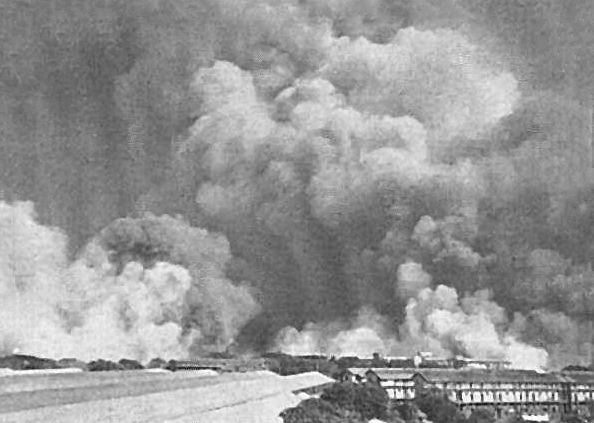
A cargo ship loaded with explosives, cotton and gold catches fire in Bombay’s Victoria Dock. Two enormous explosions devastate the docks and surrounding districts.
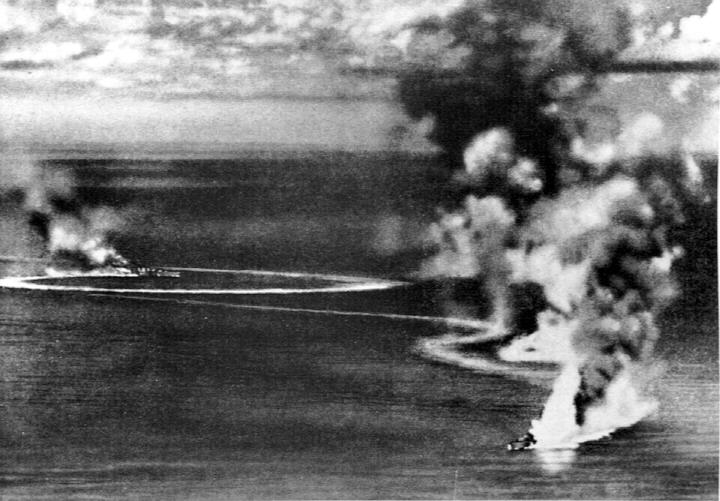
The carrier force that struck Pearl Harbor attacks Colombo in Ceylon. Warned the day before by a Canadian flying boat pilot, the defenders are ready, but two British cruisers are caught at sea.
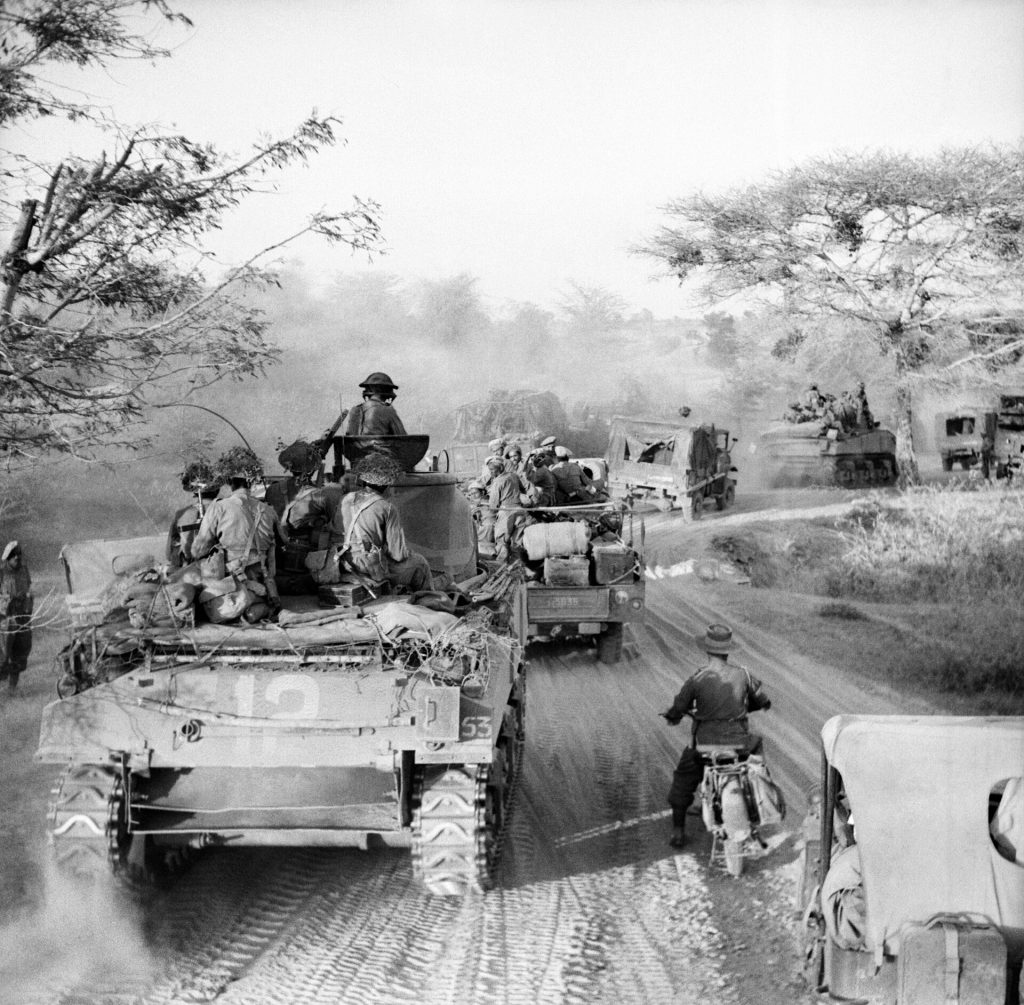
After a siege of more than a week, the Japanese abandon Fort Dufferin. The Fourteenth Army holds Mandalay, the old royal capital of Burma.
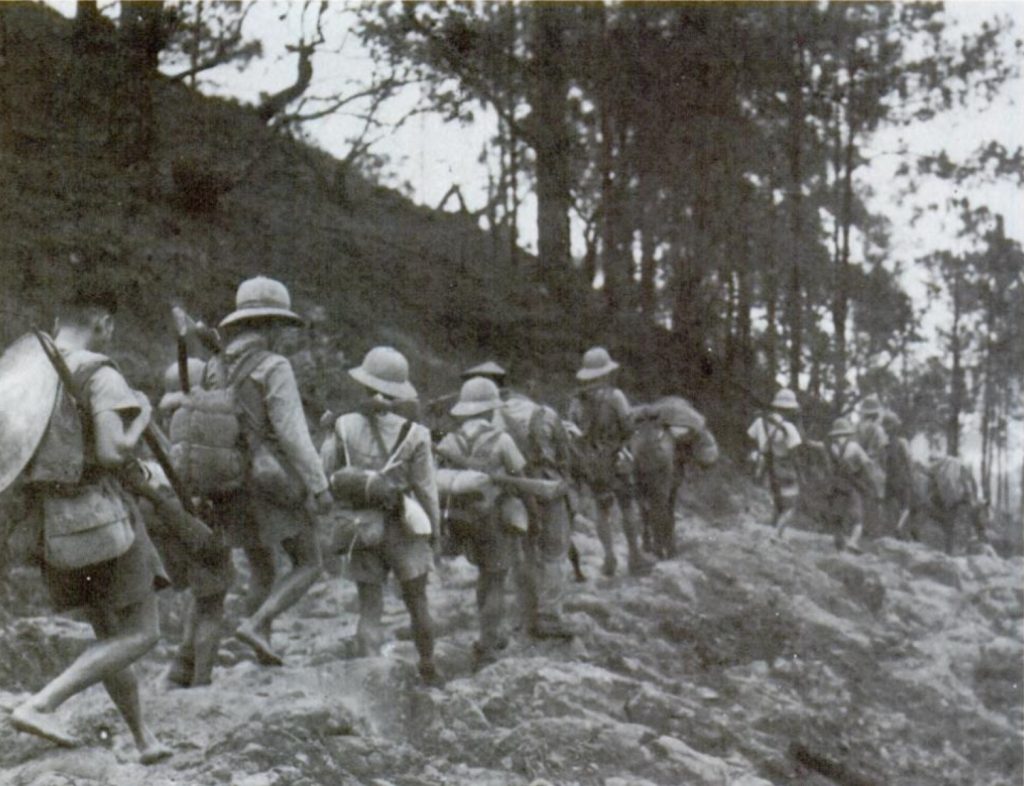
After four years of uneasy coexistence, Japanese forces overthrow the French colonial government across Indochina in a single night.

Japanese troops enter an abandoned and burning Rangoon. With its port lost, the British army in Burma begins the longest retreat in its history.

Japanese troops sweep around the 7th Indian Division in the Arakan, expecting it to retreat. Instead, supplied from the air, it stands and fights.
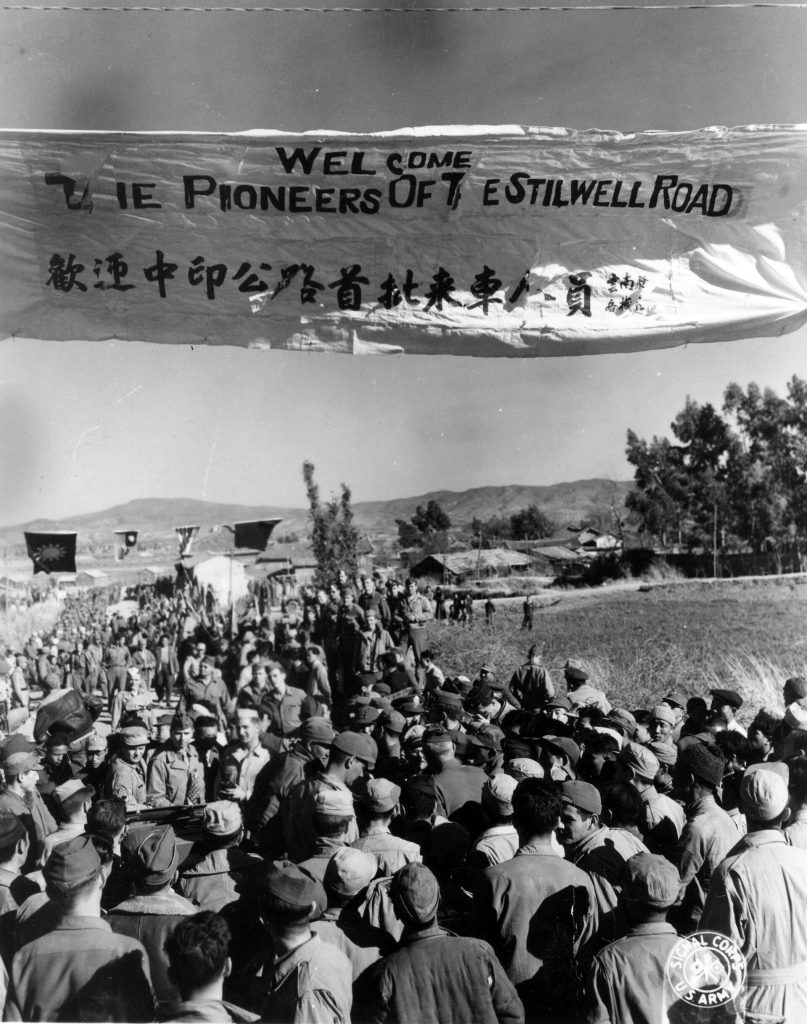
Three years after the Burma Road was cut, the first convoy from India crosses into China on a new road hacked through jungle and mountains.
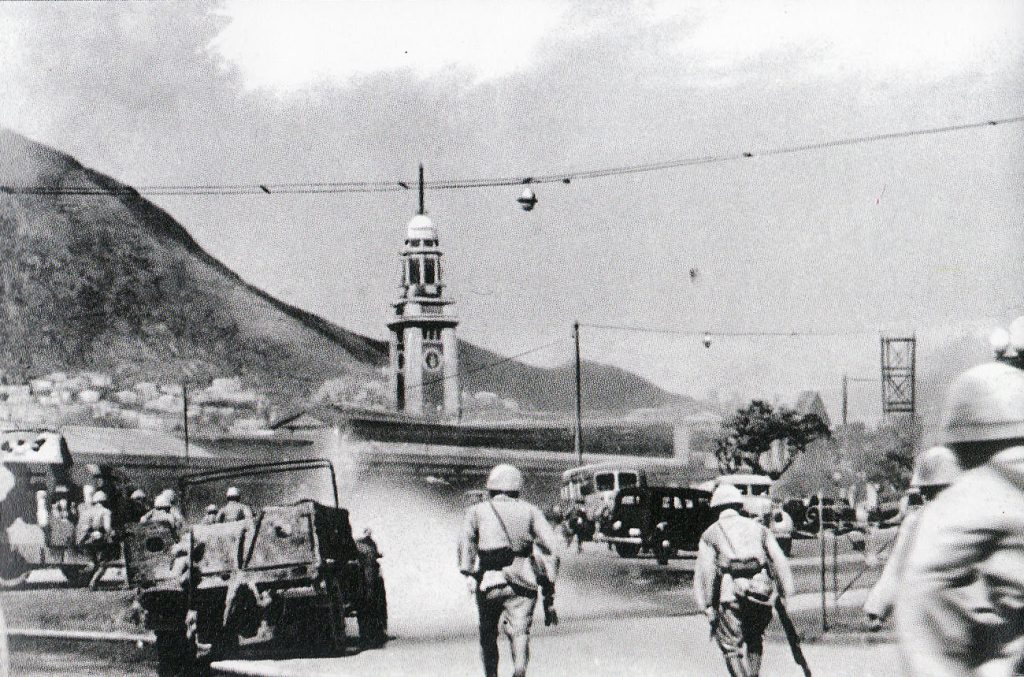
After eighteen days of fighting, the British colony of Hong Kong surrenders to Japan on Christmas Day. Its Commonwealth garrison and civilians face nearly four years of occupation.
 United Kingdom
 United States
 Soviet Union
 Germany
 Japan
 France
 Poland
 South Africa