
16 April 1945: The Sinking of the Goya
A Soviet submarine torpedoes the German transport Goya, crowded with refugees and wounded soldiers from the Hel peninsula, and she sinks in minutes.
Dispatches involving Soviet Union.
A Soviet submarine torpedoes the German transport Goya, crowded with refugees and wounded soldiers from the Hel peninsula, and she sinks in minutes.
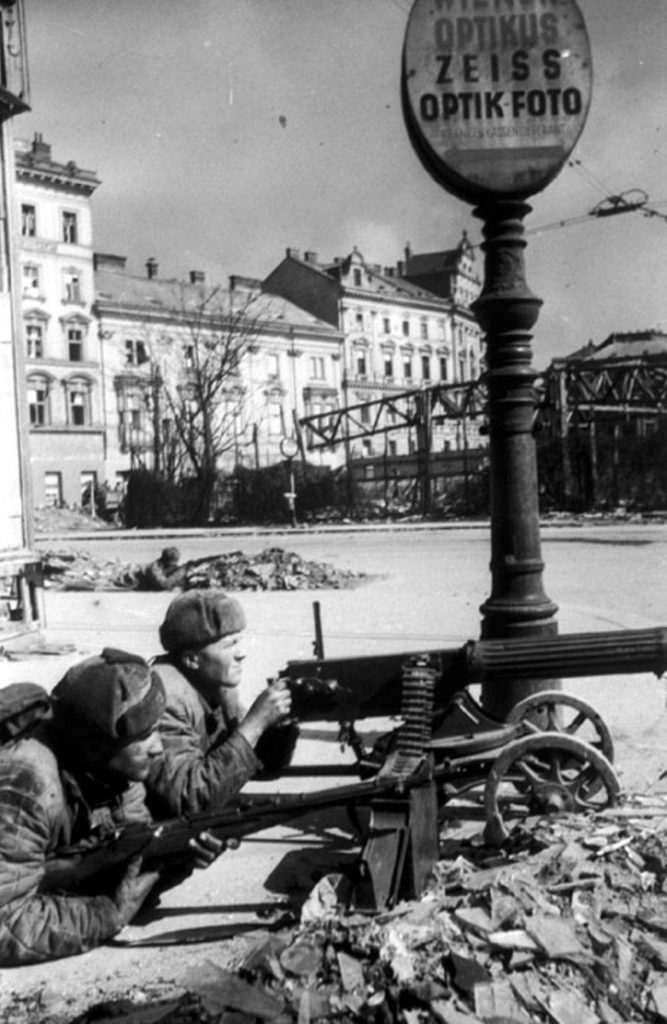
After days of street fighting, the last German defenders of Vienna surrender and Marshal Tolbukhin’s Red Army takes the city.
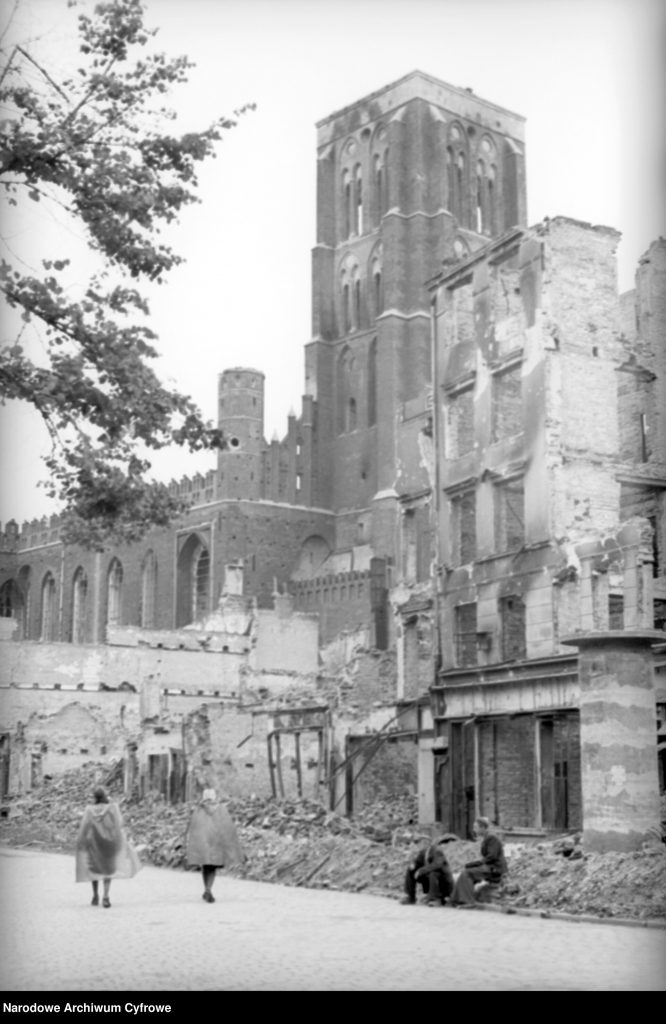
The city whose fate was the pretext for war in 1939 falls to Soviet and Polish troops, its old town in ruins.

In reprisal for a partisan ambush, a German police battalion burns the Belarusian village of Khatyn with its people locked in a shed. About 149 die, nearly half of them children.
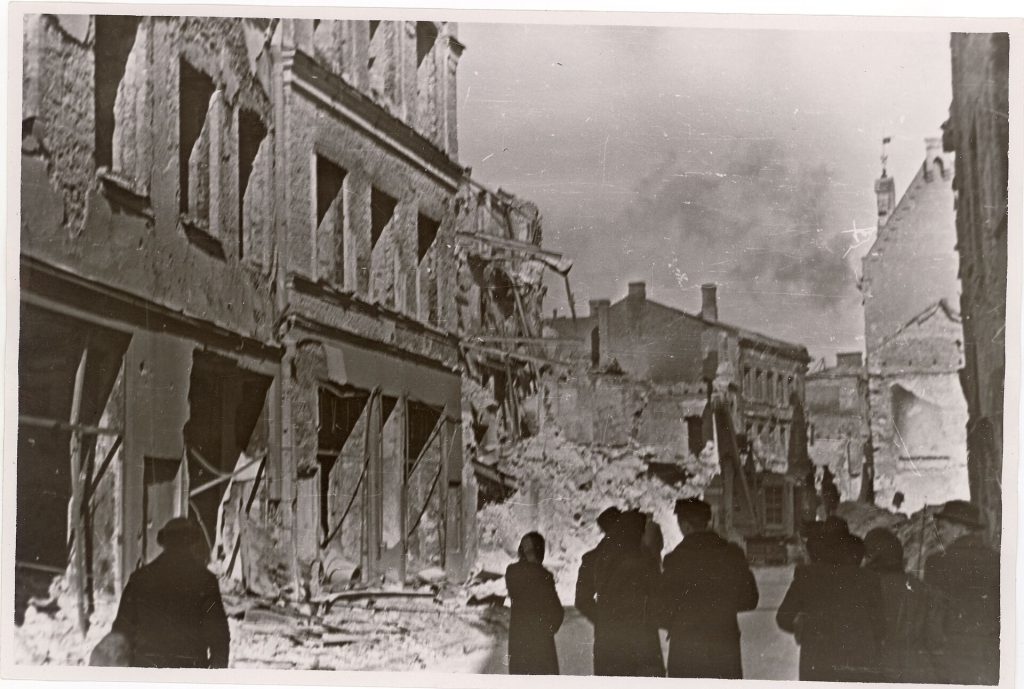
Soviet bombers strike Estonia’s capital in a single evening raid, burning a fifth of the city and killing hundreds of its people.
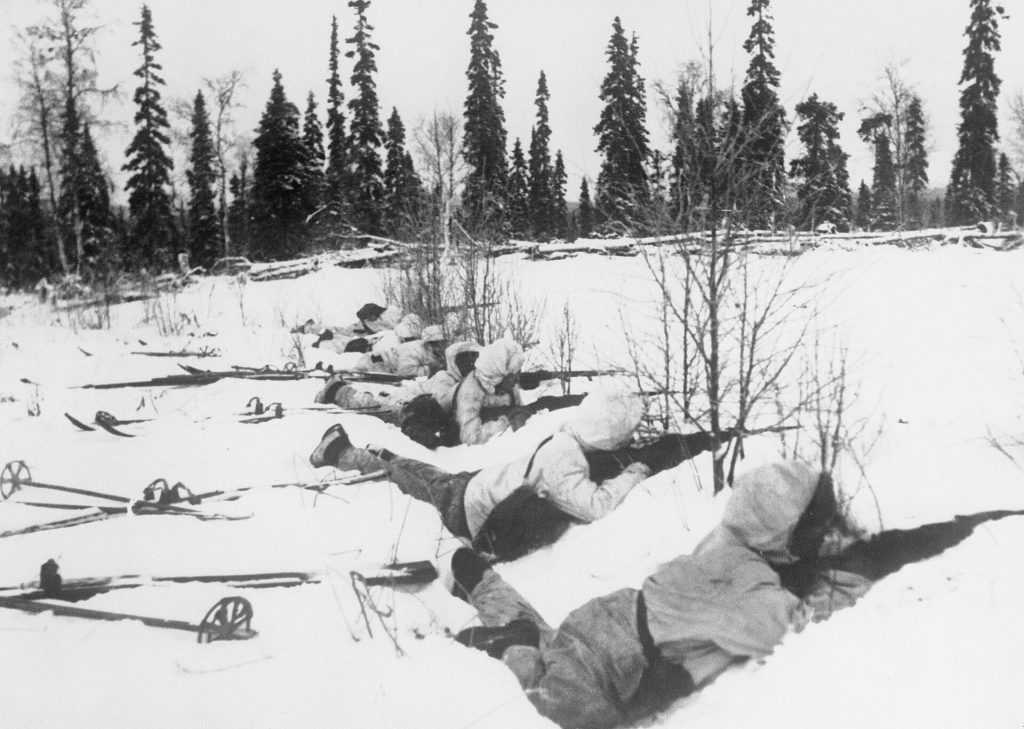
With its main defensive line broken and the Red Army closing on Viipuri, the Finnish government decides to open peace talks with Moscow.
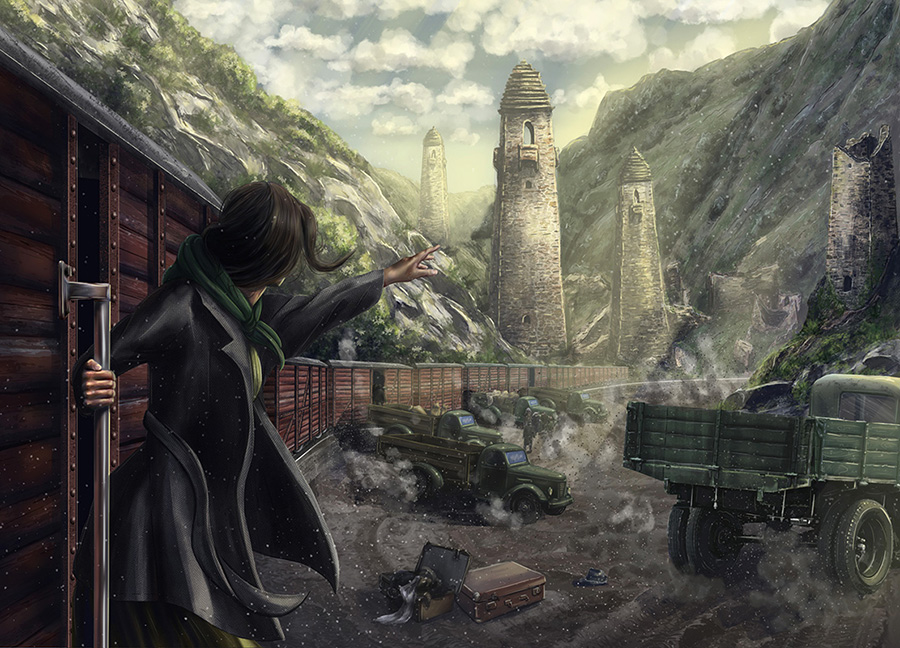
On Red Army Day, NKVD troops begin rounding up the entire Chechen and Ingush peoples. Within days nearly half a million are on their way to Central Asia.

Riding the momentum of Stalingrad, Soviet troops enter Kharkov, one of the largest cities in Ukraine. Within a month the Germans will take it back.
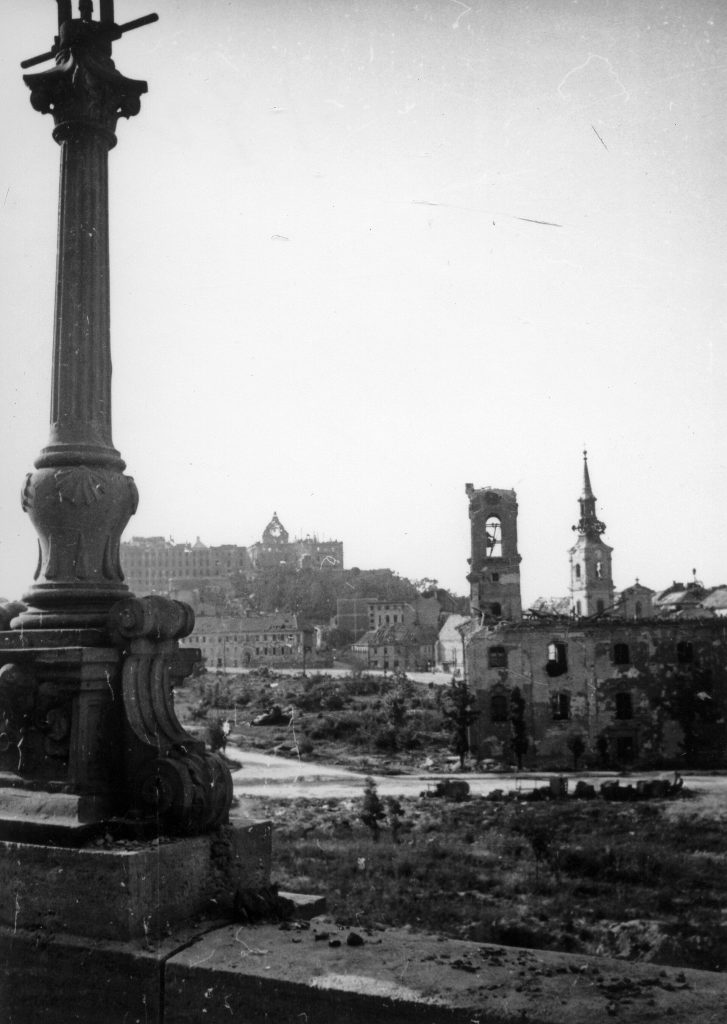
After seven weeks of siege and a desperate, doomed breakout from Buda, the last German and Hungarian defenders of the Hungarian capital surrender.
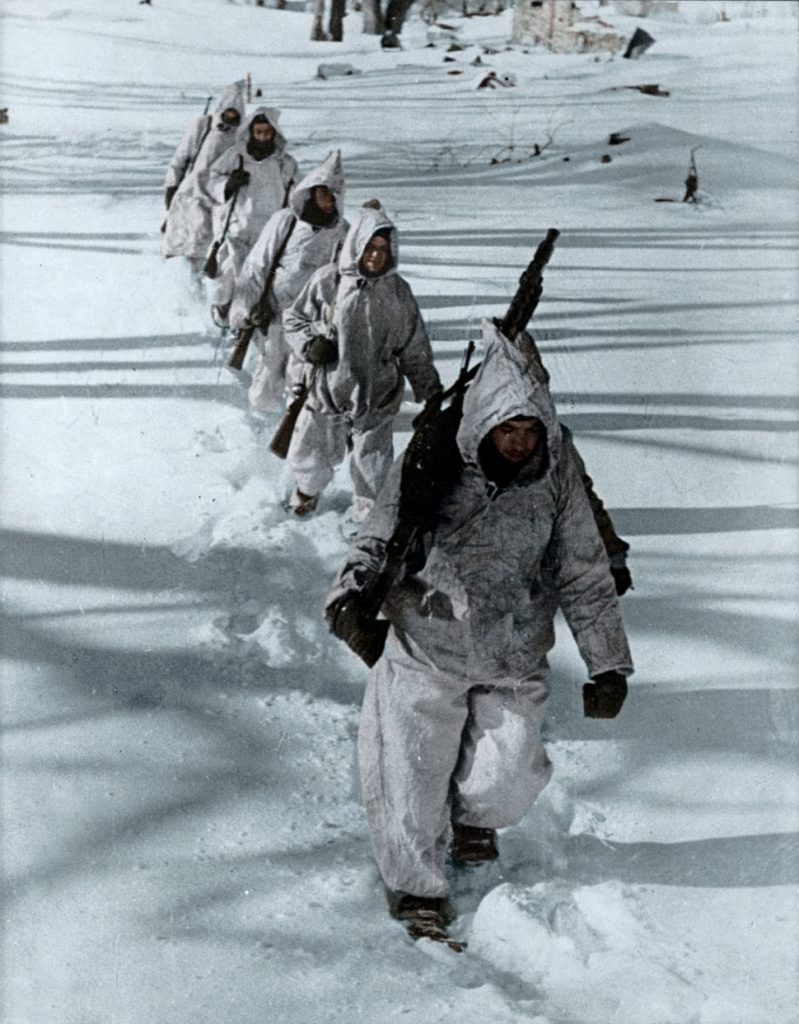
South of Leningrad, a Soviet army attacks a sector held by the Spanish volunteers of Franco’s Blue Division. The Spaniards are shattered, but the Soviet breakthrough never comes.
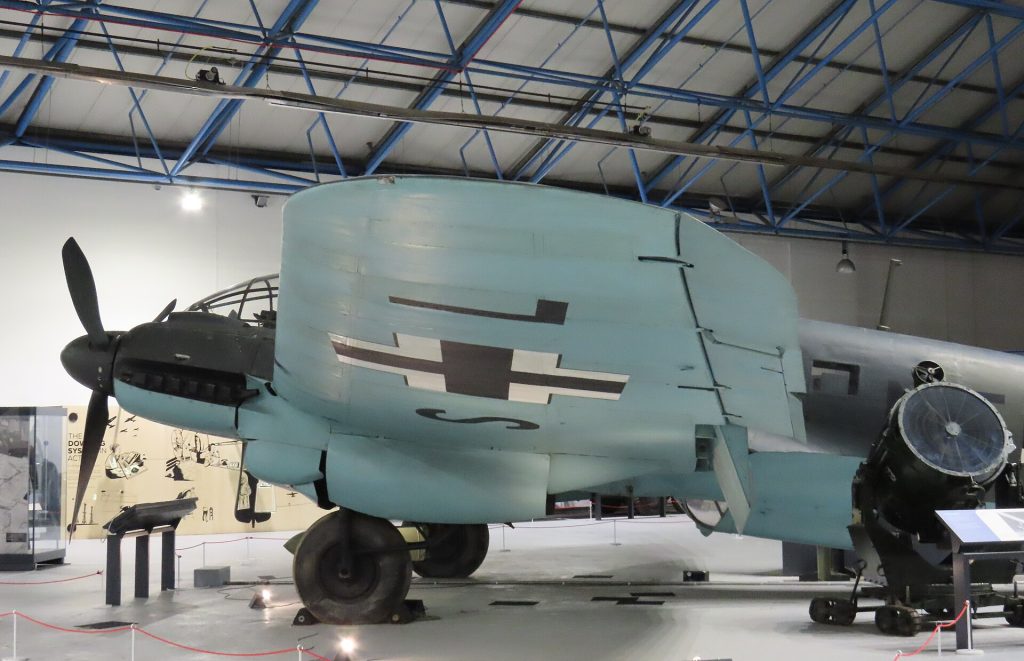
Soviet prisoners kill their guard at Germany’s rocket base on Usedom, seize a Heinkel bomber and fly it back to their own lines.
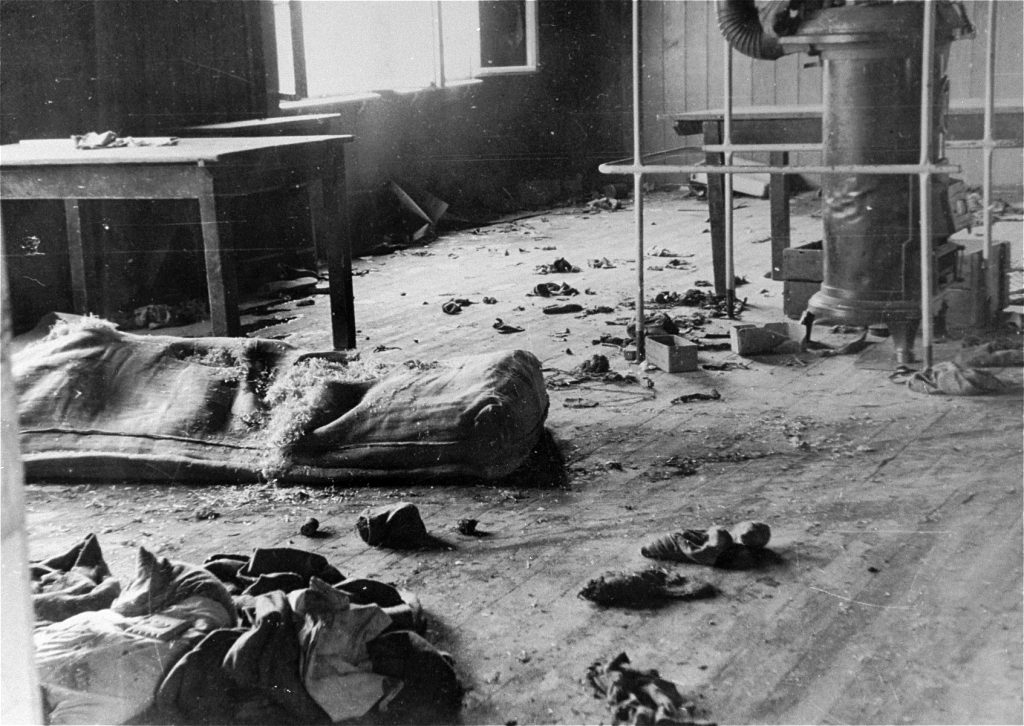
On a freezing night, some 500 Soviet officers held in Mauthausen’s death block storm the wire. The manhunt that follows becomes known by a grim name: the Mühlviertel hare hunt.
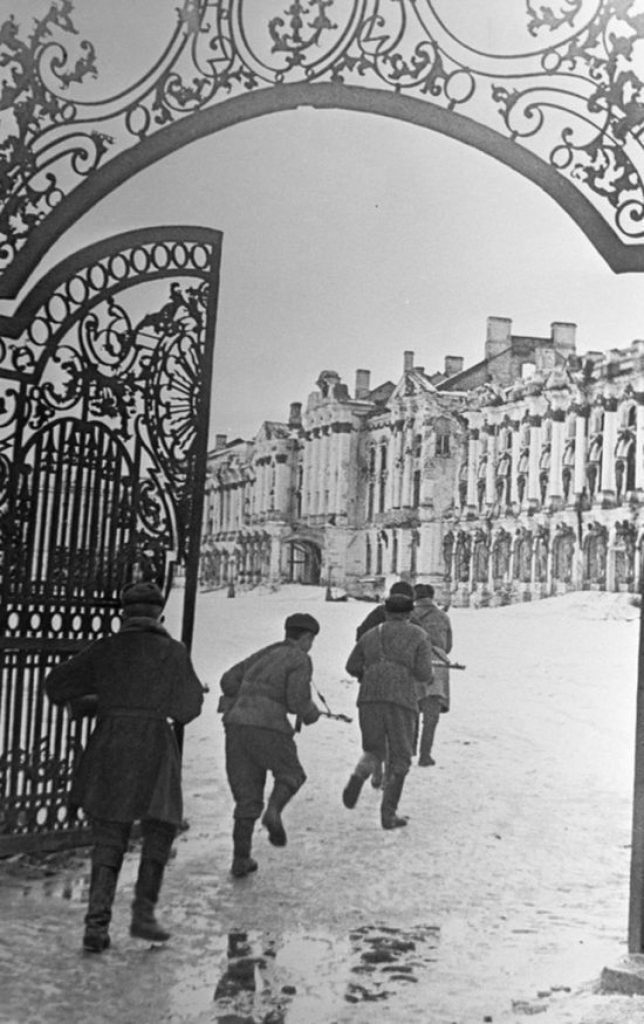
After 872 days, the Red Army drives the Germans from the southern outskirts of Leningrad and the siege of the city is declared over.
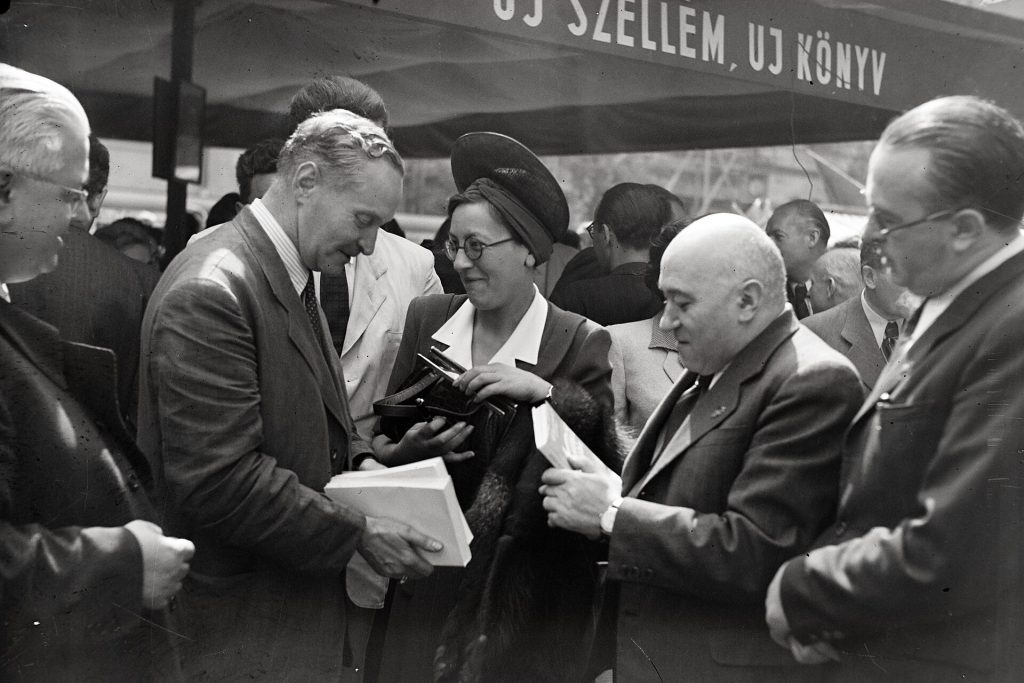
In Moscow, envoys of a Soviet-backed Hungarian government sign an armistice with the Allies while Budapest is still under siege.
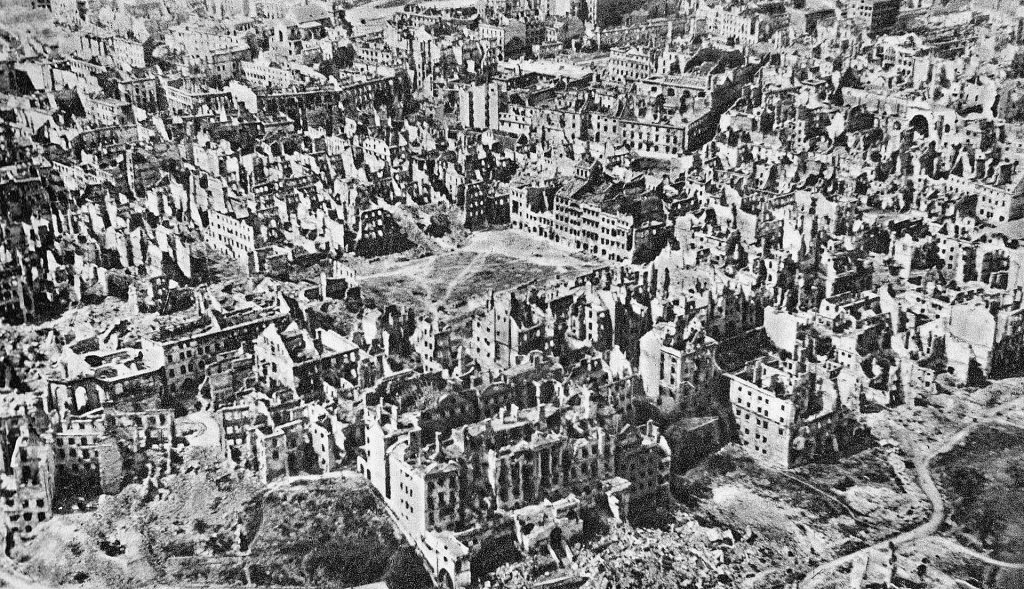
Soviet and Polish troops enter the ruins of the Polish capital, which the Germans have spent three months destroying street by street.
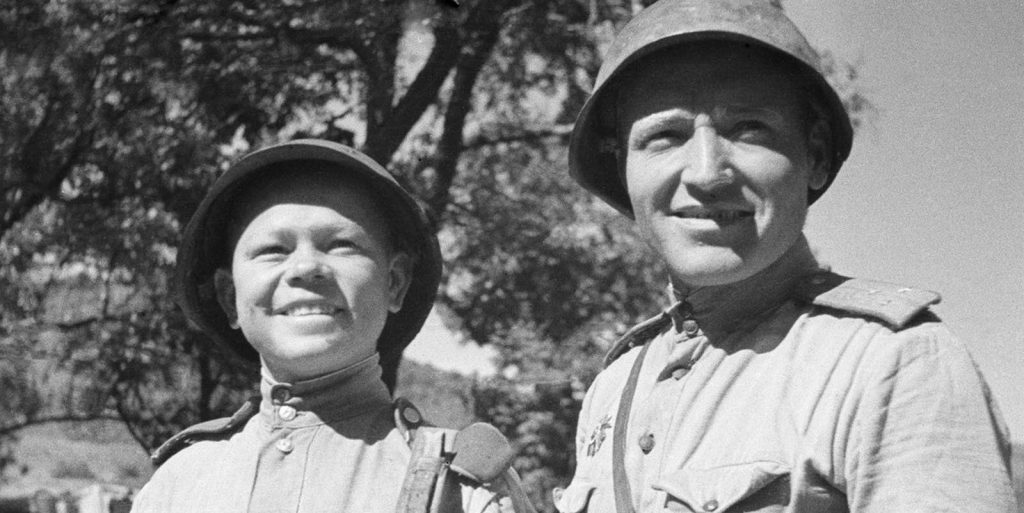
A day after the Vistula-Oder offensive opens, Soviet fronts attack East Prussia, the old heartland of the Prussian state.
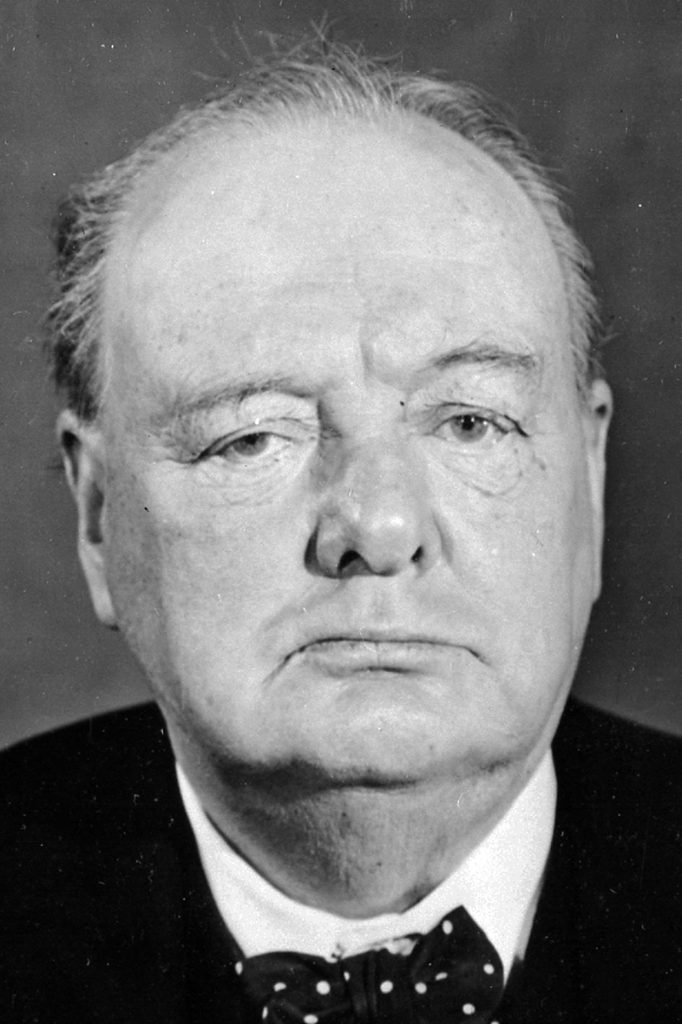
With the Allies still fighting in the Ardennes, Churchill cables Stalin to ask whether the West can count on a major Russian offensive in January.
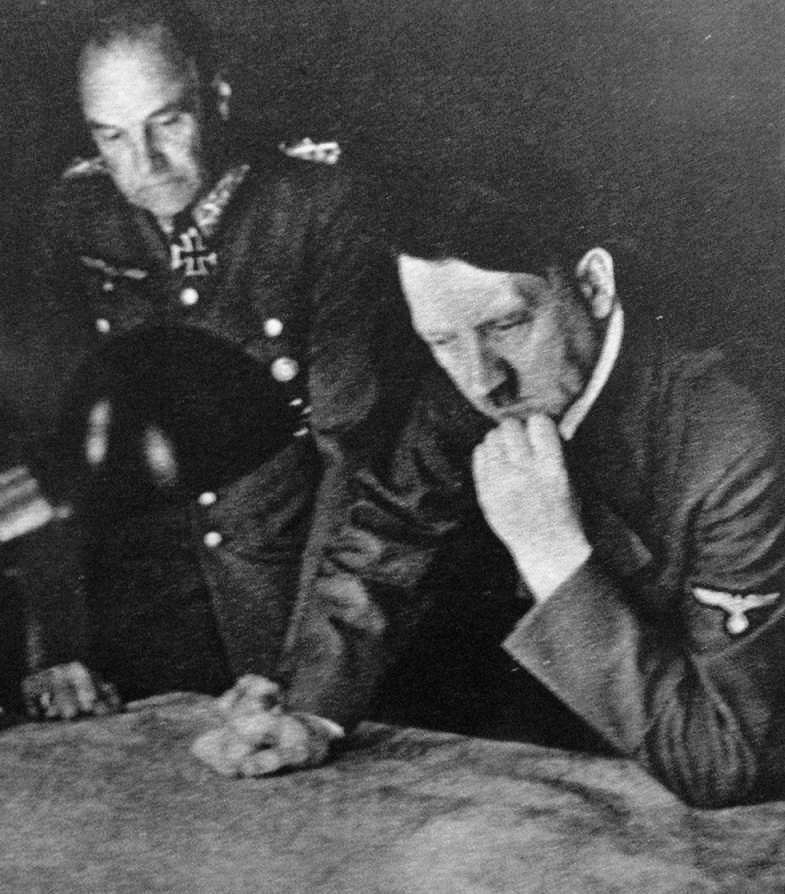
As his armies reel back from Moscow, Hitler dismisses Field Marshal von Brauchitsch and makes himself Commander-in-Chief of the German Army.
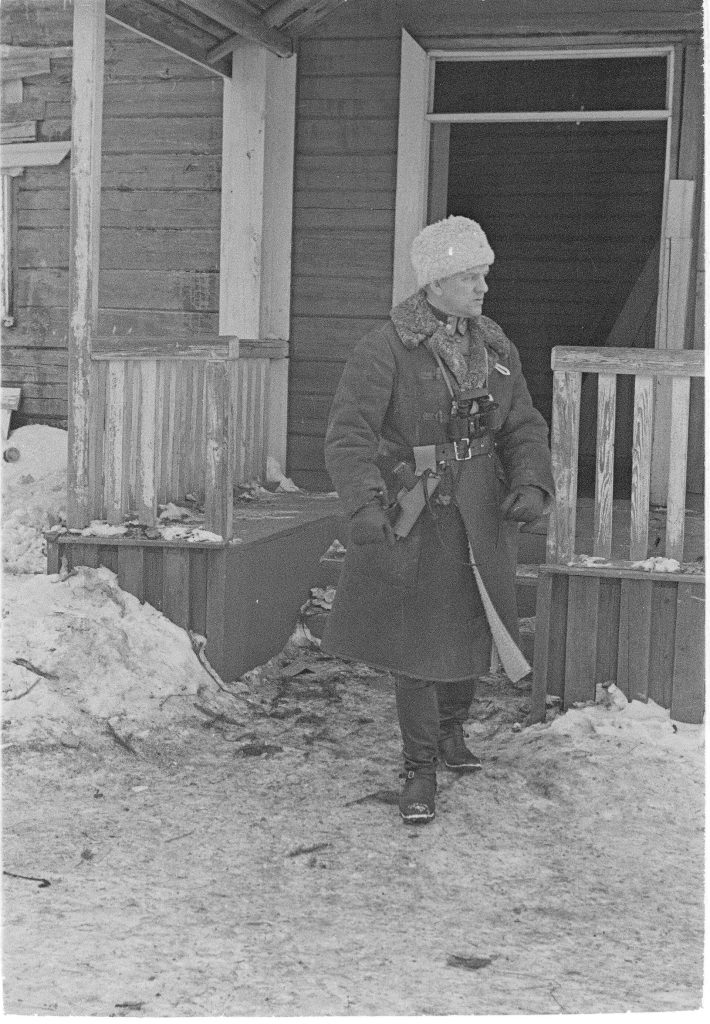
North of Lake Ladoga, a Finnish force a fraction of the size of its enemy launches a counter-attack that destroys a Soviet division and lifts the morale of a nation.
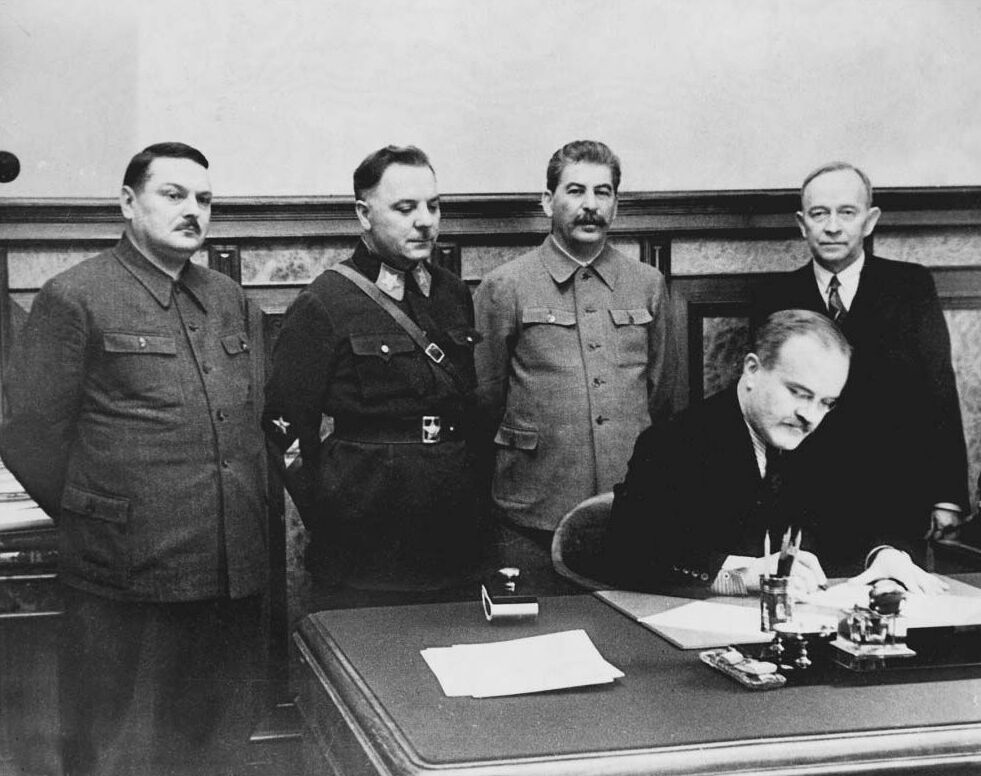
A day into the Winter War, Moscow sets up a Finnish People’s Government in the captured border town of Terijoki, ready to rule Finland once the Red Army has conquered it.
 United Kingdom
 United States
 Soviet Union
 Germany
 Japan
 France
 Poland
 South Africa