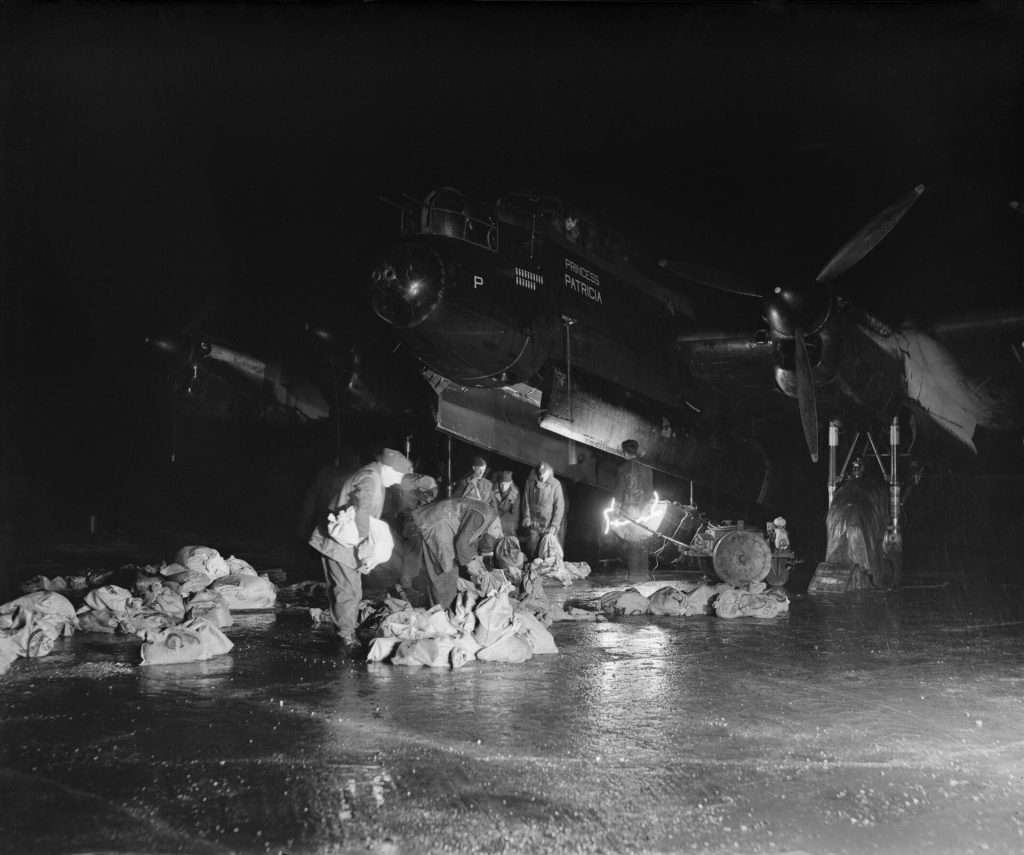
29 April 1945: Operation Manna Begins
RAF Lancasters fly low over the occupied western Netherlands, dropping food instead of bombs to a population starving after the Hunger Winter.
Fighters, bombers, the Blitz and the strategic air offensive.
RAF Lancasters fly low over the occupied western Netherlands, dropping food instead of bombs to a population starving after the Hunger Winter.
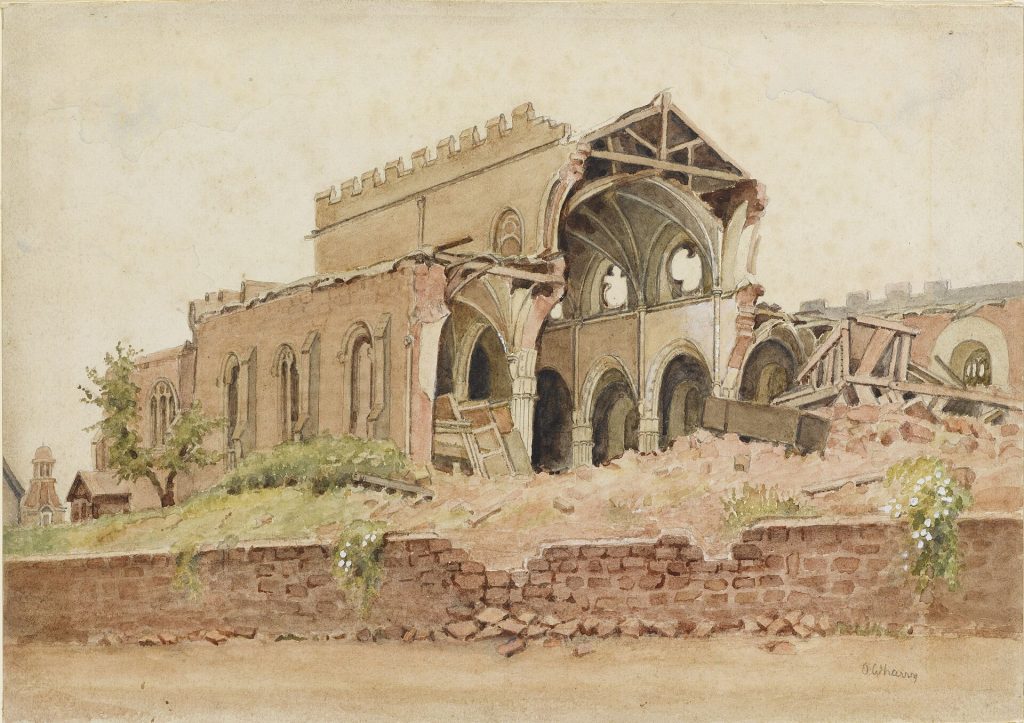
In revenge for the RAF’s burning of Lübeck and Rostock, the Luftwaffe bombs Exeter, opening a campaign against England’s historic cities.
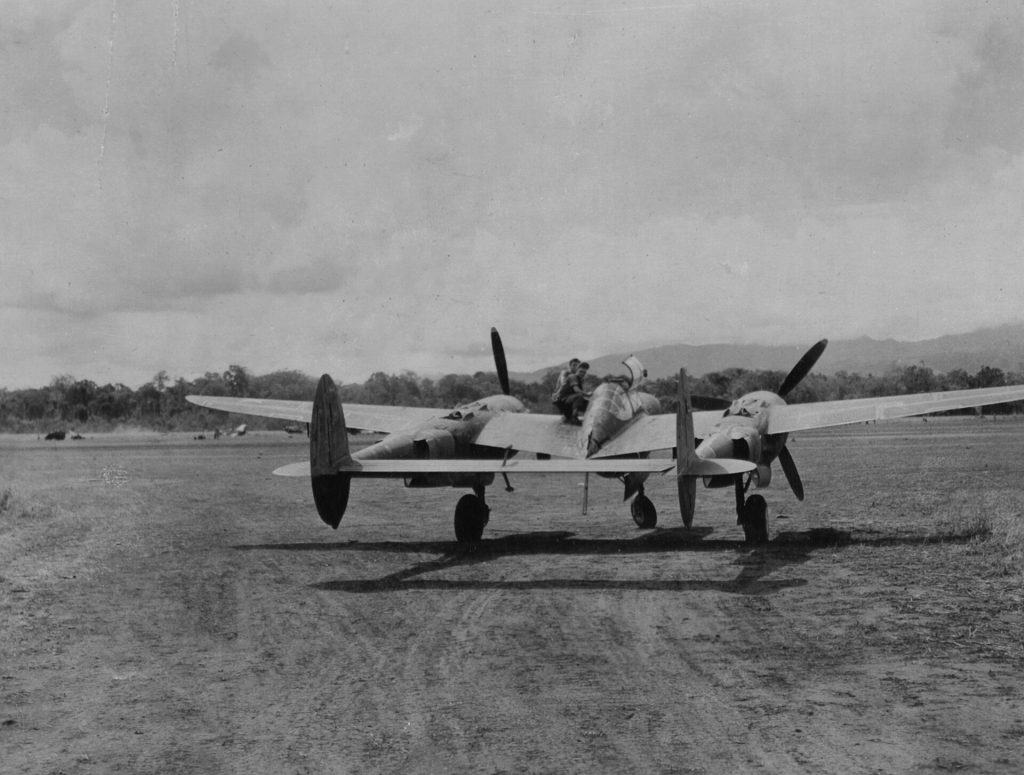
After codebreakers read his itinerary, American P-38 fighters fly a 1,000-mile round trip to shoot down the aircraft carrying Admiral Isoroku Yamamoto over Bougainville.
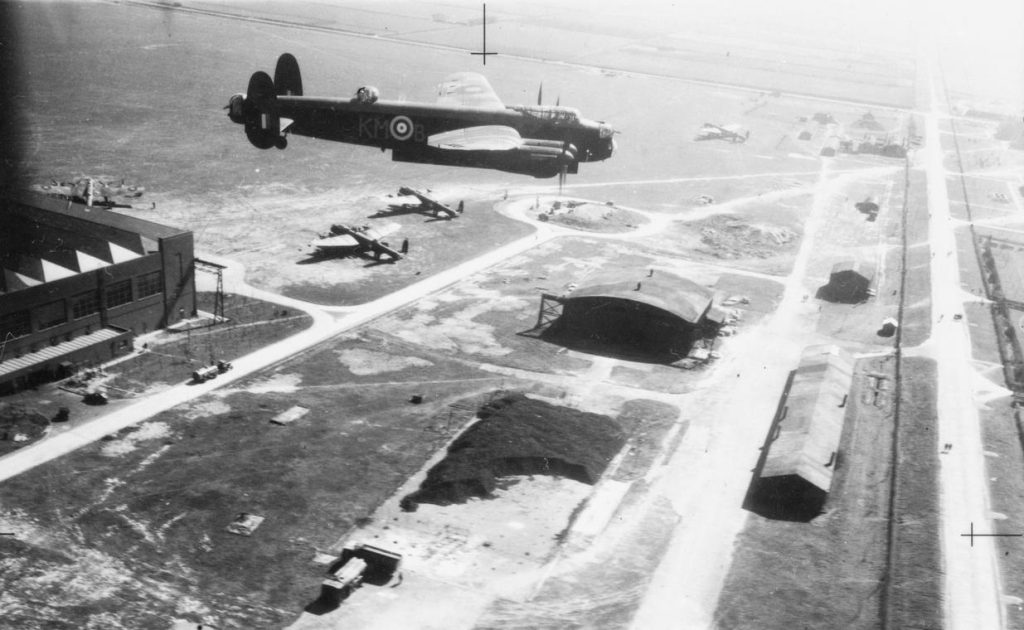
Twelve new Lancasters fly at rooftop height across France and southern Germany in daylight to bomb the factory building U-boat engines at Augsburg.
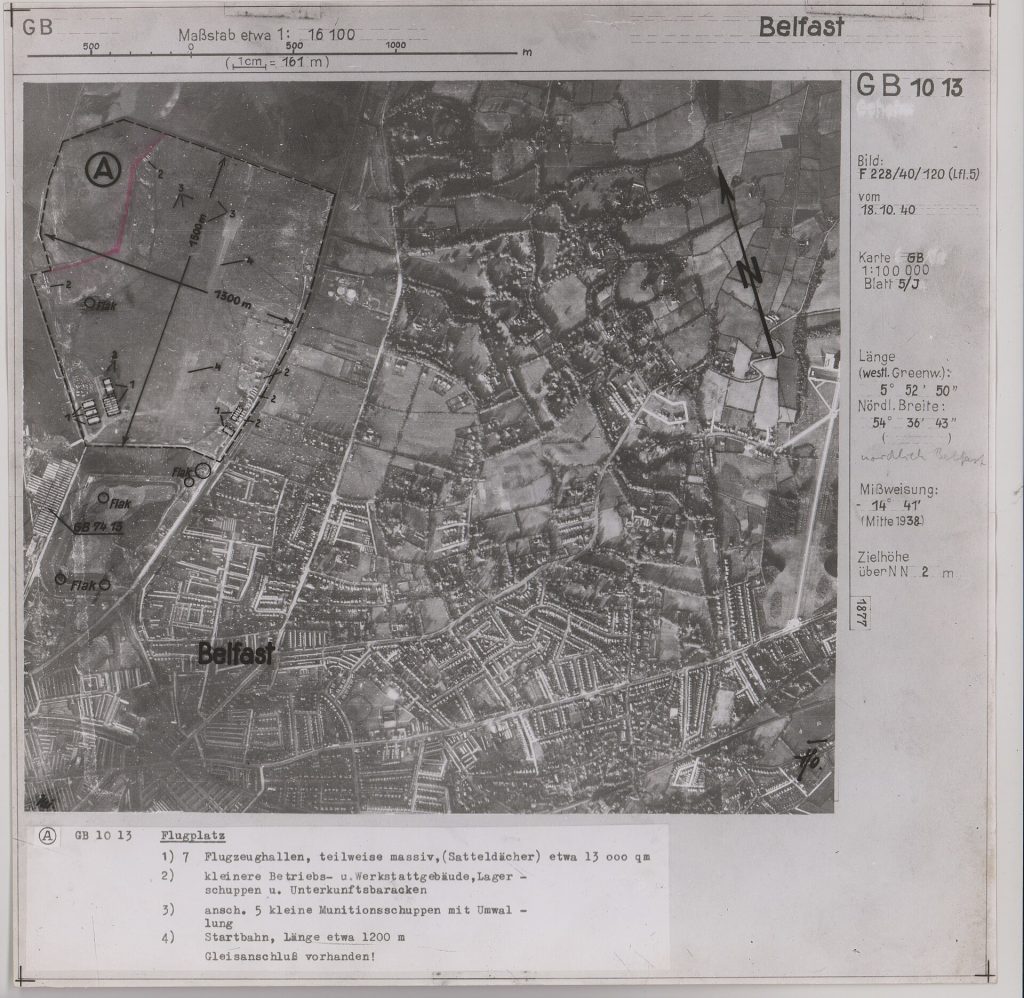
German bombers attack Belfast on the night of Easter Tuesday, killing nearly 1,000 people in the deadliest night raid of the Blitz outside London.
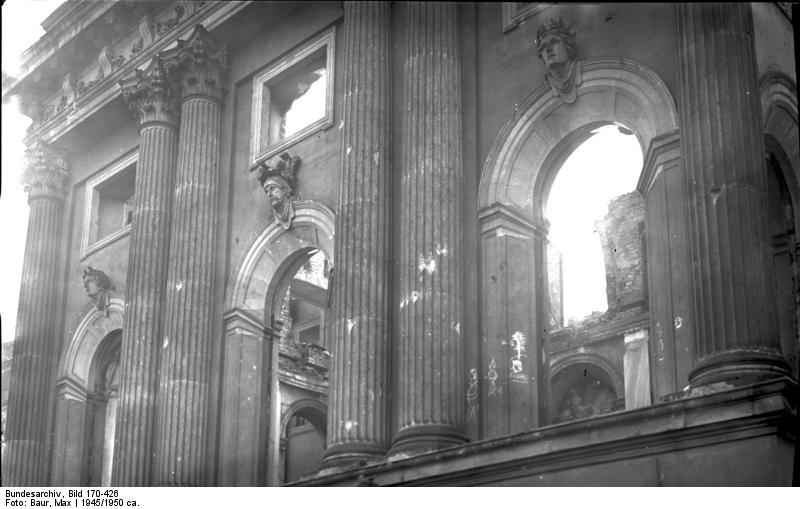
Nearly 500 RAF Lancasters attack Potsdam, the old Prussian royal town outside Berlin, and burn out its historic centre.
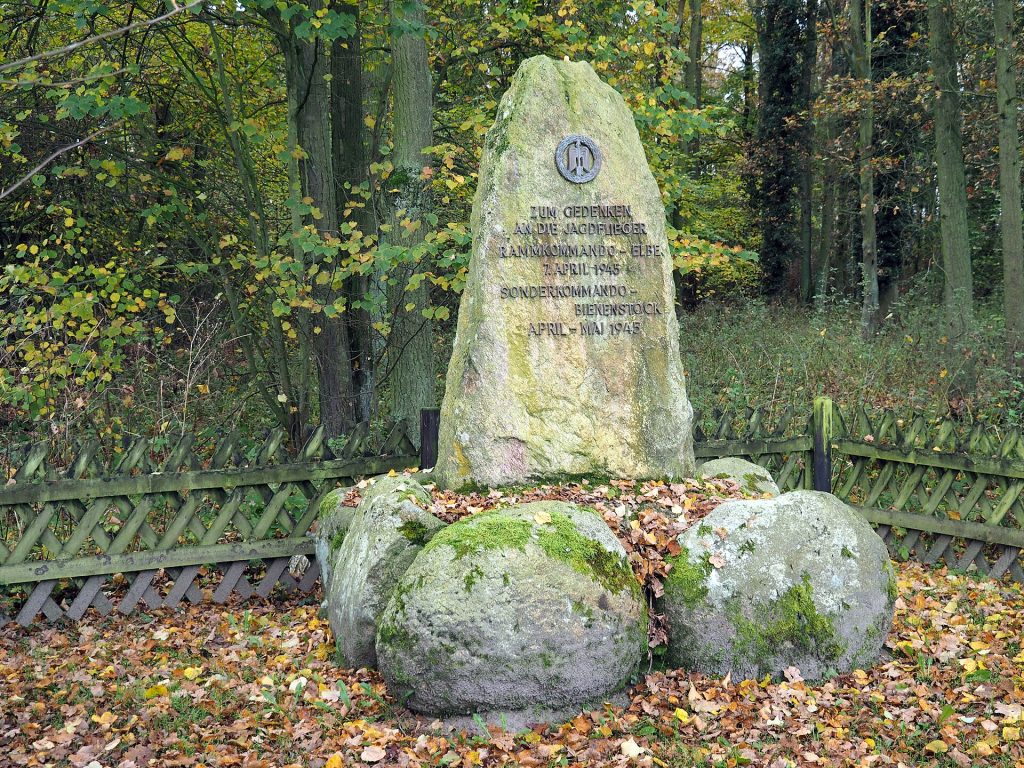
About 180 German fighter pilots take off with orders to ram American heavy bombers, a desperate attempt to stop the daylight raids.
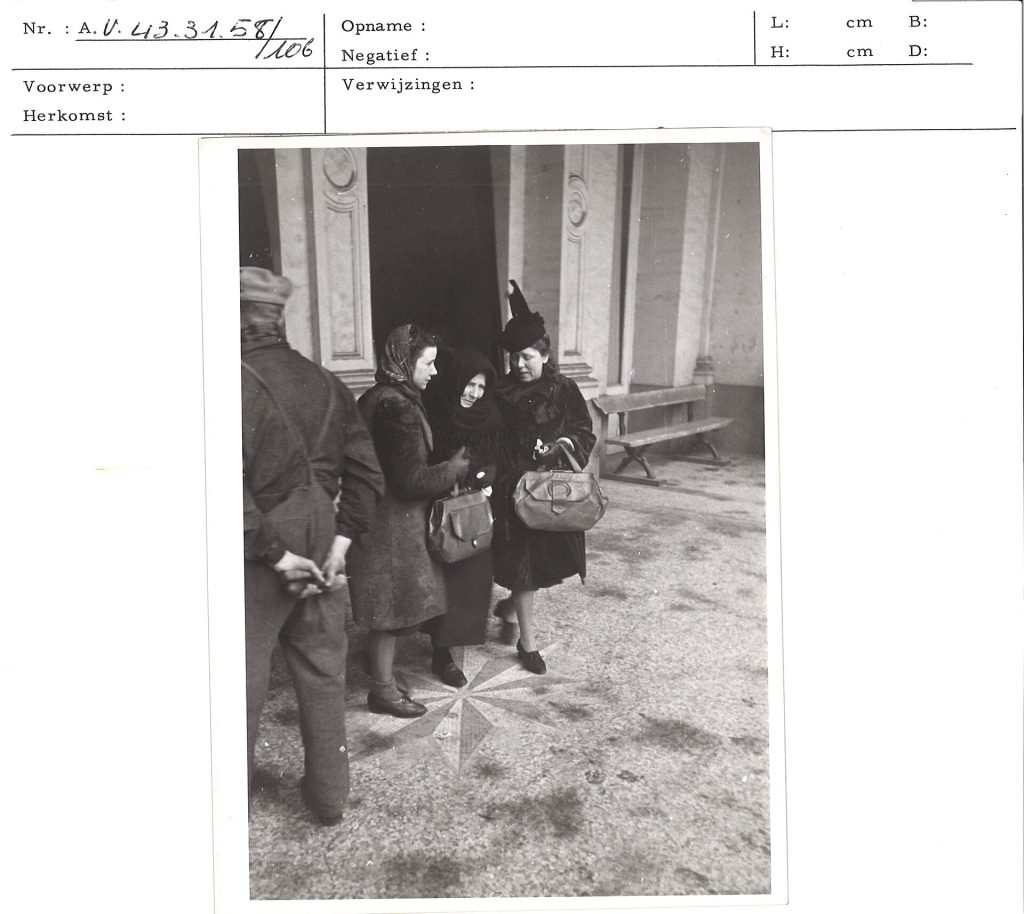
American bombers aiming at a German aircraft repair plant near Antwerp miss their target, and their bombs fall on the houses and schools of Mortsel.
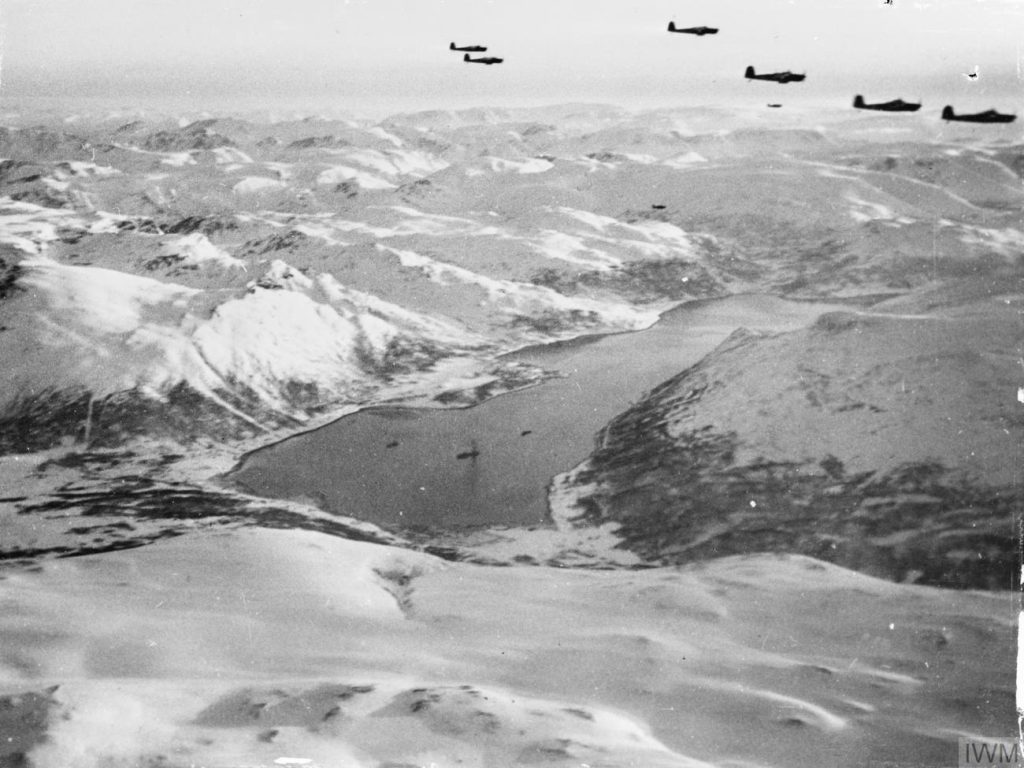
Barracuda dive bombers from British carriers surprise the battleship Tirpitz in Kaafjord at dawn and hit her fifteen times.
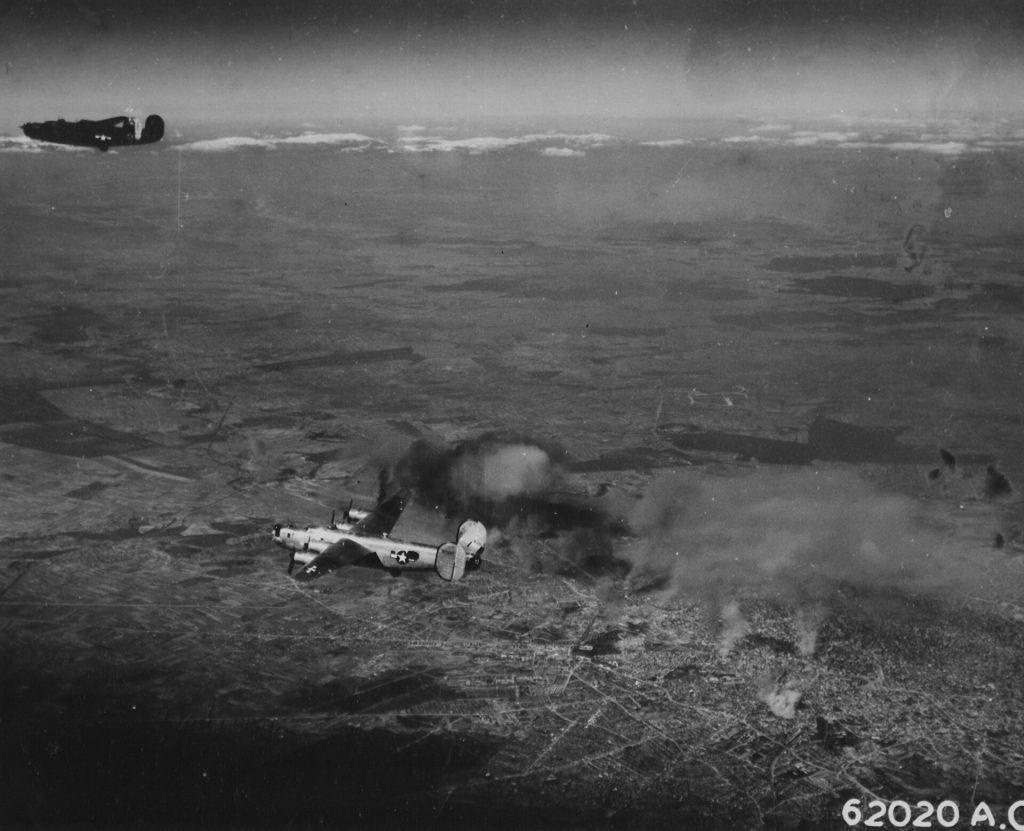
More than 300 American heavy bombers from Italy attack the railway yards of Bucharest, and the wind carries many of their bombs into the streets around them.
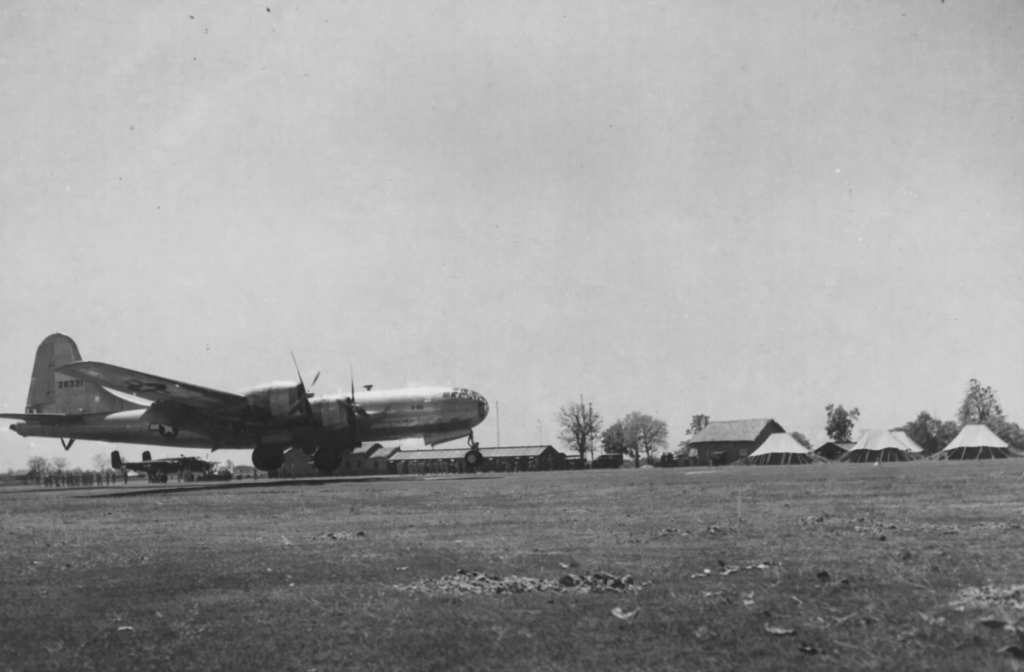
A Boeing B-29 named Gone With the Wind lands at Chakulia in Bengal, the first of the new Superfortresses to reach India for the bombing of Japan.

American bombers who believe they are over Germany drop some sixty tons of bombs on the Swiss town of Schaffhausen, killing 40 people.
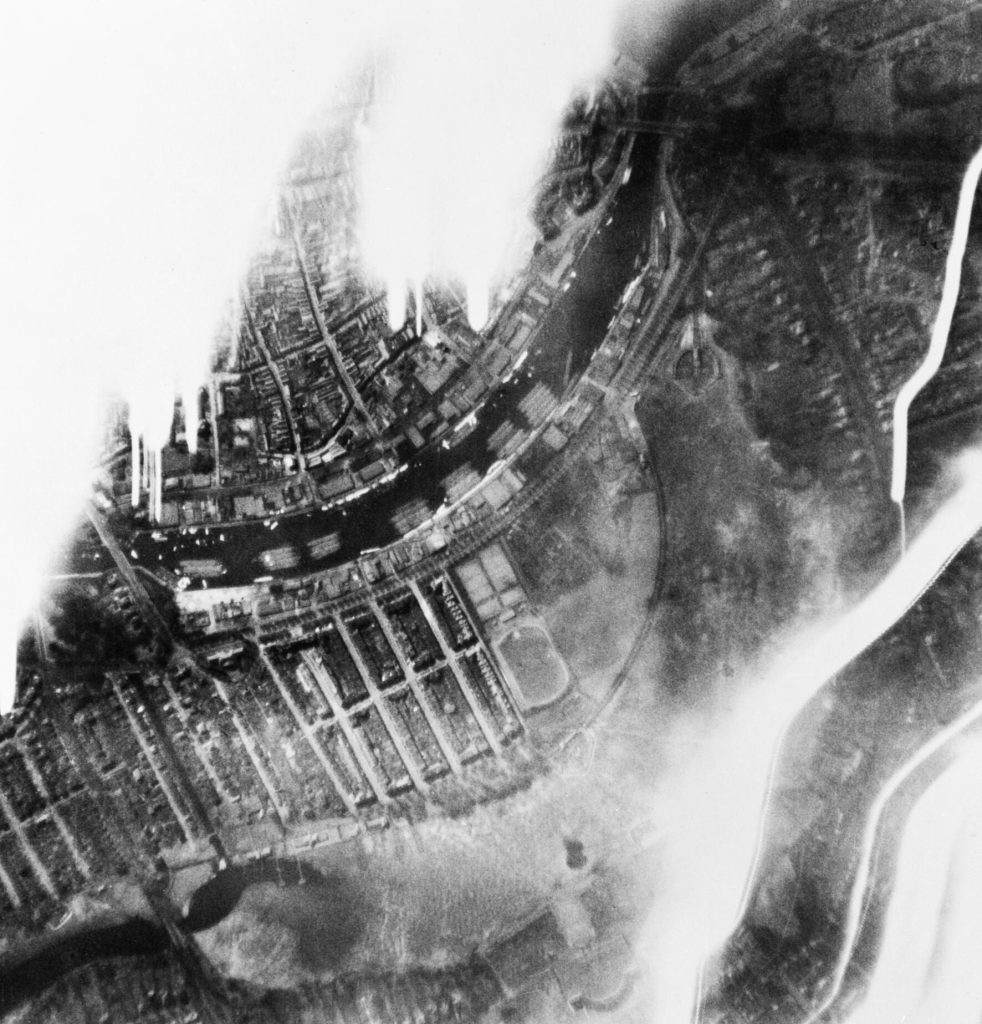
On Palm Sunday night, RAF Bomber Command sets fire to the medieval heart of Lübeck, the first great success of its new campaign against German cities.
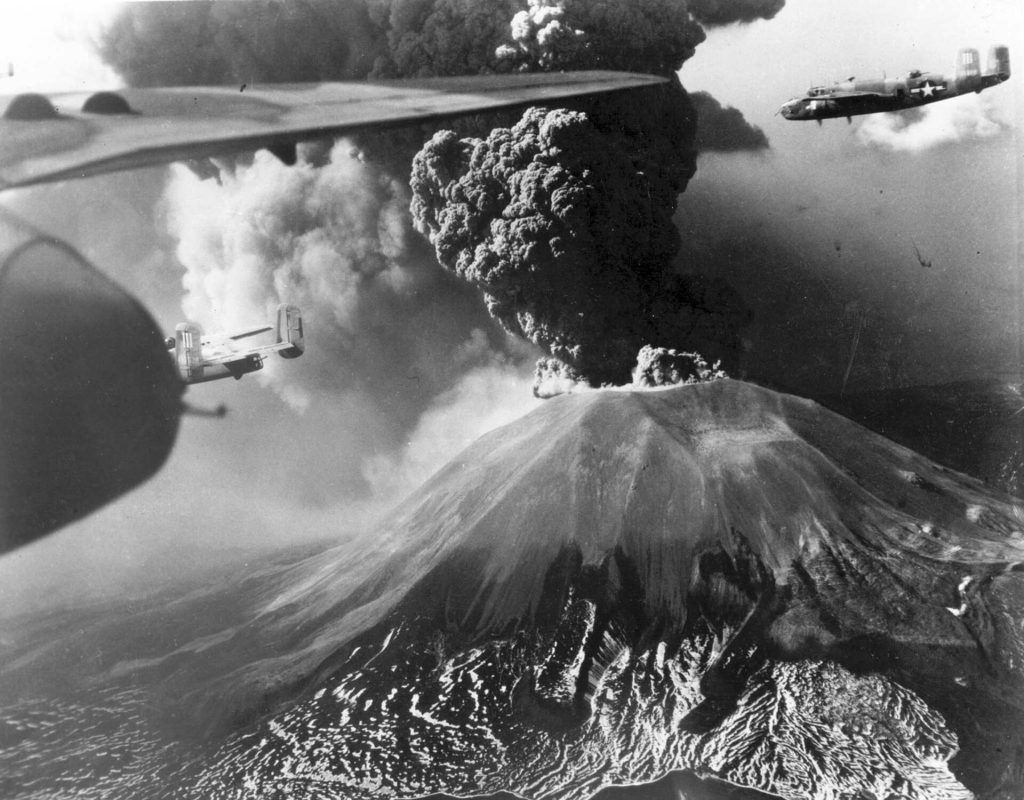
With the Allies stalled at Cassino, Mount Vesuvius erupts above Naples, burying villages and wrecking an American bomber group’s aircraft on the ground.
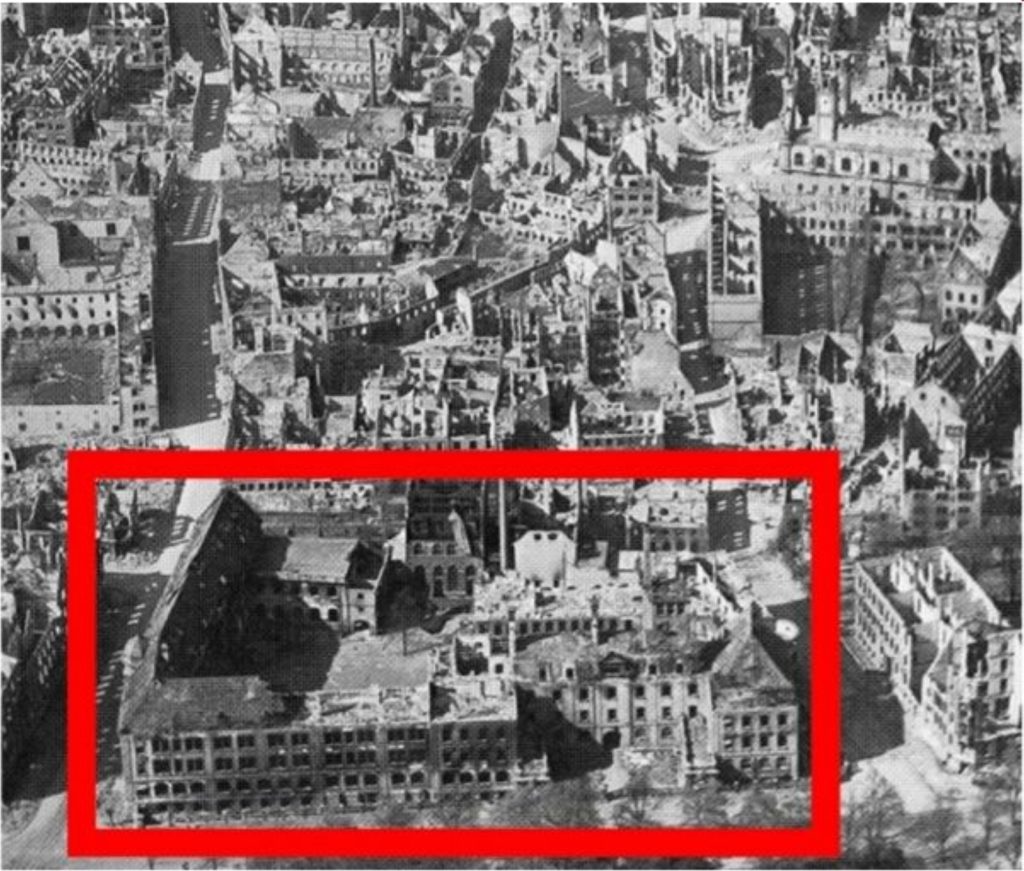
In under 20 minutes, RAF Lancasters set the baroque city of Würzburg ablaze. By morning almost nine-tenths of its centre is gone.
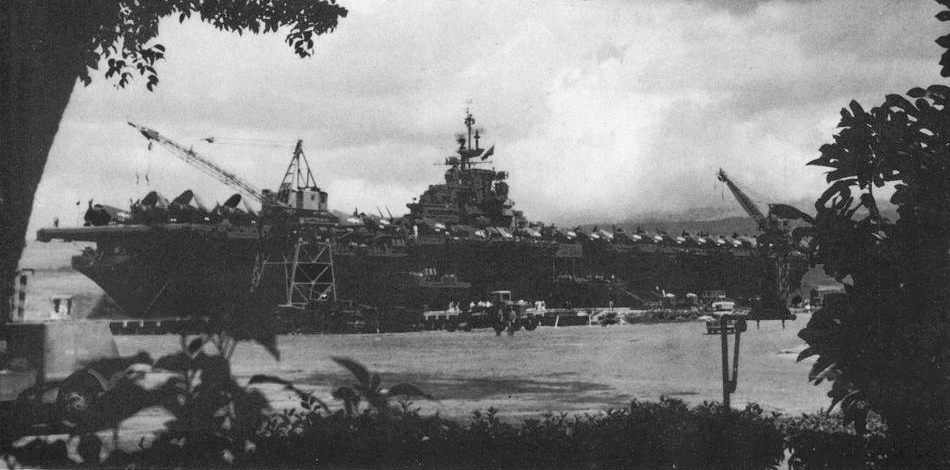
Japanese bombers set out on a one-way flight of some 3,000 kilometres to strike the American fleet at its great anchorage at Ulithi. Two arrive.
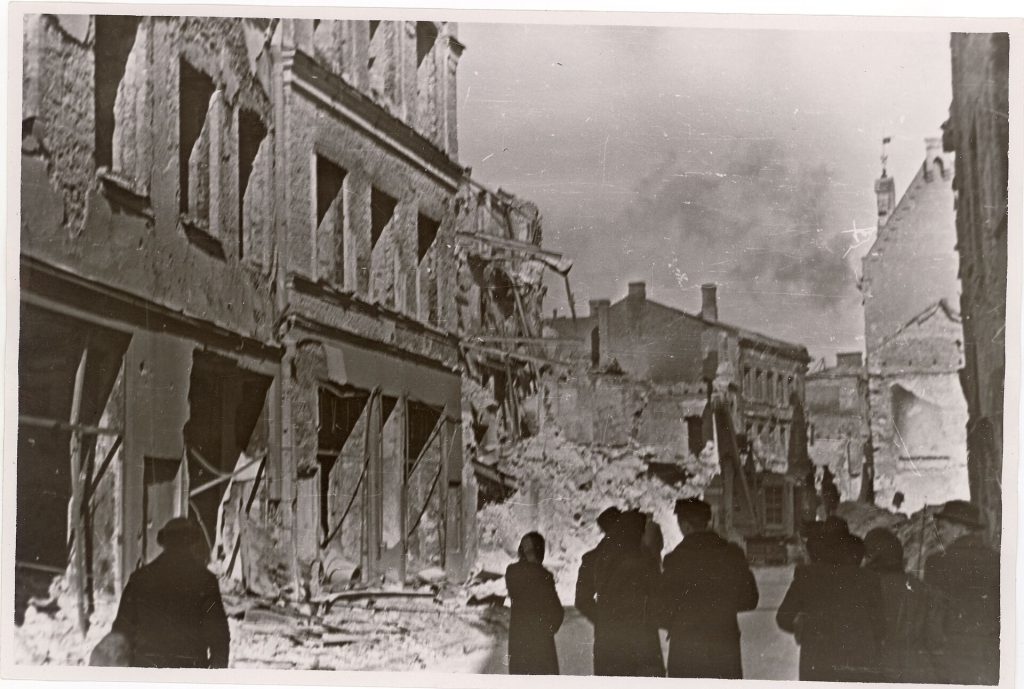
Soviet bombers strike Estonia’s capital in a single evening raid, burning a fifth of the city and killing hundreds of its people.

Hundreds of American bombers and their escorts fight their way to Berlin and back in daylight, at the heaviest cost the Eighth Air Force will suffer in a single day.
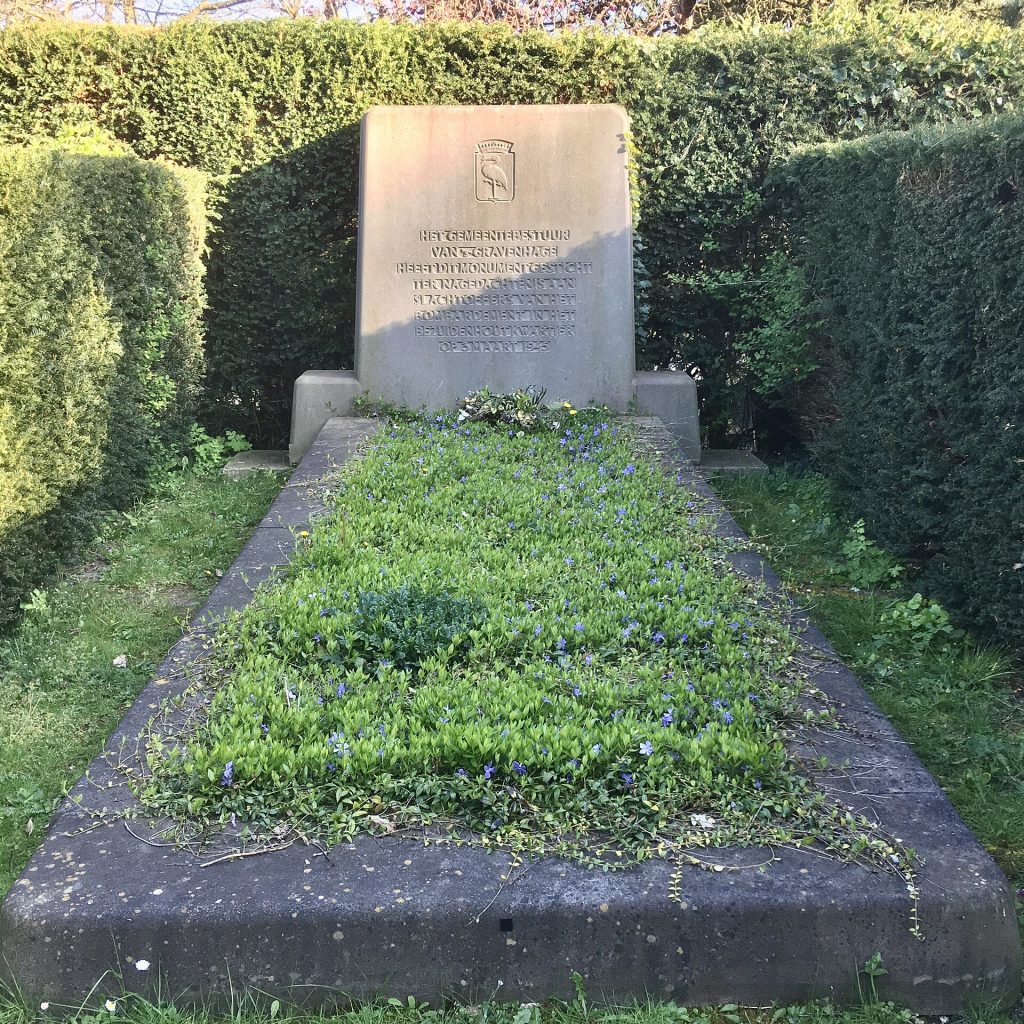
RAF bombers sent to hit V-2 launch sites in a wood outside The Hague drop their bombs on a crowded residential district instead.
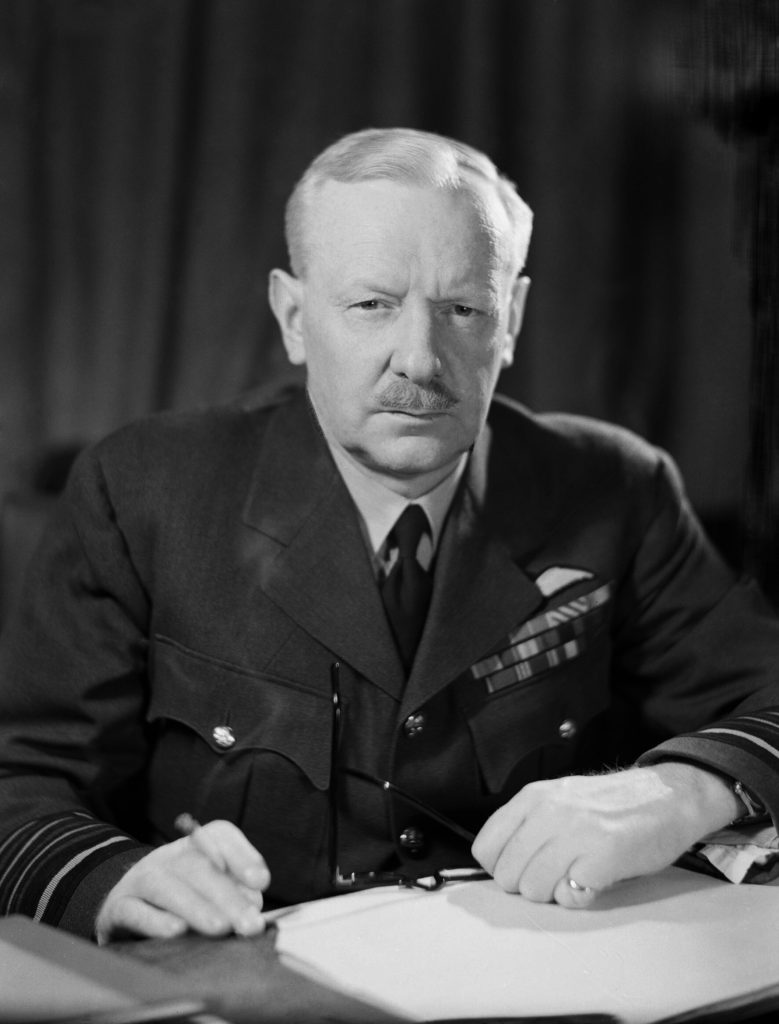
Air Marshal Arthur Harris takes charge of a bomber force that has so far disappointed. He will lead it to the end of the war, and into lasting controversy.
 United Kingdom
 United States
 Soviet Union
 Germany
 Japan
 France
 Poland
 South Africa