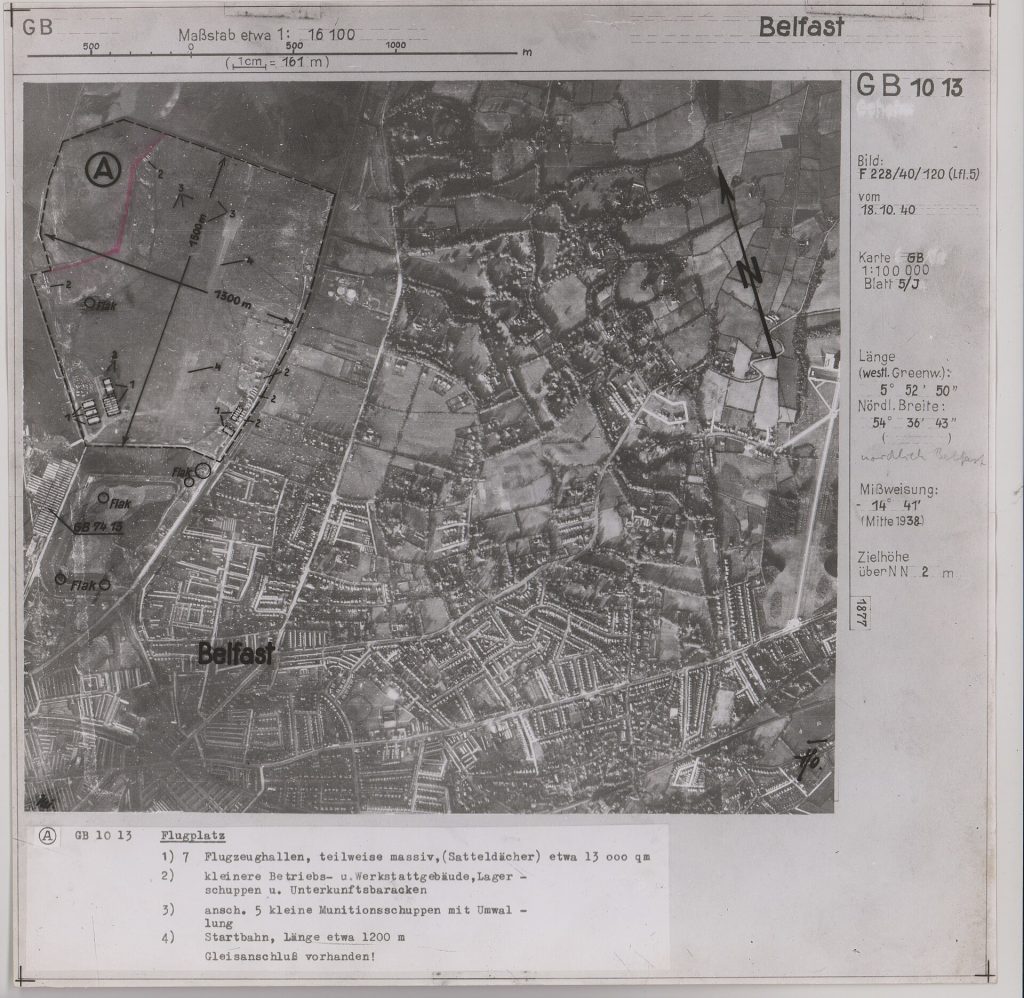
15 April 1941: The Easter Raid on Belfast
German bombers attack Belfast on the night of Easter Tuesday, killing nearly 1,000 people in the deadliest night raid of the Blitz outside London.
Every dispatch from 1941.
German bombers attack Belfast on the night of Easter Tuesday, killing nearly 1,000 people in the deadliest night raid of the Blitz outside London.
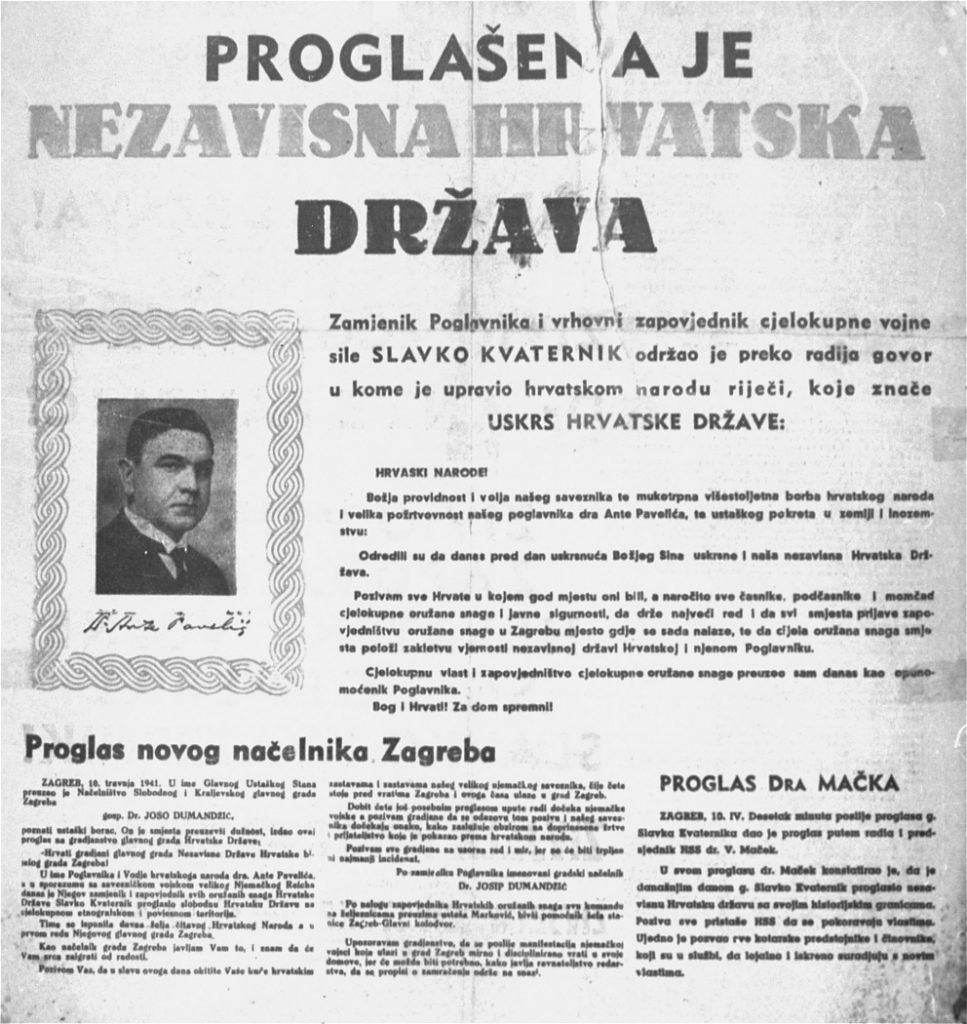
Four days into the German invasion of Yugoslavia, the Ustaše leader Slavko Kvaternik proclaims an Independent State of Croatia in Zagreb.

After a rapid advance through Italian Somaliland into Ethiopia, South African troops occupy Dire Dawa, called in by Italian colonists themselves.
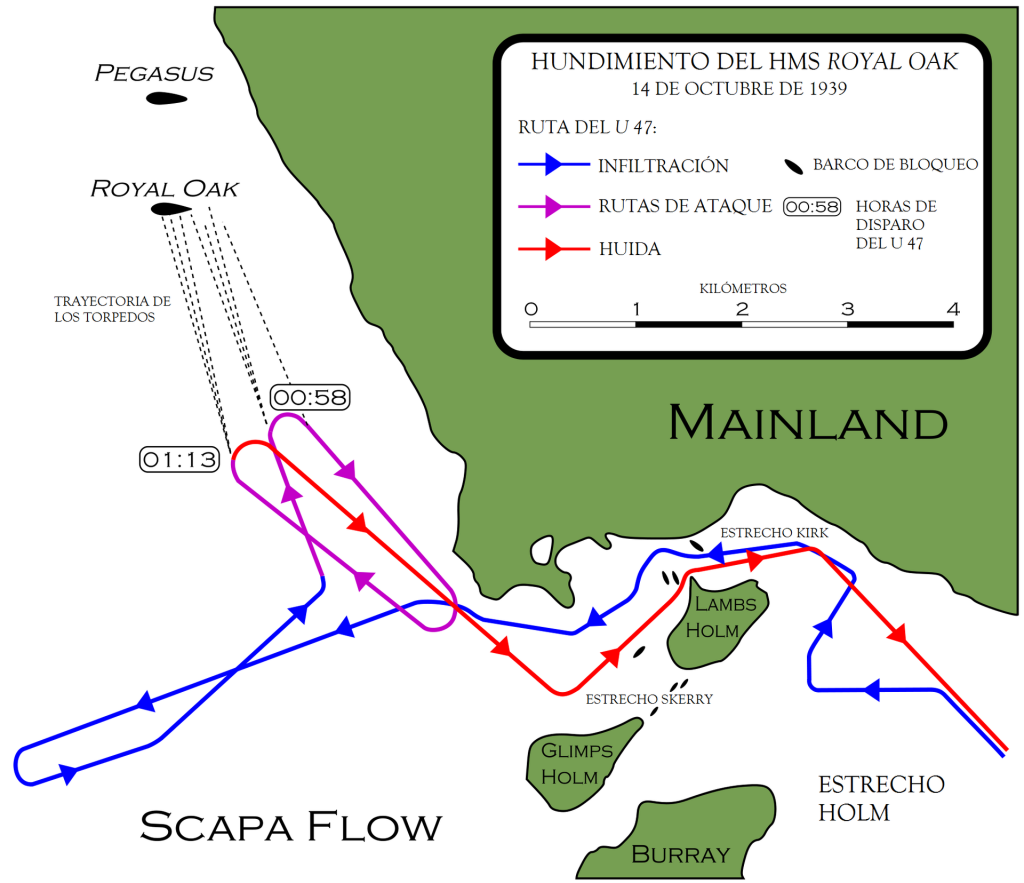
Günther Prien, the U-boat commander who sank the Royal Oak inside Scapa Flow, vanishes with his boat and crew in the North Atlantic.
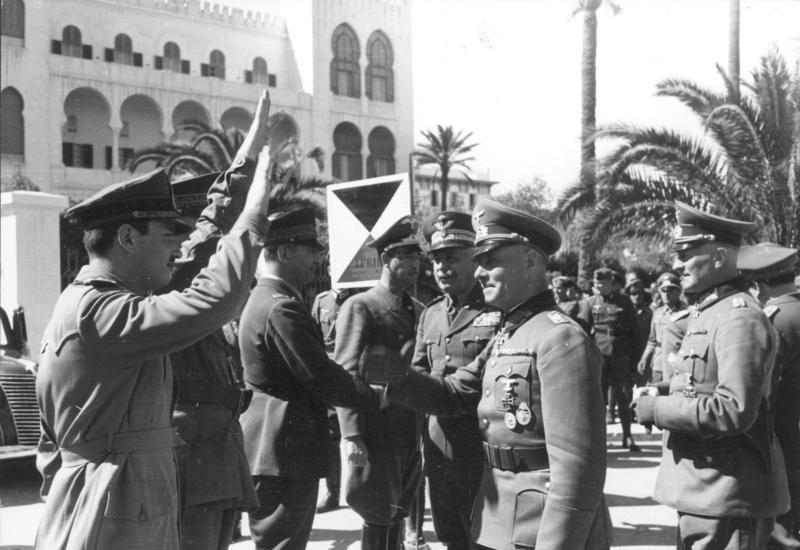
With the Italian army in Libya routed at Beda Fomm, a German general lands in Tripoli to stiffen the defence. Erwin Rommel has other ideas.
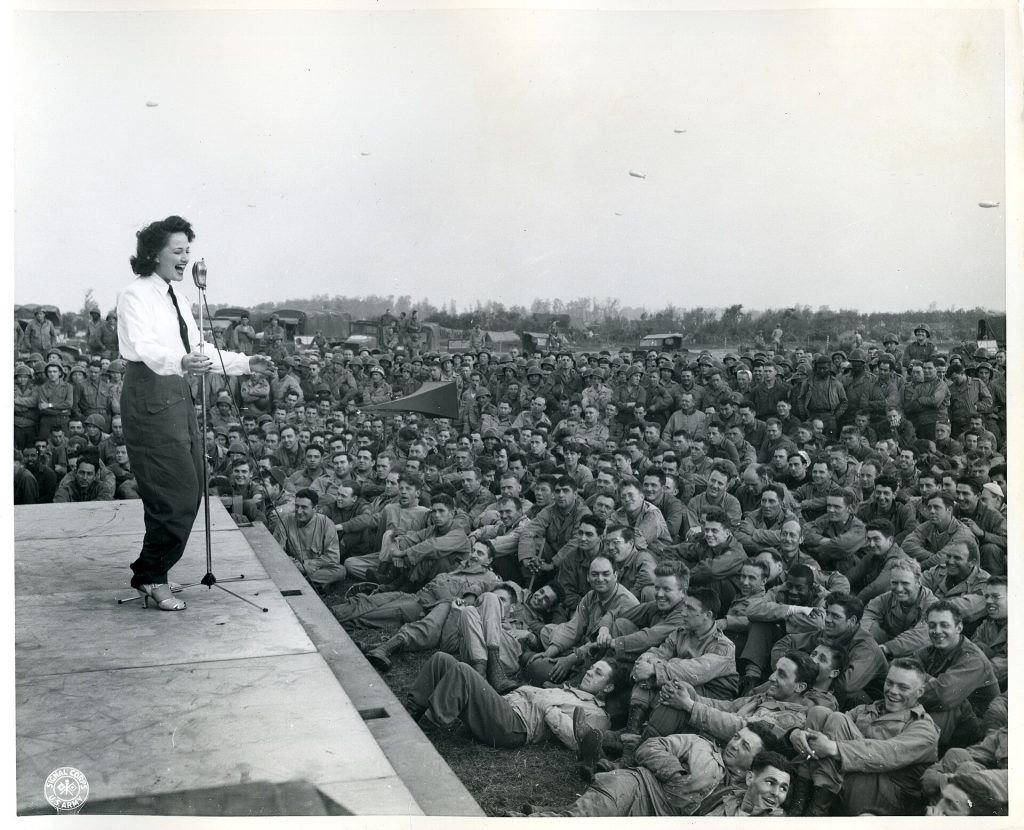
Six civilian organisations join forces at President Roosevelt’s request to look after America’s fast-growing army, creating the USO.
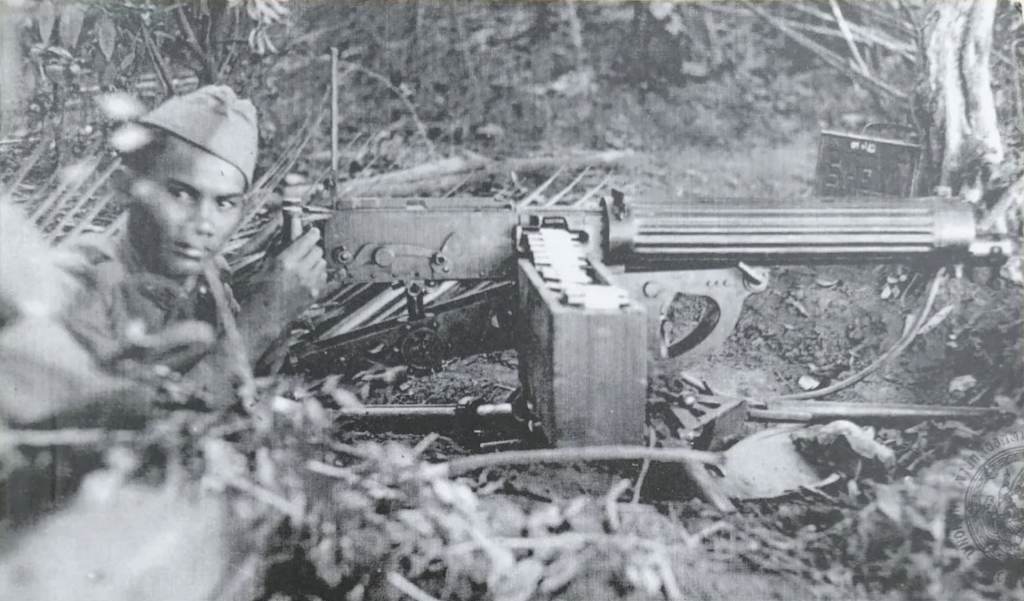
Japan imposes a ceasefire on Thailand and French Indochina, ending a short border war and setting itself up as the arbiter of Southeast Asia.

Romania’s fascist Iron Guard rises against its partner in power, General Ion Antonescu, and turns its fury on the Jews of Bucharest.
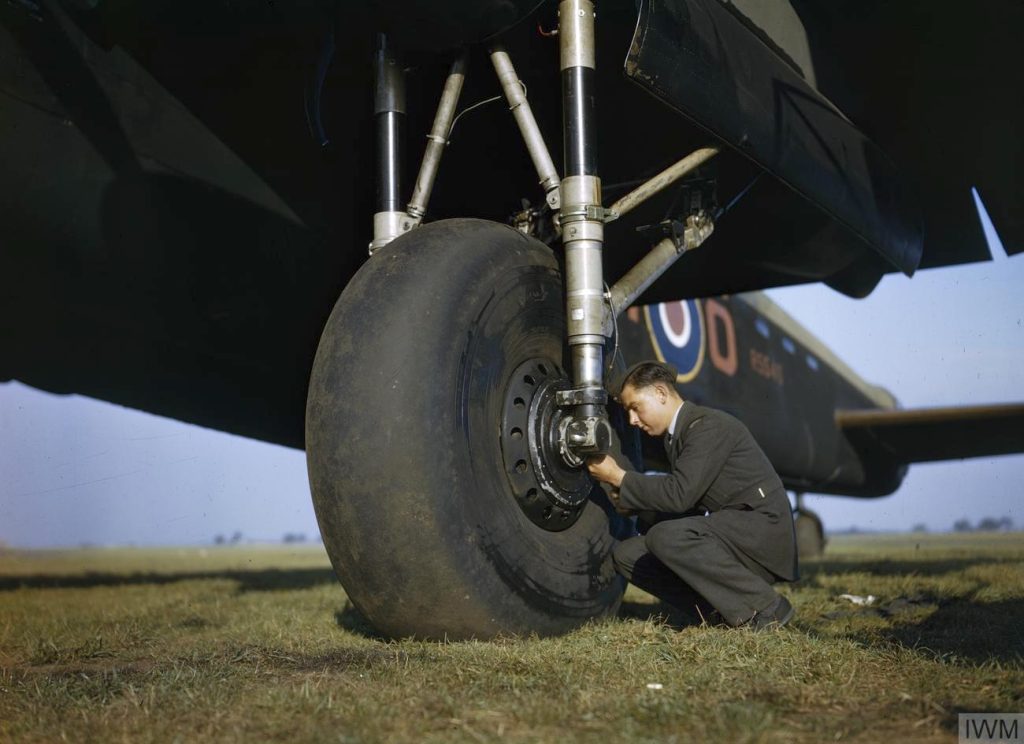
At Ringway, near Manchester, the prototype of a new four-engined bomber makes its first flight. The Avro Lancaster will become the backbone of Bomber Command.

Britain’s most famous woman pilot, now ferrying aircraft for the Air Transport Auxiliary, bails out over the Thames Estuary in bad weather and is never seen again.
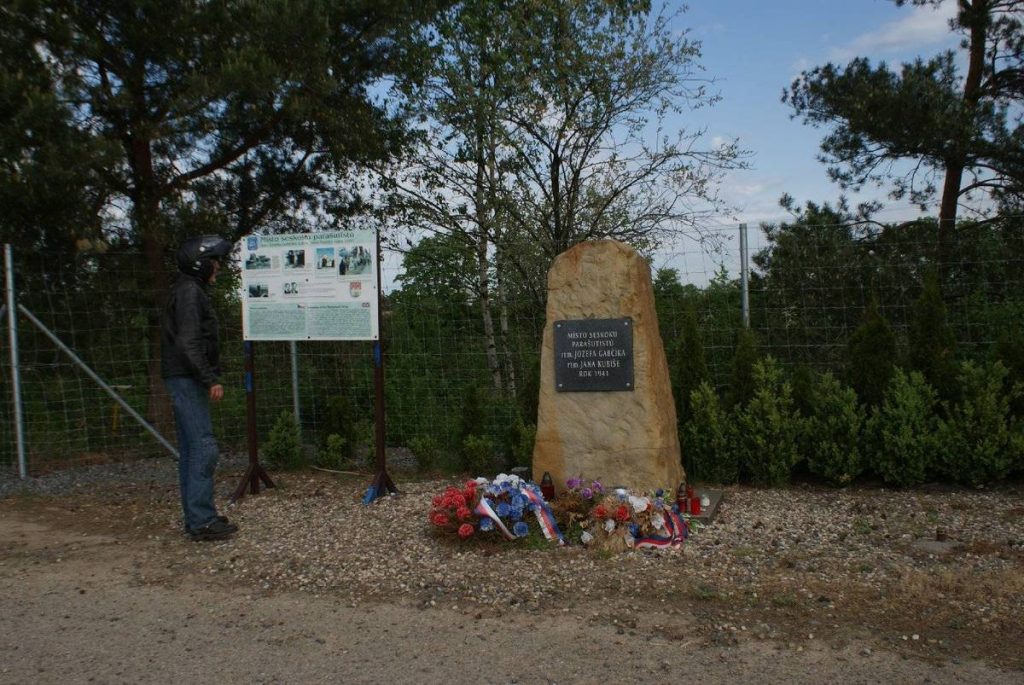
Two Czechoslovak soldiers trained in Britain are dropped by parachute into the occupied Protectorate. Their mission: to kill Reinhard Heydrich, the most feared man in Prague.
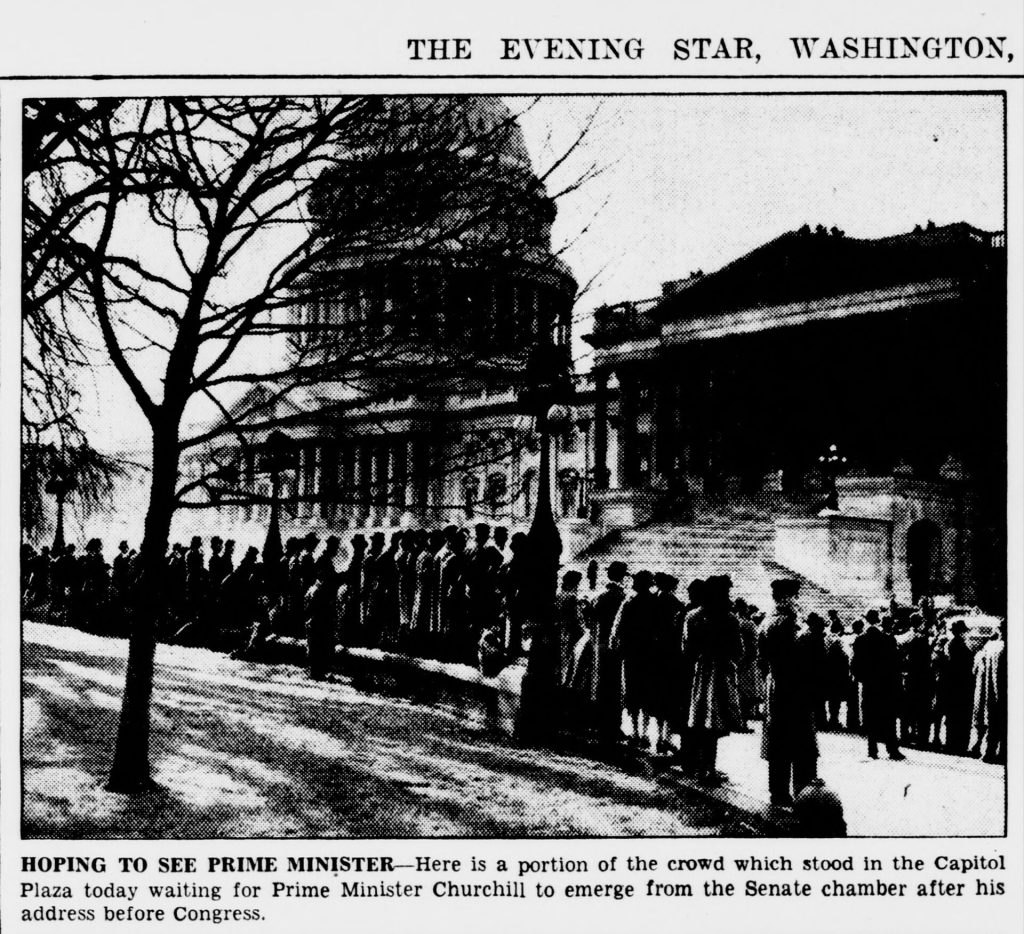
Standing in the Senate chamber, the British Prime Minister speaks to a joint meeting of Congress and to the American people by radio, and asks of the Axis: what kind of people do they think we are?
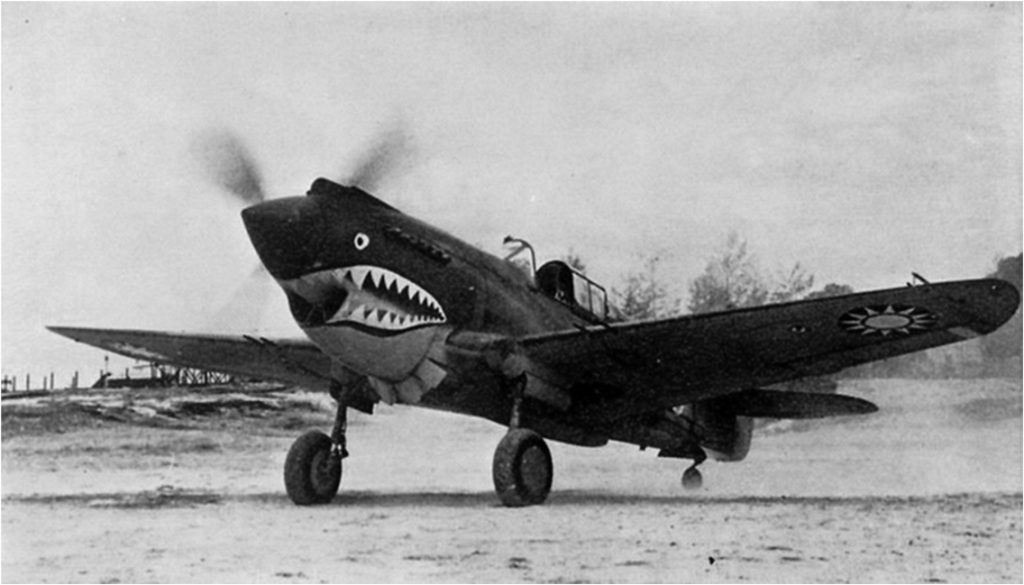
Japanese bombers strike the capital of British Burma for the first time, killing over a thousand civilians and setting off an exodus that paralyses the port.
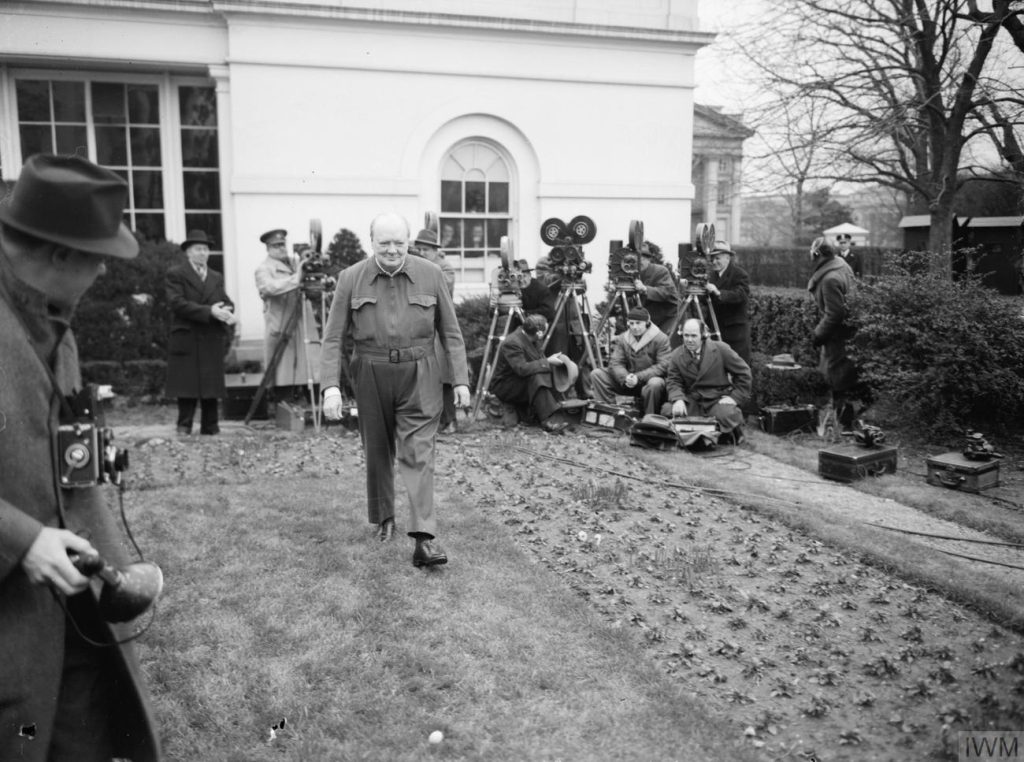
Two weeks after Pearl Harbor, Churchill arrives in Washington to plan a joint war with Roosevelt. Their first decision is the most important of all: Germany first.
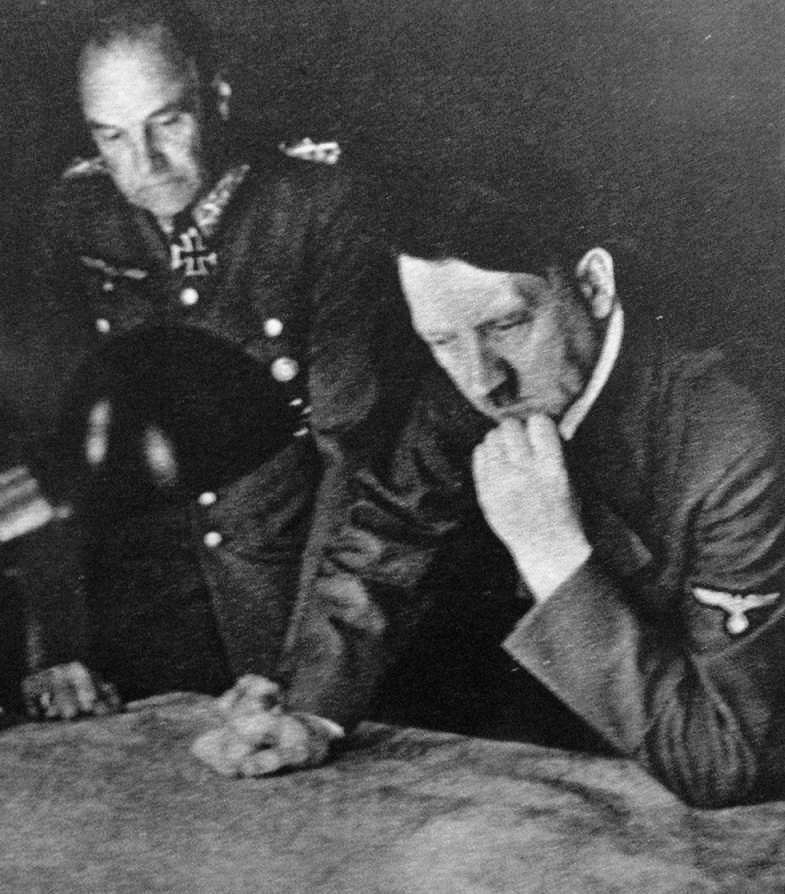
As his armies reel back from Moscow, Hitler dismisses Field Marshal von Brauchitsch and makes himself Commander-in-Chief of the German Army.
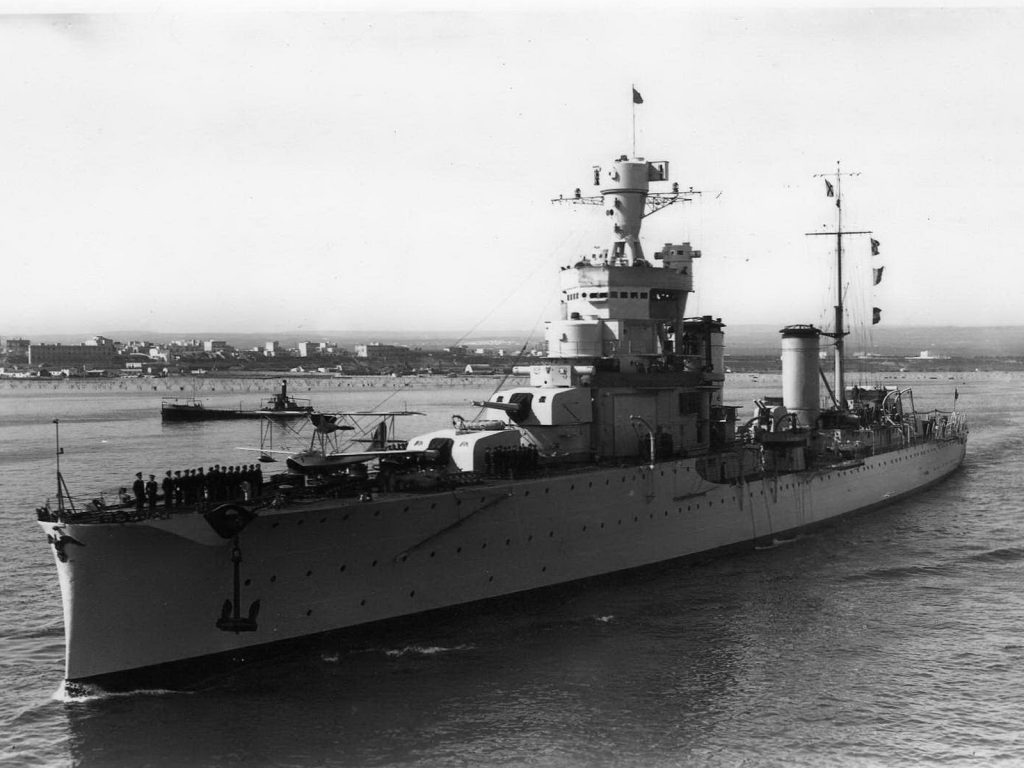
In the darkness off Tunisia, four Allied destroyers ambush two Italian cruisers carrying fuel to North Africa and sink both in minutes.
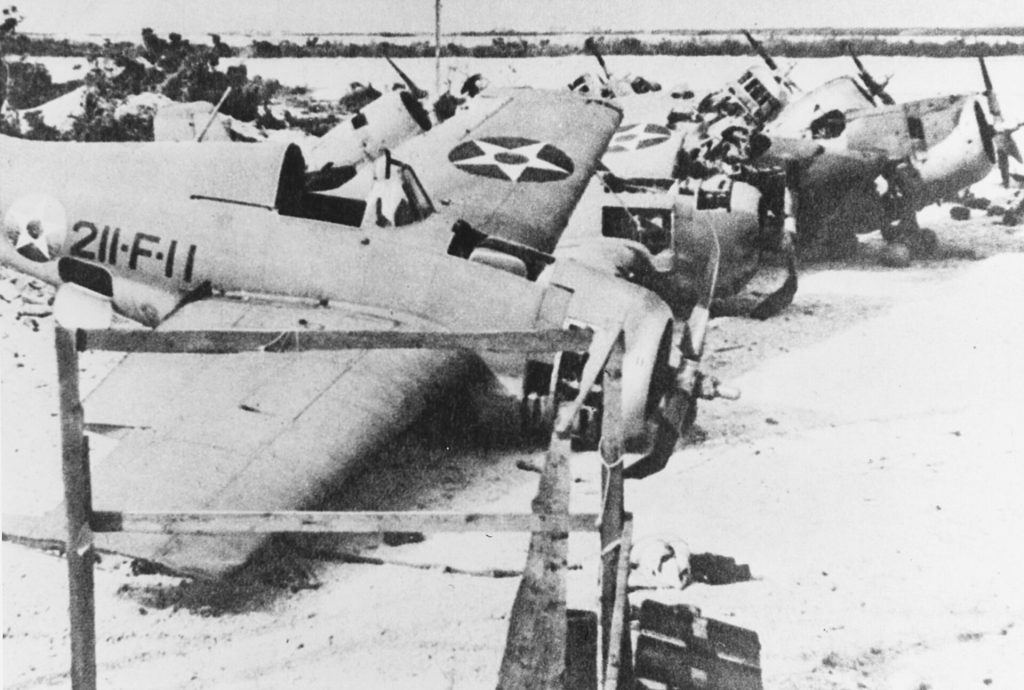
Holding their fire until the last moment, the Marines on Wake Island sink a Japanese destroyer with their coastal guns, and their last fighters sink another, forcing the invasion fleet to turn back.
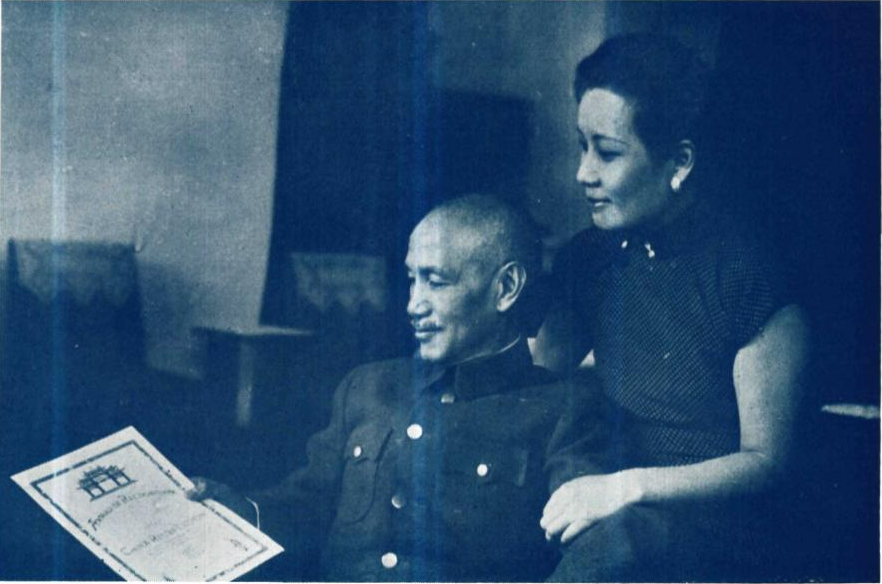
After more than four years of undeclared war with Japan, Chiang Kai-shek’s government formally declares war on Japan, Germany and Italy, joining the new Allied coalition.
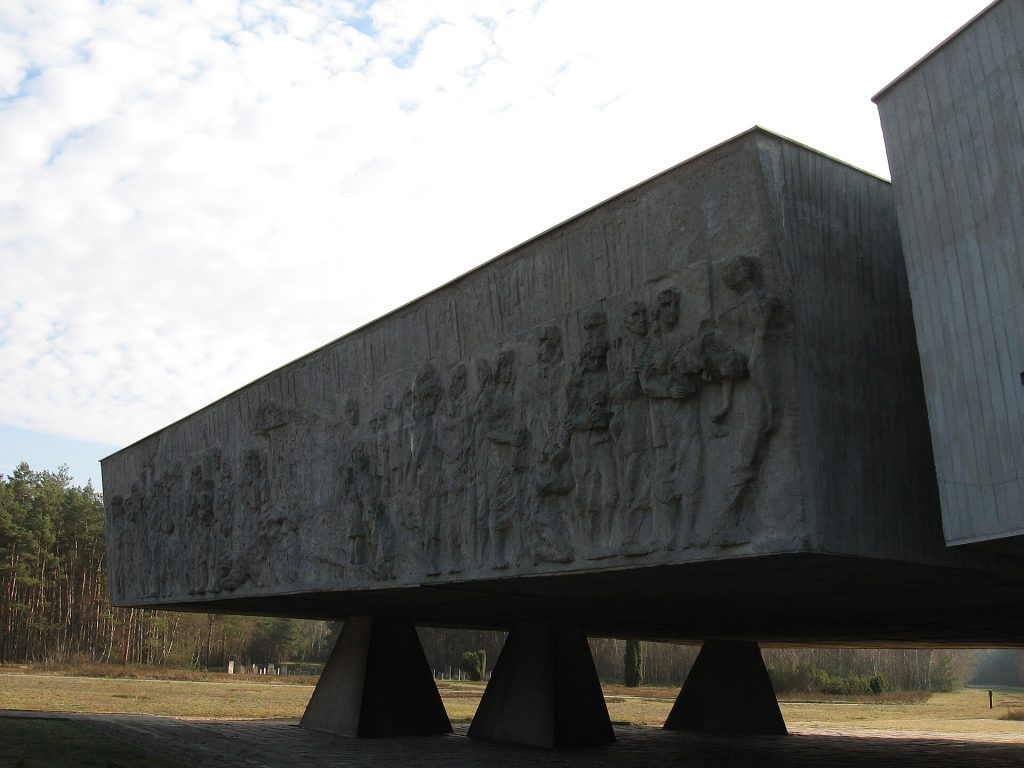
In a village in German-annexed Poland, the SS begins murdering Jews in sealed vans filled with exhaust fumes, at the first Nazi camp built purely for killing.

Off the coast of Western Australia, a cruiser closes in on a merchant ship that is not what it seems. Both vessels are lost, and none of Sydney’s 645 men survive.
 United Kingdom
 United States
 Soviet Union
 Germany
 Japan
 France
 Poland
 South Africa