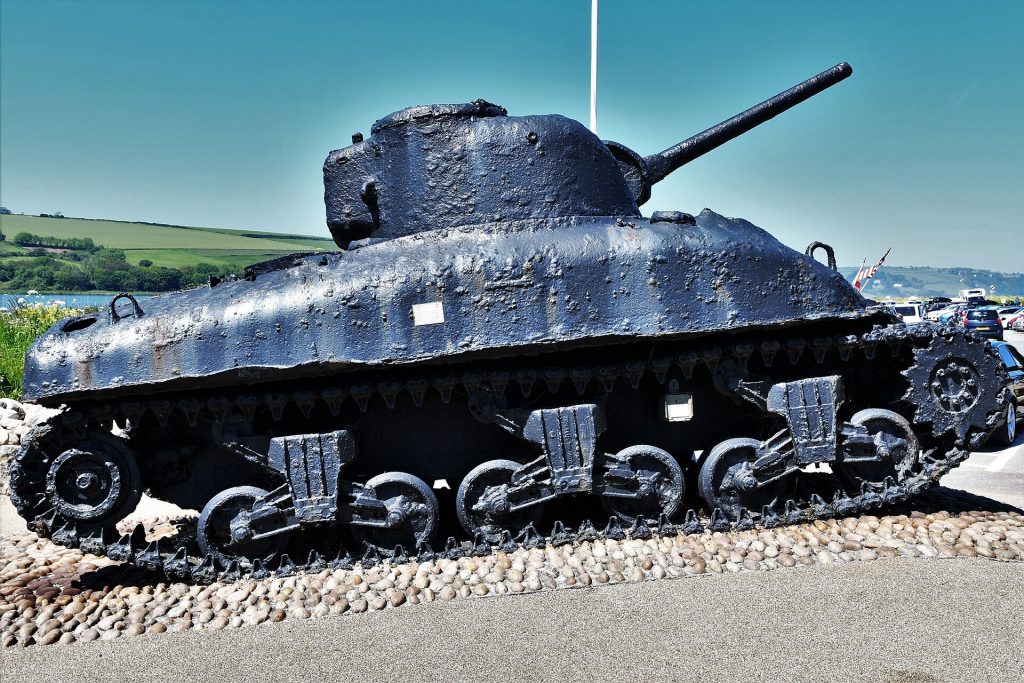
28 April 1944: Exercise Tiger
German E-boats slip into Lyme Bay during a D-Day rehearsal and torpedo American landing ships, killing about 750 men.
Battleships, carriers, submarines and the war for the sea lanes.
German E-boats slip into Lyme Bay during a D-Day rehearsal and torpedo American landing ships, killing about 750 men.
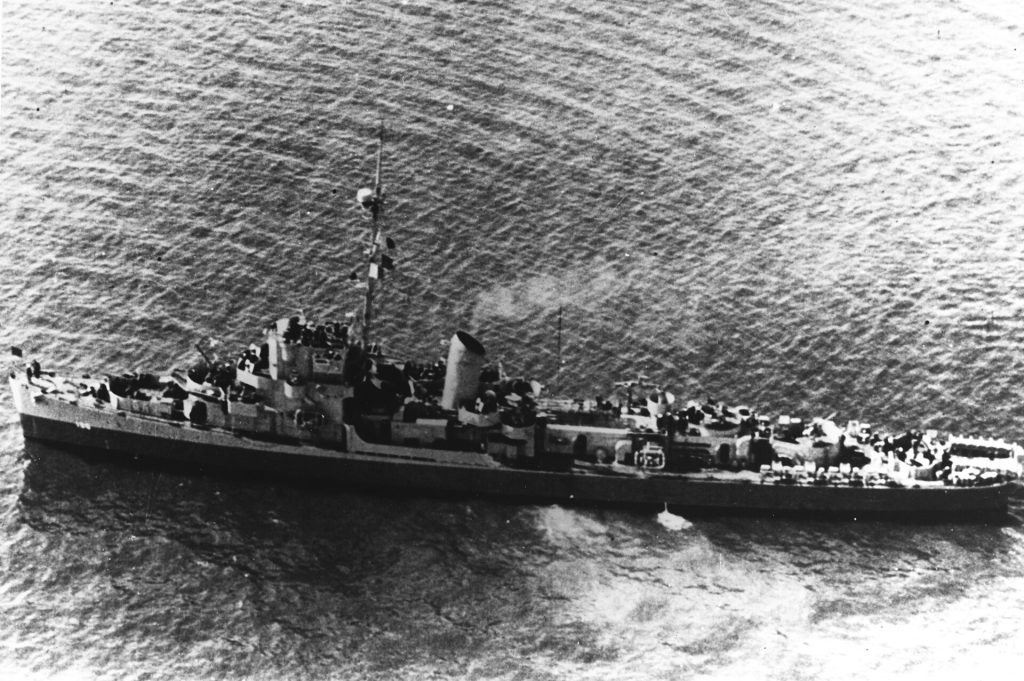
Hunting U-boats in mid-Atlantic, the destroyer escort Frederick C. Davis is torpedoed by U-546 and breaks in two, the last American warship lost in the Battle of the Atlantic.

A Soviet submarine torpedoes the German transport Goya, crowded with refugees and wounded soldiers from the Hel peninsula, and she sinks in minutes.
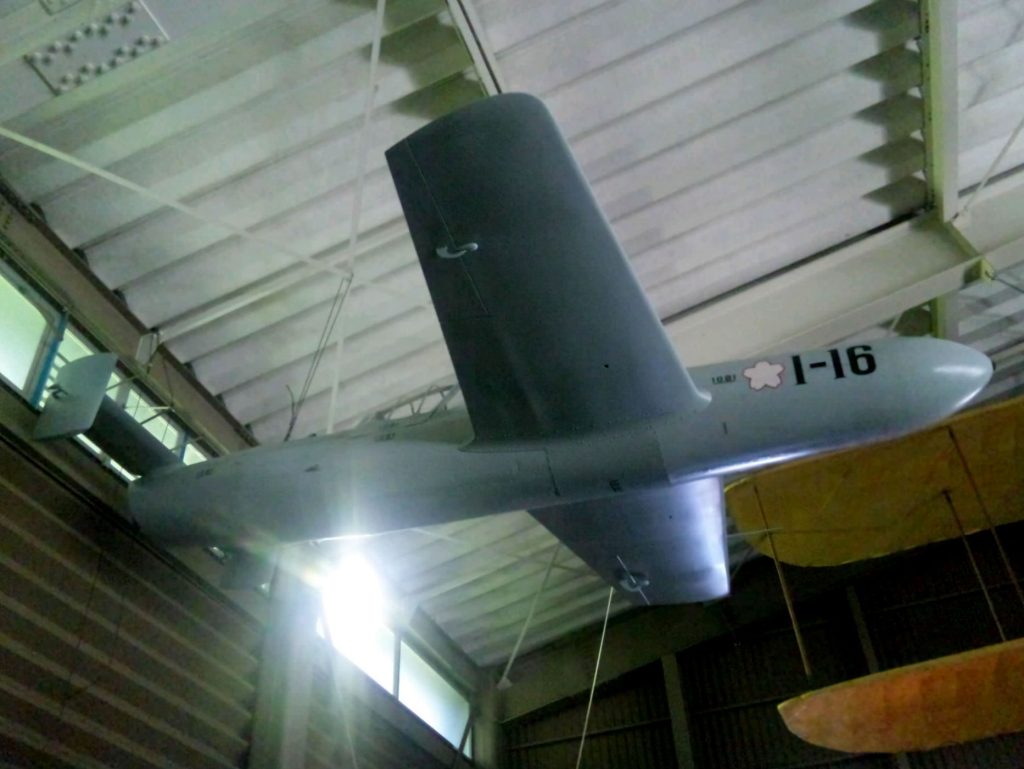
On radar picket duty off Okinawa, the American destroyer Mannert L. Abele is hit by a kamikaze and then by an Ohka rocket bomb, and breaks in two.
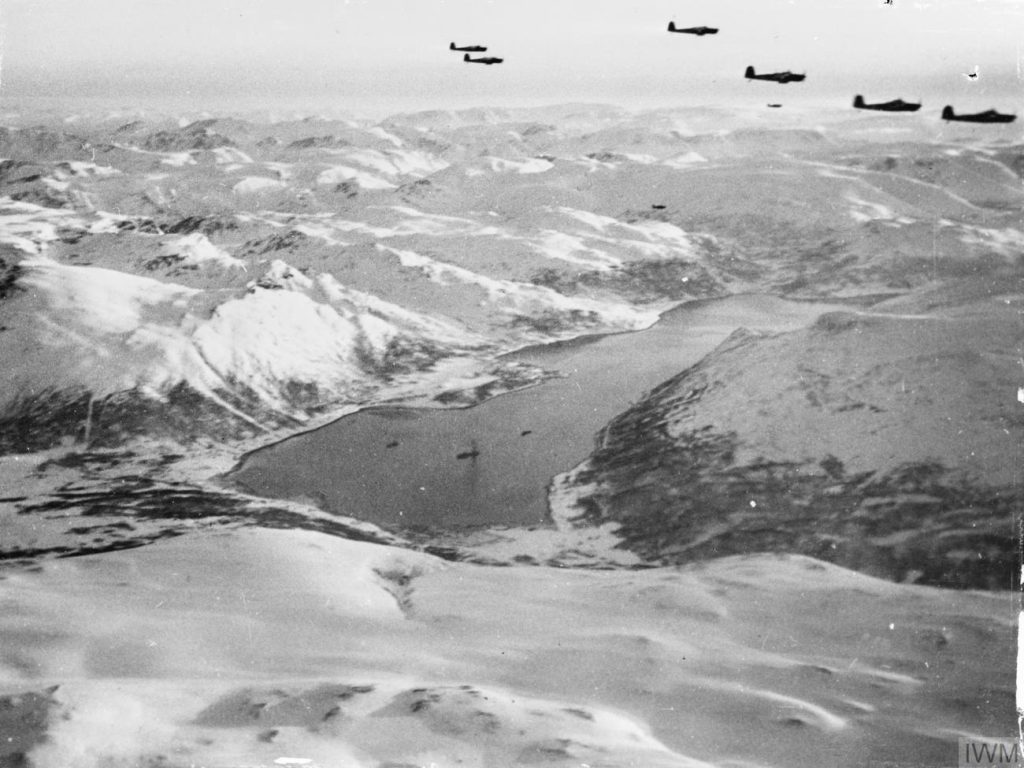
Barracuda dive bombers from British carriers surprise the battleship Tirpitz in Kaafjord at dawn and hit her fifteen times.
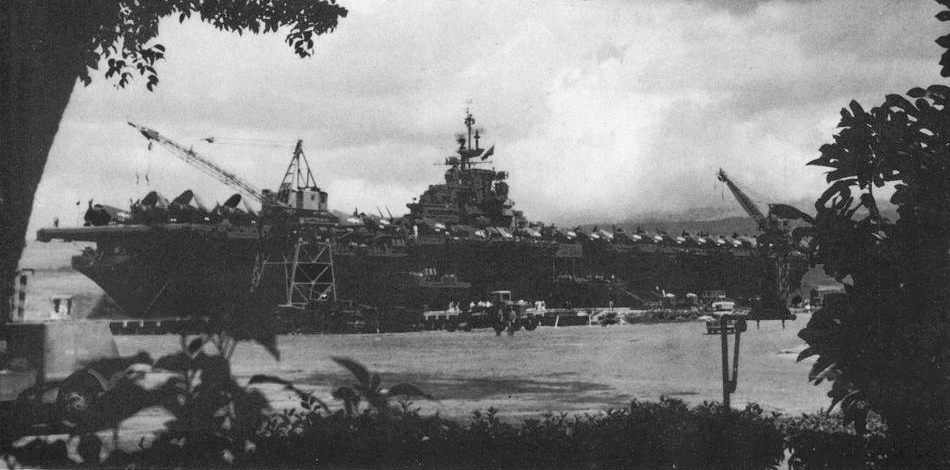
Japanese bombers set out on a one-way flight of some 3,000 kilometres to strike the American fleet at its great anchorage at Ulithi. Two arrive.
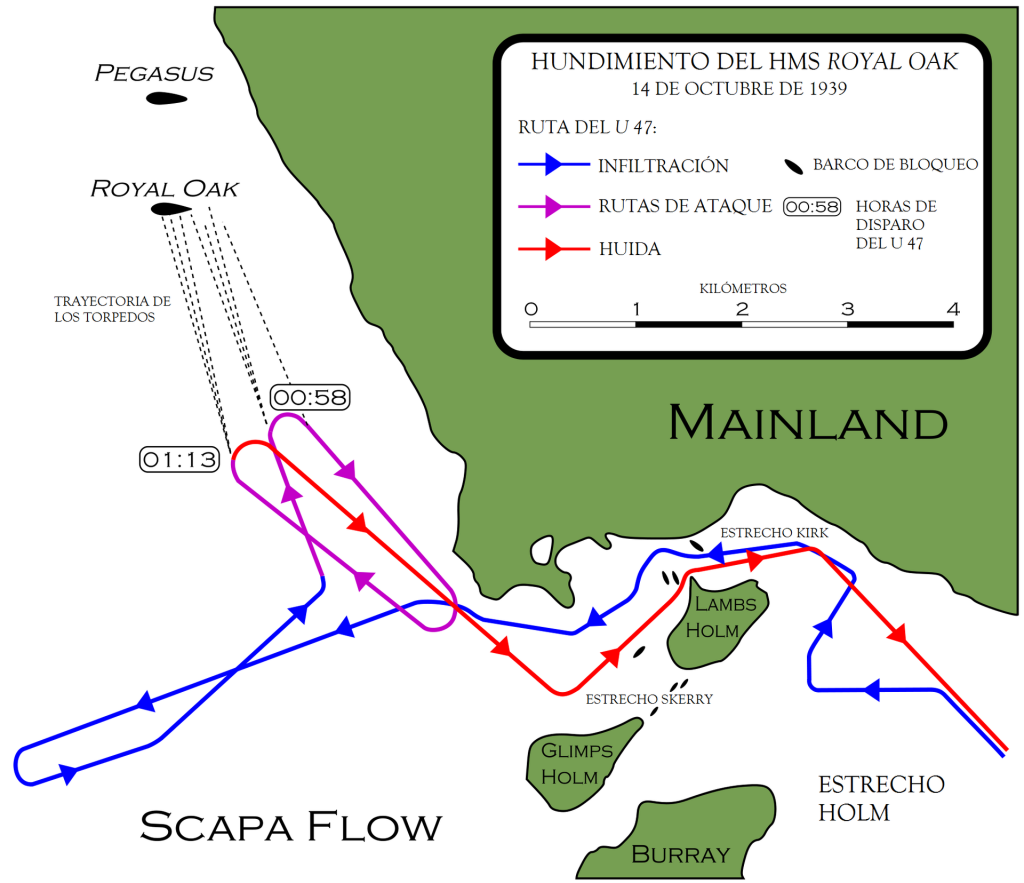
Günther Prien, the U-boat commander who sank the Royal Oak inside Scapa Flow, vanishes with his boat and crew in the North Atlantic.
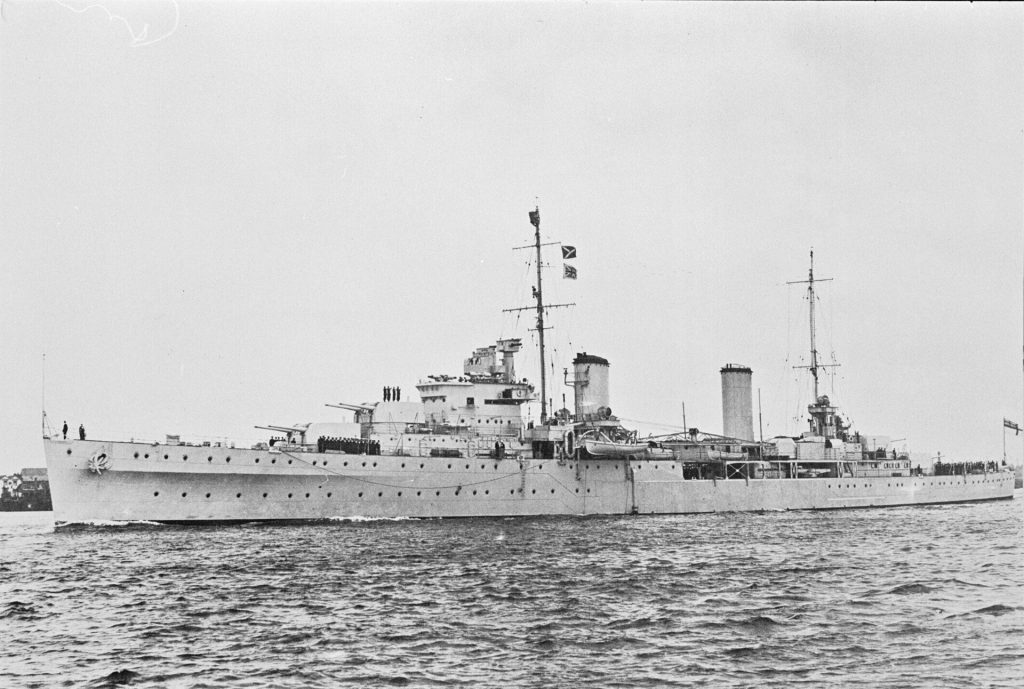
Escaping from the disaster in the Java Sea, the cruisers USS Houston and HMAS Perth run into a Japanese invasion fleet off Java and fight until they sink.
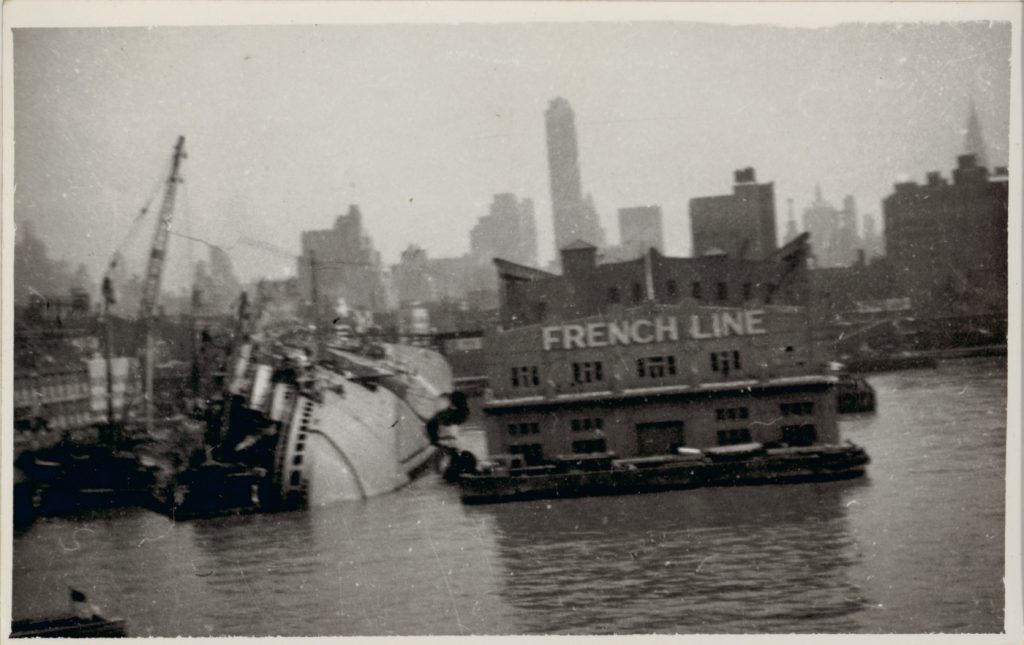
A spark from a welding torch sets fire to the world’s most glamorous liner as she is converted into a troopship in New York. By morning she lies on her side at the pier.
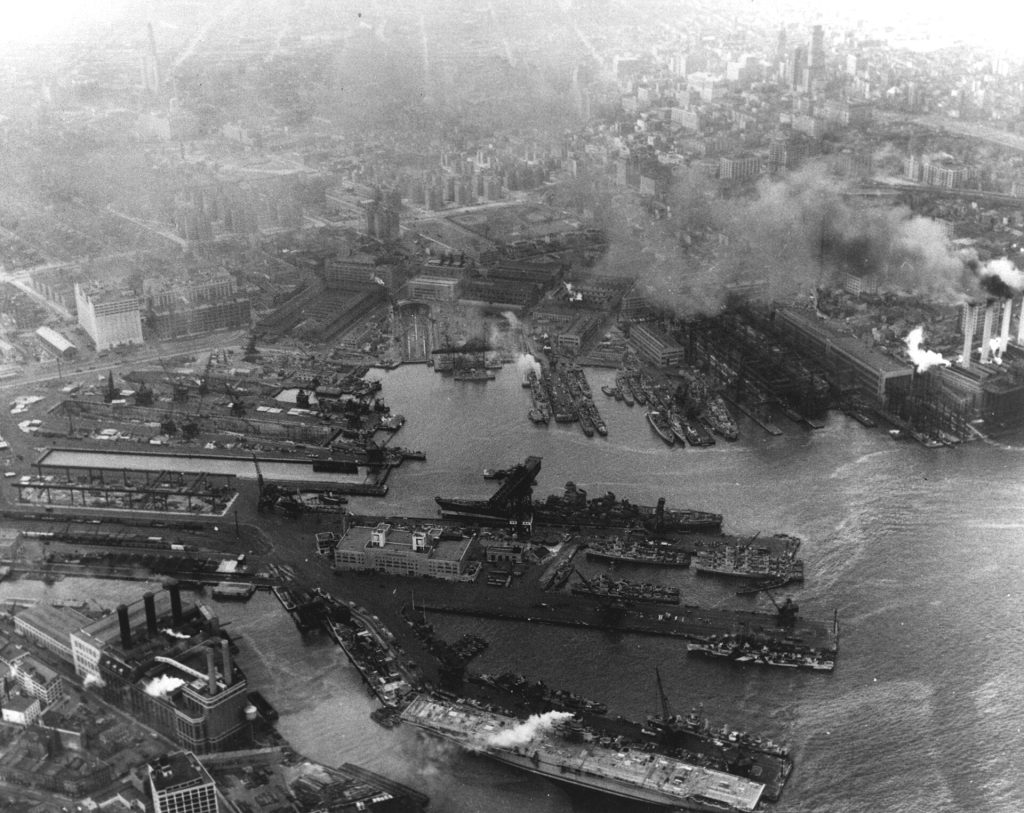
At the Brooklyn Navy Yard, Margaret Truman christens the battleship on whose deck the war will end.
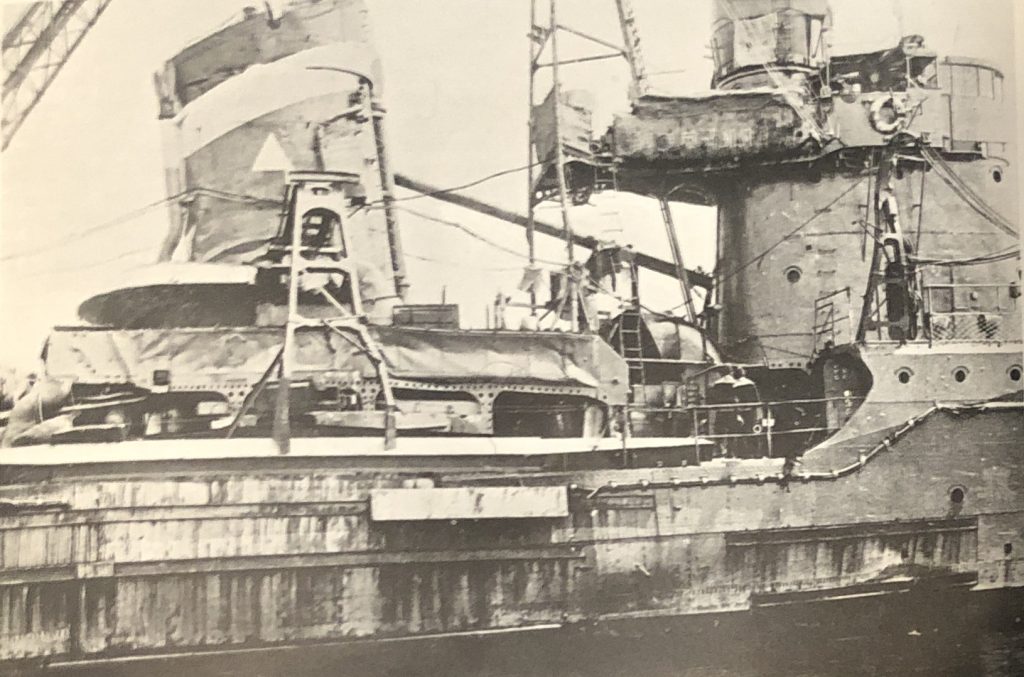
Japanese destroyers land a fresh battalion on Guadalcanal, not to reinforce the starving garrison but to shield its secret escape.
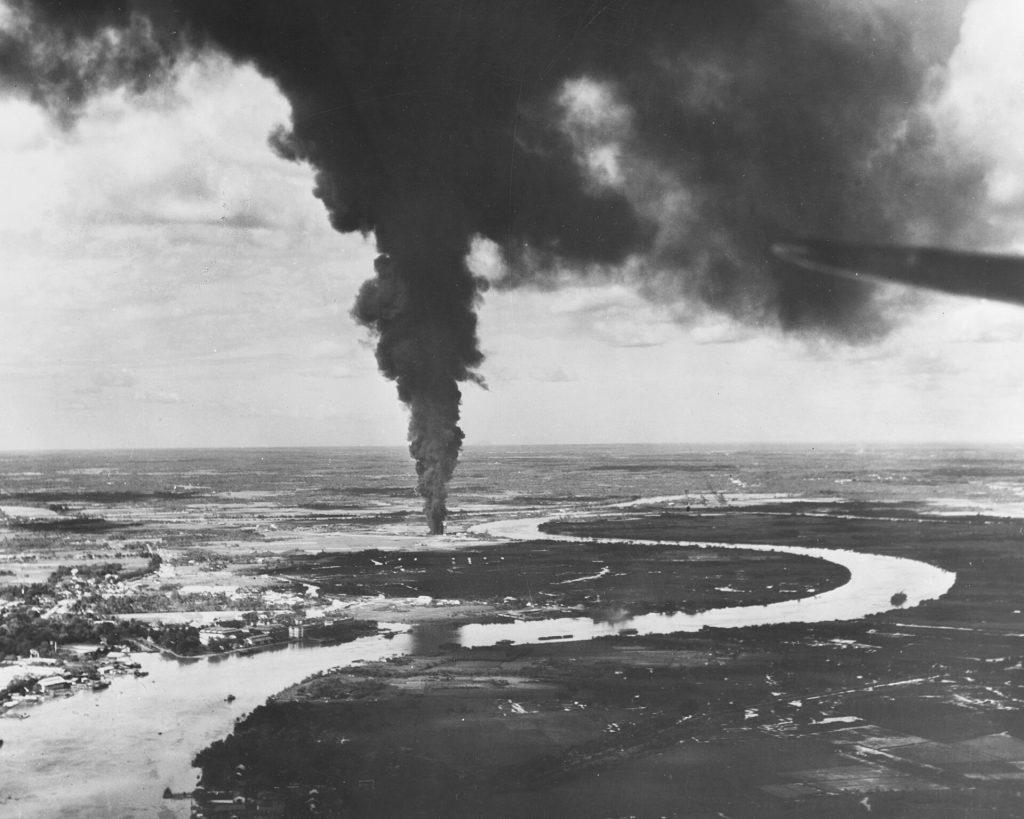
Carrier aircraft of the US Third Fleet fall on Japanese shipping along the coast of French Indochina, in one of the most destructive days of the war at sea.
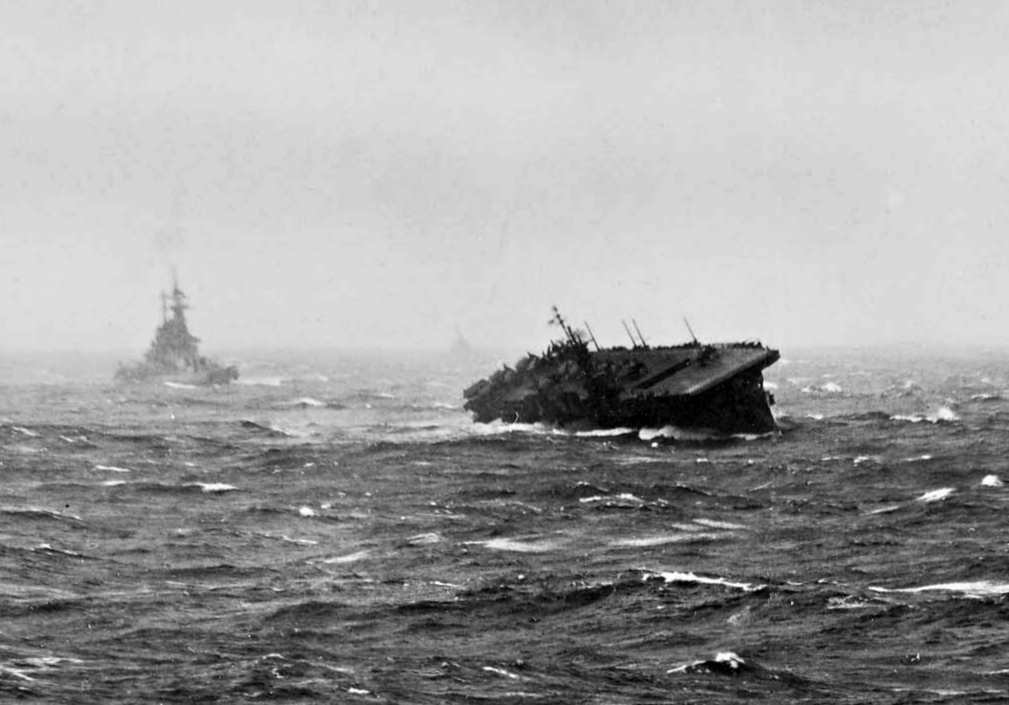
East of Luzon, Admiral Halsey’s Third Fleet sails into the heart of a typhoon. Three destroyers capsize and 790 sailors are lost, more than in many battles.

Convinced that a superior British fleet is waiting for him, Captain Hans Langsdorff takes his damaged pocket battleship out of Montevideo and blows her up in the River Plate.
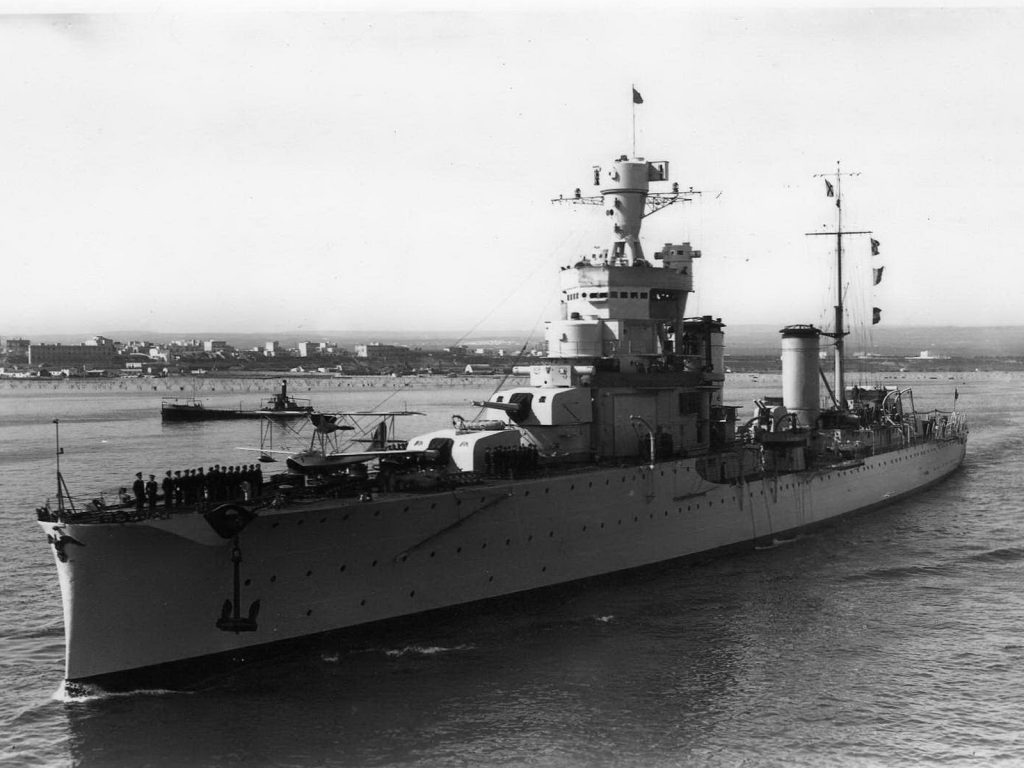
In the darkness off Tunisia, four Allied destroyers ambush two Italian cruisers carrying fuel to North Africa and sink both in minutes.
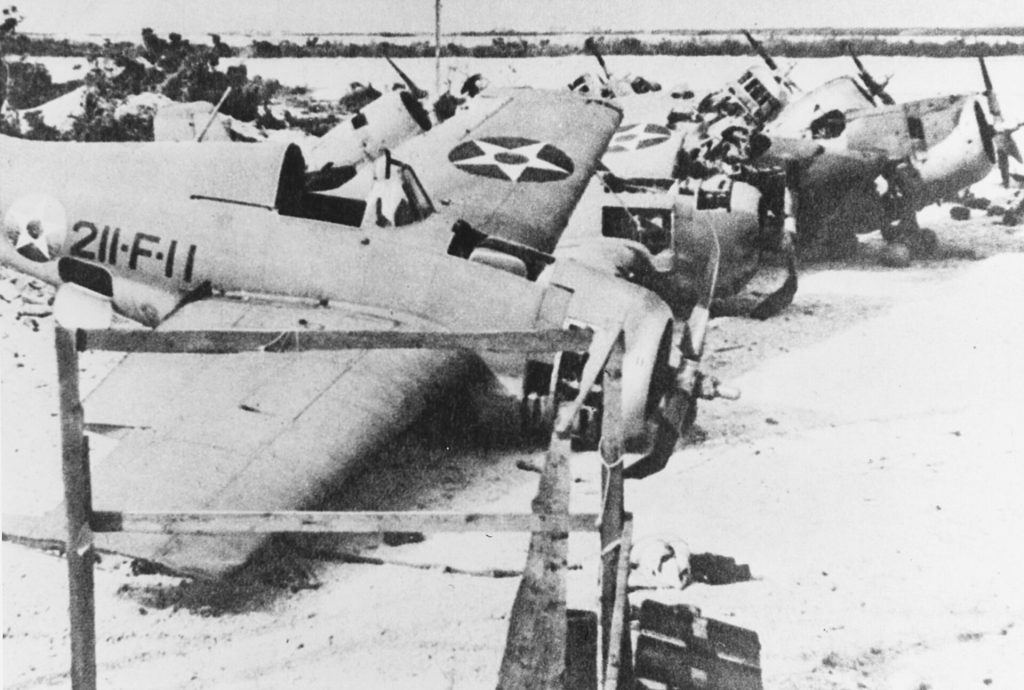
Holding their fire until the last moment, the Marines on Wake Island sink a Japanese destroyer with their coastal guns, and their last fighters sink another, forcing the invasion fleet to turn back.
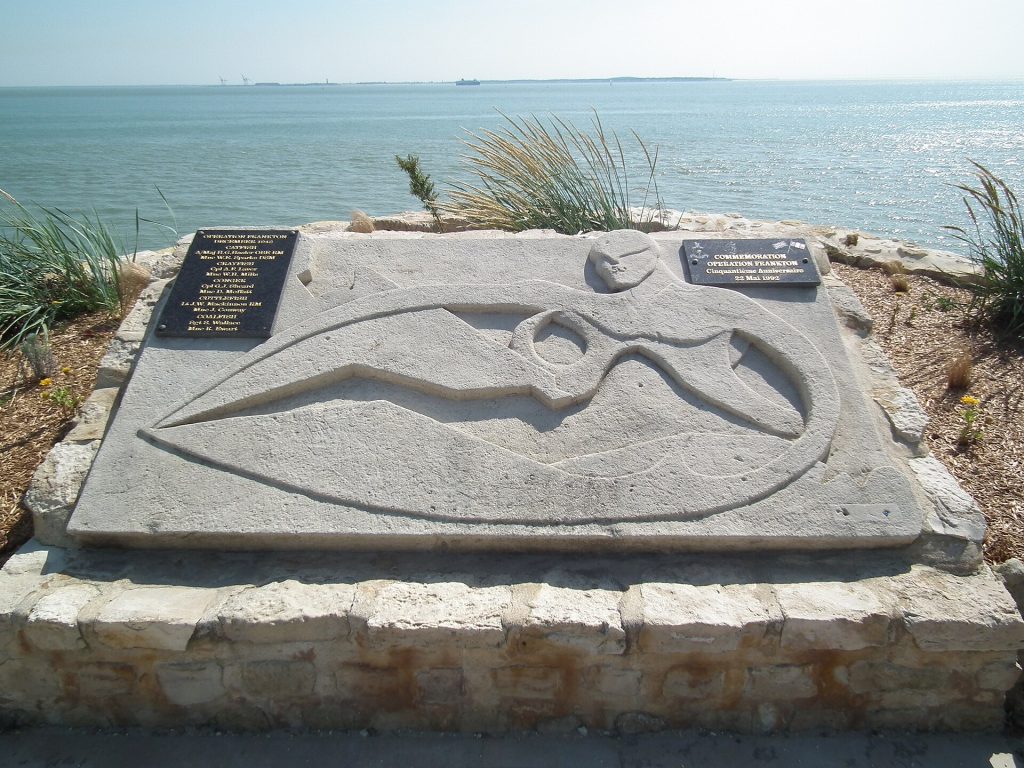
From a submarine off the French coast, ten Royal Marines set out in canvas canoes to paddle a hundred kilometres up the Gironde and mine German blockade runners in Bordeaux.
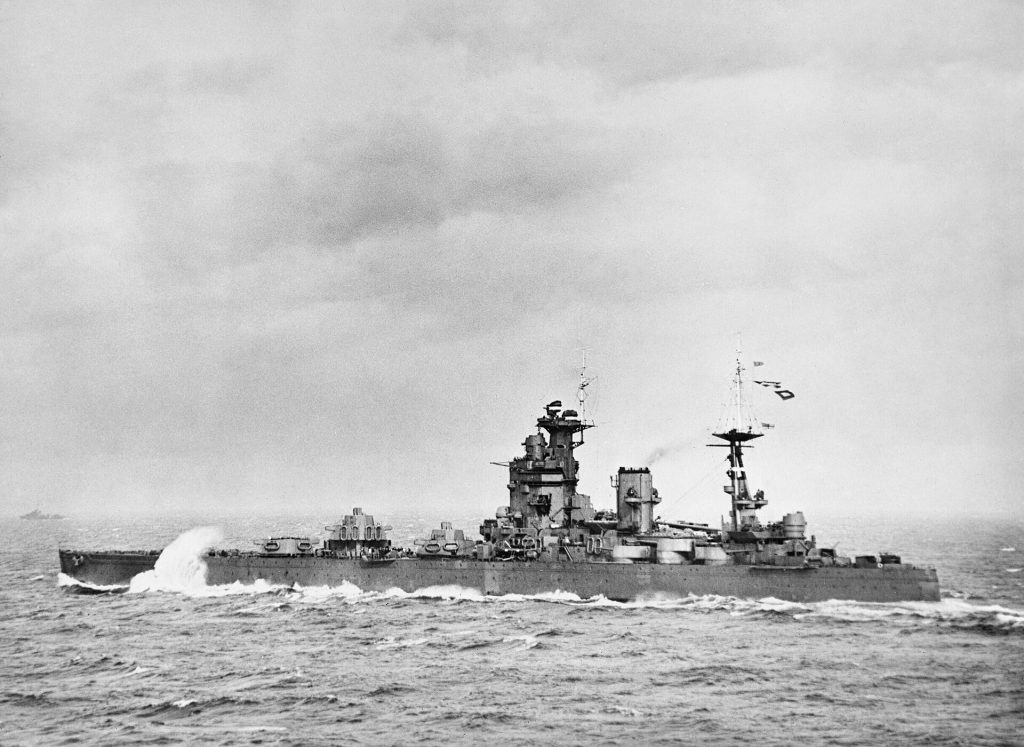
Entering Loch Ewe, the flagship of the Home Fleet detonates a magnetic mine laid by a U-boat, putting one of Britain’s most powerful battleships out of action for eight months.
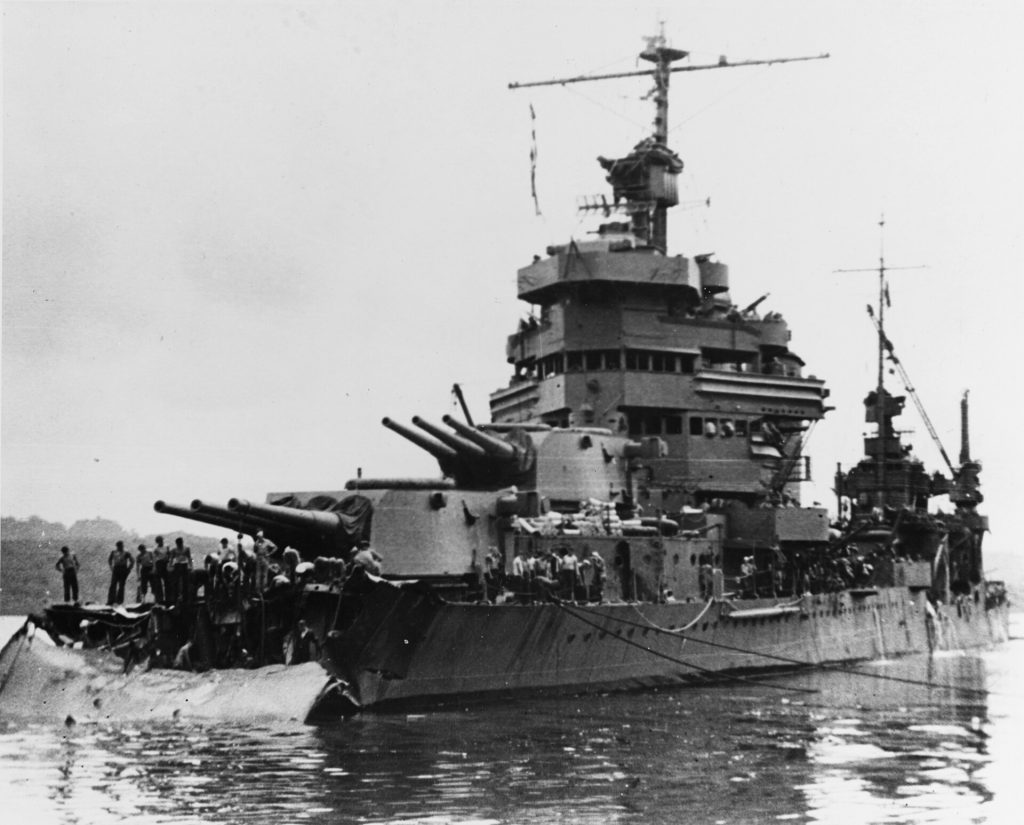
An American cruiser force with every advantage surprises eight Japanese destroyers off Guadalcanal, and is torn apart by their Long Lance torpedoes.
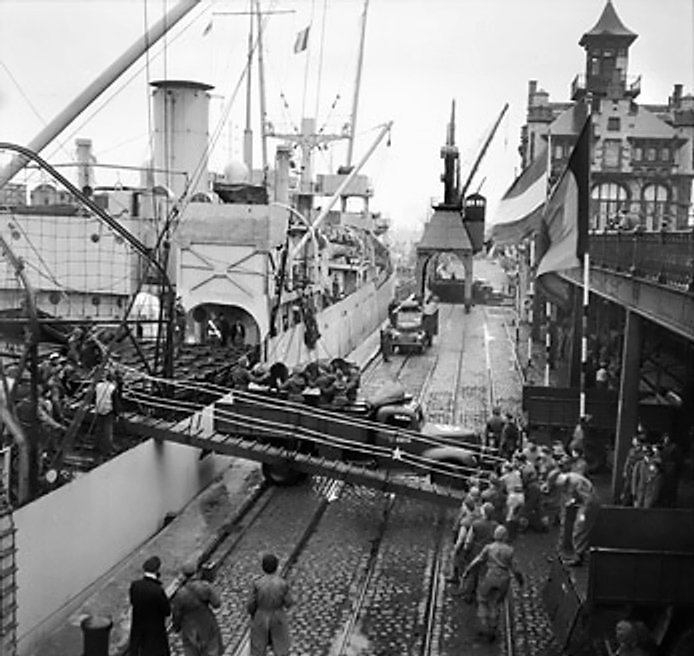
Twelve weeks after the city fell, the first Allied convoy sails up the cleared Scheldt into Antwerp, led by the Canadian-built freighter Fort Cataraqui.
 United Kingdom
 United States
 Soviet Union
 Germany
 Japan
 France
 Poland
 South Africa