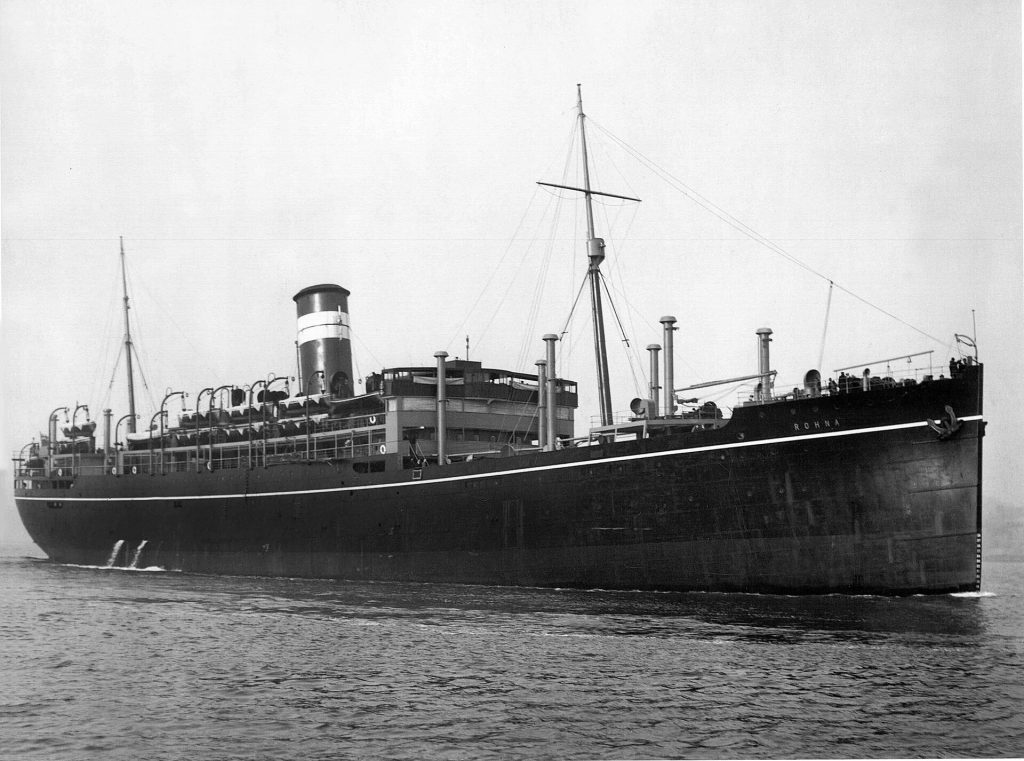
26 November 1943: The Sinking of HMT Rohna
Off the coast of Algeria, a German radio-guided glide bomb strikes a British troopship carrying 2,000 American soldiers. More than 1,000 of them die in a disaster kept secret for decades.
Battleships, carriers, submarines and the war for the sea lanes.
Off the coast of Algeria, a German radio-guided glide bomb strikes a British troopship carrying 2,000 American soldiers. More than 1,000 of them die in a disaster kept secret for decades.
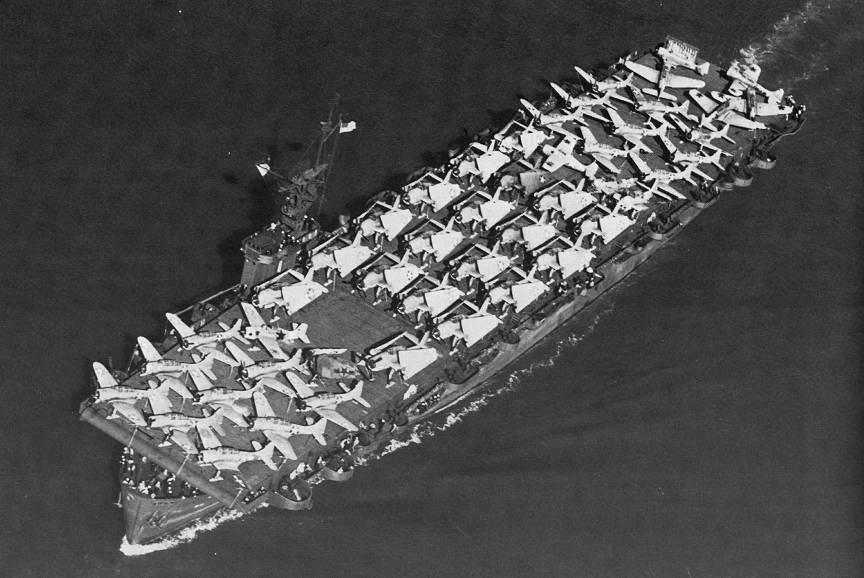
Off Makin Atoll in the Gilbert Islands, a Japanese torpedo detonates an escort carrier’s bomb magazine. She sinks in 23 minutes, taking 644 men with her.
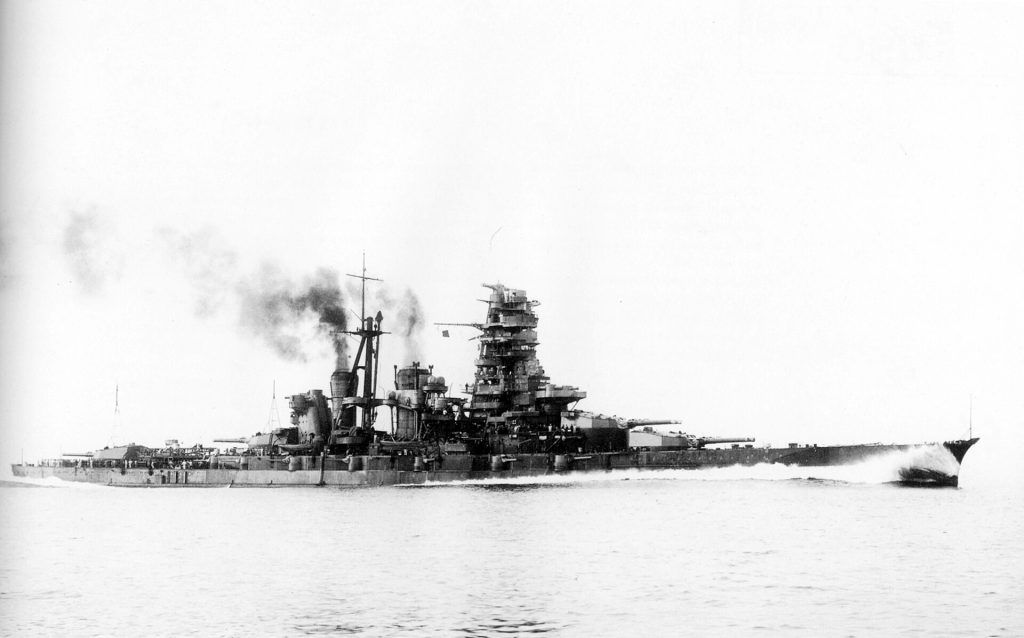
In the dark waters north of Formosa, the American submarine Sealion torpedoes the veteran battleship Kongō, the only Japanese battleship sunk by a submarine in the war.

Off the coast of Western Australia, a cruiser closes in on a merchant ship that is not what it seems. Both vessels are lost, and none of Sydney’s 645 men survive.
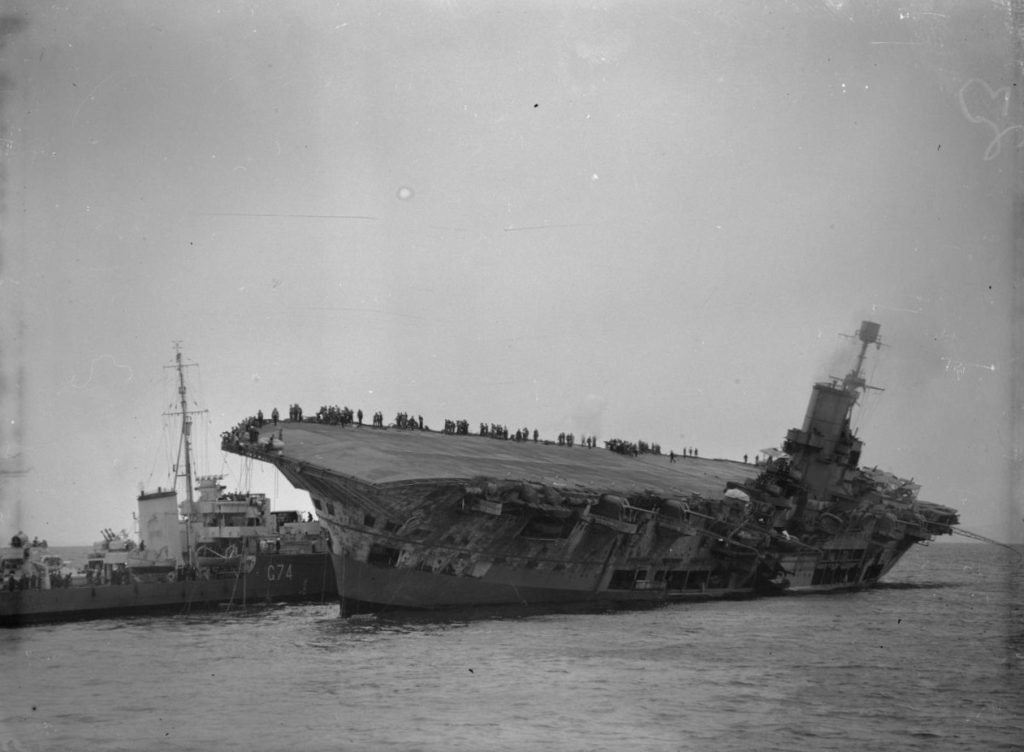
Within sight of Gibraltar, a single torpedo from U-81 strikes the Royal Navy’s most famous aircraft carrier, the ship German propaganda had claimed sunk two years before.
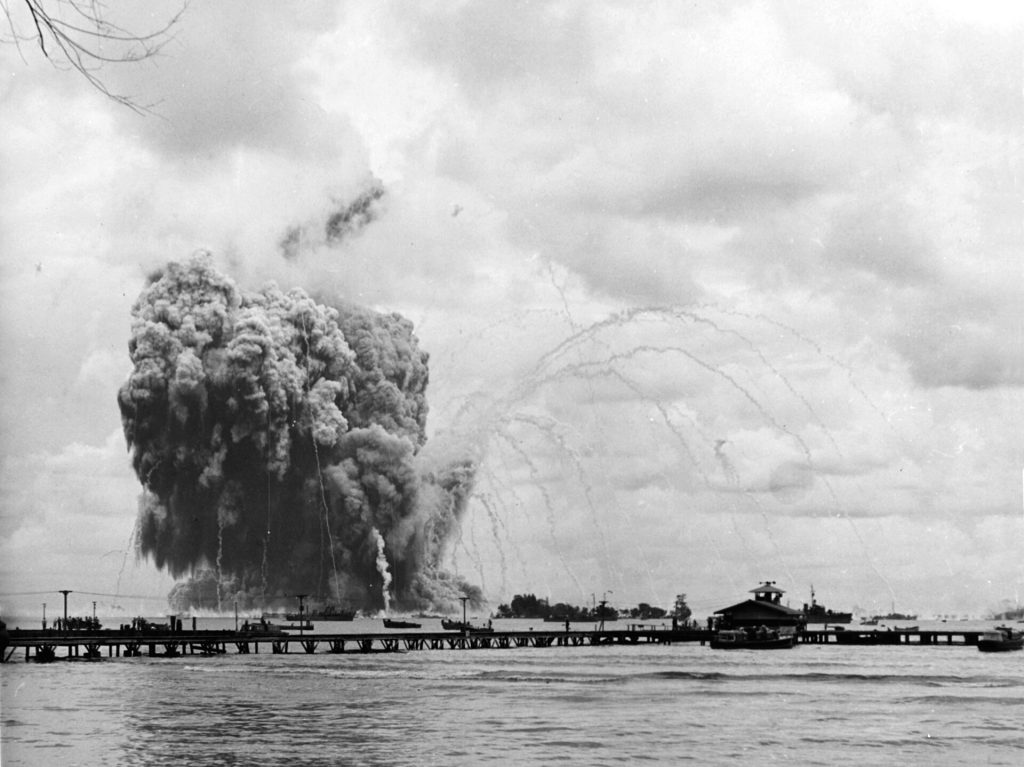
In a crowded anchorage in the Admiralty Islands, an ammunition ship carrying about 3,800 tons of explosives vanishes in a single blast that leaves no trace of the men aboard.
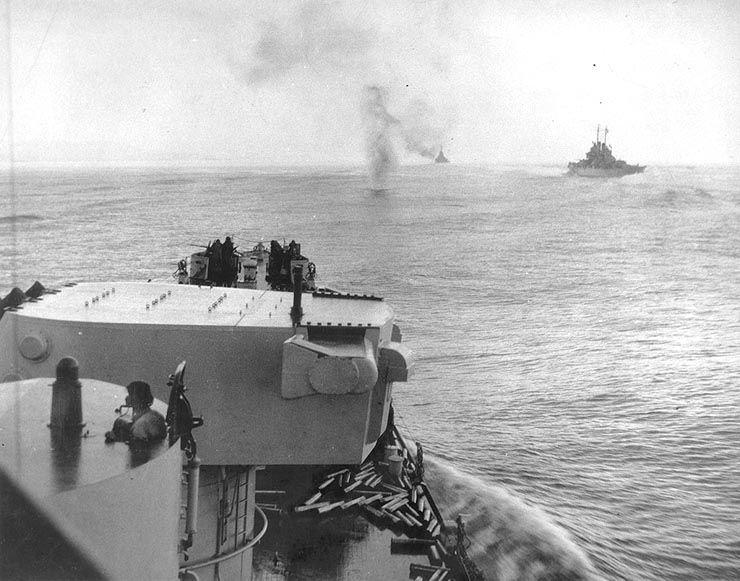
In the dark hours after the Bougainville landings, an American cruiser force under radar control turns back a Japanese squadron sent to smash the beachhead.
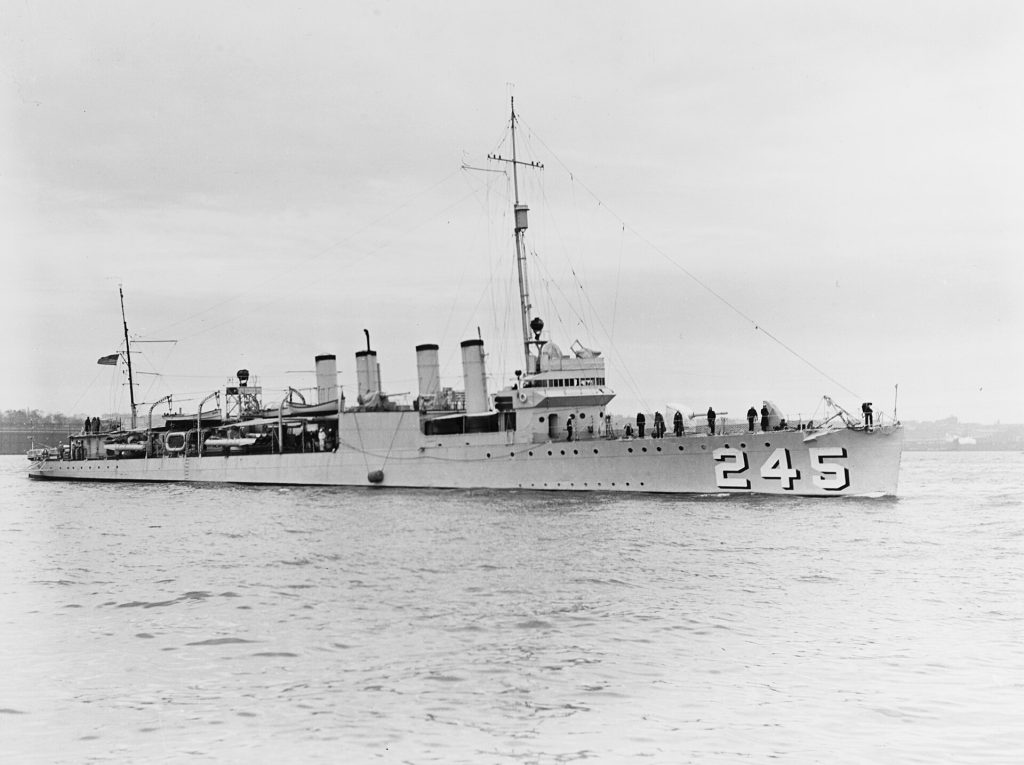
West of Iceland, a U-boat torpedoes the American destroyer Reuben James while she escorts a convoy. She is the first US warship sunk in the war, five weeks before Pearl Harbor.
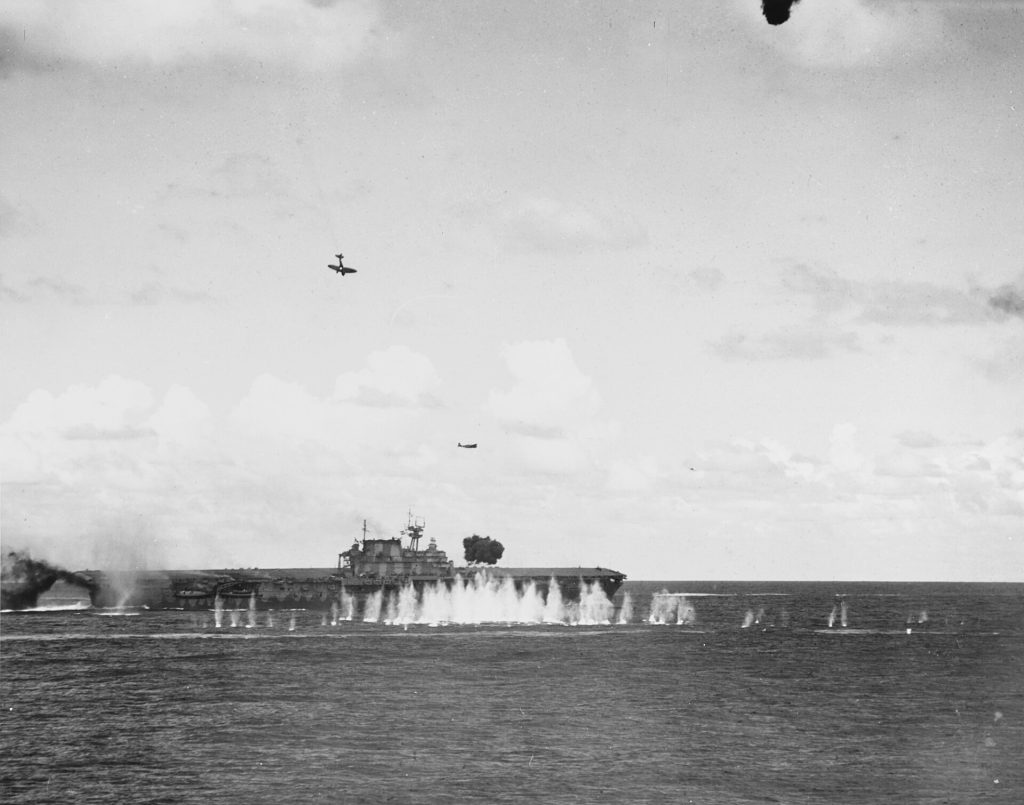
North of Guadalcanal, American and Japanese carrier forces strike at each other. The carrier USS Hornet is lost. Japan wins the battle but cannot afford its losses.
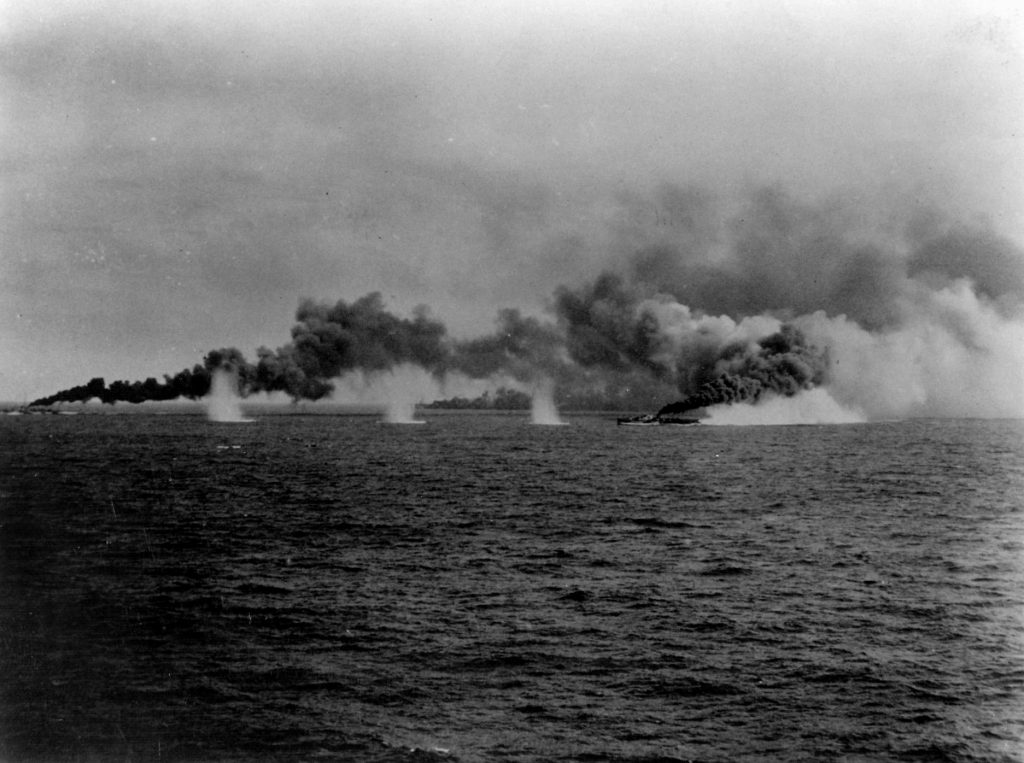
Off Samar, a small group of American escort carriers and destroyers suddenly finds the Japanese battleship Yamato and the main Japanese fleet bearing down on it. The destroyers turn and attack.
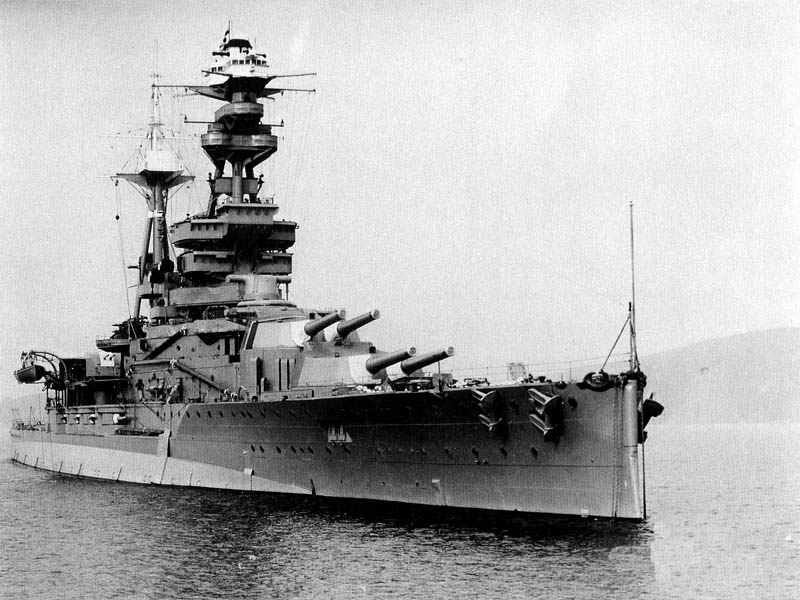
A German submarine slips into the Home Fleet’s anchorage at Scapa Flow and torpedoes the battleship Royal Oak. She capsizes in minutes. Hundreds of men and boys die.
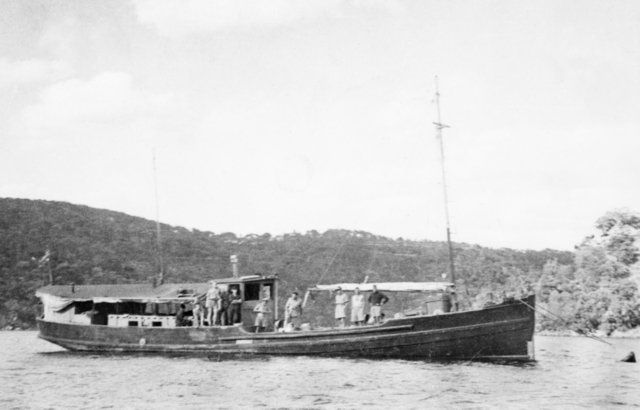
Under cover of darkness, canoeists from a battered old Japanese fishing boat paddle into Singapore harbour and fix limpet mines to Japanese ships. Then they slip away.
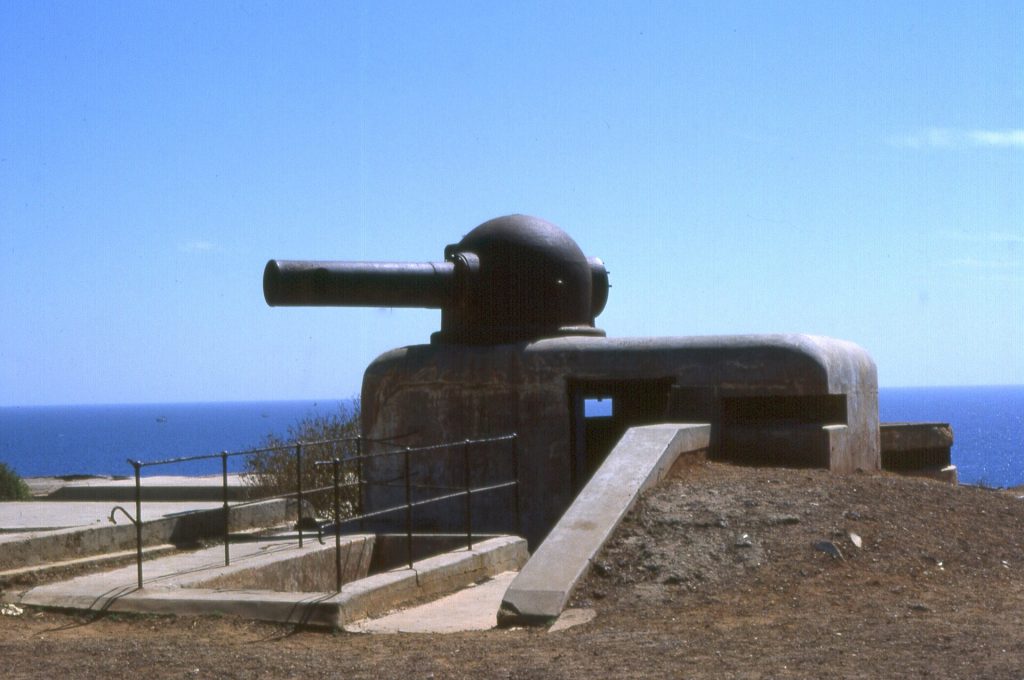
A British fleet carrying General de Gaulle and his Free French troops arrives off Dakar, hoping to win French West Africa without a fight. The Vichy French open fire.

Two British midget submarines slip through the defences of a Norwegian fjord and lay explosive charges beneath the battleship Tirpitz. The explosions put her out of action for months.
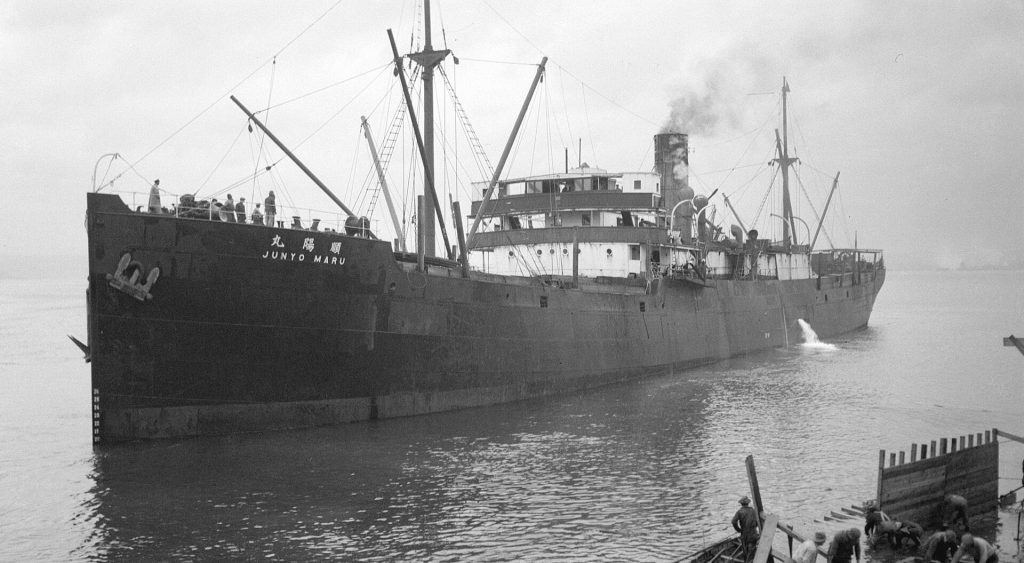
Off the coast of Sumatra, a British submarine torpedoes a Japanese cargo ship. Packed in her holds are thousands of Allied prisoners of war and Javanese forced labourers.
Commandos, Royal Marines and warships attack the port of Tobruk by night, hoping to wreck Rommel’s supply base. The raid goes badly wrong.
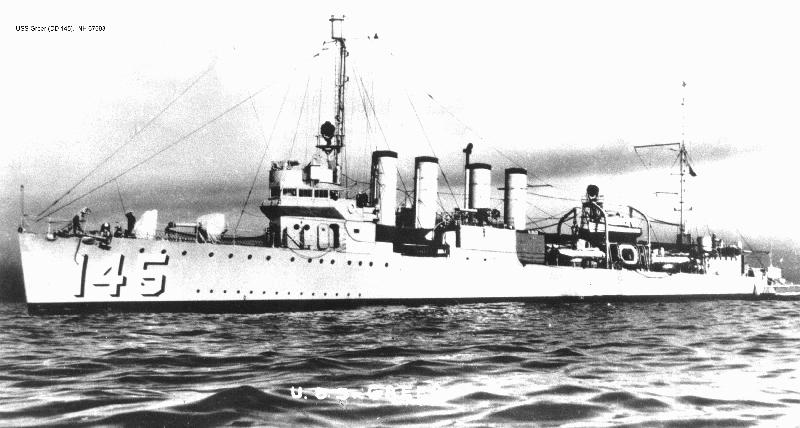
A week after a U-boat fires torpedoes at the destroyer USS Greer, President Roosevelt tells Americans that US warships will now attack Axis submarines on sight. America is fighting an undeclared naval war.
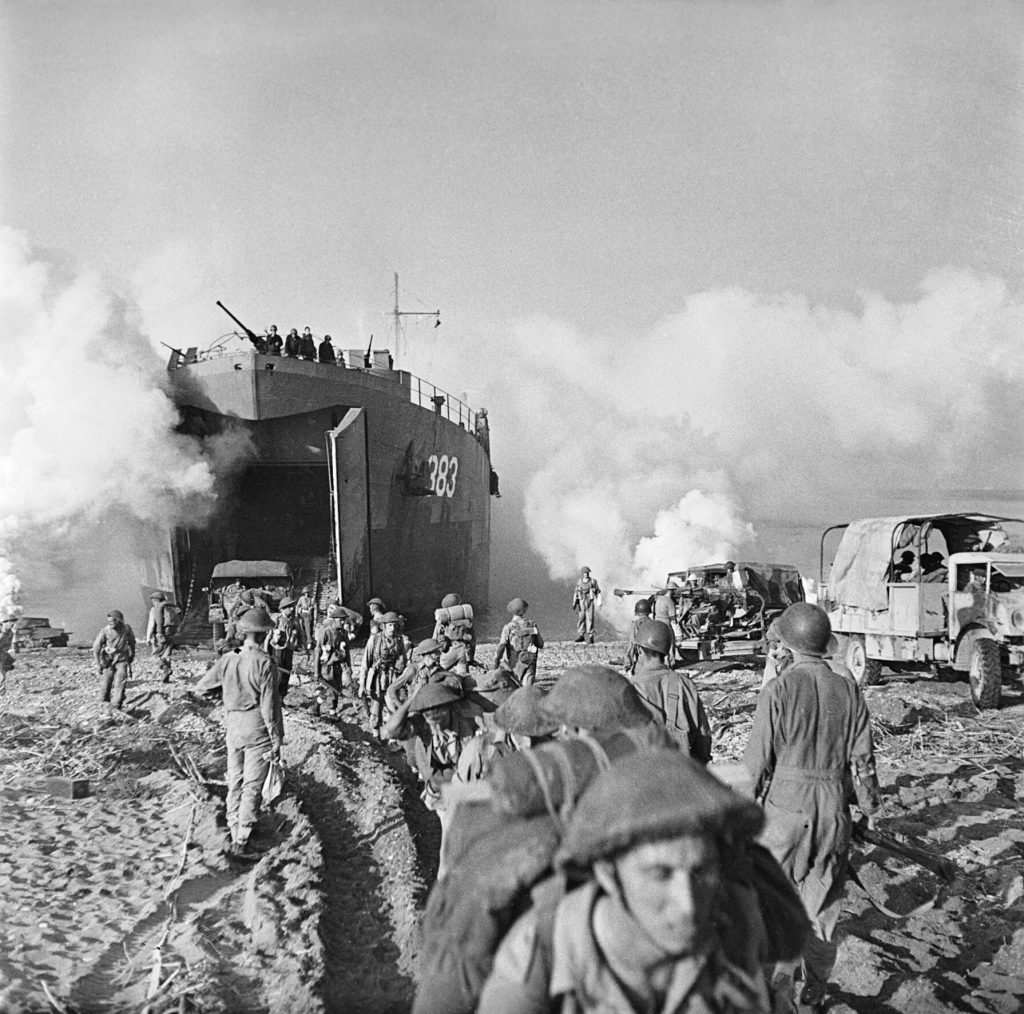
The day after Italy’s armistice is announced, Allied troops land on the beaches south of Salerno. They expect an easy landing. The Germans are waiting.
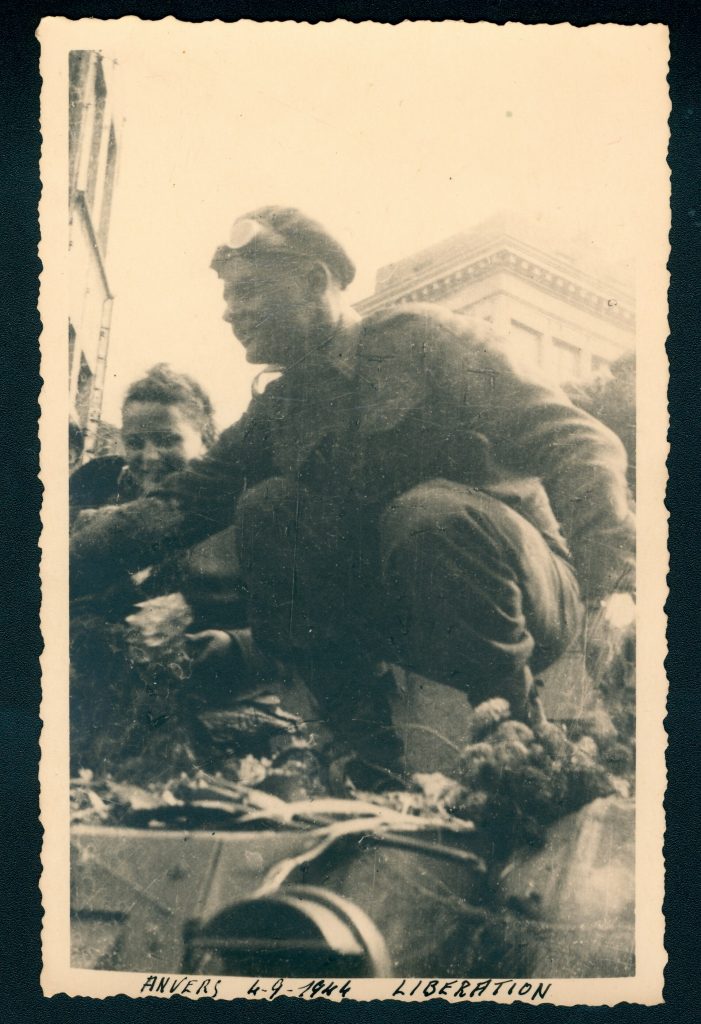
British tanks race into Antwerp, where the Belgian resistance has stopped the Germans from wrecking the docks. The Allies have taken one of Europe’s greatest ports almost intact. But they cannot yet use it.
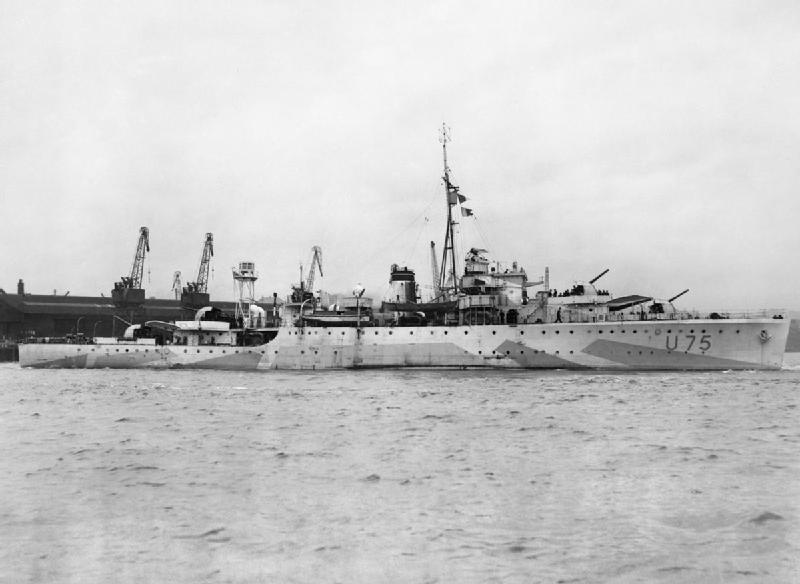
In the Bay of Biscay, a German bomber launches a radio-guided glide bomb at a British anti-submarine group. The sloop HMS Egret blows up and sinks. A new kind of weapon has arrived.
 United Kingdom
 United States
 Soviet Union
 Germany
 Japan
 France
 Poland
 South Africa