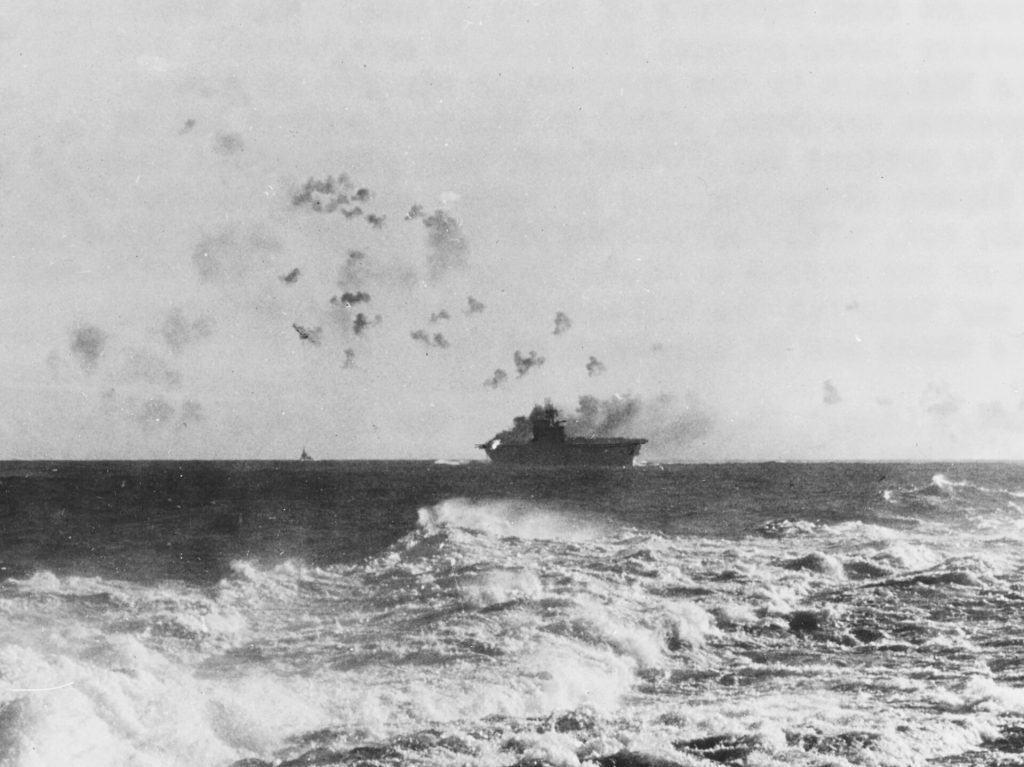
24 August 1942: The Battle of the Eastern Solomons
Japanese and American aircraft carriers clash for the third time in the war, as Japan tries to land reinforcements on Guadalcanal.
Battleships, carriers, submarines and the war for the sea lanes.
Japanese and American aircraft carriers clash for the third time in the war, as Japan tries to land reinforcements on Guadalcanal.
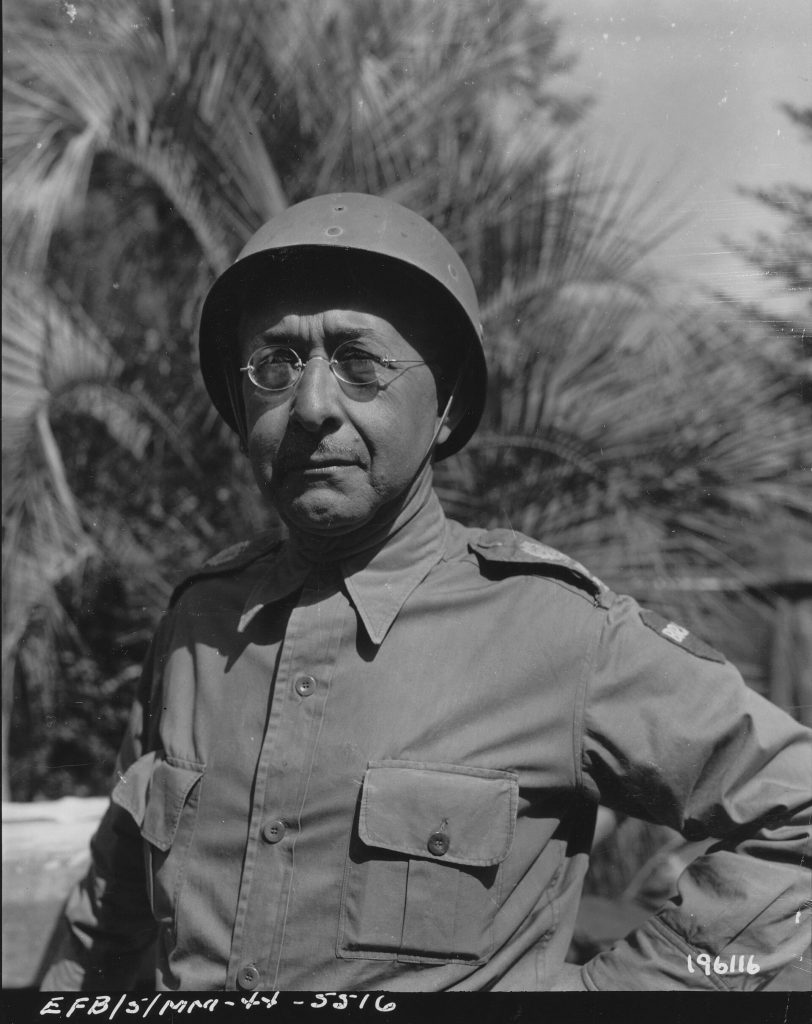
After German U-boats sink several Brazilian ships within days, killing hundreds, Brazil declares war on Germany and Italy. It is the only South American country to send troops to fight in Europe.
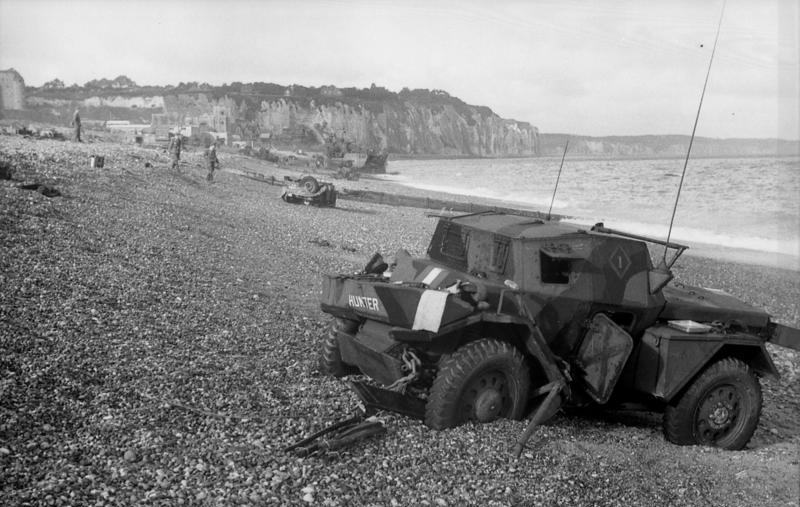
Around 6,000 troops, most of them Canadian, storm the French port of Dieppe. Within hours the raid has collapsed on the beaches.
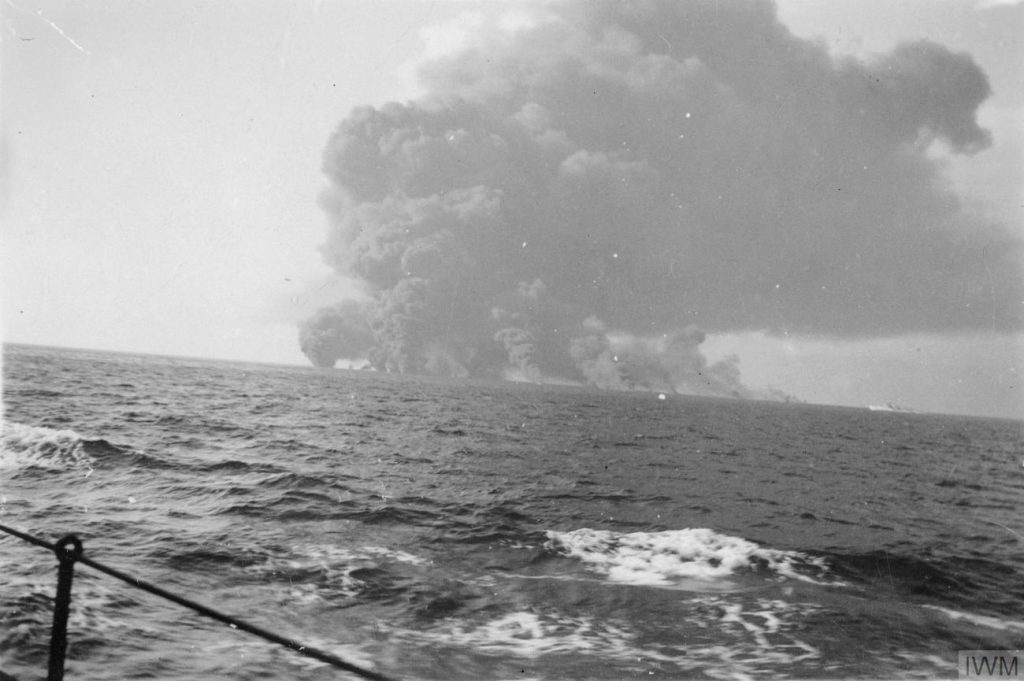
A massive convoy fights its way towards besieged Malta. On its first day of action, a U-boat sinks the aircraft carrier HMS Eagle.
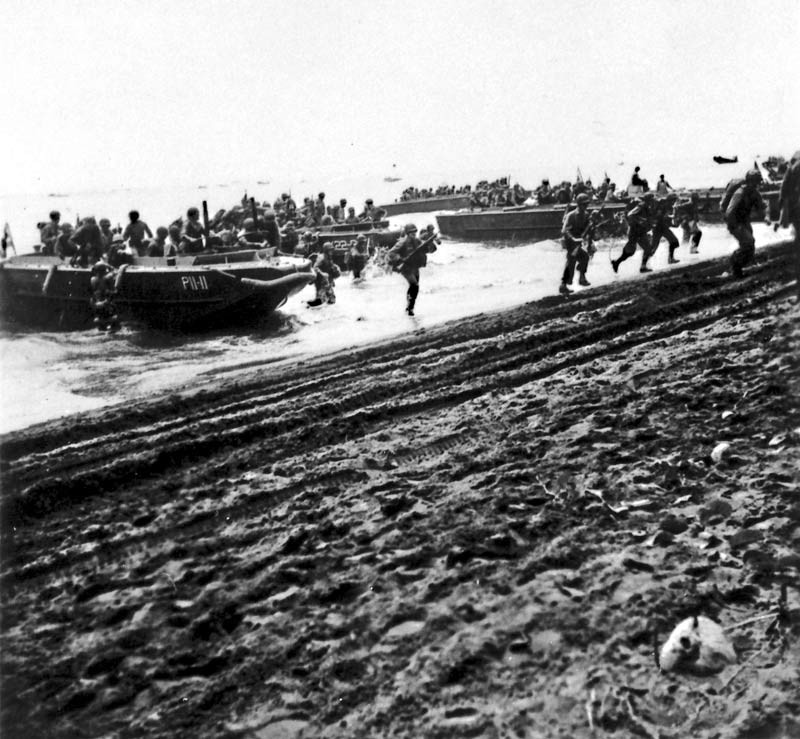
US Marines land on Guadalcanal and nearby Tulagi in the Solomon Islands. It is the first major Allied offensive against Japan, and it will last six months.
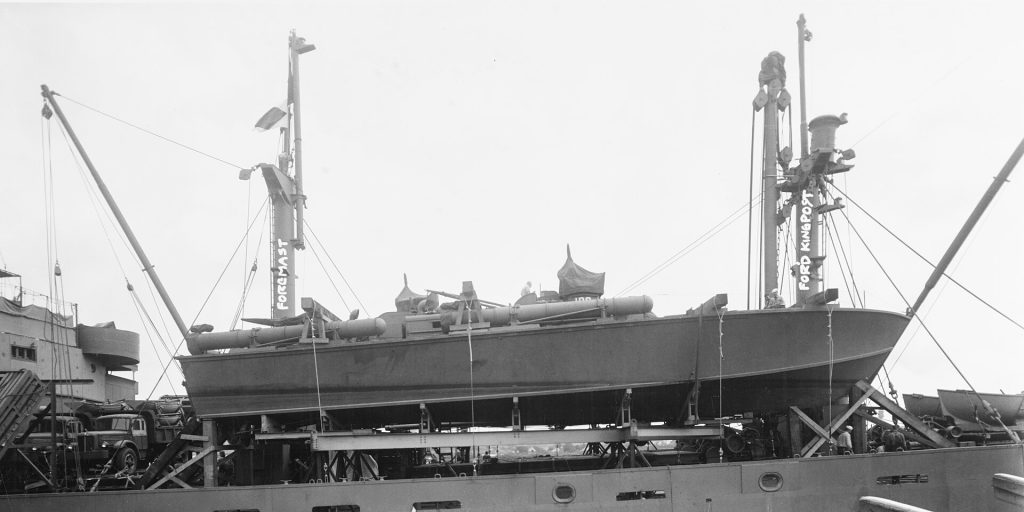
In the dark of Blackett Strait in the Solomons, a Japanese destroyer rams and slices through an American torpedo boat. Its young commander is Lieutenant John F. Kennedy.
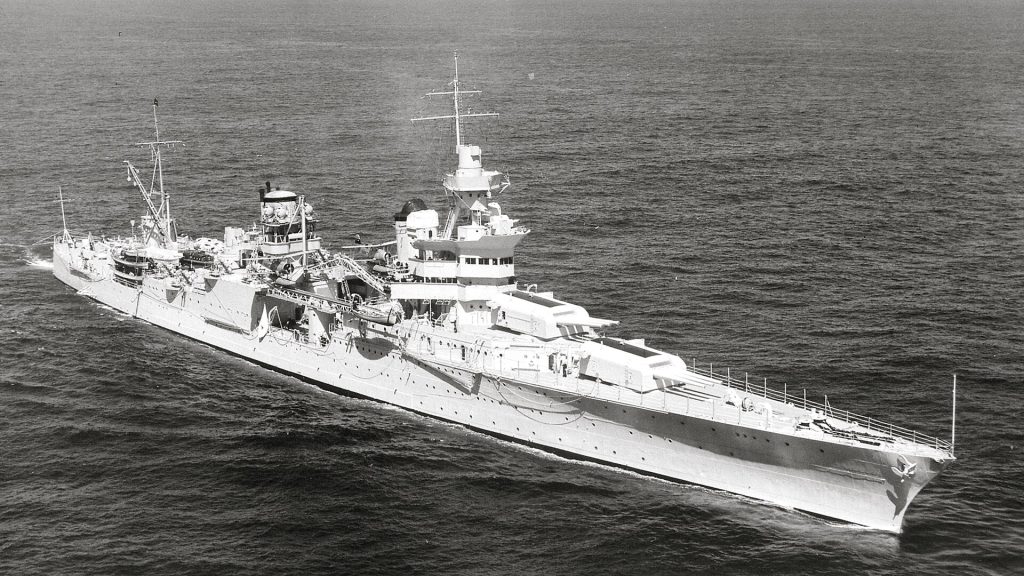
Just after midnight, a Japanese submarine torpedoes the cruiser USS Indianapolis in the Philippine Sea. She sinks in minutes. For four days, nobody knows that hundreds of survivors are in the water.
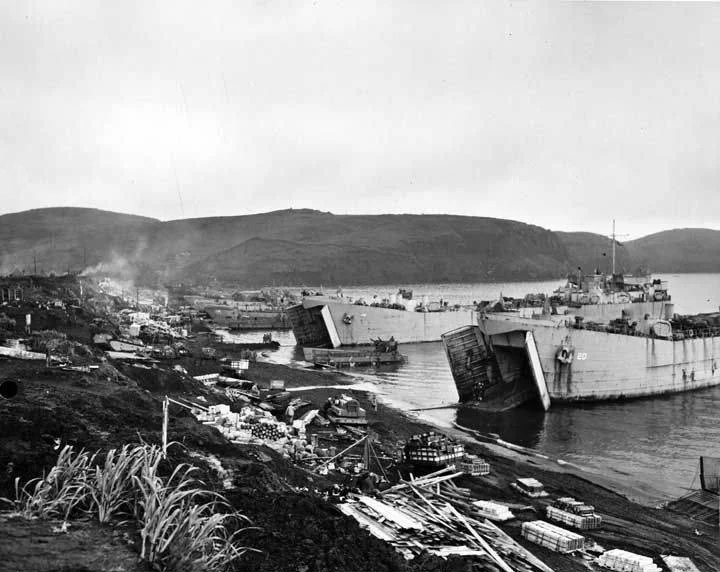
Under cover of thick Aleutian fog, Japanese warships slip into Kiska harbour and take off the entire garrison. The Americans and Canadians, unaware, prepare to invade an empty island.
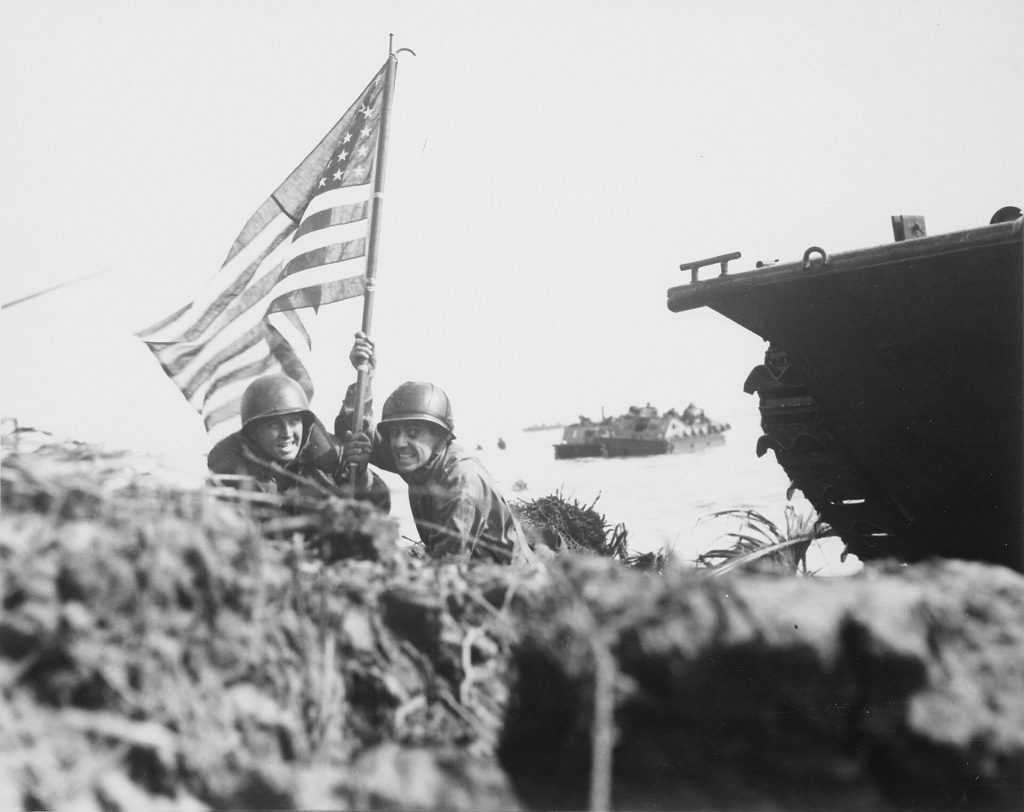
After the longest preliminary bombardment of the Pacific war so far, American Marines and soldiers land on Guam, the US territory captured by Japan in December 1941.
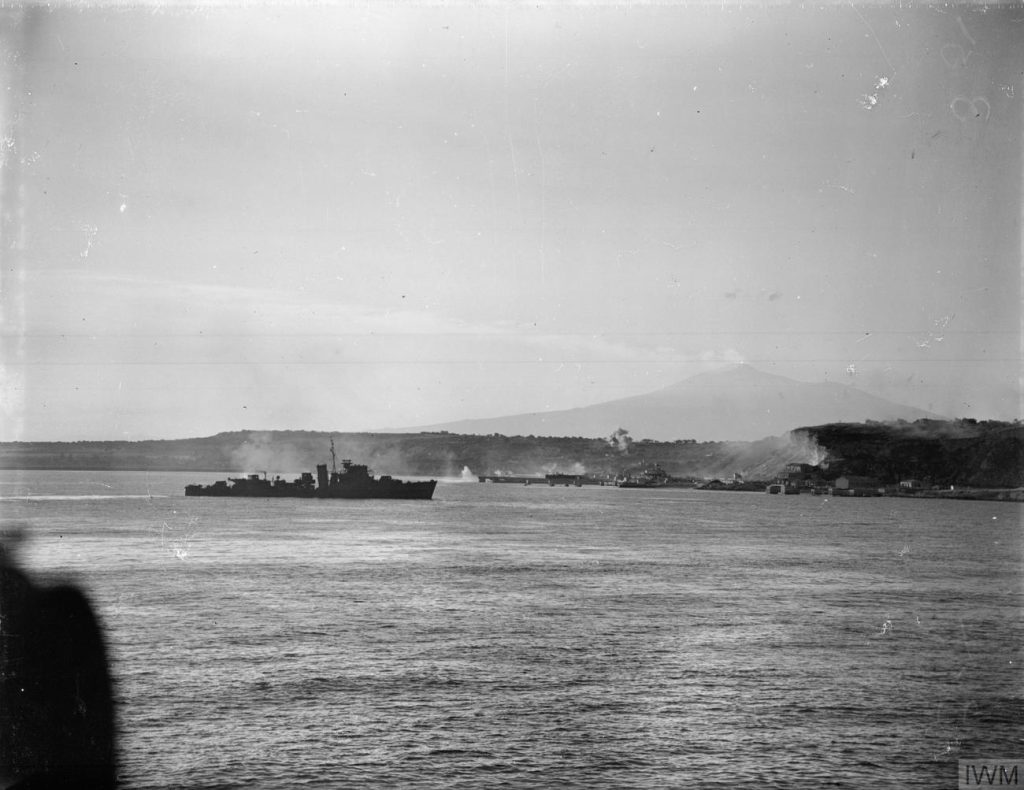
Transport aircraft carrying American paratroopers fly over the invasion fleet off Sicily just after a German air raid. Nervous Allied gunners open fire on them.
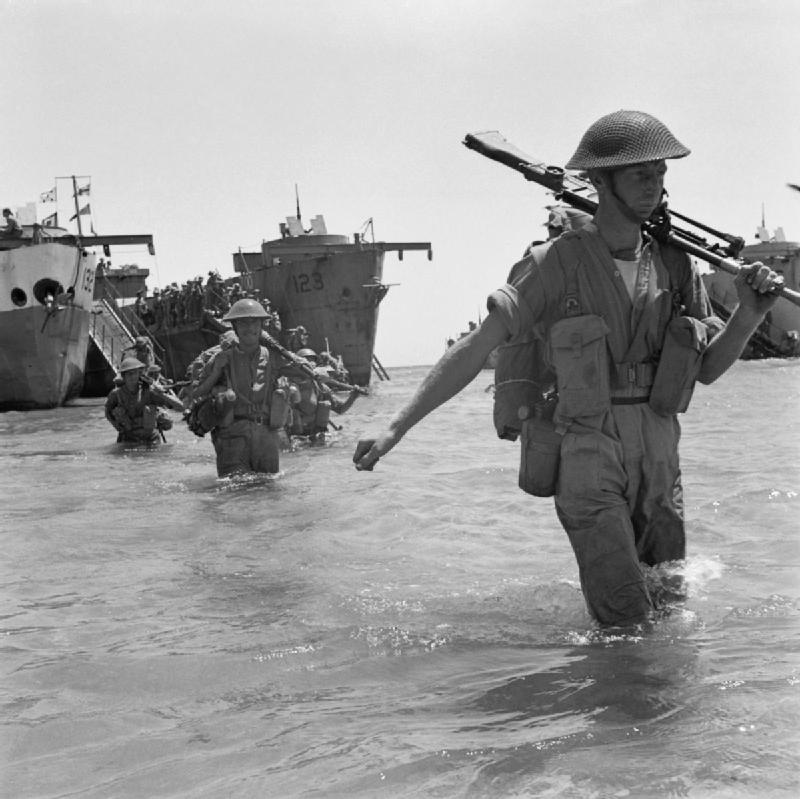
On a stormy night, Allied paratroopers and gliders take off for Sicily. By dawn, the largest amphibious landing yet attempted is under way.

Five days after Mers-el-Kébir, British aircraft attack France’s newest battleship in the harbour at Dakar. A single torpedo puts her out of action.
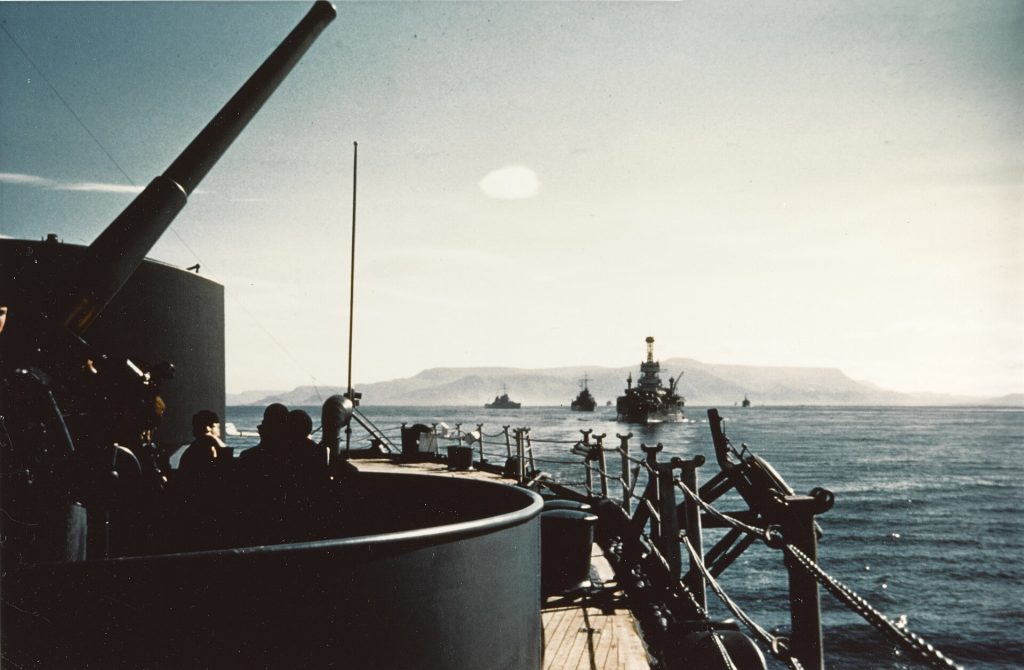
Five months before Pearl Harbor, US Marines come ashore at Reykjavík to take over the defence of Iceland from the British. The officially neutral United States is edging into the Atlantic war.
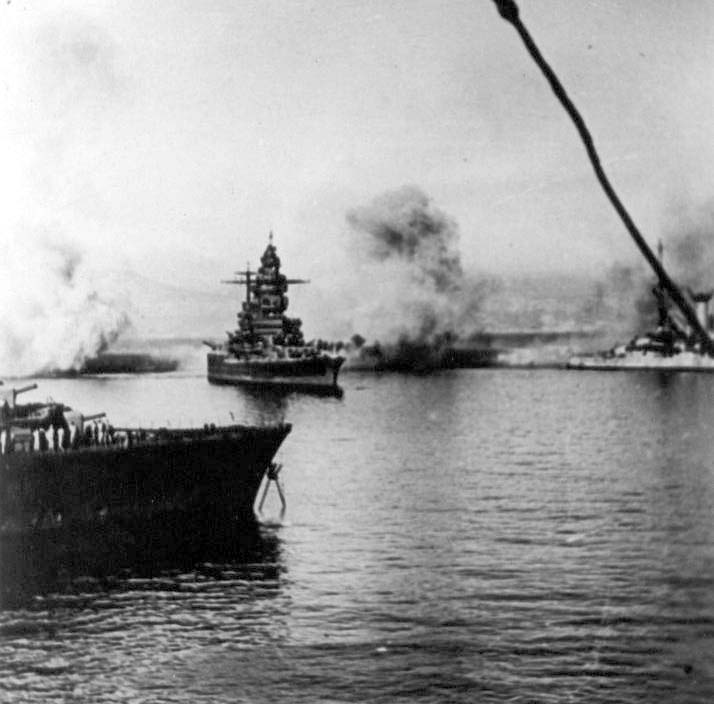
To stop the French fleet falling into German hands, the Royal Navy opens fire on its ally of only weeks before. Nearly 1,300 French sailors are killed.
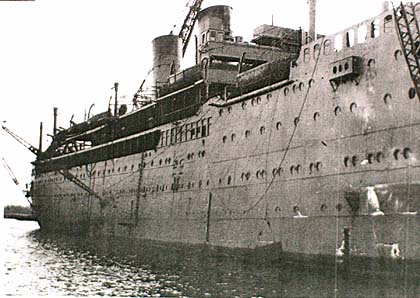
A liner carrying interned Italian and German civilians to Canada is torpedoed off Ireland. Hundreds of men who had lived in Britain for years drown.
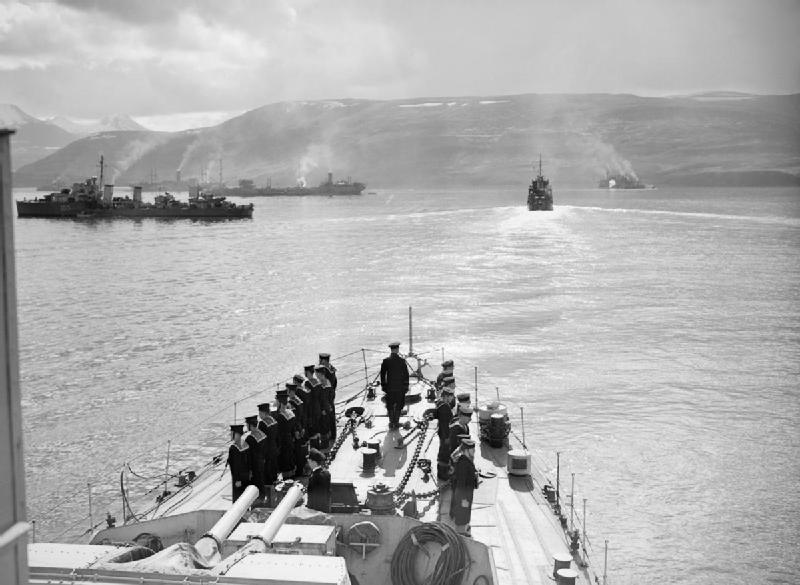
A convoy of 35 merchant ships sails from Iceland for Arkhangelsk with tanks, aircraft and supplies for the Soviet Union. A week later, a fateful order will doom most of it.
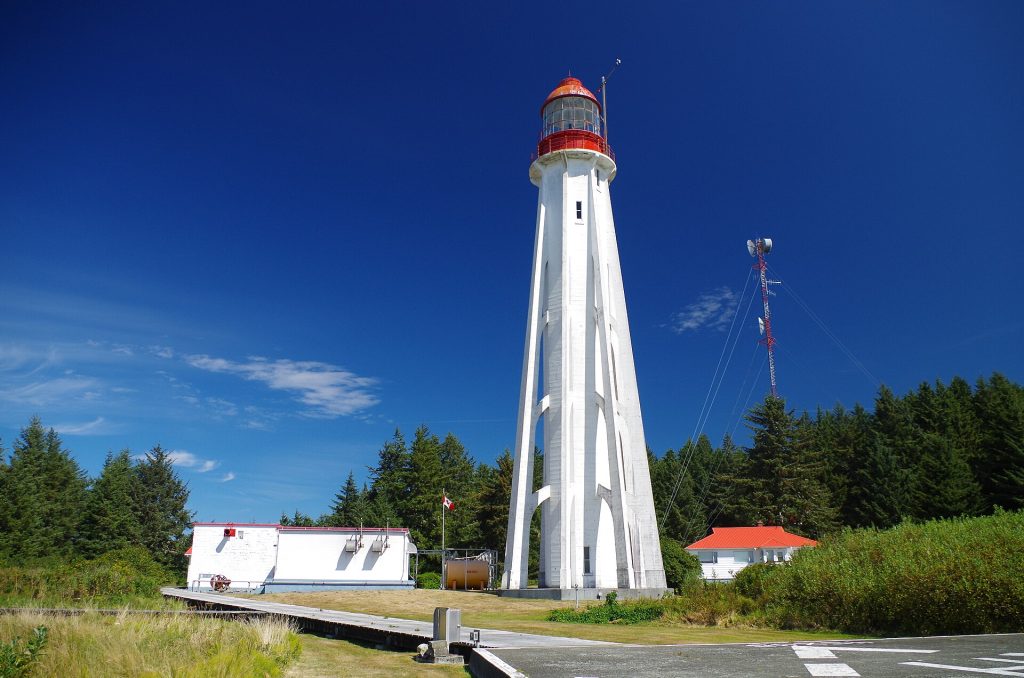
A Japanese submarine surfaces off Vancouver Island and fires on a remote lighthouse. It is the first enemy attack on Canadian soil since the War of 1812.
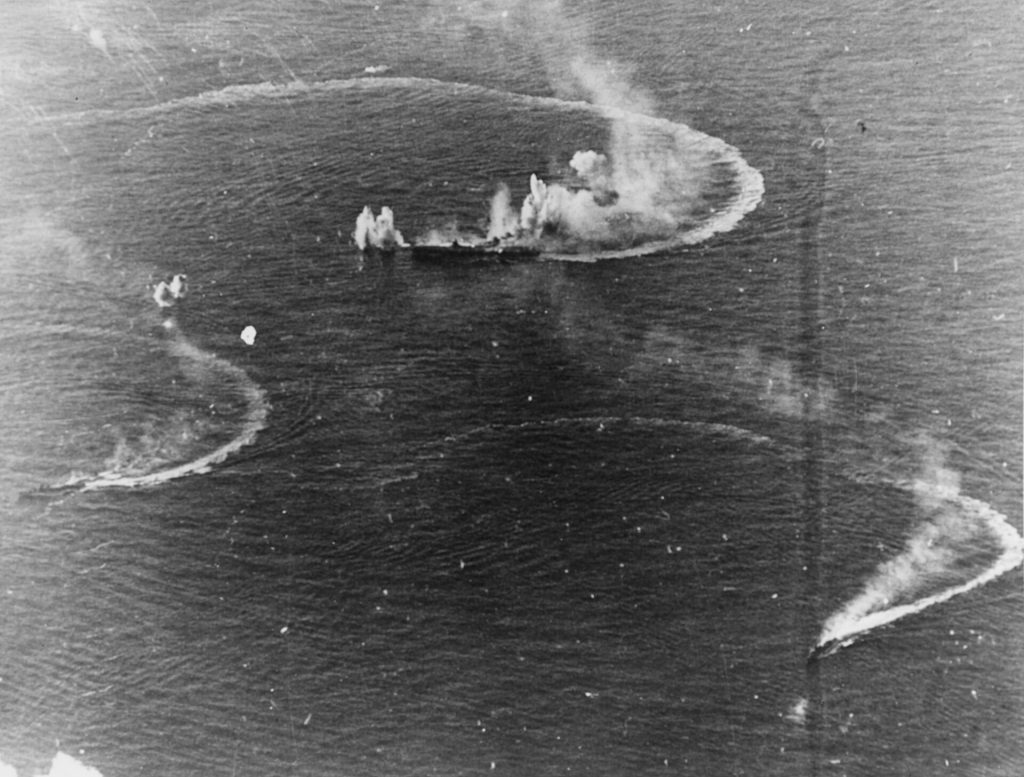
Japan throws its rebuilt carrier air power at the American fleet off the Marianas. American pilots shoot down so many aircraft that they call it the Great Marianas Turkey Shoot.
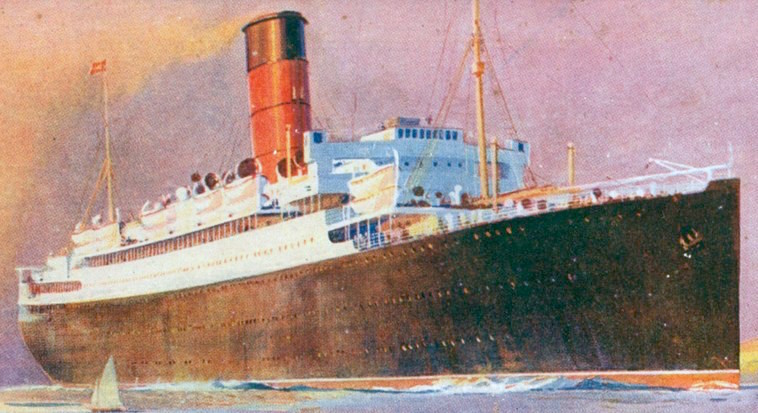
Off St Nazaire, German bombers sink a liner crammed with British troops and civilians being evacuated from France. More die than on the Titanic and the Lusitania combined.
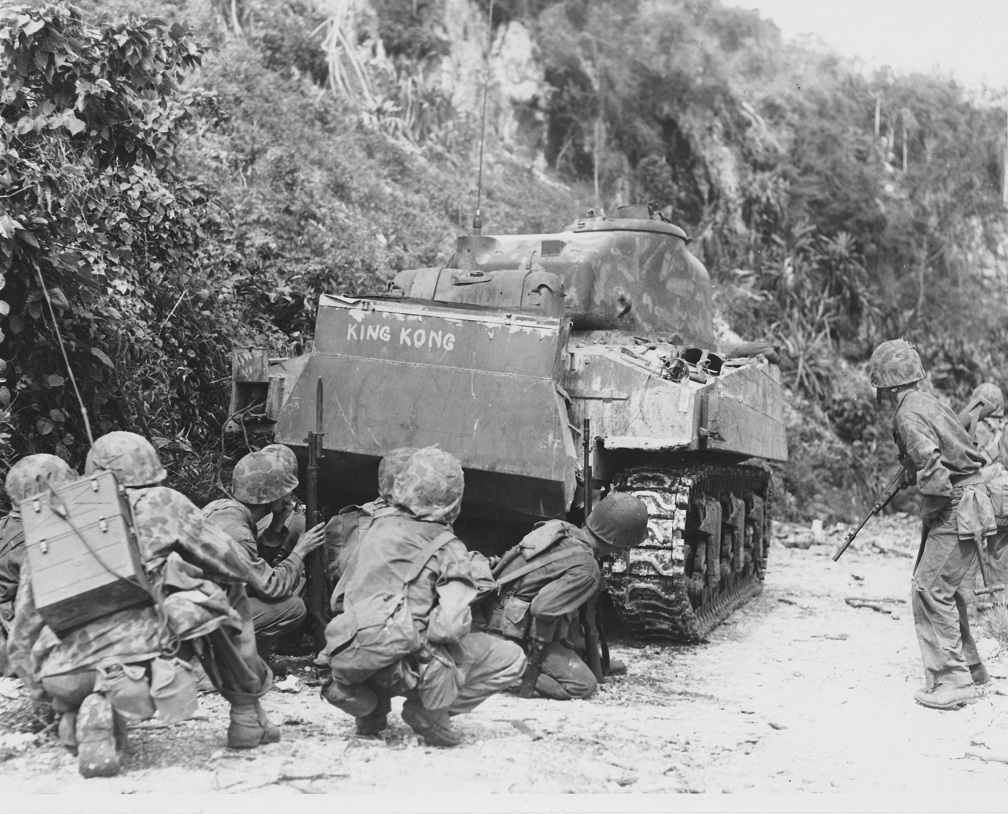
American Marines storm ashore on Saipan in the Mariana Islands, inside Japan’s inner defence perimeter and within bomber range of Tokyo.
 United Kingdom
 United States
 Soviet Union
 Germany
 Japan
 France
 Poland
 South Africa