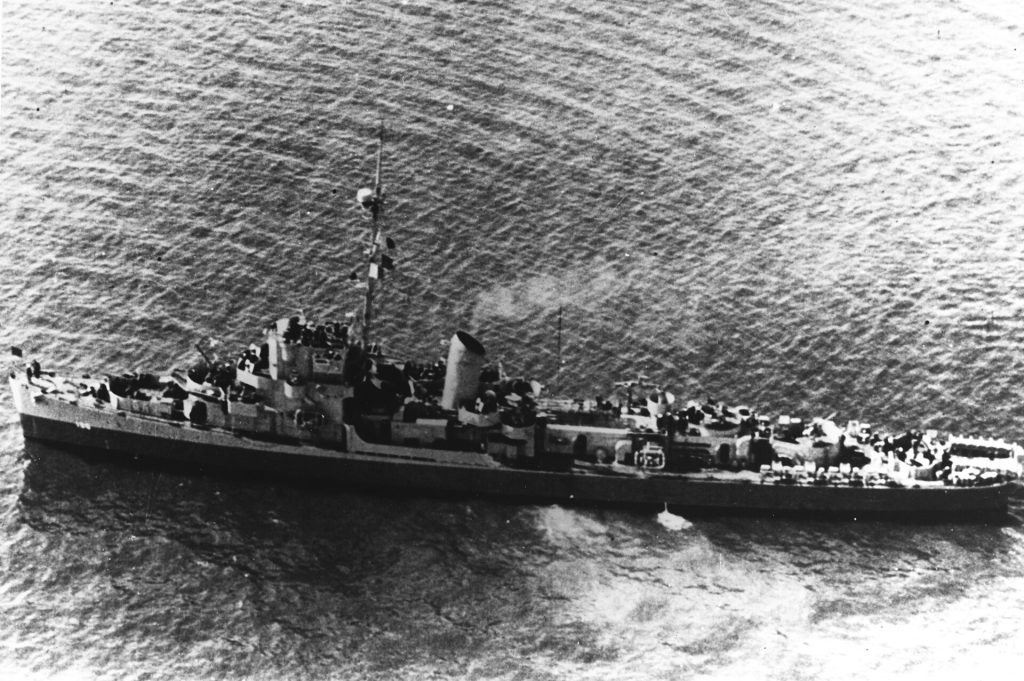
24 April 1945: USS Frederick C. Davis Sunk
Hunting U-boats in mid-Atlantic, the destroyer escort Frederick C. Davis is torpedoed by U-546 and breaks in two, the last American warship lost in the Battle of the Atlantic.
U-boats, convoys, raiders and the Arctic route to Russia.
Hunting U-boats in mid-Atlantic, the destroyer escort Frederick C. Davis is torpedoed by U-546 and breaks in two, the last American warship lost in the Battle of the Atlantic.
Günther Prien, the U-boat commander who sank the Royal Oak inside Scapa Flow, vanishes with his boat and crew in the North Atlantic.

Convinced that a superior British fleet is waiting for him, Captain Hans Langsdorff takes his damaged pocket battleship out of Montevideo and blows her up in the River Plate.
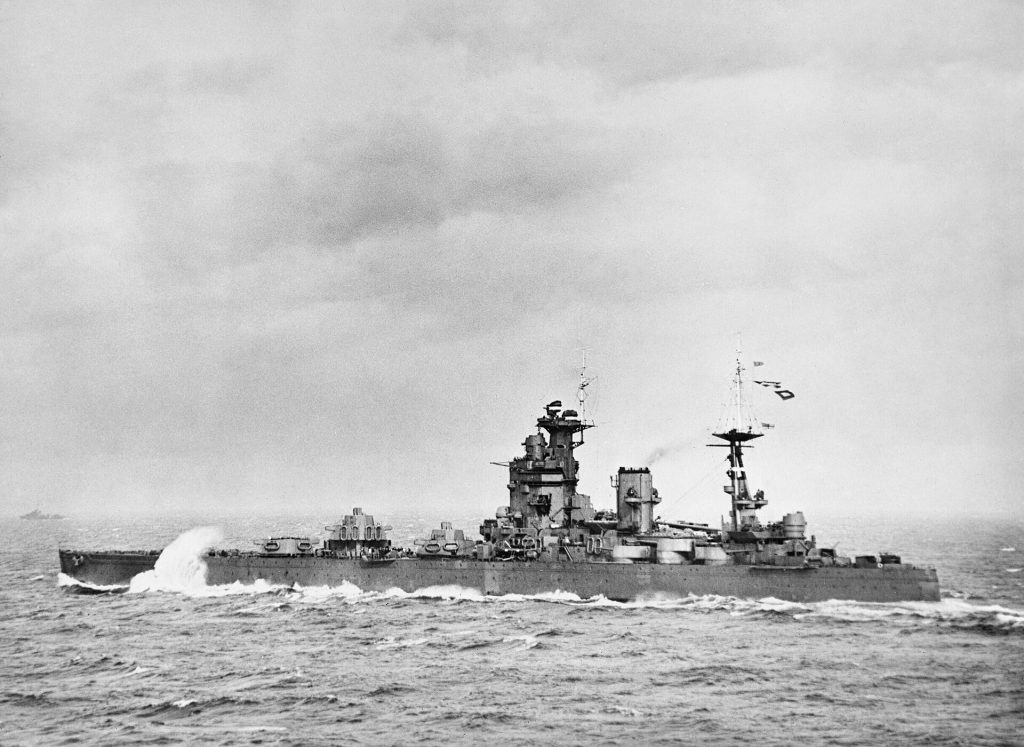
Entering Loch Ewe, the flagship of the Home Fleet detonates a magnetic mine laid by a U-boat, putting one of Britain’s most powerful battleships out of action for eight months.
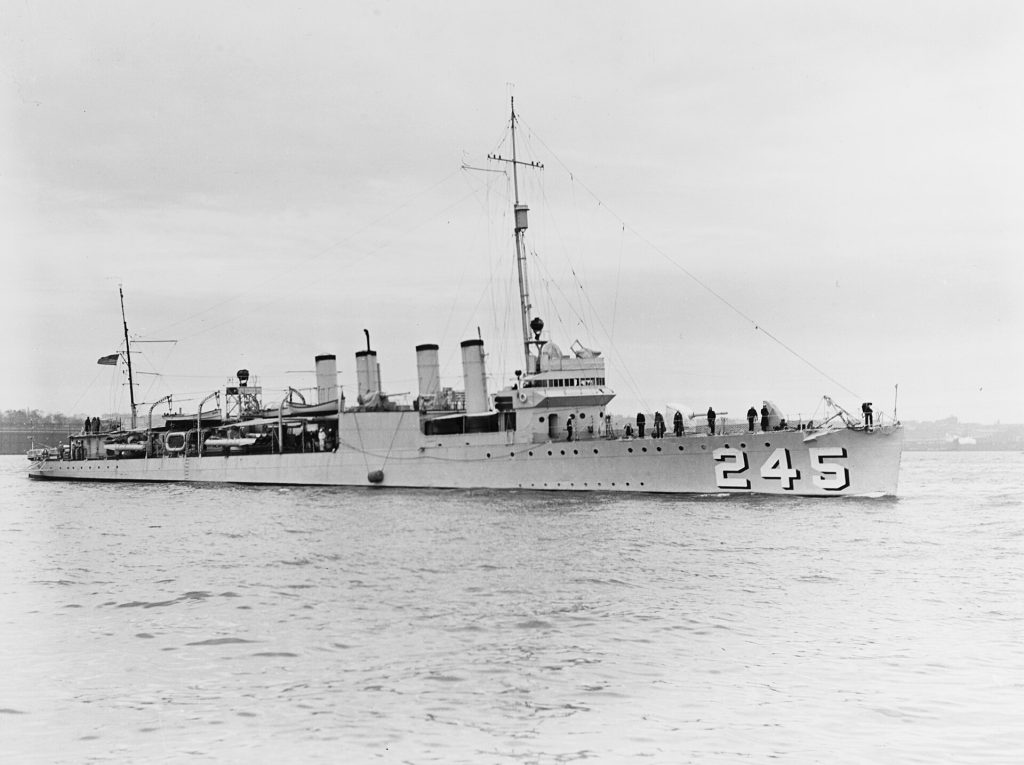
West of Iceland, a U-boat torpedoes the American destroyer Reuben James while she escorts a convoy. She is the first US warship sunk in the war, five weeks before Pearl Harbor.
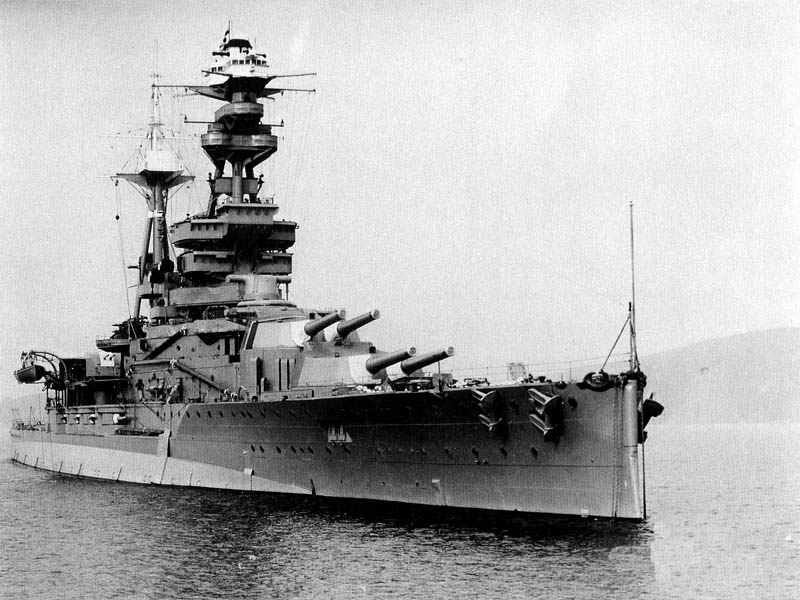
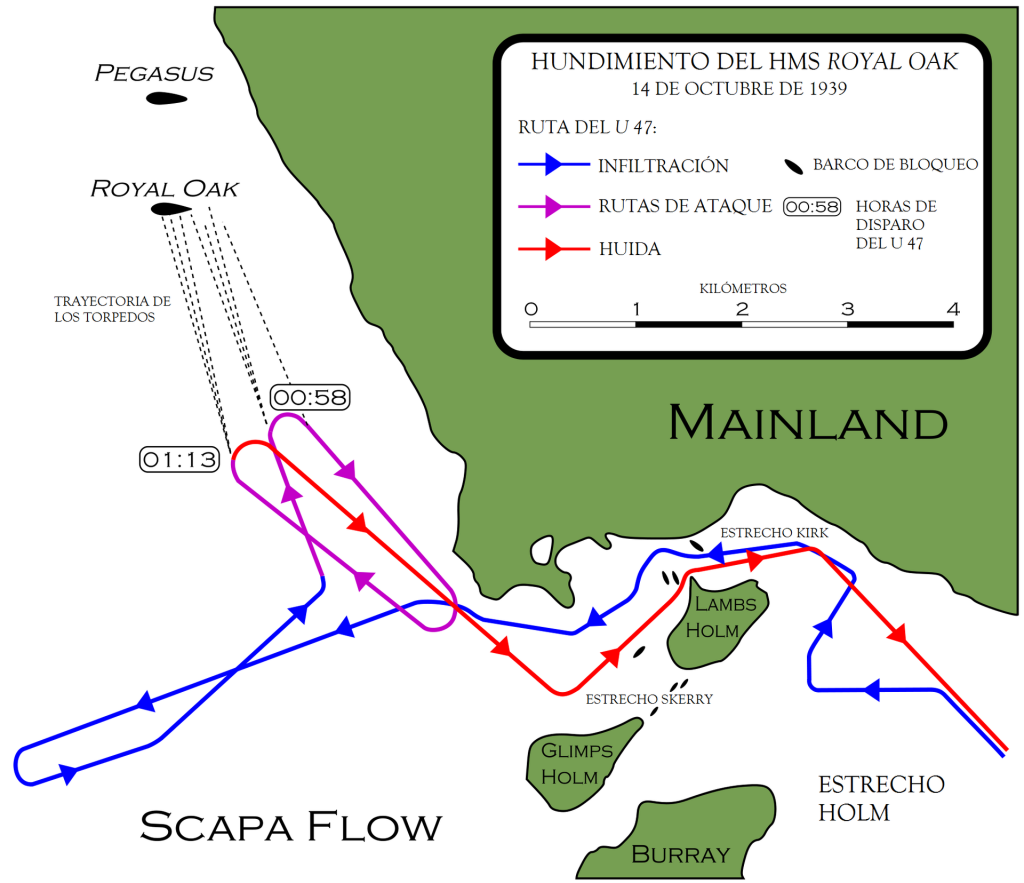
A German submarine slips into the Home Fleet’s anchorage at Scapa Flow and torpedoes the battleship Royal Oak. She capsizes in minutes. Hundreds of men and boys die.
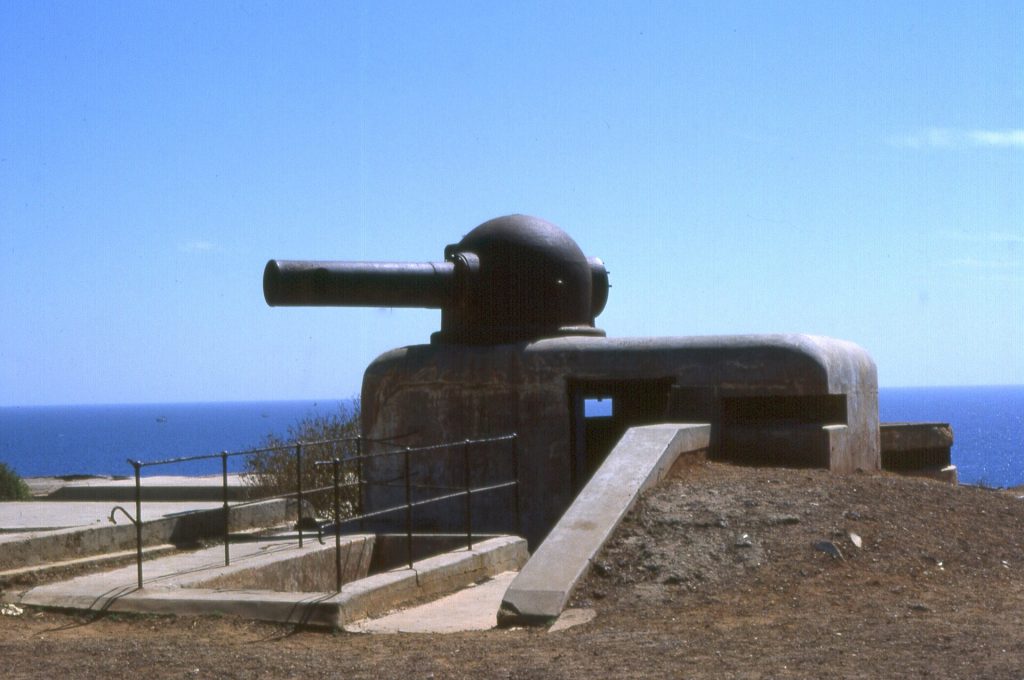
A British fleet carrying General de Gaulle and his Free French troops arrives off Dakar, hoping to win French West Africa without a fight. The Vichy French open fire.

Two British midget submarines slip through the defences of a Norwegian fjord and lay explosive charges beneath the battleship Tirpitz. The explosions put her out of action for months.
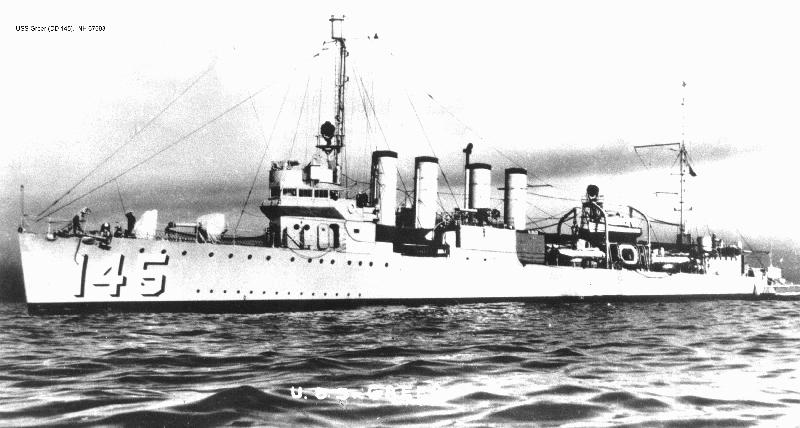
A week after a U-boat fires torpedoes at the destroyer USS Greer, President Roosevelt tells Americans that US warships will now attack Axis submarines on sight. America is fighting an undeclared naval war.
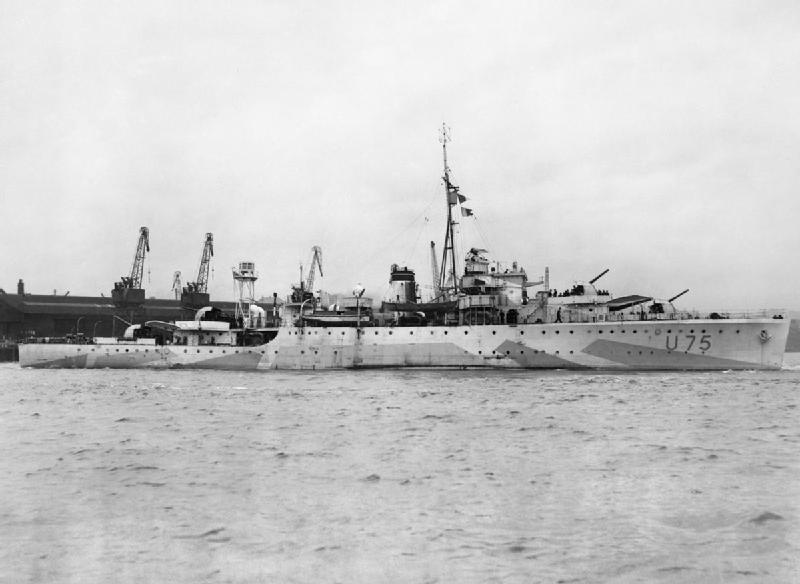
In the Bay of Biscay, a German bomber launches a radio-guided glide bomb at a British anti-submarine group. The sloop HMS Egret blows up and sinks. A new kind of weapon has arrived.
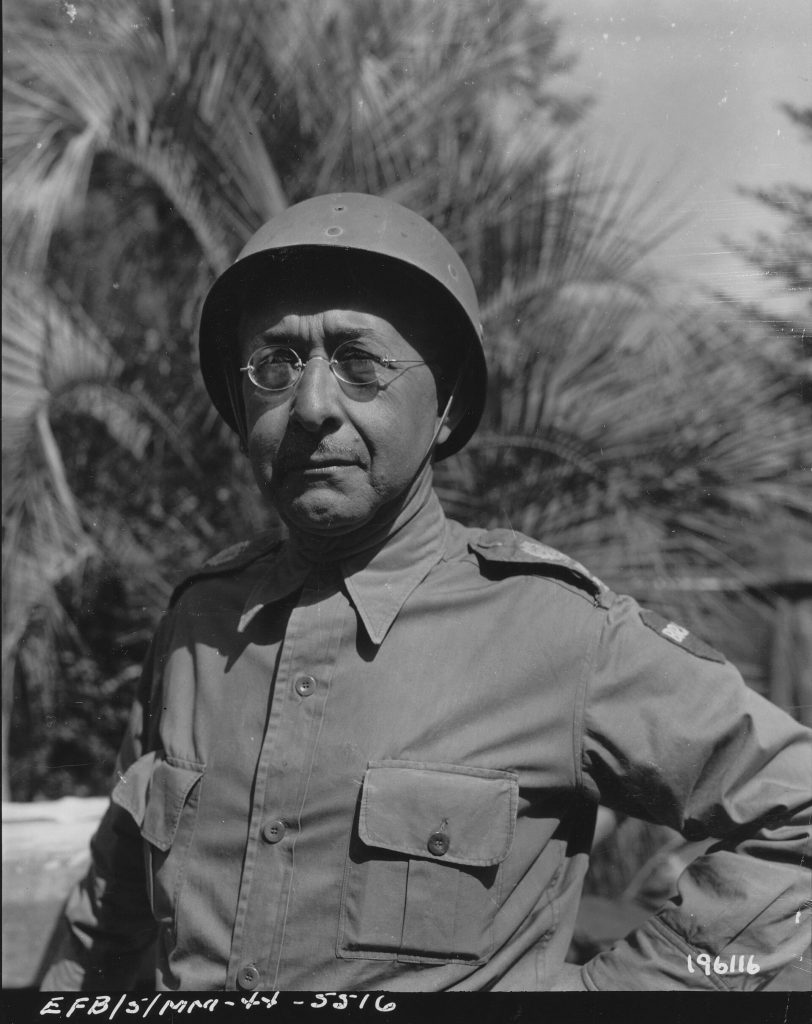
After German U-boats sink several Brazilian ships within days, killing hundreds, Brazil declares war on Germany and Italy. It is the only South American country to send troops to fight in Europe.
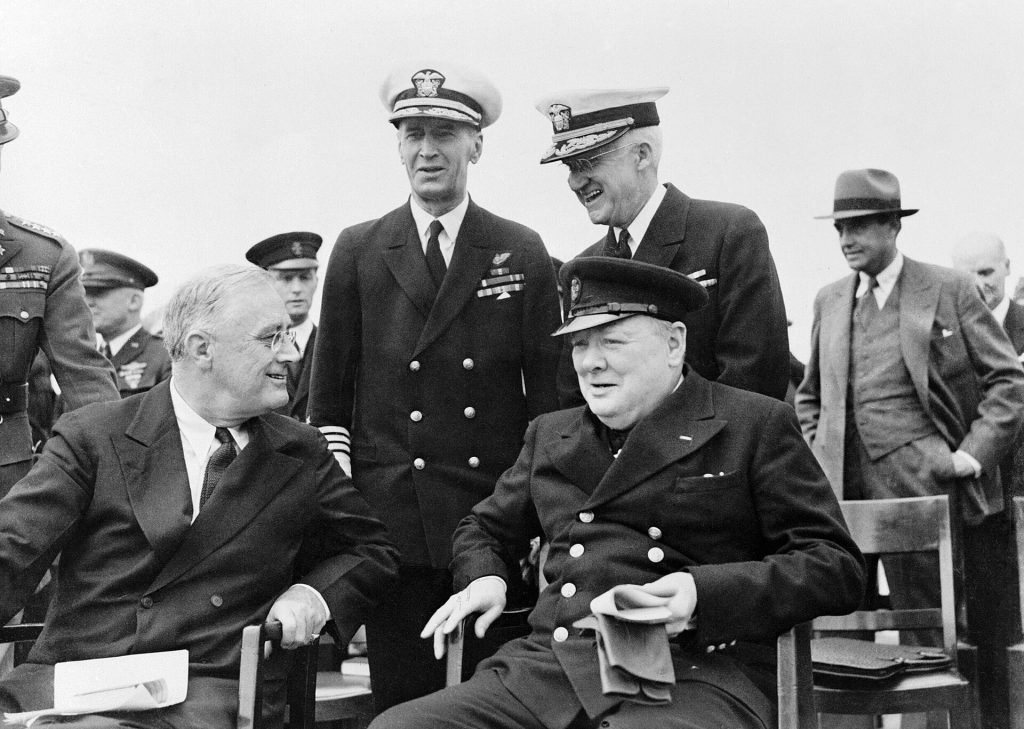
After a secret meeting on warships off Newfoundland, Roosevelt and Churchill publish a joint statement of their aims for the world after the war. The United States is not yet at war.

Five days after Mers-el-Kébir, British aircraft attack France’s newest battleship in the harbour at Dakar. A single torpedo puts her out of action.
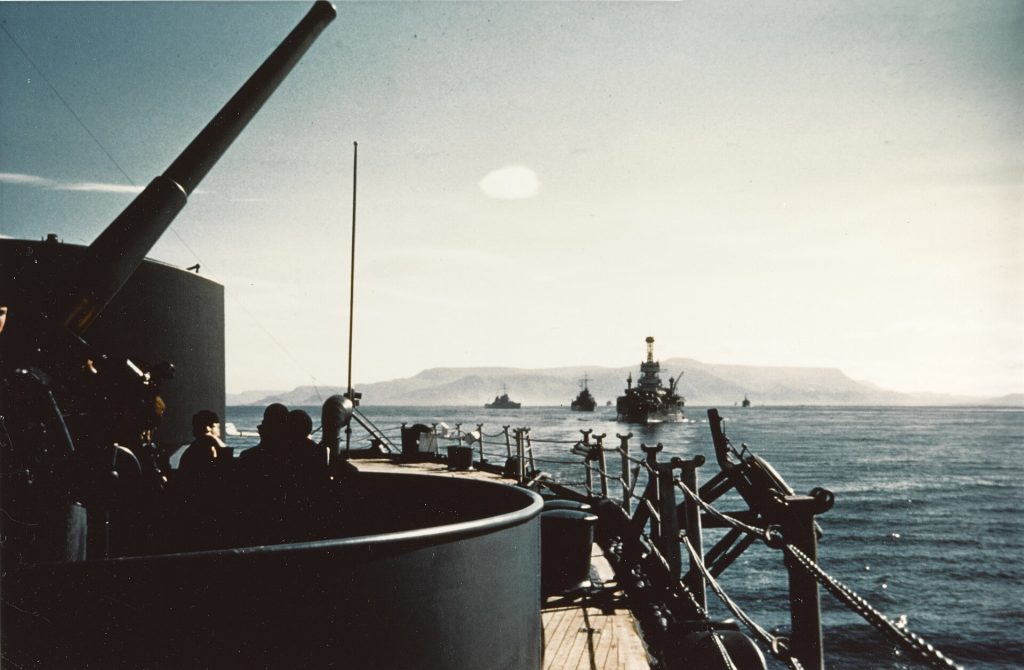
Five months before Pearl Harbor, US Marines come ashore at Reykjavík to take over the defence of Iceland from the British. The officially neutral United States is edging into the Atlantic war.
A liner carrying interned Italian and German civilians to Canada is torpedoed off Ireland. Hundreds of men who had lived in Britain for years drown.
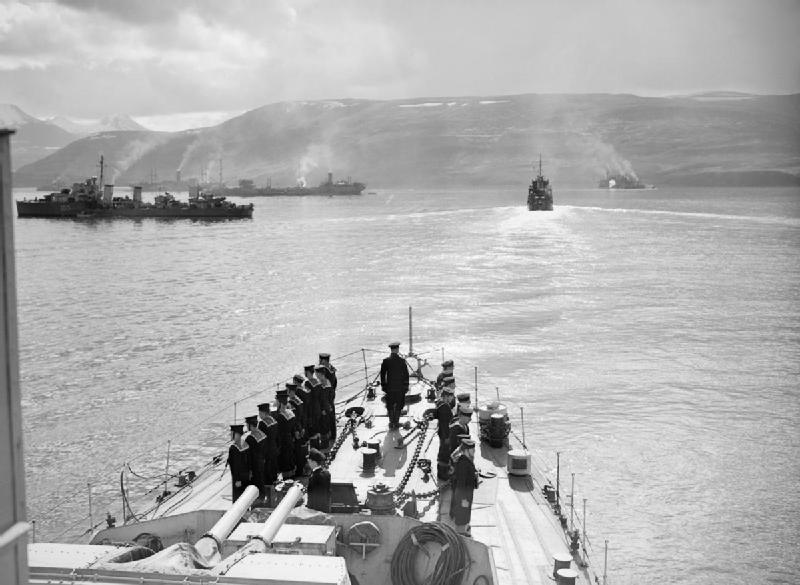
A convoy of 35 merchant ships sails from Iceland for Arkhangelsk with tanks, aircraft and supplies for the Soviet Union. A week later, a fateful order will doom most of it.
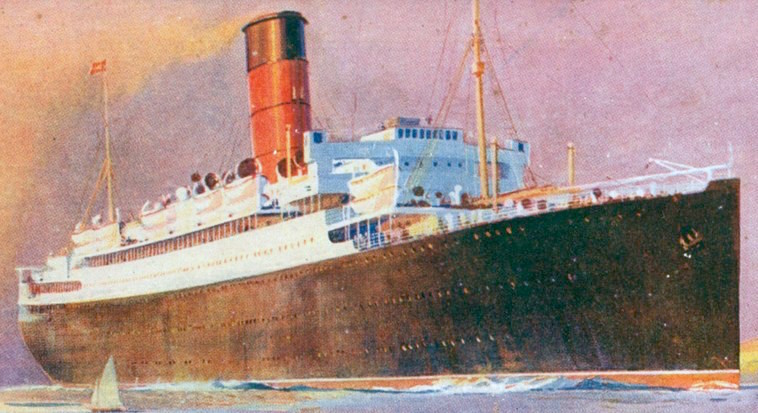
Off St Nazaire, German bombers sink a liner crammed with British troops and civilians being evacuated from France. More die than on the Titanic and the Lusitania combined.
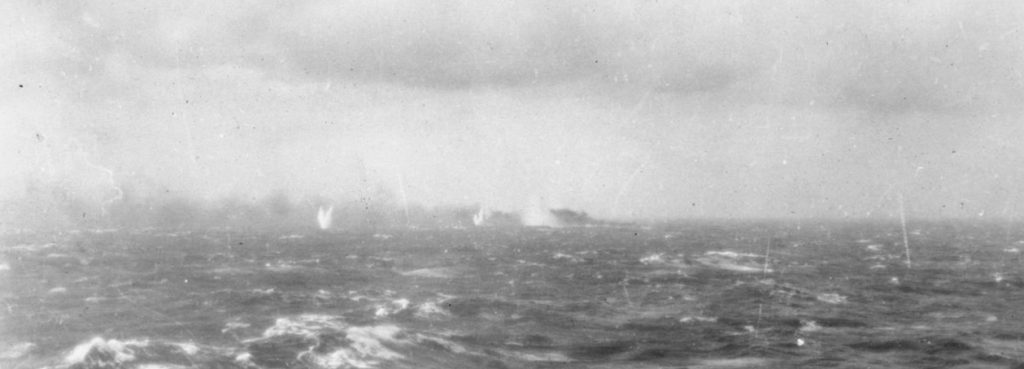
Crippled by a torpedo from an old biplane, the Bismarck can only steam in circles. At dawn, British battleships close in and pound her into a burning wreck.
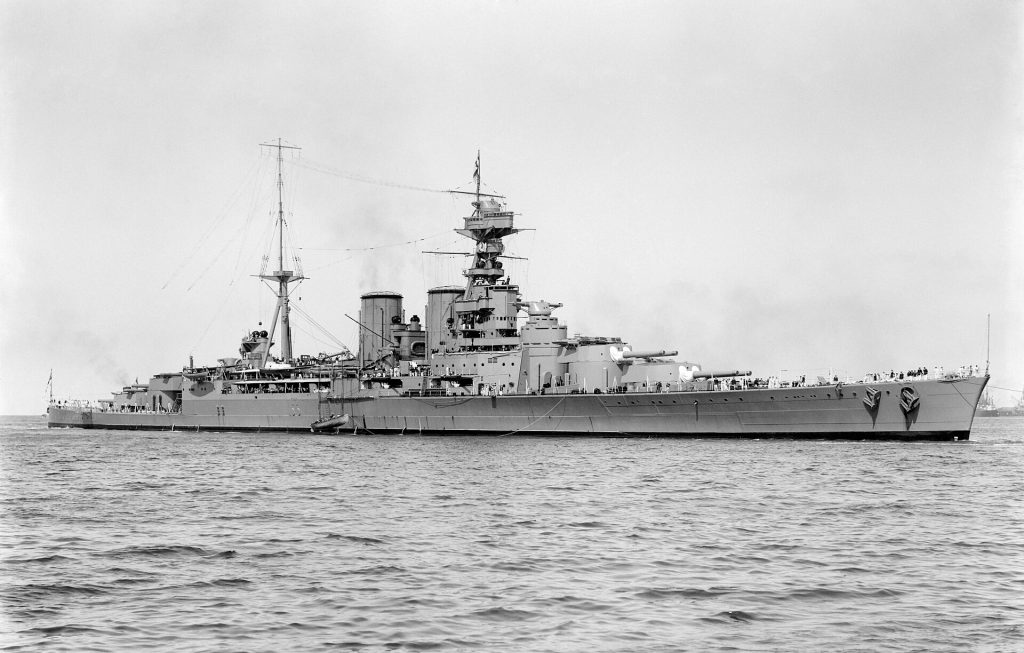
In the Denmark Strait, the battleship Bismarck opens fire on HMS Hood, the pride of the Royal Navy. Within minutes, Hood explodes and sinks. Three men survive.
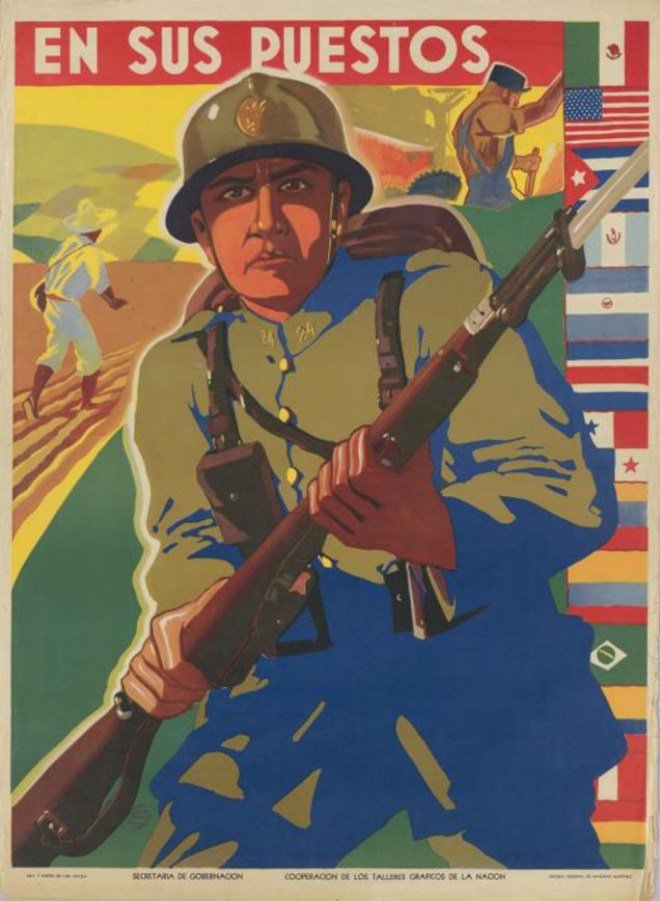
After German U-boats sink two Mexican tankers in the Gulf of Mexico, President Manuel Ávila Camacho declares that Mexico is at war with the Axis.
 United Kingdom
 United States
 Soviet Union
 Germany
 Japan
 France
 Poland
 South Africa