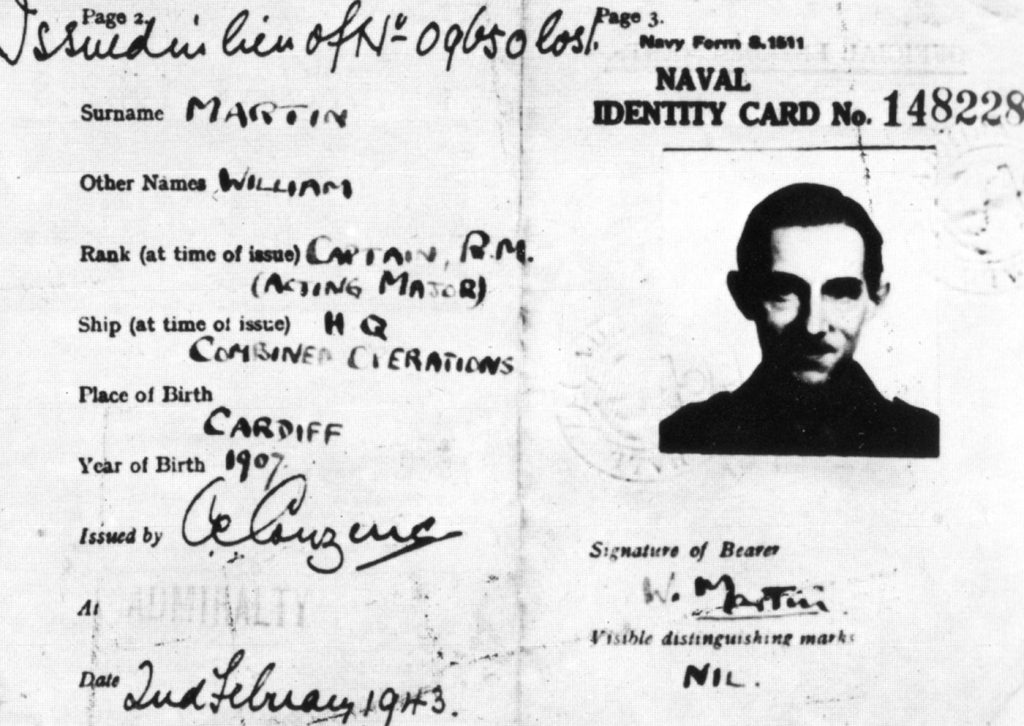
30 April 1943: Operation Mincemeat
Off the coast of Spain, a British submarine releases a dead man dressed as a Royal Marines officer, carrying letters meant to convince the Germans that the Allies will invade Greece and Sardinia.
Dispatches involving United Kingdom.
Off the coast of Spain, a British submarine releases a dead man dressed as a Royal Marines officer, carrying letters meant to convince the Germans that the Allies will invade Greece and Sardinia.
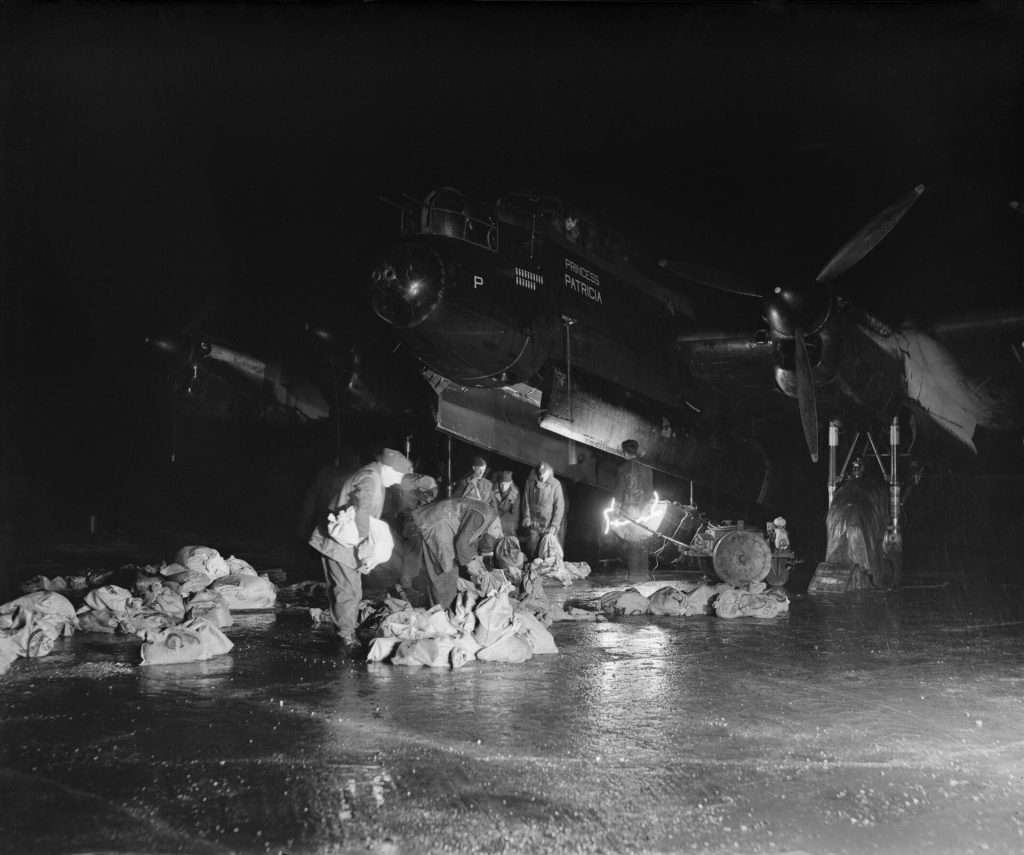
RAF Lancasters fly low over the occupied western Netherlands, dropping food instead of bombs to a population starving after the Hunger Winter.
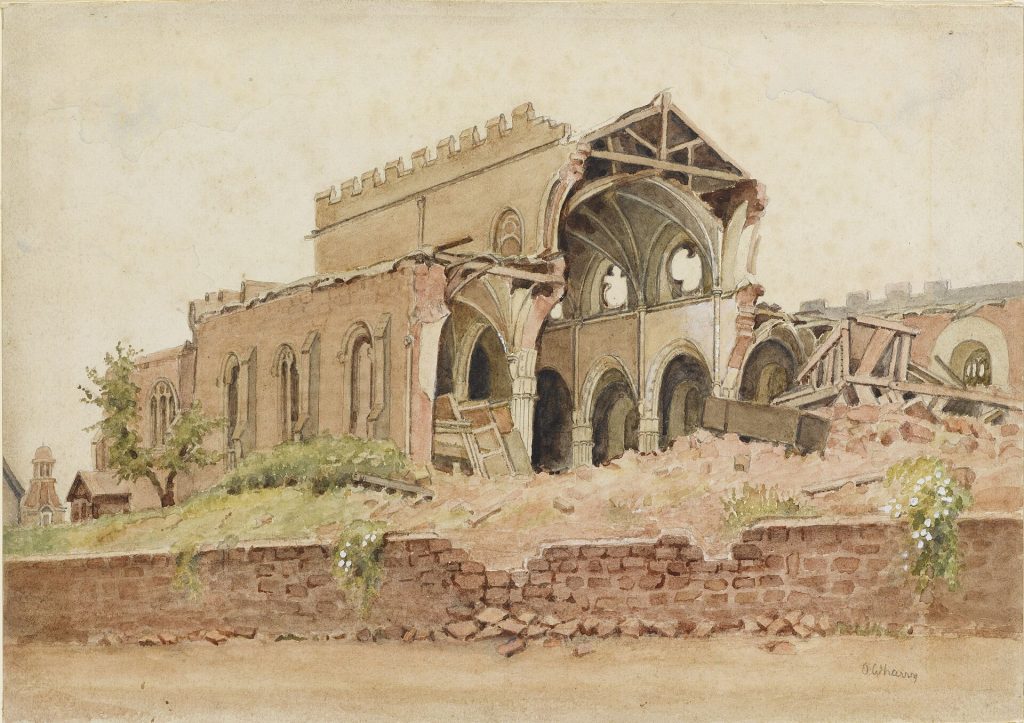
In revenge for the RAF’s burning of Lübeck and Rostock, the Luftwaffe bombs Exeter, opening a campaign against England’s historic cities.
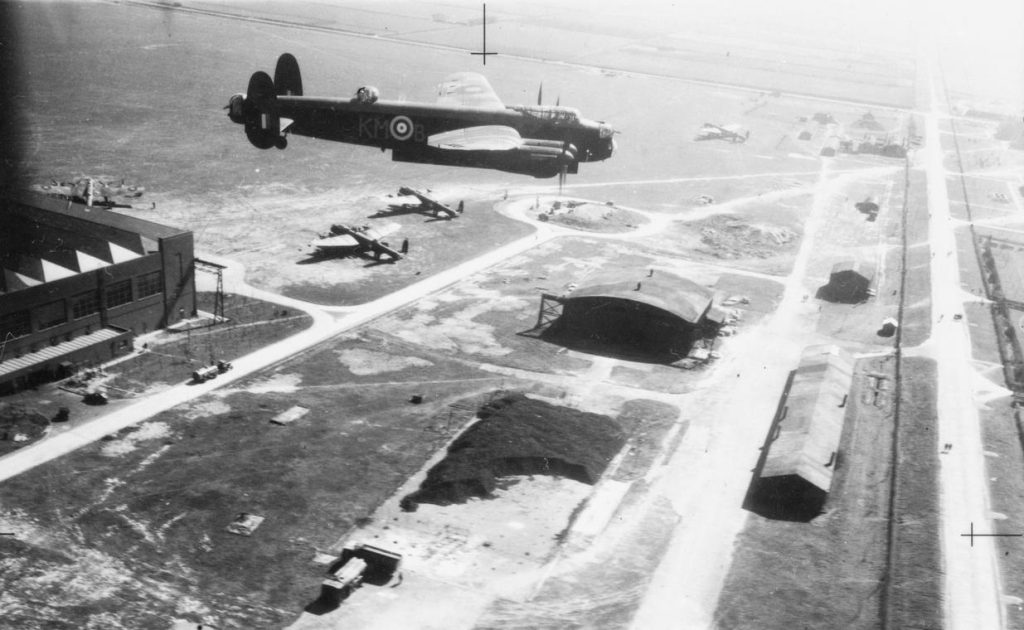
Twelve new Lancasters fly at rooftop height across France and southern Germany in daylight to bomb the factory building U-boat engines at Augsburg.
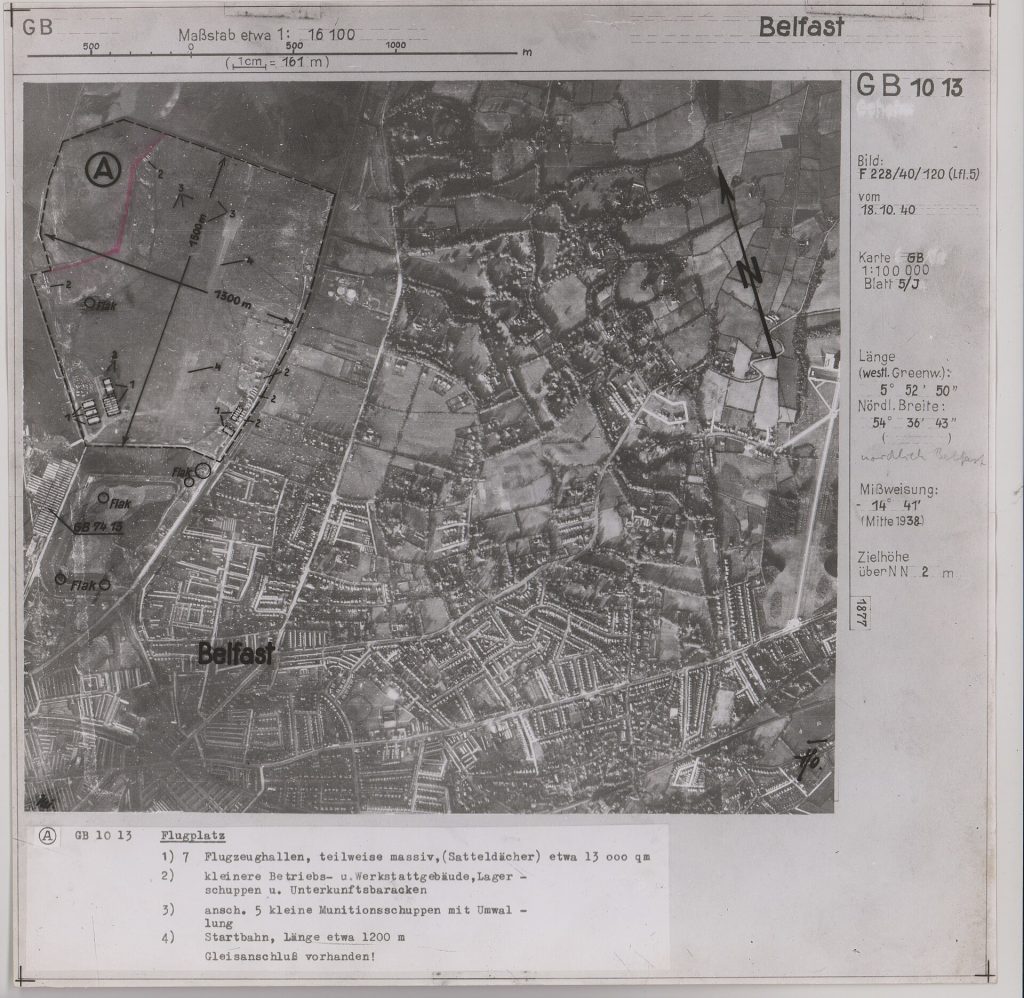
German bombers attack Belfast on the night of Easter Tuesday, killing nearly 1,000 people in the deadliest night raid of the Blitz outside London.
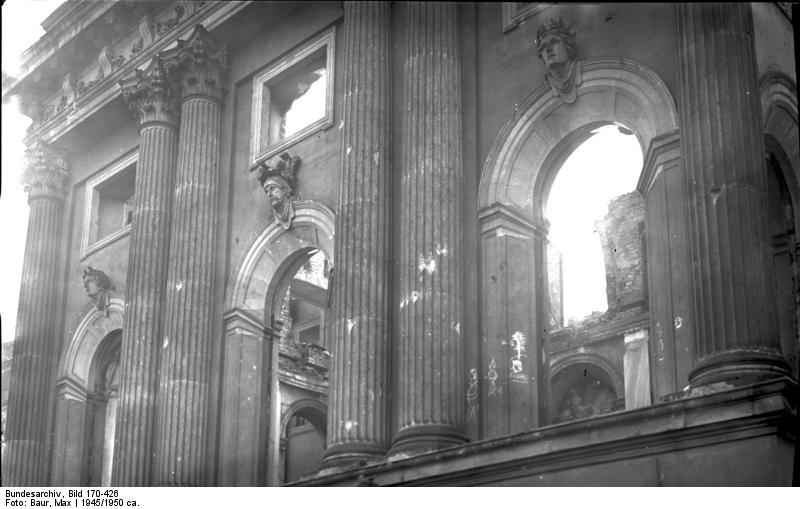
Nearly 500 RAF Lancasters attack Potsdam, the old Prussian royal town outside Berlin, and burn out its historic centre.
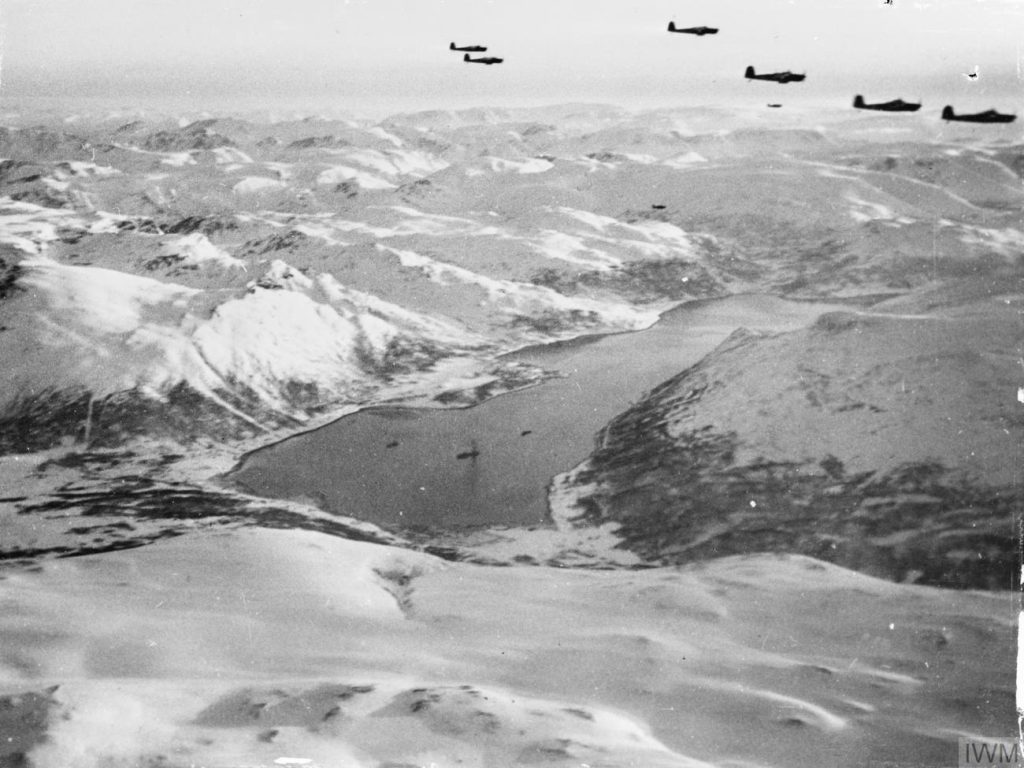
Barracuda dive bombers from British carriers surprise the battleship Tirpitz in Kaafjord at dawn and hit her fifteen times.

After a rapid advance through Italian Somaliland into Ethiopia, South African troops occupy Dire Dawa, called in by Italian colonists themselves.
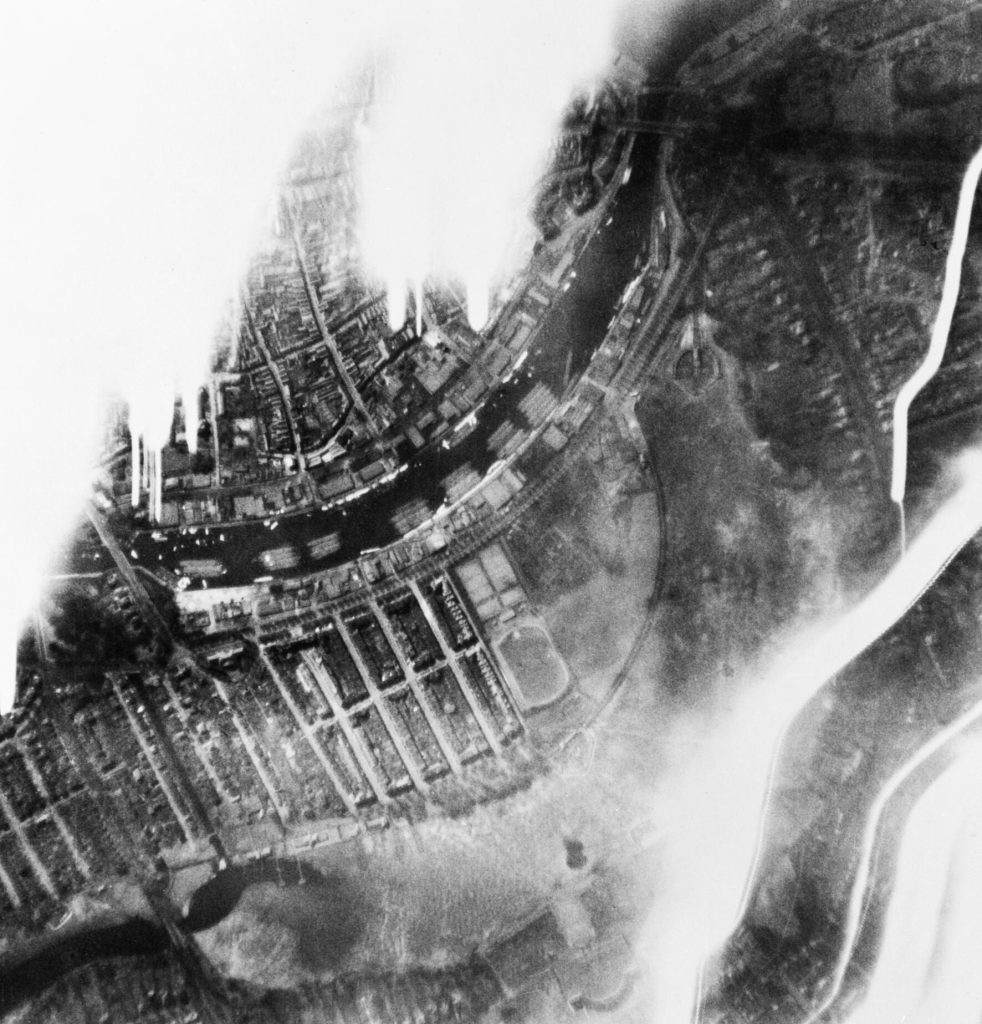
On Palm Sunday night, RAF Bomber Command sets fire to the medieval heart of Lübeck, the first great success of its new campaign against German cities.
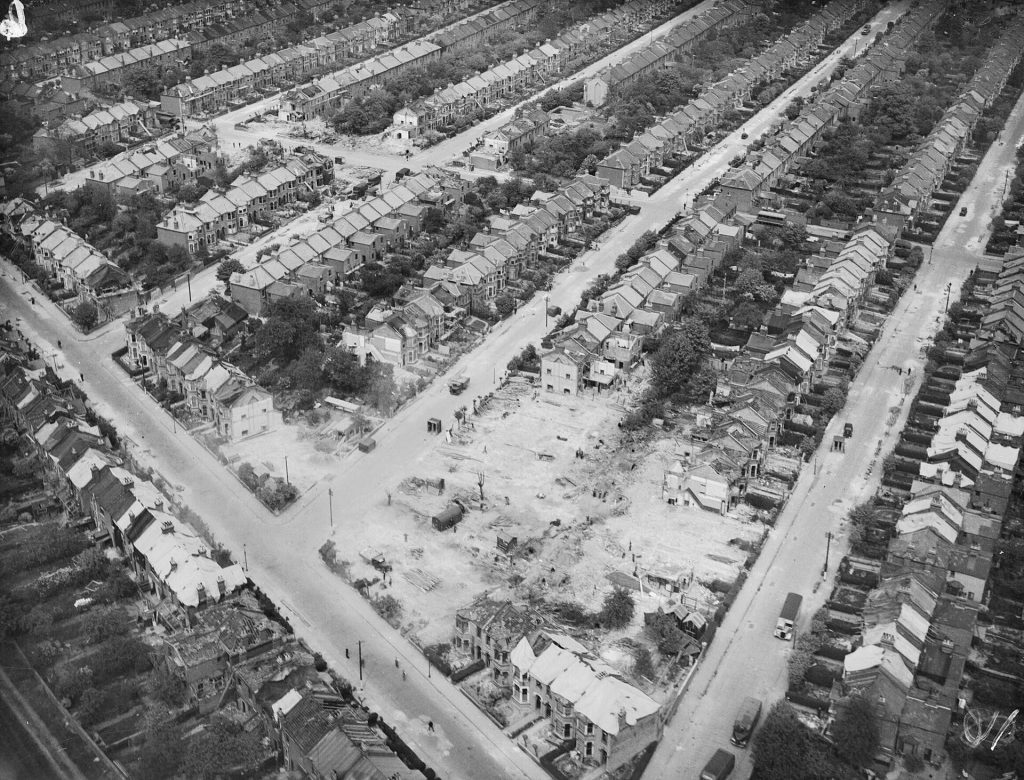
A V-2 rocket falls on a house in Orpington, Kent, killing Ivy Millichamp, the last civilian killed by enemy action on British soil.
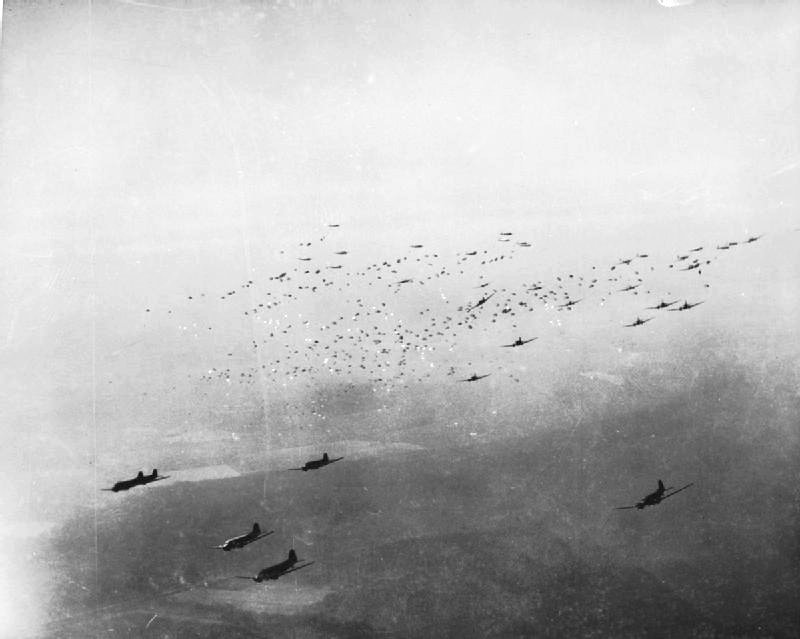
Two airborne divisions land in a single lift beyond the Rhine, in the largest airborne operation ever carried out on one day in one place.
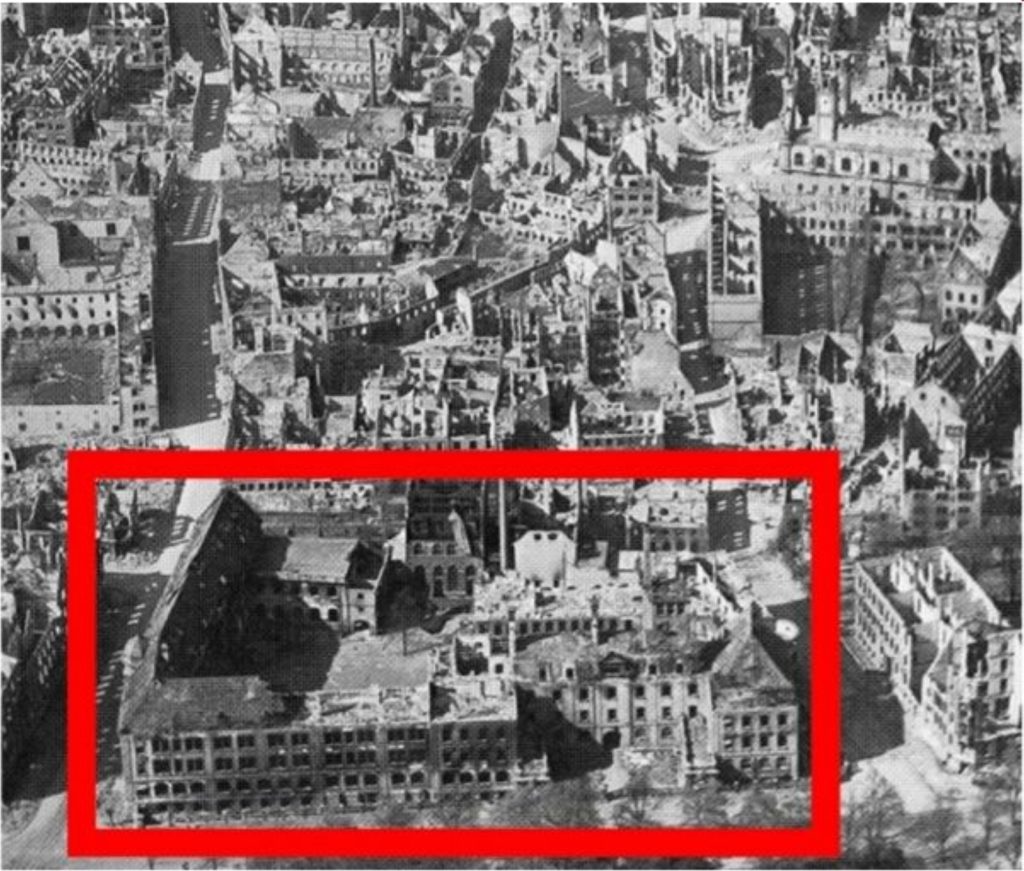
In under 20 minutes, RAF Lancasters set the baroque city of Würzburg ablaze. By morning almost nine-tenths of its centre is gone.
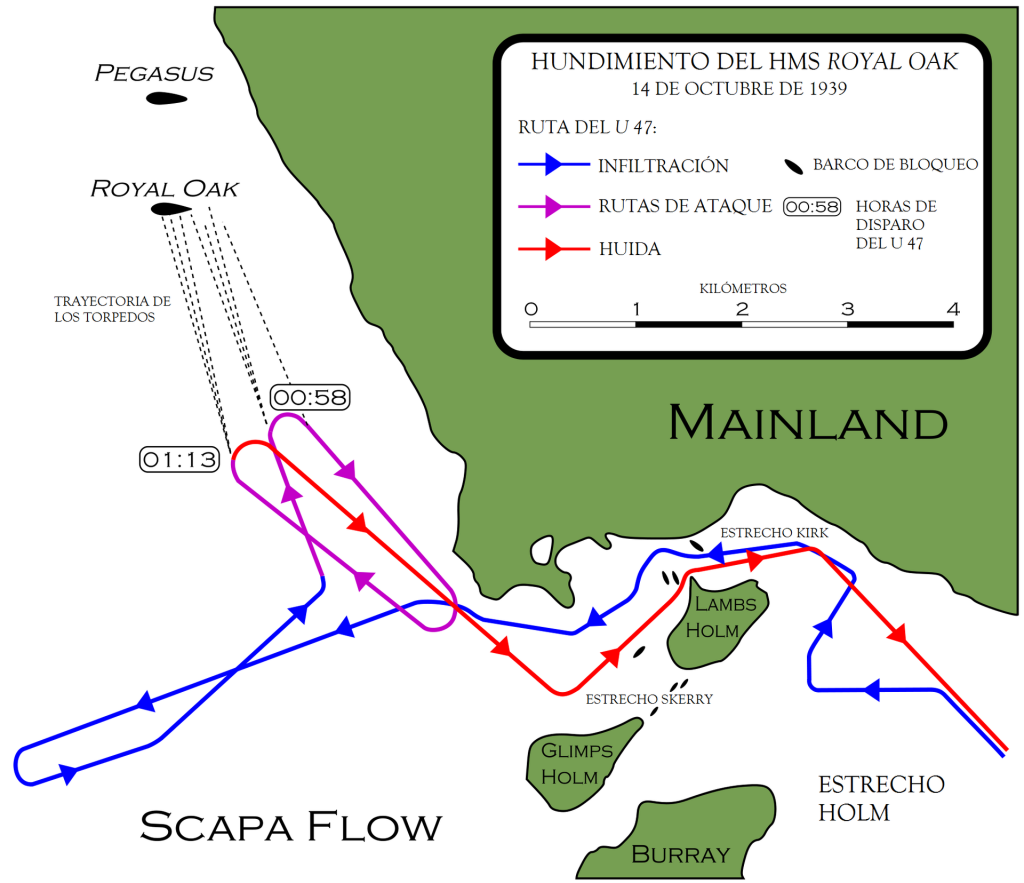
Günther Prien, the U-boat commander who sank the Royal Oak inside Scapa Flow, vanishes with his boat and crew in the North Atlantic.
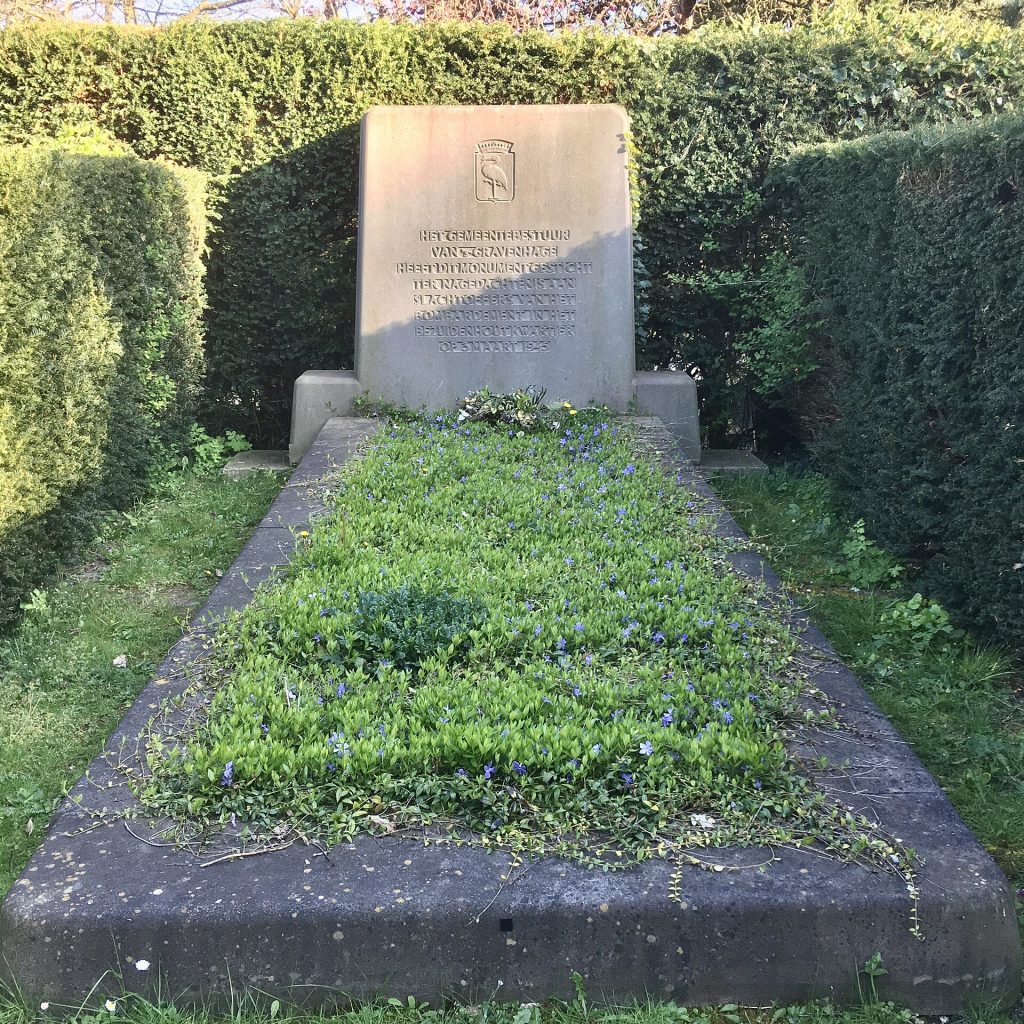
RAF bombers sent to hit V-2 launch sites in a wood outside The Hague drop their bombs on a crowded residential district instead.
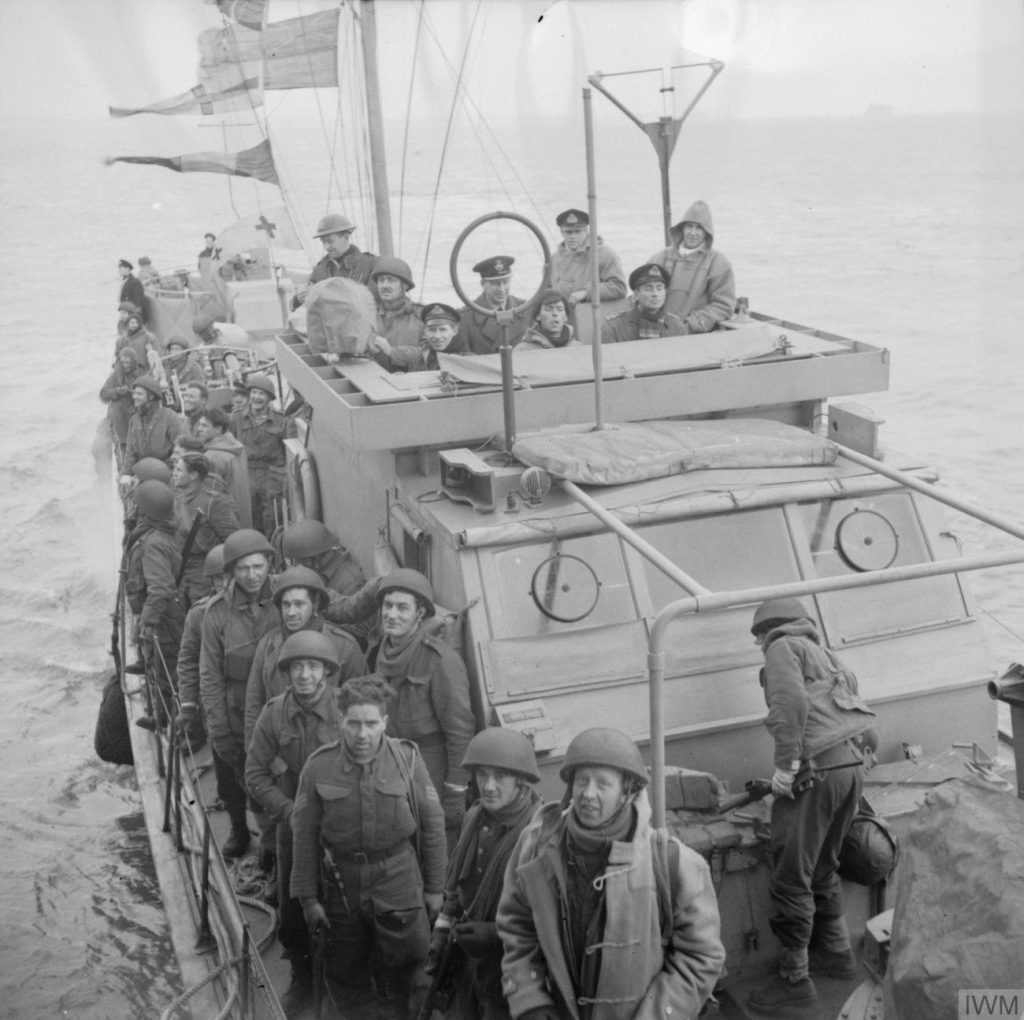
British paratroopers drop onto the French coast, seize the heart of a German radar station and carry its secrets home by sea.
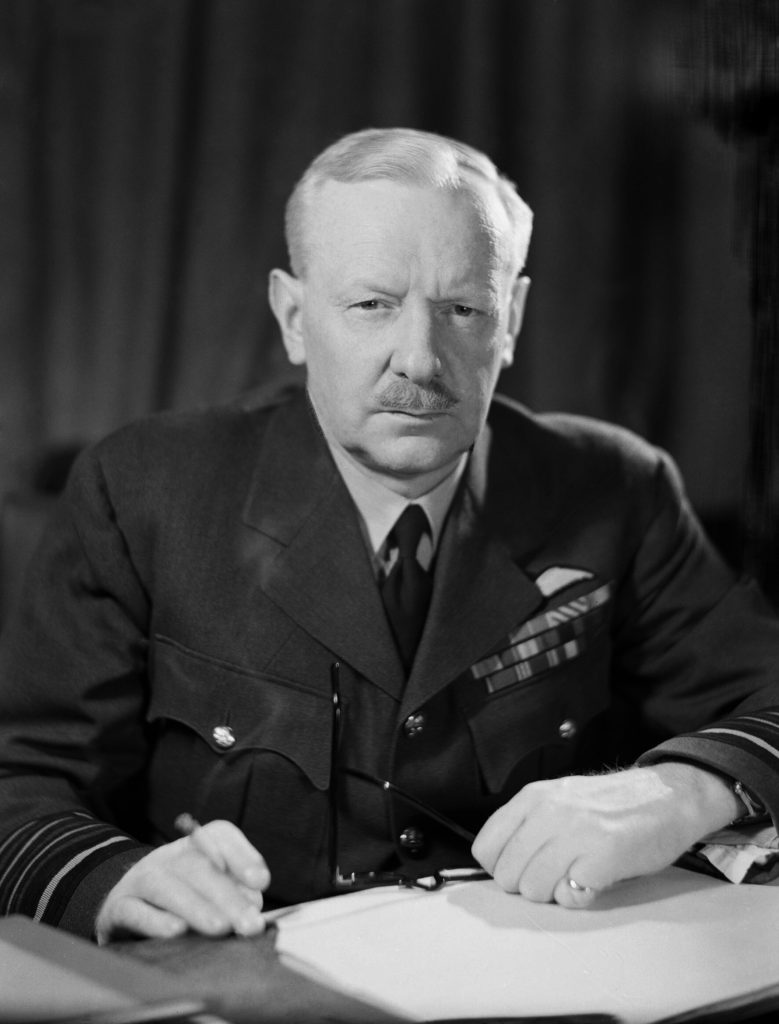
Air Marshal Arthur Harris takes charge of a bomber force that has so far disappointed. He will lead it to the end of the war, and into lasting controversy.
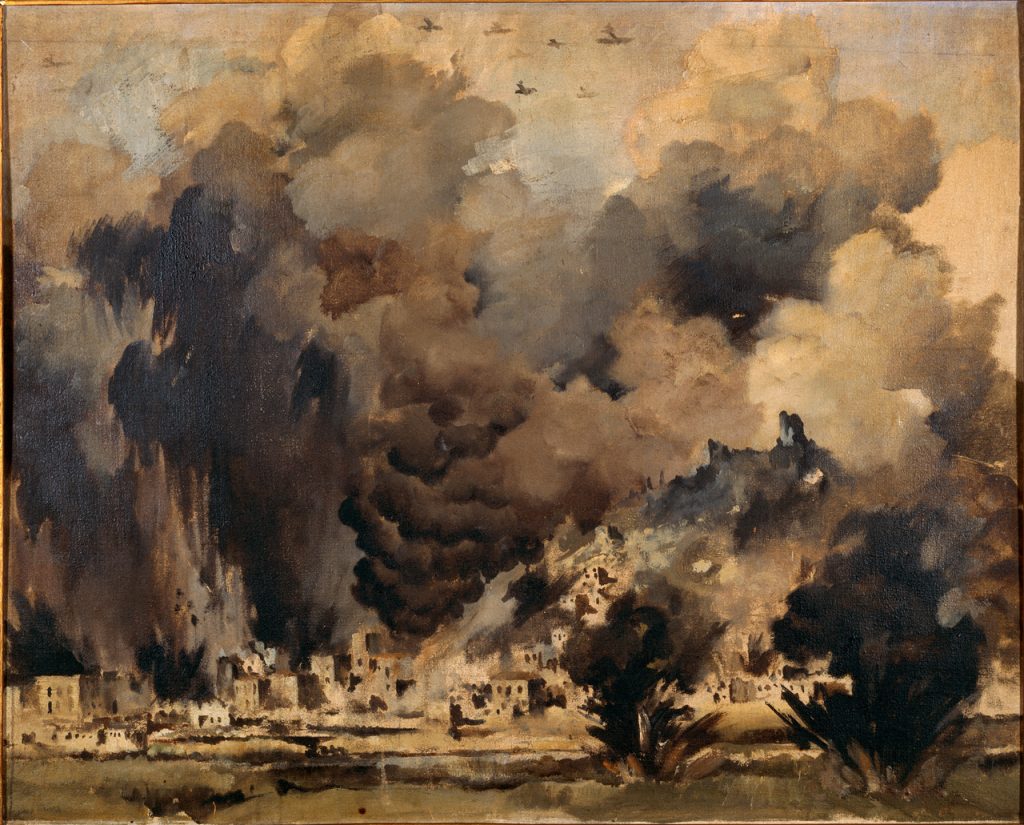
Allied bombers destroy the ancient Benedictine abbey above Cassino, believing the Germans are using it. They are not, until the ruins hand them a fortress.
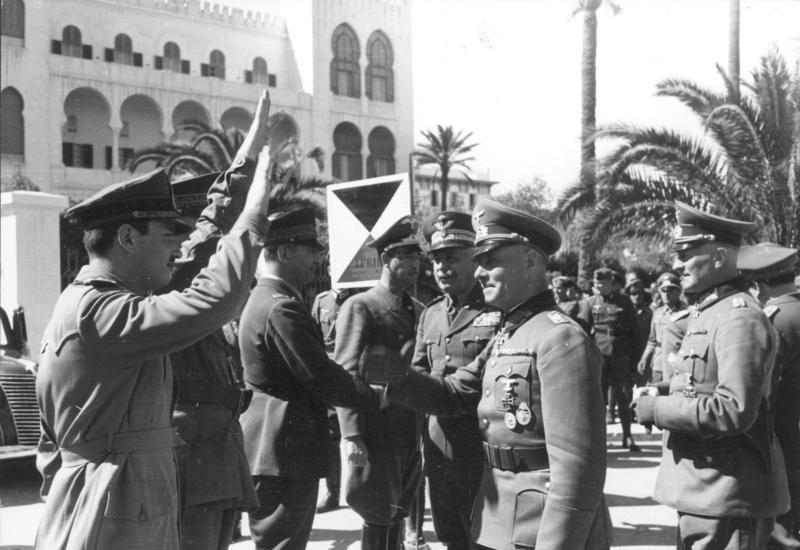
With the Italian army in Libya routed at Beda Fomm, a German general lands in Tripoli to stiffen the defence. Erwin Rommel has other ideas.

Under Japanese pressure and after Allied air raids on Bangkok, Field Marshal Phibun’s government declares war on Britain and the United States.
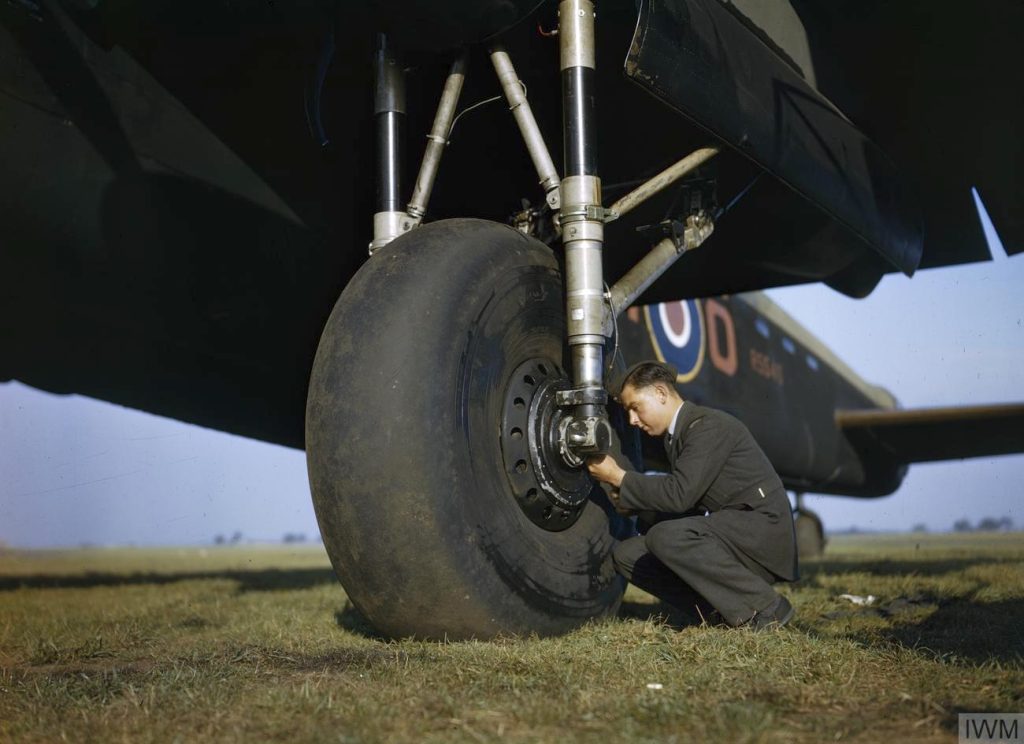
At Ringway, near Manchester, the prototype of a new four-engined bomber makes its first flight. The Avro Lancaster will become the backbone of Bomber Command.
 United Kingdom
 United States
 Soviet Union
 Germany
 Japan
 France
 Poland
 South Africa