
5 January 1941: Amy Johnson Lost over the Thames
Britain’s most famous woman pilot, now ferrying aircraft for the Air Transport Auxiliary, bails out over the Thames Estuary in bad weather and is never seen again.
Dispatches involving United Kingdom.
Britain’s most famous woman pilot, now ferrying aircraft for the Air Transport Auxiliary, bails out over the Thames Estuary in bad weather and is never seen again.
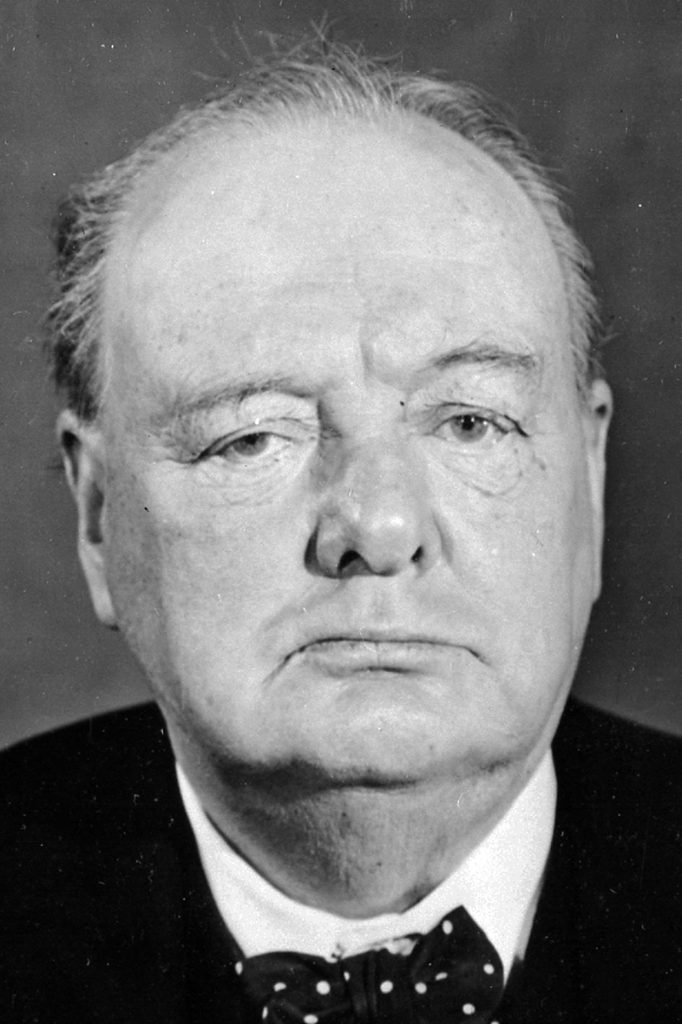
With the Allies still fighting in the Ardennes, Churchill cables Stalin to ask whether the West can count on a major Russian offensive in January.
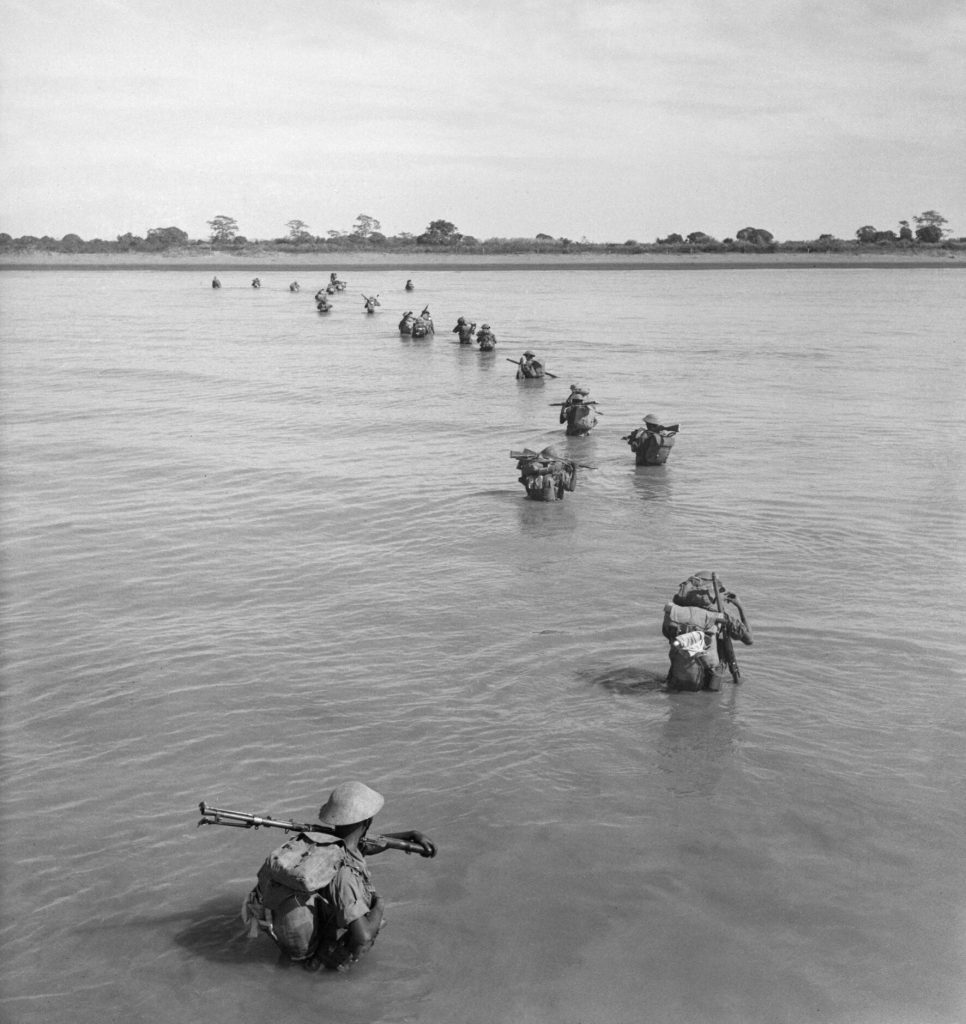
British and Indian troops storm ashore at Akyab on the Arakan coast of Burma, the prize two earlier campaigns had failed to win, and find the Japanese have already gone.
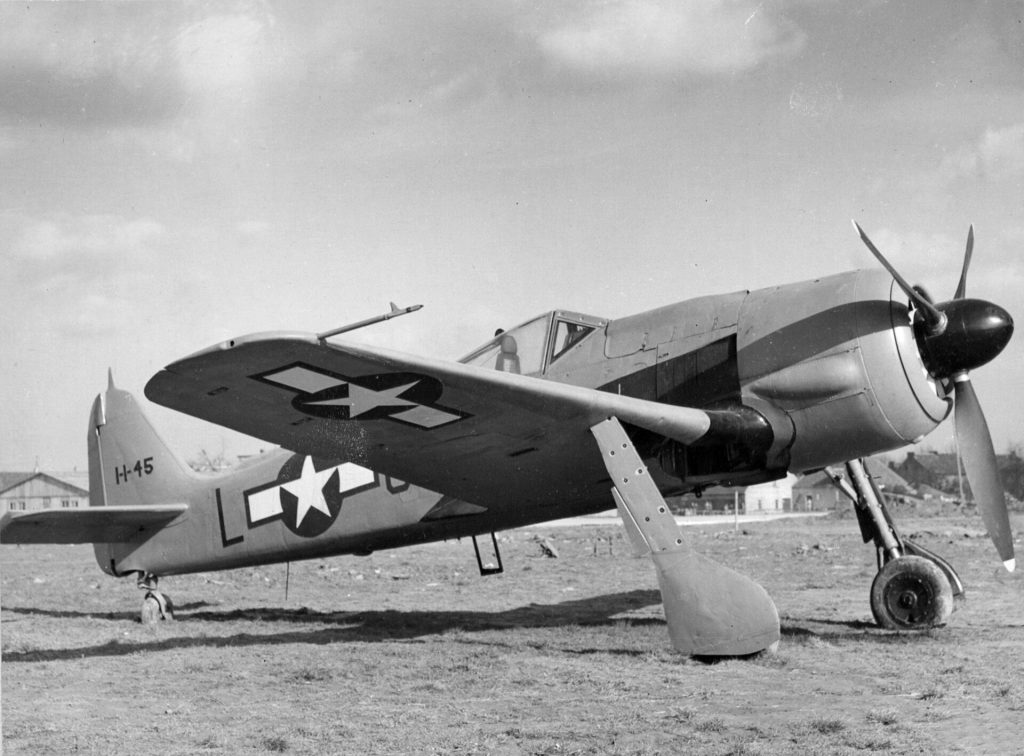
At first light on New Year’s Day, the Luftwaffe throws more than a thousand fighters at Allied airfields in the Low Countries in its last great offensive of the war.
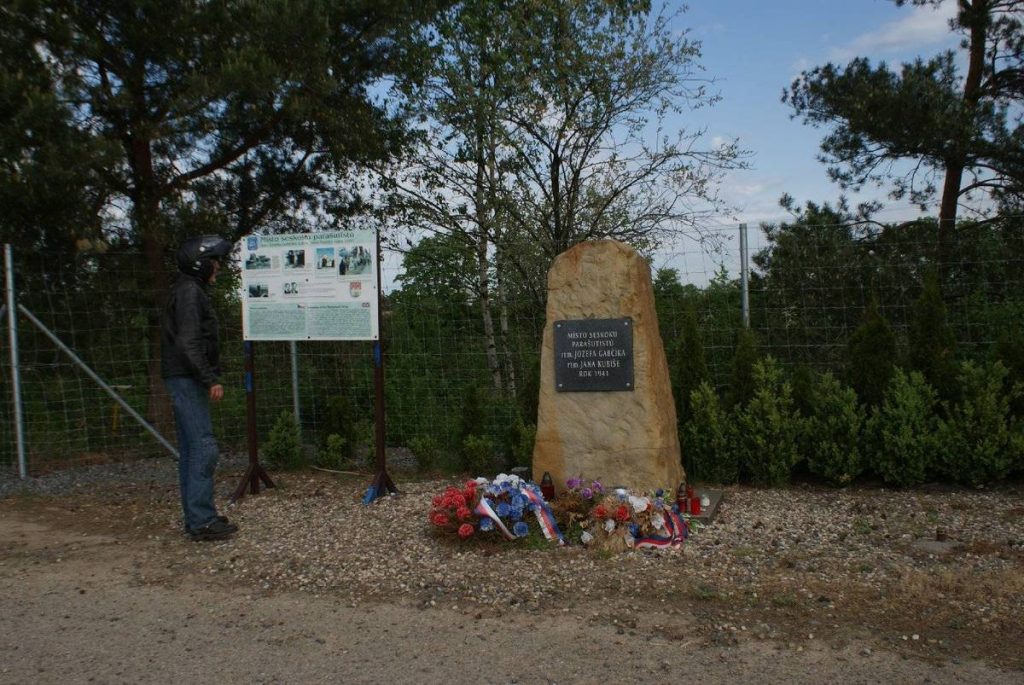
Two Czechoslovak soldiers trained in Britain are dropped by parachute into the occupied Protectorate. Their mission: to kill Reinhard Heydrich, the most feared man in Prague.
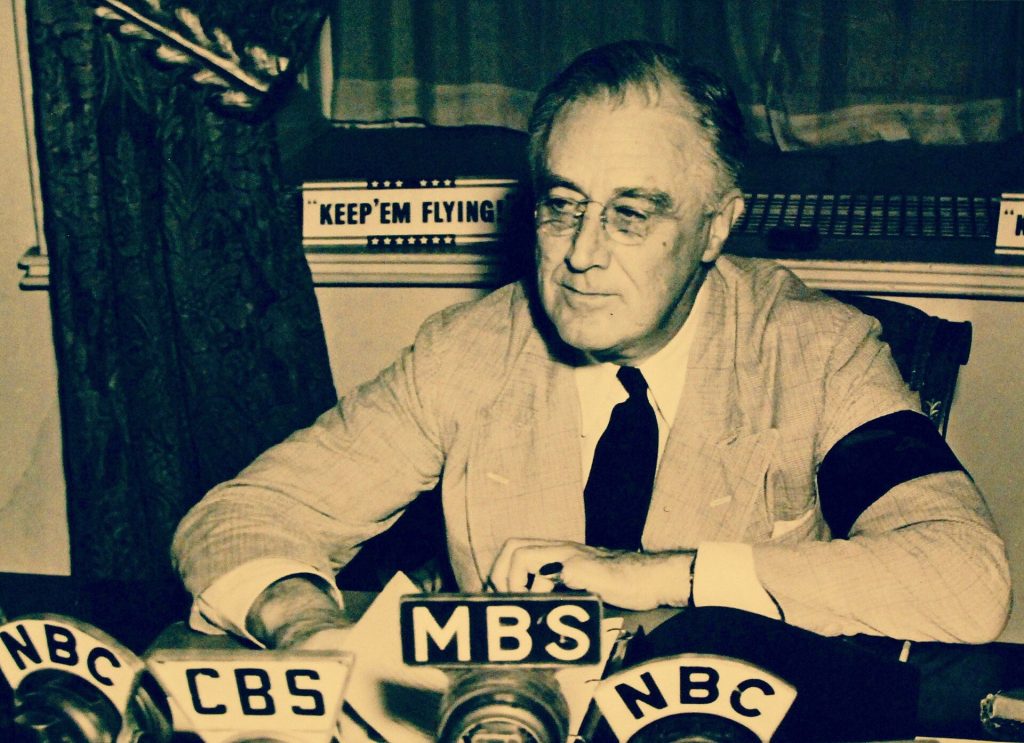
In a fireside chat to the American people, Roosevelt declares that the United States must become the great arsenal of democracy, supplying Britain with the weapons to fight on.
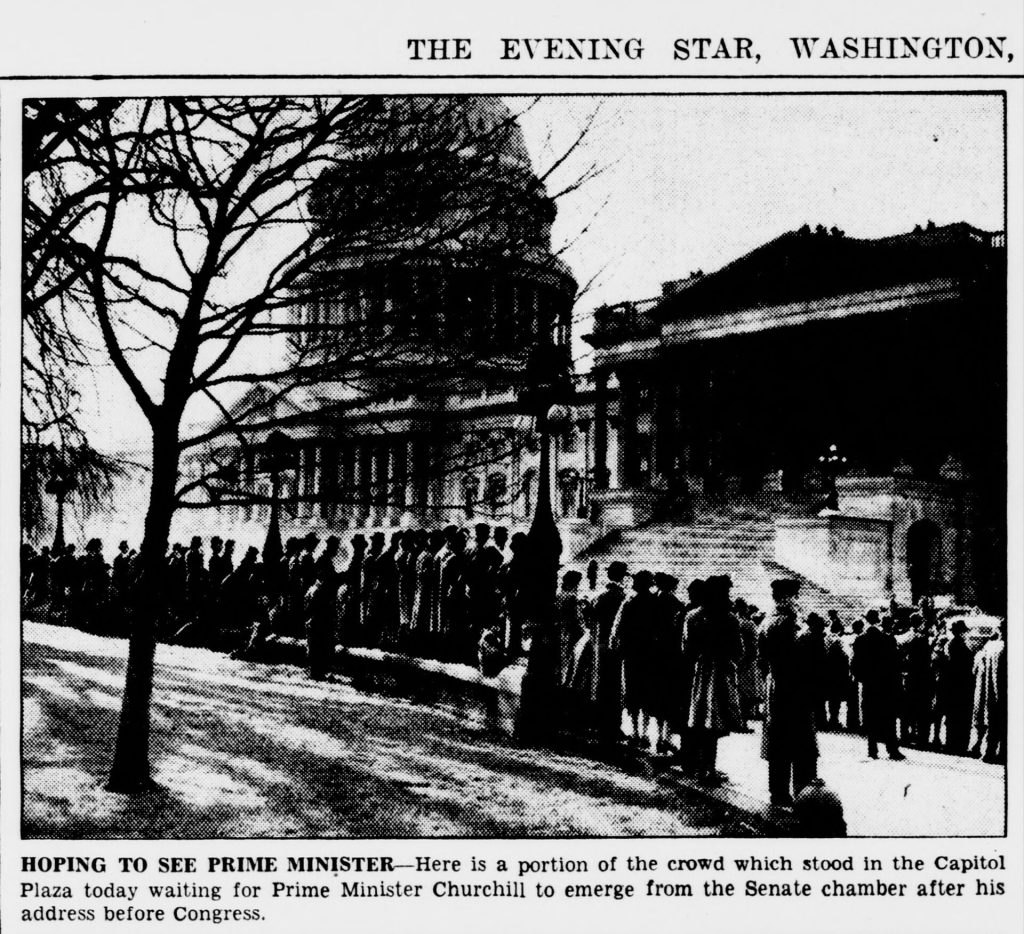
Standing in the Senate chamber, the British Prime Minister speaks to a joint meeting of Congress and to the American people by radio, and asks of the Axis: what kind of people do they think we are?
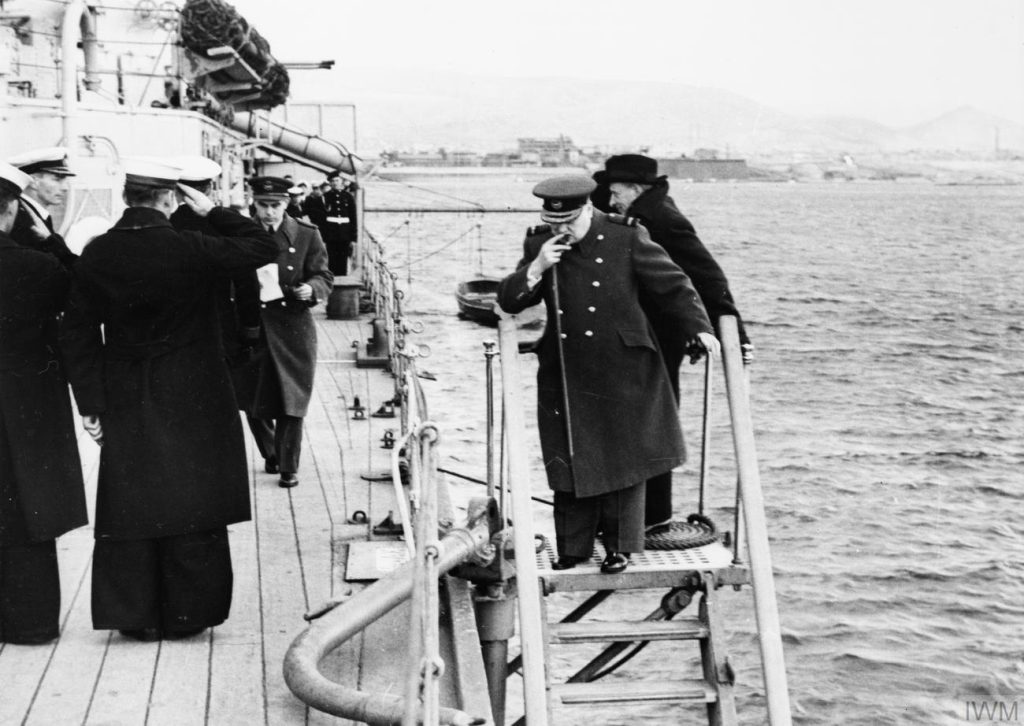
With British troops fighting communist-led ELAS in the streets of Athens, Churchill spends Christmas Day flying to Greece to try to make peace in person.
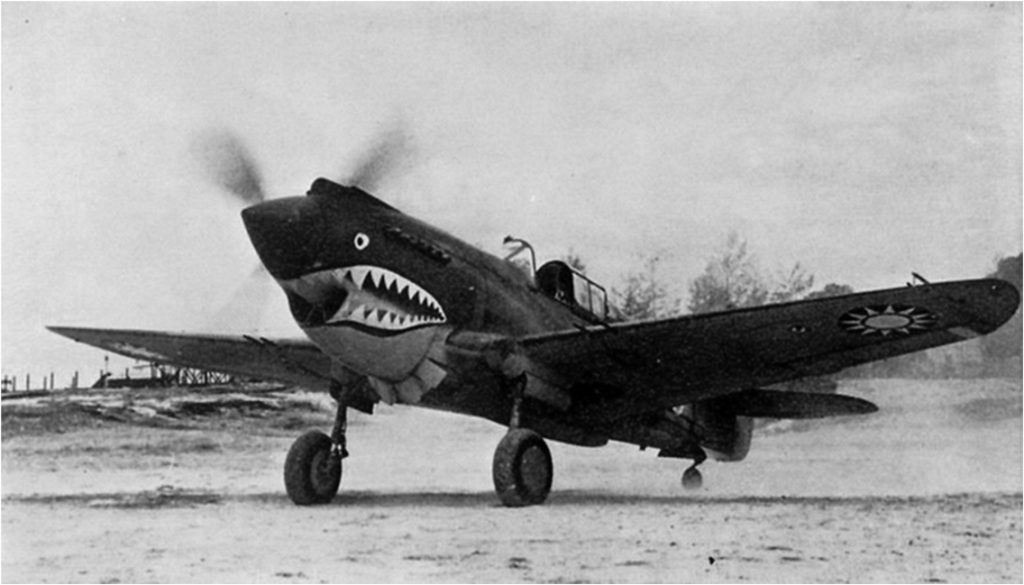
Japanese bombers strike the capital of British Burma for the first time, killing over a thousand civilians and setting off an exodus that paralyses the port.
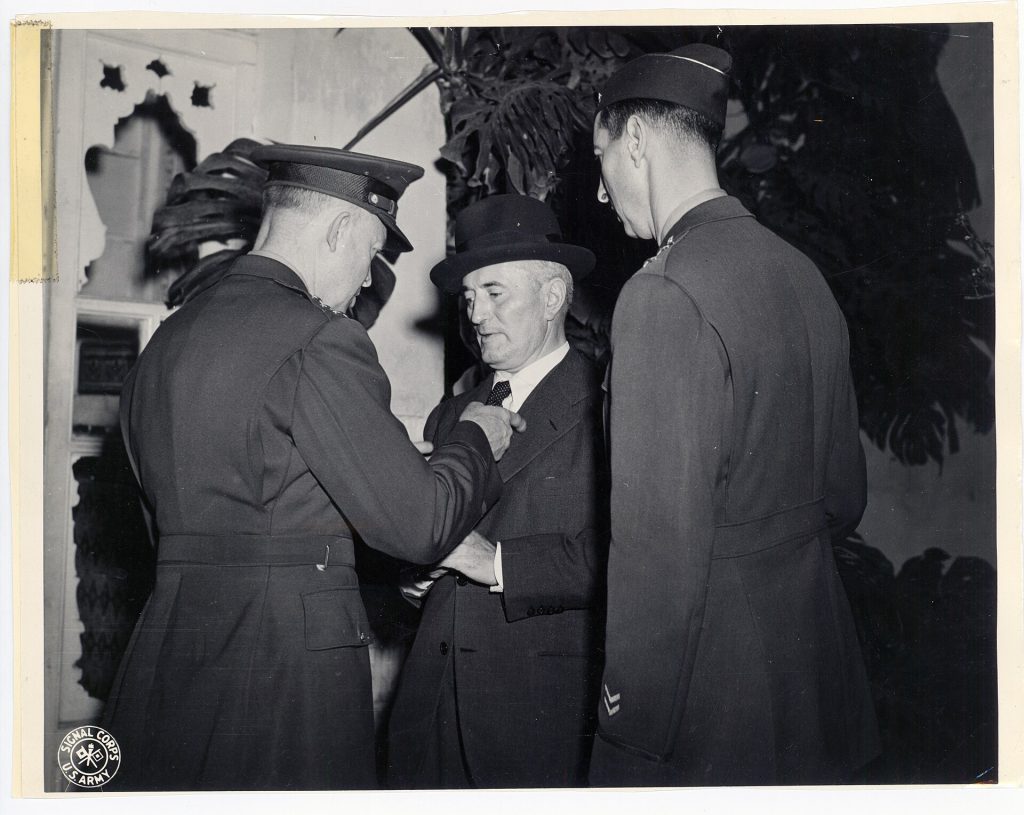
In Algiers on Christmas Eve, a 20-year-old monarchist shoots Admiral François Darlan, the former Vichy leader whom the Allies had accepted as head of French North Africa.
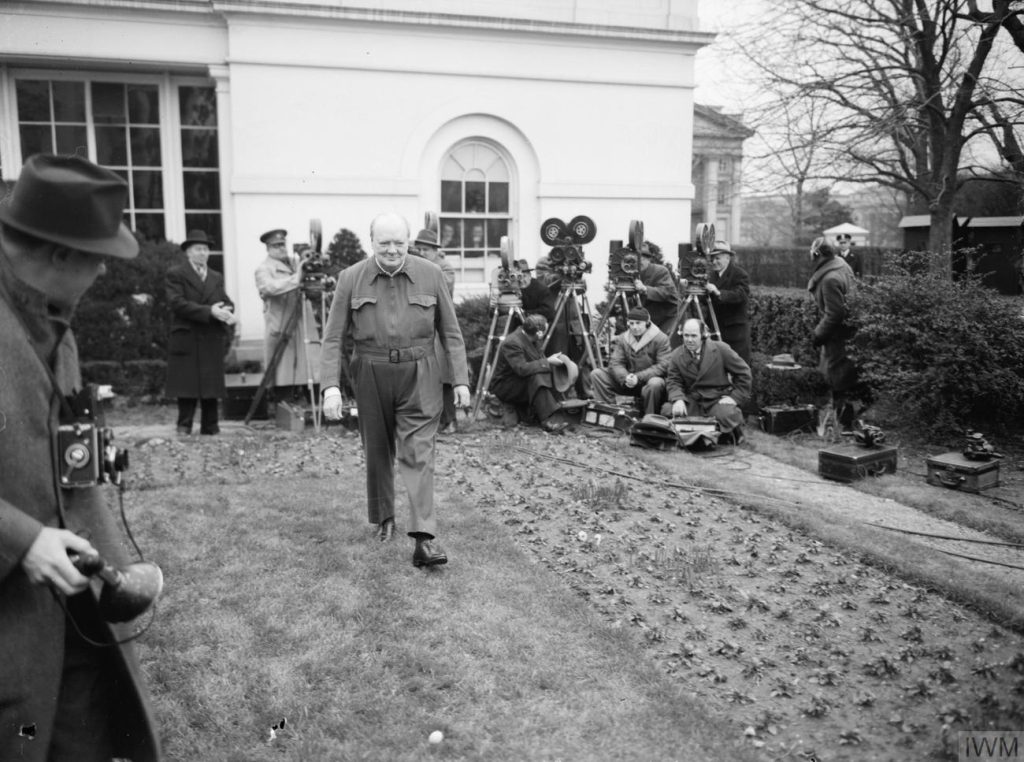
Two weeks after Pearl Harbor, Churchill arrives in Washington to plan a joint war with Roosevelt. Their first decision is the most important of all: Germany first.

Convinced that a superior British fleet is waiting for him, Captain Hans Langsdorff takes his damaged pocket battleship out of Montevideo and blows her up in the River Plate.
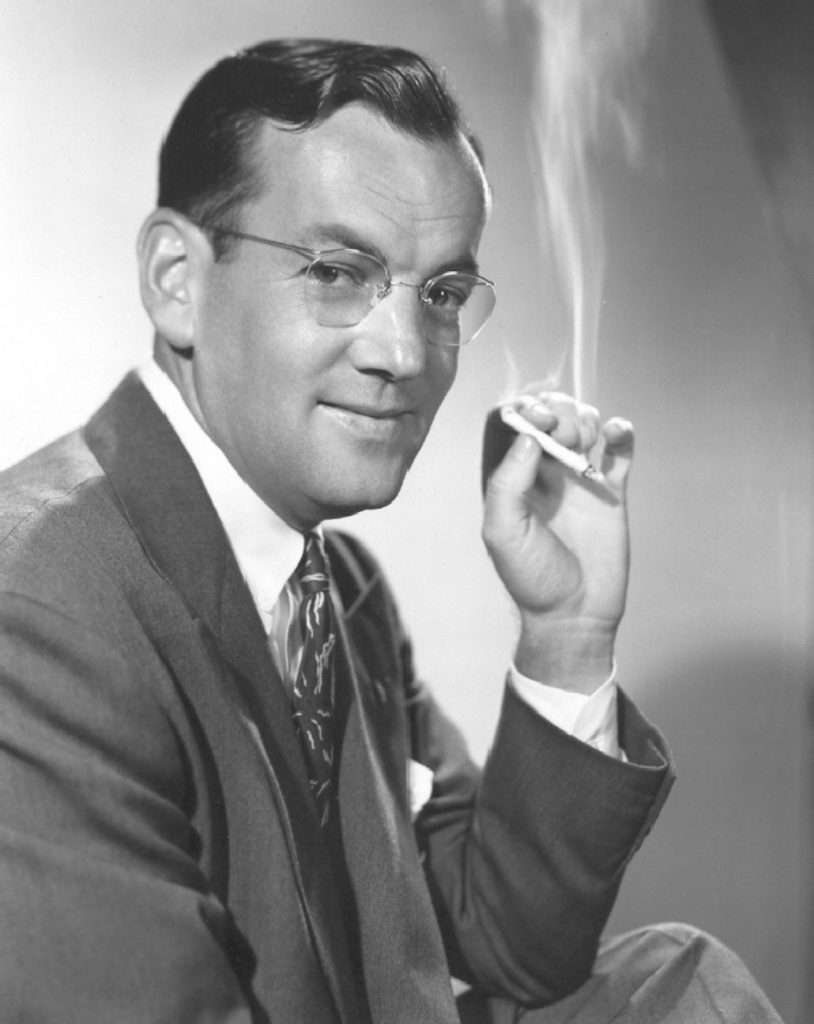
The most popular bandleader in America takes off from an English airfield for Paris in a small single-engined aircraft. Neither he nor the plane is ever seen again.
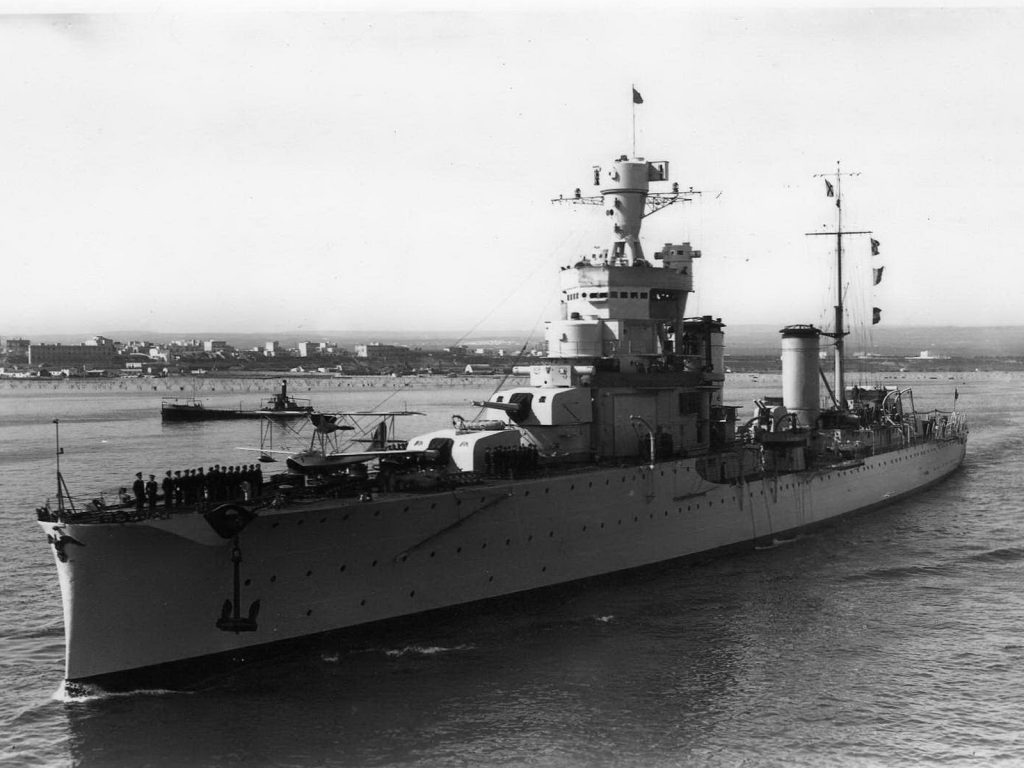
In the darkness off Tunisia, four Allied destroyers ambush two Italian cruisers carrying fuel to North Africa and sink both in minutes.
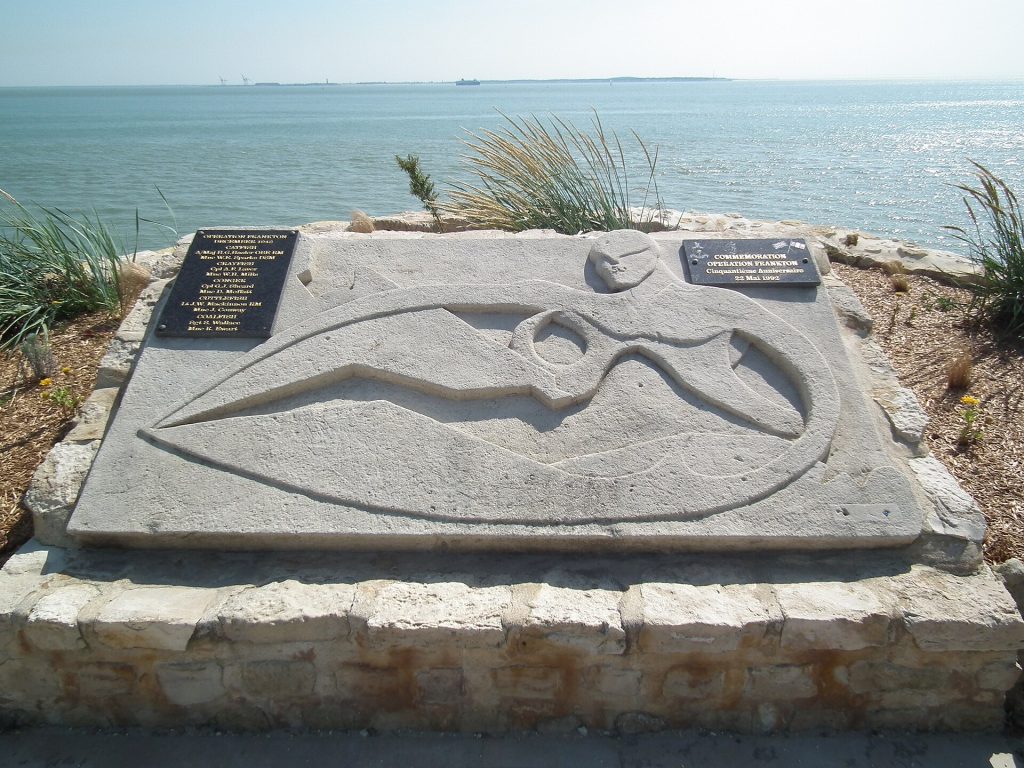
From a submarine off the French coast, ten Royal Marines set out in canvas canoes to paddle a hundred kilometres up the Gironde and mine German blockade runners in Bordeaux.
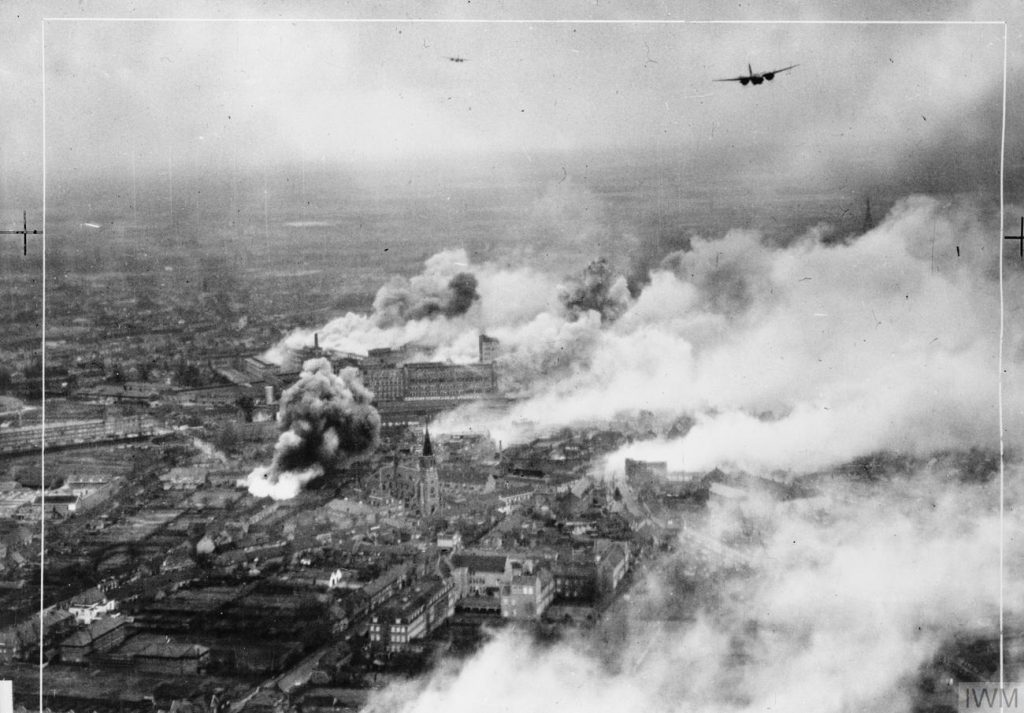
Flying at rooftop height in daylight, RAF light bombers strike the Philips radio and valve works in Eindhoven, which was supplying the German war machine.
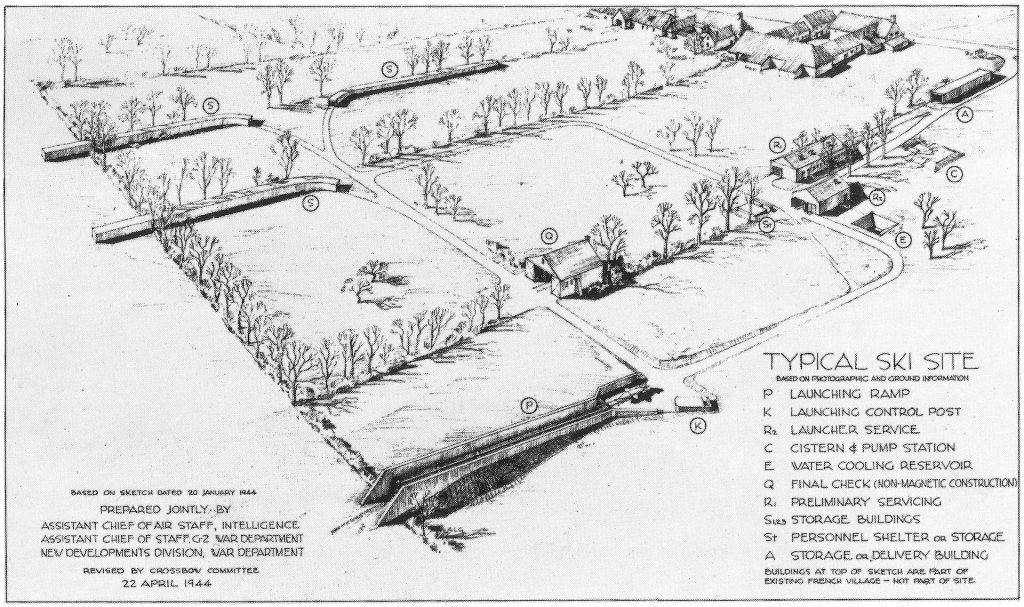
Allied bombers start attacking the concrete launch ramps hidden in the woods of northern France, from which Germany plans to fire its flying bombs at London.
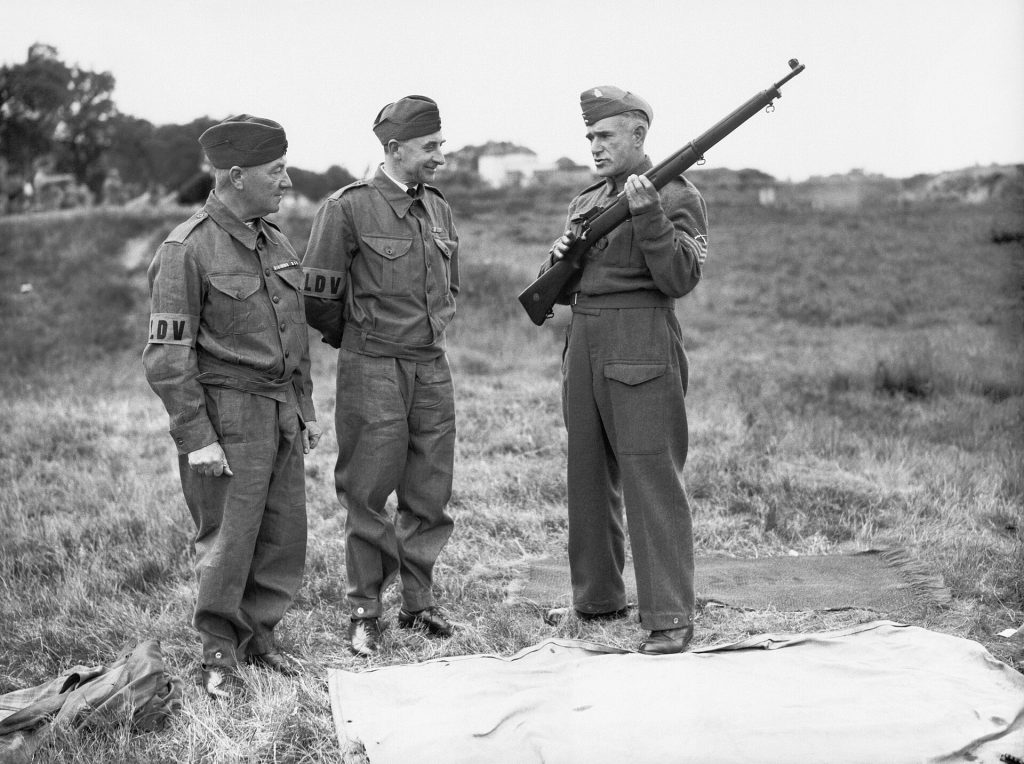
With the threat of invasion gone, Britain’s citizen army of the summer of 1940 is formally stood down after four and a half years on guard.
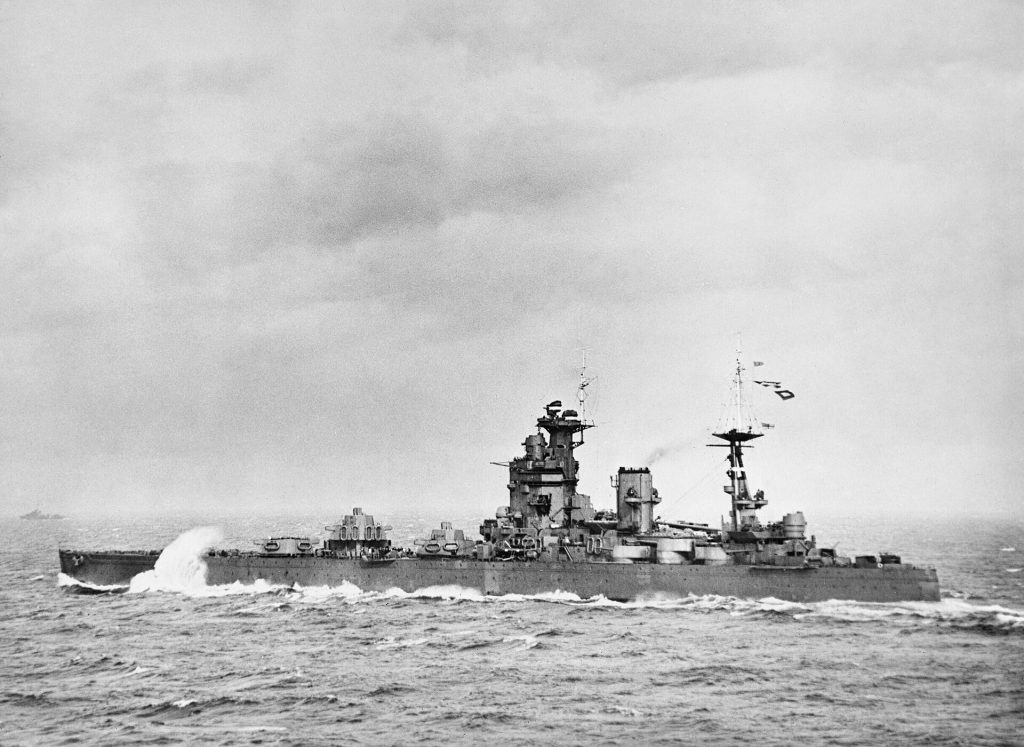
Entering Loch Ewe, the flagship of the Home Fleet detonates a magnetic mine laid by a U-boat, putting one of Britain’s most powerful battleships out of action for eight months.
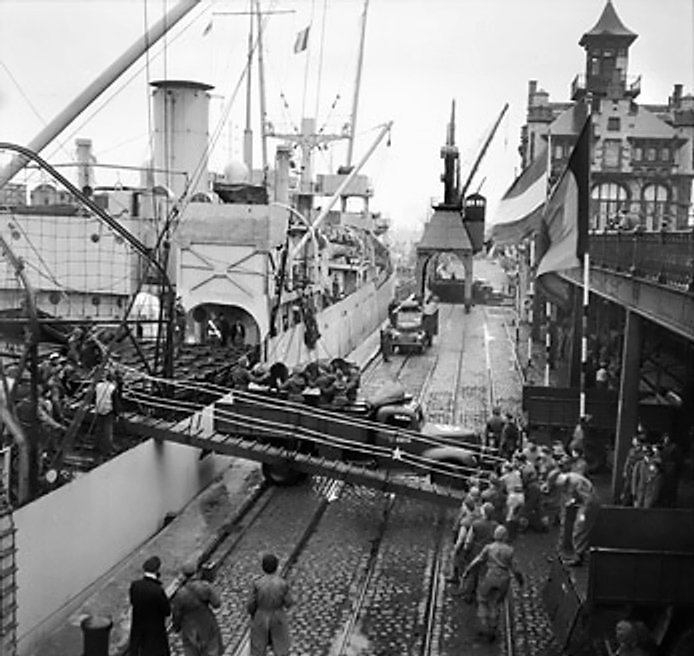
Twelve weeks after the city fell, the first Allied convoy sails up the cleared Scheldt into Antwerp, led by the Canadian-built freighter Fort Cataraqui.
 United Kingdom
 United States
 Soviet Union
 Germany
 Japan
 France
 Poland
 South Africa