
17 December 1939: The Scuttling of the Graf Spee
Convinced that a superior British fleet is waiting for him, Captain Hans Langsdorff takes his damaged pocket battleship out of Montevideo and blows her up in the River Plate.
Every dispatch from 1939.
Convinced that a superior British fleet is waiting for him, Captain Hans Langsdorff takes his damaged pocket battleship out of Montevideo and blows her up in the River Plate.
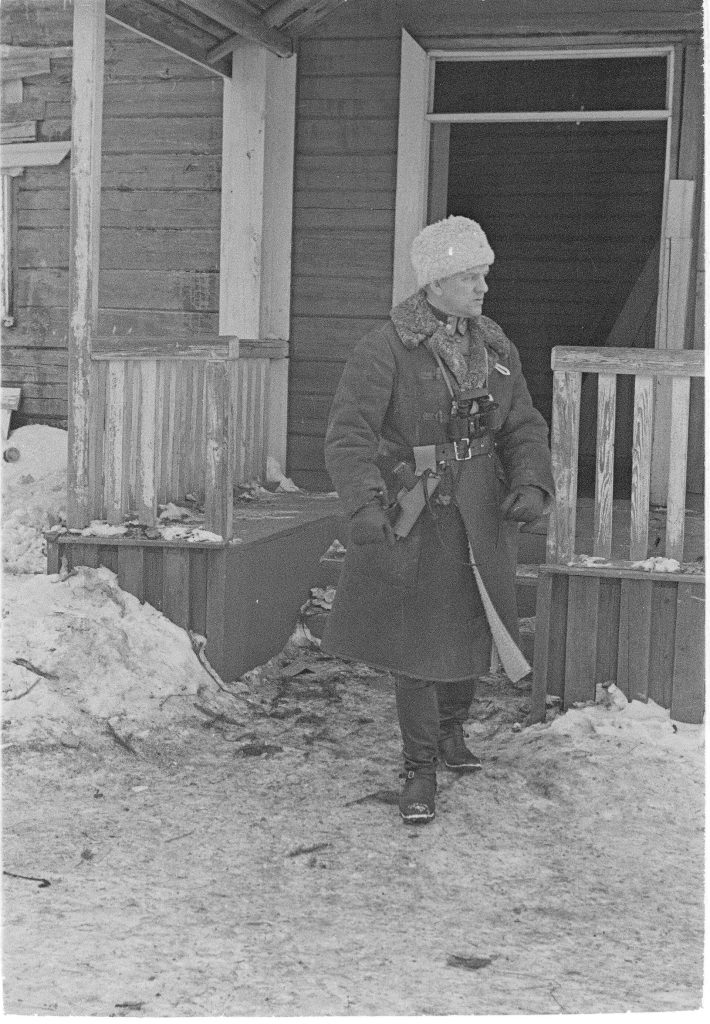
North of Lake Ladoga, a Finnish force a fraction of the size of its enemy launches a counter-attack that destroys a Soviet division and lifts the morale of a nation.
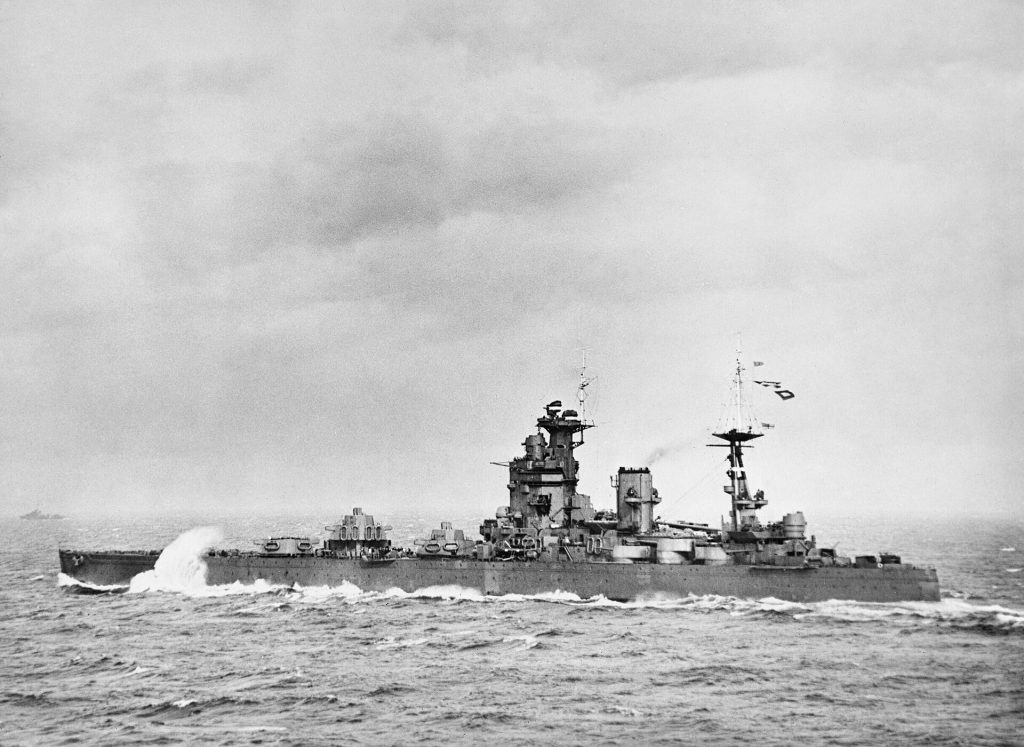
Entering Loch Ewe, the flagship of the Home Fleet detonates a magnetic mine laid by a U-boat, putting one of Britain’s most powerful battleships out of action for eight months.
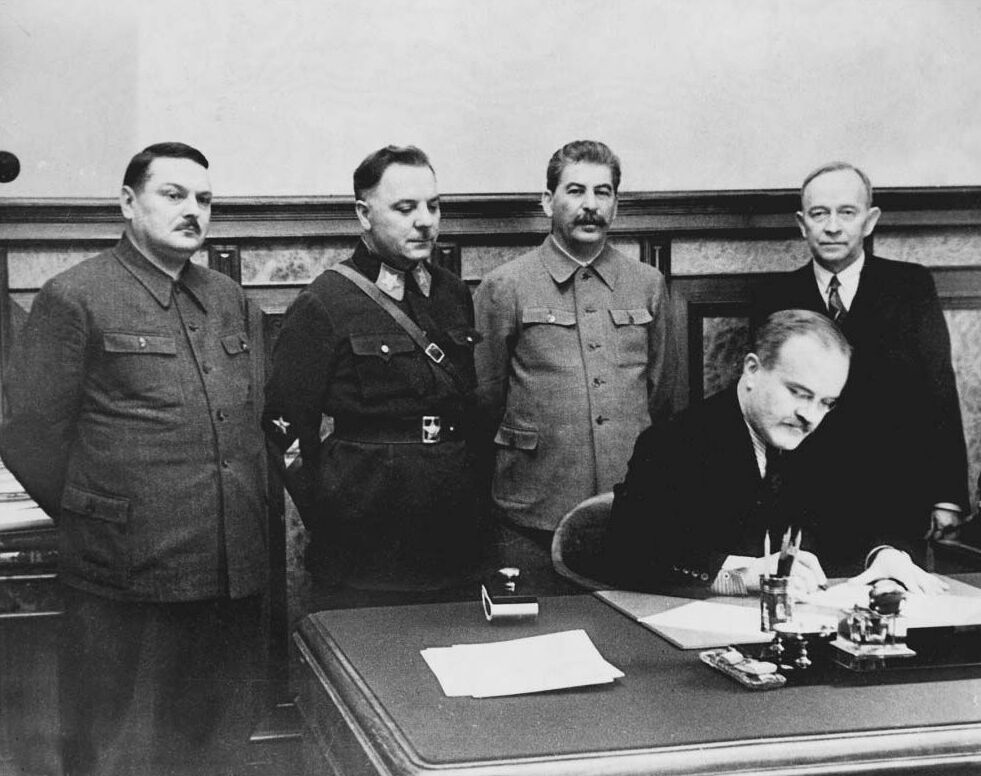
A day into the Winter War, Moscow sets up a Finnish People’s Government in the captured border town of Terijoki, ready to rule Finland once the Red Army has conquered it.
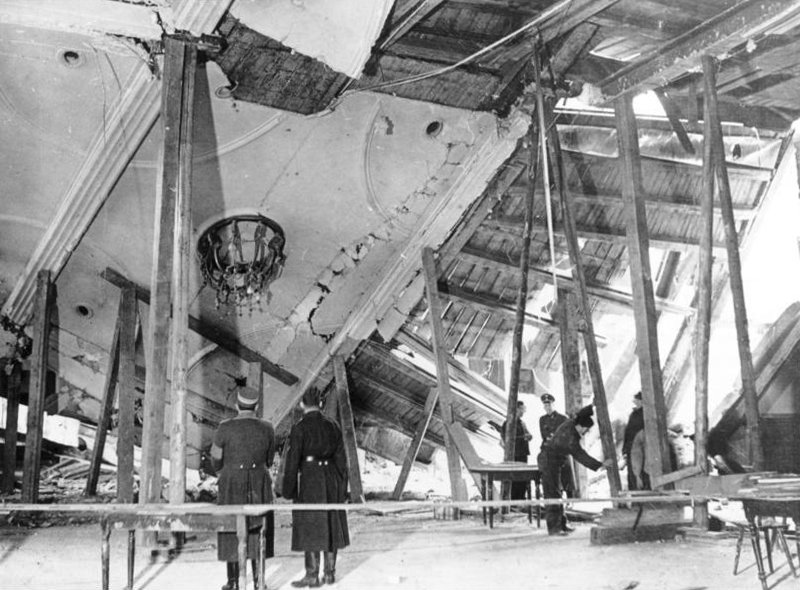
A lone carpenter’s time bomb wrecks the Munich beer hall where Hitler has just spoken. It explodes 13 minutes after he leaves.
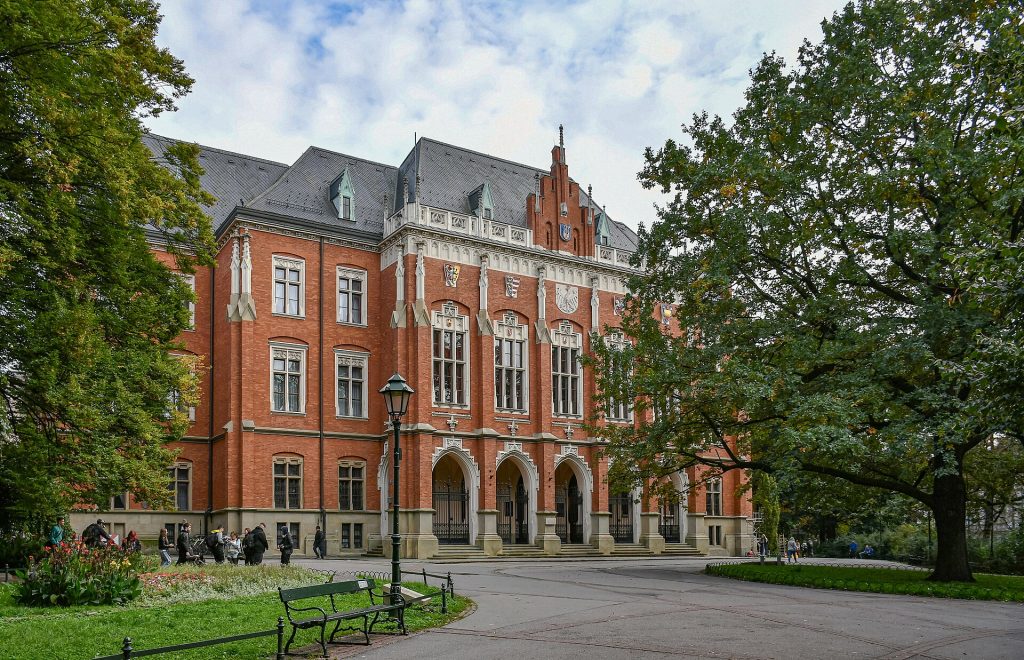
Summoned to a lecture at Kraków’s ancient university, 184 Polish scholars are arrested by the Gestapo and sent to a concentration camp, the opening blow of a campaign to destroy Poland’s educated class.
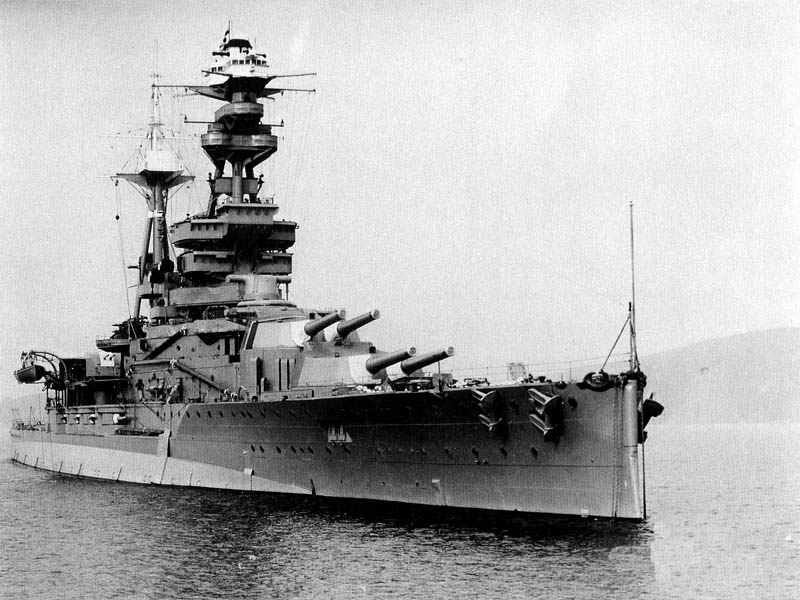
A German submarine slips into the Home Fleet’s anchorage at Scapa Flow and torpedoes the battleship Royal Oak. She capsizes in minutes. Hundreds of men and boys die.
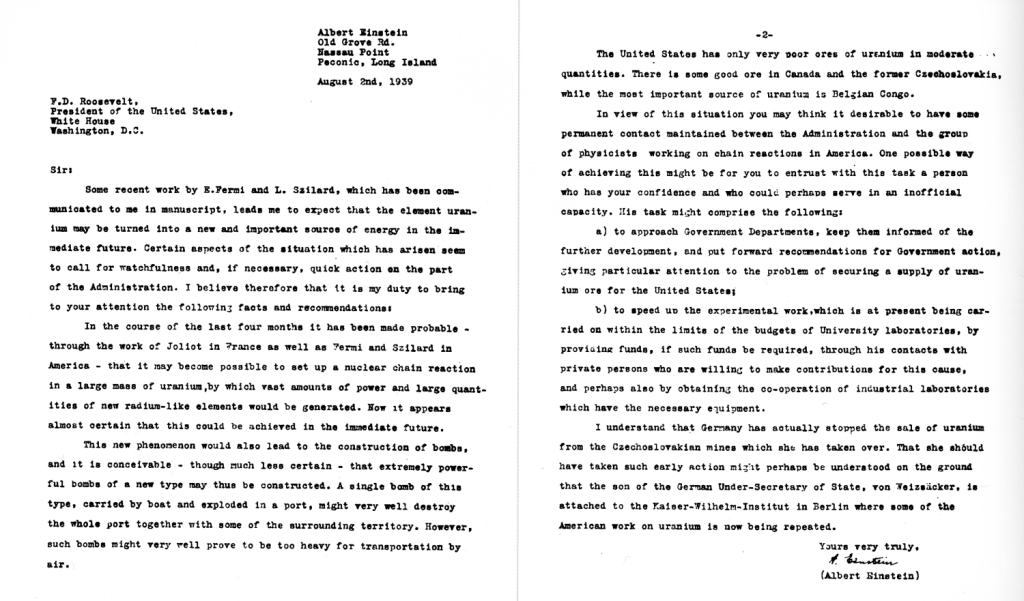
An economist with access to the White House reads President Roosevelt a letter signed by Albert Einstein. It warns that Germany might build an atomic bomb.
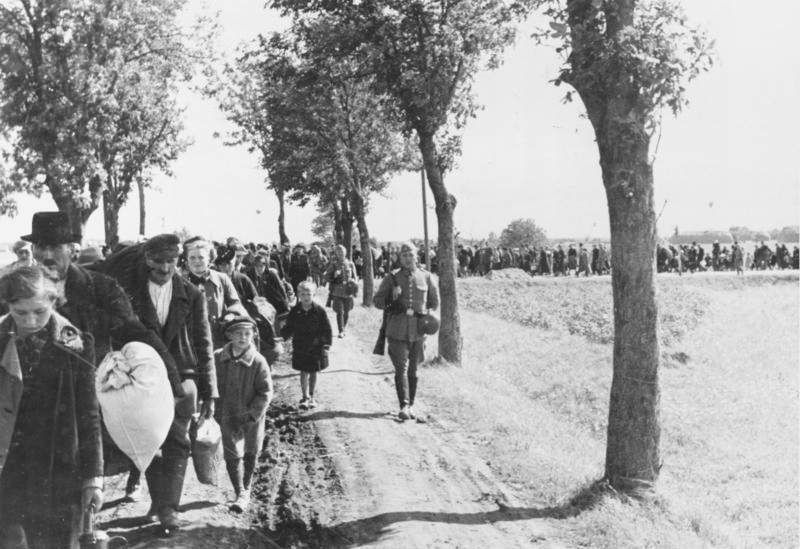
By decree, Hitler incorporates large parts of western Poland into Germany. Their Polish and Jewish inhabitants are to be expelled to make room for German settlers.
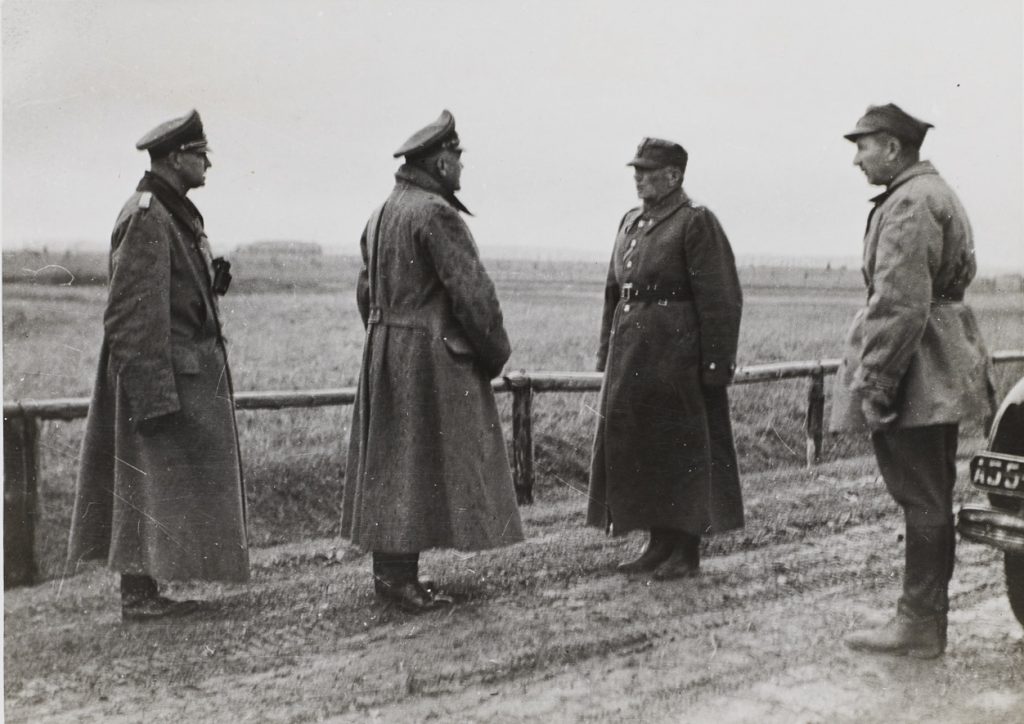
Out of ammunition after four days of fighting near Kock, General Franciszek Kleeberg surrenders the last Polish field army. The September campaign is over.
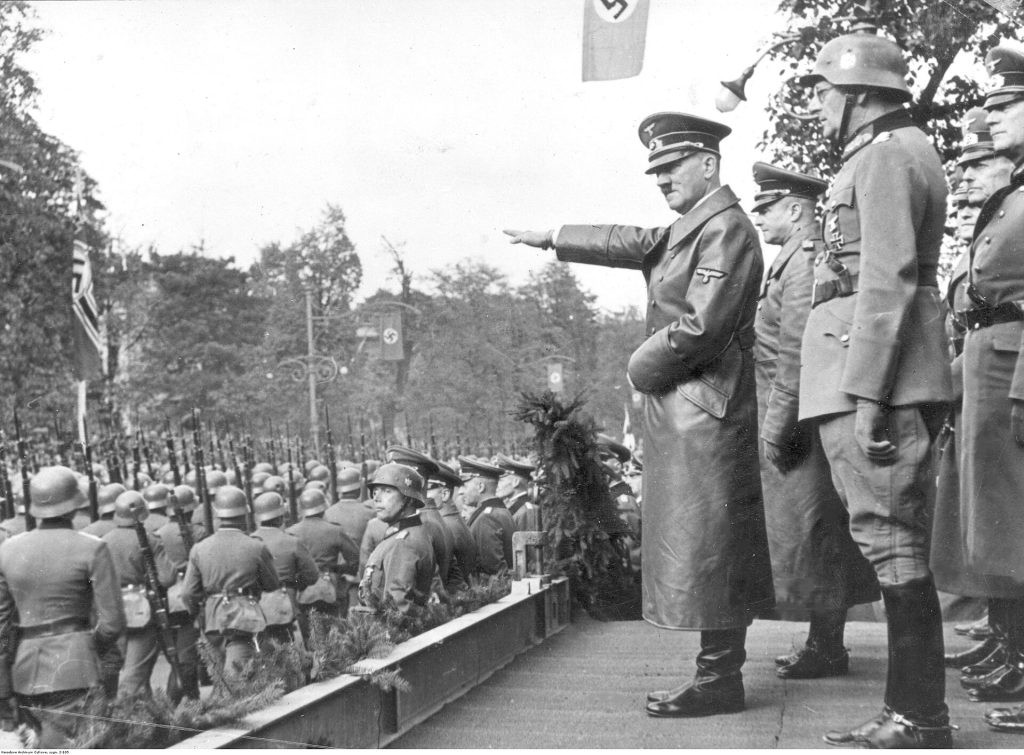
A week after Warsaw’s surrender, Hitler flies to the city to take a victory parade of German troops. To foreign journalists, he has a message: look at Warsaw.
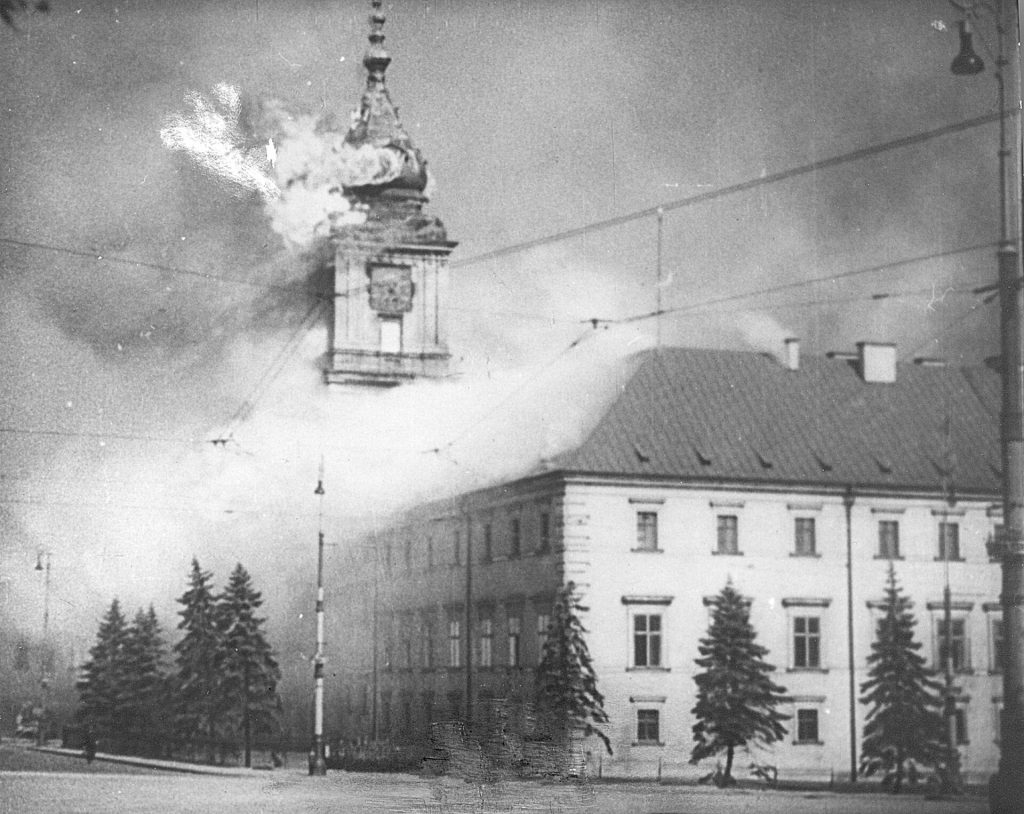
After nearly three weeks of siege, bombing and shelling, the Polish capital surrenders. Its defenders have run out of food, water and ammunition.

While the fighting in Poland is still going on, Reinhard Heydrich sends an urgent letter to his SS task force commanders. Jews are to be concentrated in cities, under Jewish councils answerable to the Germans.
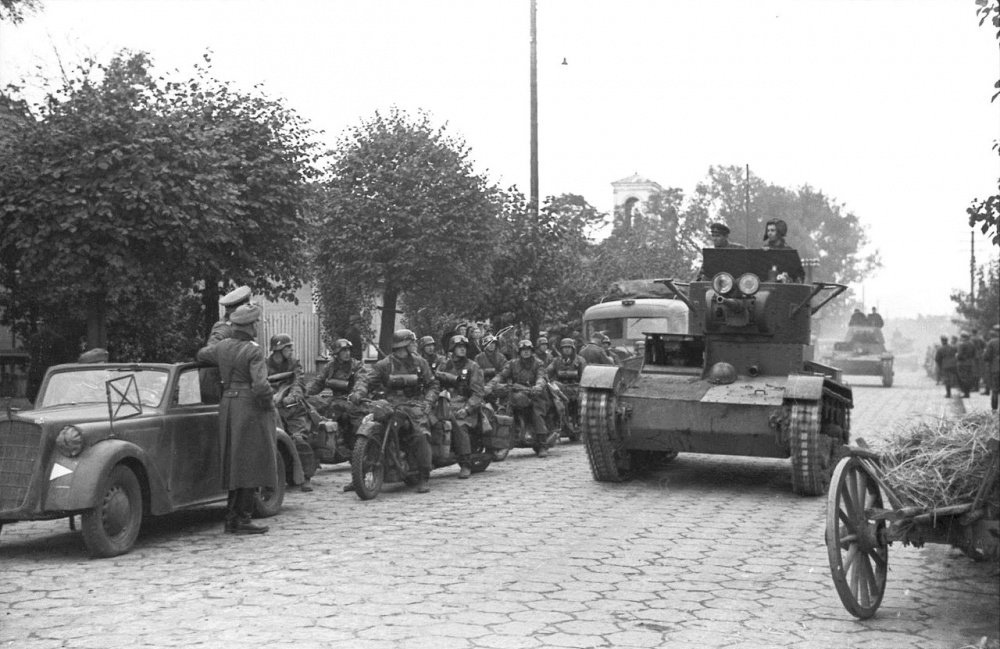
While the Polish army is fighting the Germans in the west, the Red Army crosses Poland’s eastern border. Moscow claims that the Polish state has ceased to exist.
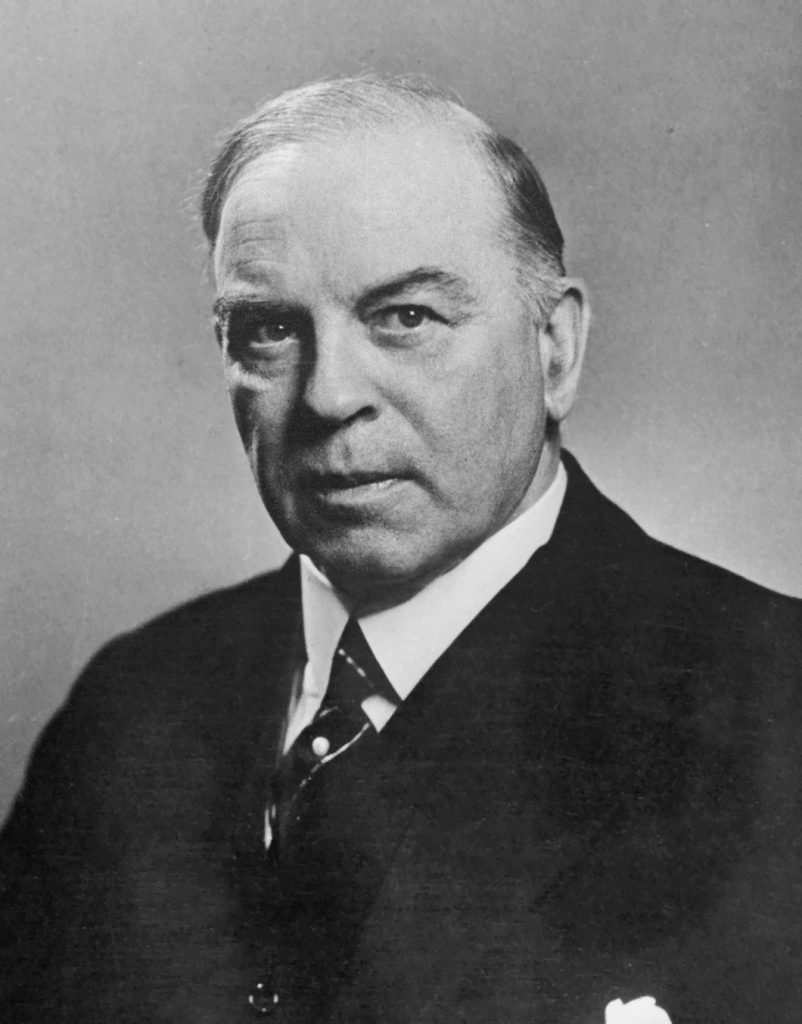
A week after Britain, and after its own parliament has debated and approved the decision, Canada declares war on Germany. It is the first time Canada has gone to war by its own choice.
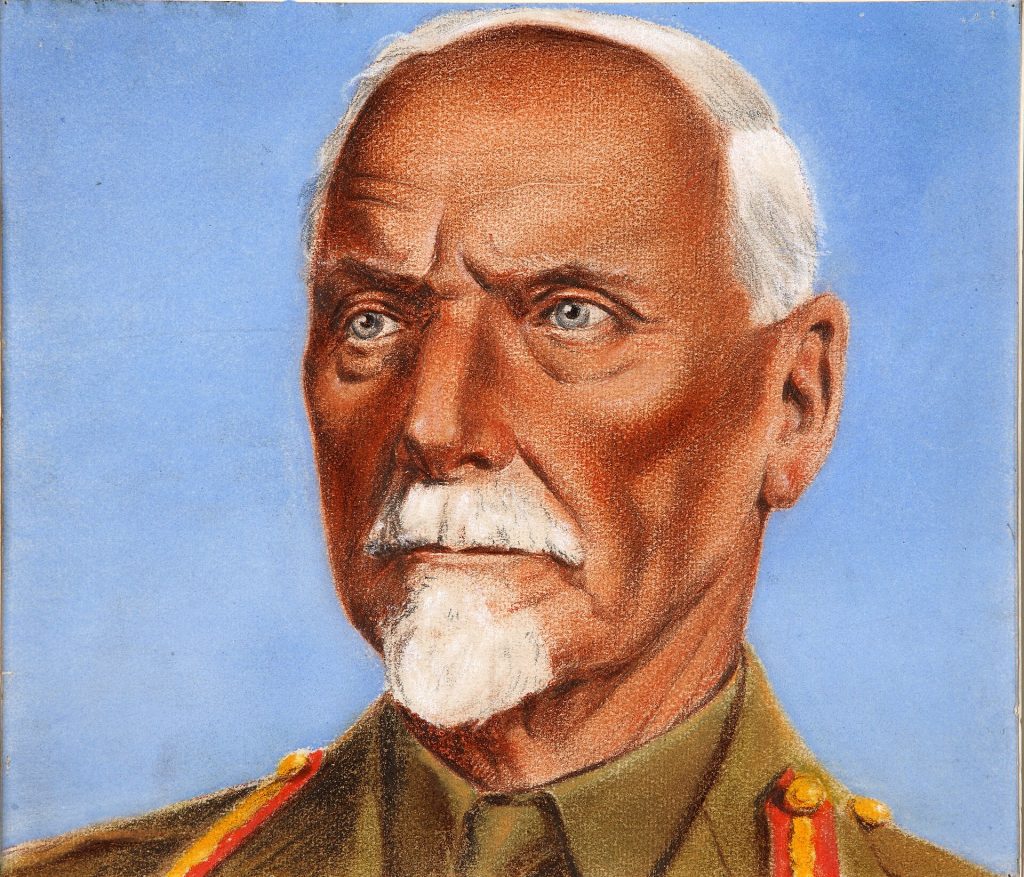
After a bitter debate that splits the government, South Africa declares war on Germany. Jan Smuts, who led the vote for war, is now prime minister.
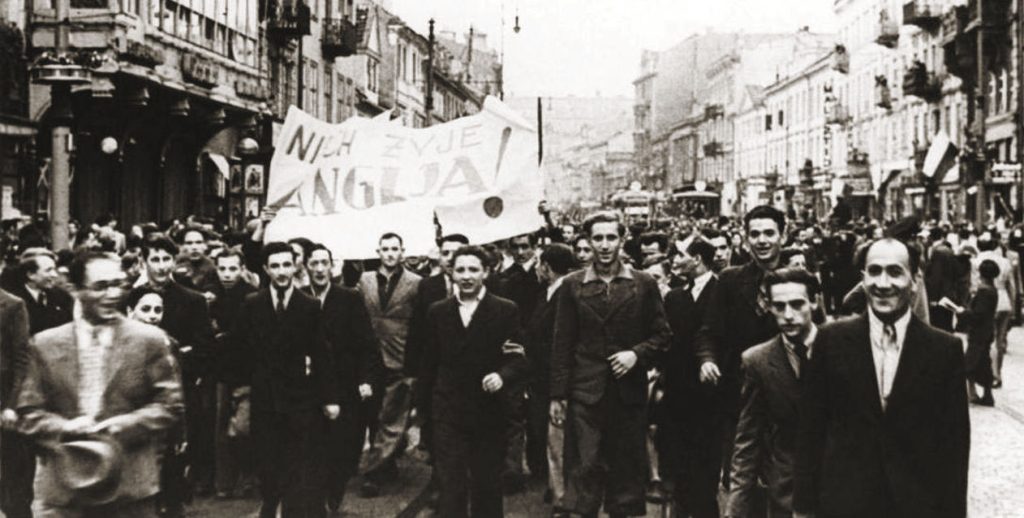
At 11:15, Neville Chamberlain tells the British people by radio that the country is at war with Germany. France follows that afternoon. In Warsaw, crowds cheer outside the British embassy.

Before dawn, the old German battleship Schleswig-Holstein opens fire on the Polish garrison at Westerplatte, and German armies cross the frontier from three sides. The Second World War in Europe has begun.
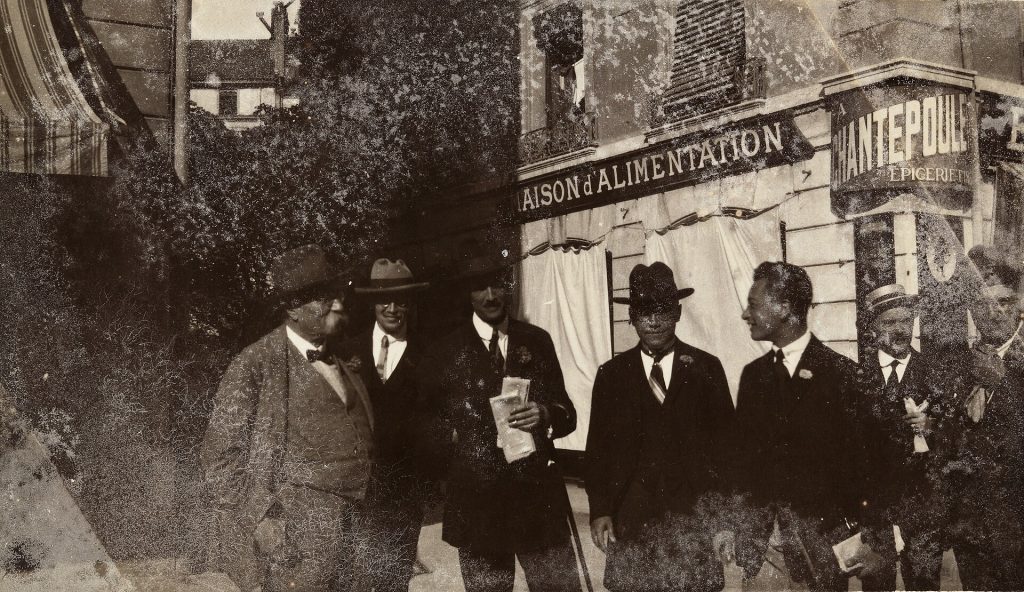
Two weeks after the invasion of Finland, the League of Nations expels the Soviet Union. It is the League’s last significant act.
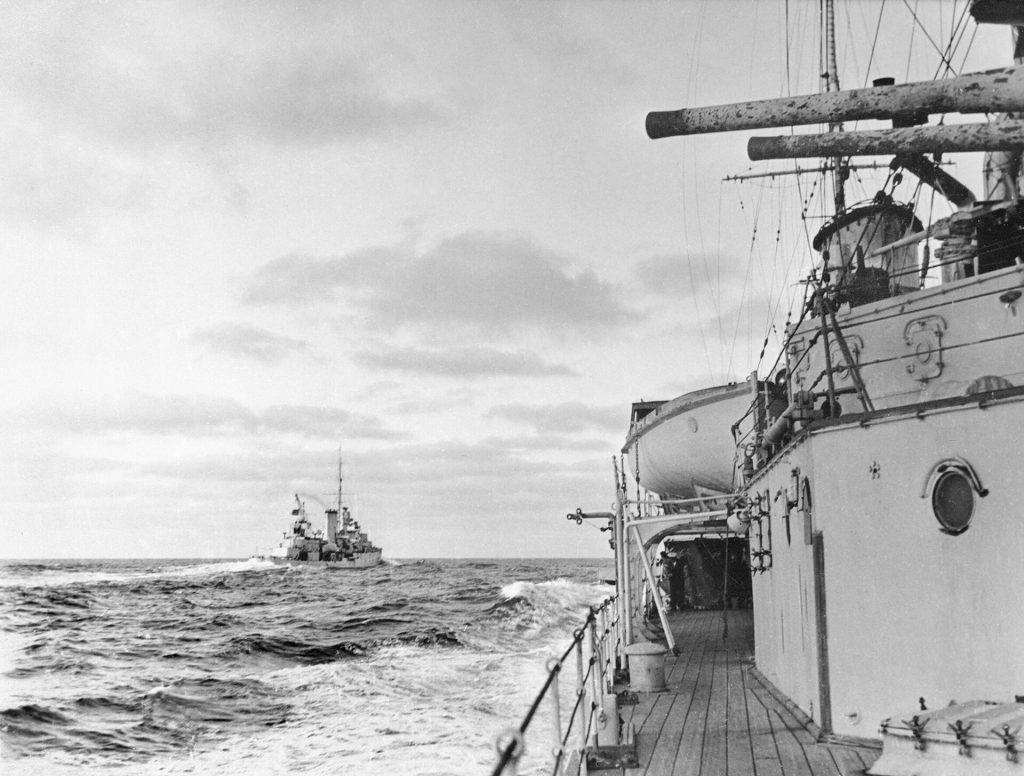
Three British cruisers take on the pocket battleship Admiral Graf Spee off the coast of South America. Battered, the raider runs for neutral Montevideo, and into a trap of nerves.
 United Kingdom
 United States
 Soviet Union
 Germany
 Japan
 France
 Poland
 South Africa