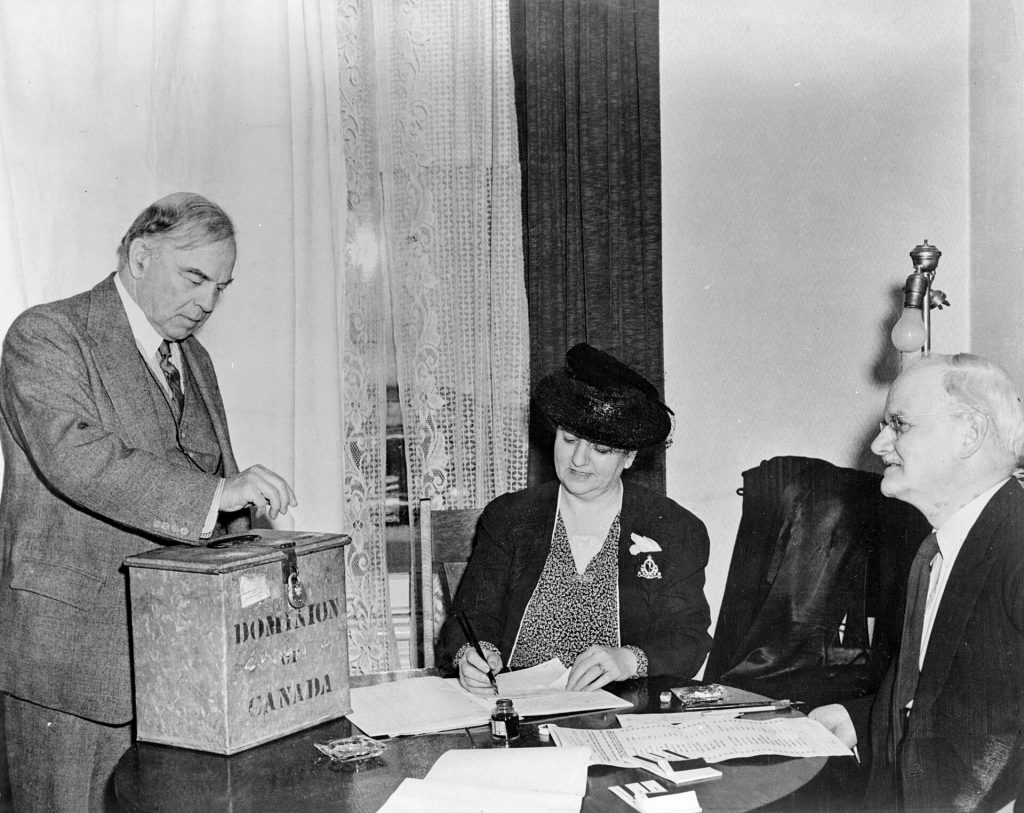
27 April 1942: Canada’s Conscription Plebiscite
Canadians vote by almost two to one to release Mackenzie King’s government from its promise on conscription, but Quebec votes heavily against.
Dispatches involving Canada.
Canadians vote by almost two to one to release Mackenzie King’s government from its promise on conscription, but Quebec votes heavily against.
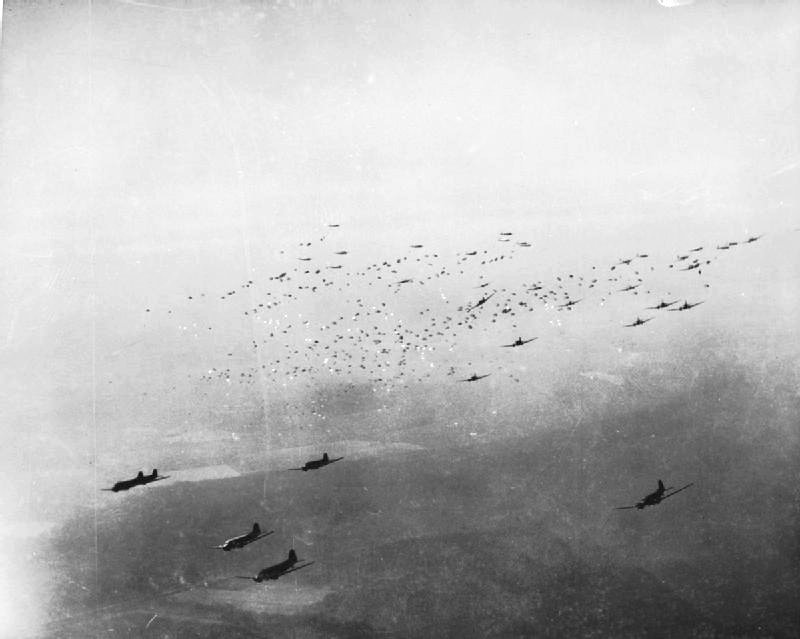
Two airborne divisions land in a single lift beyond the Rhine, in the largest airborne operation ever carried out on one day in one place.
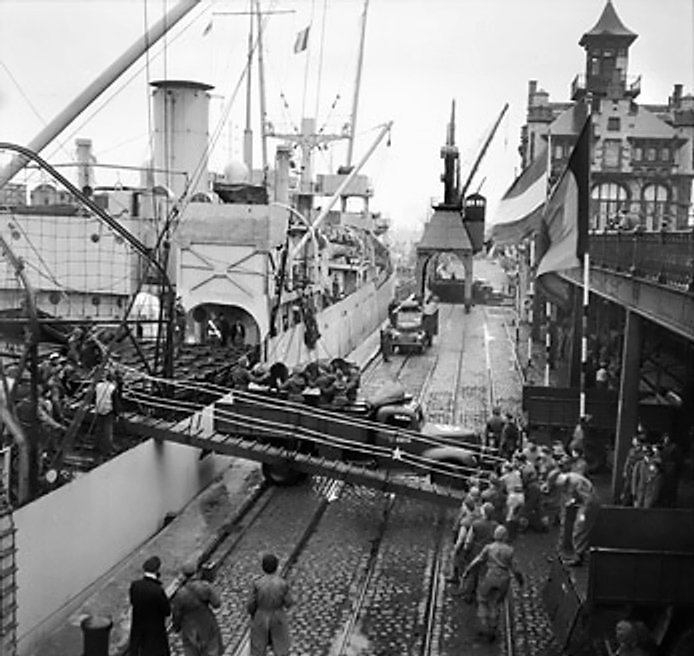
Twelve weeks after the city fell, the first Allied convoy sails up the cleared Scheldt into Antwerp, led by the Canadian-built freighter Fort Cataraqui.
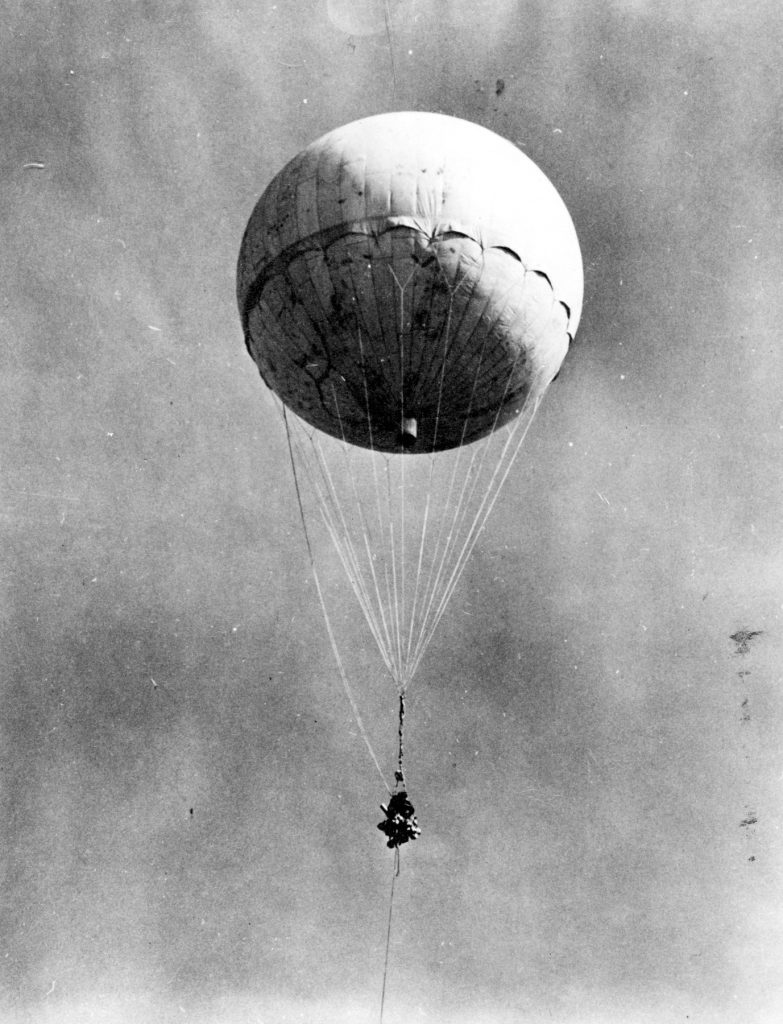
From the beaches of Honshu, Japan releases the first of some 9,300 paper balloons carrying bombs on the jet stream across the Pacific towards North America.
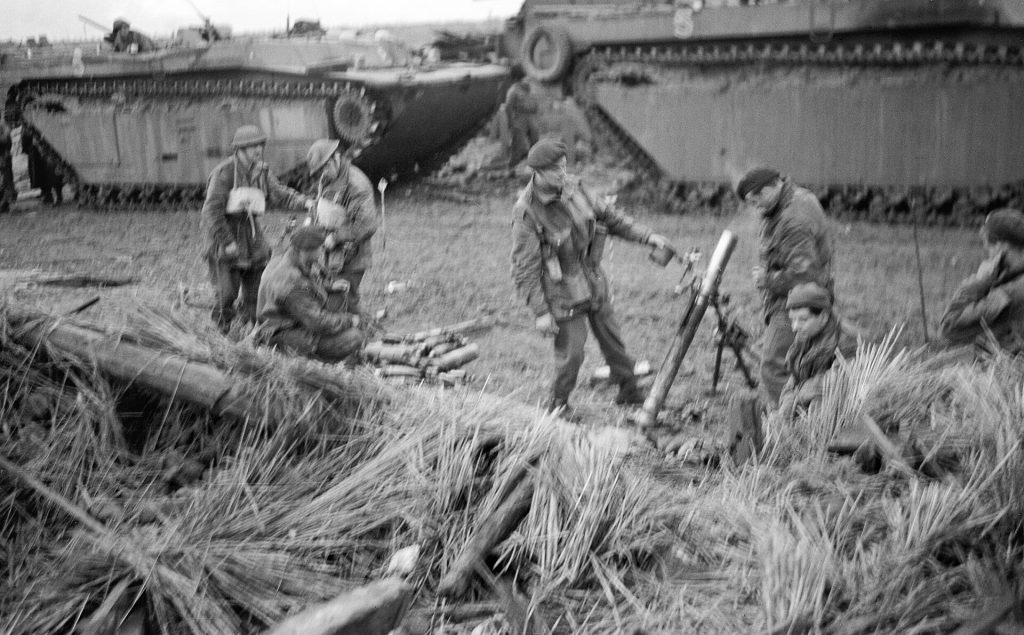
Commandos cross the Scheldt and land on a flooded Dutch island to break the last German grip on the approaches to Antwerp, the port the Allied armies desperately need.
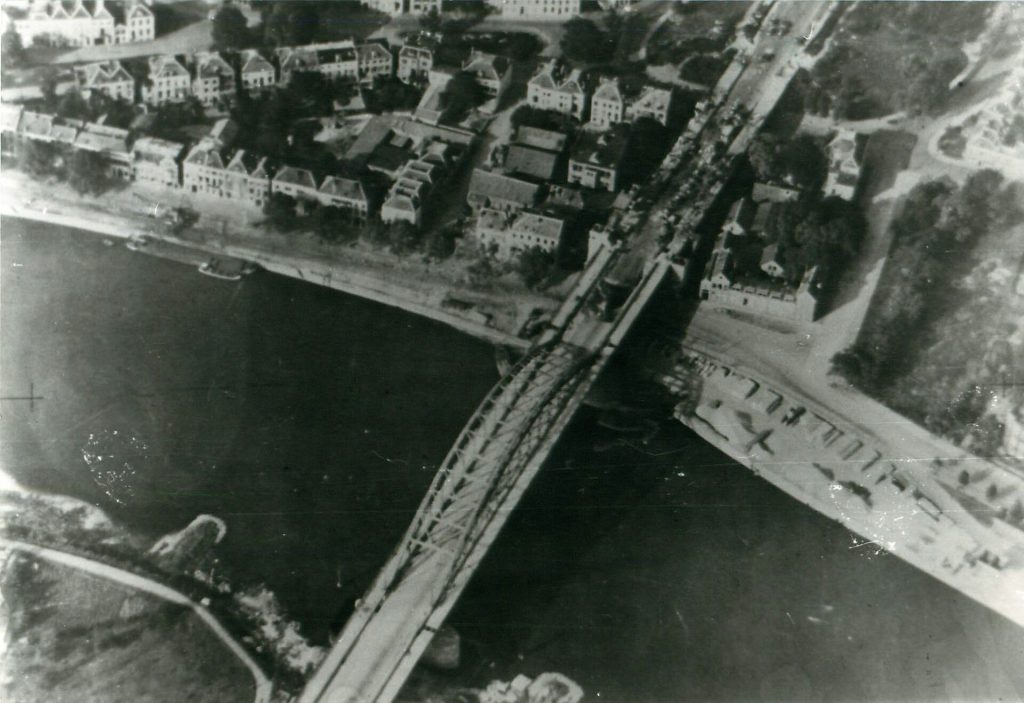
In darkness and rain, the survivors of the British 1st Airborne Division slip down to the Rhine and are ferried across. The bridge too far has been lost.
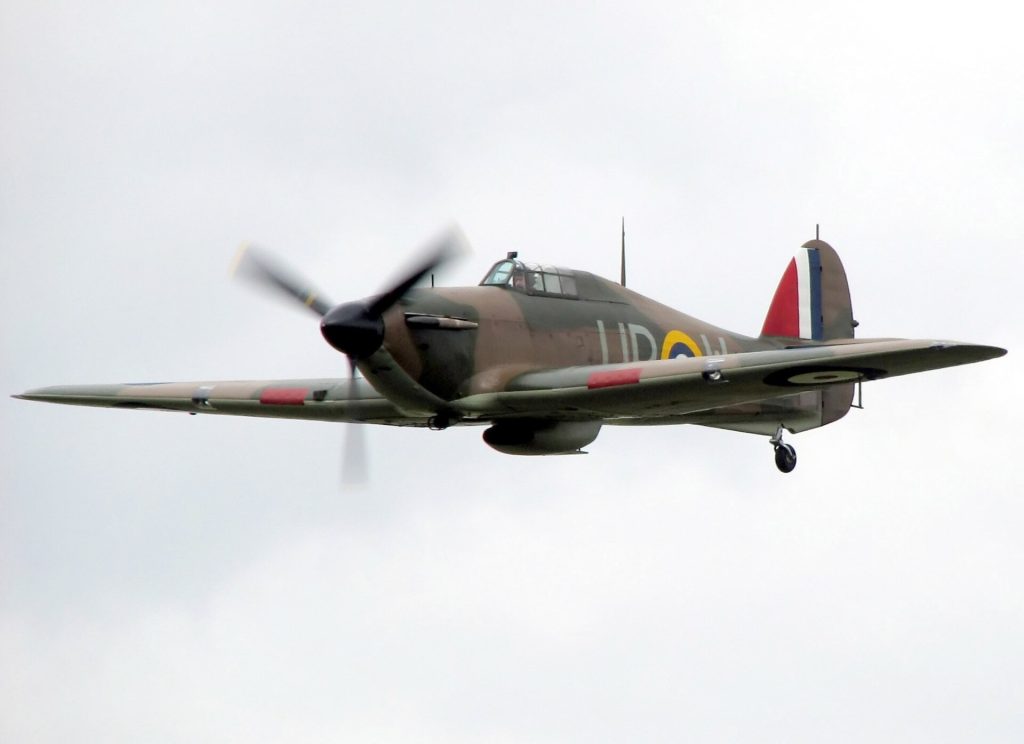
The Luftwaffe sends two great raids against London. Every RAF fighter squadron in the south-east is thrown in, and the attacks are broken up. Two days later, Hitler postpones the invasion of Britain.
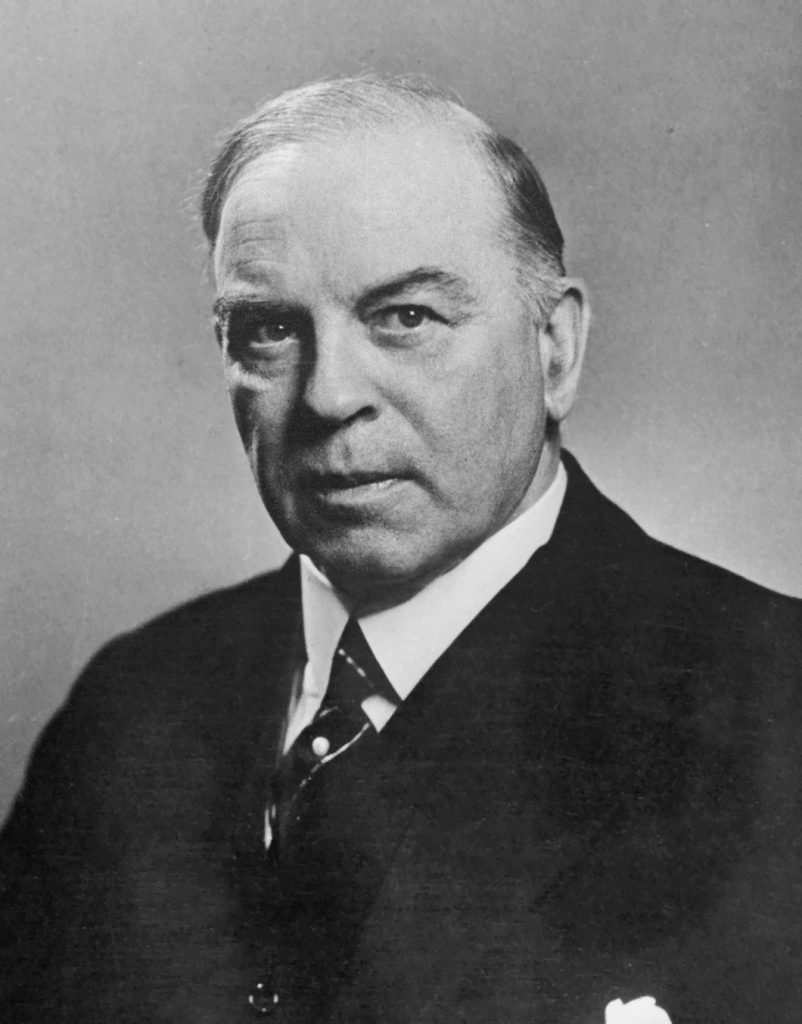
A week after Britain, and after its own parliament has debated and approved the decision, Canada declares war on Germany. It is the first time Canada has gone to war by its own choice.
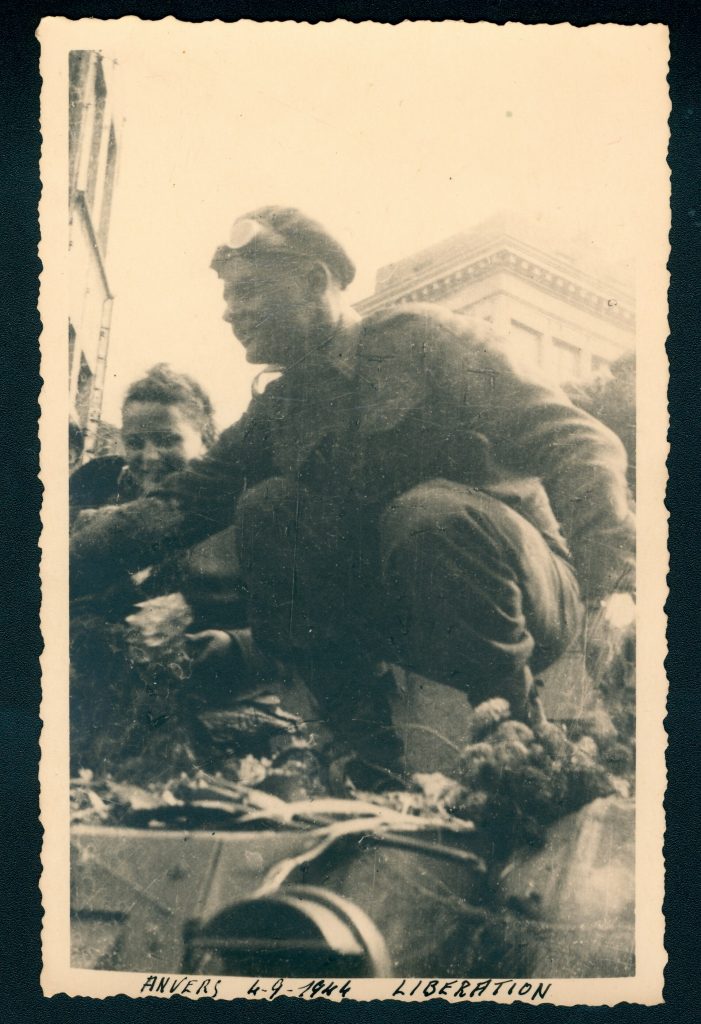
British tanks race into Antwerp, where the Belgian resistance has stopped the Germans from wrecking the docks. The Allies have taken one of Europe’s greatest ports almost intact. But they cannot yet use it.
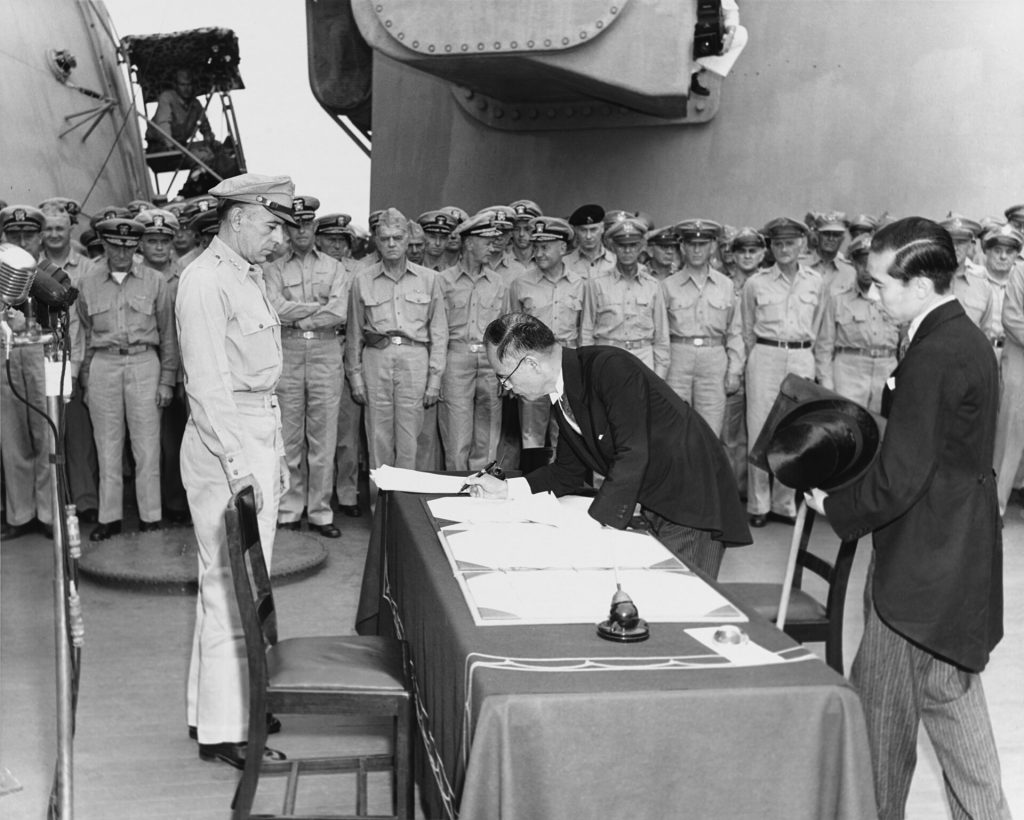
In Tokyo Bay, aboard the battleship USS Missouri, Japan’s representatives sign the Instrument of Surrender. After six years and a day, the Second World War is over.
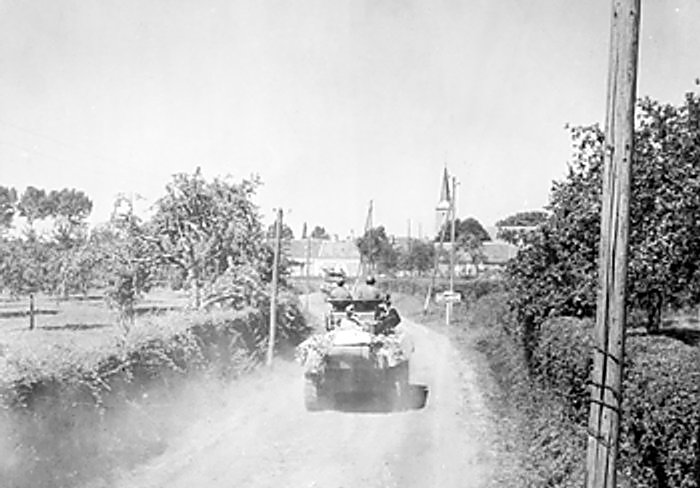
Canadian and Polish troops finally seal the gap at Chambois. The German armies in Normandy have been destroyed.
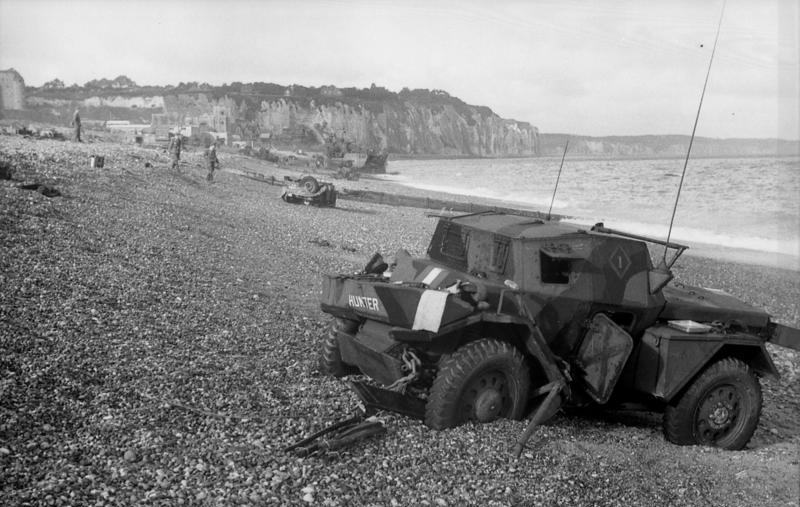
Around 6,000 troops, most of them Canadian, storm the French port of Dieppe. Within hours the raid has collapsed on the beaches.
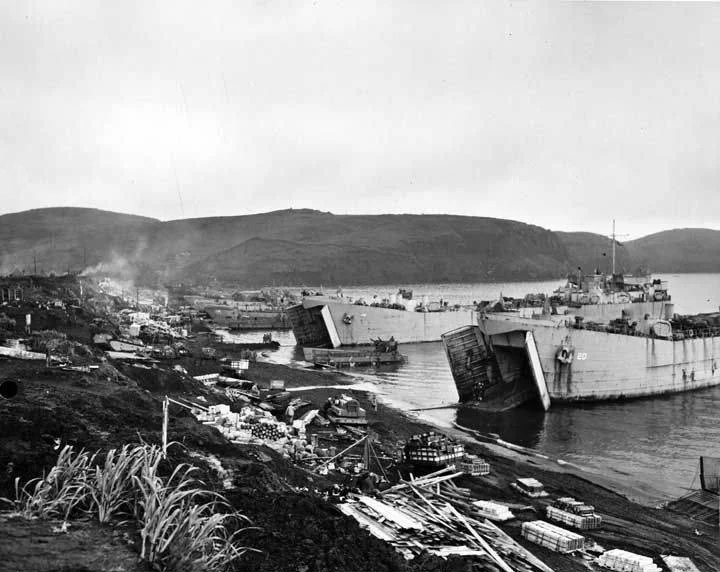
Under cover of thick Aleutian fog, Japanese warships slip into Kiska harbour and take off the entire garrison. The Americans and Canadians, unaware, prepare to invade an empty island.
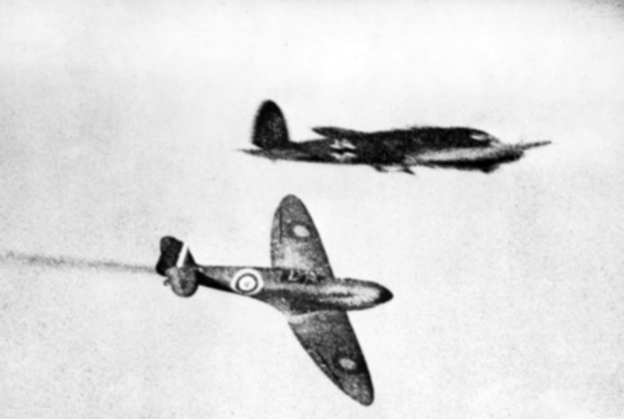
German bombers attack a convoy in the English Channel. The date will later be taken as the official start of the Battle of Britain.
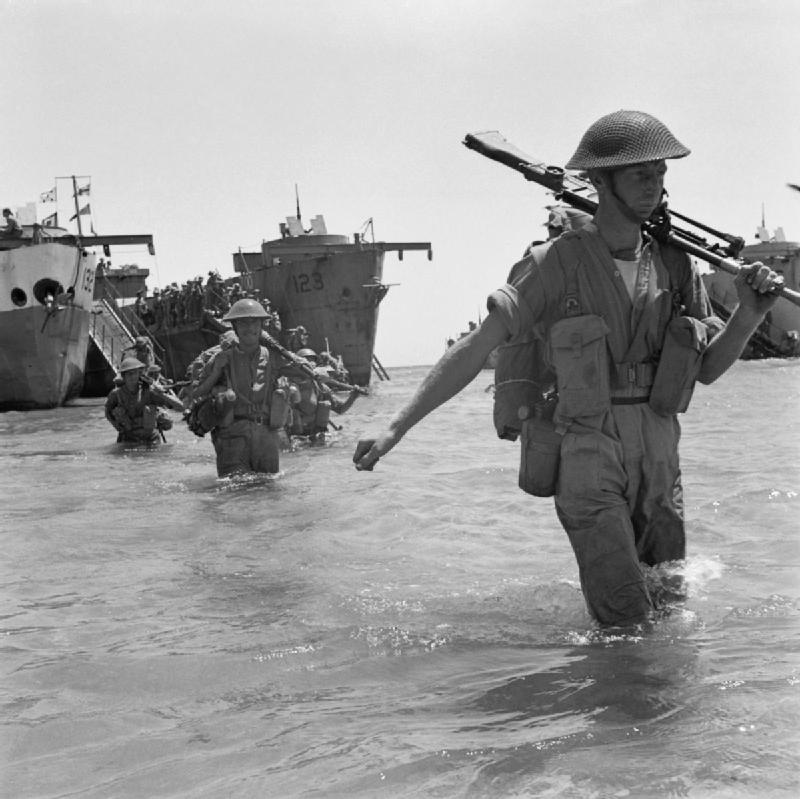
On a stormy night, Allied paratroopers and gliders take off for Sicily. By dawn, the largest amphibious landing yet attempted is under way.
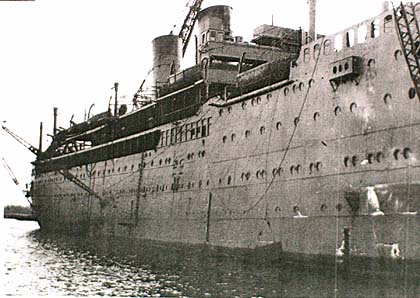
A liner carrying interned Italian and German civilians to Canada is torpedoed off Ireland. Hundreds of men who had lived in Britain for years drown.
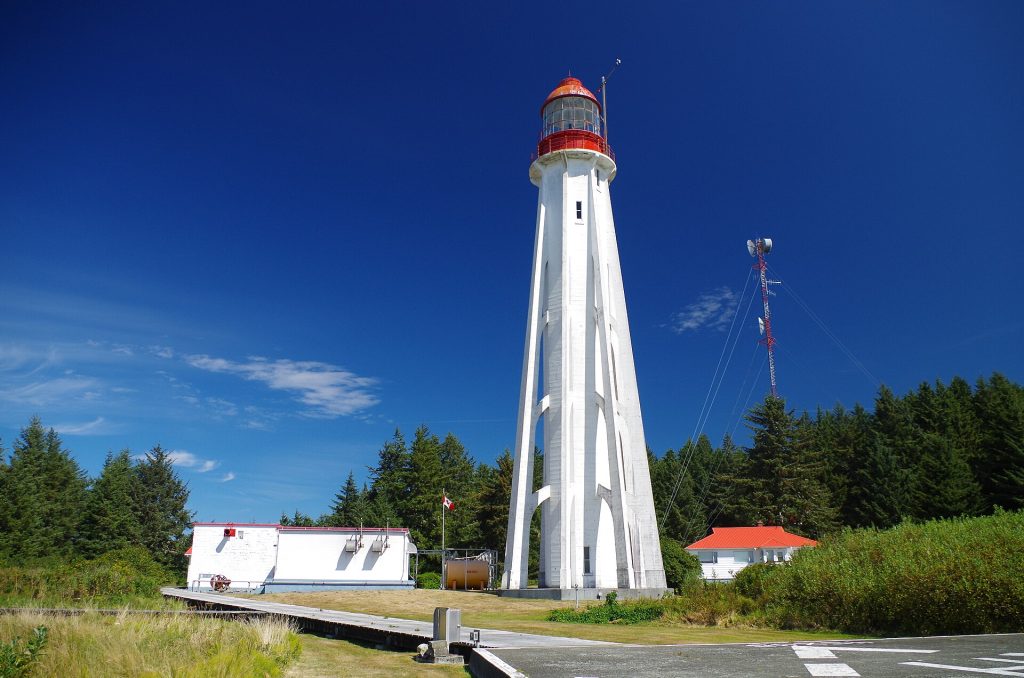
A Japanese submarine surfaces off Vancouver Island and fires on a remote lighthouse. It is the first enemy attack on Canadian soil since the War of 1812.
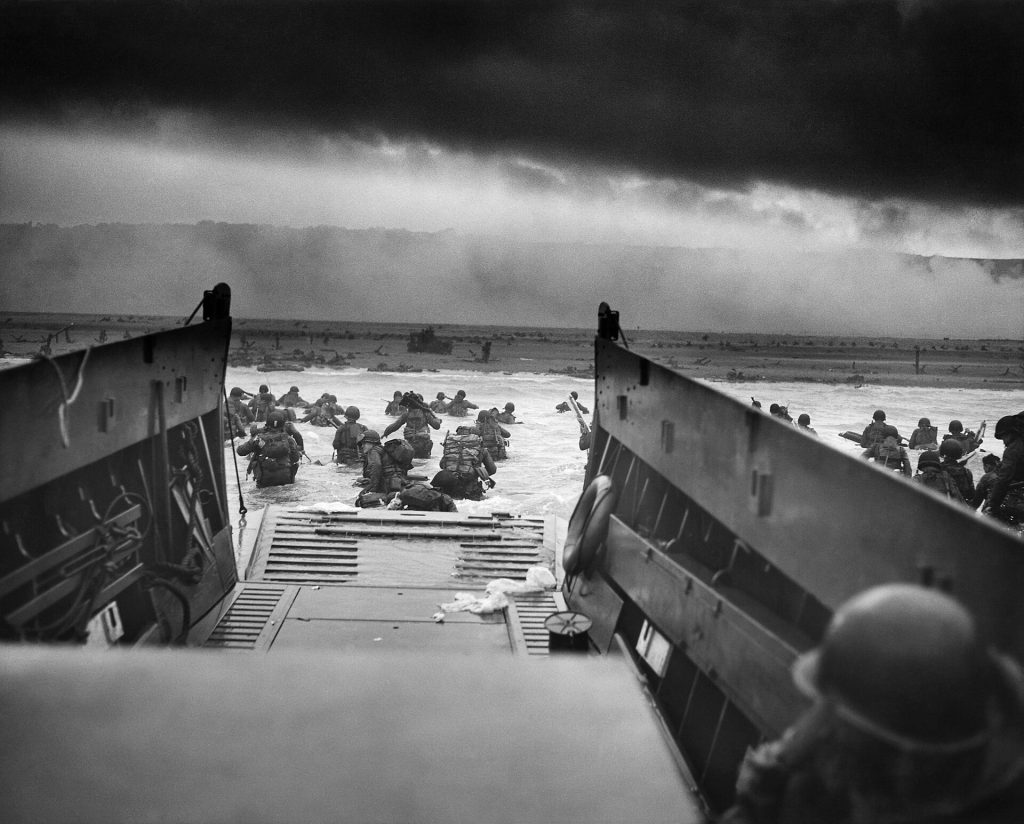
The largest seaborne invasion in history lands on the beaches of Normandy. By nightfall around 156,000 Allied troops are ashore, and the liberation of western Europe has begun.
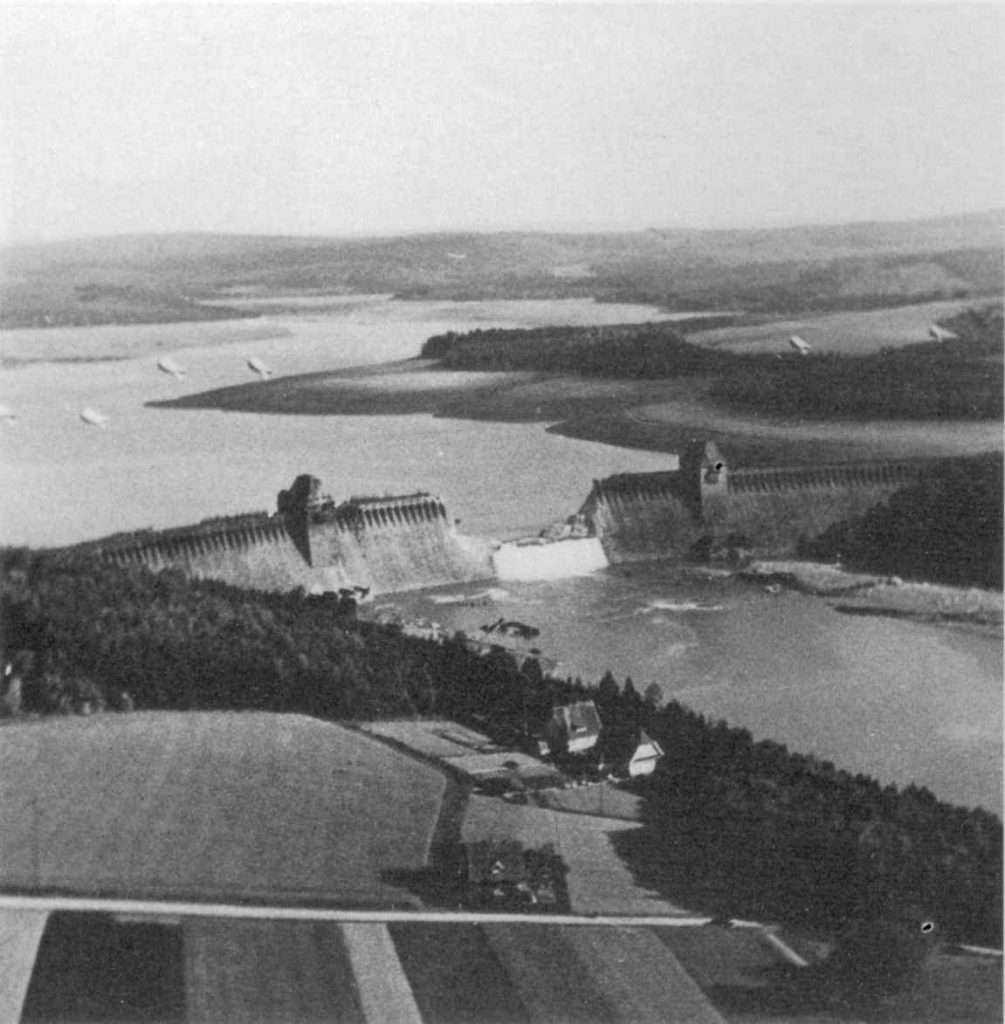
Nineteen Lancasters of a newly formed squadron fly low across the North Sea at night carrying bouncing bombs. Their targets are the great dams of the Ruhr.
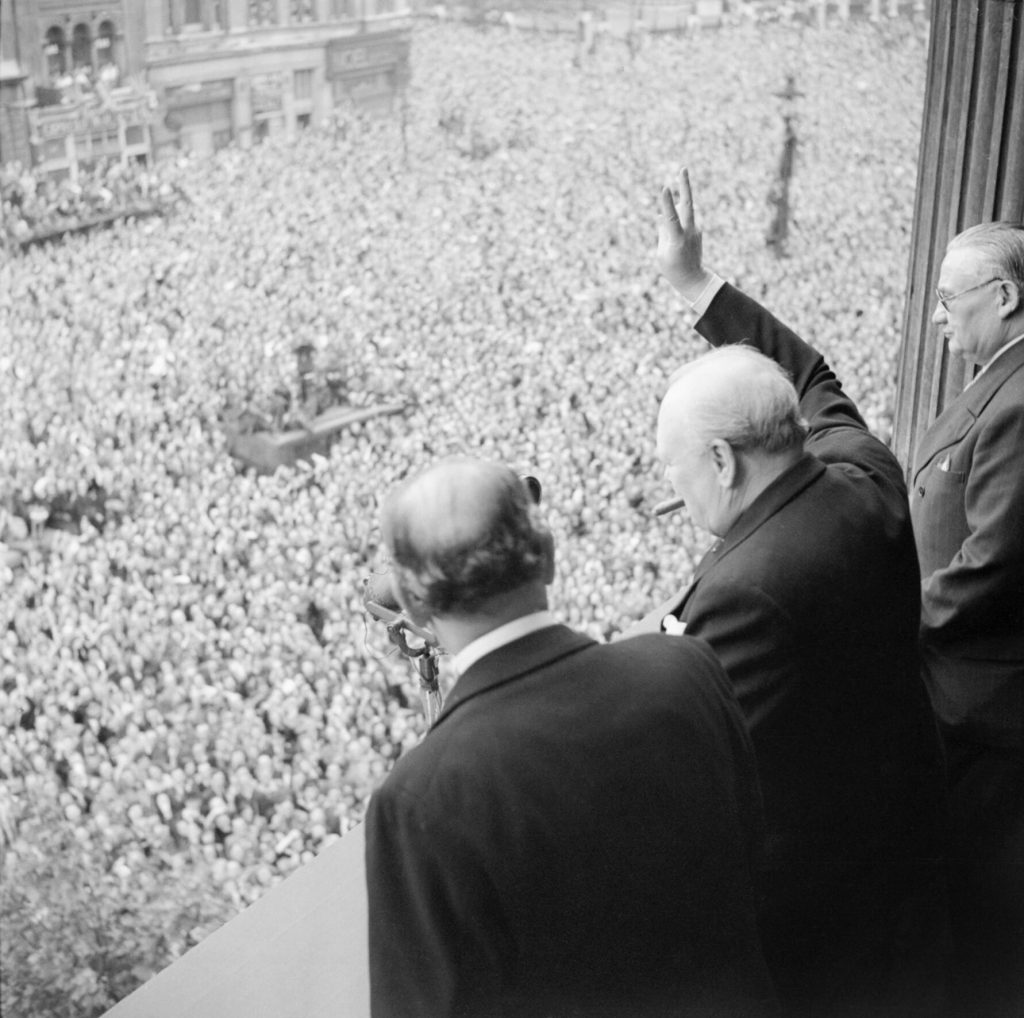
Victory in Europe. Crowds pour into the streets of London, Paris, New York and cities across the Allied world. After nearly six years, the war against Germany is over.
 United Kingdom
 United States
 Soviet Union
 Germany
 Japan
 France
 Poland
 South Africa