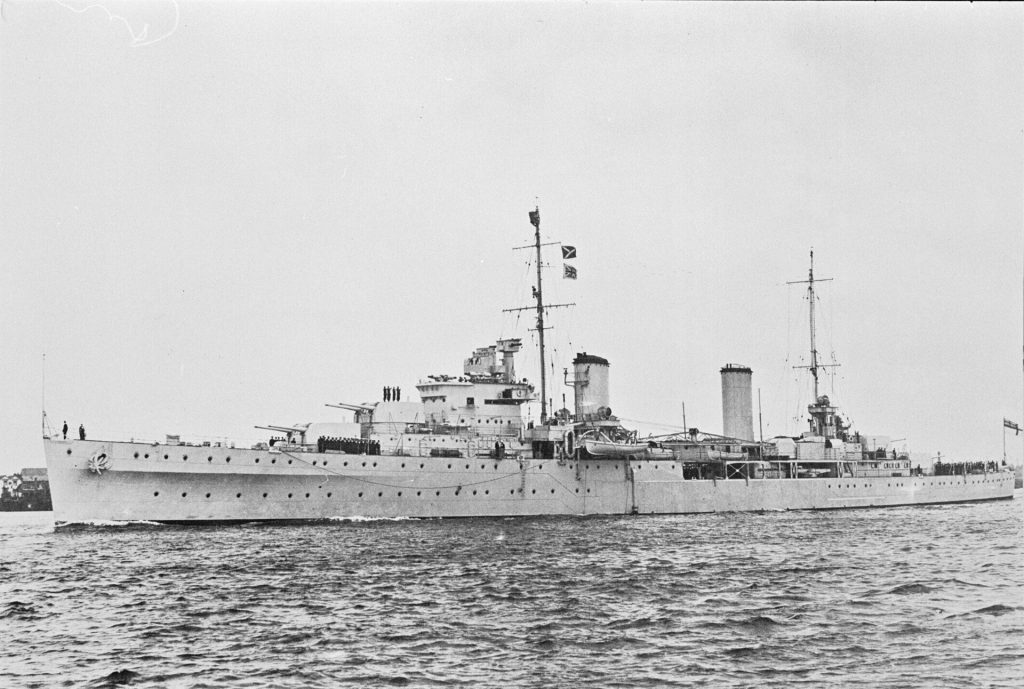
28 February 1942: The Battle of Sunda Strait
Escaping from the disaster in the Java Sea, the cruisers USS Houston and HMAS Perth run into a Japanese invasion fleet off Java and fight until they sink.
Dispatches involving Australia.
Escaping from the disaster in the Java Sea, the cruisers USS Houston and HMAS Perth run into a Japanese invasion fleet off Java and fight until they sink.
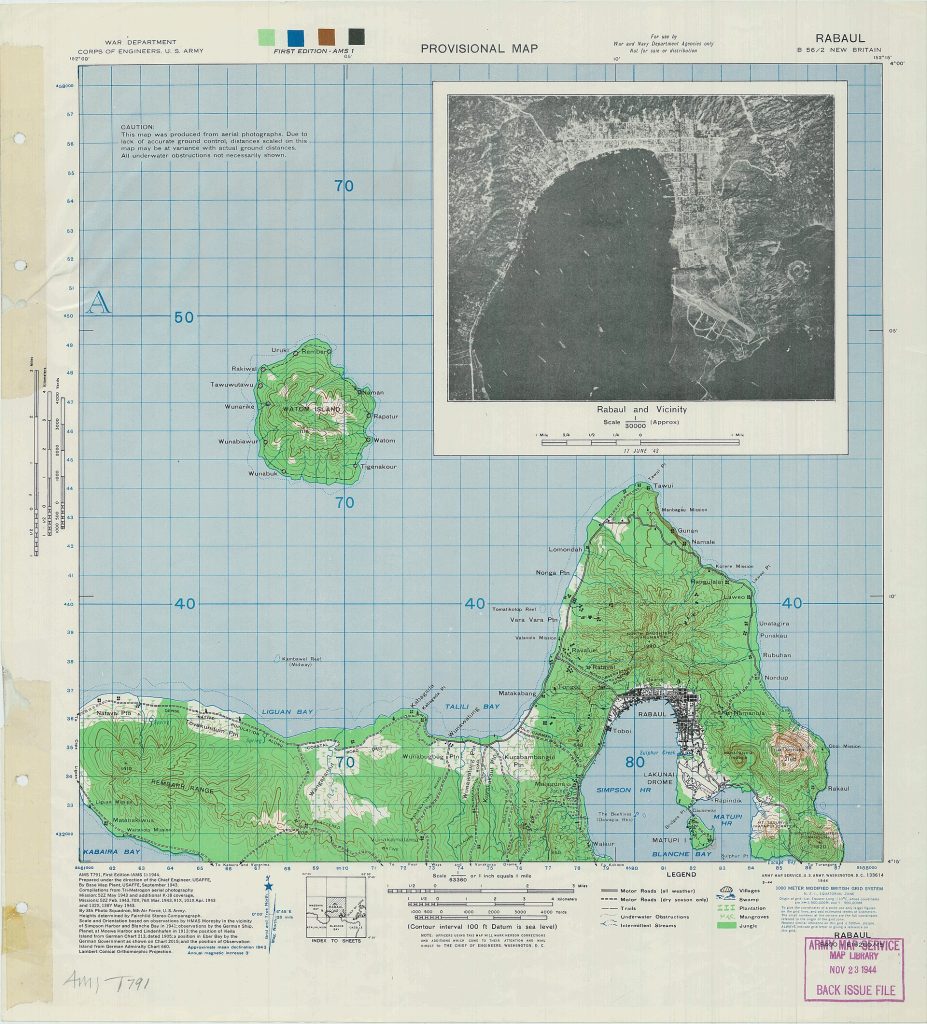
Thousands of Japanese troops land at Rabaul on New Britain and overwhelm Lark Force, the small Australian garrison sent to hold it.
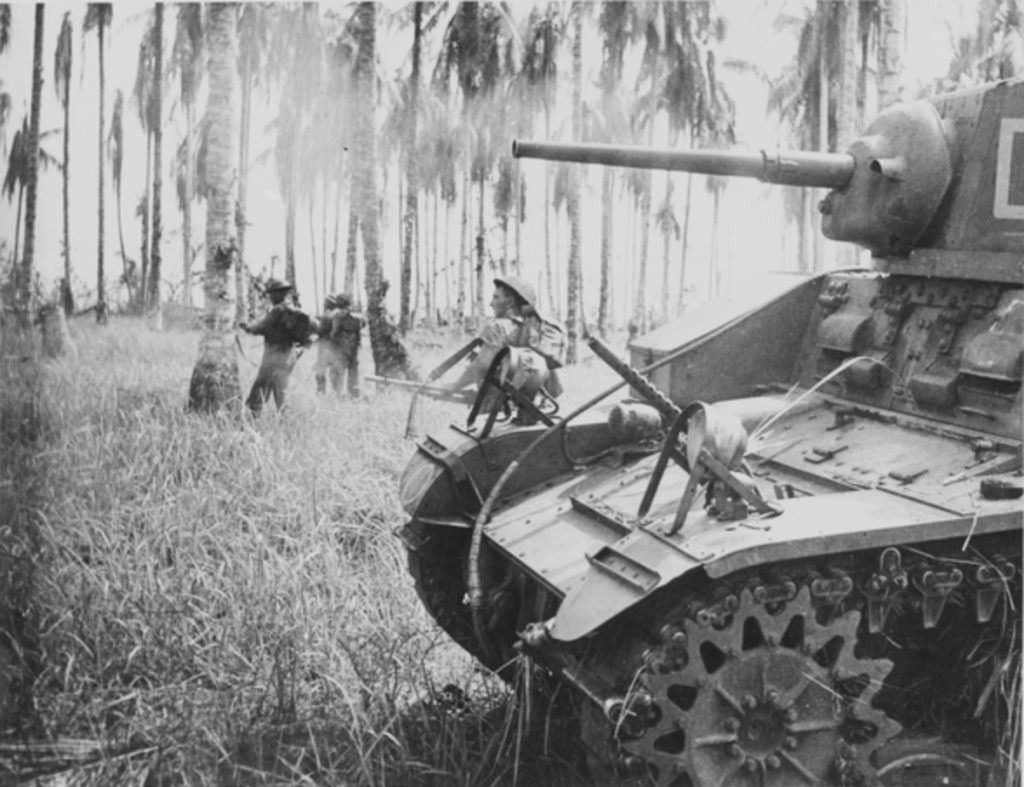
After two months of fighting in swamp and jungle on the north coast of Papua, the last Japanese resistance at Buna and Gona collapses.

Off the coast of Western Australia, a cruiser closes in on a merchant ship that is not what it seems. Both vessels are lost, and none of Sydney’s 645 men survive.
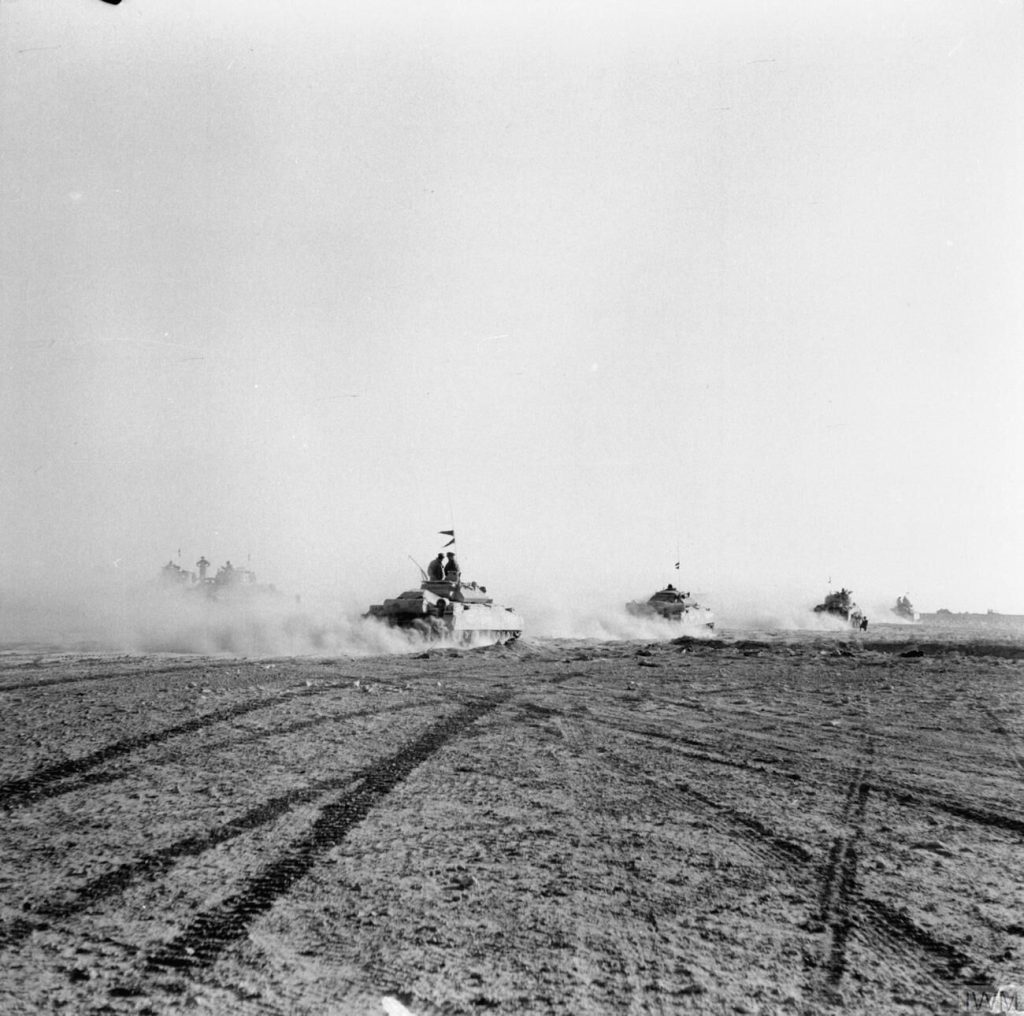
At 21:40, hundreds of guns open fire along the Alamein line. Montgomery’s Eighth Army begins the battle that will drive the Axis out of Egypt for good.
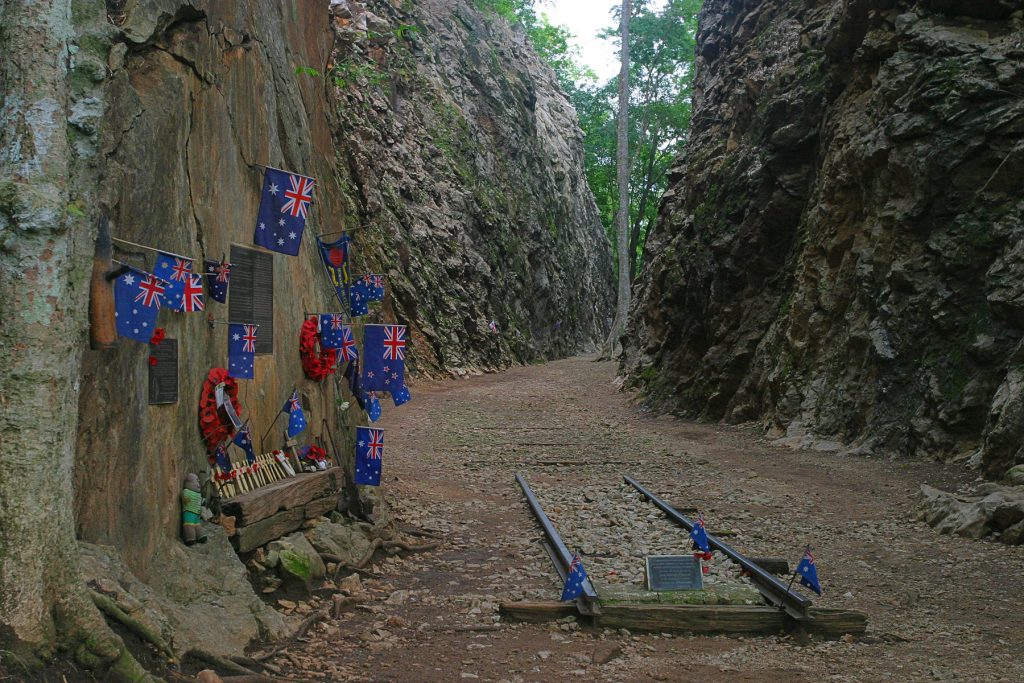
Near the Thai-Burmese border, the two halves of a 415-kilometre railway built by prisoners of war and Asian labourers are joined. Tens of thousands have died building it.
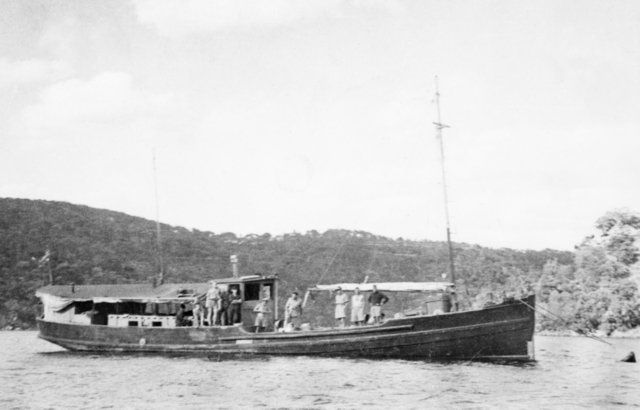
Under cover of darkness, canoeists from a battered old Japanese fishing boat paddle into Singapore harbour and fix limpet mines to Japanese ships. Then they slip away.
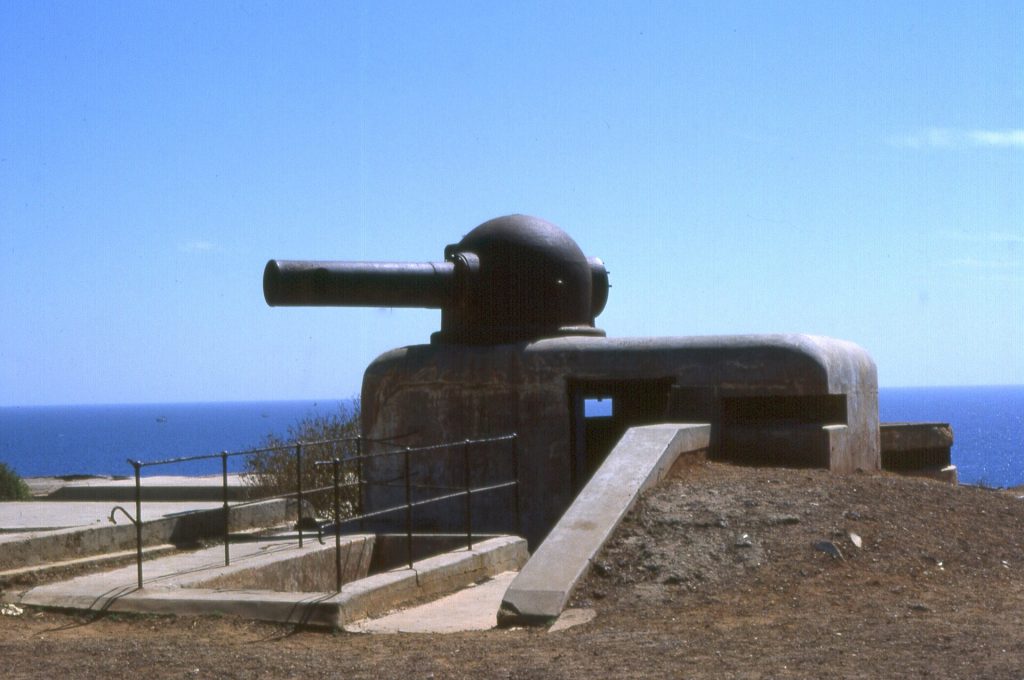
A British fleet carrying General de Gaulle and his Free French troops arrives off Dakar, hoping to win French West Africa without a fight. The Vichy French open fire.
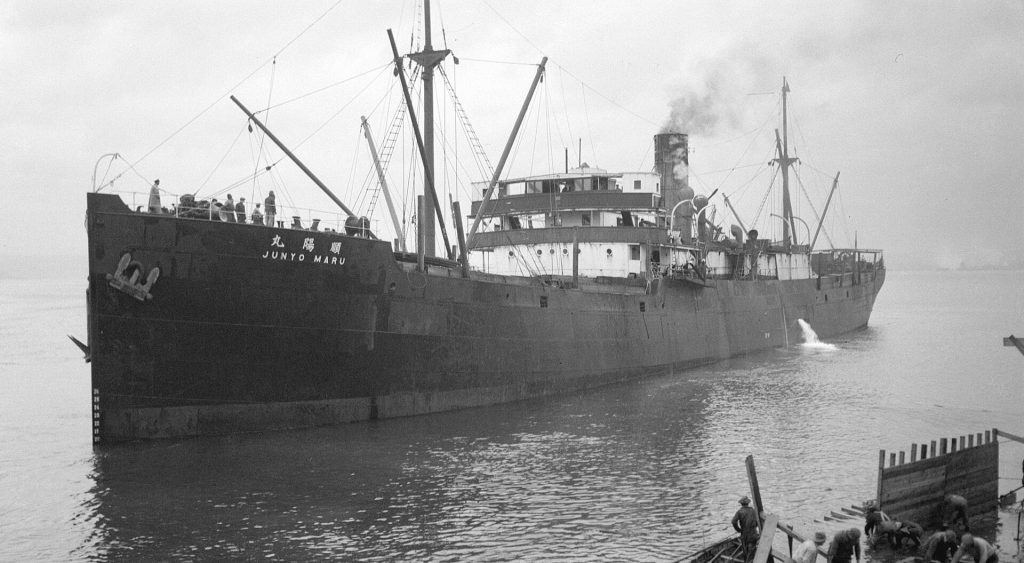
Off the coast of Sumatra, a British submarine torpedoes a Japanese cargo ship. Packed in her holds are thousands of Allied prisoners of war and Javanese forced labourers.
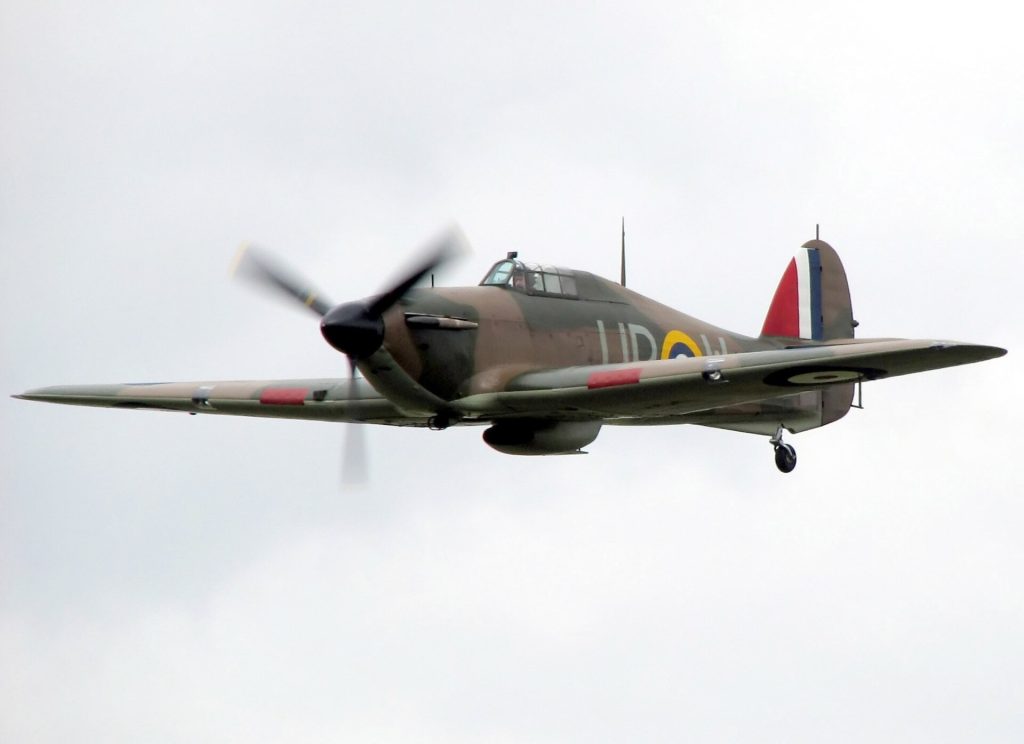
The Luftwaffe sends two great raids against London. Every RAF fighter squadron in the south-east is thrown in, and the attacks are broken up. Two days later, Hitler postpones the invasion of Britain.
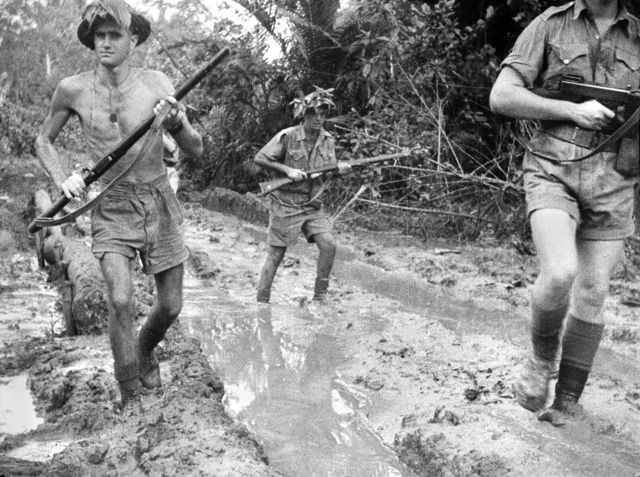
Beaten back from the airstrips at the eastern tip of Papua, the Japanese begin evacuating their surviving troops by sea. For the first time in the Pacific war, a Japanese landing has been defeated on land.
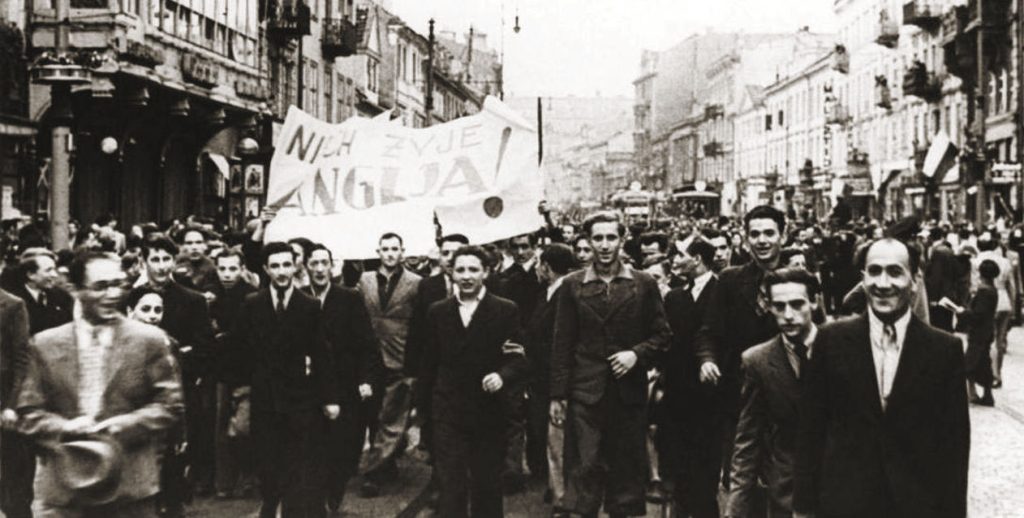
At 11:15, Neville Chamberlain tells the British people by radio that the country is at war with Germany. France follows that afternoon. In Warsaw, crowds cheer outside the British embassy.
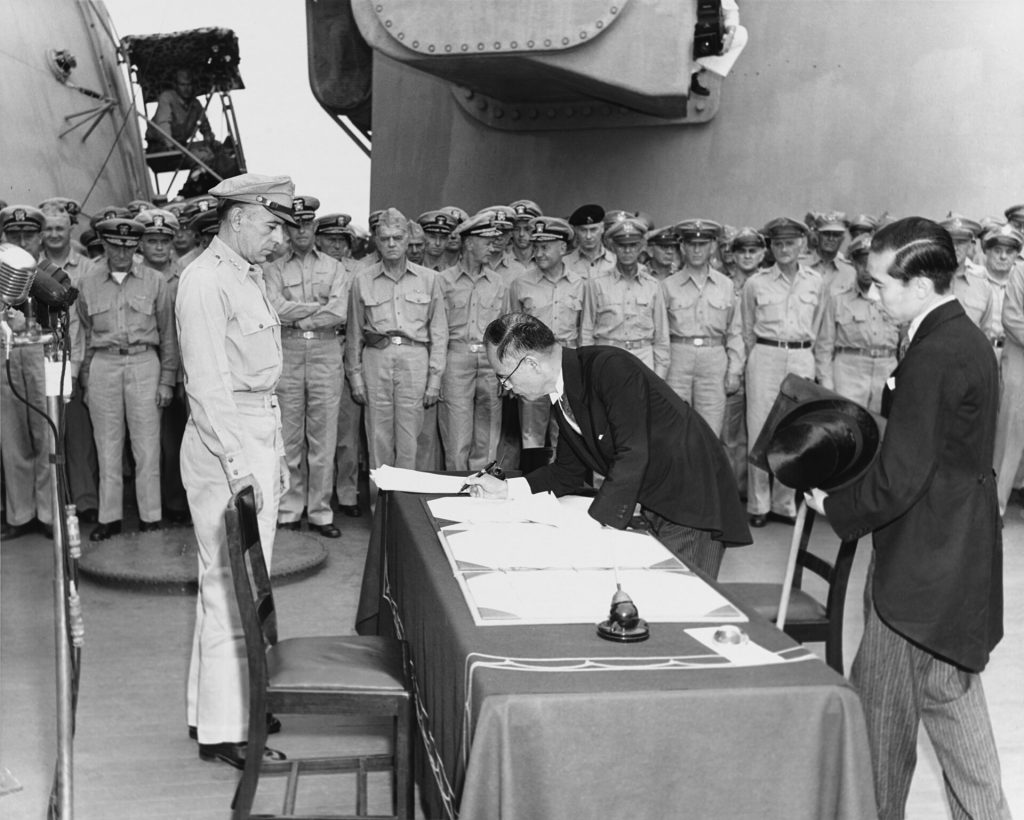
In Tokyo Bay, aboard the battleship USS Missouri, Japan’s representatives sign the Instrument of Surrender. After six years and a day, the Second World War is over.
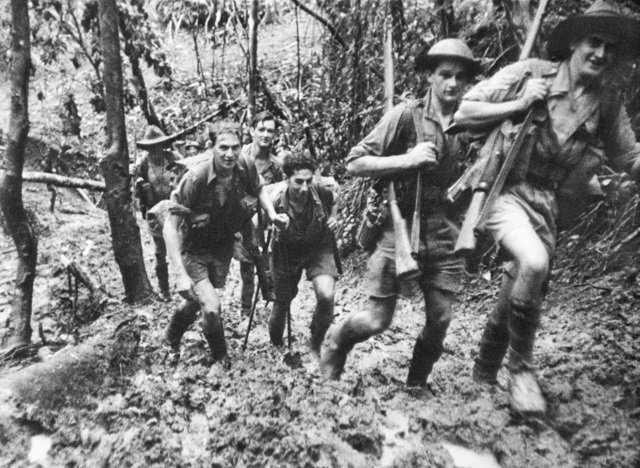
High on the Kokoda Track in Papua, outnumbered Australian militia and AIF battalions stand against the Japanese drive on Port Moresby.
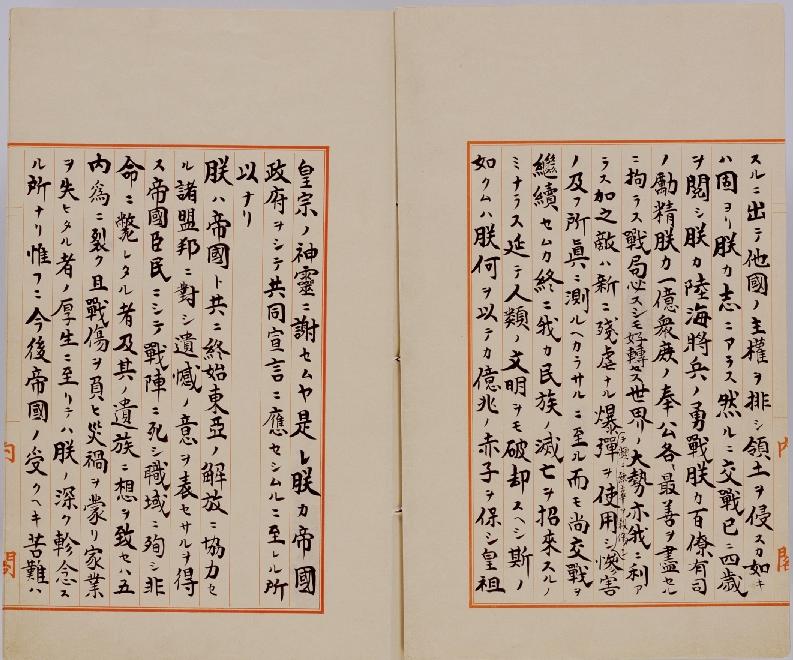
At noon, Japanese people across the empire hear the voice of their Emperor for the first time. In formal court language, Hirohito tells them that Japan will accept the Allied terms.
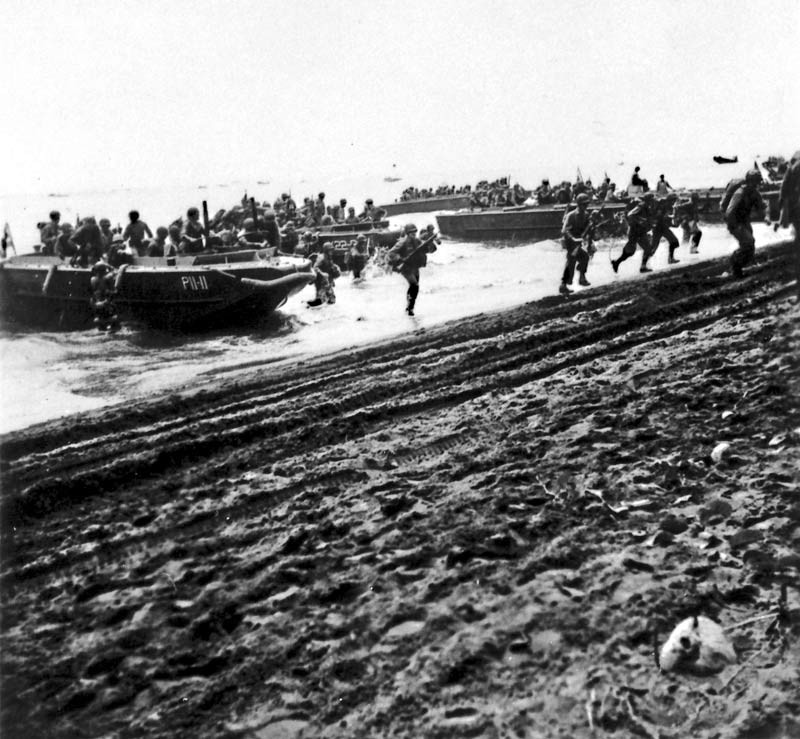
US Marines land on Guadalcanal and nearby Tulagi in the Solomon Islands. It is the first major Allied offensive against Japan, and it will last six months.
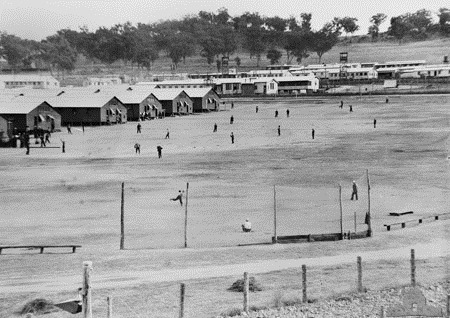
In the early hours, more than a thousand Japanese prisoners of war at Cowra in New South Wales charge the wire. It is one of the largest prison escapes of the war.
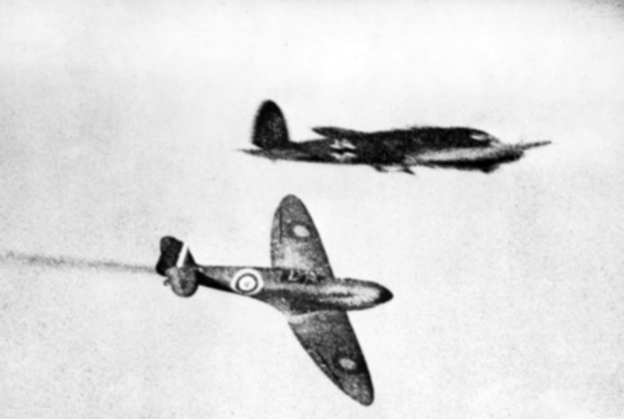
German bombers attack a convoy in the English Channel. The date will later be taken as the official start of the Battle of Britain.
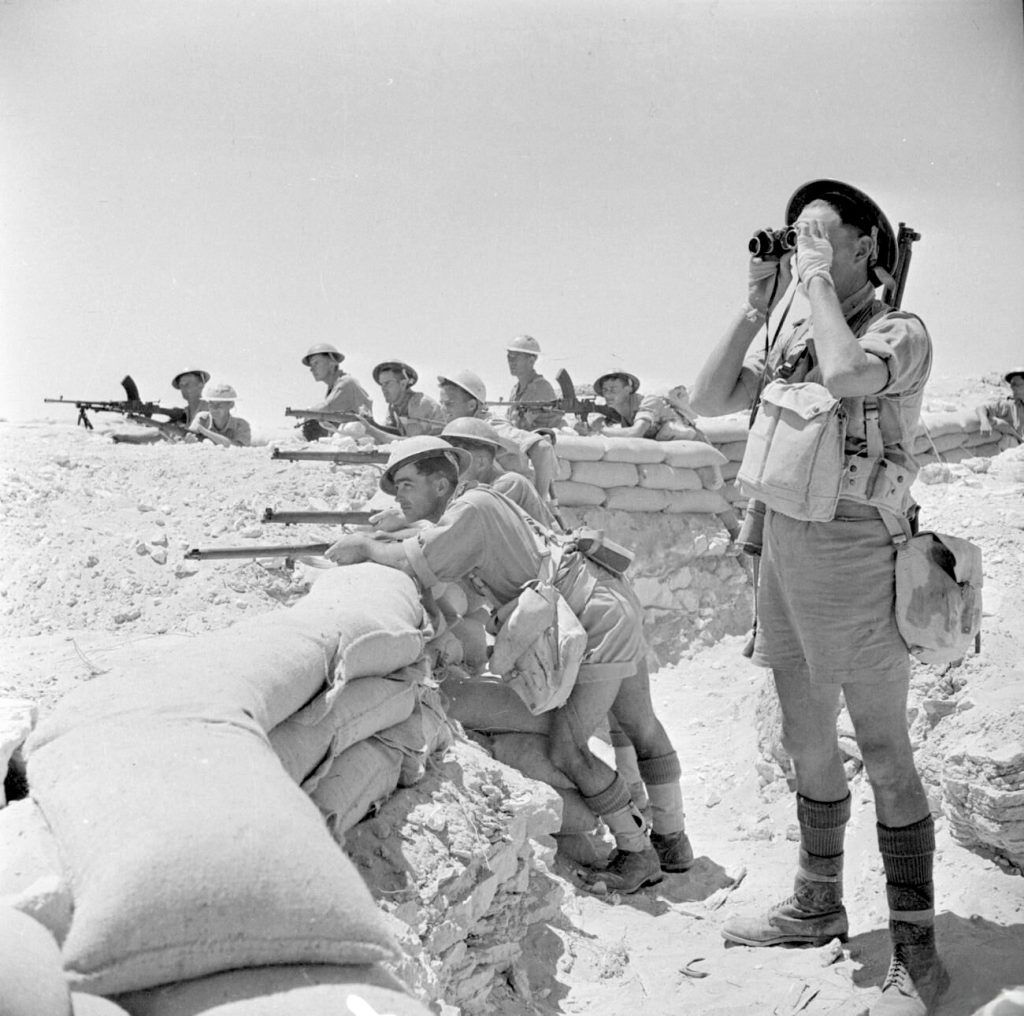
Rommel’s army, racing for the Nile, runs into the last British line at El Alamein. South African troops in the Alamein box help stop him.
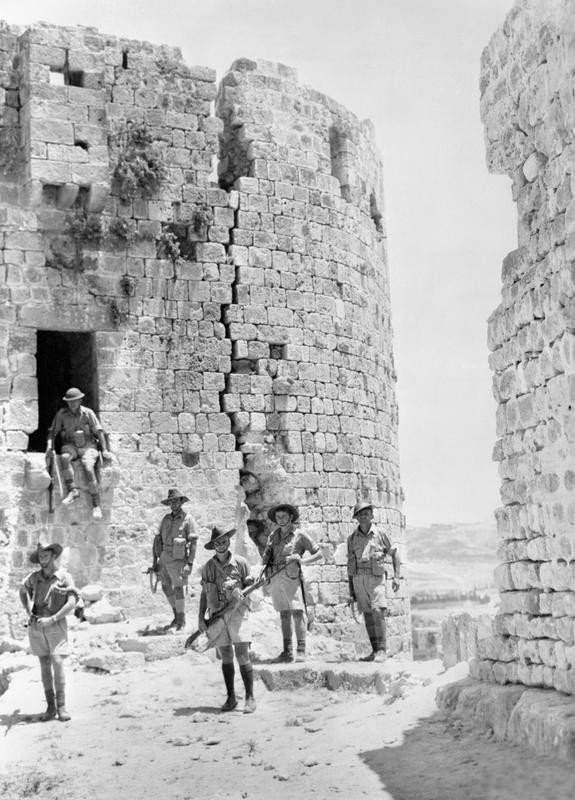
Australian, British, Indian and Free French troops cross into Vichy French Syria and Lebanon. They expect little resistance and find themselves in a bitter five-week campaign.
 United Kingdom
 United States
 Soviet Union
 Germany
 Japan
 France
 Poland
 South Africa