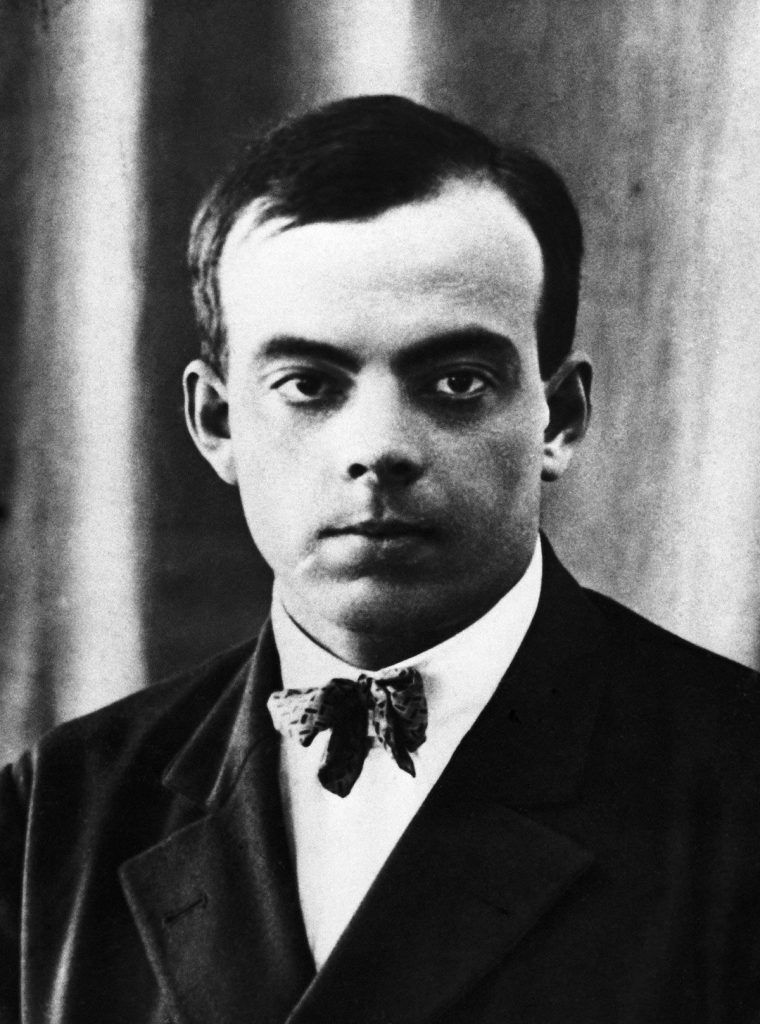
31 July 1944: Saint-Exupéry Disappears
The author of The Little Prince takes off from Corsica on a reconnaissance flight over southern France. He never returns.
Every dispatch dated in July, across all six years of the war.
The author of The Little Prince takes off from Corsica on a reconnaissance flight over southern France. He never returns.
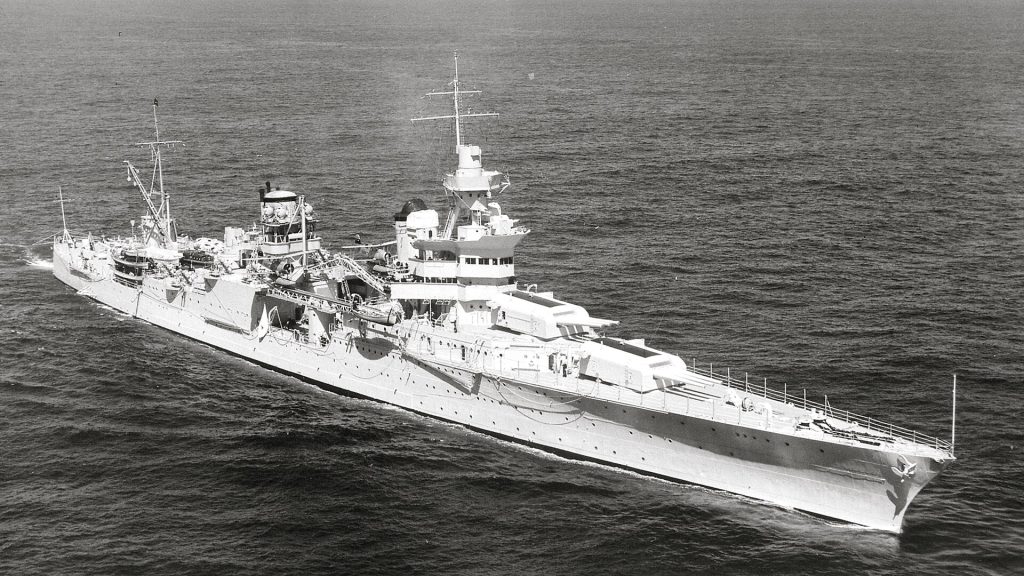
Just after midnight, a Japanese submarine torpedoes the cruiser USS Indianapolis in the Philippine Sea. She sinks in minutes. For four days, nobody knows that hundreds of survivors are in the water.
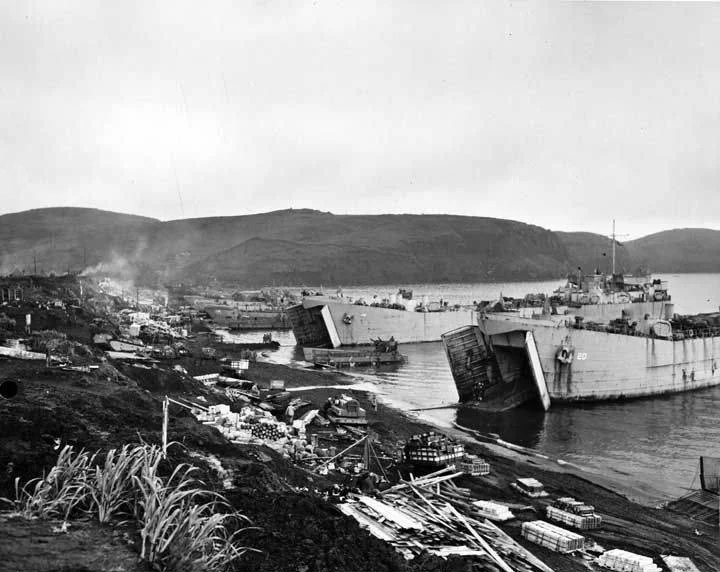
Under cover of thick Aleutian fog, Japanese warships slip into Kiska harbour and take off the entire garrison. The Americans and Canadians, unaware, prepare to invade an empty island.
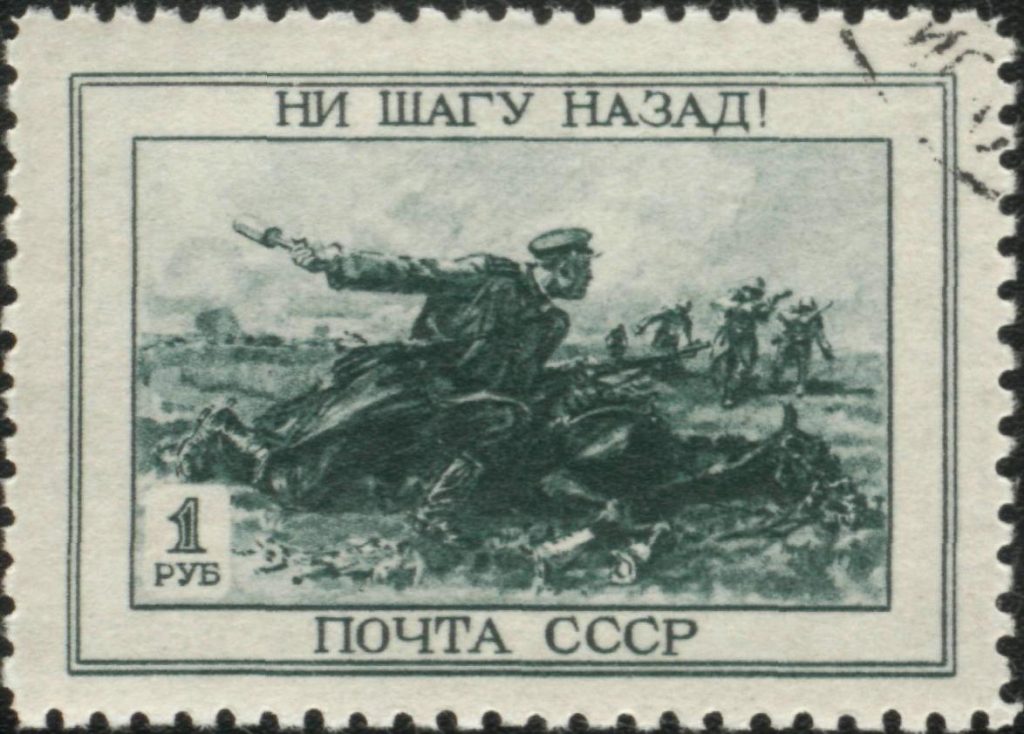
With German armies racing towards the Volga and the Caucasus, Stalin issues Order No. 227. Retreat without orders is forbidden. Panic-mongers and cowards are to be dealt with on the spot.
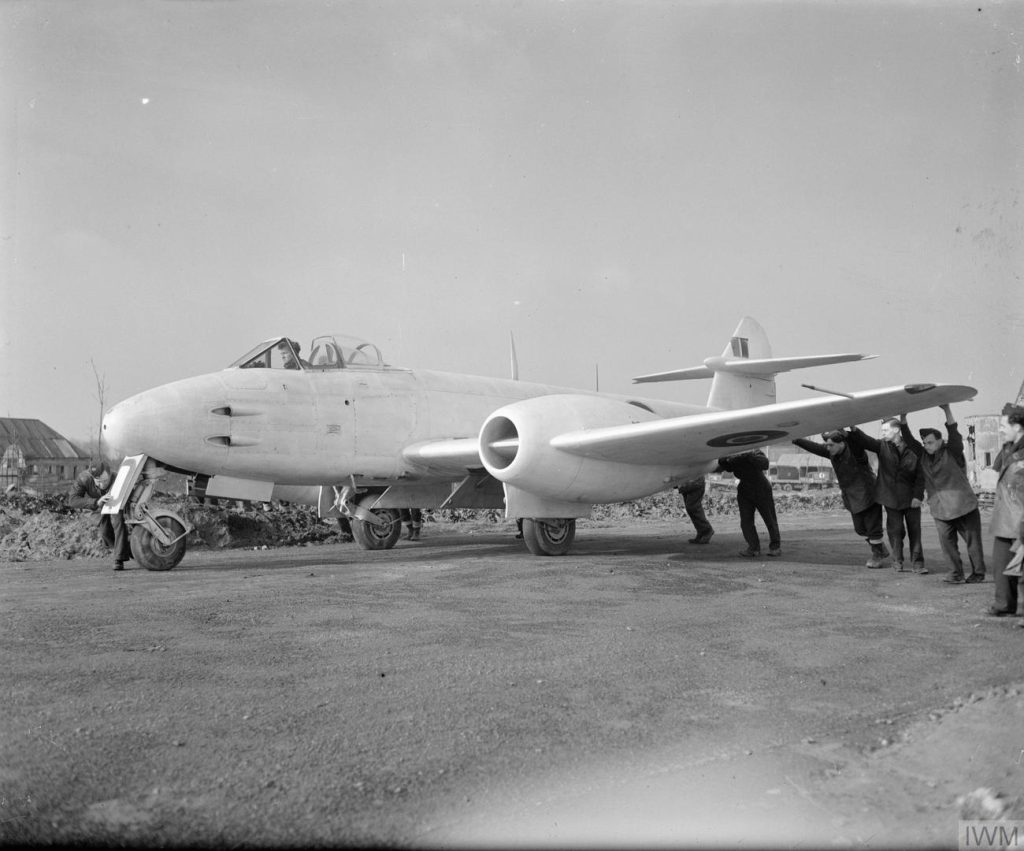
No. 616 Squadron flies the RAF’s first operational jet sorties, hunting the V-1 flying bombs that are falling on London. The Gloster Meteor is the only Allied jet to see combat in the war.
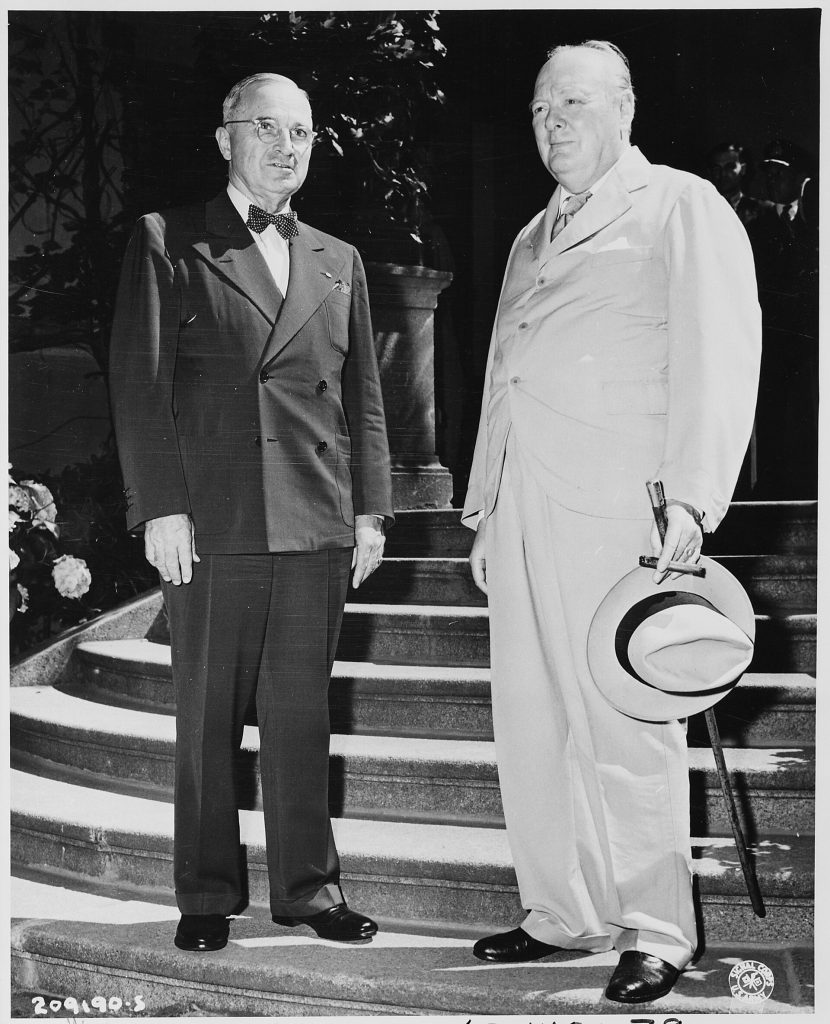
From Potsdam, the United States, Britain and China call on Japan to surrender unconditionally. The alternative, they warn, is “prompt and utter destruction”.
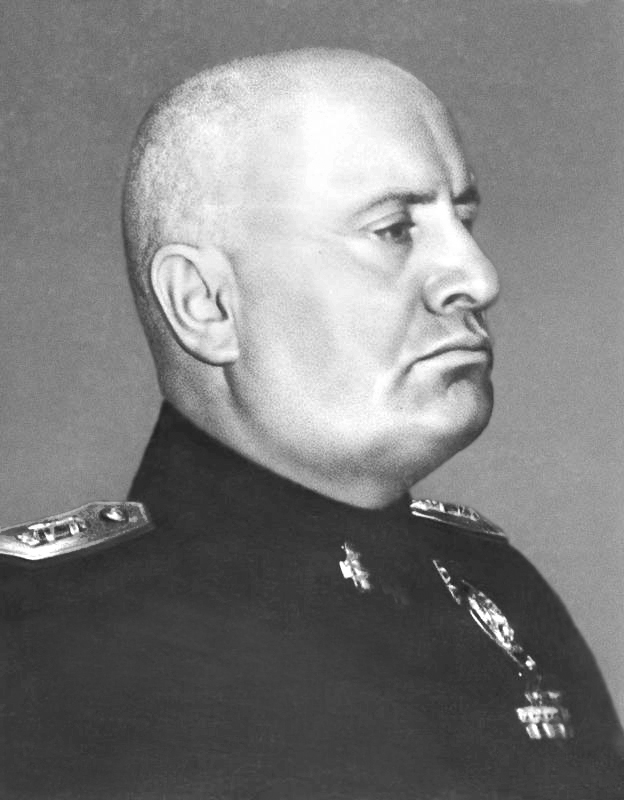
After an all-night meeting of the Fascist Grand Council votes against him, Mussolini goes to see the King. He leaves the royal villa under arrest. Twenty-one years of Fascist rule are over.
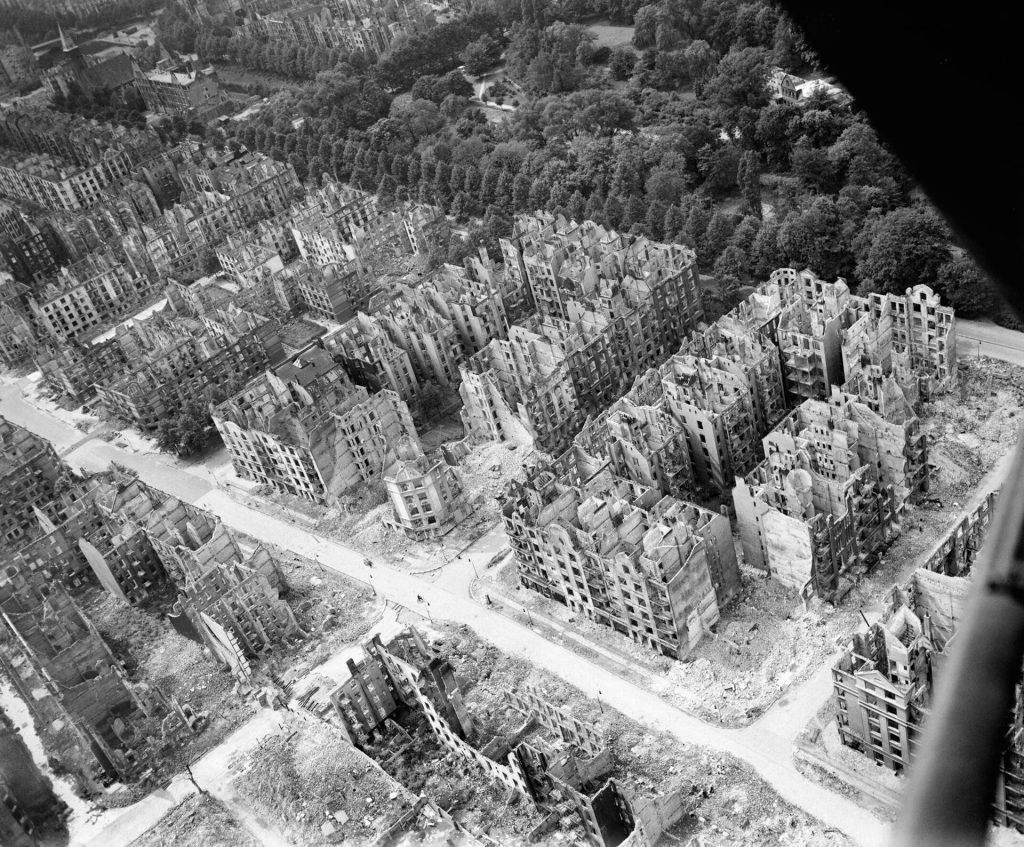
RAF Bomber Command opens a series of raids on Hamburg. Strips of foil dropped by the bombers blind the German radar. Within days, the city will burn as no city has burned before.
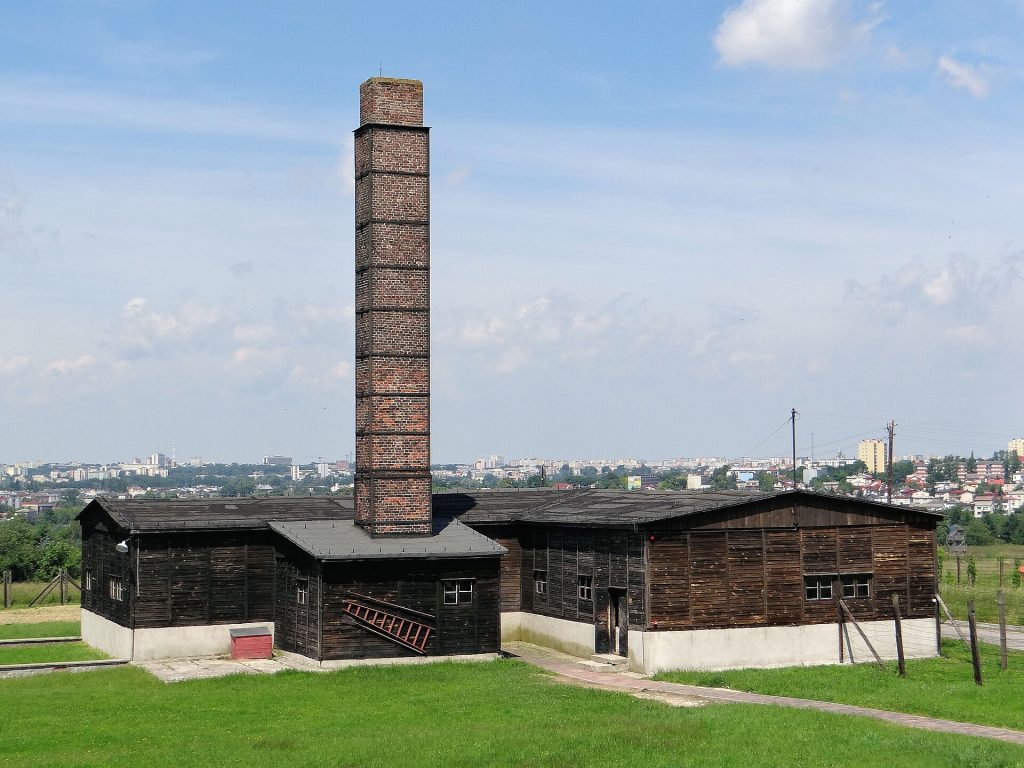
Advancing on Lublin, the Red Army reaches the Majdanek concentration camp, which the SS had no time to destroy. It is the first major Nazi camp to be liberated.
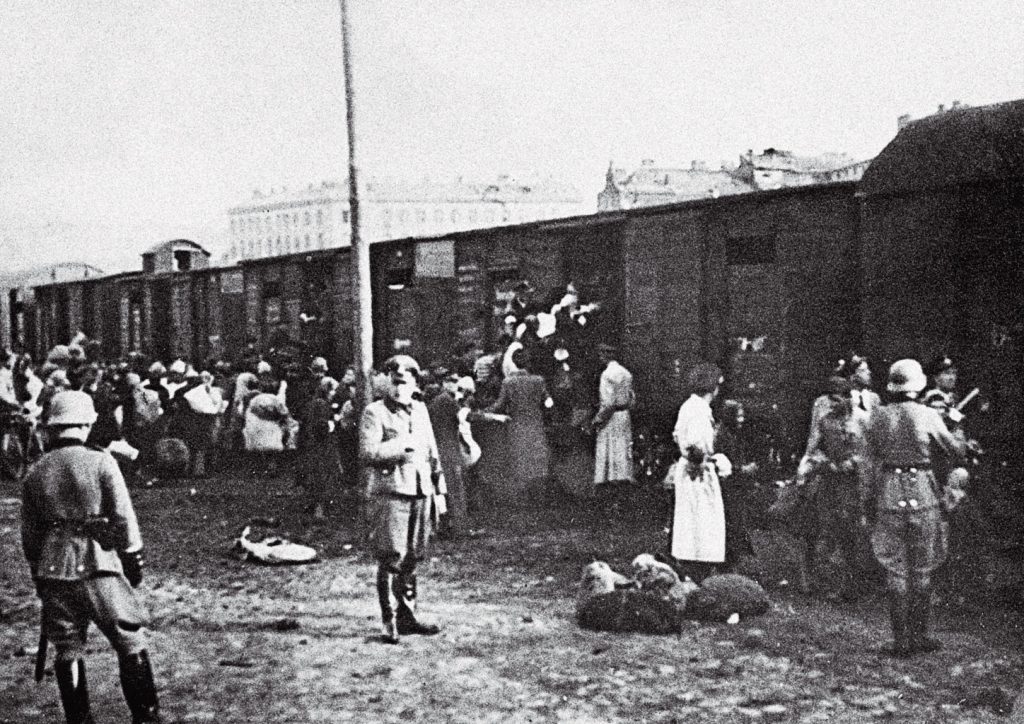
The SS orders the Jewish Council of the Warsaw Ghetto to deliver thousands of people a day for “resettlement in the east”. They are being sent to their deaths at Treblinka.
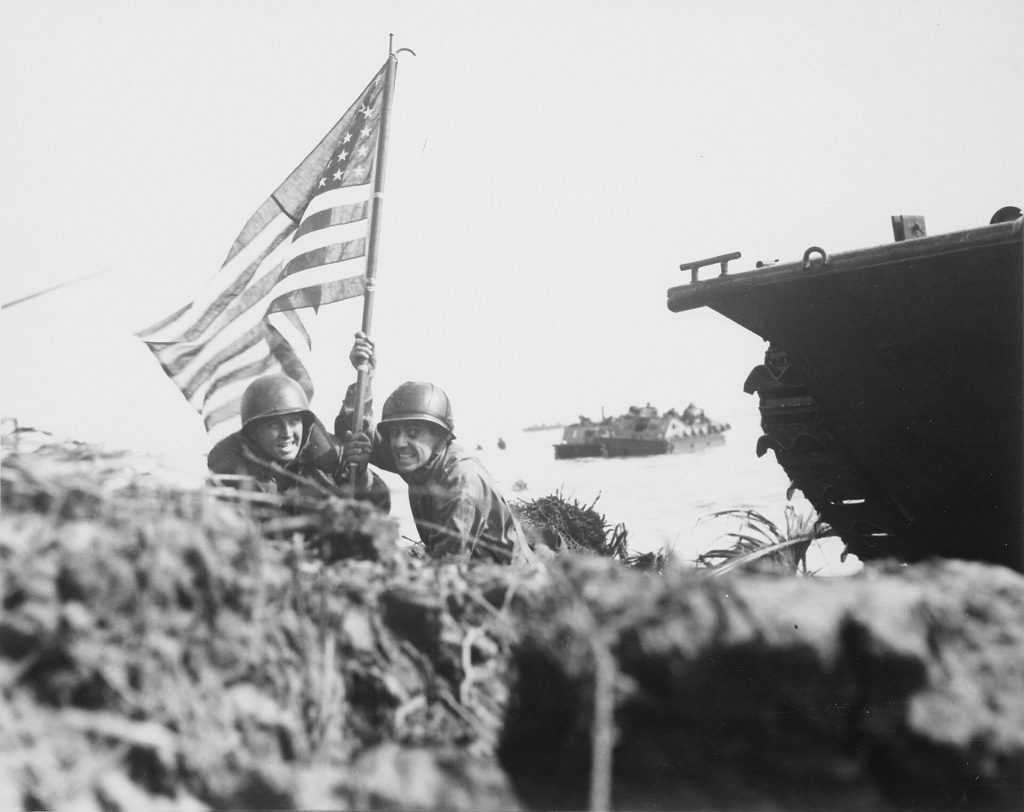
After the longest preliminary bombardment of the Pacific war so far, American Marines and soldiers land on Guam, the US territory captured by Japan in December 1941.
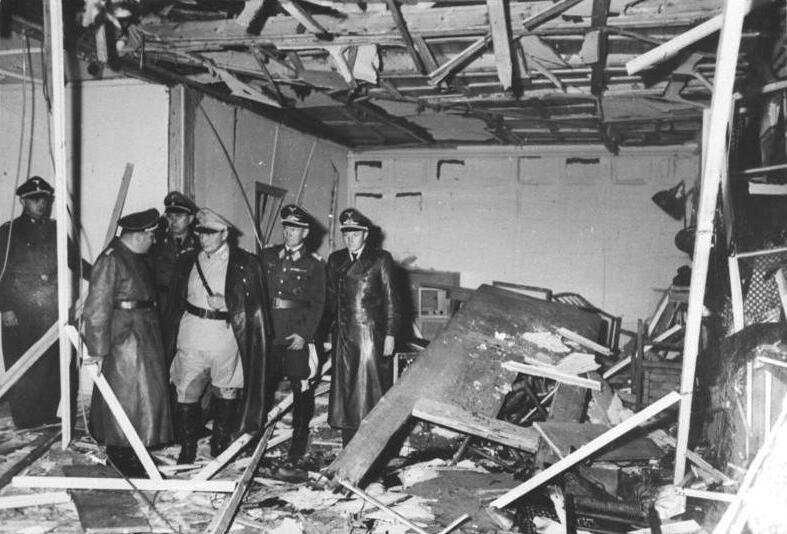
At Hitler’s headquarters in East Prussia, a bomb in a briefcase explodes beneath the conference table. Hitler survives, and the conspiracy to overthrow him collapses within hours.
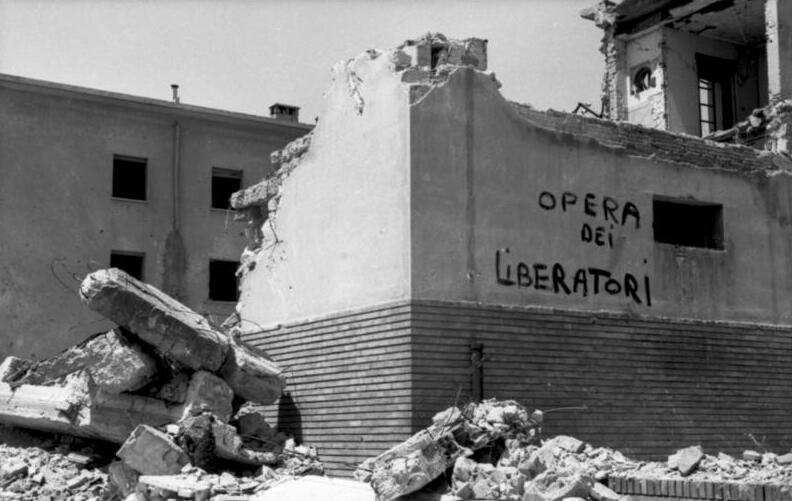
For the first time, hundreds of American bombers attack Rome. Their target is the railway yards, but the bombs also fall on the working-class district of San Lorenzo.
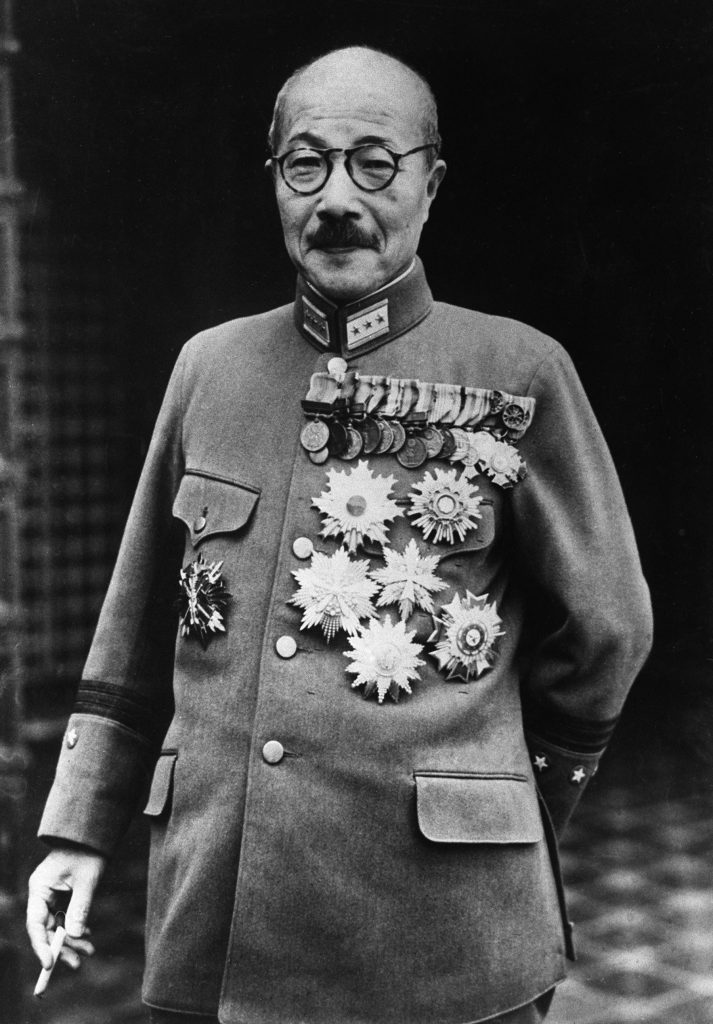
After the loss of Saipan, General Hideki Tojo and his cabinet resign. The man who led Japan into war with the United States is out of power.
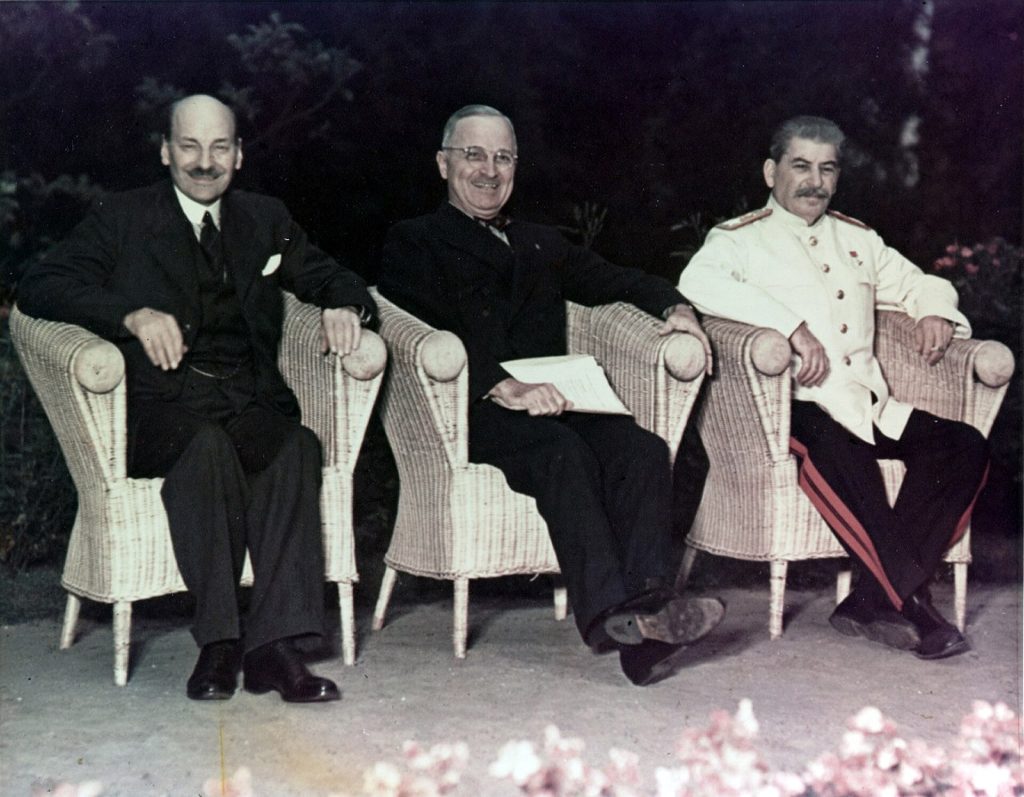
In a palace outside ruined Berlin, Truman, Stalin and Churchill meet to settle the fate of Germany. Halfway through, Churchill is replaced by Attlee.
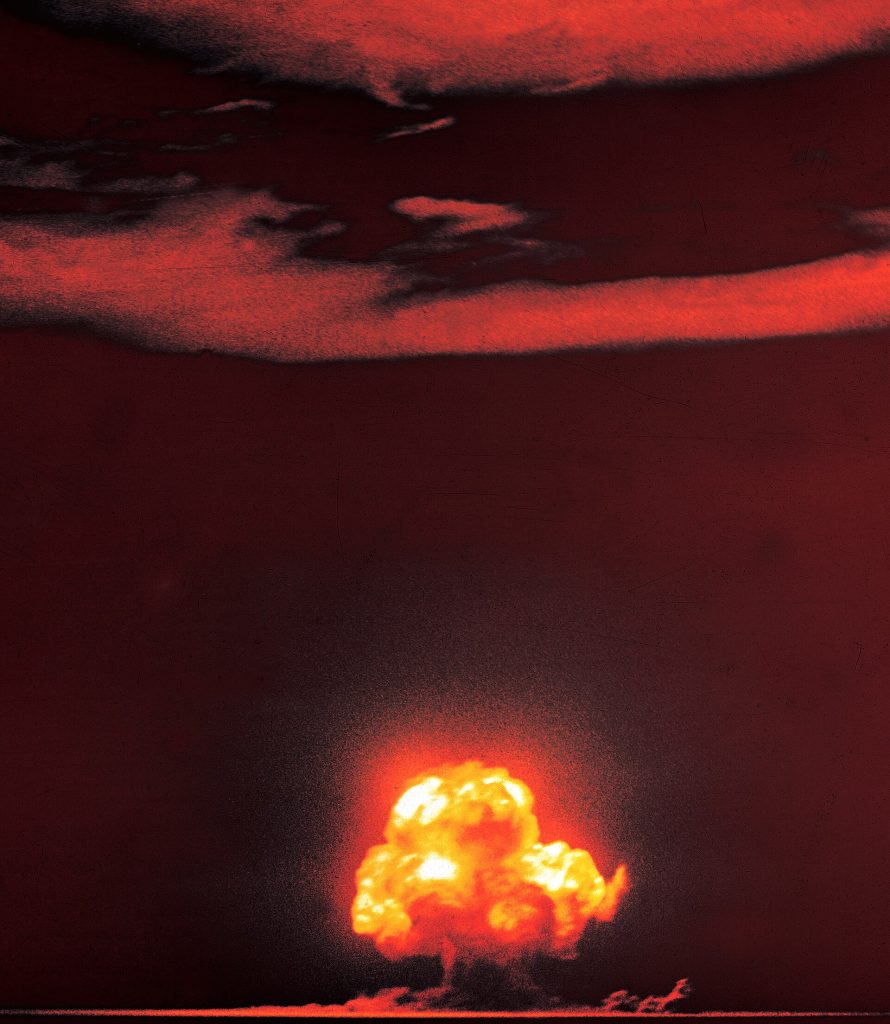
Before dawn in the New Mexico desert, scientists of the Manhattan Project detonate the world’s first atomic bomb. The nuclear age has begun.
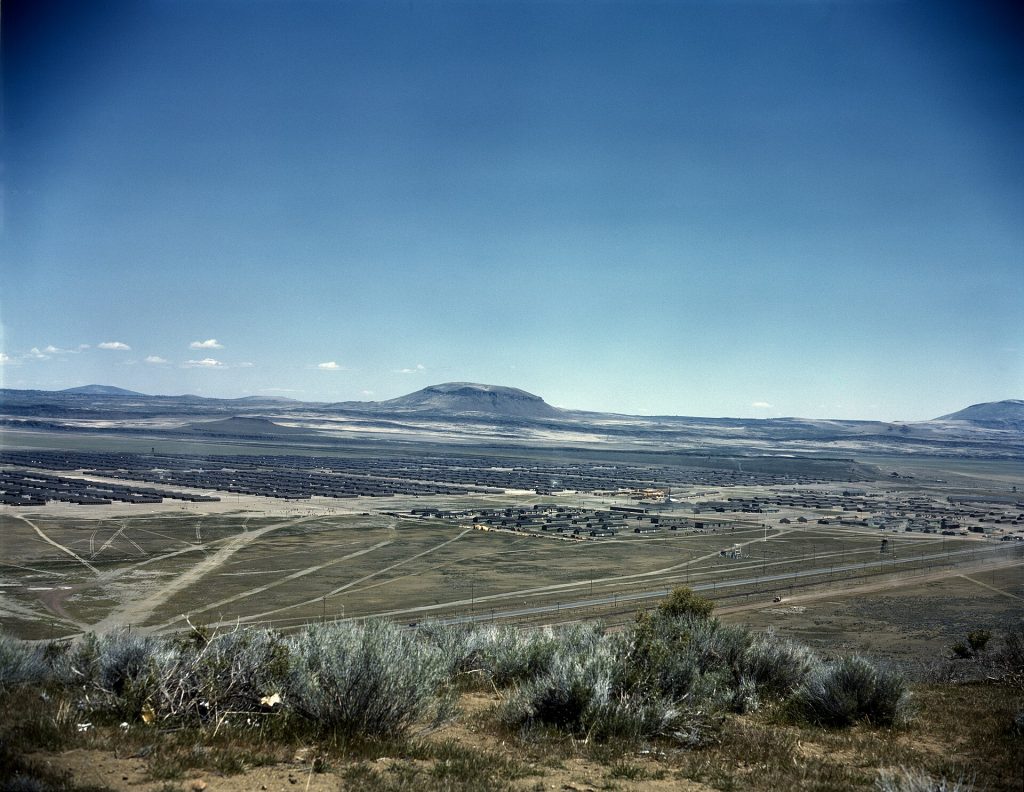
The US government designates the Tule Lake camp in California as a segregation centre for Japanese Americans it deems disloyal. It becomes the largest and harshest of the incarceration camps.
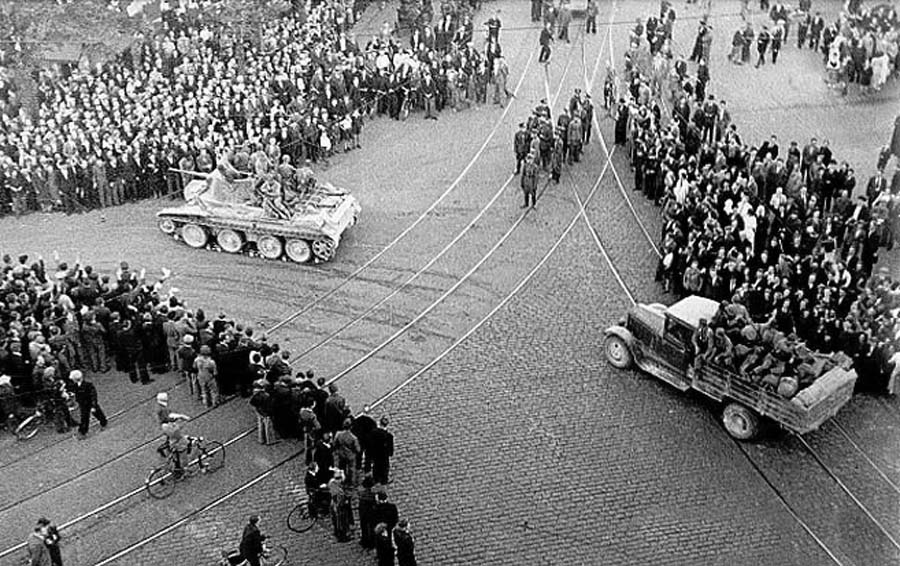
Weeks after the Red Army marches in, Estonia, Latvia and Lithuania hold elections in which only one list of candidates is allowed. The result is a foregone conclusion.
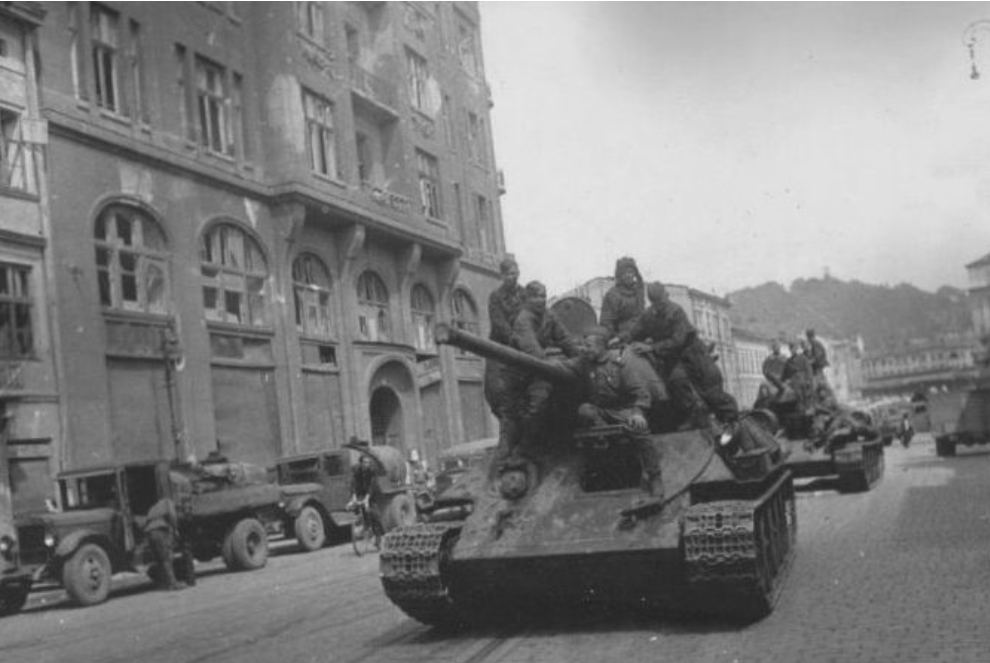
As Army Group Centre collapses in Belarus, Marshal Konev strikes in western Ukraine. Within weeks his armies take Lwów and seize a bridgehead across the Vistula.
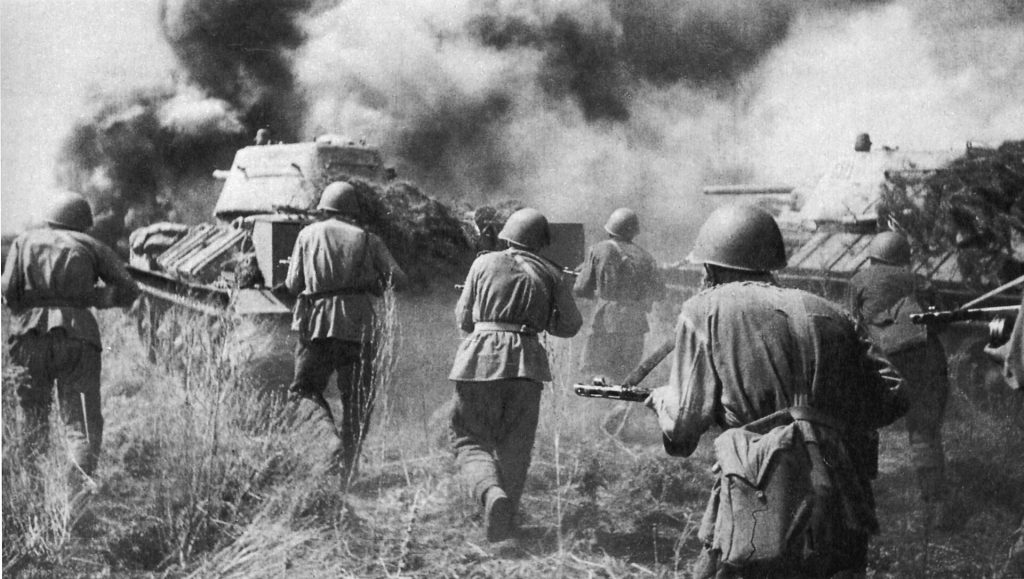
Near a railway station south of Kursk, hundreds of Soviet tanks charge into the advancing SS panzer divisions. It becomes one of the most famous tank battles in history.
 United Kingdom
 United States
 Soviet Union
 Germany
 Japan
 France
 Poland
 South Africa