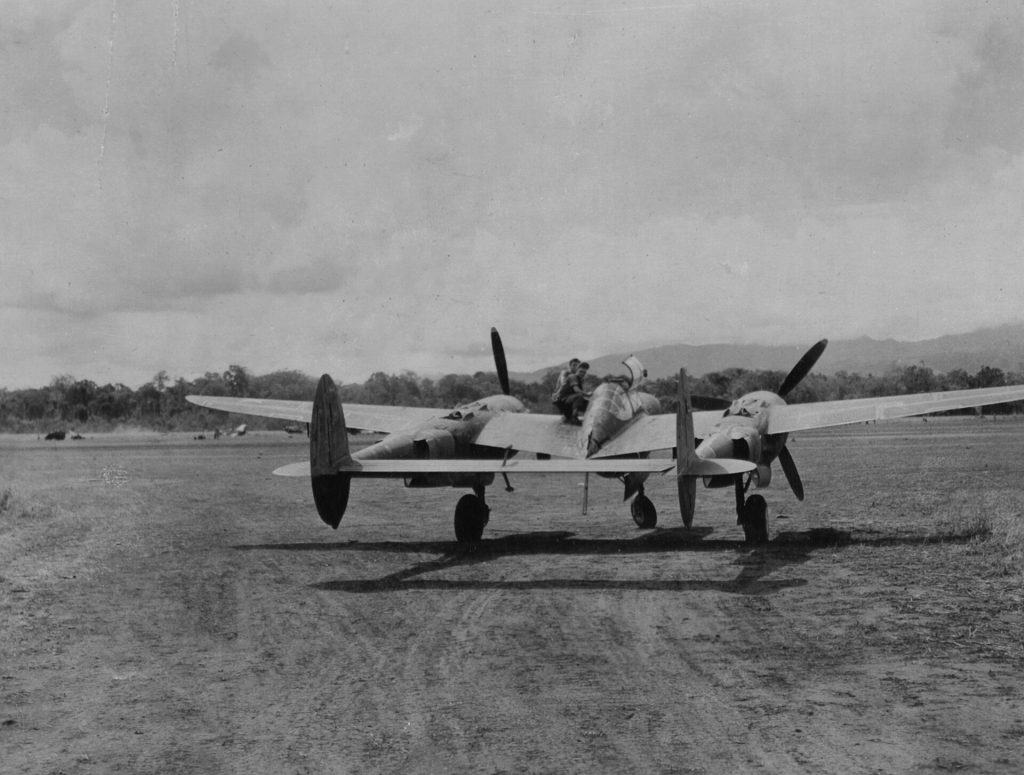
18 April 1943: Yamamoto Shot Down
After codebreakers read his itinerary, American P-38 fighters fly a 1,000-mile round trip to shoot down the aircraft carrying Admiral Isoroku Yamamoto over Bougainville.
From Pearl Harbor to Tokyo Bay: carriers, islands and the war against Japan.
After codebreakers read his itinerary, American P-38 fighters fly a 1,000-mile round trip to shoot down the aircraft carrying Admiral Isoroku Yamamoto over Bougainville.
On radar picket duty off Okinawa, the American destroyer Mannert L. Abele is hit by a kamikaze and then by an Ohka rocket bomb, and breaks in two.
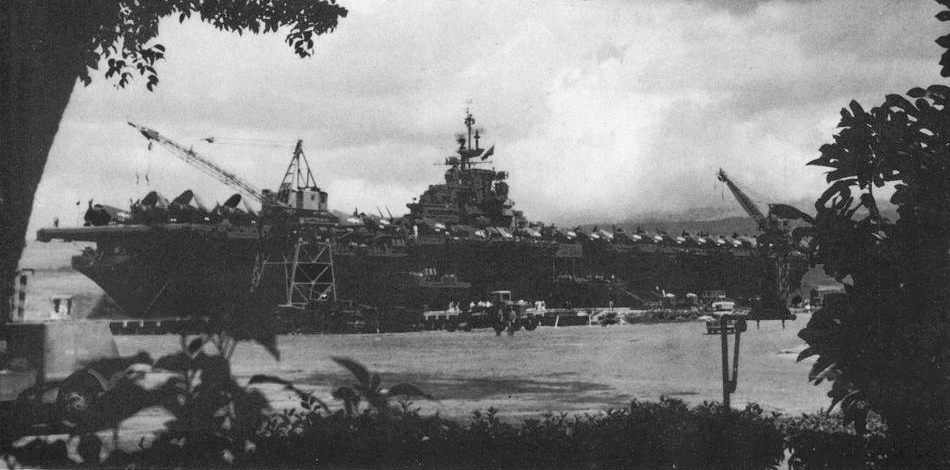
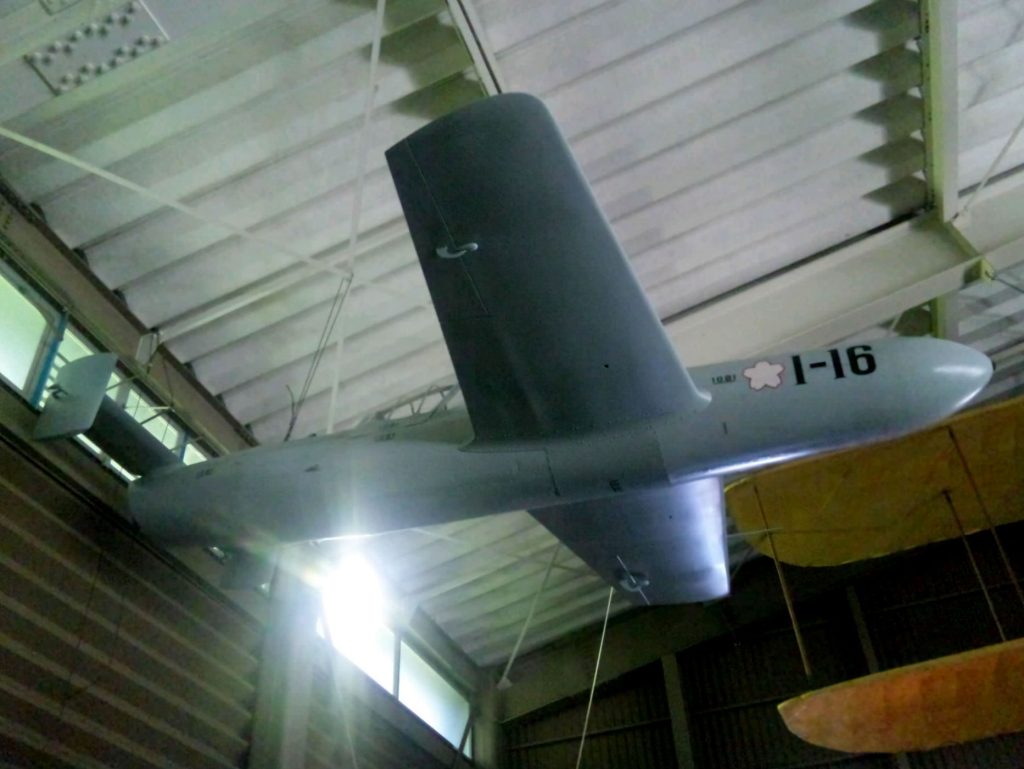
Japanese bombers set out on a one-way flight of some 3,000 kilometres to strike the American fleet at its great anchorage at Ulithi. Two arrive.
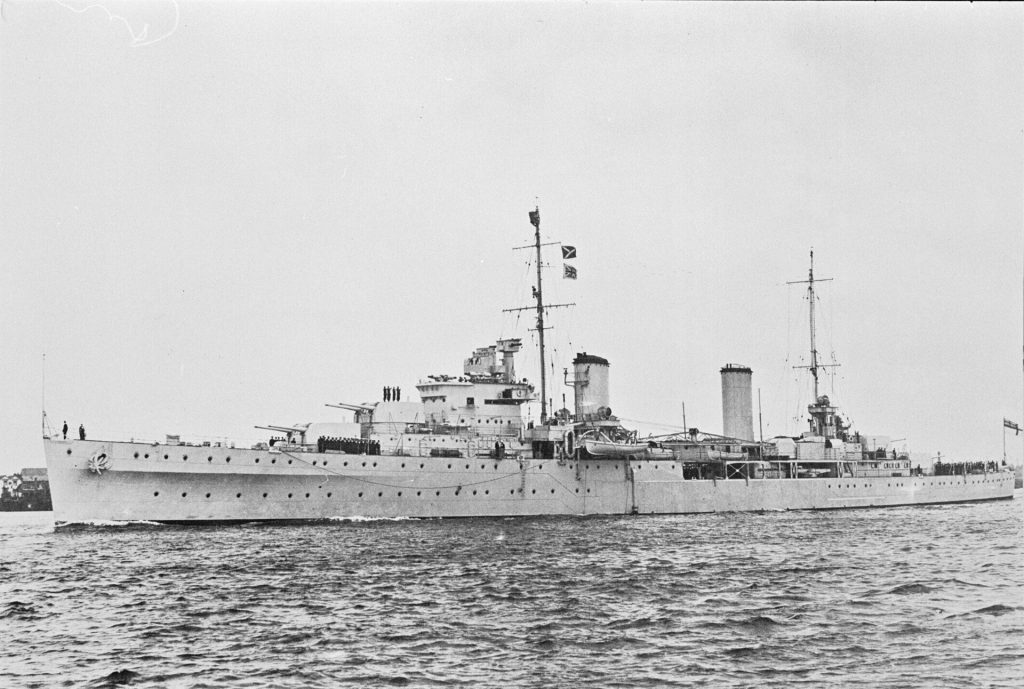
Escaping from the disaster in the Java Sea, the cruisers USS Houston and HMAS Perth run into a Japanese invasion fleet off Java and fight until they sink.
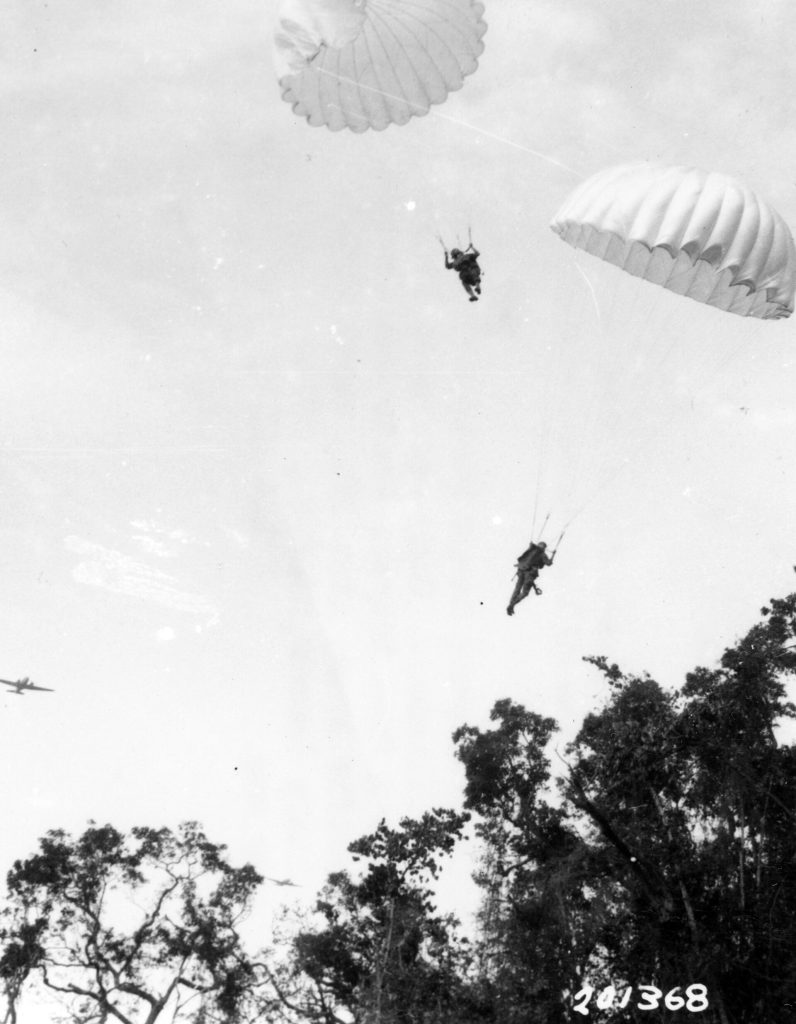
Ten days after American paratroopers dropped onto the Rock, the island fortress at the mouth of Manila Bay is declared secure.
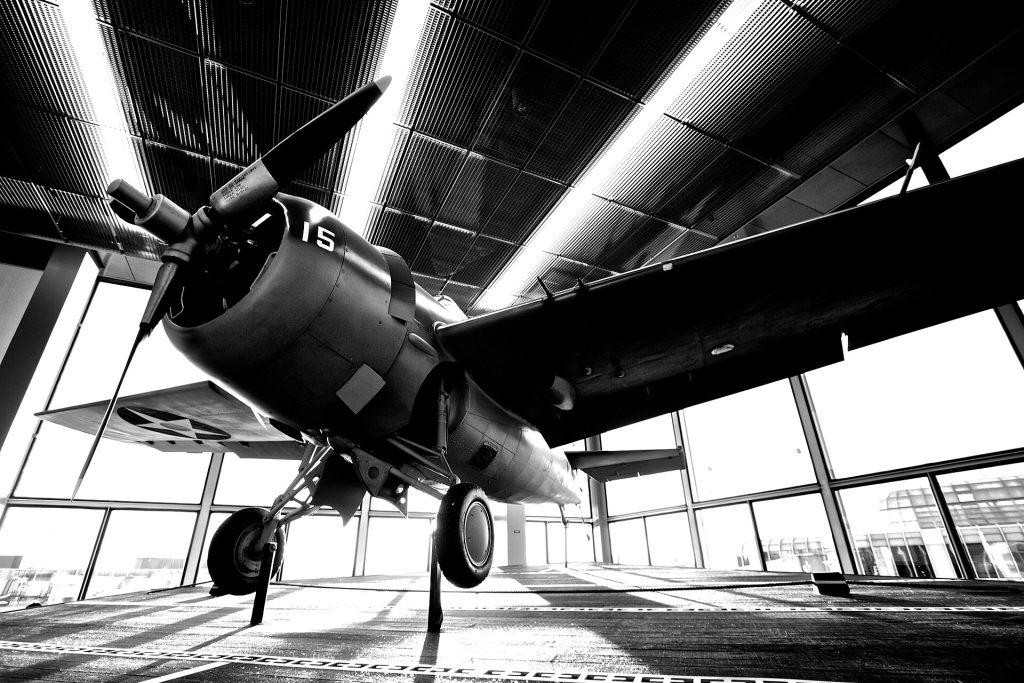
Off Bougainville, a lone US Navy fighter pilot throws himself at a formation of Japanese bombers bearing down on the carrier USS Lexington.
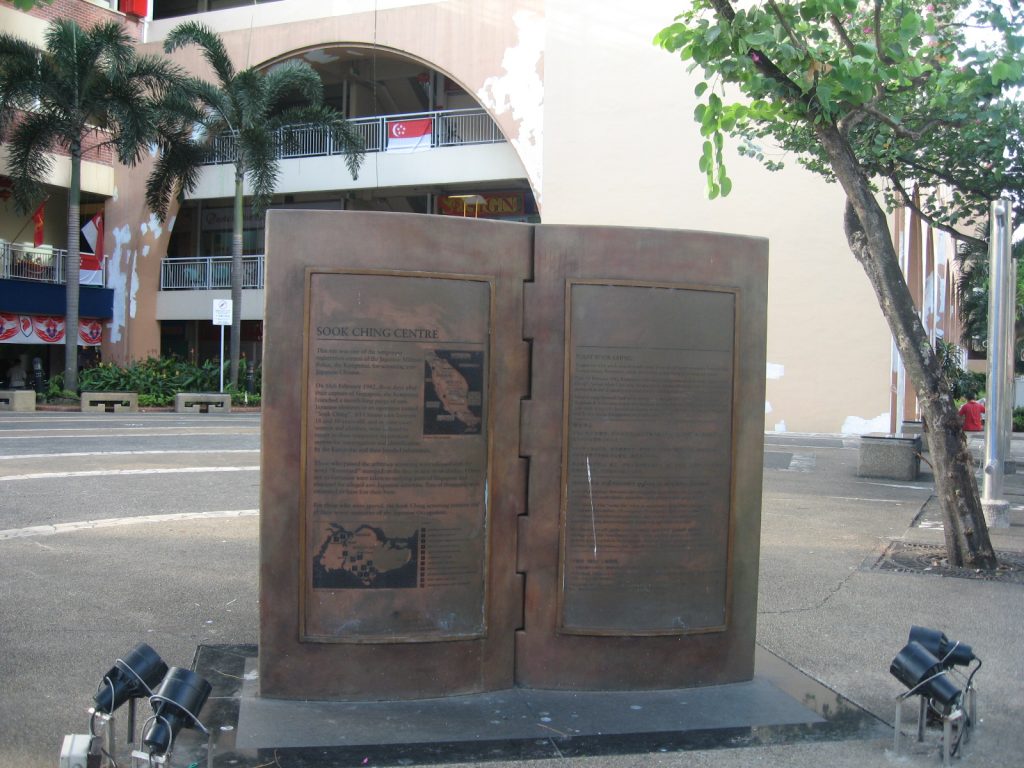
Three days after Singapore’s surrender, the Japanese army begins screening the island’s Chinese men. Tens of thousands are taken away and shot.
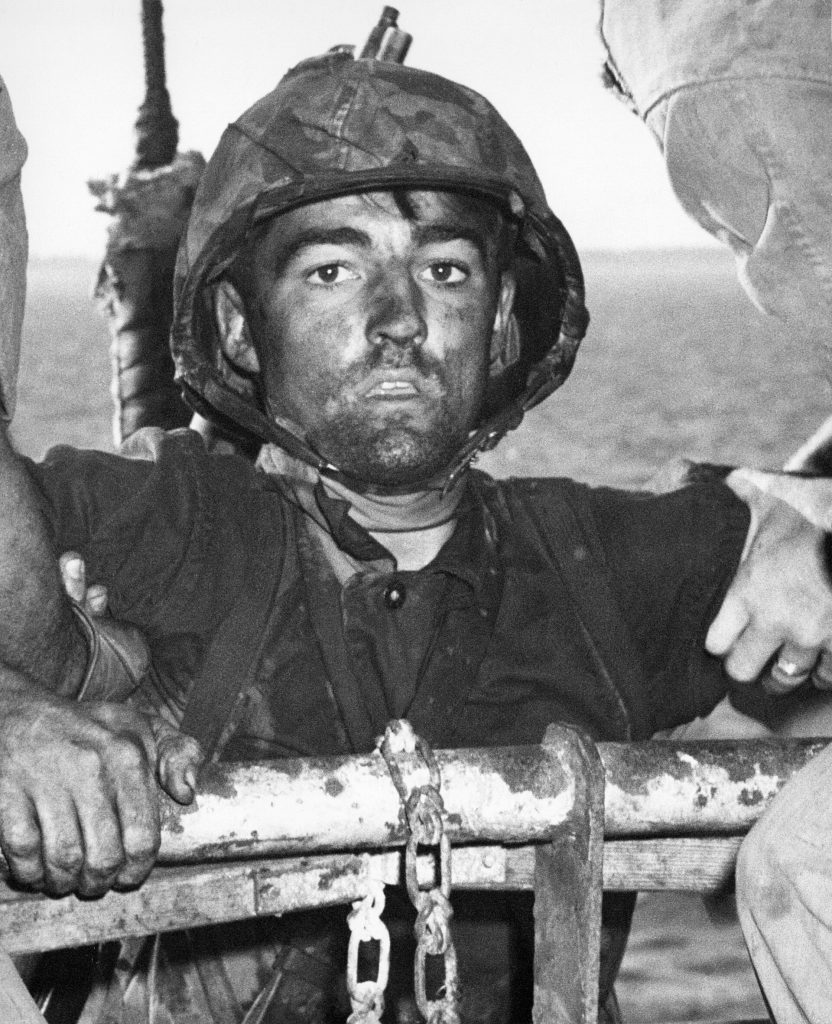
While American carrier aircraft pound Truk, US forces move against Eniwetok Atoll, the westernmost of the Marshall Islands.
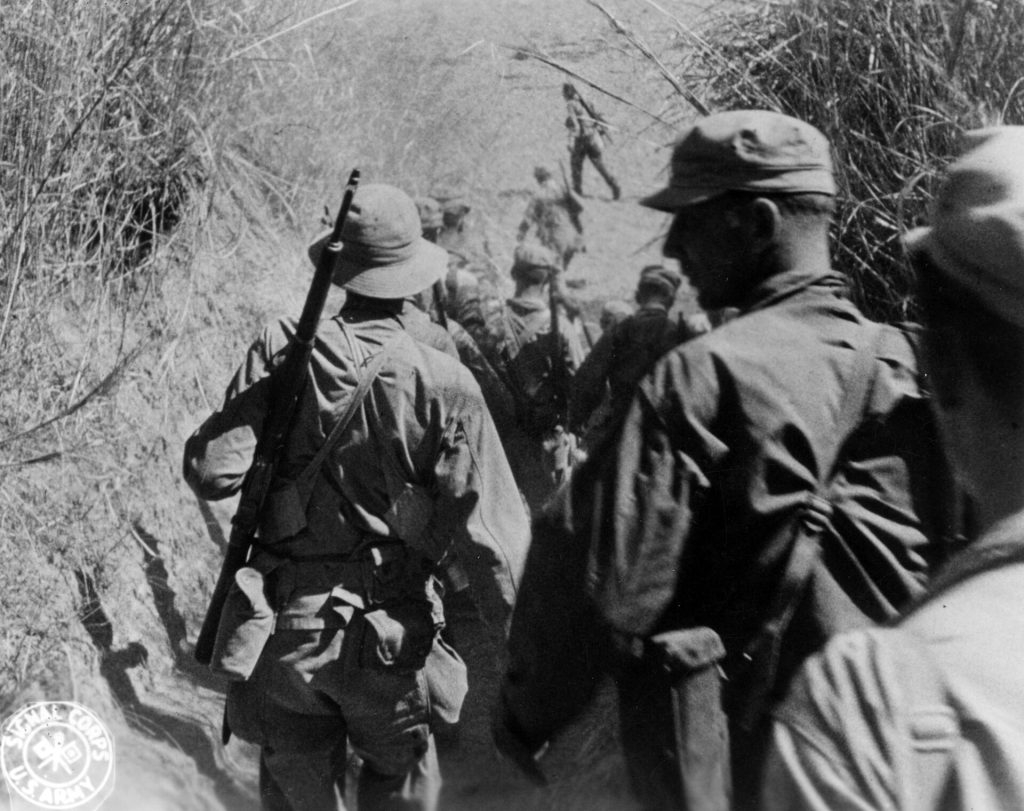
Behind Japanese lines on Luzon, US Army Rangers, Alamo Scouts and Filipino guerrillas free more than 500 prisoners, many of them survivors of Bataan.
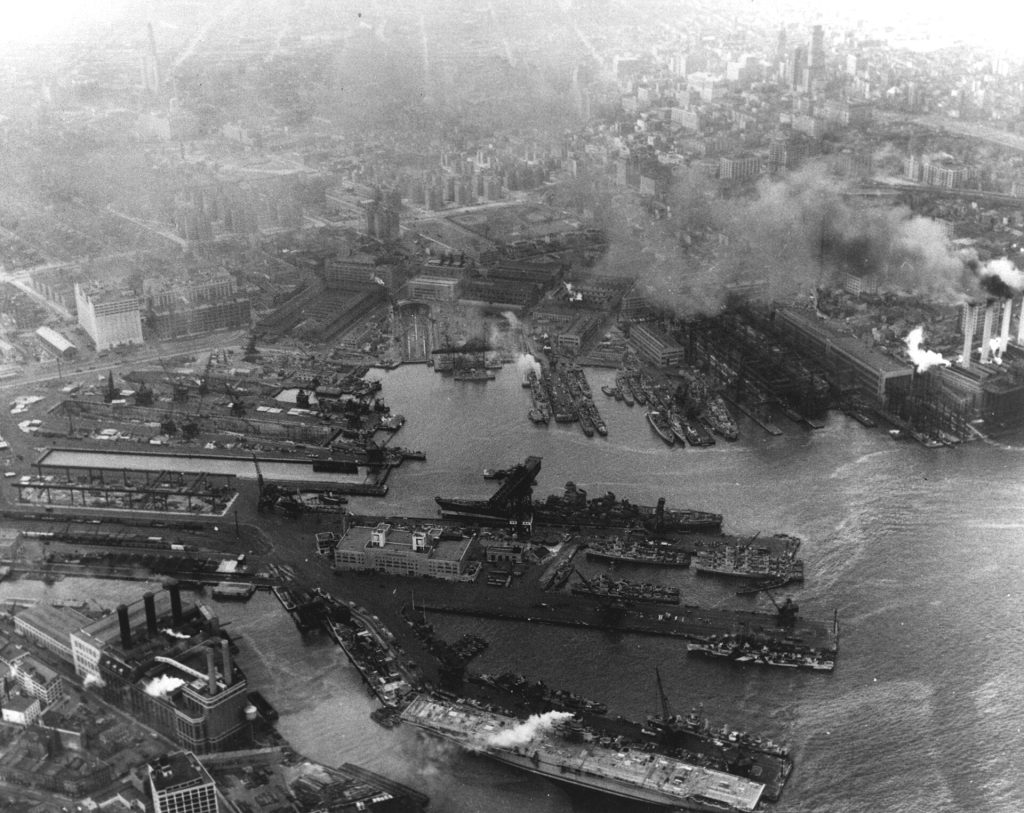
At the Brooklyn Navy Yard, Margaret Truman christens the battleship on whose deck the war will end.
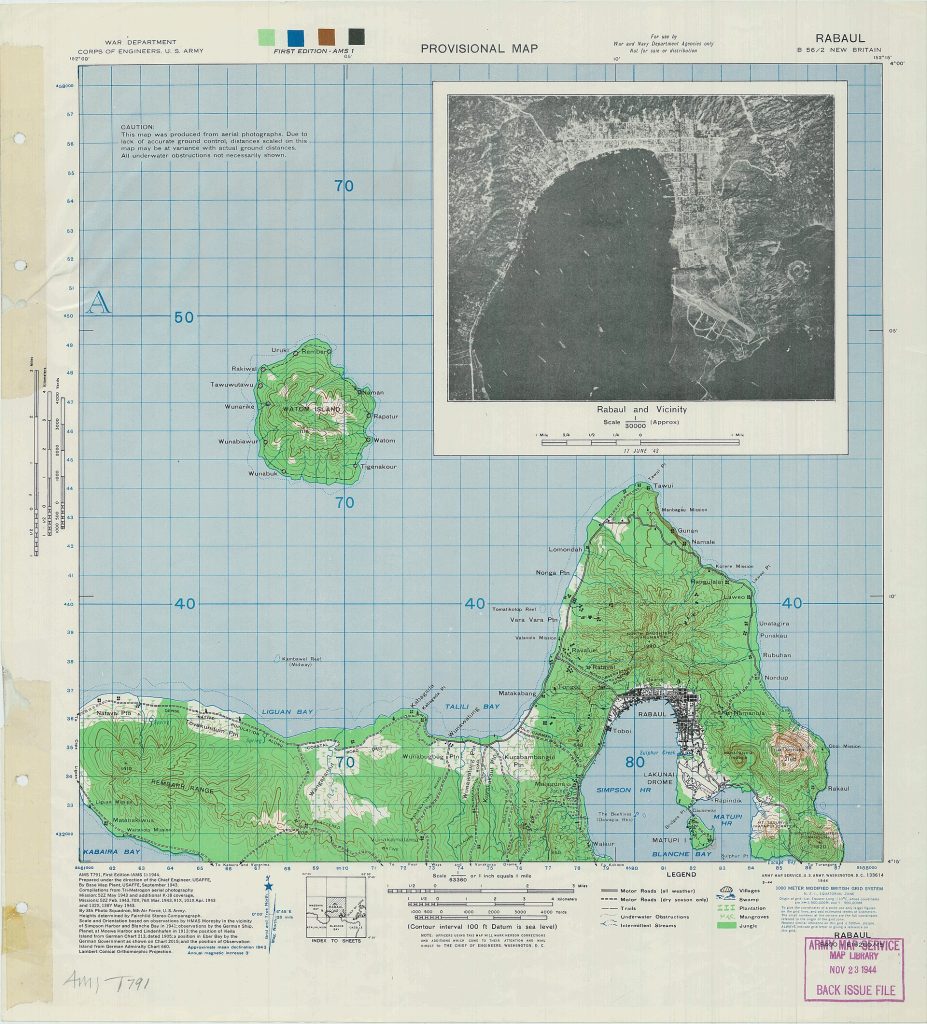
Thousands of Japanese troops land at Rabaul on New Britain and overwhelm Lark Force, the small Australian garrison sent to hold it.
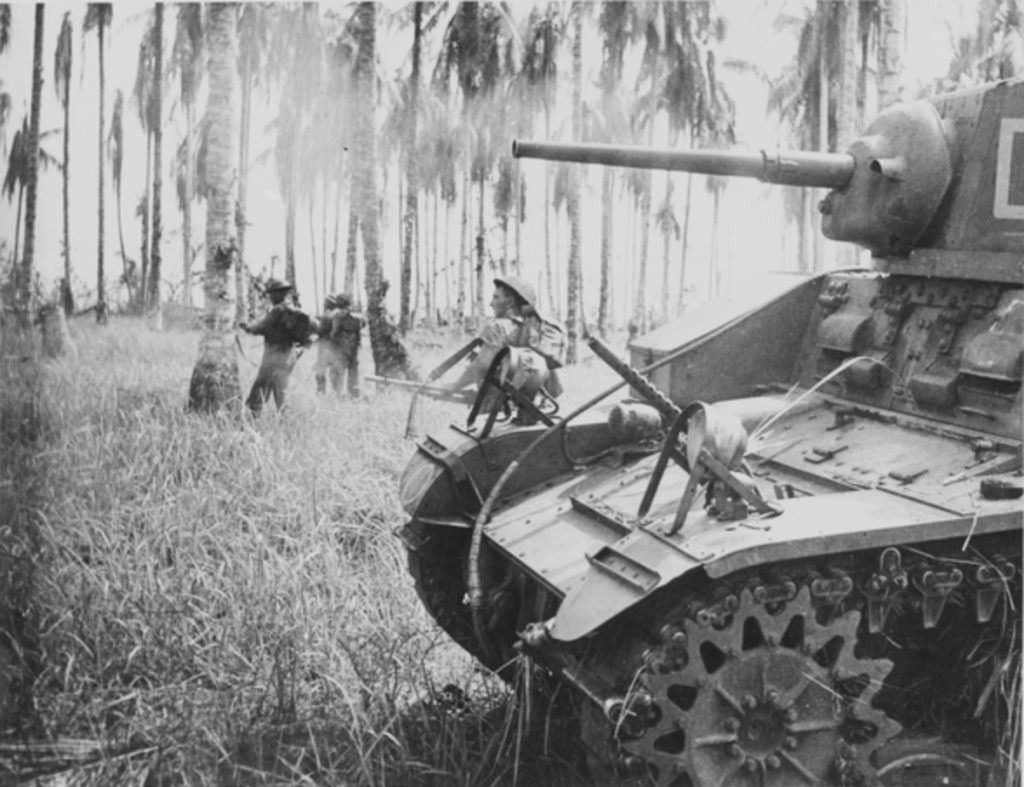
After two months of fighting in swamp and jungle on the north coast of Papua, the last Japanese resistance at Buna and Gona collapses.
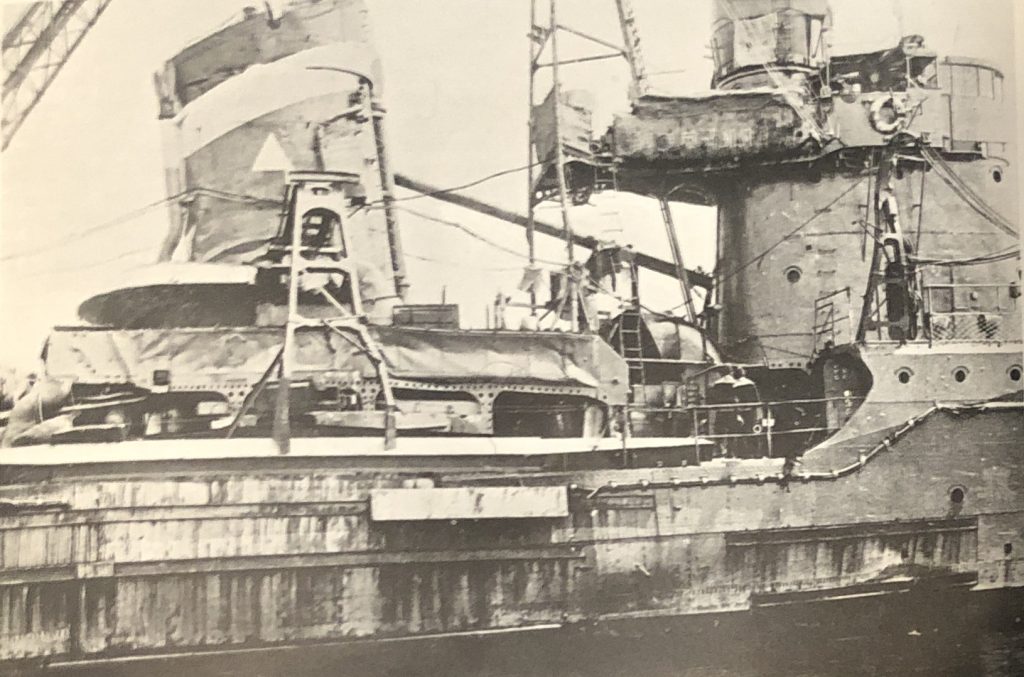
Japanese destroyers land a fresh battalion on Guadalcanal, not to reinforce the starving garrison but to shield its secret escape.
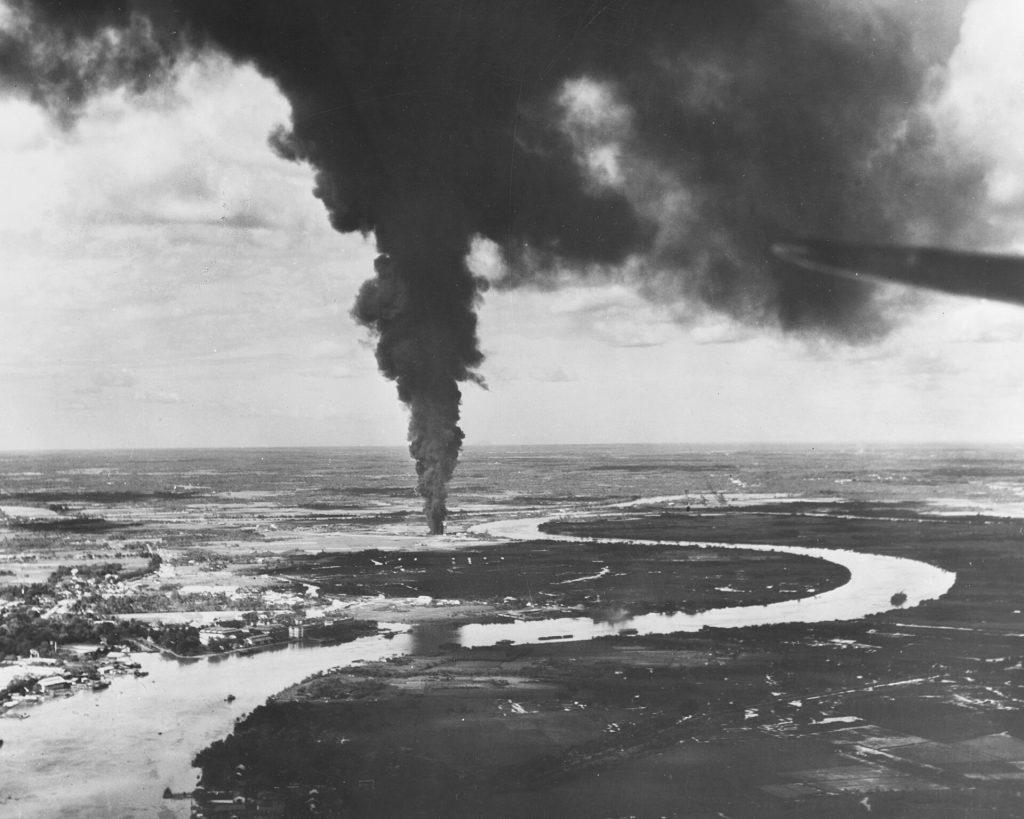
Carrier aircraft of the US Third Fleet fall on Japanese shipping along the coast of French Indochina, in one of the most destructive days of the war at sea.
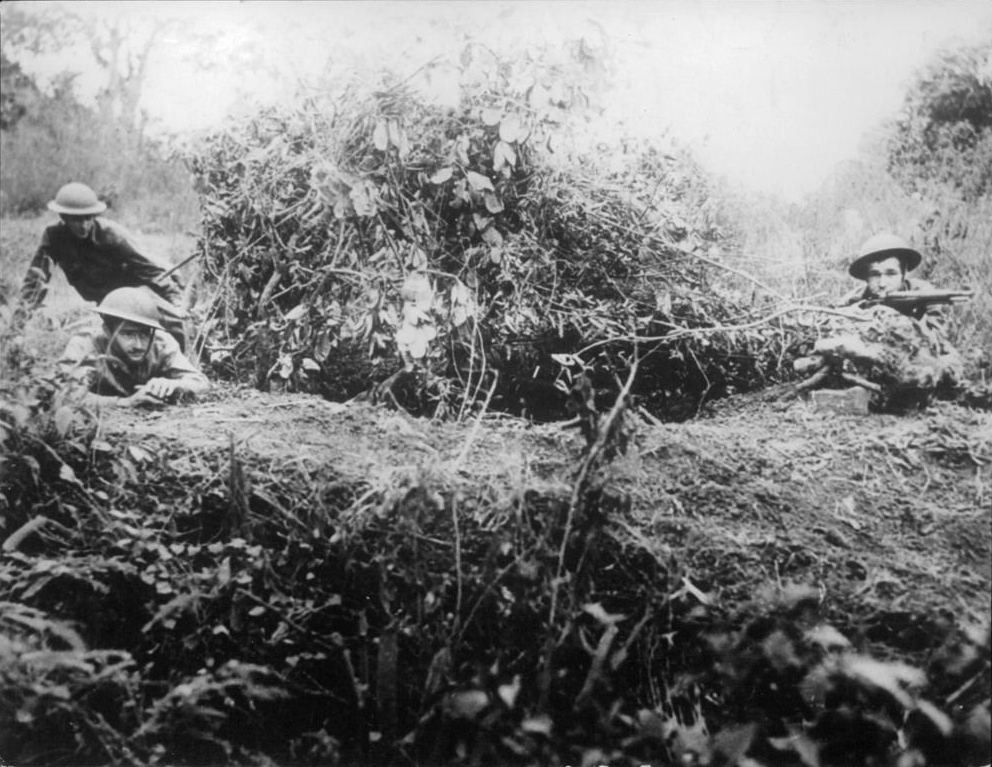
Filipino and American troops dig in on the Bataan peninsula for a stand that will last three months on ever-shrinking rations.
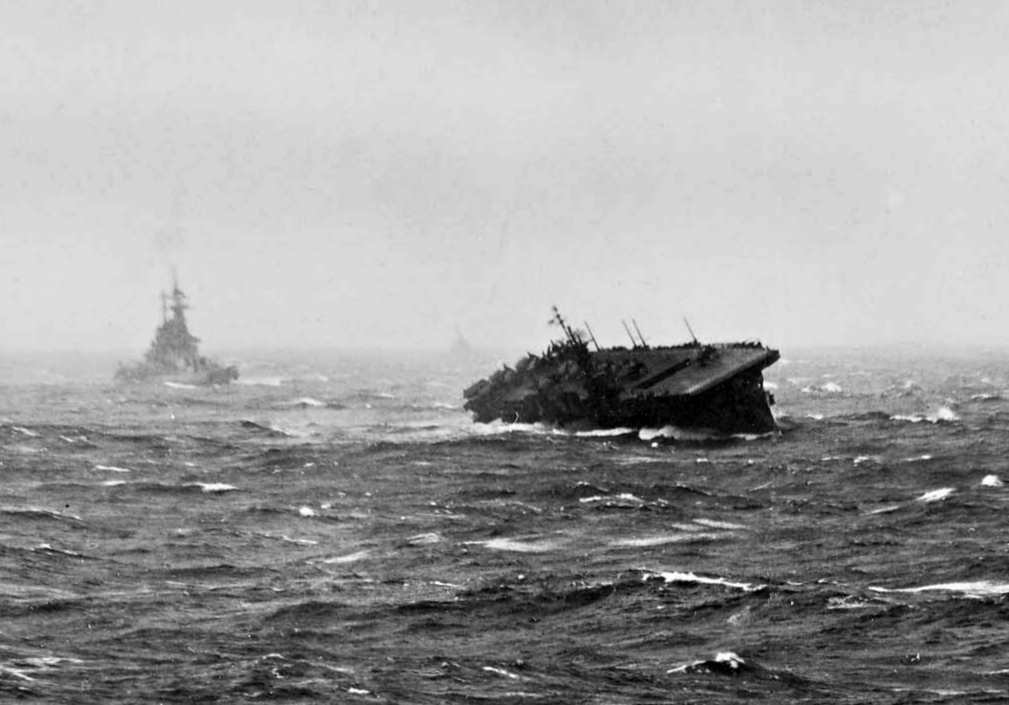
East of Luzon, Admiral Halsey’s Third Fleet sails into the heart of a typhoon. Three destroyers capsize and 790 sailors are lost, more than in many battles.
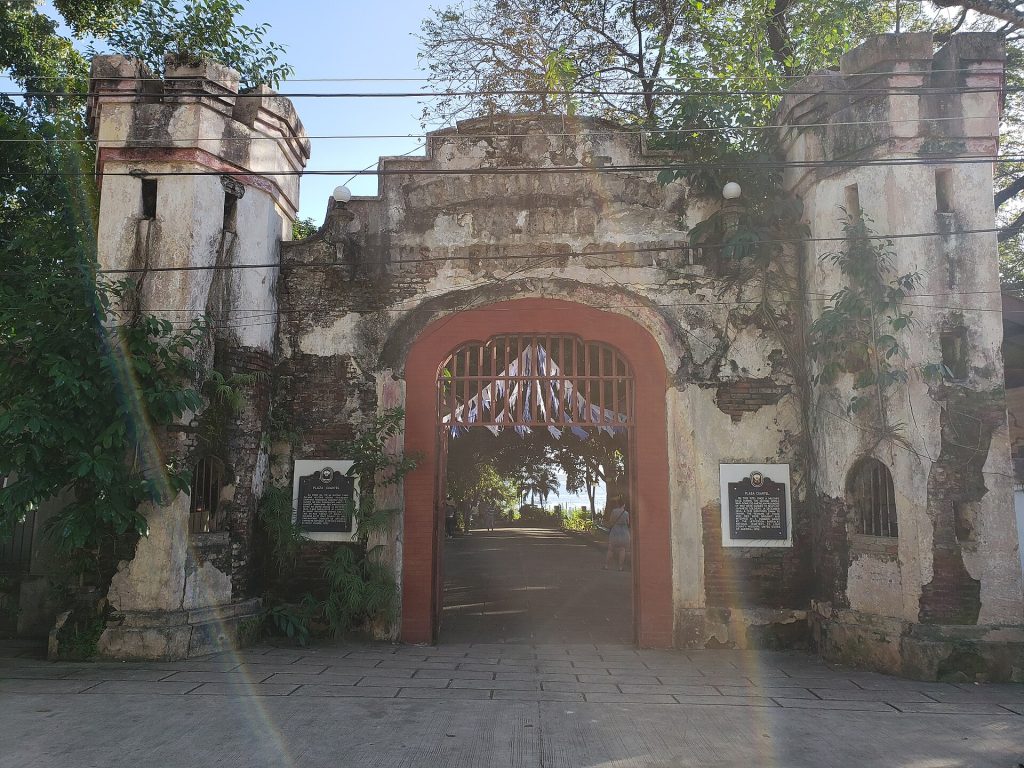
Fearing an American landing, Japanese guards on the Philippine island of Palawan herd 150 American prisoners into air raid shelters and set them on fire. Only 11 survive.
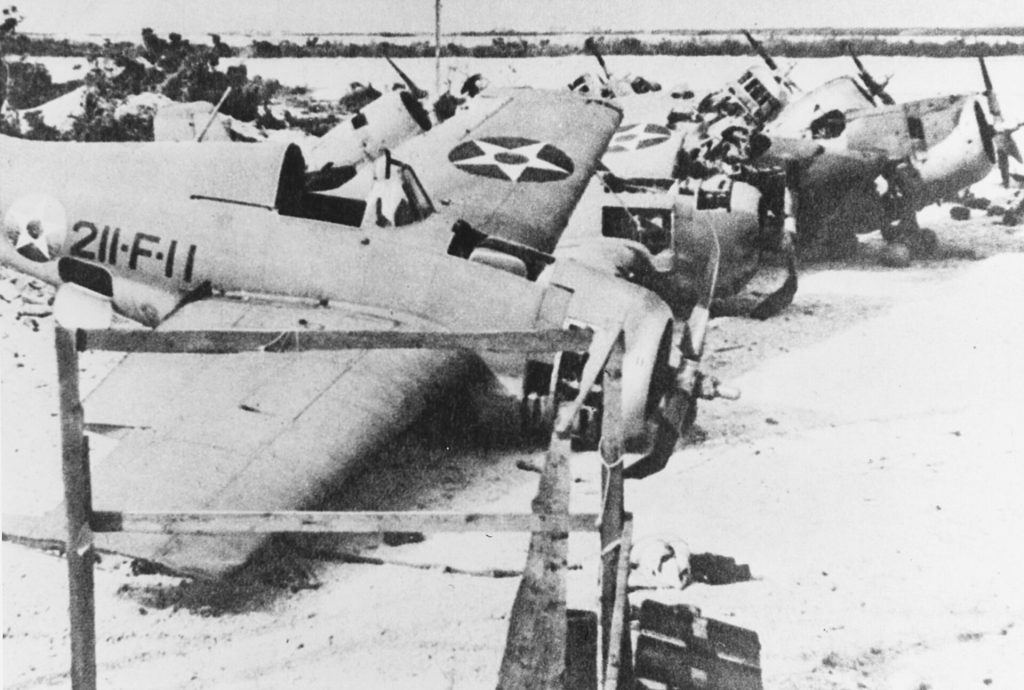
Holding their fire until the last moment, the Marines on Wake Island sink a Japanese destroyer with their coastal guns, and their last fighters sink another, forcing the invasion fleet to turn back.
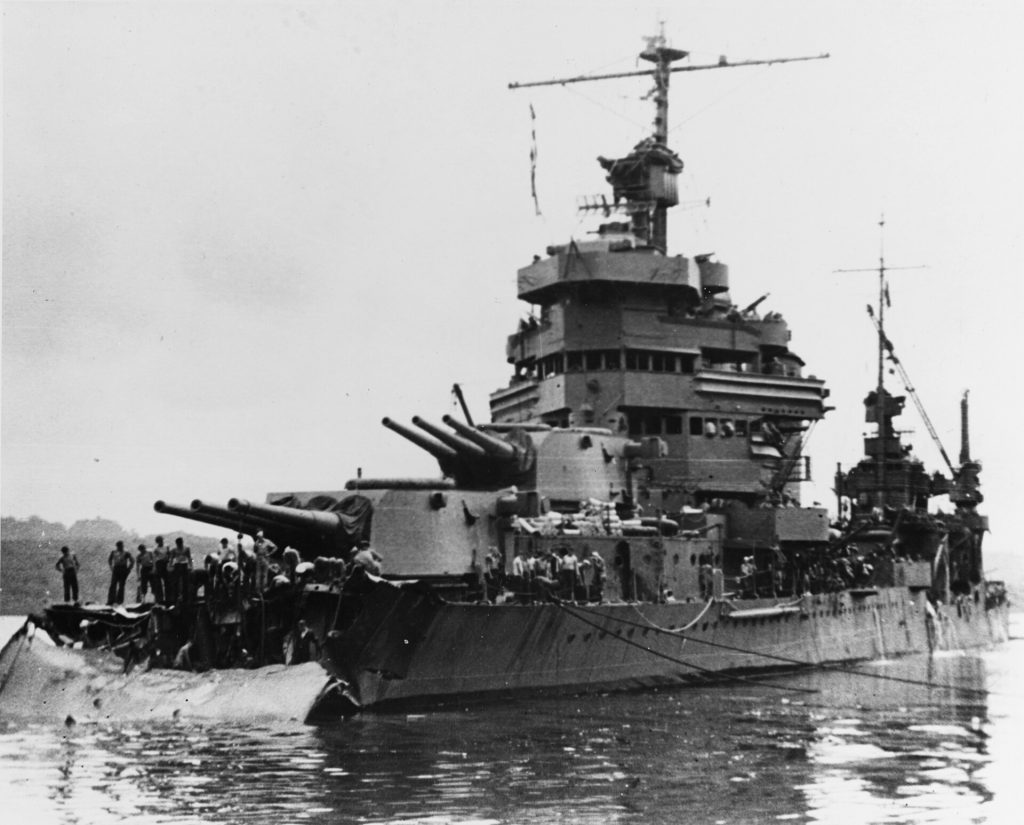
An American cruiser force with every advantage surprises eight Japanese destroyers off Guadalcanal, and is torn apart by their Long Lance torpedoes.
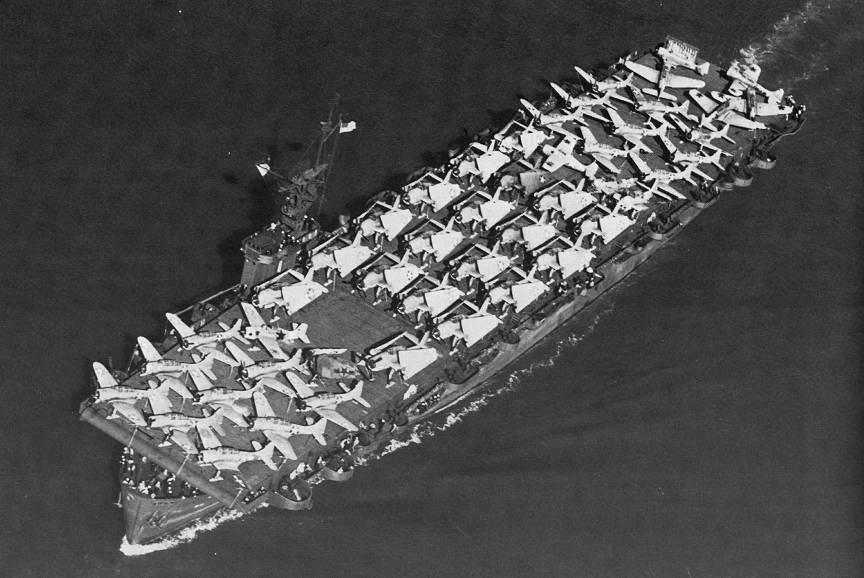
Off Makin Atoll in the Gilbert Islands, a Japanese torpedo detonates an escort carrier’s bomb magazine. She sinks in 23 minutes, taking 644 men with her.
 United Kingdom
 United States
 Soviet Union
 Germany
 Japan
 France
 Poland
 South Africa