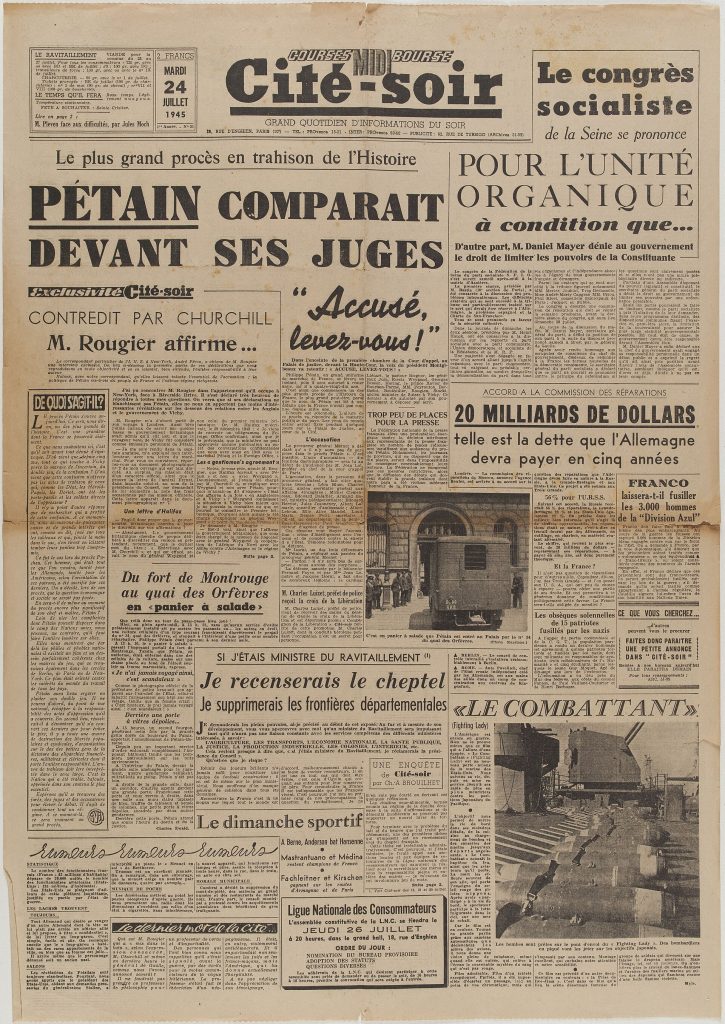
26 April 1945: Pétain Returns to France
Two days after his 89th birthday, Marshal Philippe Pétain crosses from Switzerland into France to face trial for treason.
Dispatches involving France.
Two days after his 89th birthday, Marshal Philippe Pétain crosses from Switzerland into France to face trial for treason.
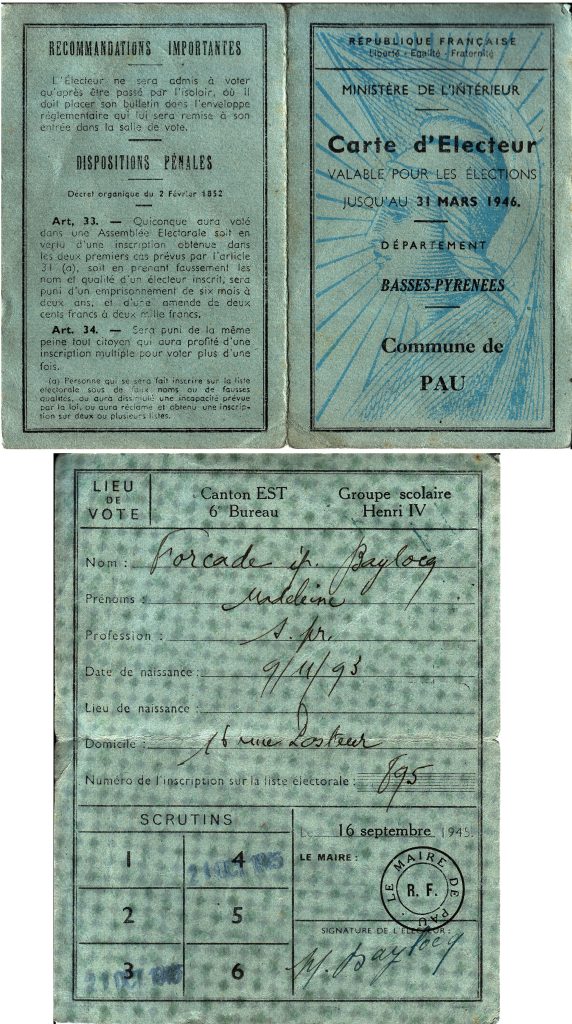
In Algiers, General de Gaulle signs the ordinance that will make French women voters and candidates on the same terms as men once France is liberated.
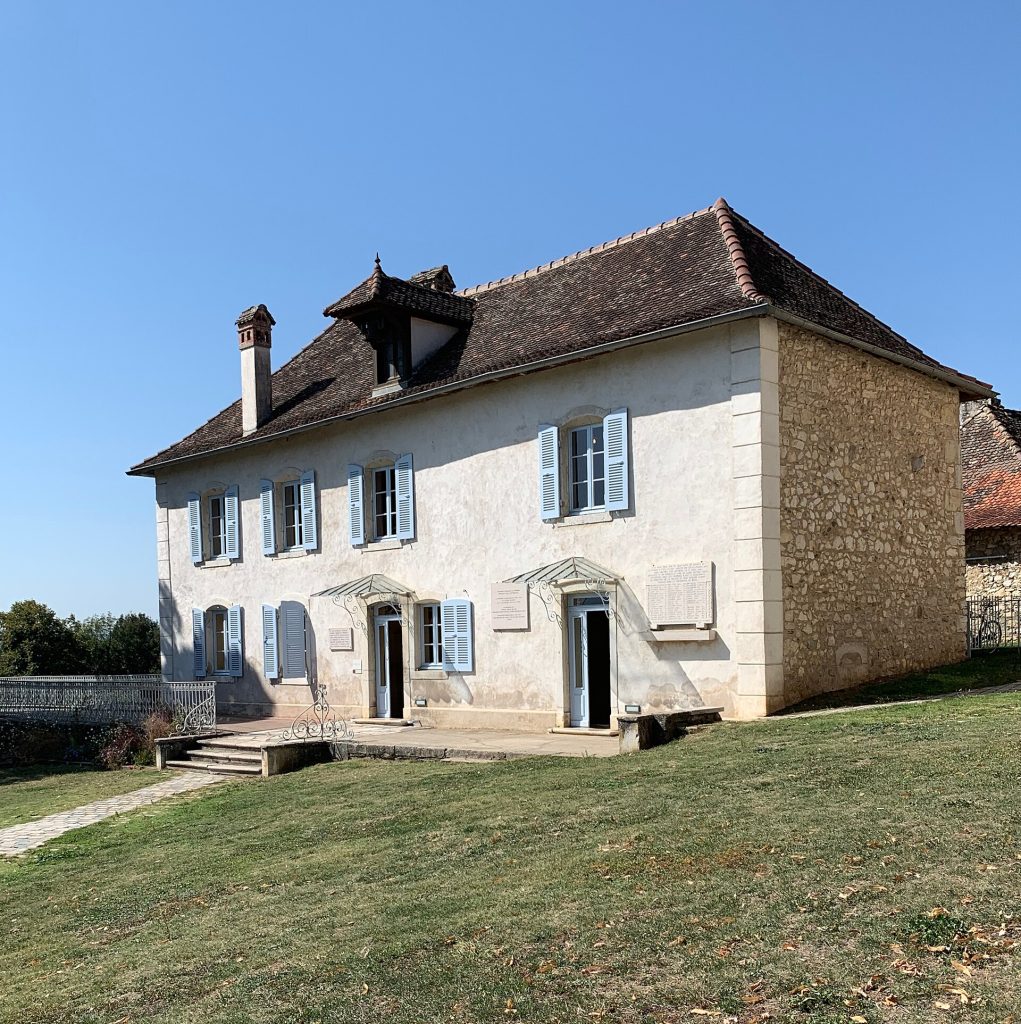
The Gestapo of Lyon raids a children’s home in the village of Izieu and takes away 44 Jewish children and seven of the adults caring for them.
British paratroopers drop onto the French coast, seize the heart of a German radar station and carry its secrets home by sea.
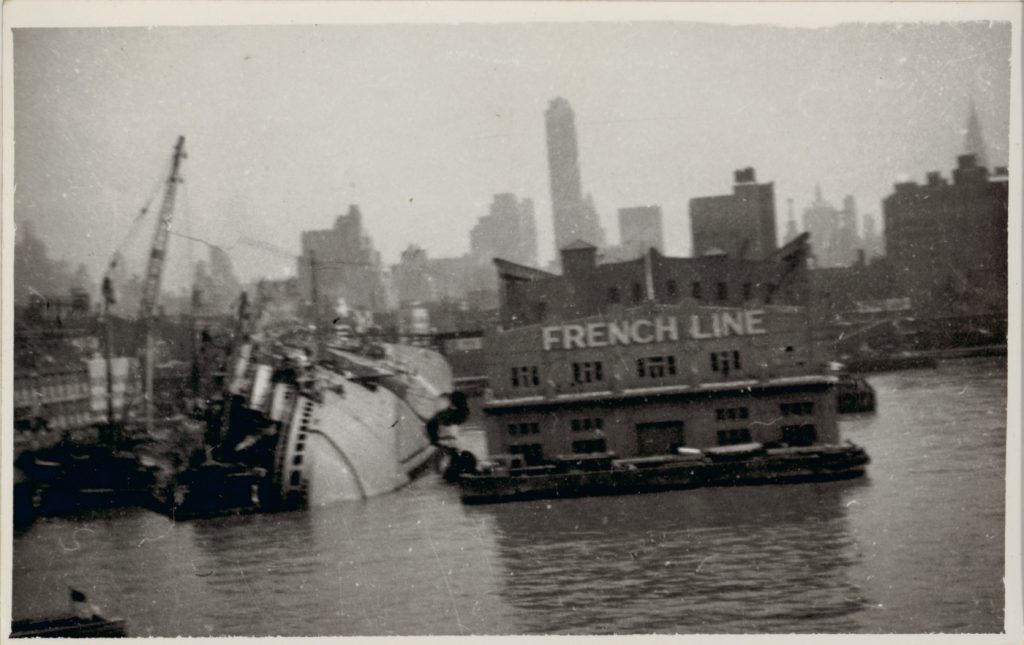
A spark from a welding torch sets fire to the world’s most glamorous liner as she is converted into a troopship in New York. By morning she lies on her side at the pier.
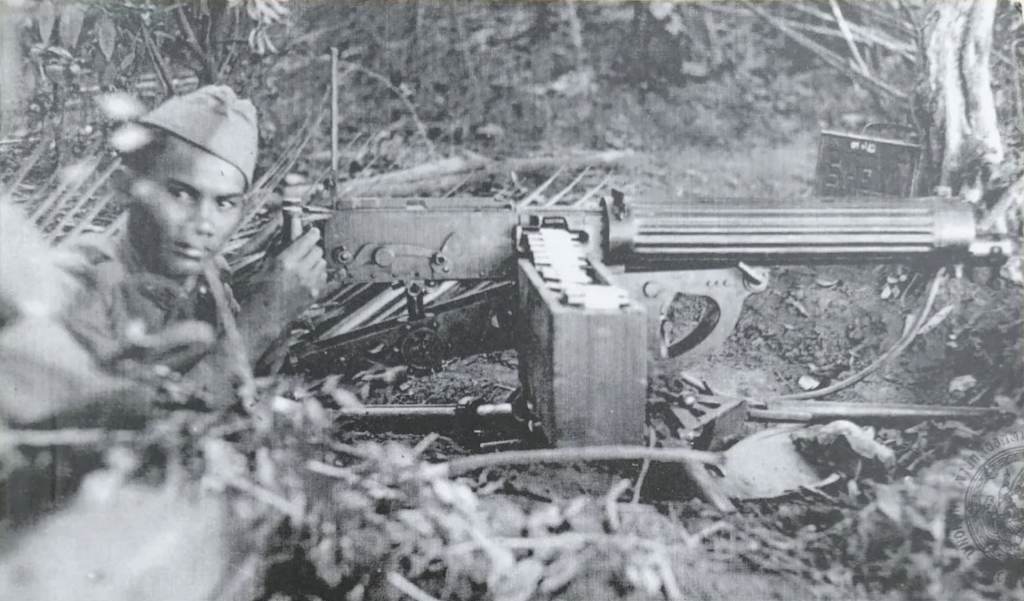
Japan imposes a ceasefire on Thailand and French Indochina, ending a short border war and setting itself up as the arbiter of Southeast Asia.
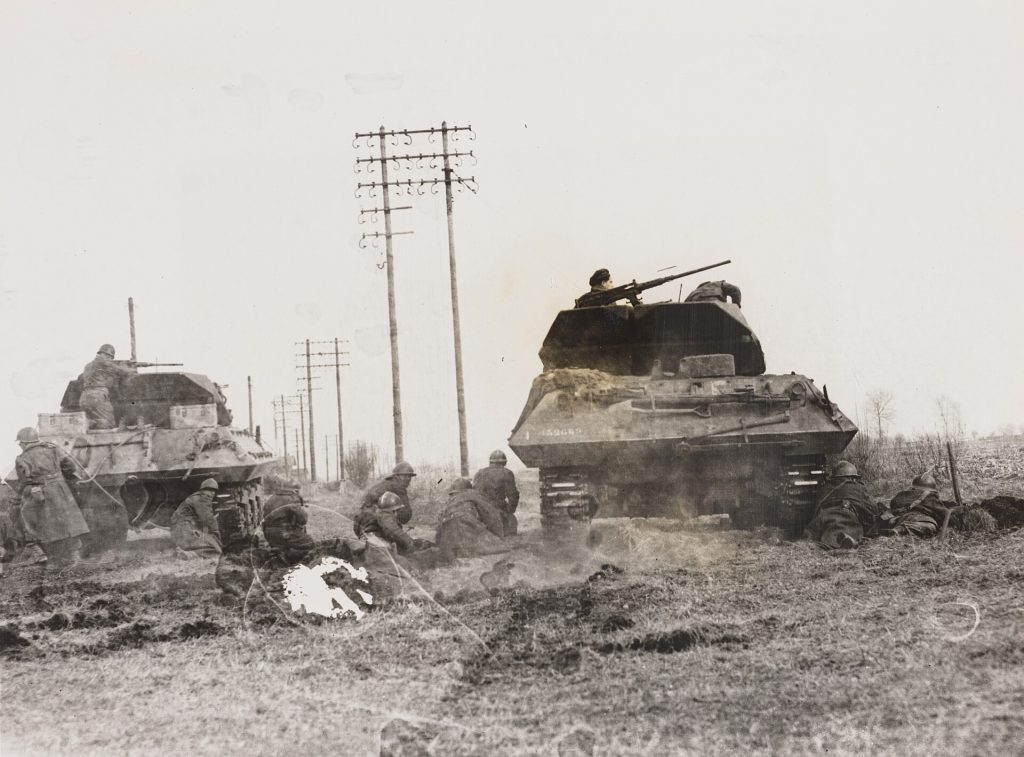
On New Year’s Eve, as American troops have been pulled north to the Ardennes, Germany launches its last major offensive in the West, against the thinned-out lines in Alsace.
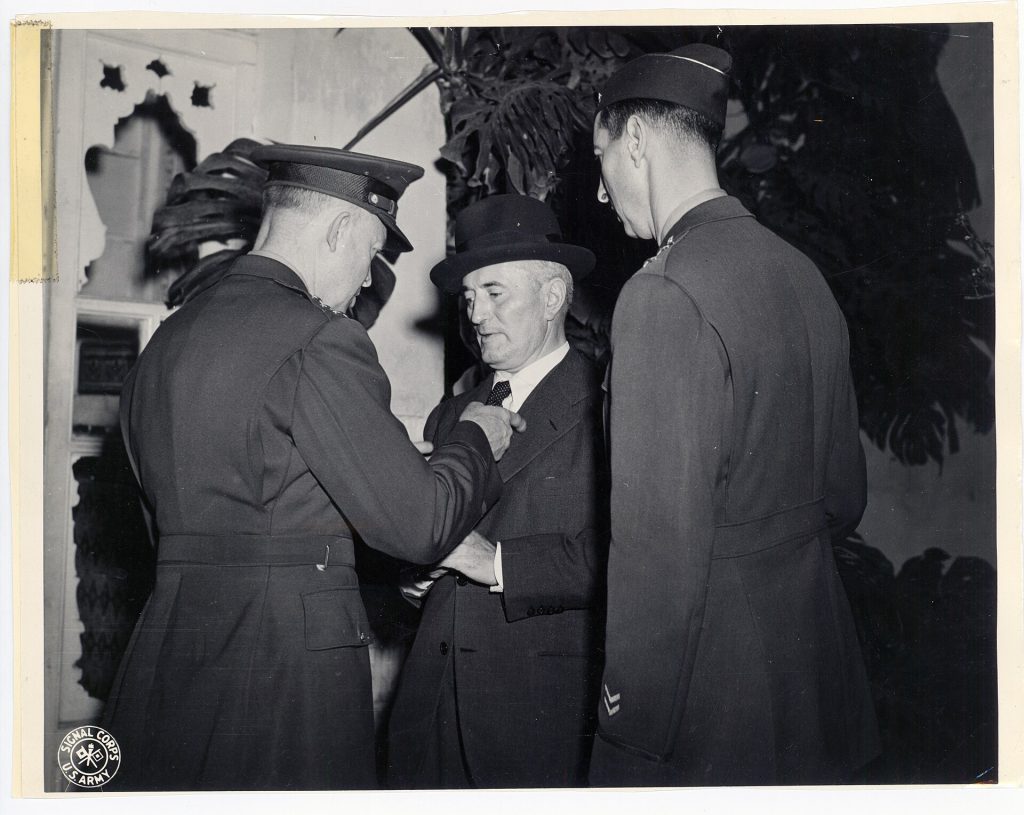
In Algiers on Christmas Eve, a 20-year-old monarchist shoots Admiral François Darlan, the former Vichy leader whom the Allies had accepted as head of French North Africa.
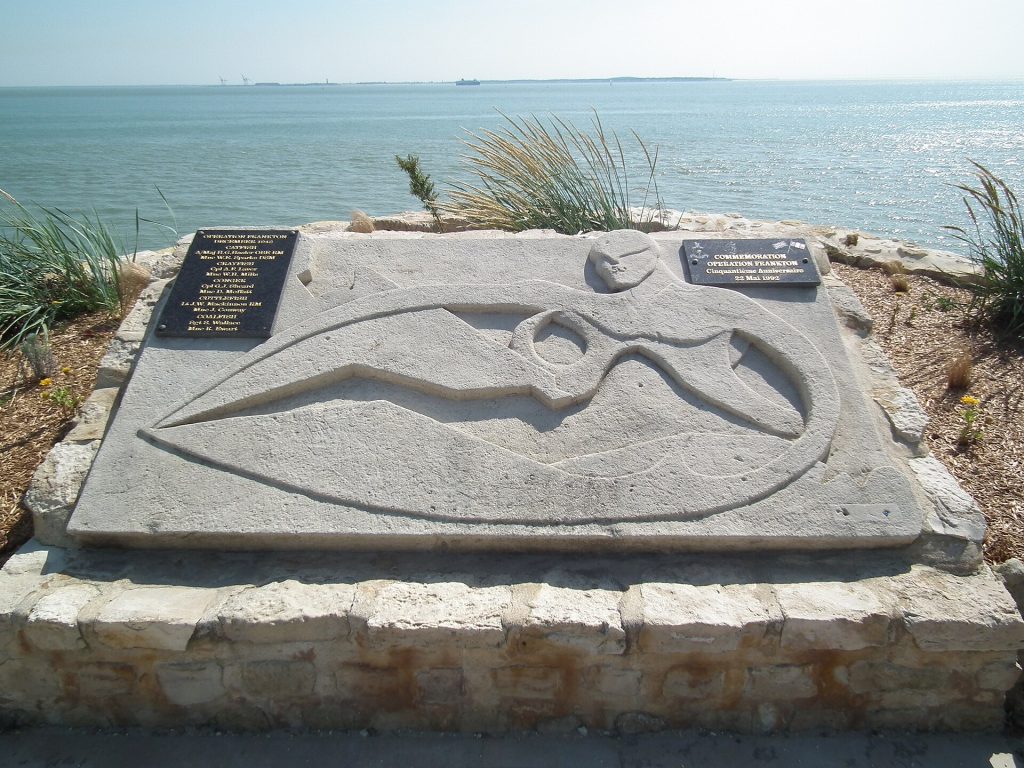
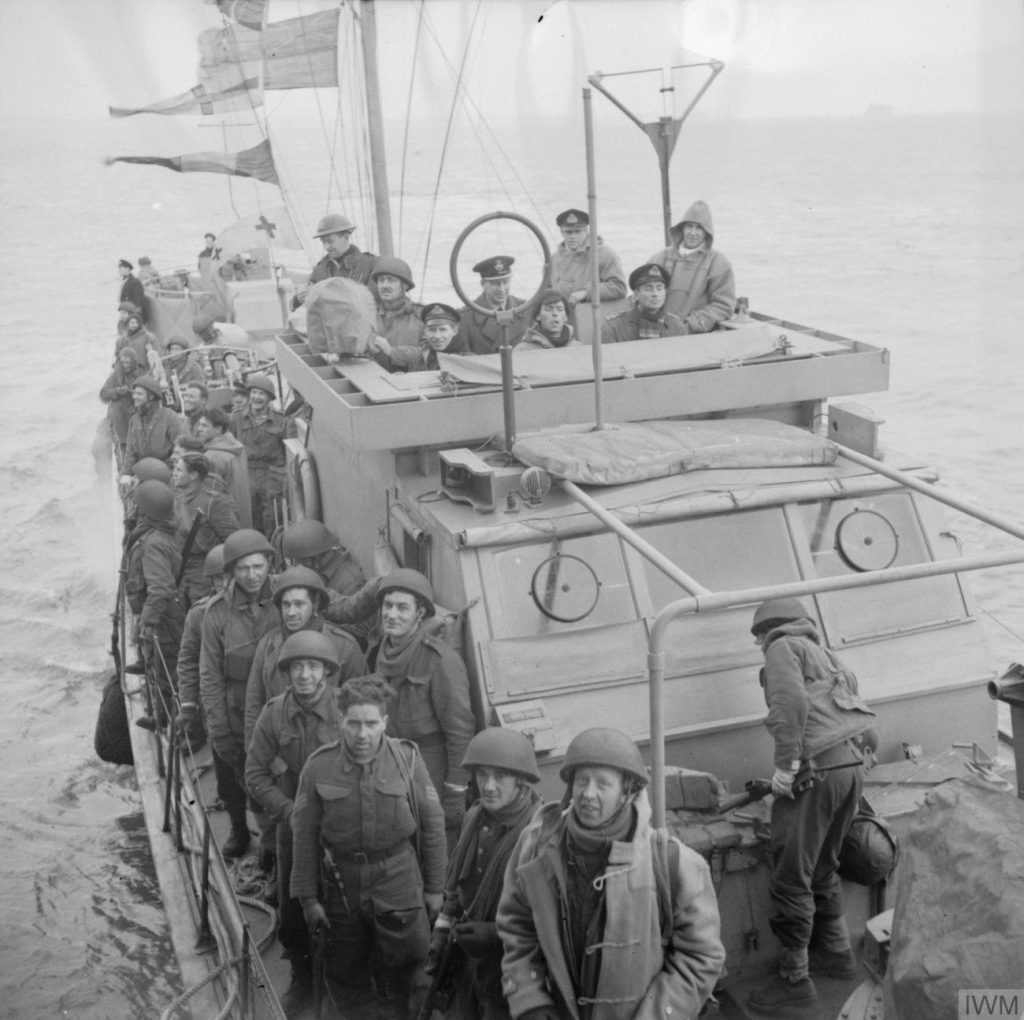
From a submarine off the French coast, ten Royal Marines set out in canvas canoes to paddle a hundred kilometres up the Gironde and mine German blockade runners in Bordeaux.
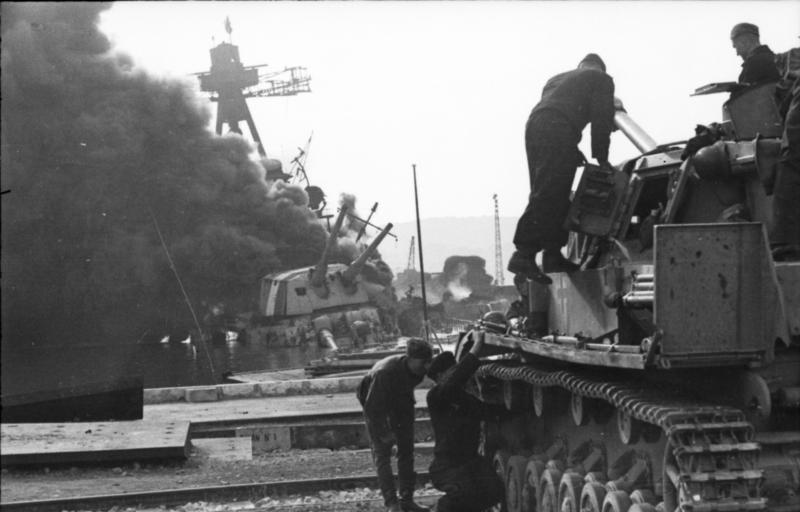
Three days after the Allied landings in North Africa, German and Italian troops pour into the unoccupied zone of France, ending the fiction of Vichy independence.
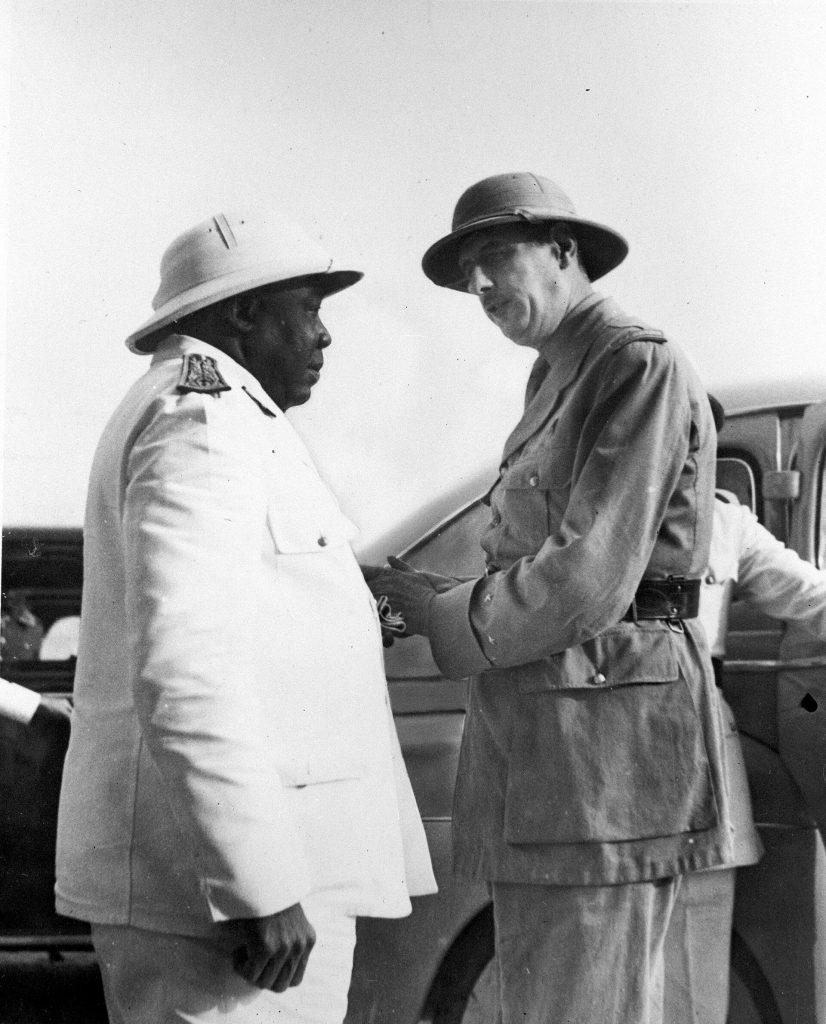
In Brazzaville, capital of French Equatorial Africa, General de Gaulle declares the Vichy regime illegitimate and sets up a council to govern Free France’s growing African territories.
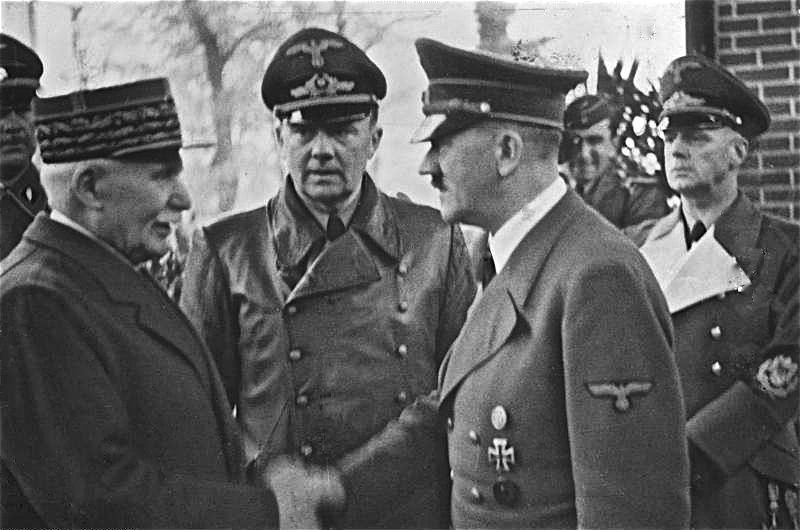
At the small railway station of Montoire, Marshal Pétain shakes Hitler’s hand. Days later he tells the French people that he is entering on the path of collaboration.
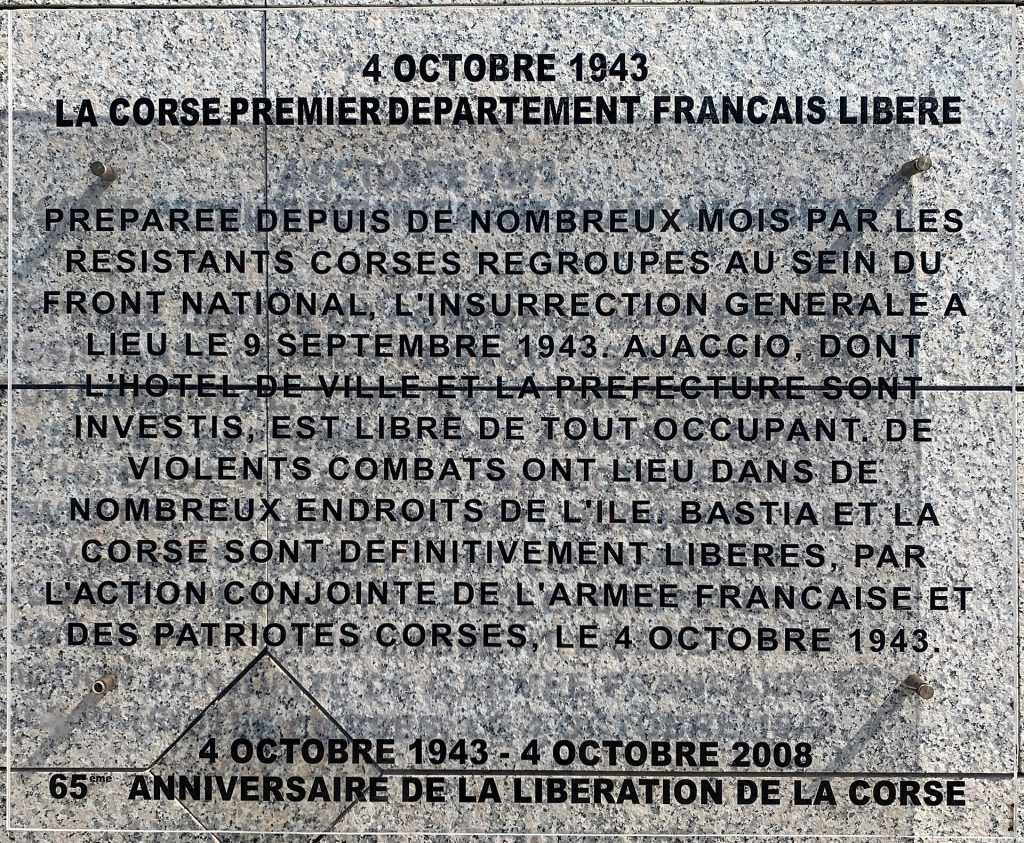
The last German troops leave Bastia. Corsica becomes the first part of metropolitan France to be freed, by French forces and the island’s own resistance.
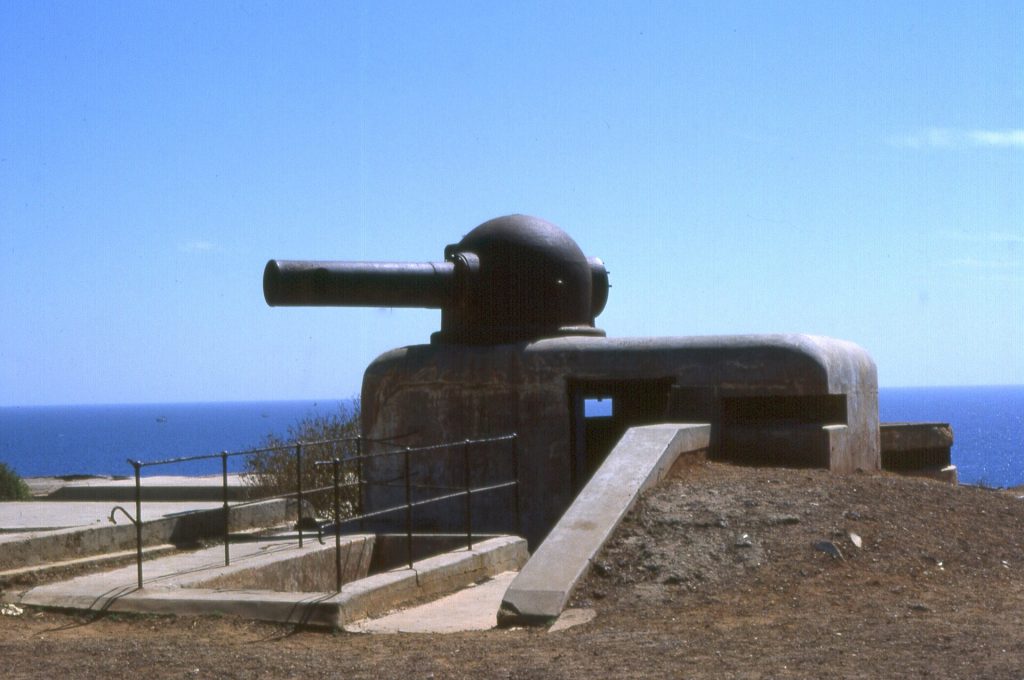
A British fleet carrying General de Gaulle and his Free French troops arrives off Dakar, hoping to win French West Africa without a fight. The Vichy French open fire.
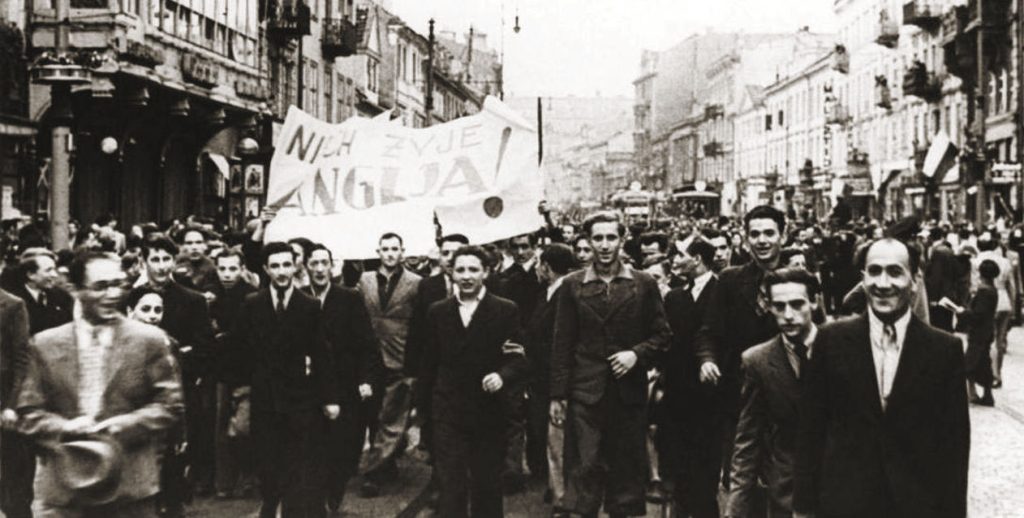
At 11:15, Neville Chamberlain tells the British people by radio that the country is at war with Germany. France follows that afternoon. In Warsaw, crowds cheer outside the British embassy.
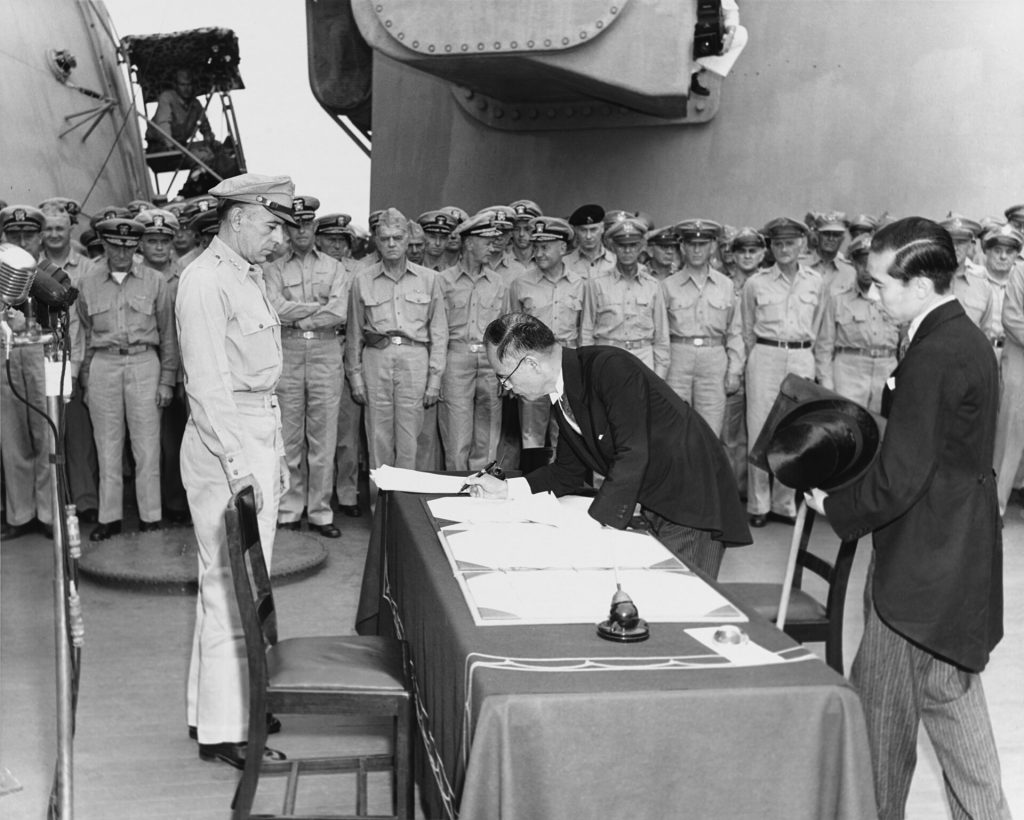
In Tokyo Bay, aboard the battleship USS Missouri, Japan’s representatives sign the Instrument of Surrender. After six years and a day, the Second World War is over.
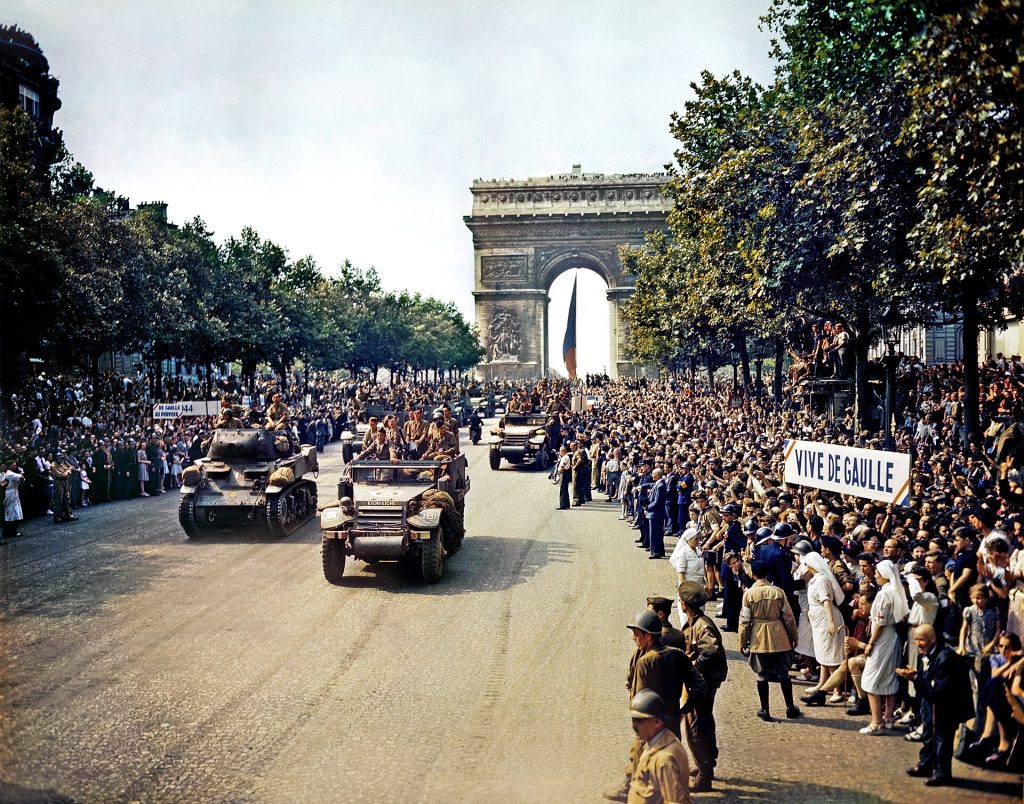
French tanks roll into Paris, and the German commander surrenders. That evening, General de Gaulle speaks to the crowds at the Hôtel de Ville.
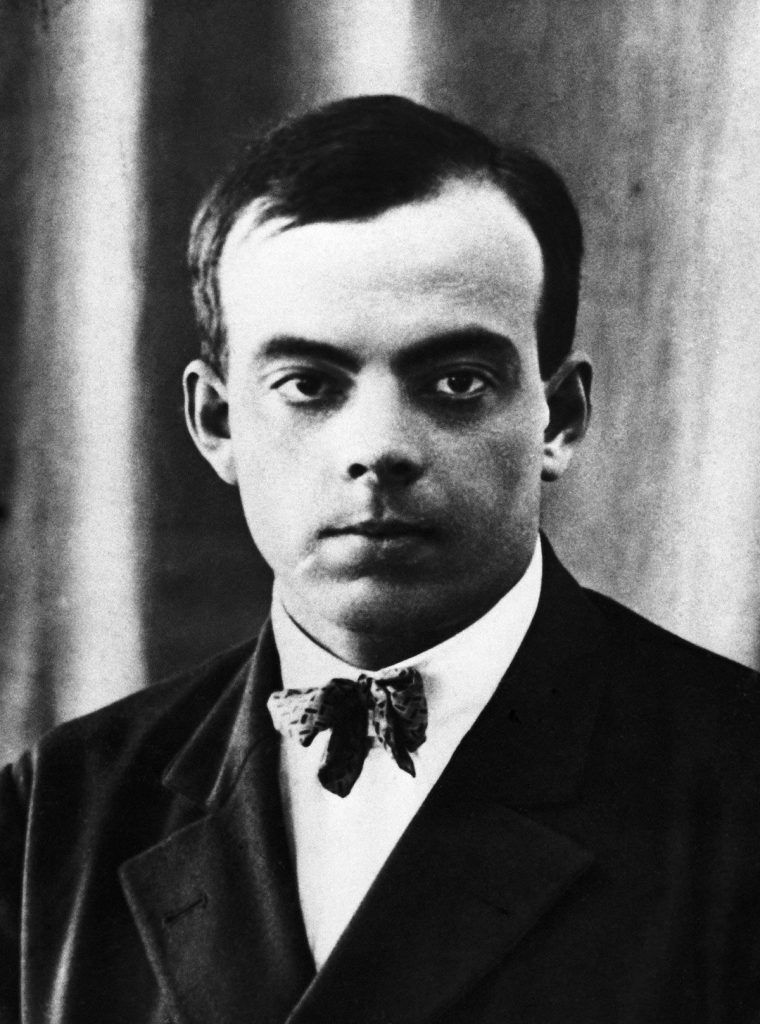
The author of The Little Prince takes off from Corsica on a reconnaissance flight over southern France. He never returns.

Five days after Mers-el-Kébir, British aircraft attack France’s newest battleship in the harbour at Dakar. A single torpedo puts her out of action.
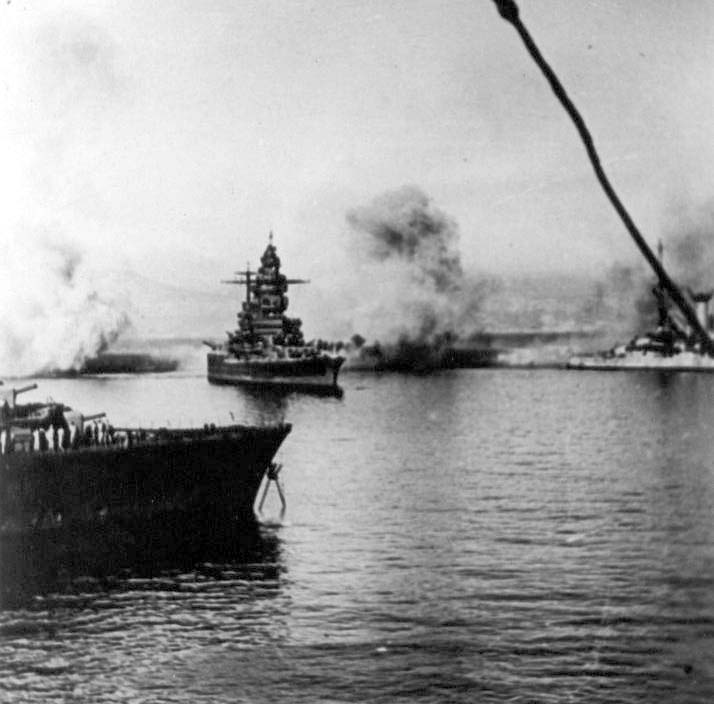
To stop the French fleet falling into German hands, the Royal Navy opens fire on its ally of only weeks before. Nearly 1,300 French sailors are killed.
 United Kingdom
 United States
 Soviet Union
 Germany
 Japan
 France
 Poland
 South Africa