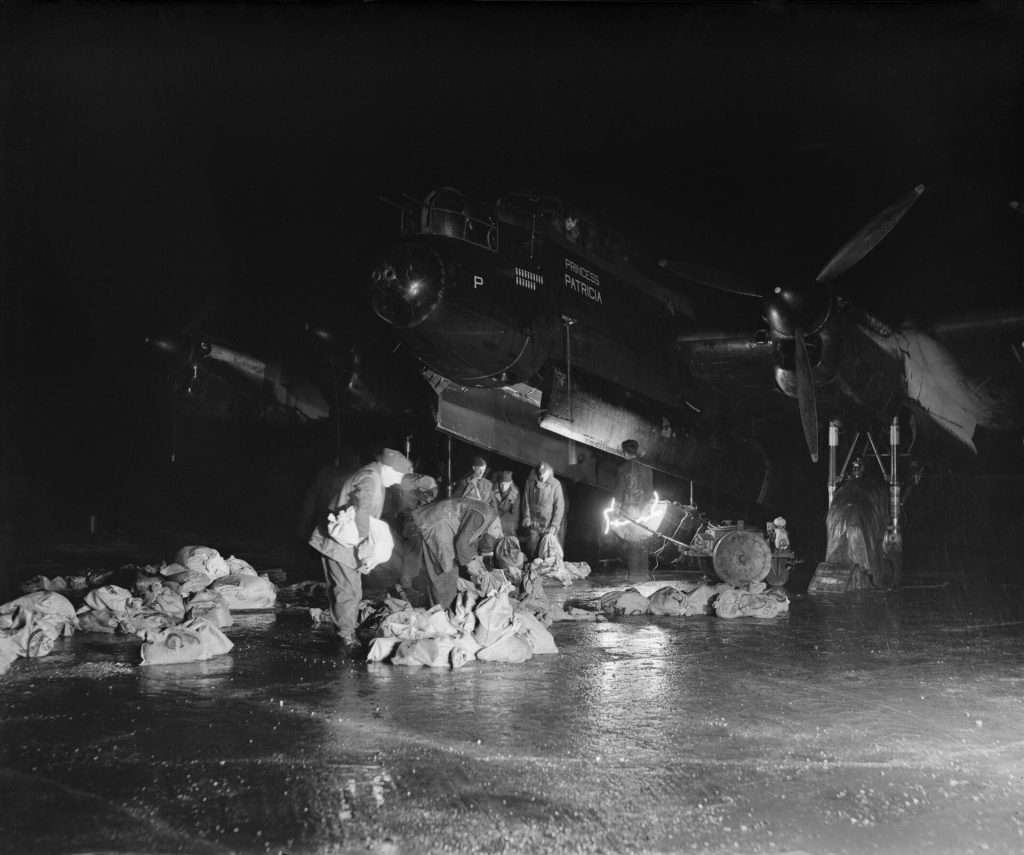
29 April 1945: Operation Manna Begins
RAF Lancasters fly low over the occupied western Netherlands, dropping food instead of bombs to a population starving after the Hunger Winter.
Dispatches involving Netherlands.
RAF Lancasters fly low over the occupied western Netherlands, dropping food instead of bombs to a population starving after the Hunger Winter.
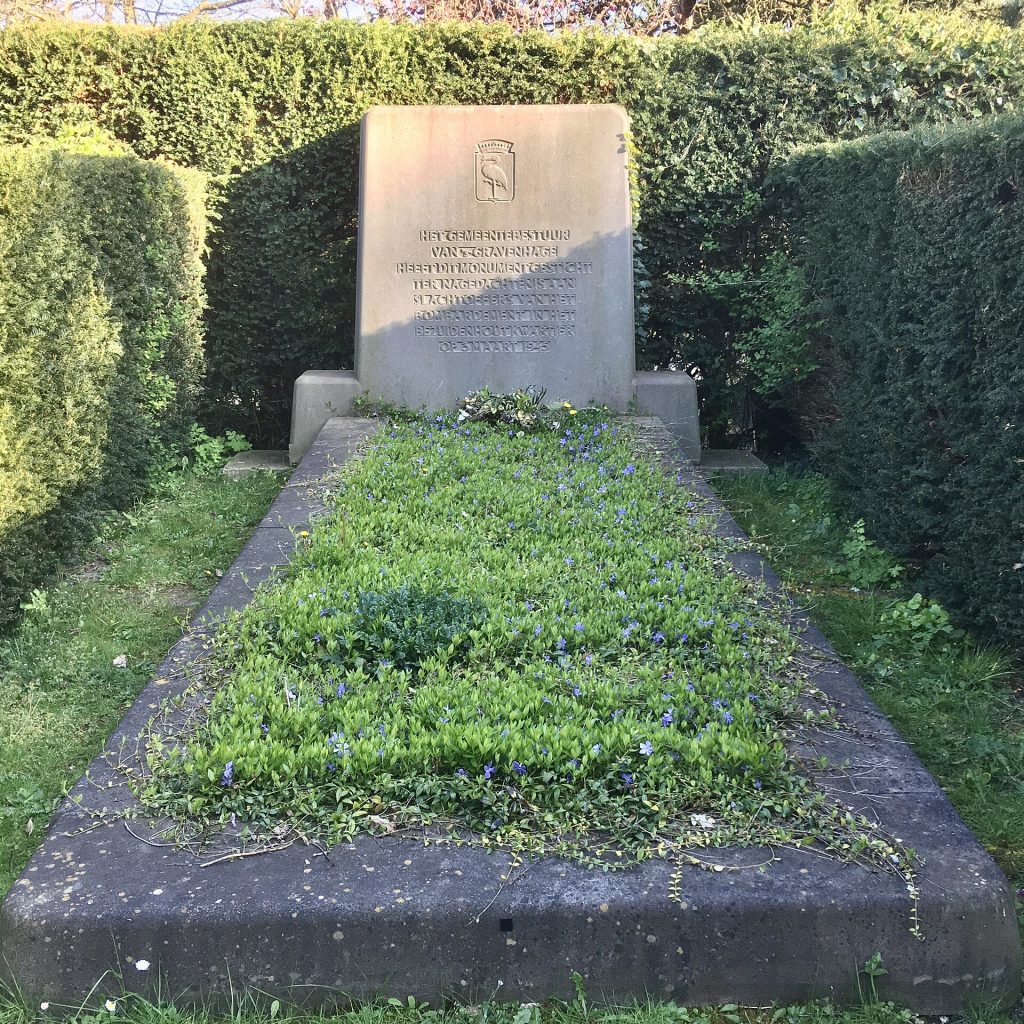
RAF bombers sent to hit V-2 launch sites in a wood outside The Hague drop their bombs on a crowded residential district instead.
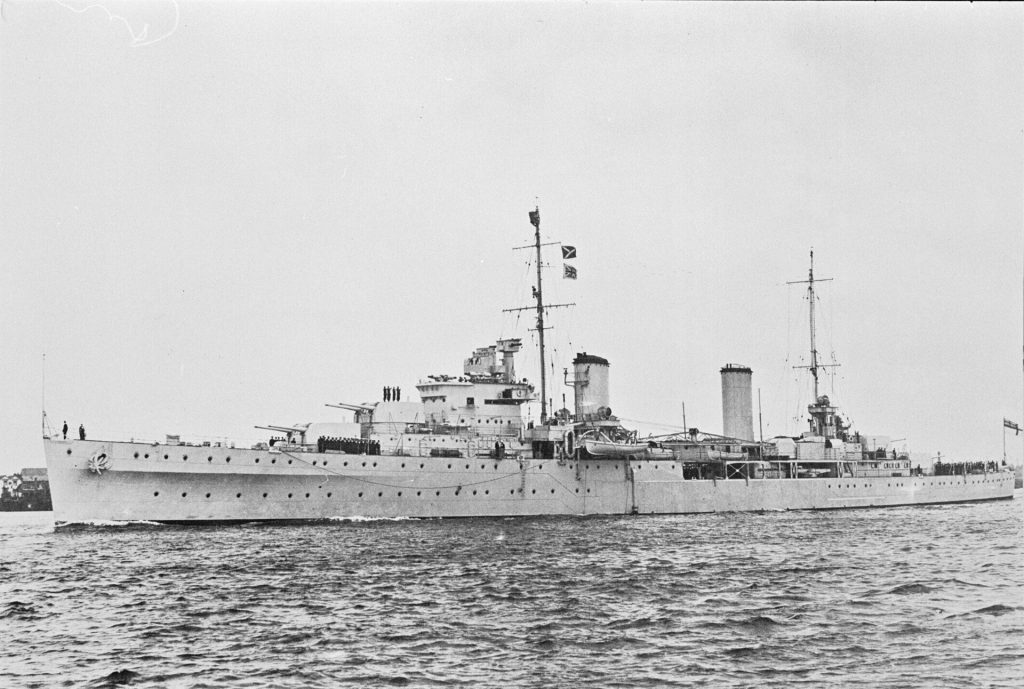
Escaping from the disaster in the Java Sea, the cruisers USS Houston and HMAS Perth run into a Japanese invasion fleet off Java and fight until they sink.
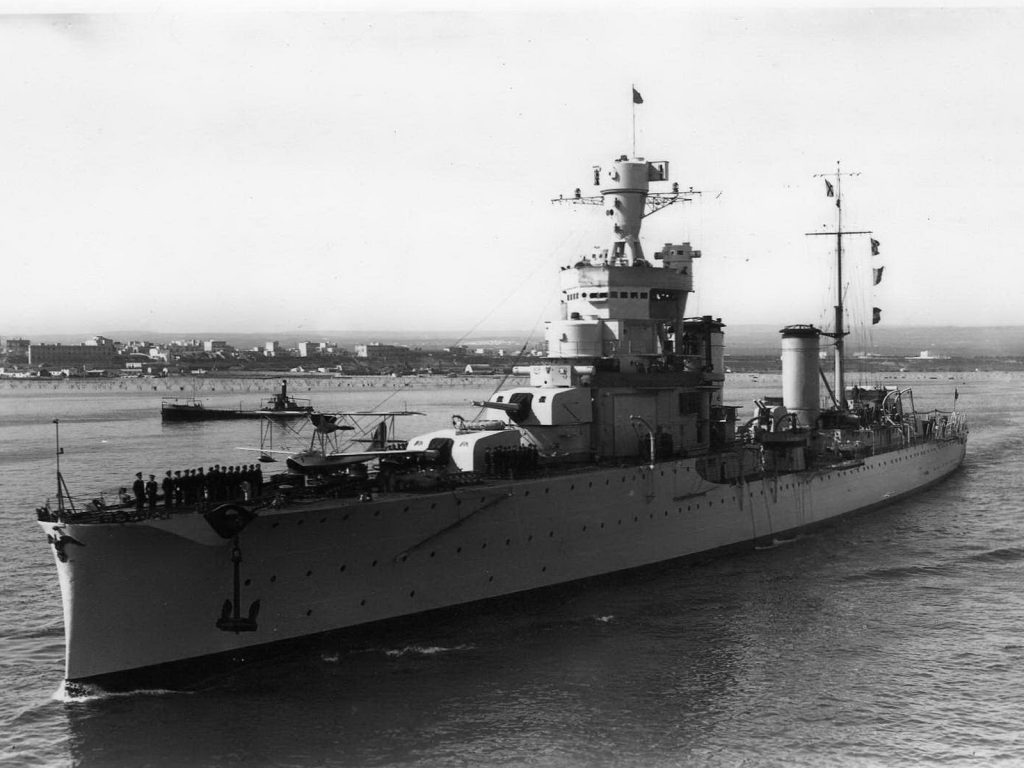
In the darkness off Tunisia, four Allied destroyers ambush two Italian cruisers carrying fuel to North Africa and sink both in minutes.
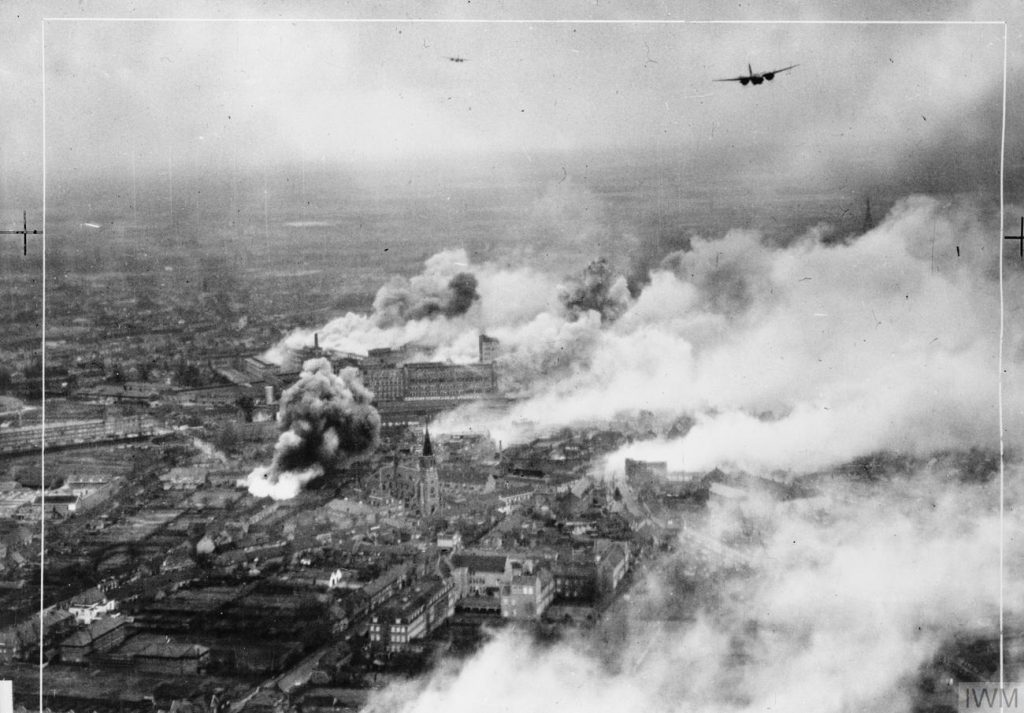
Flying at rooftop height in daylight, RAF light bombers strike the Philips radio and valve works in Eindhoven, which was supplying the German war machine.
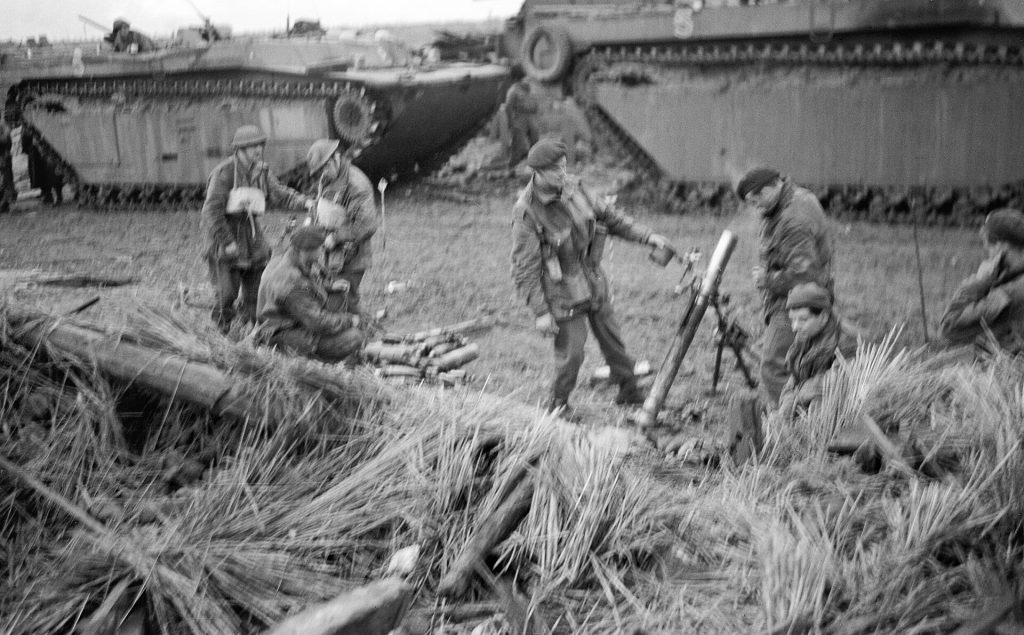
Commandos cross the Scheldt and land on a flooded Dutch island to break the last German grip on the approaches to Antwerp, the port the Allied armies desperately need.
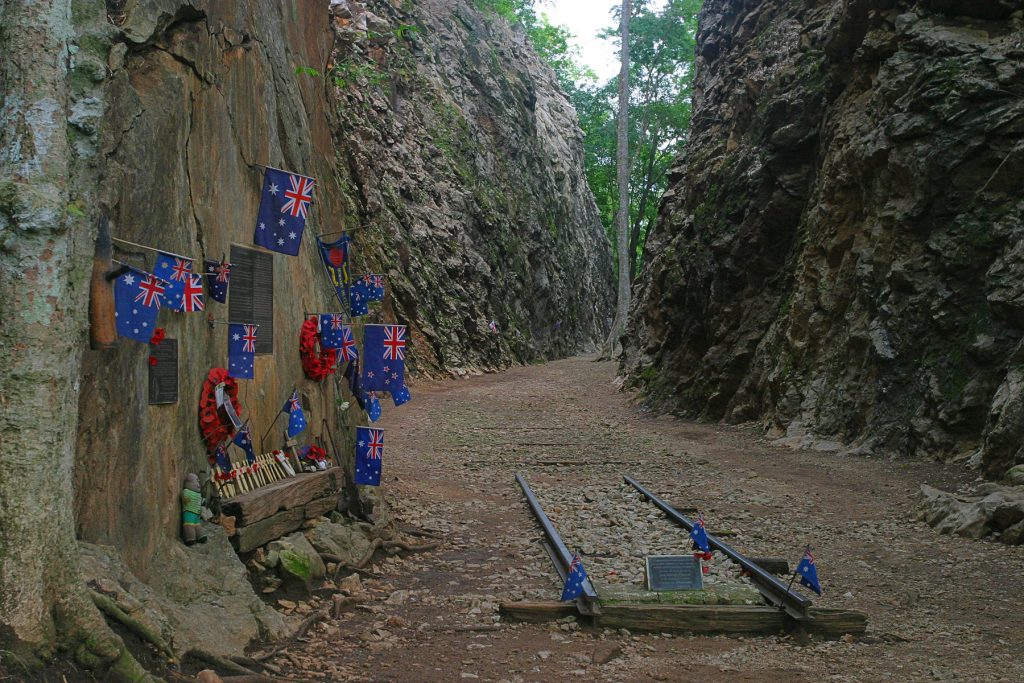
Near the Thai-Burmese border, the two halves of a 415-kilometre railway built by prisoners of war and Asian labourers are joined. Tens of thousands have died building it.
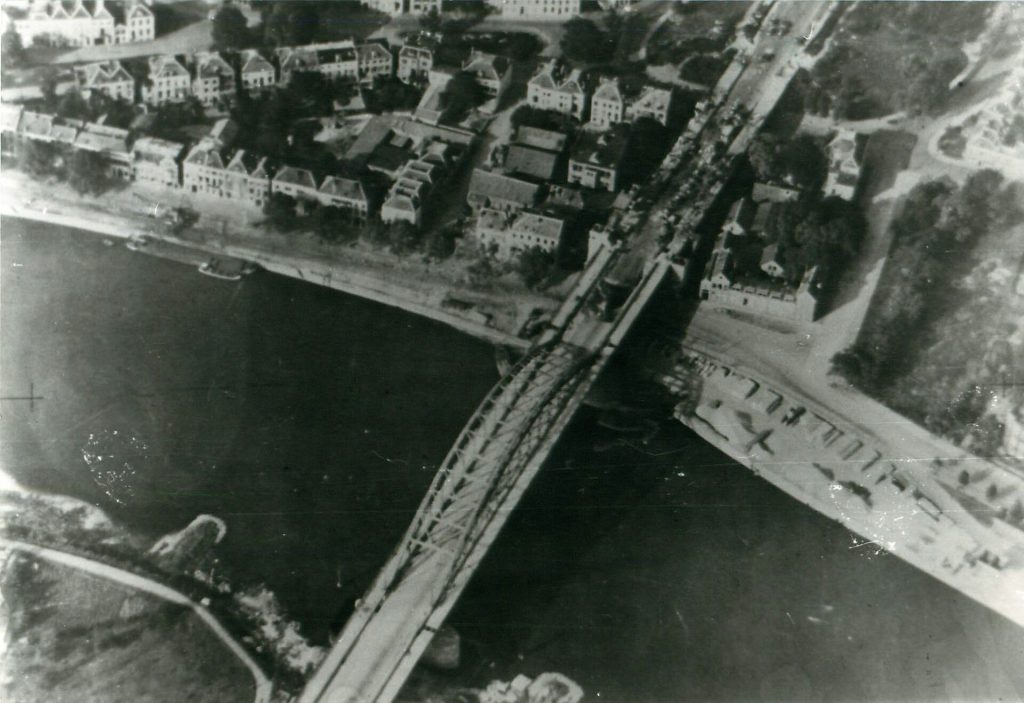
In darkness and rain, the survivors of the British 1st Airborne Division slip down to the Rhine and are ferried across. The bridge too far has been lost.
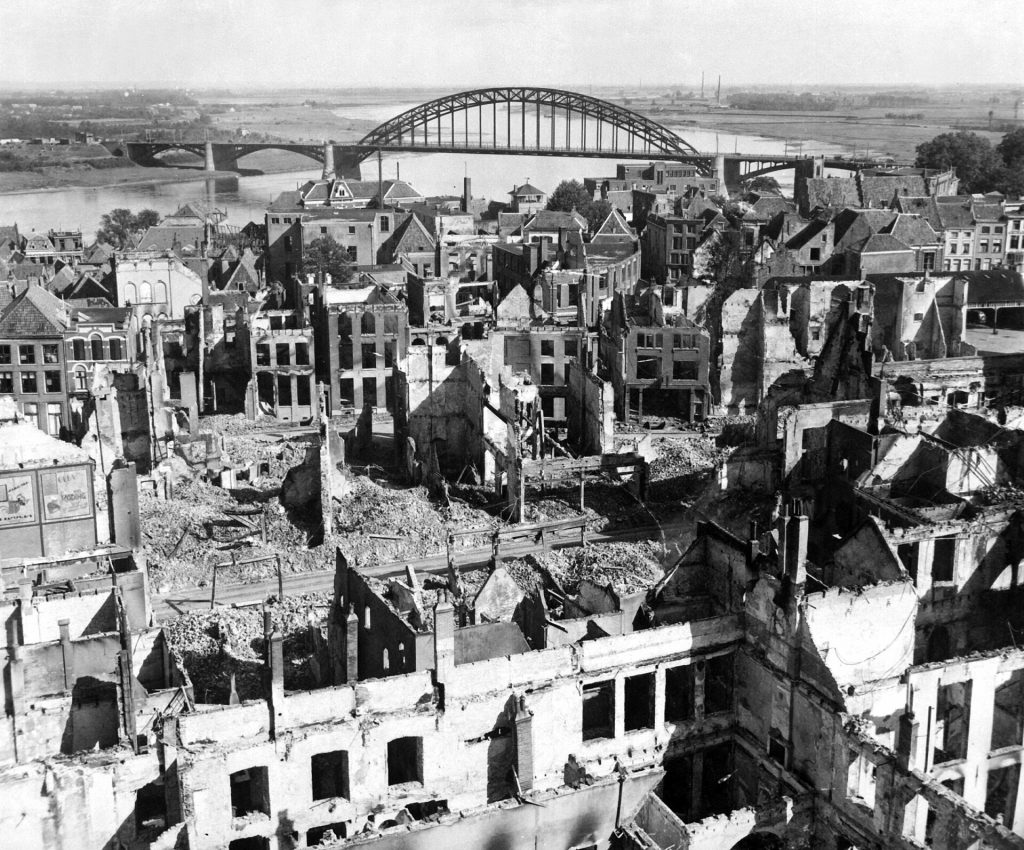
In broad daylight, American paratroopers paddle canvas boats across the wide Waal river under fire to capture the Nijmegen bridge. Arnhem is 18 kilometres away.
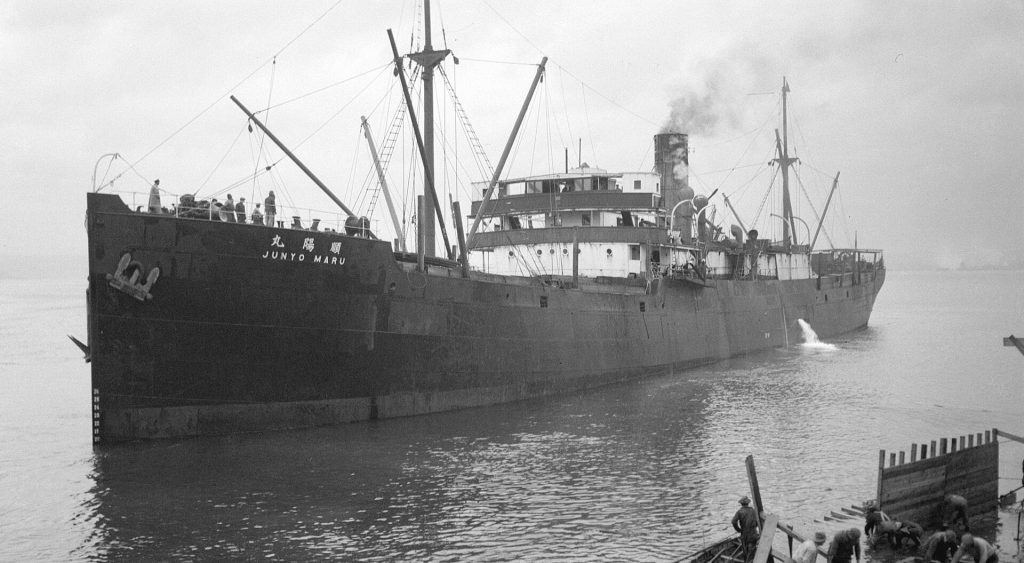
Off the coast of Sumatra, a British submarine torpedoes a Japanese cargo ship. Packed in her holds are thousands of Allied prisoners of war and Javanese forced labourers.
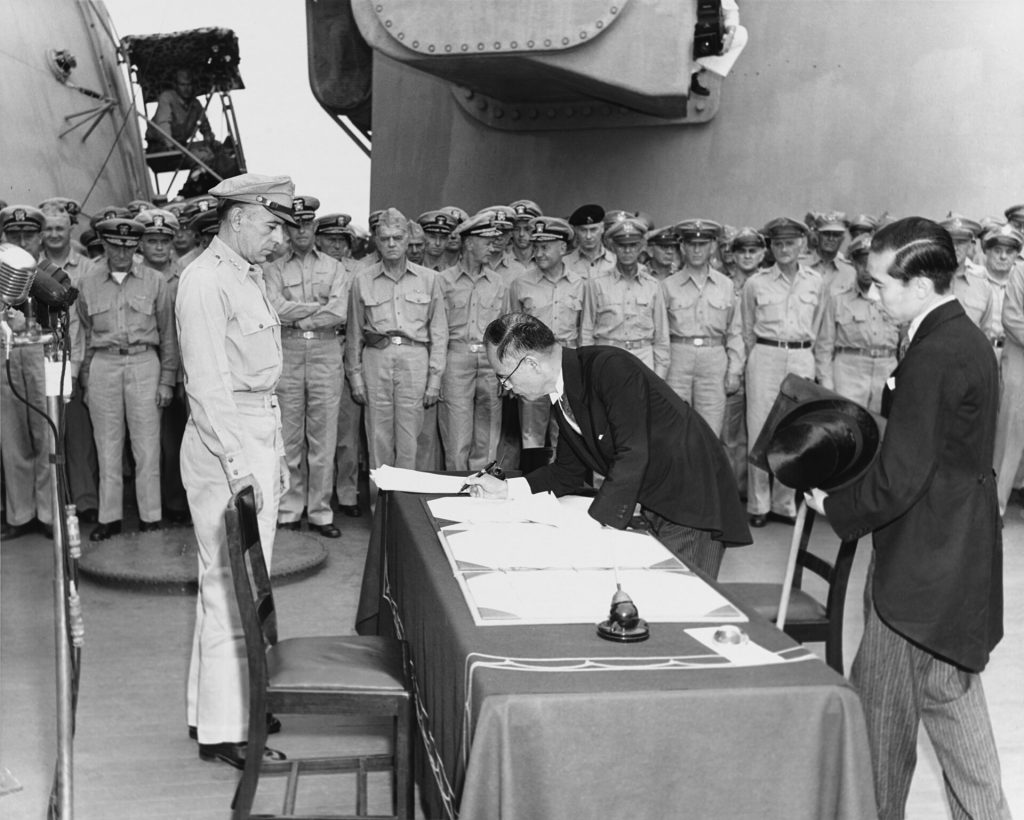
In Tokyo Bay, aboard the battleship USS Missouri, Japan’s representatives sign the Instrument of Surrender. After six years and a day, the Second World War is over.
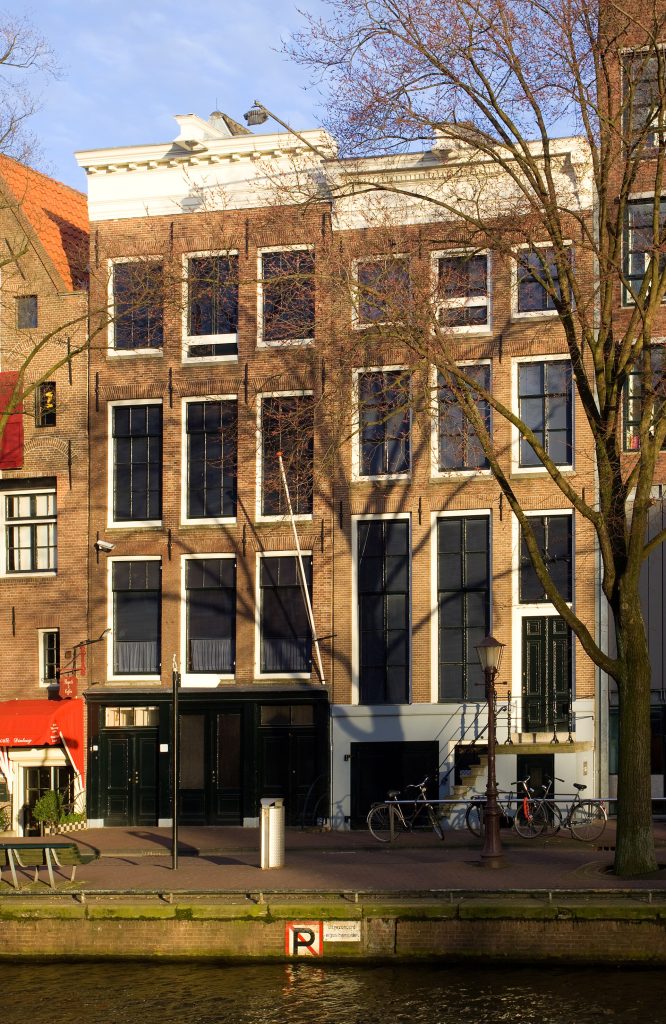
After more than two years in a hidden annexe above a canal-side warehouse in Amsterdam, Anne Frank, her family and four others are discovered and arrested.
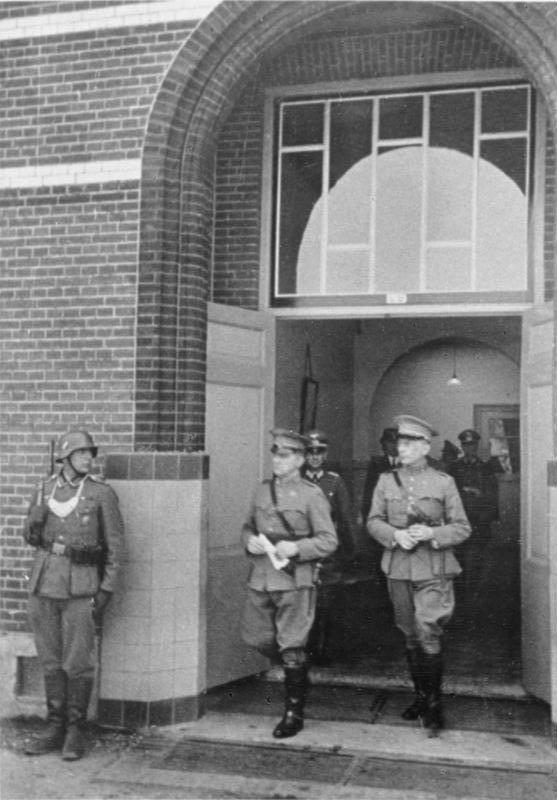
Five days after the invasion, General Winkelman signs the surrender of the Dutch army. In Paris, the French prime minister telephones Churchill with stark news.
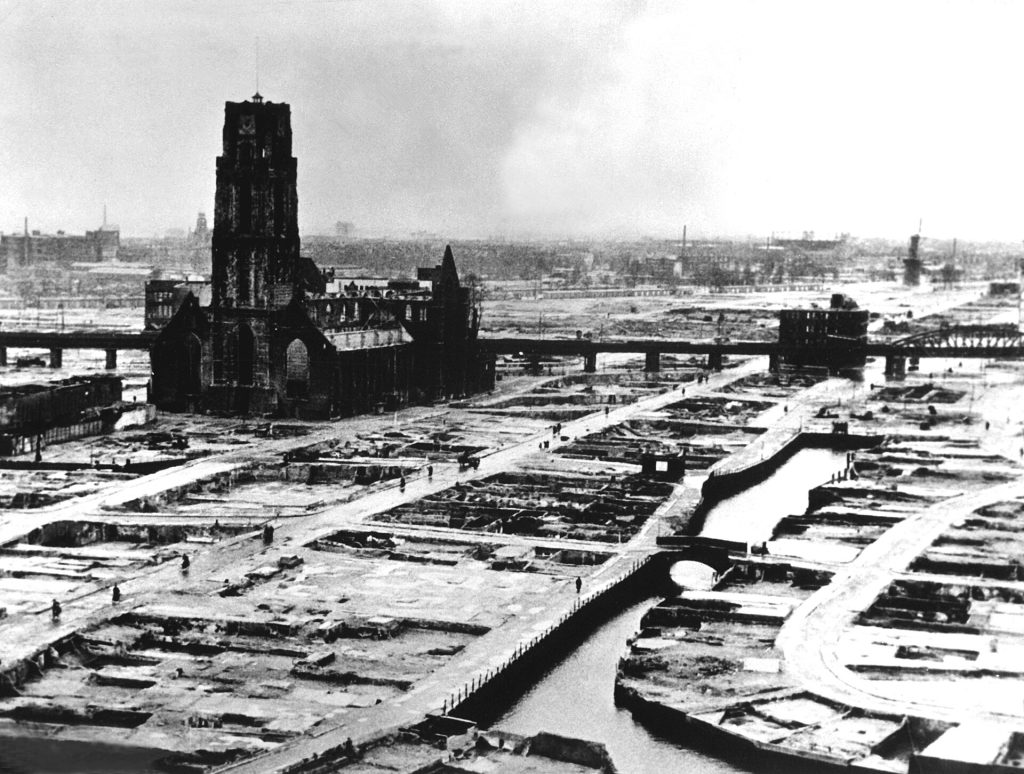
While surrender talks are under way, German bombers devastate the centre of Rotterdam. Threatened with the same fate for other cities, the Netherlands gives up.
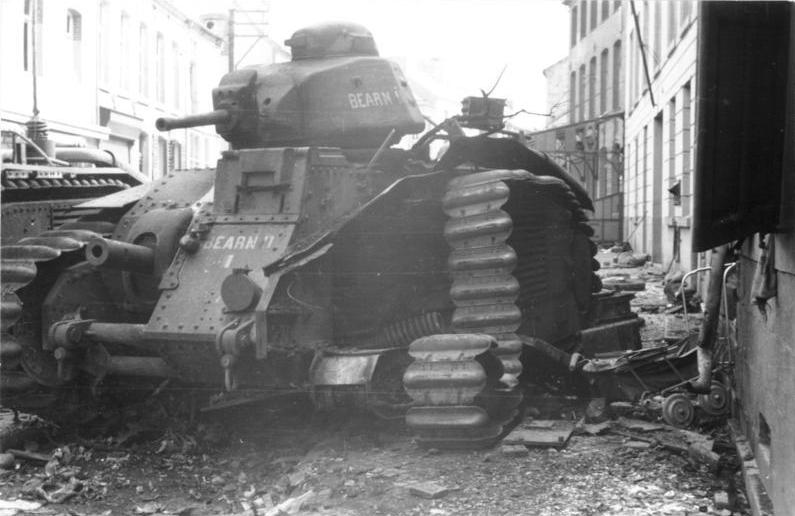
At dawn, German forces invade the Netherlands, Belgium and Luxembourg. By evening, Neville Chamberlain has resigned and Winston Churchill is Prime Minister.
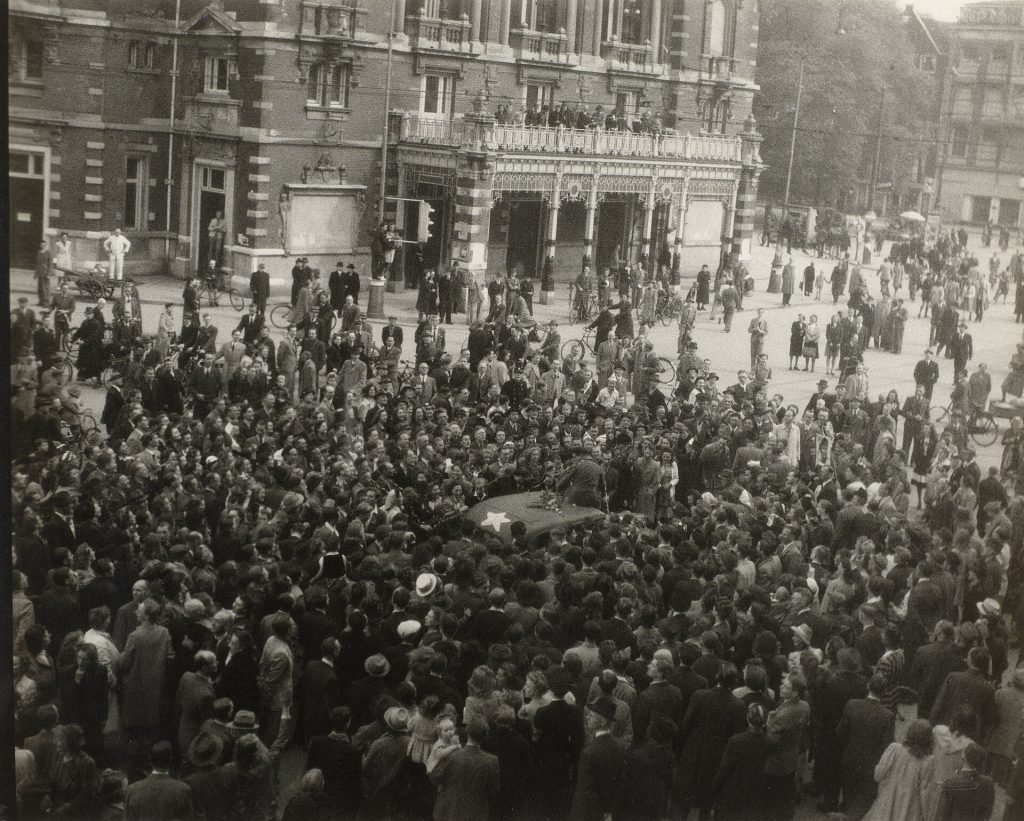
At a hotel in Wageningen, the German commander in the Netherlands meets the Canadian general facing him to arrange the surrender. After five years of occupation and a winter of famine, the Dutch are free.
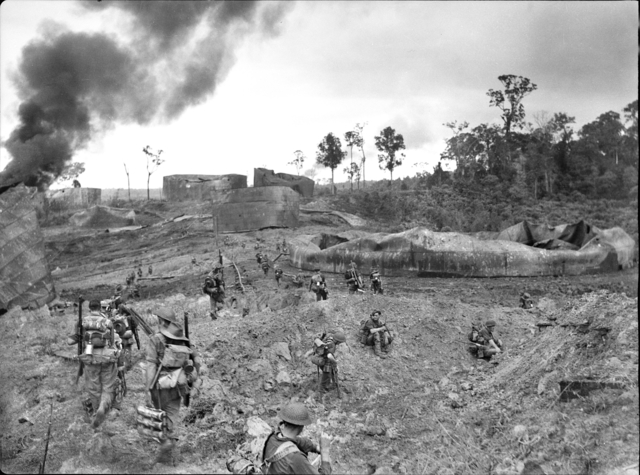
Australian troops storm ashore on the oil island of Tarakan off Borneo, the opening move of the last great Australian campaign of the war.
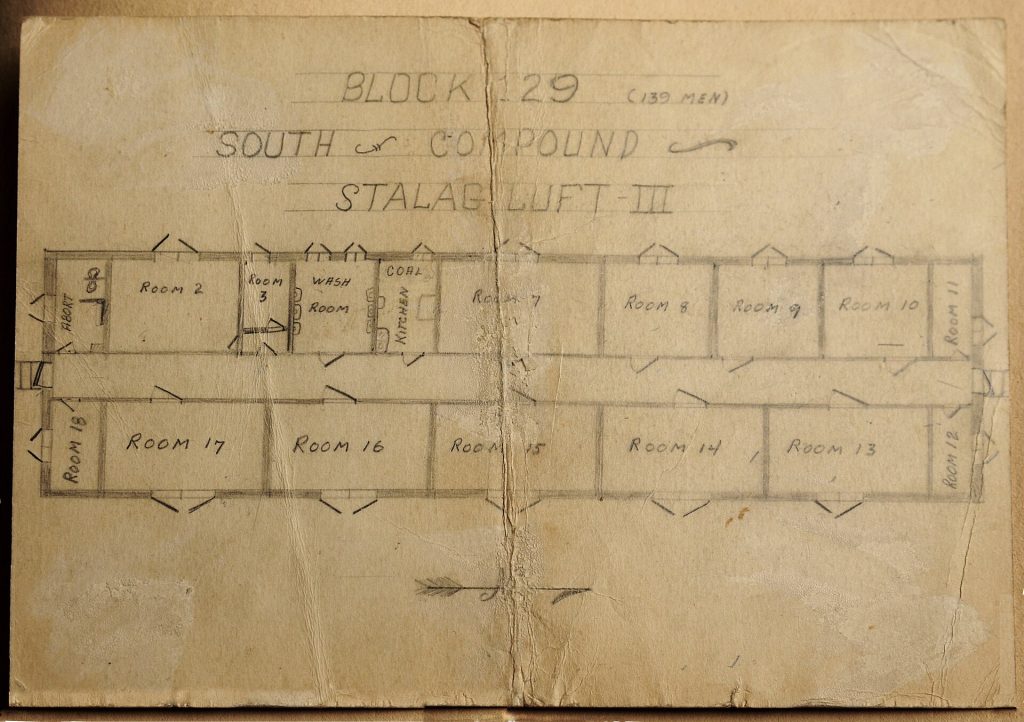
On a freezing night, Allied airmen begin crawling through a tunnel under the wire of Stalag Luft III. Seventy-six get out. Fifty will be shot.
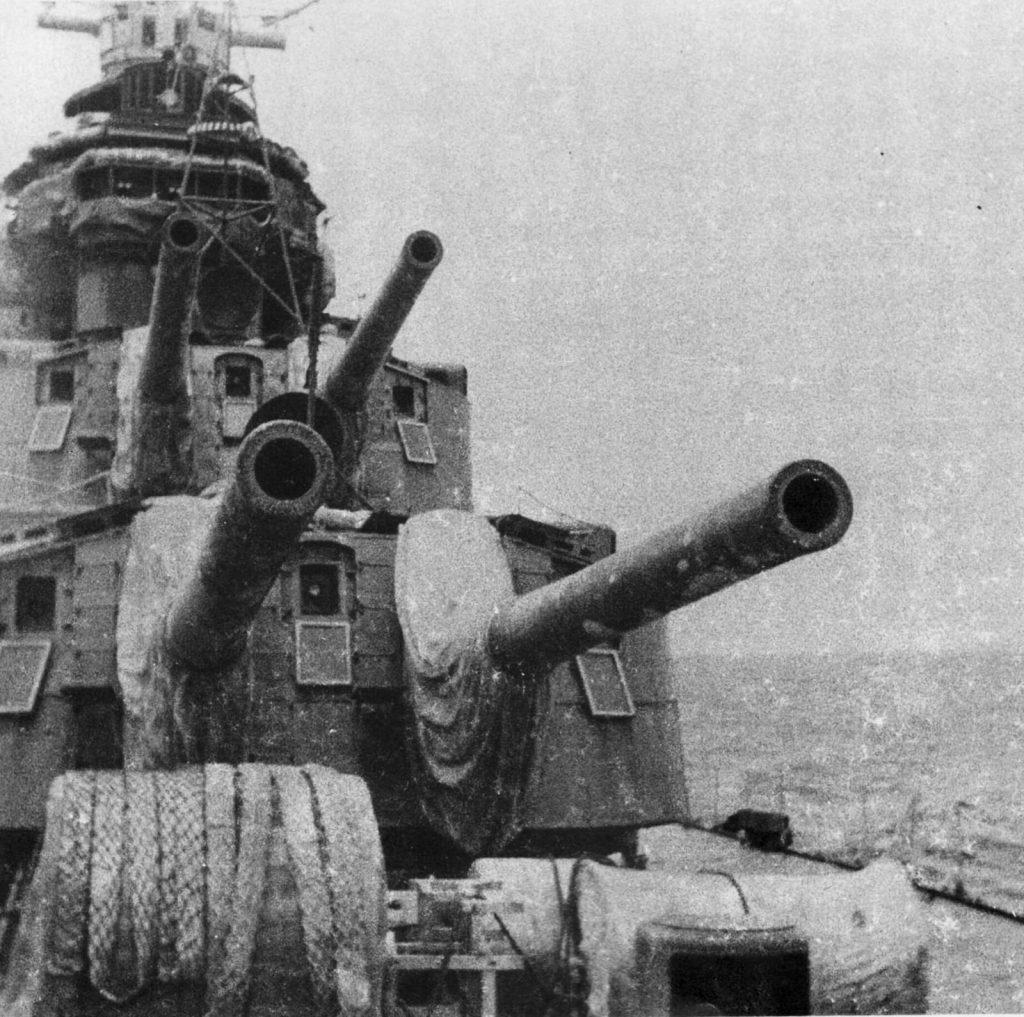
A combined Dutch, British, Australian and American squadron sails out to stop the Japanese invasion of Java. By midnight its admiral is dead and two of its cruisers are sunk.
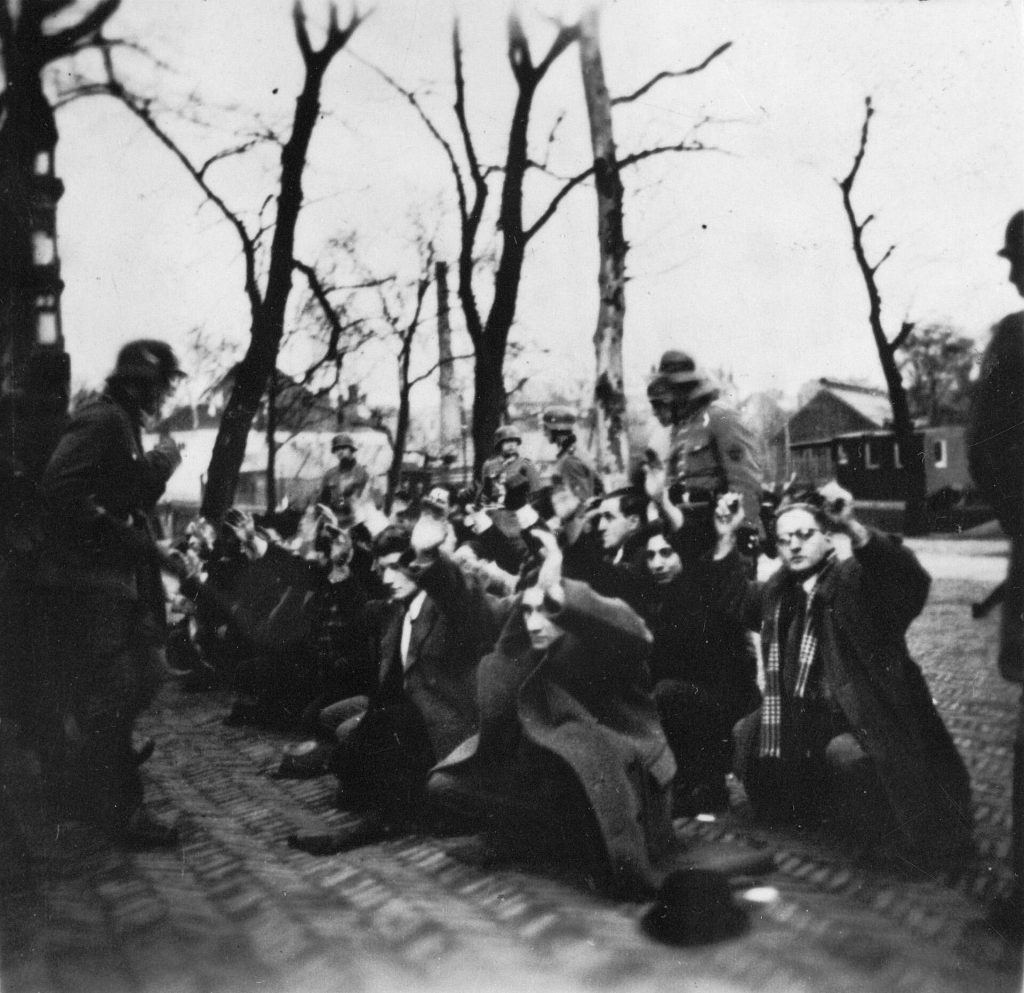
Days after the first mass round-ups of Jewish men in Amsterdam, tram drivers, dockers and factory workers walk out in protest. The city comes to a standstill.
 United Kingdom
 United States
 Soviet Union
 Germany
 Japan
 France
 Poland
 South Africa