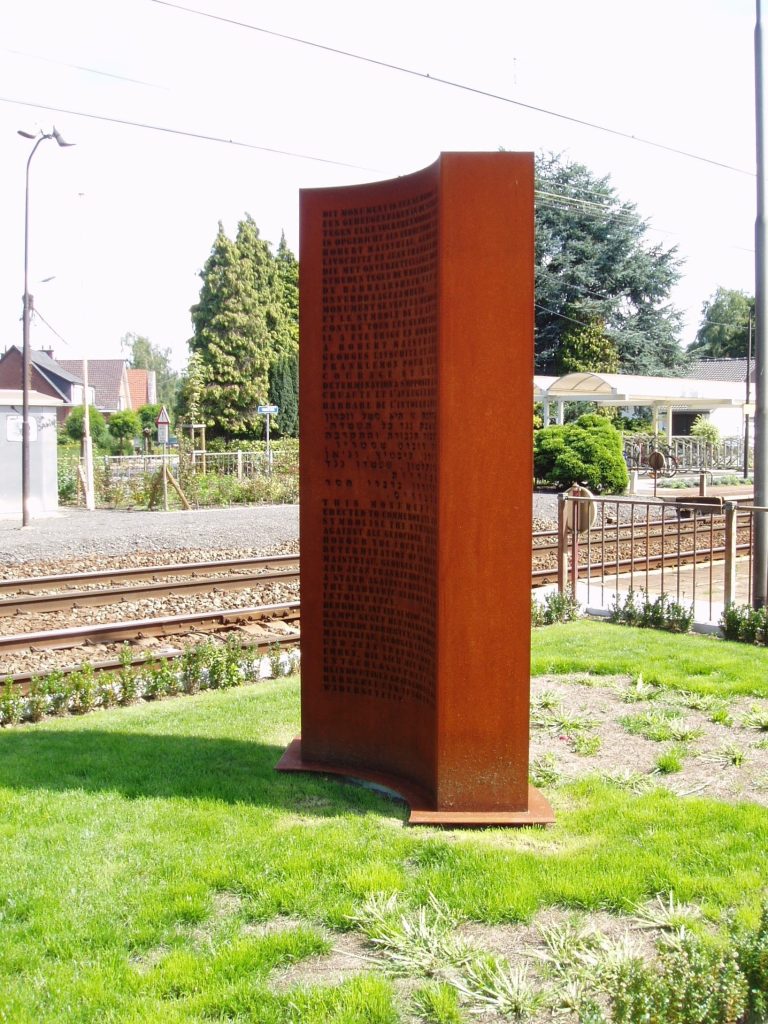
19 April 1943: The Attack on the Twentieth Convoy
Three young Belgians armed with one pistol and a lantern covered in red paper stop a deportation train bound for Auschwitz, and 233 people escape.
Dispatches involving Belgium.
Three young Belgians armed with one pistol and a lantern covered in red paper stop a deportation train bound for Auschwitz, and 233 people escape.
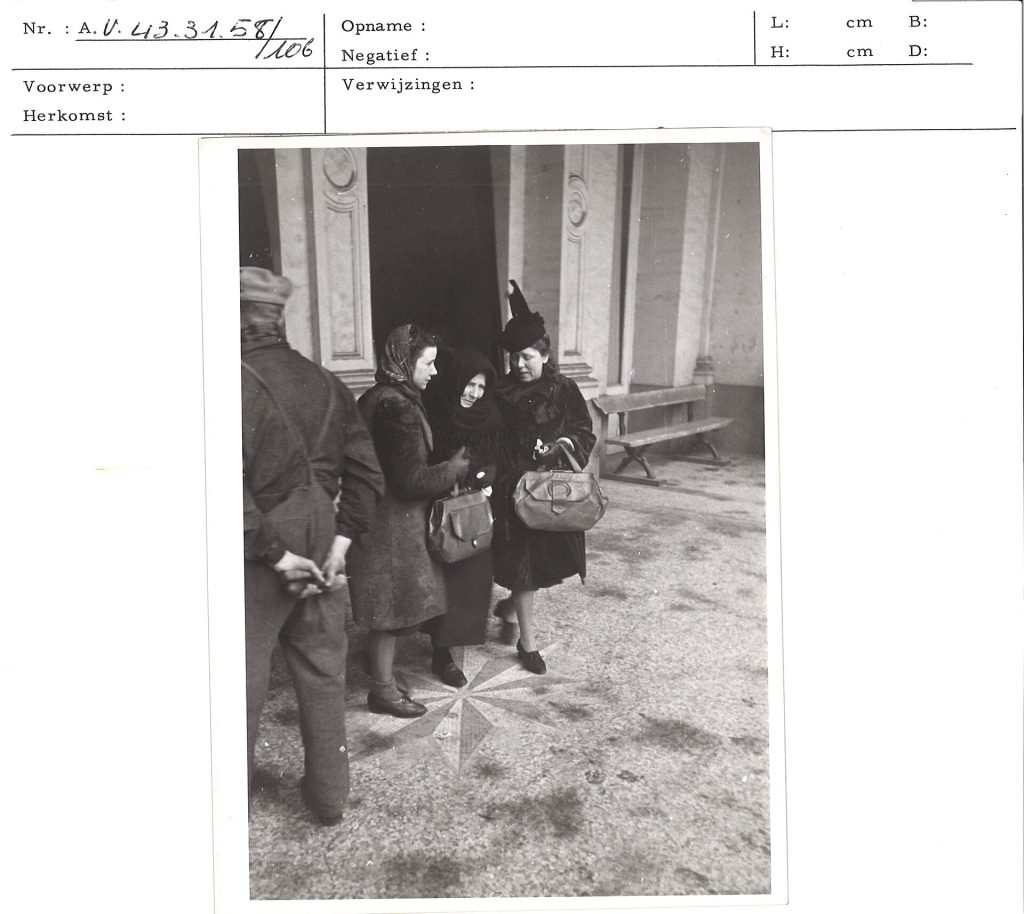
American bombers aiming at a German aircraft repair plant near Antwerp miss their target, and their bombs fall on the houses and schools of Mortsel.
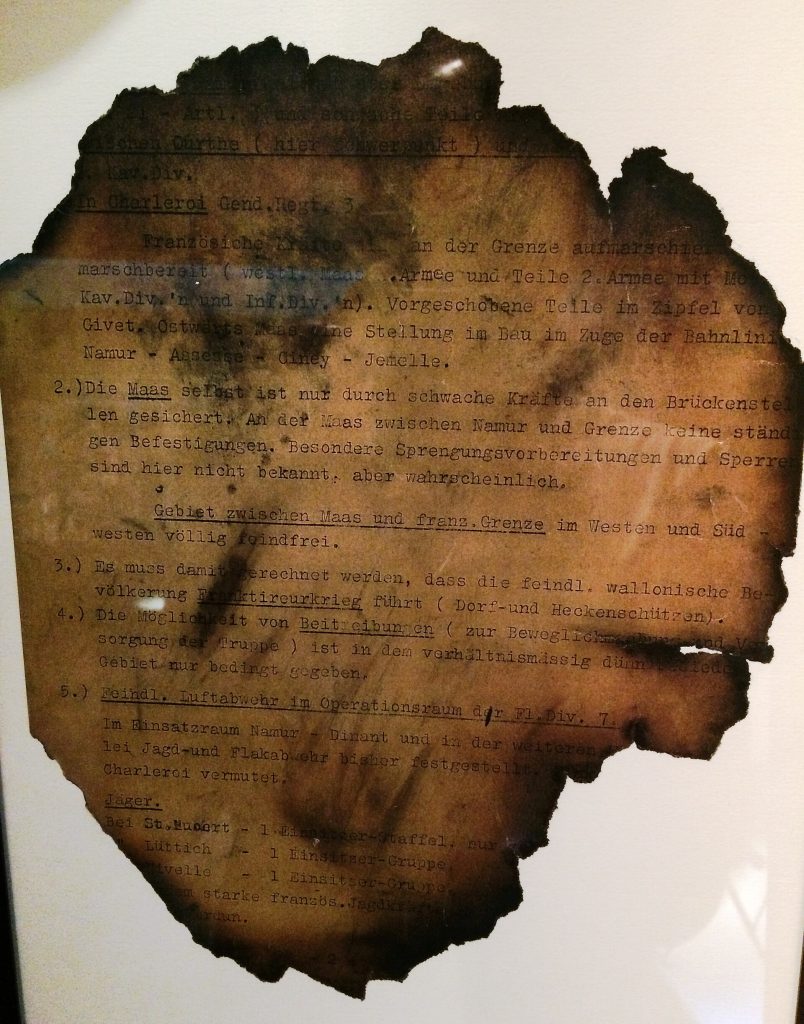
A German aircraft lost in fog crash-lands in neutral Belgium, carrying an officer with the plans for Hitler’s attack in the West.
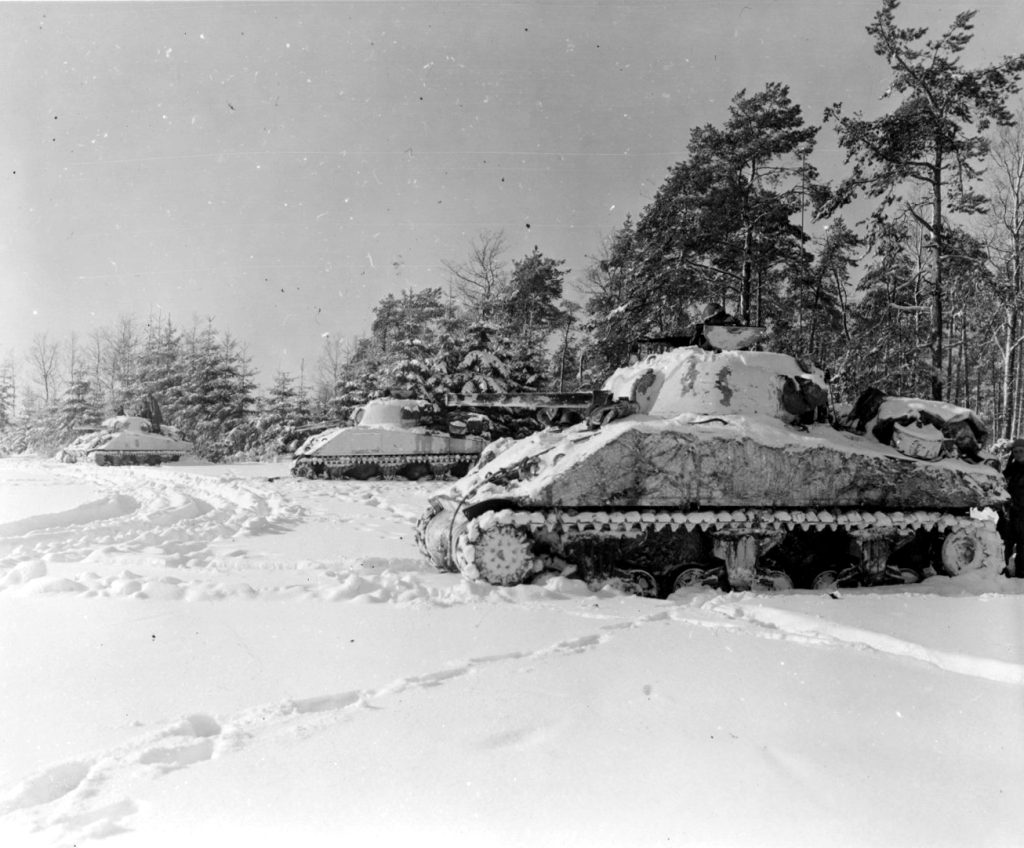
After five days holding a vital Belgian road junction against overwhelming odds, the US 7th Armored Division pulls out of St. Vith, having thrown the German offensive badly off schedule.
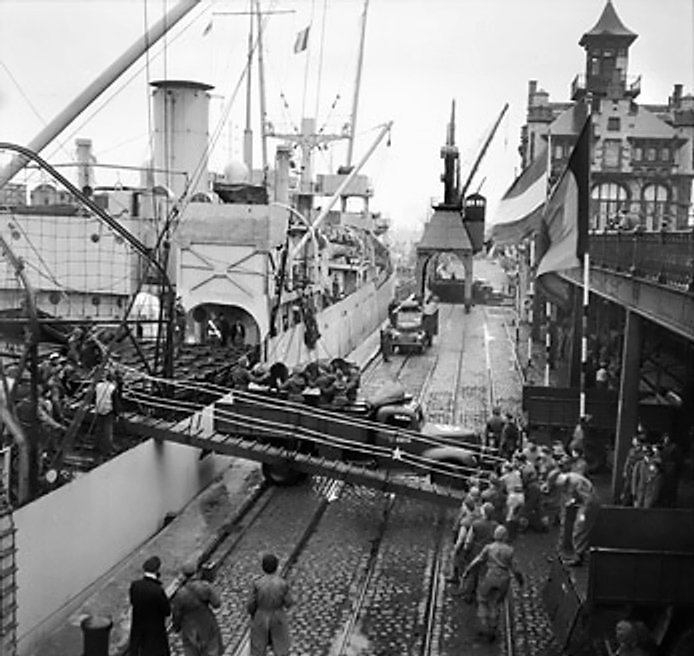
Twelve weeks after the city fell, the first Allied convoy sails up the cleared Scheldt into Antwerp, led by the Canadian-built freighter Fort Cataraqui.
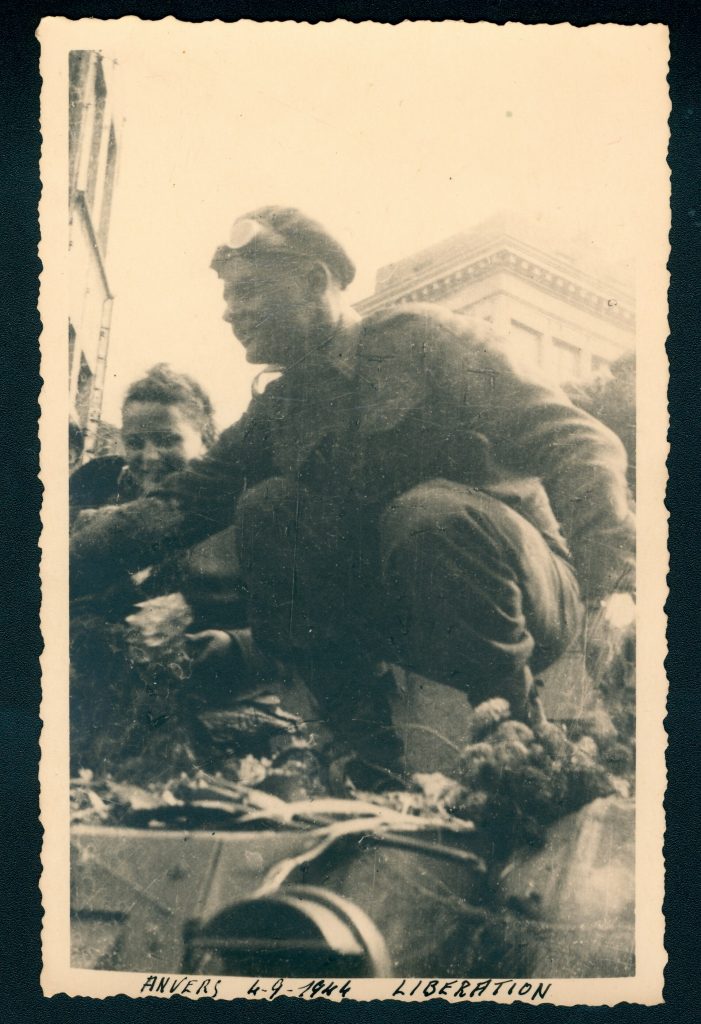
British tanks race into Antwerp, where the Belgian resistance has stopped the Germans from wrecking the docks. The Allies have taken one of Europe’s greatest ports almost intact. But they cannot yet use it.
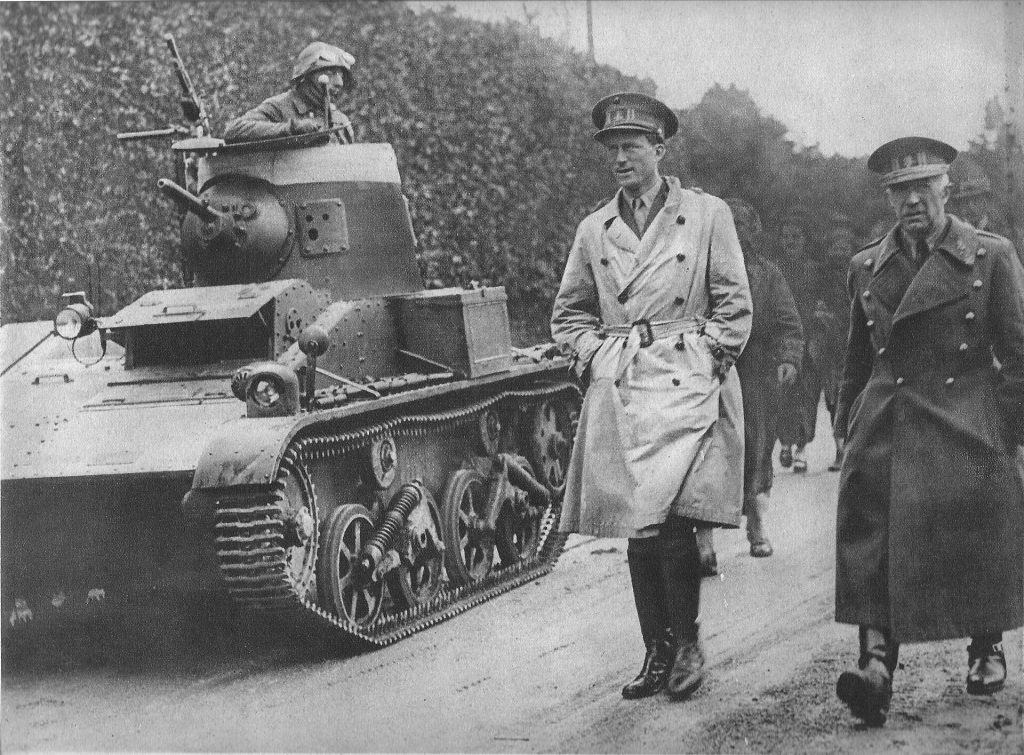
King Leopold III orders the Belgian army to lay down its arms. His government, against the decision, will carry on the war from abroad.
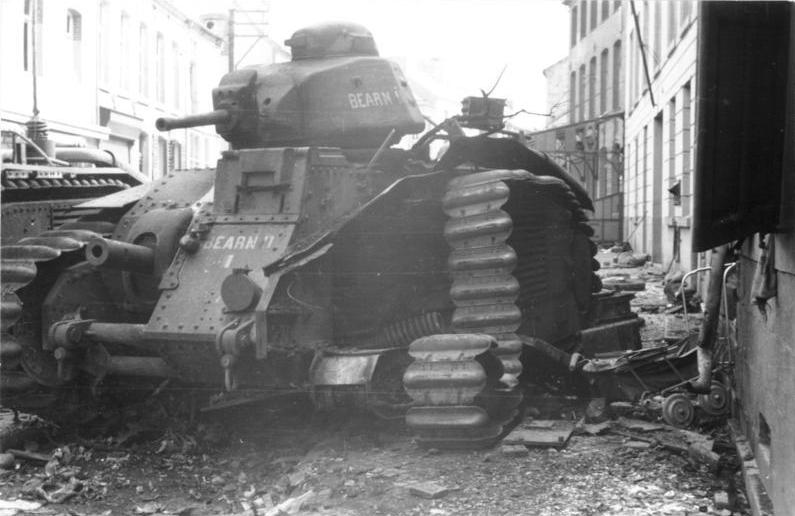
At dawn, German forces invade the Netherlands, Belgium and Luxembourg. By evening, Neville Chamberlain has resigned and Winston Churchill is Prime Minister.
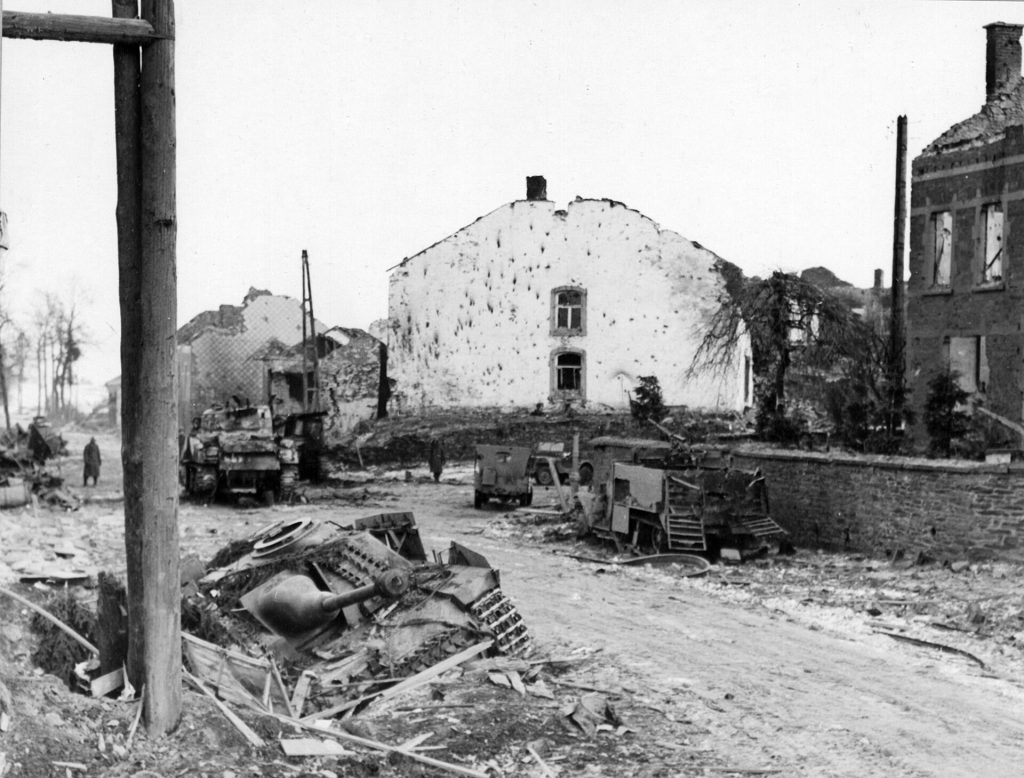
Six weeks after Hitler’s last great offensive in the west tore into the Ardennes, the US Army marks the official end of the Battle of the Bulge.
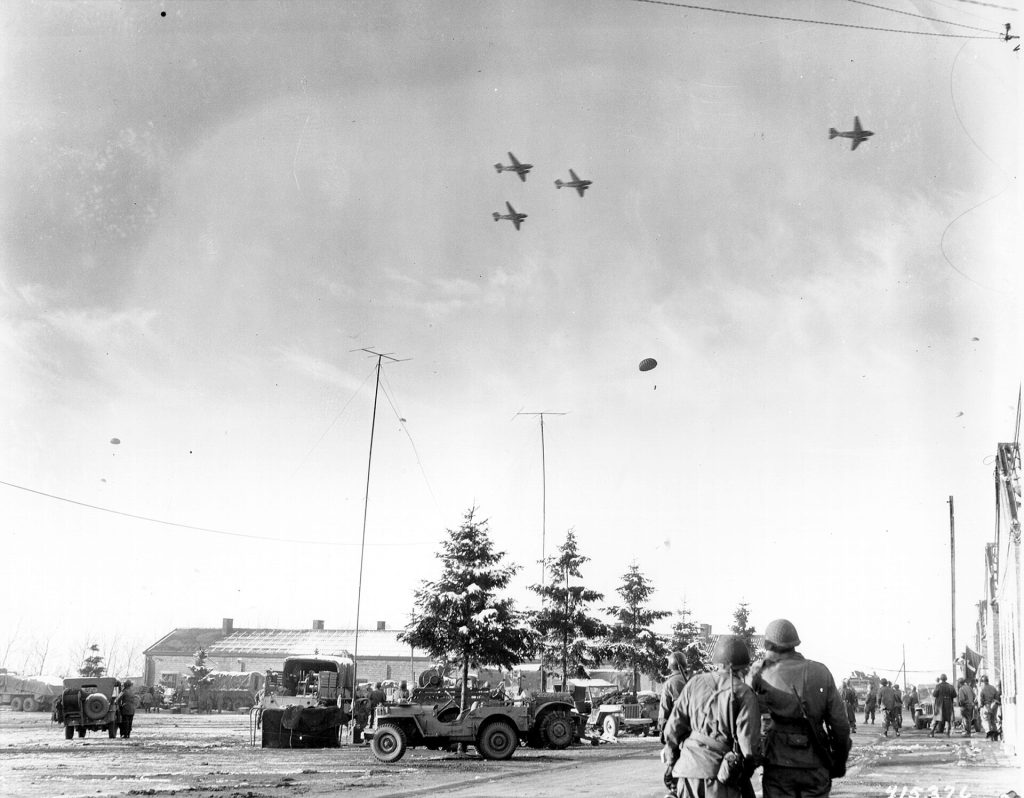
Surrounded at the Belgian crossroads town of Bastogne, the American commander receives a formal German demand to surrender. His one-word reply becomes legend.
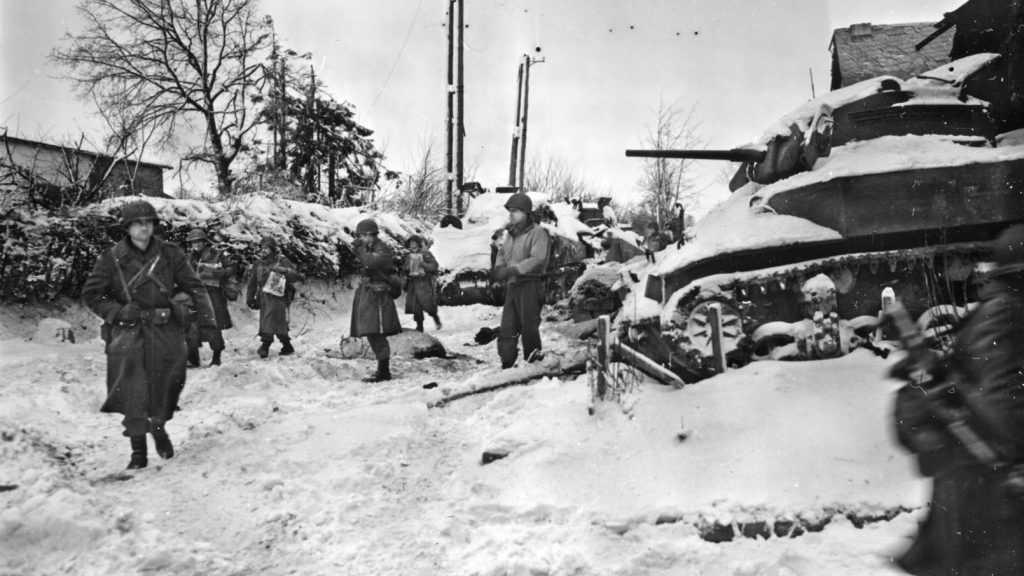
Out of the fog-bound forests of the Ardennes, three German armies smash into a thinly held American front. Hitler’s last great gamble in the west has begun.
 United Kingdom
 United States
 Soviet Union
 Germany
 Japan
 France
 Poland
 South Africa