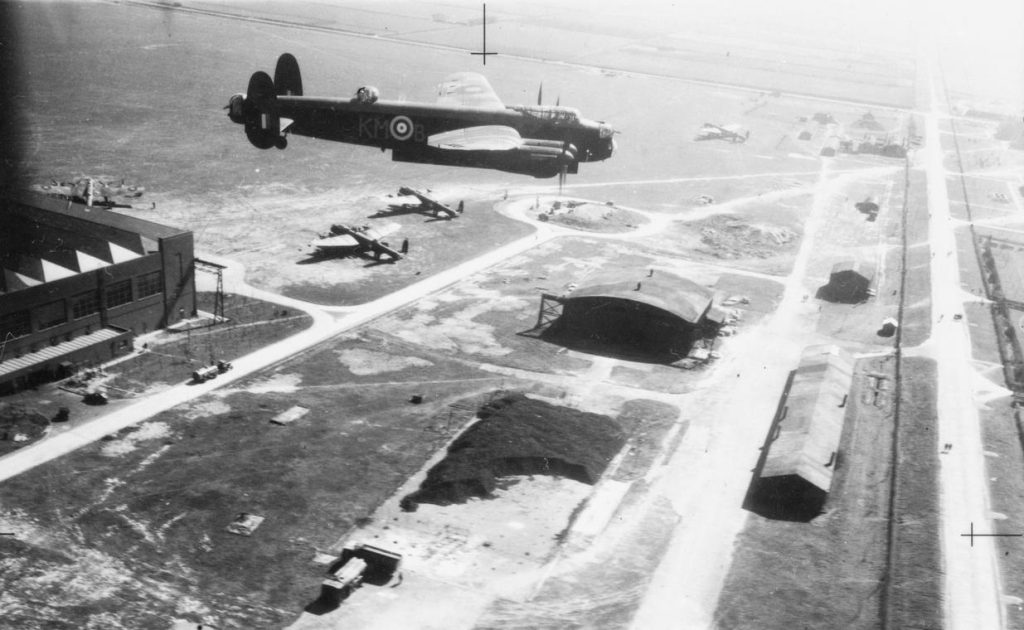
17 April 1942: The Augsburg Raid
Twelve new Lancasters fly at rooftop height across France and southern Germany in daylight to bomb the factory building U-boat engines at Augsburg.
South Africa’s war, from East Africa and the desert to Italy and the skies over Europe.
Twelve new Lancasters fly at rooftop height across France and southern Germany in daylight to bomb the factory building U-boat engines at Augsburg.

After a rapid advance through Italian Somaliland into Ethiopia, South African troops occupy Dire Dawa, called in by Italian colonists themselves.
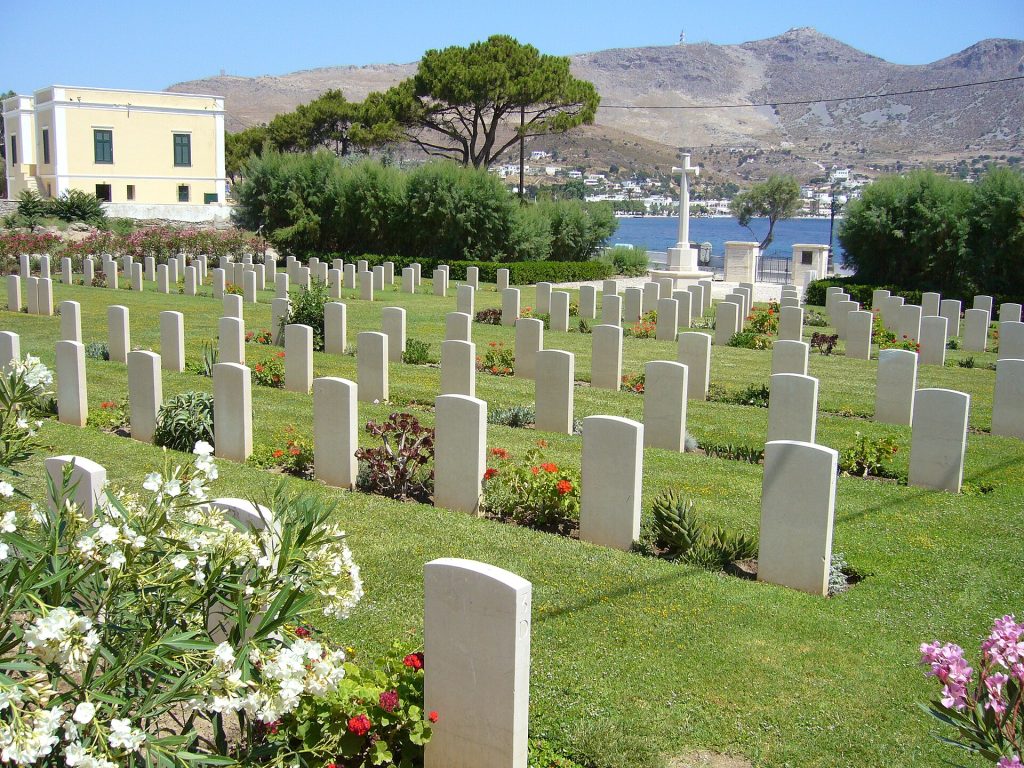
After four days of fighting against paratroops and seaborne landings under constant air attack, the British garrison on the Aegean island of Leros surrenders.
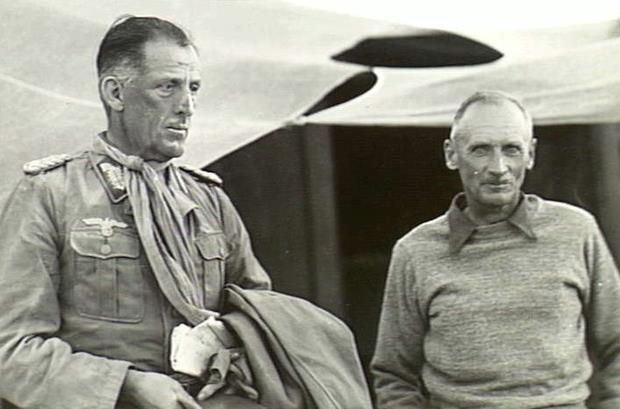
Defying Hitler’s order to stand or die, Rommel turns his broken army west, ending the Second Battle of El Alamein and the Axis threat to Egypt.
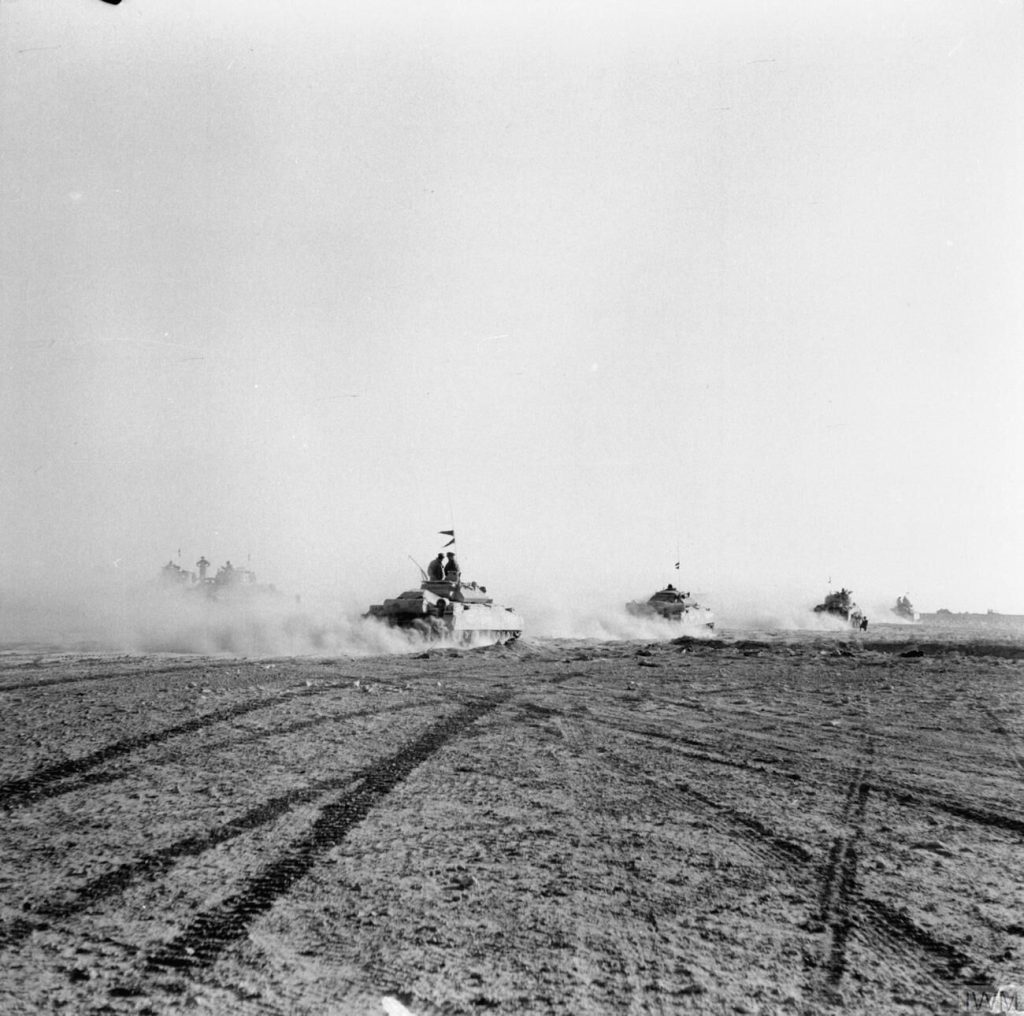
At 21:40, hundreds of guns open fire along the Alamein line. Montgomery’s Eighth Army begins the battle that will drive the Axis out of Egypt for good.
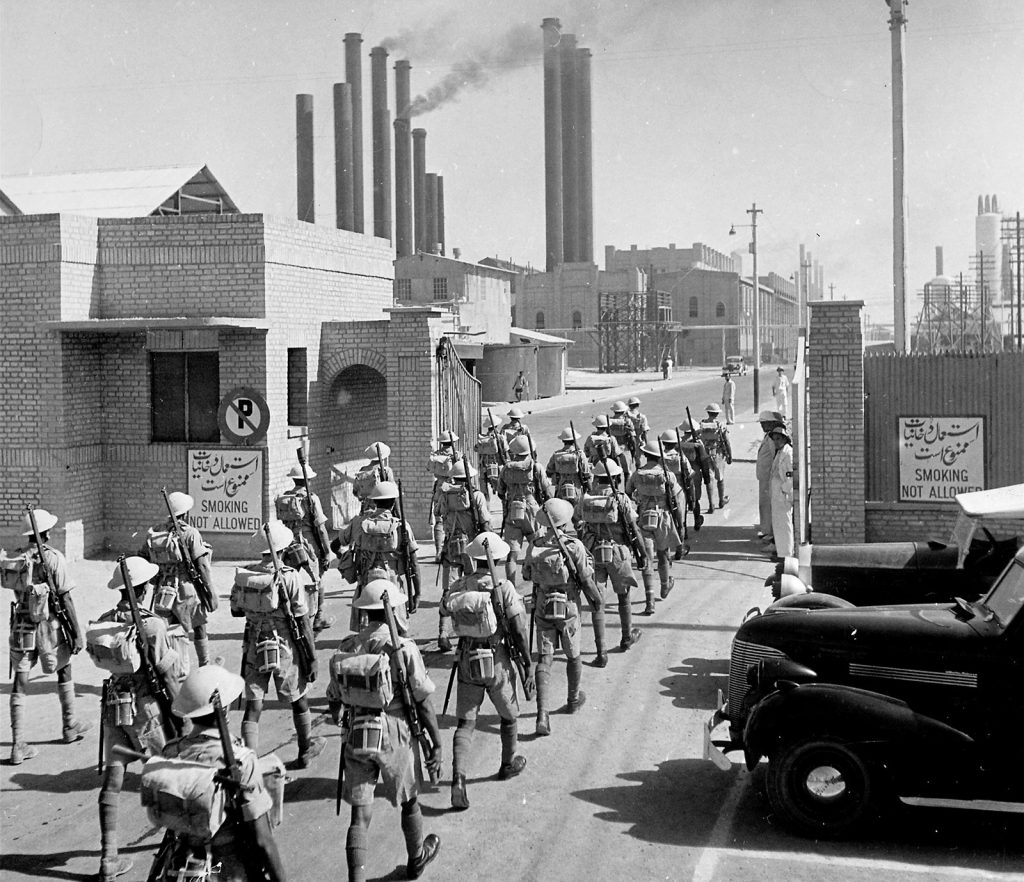
Three weeks after British and Soviet troops invade Iran, Reza Shah abdicates in favour of his son. He will die in exile in Johannesburg.
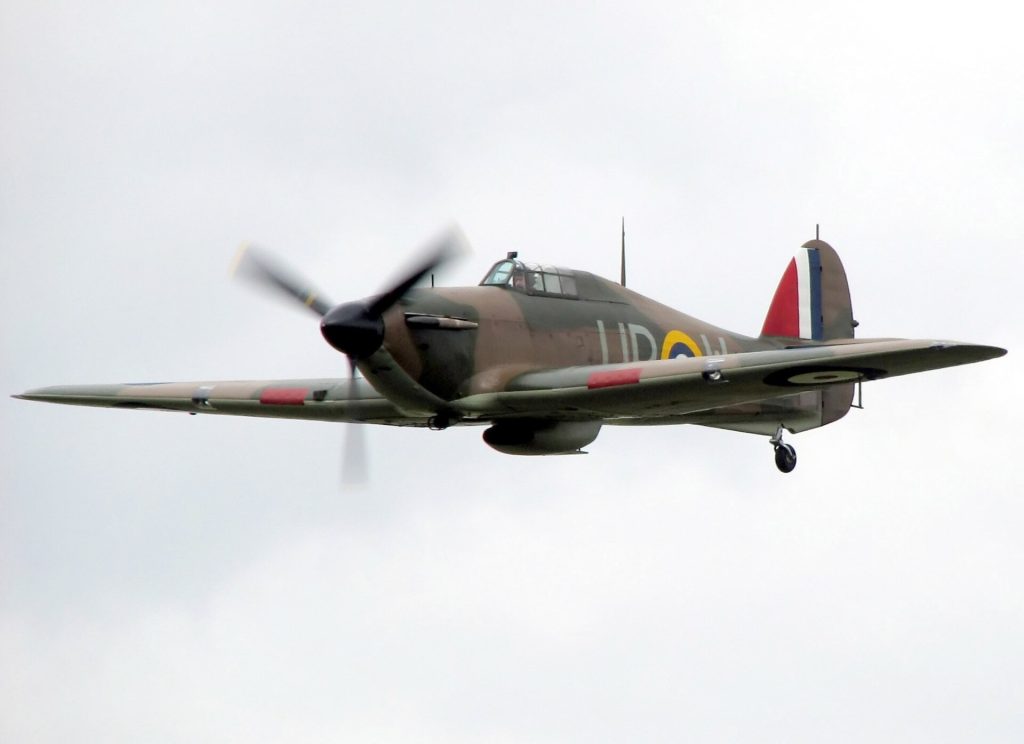
The Luftwaffe sends two great raids against London. Every RAF fighter squadron in the south-east is thrown in, and the attacks are broken up. Two days later, Hitler postpones the invasion of Britain.
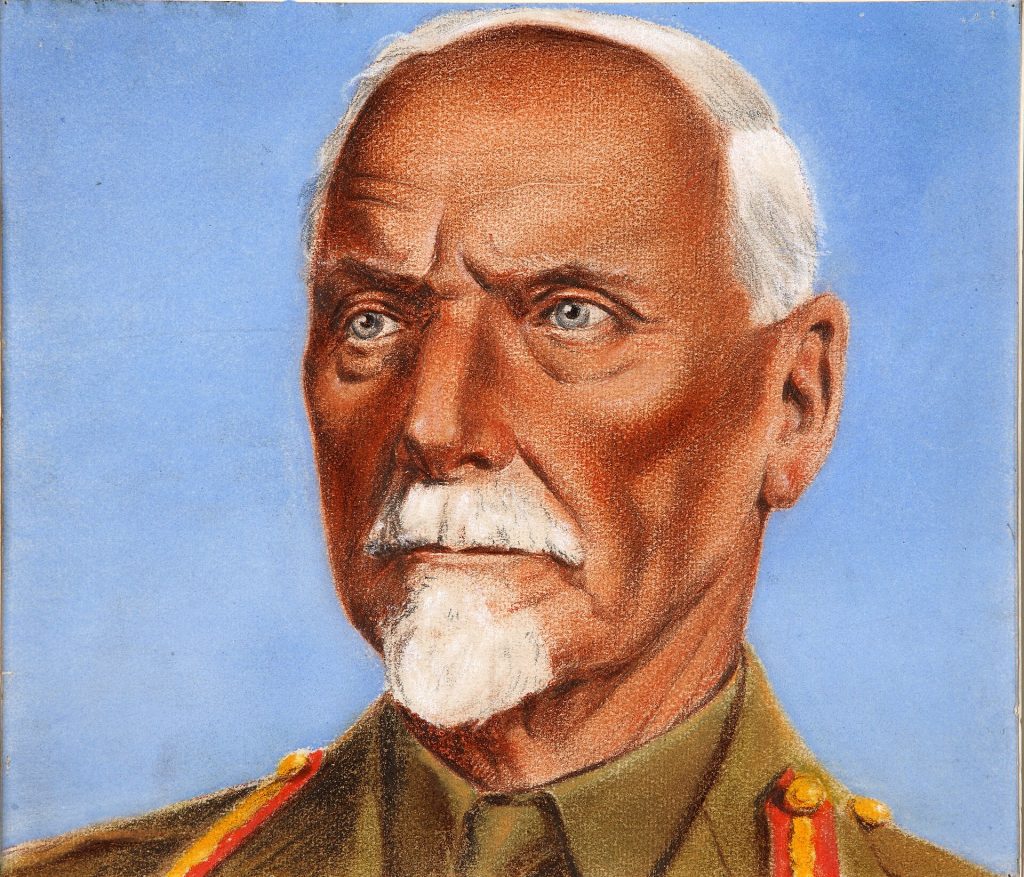
After a bitter debate that splits the government, South Africa declares war on Germany. Jan Smuts, who led the vote for war, is now prime minister.
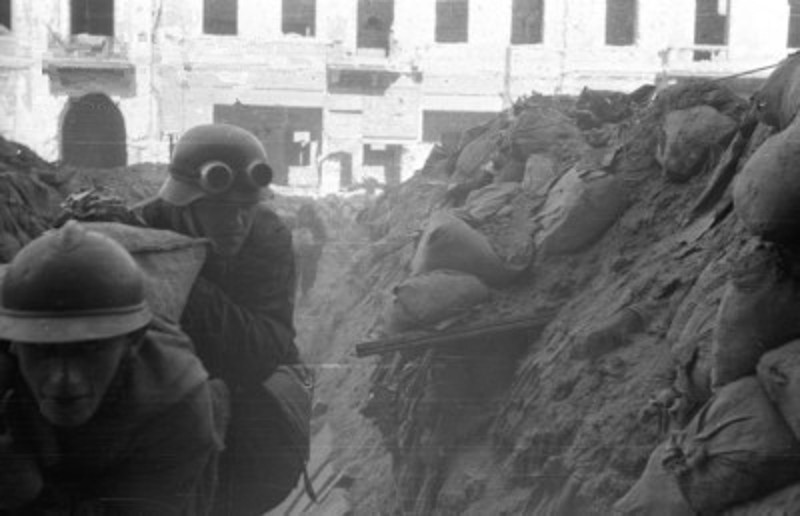
At five in the afternoon, the Polish Home Army rises against the German occupiers of Warsaw. It hopes to free the capital before the Red Army arrives. It will fight alone for 63 days.
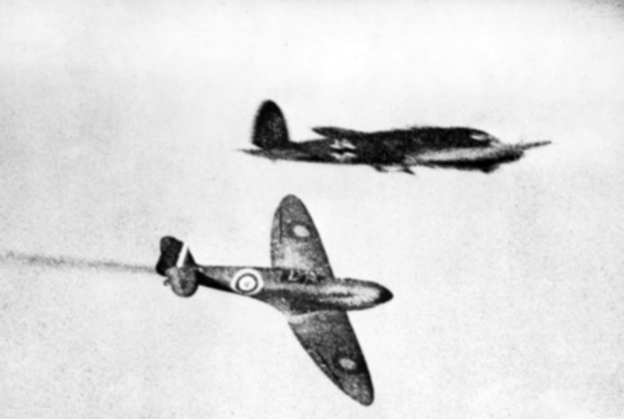
German bombers attack a convoy in the English Channel. The date will later be taken as the official start of the Battle of Britain.
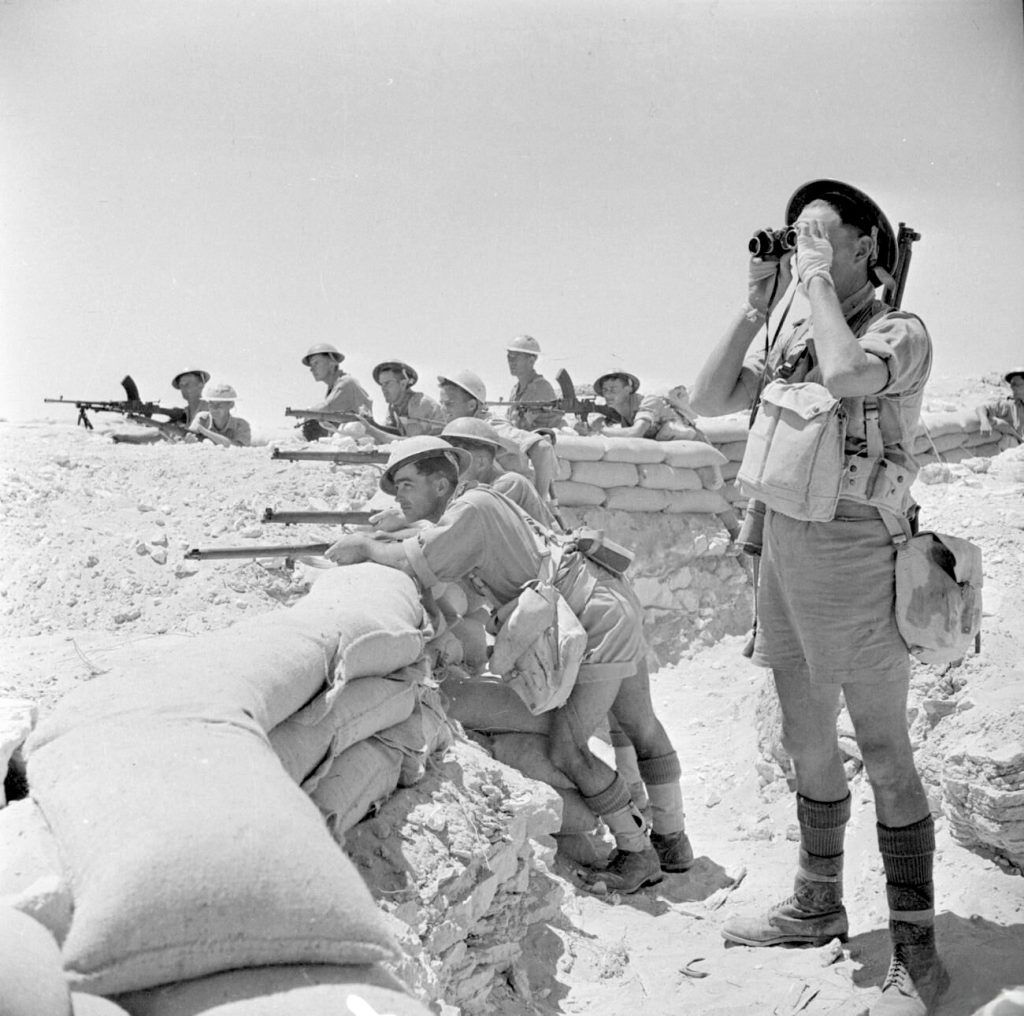
Rommel’s army, racing for the Nile, runs into the last British line at El Alamein. South African troops in the Alamein box help stop him.
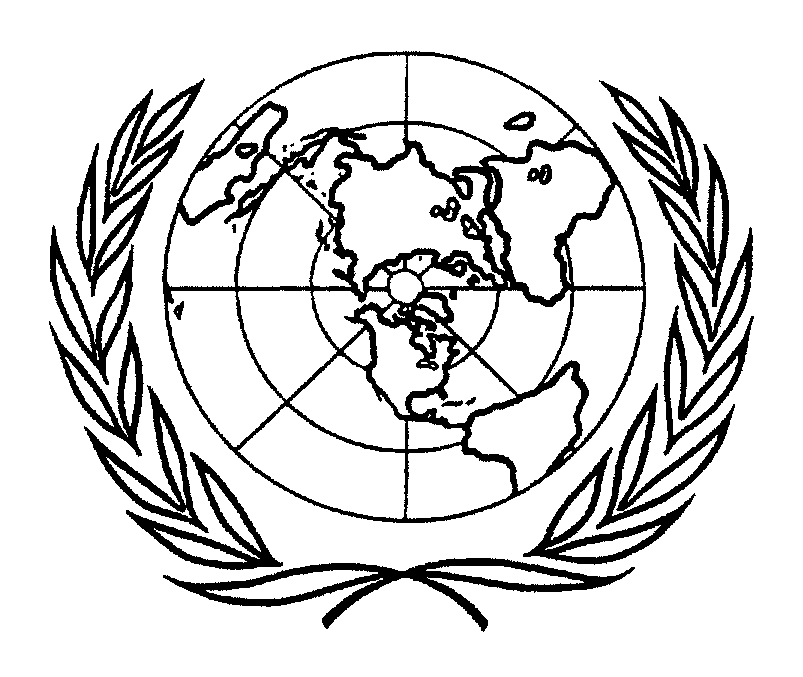
In San Francisco, delegates of fifty nations sign the Charter of the United Nations, creating a new organisation to keep the peace the war has cost so much to win.
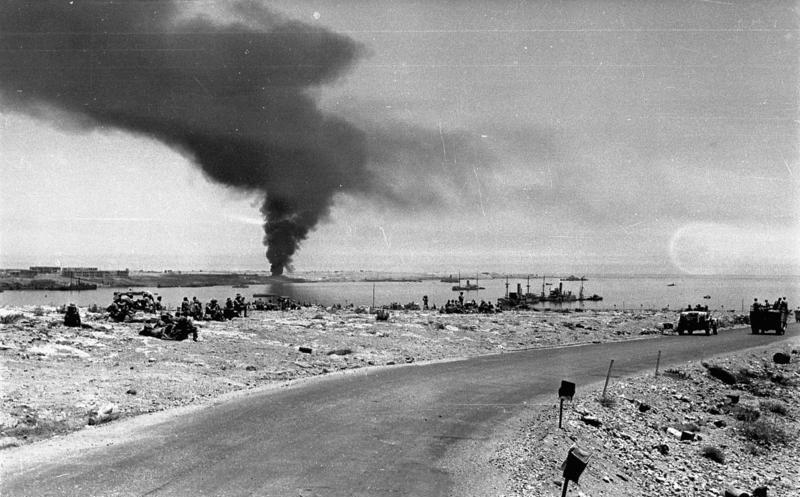
After a single day’s assault, the fortress that held out for eight months in 1941 surrenders to Rommel. Its South African commander and tens of thousands of men become prisoners.
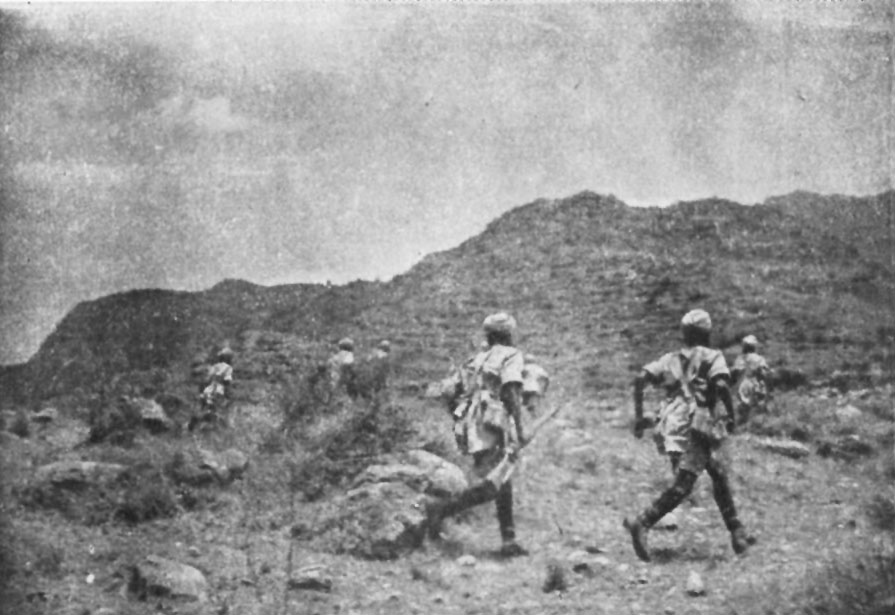
On a mountain stronghold in northern Ethiopia, the Duke of Aosta, Viceroy of Italian East Africa, surrenders with the honours of war. South African troops are among those who brought him to it.
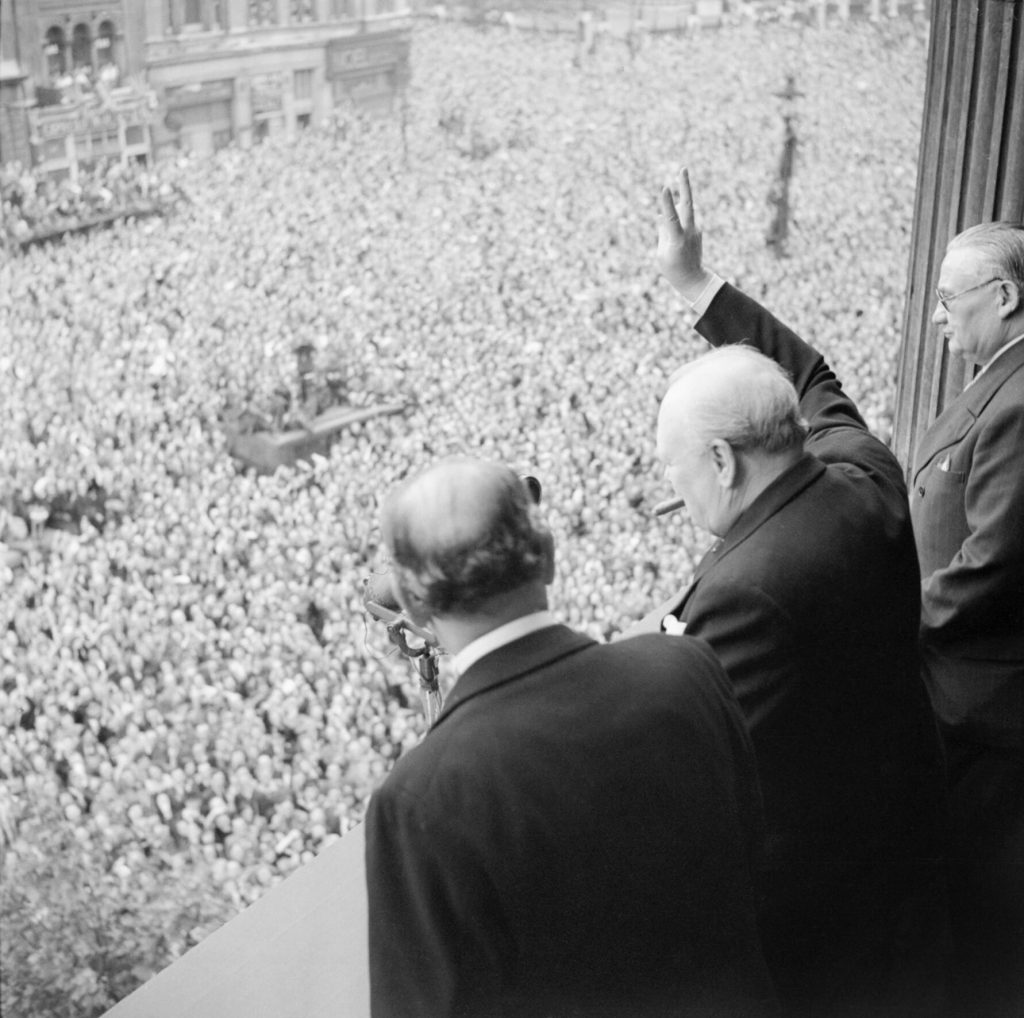
Victory in Europe. Crowds pour into the streets of London, Paris, New York and cities across the Allied world. After nearly six years, the war against Germany is over.
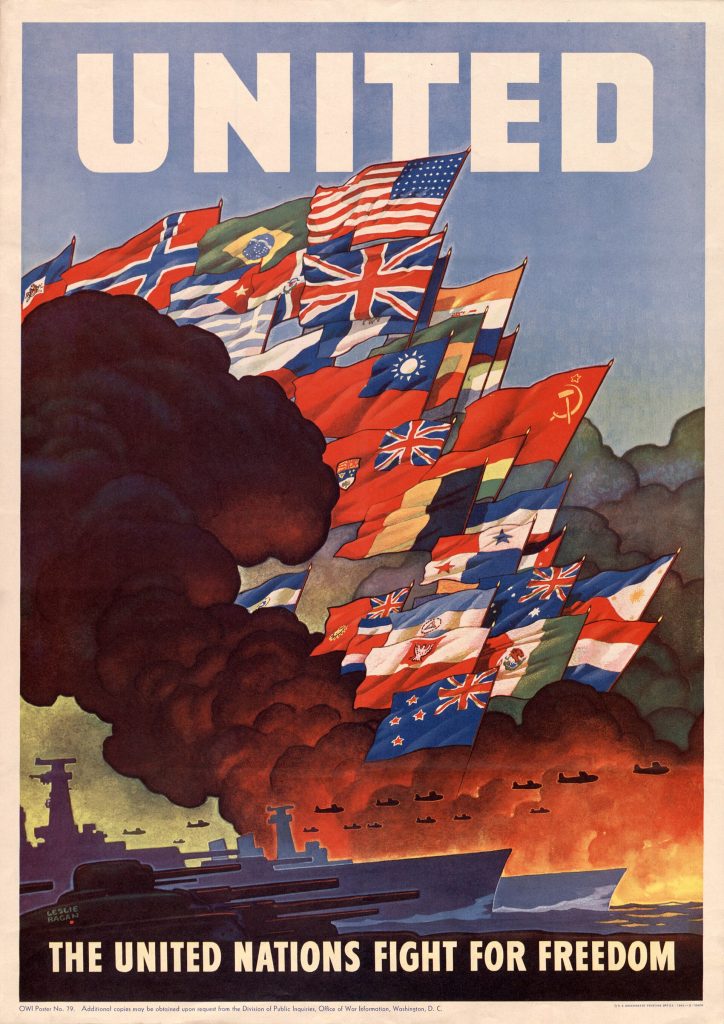
Weeks after Pearl Harbor, the nations fighting the Axis sign a single pledge in Washington. Their name for themselves will outlive the war.
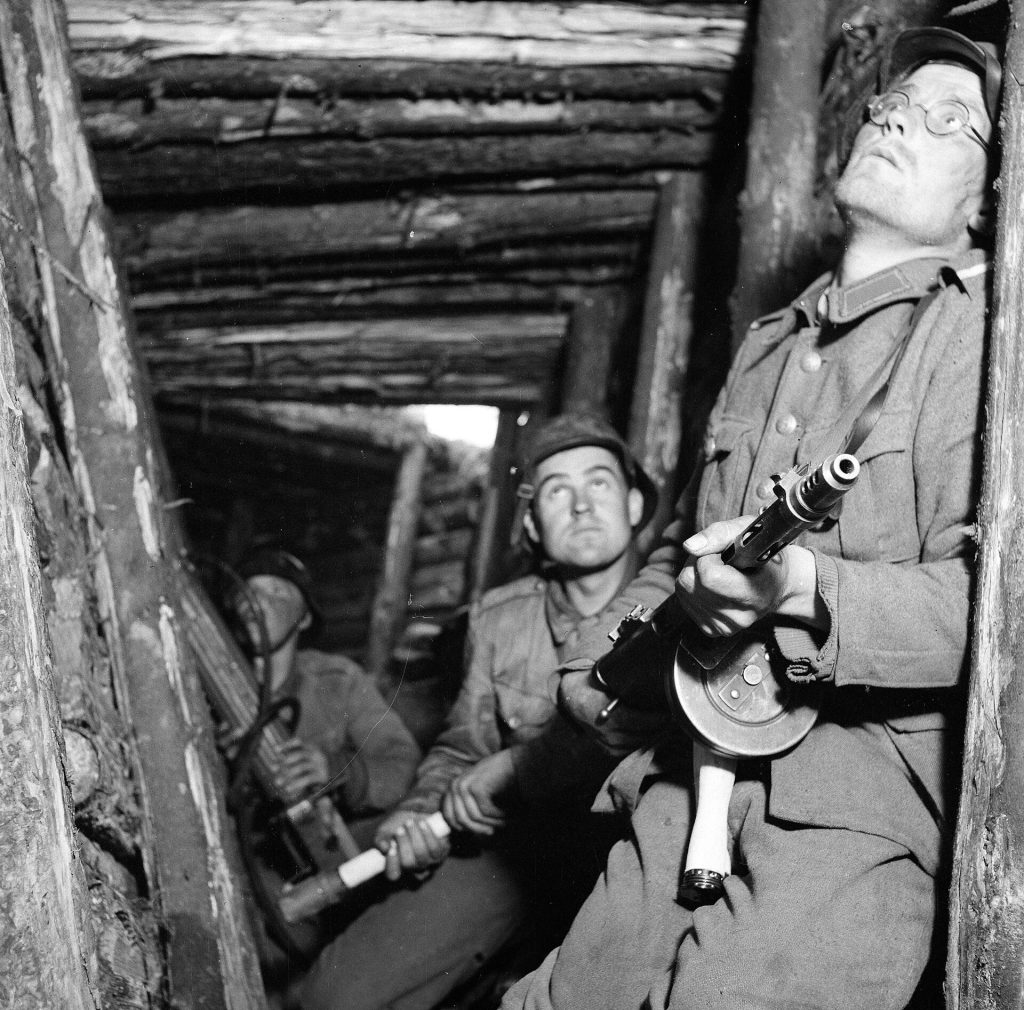
Under pressure from Stalin, Britain declares war on three of Germany’s partners in the invasion of the Soviet Union, including Finland, which Britain had cheered on against the Soviets two years earlier.
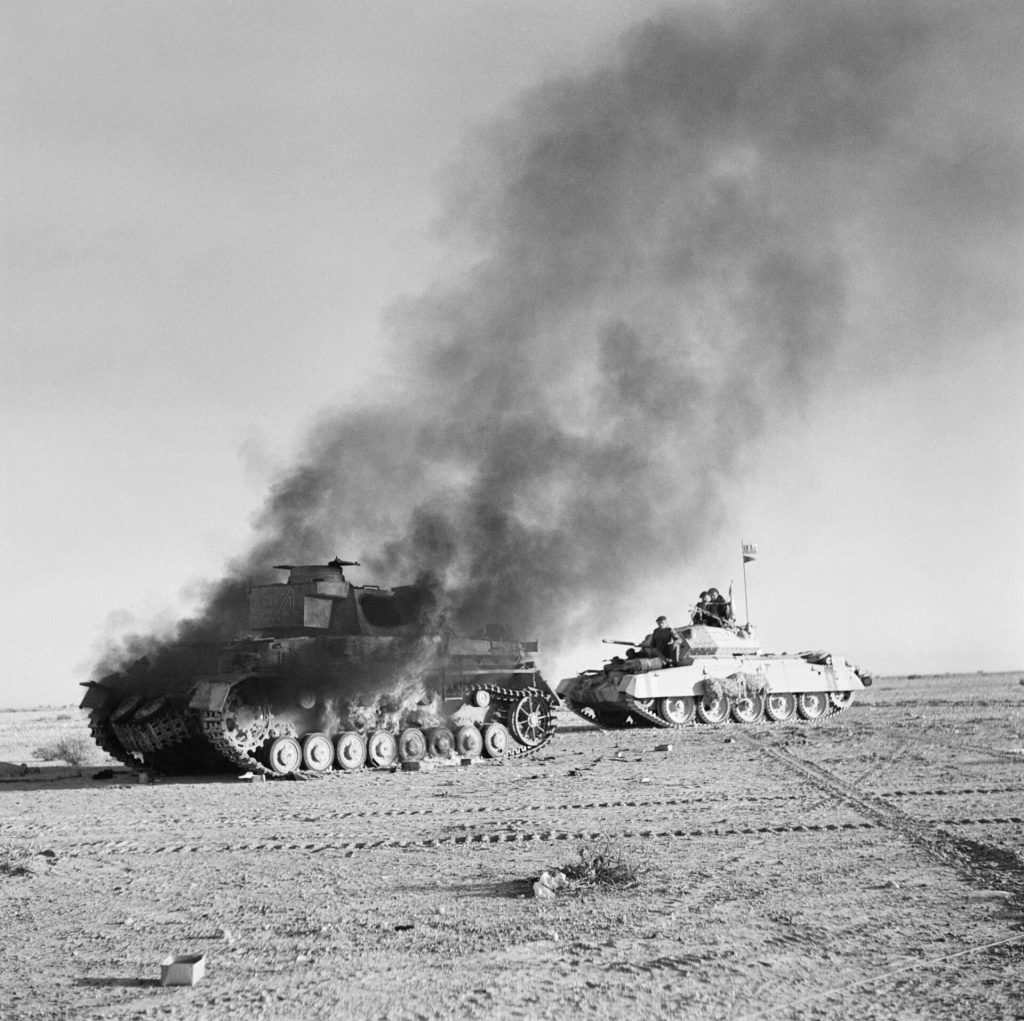
The newly formed British Eighth Army, with South African, New Zealand and Indian divisions in its ranks, strikes into Libya to relieve besieged Tobruk and take on Rommel in the open desert.
 United Kingdom
 United States
 Soviet Union
 Germany
 Japan
 France
 Poland
 South Africa