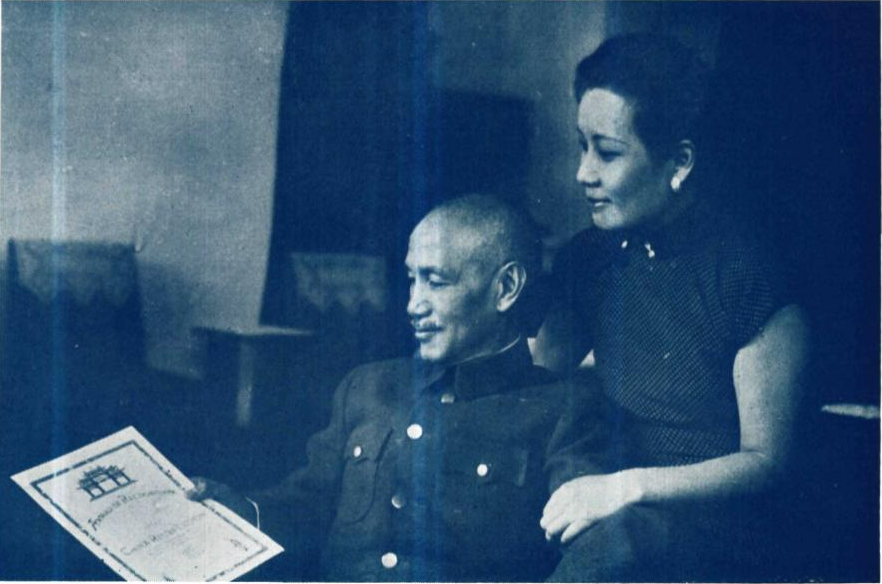
9 December 1941: China Formally Declares War
After more than four years of undeclared war with Japan, Chiang Kai-shek’s government formally declares war on Japan, Germany and Italy, joining the new Allied coalition.
Dispatches involving China.
After more than four years of undeclared war with Japan, Chiang Kai-shek’s government formally declares war on Japan, Germany and Italy, joining the new Allied coalition.
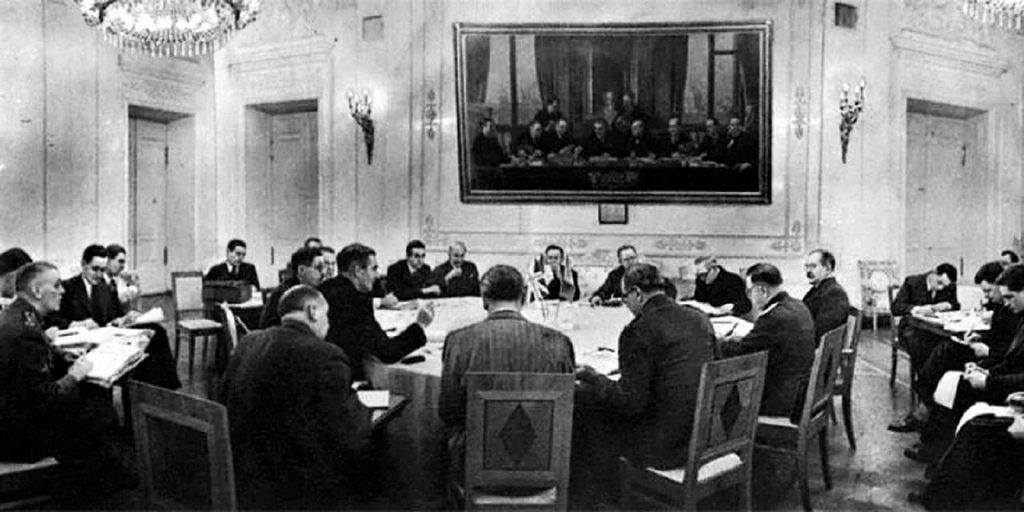
At the end of a conference of foreign ministers in Moscow, the Allies sign declarations on the post-war world, on Austria and Italy, and on punishing German war criminals.
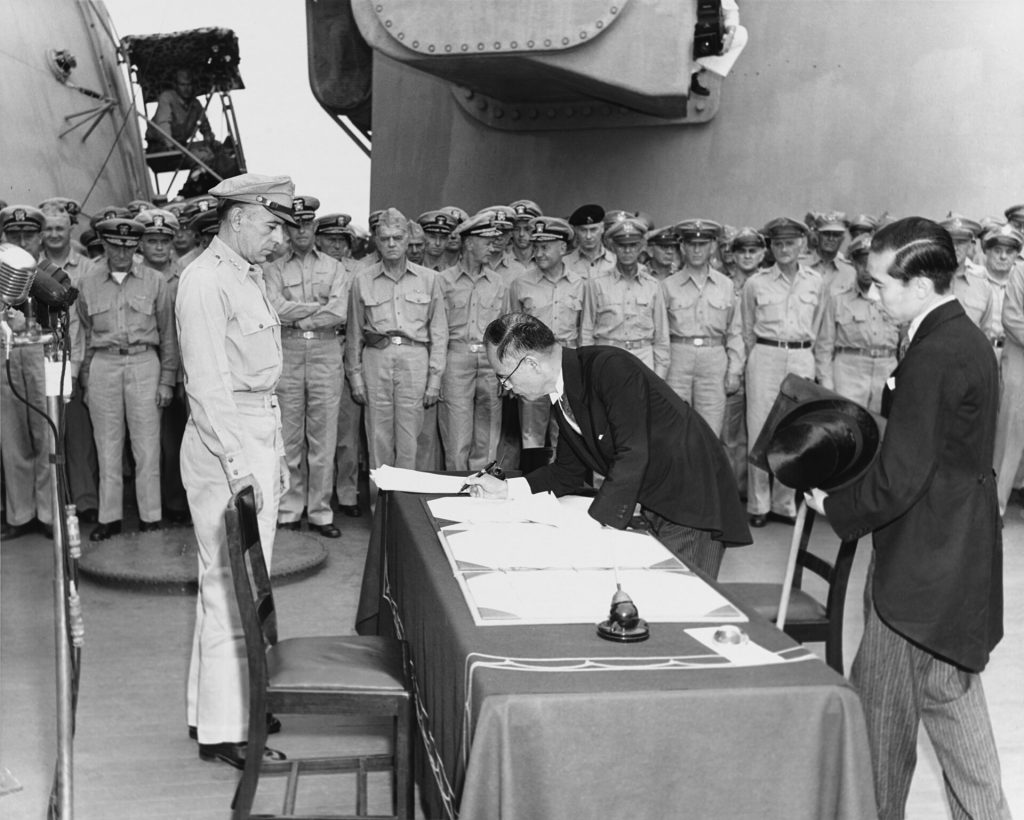
In Tokyo Bay, aboard the battleship USS Missouri, Japan’s representatives sign the Instrument of Surrender. After six years and a day, the Second World War is over.
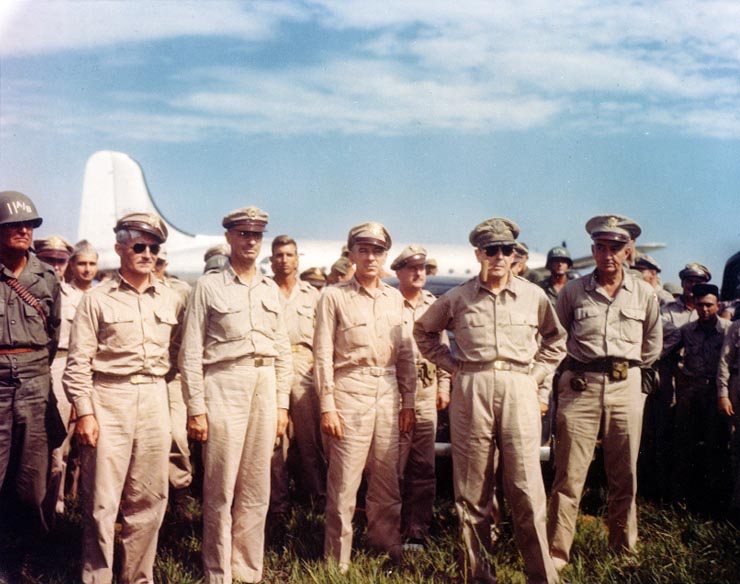
General Douglas MacArthur steps from his aircraft at Atsugi airfield near Tokyo, corncob pipe in hand. The occupation of Japan has begun.
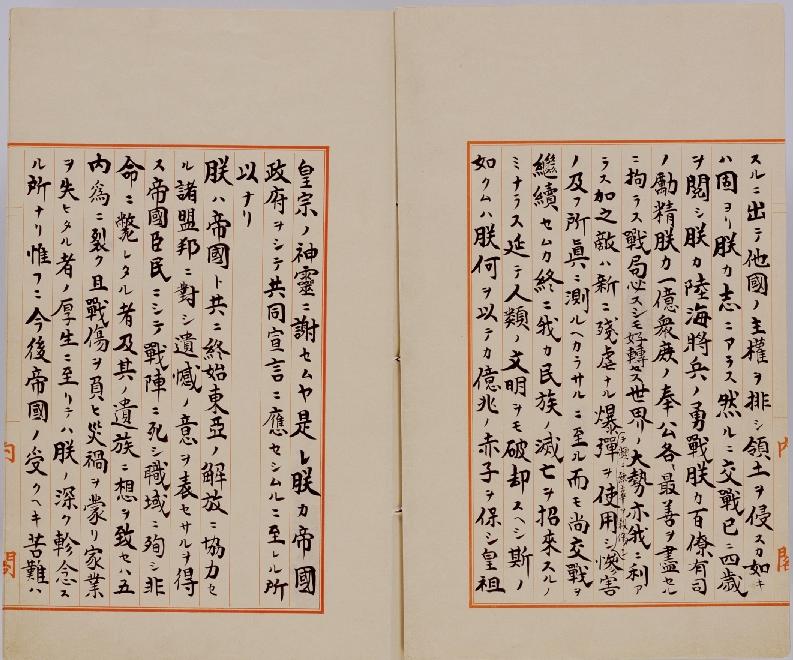
At noon, Japanese people across the empire hear the voice of their Emperor for the first time. In formal court language, Hirohito tells them that Japan will accept the Allied terms.
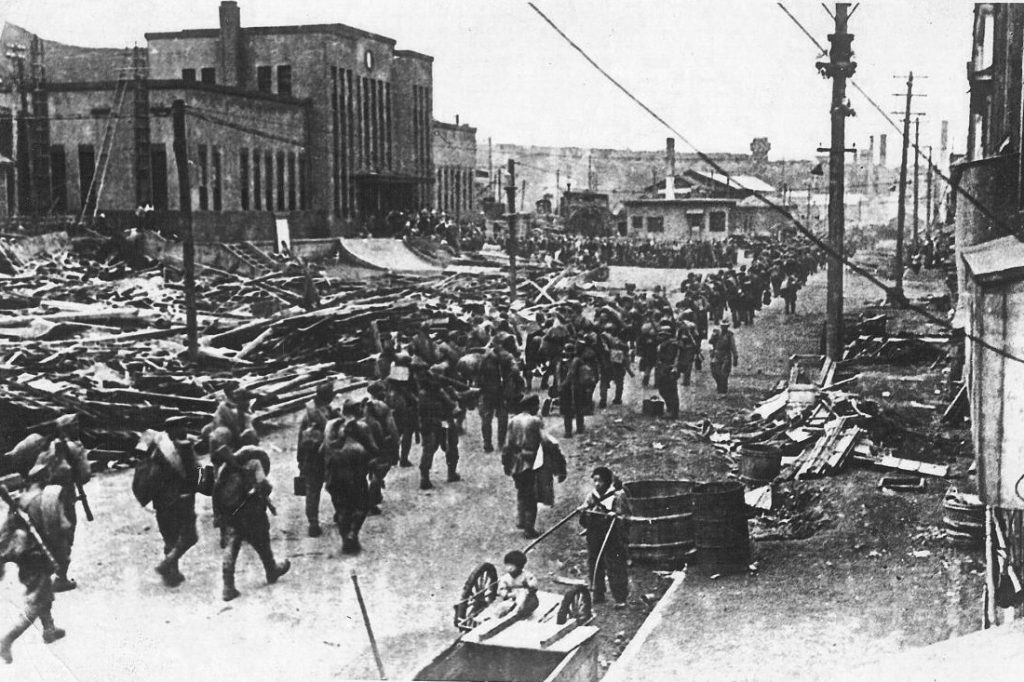
Exactly three months after Germany’s surrender, as Stalin promised at Yalta, Moscow declares war on Japan. Within hours, Soviet armies pour into Manchuria.
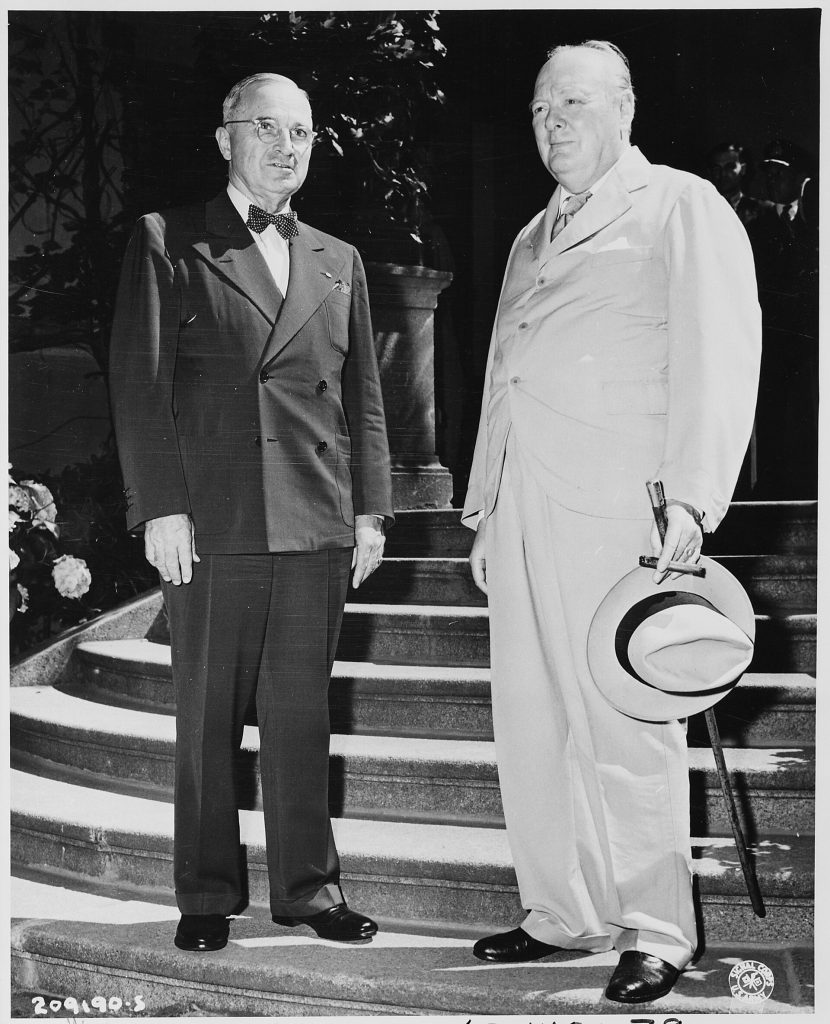
From Potsdam, the United States, Britain and China call on Japan to surrender unconditionally. The alternative, they warn, is “prompt and utter destruction”.
In San Francisco, delegates of fifty nations sign the Charter of the United Nations, creating a new organisation to keep the peace the war has cost so much to win.
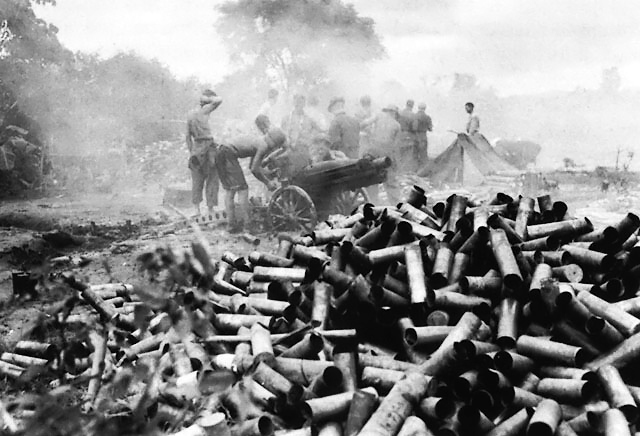
After a gruelling march over the Kumon mountains, American and Chinese troops seize the airfield at Myitkyina in northern Burma by surprise.
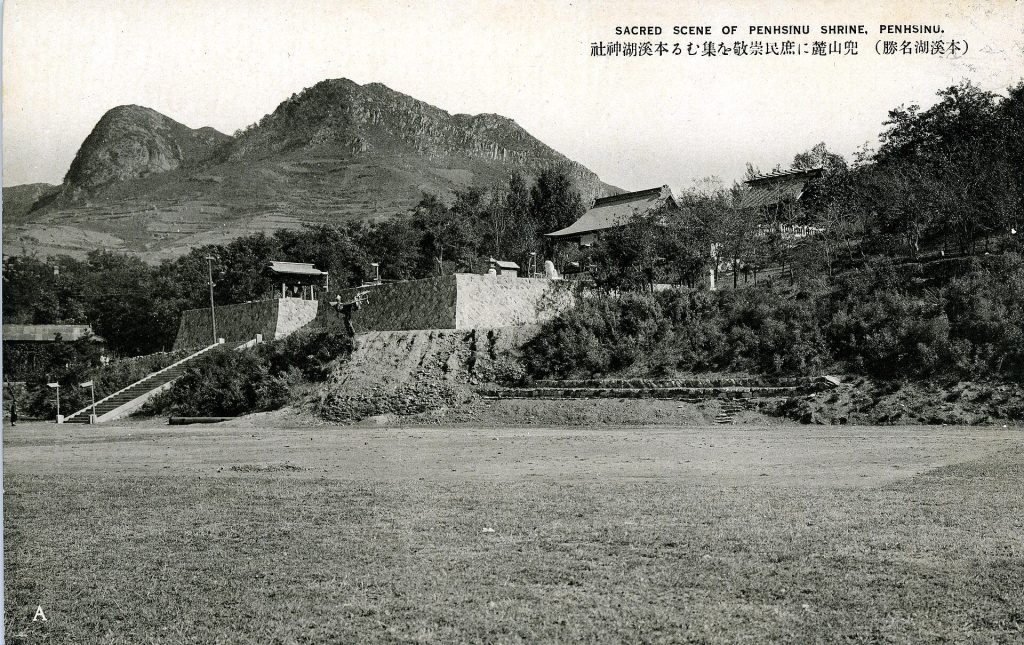
An explosion tears through a Japanese-run coal mine in occupied Manchuria. More than 1,500 miners die, making it the deadliest mining disaster ever recorded.
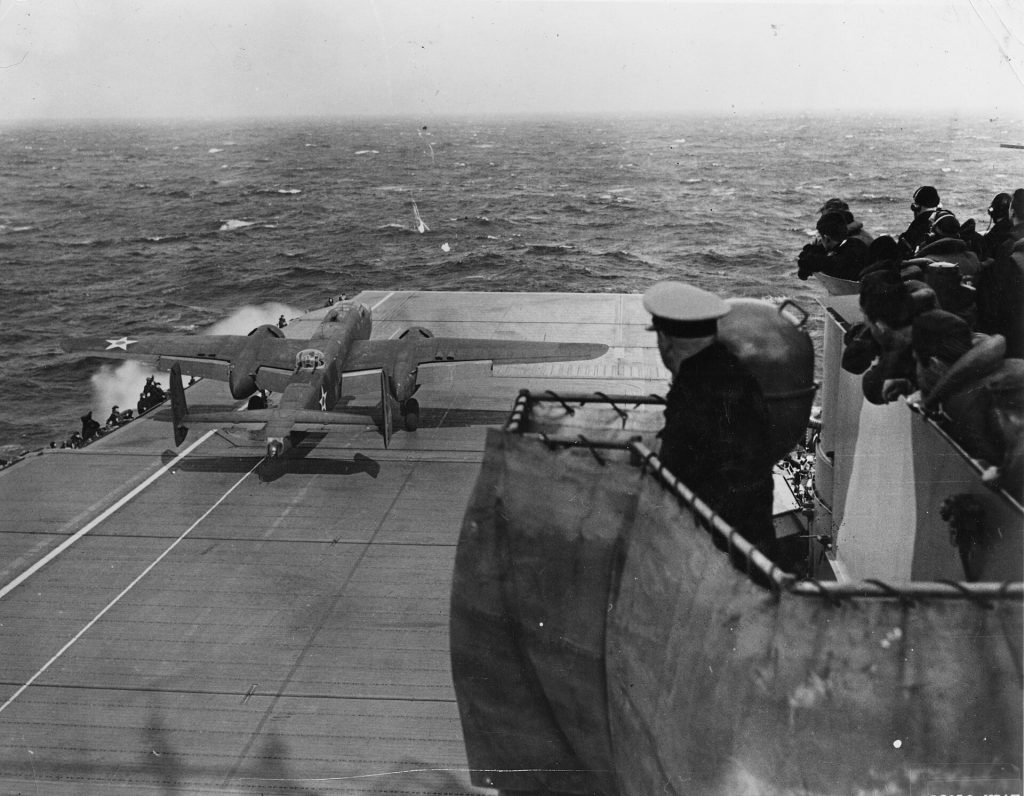
Sixteen army bombers take off from the deck of an aircraft carrier and bomb Tokyo and other Japanese cities. The damage is small; the shock is enormous.
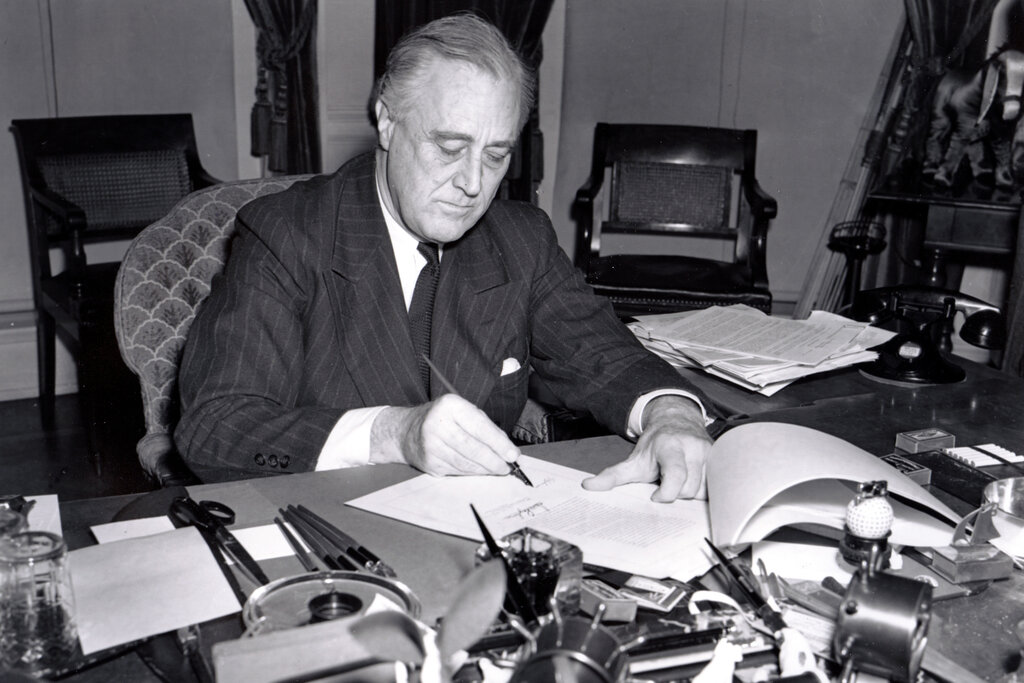
Roosevelt signs into law a bill allowing the United States to send weapons and supplies to nations fighting the Axis without immediate payment. America becomes the arsenal of democracy.
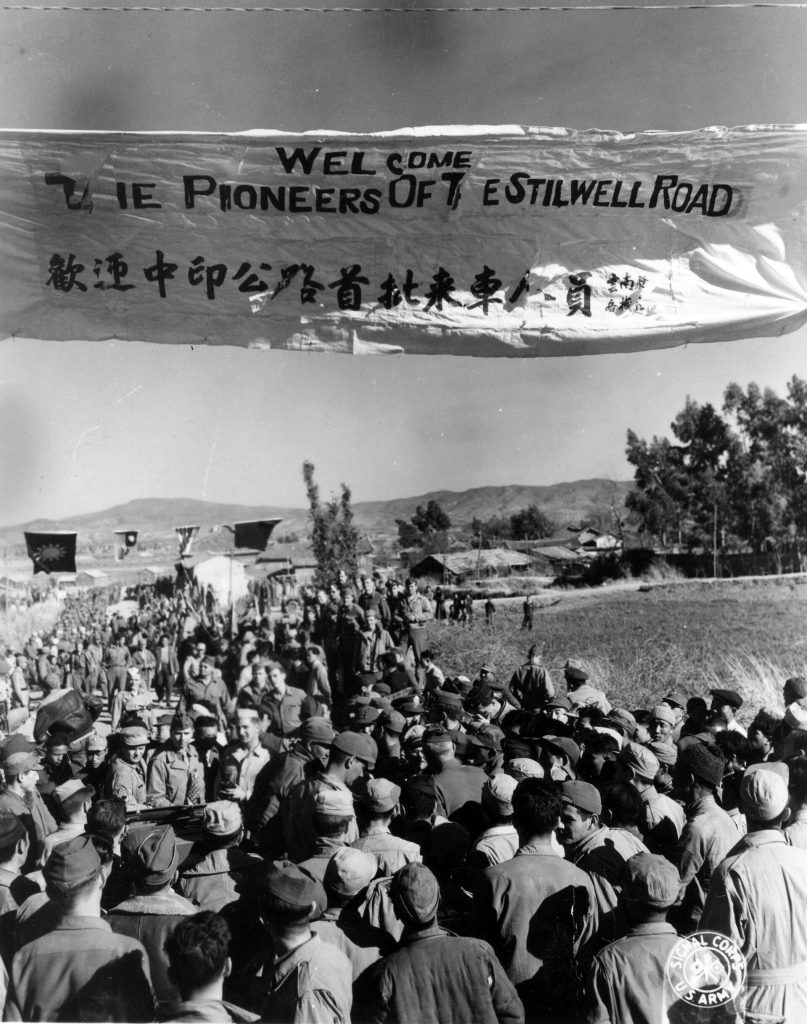
Three years after the Burma Road was cut, the first convoy from India crosses into China on a new road hacked through jungle and mountains.
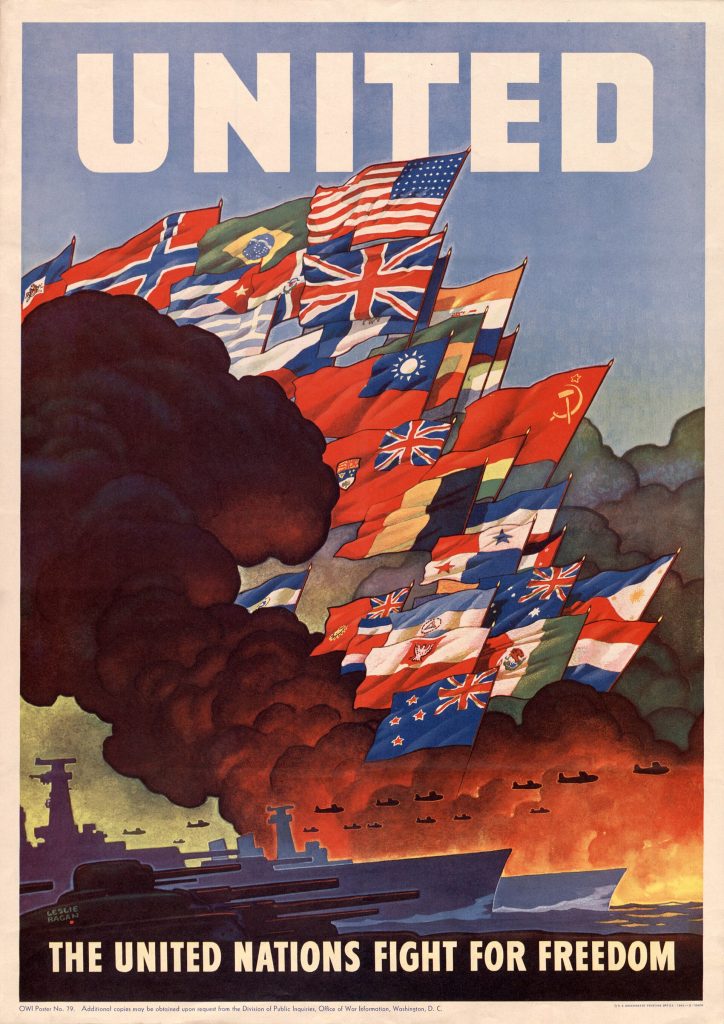
Weeks after Pearl Harbor, the nations fighting the Axis sign a single pledge in Washington. Their name for themselves will outlive the war.
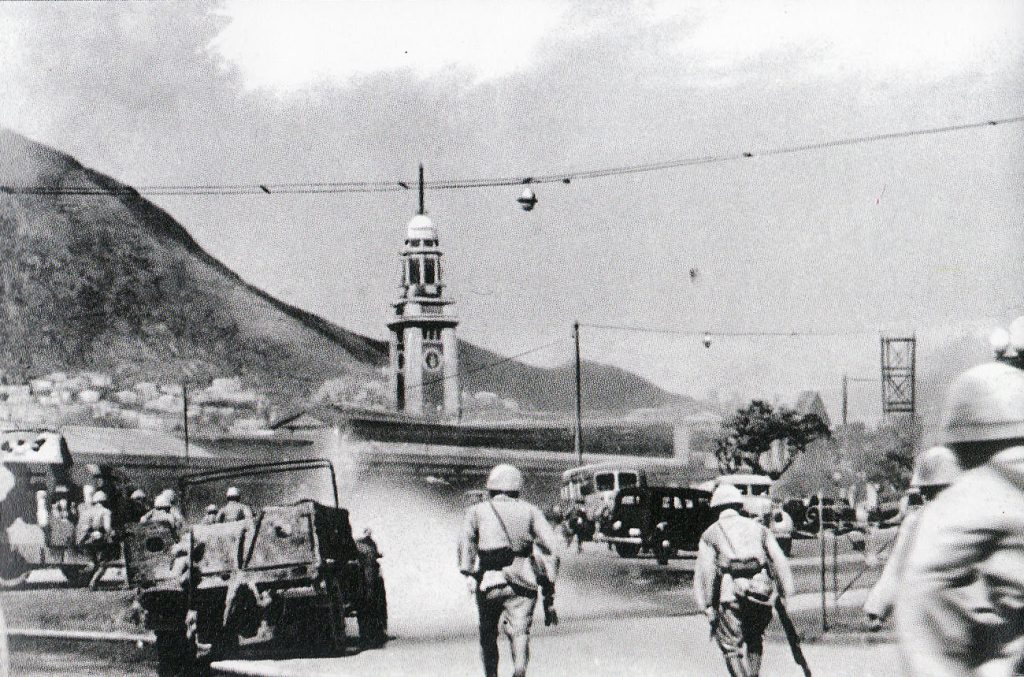
After eighteen days of fighting, the British colony of Hong Kong surrenders to Japan on Christmas Day. Its Commonwealth garrison and civilians face nearly four years of occupation.
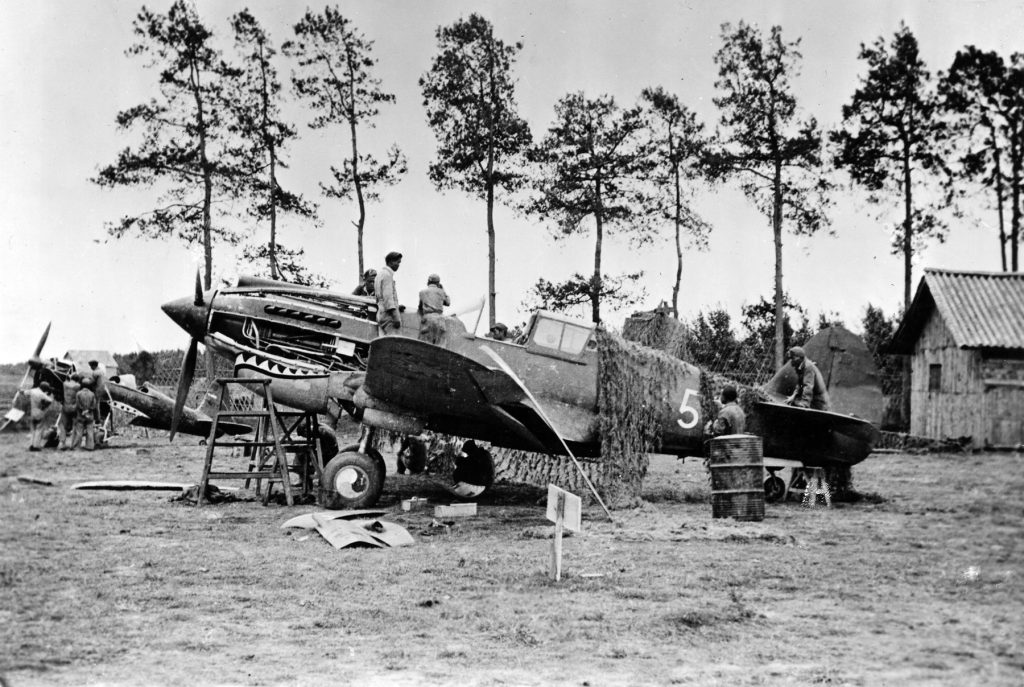
Shark-mouthed P-40 fighters of the American Volunteer Group intercept a Japanese bombing raid over Kunming, their first combat in defence of China.
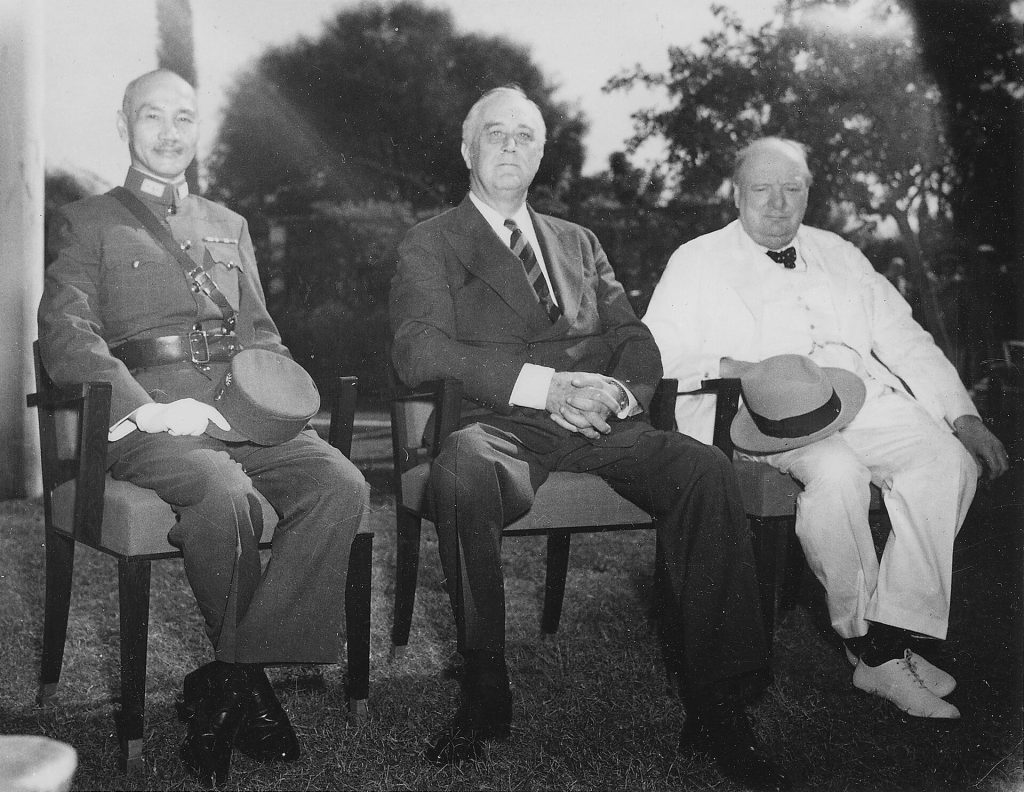
Roosevelt, Churchill and Chiang Kai-shek meet beside the pyramids to plan the defeat of Japan, and agree a declaration that will shape the map of East Asia for decades.
 United Kingdom
 United States
 Soviet Union
 Germany
 Japan
 France
 Poland
 South Africa