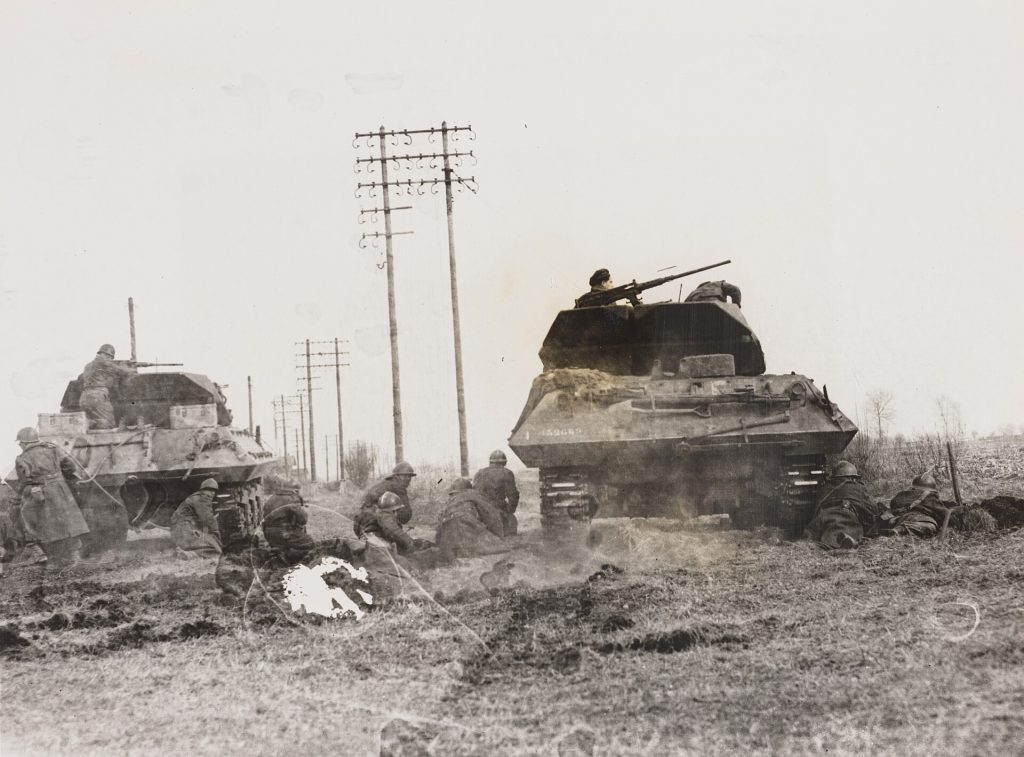
31 December 1944: Operation Nordwind
On New Year’s Eve, as American troops have been pulled north to the Ardennes, Germany launches its last major offensive in the West, against the thinned-out lines in Alsace.
Every dispatch dated in December, across all six years of the war.
On New Year’s Eve, as American troops have been pulled north to the Ardennes, Germany launches its last major offensive in the West, against the thinned-out lines in Alsace.
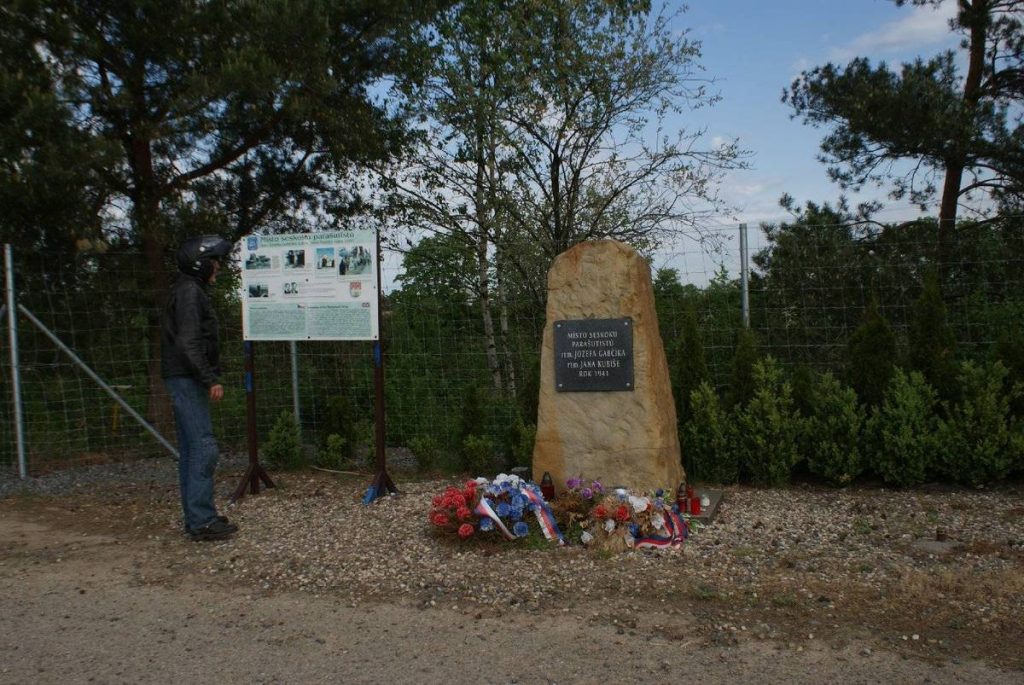
Two Czechoslovak soldiers trained in Britain are dropped by parachute into the occupied Protectorate. Their mission: to kill Reinhard Heydrich, the most feared man in Prague.
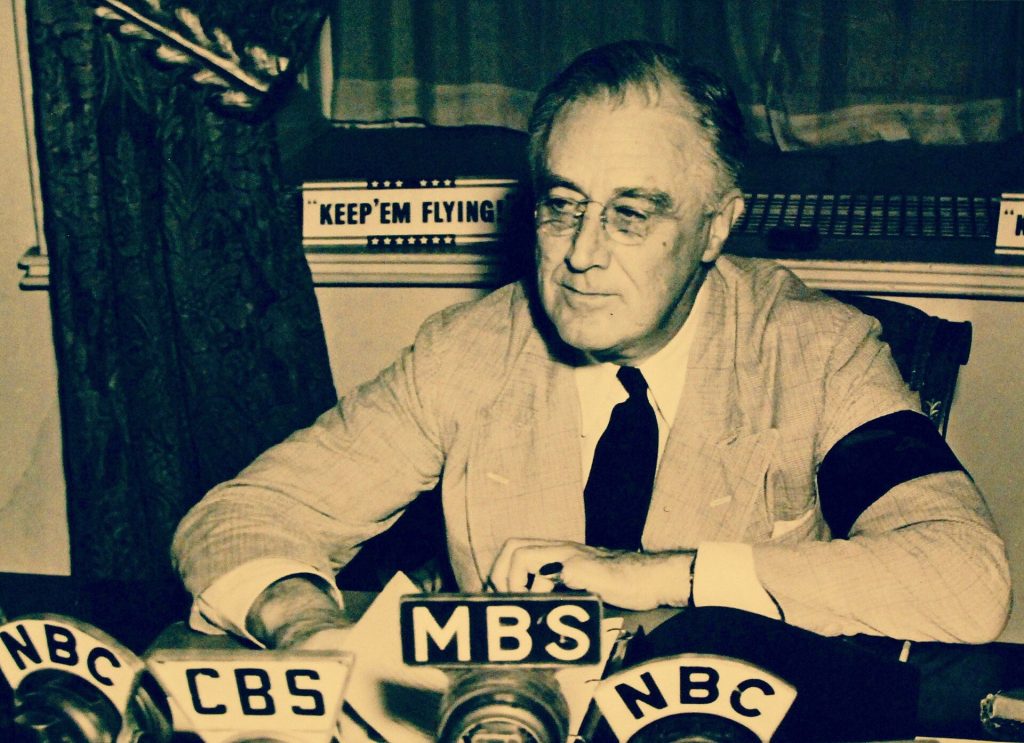
In a fireside chat to the American people, Roosevelt declares that the United States must become the great arsenal of democracy, supplying Britain with the weapons to fight on.
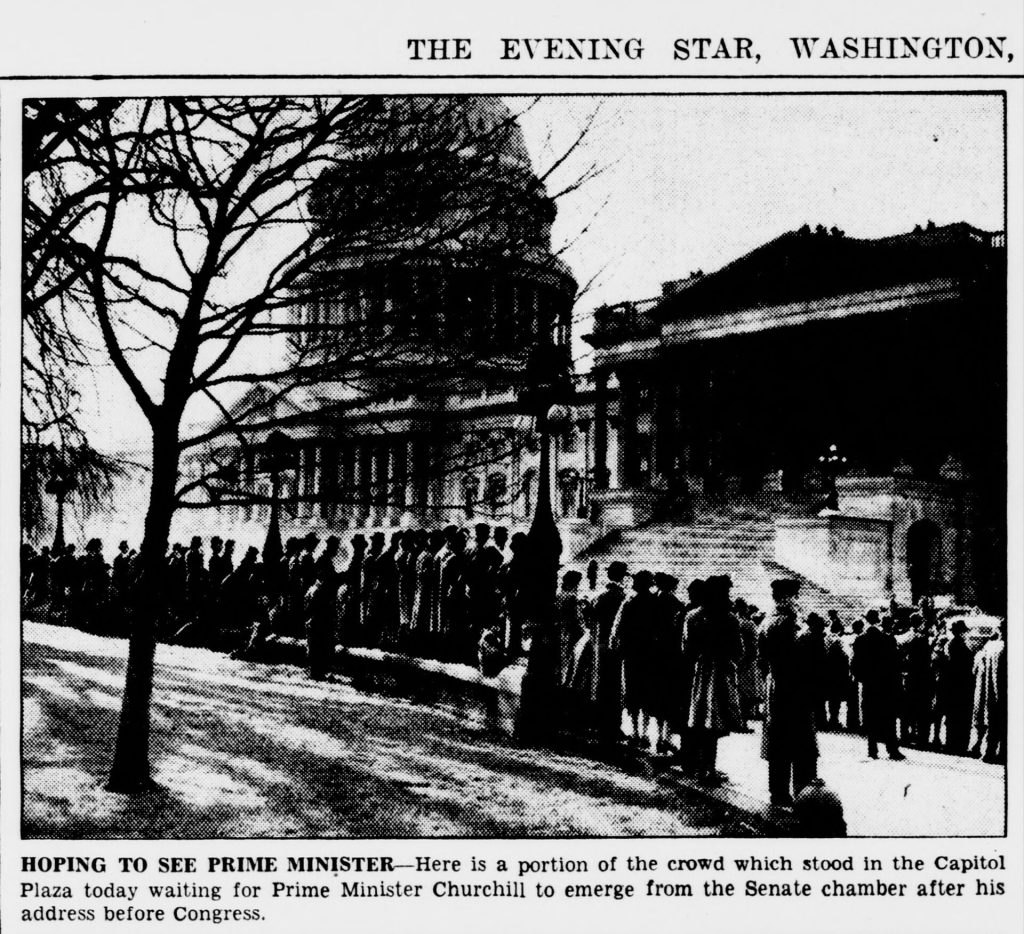
Standing in the Senate chamber, the British Prime Minister speaks to a joint meeting of Congress and to the American people by radio, and asks of the Axis: what kind of people do they think we are?
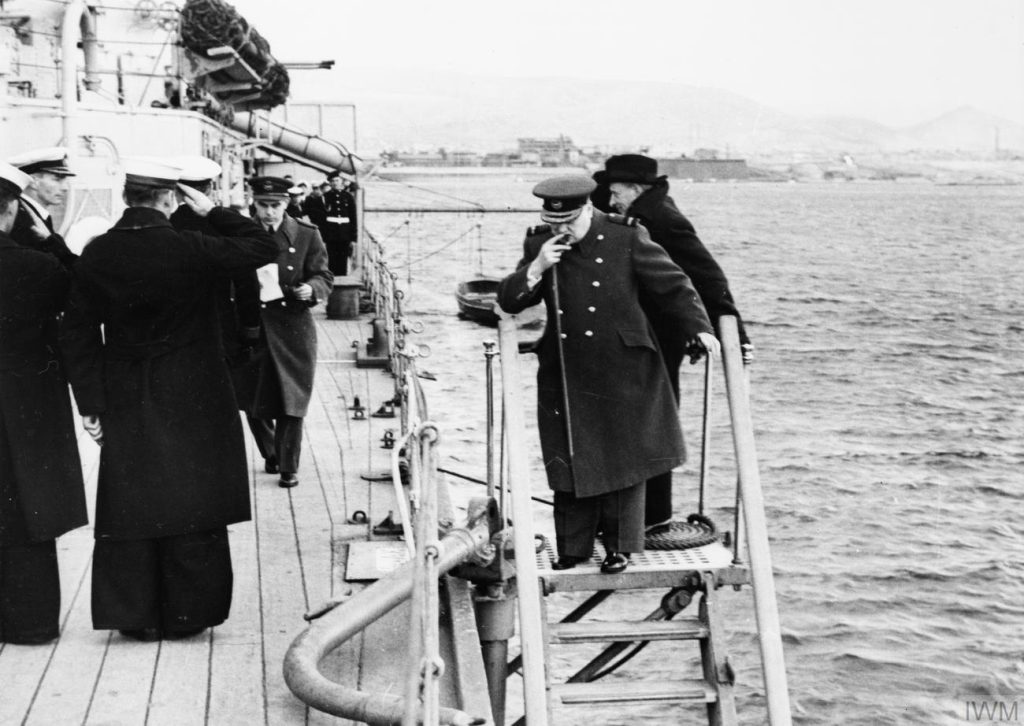
With British troops fighting communist-led ELAS in the streets of Athens, Churchill spends Christmas Day flying to Greece to try to make peace in person.
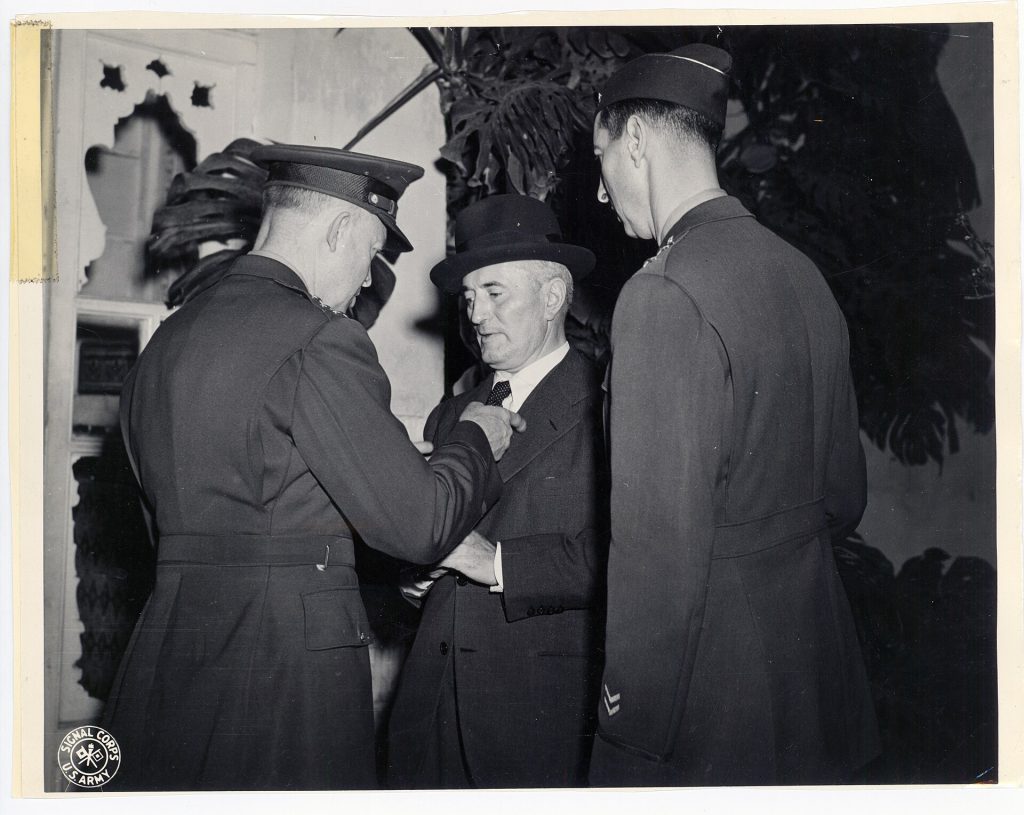
In Algiers on Christmas Eve, a 20-year-old monarchist shoots Admiral François Darlan, the former Vichy leader whom the Allies had accepted as head of French North Africa.
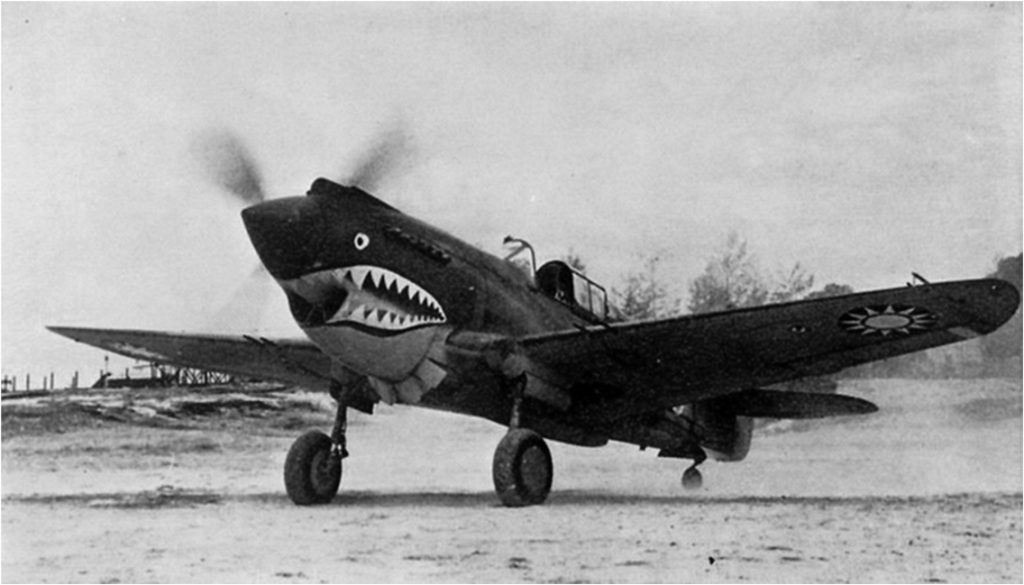
Japanese bombers strike the capital of British Burma for the first time, killing over a thousand civilians and setting off an exodus that paralyses the port.
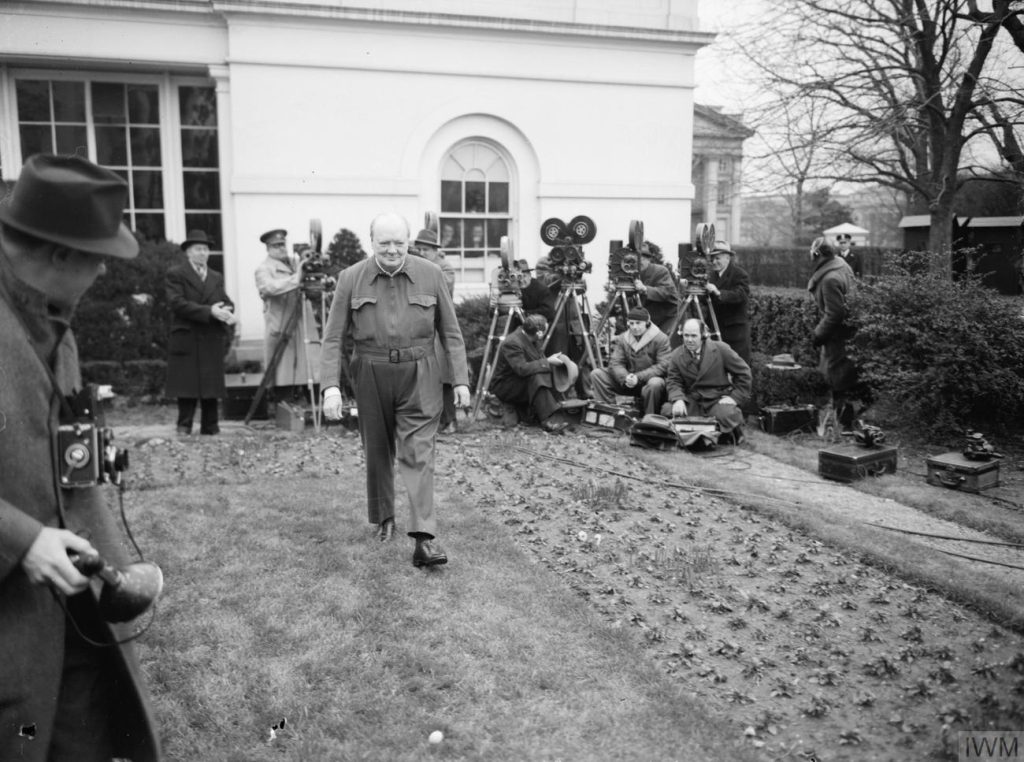
Two weeks after Pearl Harbor, Churchill arrives in Washington to plan a joint war with Roosevelt. Their first decision is the most important of all: Germany first.
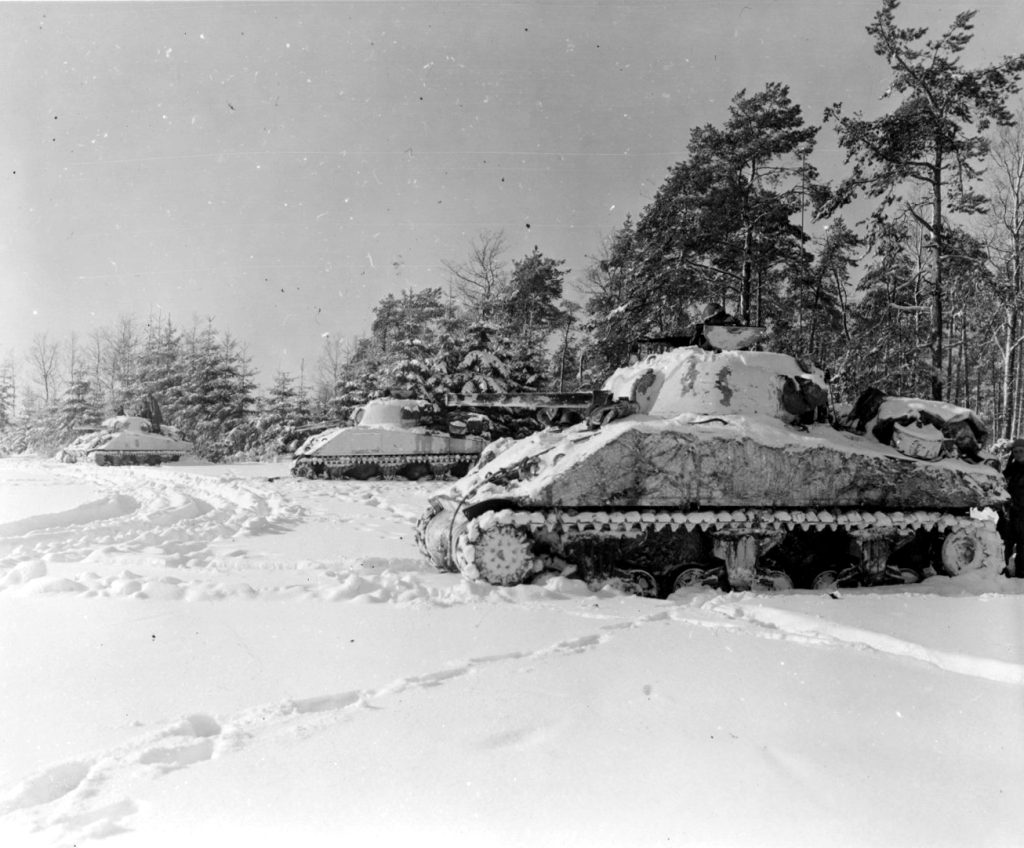
After five days holding a vital Belgian road junction against overwhelming odds, the US 7th Armored Division pulls out of St. Vith, having thrown the German offensive badly off schedule.
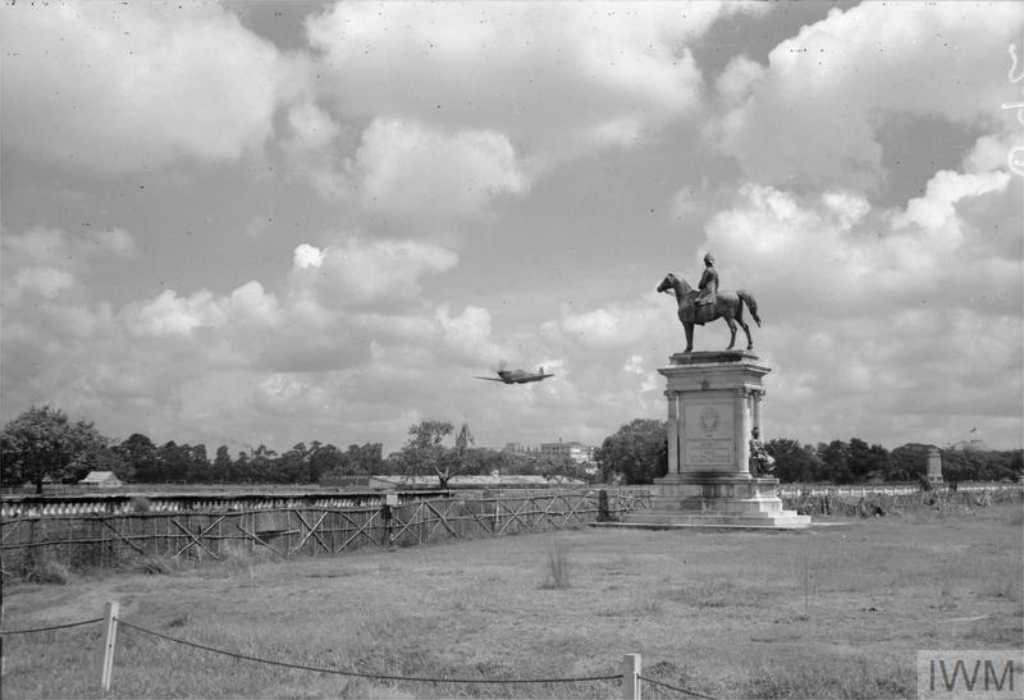
Japanese aircraft from Burma raid Calcutta, the great port and industrial city of British India, setting off a mass flight of its people.
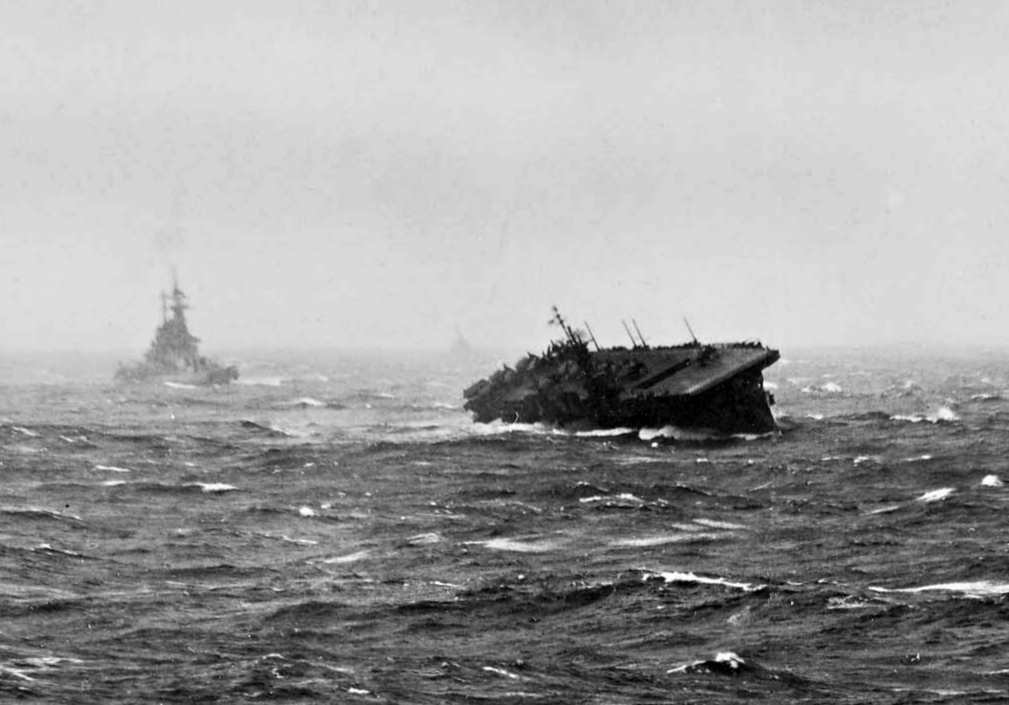
East of Luzon, Admiral Halsey’s Third Fleet sails into the heart of a typhoon. Three destroyers capsize and 790 sailors are lost, more than in many battles.
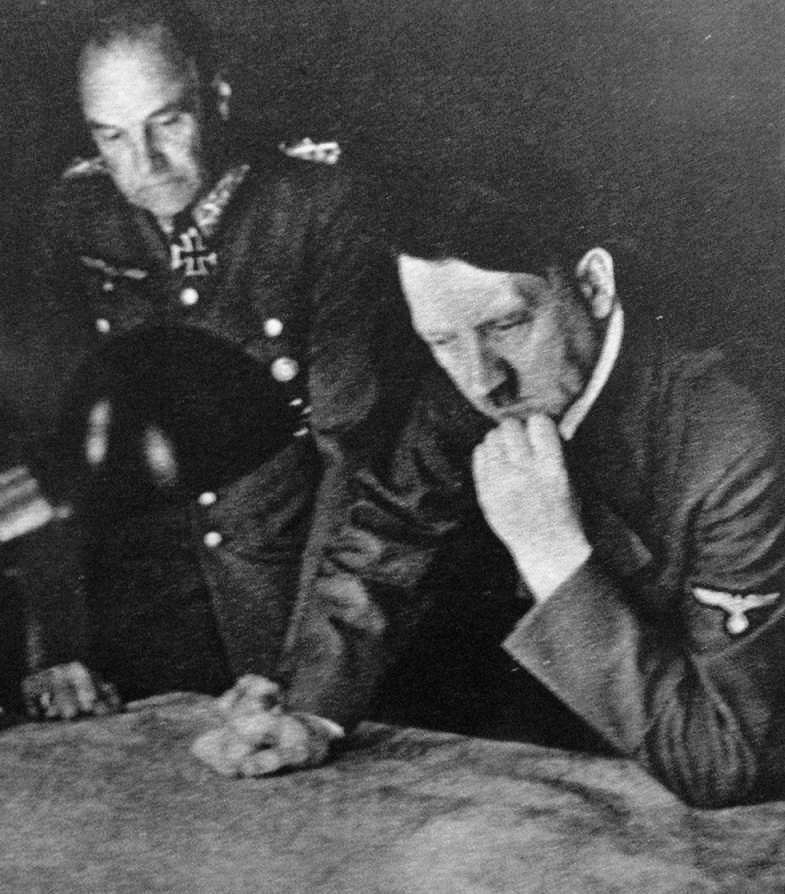
As his armies reel back from Moscow, Hitler dismisses Field Marshal von Brauchitsch and makes himself Commander-in-Chief of the German Army.

Convinced that a superior British fleet is waiting for him, Captain Hans Langsdorff takes his damaged pocket battleship out of Montevideo and blows her up in the River Plate.
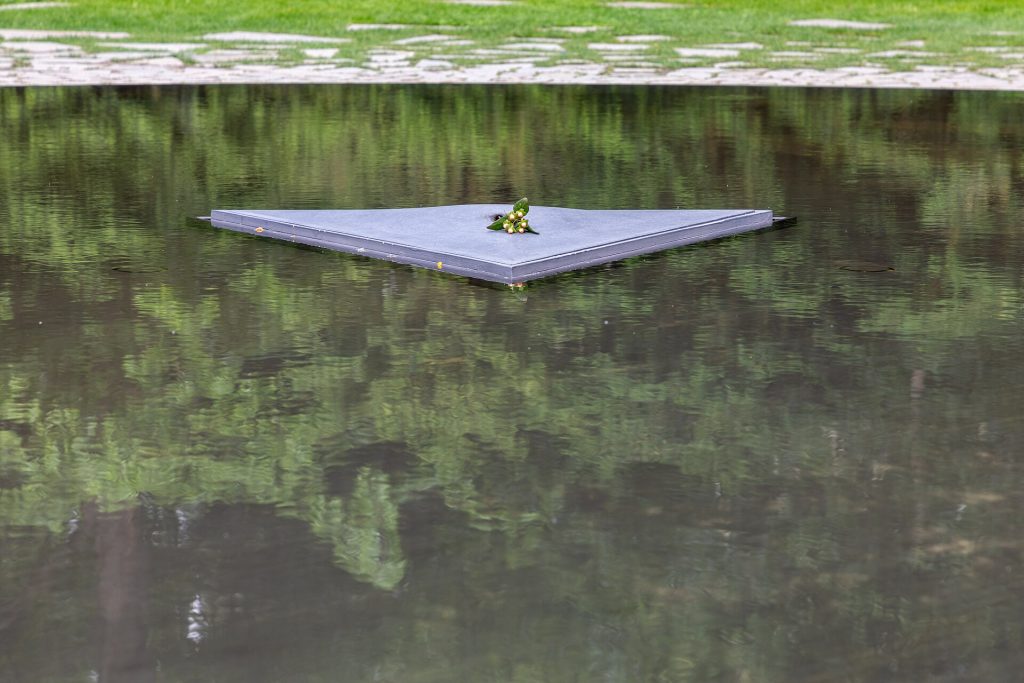
Heinrich Himmler orders the deportation of Roma and Sinti from across the German Reich to Auschwitz-Birkenau, where most of them will be murdered.
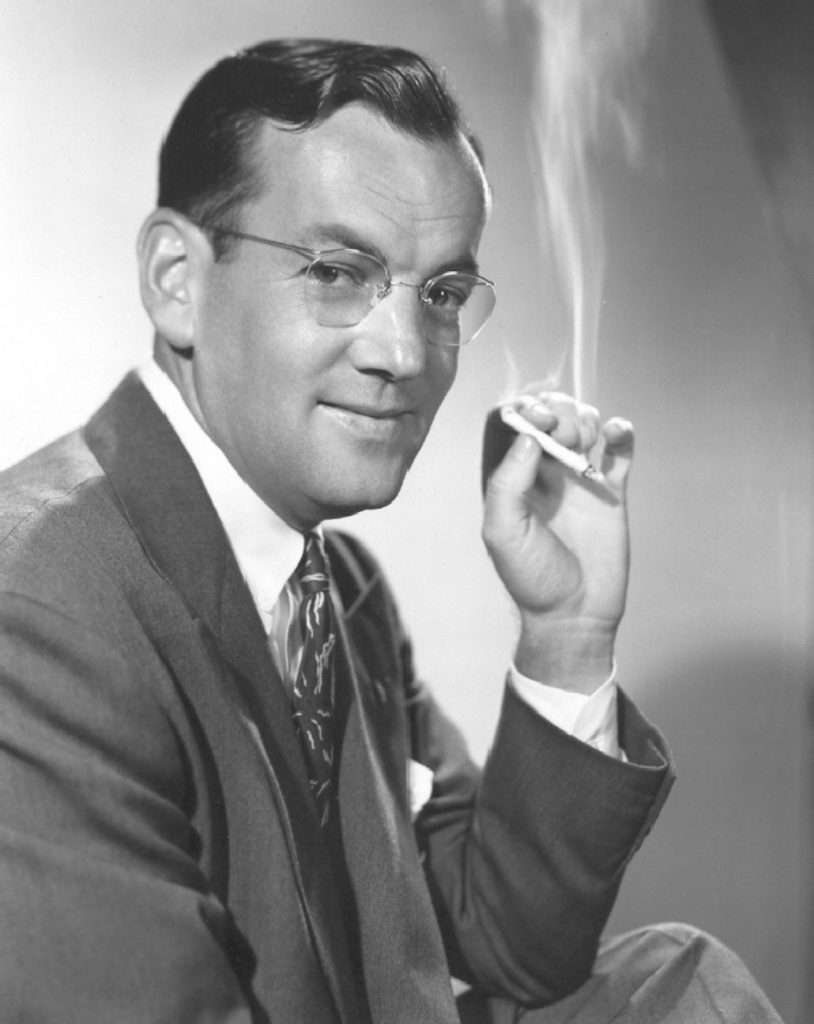
The most popular bandleader in America takes off from an English airfield for Paris in a small single-engined aircraft. Neither he nor the plane is ever seen again.
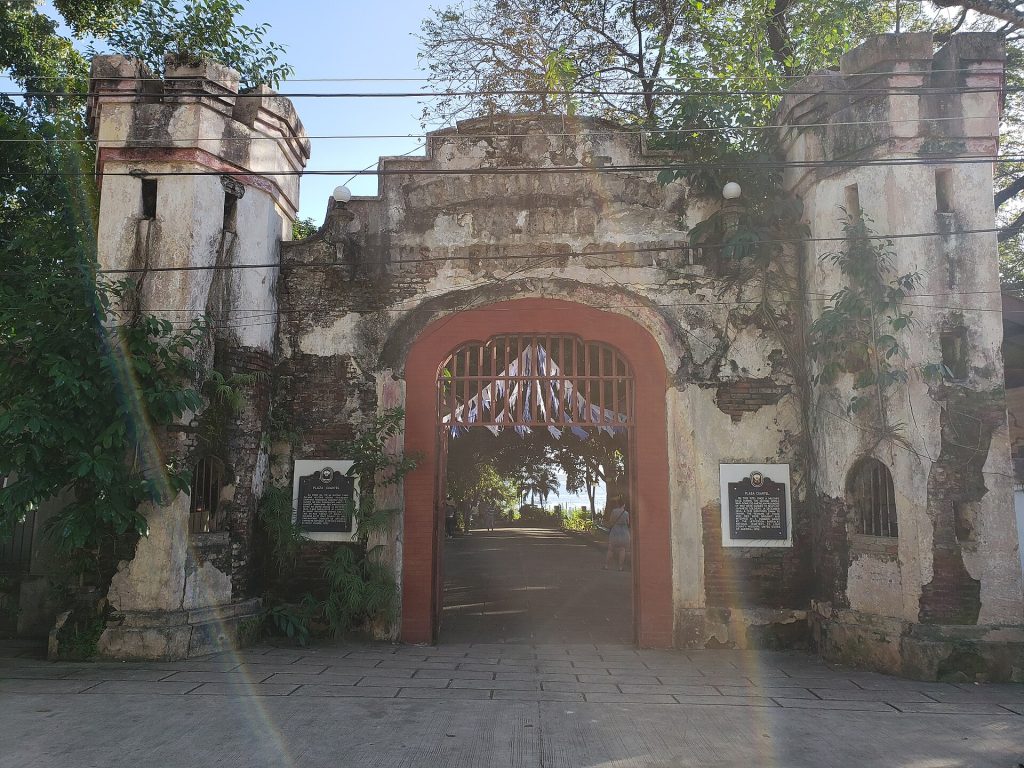
Fearing an American landing, Japanese guards on the Philippine island of Palawan herd 150 American prisoners into air raid shelters and set them on fire. Only 11 survive.
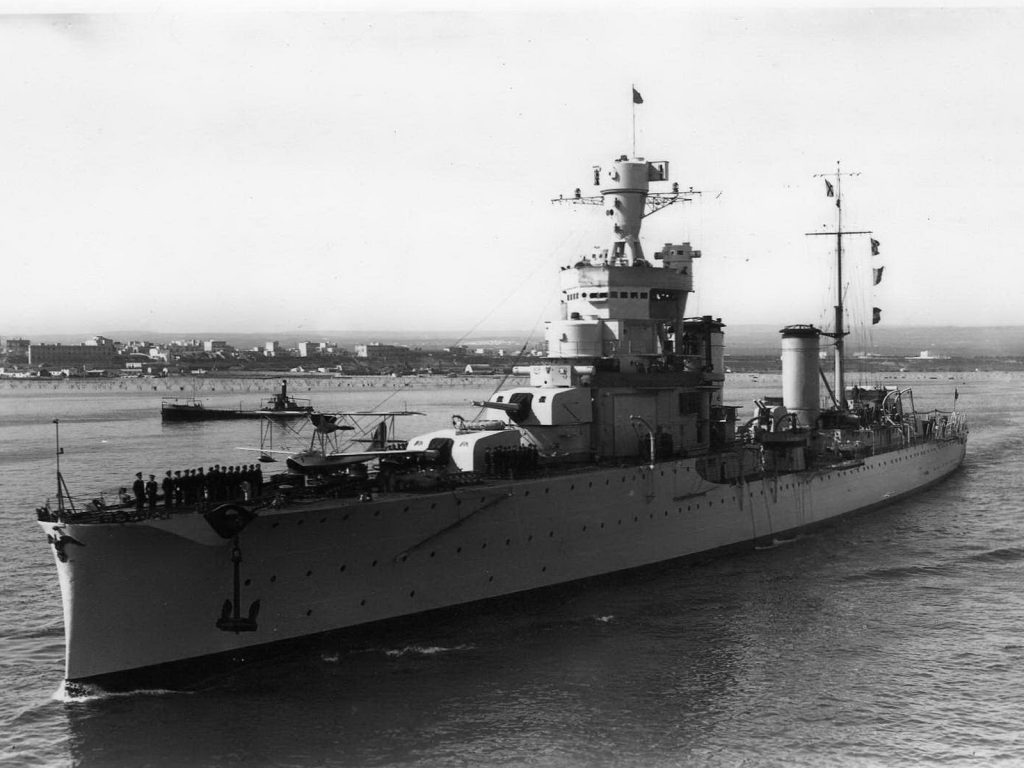
In the darkness off Tunisia, four Allied destroyers ambush two Italian cruisers carrying fuel to North Africa and sink both in minutes.
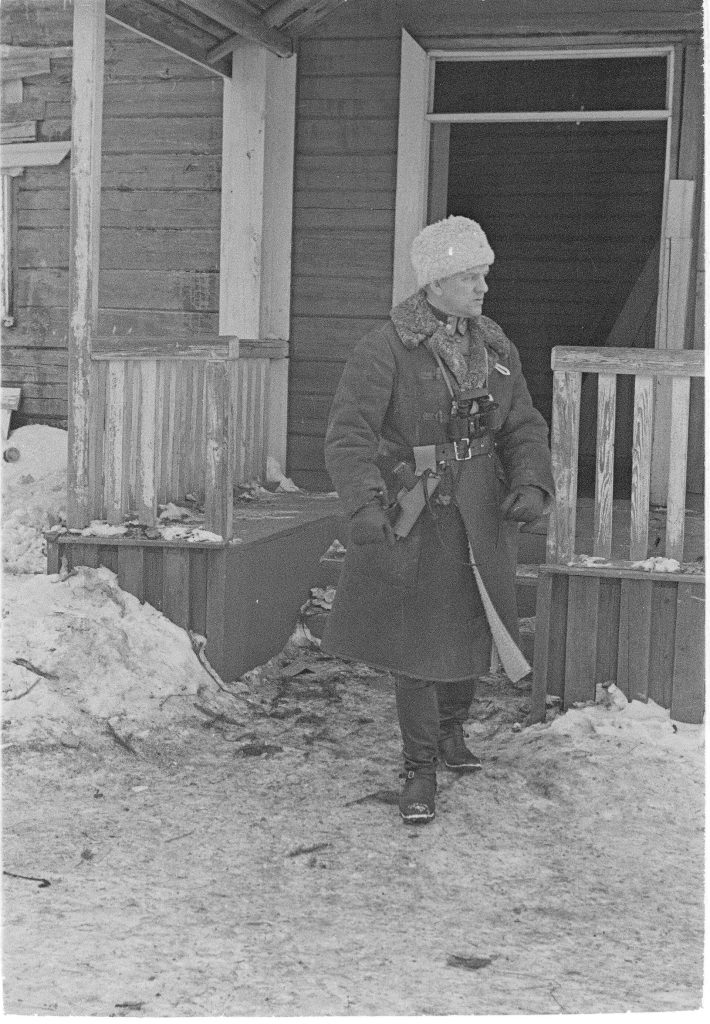
North of Lake Ladoga, a Finnish force a fraction of the size of its enemy launches a counter-attack that destroys a Soviet division and lifts the morale of a nation.
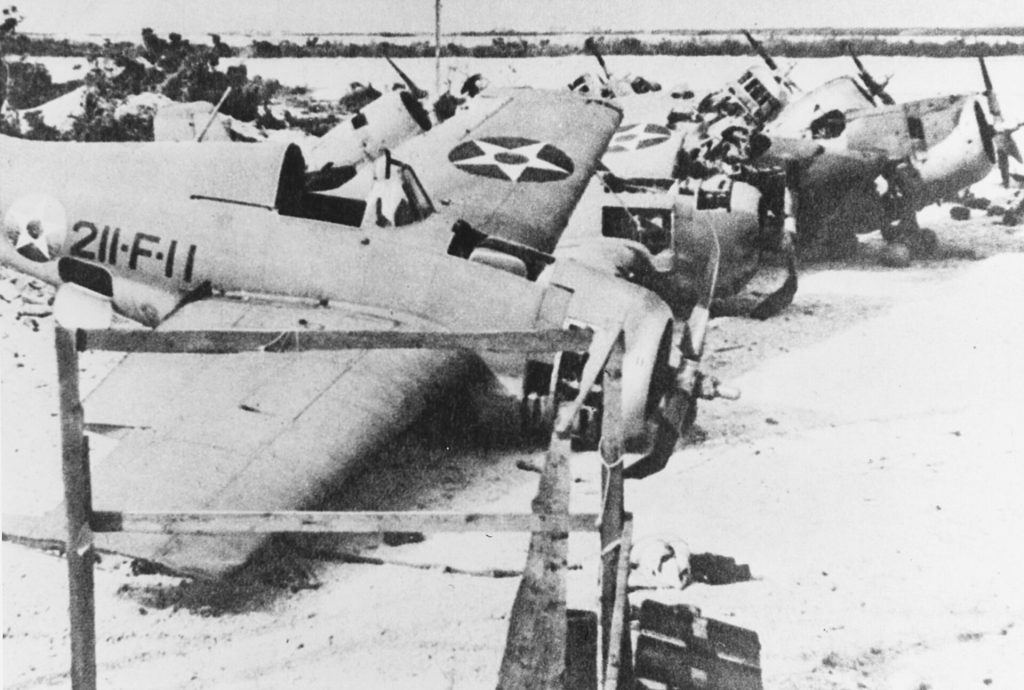
Holding their fire until the last moment, the Marines on Wake Island sink a Japanese destroyer with their coastal guns, and their last fighters sink another, forcing the invasion fleet to turn back.
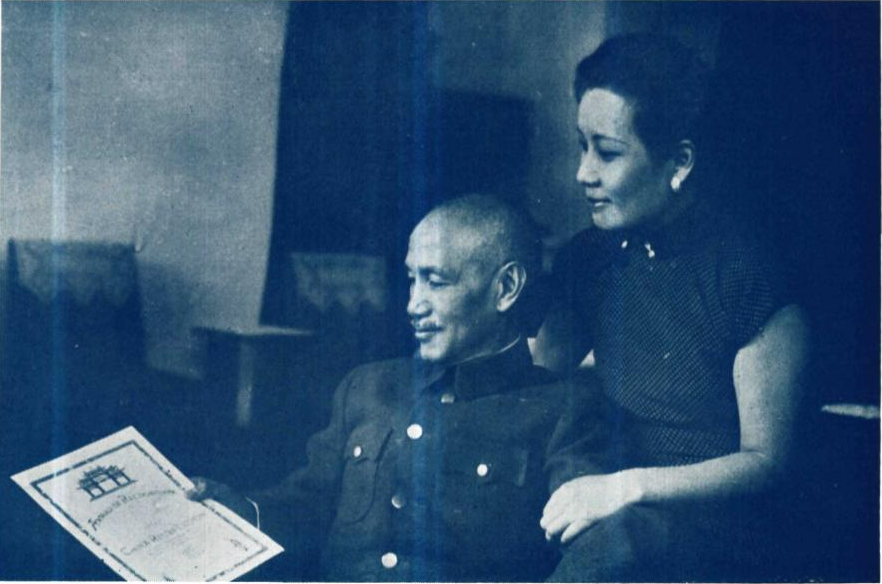
After more than four years of undeclared war with Japan, Chiang Kai-shek’s government formally declares war on Japan, Germany and Italy, joining the new Allied coalition.
 United Kingdom
 United States
 Soviet Union
 Germany
 Japan
 France
 Poland
 South Africa