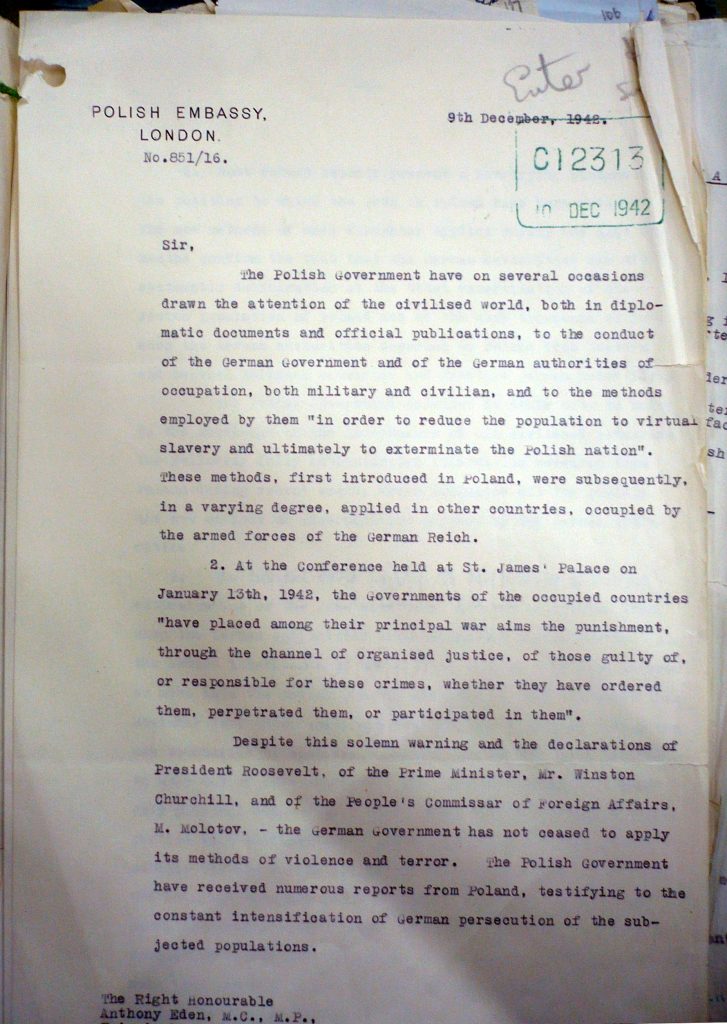
10 December 1942: Raczyński’s Note: Poland Tells the Allies of the Holocaust
The Polish government in exile sends the Allied governments a formal note describing the systematic murder of the Jews of occupied Poland and calling on them to act.
Every dispatch dated in December, across all six years of the war.
The Polish government in exile sends the Allied governments a formal note describing the systematic murder of the Jews of occupied Poland and calling on them to act.
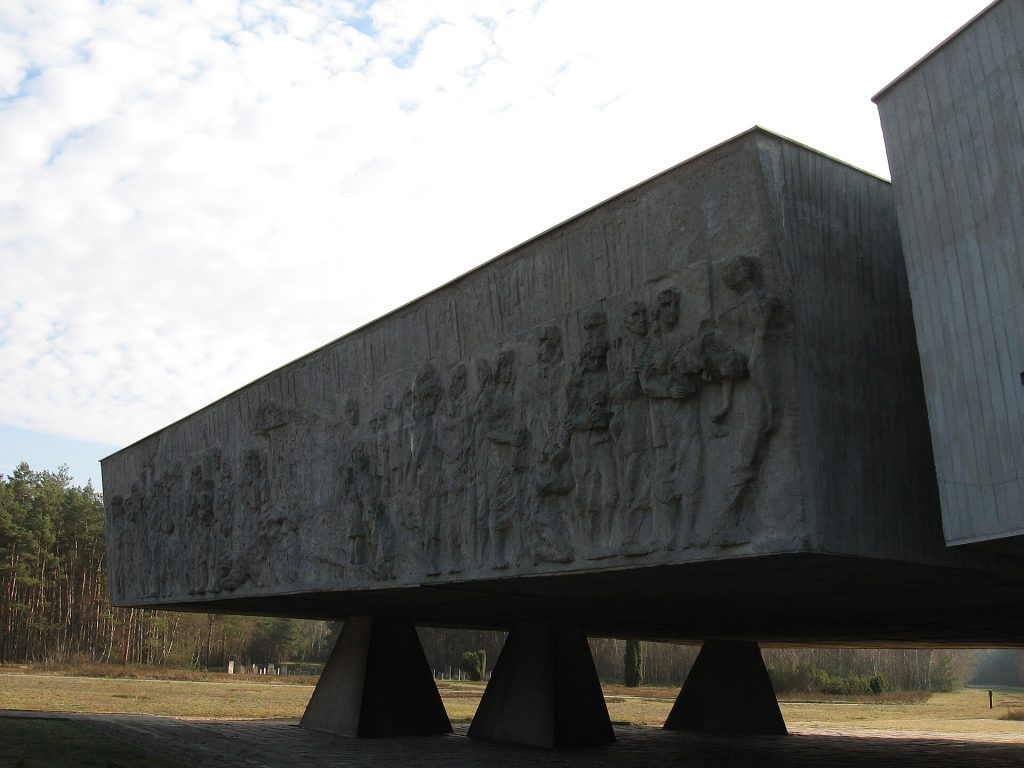
In a village in German-annexed Poland, the SS begins murdering Jews in sealed vans filled with exhaust fumes, at the first Nazi camp built purely for killing.
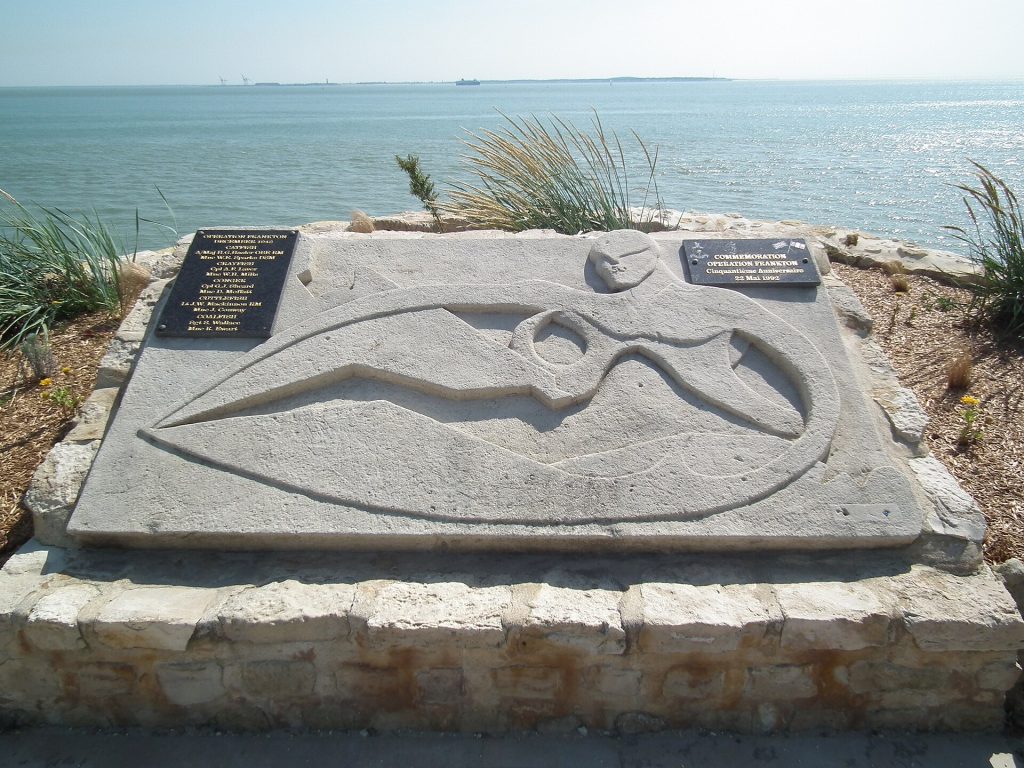
From a submarine off the French coast, ten Royal Marines set out in canvas canoes to paddle a hundred kilometres up the Gironde and mine German blockade runners in Bordeaux.
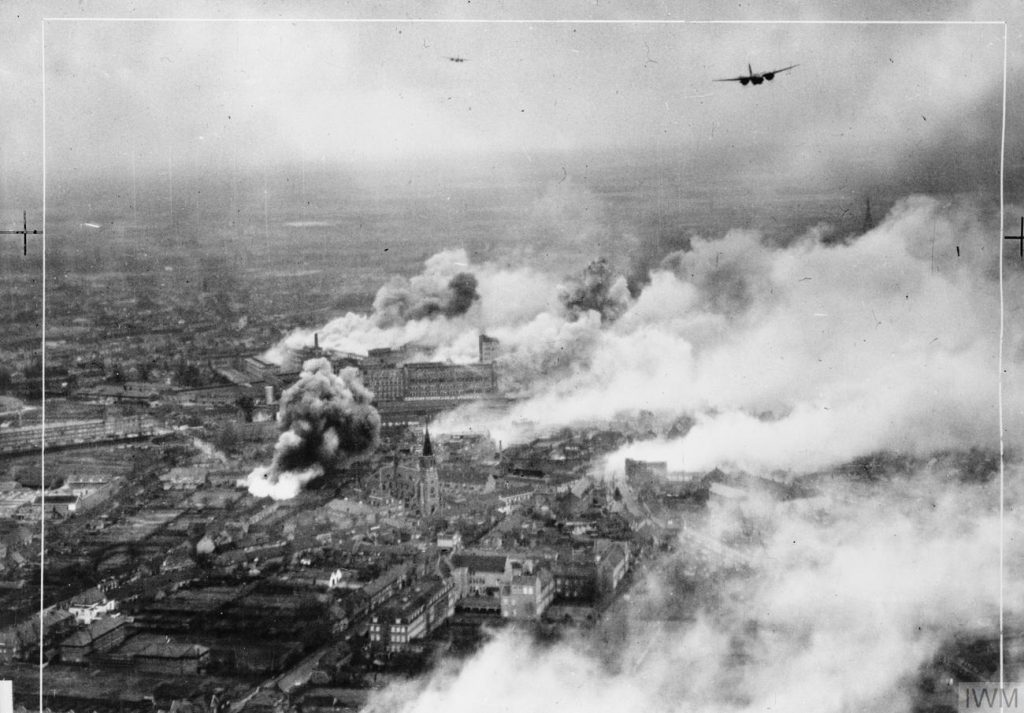
Flying at rooftop height in daylight, RAF light bombers strike the Philips radio and valve works in Eindhoven, which was supplying the German war machine.
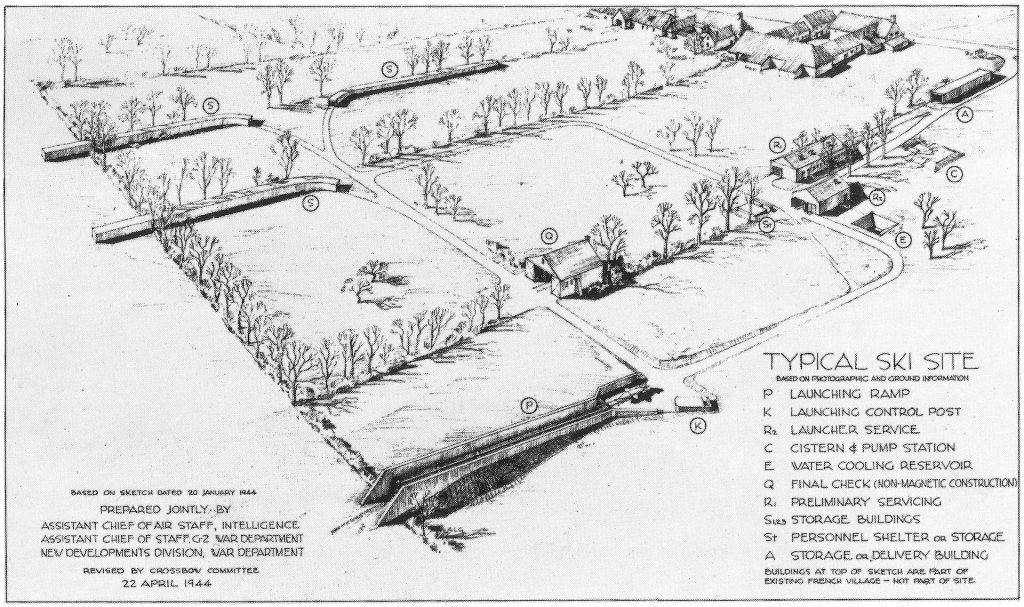
Allied bombers start attacking the concrete launch ramps hidden in the woods of northern France, from which Germany plans to fire its flying bombs at London.
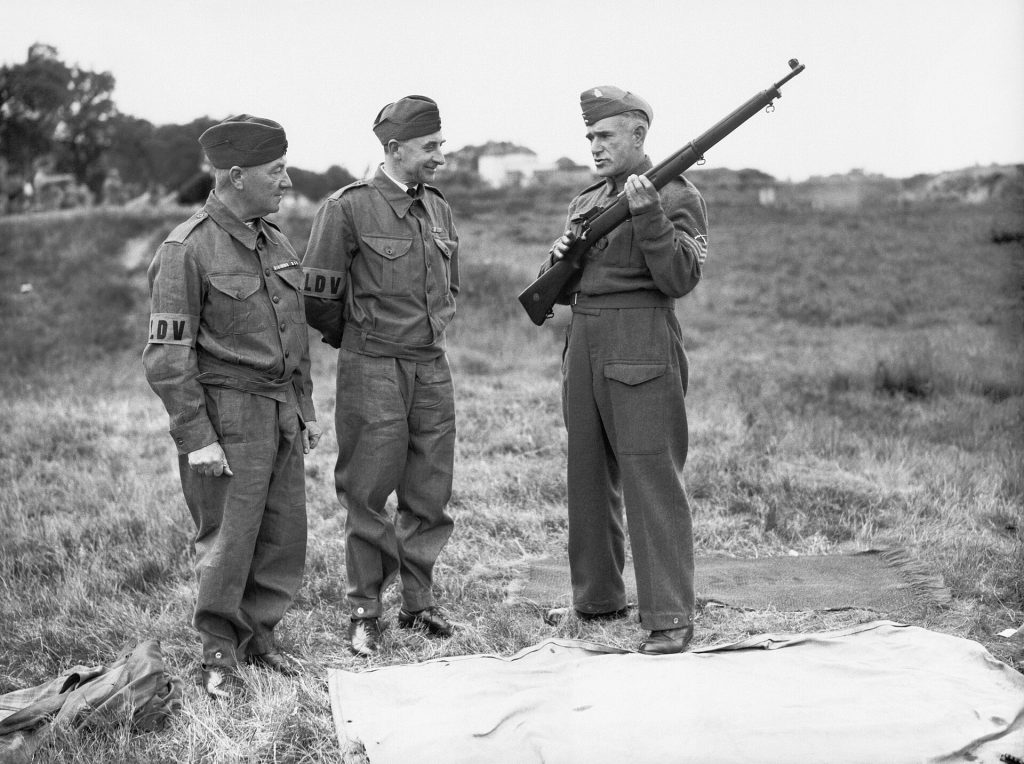
With the threat of invasion gone, Britain’s citizen army of the summer of 1940 is formally stood down after four and a half years on guard.
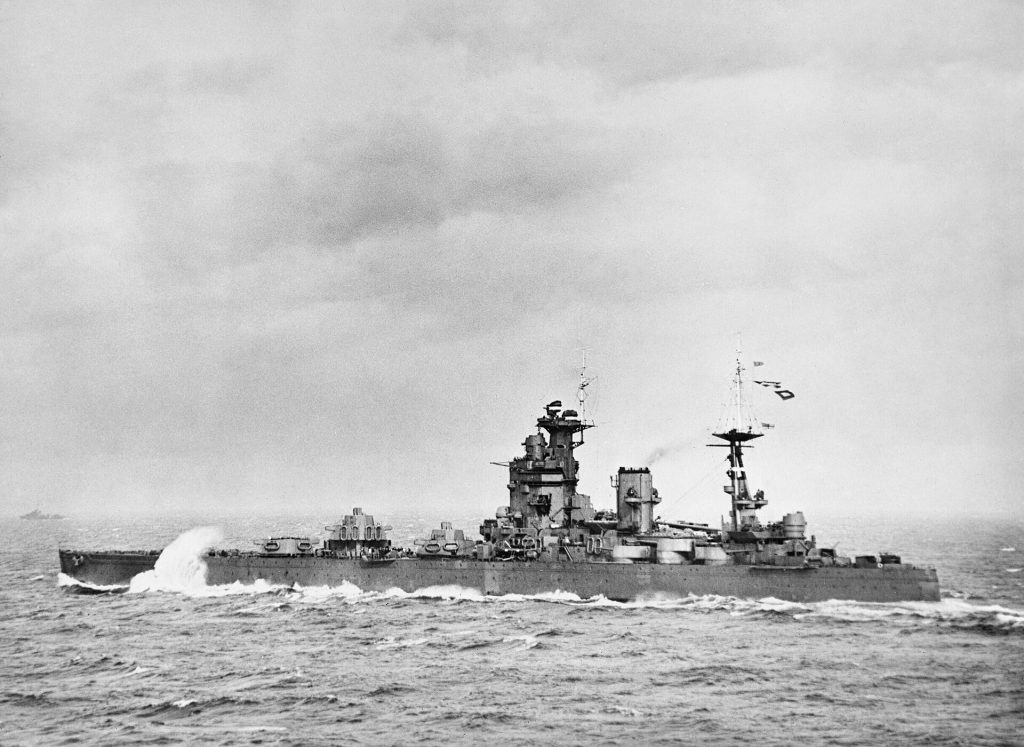
Entering Loch Ewe, the flagship of the Home Fleet detonates a magnetic mine laid by a U-boat, putting one of Britain’s most powerful battleships out of action for eight months.
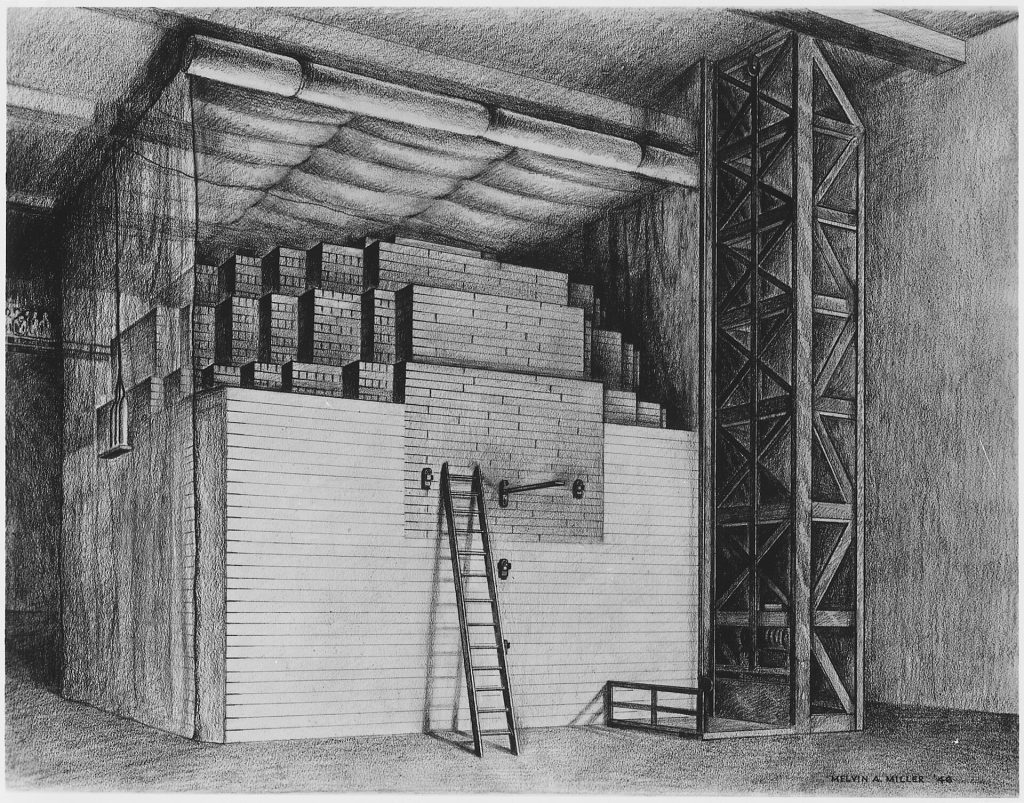
Under the stands of a Chicago football field, Enrico Fermi’s team withdraws a control rod and achieves the world’s first self-sustaining nuclear chain reaction.
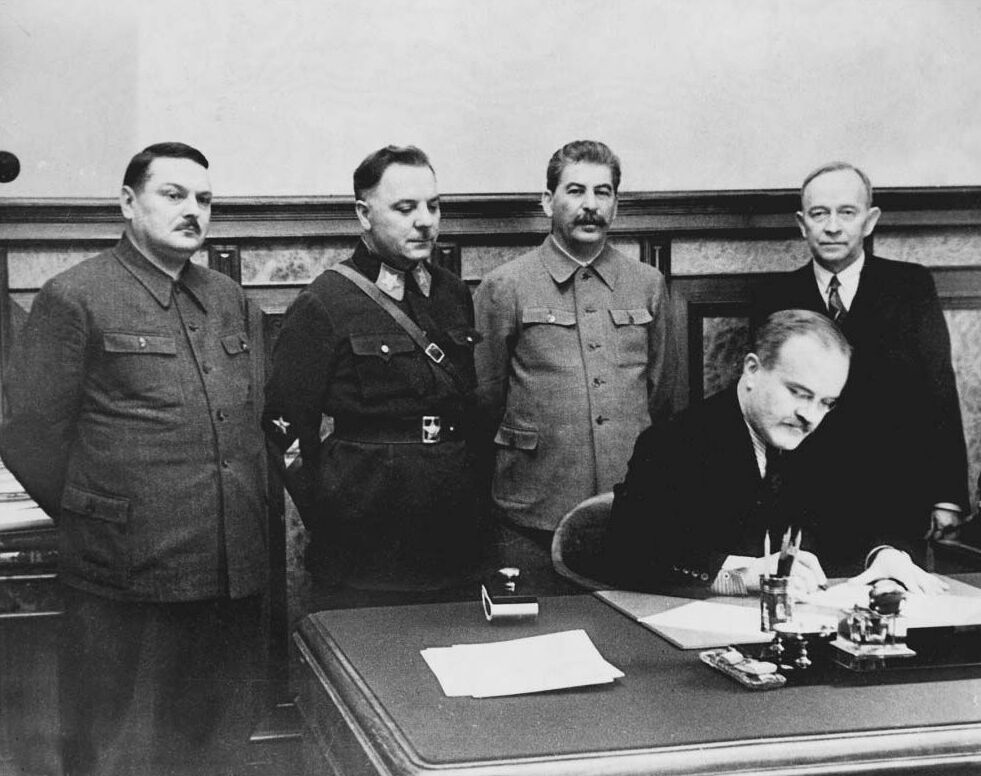
A day into the Winter War, Moscow sets up a Finnish People’s Government in the captured border town of Terijoki, ready to rule Finland once the Red Army has conquered it.
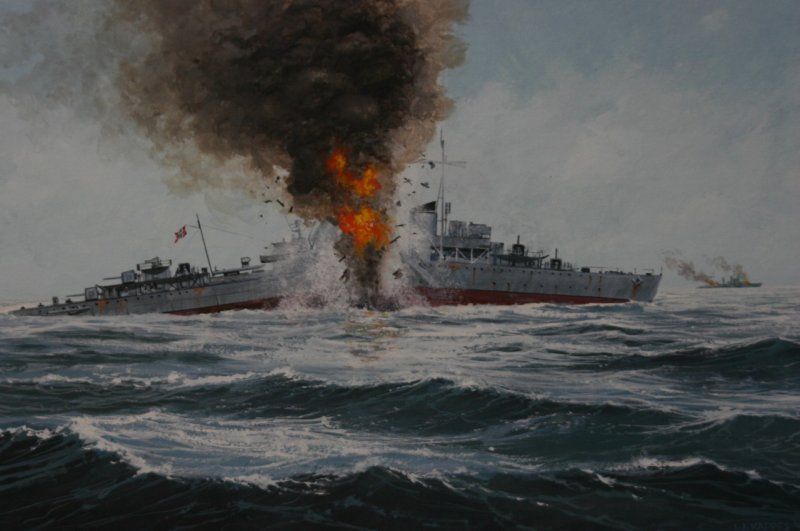
A heavy cruiser and a pocket battleship attack an Arctic convoy guarded only by destroyers. The escorts hold them off, and Hitler’s fury will end the career of his navy’s chief.
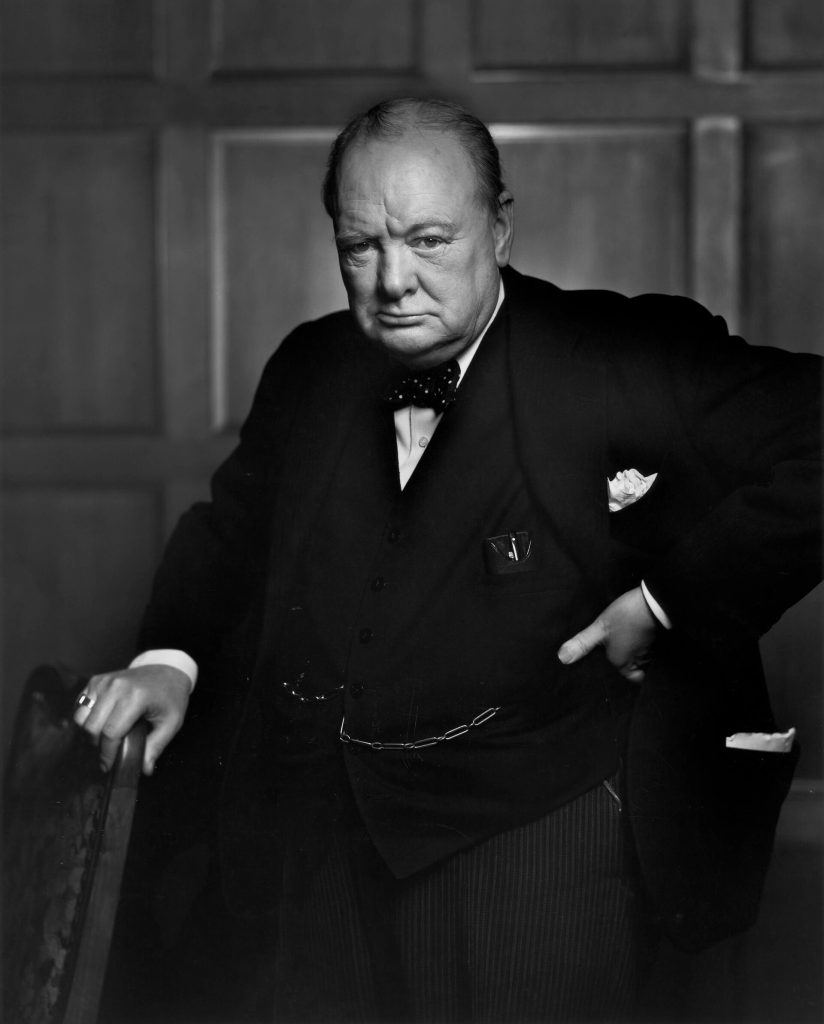
Churchill addresses the Canadian Parliament in Ottawa with one of his most famous jokes, then sits for a photographer who creates the defining image of his life.
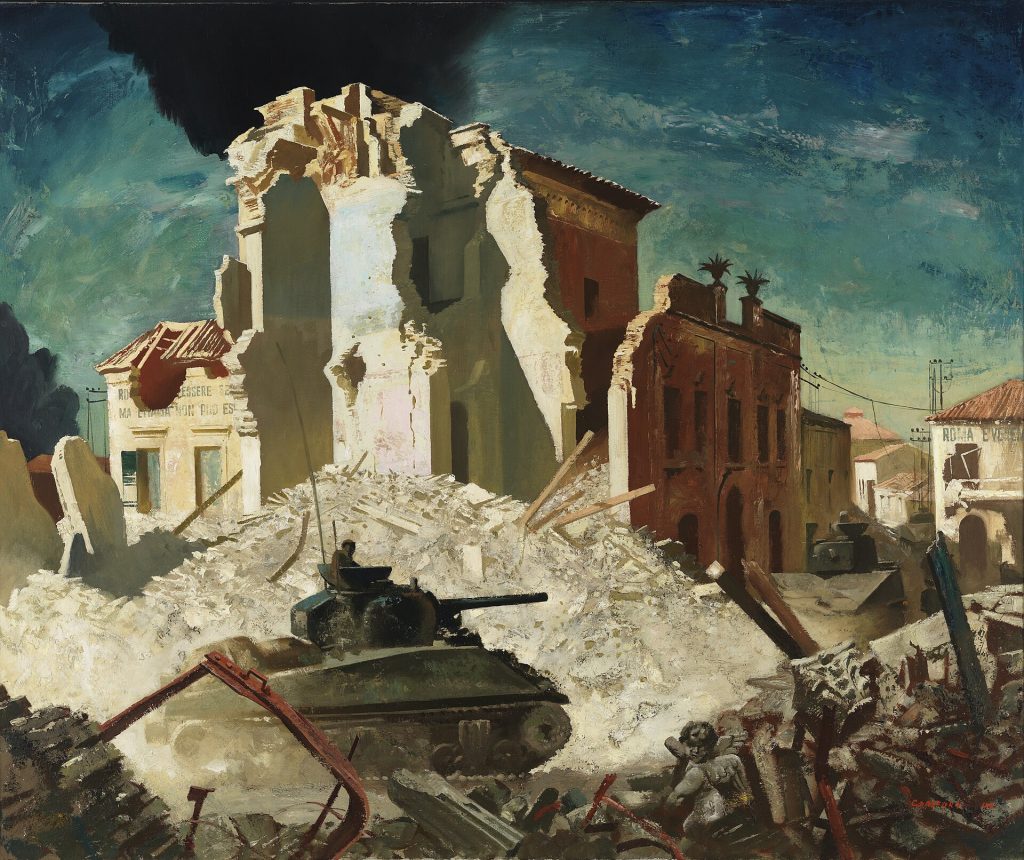
After eight days of house-to-house fighting, German paratroopers pull out of the Adriatic town of Ortona. Canadian soldiers have won one of the hardest urban battles of the Italian campaign.
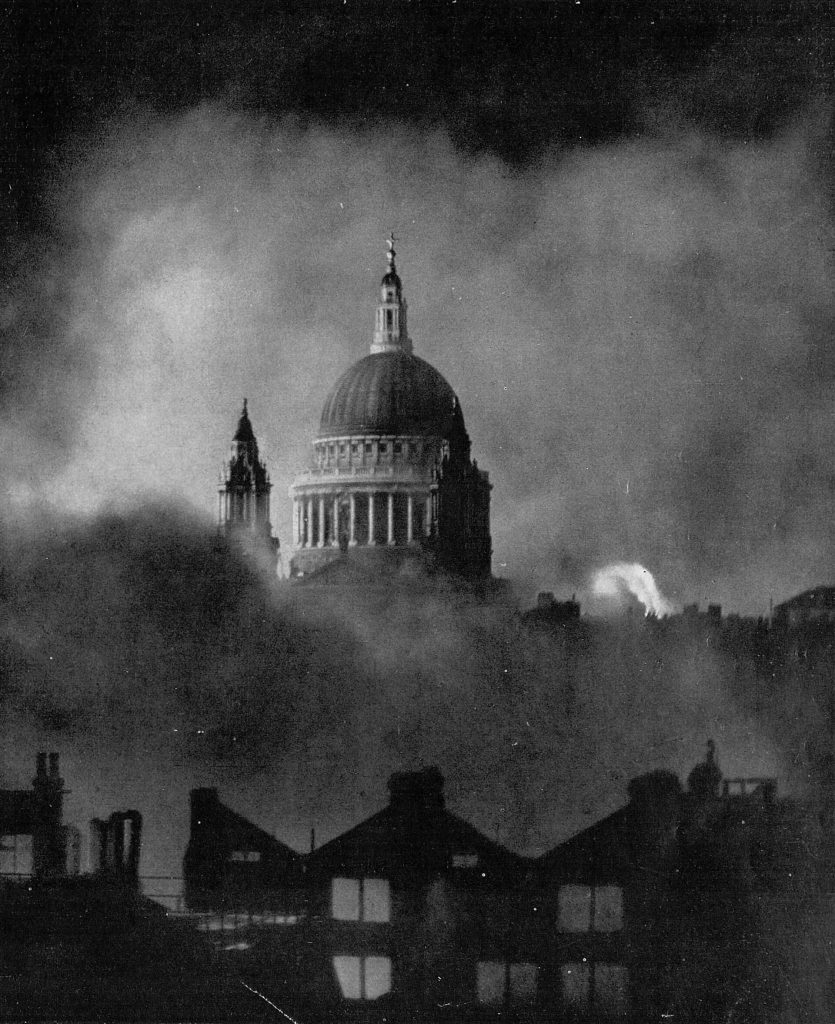
On a Sunday night with the Thames at low tide, German bombers set the City of London ablaze. St Paul’s Cathedral stands untouched amid the flames.
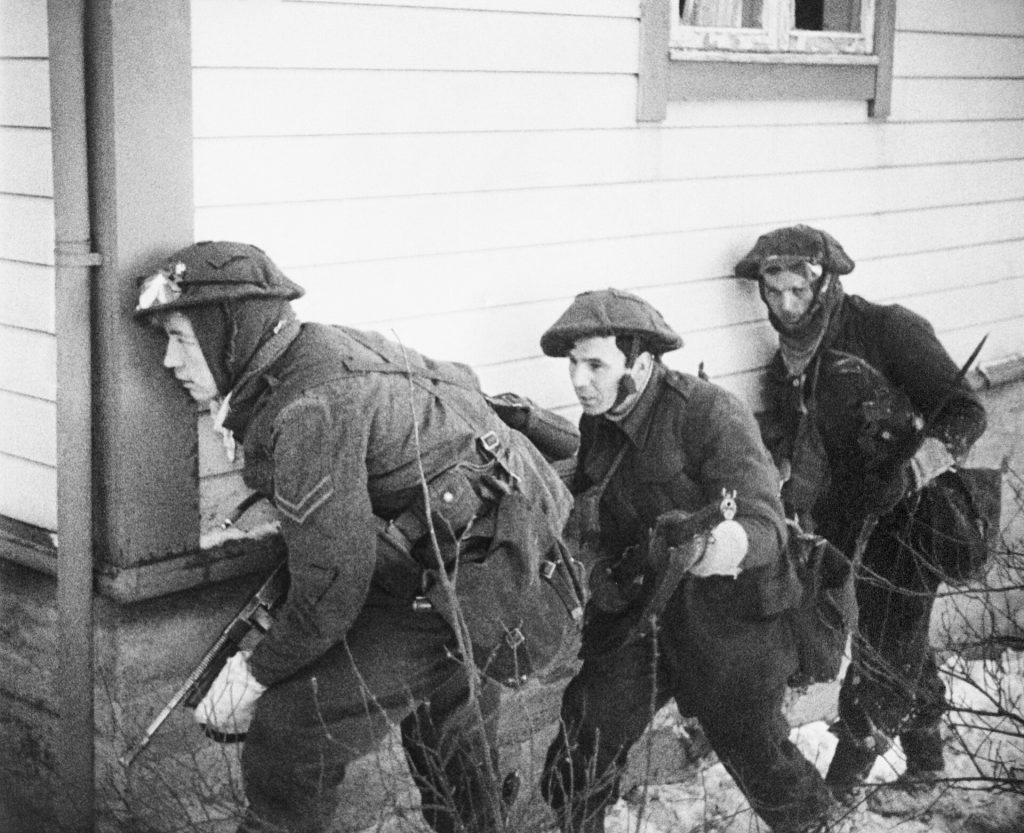
British commandos and Norwegian volunteers storm the island town of Måløy on the Norwegian coast. The raid is small, but it changes how Hitler garrisons Norway.
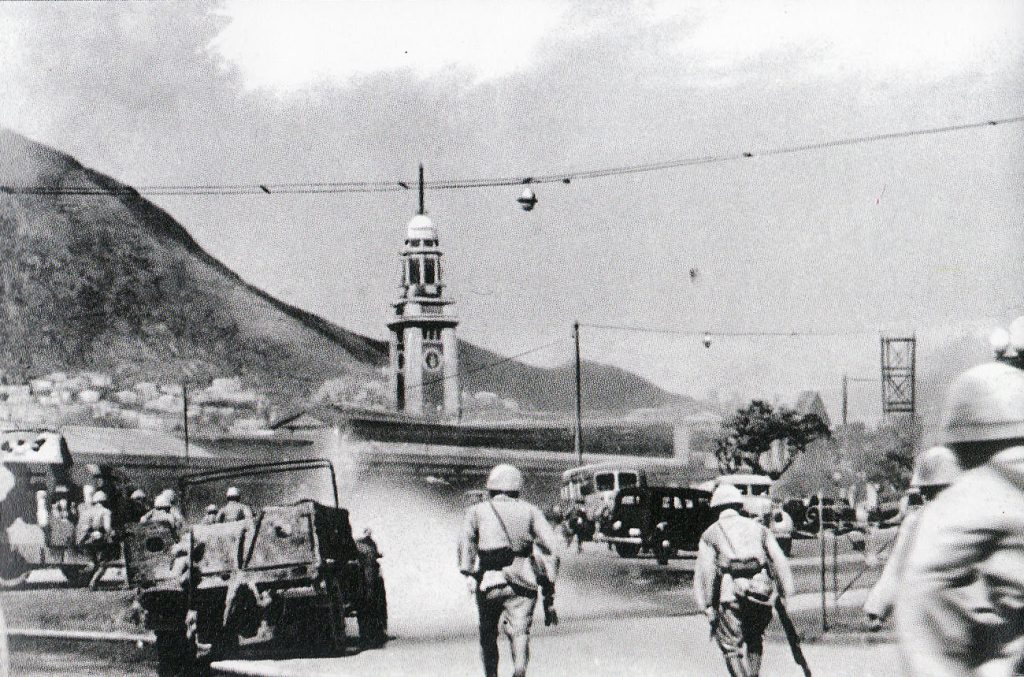
After eighteen days of fighting, the British colony of Hong Kong surrenders to Japan on Christmas Day. Its Commonwealth garrison and civilians face nearly four years of occupation.

In the Arctic darkness off northern Norway, radar-guided British warships trap and sink the battleship Scharnhorst. Of nearly 2,000 men aboard, only 36 survive.
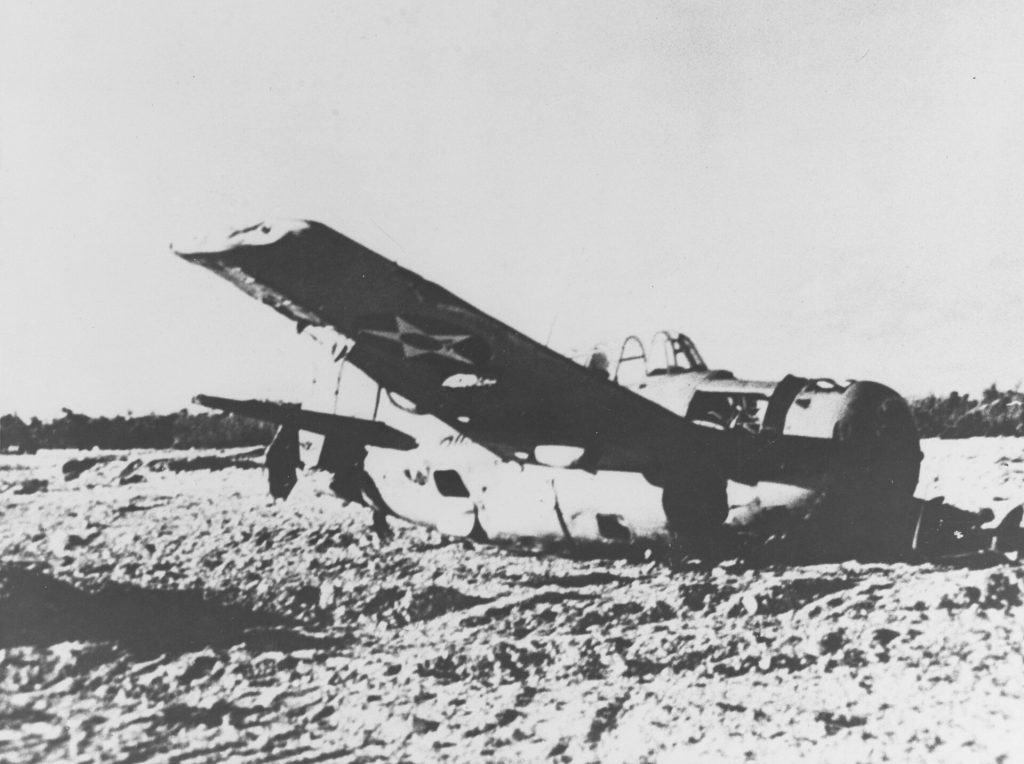
After beating off one invasion and holding out for two weeks, the Marine garrison of Wake Island is overwhelmed by a second Japanese assault. The relief force turns back.
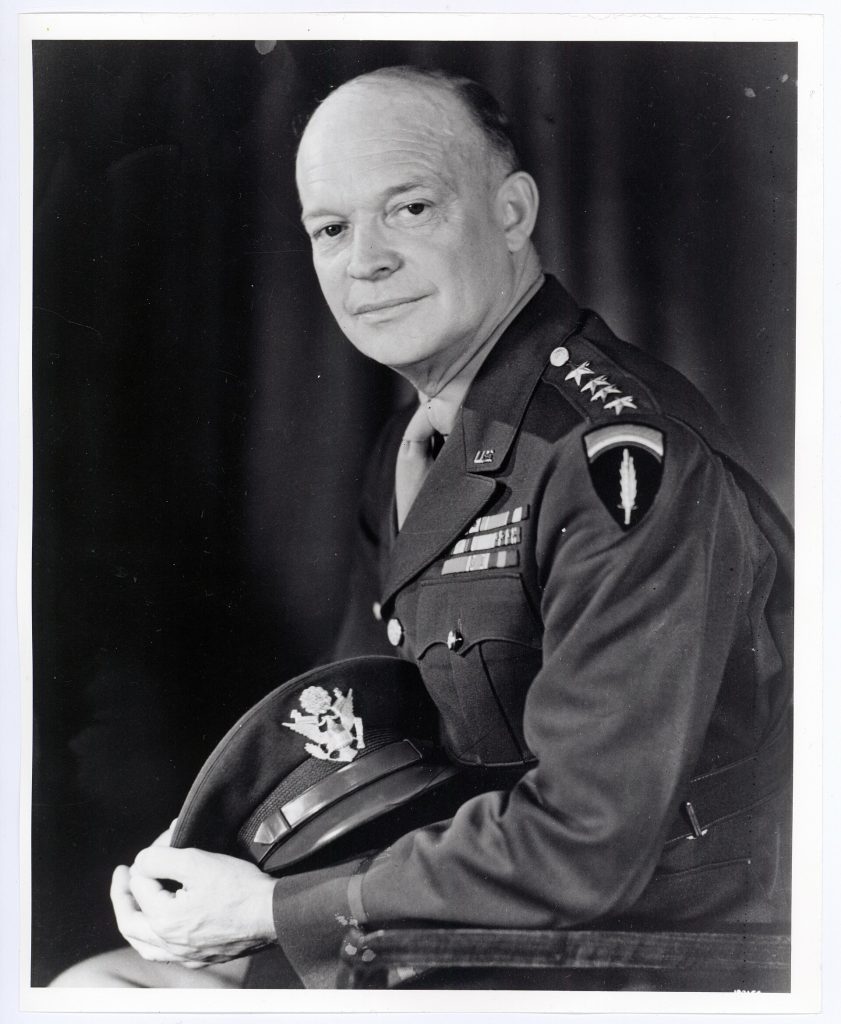
In a Christmas Eve radio address, Roosevelt announces that General Dwight D. Eisenhower will command the Allied invasion of Western Europe.
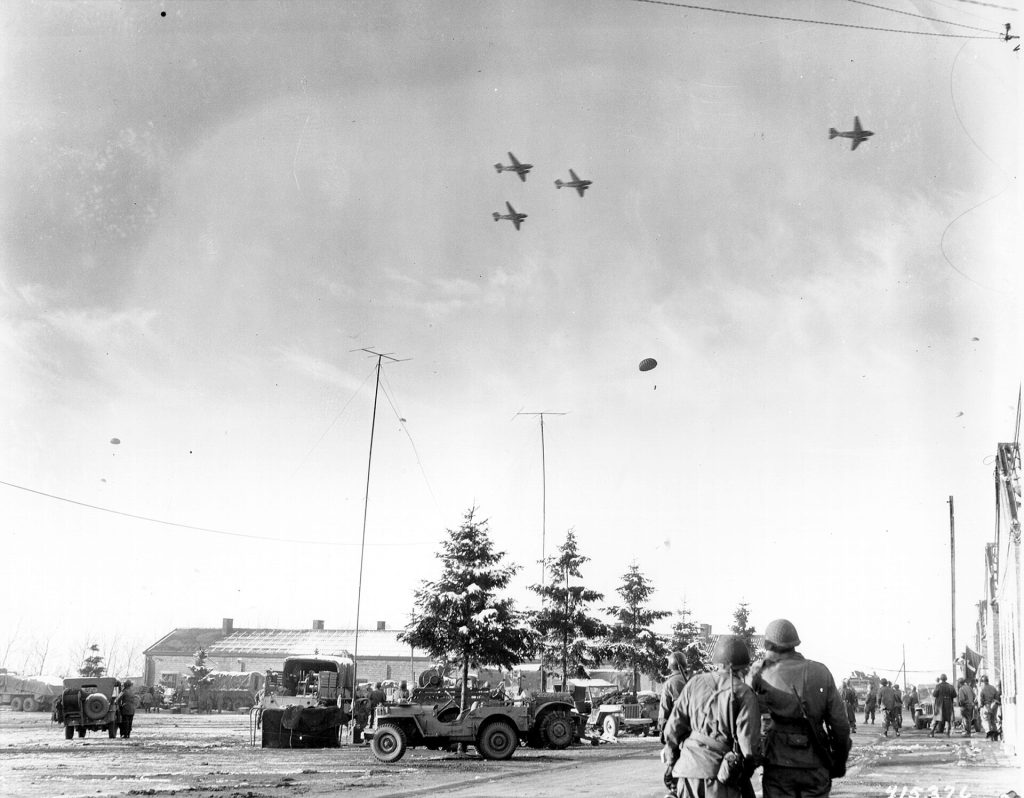
Surrounded at the Belgian crossroads town of Bastogne, the American commander receives a formal German demand to surrender. His one-word reply becomes legend.
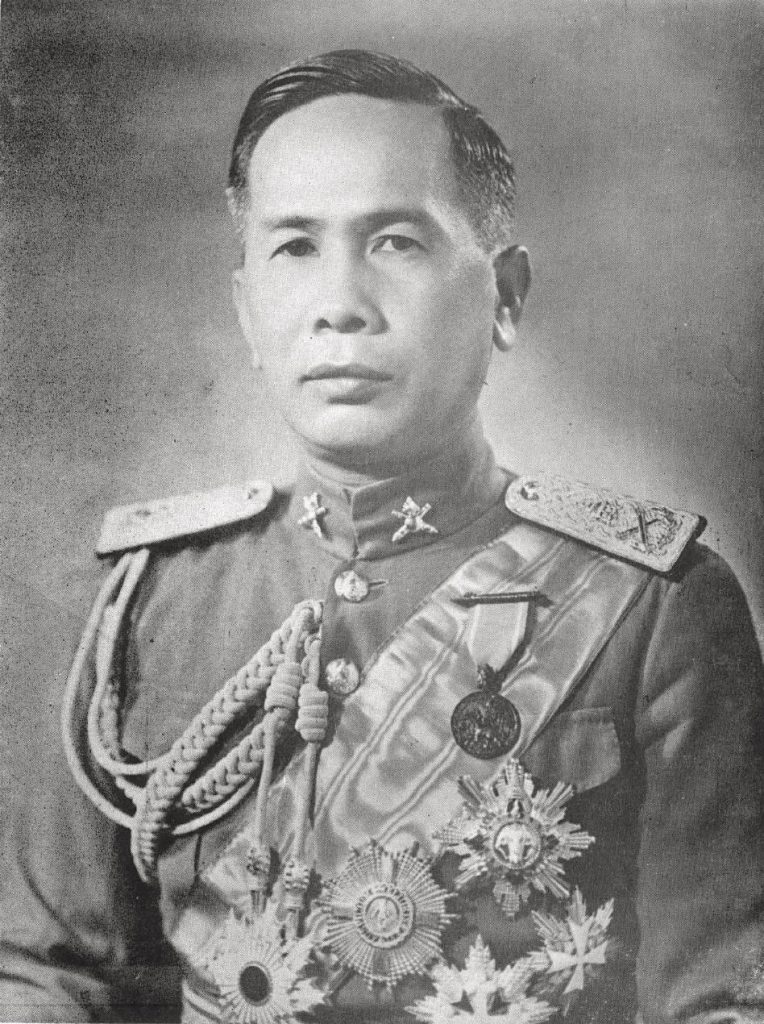
Two weeks after Japanese troops crossed its borders, Thailand signs a treaty of alliance with Japan in Bangkok. In Washington, the Thai ambassador quietly refuses to go along.
 United Kingdom
 United States
 Soviet Union
 Germany
 Japan
 France
 Poland
 South Africa