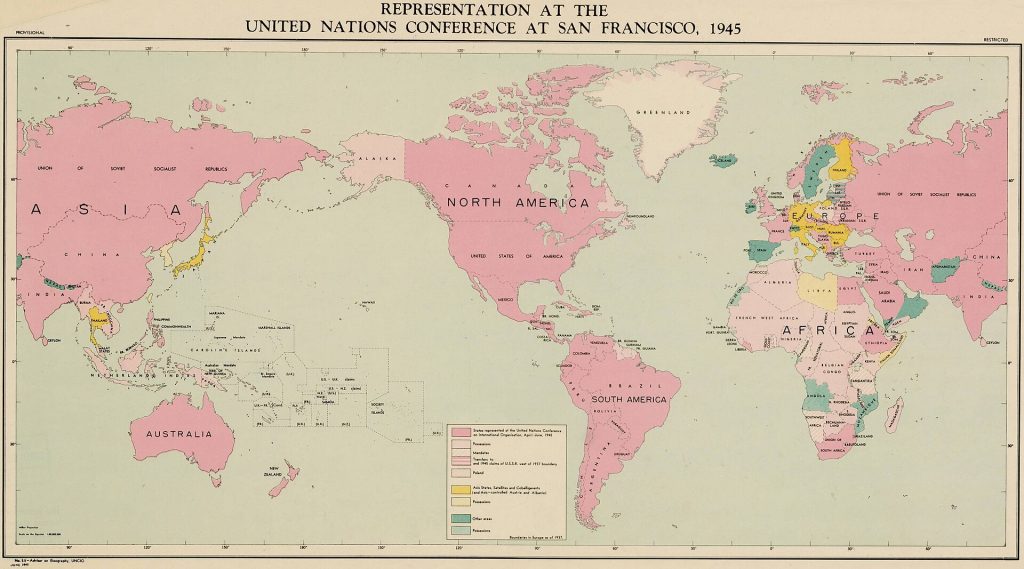
25 April 1945: The San Francisco Conference Opens
Delegates of the Allied nations meet in San Francisco to write the charter of a new world organisation, the United Nations.
Conferences, alliances and the decisions that shaped the war and the peace.
Delegates of the Allied nations meet in San Francisco to write the charter of a new world organisation, the United Nations.
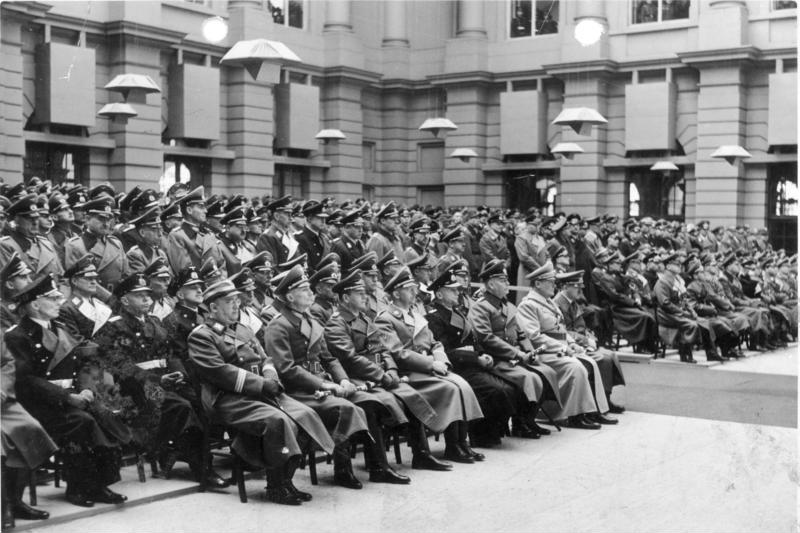
At an exhibition of captured Soviet weapons in Berlin, an army officer walks beside Hitler with two primed bombs in his coat pockets, ready to die with him.
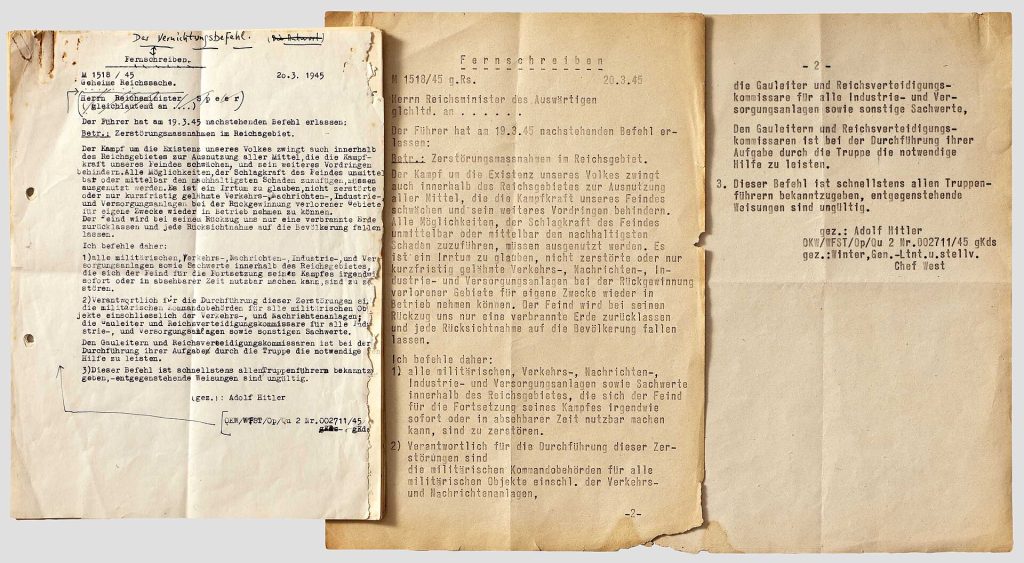
With his armies collapsing on every front, Hitler orders the destruction of everything inside Germany the enemy might use. His armaments minister quietly sets out to stop him.
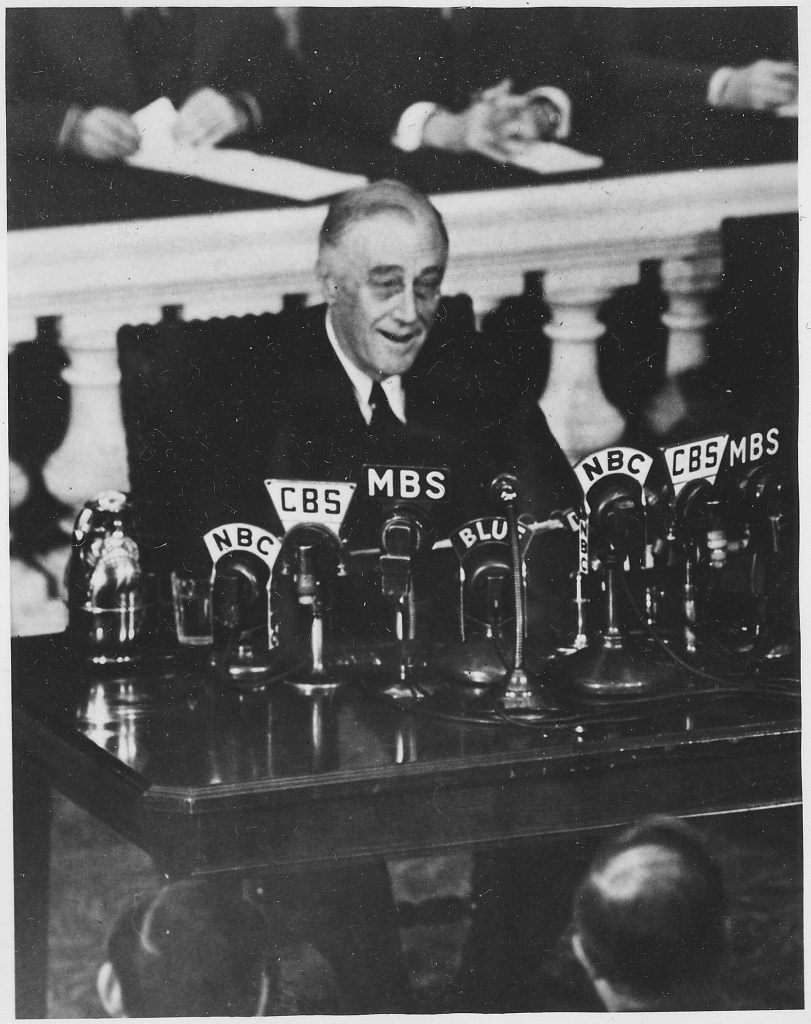
Back from the Crimea, an exhausted Roosevelt addresses Congress sitting down, and for the first time in public speaks of the steel braces on his legs.
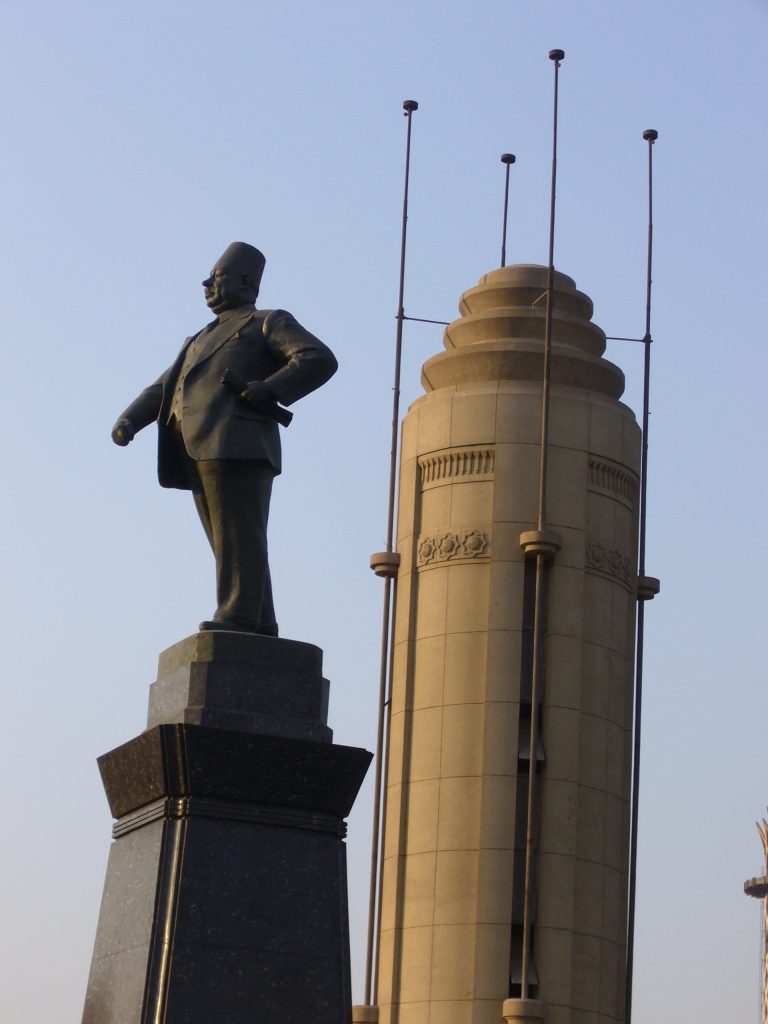
Egypt’s prime minister reads the decree taking his country into the war against the Axis. Moments later he is shot dead inside the parliament building.
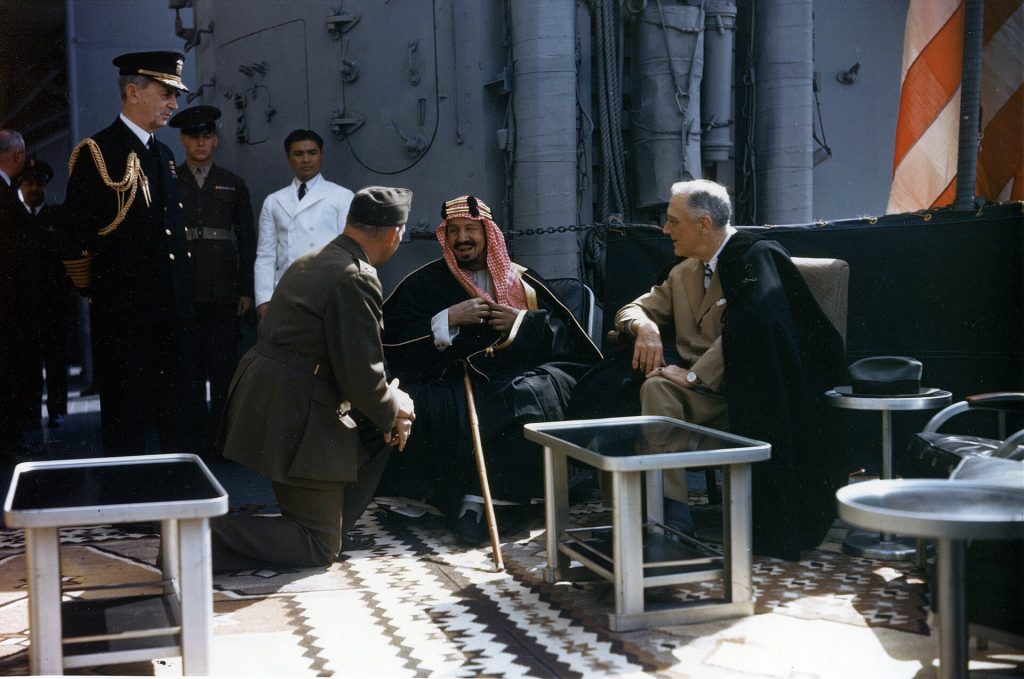
On his way home from Yalta, Roosevelt receives King Abdulaziz of Saudi Arabia aboard an American cruiser in the Suez Canal, a meeting that will shape the Middle East for decades.
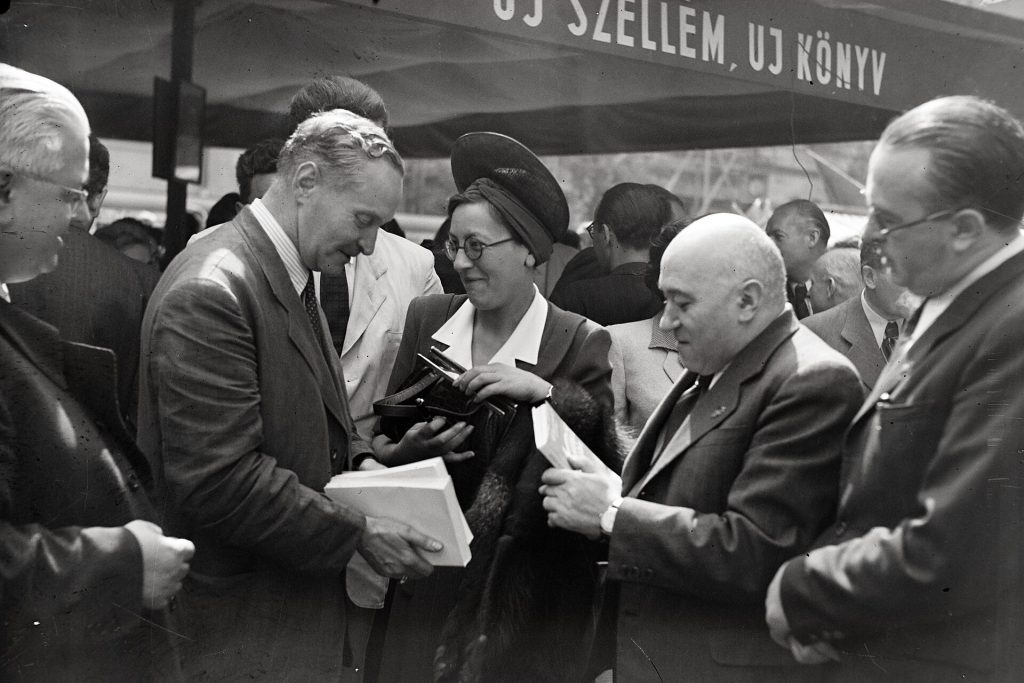
In Moscow, envoys of a Soviet-backed Hungarian government sign an armistice with the Allies while Budapest is still under siege.
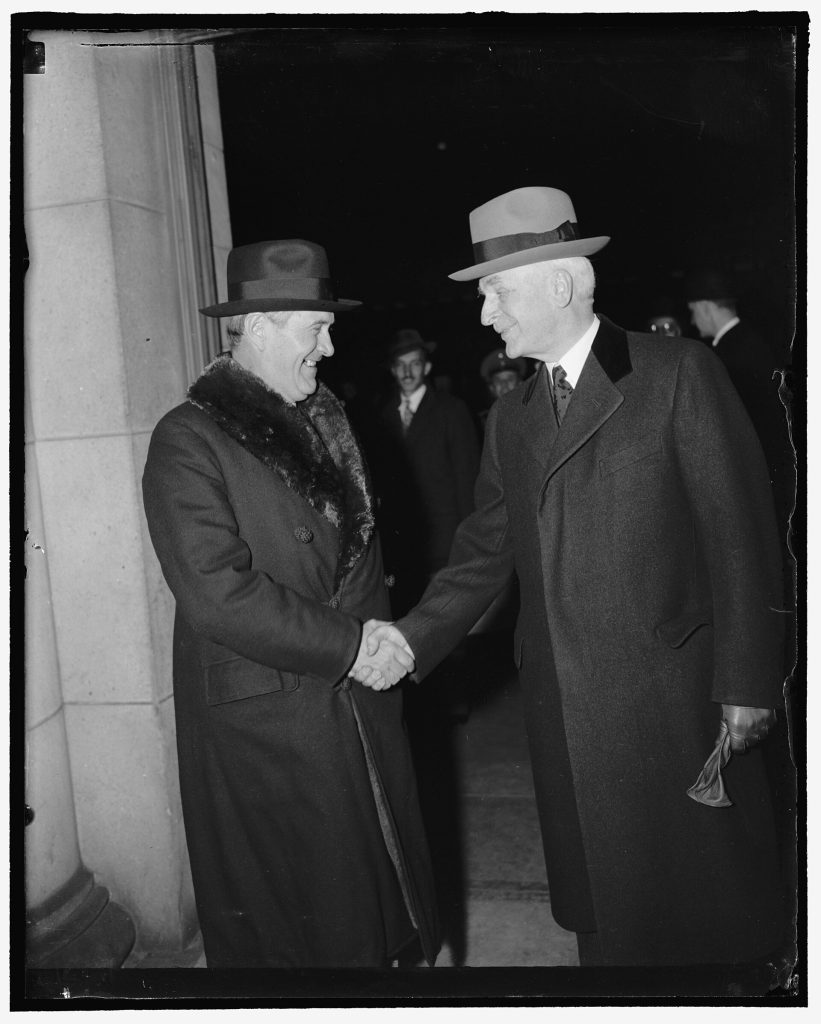
Foreign ministers of the 21 American republics gather in Rio de Janeiro to decide how the hemisphere will answer Pearl Harbor.
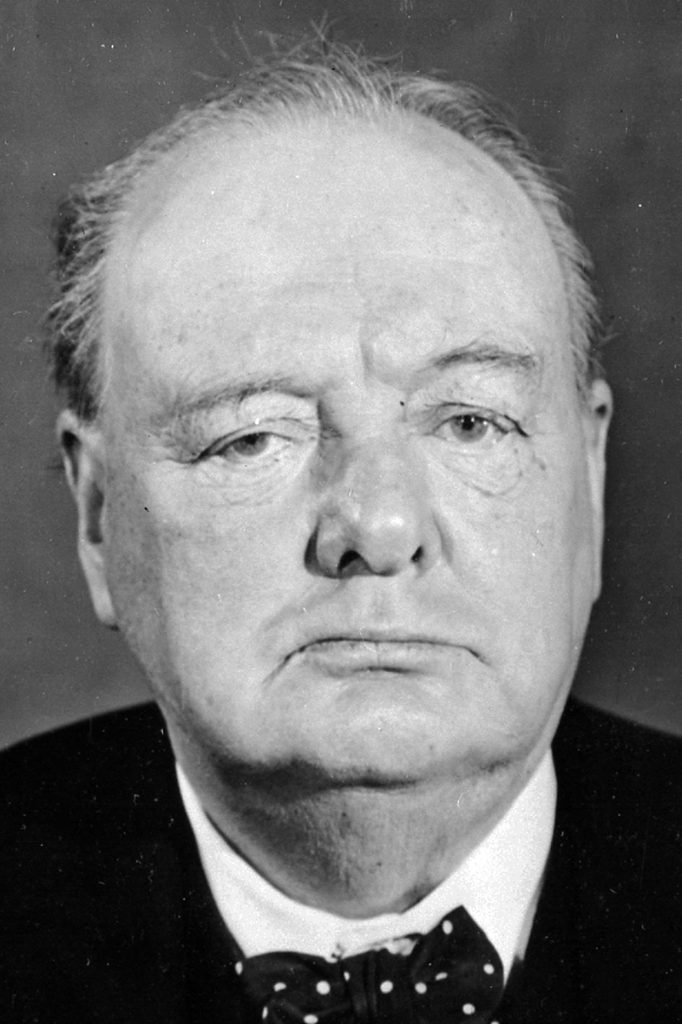
With the Allies still fighting in the Ardennes, Churchill cables Stalin to ask whether the West can count on a major Russian offensive in January.

In a Brooklyn courtroom, 33 members of a German spy network are sentenced to more than 300 years in prison between them, closing the largest espionage case in American history to end in convictions.
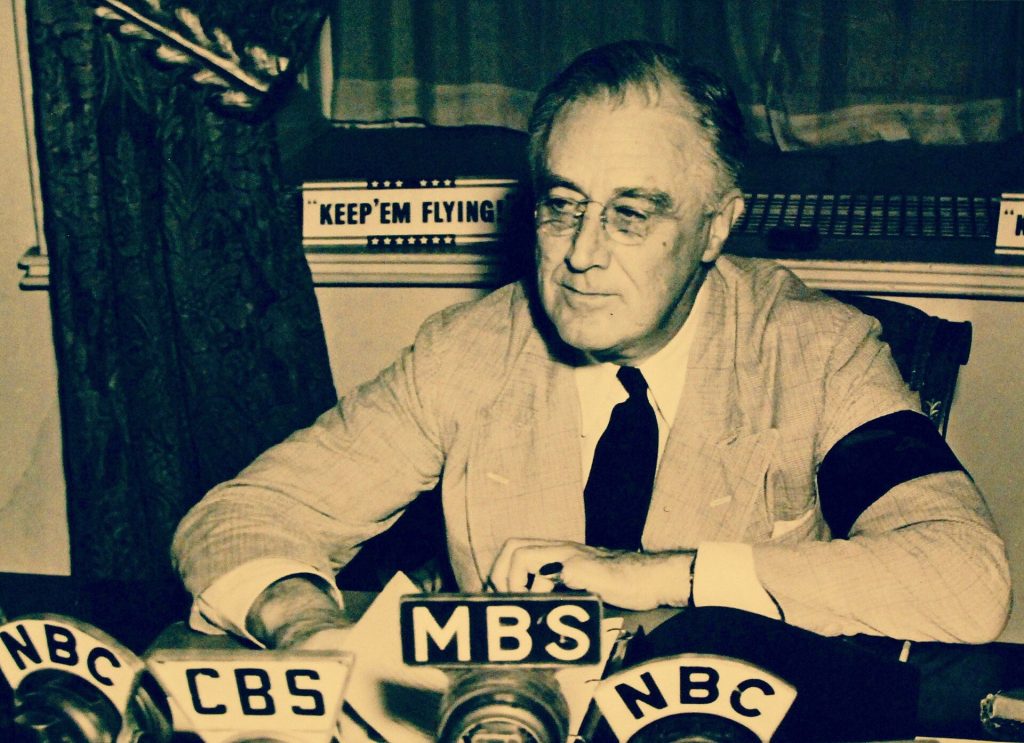
In a fireside chat to the American people, Roosevelt declares that the United States must become the great arsenal of democracy, supplying Britain with the weapons to fight on.
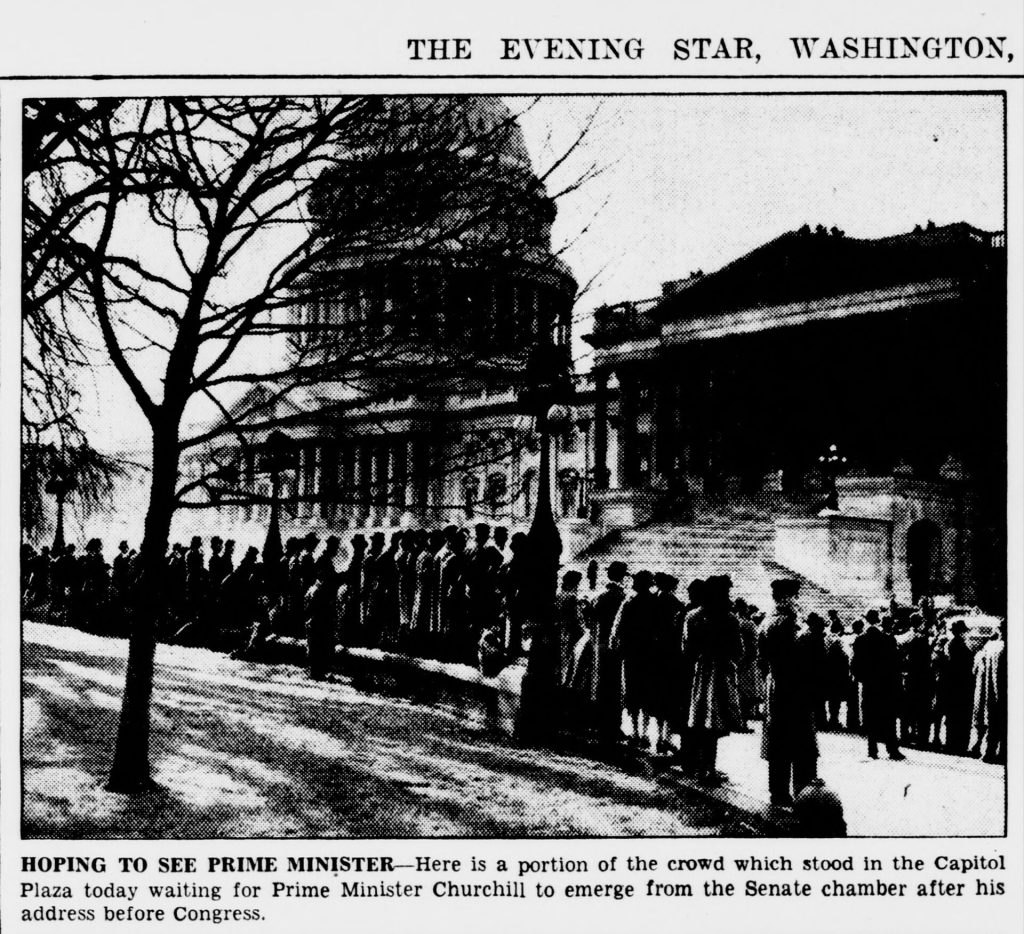
Standing in the Senate chamber, the British Prime Minister speaks to a joint meeting of Congress and to the American people by radio, and asks of the Axis: what kind of people do they think we are?
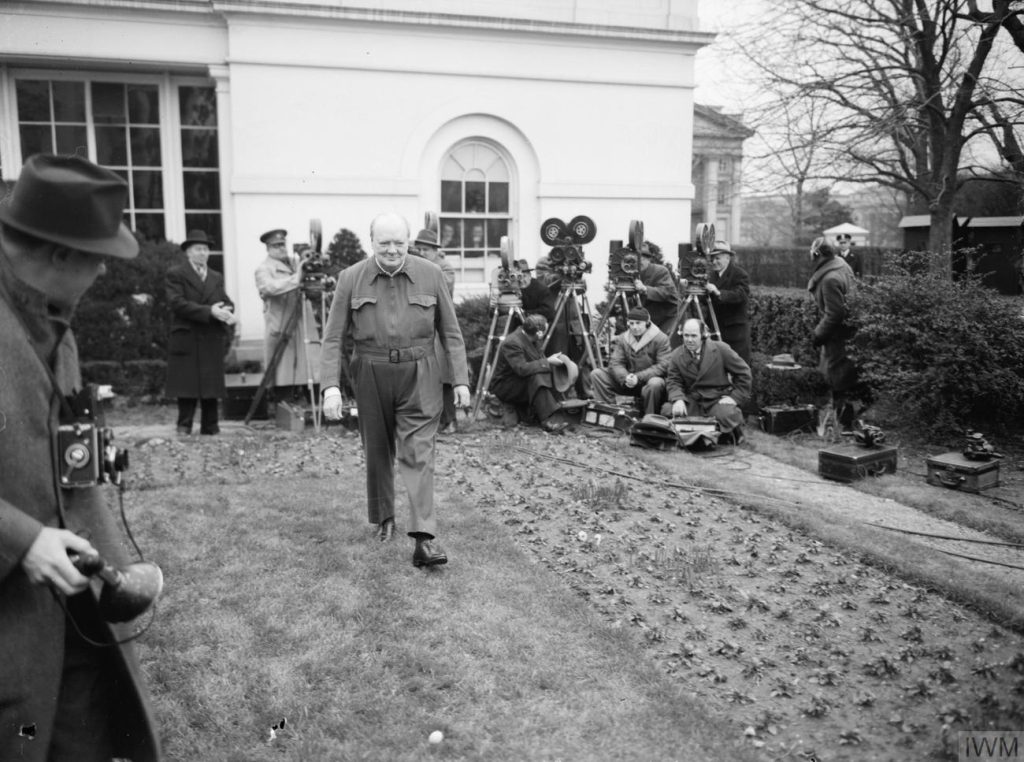
Two weeks after Pearl Harbor, Churchill arrives in Washington to plan a joint war with Roosevelt. Their first decision is the most important of all: Germany first.
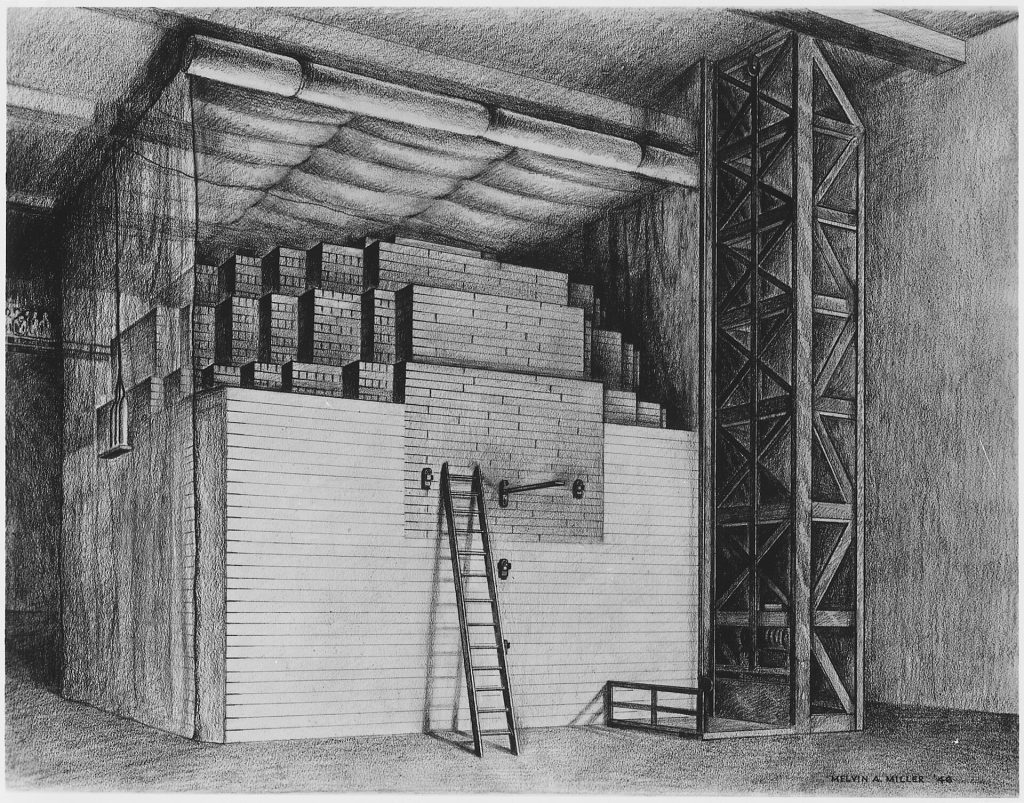
Under the stands of a Chicago football field, Enrico Fermi’s team withdraws a control rod and achieves the world’s first self-sustaining nuclear chain reaction.
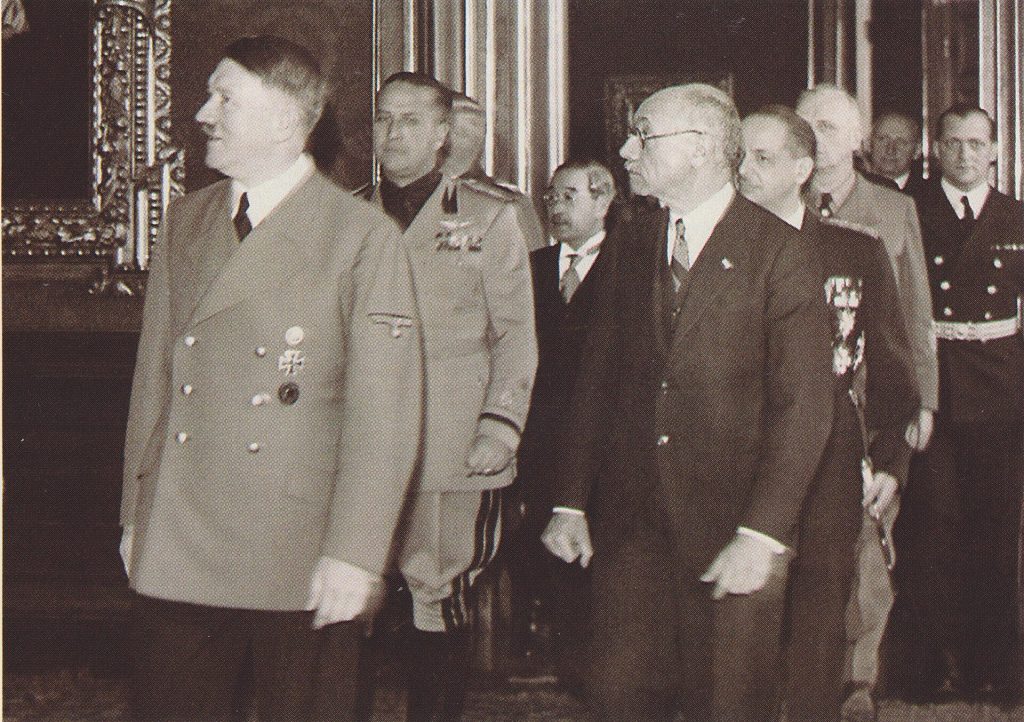
Rewarded with territory taken from its neighbours, Hungary signs the Tripartite Pact, becoming the fourth member of the Axis alliance.
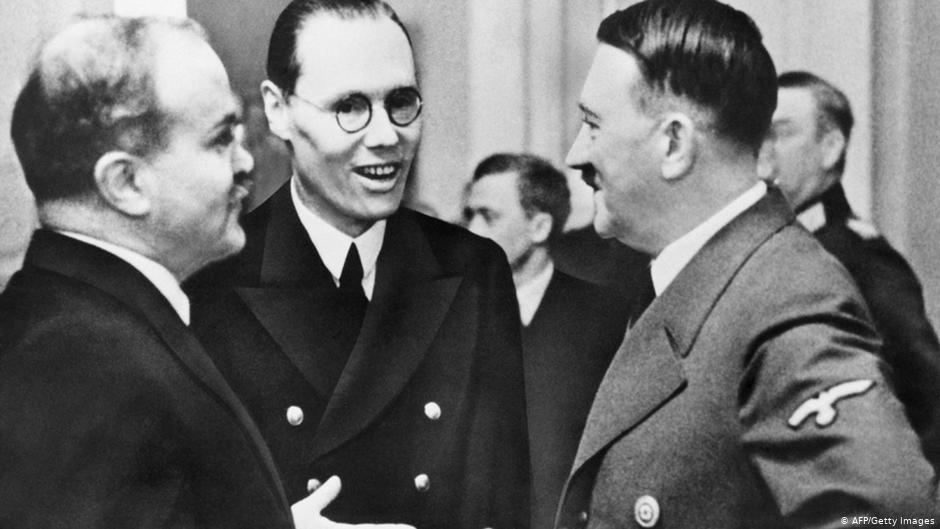
Stalin’s foreign minister arrives in Berlin to discuss the Soviet Union joining the Axis. The talks fail, and within five weeks Hitler orders preparations to invade.
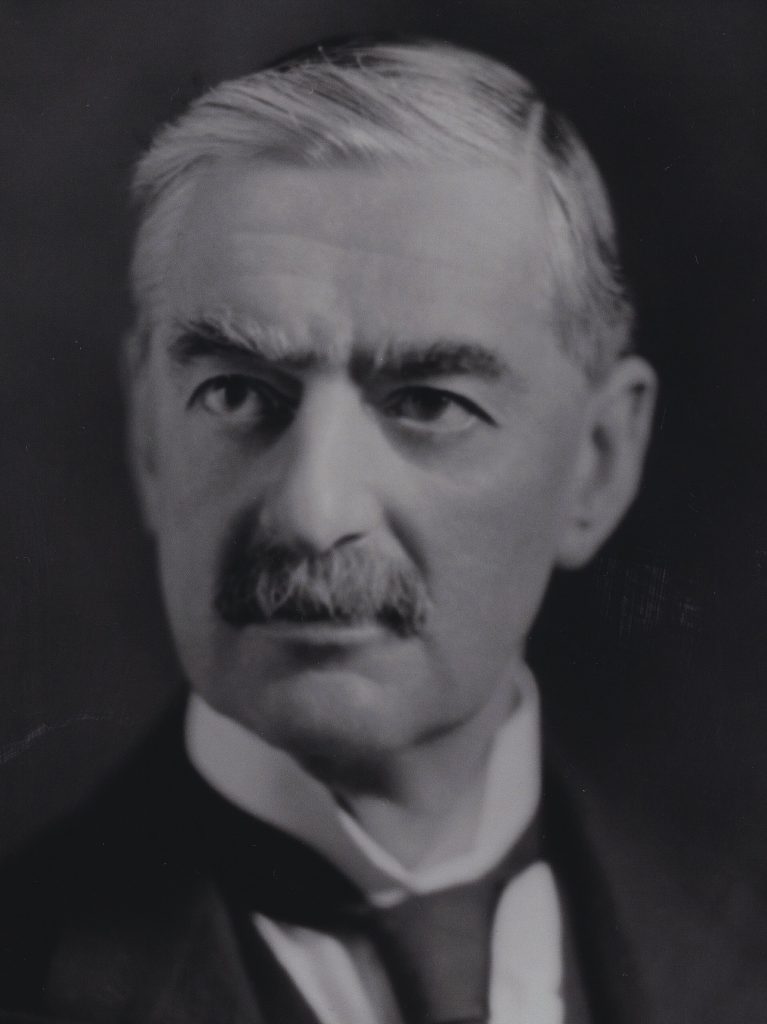
Six months after leaving Downing Street, the Prime Minister who declared war on Germany dies of cancer, as the Blitz he did not live to see end rages over London.
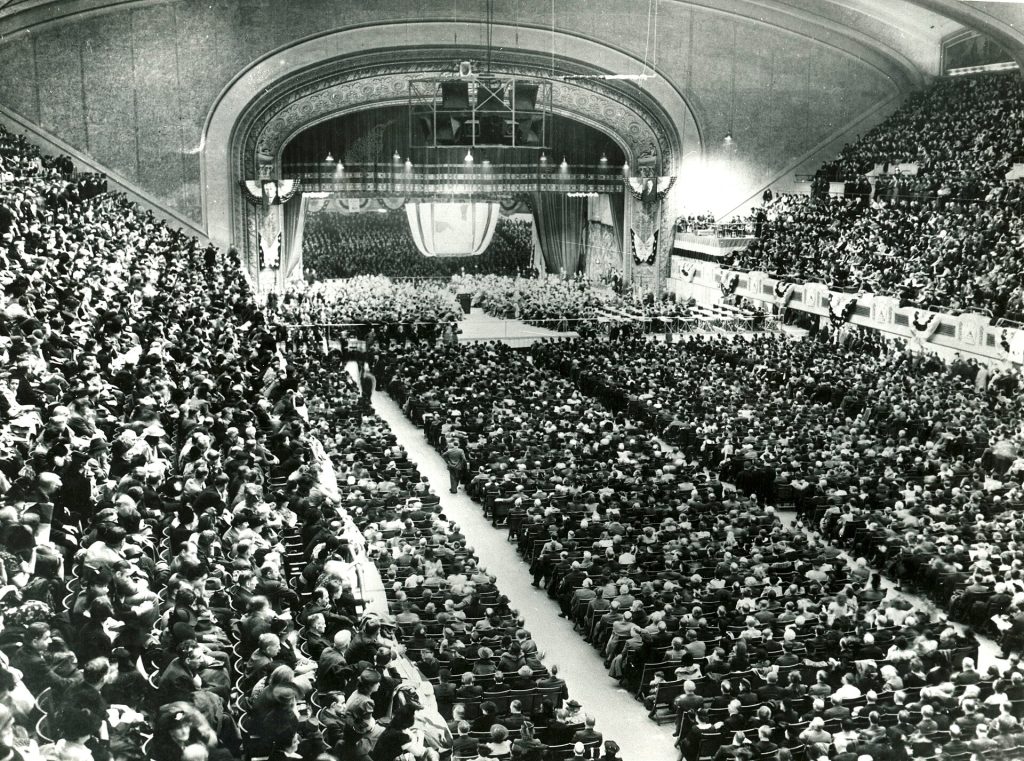
Breaking a tradition as old as the republic, Franklin D. Roosevelt is elected President for a third time, as Britain fights on alone and America edges towards war.
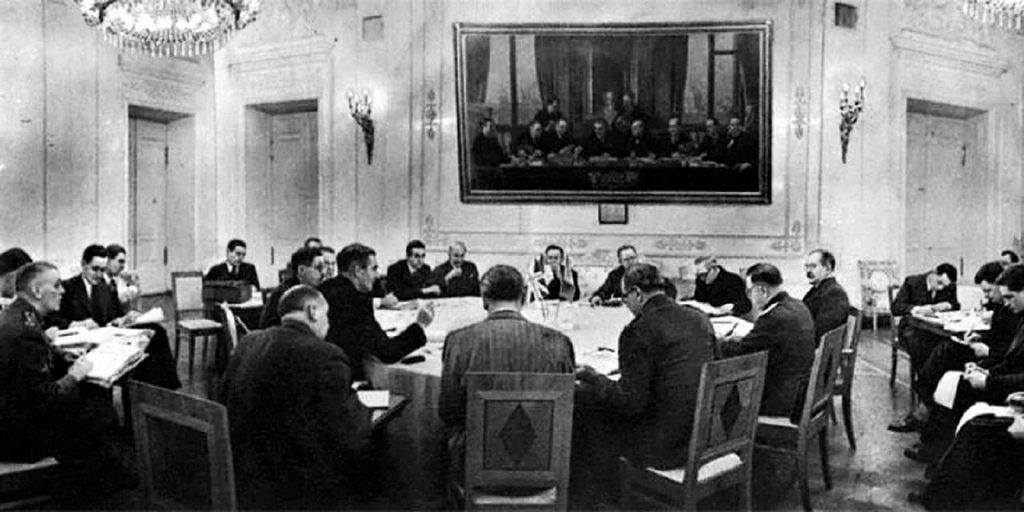
At the end of a conference of foreign ministers in Moscow, the Allies sign declarations on the post-war world, on Austria and Italy, and on punishing German war criminals.
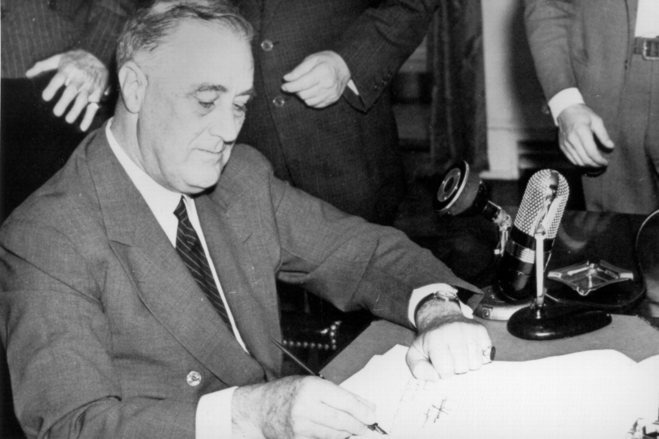
In Washington, Secretary of War Henry Stimson, blindfolded, draws the first number in America’s first peacetime draft. It is 158.
 United Kingdom
 United States
 Soviet Union
 Germany
 Japan
 France
 Poland
 South Africa