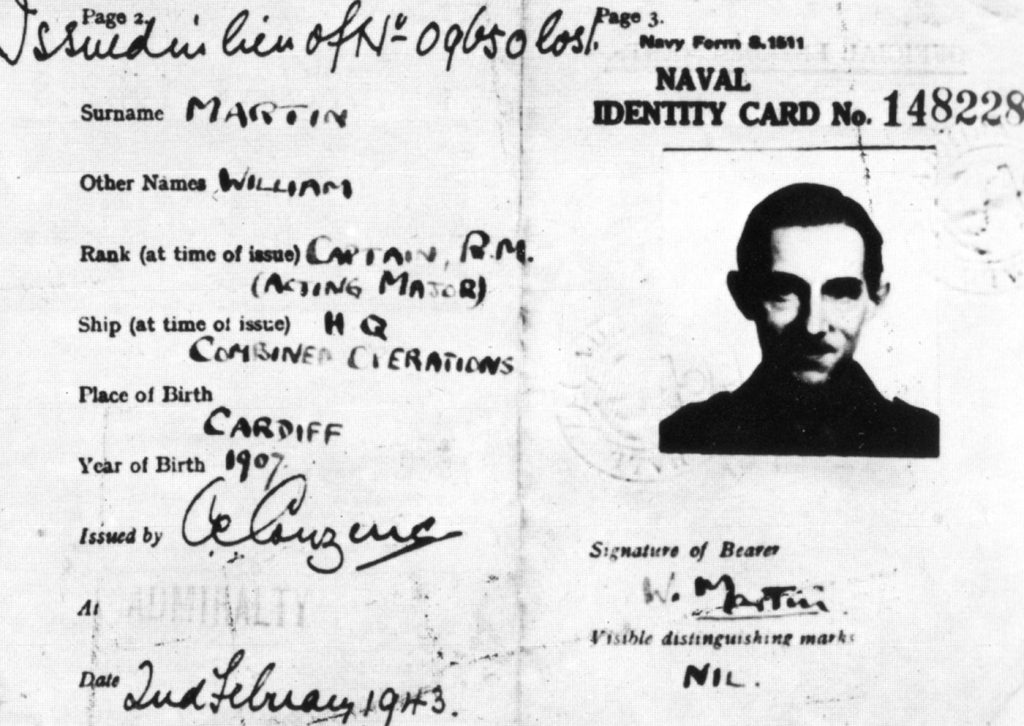
30 April 1943: Operation Mincemeat
Off the coast of Spain, a British submarine releases a dead man dressed as a Royal Marines officer, carrying letters meant to convince the Germans that the Allies will invade Greece and Sardinia.
The desert war, Malta, the Balkans, Sicily and the long campaign in Italy.
Off the coast of Spain, a British submarine releases a dead man dressed as a Royal Marines officer, carrying letters meant to convince the Germans that the Allies will invade Greece and Sardinia.

After a rapid advance through Italian Somaliland into Ethiopia, South African troops occupy Dire Dawa, called in by Italian colonists themselves.
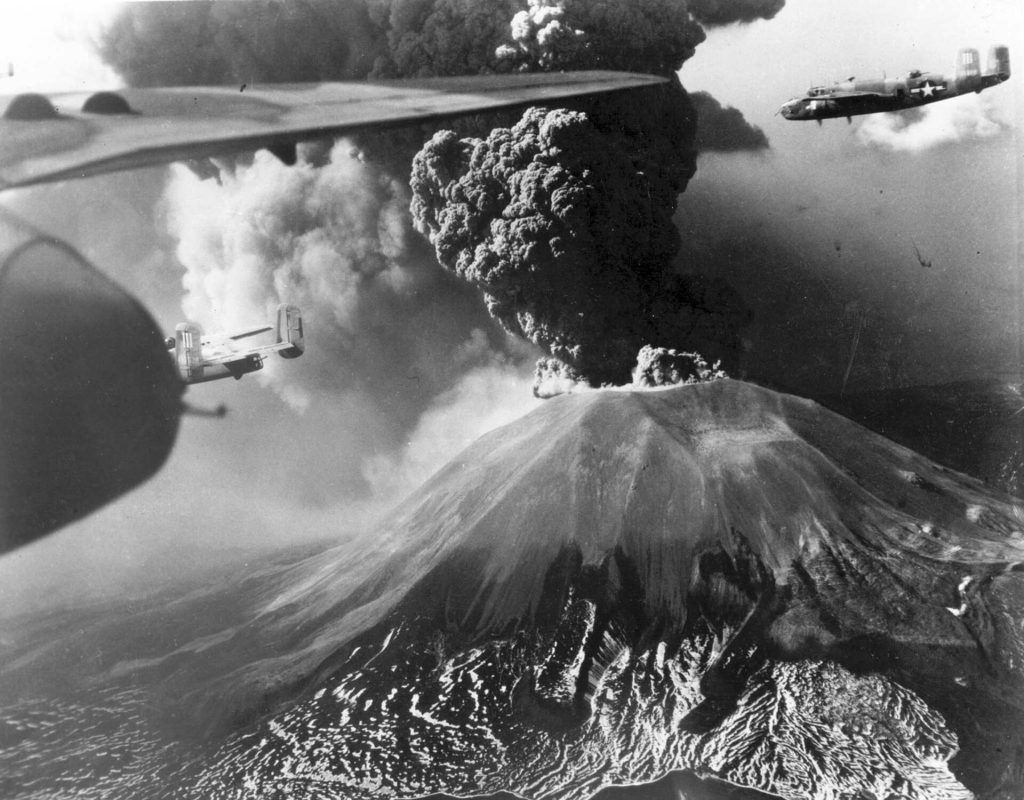
With the Allies stalled at Cassino, Mount Vesuvius erupts above Naples, burying villages and wrecking an American bomber group’s aircraft on the ground.
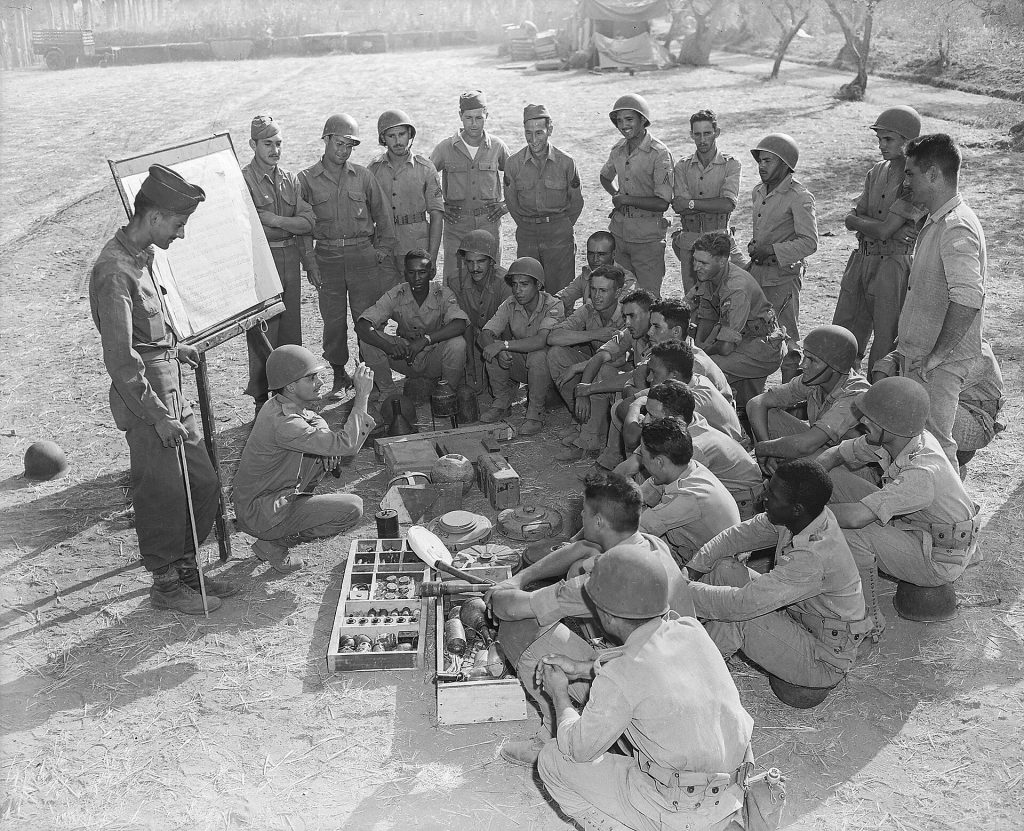
After three months of failed attacks in the northern Apennines, the Brazilian Expeditionary Force finally storms Monte Castello.
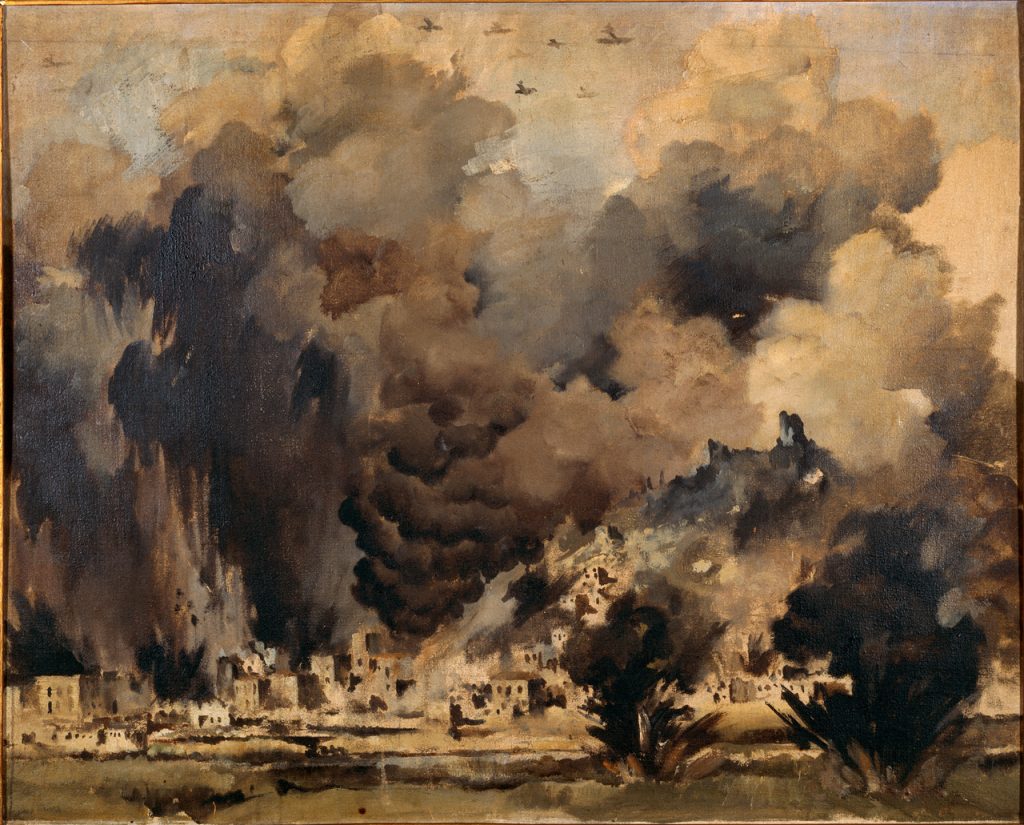
Allied bombers destroy the ancient Benedictine abbey above Cassino, believing the Germans are using it. They are not, until the ruins hand them a fortress.
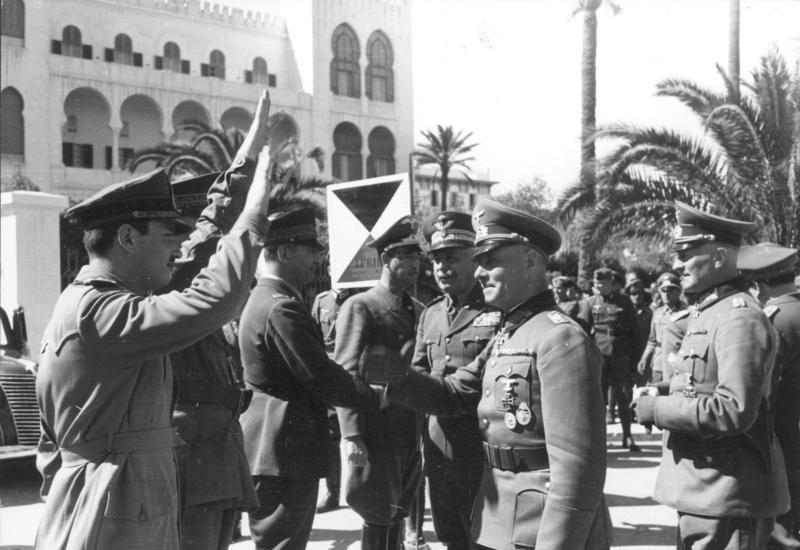
With the Italian army in Libya routed at Beda Fomm, a German general lands in Tripoli to stiffen the defence. Erwin Rommel has other ideas.
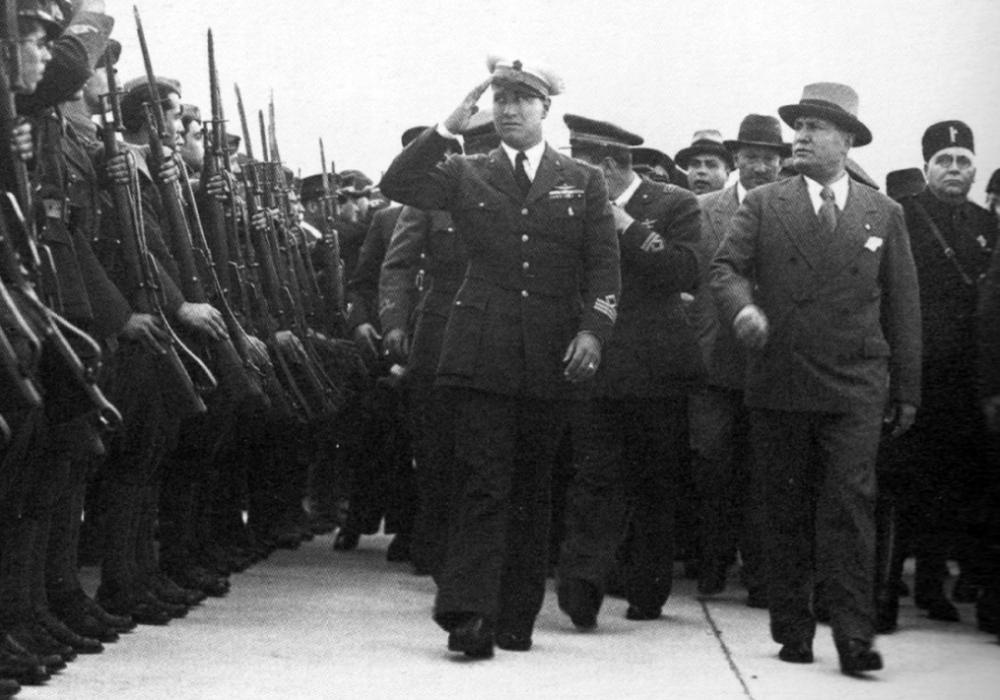
Mussolini’s son-in-law and former foreign minister is tied to a chair and shot in the back at Verona, punished for voting against the Duce six months earlier.
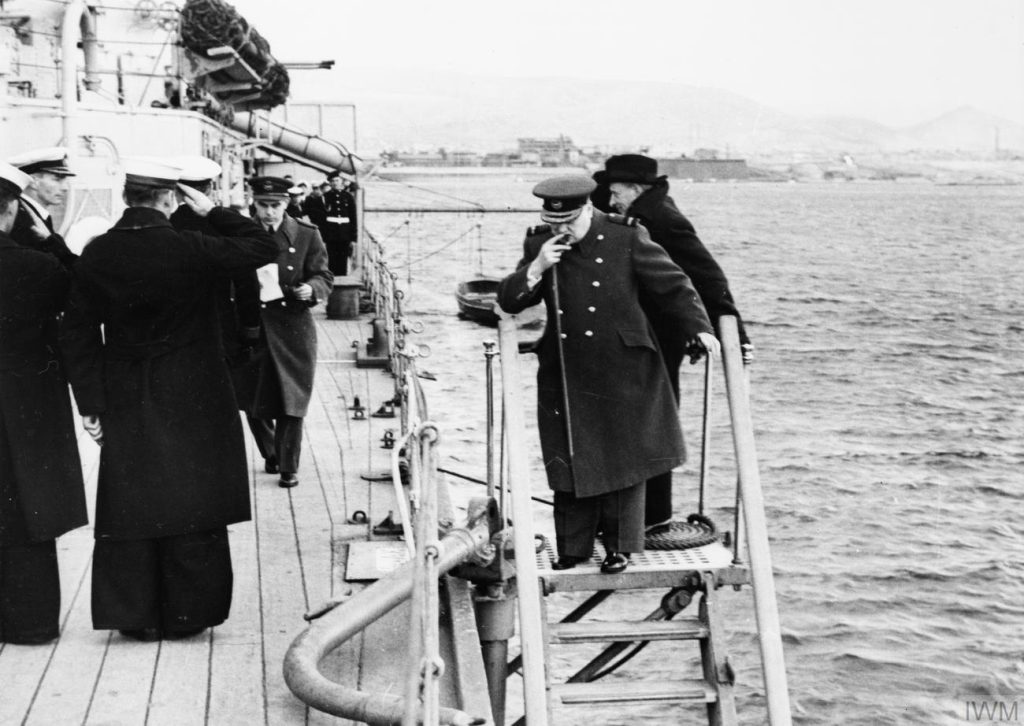
With British troops fighting communist-led ELAS in the streets of Athens, Churchill spends Christmas Day flying to Greece to try to make peace in person.
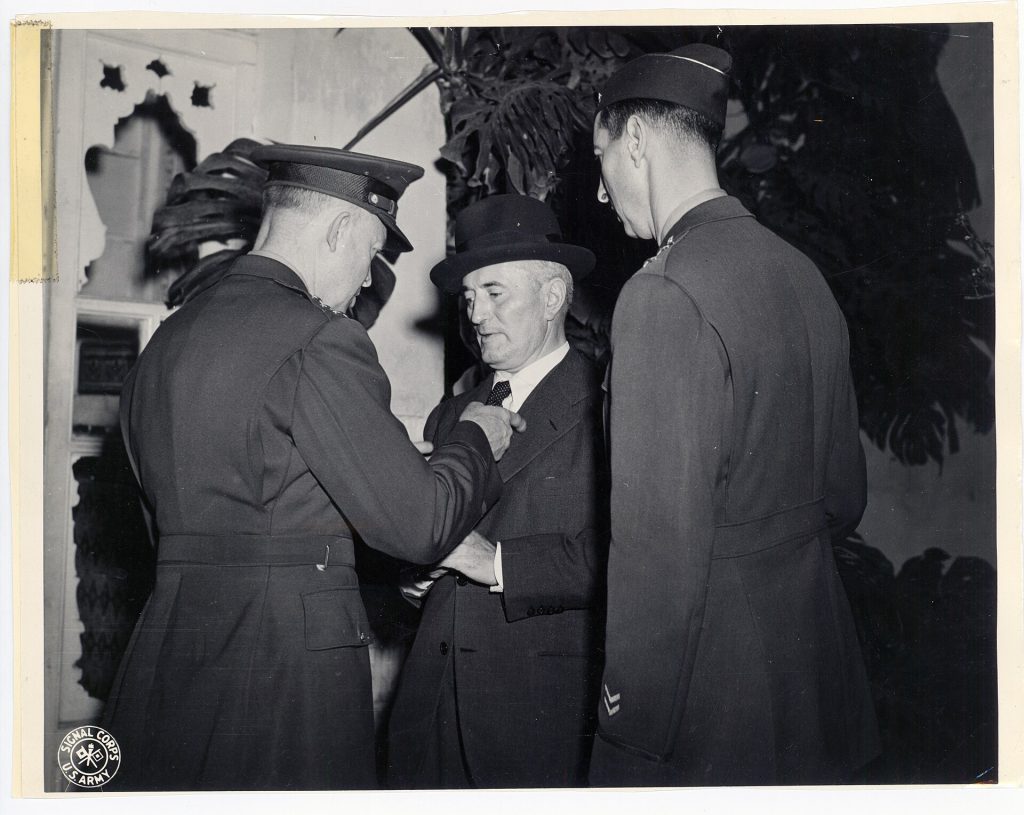
In Algiers on Christmas Eve, a 20-year-old monarchist shoots Admiral François Darlan, the former Vichy leader whom the Allies had accepted as head of French North Africa.
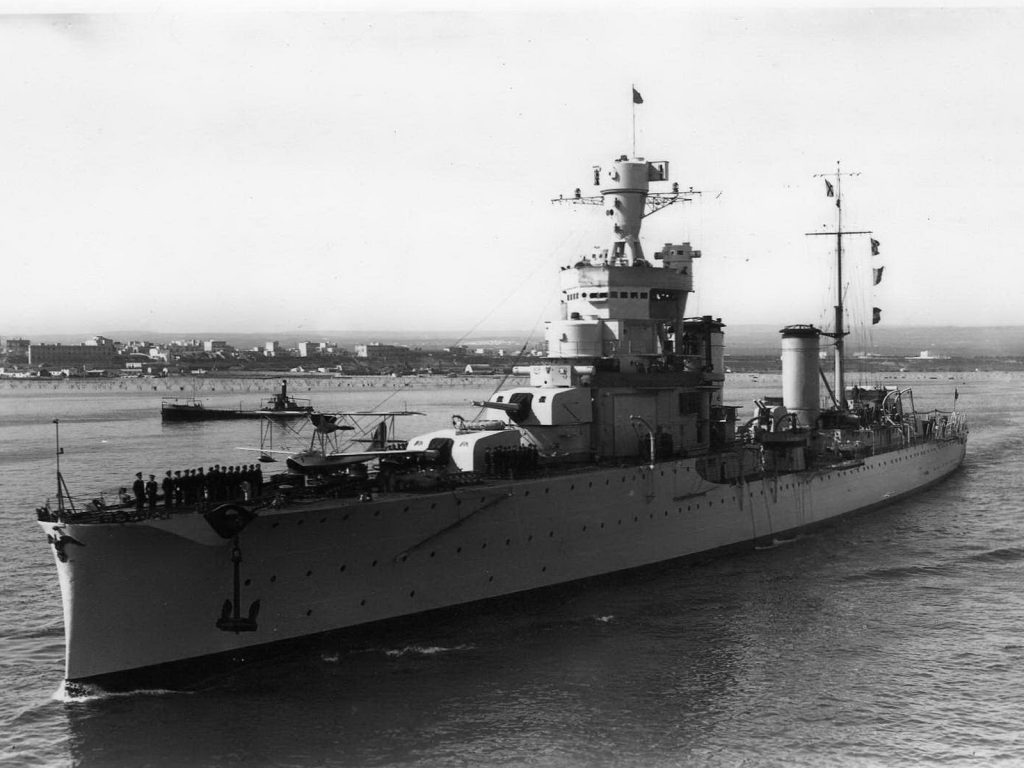
In the darkness off Tunisia, four Allied destroyers ambush two Italian cruisers carrying fuel to North Africa and sink both in minutes.
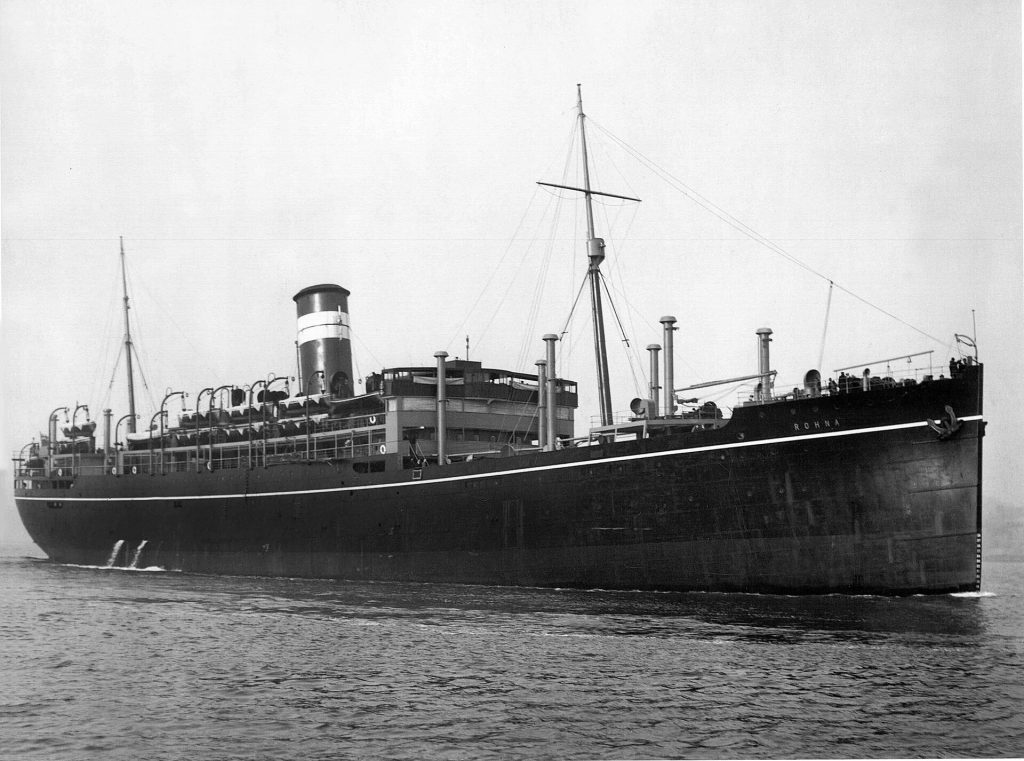
Off the coast of Algeria, a German radio-guided glide bomb strikes a British troopship carrying 2,000 American soldiers. More than 1,000 of them die in a disaster kept secret for decades.
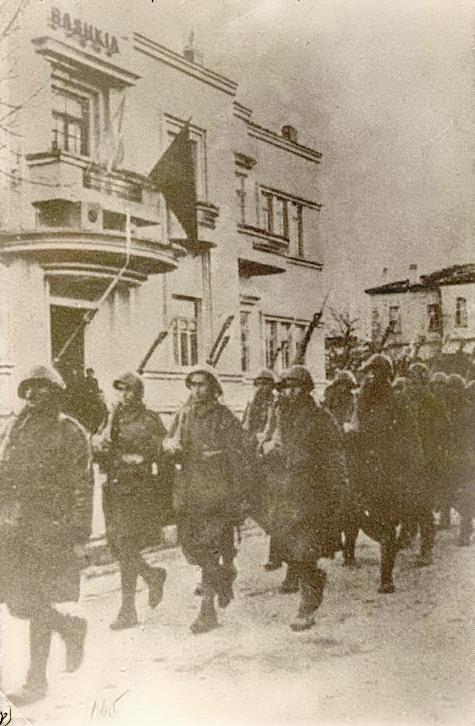
Three weeks after Mussolini’s invasion, the Greek army drives the Italians back into Albania and captures their main base at Korçë, the first Axis setback of the war.

After nearly three weeks of street fighting, Albanian partisans drive the last German troops out of their capital as the Wehrmacht withdraws from the Balkans.
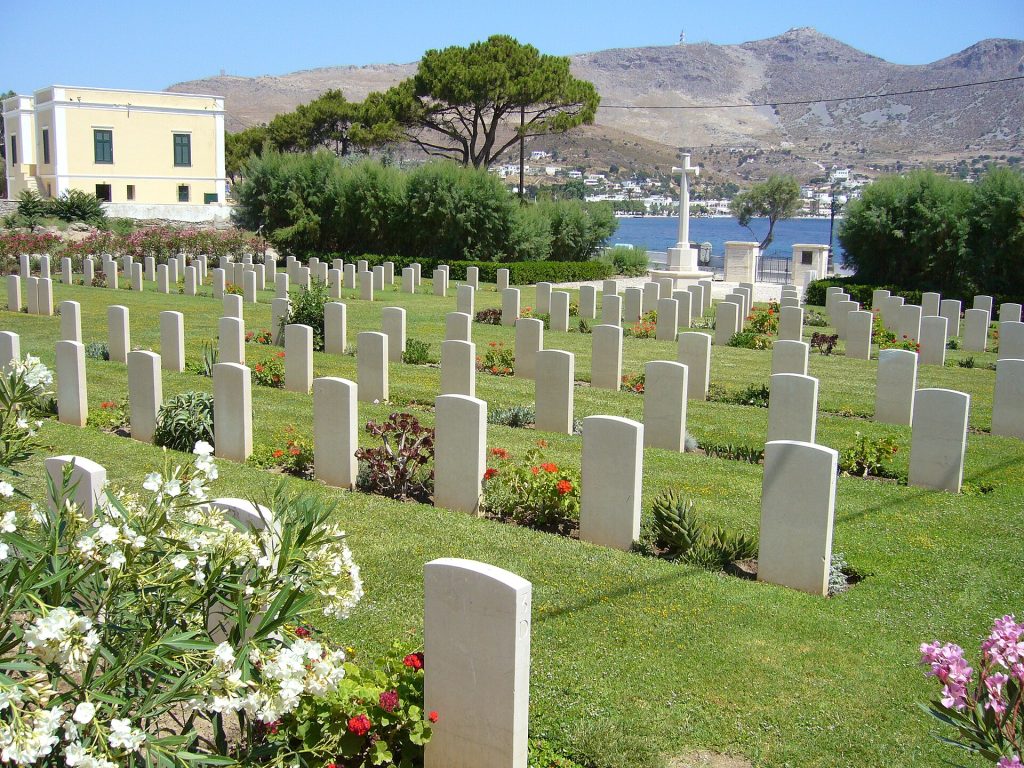
After four days of fighting against paratroops and seaborne landings under constant air attack, the British garrison on the Aegean island of Leros surrenders.
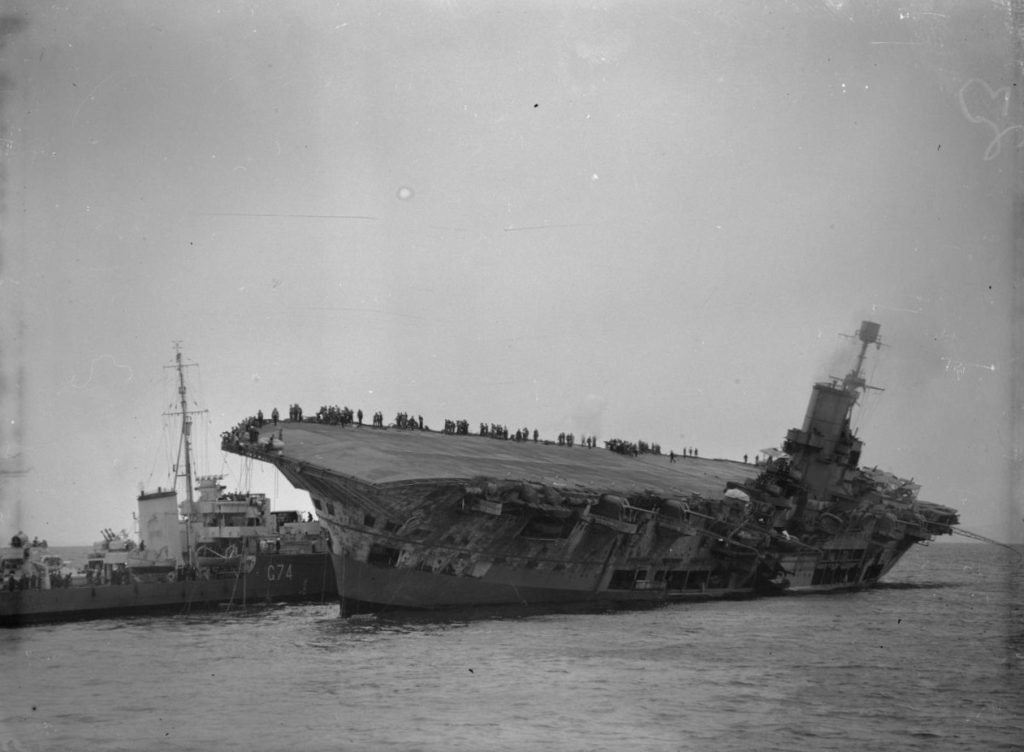
Within sight of Gibraltar, a single torpedo from U-81 strikes the Royal Navy’s most famous aircraft carrier, the ship German propaganda had claimed sunk two years before.
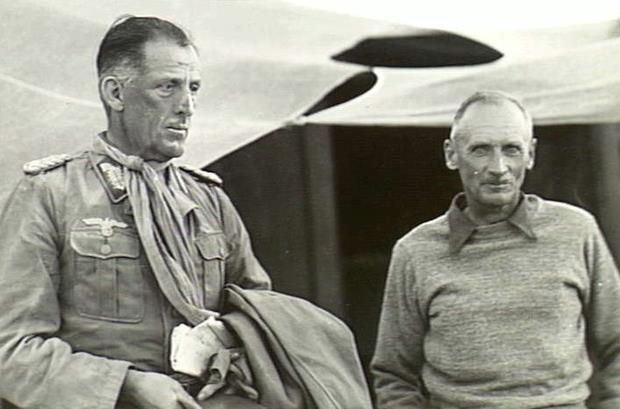
Defying Hitler’s order to stand or die, Rommel turns his broken army west, ending the Second Battle of El Alamein and the Axis threat to Egypt.
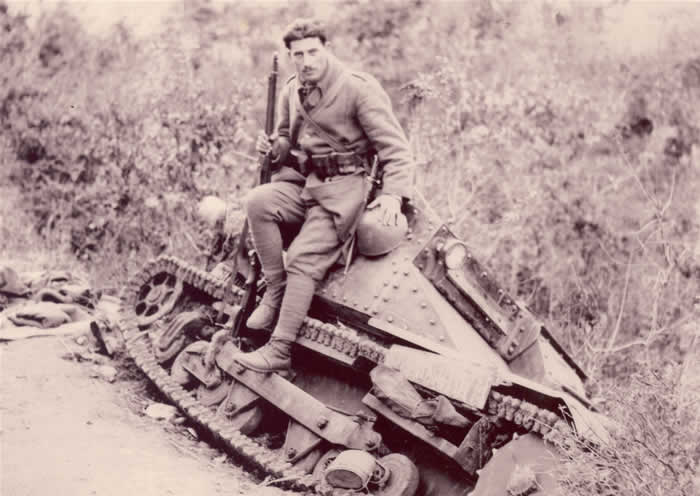
At three in the morning, the Italian ambassador hands Greece’s leader an ultimatum. He rejects it. Within hours Italian troops cross from Albania. The Greeks will drive them back.
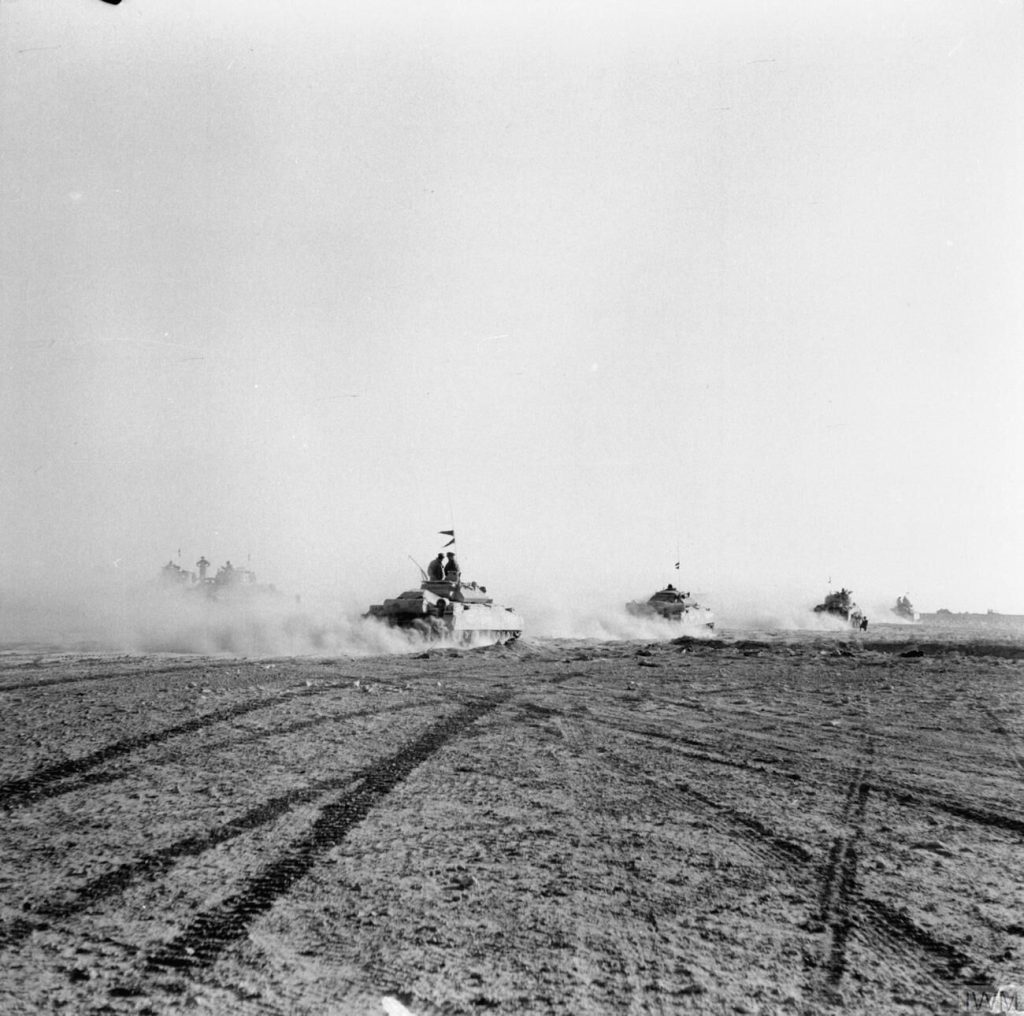
At 21:40, hundreds of guns open fire along the Alamein line. Montgomery’s Eighth Army begins the battle that will drive the Axis out of Egypt for good.
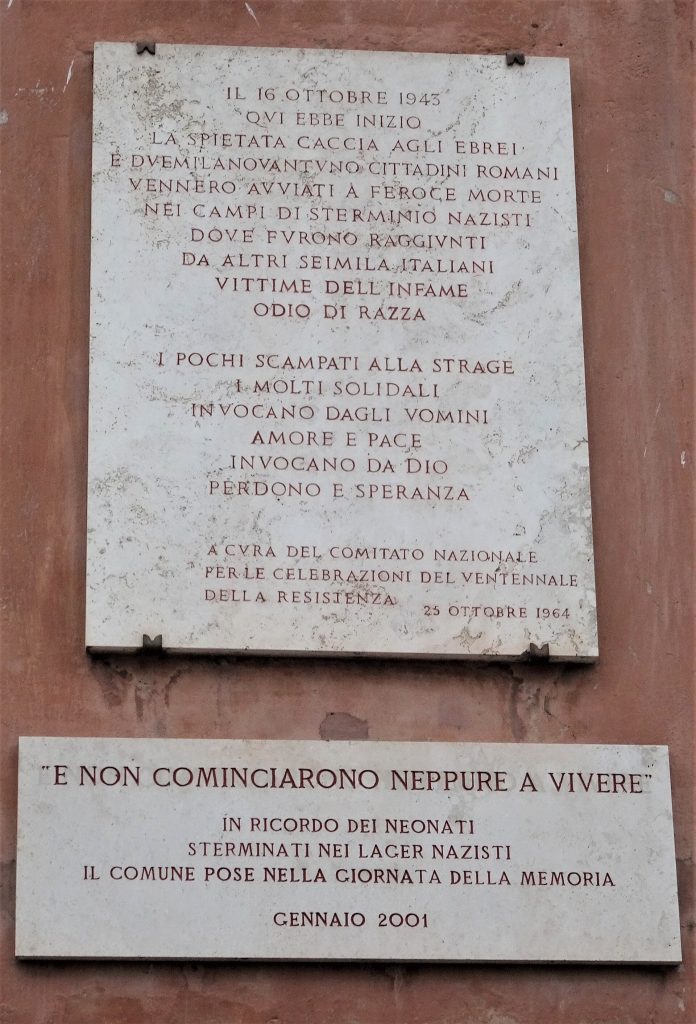
Before dawn on a Saturday, German police and SS troops seal off the old Jewish quarter of Rome and begin seizing families from their homes. Two days later a train leaves for Auschwitz.
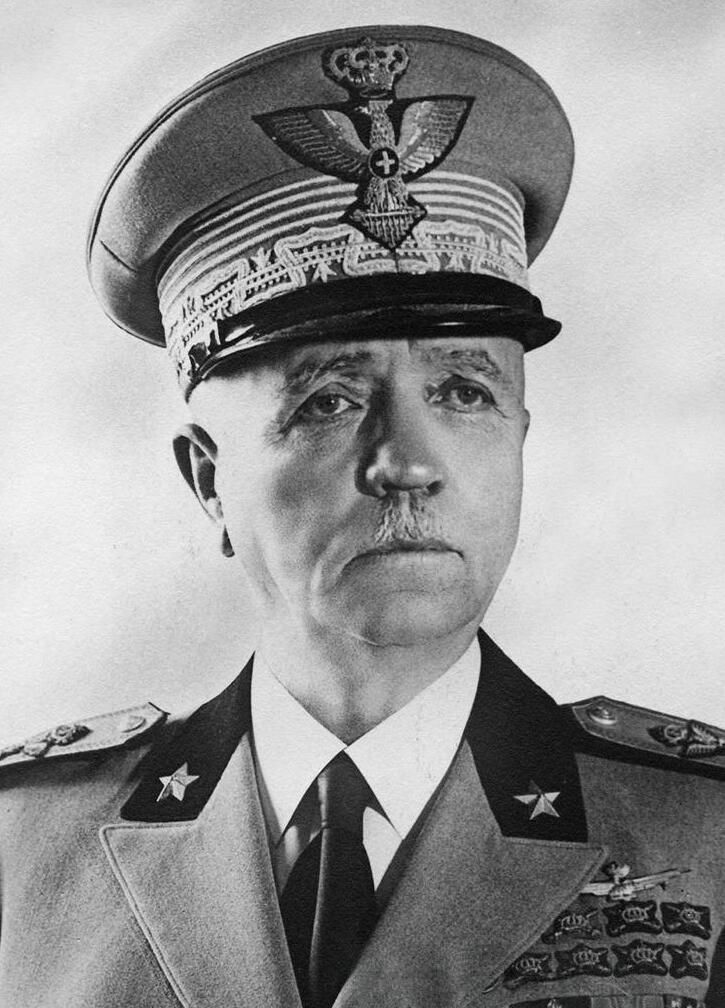
Five weeks after its armistice with the Allies, the royal Italian government declares war on its former ally. Italy is now a co-belligerent, not quite an ally.
 United Kingdom
 United States
 Soviet Union
 Germany
 Japan
 France
 Poland
 South Africa