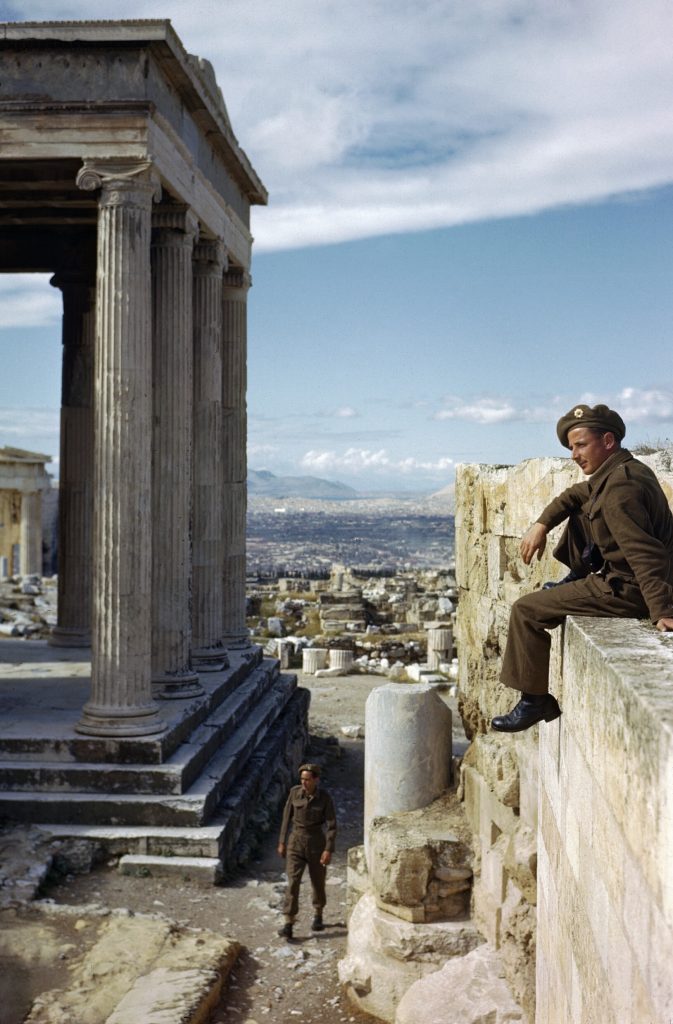
12 October 1944: The Liberation of Athens
The last German troops leave Athens, and the swastika comes down from the Acropolis. Within days British troops and the Greek government in exile arrive.
The desert war, Malta, the Balkans, Sicily and the long campaign in Italy.
The last German troops leave Athens, and the swastika comes down from the Acropolis. Within days British troops and the Greek government in exile arrive.
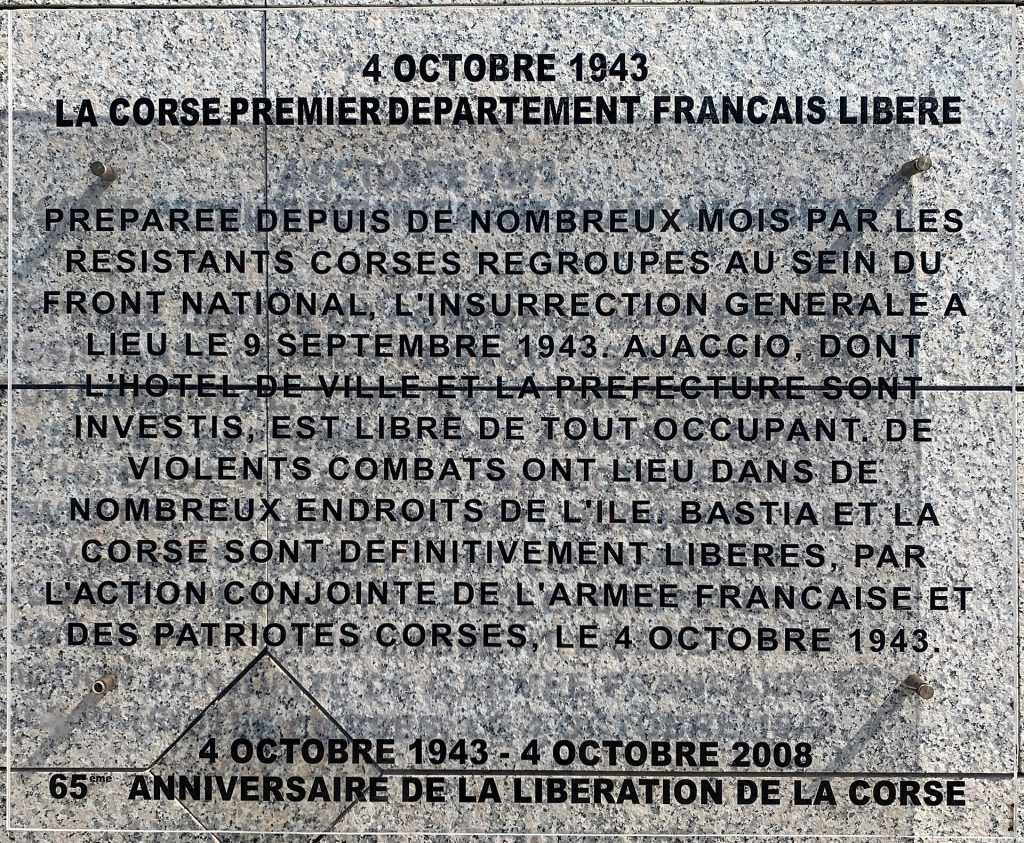
The last German troops leave Bastia. Corsica becomes the first part of metropolitan France to be freed, by French forces and the island’s own resistance.
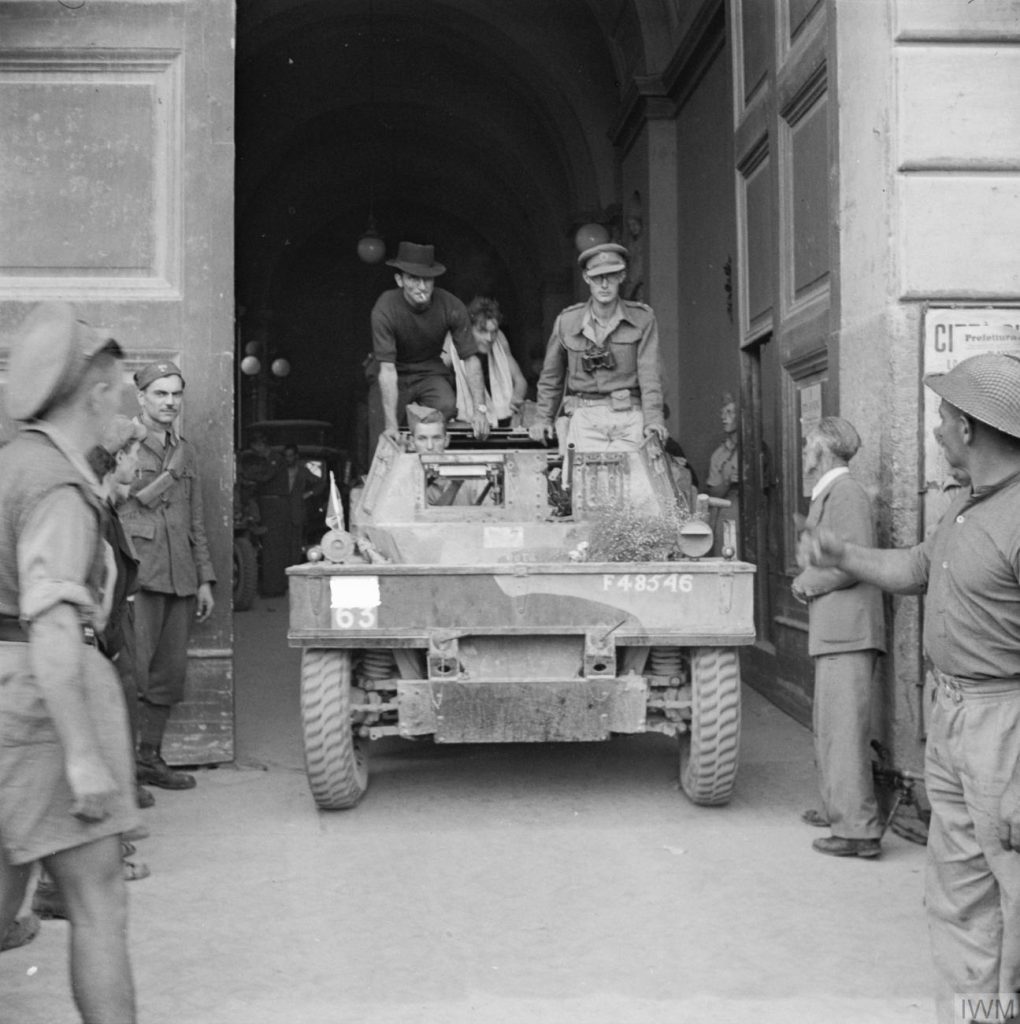
British armoured cars roll into Naples, followed by the US Fifth Army. The city’s people have already fought the Germans themselves. The port is a wreck.
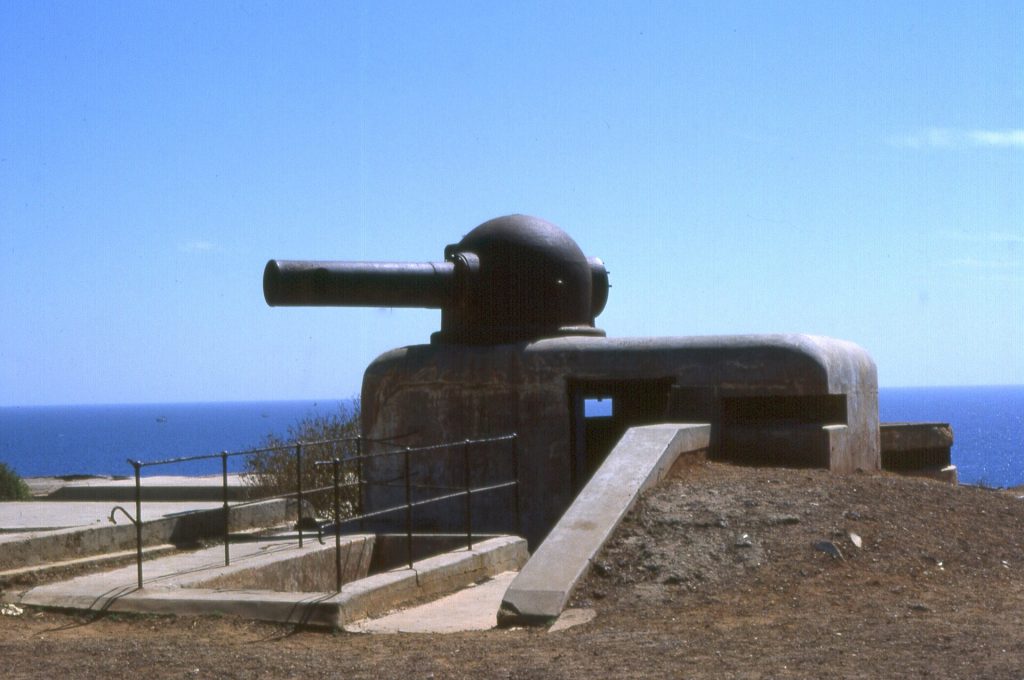
A British fleet carrying General de Gaulle and his Free French troops arrives off Dakar, hoping to win French West Africa without a fight. The Vichy French open fire.
Commandos, Royal Marines and warships attack the port of Tobruk by night, hoping to wreck Rommel’s supply base. The raid goes badly wrong.
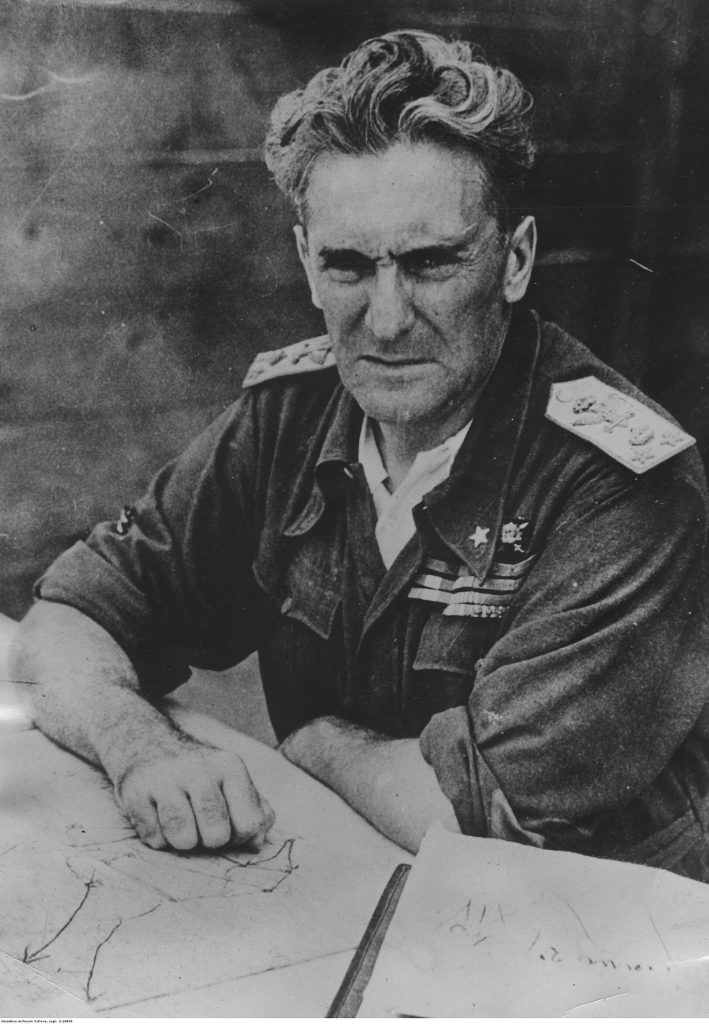
Under pressure from Mussolini, Marshal Graziani’s Tenth Army crosses from Libya into Egypt. After a few days’ advance, it stops and digs in.
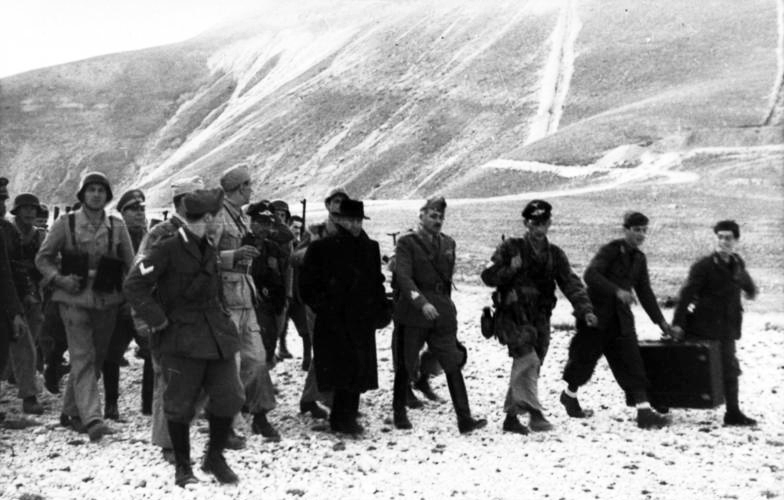
German gliders land beside a mountain hotel in the Abruzzo, where the deposed Mussolini is held prisoner. Within minutes he is freed without a shot fired, and flown out in a tiny aircraft.
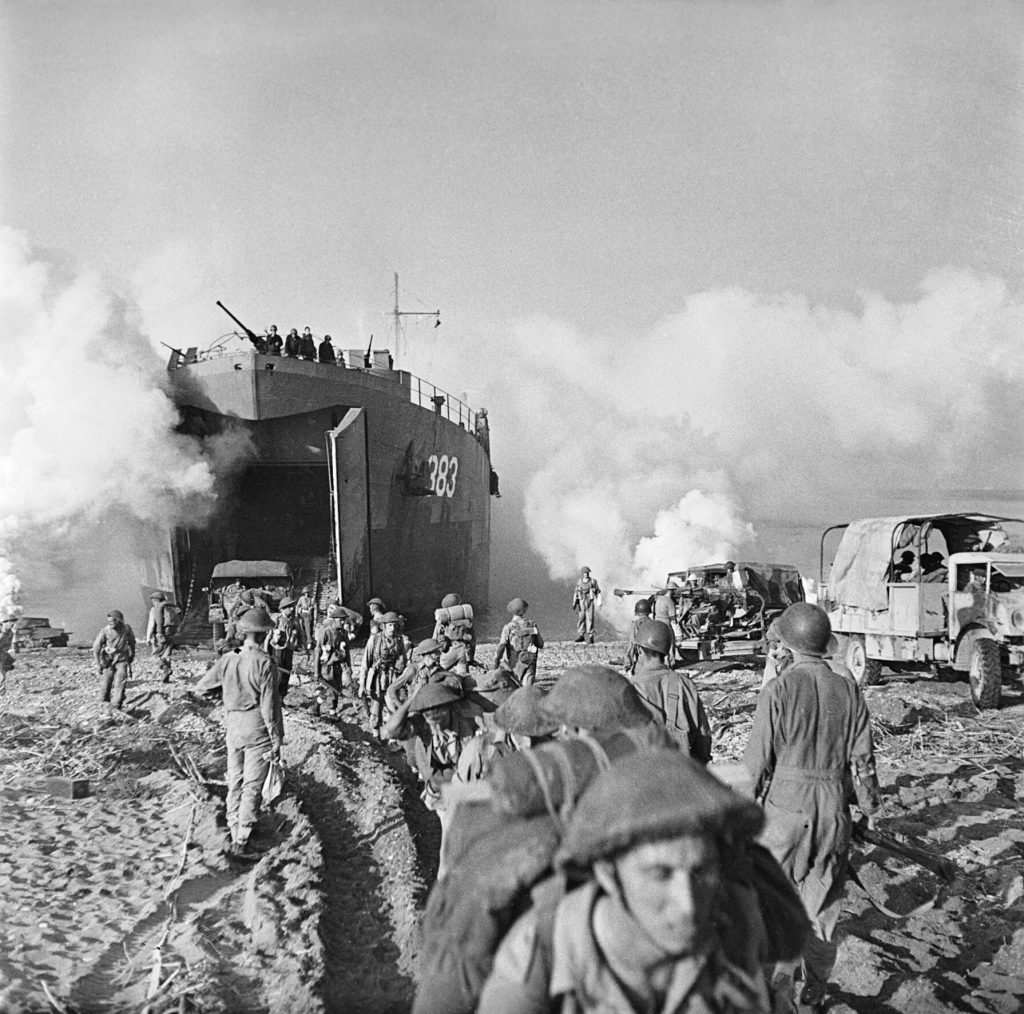
The day after Italy’s armistice is announced, Allied troops land on the beaches south of Salerno. They expect an easy landing. The Germans are waiting.
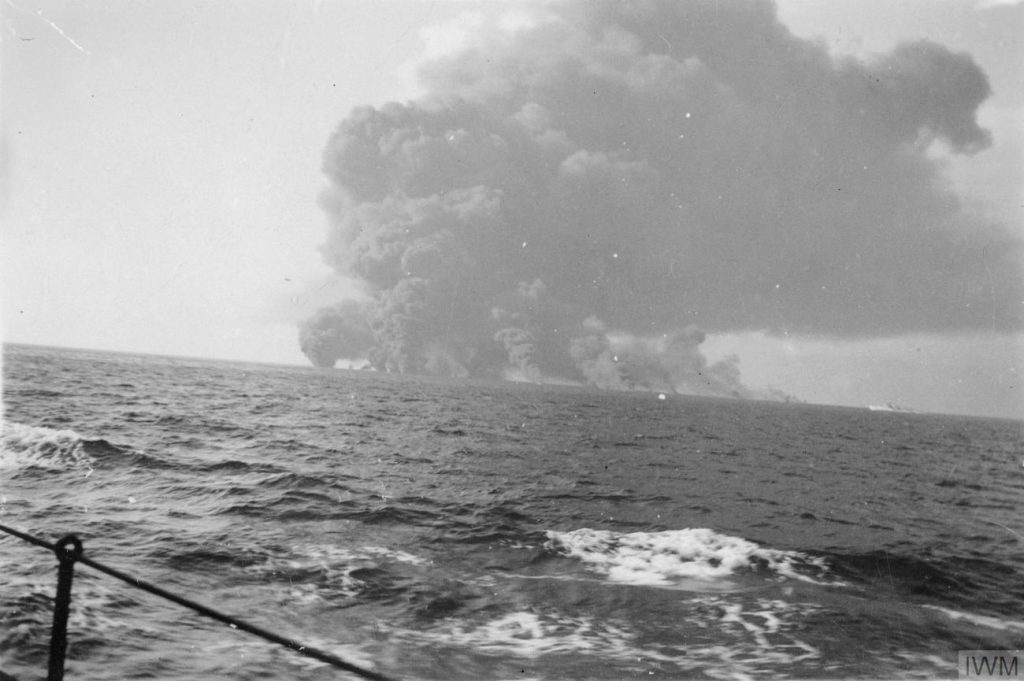
A massive convoy fights its way towards besieged Malta. On its first day of action, a U-boat sinks the aircraft carrier HMS Eagle.
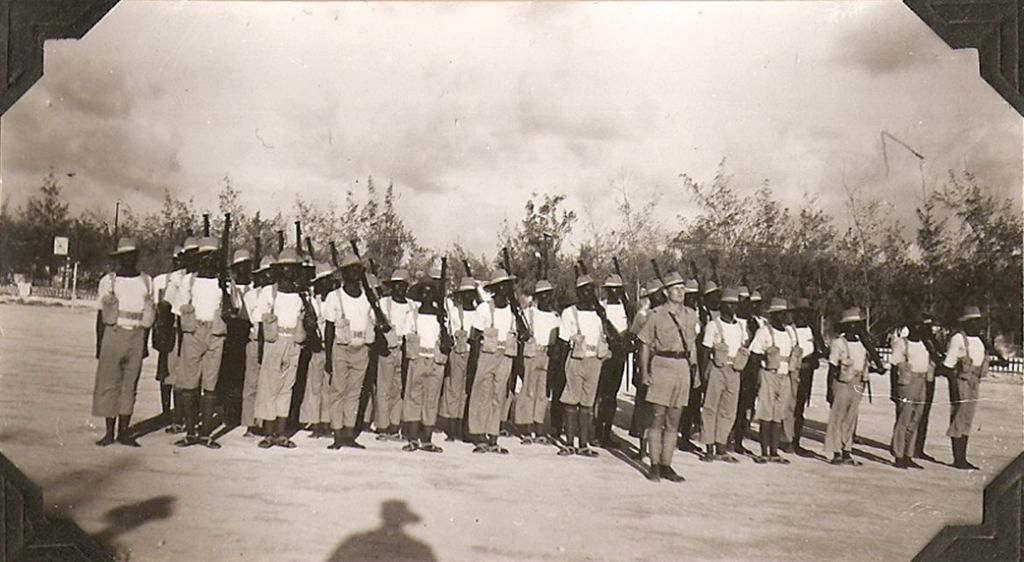
Italian forces cross from Ethiopia into British Somaliland. In just over two weeks, the small British garrison is forced to evacuate by sea.
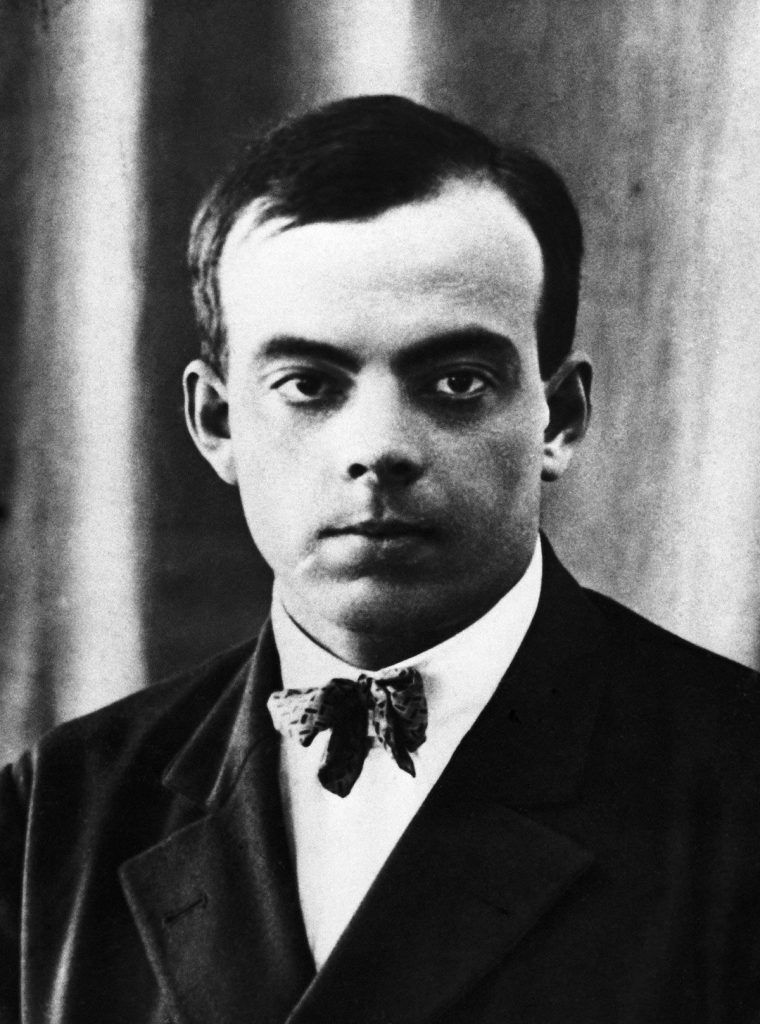
The author of The Little Prince takes off from Corsica on a reconnaissance flight over southern France. He never returns.
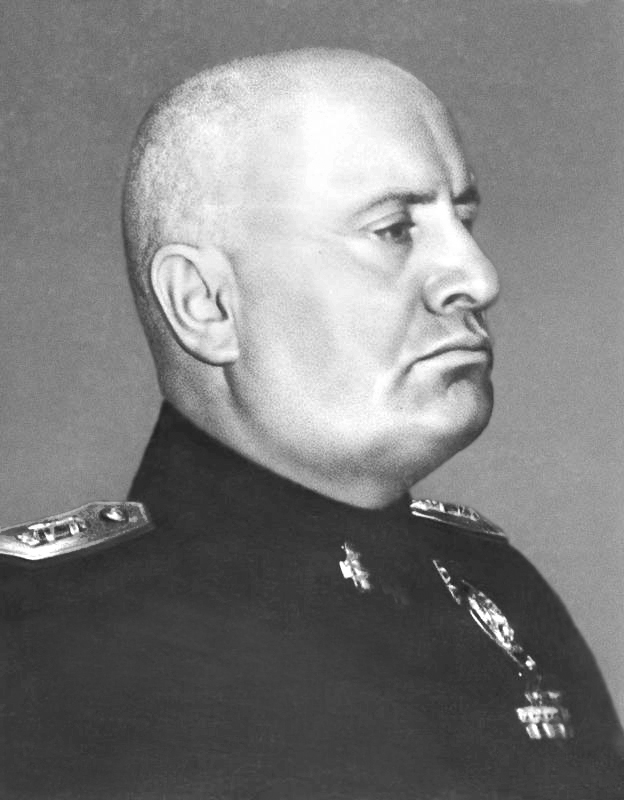
After an all-night meeting of the Fascist Grand Council votes against him, Mussolini goes to see the King. He leaves the royal villa under arrest. Twenty-one years of Fascist rule are over.
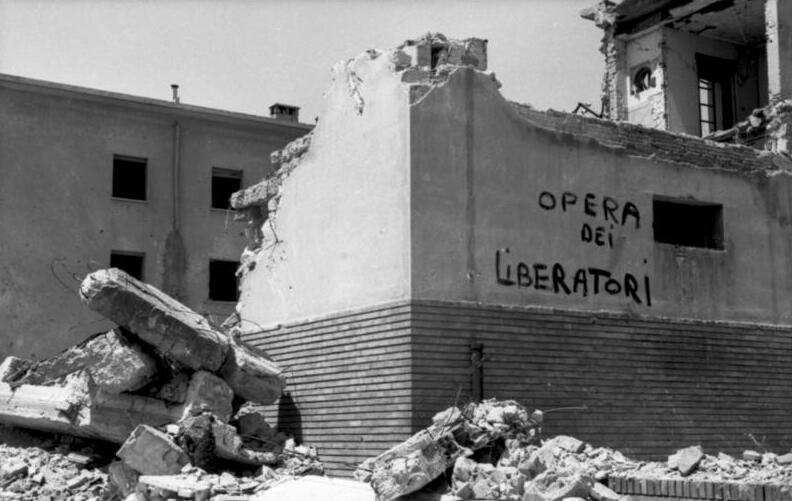
For the first time, hundreds of American bombers attack Rome. Their target is the railway yards, but the bombs also fall on the working-class district of San Lorenzo.
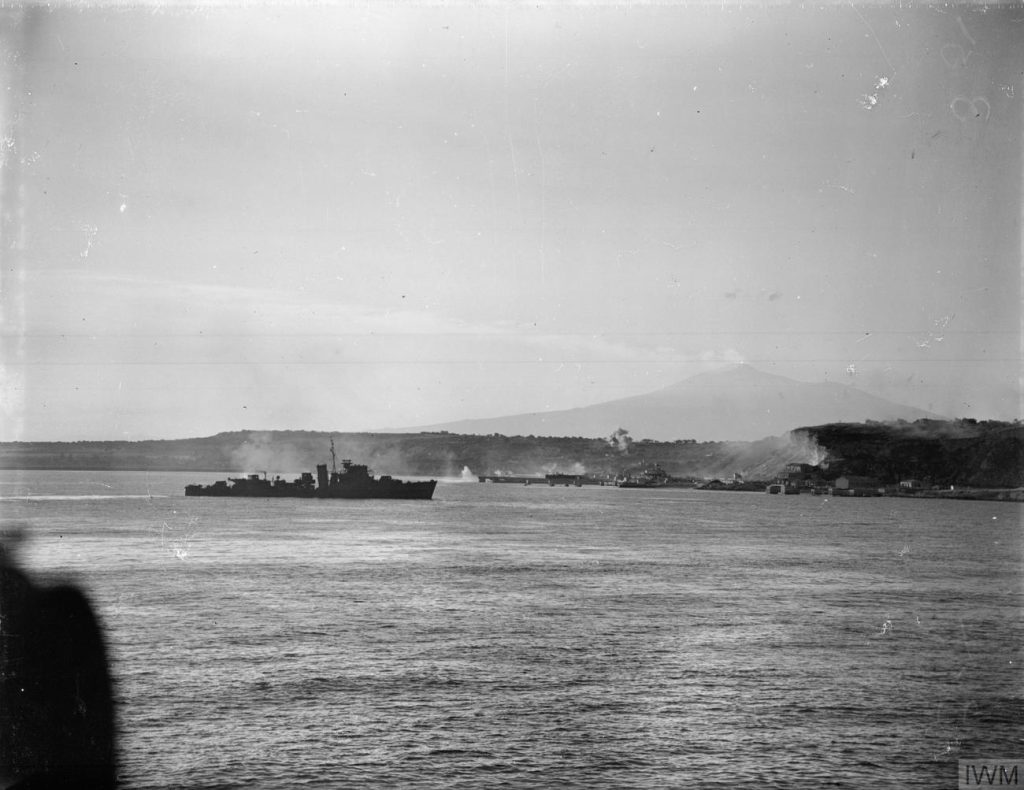
Transport aircraft carrying American paratroopers fly over the invasion fleet off Sicily just after a German air raid. Nervous Allied gunners open fire on them.
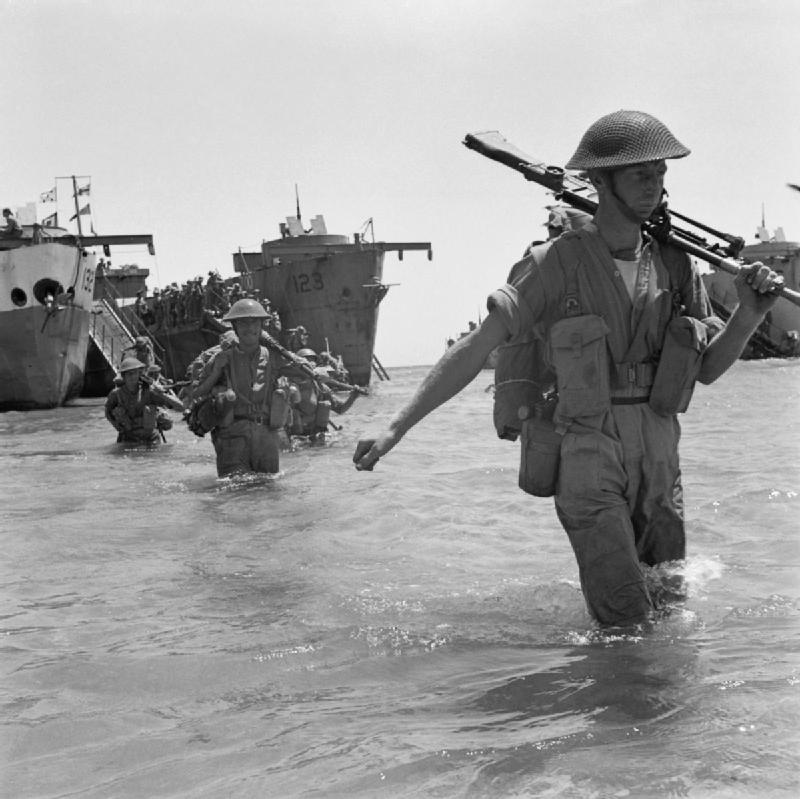
On a stormy night, Allied paratroopers and gliders take off for Sicily. By dawn, the largest amphibious landing yet attempted is under way.

Five days after Mers-el-Kébir, British aircraft attack France’s newest battleship in the harbour at Dakar. A single torpedo puts her out of action.
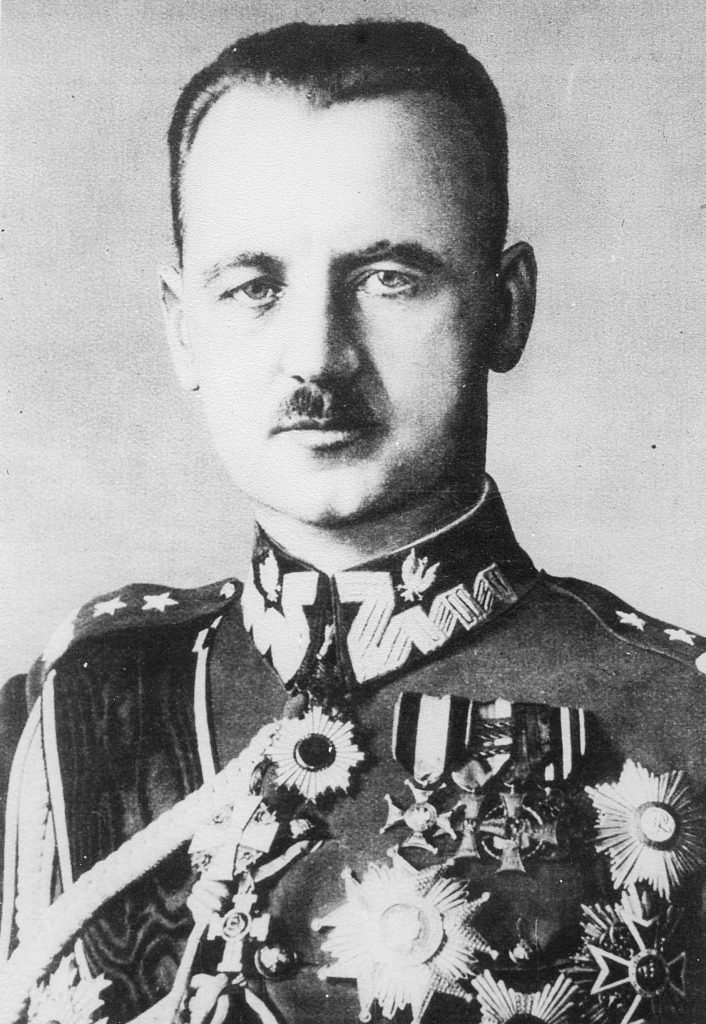
Seconds after taking off from Gibraltar, the aircraft carrying General Władysław Sikorski, leader of the Polish government in exile, plunges into the sea.
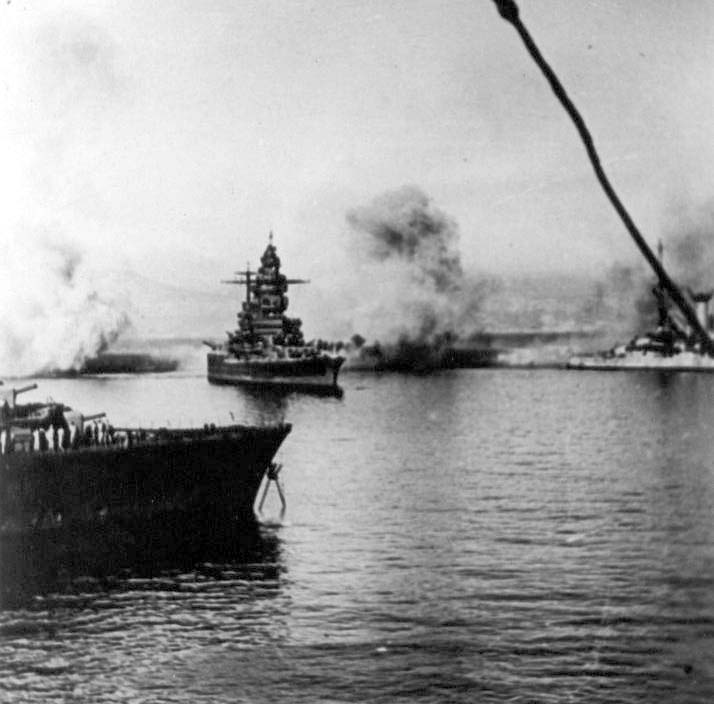
To stop the French fleet falling into German hands, the Royal Navy opens fire on its ally of only weeks before. Nearly 1,300 French sailors are killed.
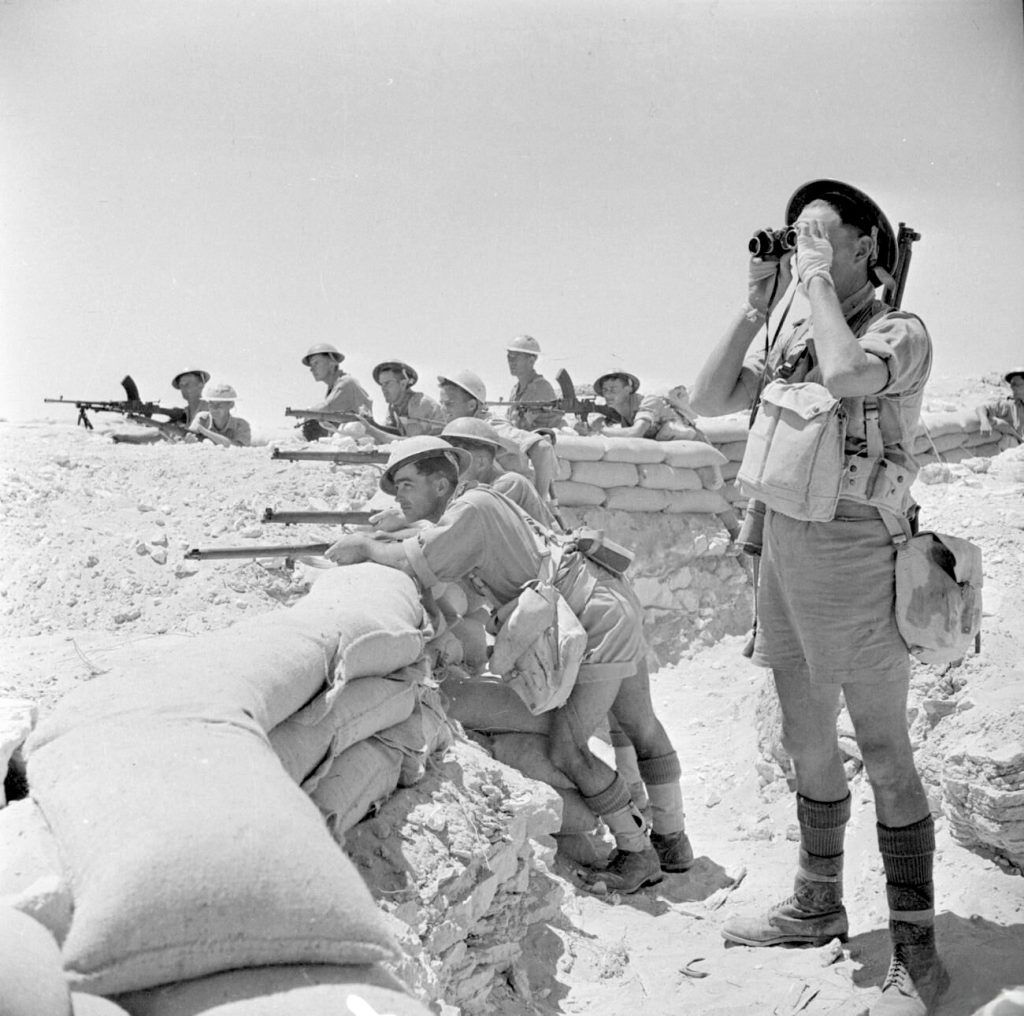
Rommel’s army, racing for the Nile, runs into the last British line at El Alamein. South African troops in the Alamein box help stop him.
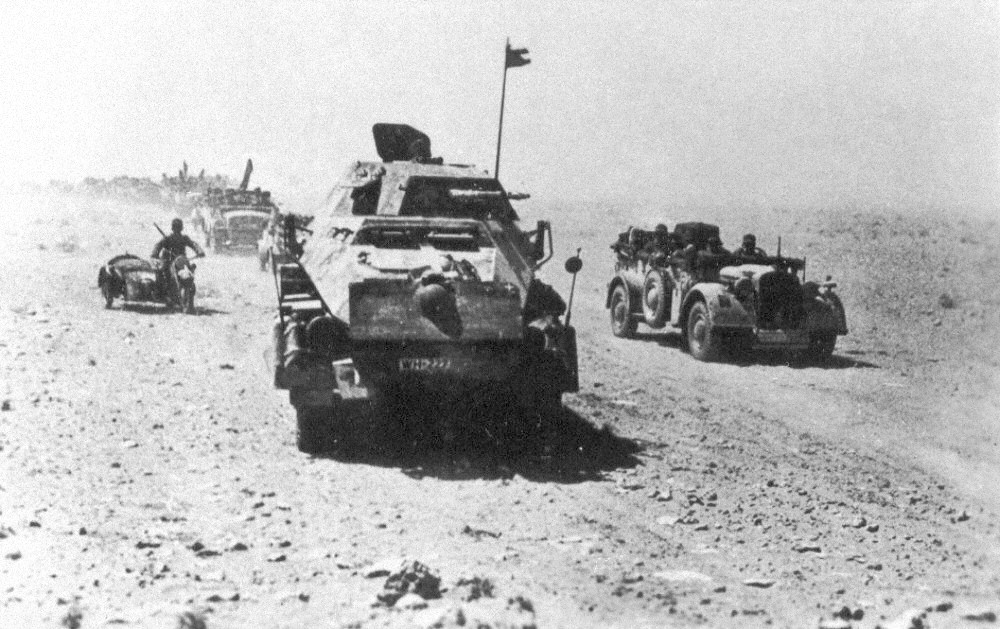
Rommel’s forces take the port of Mersa Matruh as the Eighth Army retreats into Egypt. The British fall back to a last line at a railway halt called El Alamein.
 United Kingdom
 United States
 Soviet Union
 Germany
 Japan
 France
 Poland
 South Africa