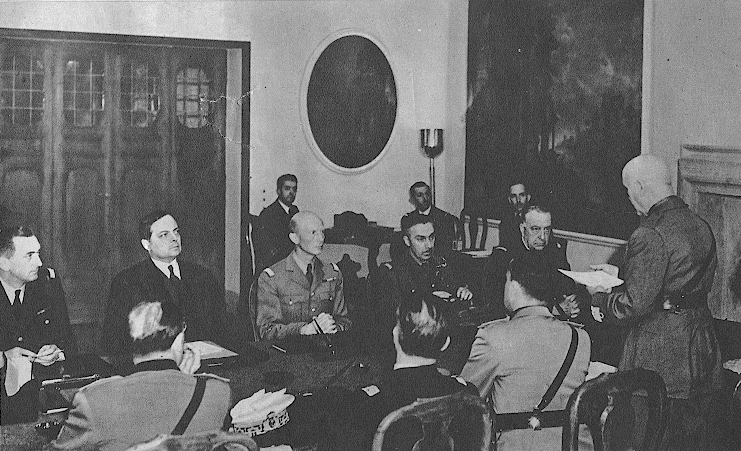
24 June 1940: The Armistice with Italy
After an Alpine offensive that gained almost nothing, Italy signs an armistice with France at a villa near Rome. That night, the fighting in France ends.
The desert war, Malta, the Balkans, Sicily and the long campaign in Italy.
After an Alpine offensive that gained almost nothing, Italy signs an armistice with France at a villa near Rome. That night, the fighting in France ends.
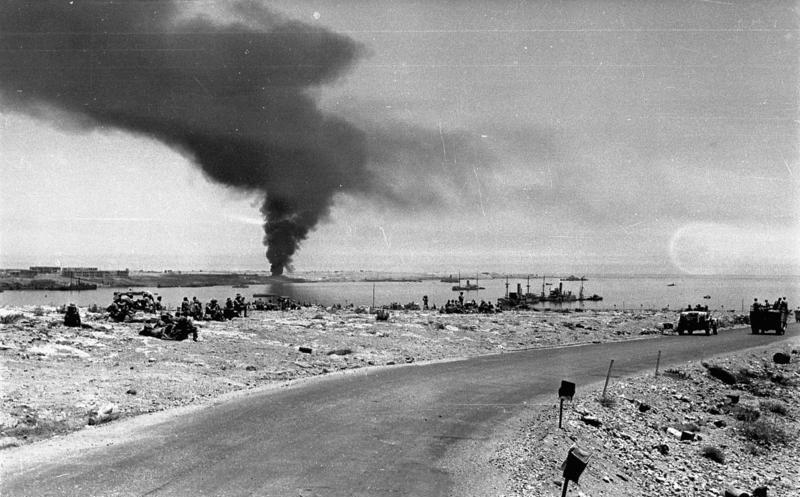
After a single day’s assault, the fortress that held out for eight months in 1941 surrenders to Rommel. Its South African commander and tens of thousands of men become prisoners.
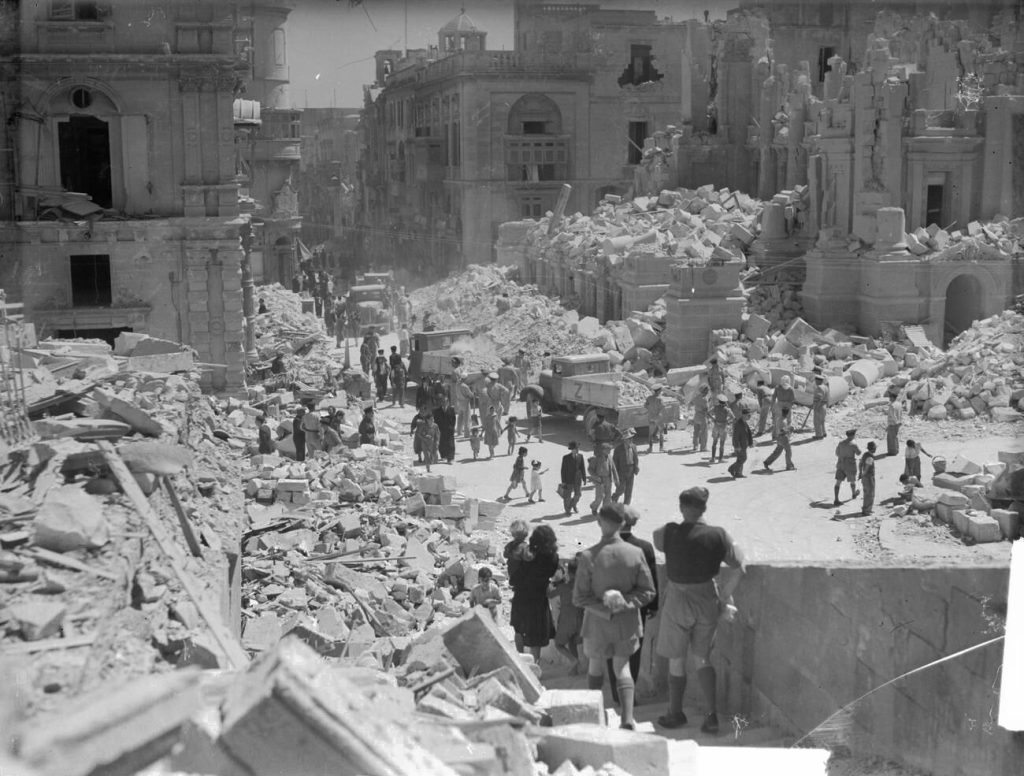
Hours after Italy’s declaration of war takes effect, Italian bombers attack Malta. The siege of the island has begun, and it will last more than two years.
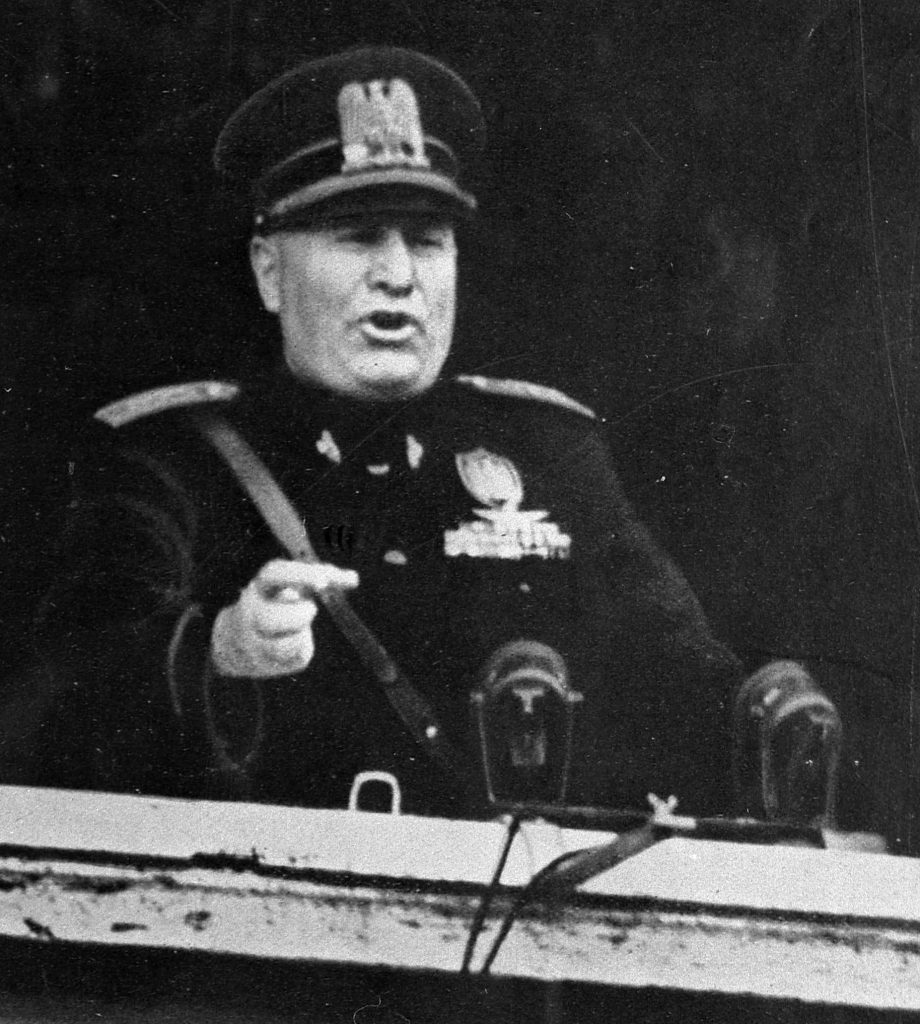
From the balcony of the Palazzo Venezia, Mussolini announces that Italy is at war with Britain and France. France is already collapsing.
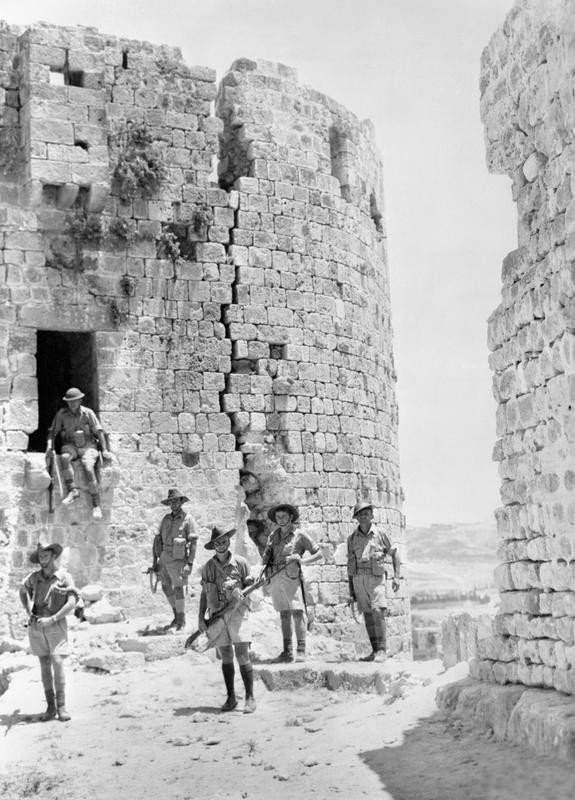
Australian, British, Indian and Free French troops cross into Vichy French Syria and Lebanon. They expect little resistance and find themselves in a bitter five-week campaign.
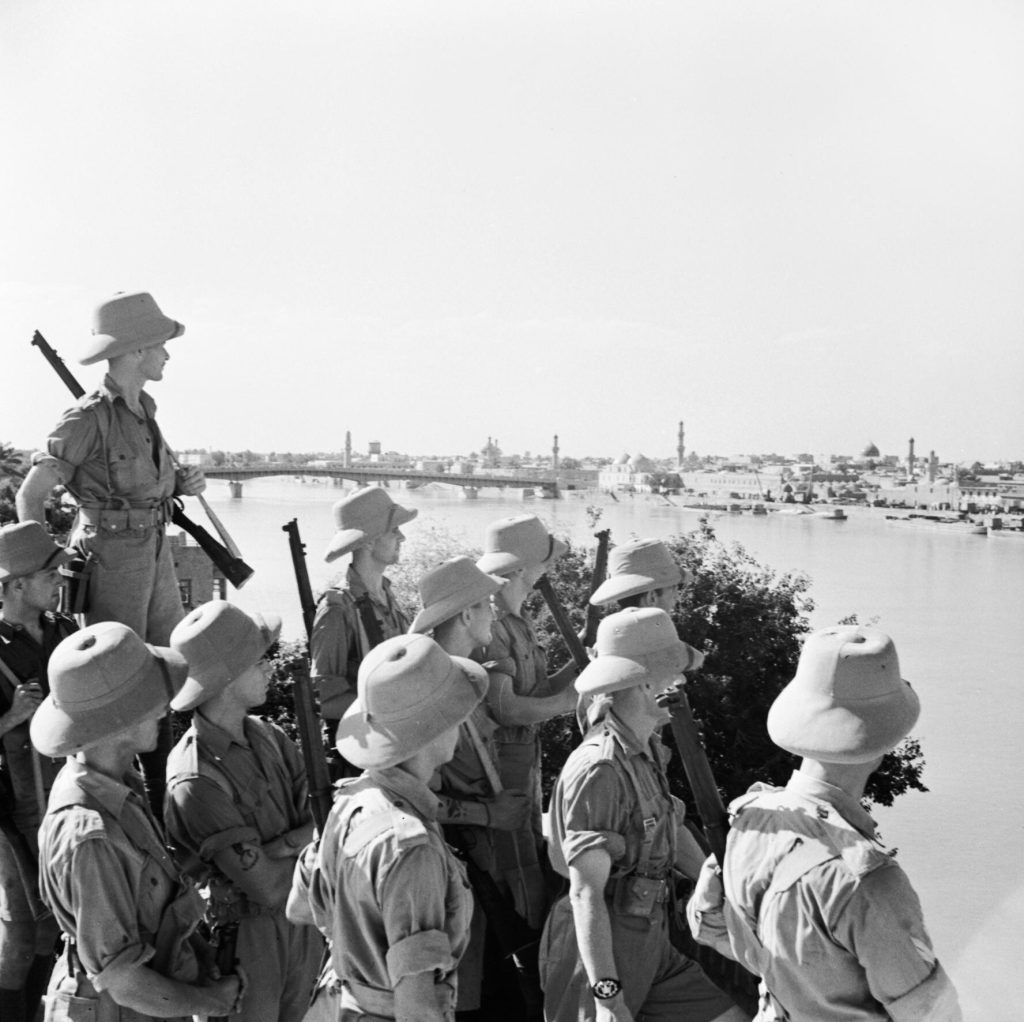
In the power vacuum after a failed pro-Axis coup, mobs attack the Jewish community of Baghdad during the festival of Shavuot. Hundreds are killed before order is restored.
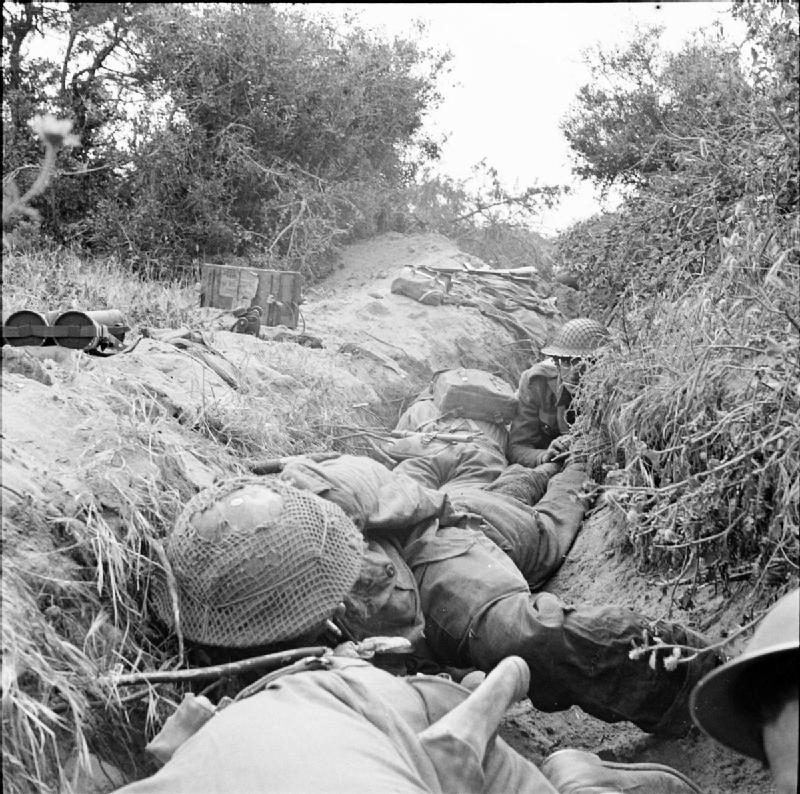
After four months penned into the beachhead, the Allied troops at Anzio attack. Within days they link up with the main armies, and a controversial decision sends them towards Rome.
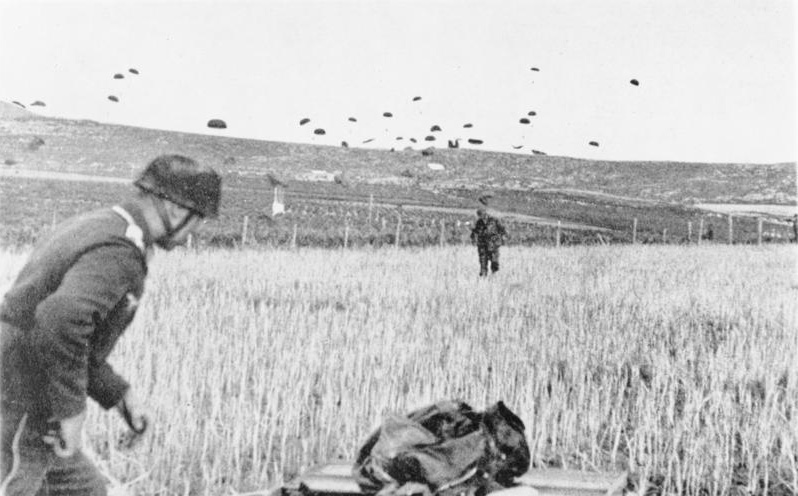
Thousands of German paratroopers descend on Crete in the first great airborne invasion in history. They suffer terrible losses, but they take an airfield, and that is enough.
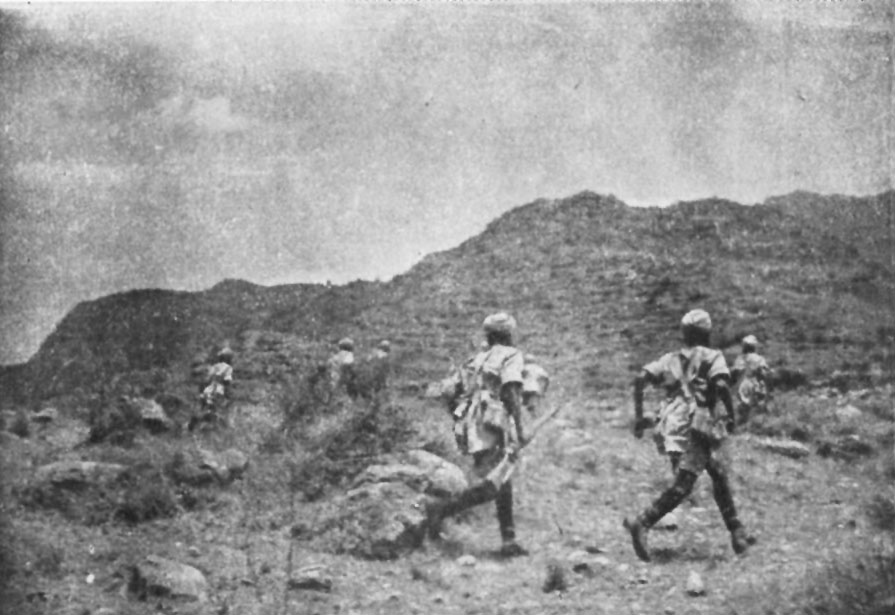
On a mountain stronghold in northern Ethiopia, the Duke of Aosta, Viceroy of Italian East Africa, surrenders with the honours of war. South African troops are among those who brought him to it.
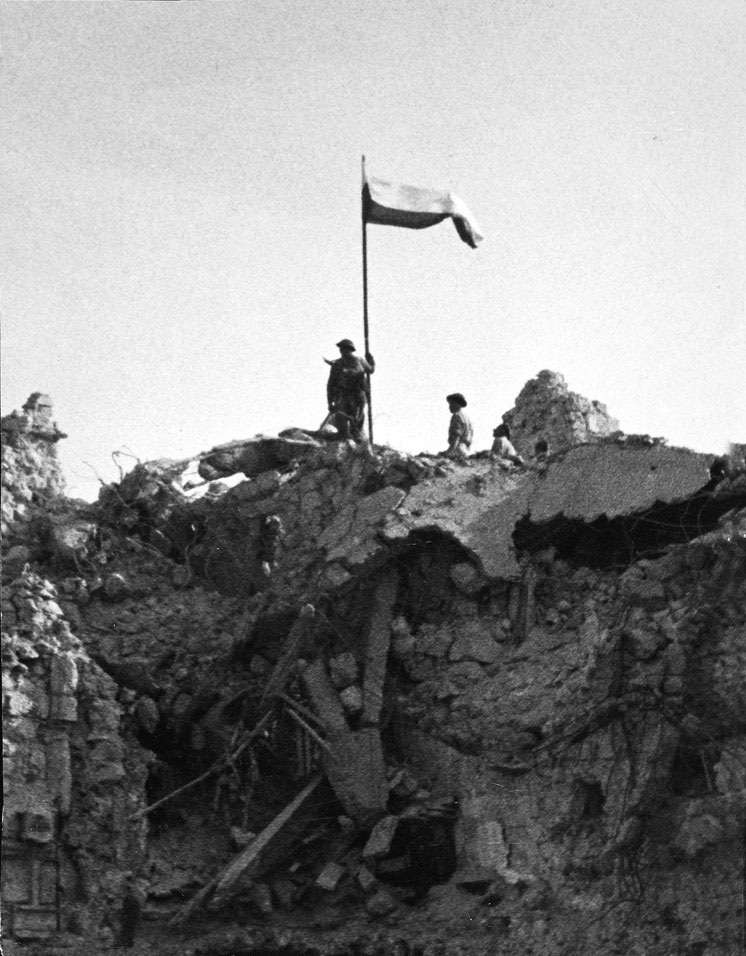
A patrol of Polish lancers climbs to the ruined abbey and raises a makeshift Polish flag. After four months and four battles, Monte Cassino has fallen.
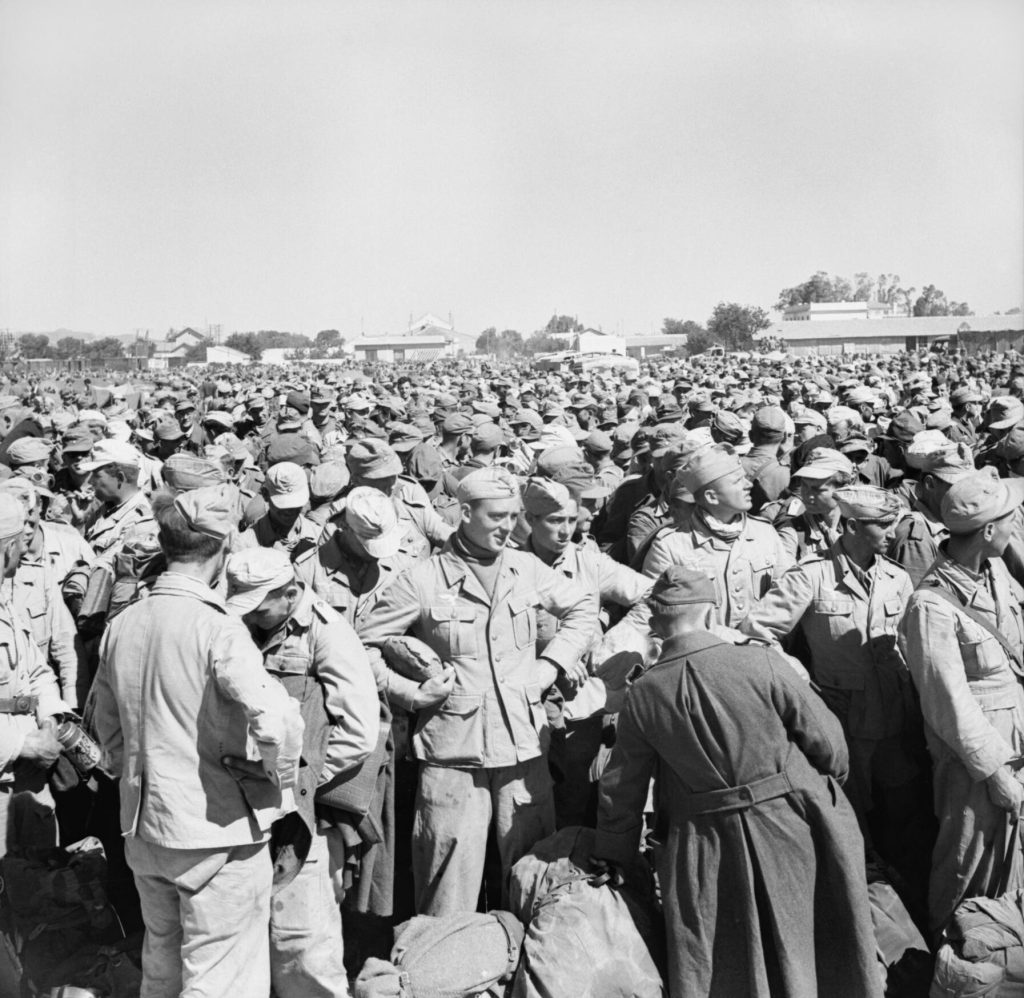
The last Axis army in Tunisia lays down its arms. Around a quarter of a million German and Italian soldiers become prisoners, and the war in North Africa is over.
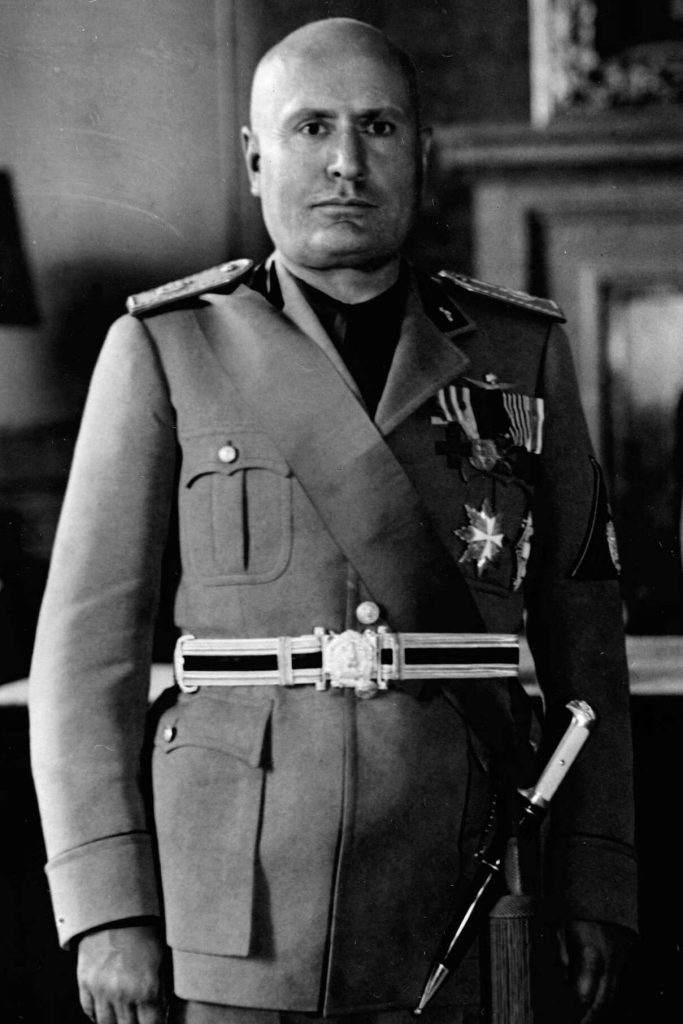
Captured by partisans while trying to escape with a German convoy, Benito Mussolini is shot near Lake Como. The man who ruled Italy for two decades is dead.
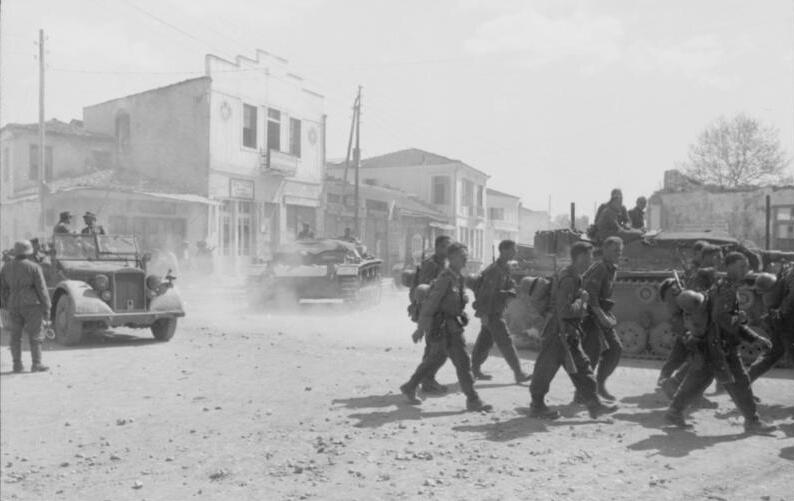
German motorcycle troops ride into the Greek capital. By the morning the swastika is flying over the Acropolis, and a long, hungry occupation has begun.
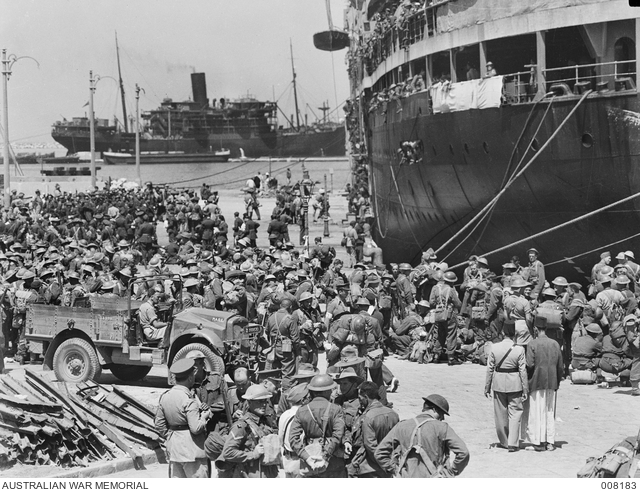
After a rearguard stand at Thermopylae, British, Australian and New Zealand troops begin to leave Greece by night from small harbours and open beaches.
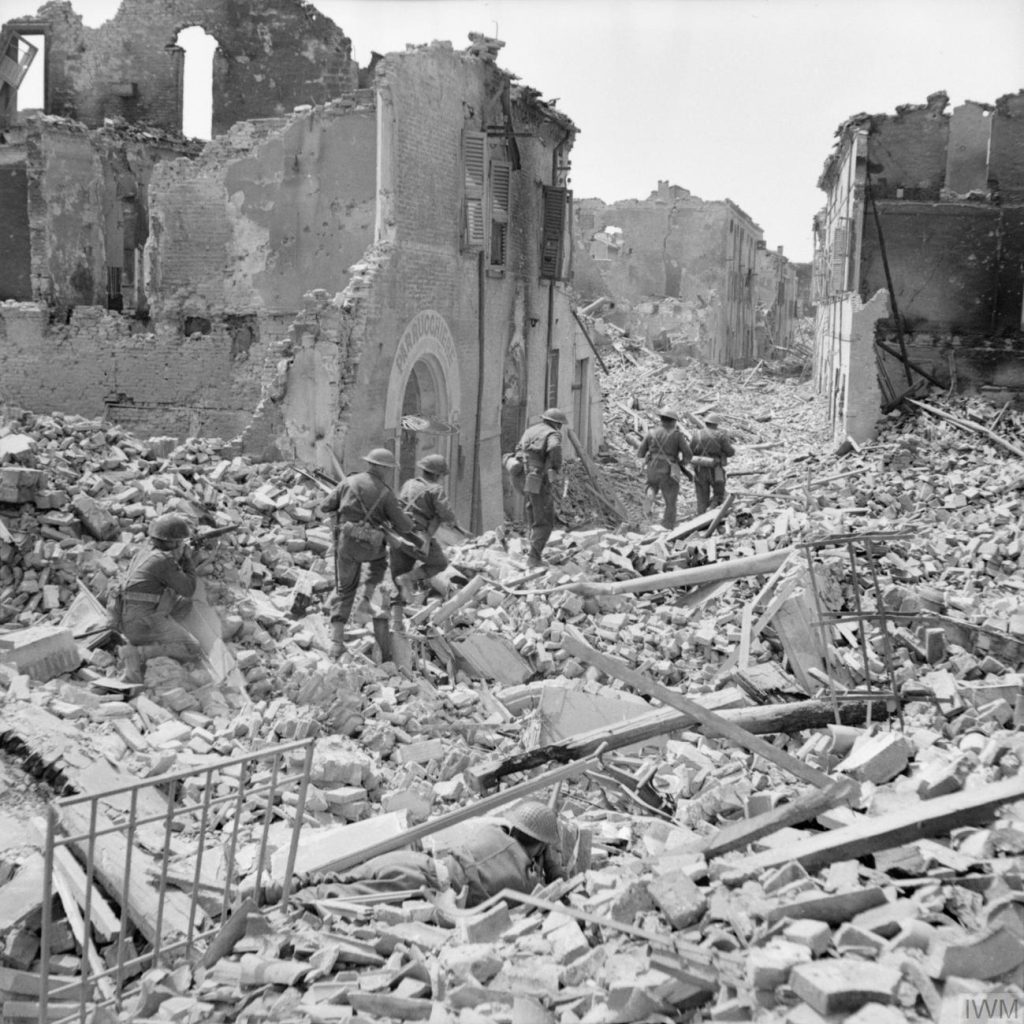
Polish troops of the Eighth Army enter Bologna from the east, with American troops close behind. The German front in Italy is collapsing.
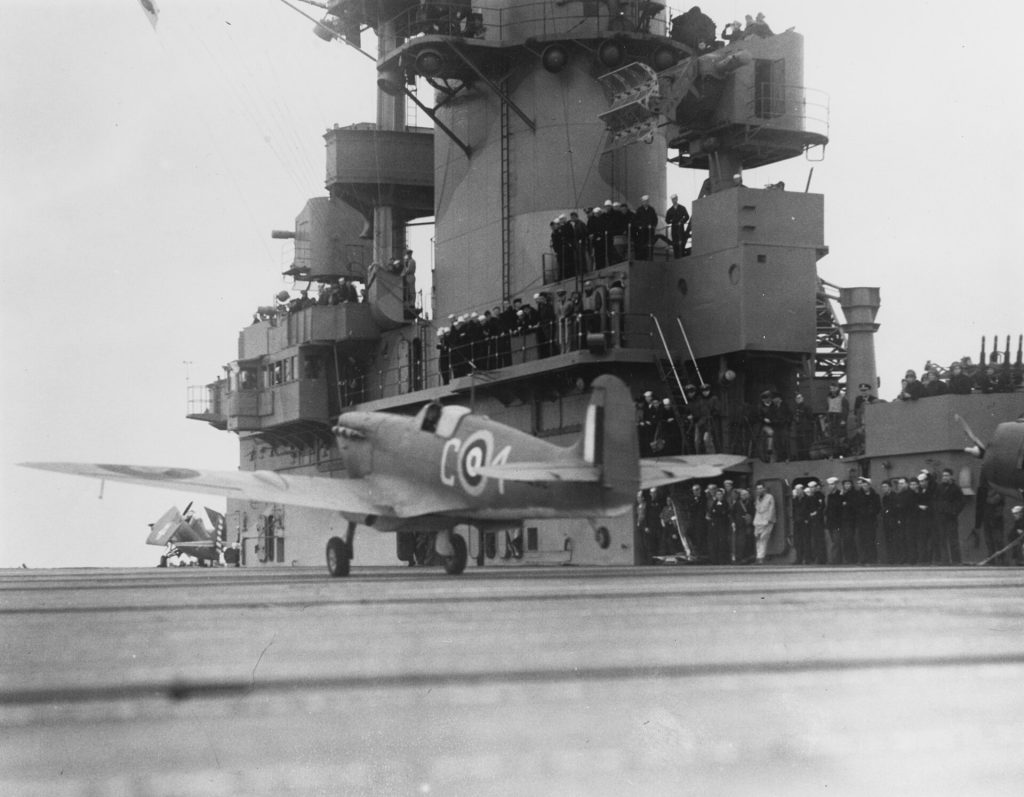
Forty-seven Spitfires take off from the American carrier Wasp in the western Mediterranean and fly to besieged Malta. Within days, most have been destroyed on the ground.
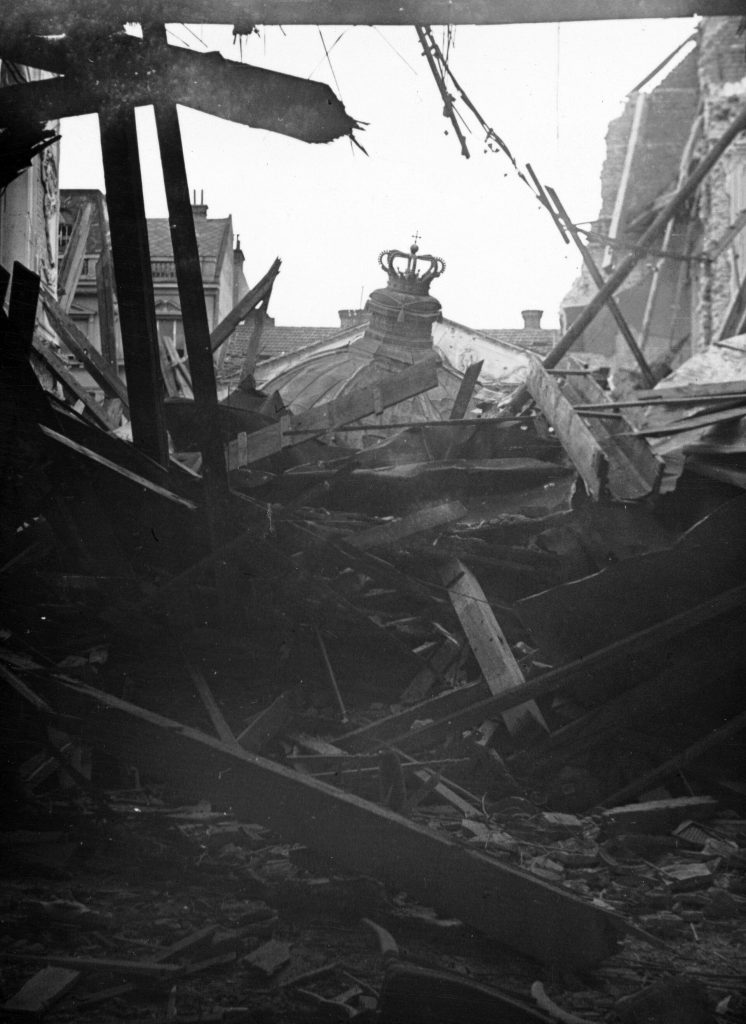
Without a declaration of war, German bombers attack Belgrade at dawn. On the same morning, German armies invade Yugoslavia and Greece.
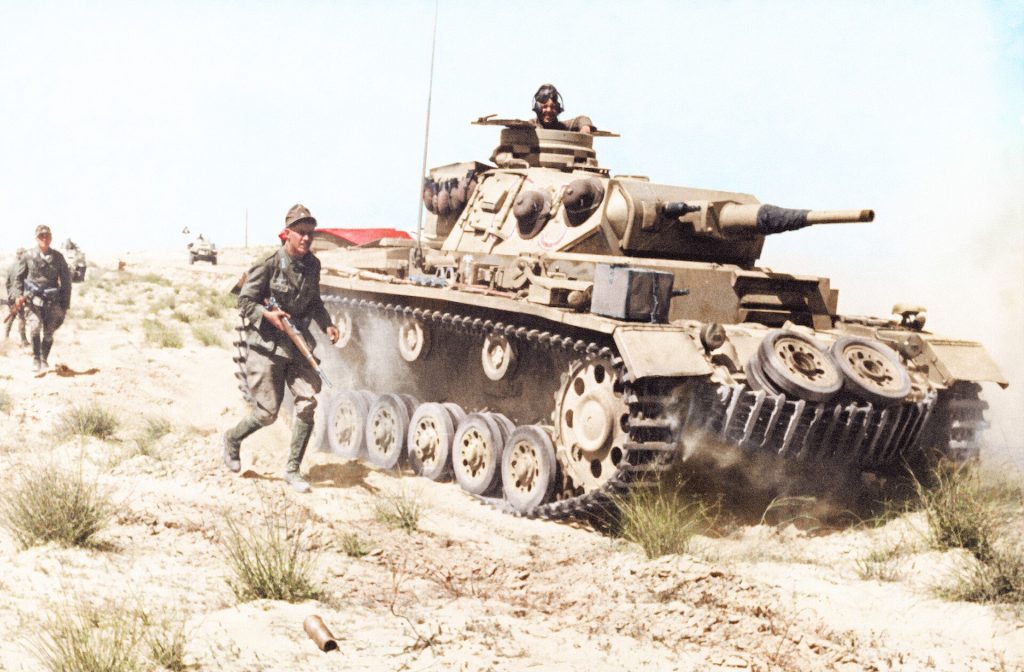
Weeks after arriving in Libya with orders to defend, Erwin Rommel attacks the thin British line at Mersa el Brega. Within two weeks the British are back in Egypt.
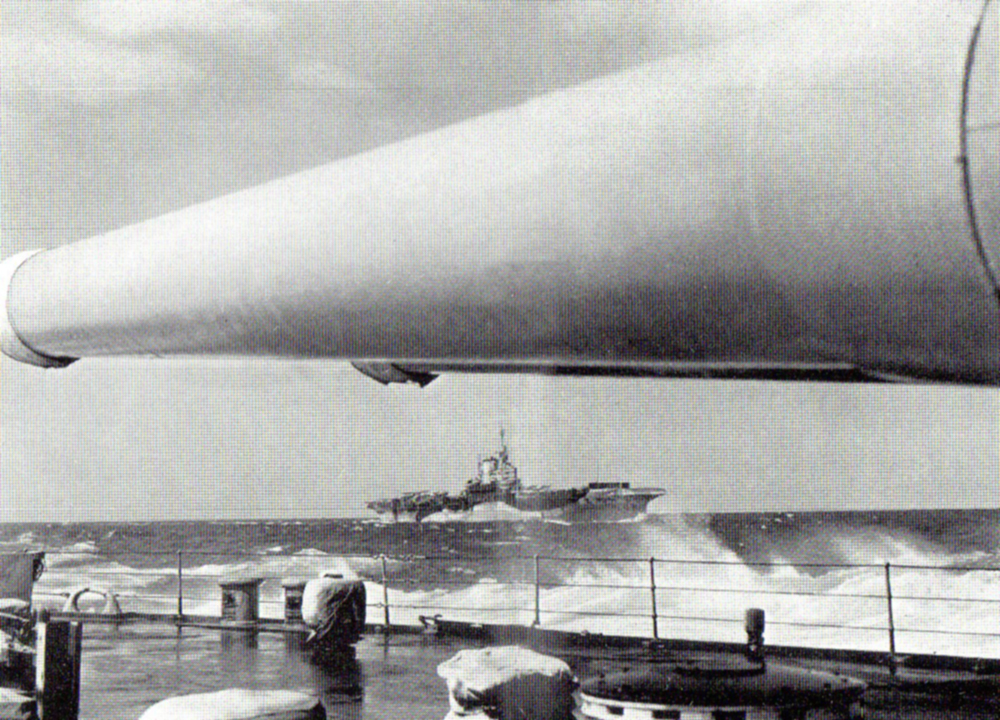
In the darkness off southern Greece, three British battleships open fire at point-blank range on unsuspecting Italian cruisers. Within minutes, two are wrecked.
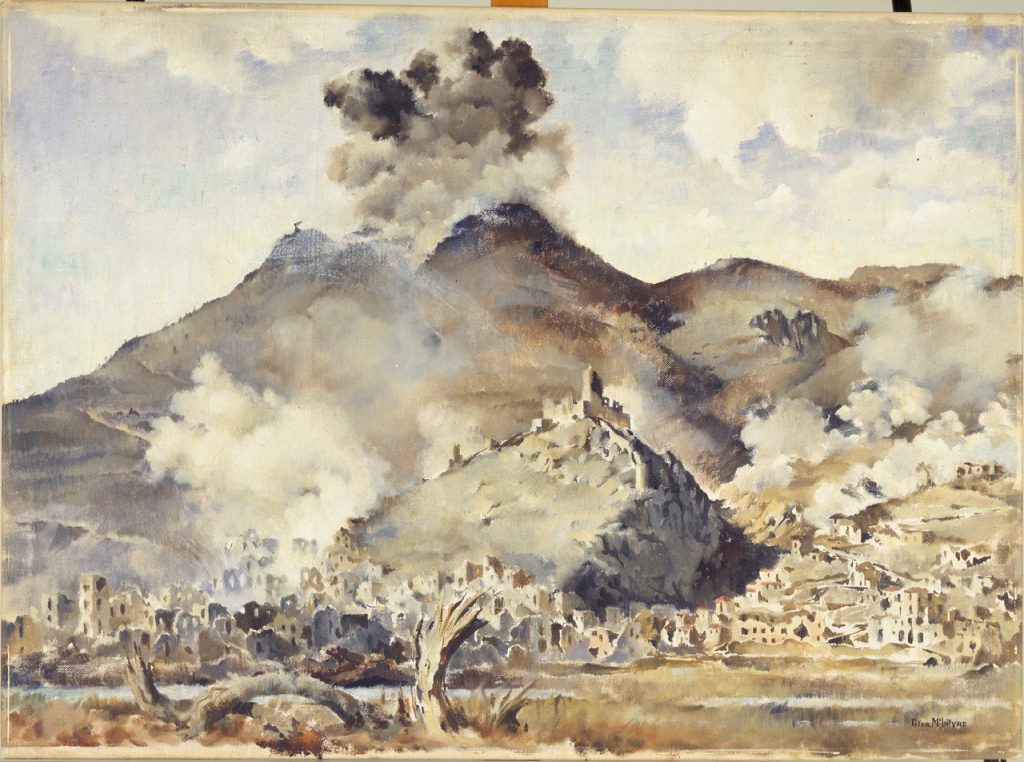
Hundreds of Allied bombers reduce the town of Cassino to rubble. New Zealand and Indian troops go in, but the German paratroopers are still there.
 United Kingdom
 United States
 Soviet Union
 Germany
 Japan
 France
 Poland
 South Africa