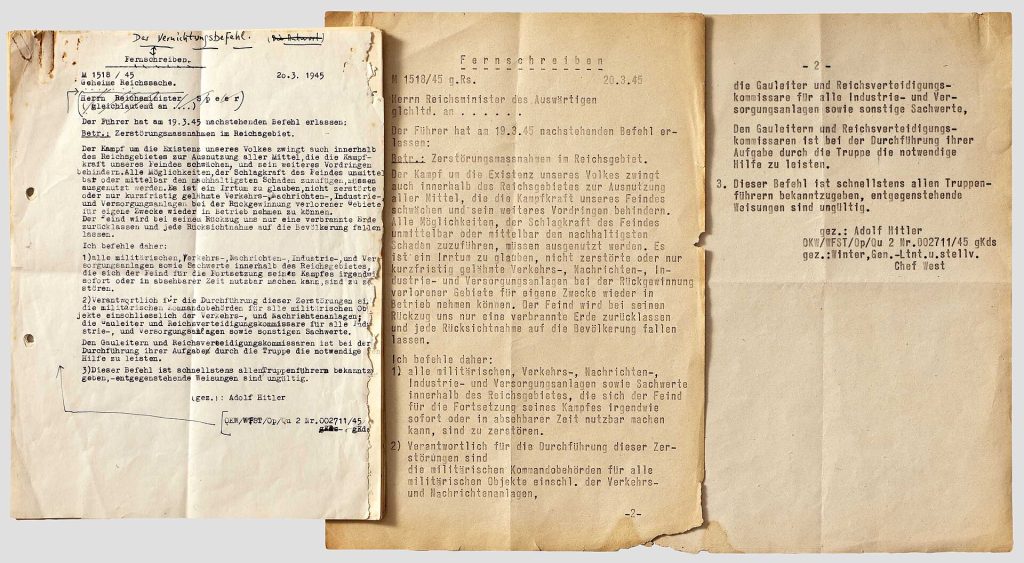
19 March 1945: The Nero Decree
With his armies collapsing on every front, Hitler orders the destruction of everything inside Germany the enemy might use. His armaments minister quietly sets out to stop him.
The leaders of the war and the words that defined it.
With his armies collapsing on every front, Hitler orders the destruction of everything inside Germany the enemy might use. His armaments minister quietly sets out to stop him.
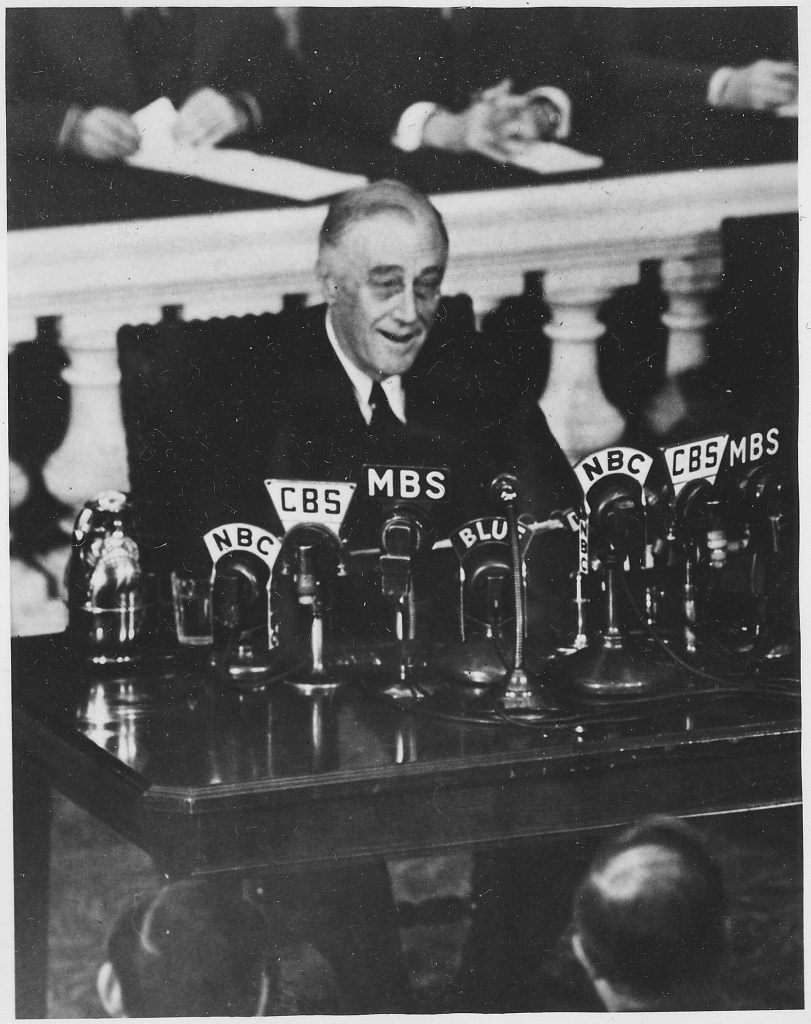
Back from the Crimea, an exhausted Roosevelt addresses Congress sitting down, and for the first time in public speaks of the steel braces on his legs.
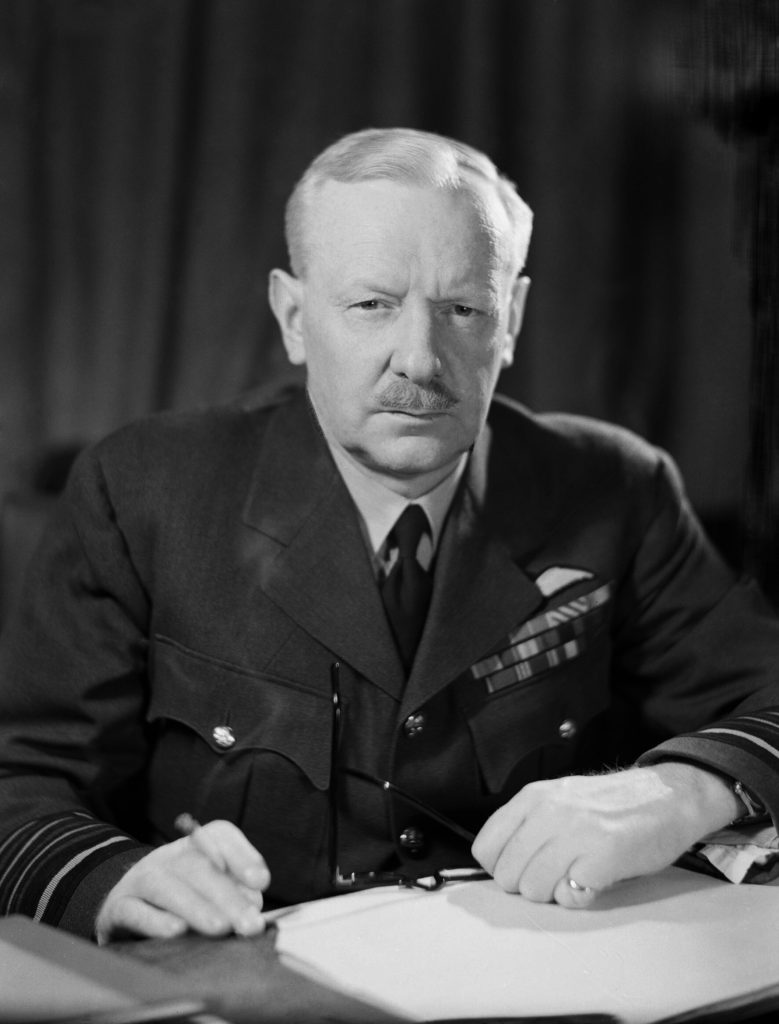
Air Marshal Arthur Harris takes charge of a bomber force that has so far disappointed. He will lead it to the end of the war, and into lasting controversy.
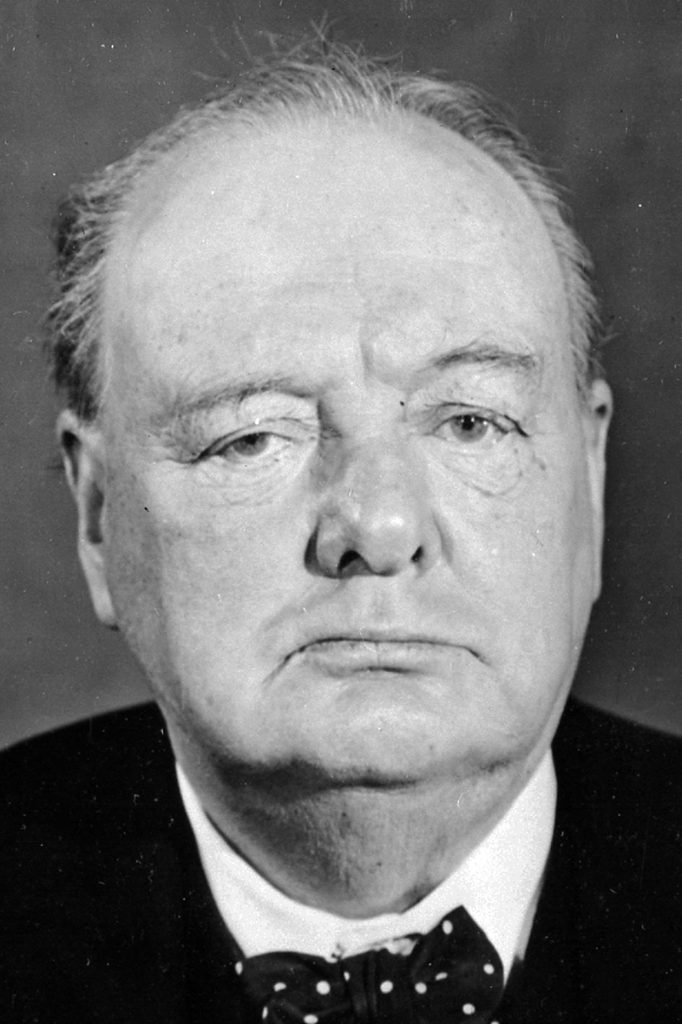
With the Allies still fighting in the Ardennes, Churchill cables Stalin to ask whether the West can count on a major Russian offensive in January.
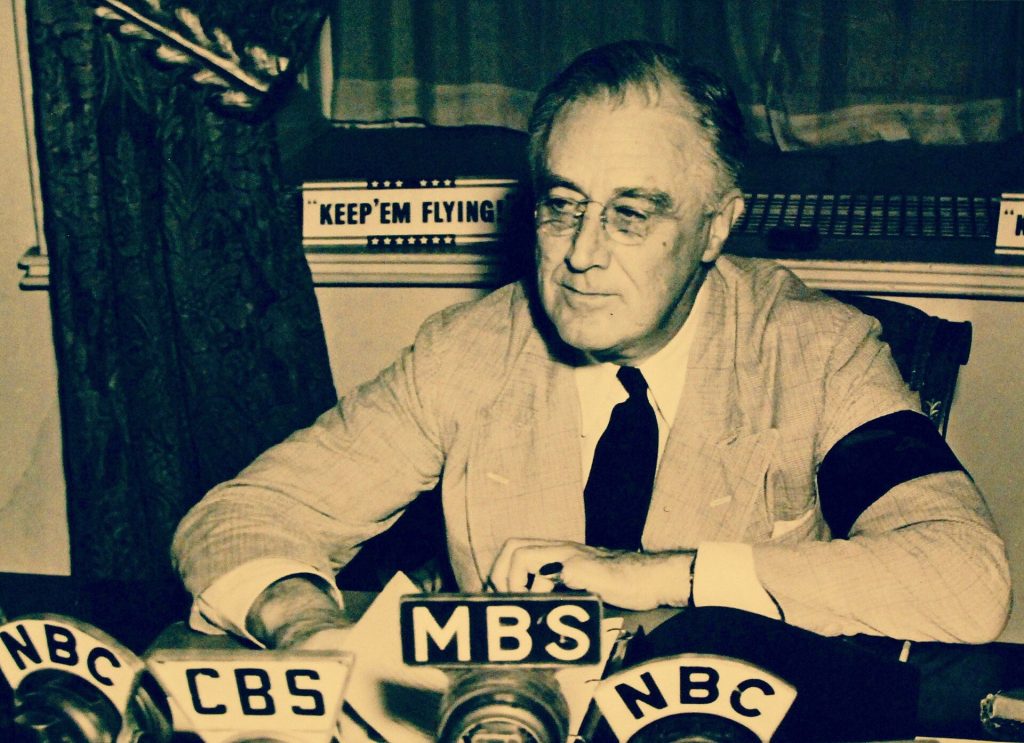
In a fireside chat to the American people, Roosevelt declares that the United States must become the great arsenal of democracy, supplying Britain with the weapons to fight on.
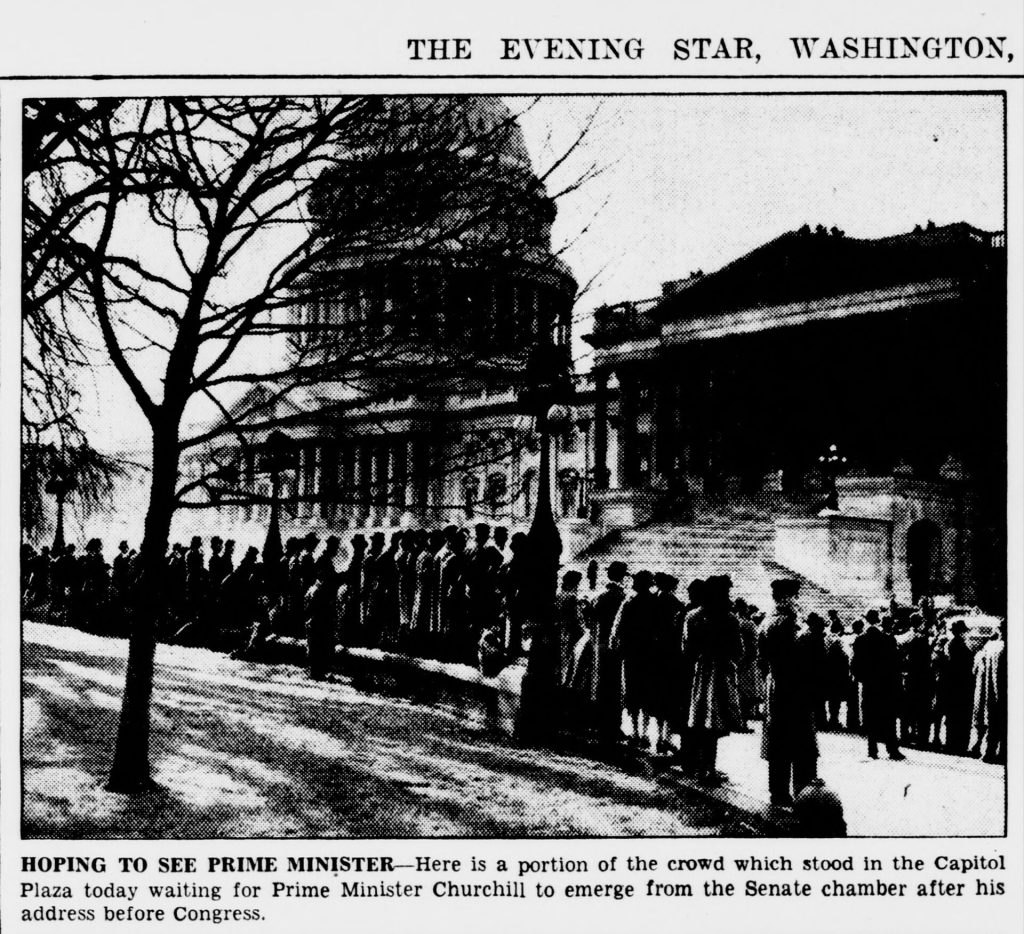
Standing in the Senate chamber, the British Prime Minister speaks to a joint meeting of Congress and to the American people by radio, and asks of the Axis: what kind of people do they think we are?
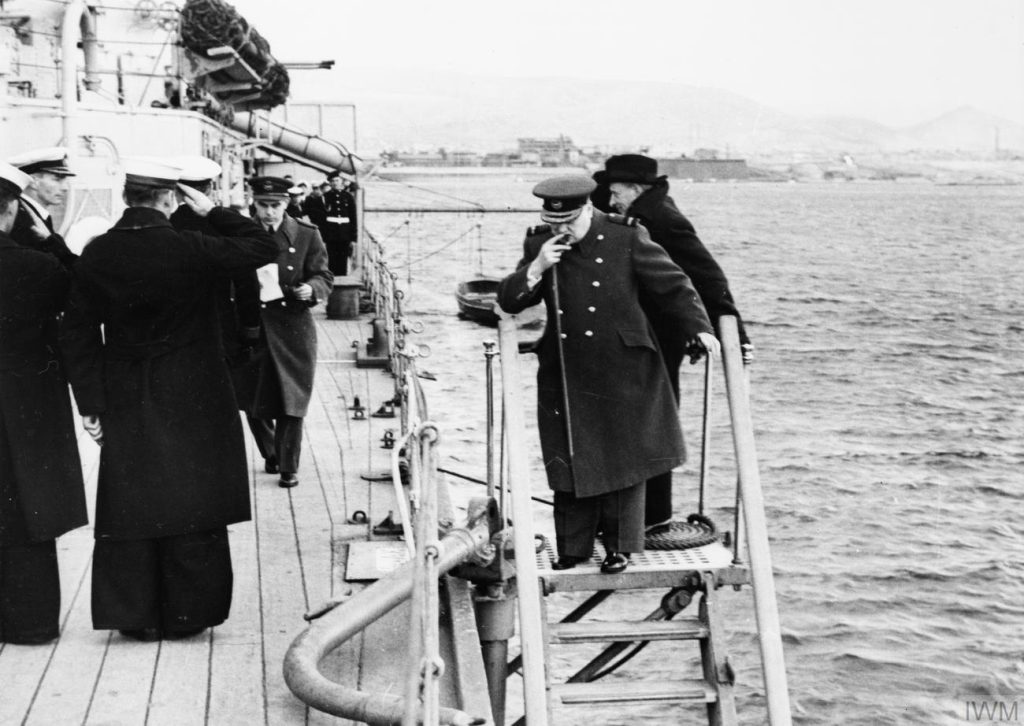
With British troops fighting communist-led ELAS in the streets of Athens, Churchill spends Christmas Day flying to Greece to try to make peace in person.
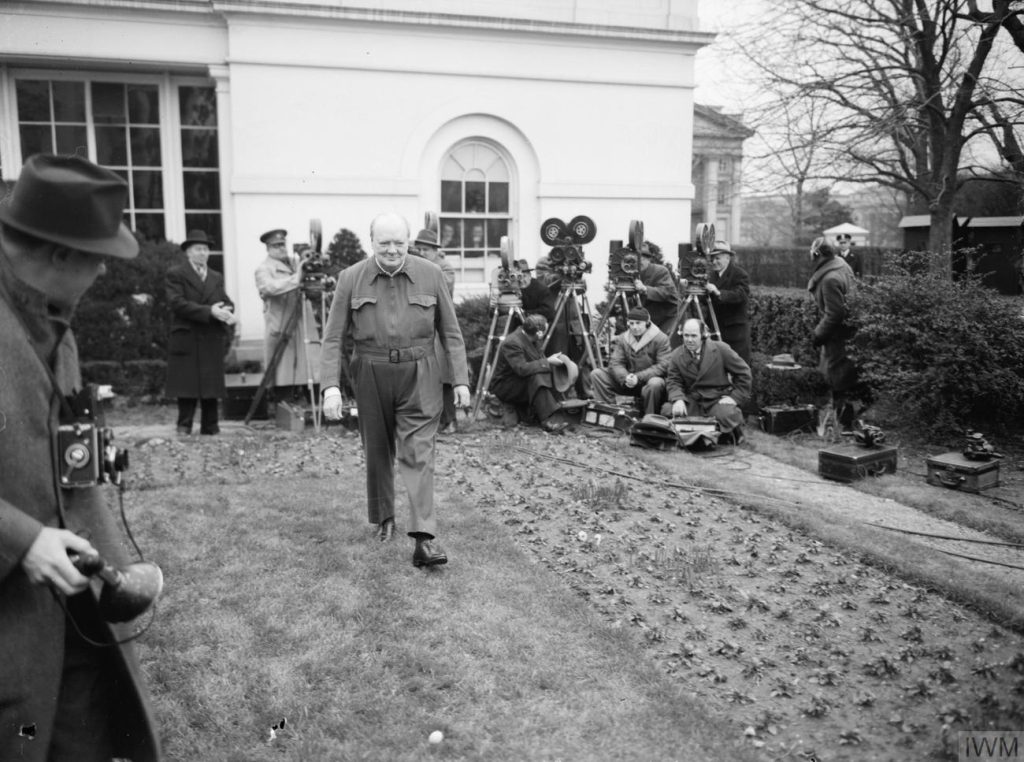
Two weeks after Pearl Harbor, Churchill arrives in Washington to plan a joint war with Roosevelt. Their first decision is the most important of all: Germany first.
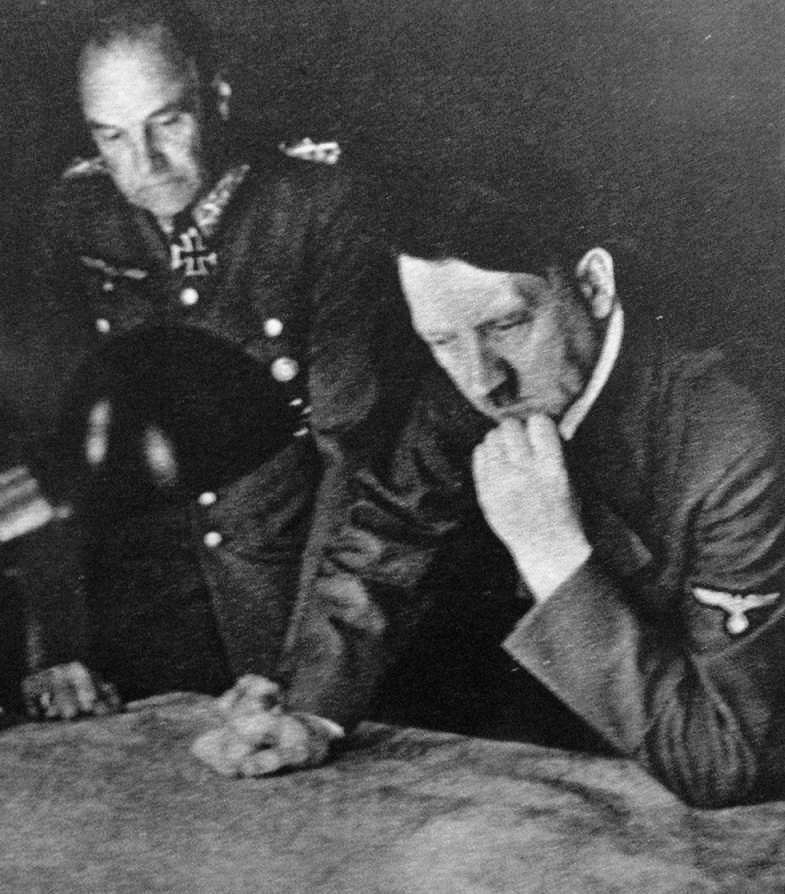
As his armies reel back from Moscow, Hitler dismisses Field Marshal von Brauchitsch and makes himself Commander-in-Chief of the German Army.
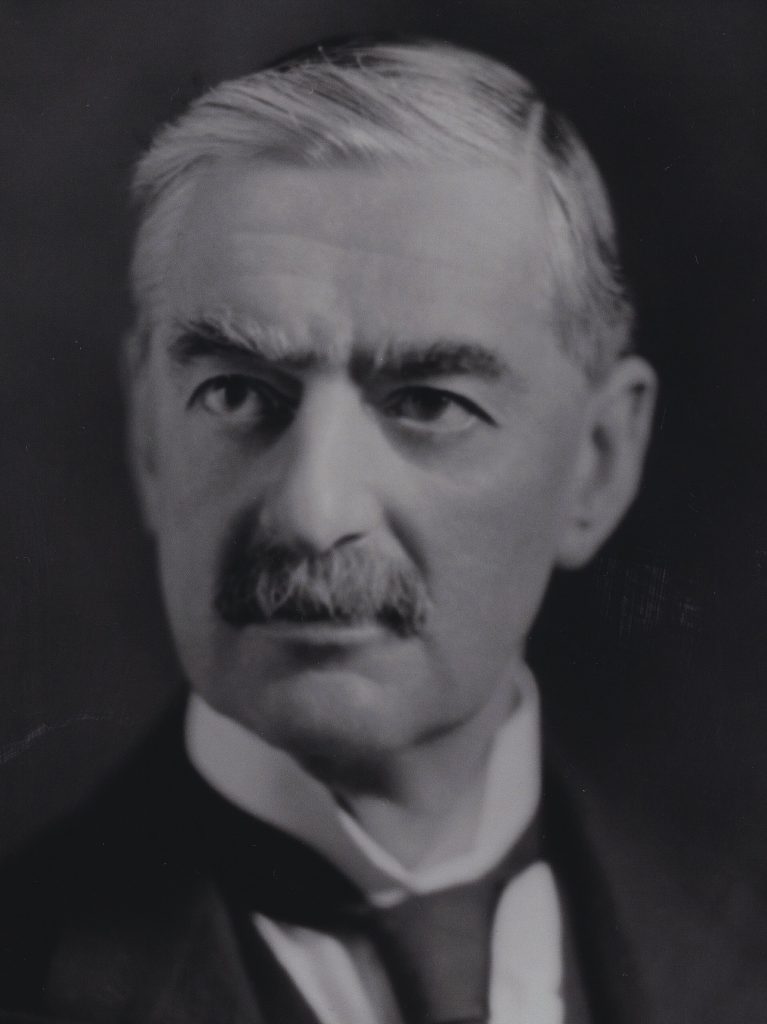
Six months after leaving Downing Street, the Prime Minister who declared war on Germany dies of cancer, as the Blitz he did not live to see end rages over London.
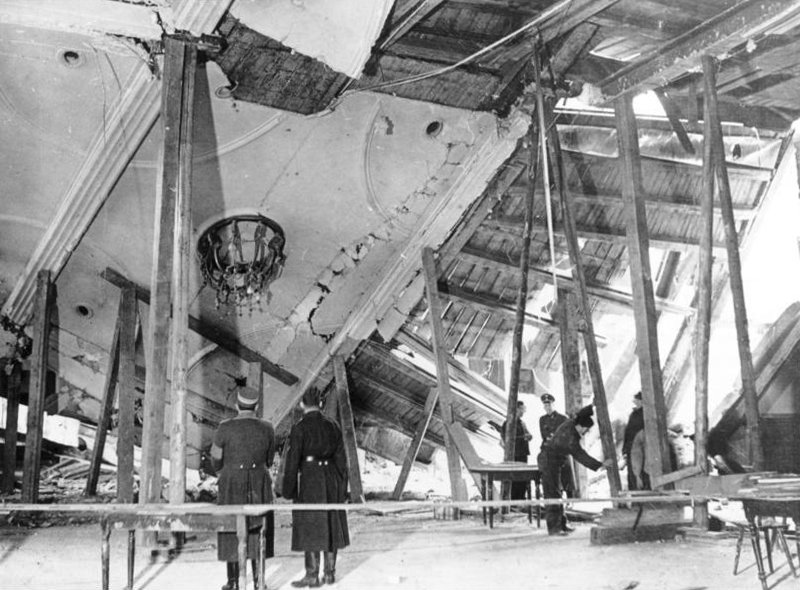
A lone carpenter’s time bomb wrecks the Munich beer hall where Hitler has just spoken. It explodes 13 minutes after he leaves.
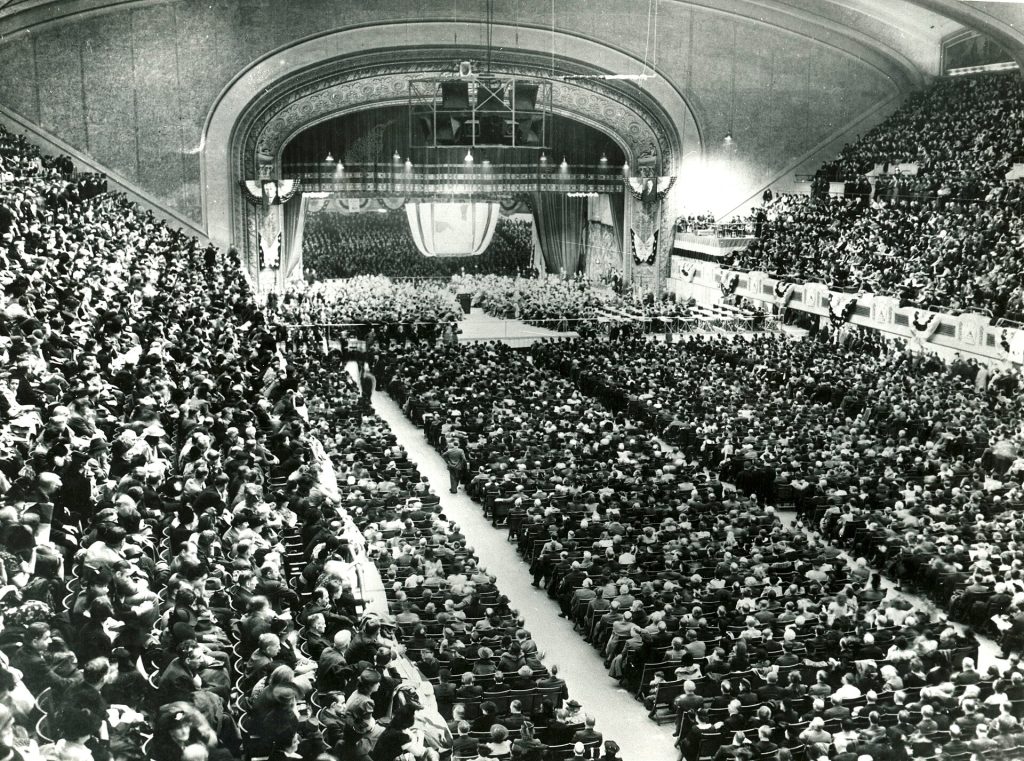
Breaking a tradition as old as the republic, Franklin D. Roosevelt is elected President for a third time, as Britain fights on alone and America edges towards war.
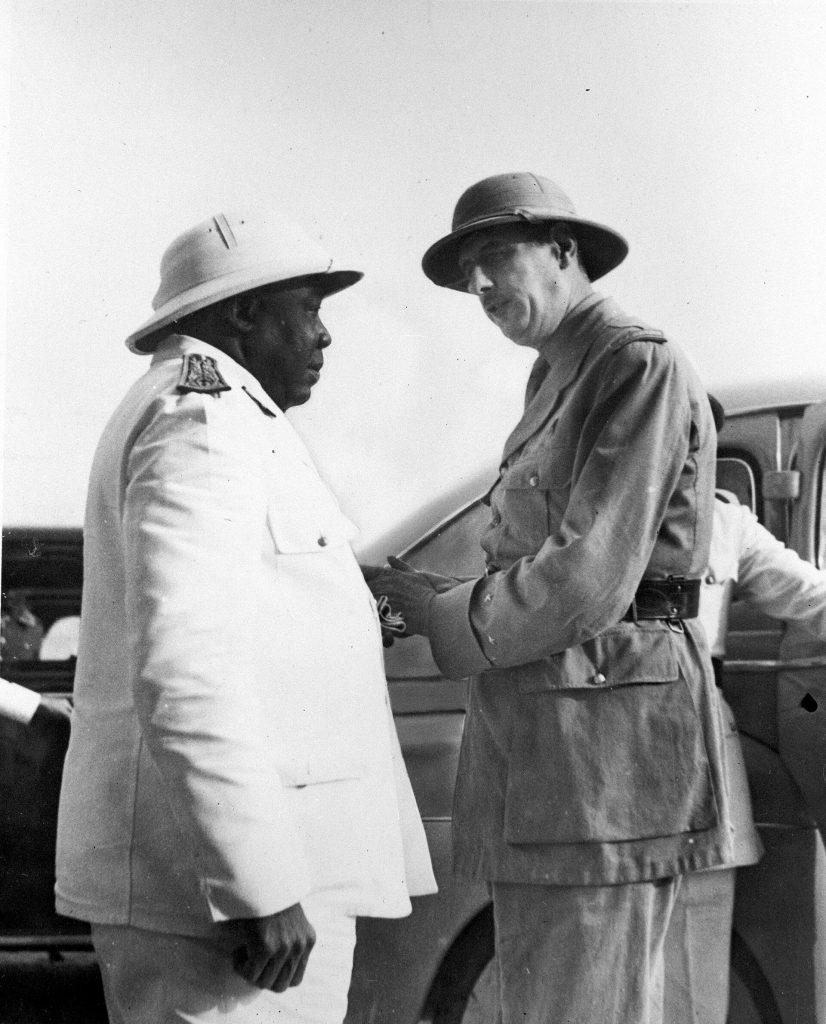
In Brazzaville, capital of French Equatorial Africa, General de Gaulle declares the Vichy regime illegitimate and sets up a council to govern Free France’s growing African territories.
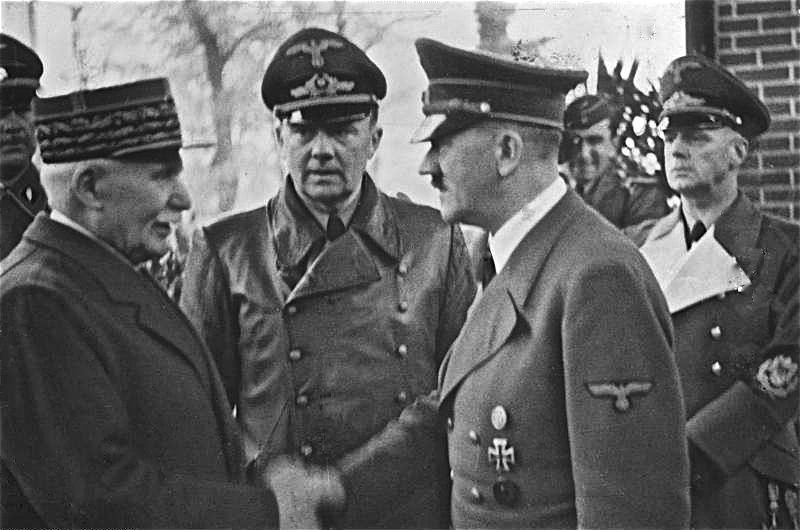
At the small railway station of Montoire, Marshal Pétain shakes Hitler’s hand. Days later he tells the French people that he is entering on the path of collaboration.
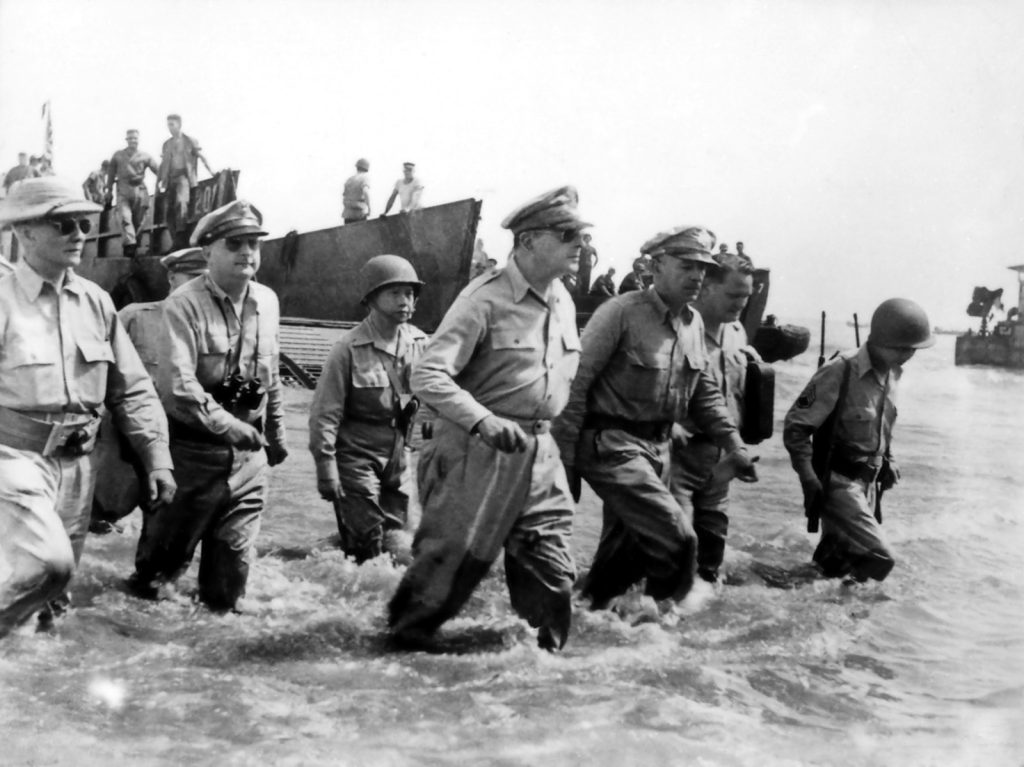
American troops land on Leyte in the central Philippines. A few hours later, General MacArthur wades ashore and speaks to the Filipino people: he has returned.
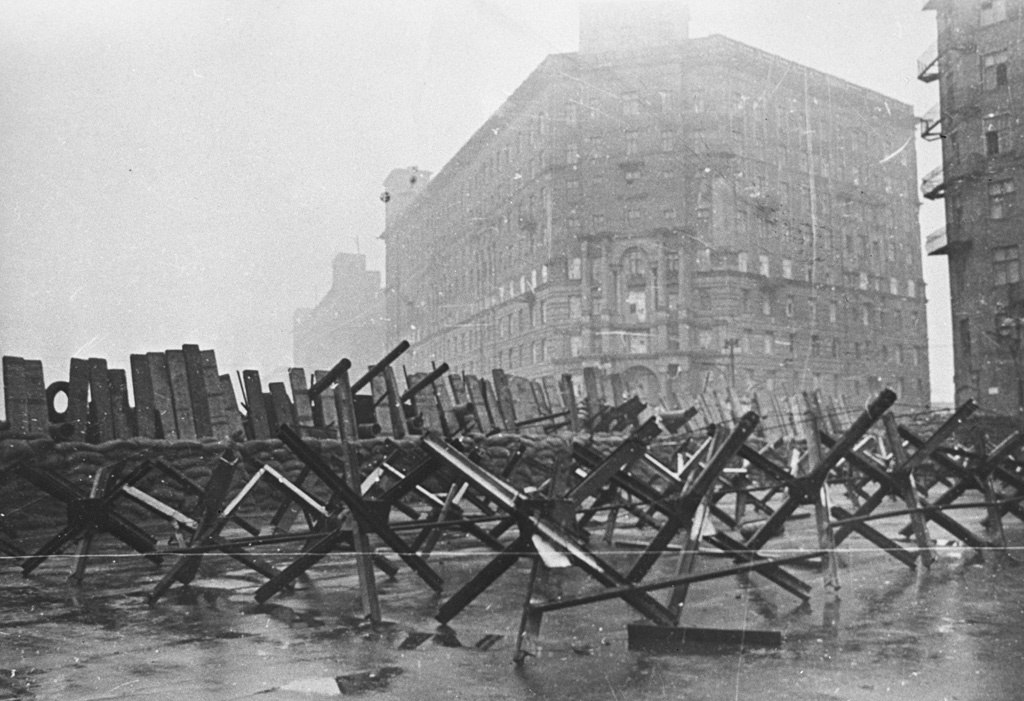
After days of panic as German armies close in, Stalin declares a state of siege in Moscow. Order is restored by force. Stalin himself stays in the capital.
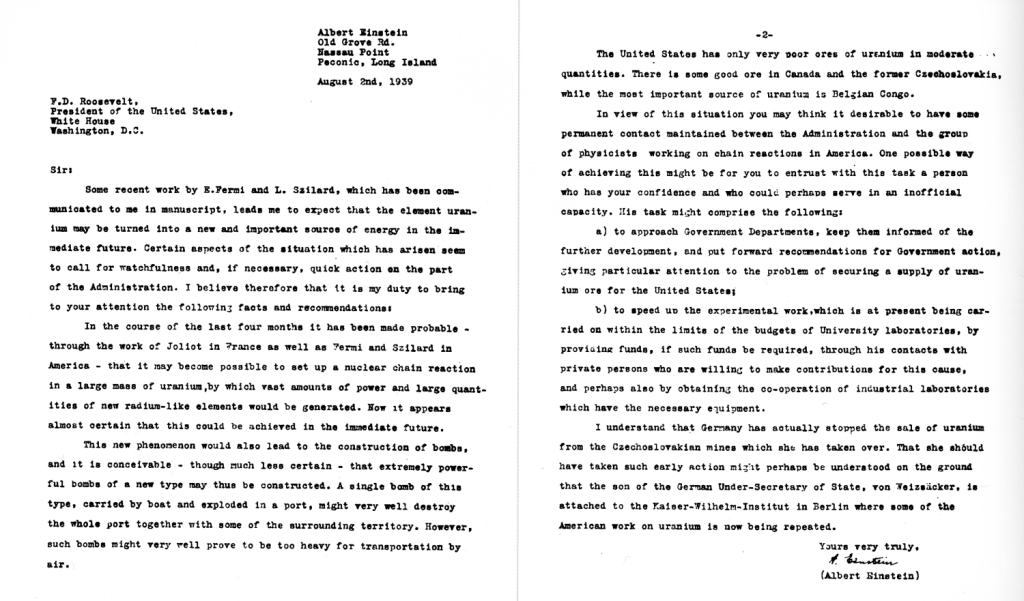
An economist with access to the White House reads President Roosevelt a letter signed by Albert Einstein. It warns that Germany might build an atomic bomb.
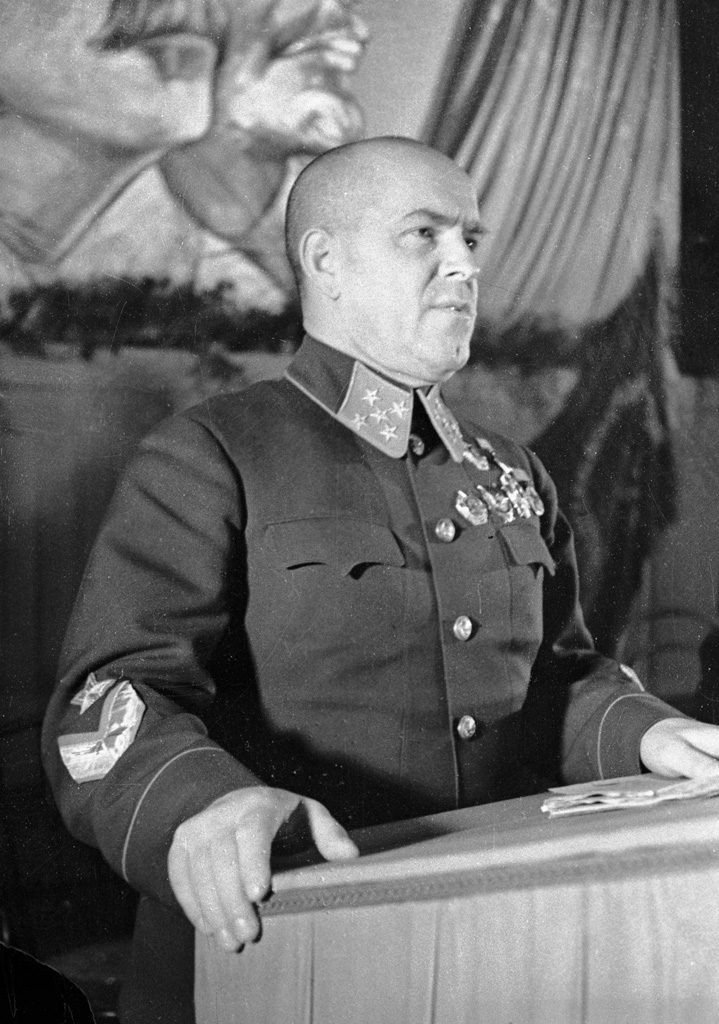
With the German armies breaking through towards Moscow, Stalin hands command of the Western Front to General Georgy Zhukov. His task is to save the capital.
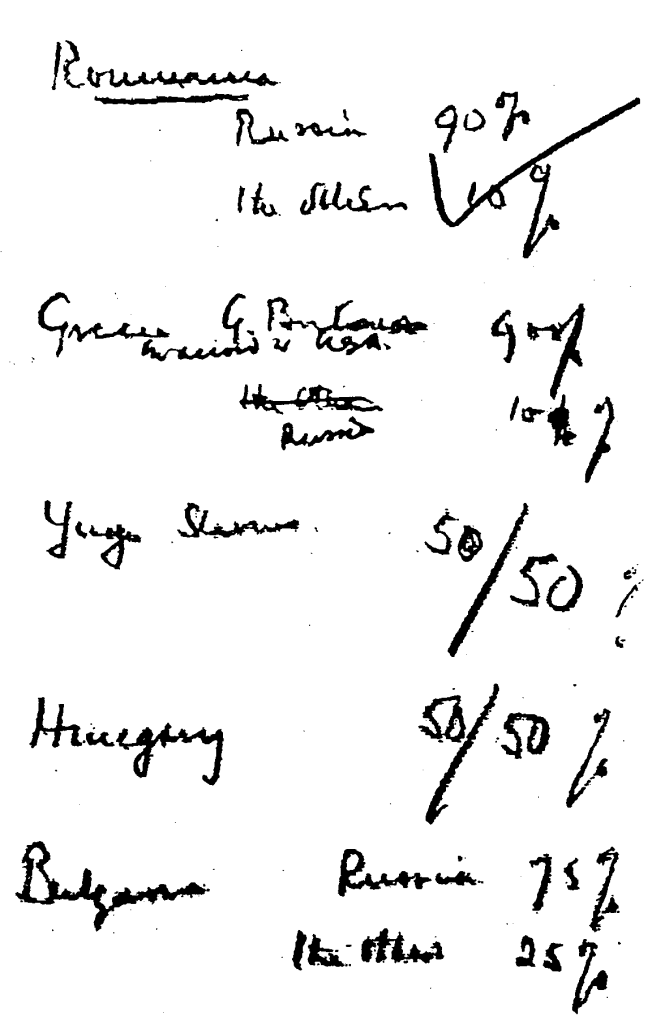
Late at night in the Kremlin, Churchill pushes a half-sheet of paper across the table to Stalin. On it he has written percentages of influence over five countries of south-eastern Europe.
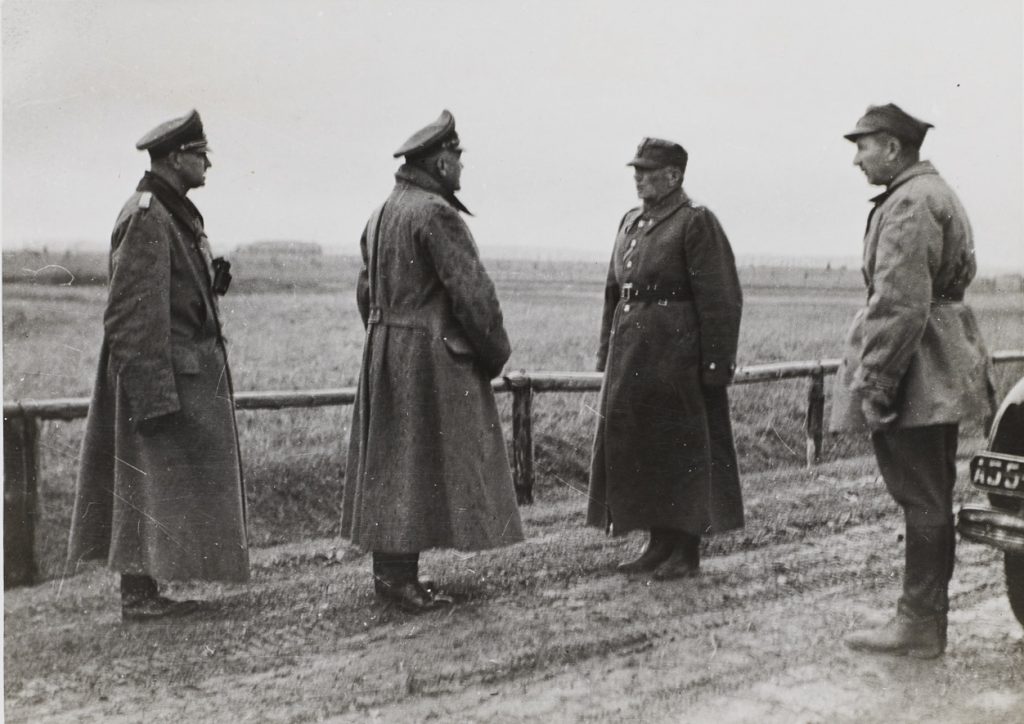
Out of ammunition after four days of fighting near Kock, General Franciszek Kleeberg surrenders the last Polish field army. The September campaign is over.
 United Kingdom
 United States
 Soviet Union
 Germany
 Japan
 France
 Poland
 South Africa