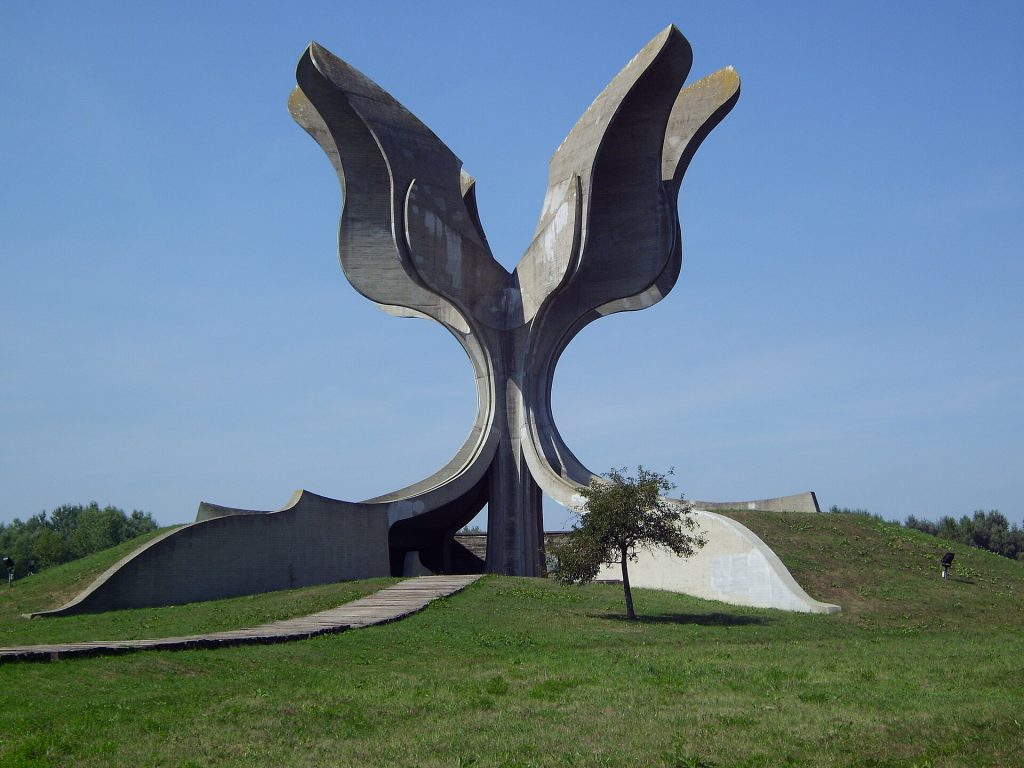
22 April 1945: The Jasenovac Breakout
As the Ustaše prepare to destroy the Jasenovac camp, some 600 prisoners rise and rush their guards; only 92 get away.
Life, resistance, persecution and the Holocaust under Axis occupation.
As the Ustaše prepare to destroy the Jasenovac camp, some 600 prisoners rise and rush their guards; only 92 get away.
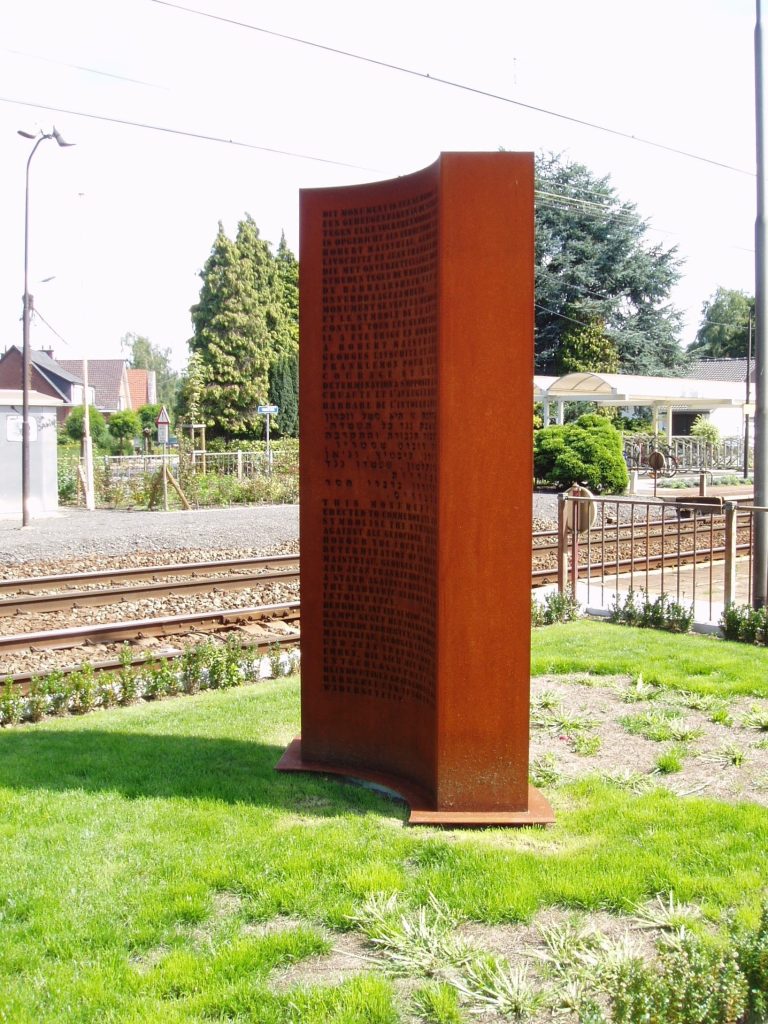
Three young Belgians armed with one pistol and a lantern covered in red paper stop a deportation train bound for Auschwitz, and 233 people escape.
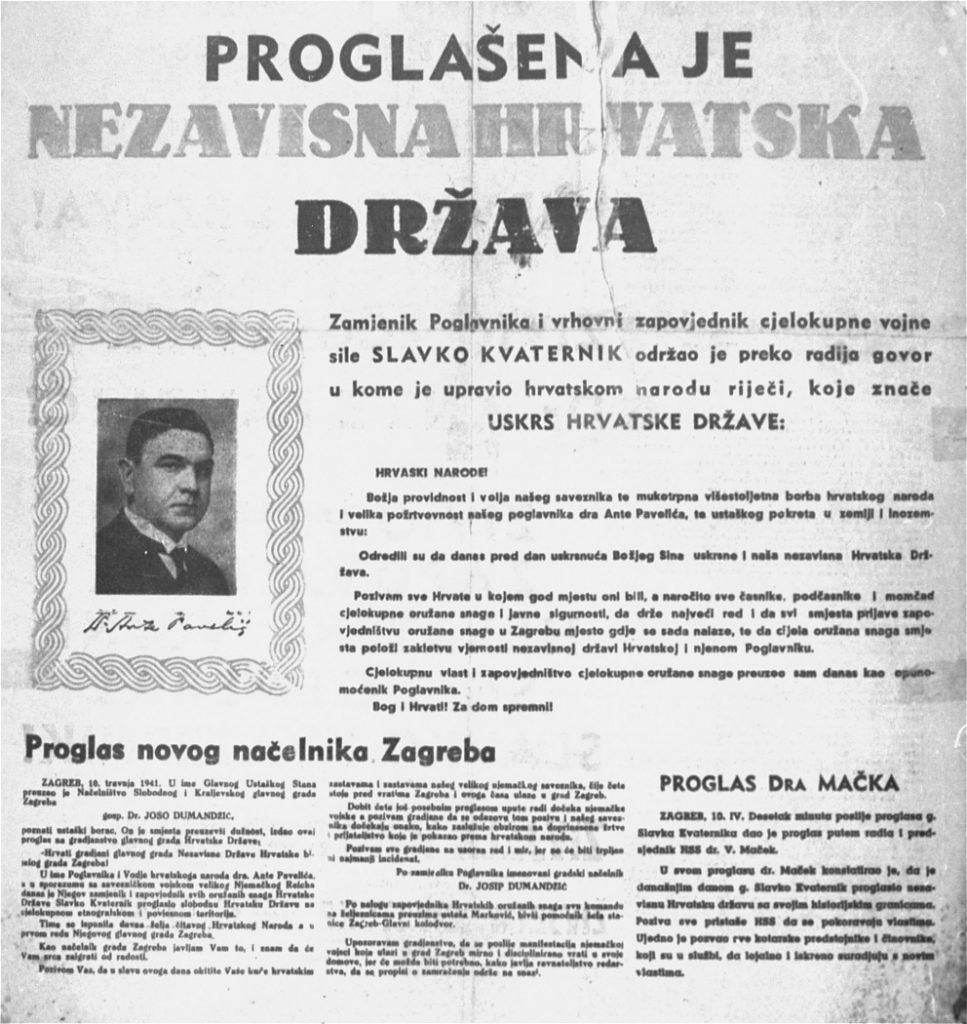
Four days into the German invasion of Yugoslavia, the Ustaše leader Slavko Kvaternik proclaims an Independent State of Croatia in Zagreb.
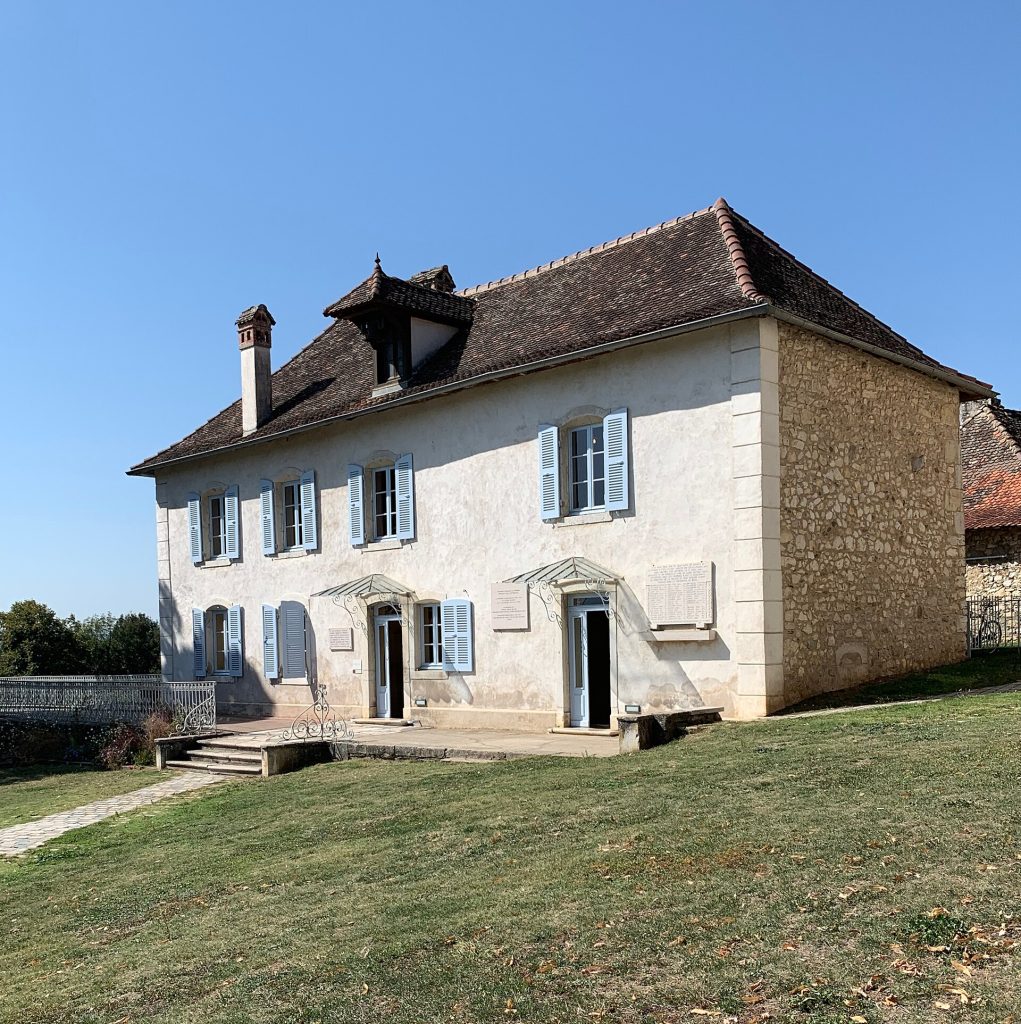
The Gestapo of Lyon raids a children’s home in the village of Izieu and takes away 44 Jewish children and seven of the adults caring for them.
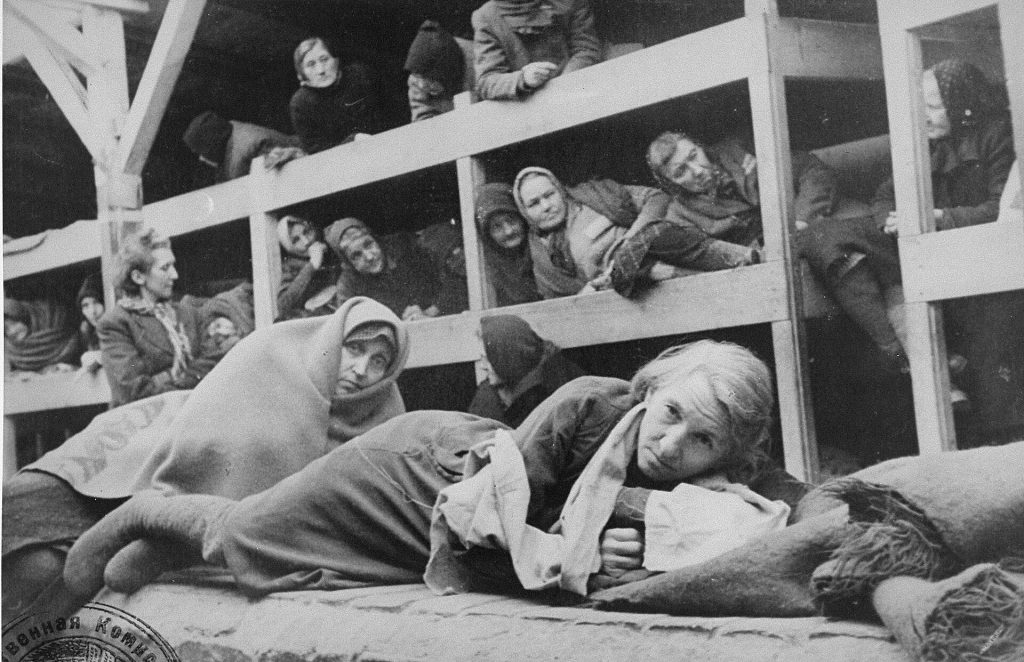
Two transports bring the first women prisoners to Auschwitz: 999 German women from Ravensbrück, and 999 young Jewish women from Slovakia.
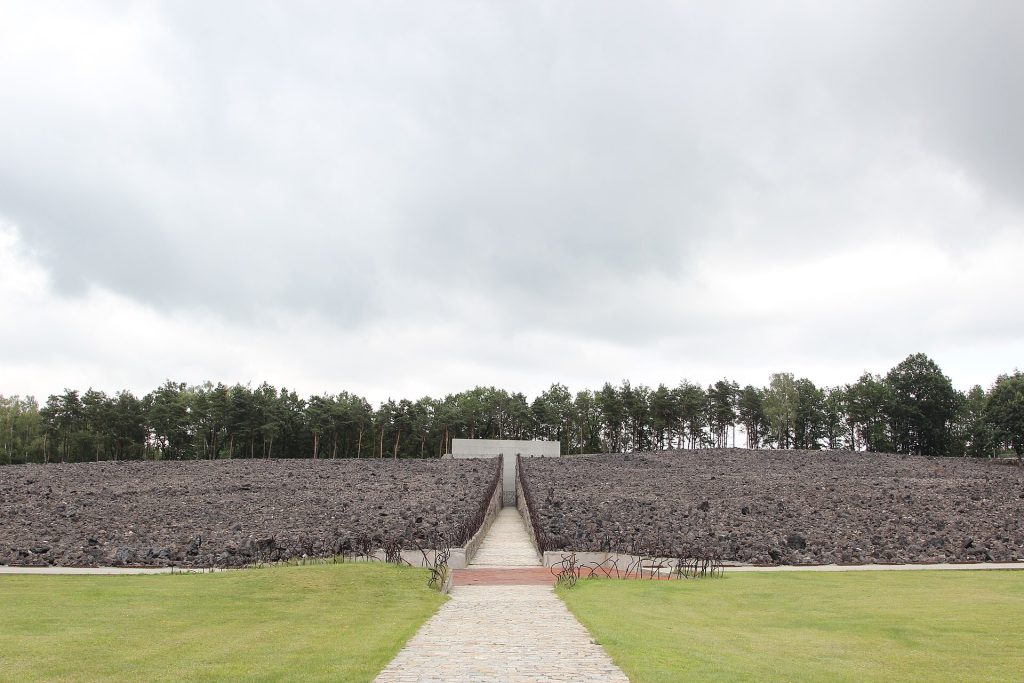
At a new camp in the Lublin district of occupied Poland, the first transports of Jews from the Lublin Ghetto are murdered in gas chambers. Operation Reinhard has begun.
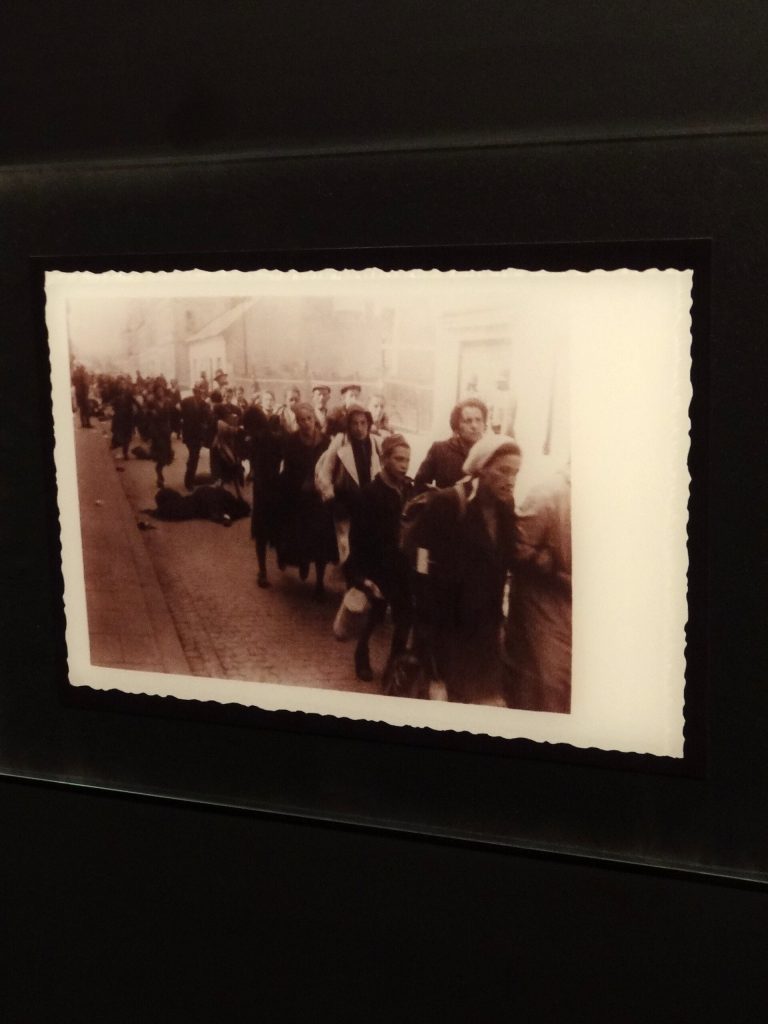
Under Amon Göth, the Germans clear the last Jews from the Kraków Ghetto. Those who can work are marched to Płaszów; the rest are shot in the streets or sent to Auschwitz.
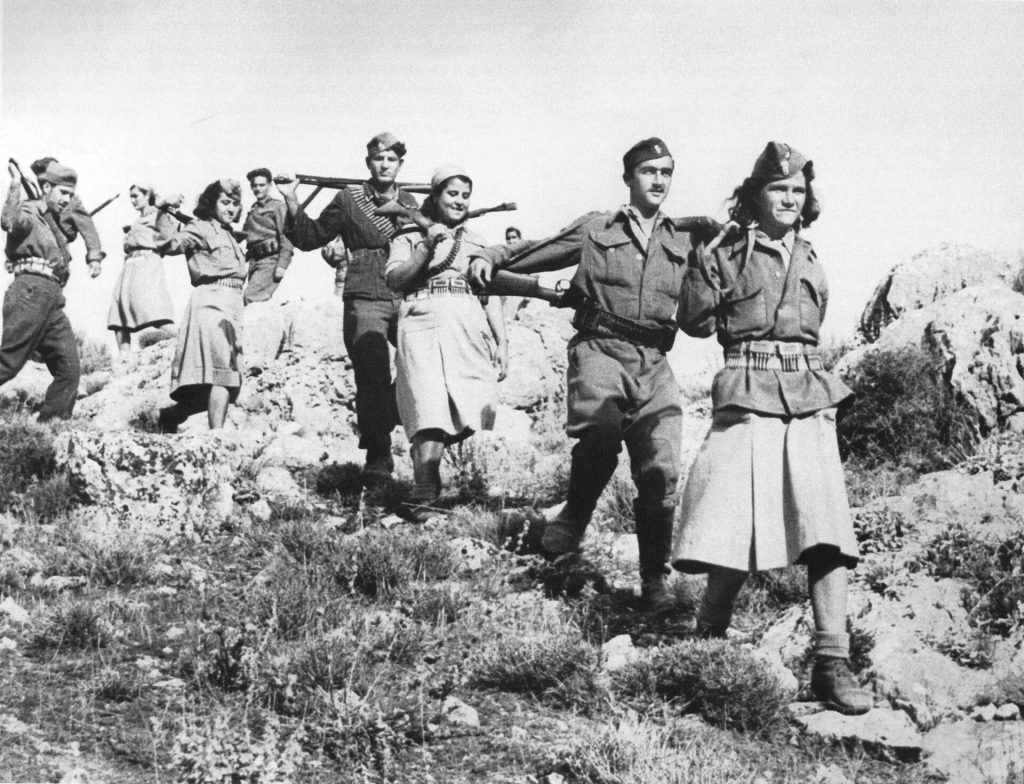
In the mountains of western Macedonia, Greek partisans and armed villagers trap an Italian garrison battalion and force it to surrender.
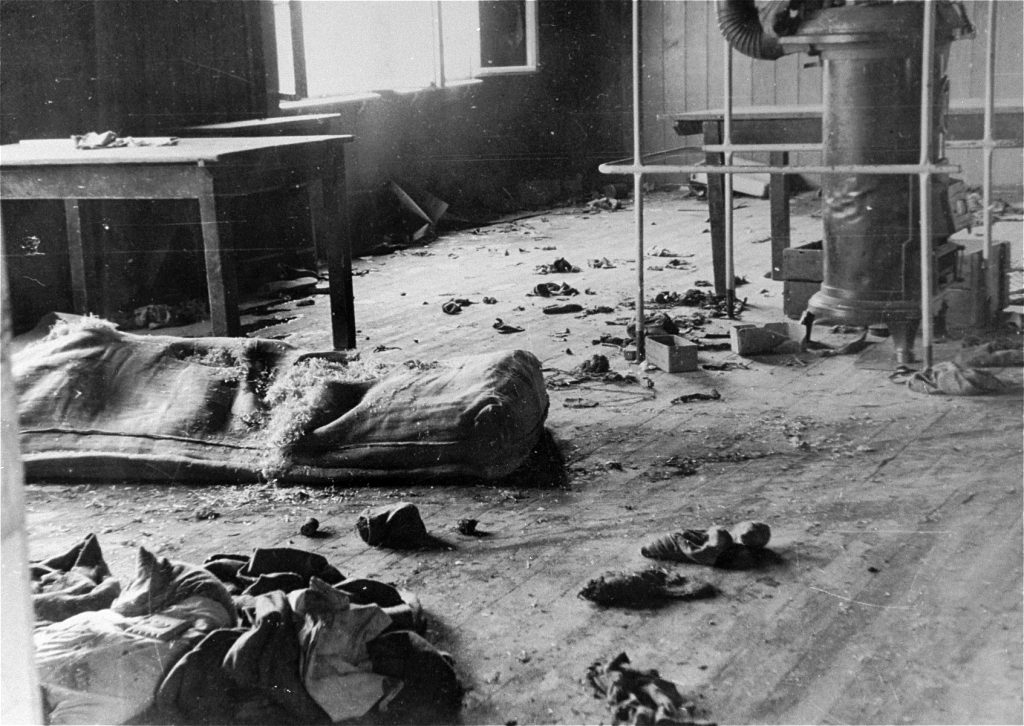
On a freezing night, some 500 Soviet officers held in Mauthausen’s death block storm the wire. The manhunt that follows becomes known by a grim name: the Mühlviertel hare hunt.

In occupied Oslo, the Germans install Vidkun Quisling at the head of a puppet national government, a man whose name has already become a byword for treason.
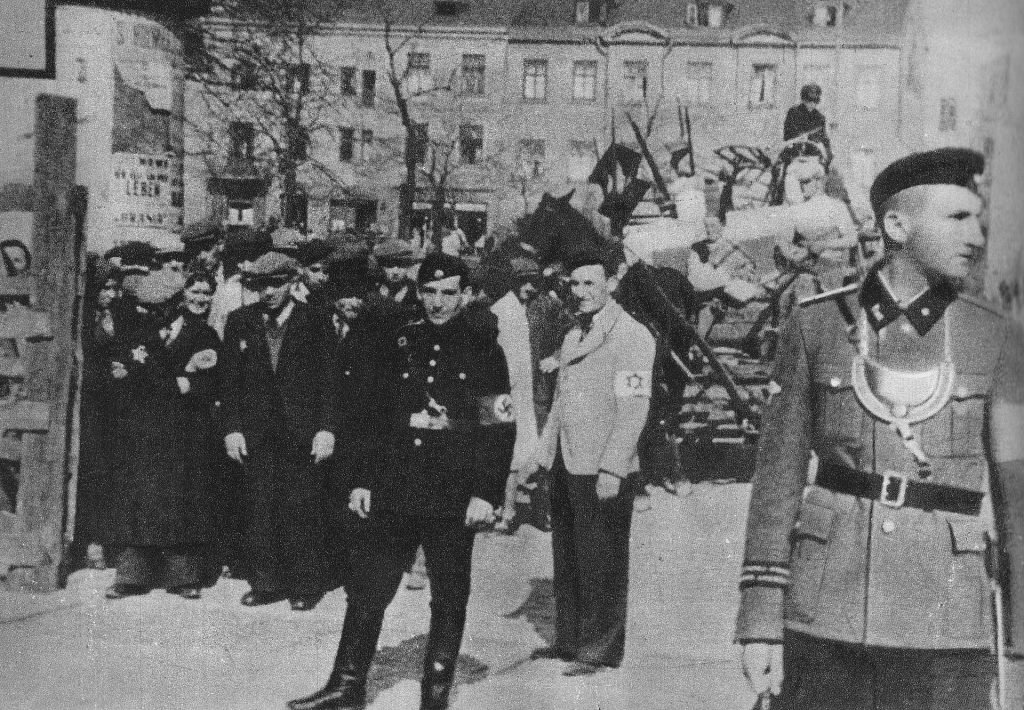
The Red Army enters Łódź and finds 877 Jews alive in a ghetto that once held more than 160,000 people.
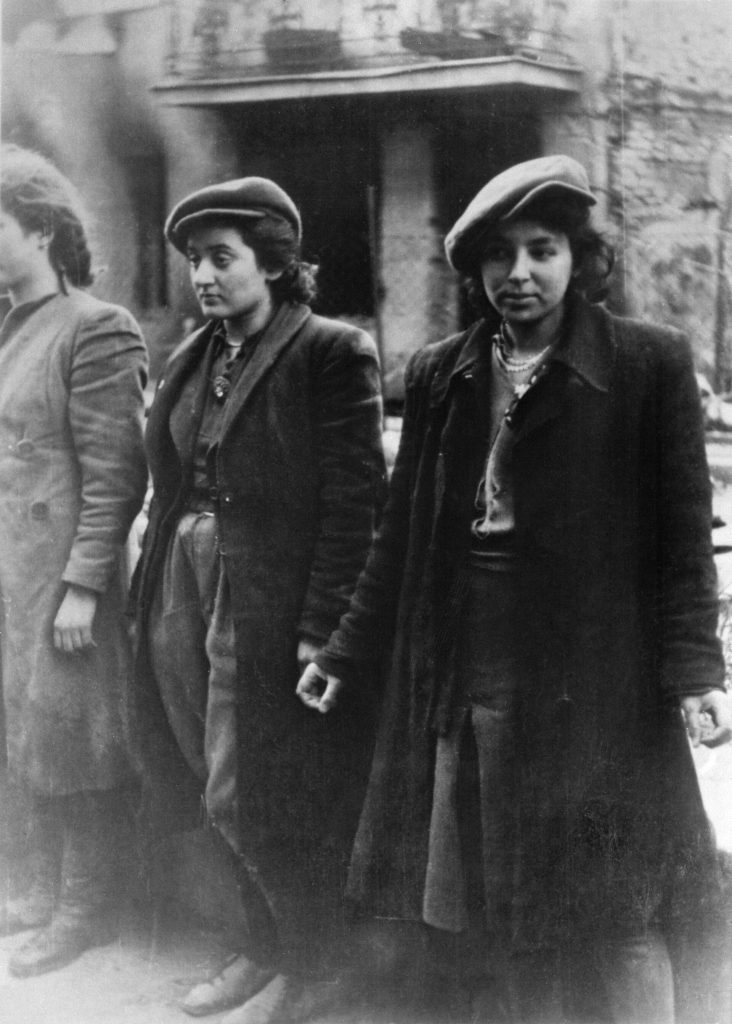
When German forces return to the Warsaw Ghetto for a new round of deportations, Jewish fighters open fire for the first time.
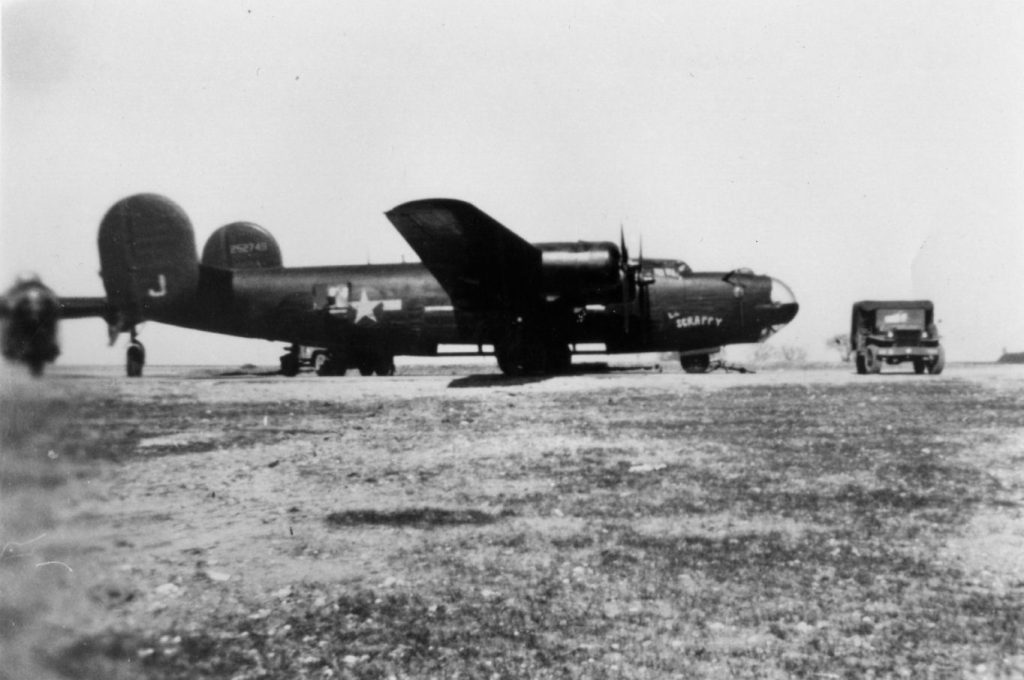
American bomber crews begin a secret war of night flights over occupied Europe, dropping agents, weapons and supplies to the resistance.
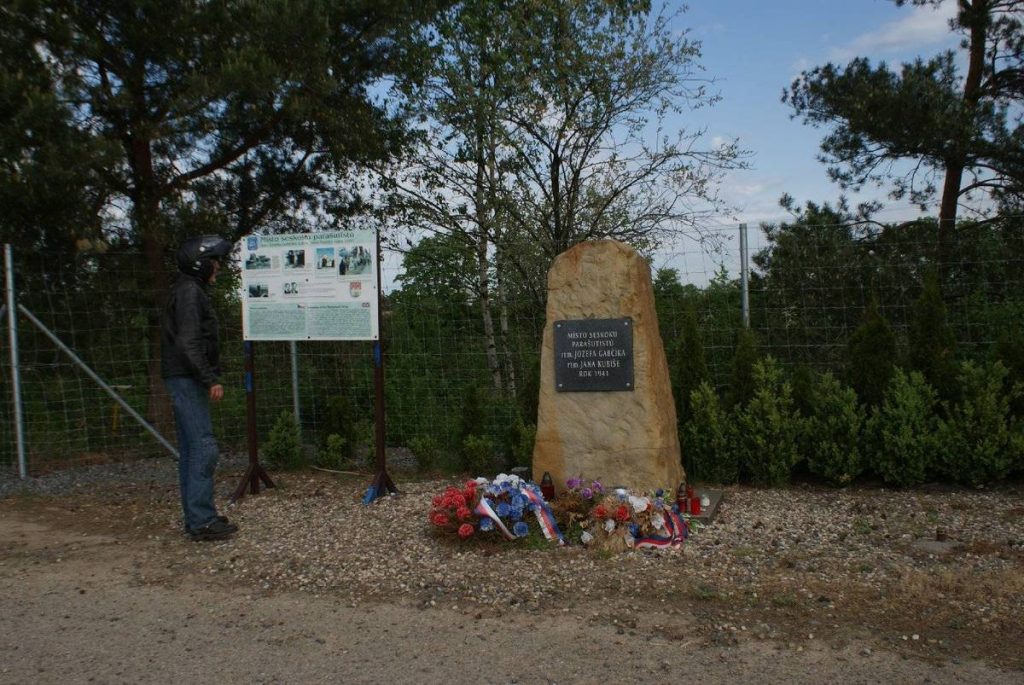
Two Czechoslovak soldiers trained in Britain are dropped by parachute into the occupied Protectorate. Their mission: to kill Reinhard Heydrich, the most feared man in Prague.
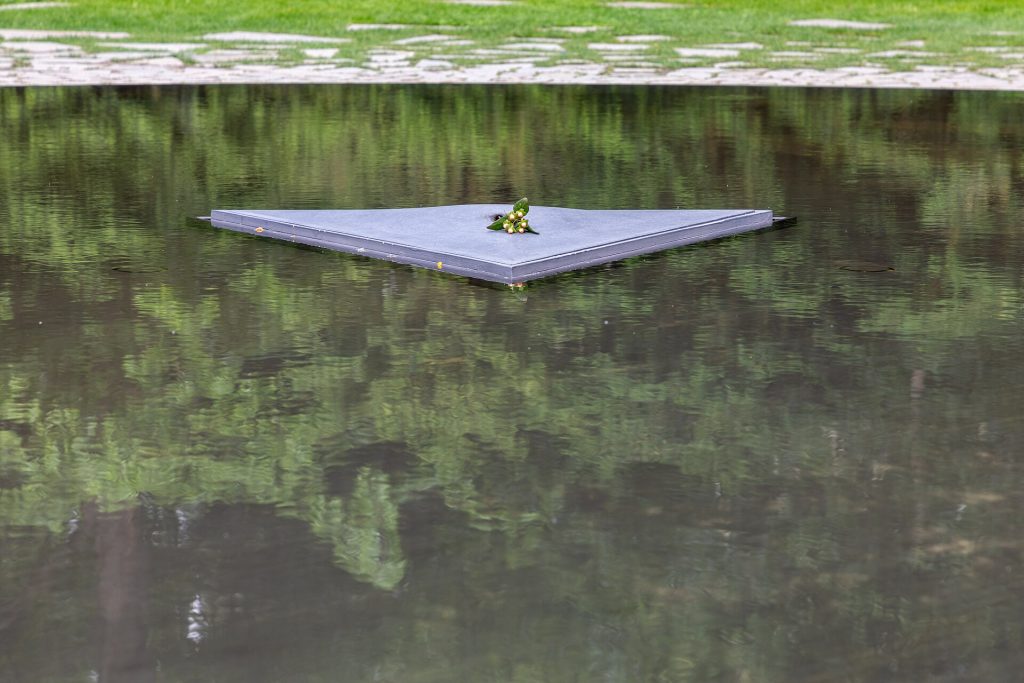
Heinrich Himmler orders the deportation of Roma and Sinti from across the German Reich to Auschwitz-Birkenau, where most of them will be murdered.
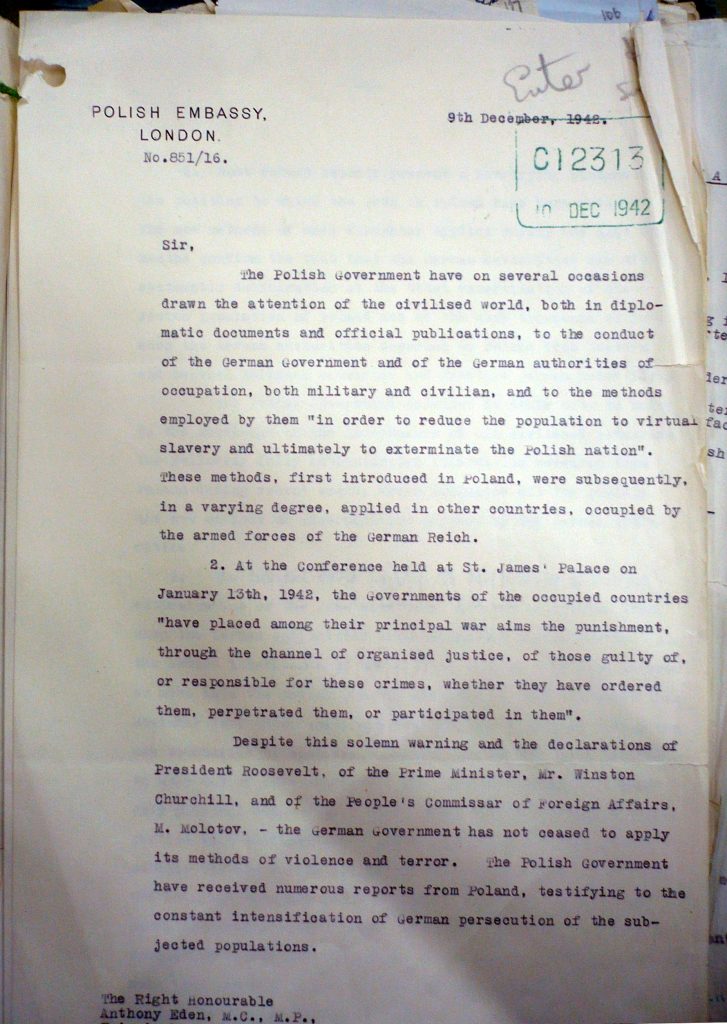
The Polish government in exile sends the Allied governments a formal note describing the systematic murder of the Jews of occupied Poland and calling on them to act.
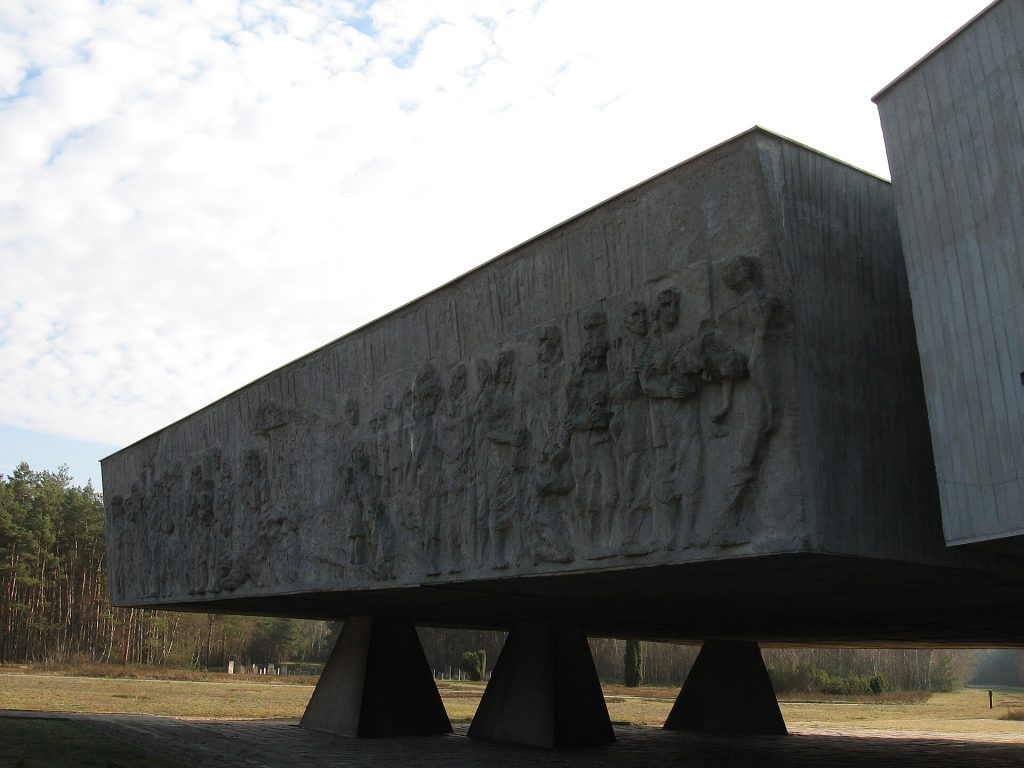
In a village in German-annexed Poland, the SS begins murdering Jews in sealed vans filled with exhaust fumes, at the first Nazi camp built purely for killing.

Meeting in a small Bosnian town in the middle of the war, the partisans’ assembly declares a federal Yugoslavia, names Tito a marshal and bars the exiled king from returning.
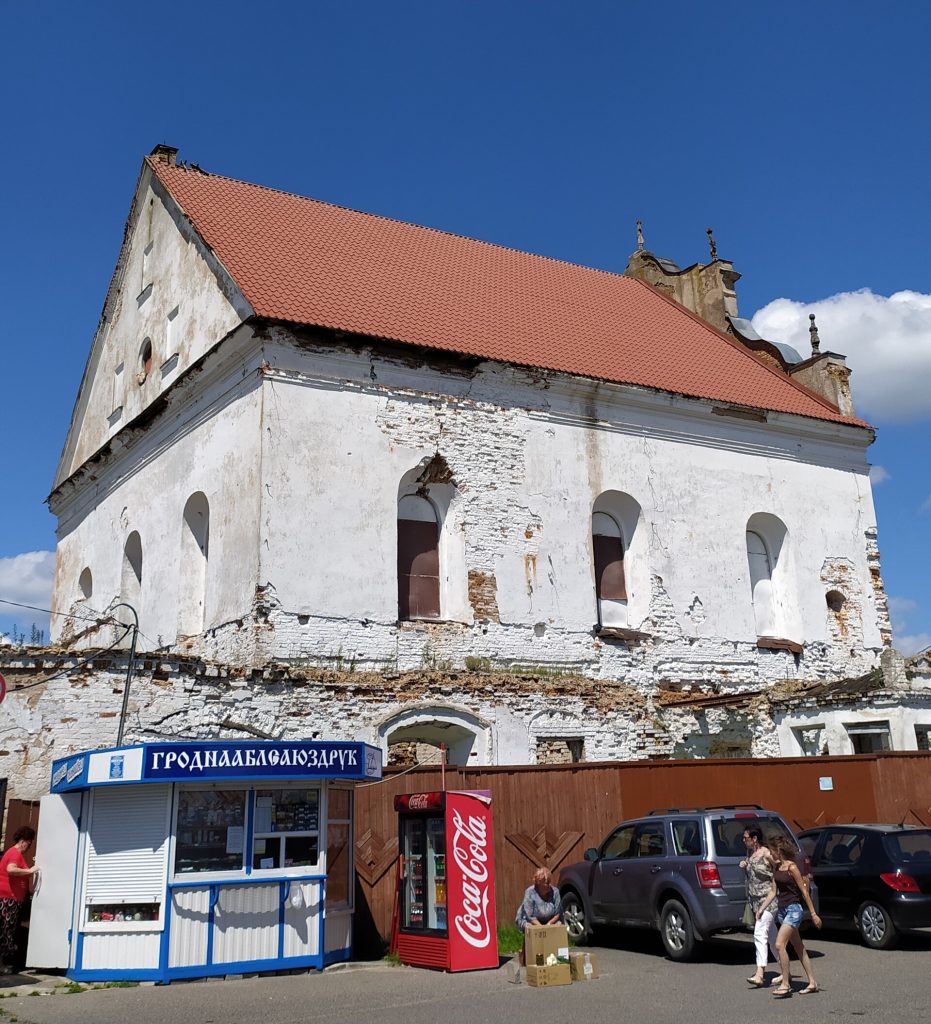
German killing squads and local auxiliaries drive some 9,000 Jews from the ghetto of Słonim to pits outside the town and shoot them in a single day.
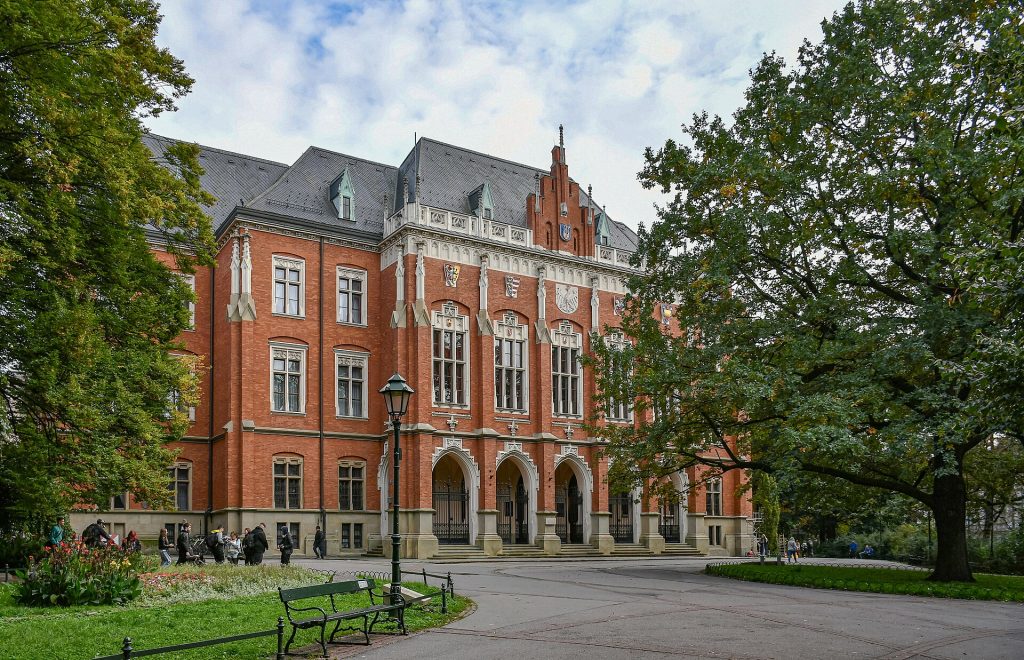
Summoned to a lecture at Kraków’s ancient university, 184 Polish scholars are arrested by the Gestapo and sent to a concentration camp, the opening blow of a campaign to destroy Poland’s educated class.
 United Kingdom
 United States
 Soviet Union
 Germany
 Japan
 France
 Poland
 South Africa