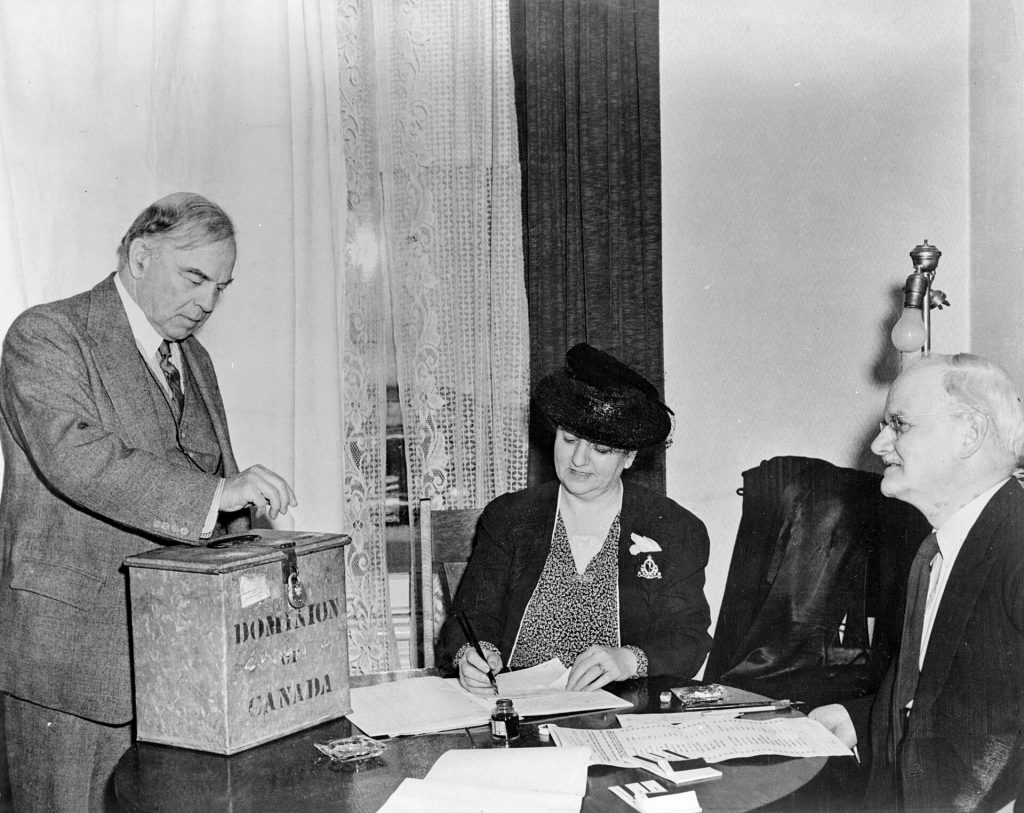
27 April 1942: Canada’s Conscription Plebiscite
Canadians vote by almost two to one to release Mackenzie King’s government from its promise on conscription, but Quebec votes heavily against.
Treaties, conferences, declarations and alliances.
Canadians vote by almost two to one to release Mackenzie King’s government from its promise on conscription, but Quebec votes heavily against.
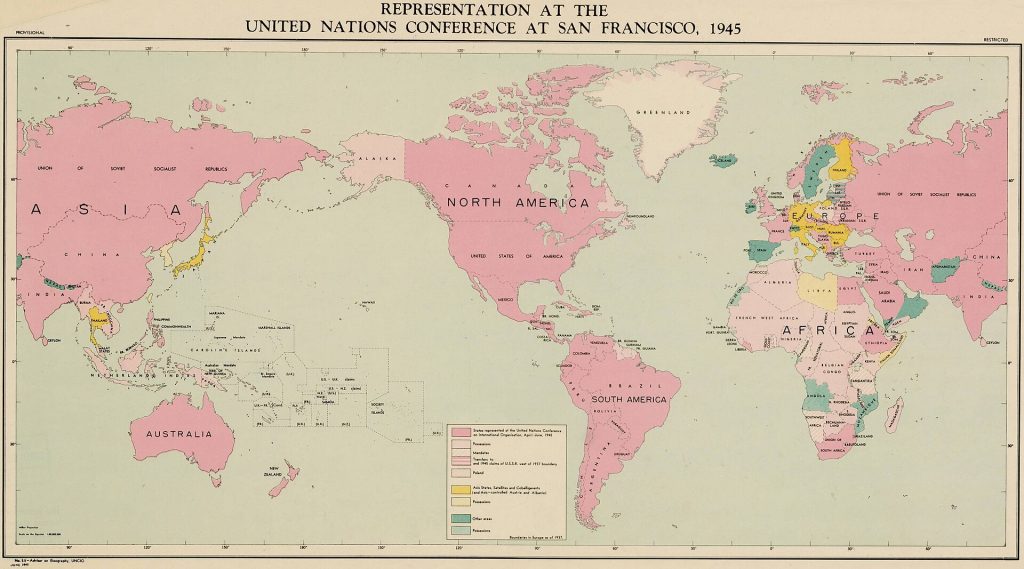
Delegates of the Allied nations meet in San Francisco to write the charter of a new world organisation, the United Nations.
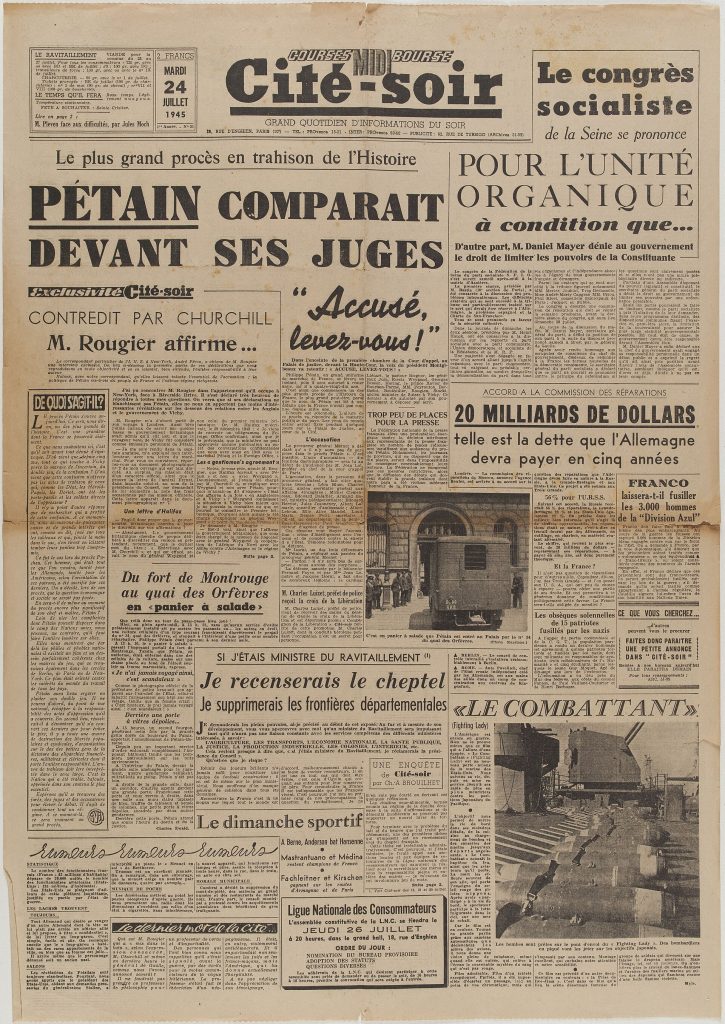
Two days after his 89th birthday, Marshal Philippe Pétain crosses from Switzerland into France to face trial for treason.
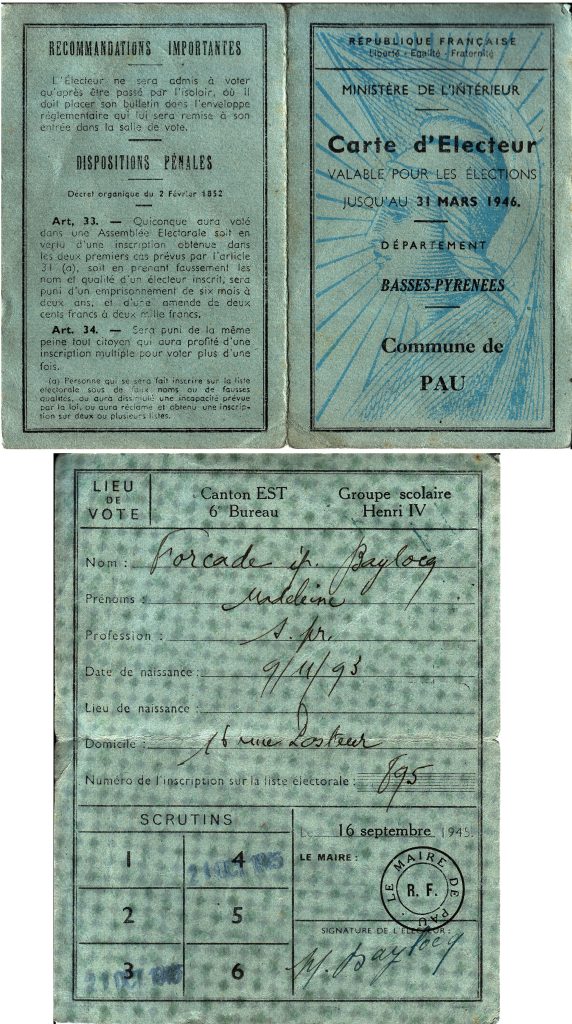
In Algiers, General de Gaulle signs the ordinance that will make French women voters and candidates on the same terms as men once France is liberated.
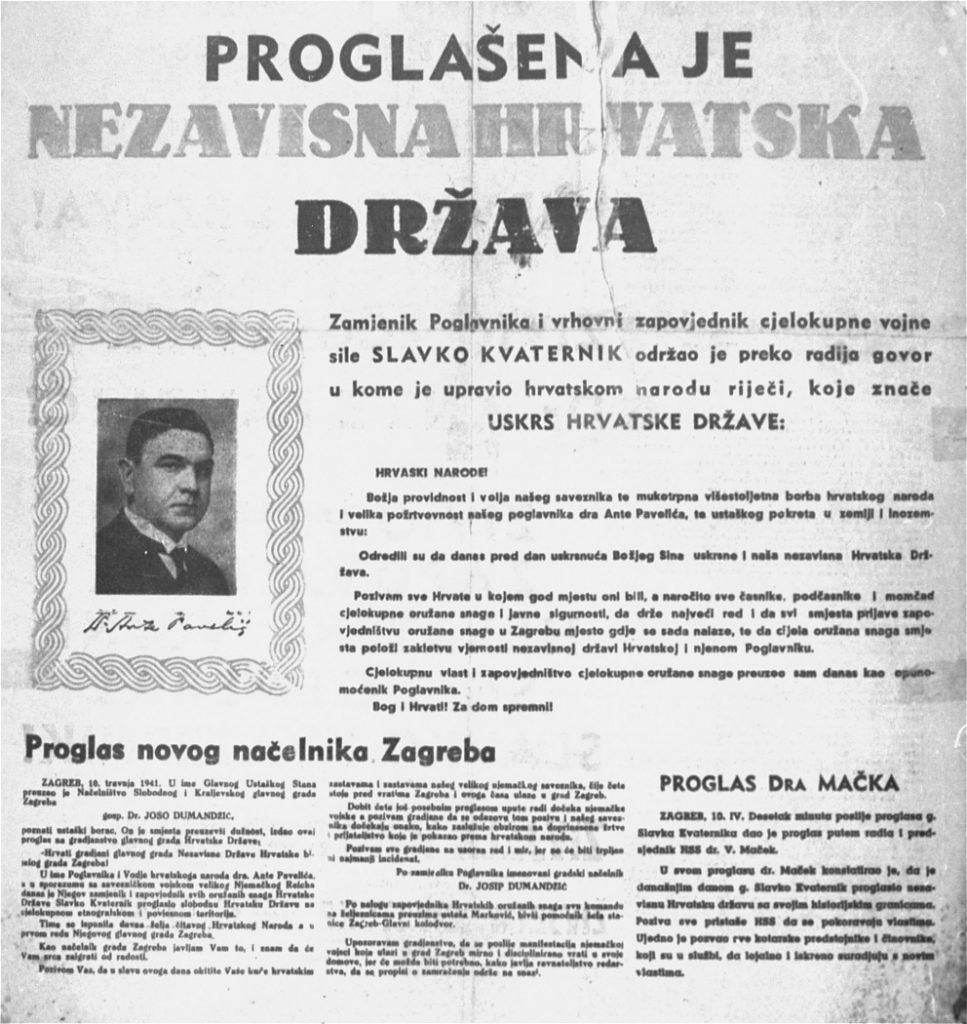
Four days into the German invasion of Yugoslavia, the Ustaše leader Slavko Kvaternik proclaims an Independent State of Croatia in Zagreb.
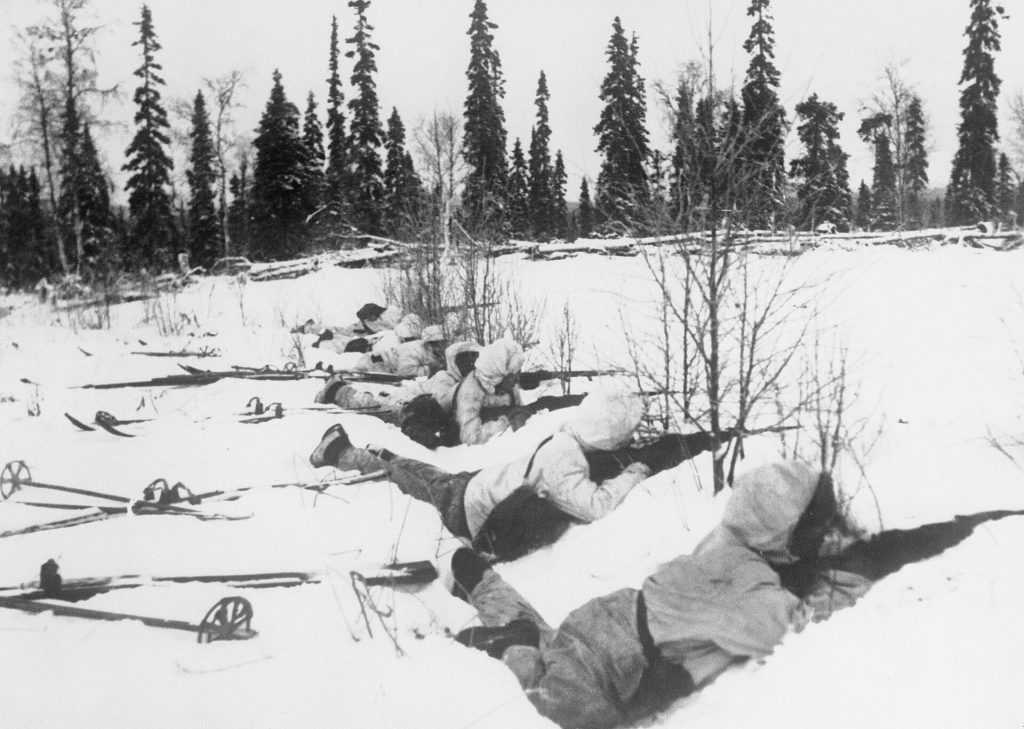
With its main defensive line broken and the Red Army closing on Viipuri, the Finnish government decides to open peace talks with Moscow.
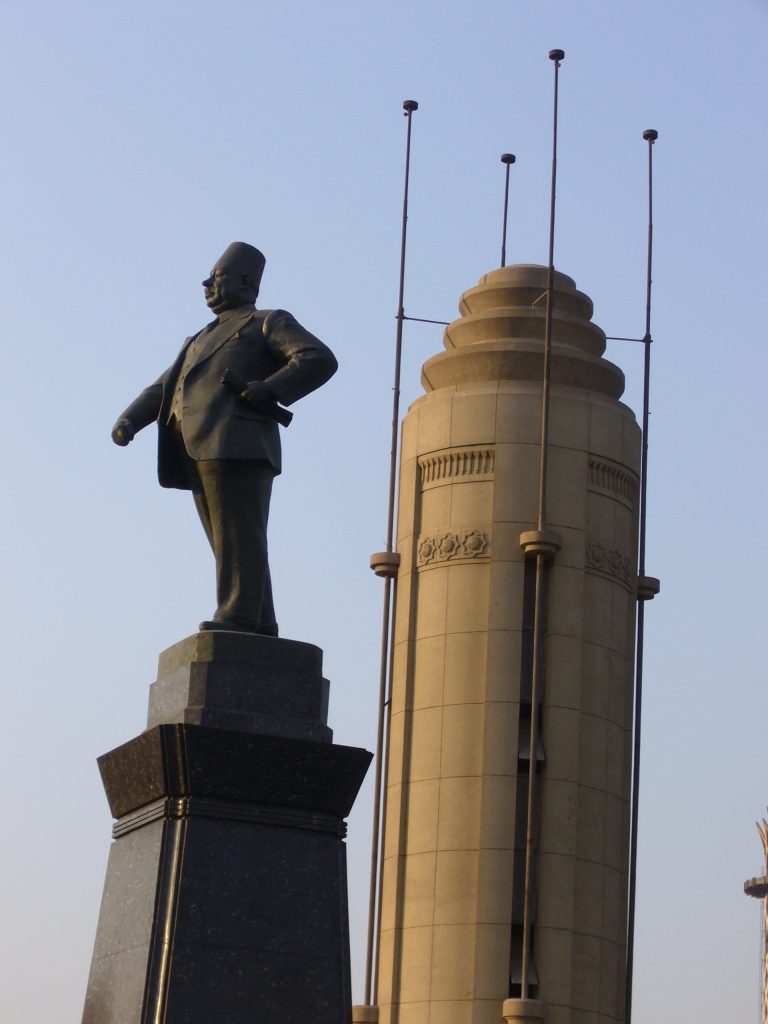
Egypt’s prime minister reads the decree taking his country into the war against the Axis. Moments later he is shot dead inside the parliament building.
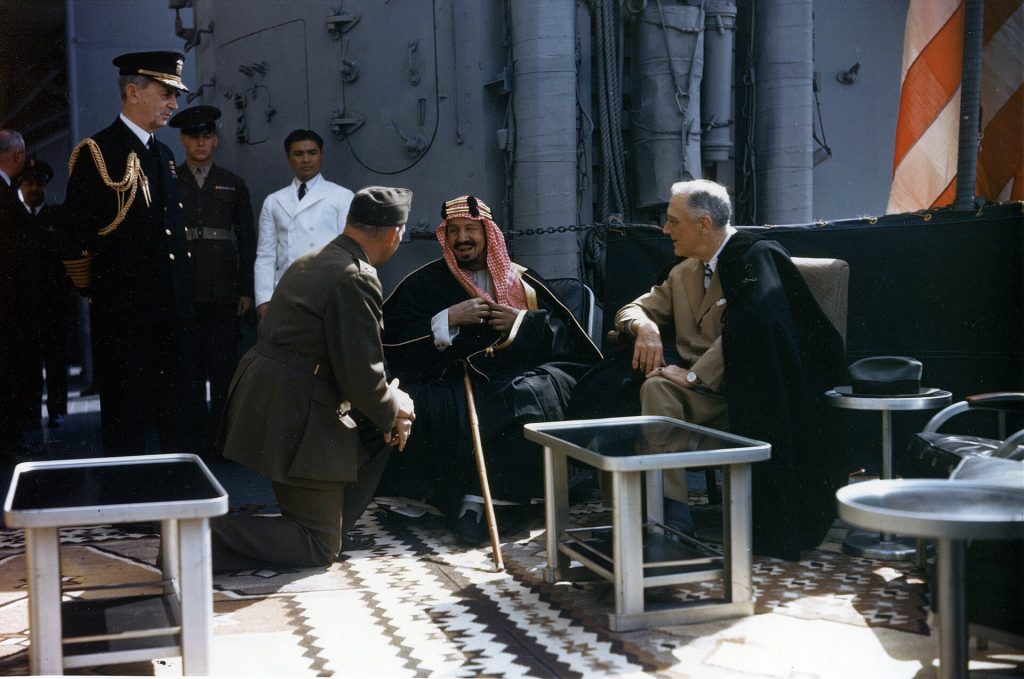
On his way home from Yalta, Roosevelt receives King Abdulaziz of Saudi Arabia aboard an American cruiser in the Suez Canal, a meeting that will shape the Middle East for decades.

In occupied Oslo, the Germans install Vidkun Quisling at the head of a puppet national government, a man whose name has already become a byword for treason.
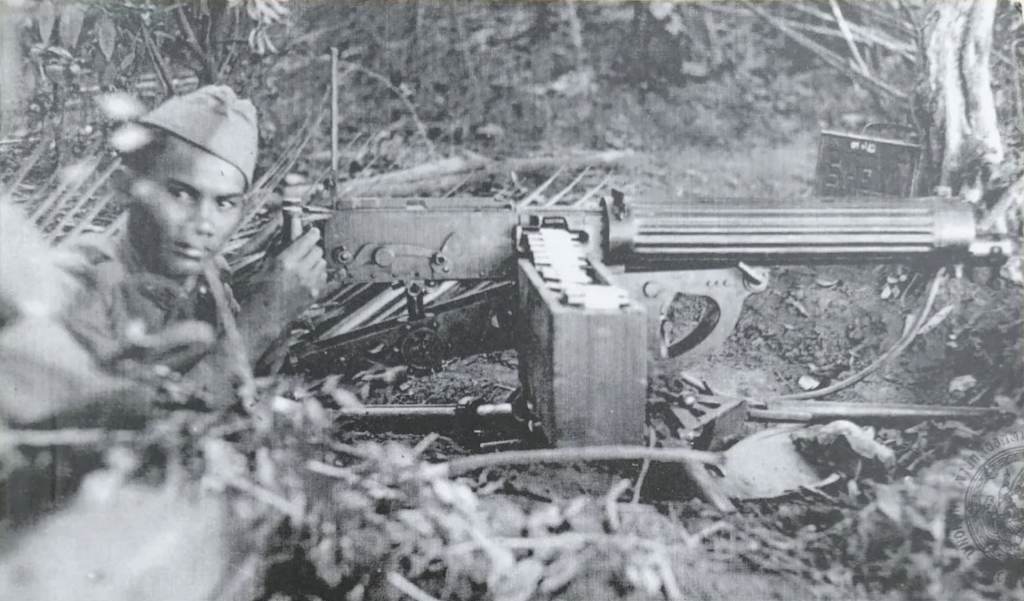
Japan imposes a ceasefire on Thailand and French Indochina, ending a short border war and setting itself up as the arbiter of Southeast Asia.

Under Japanese pressure and after Allied air raids on Bangkok, Field Marshal Phibun’s government declares war on Britain and the United States.

Romania’s fascist Iron Guard rises against its partner in power, General Ion Antonescu, and turns its fury on the Jews of Bucharest.
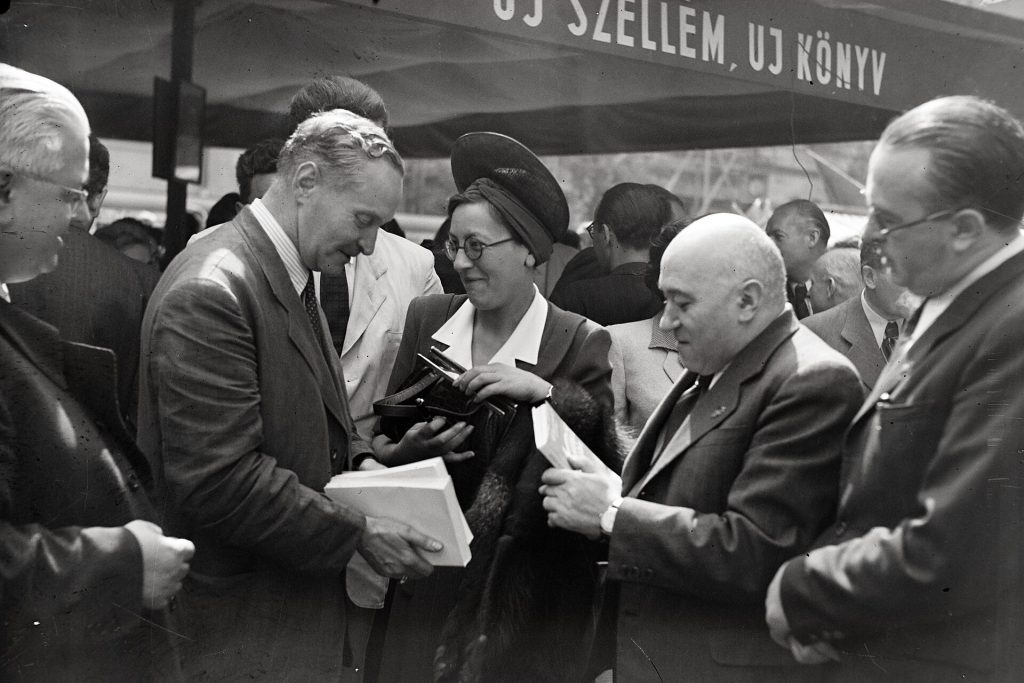
In Moscow, envoys of a Soviet-backed Hungarian government sign an armistice with the Allies while Budapest is still under siege.
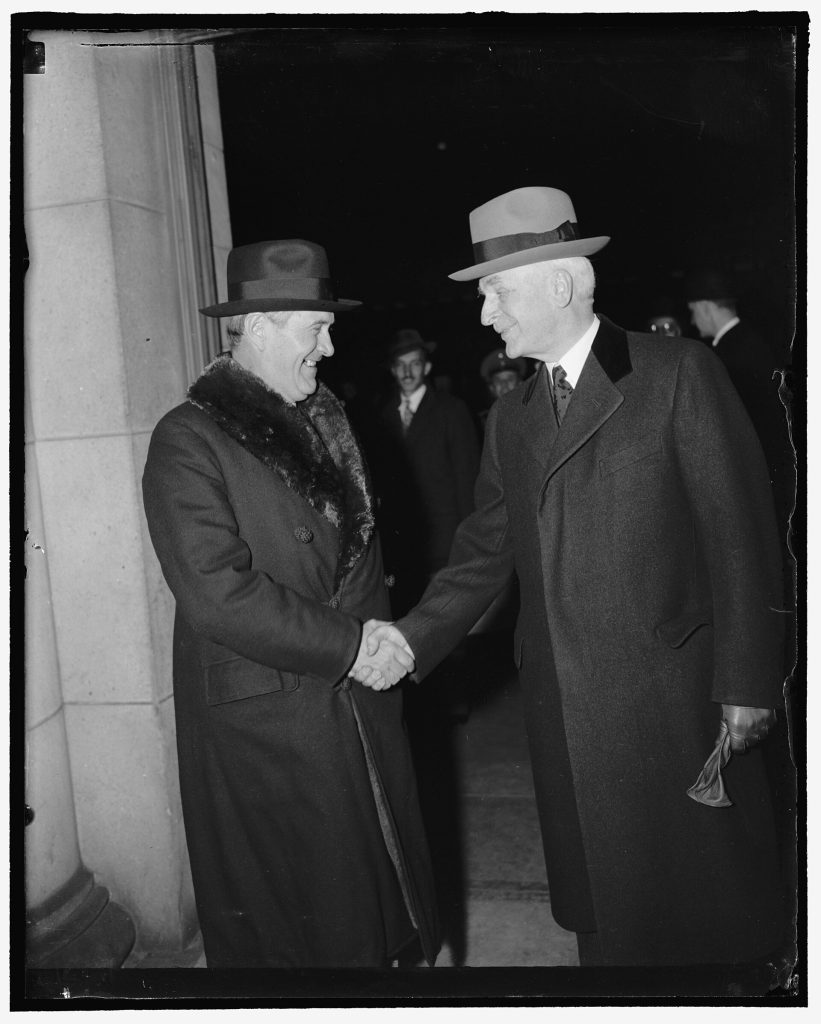
Foreign ministers of the 21 American republics gather in Rio de Janeiro to decide how the hemisphere will answer Pearl Harbor.
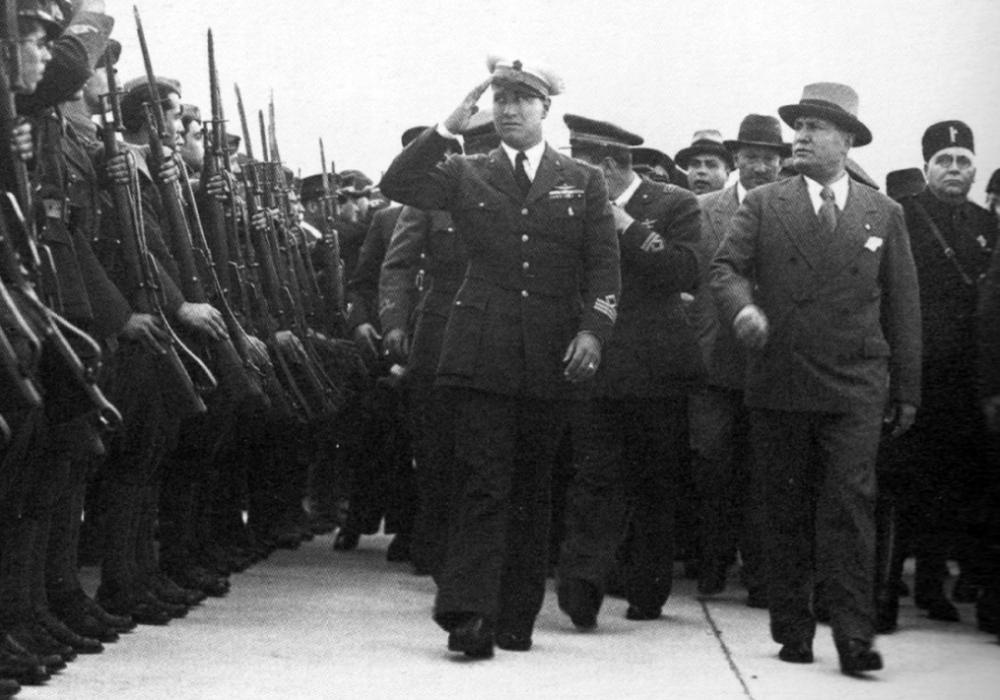
Mussolini’s son-in-law and former foreign minister is tied to a chair and shot in the back at Verona, punished for voting against the Duce six months earlier.
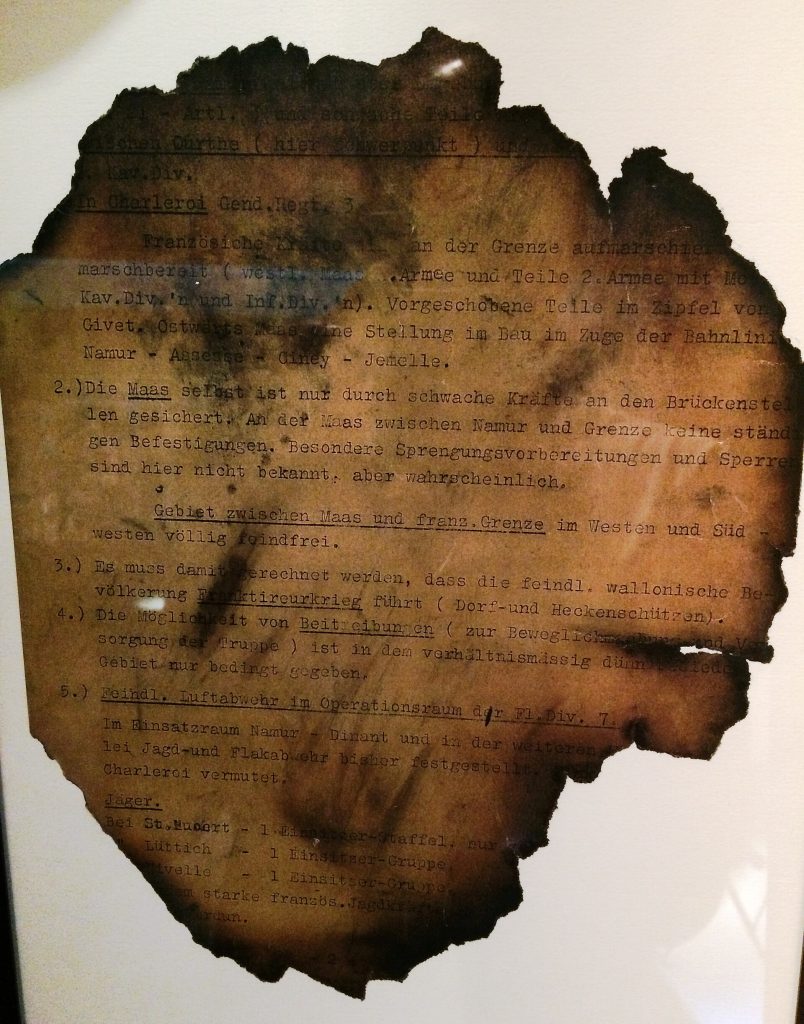
A German aircraft lost in fog crash-lands in neutral Belgium, carrying an officer with the plans for Hitler’s attack in the West.
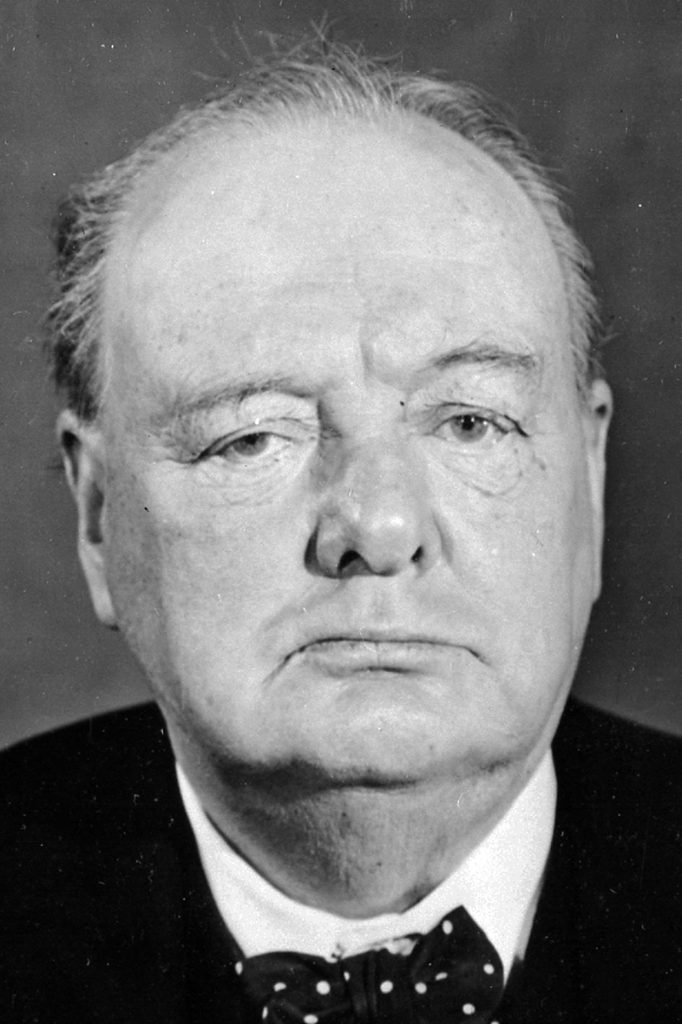
With the Allies still fighting in the Ardennes, Churchill cables Stalin to ask whether the West can count on a major Russian offensive in January.
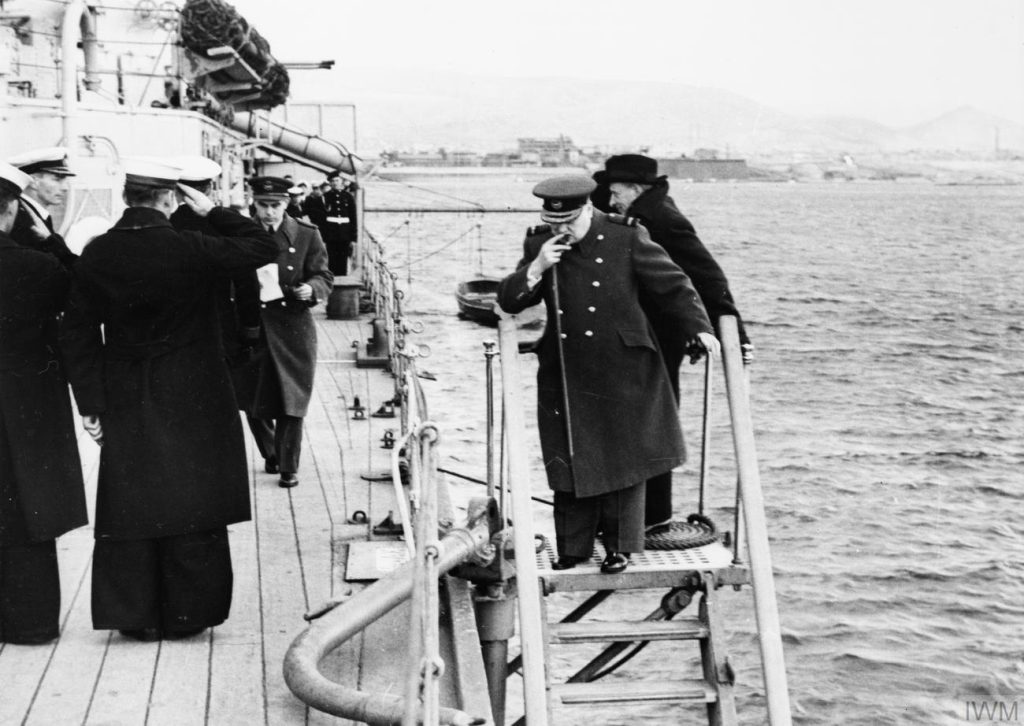
With British troops fighting communist-led ELAS in the streets of Athens, Churchill spends Christmas Day flying to Greece to try to make peace in person.
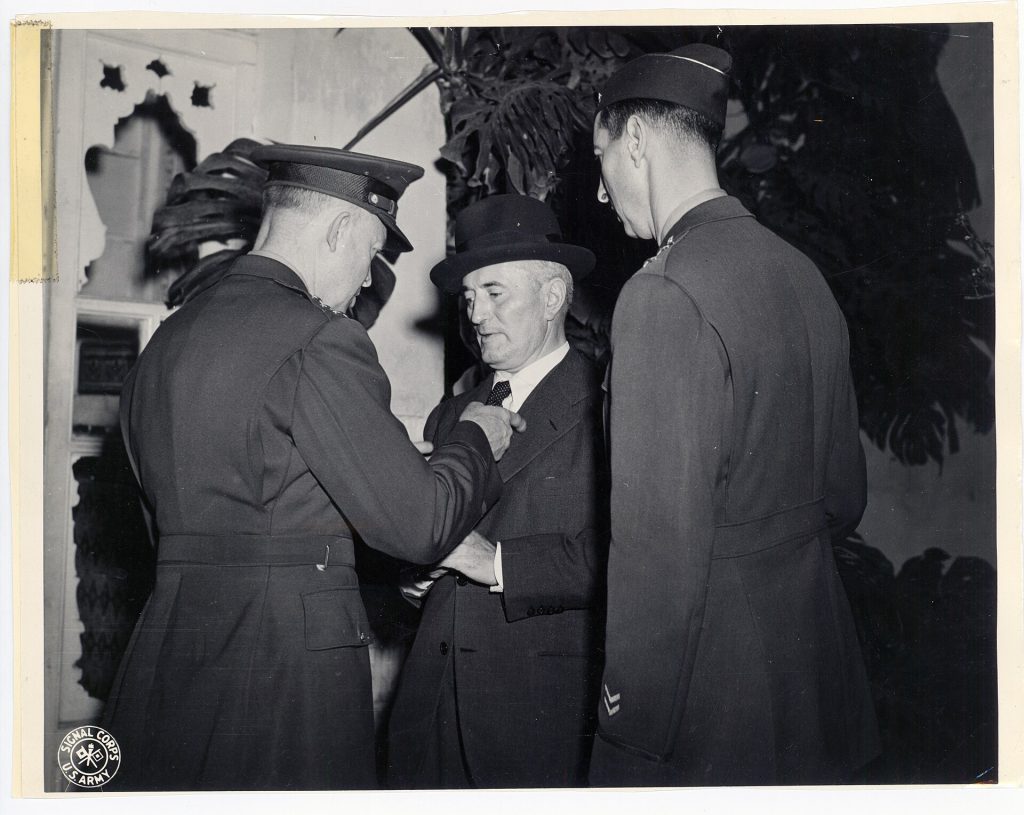
In Algiers on Christmas Eve, a 20-year-old monarchist shoots Admiral François Darlan, the former Vichy leader whom the Allies had accepted as head of French North Africa.
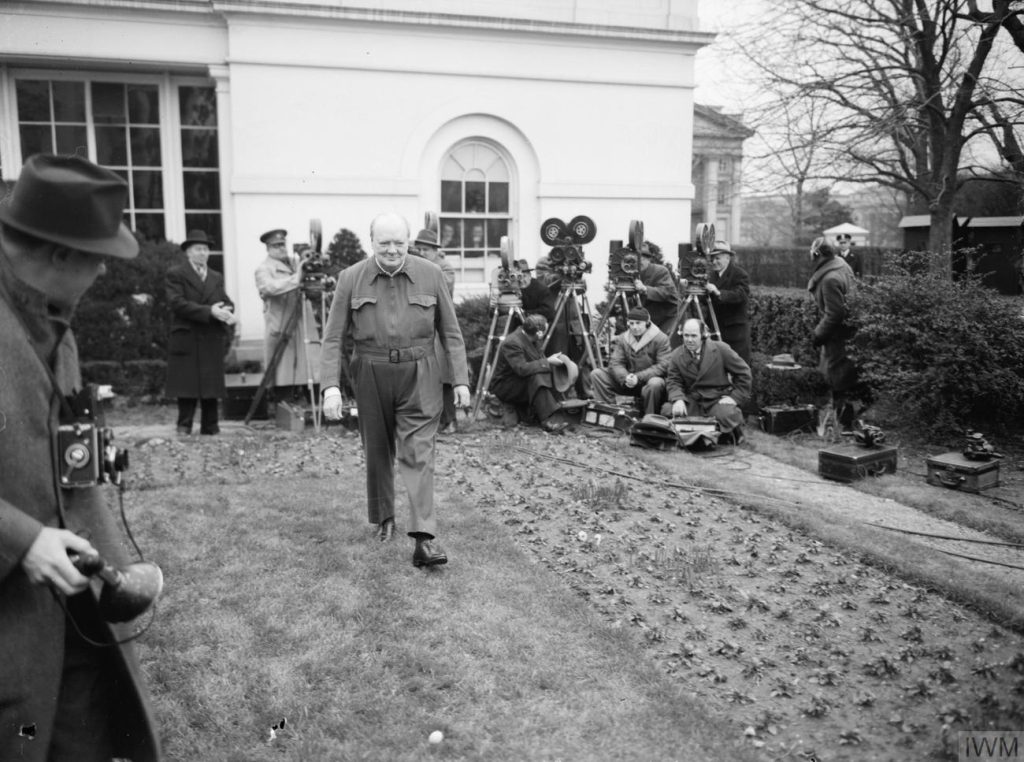
Two weeks after Pearl Harbor, Churchill arrives in Washington to plan a joint war with Roosevelt. Their first decision is the most important of all: Germany first.
 United Kingdom
 United States
 Soviet Union
 Germany
 Japan
 France
 Poland
 South Africa