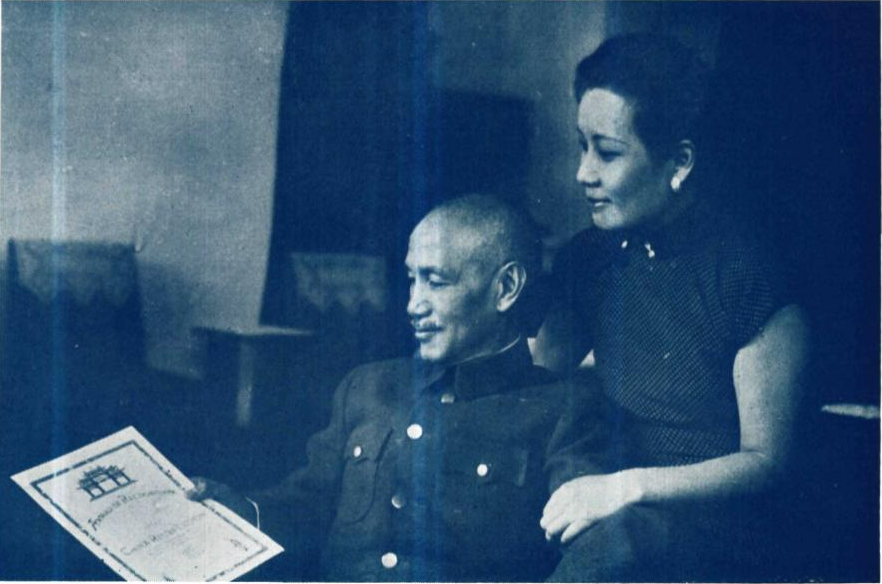
9 December 1941: China Formally Declares War
After more than four years of undeclared war with Japan, Chiang Kai-shek’s government formally declares war on Japan, Germany and Italy, joining the new Allied coalition.
Treaties, conferences, declarations and alliances.
After more than four years of undeclared war with Japan, Chiang Kai-shek’s government formally declares war on Japan, Germany and Italy, joining the new Allied coalition.
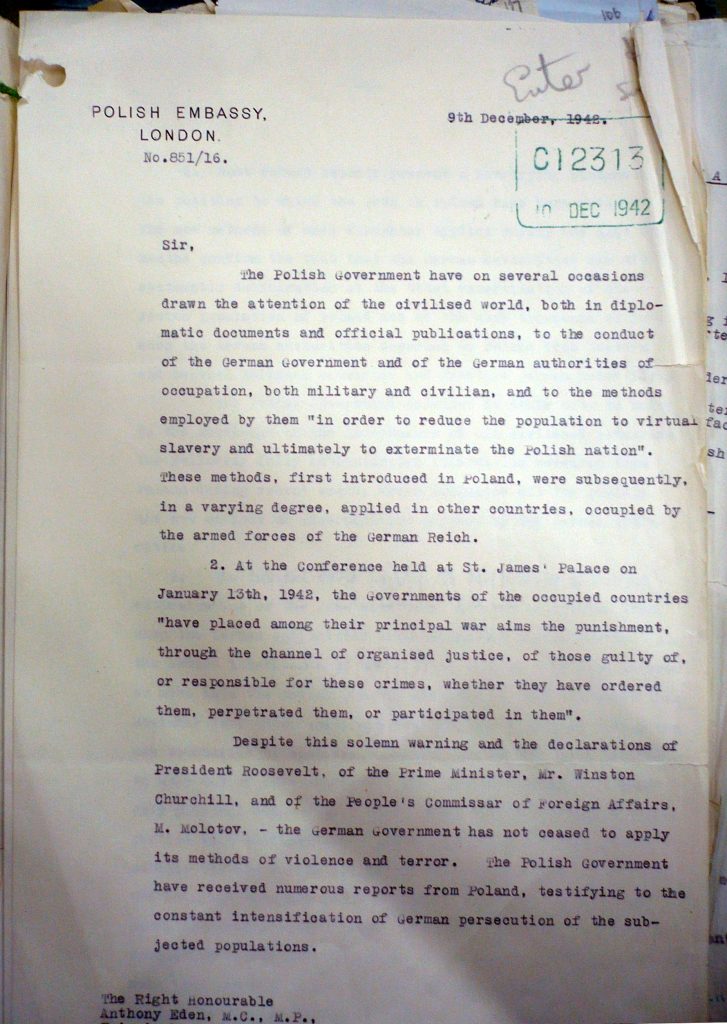
The Polish government in exile sends the Allied governments a formal note describing the systematic murder of the Jews of occupied Poland and calling on them to act.
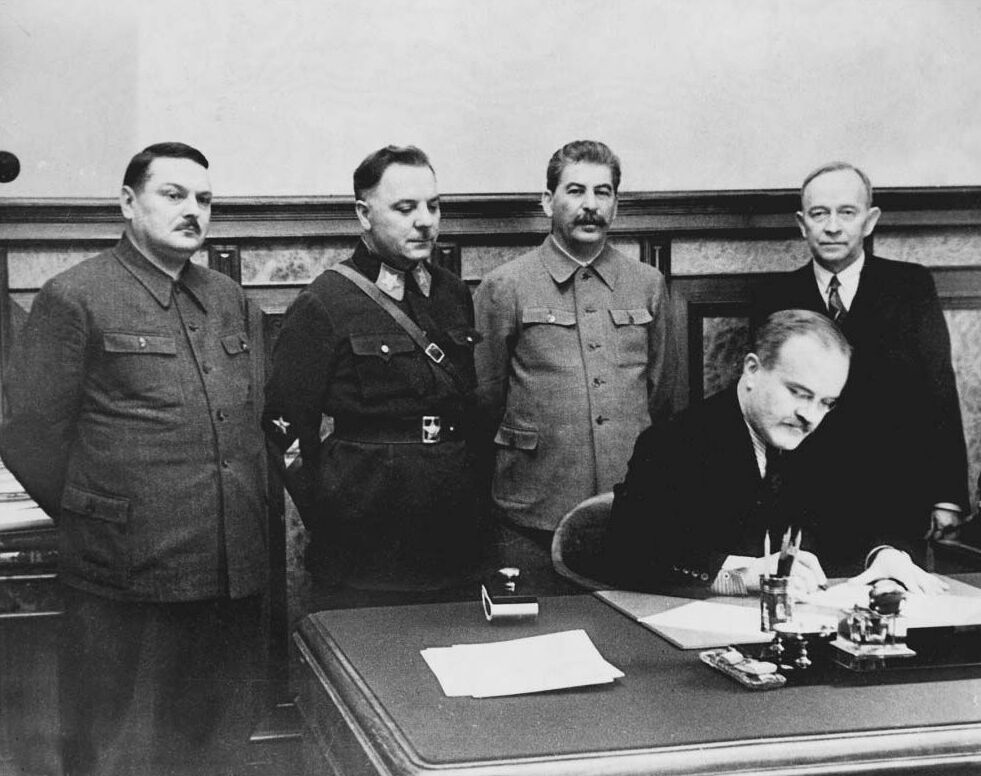
A day into the Winter War, Moscow sets up a Finnish People’s Government in the captured border town of Terijoki, ready to rule Finland once the Red Army has conquered it.

Meeting in a small Bosnian town in the middle of the war, the partisans’ assembly declares a federal Yugoslavia, names Tito a marshal and bars the exiled king from returning.
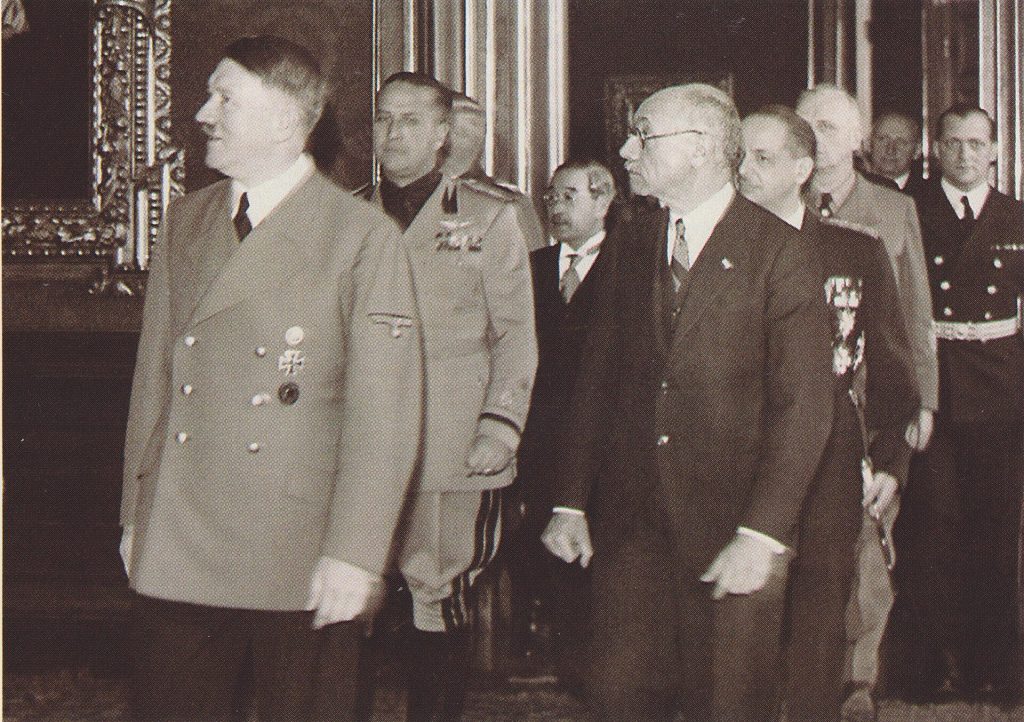
Rewarded with territory taken from its neighbours, Hungary signs the Tripartite Pact, becoming the fourth member of the Axis alliance.
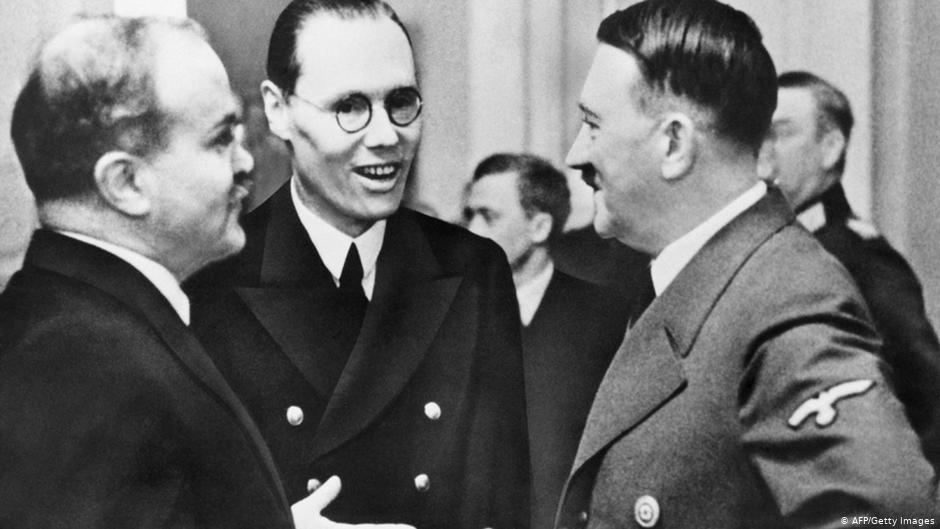
Stalin’s foreign minister arrives in Berlin to discuss the Soviet Union joining the Axis. The talks fail, and within five weeks Hitler orders preparations to invade.
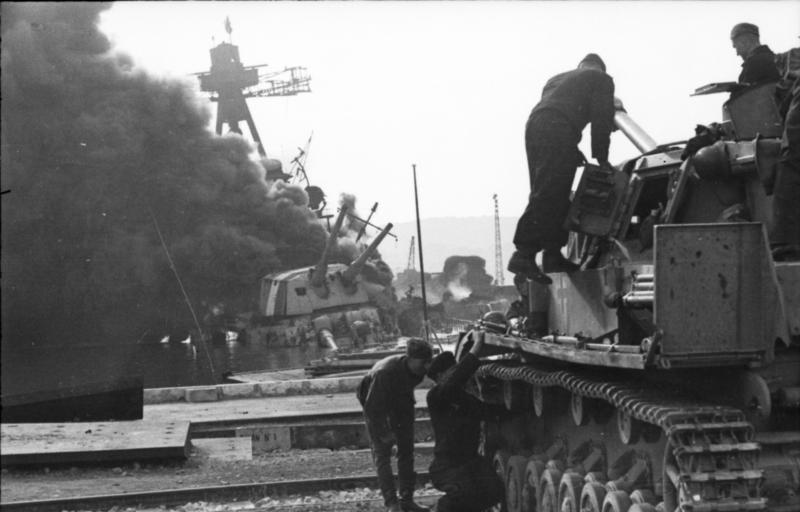
Three days after the Allied landings in North Africa, German and Italian troops pour into the unoccupied zone of France, ending the fiction of Vichy independence.
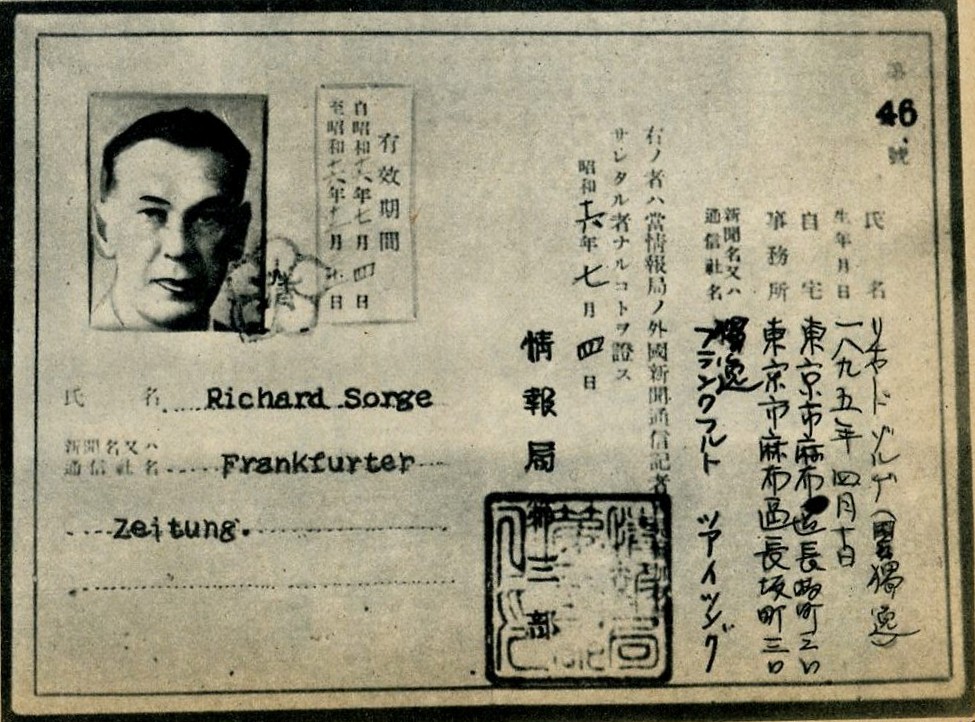
In a Tokyo prison, the Soviet master spy who warned Moscow of Barbarossa and learned that Japan would not attack the Soviet Union goes to the gallows.
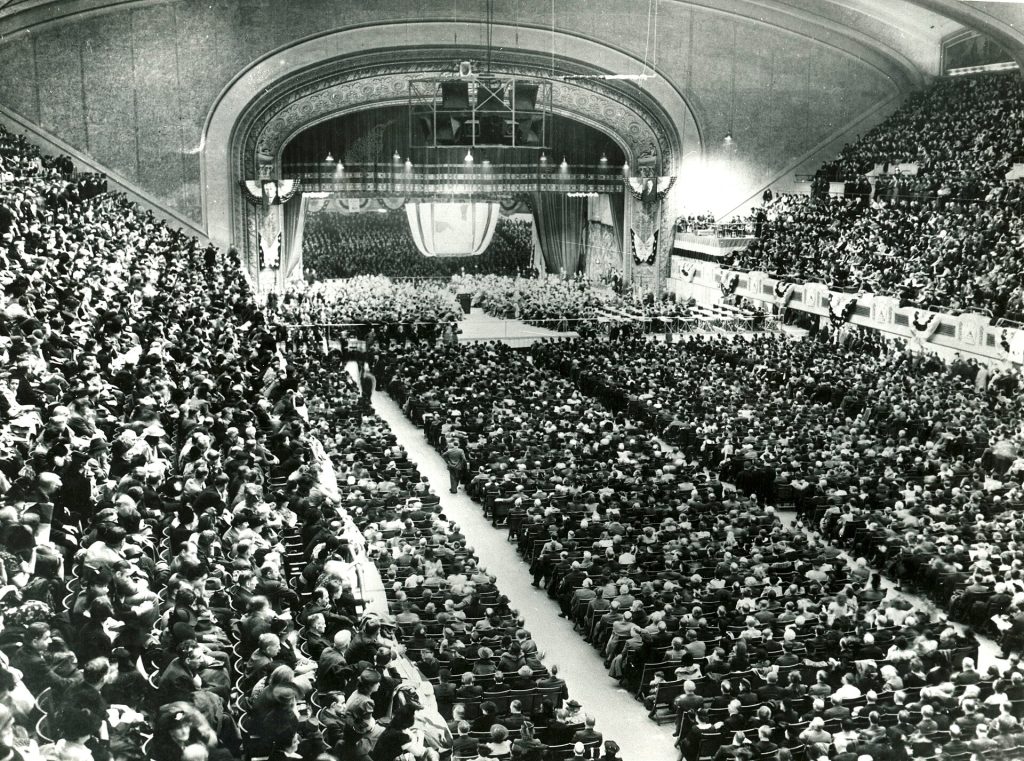
Breaking a tradition as old as the republic, Franklin D. Roosevelt is elected President for a third time, as Britain fights on alone and America edges towards war.
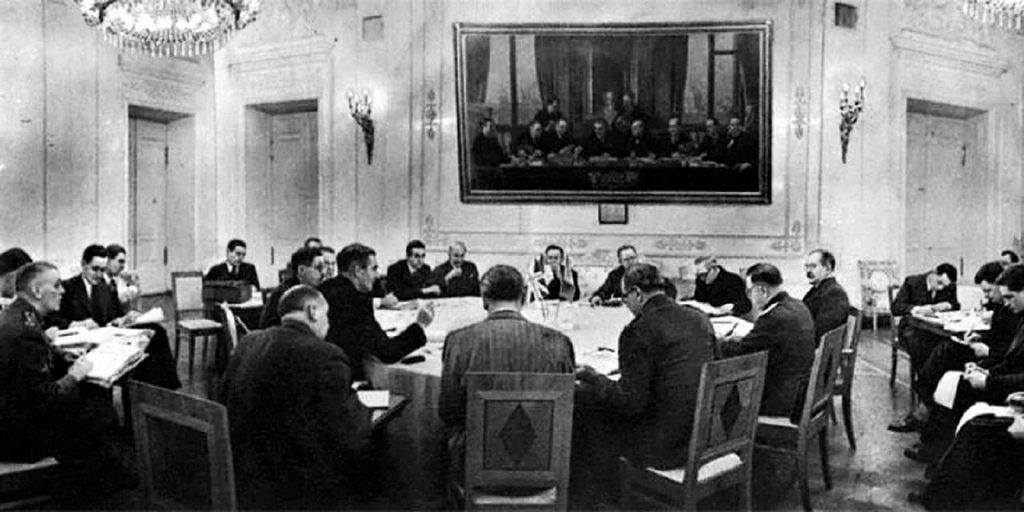
At the end of a conference of foreign ministers in Moscow, the Allies sign declarations on the post-war world, on Austria and Italy, and on punishing German war criminals.
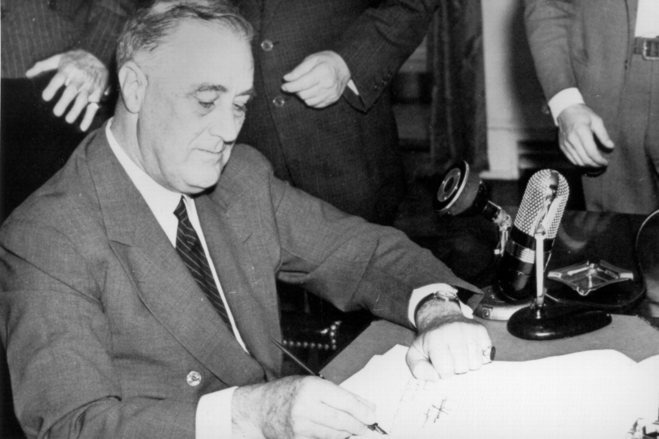
In Washington, Secretary of War Henry Stimson, blindfolded, draws the first number in America’s first peacetime draft. It is 158.
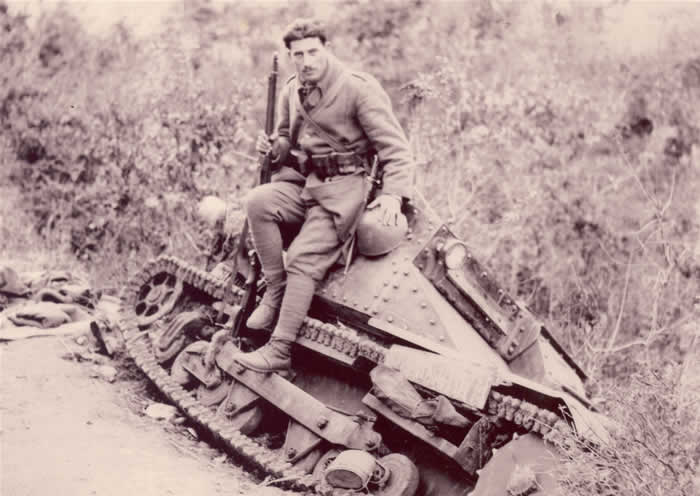
At three in the morning, the Italian ambassador hands Greece’s leader an ultimatum. He rejects it. Within hours Italian troops cross from Albania. The Greeks will drive them back.
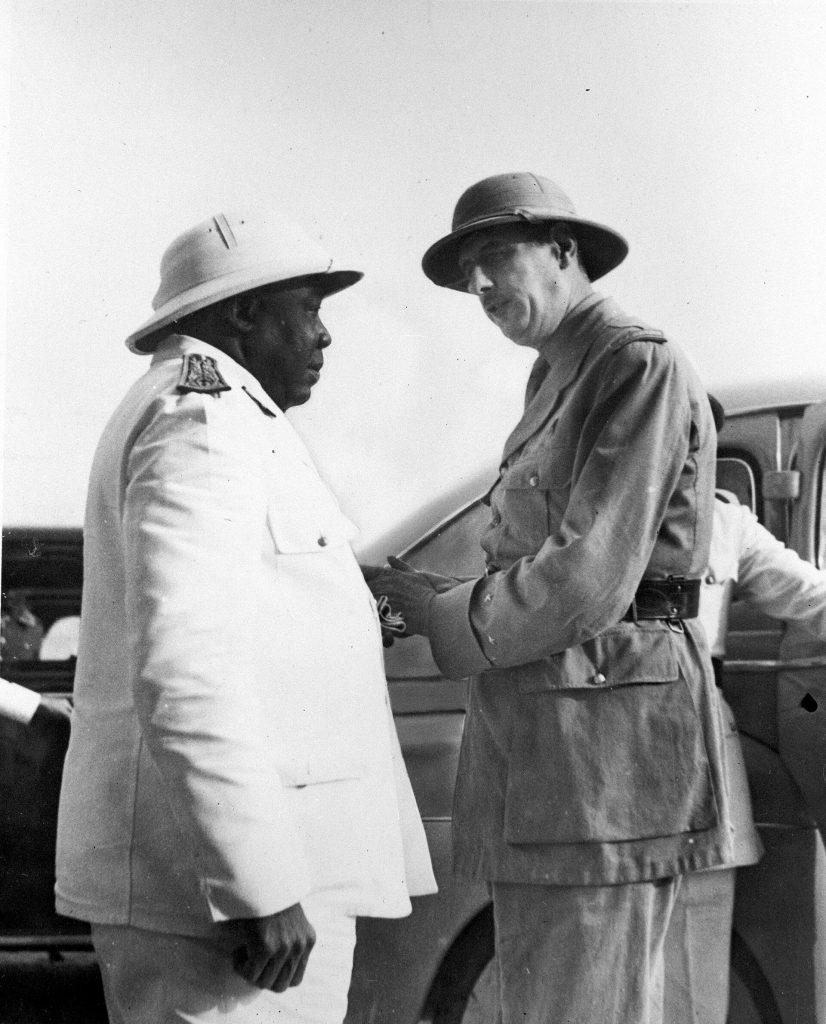
In Brazzaville, capital of French Equatorial Africa, General de Gaulle declares the Vichy regime illegitimate and sets up a council to govern Free France’s growing African territories.
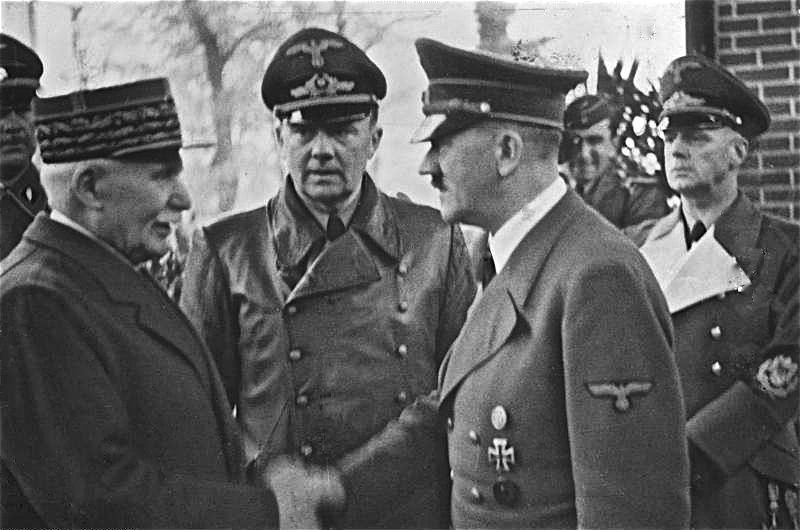
At the small railway station of Montoire, Marshal Pétain shakes Hitler’s hand. Days later he tells the French people that he is entering on the path of collaboration.

Hungary’s regent, Admiral Horthy, announces on the radio that Hungary will stop fighting. Within hours, German commandos have kidnapped his son and forced him to hand power to the fascist Arrow Cross.
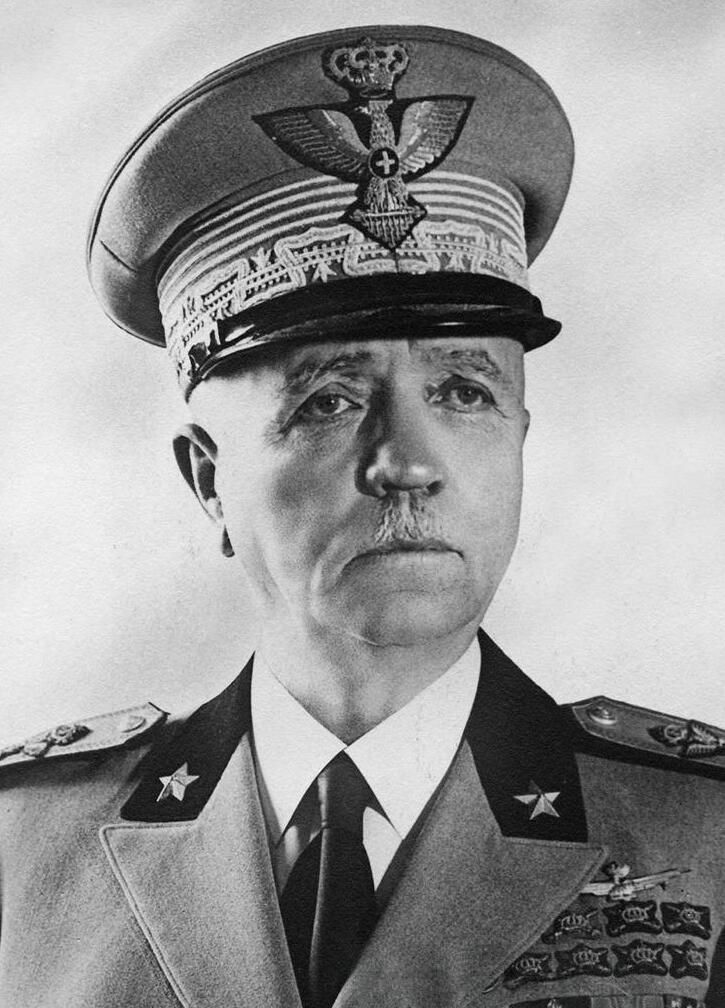
Five weeks after its armistice with the Allies, the royal Italian government declares war on its former ally. Italy is now a co-belligerent, not quite an ally.
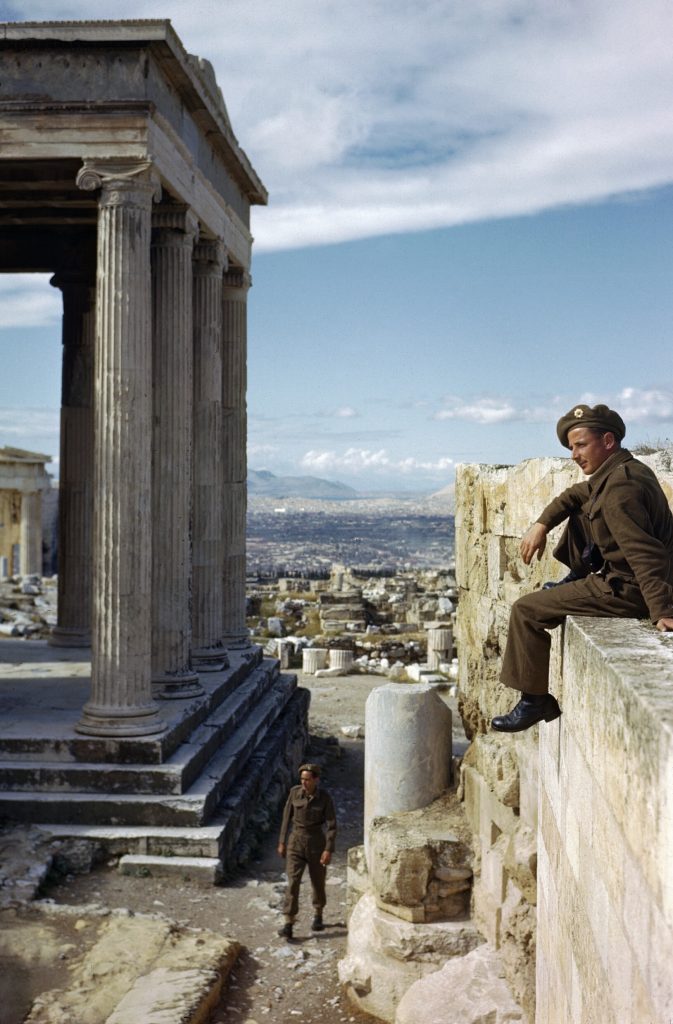
The last German troops leave Athens, and the swastika comes down from the Acropolis. Within days British troops and the Greek government in exile arrive.
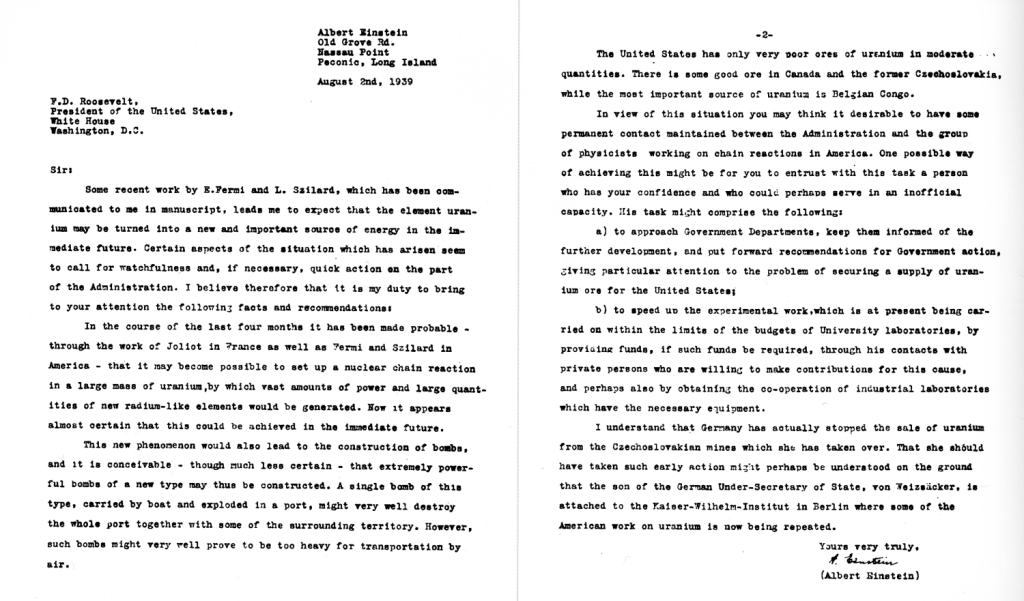
An economist with access to the White House reads President Roosevelt a letter signed by Albert Einstein. It warns that Germany might build an atomic bomb.
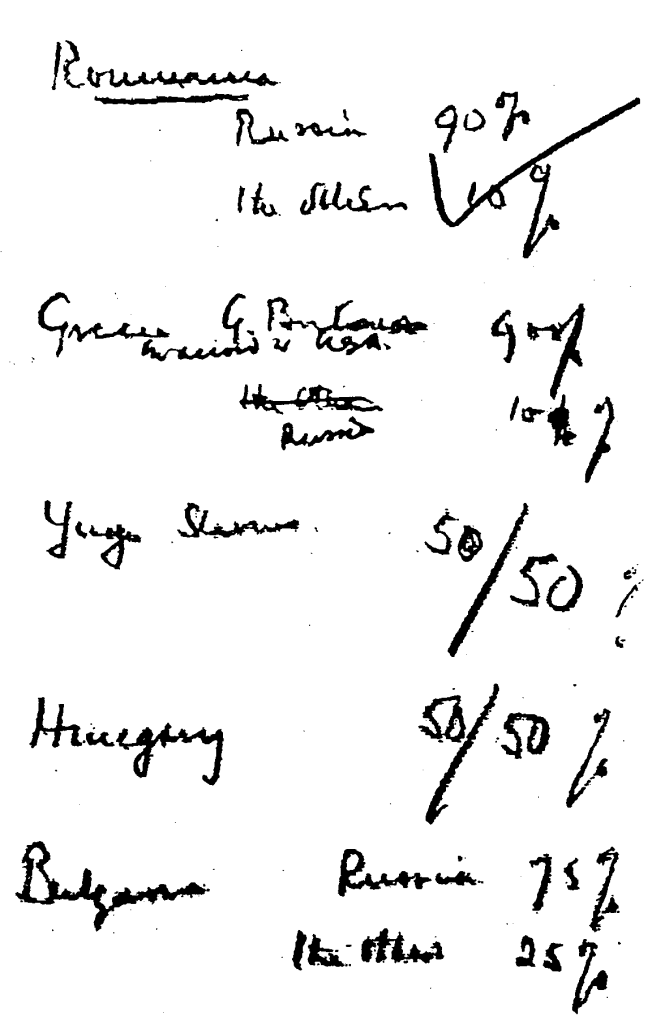
Late at night in the Kremlin, Churchill pushes a half-sheet of paper across the table to Stalin. On it he has written percentages of influence over five countries of south-eastern Europe.
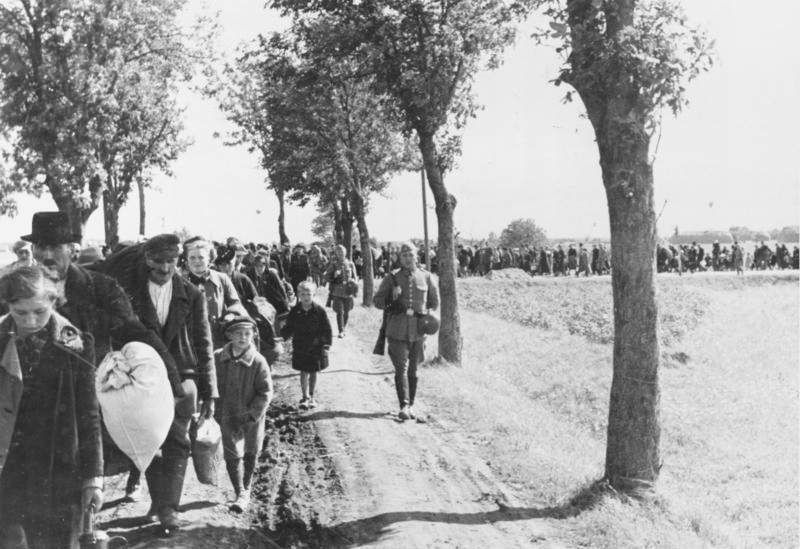
By decree, Hitler incorporates large parts of western Poland into Germany. Their Polish and Jewish inhabitants are to be expelled to make room for German settlers.
 United Kingdom
 United States
 Soviet Union
 Germany
 Japan
 France
 Poland
 South Africa