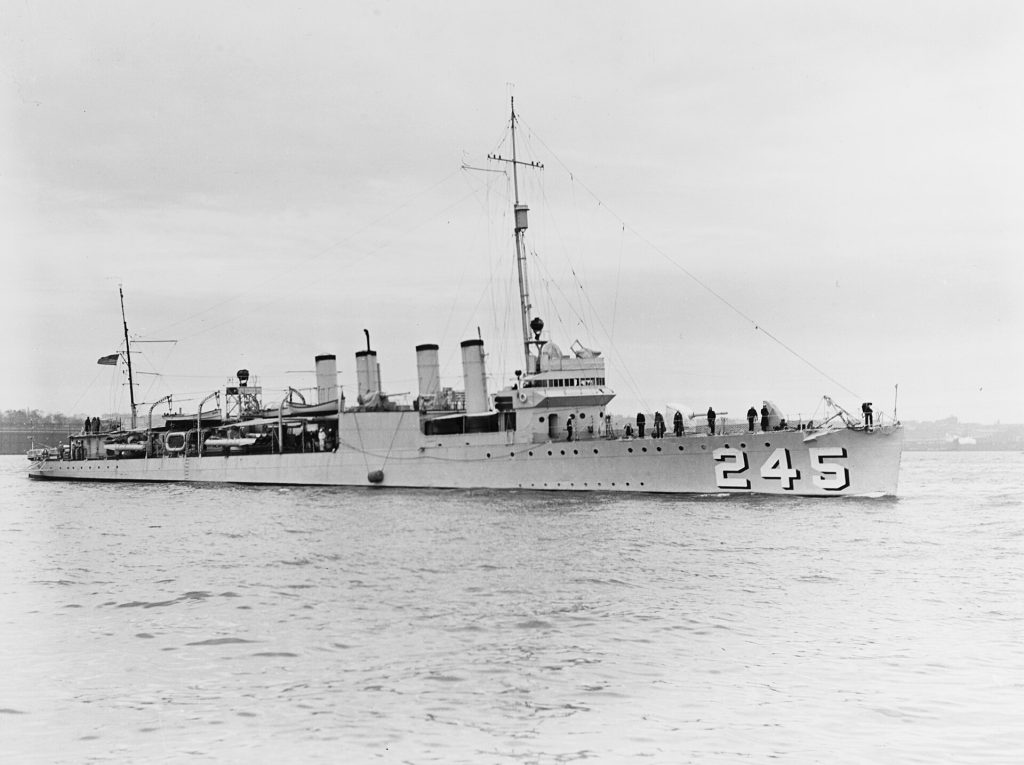
31 October 1941: The Sinking of the Reuben James
West of Iceland, a U-boat torpedoes the American destroyer Reuben James while she escorts a convoy. She is the first US warship sunk in the war, five weeks before Pearl Harbor.
Every dispatch dated in October, across all six years of the war.
West of Iceland, a U-boat torpedoes the American destroyer Reuben James while she escorts a convoy. She is the first US warship sunk in the war, five weeks before Pearl Harbor.
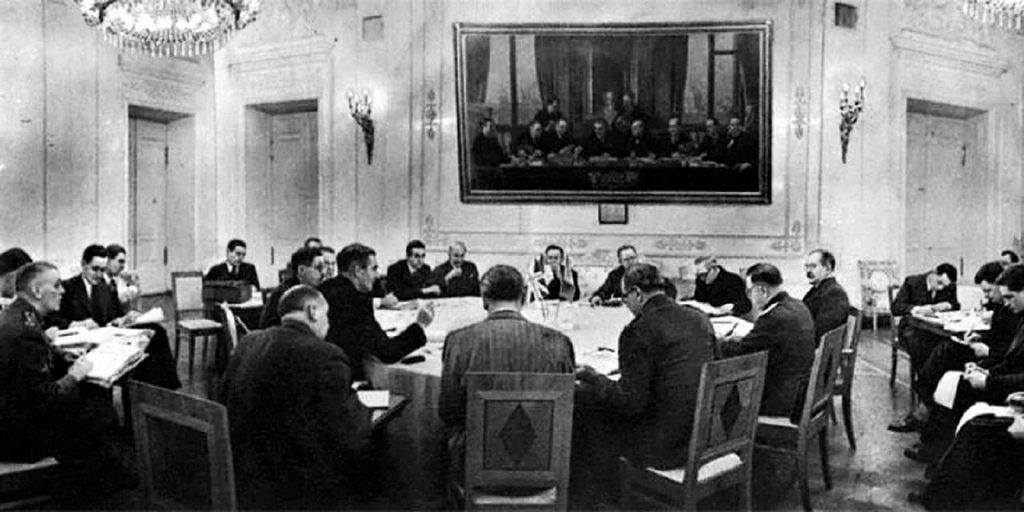
At the end of a conference of foreign ministers in Moscow, the Allies sign declarations on the post-war world, on Austria and Italy, and on punishing German war criminals.
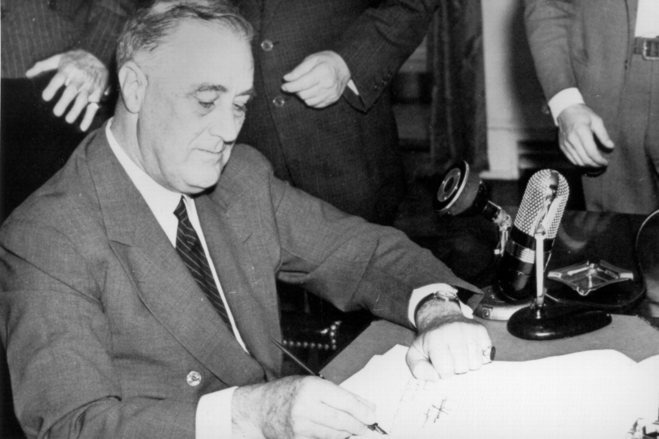
In Washington, Secretary of War Henry Stimson, blindfolded, draws the first number in America’s first peacetime draft. It is 158.
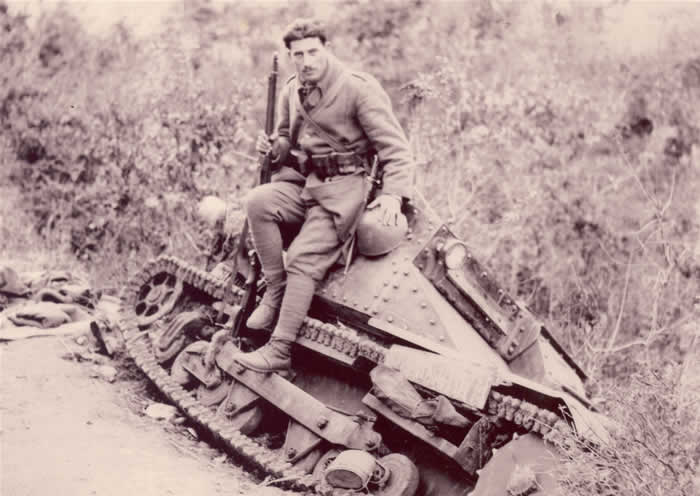
At three in the morning, the Italian ambassador hands Greece’s leader an ultimatum. He rejects it. Within hours Italian troops cross from Albania. The Greeks will drive them back.
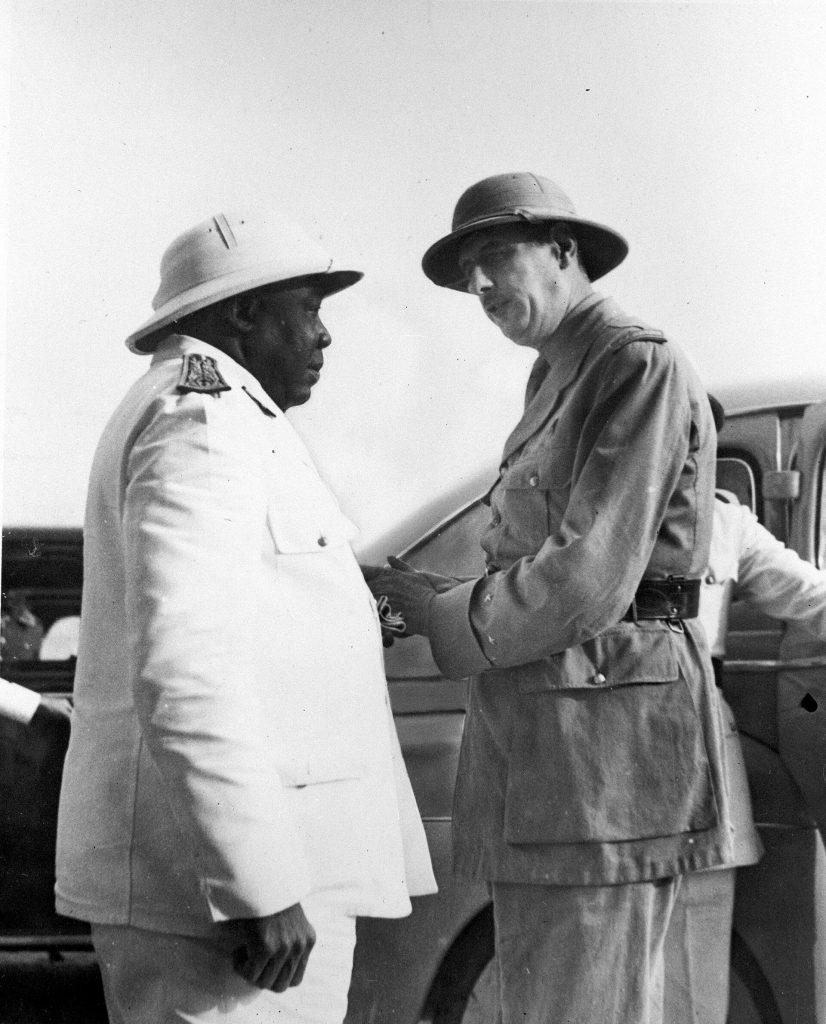
In Brazzaville, capital of French Equatorial Africa, General de Gaulle declares the Vichy regime illegitimate and sets up a council to govern Free France’s growing African territories.
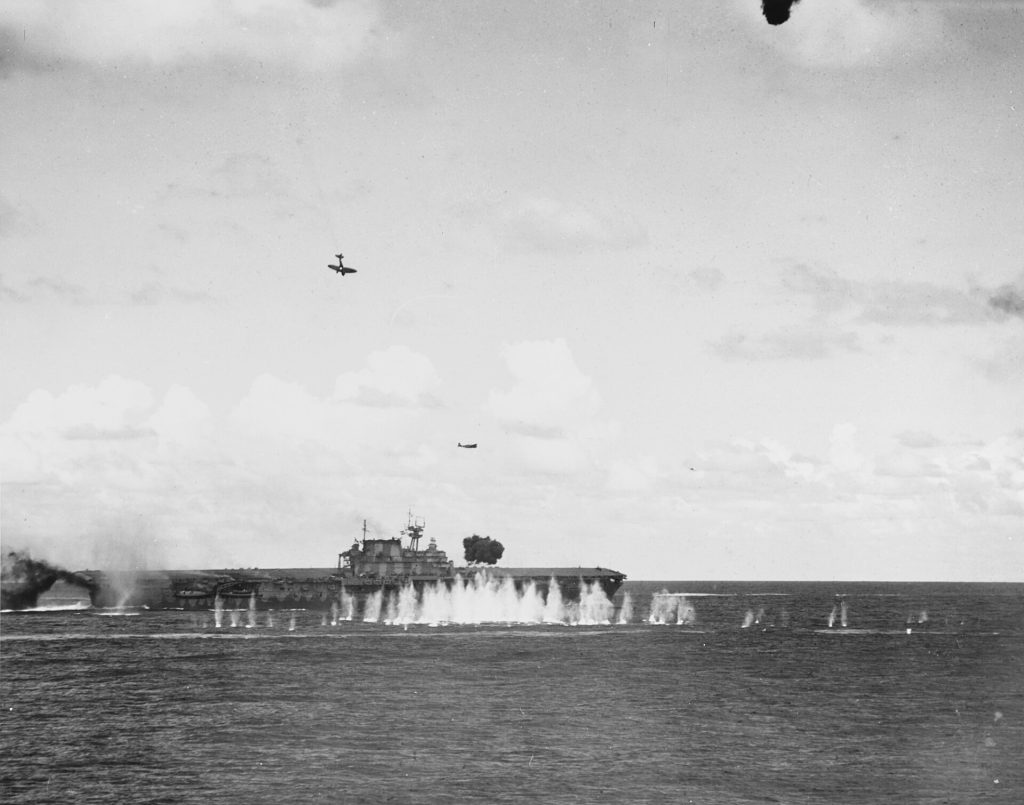
North of Guadalcanal, American and Japanese carrier forces strike at each other. The carrier USS Hornet is lost. Japan wins the battle but cannot afford its losses.
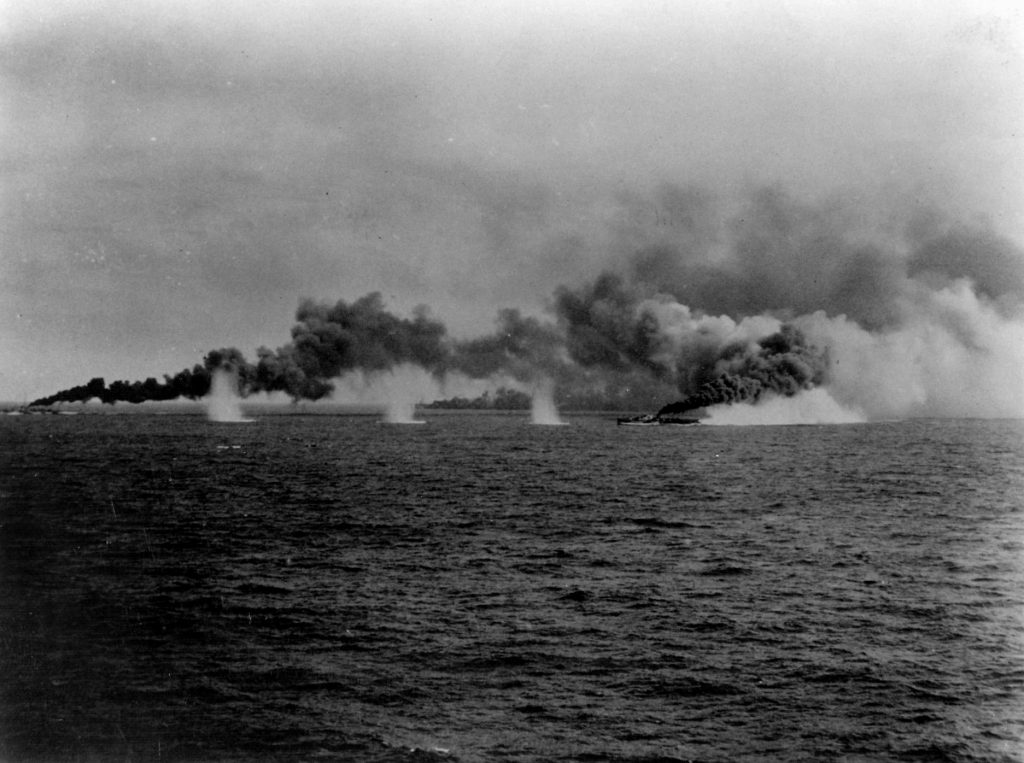
Off Samar, a small group of American escort carriers and destroyers suddenly finds the Japanese battleship Yamato and the main Japanese fleet bearing down on it. The destroyers turn and attack.
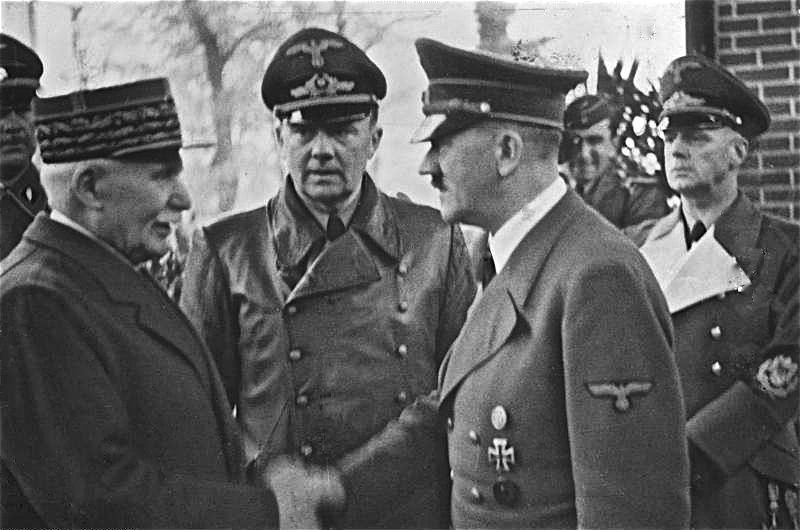
At the small railway station of Montoire, Marshal Pétain shakes Hitler’s hand. Days later he tells the French people that he is entering on the path of collaboration.
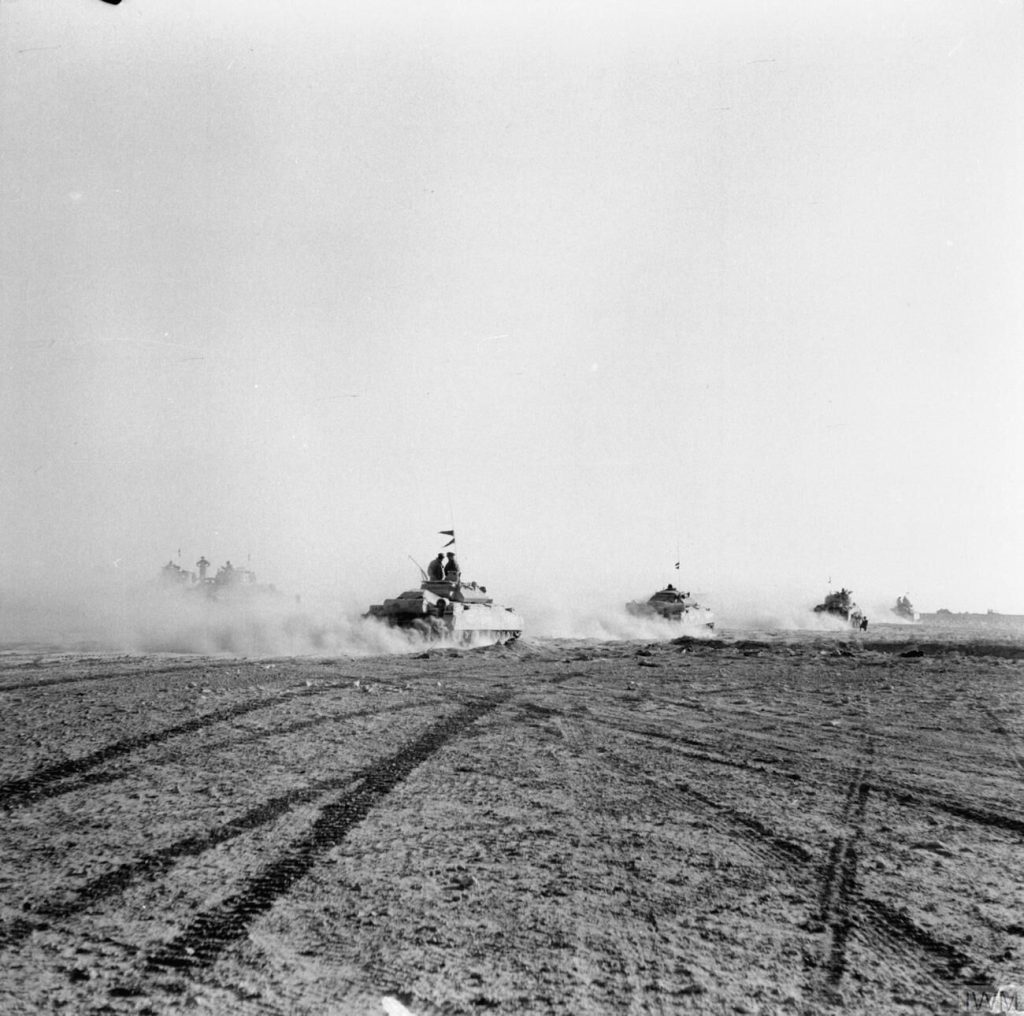
At 21:40, hundreds of guns open fire along the Alamein line. Montgomery’s Eighth Army begins the battle that will drive the Axis out of Egypt for good.
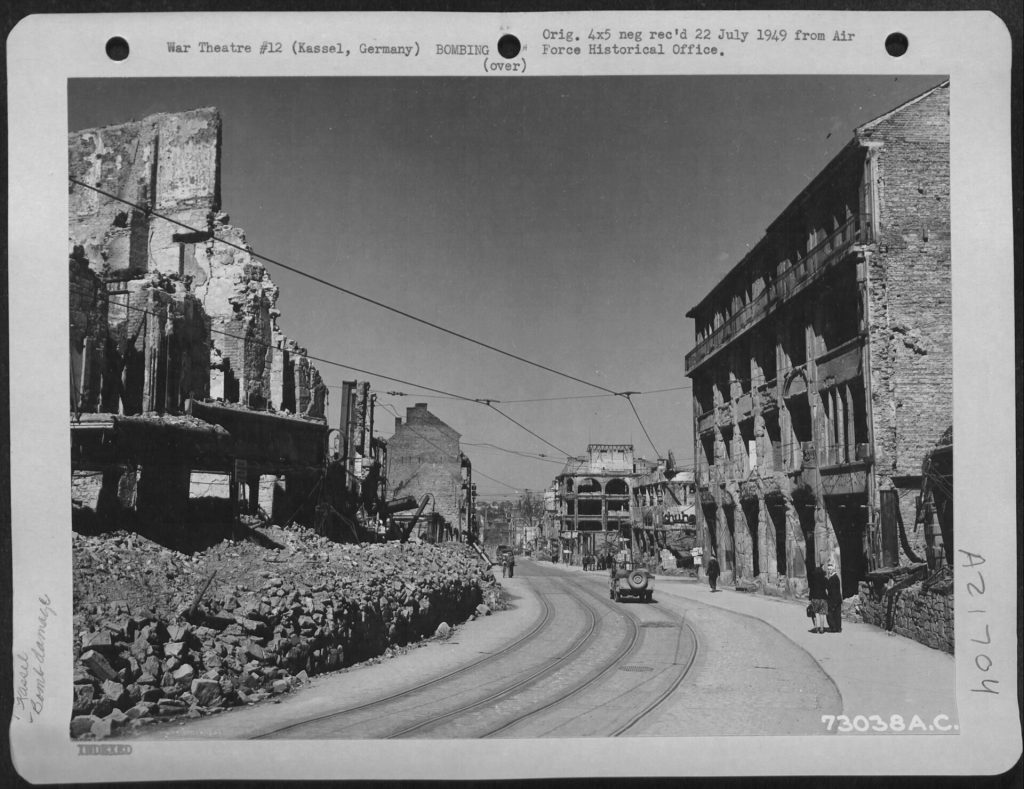
RAF Bomber Command strikes Kassel, a centre of tank and aircraft production. A firestorm engulfs the old city.
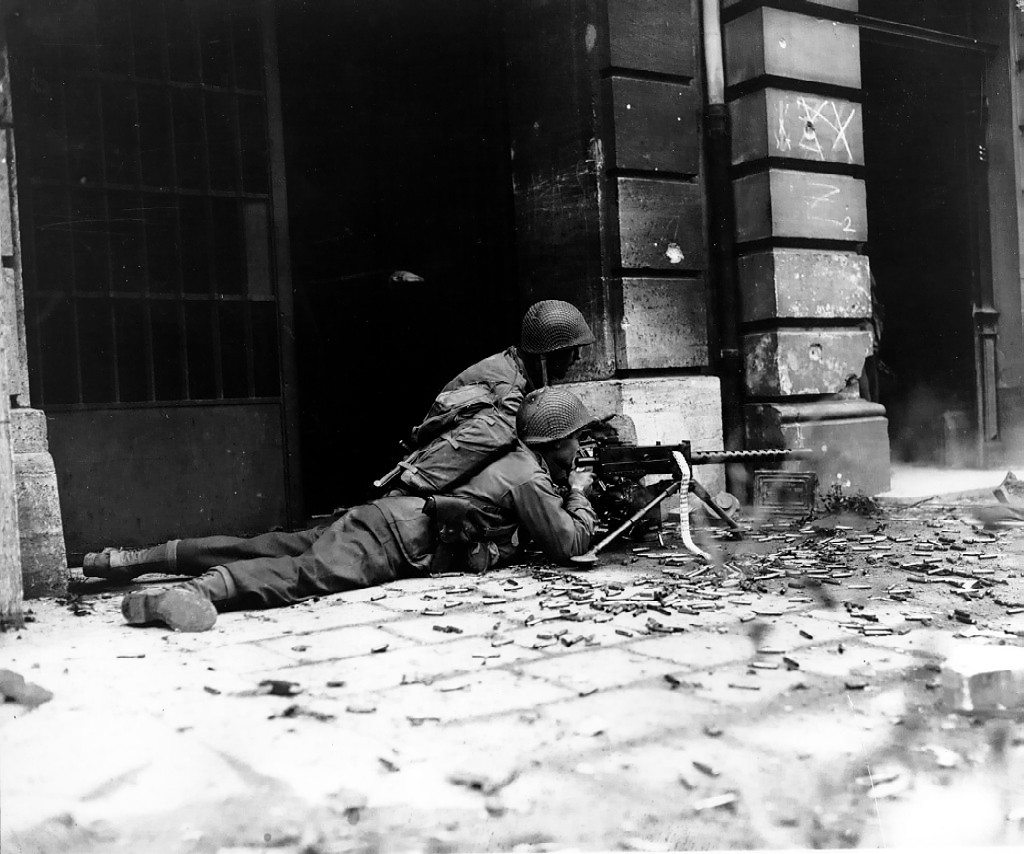
After almost three weeks of street fighting, the German garrison of Aachen surrenders. It is the first major German city to fall to the Allies.
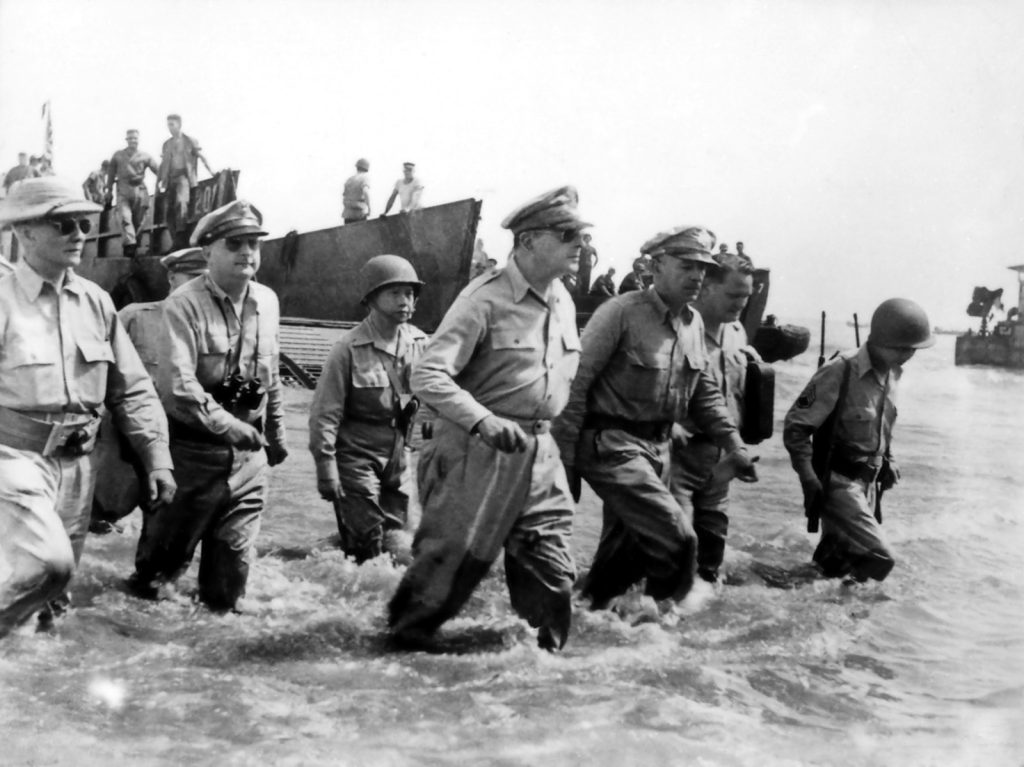
American troops land on Leyte in the central Philippines. A few hours later, General MacArthur wades ashore and speaks to the Filipino people: he has returned.
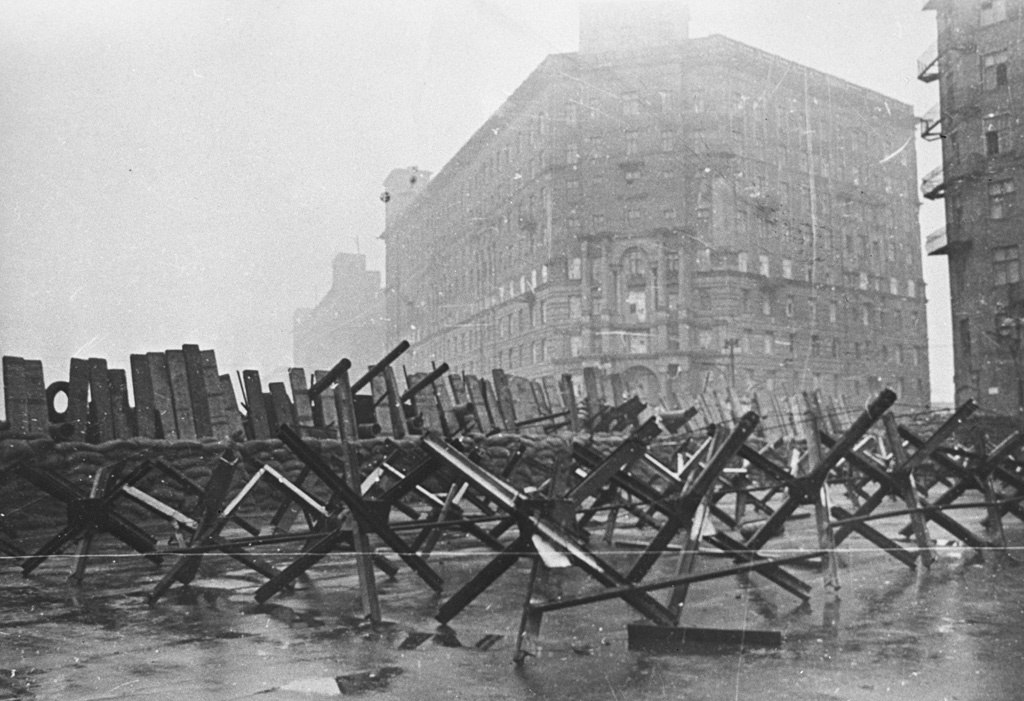
After days of panic as German armies close in, Stalin declares a state of siege in Moscow. Order is restored by force. Stalin himself stays in the capital.
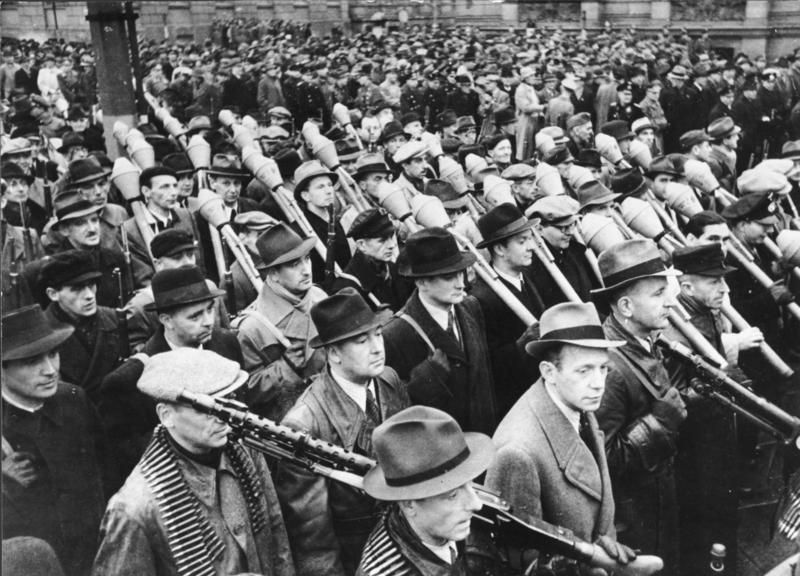
On the anniversary of the 1813 Battle of Leipzig, Himmler announces the Volkssturm, a militia of all German men aged 16 to 60 not already in uniform.
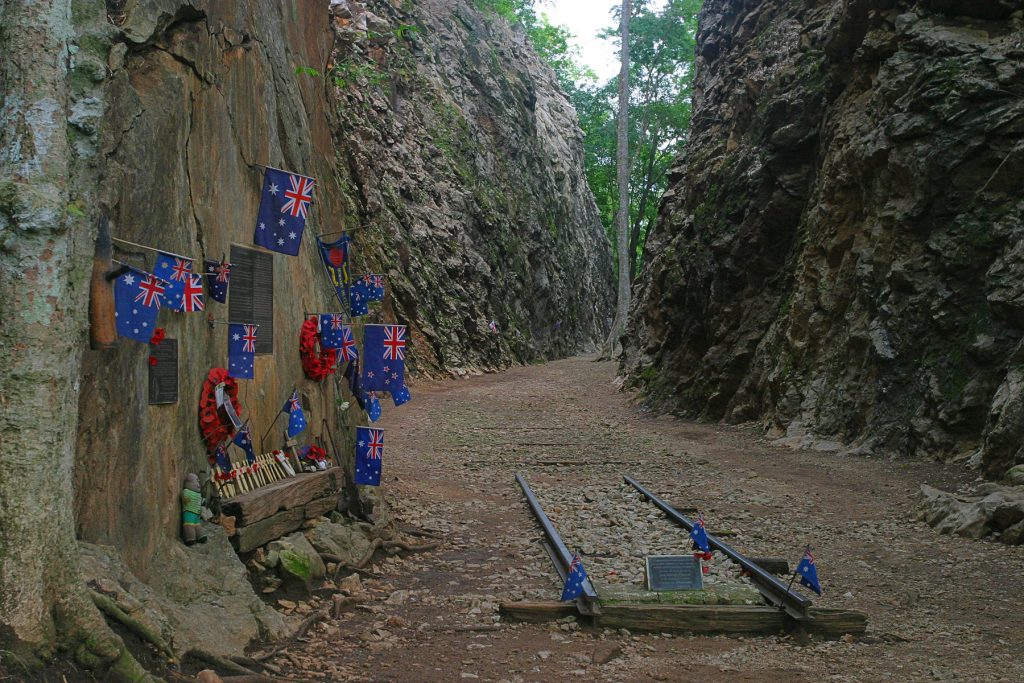
Near the Thai-Burmese border, the two halves of a 415-kilometre railway built by prisoners of war and Asian labourers are joined. Tens of thousands have died building it.
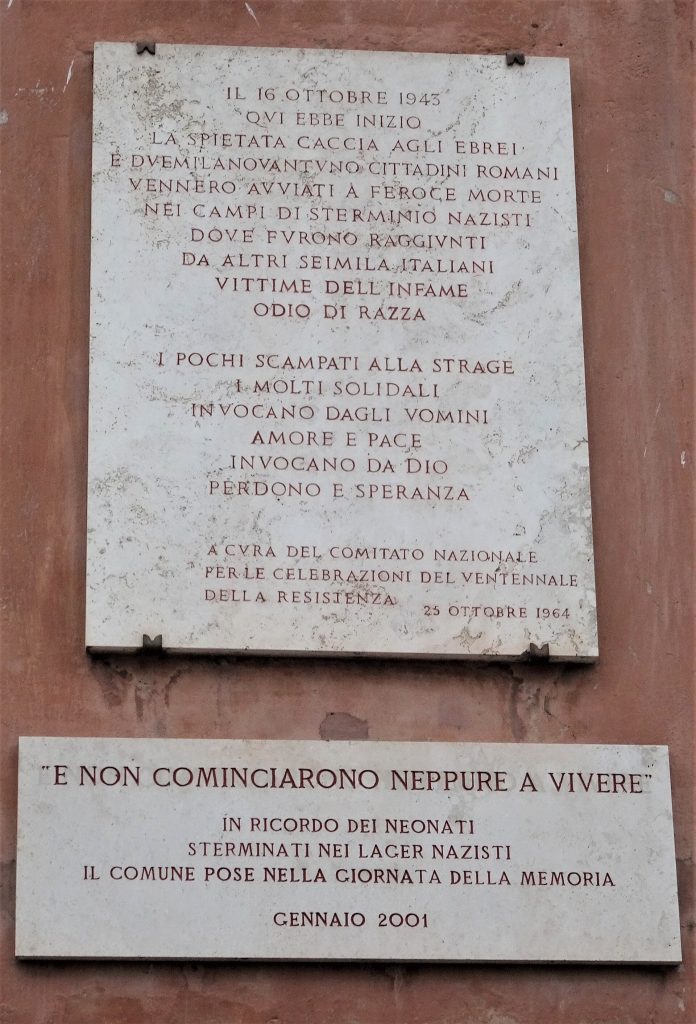
Before dawn on a Saturday, German police and SS troops seal off the old Jewish quarter of Rome and begin seizing families from their homes. Two days later a train leaves for Auschwitz.

Hungary’s regent, Admiral Horthy, announces on the radio that Hungary will stop fighting. Within hours, German commandos have kidnapped his son and forced him to hand power to the fascist Arrow Cross.
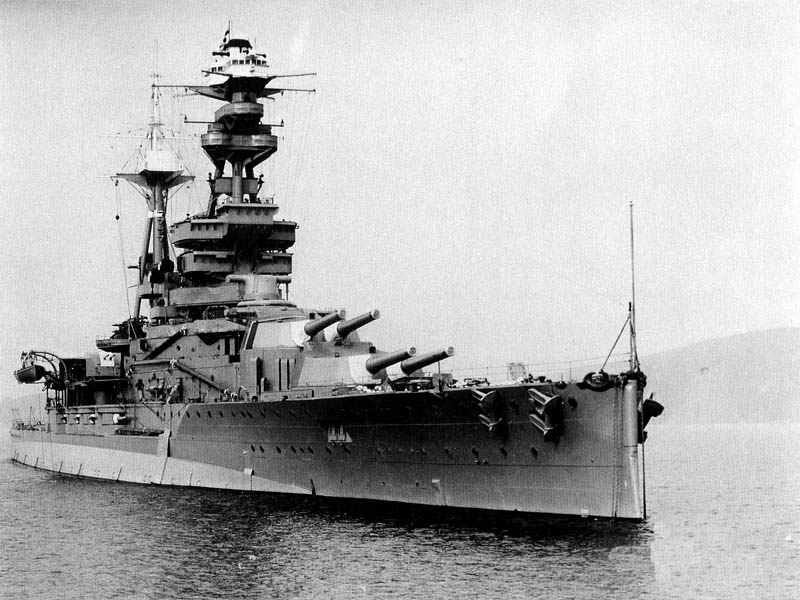
A German submarine slips into the Home Fleet’s anchorage at Scapa Flow and torpedoes the battleship Royal Oak. She capsizes in minutes. Hundreds of men and boys die.
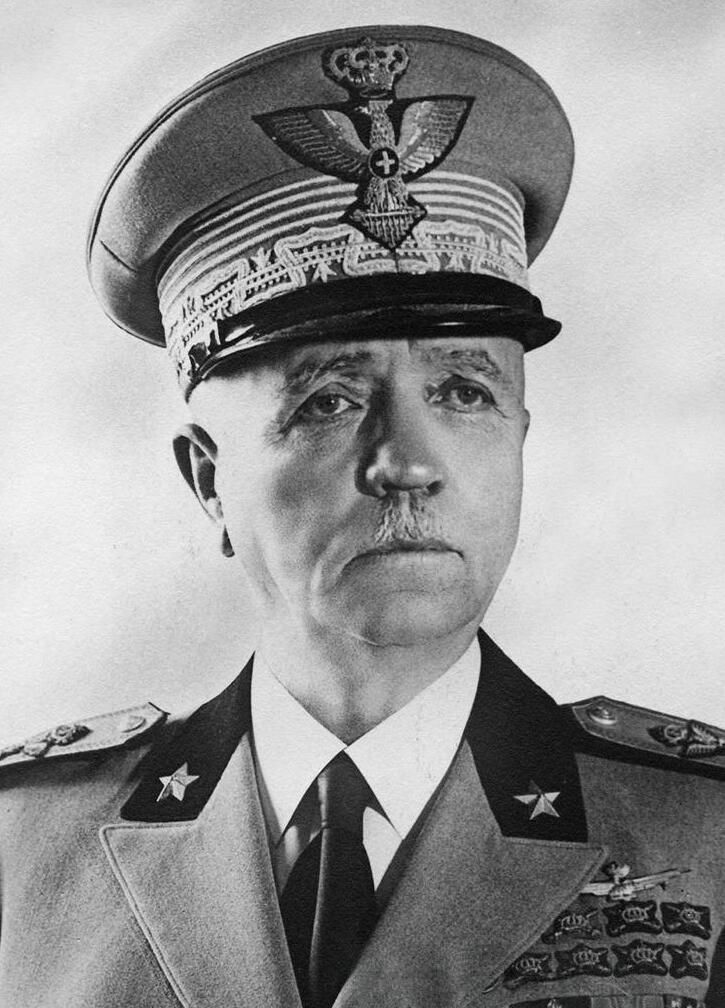
Five weeks after its armistice with the Allies, the royal Italian government declares war on its former ally. Italy is now a co-belligerent, not quite an ally.
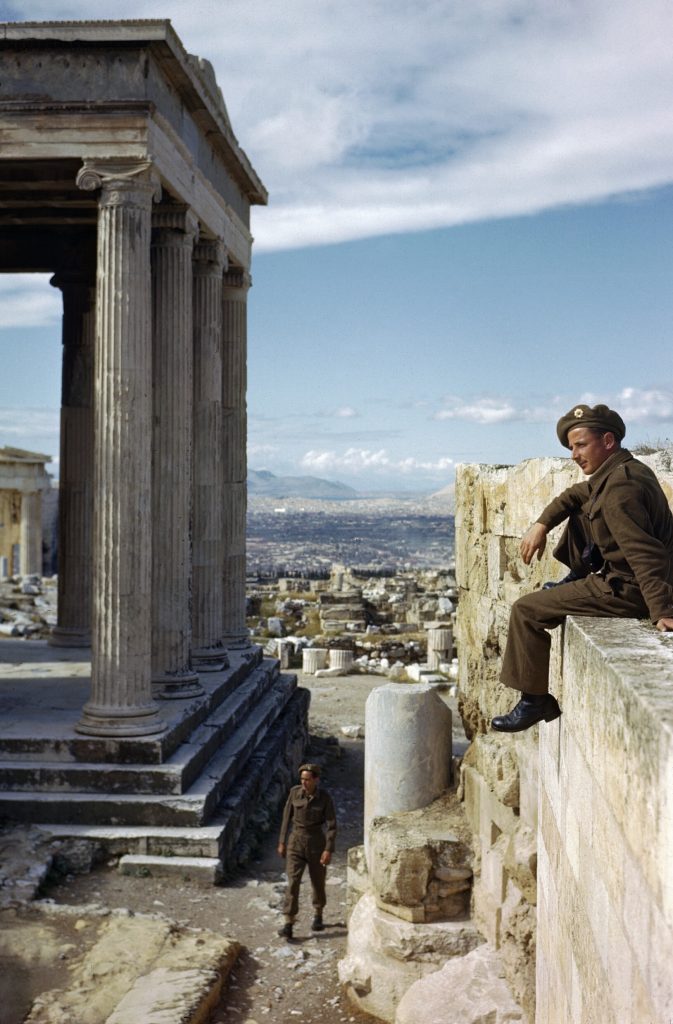
The last German troops leave Athens, and the swastika comes down from the Acropolis. Within days British troops and the Greek government in exile arrive.
 United Kingdom
 United States
 Soviet Union
 Germany
 Japan
 France
 Poland
 South Africa