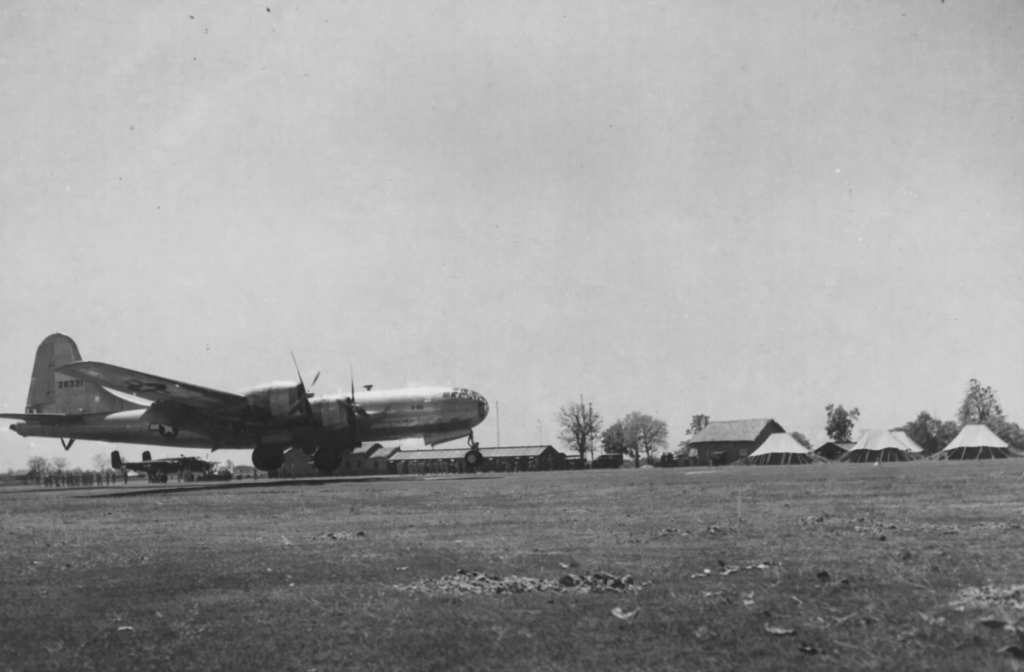
2 April 1944: The First B-29 Reaches India
A Boeing B-29 named Gone With the Wind lands at Chakulia in Bengal, the first of the new Superfortresses to reach India for the bombing of Japan.
Dispatches involving India.
A Boeing B-29 named Gone With the Wind lands at Chakulia in Bengal, the first of the new Superfortresses to reach India for the bombing of Japan.
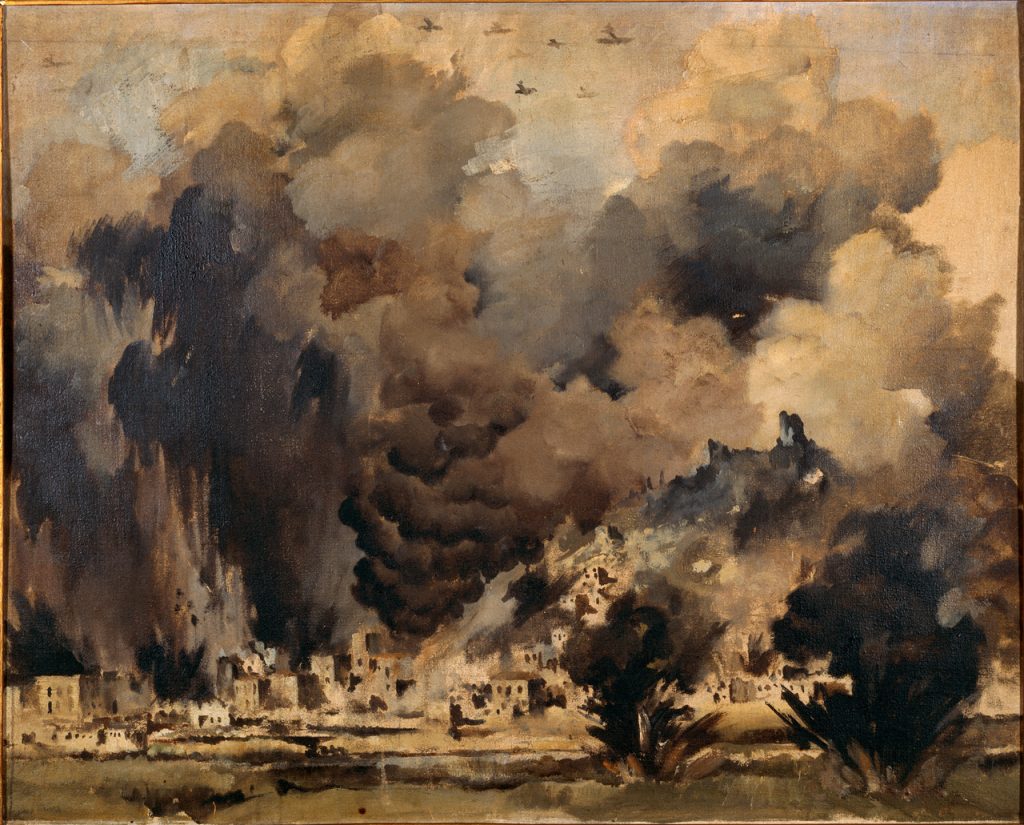
Allied bombers destroy the ancient Benedictine abbey above Cassino, believing the Germans are using it. They are not, until the ruins hand them a fortress.
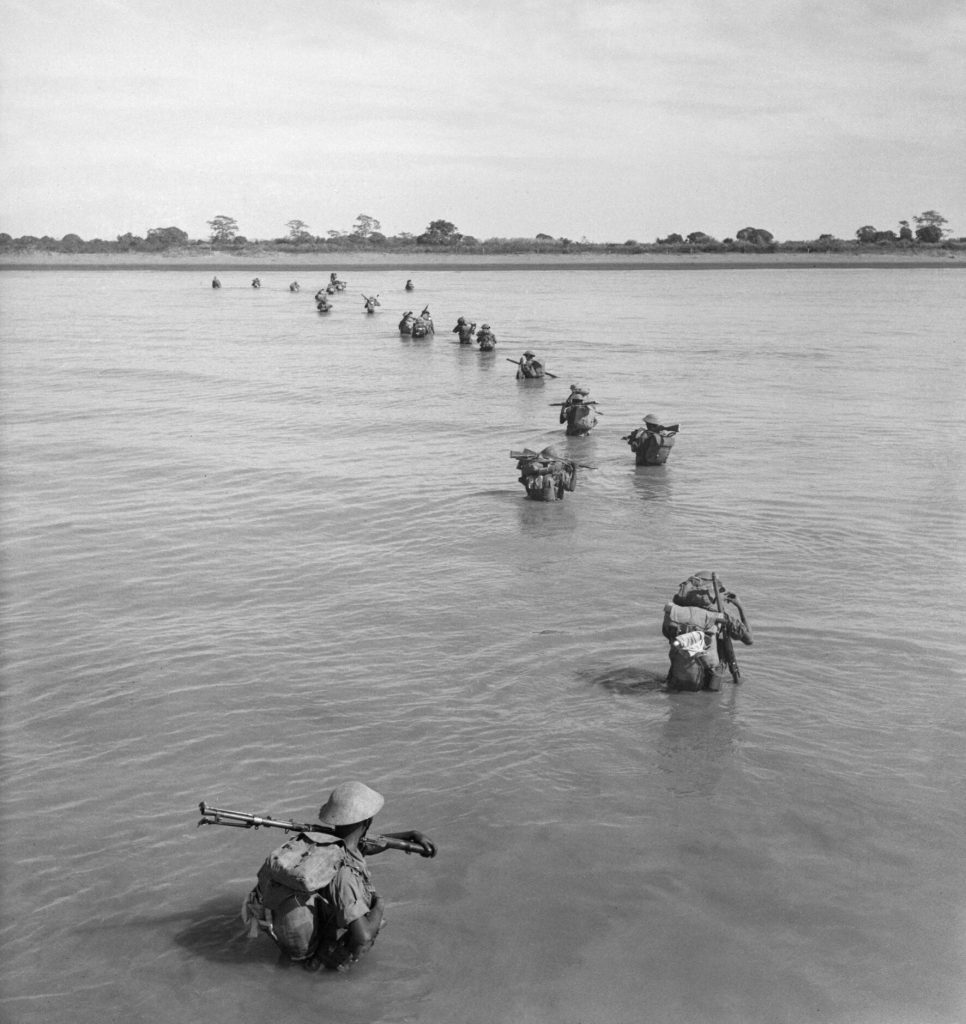
British and Indian troops storm ashore at Akyab on the Arakan coast of Burma, the prize two earlier campaigns had failed to win, and find the Japanese have already gone.
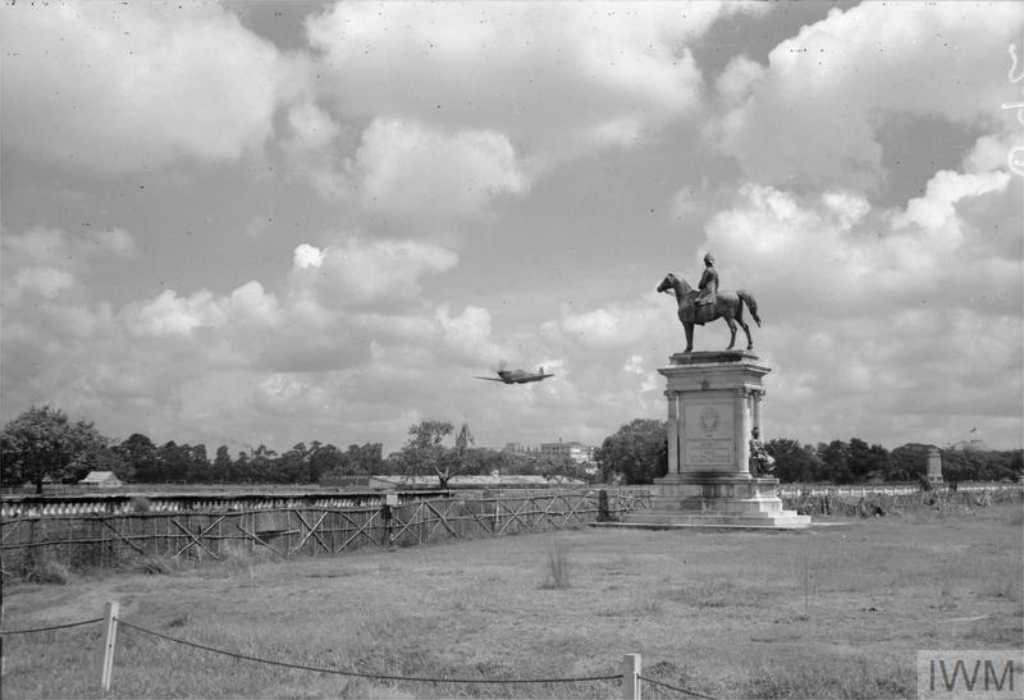
Japanese aircraft from Burma raid Calcutta, the great port and industrial city of British India, setting off a mass flight of its people.
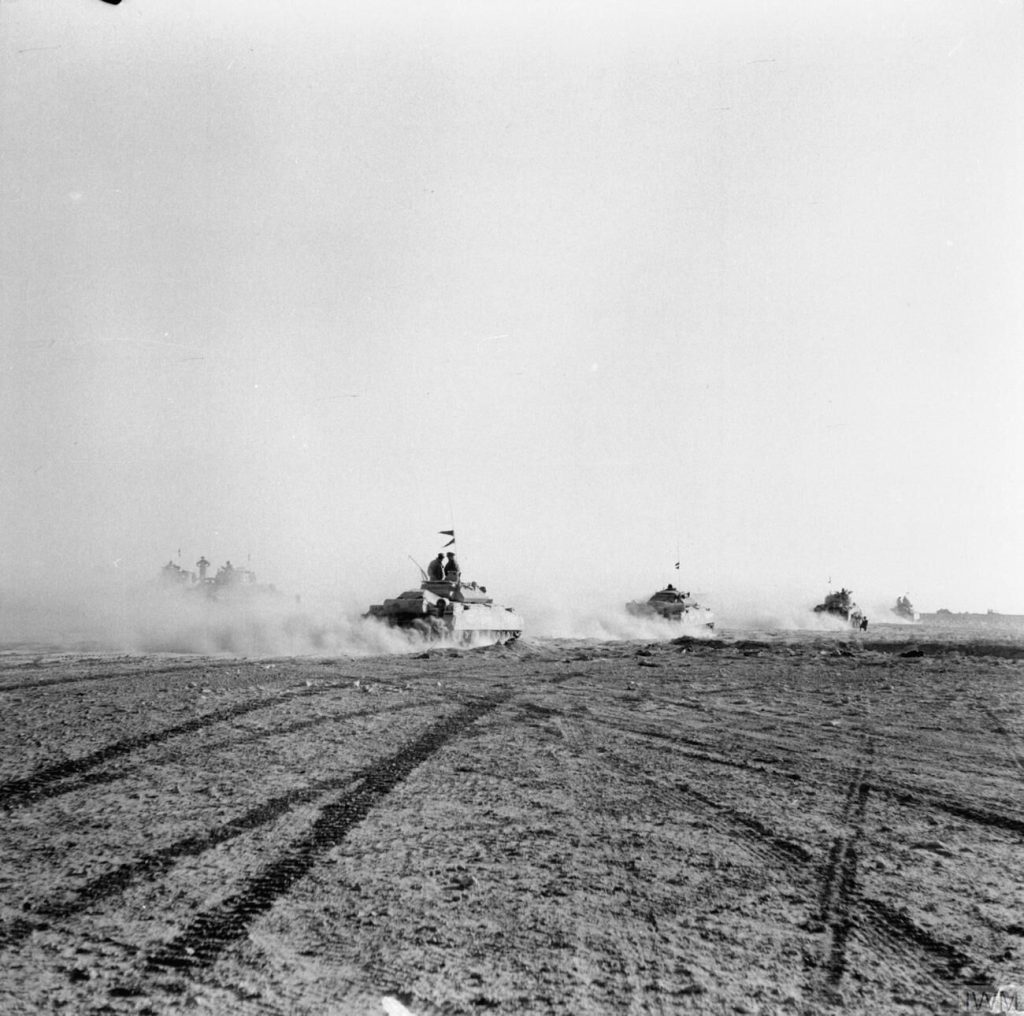
At 21:40, hundreds of guns open fire along the Alamein line. Montgomery’s Eighth Army begins the battle that will drive the Axis out of Egypt for good.
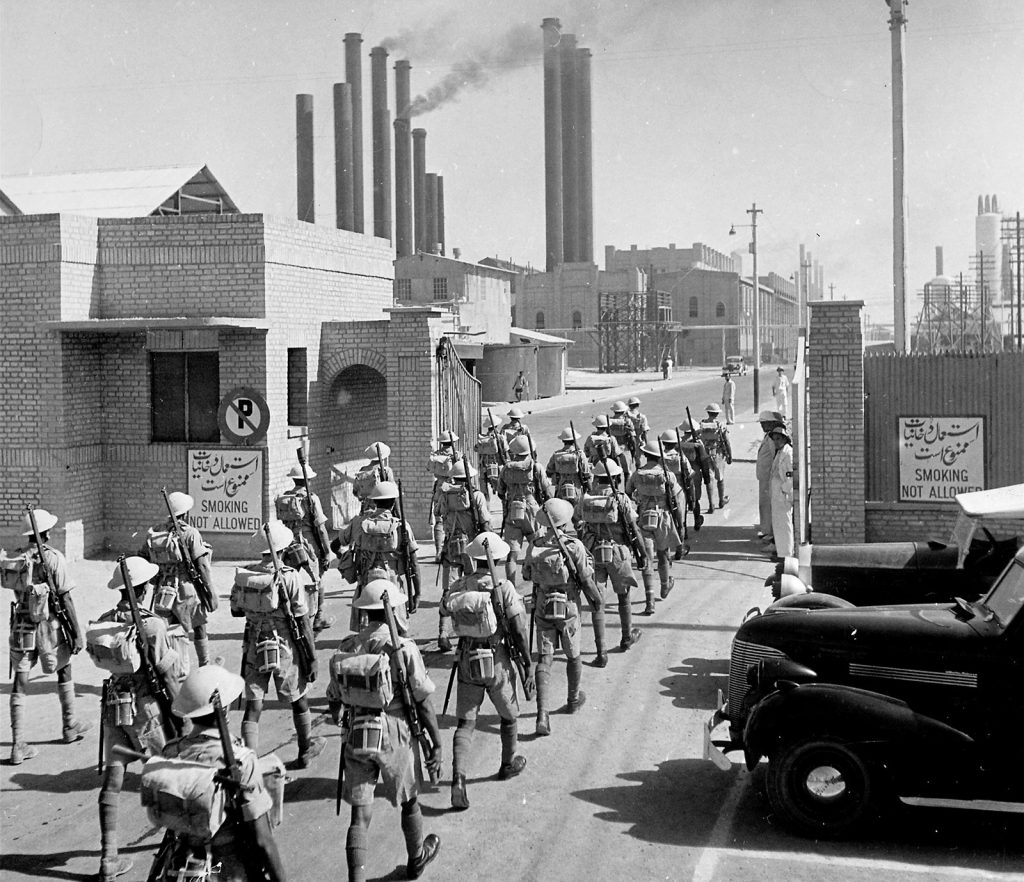
Three weeks after British and Soviet troops invade Iran, Reza Shah abdicates in favour of his son. He will die in exile in Johannesburg.
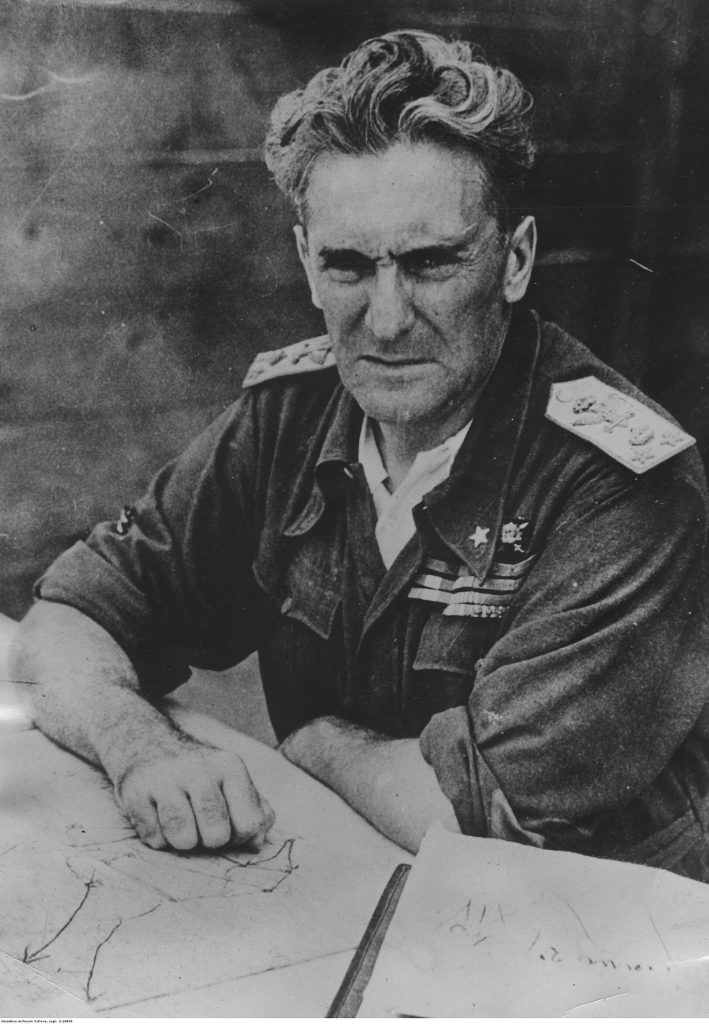
Under pressure from Mussolini, Marshal Graziani’s Tenth Army crosses from Libya into Egypt. After a few days’ advance, it stops and digs in.
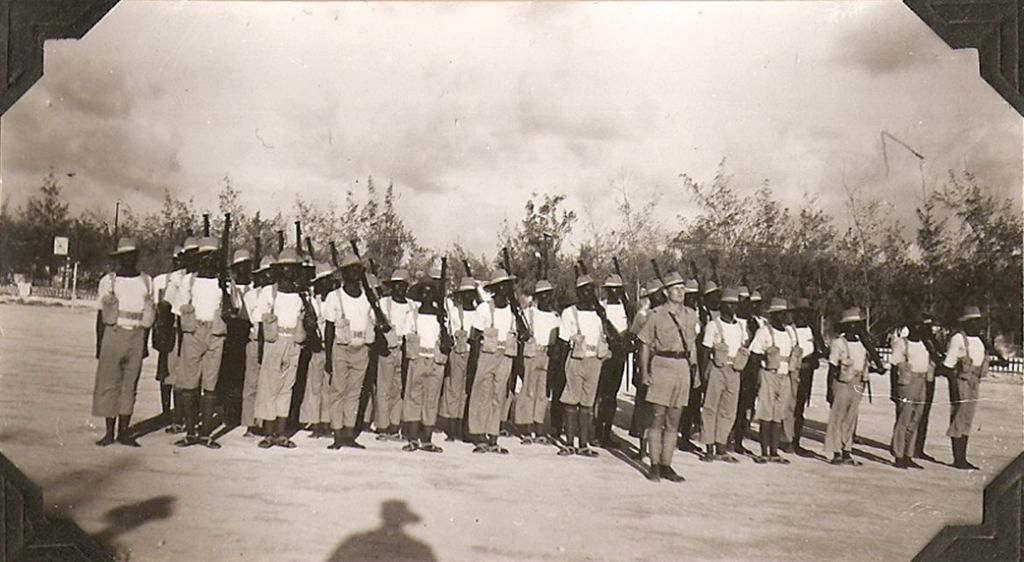
Italian forces cross from Ethiopia into British Somaliland. In just over two weeks, the small British garrison is forced to evacuate by sea.
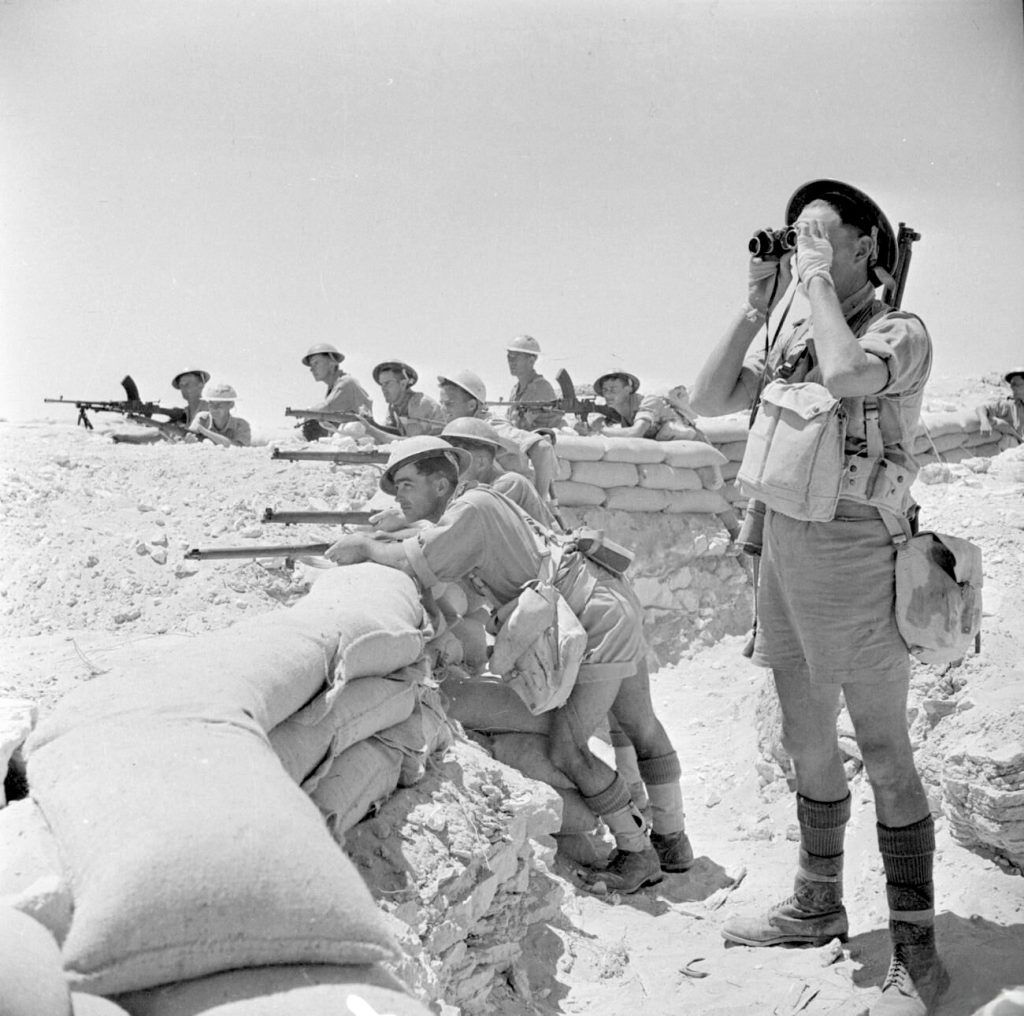
Rommel’s army, racing for the Nile, runs into the last British line at El Alamein. South African troops in the Alamein box help stop him.
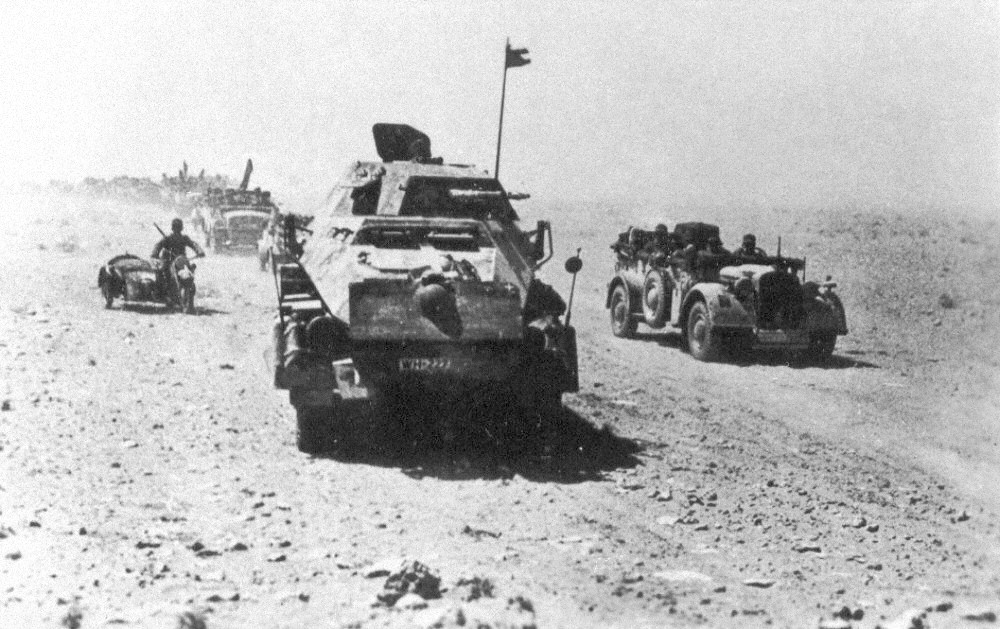
Rommel’s forces take the port of Mersa Matruh as the Eighth Army retreats into Egypt. The British fall back to a last line at a railway halt called El Alamein.
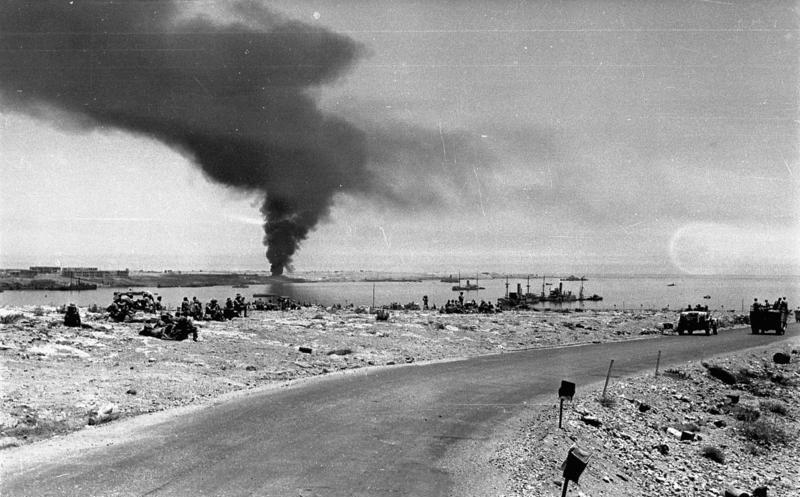
After a single day’s assault, the fortress that held out for eight months in 1941 surrenders to Rommel. Its South African commander and tens of thousands of men become prisoners.
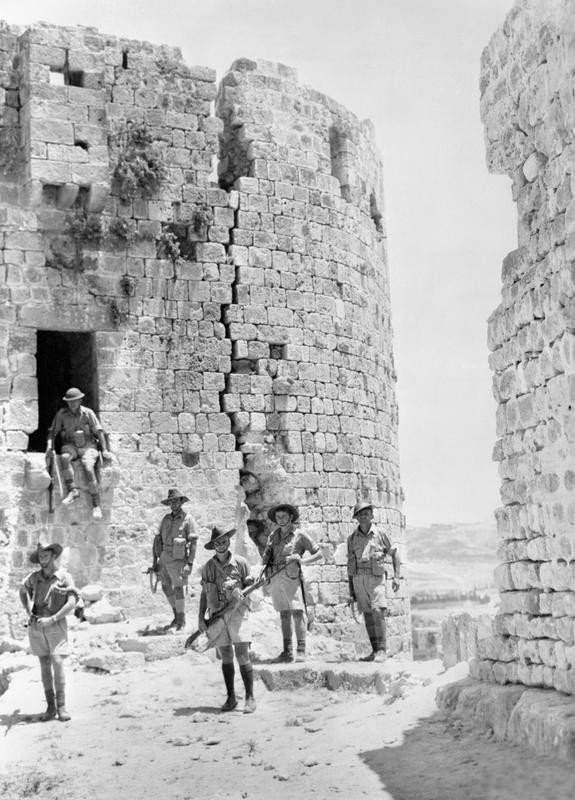
Australian, British, Indian and Free French troops cross into Vichy French Syria and Lebanon. They expect little resistance and find themselves in a bitter five-week campaign.
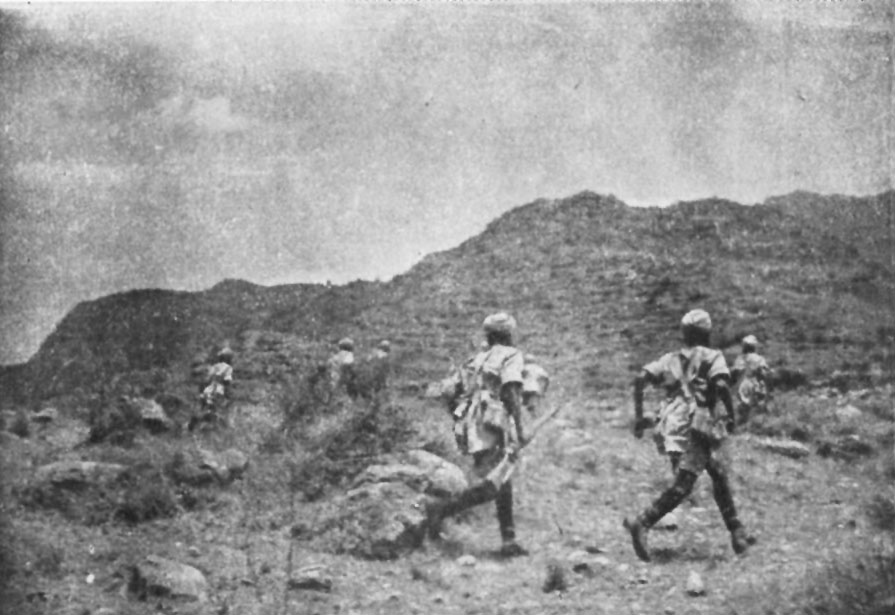
On a mountain stronghold in northern Ethiopia, the Duke of Aosta, Viceroy of Italian East Africa, surrenders with the honours of war. South African troops are among those who brought him to it.
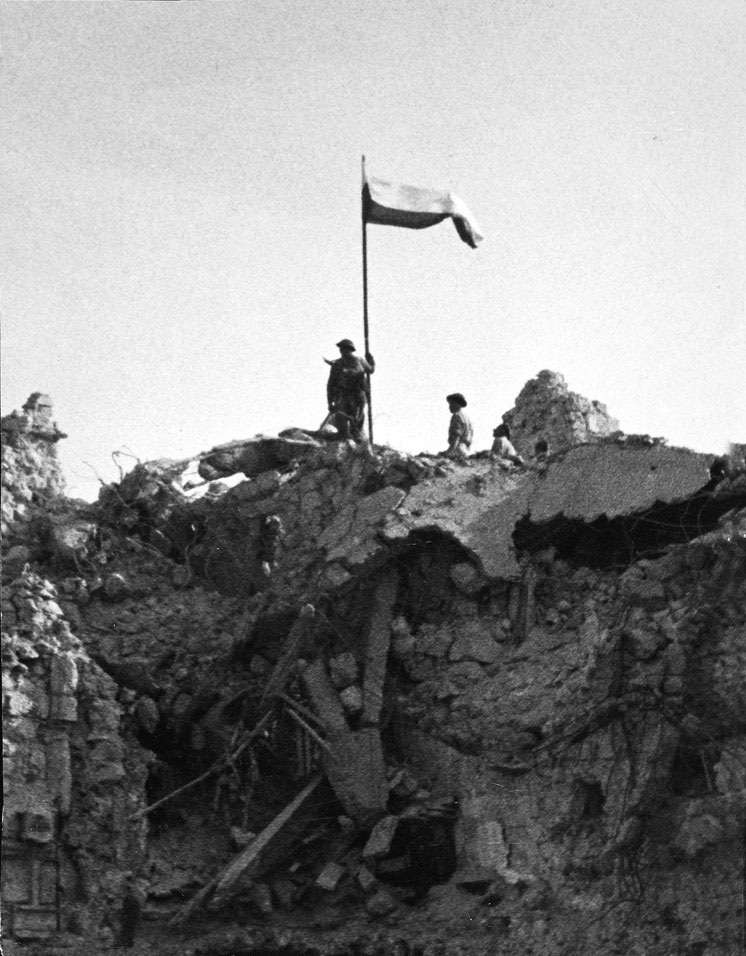
A patrol of Polish lancers climbs to the ruined abbey and raises a makeshift Polish flag. After four months and four battles, Monte Cassino has fallen.
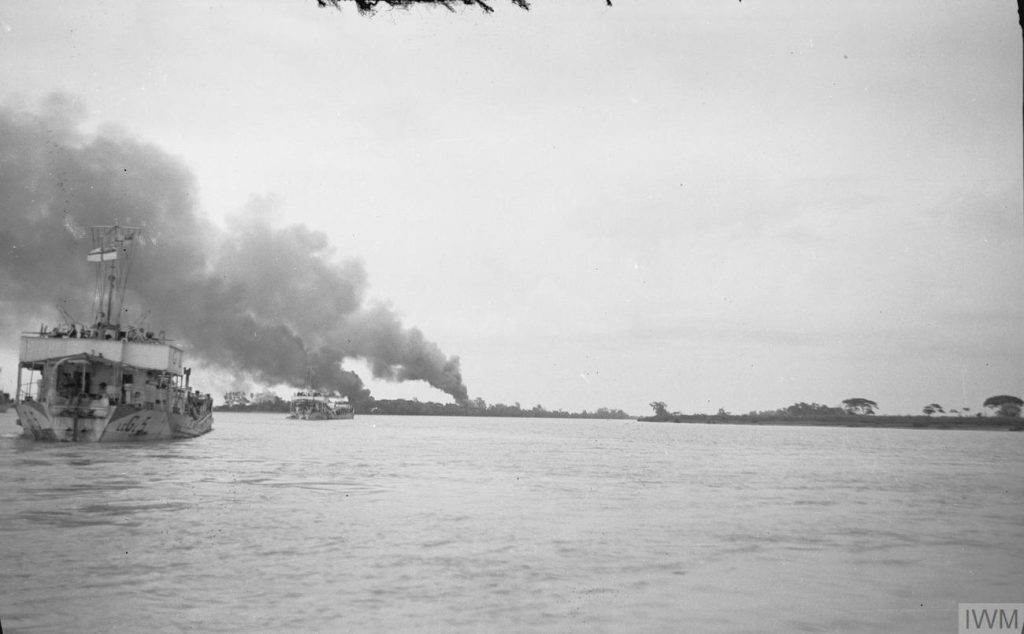
Indian troops landing from the sea enter Rangoon, just ahead of the monsoon. The Japanese have already gone. Three years after the long retreat, the capital of Burma is back in Allied hands.
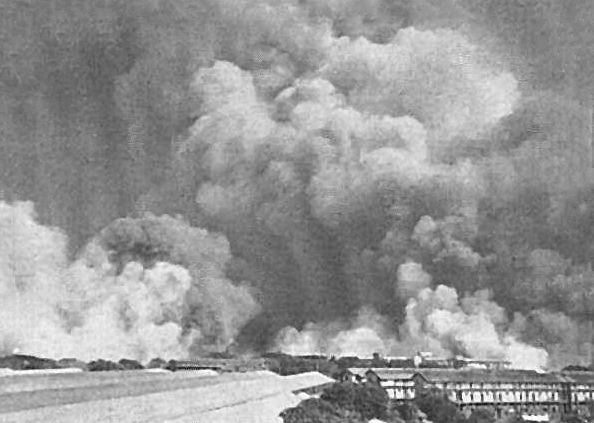
A cargo ship loaded with explosives, cotton and gold catches fire in Bombay’s Victoria Dock. Two enormous explosions devastate the docks and surrounding districts.
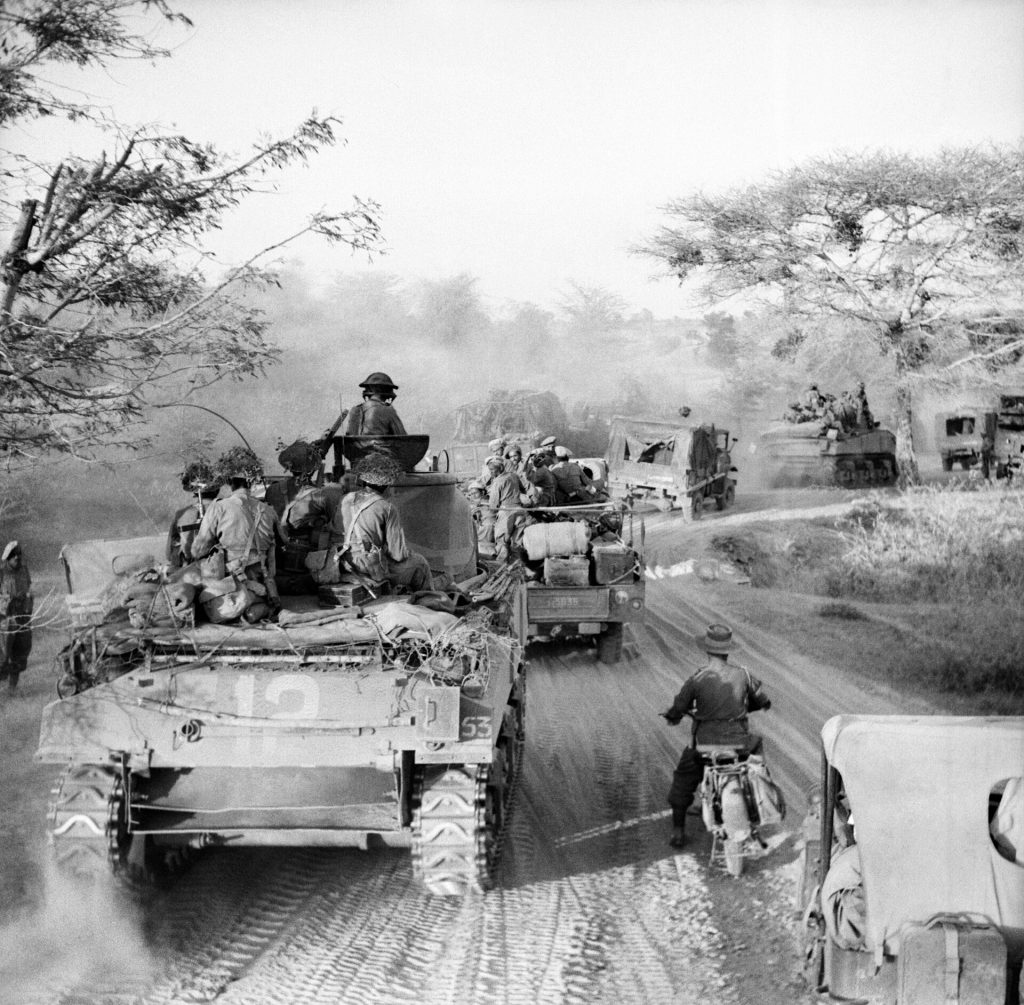
After a siege of more than a week, the Japanese abandon Fort Dufferin. The Fourteenth Army holds Mandalay, the old royal capital of Burma.
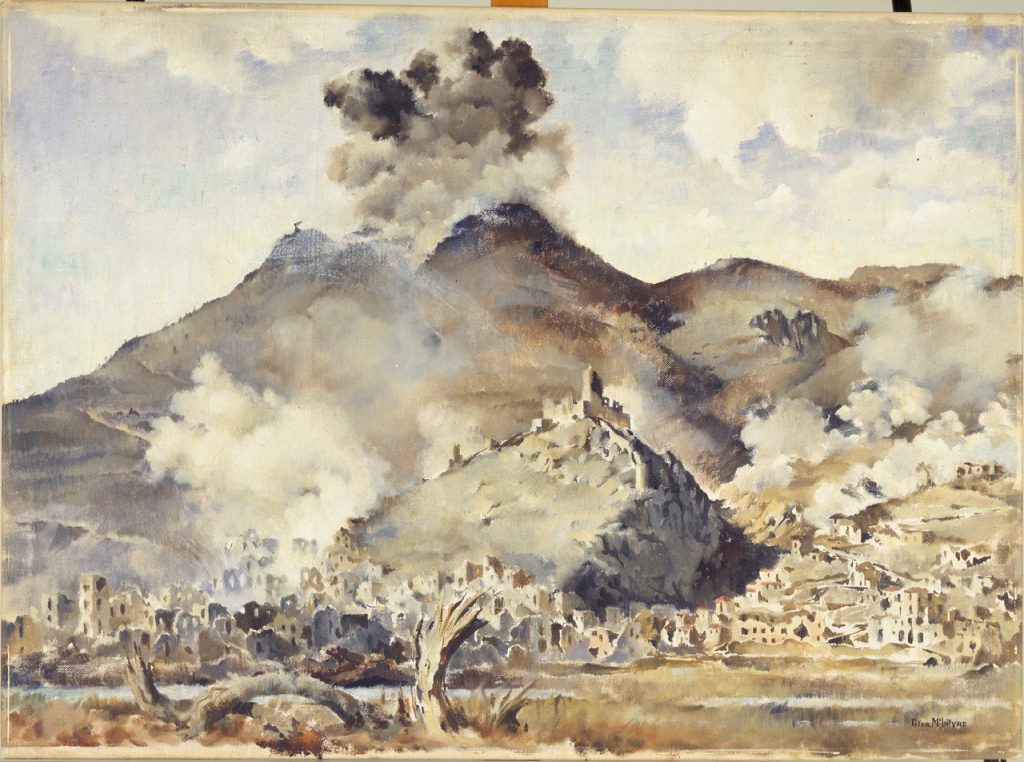
Hundreds of Allied bombers reduce the town of Cassino to rubble. New Zealand and Indian troops go in, but the German paratroopers are still there.

Japanese troops enter an abandoned and burning Rangoon. With its port lost, the British army in Burma begins the longest retreat in its history.
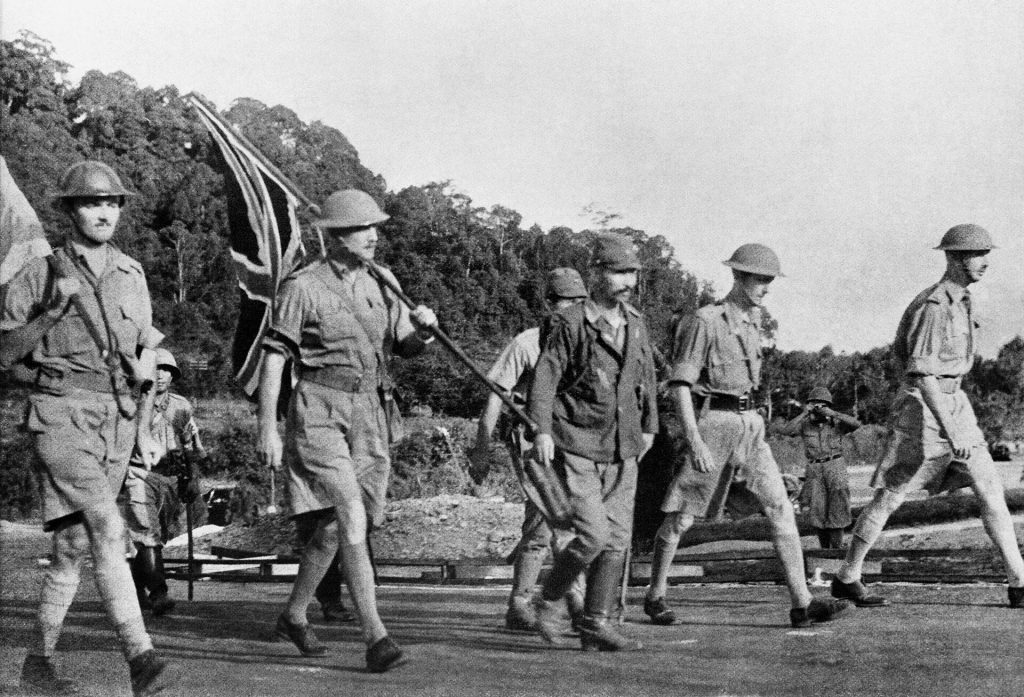
A week after Japanese troops cross the Johor Strait, Lieutenant-General Percival surrenders the fortress of Singapore. It is the largest capitulation in British history.
 United Kingdom
 United States
 Soviet Union
 Germany
 Japan
 France
 Poland
 South Africa