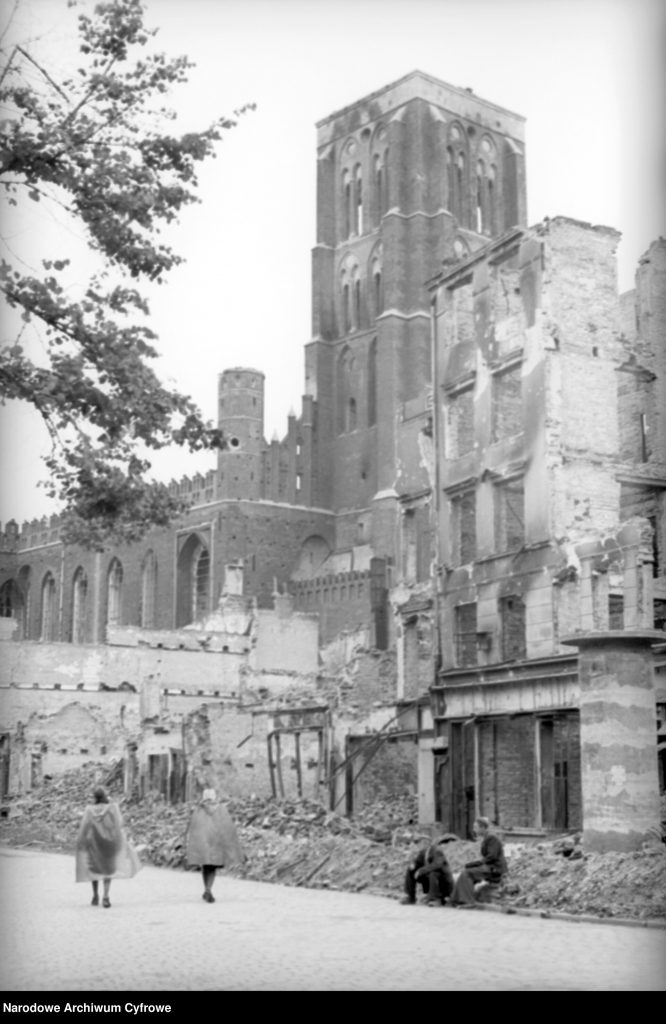
30 March 1945: Danzig Falls
The city whose fate was the pretext for war in 1939 falls to Soviet and Polish troops, its old town in ruins.
Dispatches involving Poland.
The city whose fate was the pretext for war in 1939 falls to Soviet and Polish troops, its old town in ruins.
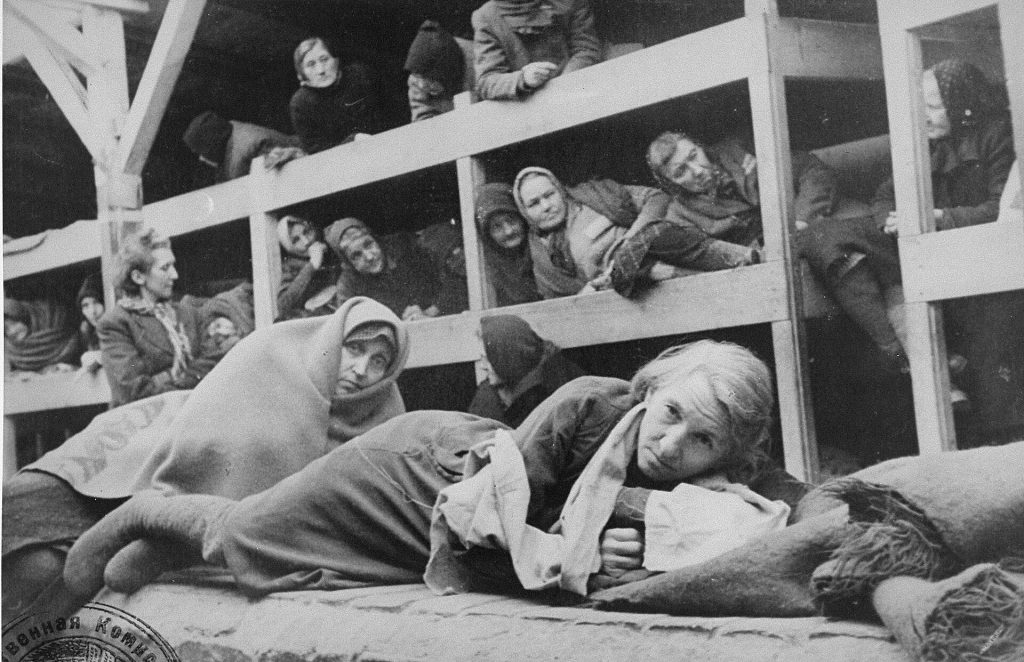
Two transports bring the first women prisoners to Auschwitz: 999 German women from Ravensbrück, and 999 young Jewish women from Slovakia.
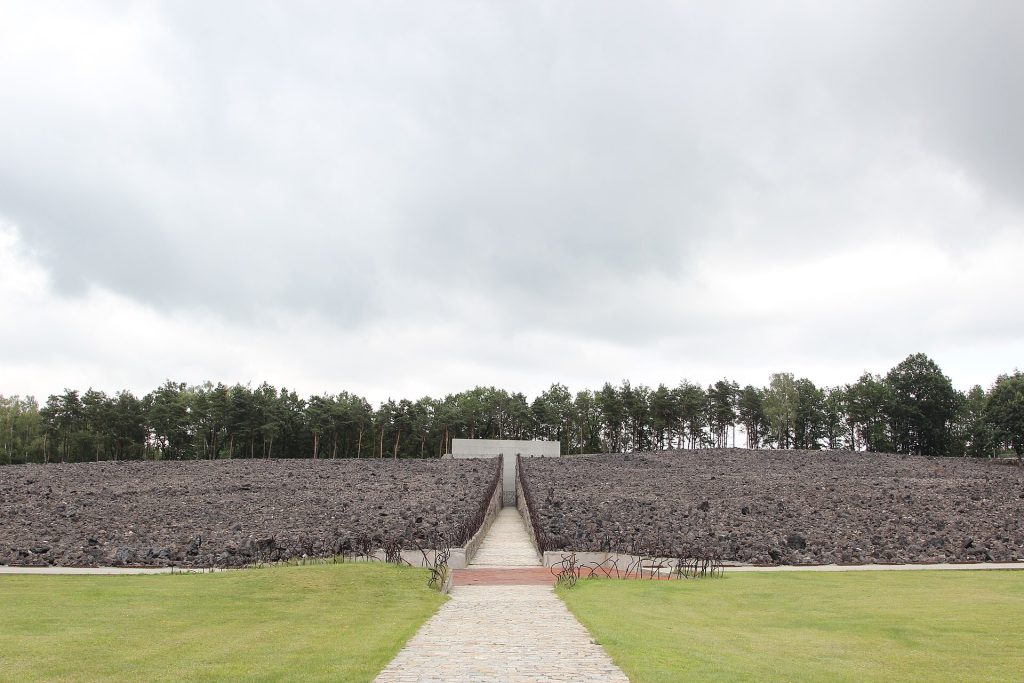
At a new camp in the Lublin district of occupied Poland, the first transports of Jews from the Lublin Ghetto are murdered in gas chambers. Operation Reinhard has begun.
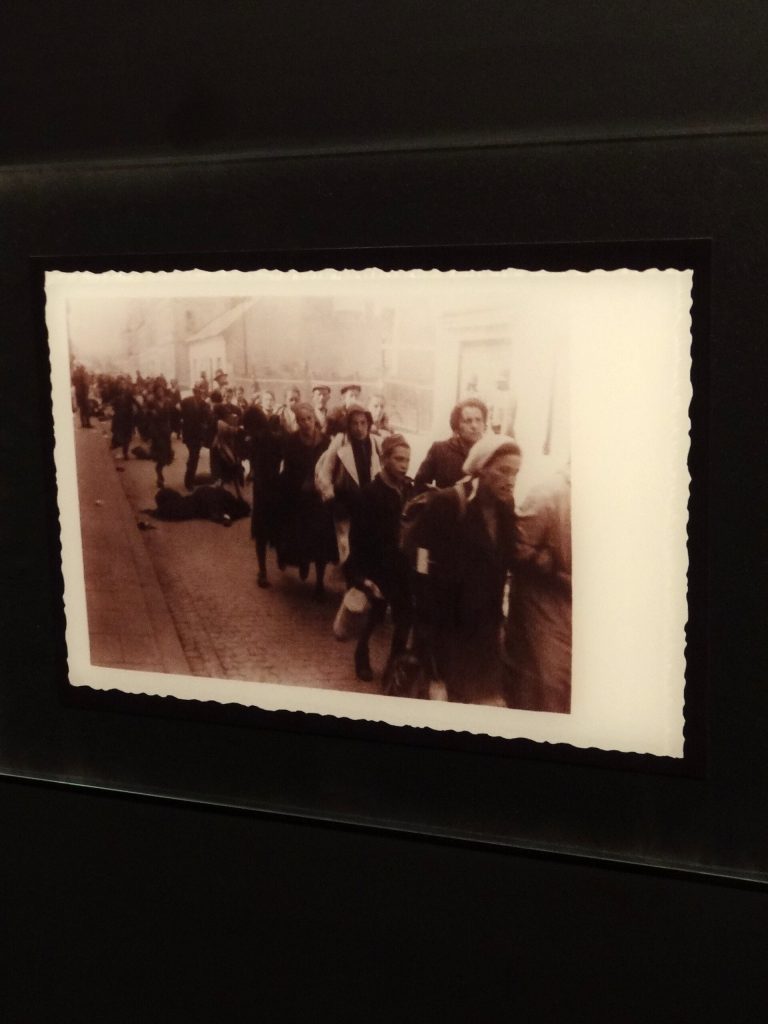
Under Amon Göth, the Germans clear the last Jews from the Kraków Ghetto. Those who can work are marched to Płaszów; the rest are shot in the streets or sent to Auschwitz.
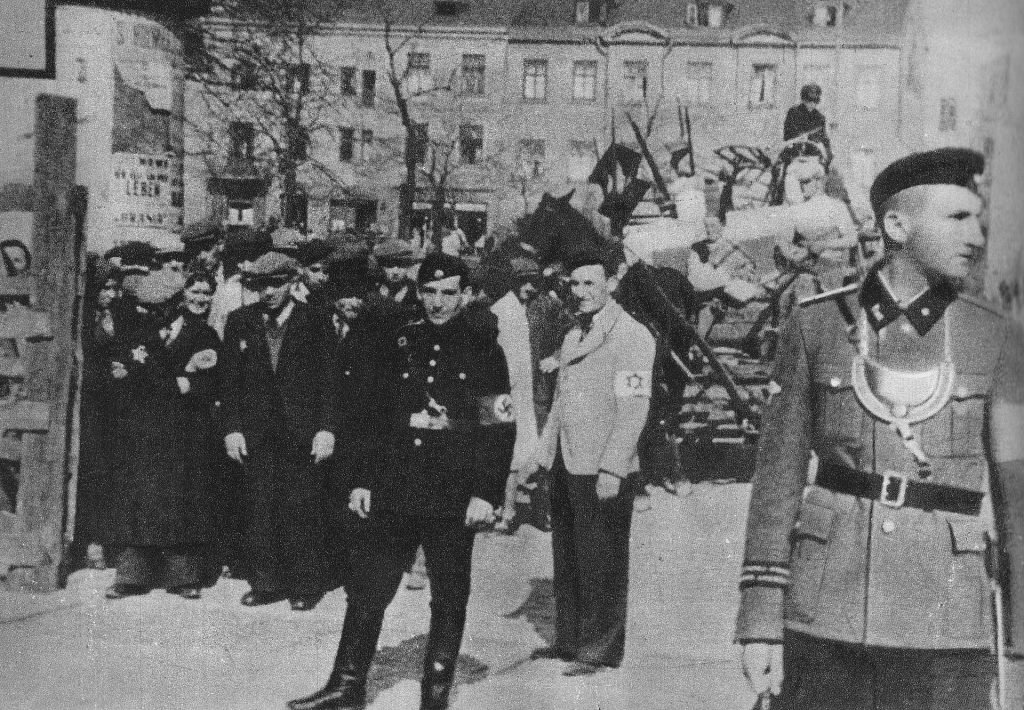
The Red Army enters Łódź and finds 877 Jews alive in a ghetto that once held more than 160,000 people.
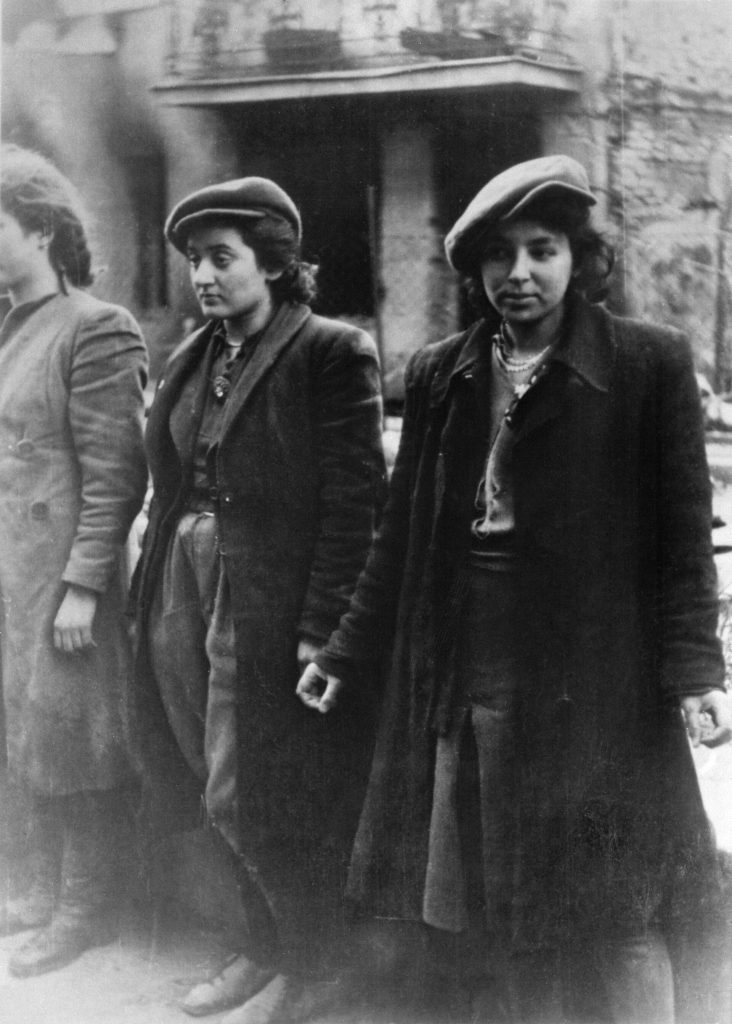
When German forces return to the Warsaw Ghetto for a new round of deportations, Jewish fighters open fire for the first time.
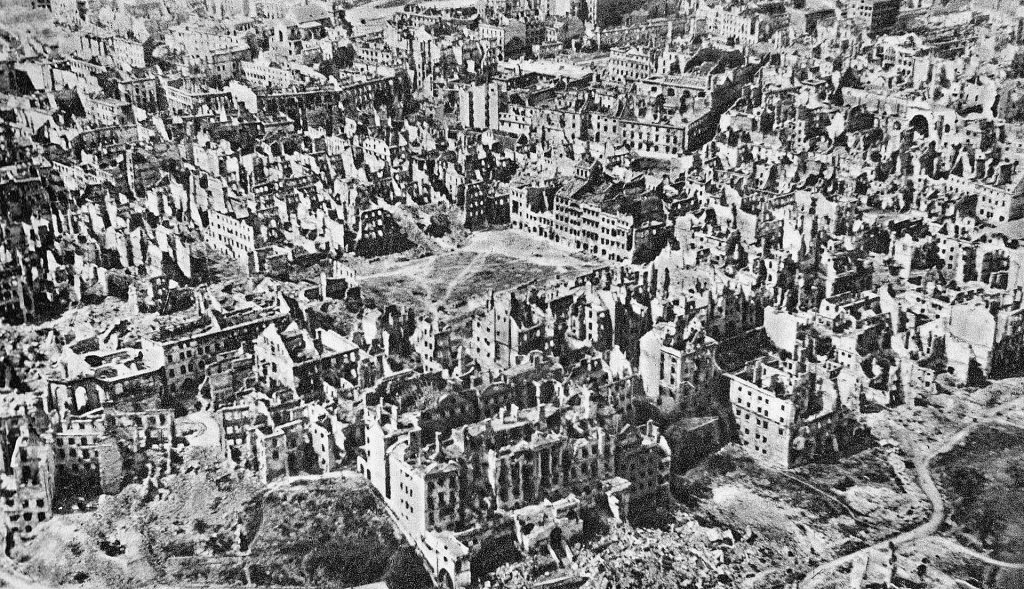
Soviet and Polish troops enter the ruins of the Polish capital, which the Germans have spent three months destroying street by street.
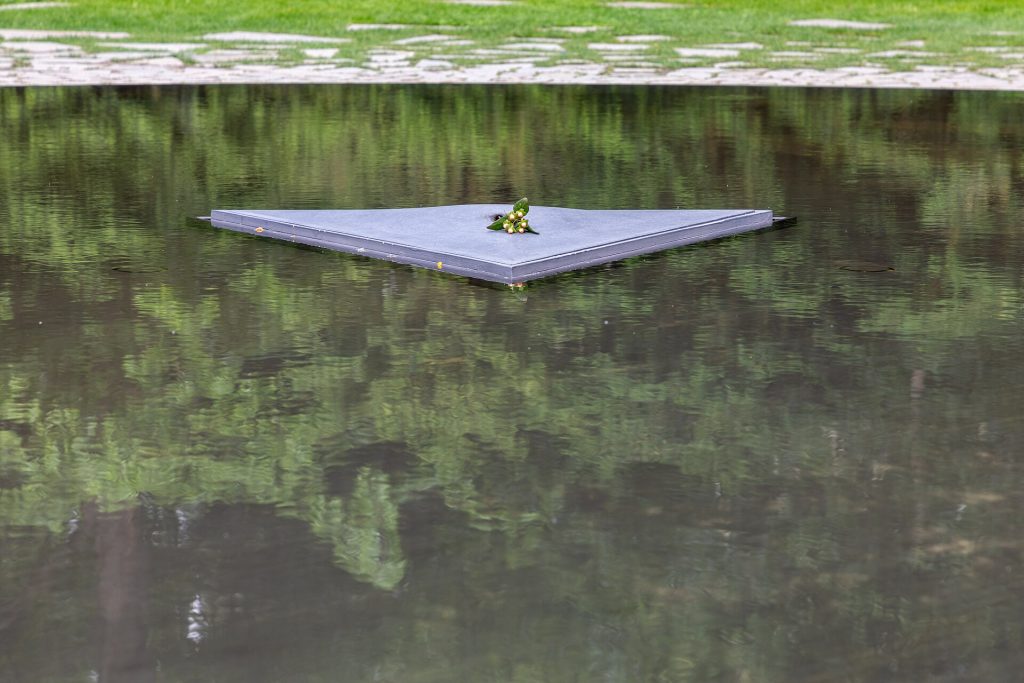
Heinrich Himmler orders the deportation of Roma and Sinti from across the German Reich to Auschwitz-Birkenau, where most of them will be murdered.
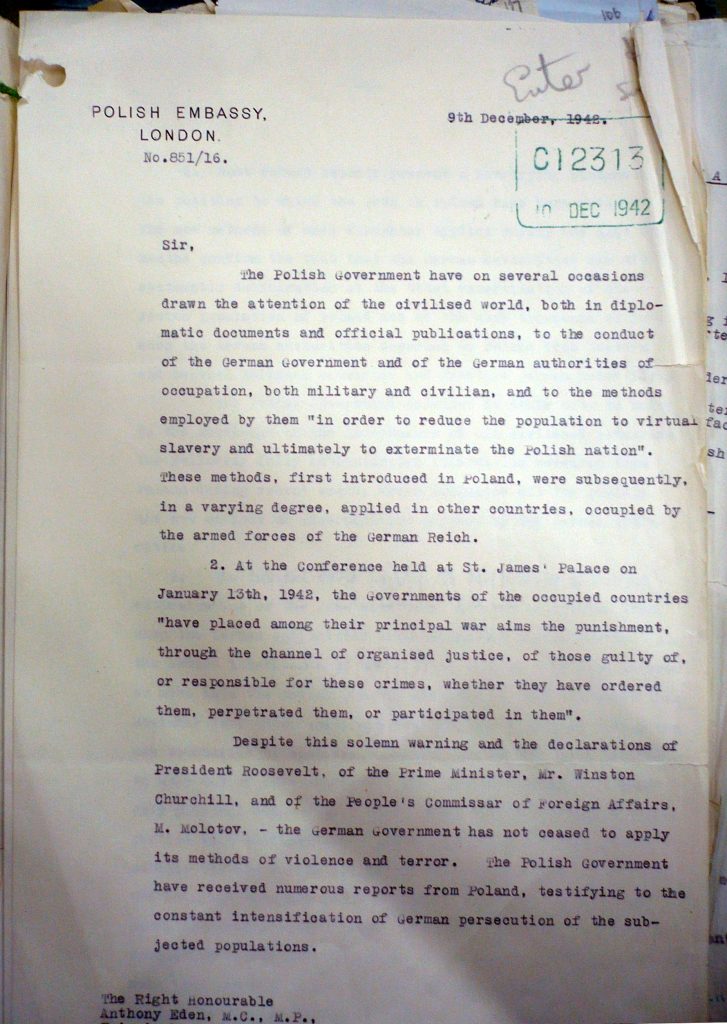
The Polish government in exile sends the Allied governments a formal note describing the systematic murder of the Jews of occupied Poland and calling on them to act.
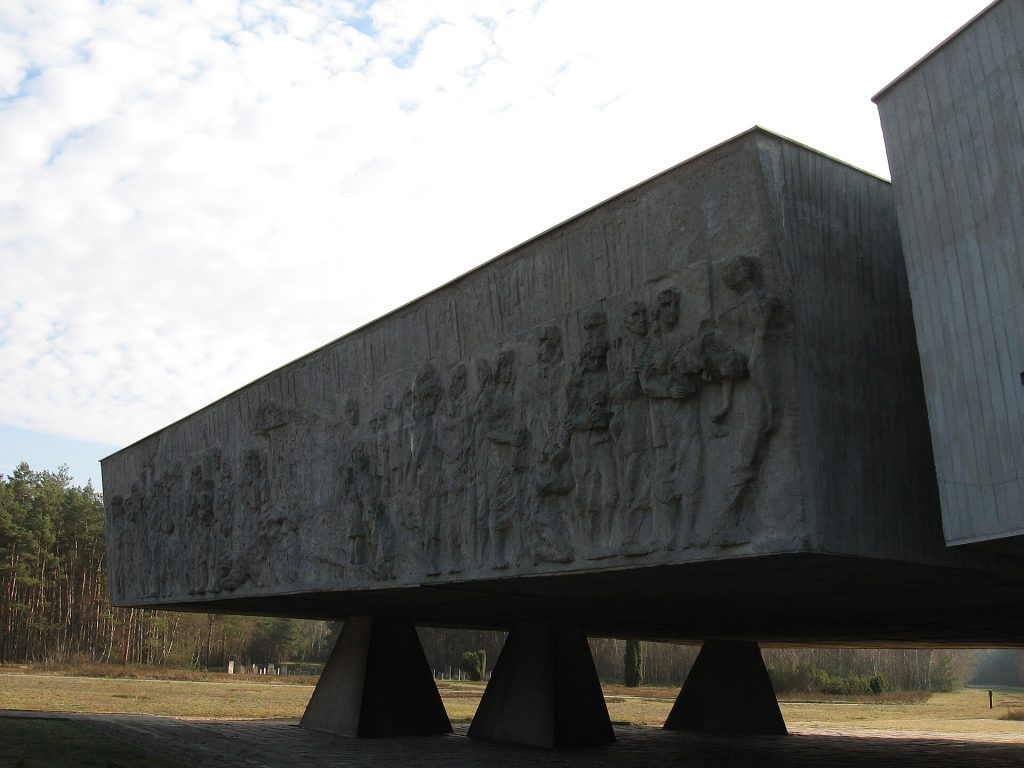
In a village in German-annexed Poland, the SS begins murdering Jews in sealed vans filled with exhaust fumes, at the first Nazi camp built purely for killing.
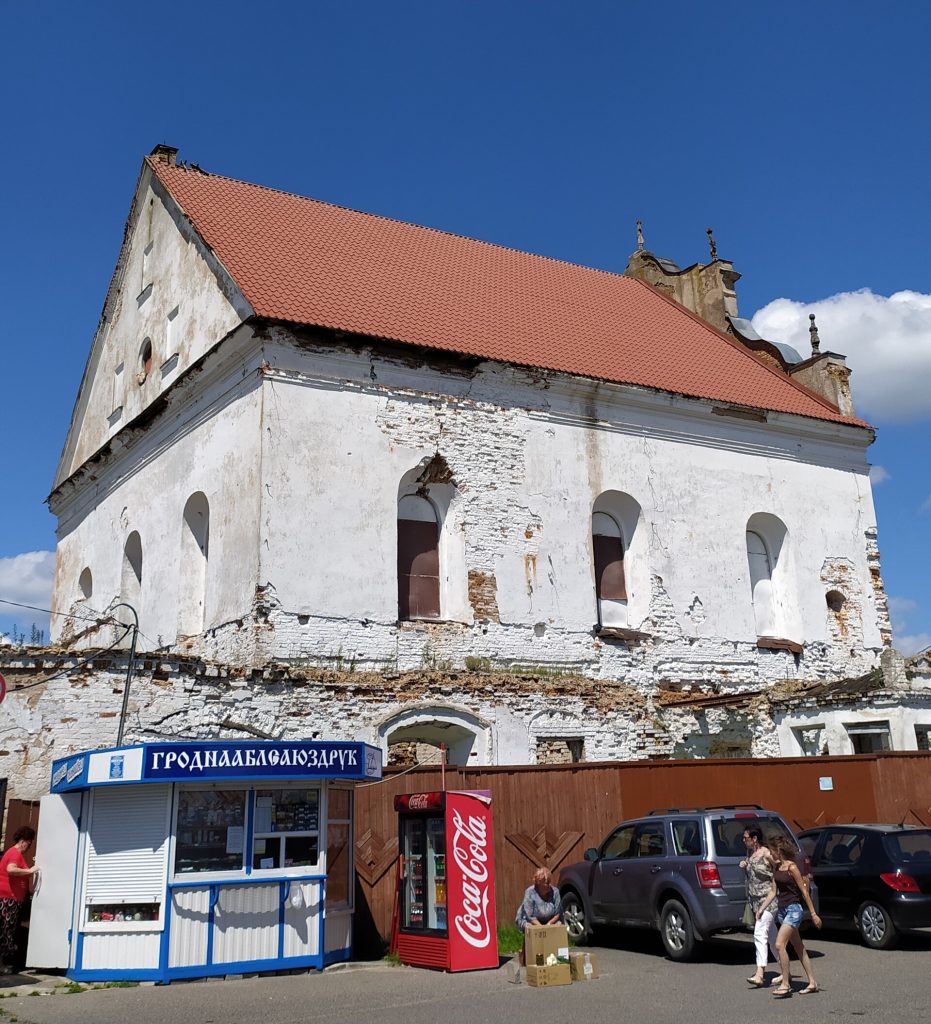
German killing squads and local auxiliaries drive some 9,000 Jews from the ghetto of Słonim to pits outside the town and shoot them in a single day.
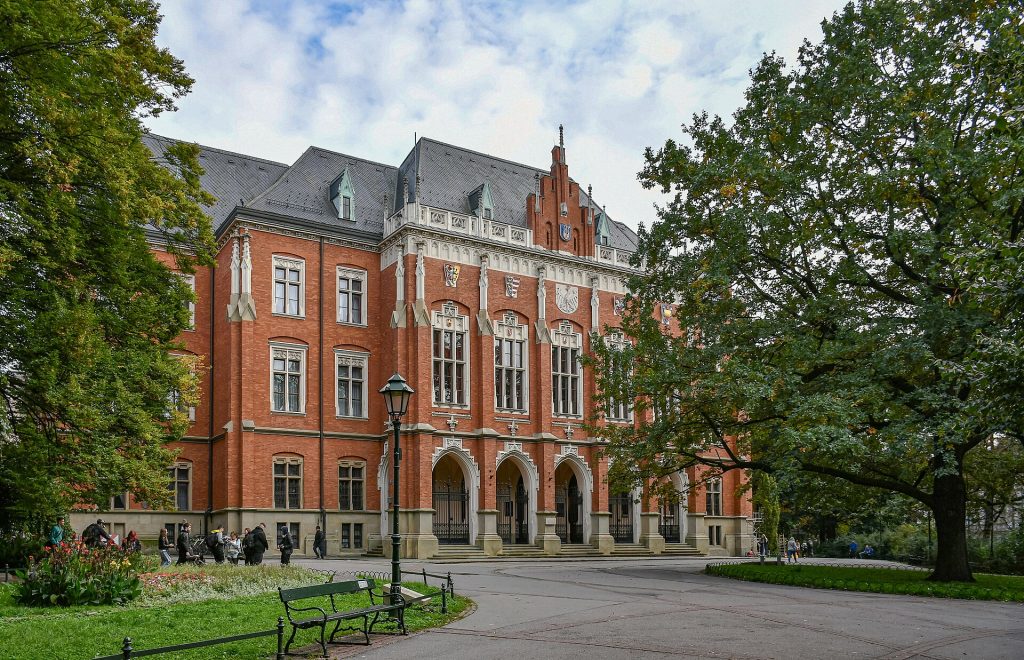
Summoned to a lecture at Kraków’s ancient university, 184 Polish scholars are arrested by the Gestapo and sent to a concentration camp, the opening blow of a campaign to destroy Poland’s educated class.
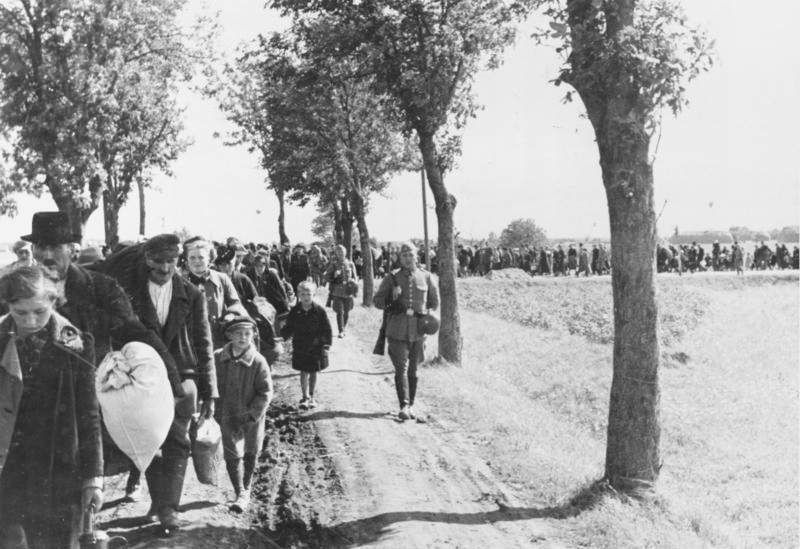
By decree, Hitler incorporates large parts of western Poland into Germany. Their Polish and Jewish inhabitants are to be expelled to make room for German settlers.
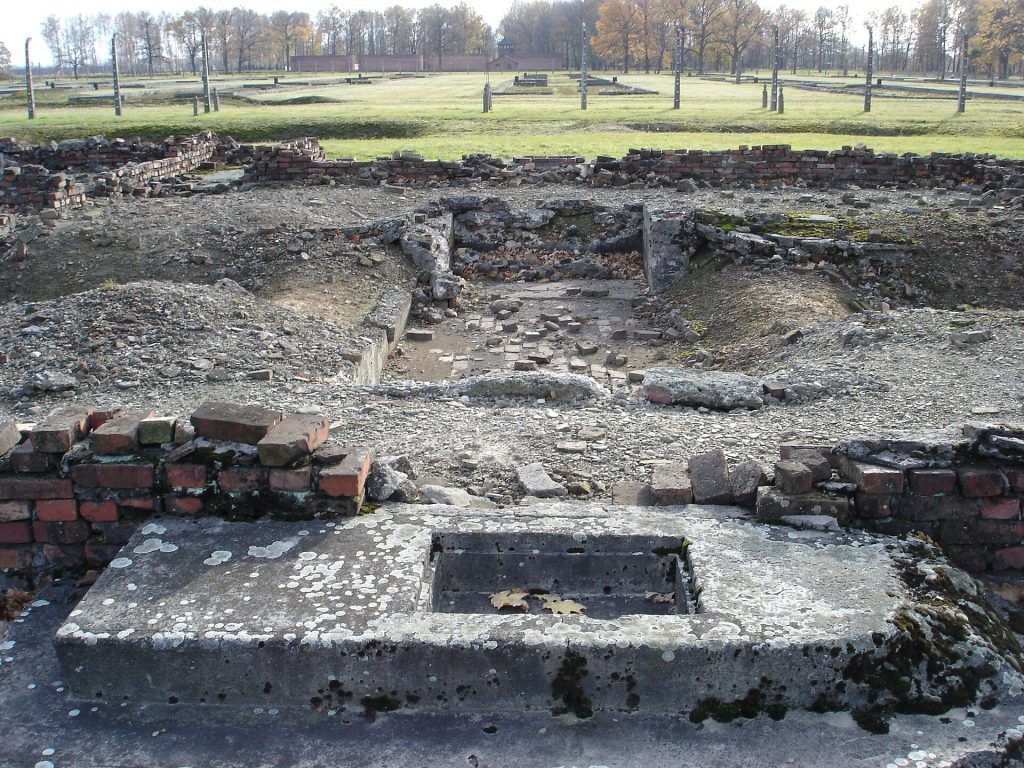
At Auschwitz-Birkenau, Jewish prisoners forced to work in the crematoria rise up against the SS. They set Crematorium IV on fire with smuggled explosives.
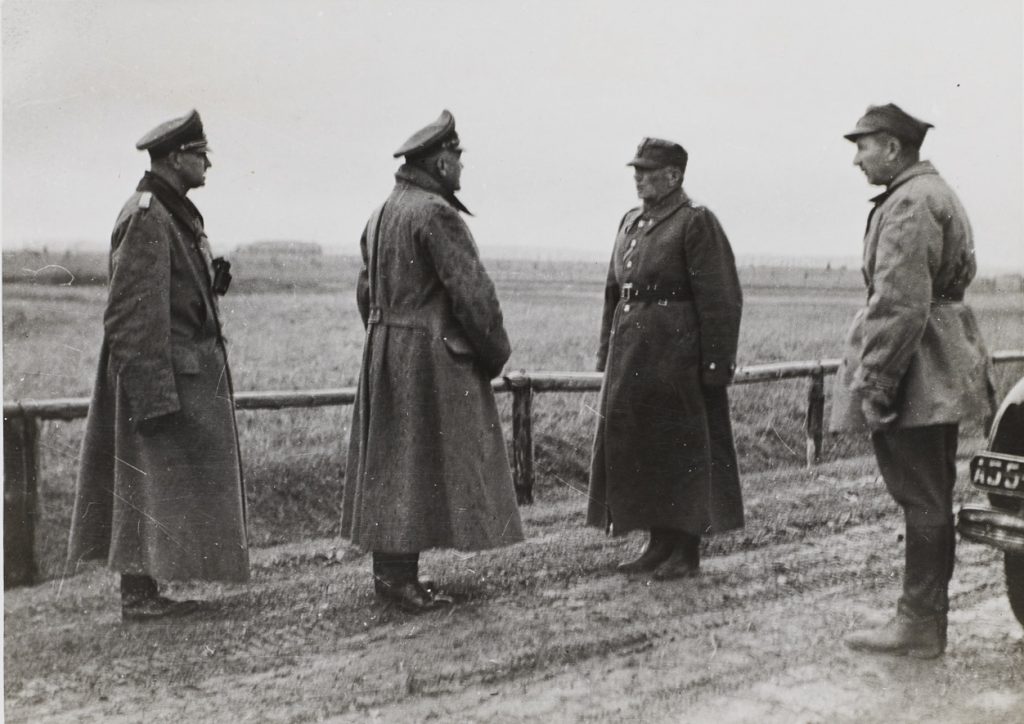
Out of ammunition after four days of fighting near Kock, General Franciszek Kleeberg surrenders the last Polish field army. The September campaign is over.
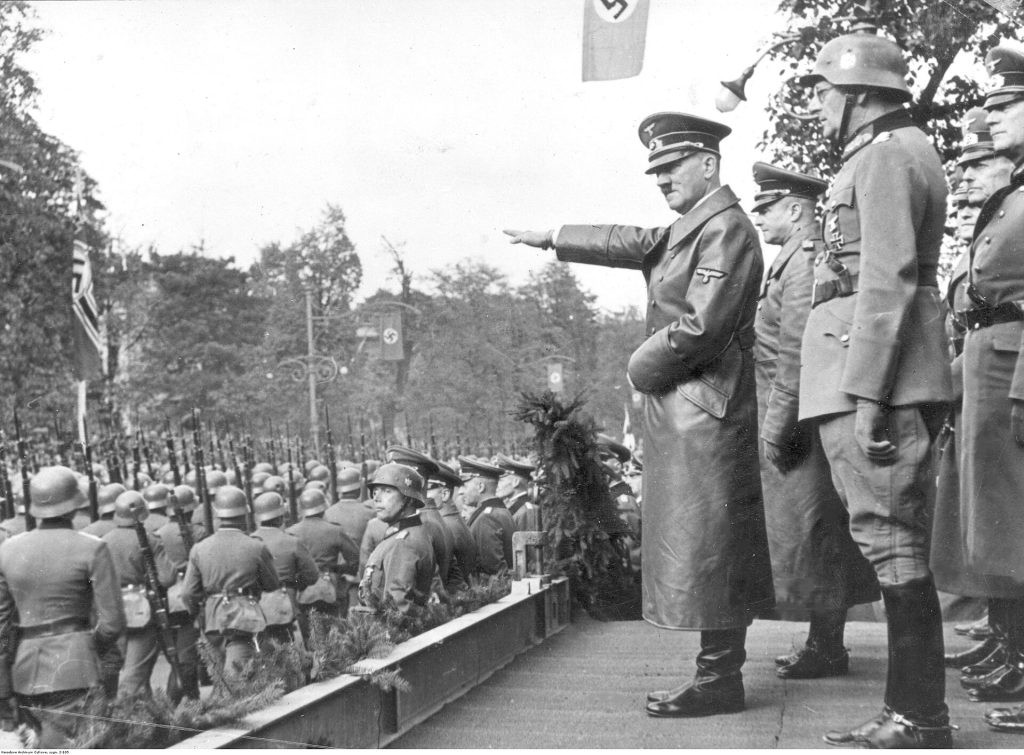
A week after Warsaw’s surrender, Hitler flies to the city to take a victory parade of German troops. To foreign journalists, he has a message: look at Warsaw.

After 63 days, the Home Army signs the capitulation of Warsaw. Its fighters go into captivity as prisoners of war. Hitler orders the city to be wiped off the map.
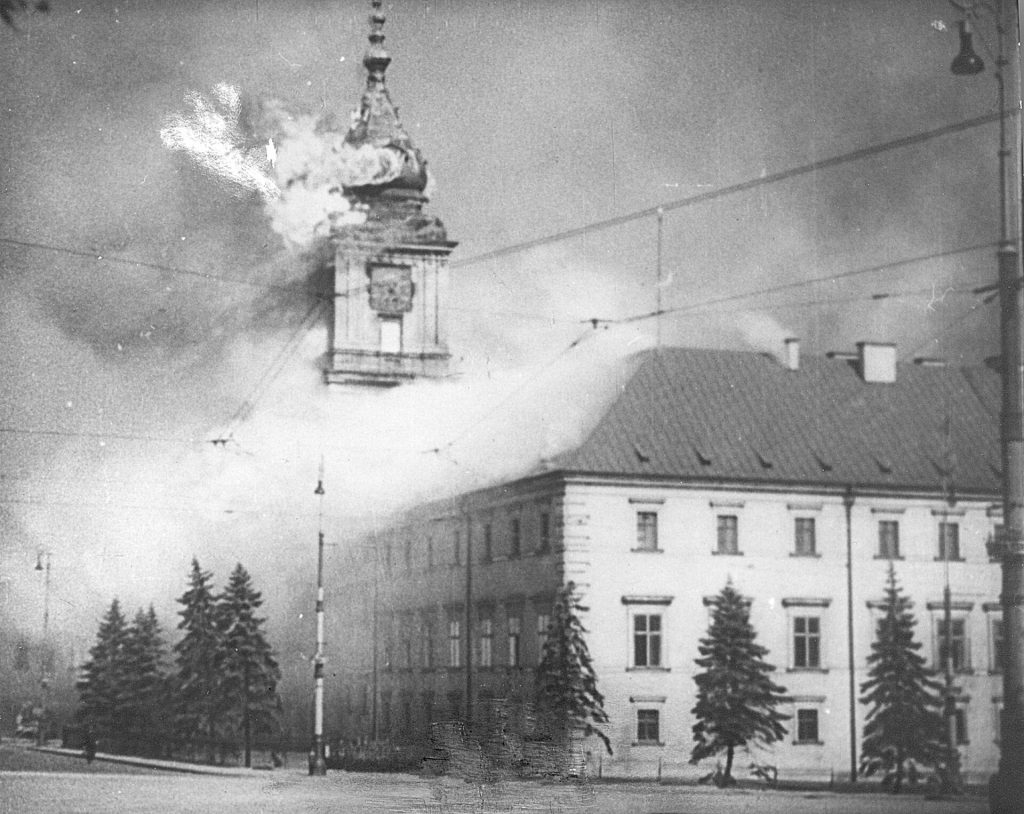
After nearly three weeks of siege, bombing and shelling, the Polish capital surrenders. Its defenders have run out of food, water and ammunition.
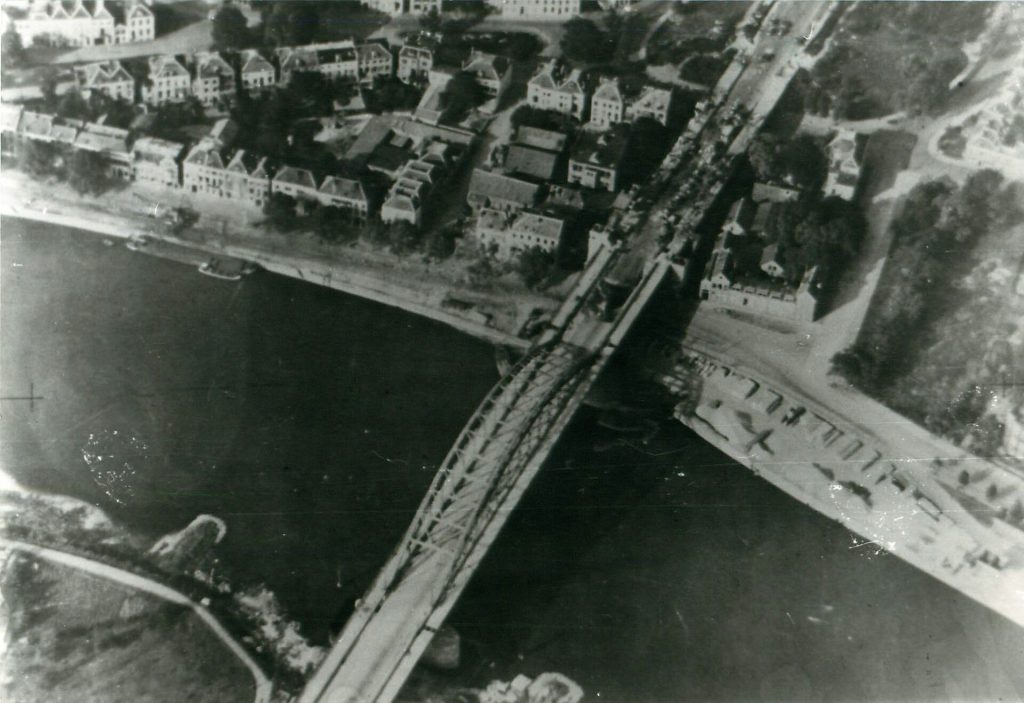
In darkness and rain, the survivors of the British 1st Airborne Division slip down to the Rhine and are ferried across. The bridge too far has been lost.

While the fighting in Poland is still going on, Reinhard Heydrich sends an urgent letter to his SS task force commanders. Jews are to be concentrated in cities, under Jewish councils answerable to the Germans.
 United Kingdom
 United States
 Soviet Union
 Germany
 Japan
 France
 Poland
 South Africa