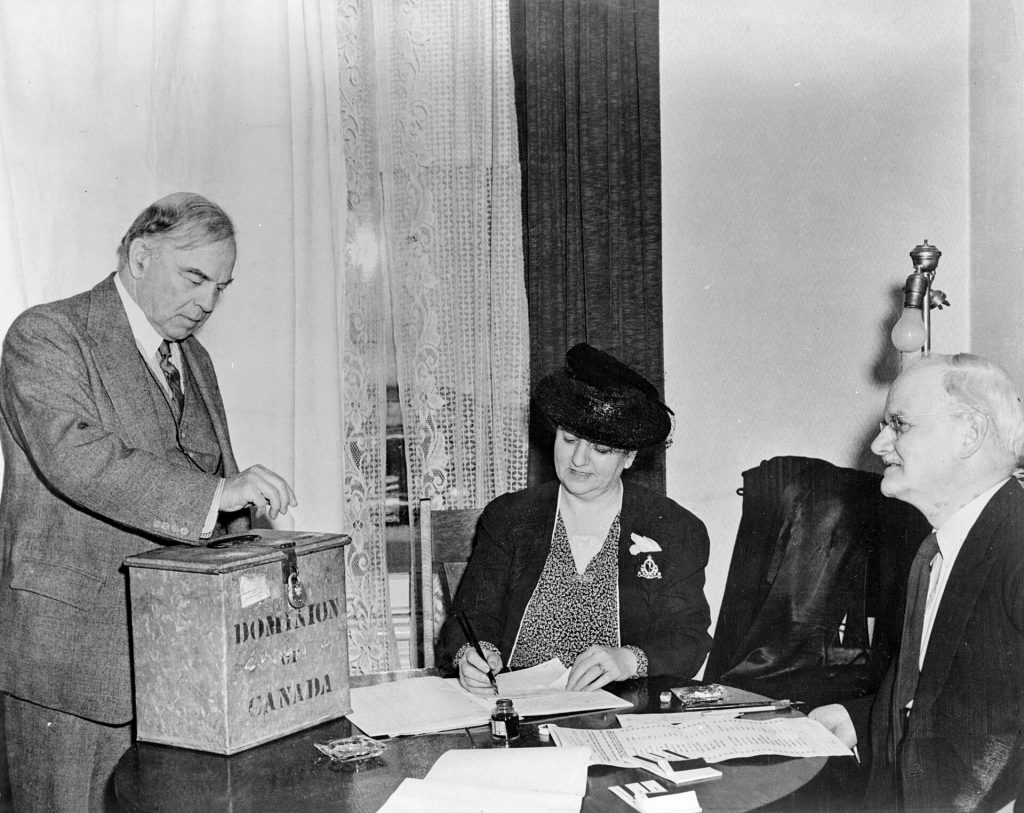
27 April 1942: Canada’s Conscription Plebiscite
Canadians vote by almost two to one to release Mackenzie King’s government from its promise on conscription, but Quebec votes heavily against.
Civilians, cities and the people who kept the war going.
Canadians vote by almost two to one to release Mackenzie King’s government from its promise on conscription, but Quebec votes heavily against.
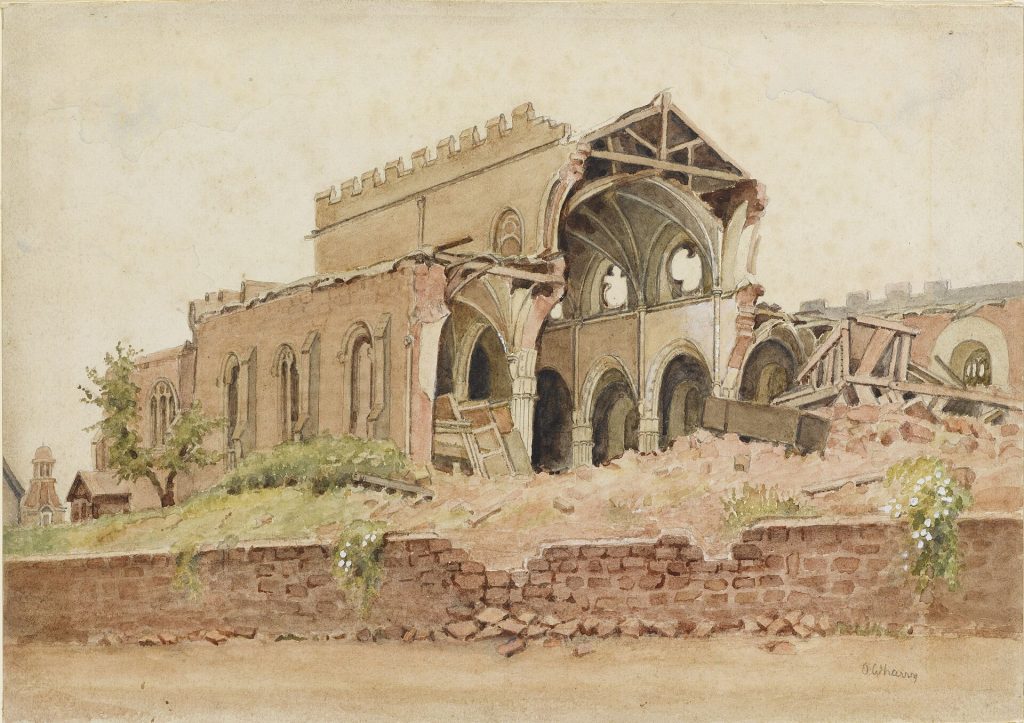
In revenge for the RAF’s burning of Lübeck and Rostock, the Luftwaffe bombs Exeter, opening a campaign against England’s historic cities.
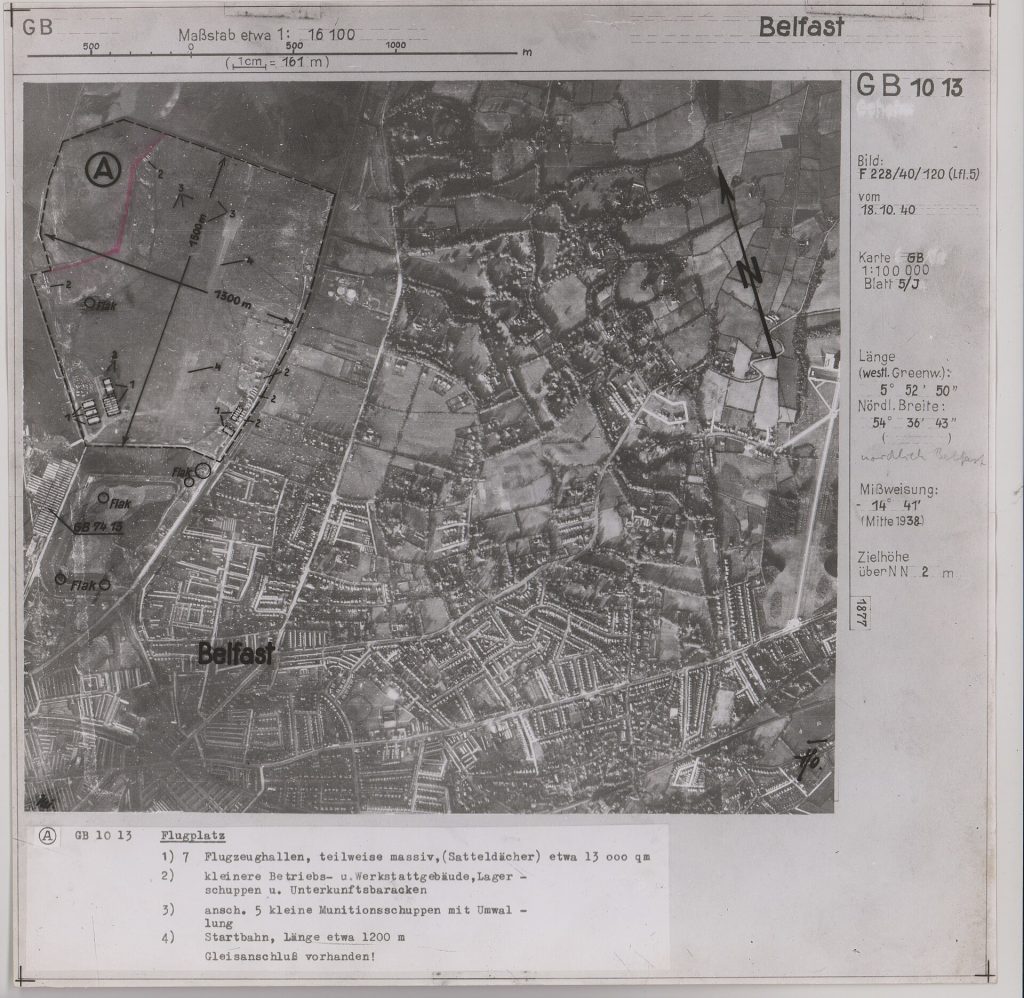
German bombers attack Belfast on the night of Easter Tuesday, killing nearly 1,000 people in the deadliest night raid of the Blitz outside London.
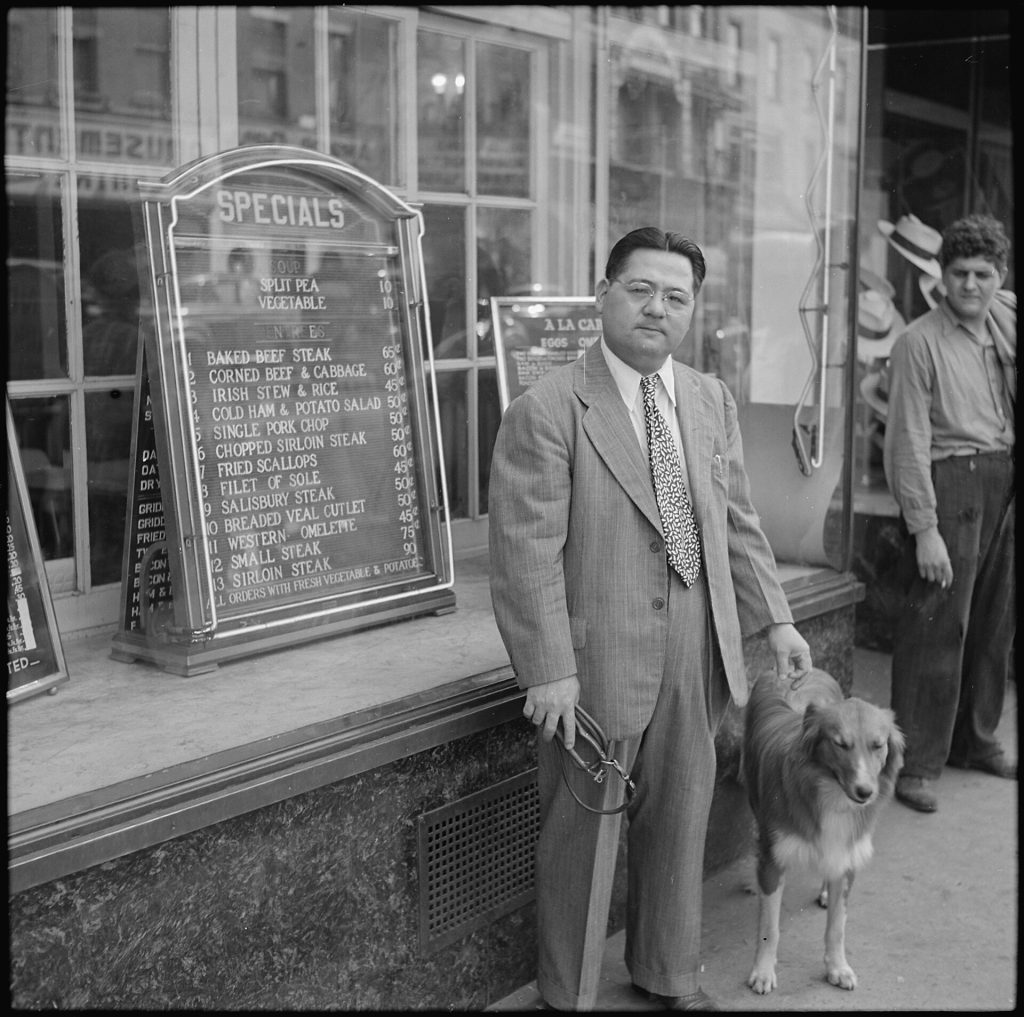
A military sentry at the Topaz camp in the Utah desert shoots dead James Hatsuaki Wakasa, a 63-year-old chef walking his dog.
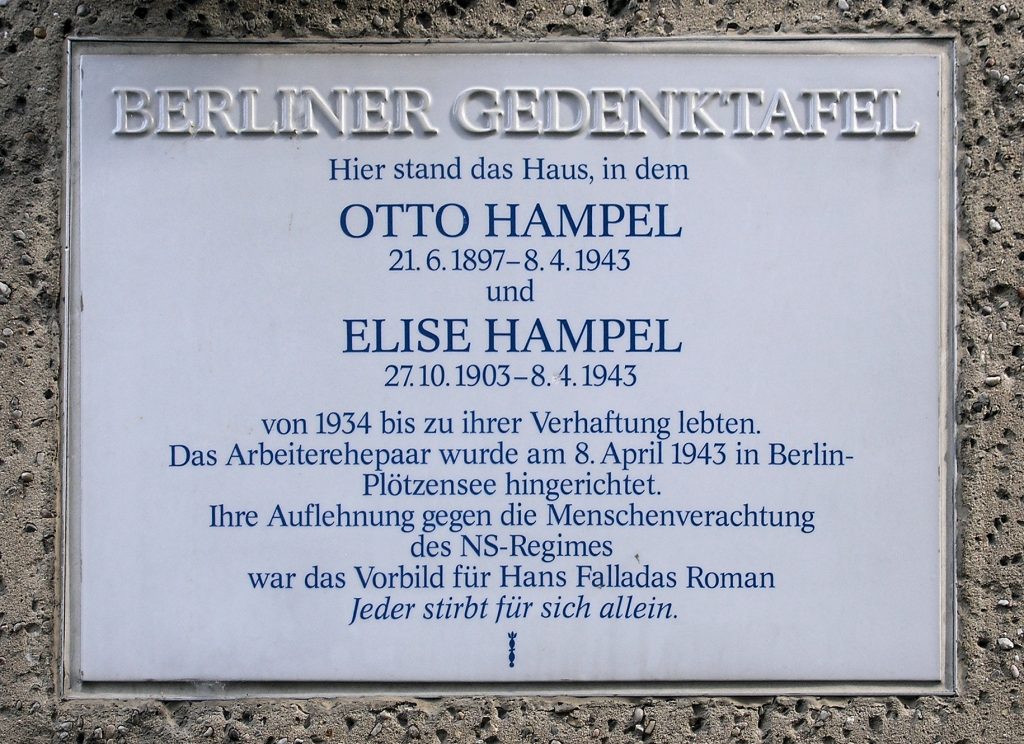
A working-class Berlin couple who spent two years leaving anti-Nazi postcards around the city are executed at Plötzensee Prison.
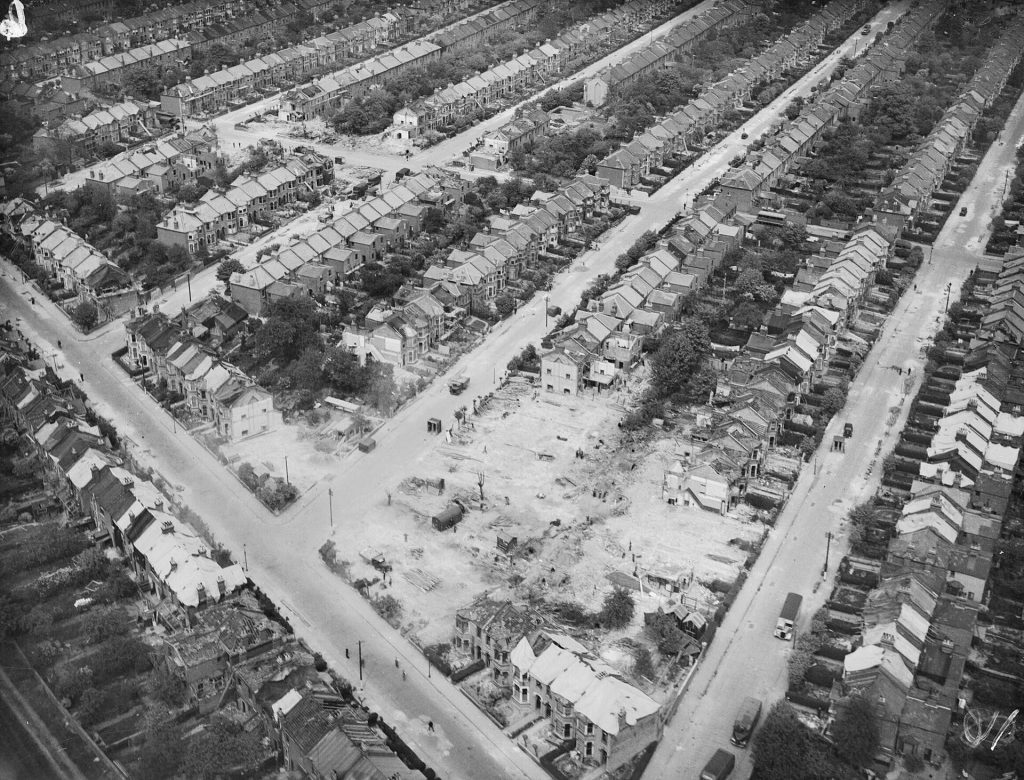
A V-2 rocket falls on a house in Orpington, Kent, killing Ivy Millichamp, the last civilian killed by enemy action on British soil.
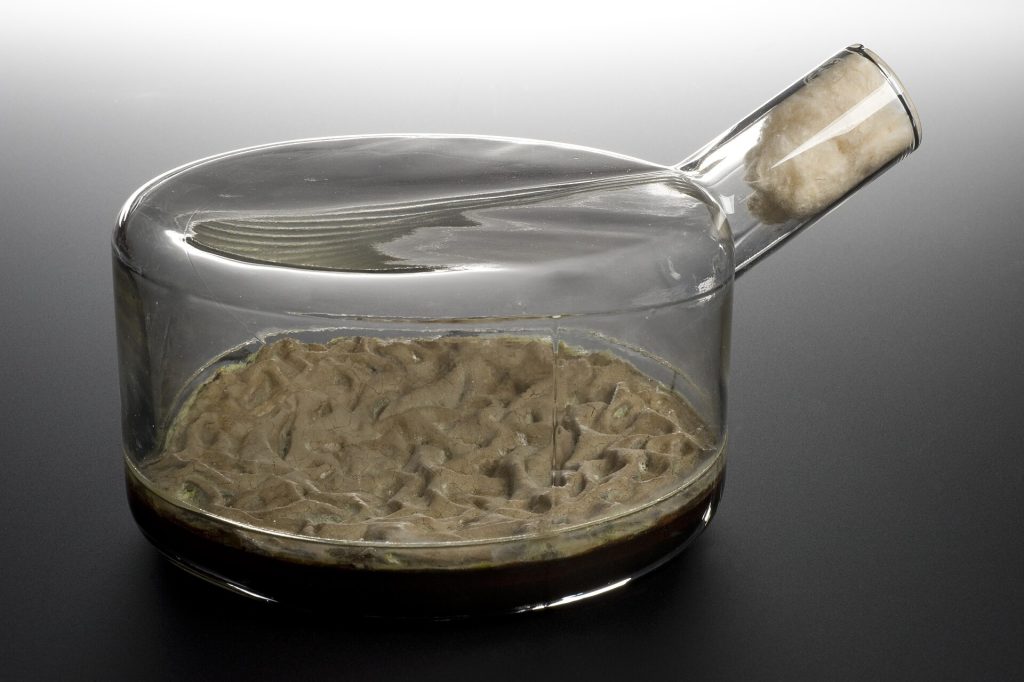
A young woman dying of blood poisoning in a Connecticut hospital is given an experimental drug. By the next morning her fever has broken.

Two days after a Japanese submarine shells the California coast, air raid sirens wail over Los Angeles and the guns open fire at an enemy that is not there.
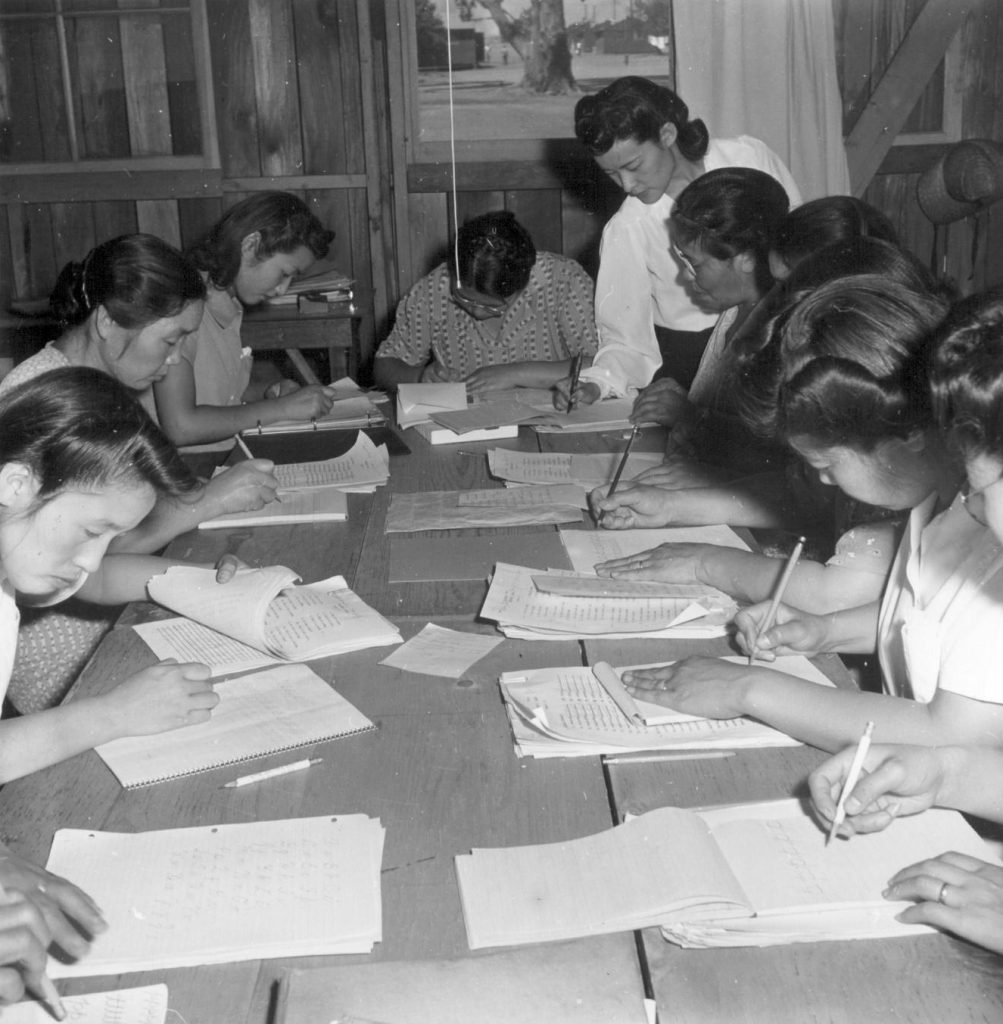
Roosevelt signs the order that will force more than 100,000 people of Japanese descent, most of them American citizens, from their homes on the West Coast into camps.
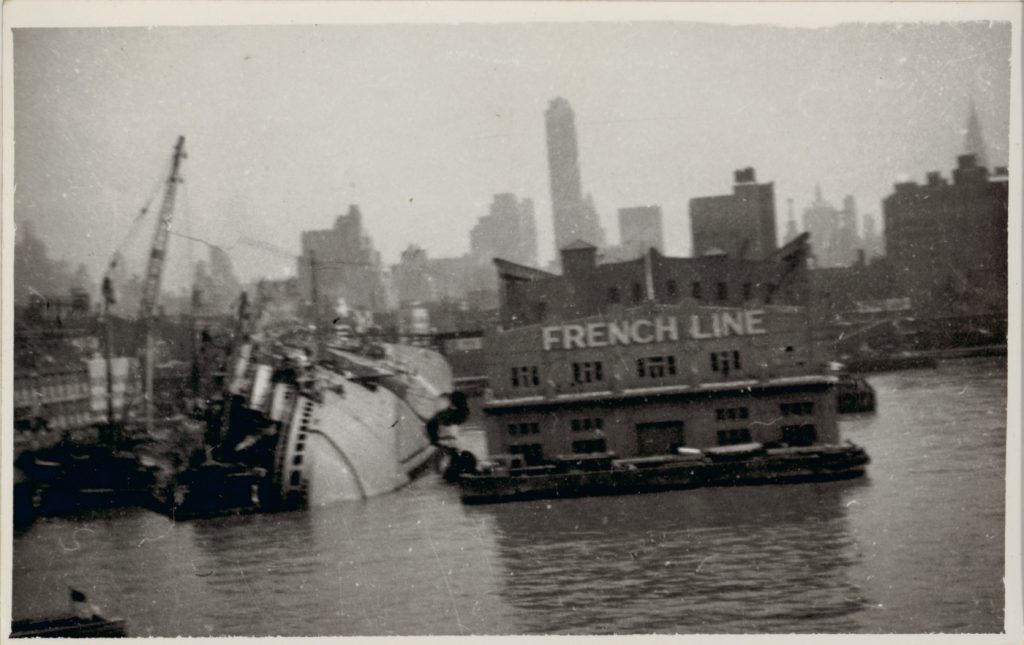
A spark from a welding torch sets fire to the world’s most glamorous liner as she is converted into a troopship in New York. By morning she lies on her side at the pier.
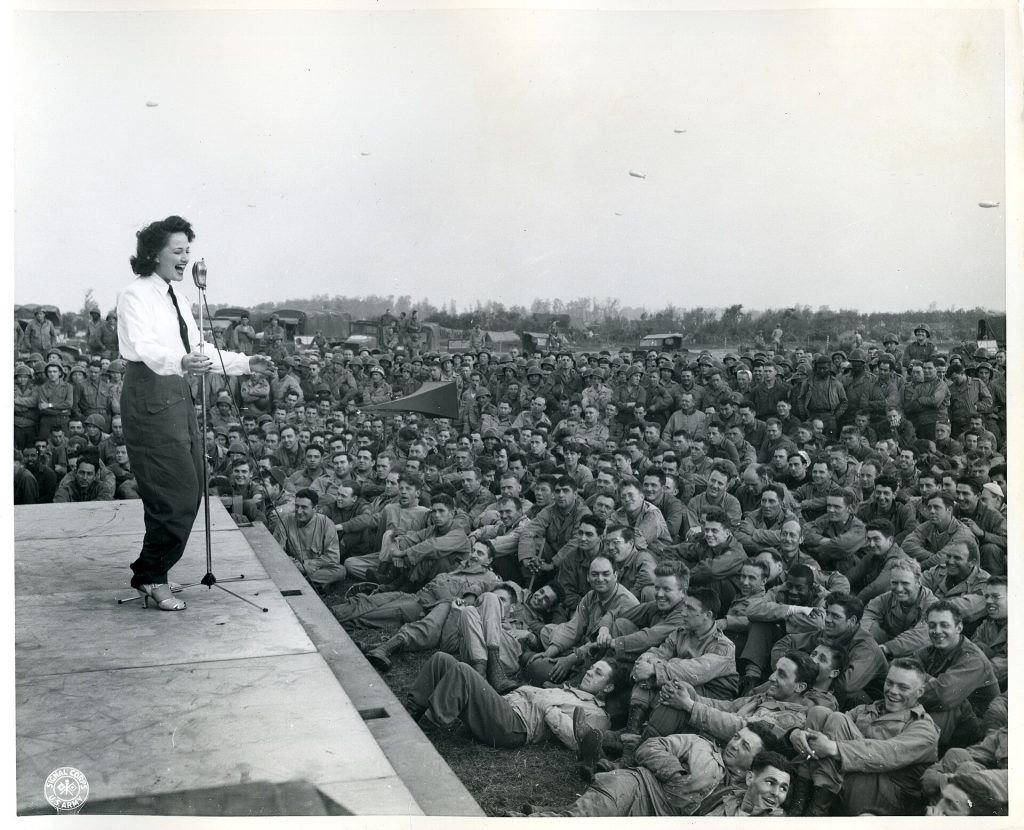
Six civilian organisations join forces at President Roosevelt’s request to look after America’s fast-growing army, creating the USO.

Returning from a war bond rally that raised more than $2 million in a single evening, the Hollywood star dies when her airliner flies into a Nevada mountain.

Britain’s most famous woman pilot, now ferrying aircraft for the Air Transport Auxiliary, bails out over the Thames Estuary in bad weather and is never seen again.

In a Brooklyn courtroom, 33 members of a German spy network are sentenced to more than 300 years in prison between them, closing the largest espionage case in American history to end in convictions.
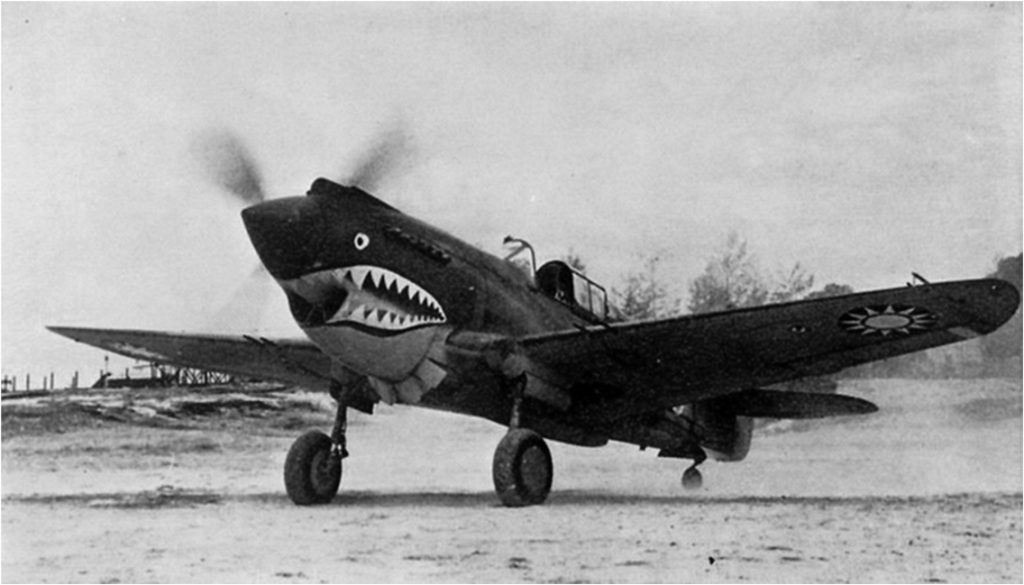
Japanese bombers strike the capital of British Burma for the first time, killing over a thousand civilians and setting off an exodus that paralyses the port.
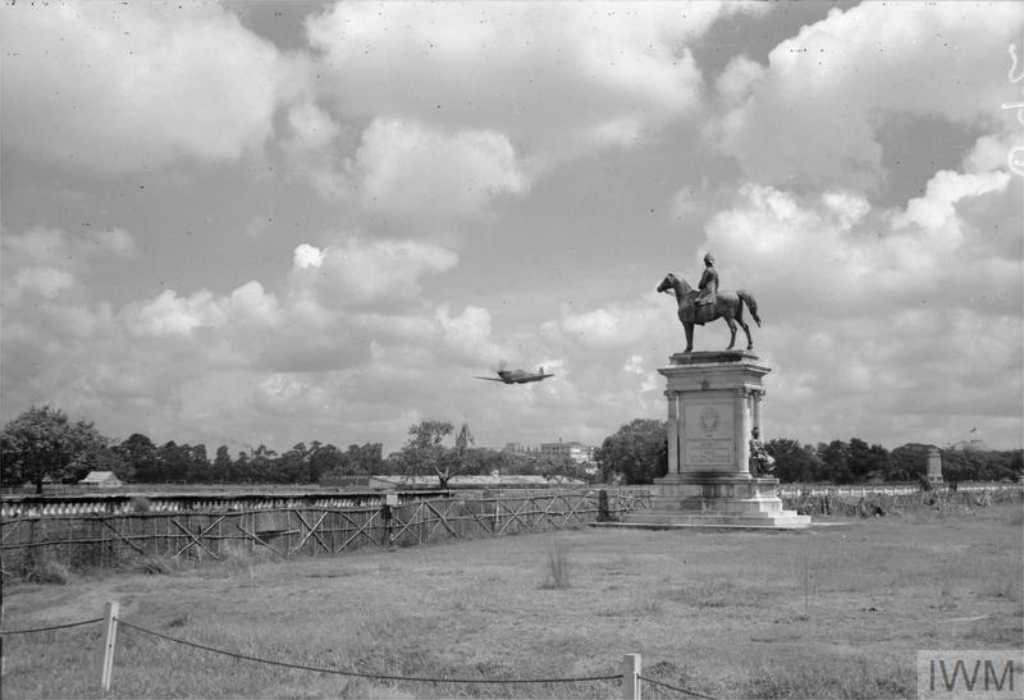
Japanese aircraft from Burma raid Calcutta, the great port and industrial city of British India, setting off a mass flight of its people.
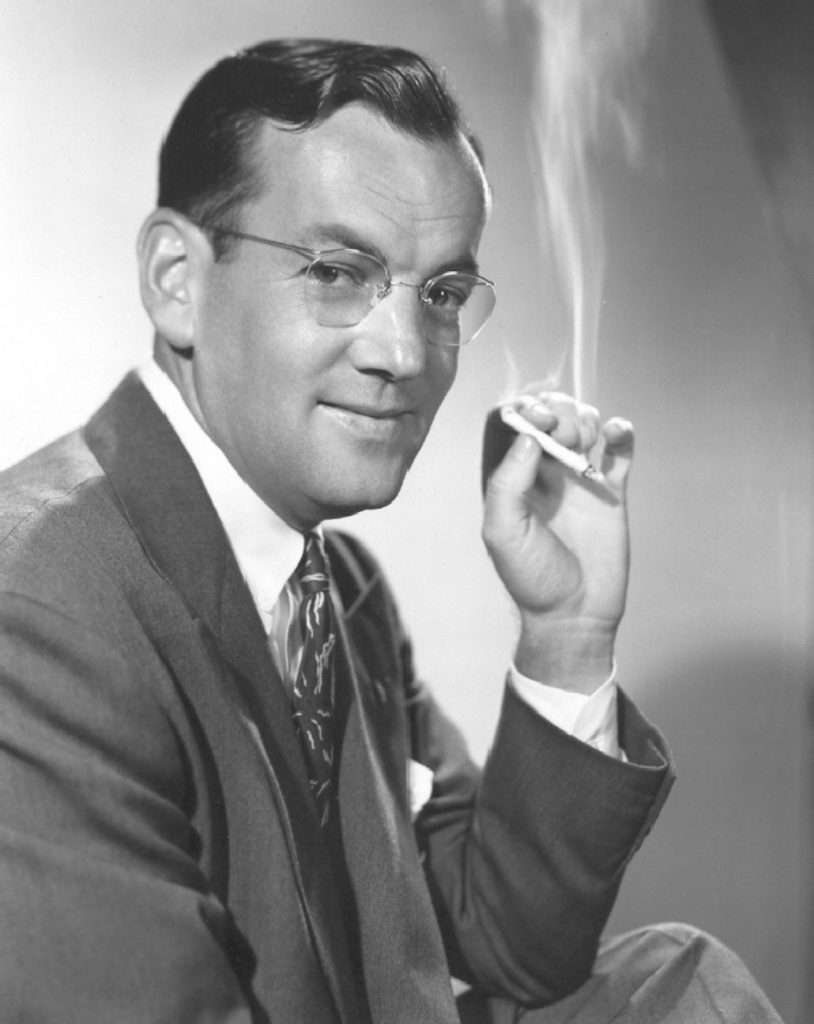
The most popular bandleader in America takes off from an English airfield for Paris in a small single-engined aircraft. Neither he nor the plane is ever seen again.
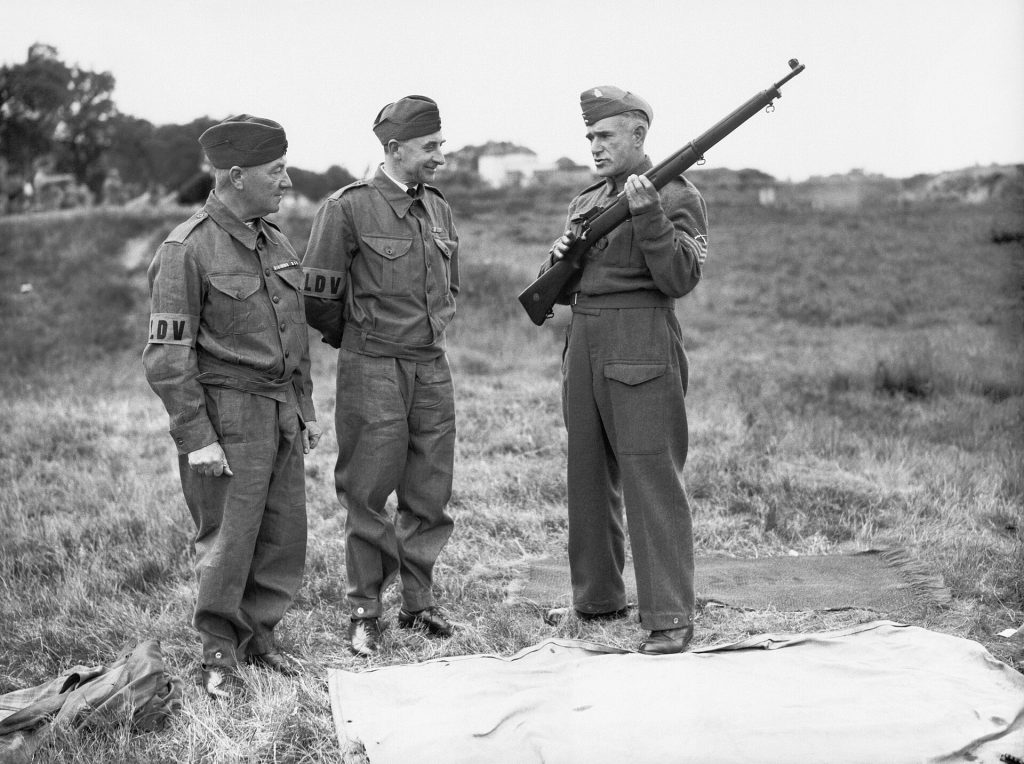
With the threat of invasion gone, Britain’s citizen army of the summer of 1940 is formally stood down after four and a half years on guard.
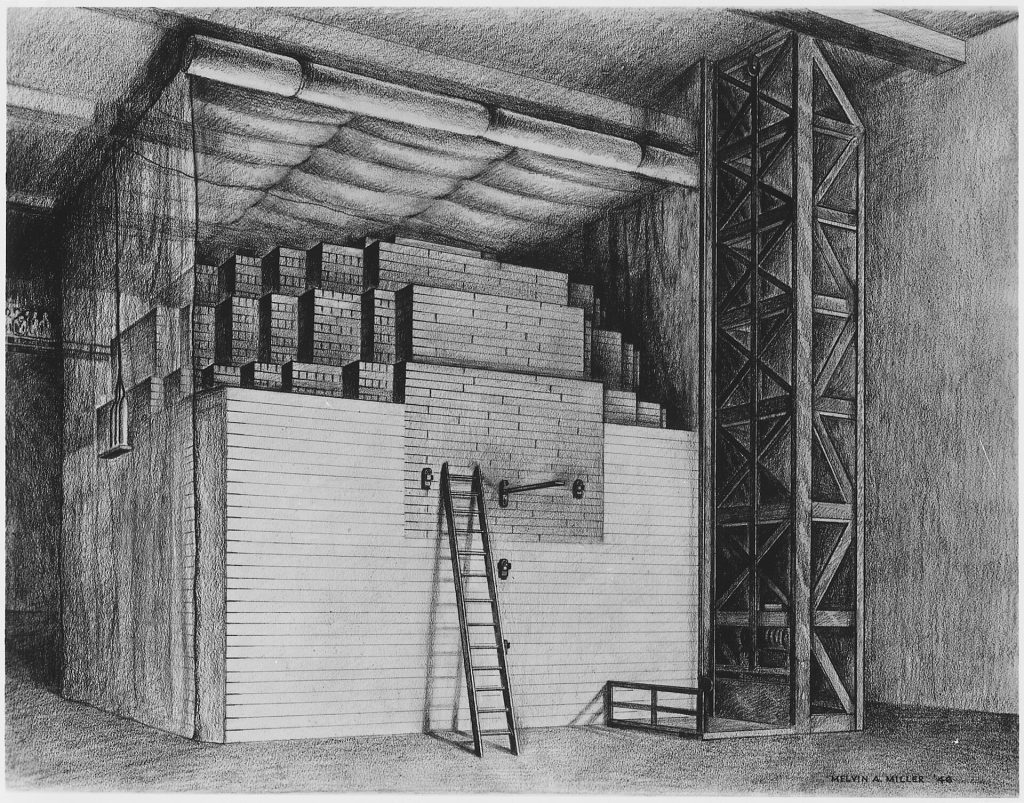
Under the stands of a Chicago football field, Enrico Fermi’s team withdraws a control rod and achieves the world’s first self-sustaining nuclear chain reaction.
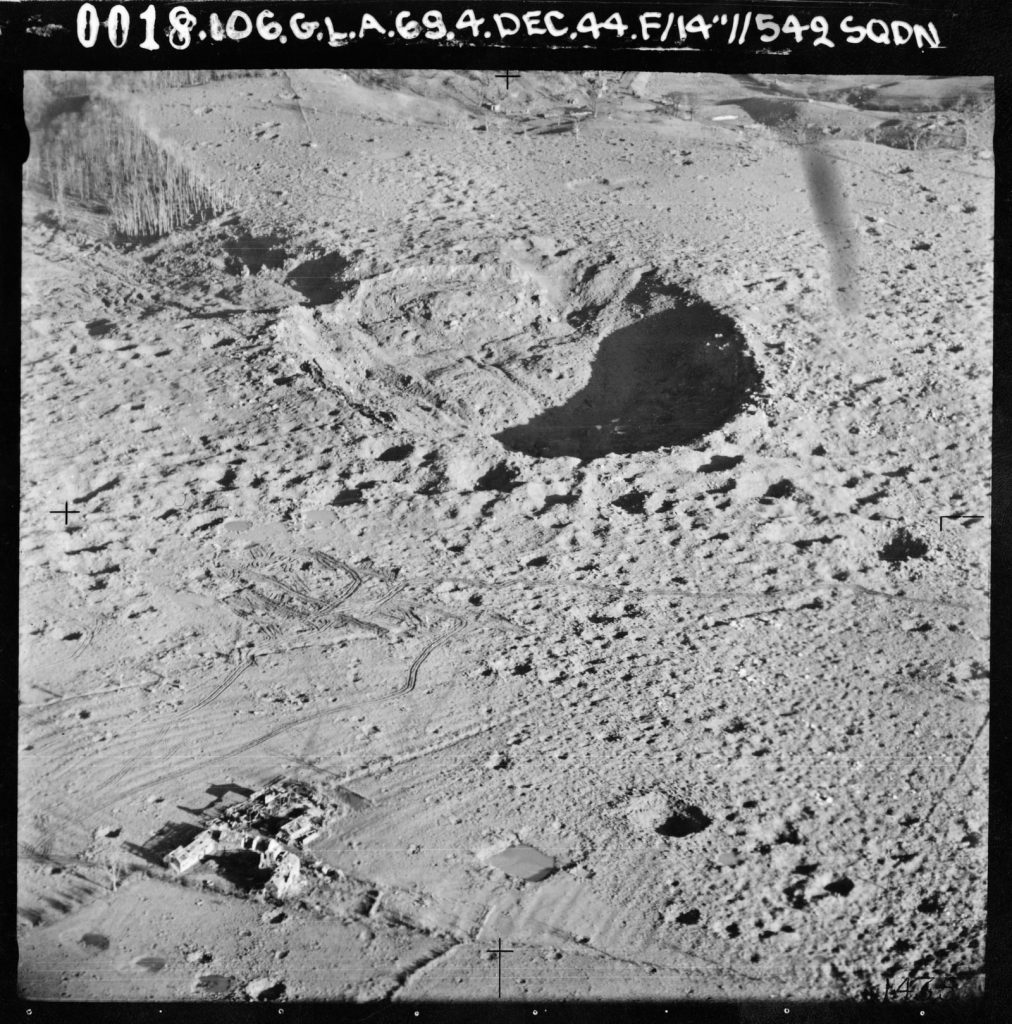
Deep under the Staffordshire countryside, thousands of tonnes of RAF bombs blow up in one of the largest non-nuclear explosions in history.
 United Kingdom
 United States
 Soviet Union
 Germany
 Japan
 France
 Poland
 South Africa