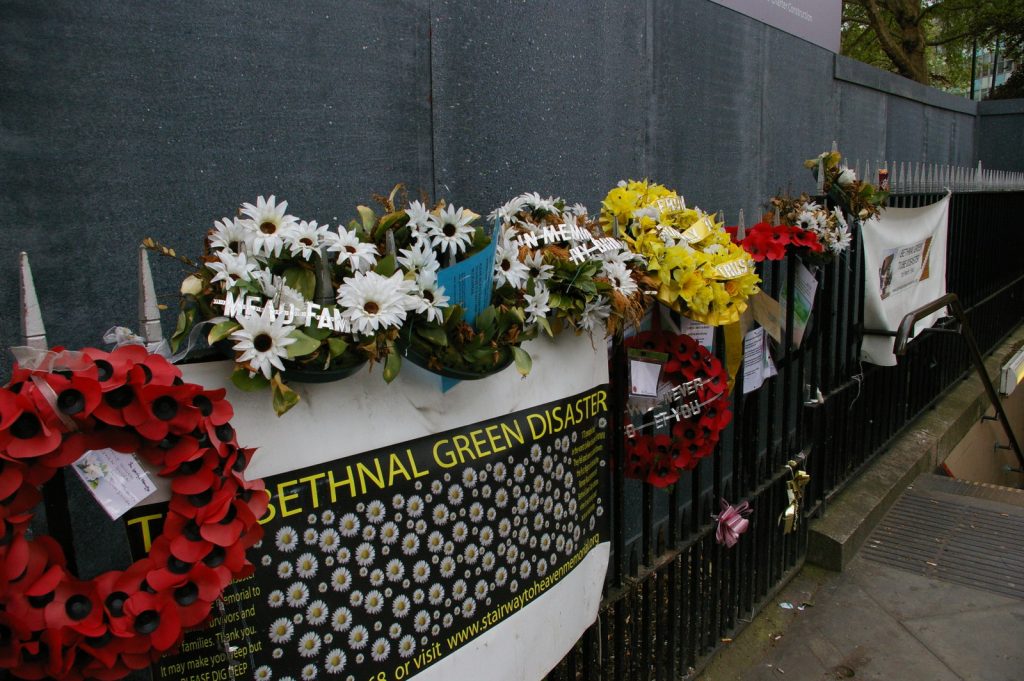
3 March 1943: The Bethnal Green Disaster
As the air-raid sirens sound in east London, a crowd hurries into an unfinished Underground station. In the dark stairwell, a fall becomes a fatal crush.
Civilians, cities and the people who kept the war going.
As the air-raid sirens sound in east London, a crowd hurries into an unfinished Underground station. In the dark stairwell, a fall becomes a fatal crush.
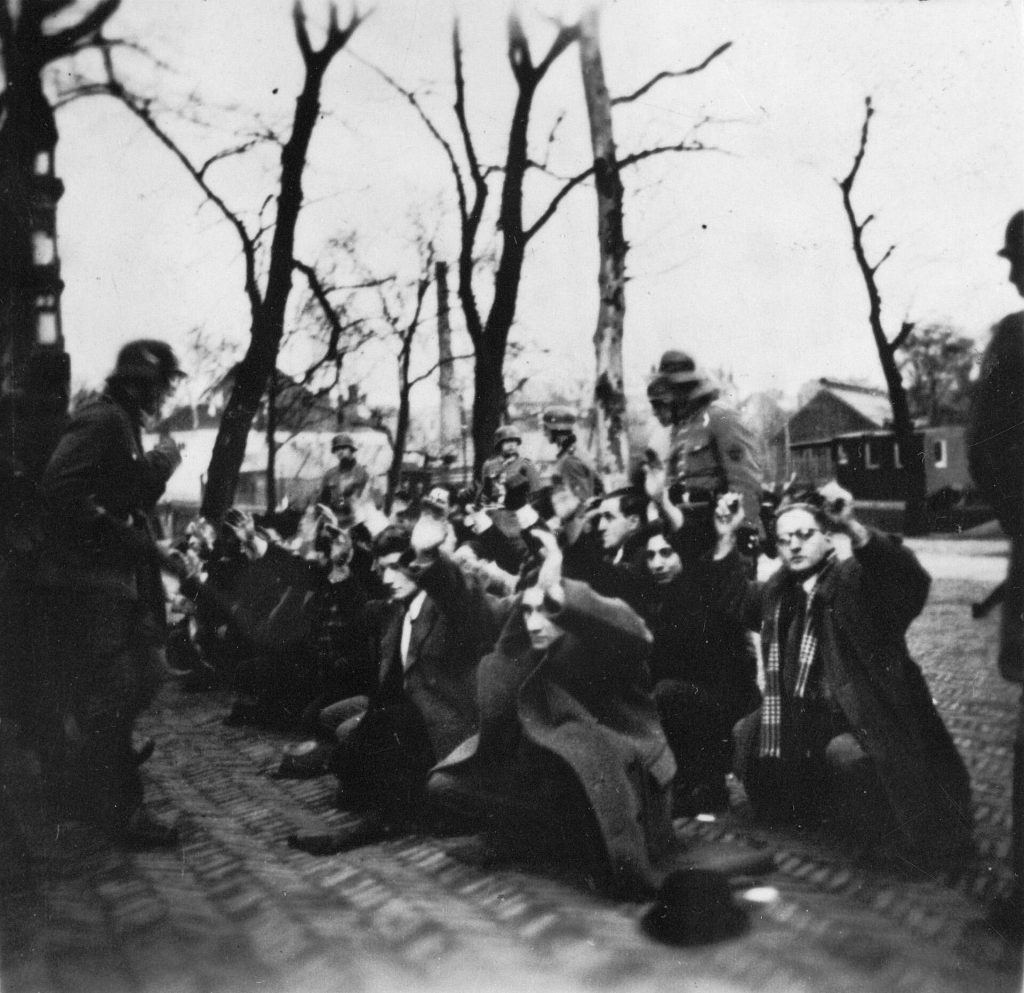
Days after the first mass round-ups of Jewish men in Amsterdam, tram drivers, dockers and factory workers walk out in protest. The city comes to a standstill.
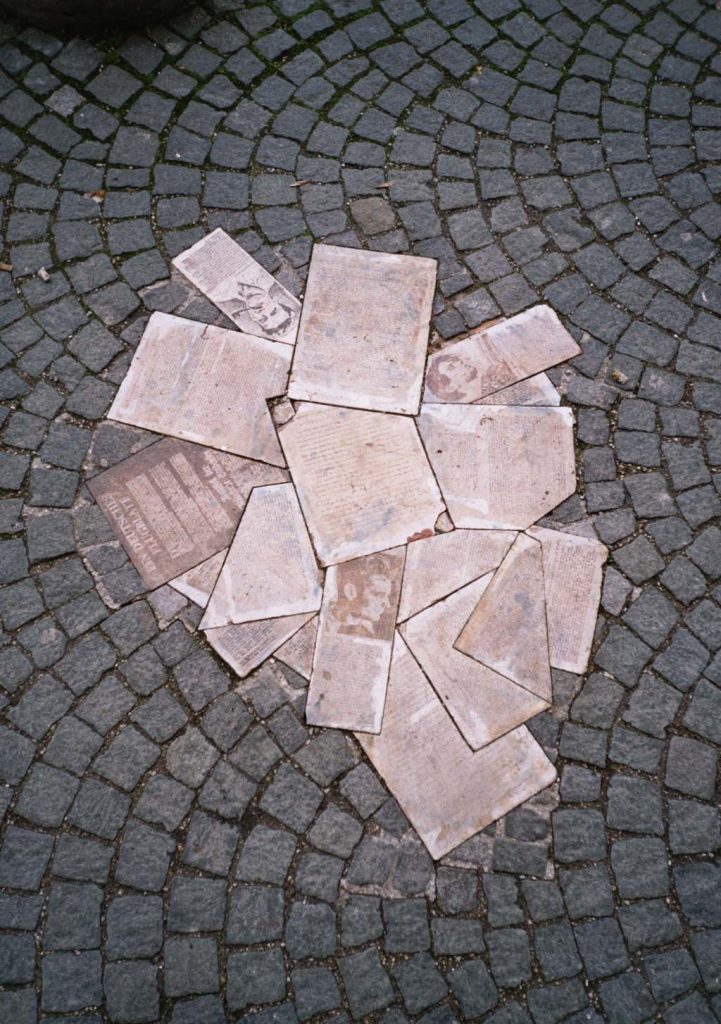
Four days after their arrest, the students Hans and Sophie Scholl and Christoph Probst are tried by the People’s Court and executed the same afternoon.
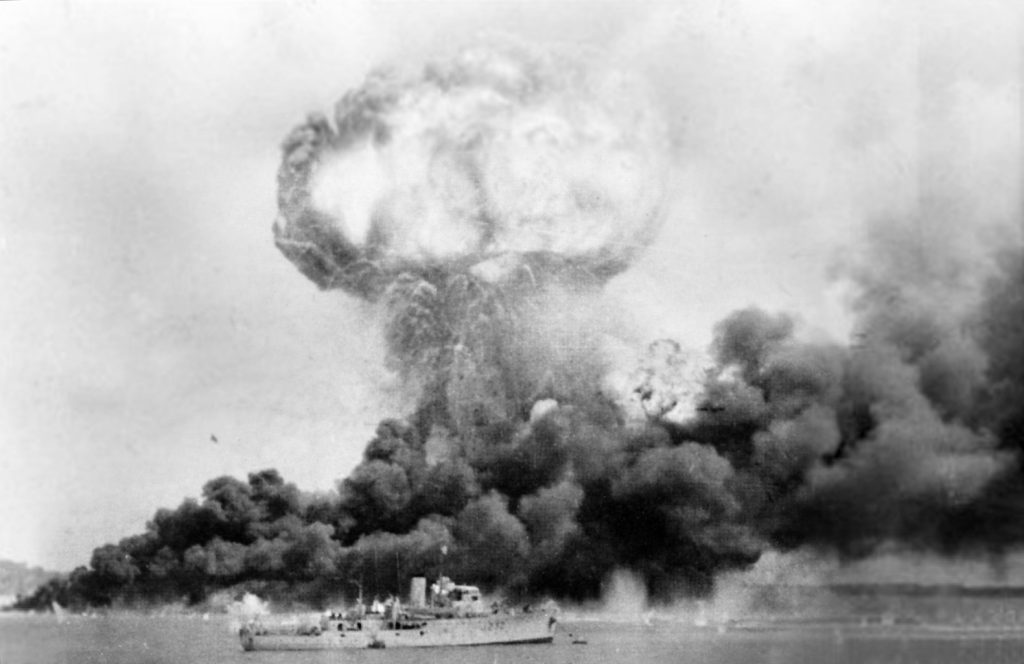
The aircraft carriers that struck Pearl Harbor launch a devastating raid on Darwin. For the first time, mainland Australia comes under attack.
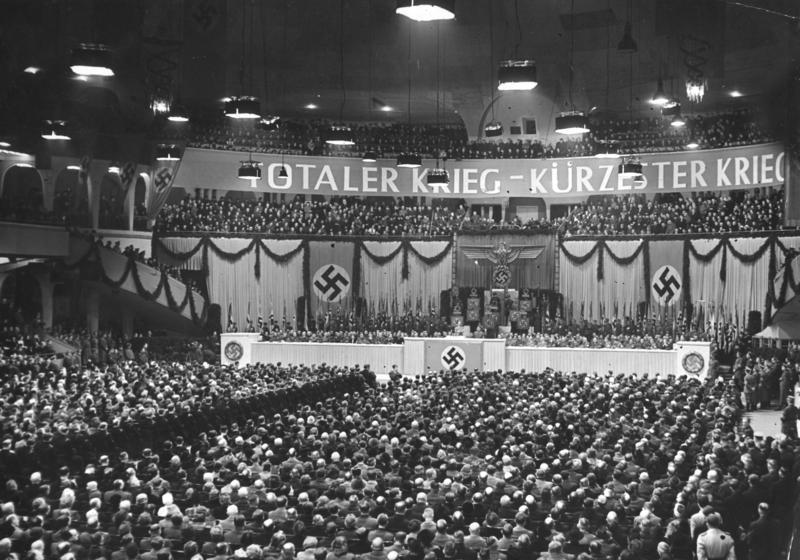
Two weeks after Stalingrad, Joseph Goebbels addresses a packed hall in Berlin and asks the crowd whether it wants total war. The answer is a roar of approval.
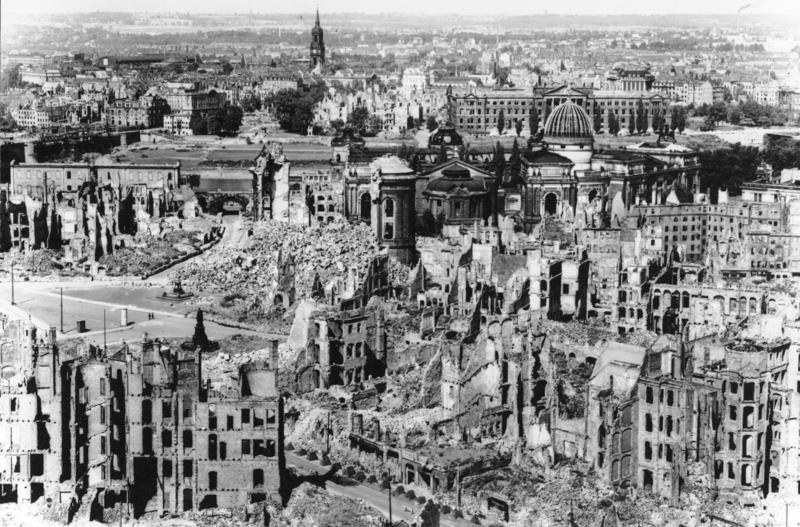
RAF bombers attack the baroque city of Dresden in two waves by night, followed by American raids by day. The firestorm that follows becomes one of the most debated acts of the war.
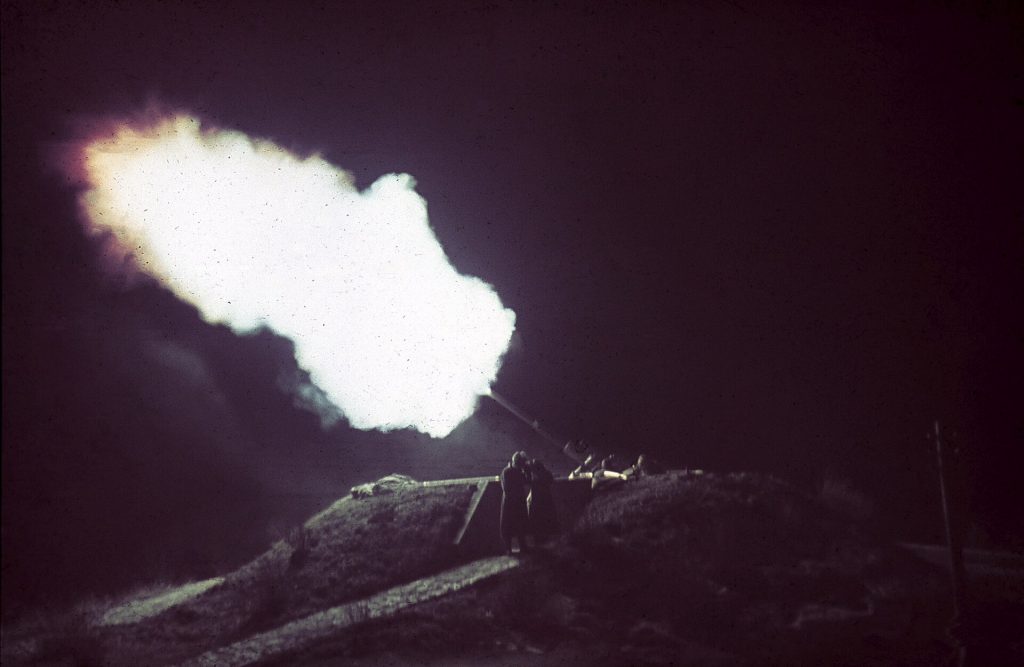
Hundreds of Soviet bombers attack the Finnish capital by night, the first of three great raids meant to force Finland out of the war.
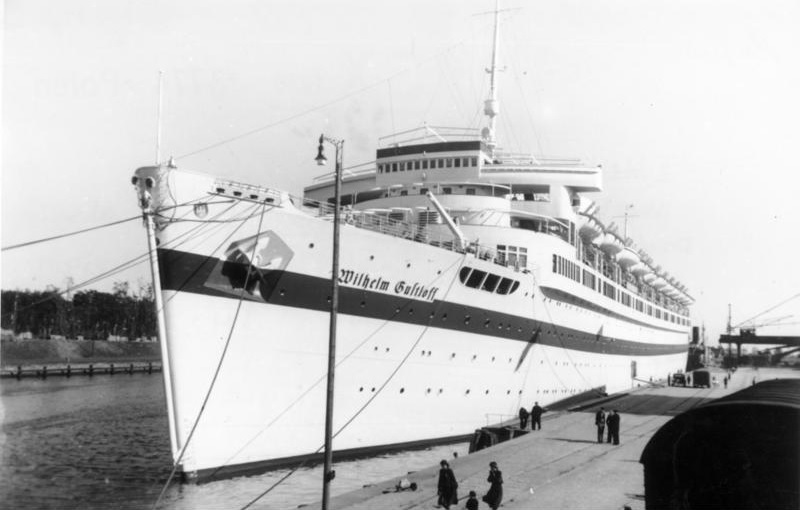
A Soviet submarine torpedoes an overcrowded German liner carrying refugees and military personnel from East Prussia. It is the deadliest sinking of a single ship in history.
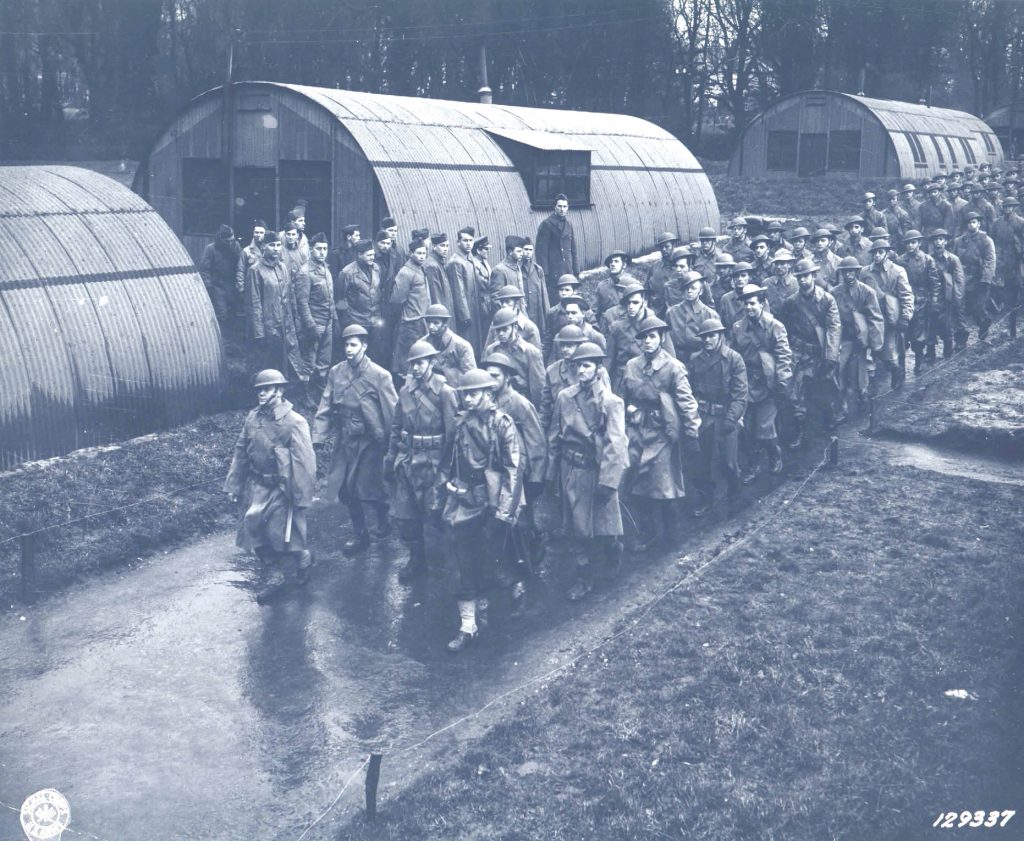
Seven weeks after Pearl Harbor, the first American soldiers to reach Europe in this war step ashore in Belfast. Millions more will follow.
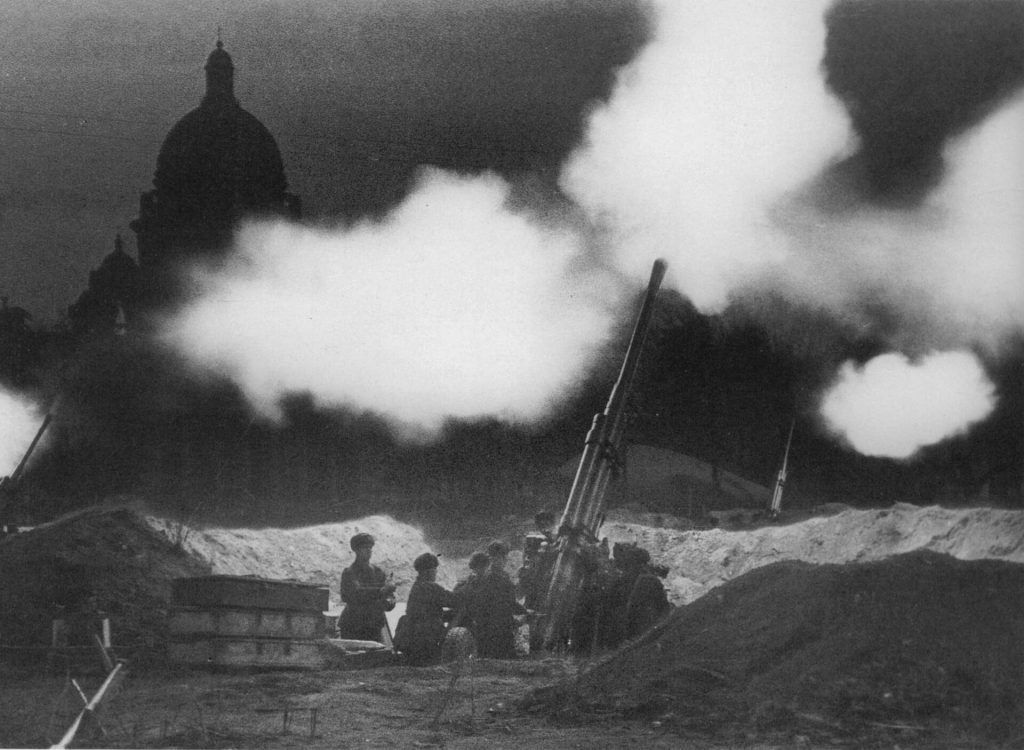
Soldiers of the Leningrad and Volkhov fronts meet south of Lake Ladoga. After nearly 500 days, a land link to the besieged city is open.

Sixteen months after work began, the US War Department’s vast new headquarters in Arlington, Virginia, is finished. It is the largest office building in the world.
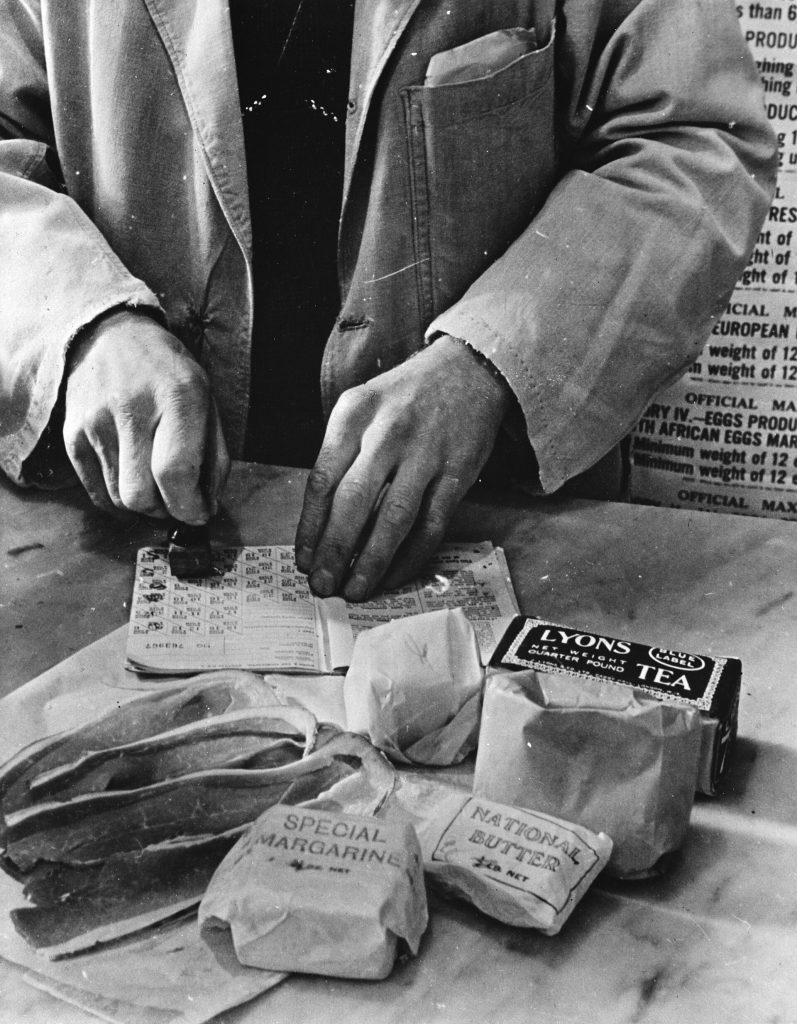
Four months into the war, British households are issued ration books for bacon, butter and sugar. The system will outlast the war itself by almost nine years.
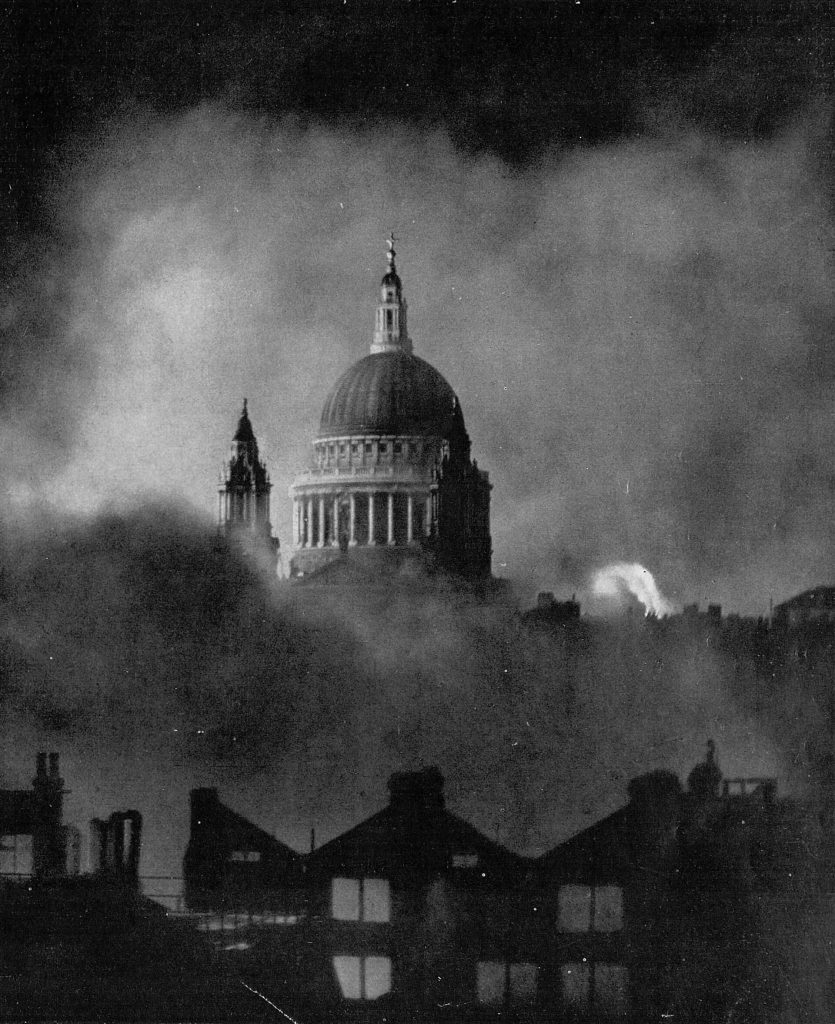
On a Sunday night with the Thames at low tide, German bombers set the City of London ablaze. St Paul’s Cathedral stands untouched amid the flames.
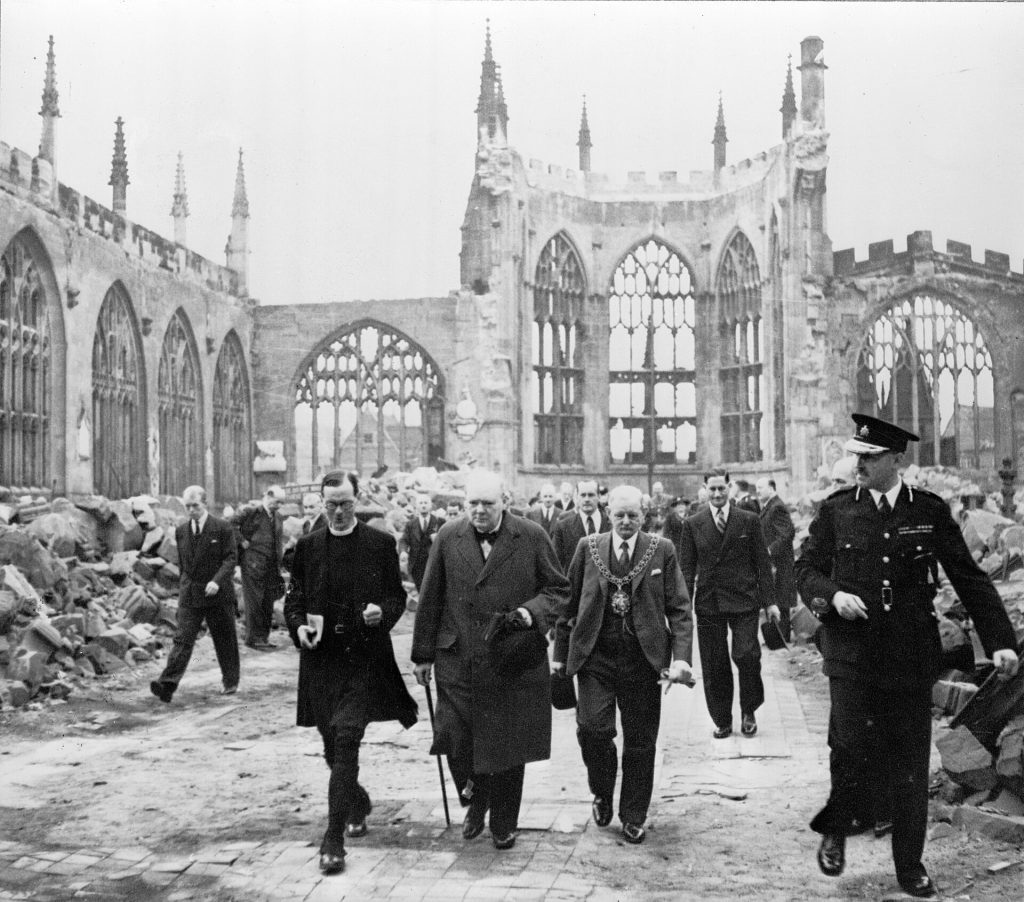
Guided by radio beams and lit by a full moon, around 500 German bombers devastate the heart of an English industrial city, and give the war a new word for total destruction.
 United Kingdom
 United States
 Soviet Union
 Germany
 Japan
 France
 Poland
 South Africa