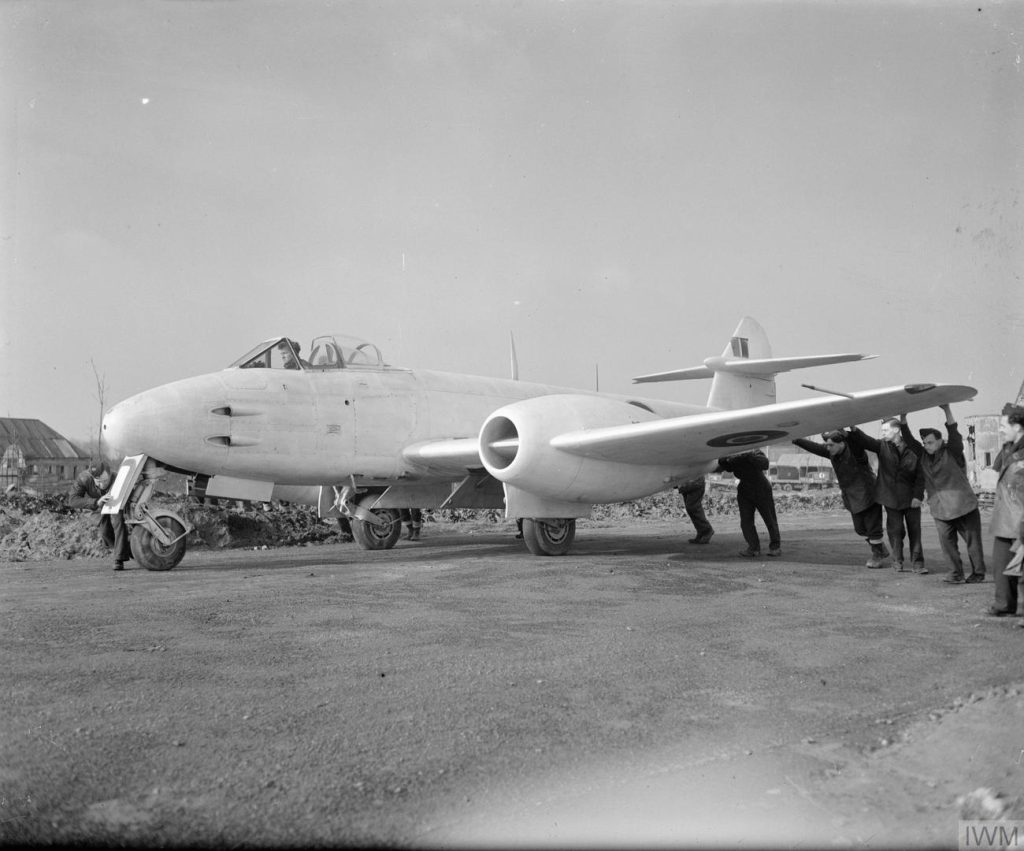
27 July 1944: The Meteor Goes to War
No. 616 Squadron flies the RAF’s first operational jet sorties, hunting the V-1 flying bombs that are falling on London. The Gloster Meteor is the only Allied jet to see combat in the war.
Civilians, cities and the people who kept the war going.
No. 616 Squadron flies the RAF’s first operational jet sorties, hunting the V-1 flying bombs that are falling on London. The Gloster Meteor is the only Allied jet to see combat in the war.
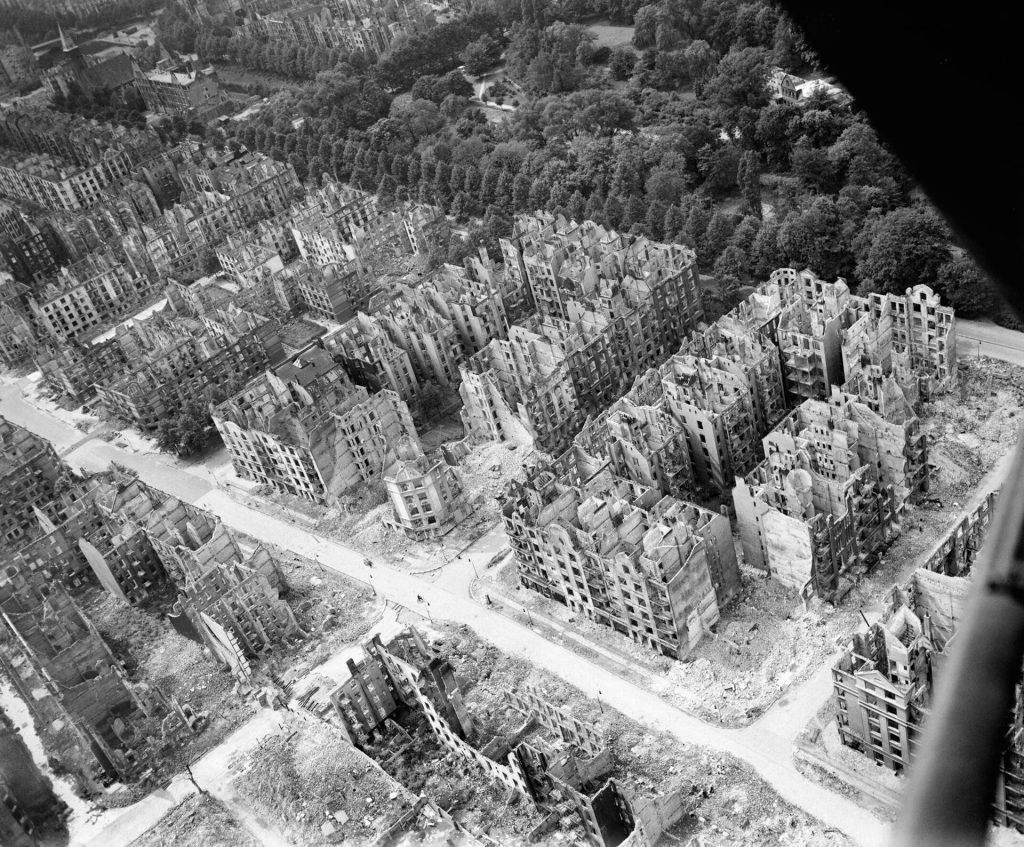
RAF Bomber Command opens a series of raids on Hamburg. Strips of foil dropped by the bombers blind the German radar. Within days, the city will burn as no city has burned before.
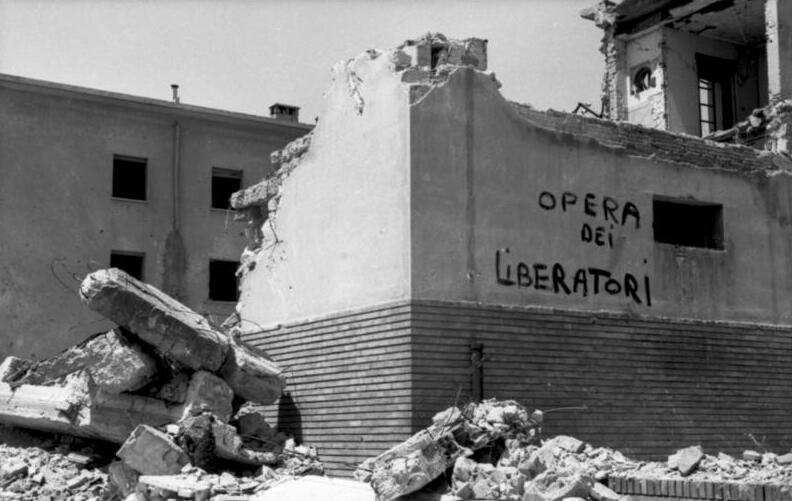
For the first time, hundreds of American bombers attack Rome. Their target is the railway yards, but the bombs also fall on the working-class district of San Lorenzo.
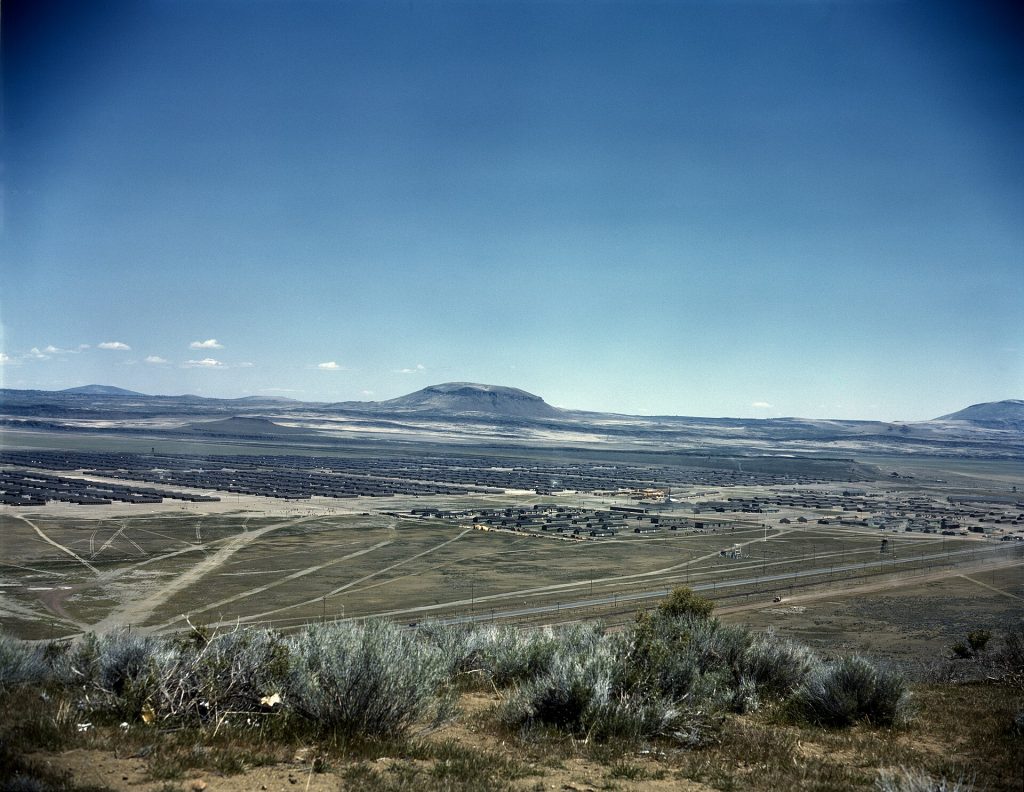
The US government designates the Tule Lake camp in California as a segregation centre for Japanese Americans it deems disloyal. It becomes the largest and harshest of the incarceration camps.
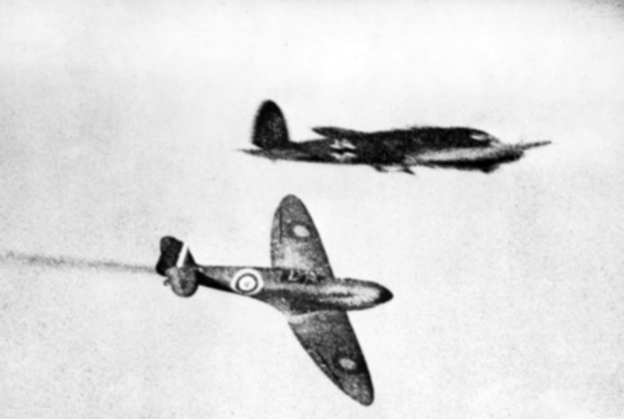
German bombers attack a convoy in the English Channel. The date will later be taken as the official start of the Battle of Britain.
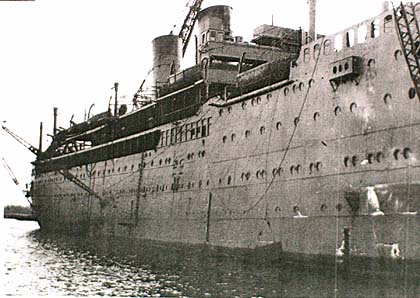
A liner carrying interned Italian and German civilians to Canada is torpedoed off Ireland. Hundreds of men who had lived in Britain for years drown.
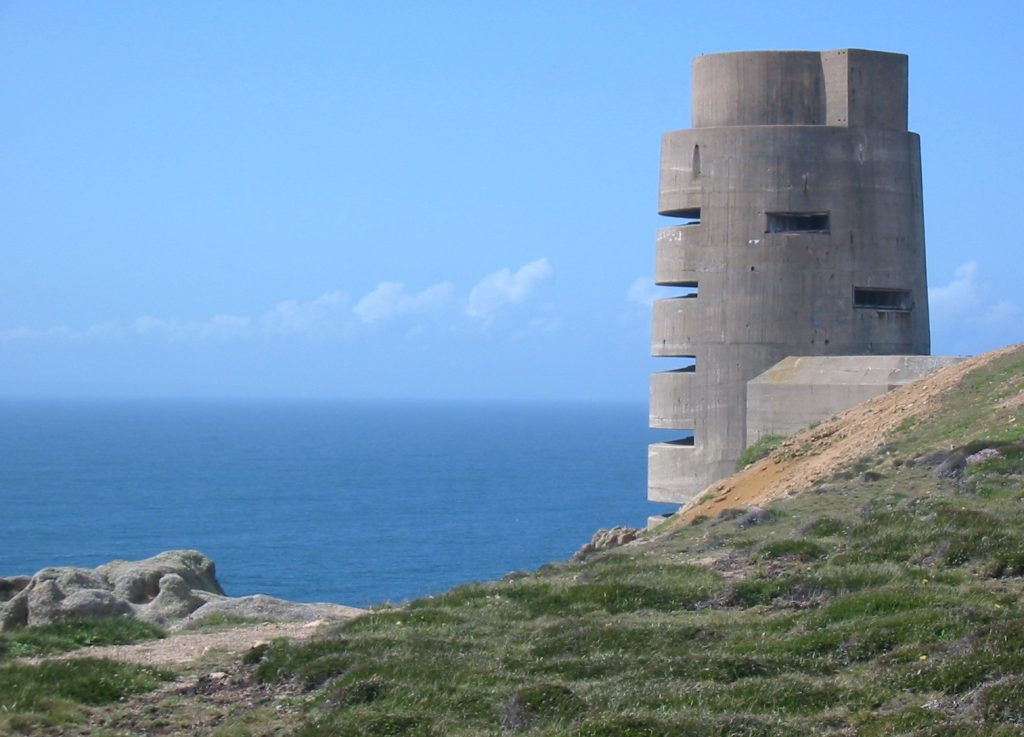
German aircraft land at Guernsey airport. Within days Jersey, Alderney and Sark are also occupied, the only part of the British Isles to fall under German rule.
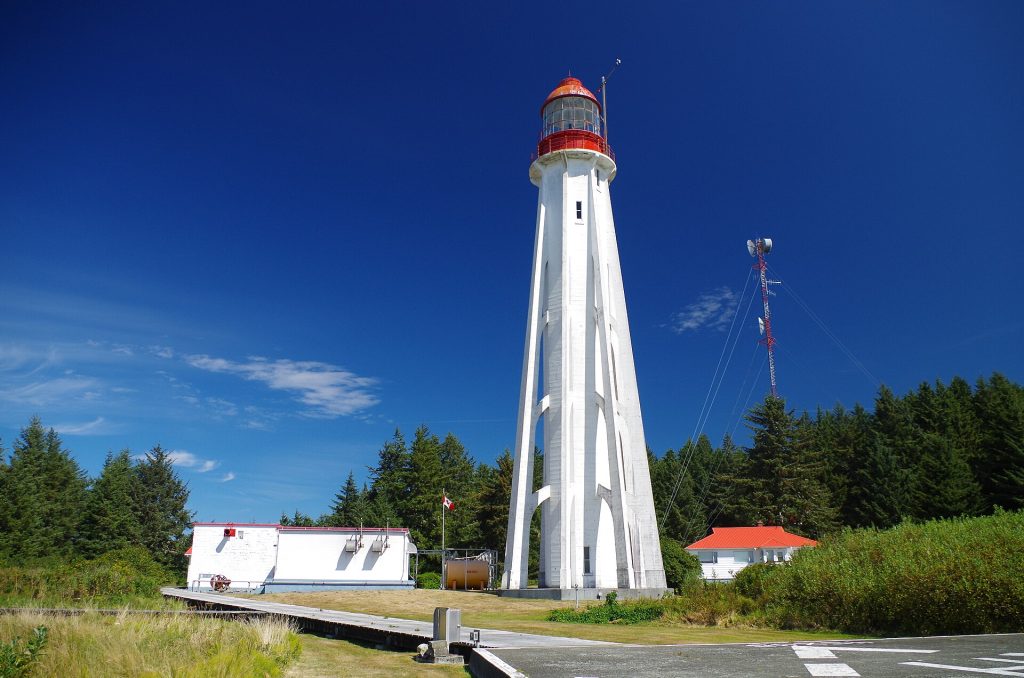
A Japanese submarine surfaces off Vancouver Island and fires on a remote lighthouse. It is the first enemy attack on Canadian soil since the War of 1812.
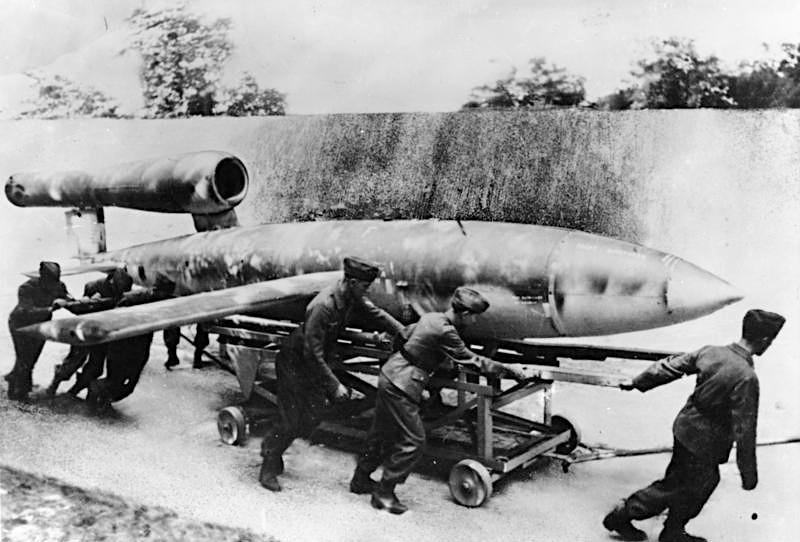
A week after D-Day, a pilotless jet-propelled bomb falls on a railway bridge in east London. Germany’s vengeance weapon campaign has begun.
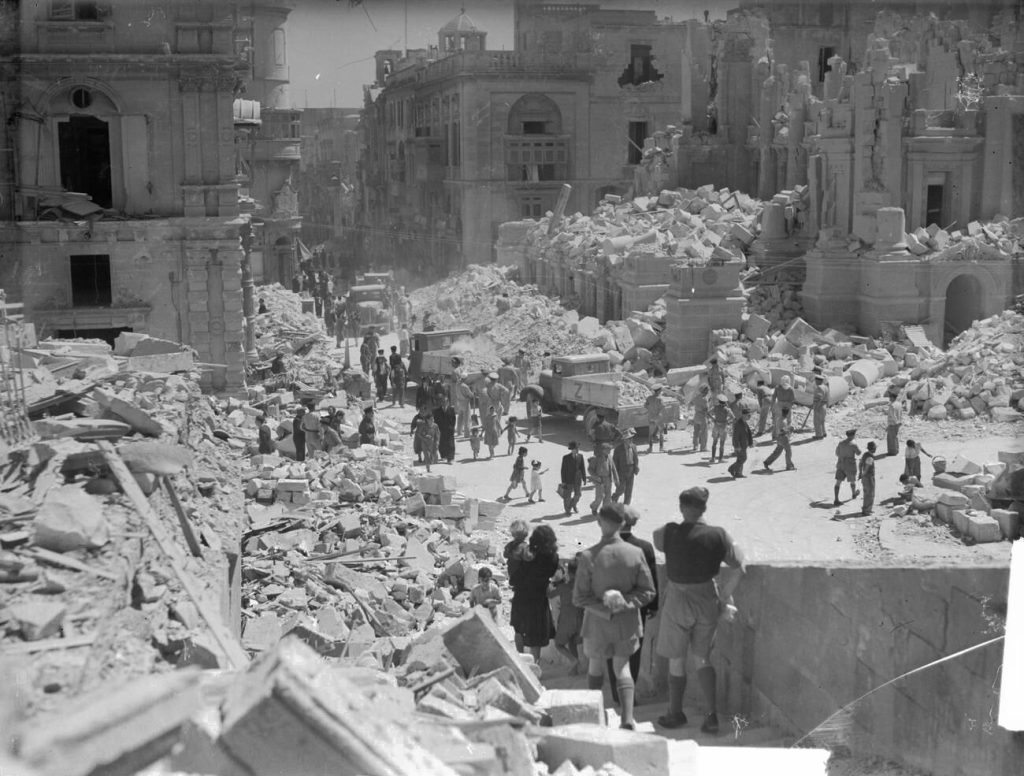
Hours after Italy’s declaration of war takes effect, Italian bombers attack Malta. The siege of the island has begun, and it will last more than two years.
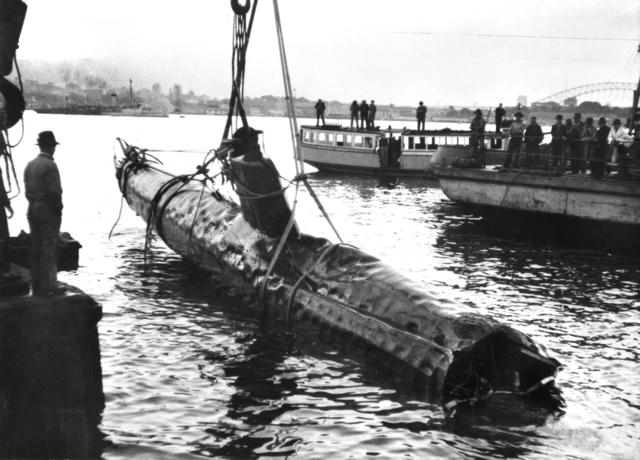
Three Japanese midget submarines slip into Sydney Harbour at night. One fires torpedoes at an American cruiser, misses, and sinks a depot ship full of sleeping sailors.
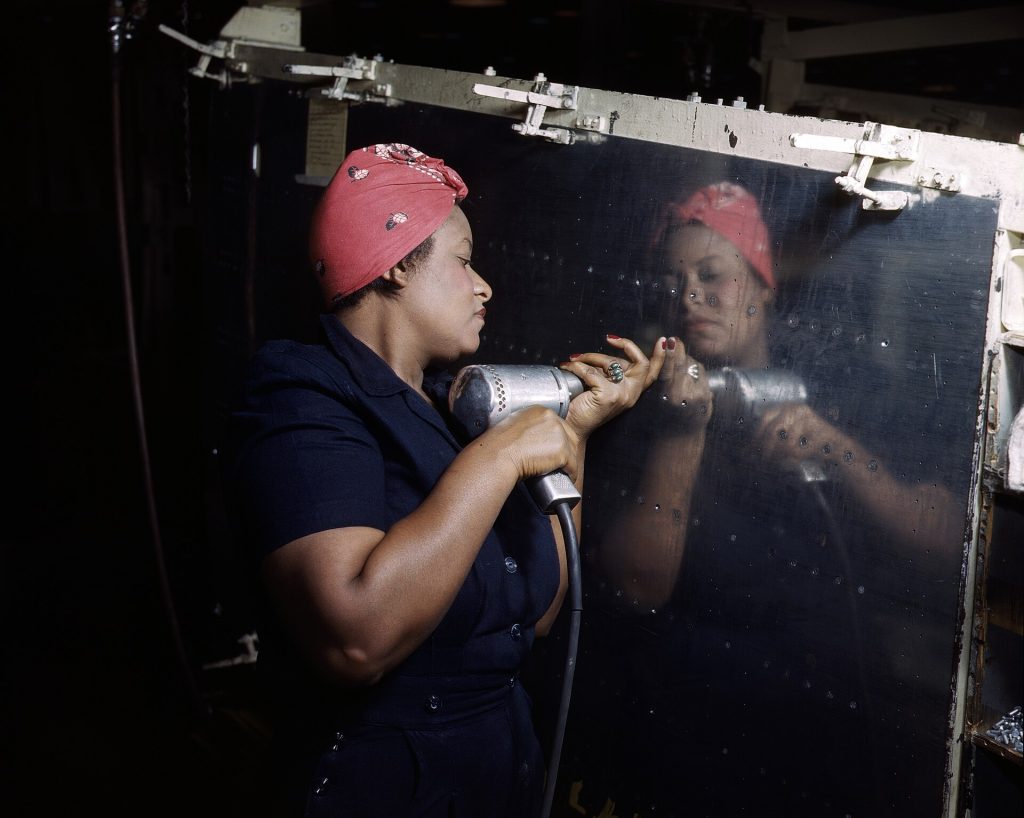
A muscular woman in overalls, with a rivet gun on her lap, appears on the cover of the Saturday Evening Post. Rosie the Riveter becomes the face of millions of women in war work.
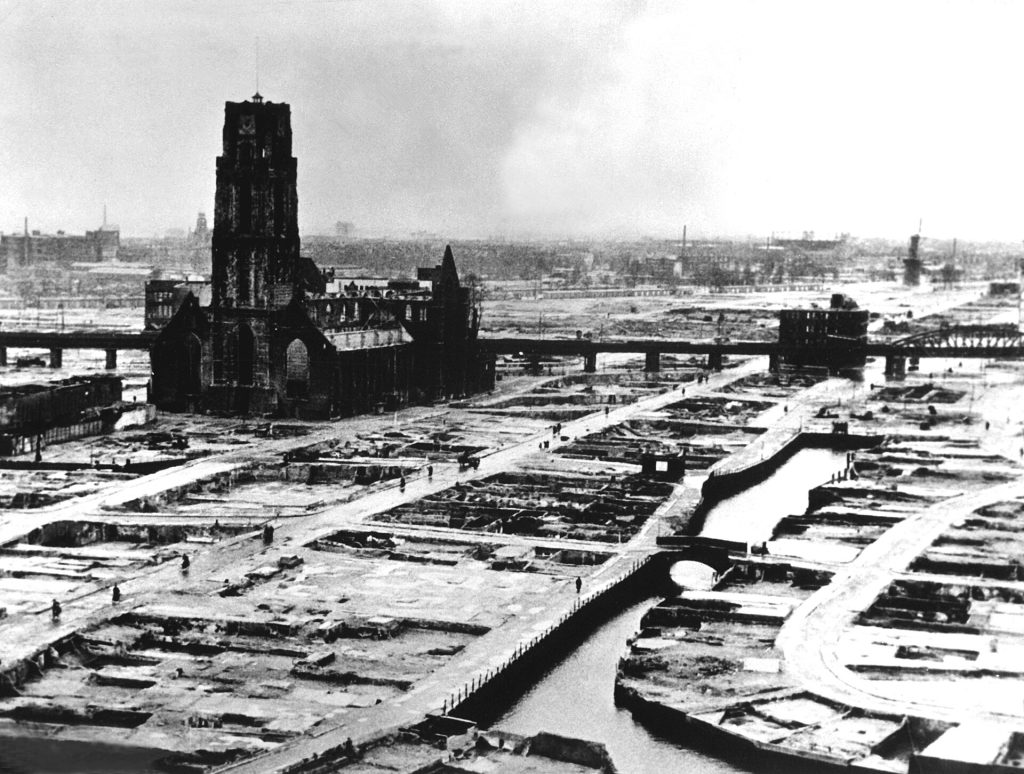
While surrender talks are under way, German bombers devastate the centre of Rotterdam. Threatened with the same fate for other cities, the Netherlands gives up.
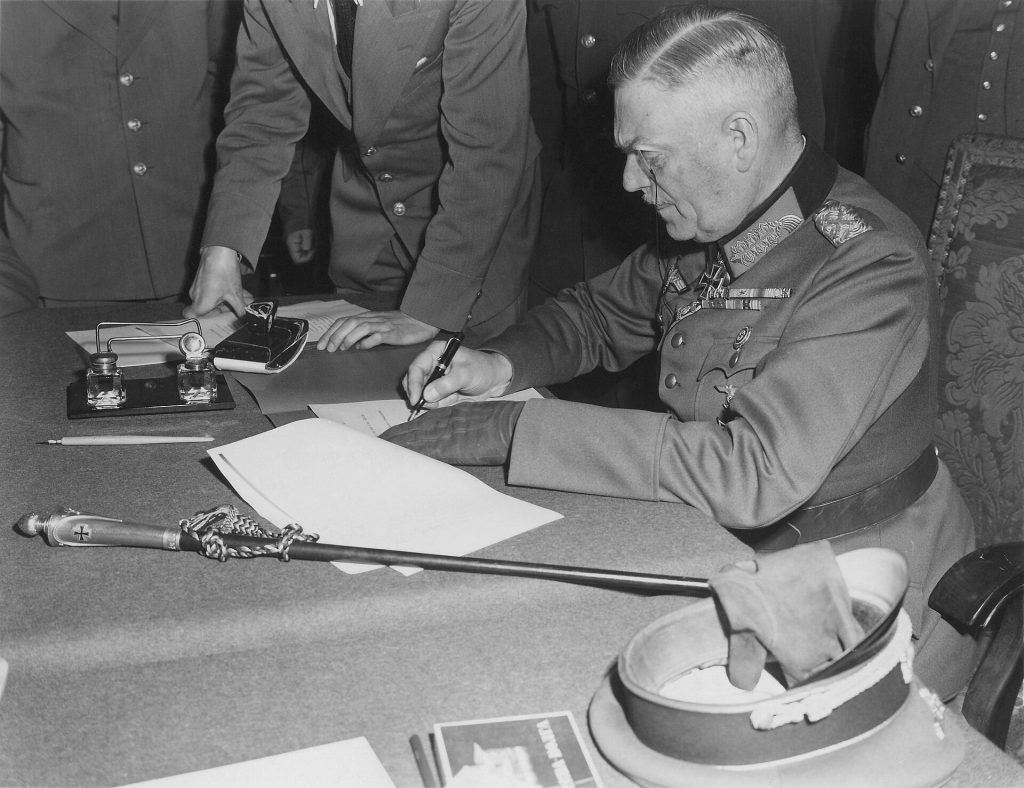
Shortly before midnight in Berlin-Karlshorst, Field Marshal Keitel signs the final surrender before Marshal Zhukov. In Moscow it is already 9 May, and the Soviet Union celebrates victory.
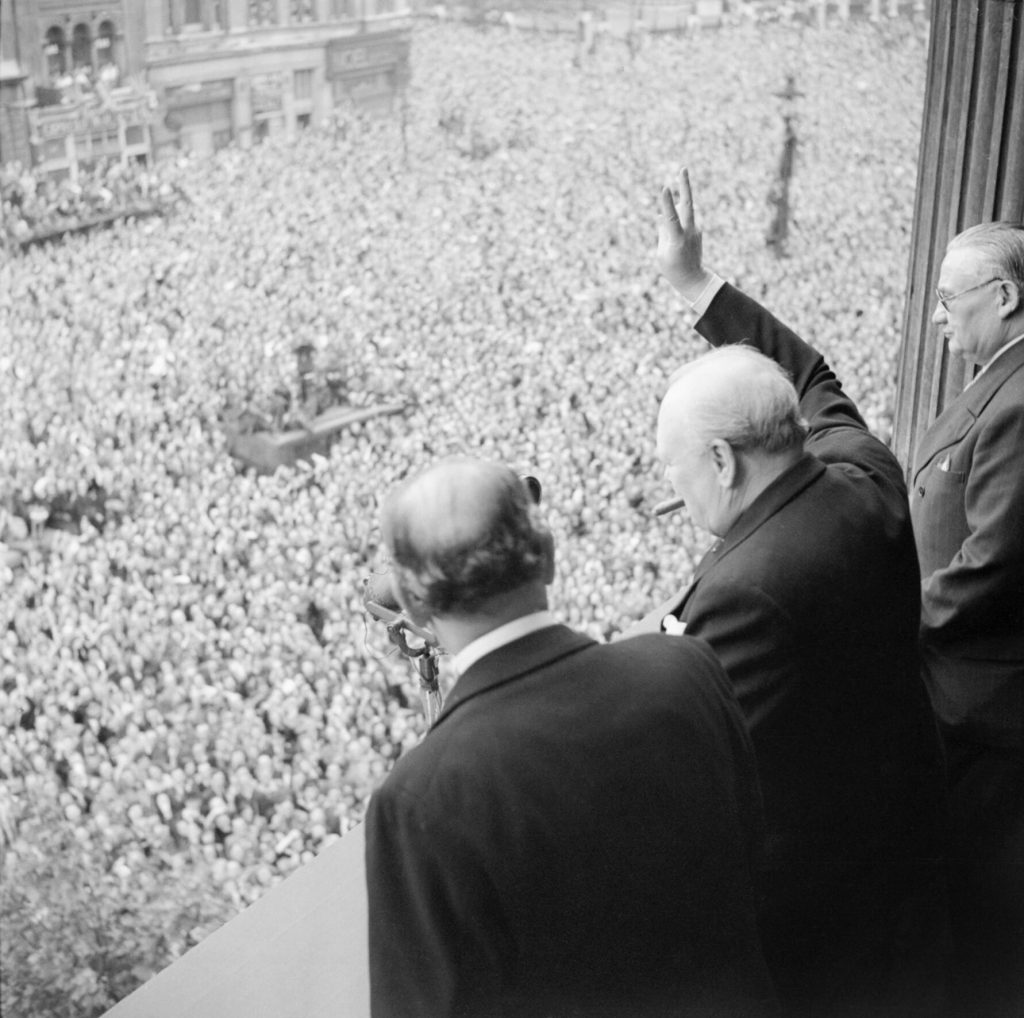
Victory in Europe. Crowds pour into the streets of London, Paris, New York and cities across the Allied world. After nearly six years, the war against Germany is over.
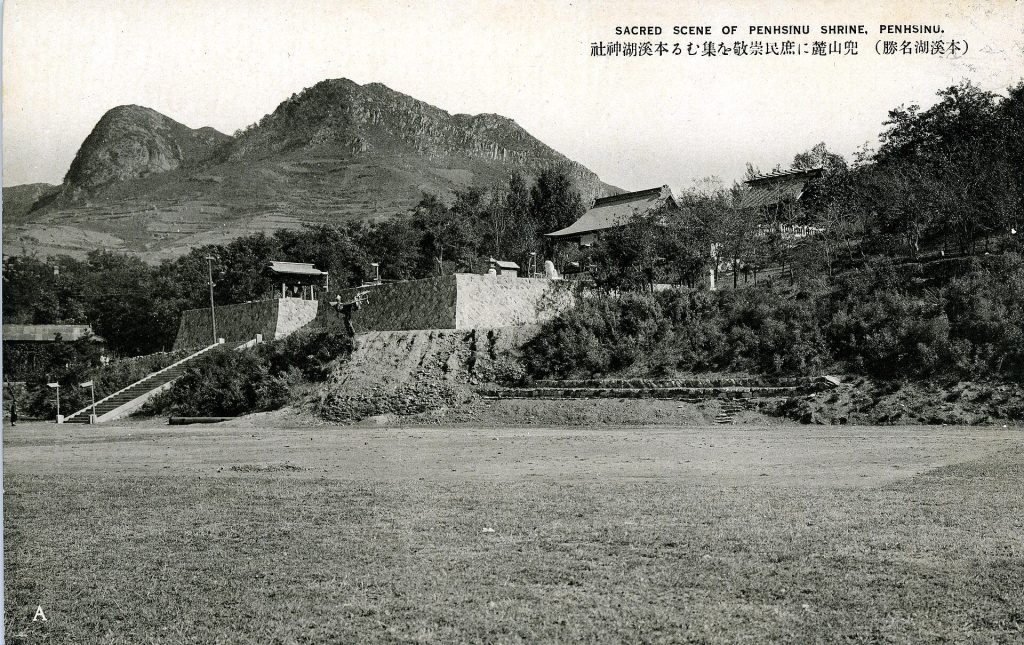
An explosion tears through a Japanese-run coal mine in occupied Manchuria. More than 1,500 miners die, making it the deadliest mining disaster ever recorded.
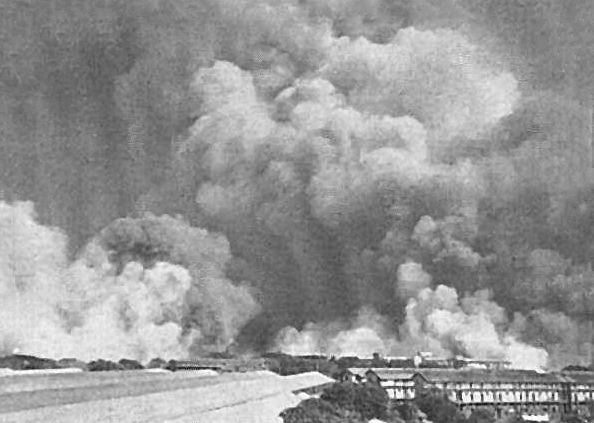
A cargo ship loaded with explosives, cotton and gold catches fire in Bombay’s Victoria Dock. Two enormous explosions devastate the docks and surrounding districts.
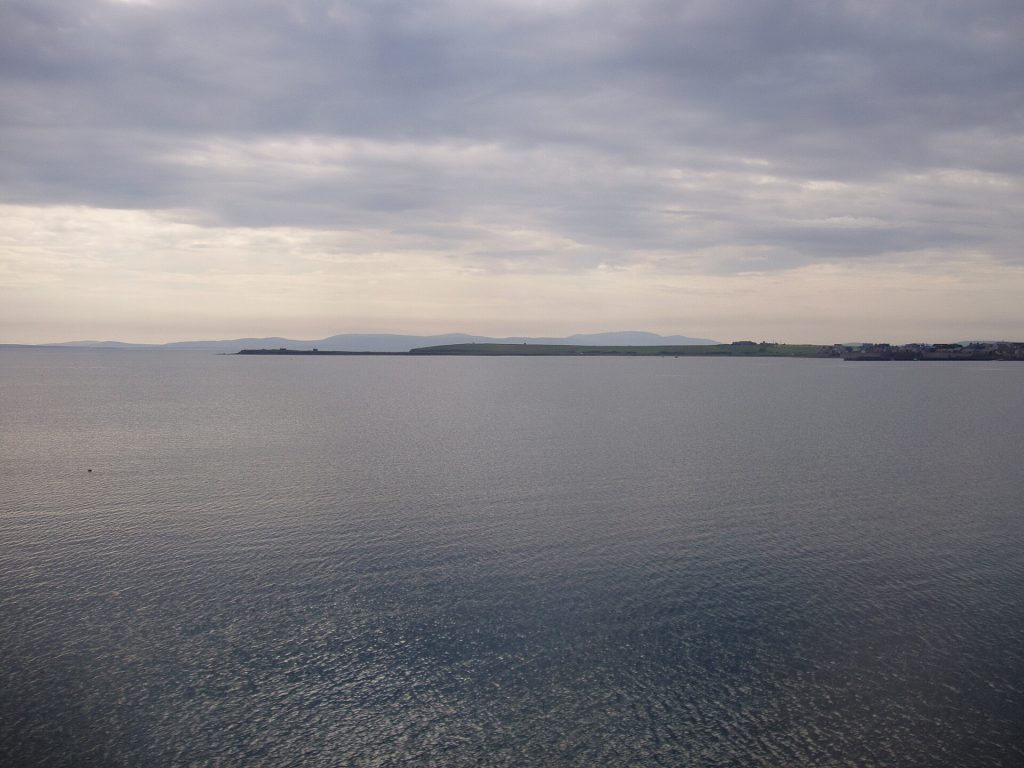
German bombers attack the naval base at Scapa Flow. Bombs fall on the Orkney village of Bridge of Waith, and a 27-year-old man becomes the first British civilian killed by bombing in the war.
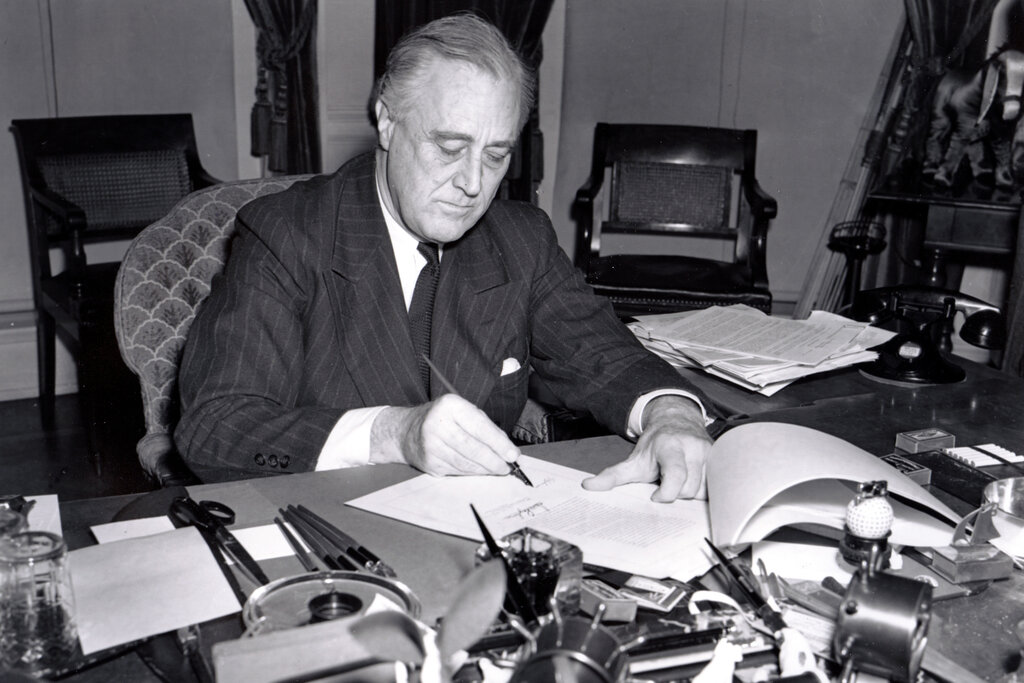
Roosevelt signs into law a bill allowing the United States to send weapons and supplies to nations fighting the Axis without immediate payment. America becomes the arsenal of democracy.
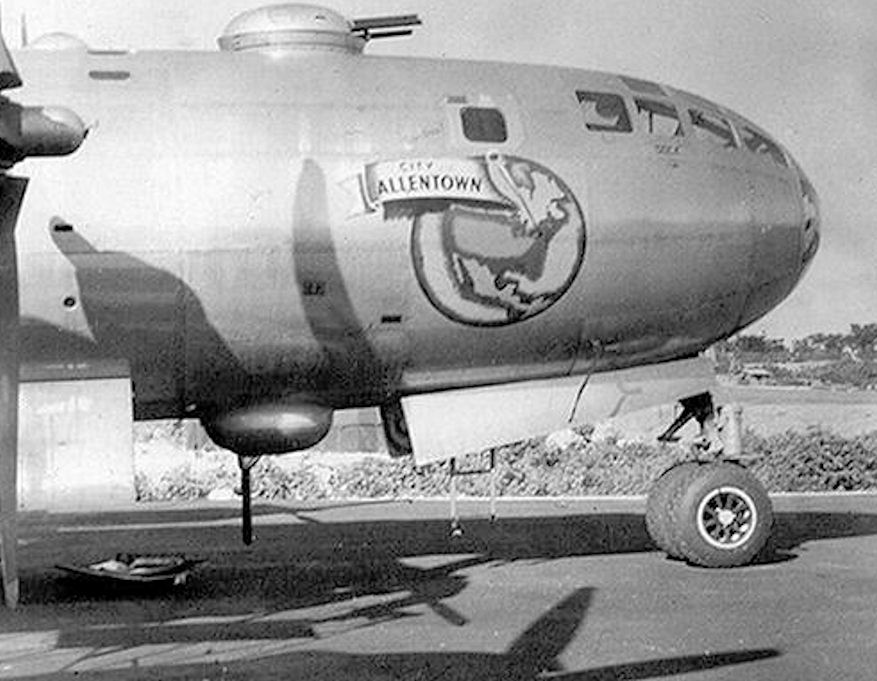
In the early hours, hundreds of B-29s flying low over Tokyo drop incendiaries on its crowded wooden neighbourhoods. It is the deadliest air raid in history.
 United Kingdom
 United States
 Soviet Union
 Germany
 Japan
 France
 Poland
 South Africa