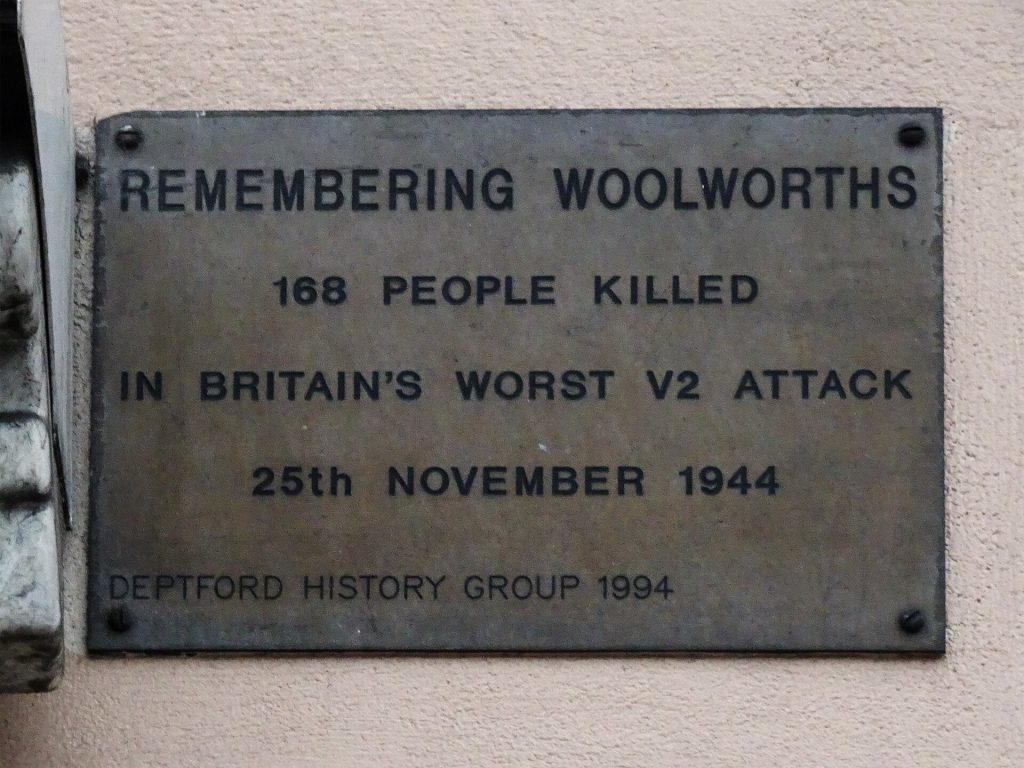
25 November 1944: The V-2 Strike on Woolworths, New Cross
Without warning, a German V-2 rocket falls on a busy Woolworths store in south-east London on a Saturday, killing 168 people in the deadliest V-2 attack in Britain.
Civilians, cities and the people who kept the war going.
Without warning, a German V-2 rocket falls on a busy Woolworths store in south-east London on a Saturday, killing 168 people in the deadliest V-2 attack in Britain.
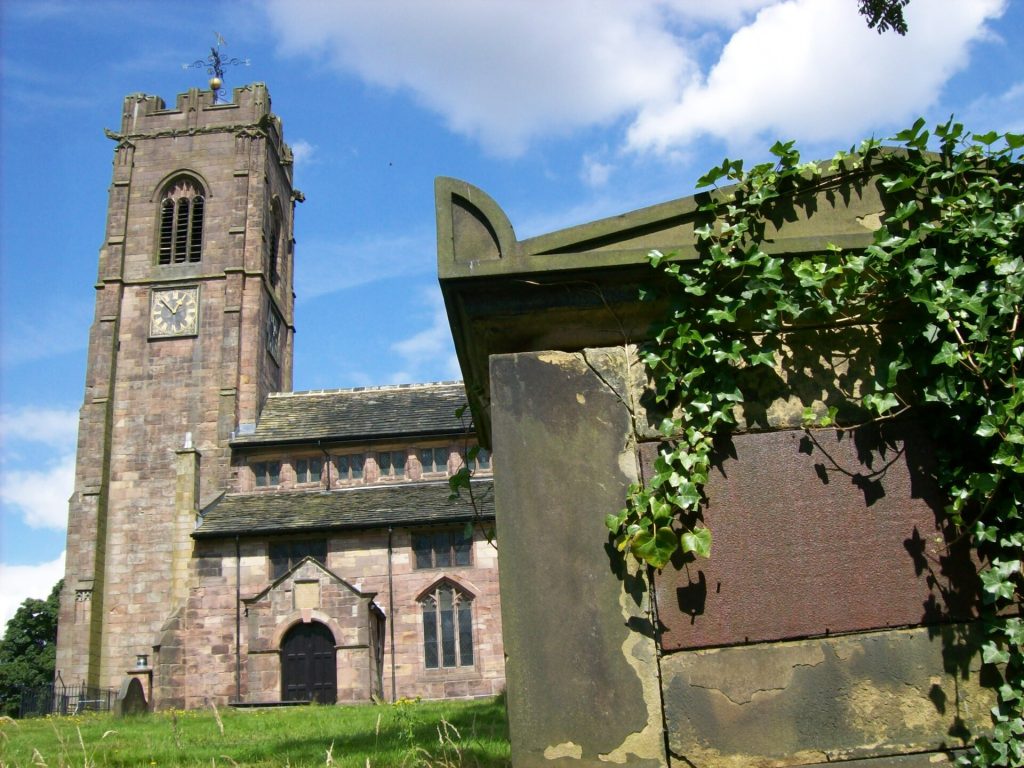
Silent for more than two years, kept only as a warning of German invasion, the church bells of Britain ring out on a Sunday morning to celebrate victory in Egypt.
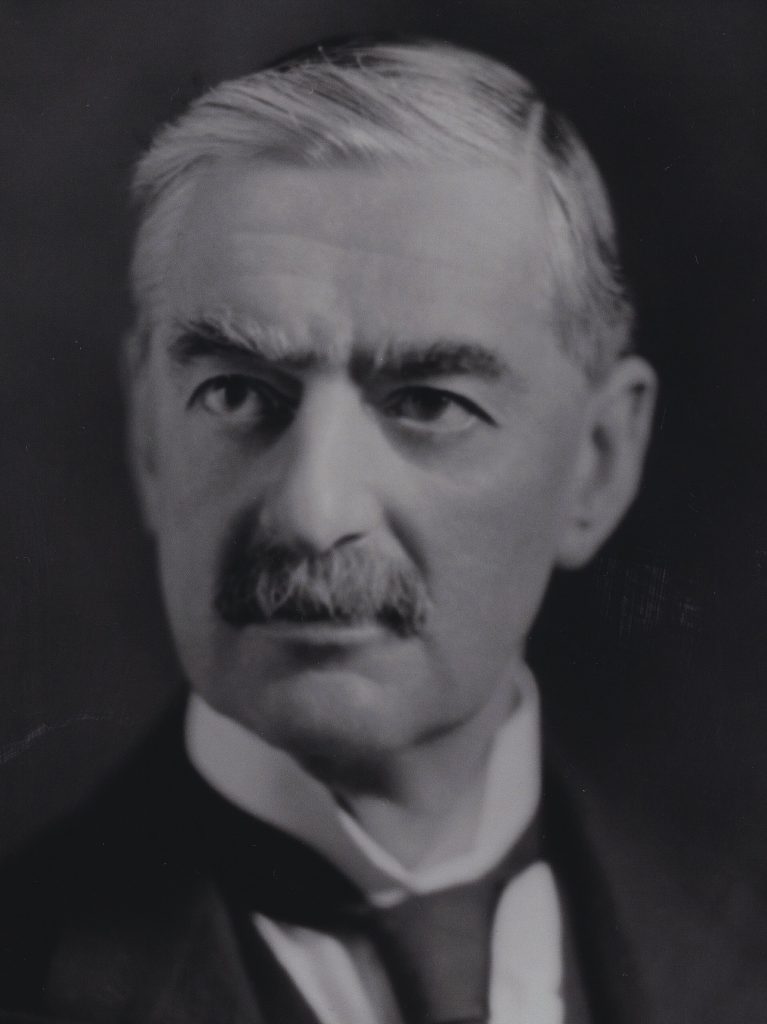
Six months after leaving Downing Street, the Prime Minister who declared war on Germany dies of cancer, as the Blitz he did not live to see end rages over London.
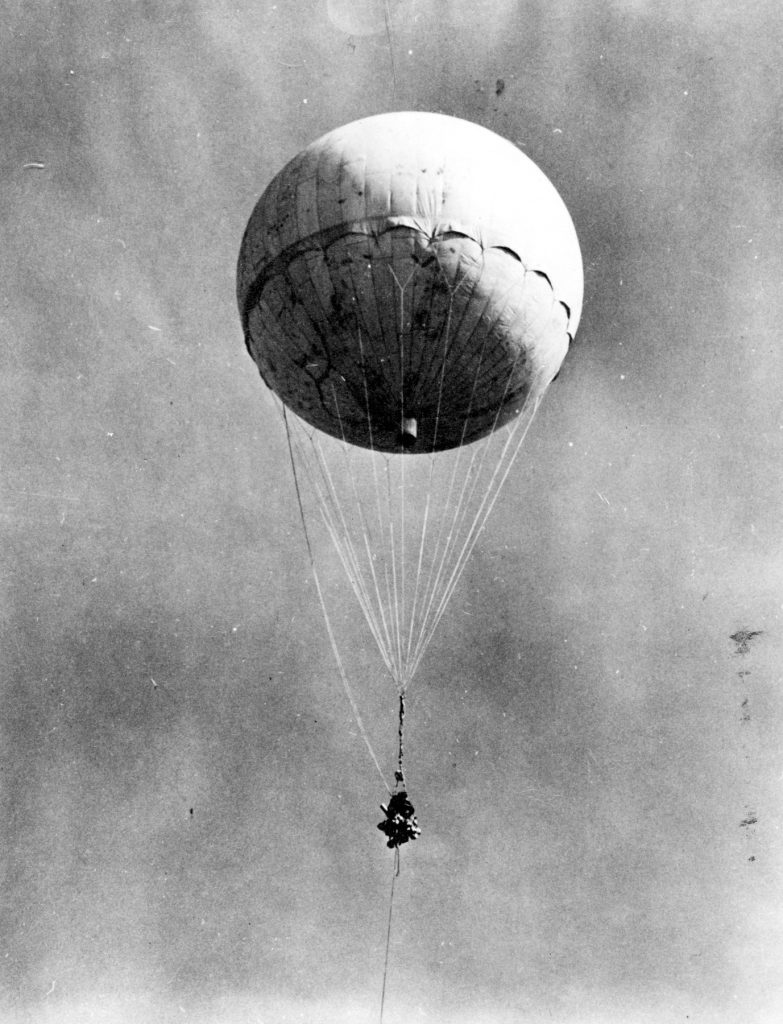
From the beaches of Honshu, Japan releases the first of some 9,300 paper balloons carrying bombs on the jet stream across the Pacific towards North America.
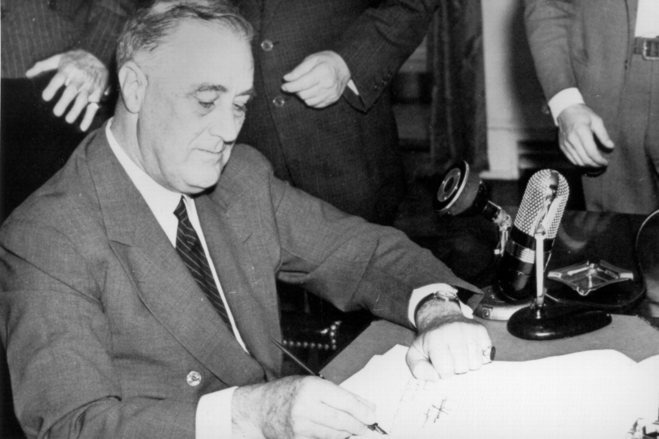
In Washington, Secretary of War Henry Stimson, blindfolded, draws the first number in America’s first peacetime draft. It is 158.
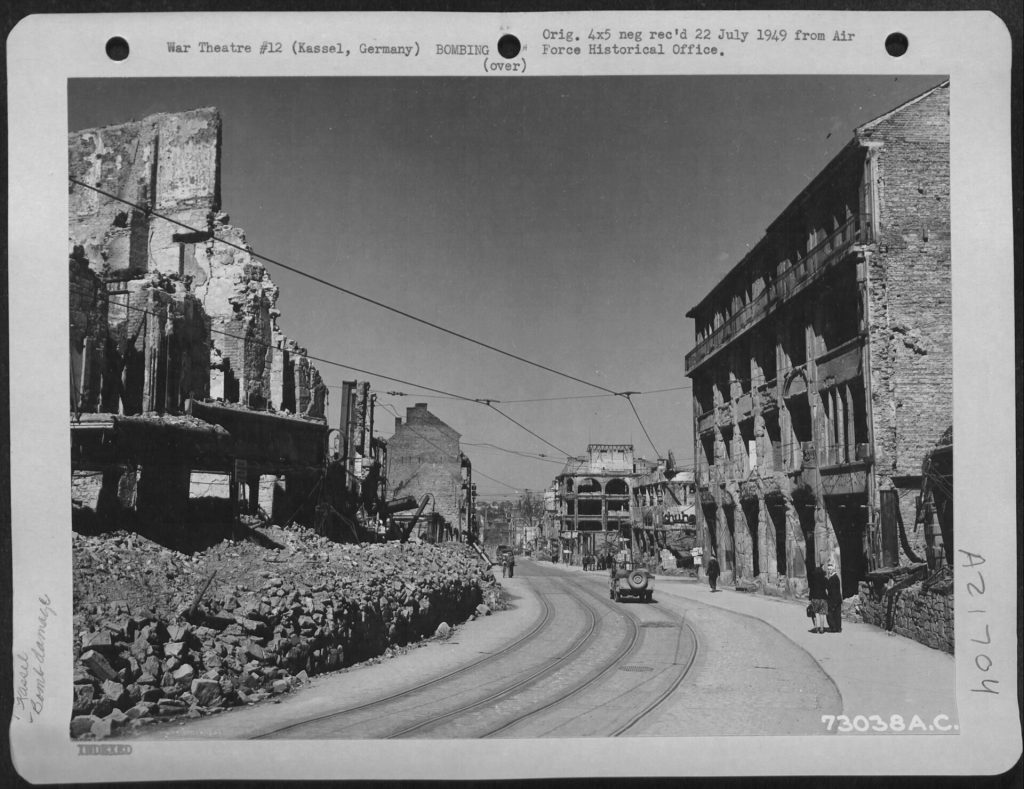
RAF Bomber Command strikes Kassel, a centre of tank and aircraft production. A firestorm engulfs the old city.
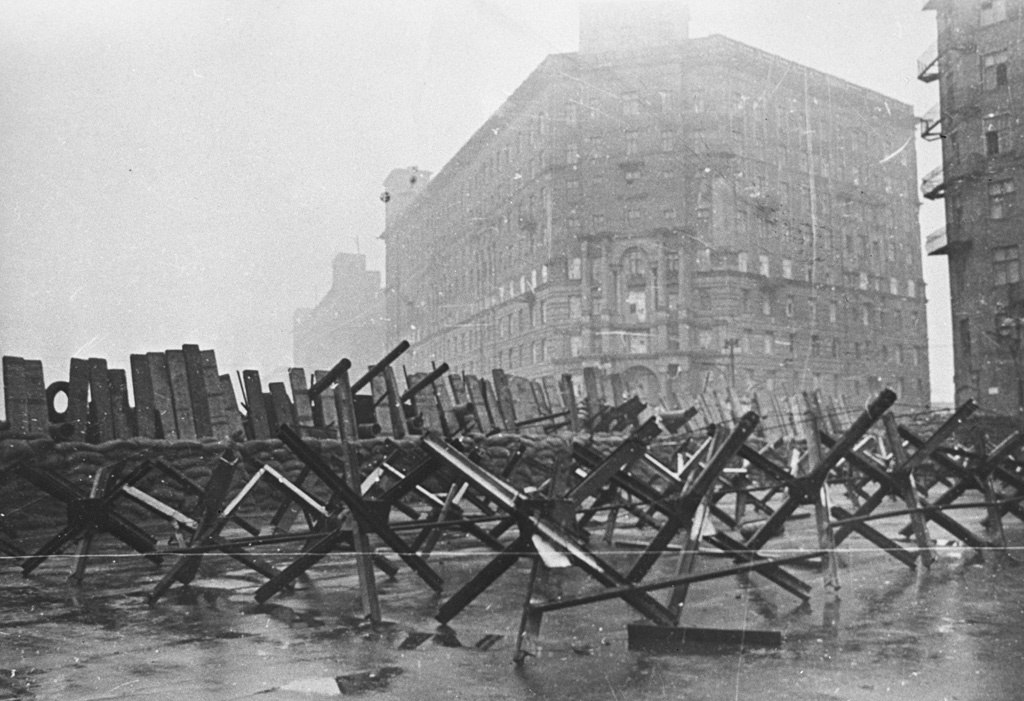
After days of panic as German armies close in, Stalin declares a state of siege in Moscow. Order is restored by force. Stalin himself stays in the capital.
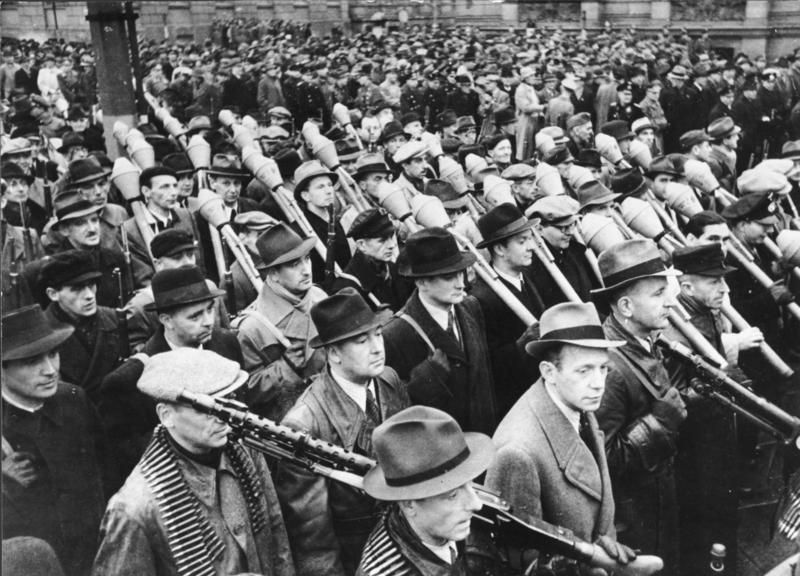
On the anniversary of the 1813 Battle of Leipzig, Himmler announces the Volkssturm, a militia of all German men aged 16 to 60 not already in uniform.
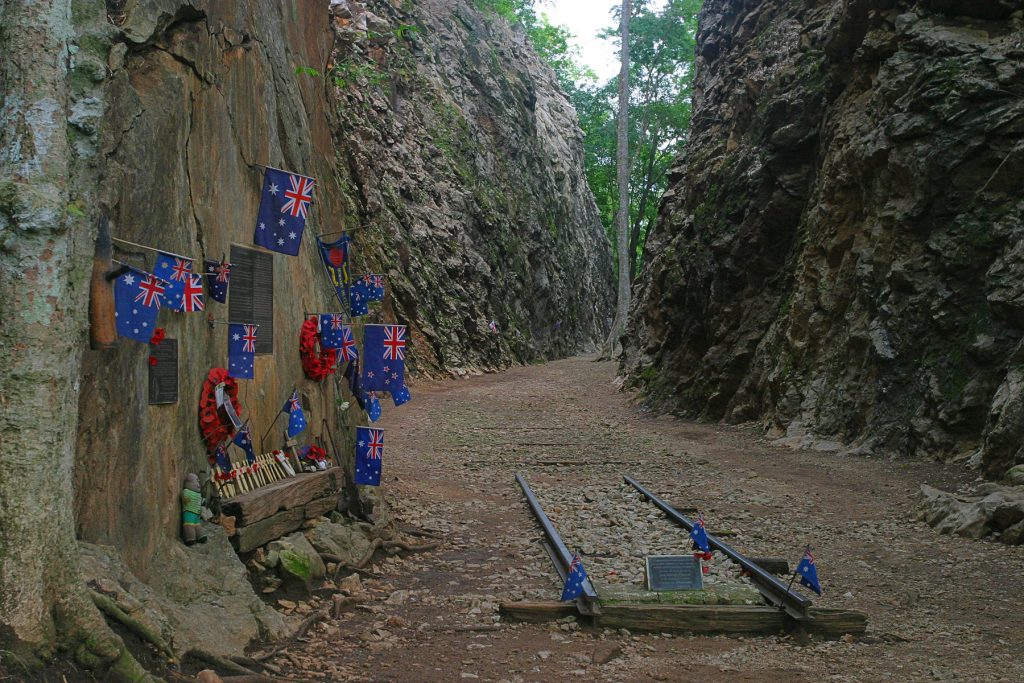
Near the Thai-Burmese border, the two halves of a 415-kilometre railway built by prisoners of war and Asian labourers are joined. Tens of thousands have died building it.
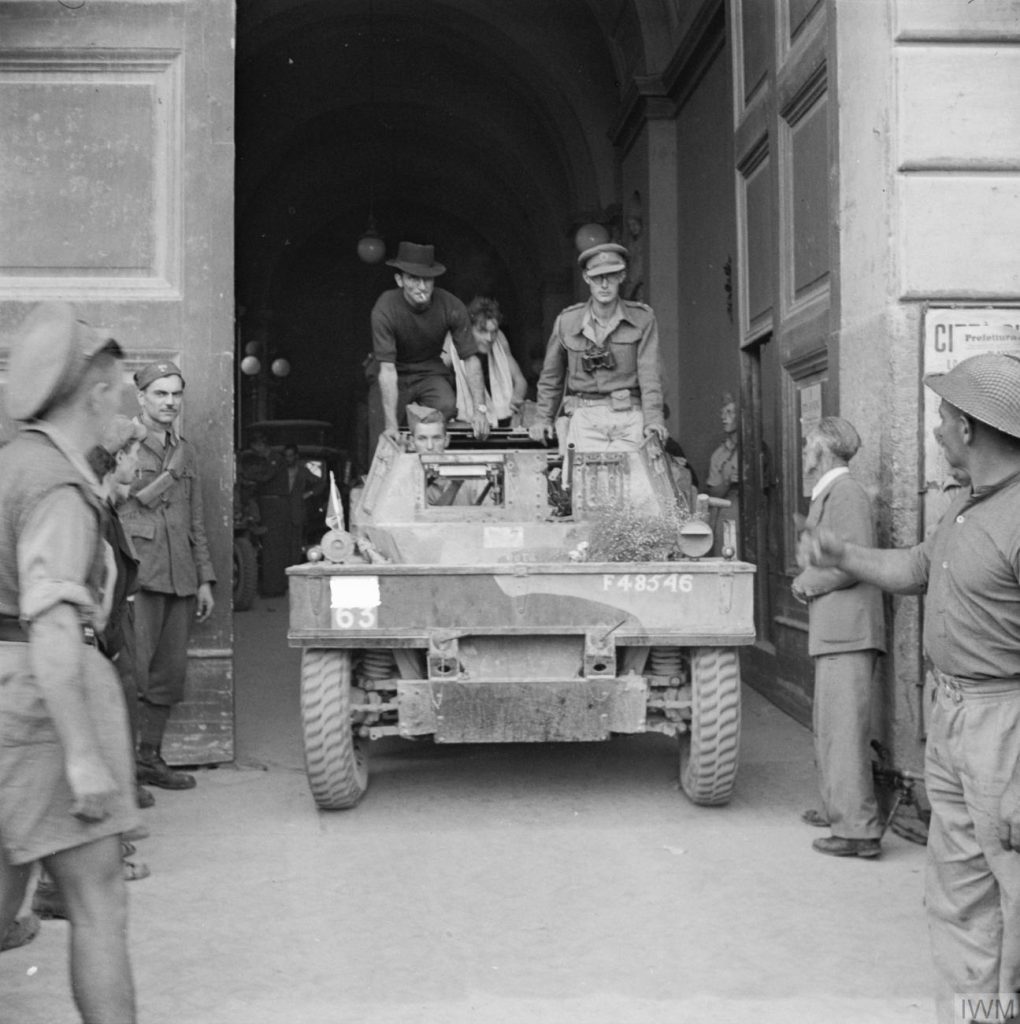
British armoured cars roll into Naples, followed by the US Fifth Army. The city’s people have already fought the Germans themselves. The port is a wreck.
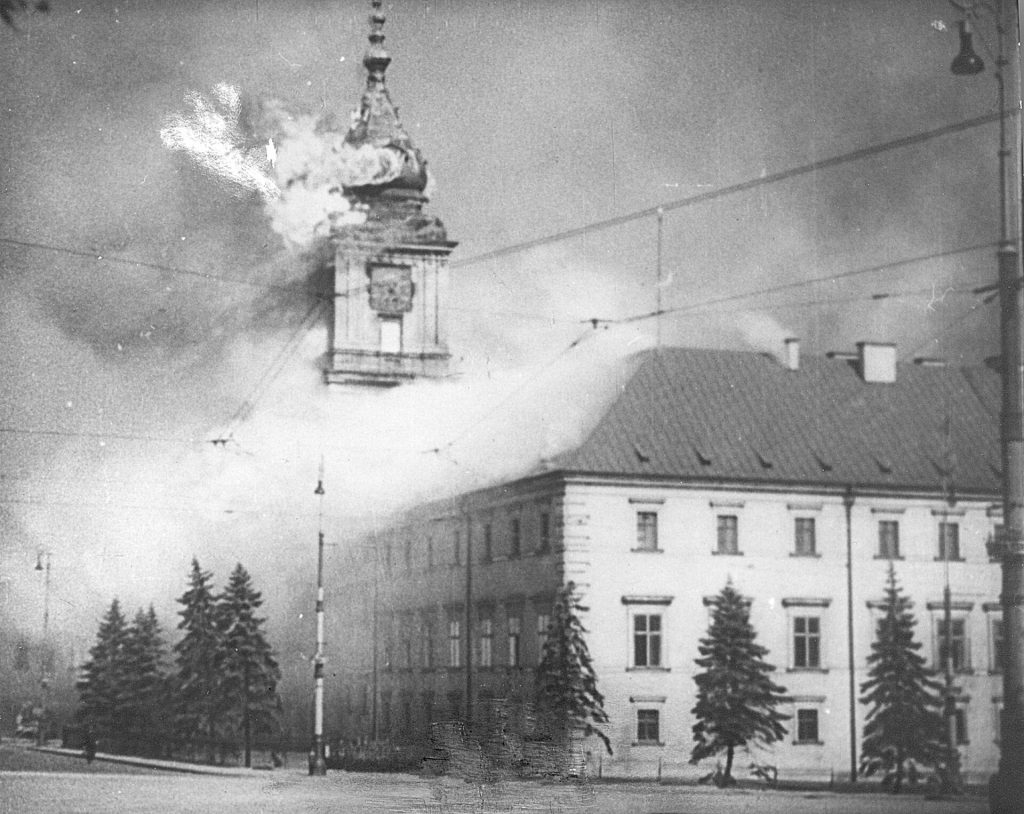
After nearly three weeks of siege, bombing and shelling, the Polish capital surrenders. Its defenders have run out of food, water and ammunition.
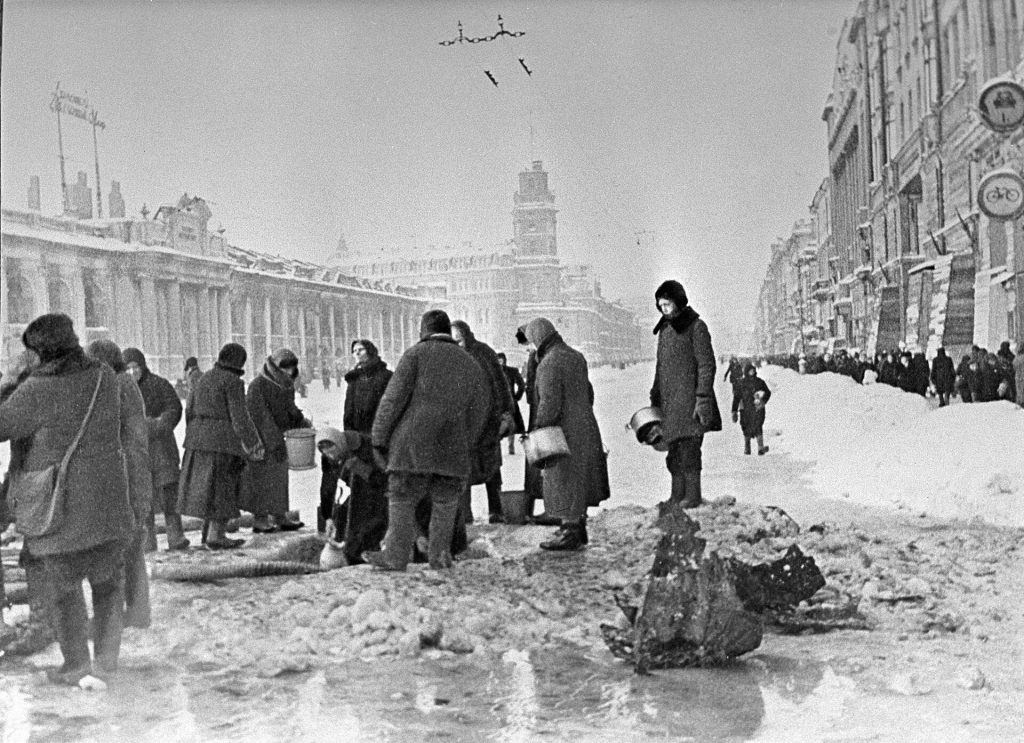
German troops take Shlisselburg on Lake Ladoga, cutting the last land route to Leningrad. The city of three million is surrounded. The siege will last 872 days.
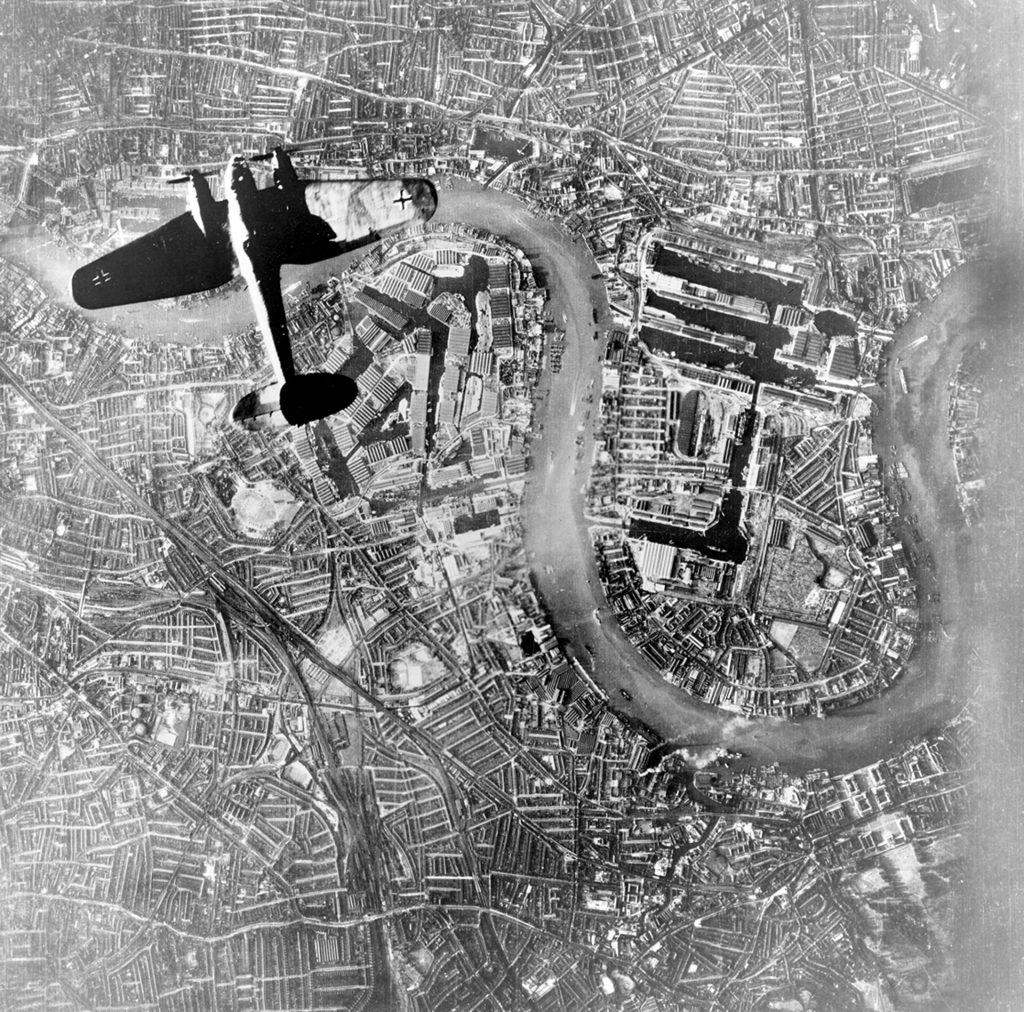
On a fine Saturday afternoon, hundreds of German bombers attack London’s docks. Fires burn all night along the Thames. It is the first day of the Blitz.
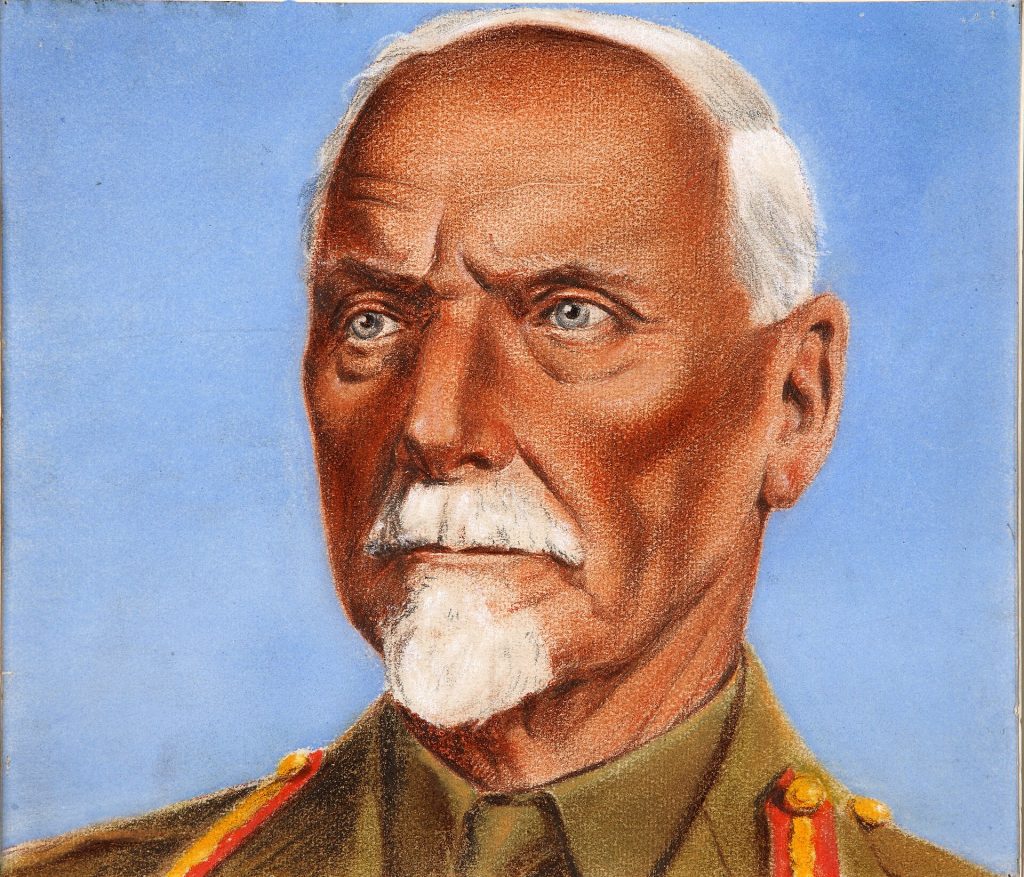
After a bitter debate that splits the government, South Africa declares war on Germany. Jan Smuts, who led the vote for war, is now prime minister.
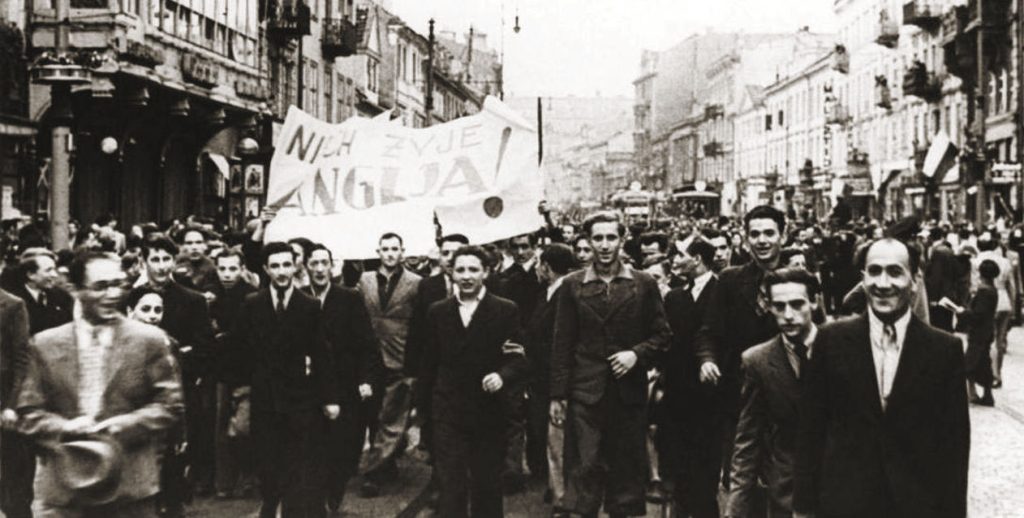
At 11:15, Neville Chamberlain tells the British people by radio that the country is at war with Germany. France follows that afternoon. In Warsaw, crowds cheer outside the British embassy.
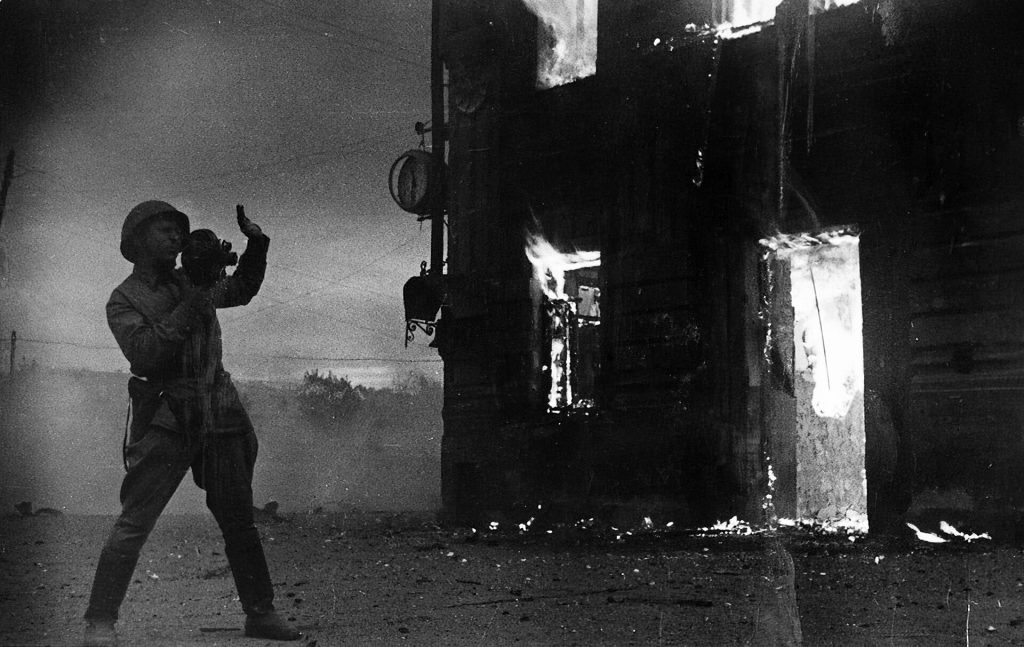
The Luftwaffe launches a massive raid on Stalingrad, setting much of the city on fire. The same day, German tanks reach the Volga just north of the city.
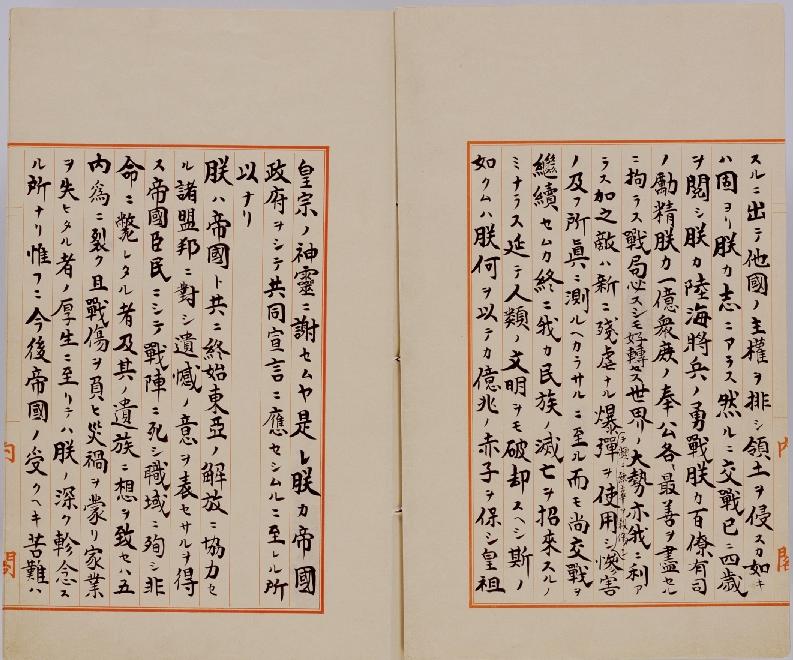
At noon, Japanese people across the empire hear the voice of their Emperor for the first time. In formal court language, Hirohito tells them that Japan will accept the Allied terms.
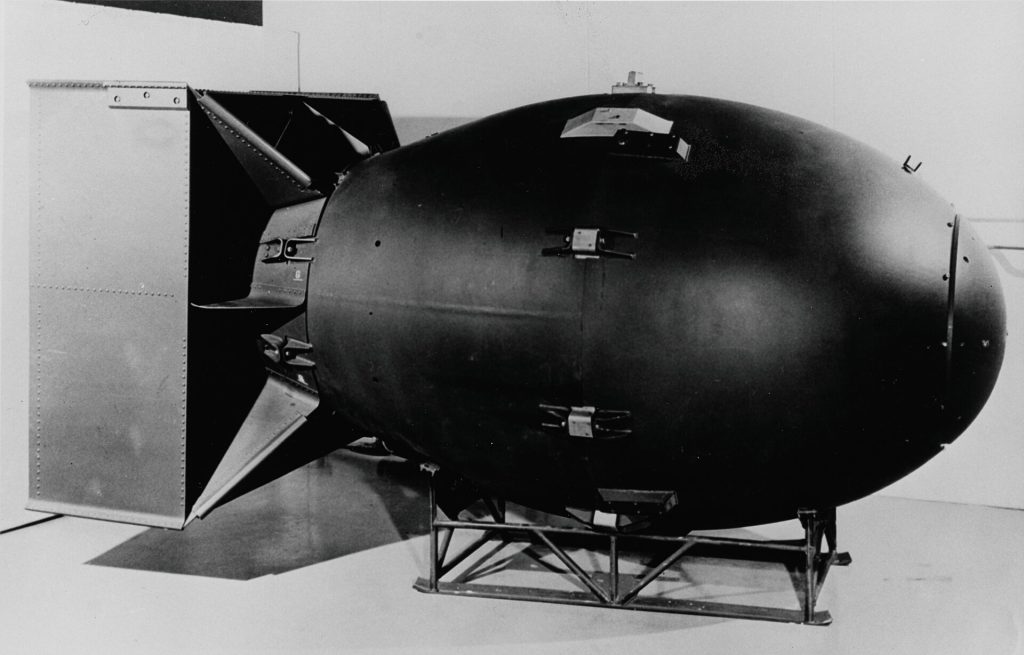
Three days after Hiroshima, a second atomic bomb is dropped. Clouds over the primary target, Kokura, send the B-29 Bockscar on to Nagasaki.
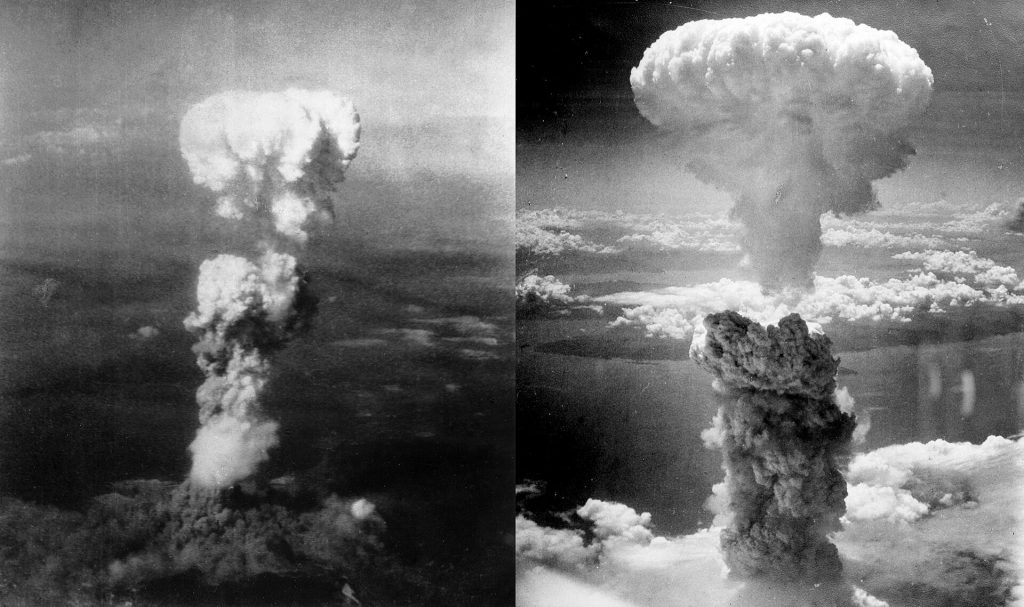
At 08:15, the American B-29 Enola Gay drops an atomic bomb on Hiroshima. A single bomb destroys most of the city.
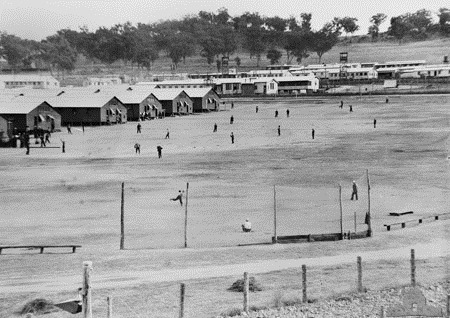
In the early hours, more than a thousand Japanese prisoners of war at Cowra in New South Wales charge the wire. It is one of the largest prison escapes of the war.
 United Kingdom
 United States
 Soviet Union
 Germany
 Japan
 France
 Poland
 South Africa