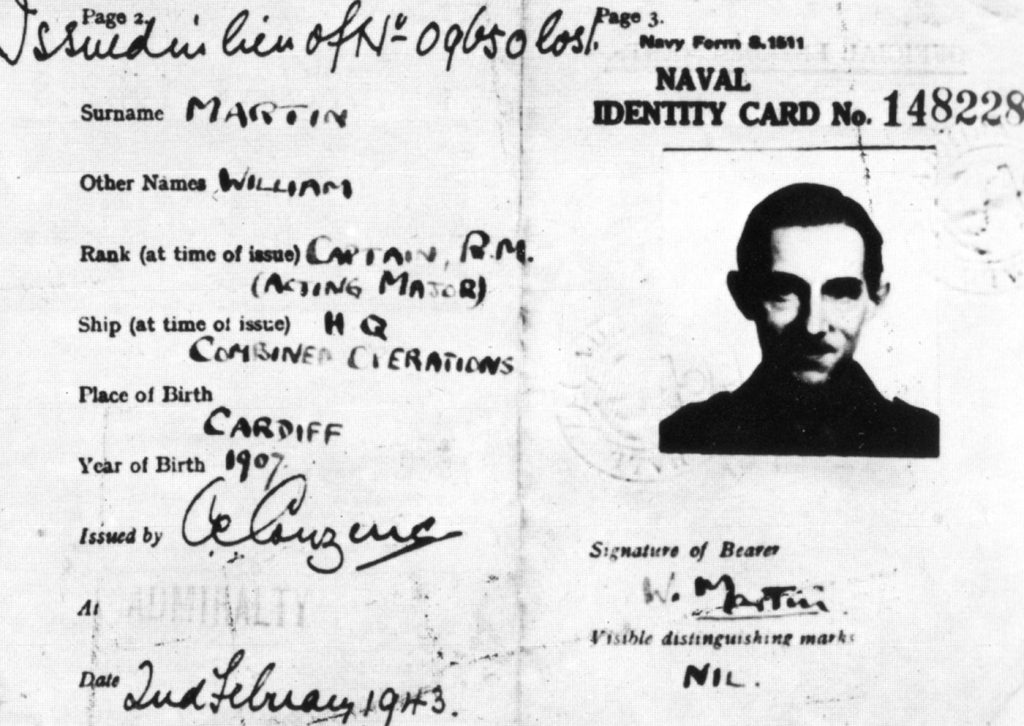
30 April 1943: Operation Mincemeat
Off the coast of Spain, a British submarine releases a dead man dressed as a Royal Marines officer, carrying letters meant to convince the Germans that the Allies will invade Greece and Sardinia.
Every dispatch from 1943.
Off the coast of Spain, a British submarine releases a dead man dressed as a Royal Marines officer, carrying letters meant to convince the Germans that the Allies will invade Greece and Sardinia.
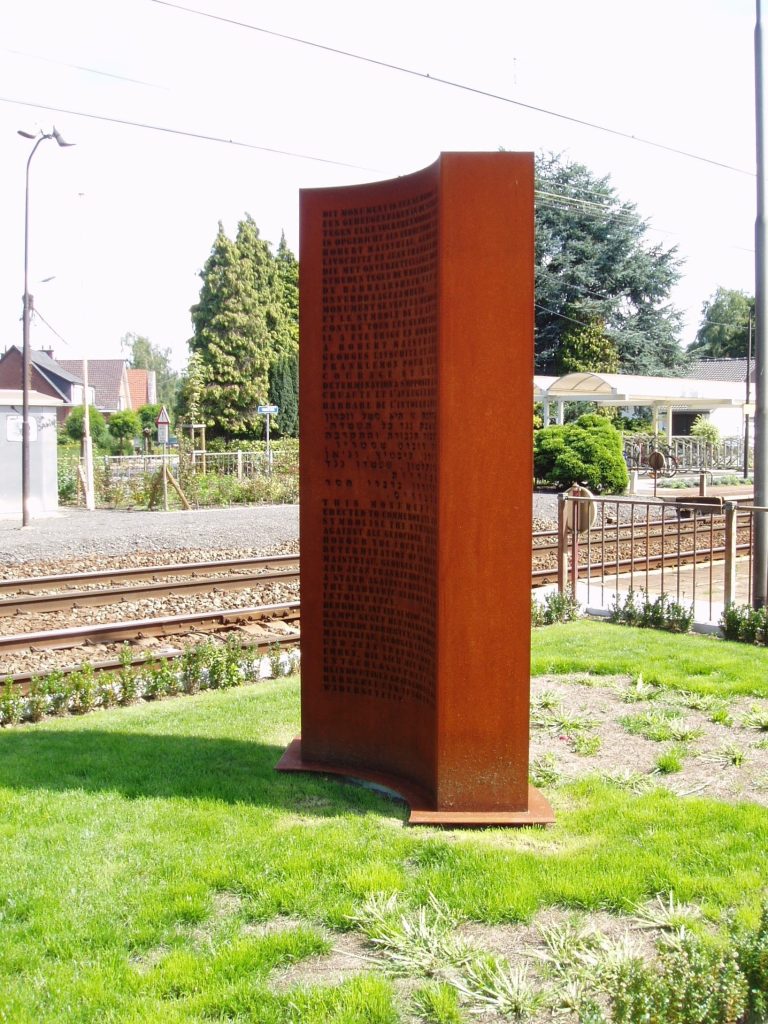
Three young Belgians armed with one pistol and a lantern covered in red paper stop a deportation train bound for Auschwitz, and 233 people escape.
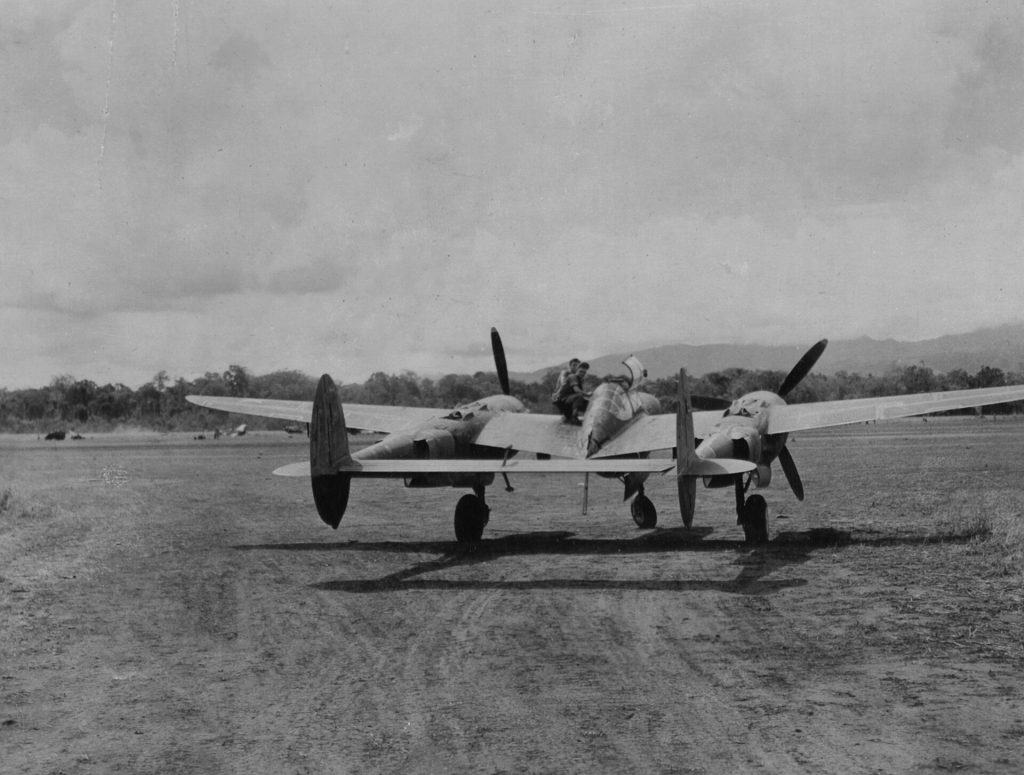
After codebreakers read his itinerary, American P-38 fighters fly a 1,000-mile round trip to shoot down the aircraft carrying Admiral Isoroku Yamamoto over Bougainville.
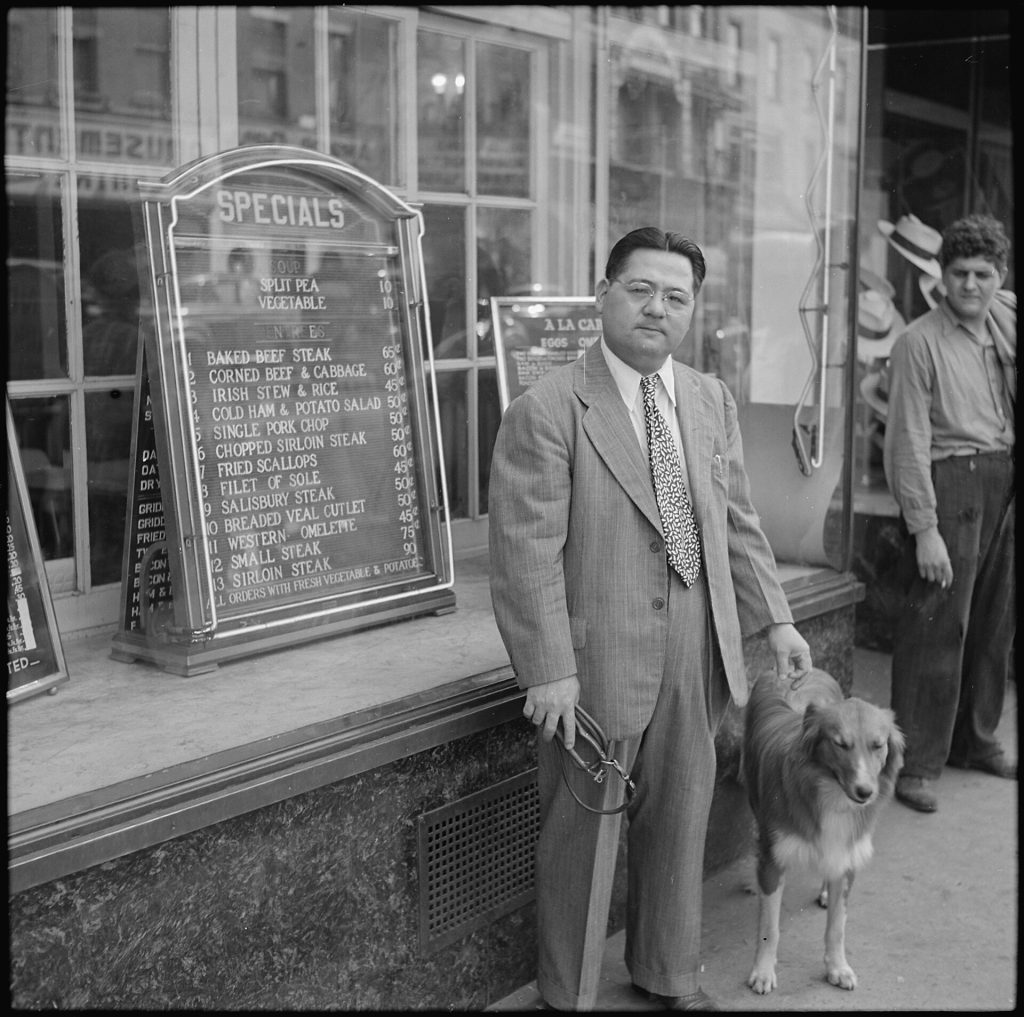
A military sentry at the Topaz camp in the Utah desert shoots dead James Hatsuaki Wakasa, a 63-year-old chef walking his dog.
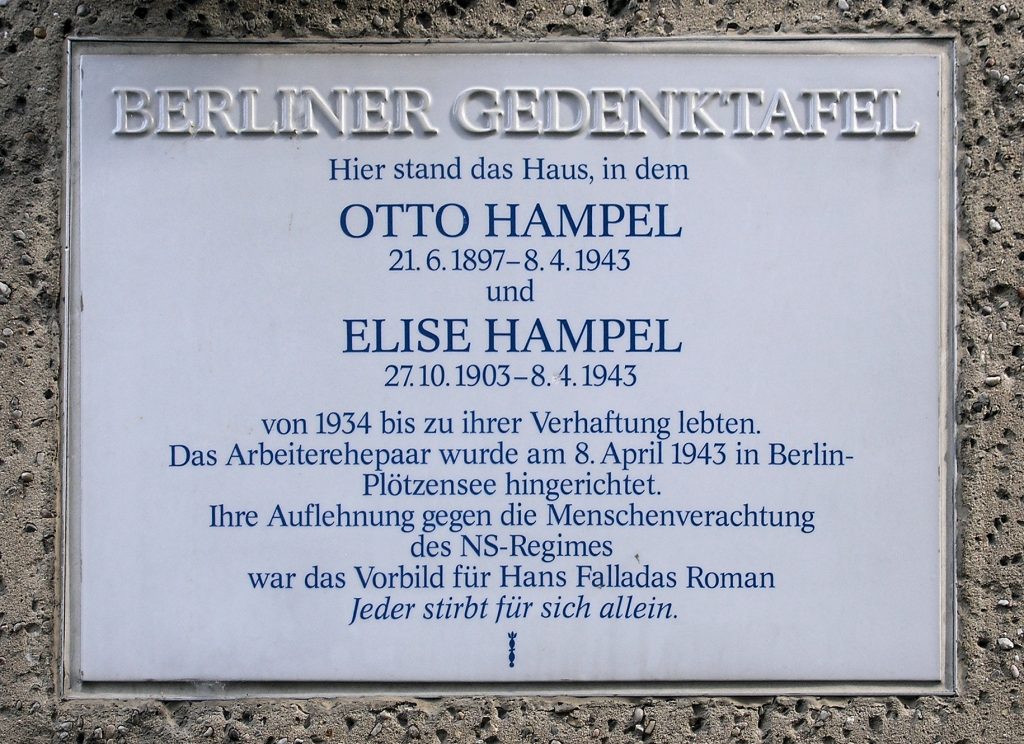
A working-class Berlin couple who spent two years leaving anti-Nazi postcards around the city are executed at Plötzensee Prison.
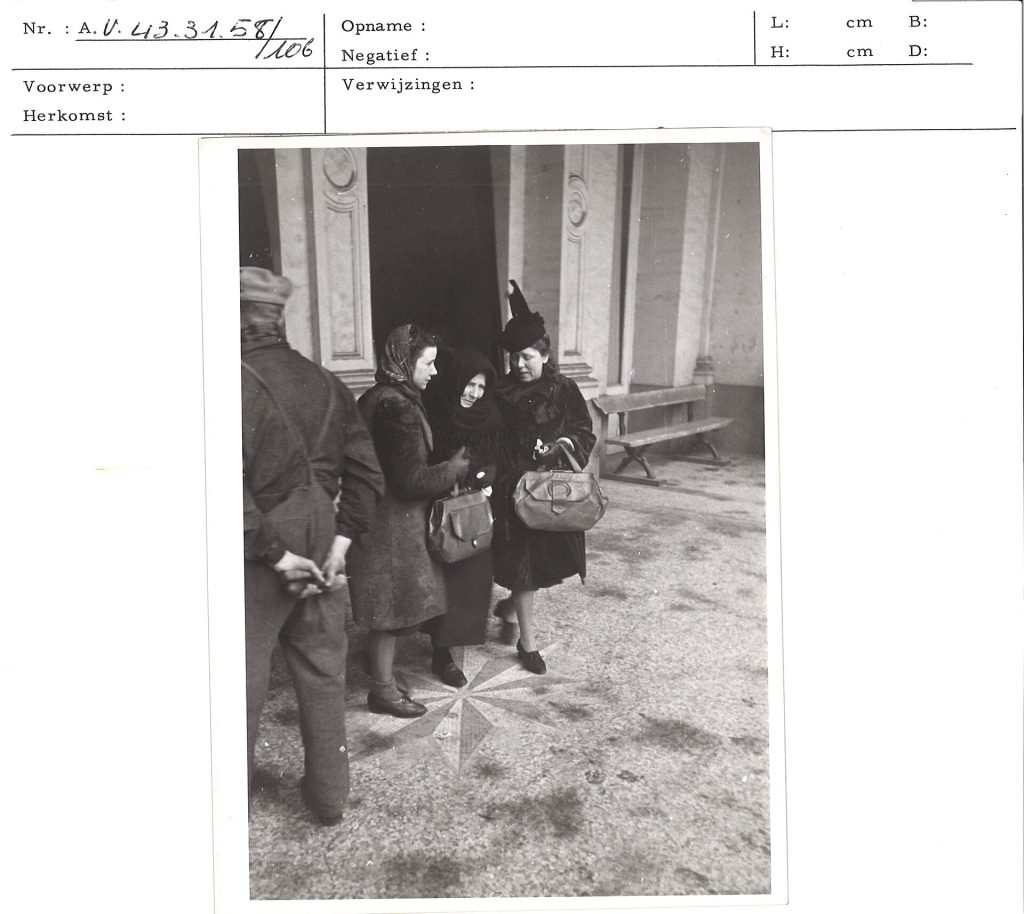
American bombers aiming at a German aircraft repair plant near Antwerp miss their target, and their bombs fall on the houses and schools of Mortsel.

In reprisal for a partisan ambush, a German police battalion burns the Belarusian village of Khatyn with its people locked in a shed. About 149 die, nearly half of them children.
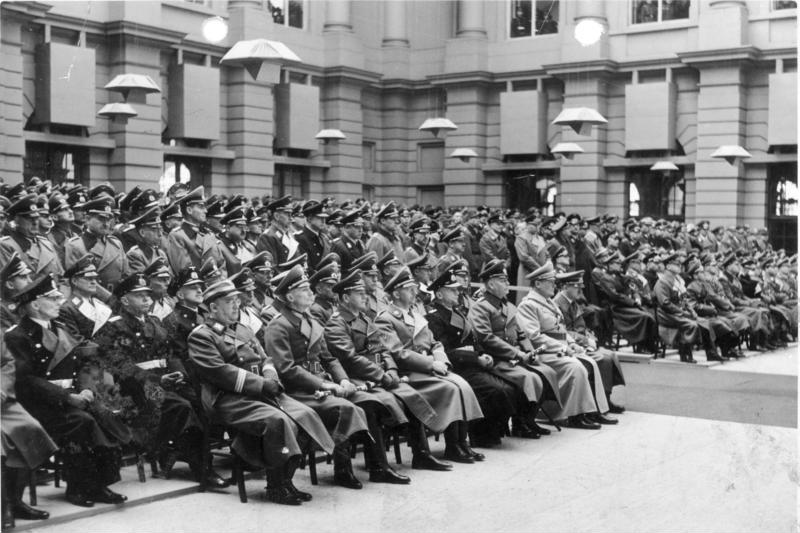
At an exhibition of captured Soviet weapons in Berlin, an army officer walks beside Hitler with two primed bombs in his coat pockets, ready to die with him.
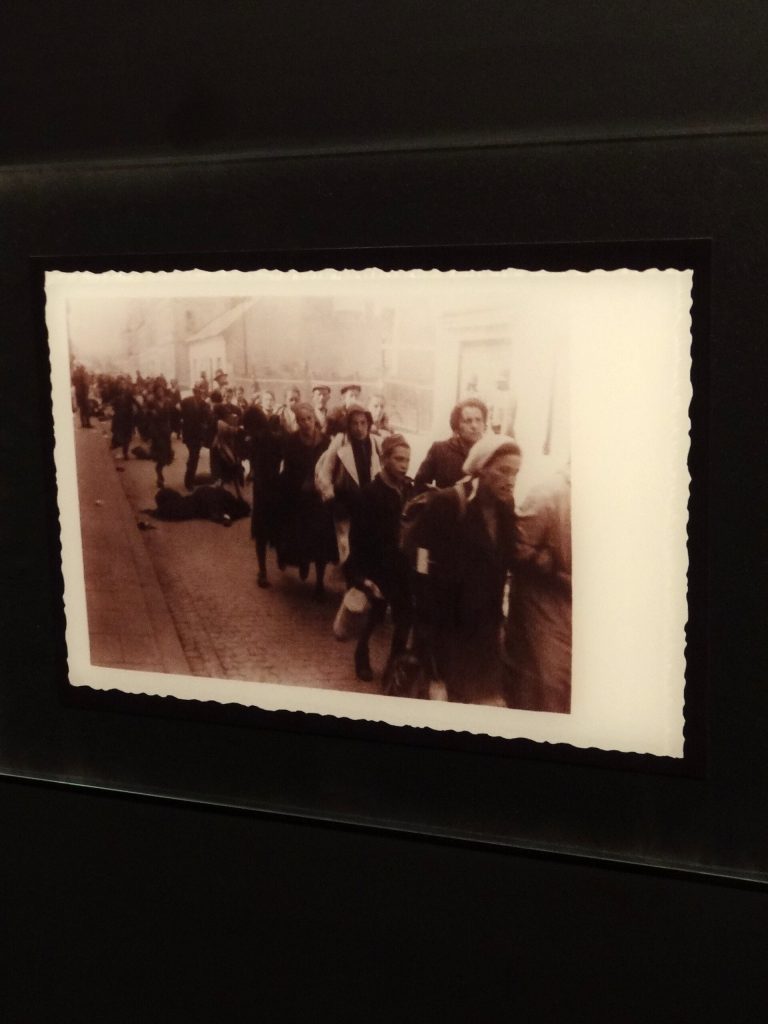
Under Amon Göth, the Germans clear the last Jews from the Kraków Ghetto. Those who can work are marched to Płaszów; the rest are shot in the streets or sent to Auschwitz.
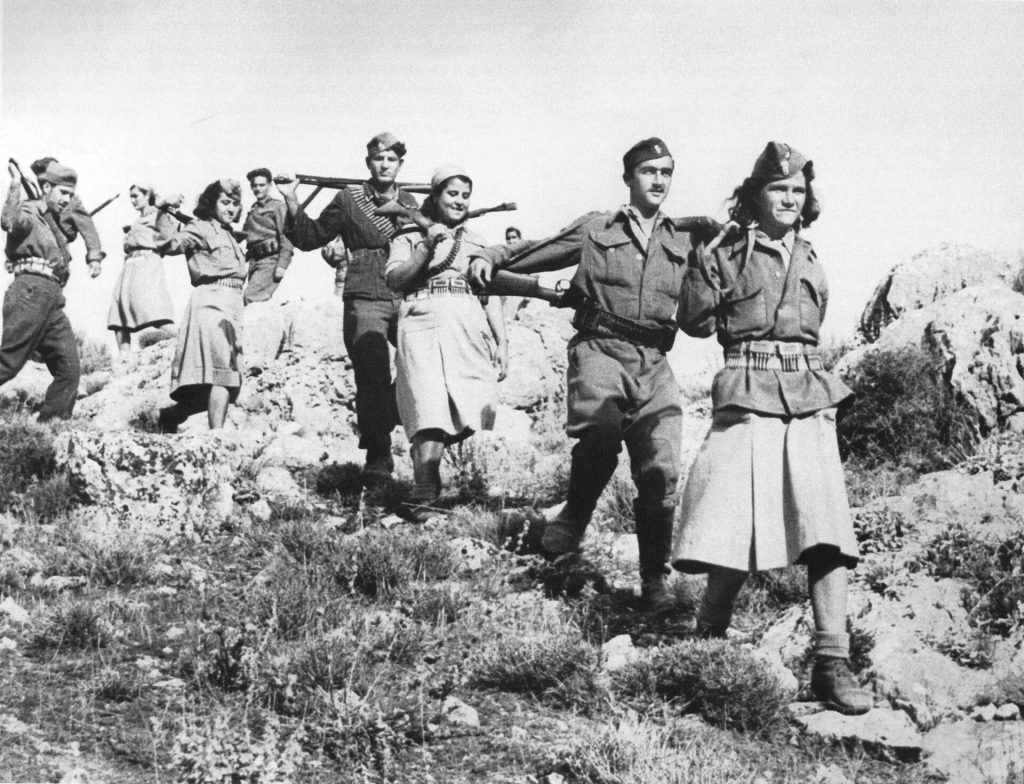
In the mountains of western Macedonia, Greek partisans and armed villagers trap an Italian garrison battalion and force it to surrender.

Riding the momentum of Stalingrad, Soviet troops enter Kharkov, one of the largest cities in Ukraine. Within a month the Germans will take it back.
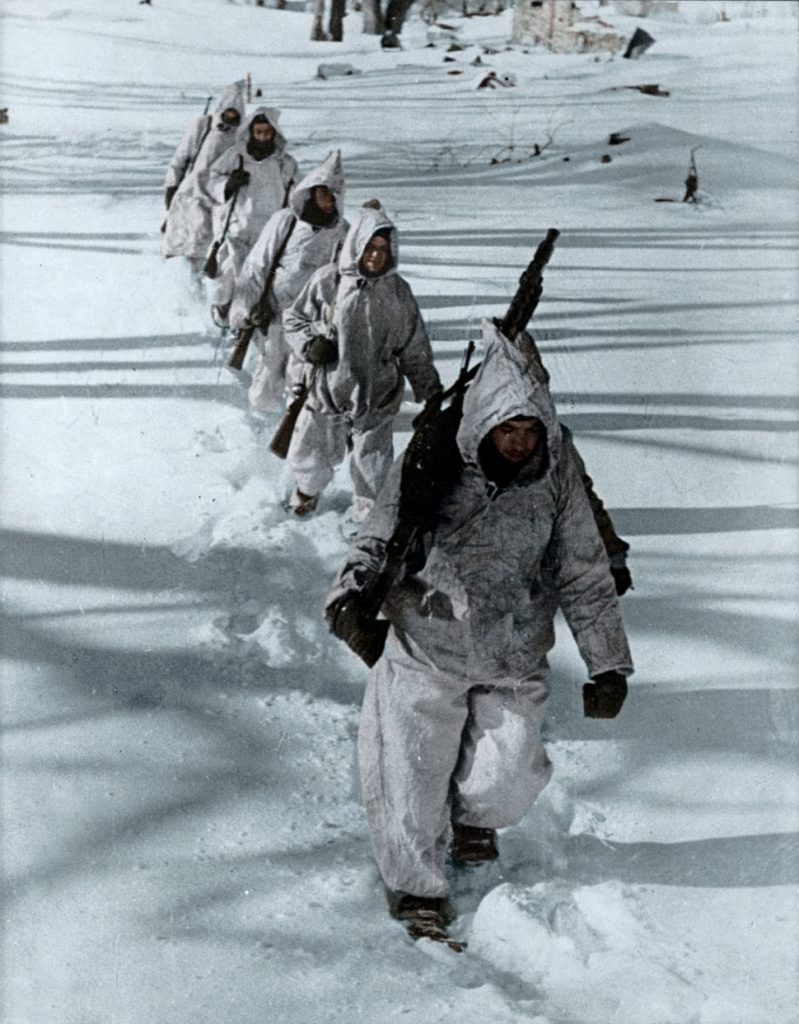
South of Leningrad, a Soviet army attacks a sector held by the Spanish volunteers of Franco’s Blue Division. The Spaniards are shattered, but the Soviet breakthrough never comes.
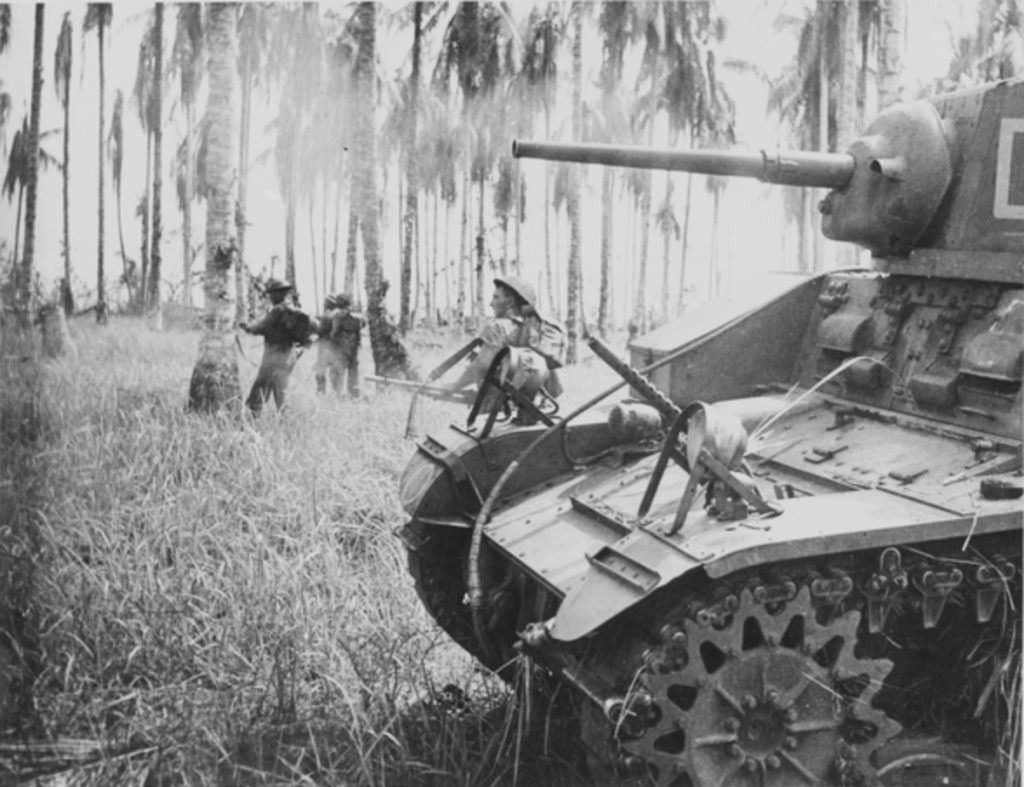
After two months of fighting in swamp and jungle on the north coast of Papua, the last Japanese resistance at Buna and Gona collapses.
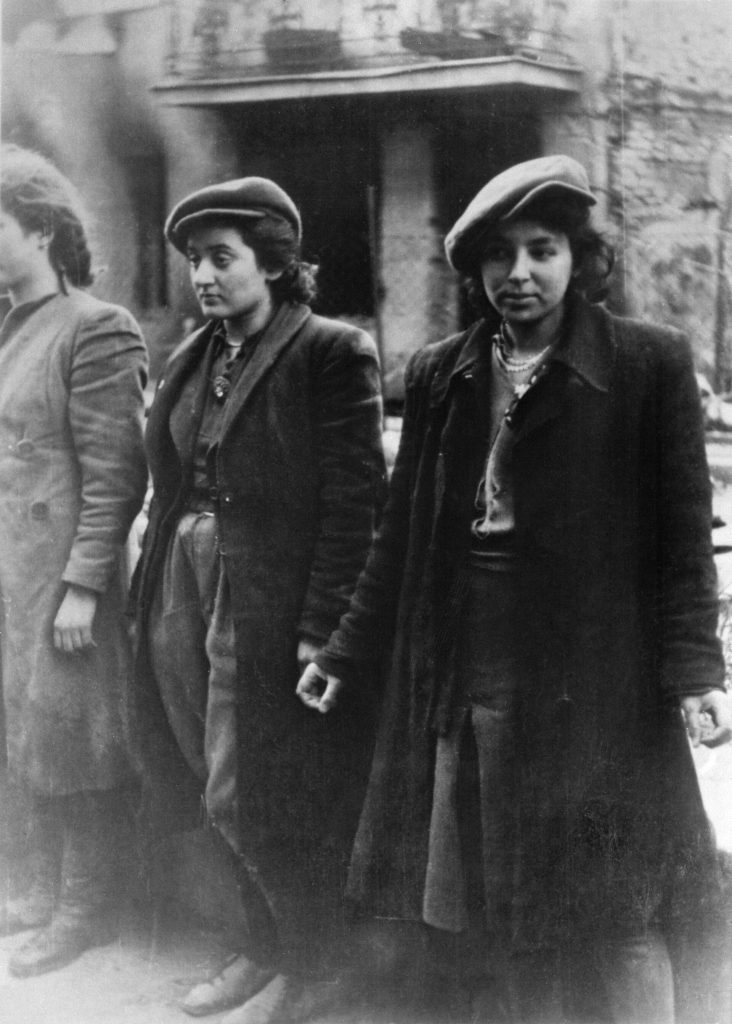
When German forces return to the Warsaw Ghetto for a new round of deportations, Jewish fighters open fire for the first time.
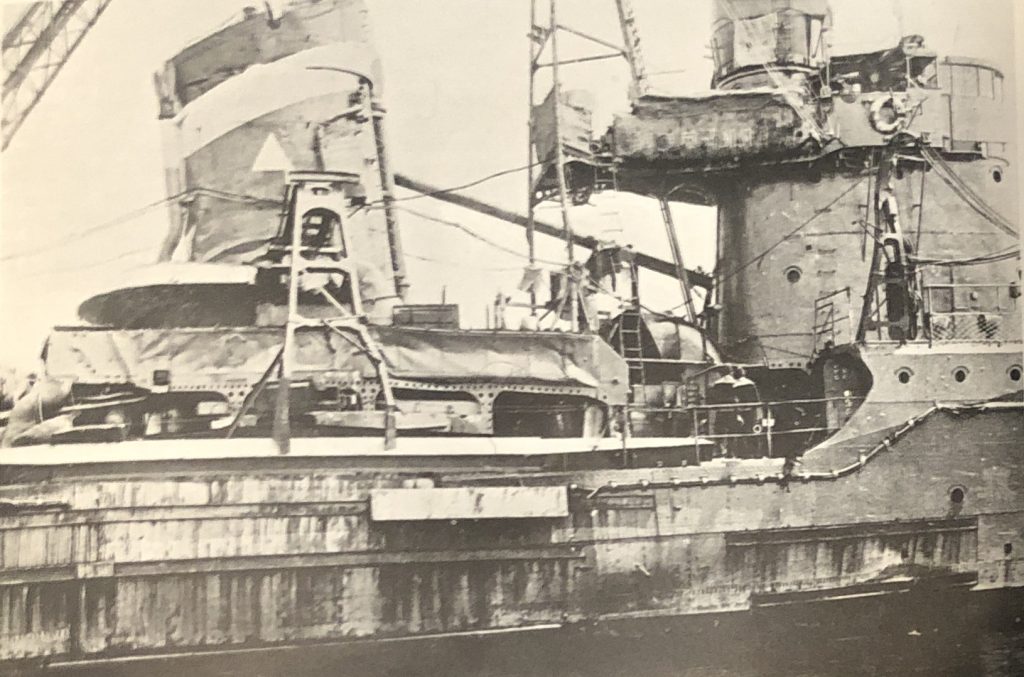
Japanese destroyers land a fresh battalion on Guadalcanal, not to reinforce the starving garrison but to shield its secret escape.
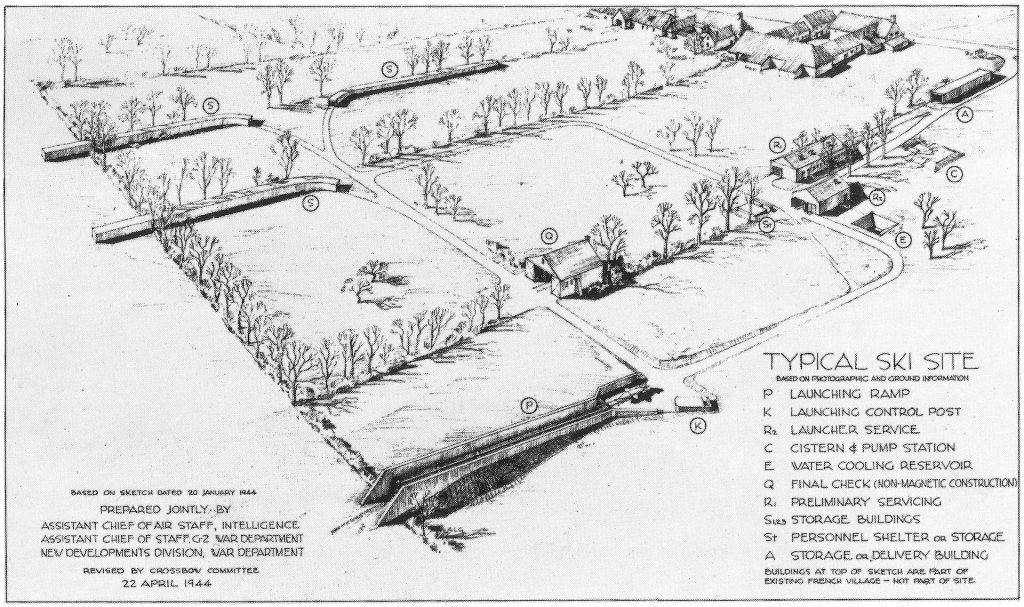
Allied bombers start attacking the concrete launch ramps hidden in the woods of northern France, from which Germany plans to fire its flying bombs at London.

Meeting in a small Bosnian town in the middle of the war, the partisans’ assembly declares a federal Yugoslavia, names Tito a marshal and bars the exiled king from returning.
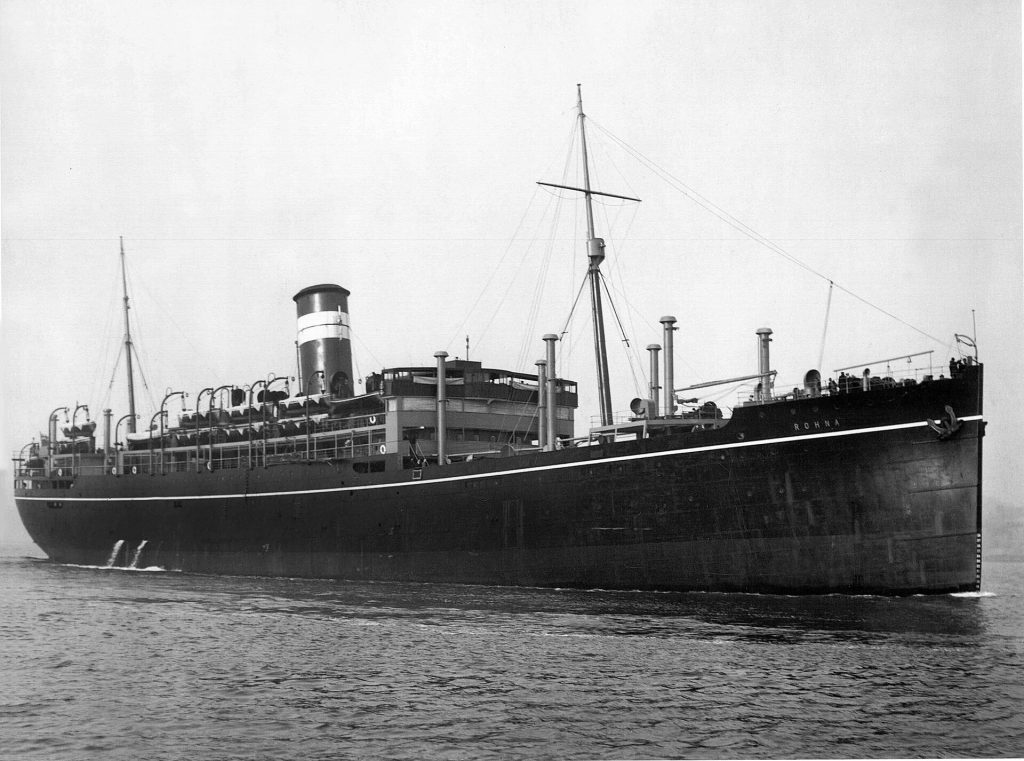
Off the coast of Algeria, a German radio-guided glide bomb strikes a British troopship carrying 2,000 American soldiers. More than 1,000 of them die in a disaster kept secret for decades.
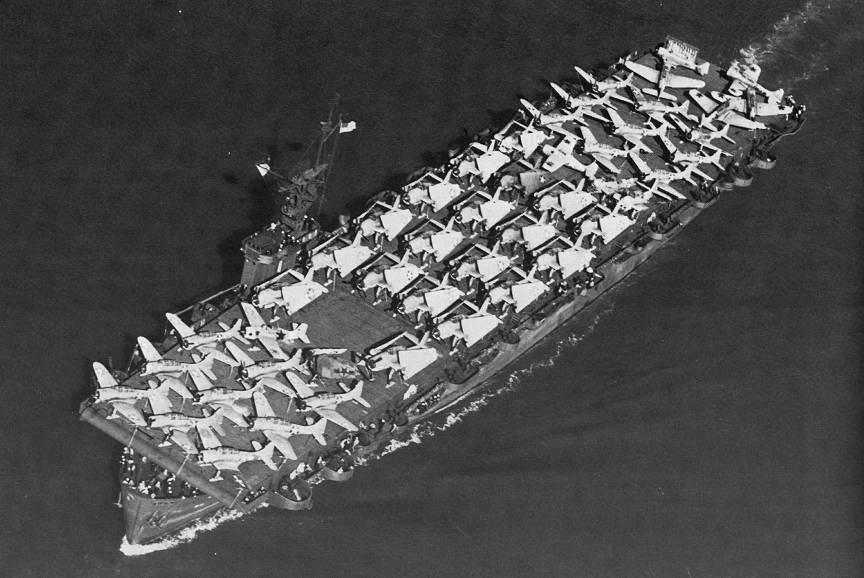
Off Makin Atoll in the Gilbert Islands, a Japanese torpedo detonates an escort carrier’s bomb magazine. She sinks in 23 minutes, taking 644 men with her.
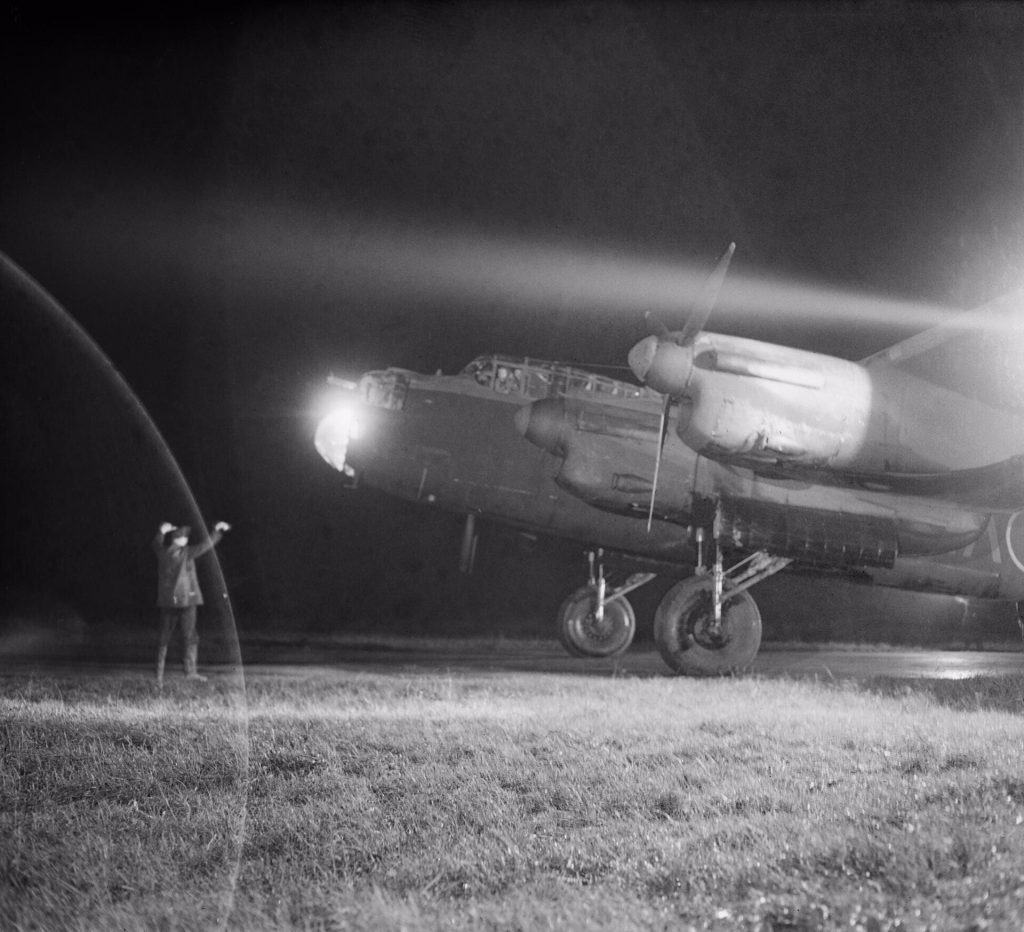
Hundreds of Lancasters head for the German capital, opening a winter offensive that Arthur Harris believes can wreck Berlin from end to end and cost Germany the war.
 United Kingdom
 United States
 Soviet Union
 Germany
 Japan
 France
 Poland
 South Africa