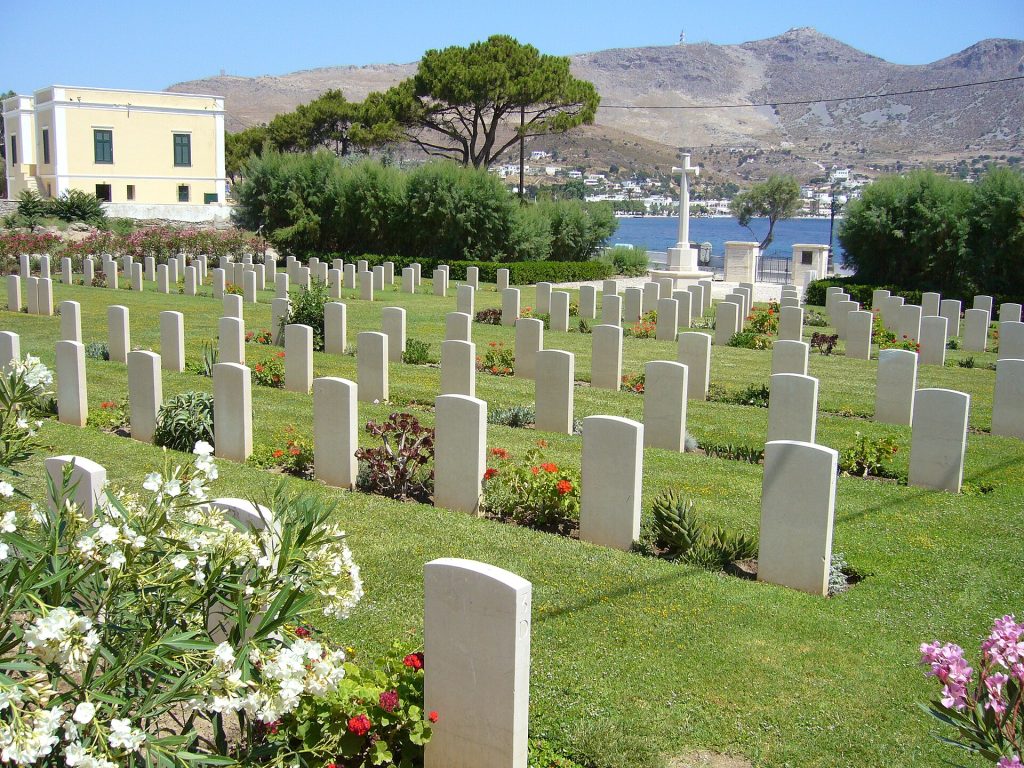
16 November 1943: The Fall of Leros
After four days of fighting against paratroops and seaborne landings under constant air attack, the British garrison on the Aegean island of Leros surrenders.
Every dispatch from 1943.
After four days of fighting against paratroops and seaborne landings under constant air attack, the British garrison on the Aegean island of Leros surrenders.
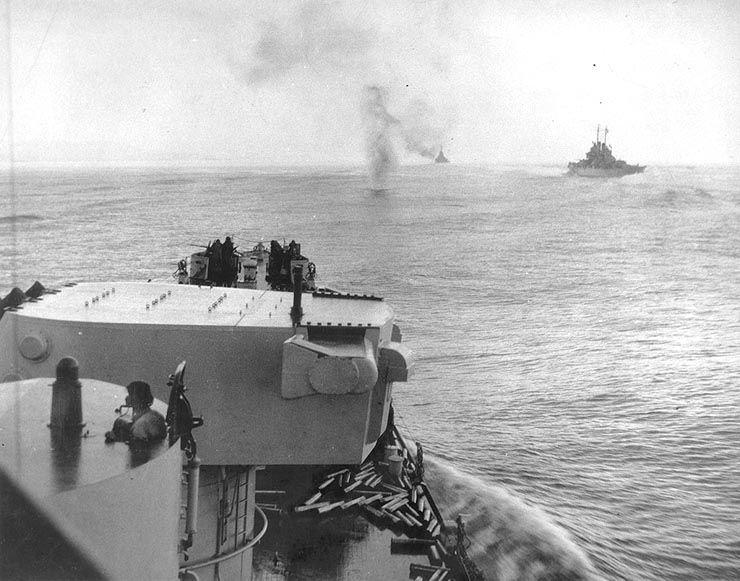
In the dark hours after the Bougainville landings, an American cruiser force under radar control turns back a Japanese squadron sent to smash the beachhead.
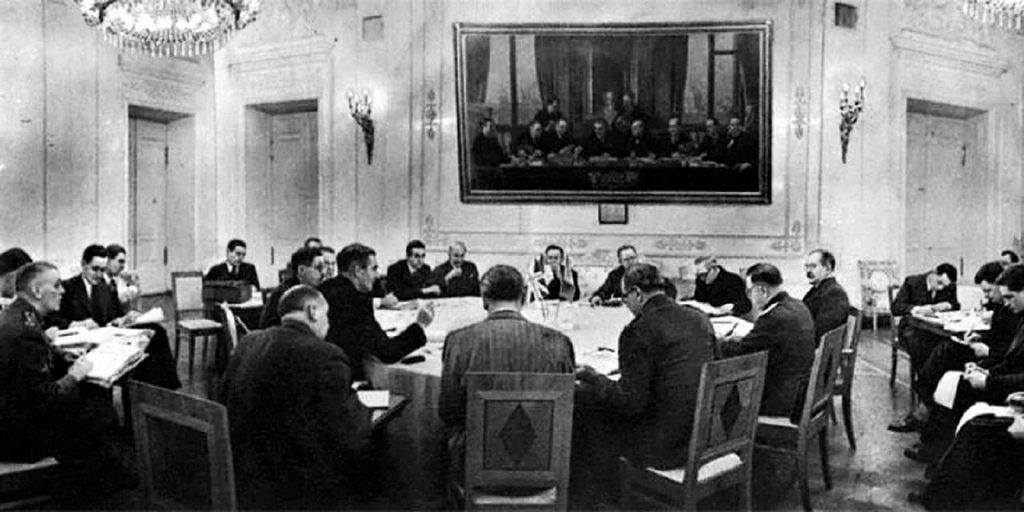
At the end of a conference of foreign ministers in Moscow, the Allies sign declarations on the post-war world, on Austria and Italy, and on punishing German war criminals.
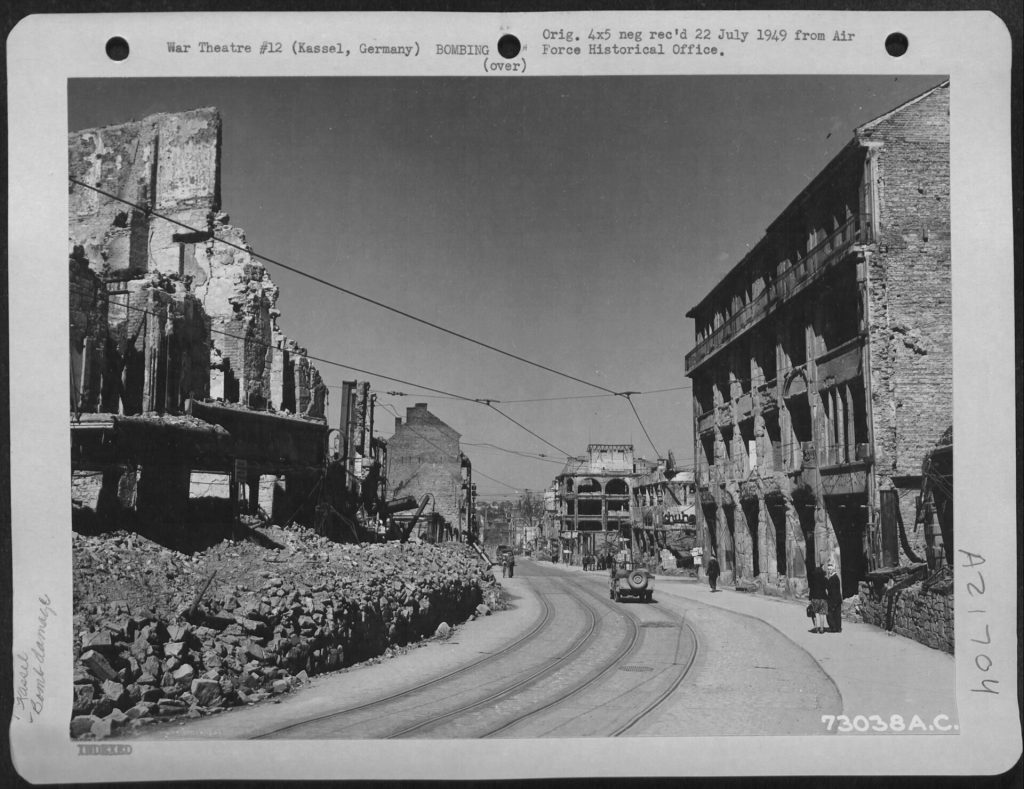
RAF Bomber Command strikes Kassel, a centre of tank and aircraft production. A firestorm engulfs the old city.
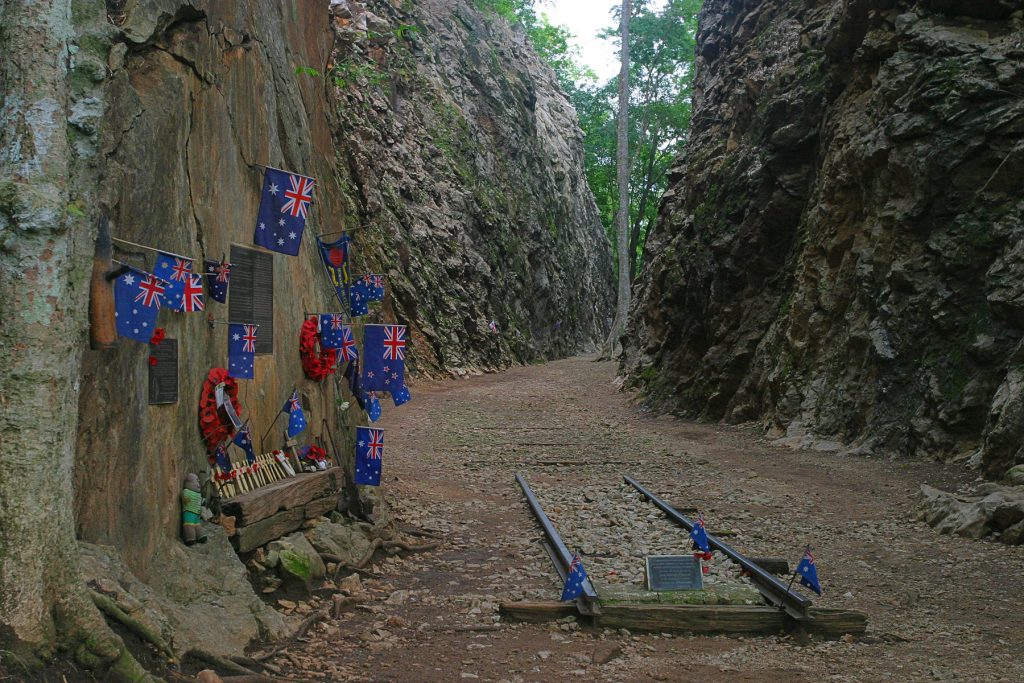
Near the Thai-Burmese border, the two halves of a 415-kilometre railway built by prisoners of war and Asian labourers are joined. Tens of thousands have died building it.
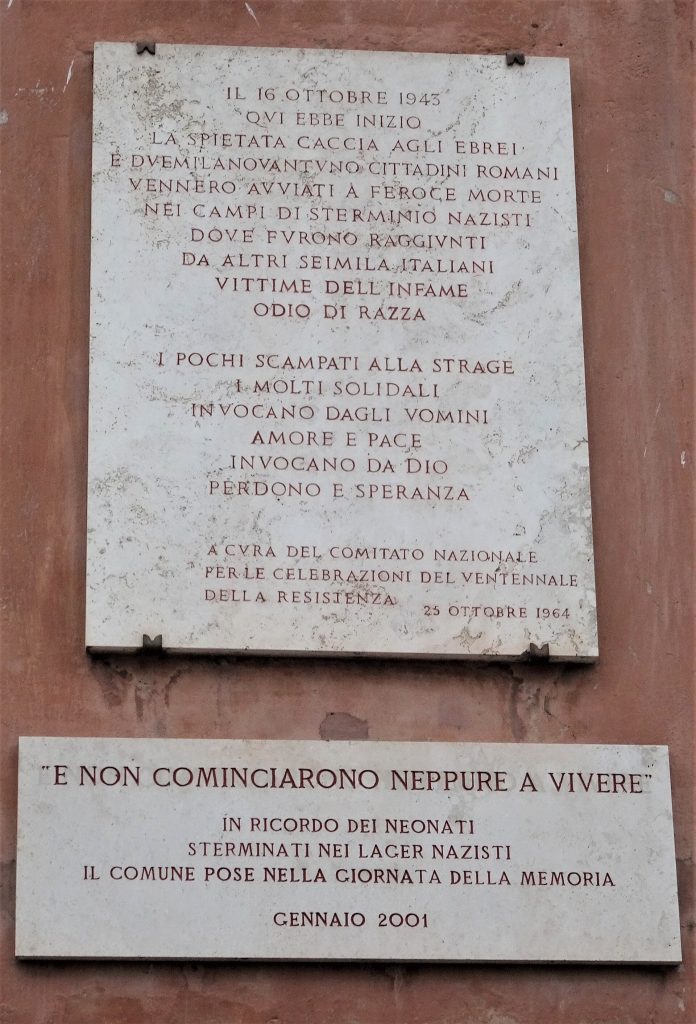
Before dawn on a Saturday, German police and SS troops seal off the old Jewish quarter of Rome and begin seizing families from their homes. Two days later a train leaves for Auschwitz.
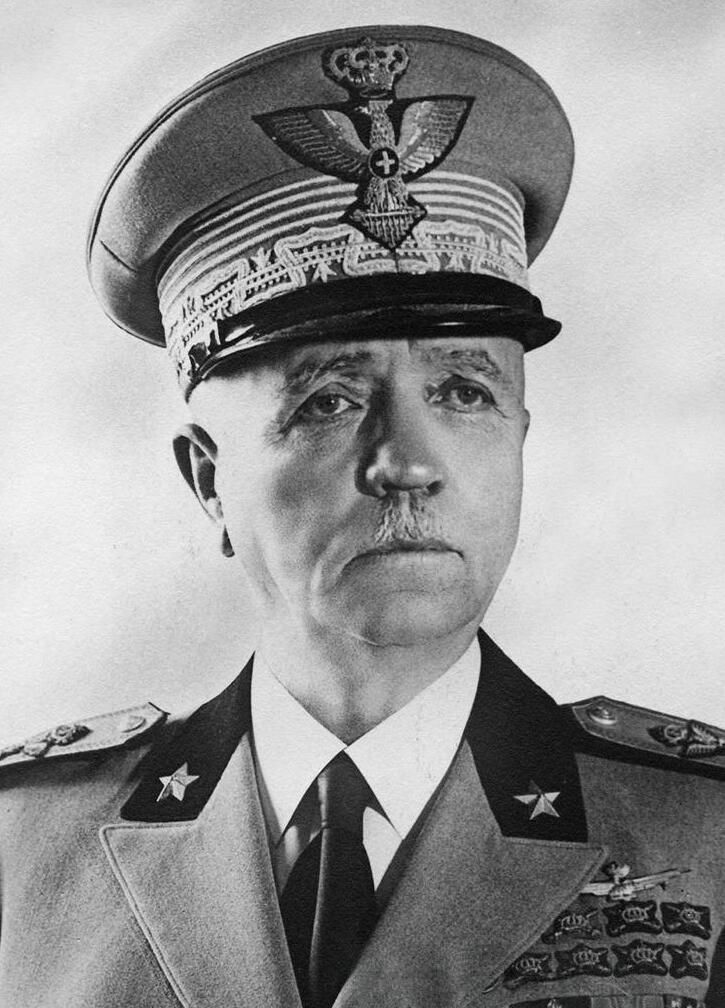
Five weeks after its armistice with the Allies, the royal Italian government declares war on its former ally. Italy is now a co-belligerent, not quite an ally.
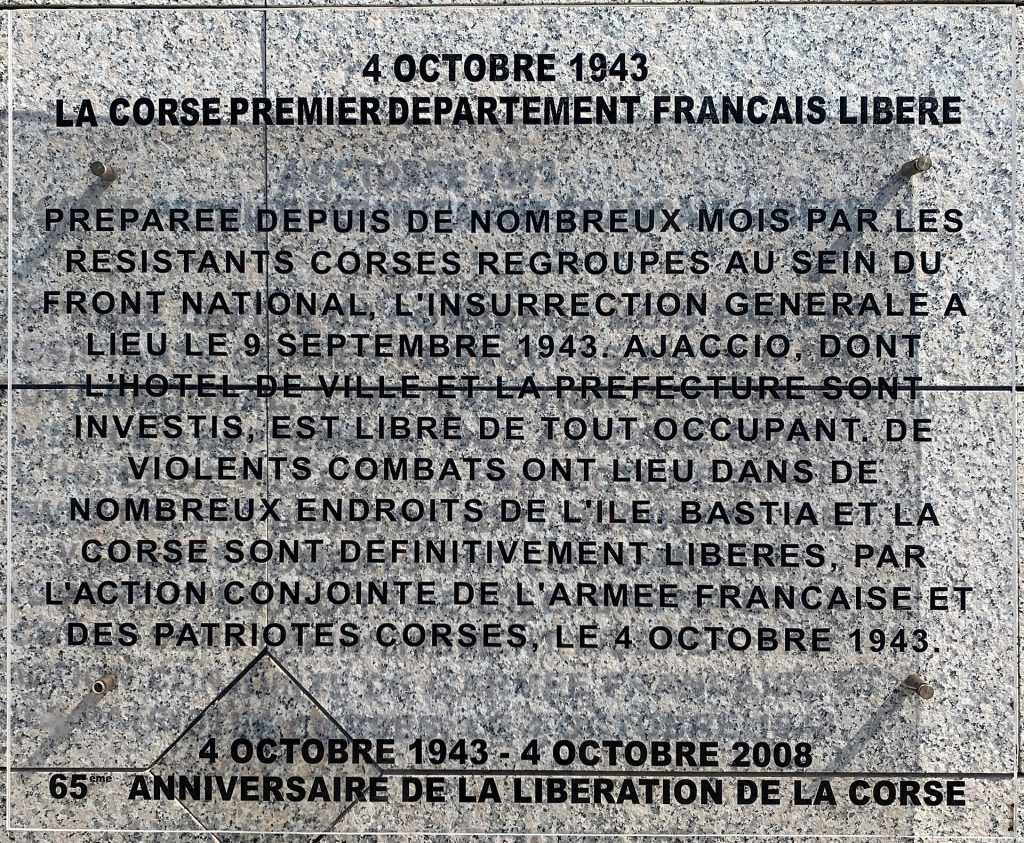
The last German troops leave Bastia. Corsica becomes the first part of metropolitan France to be freed, by French forces and the island’s own resistance.
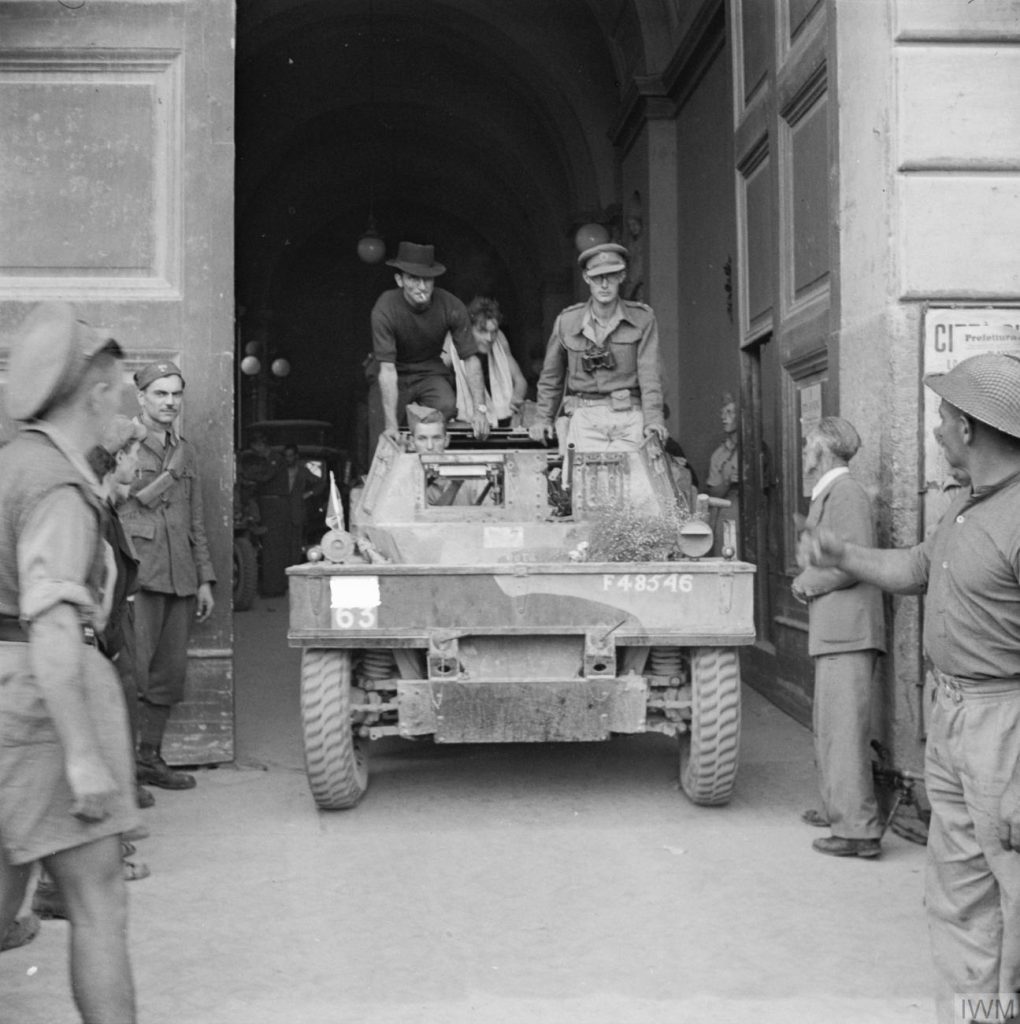
British armoured cars roll into Naples, followed by the US Fifth Army. The city’s people have already fought the Germans themselves. The port is a wreck.
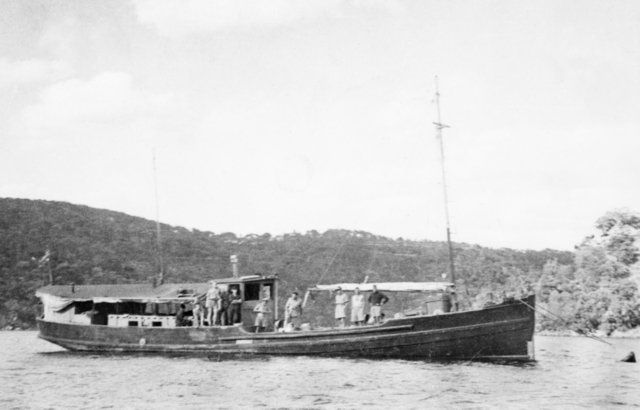
Under cover of darkness, canoeists from a battered old Japanese fishing boat paddle into Singapore harbour and fix limpet mines to Japanese ships. Then they slip away.

Two British midget submarines slip through the defences of a Norwegian fjord and lay explosive charges beneath the battleship Tirpitz. The explosions put her out of action for months.
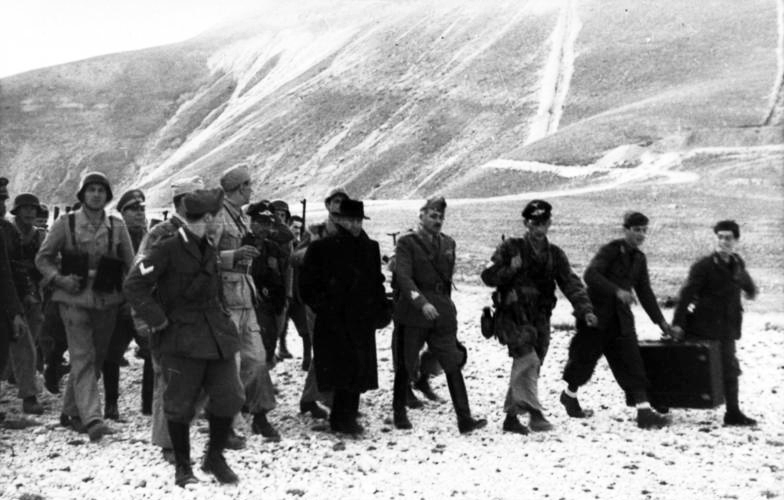
German gliders land beside a mountain hotel in the Abruzzo, where the deposed Mussolini is held prisoner. Within minutes he is freed without a shot fired, and flown out in a tiny aircraft.
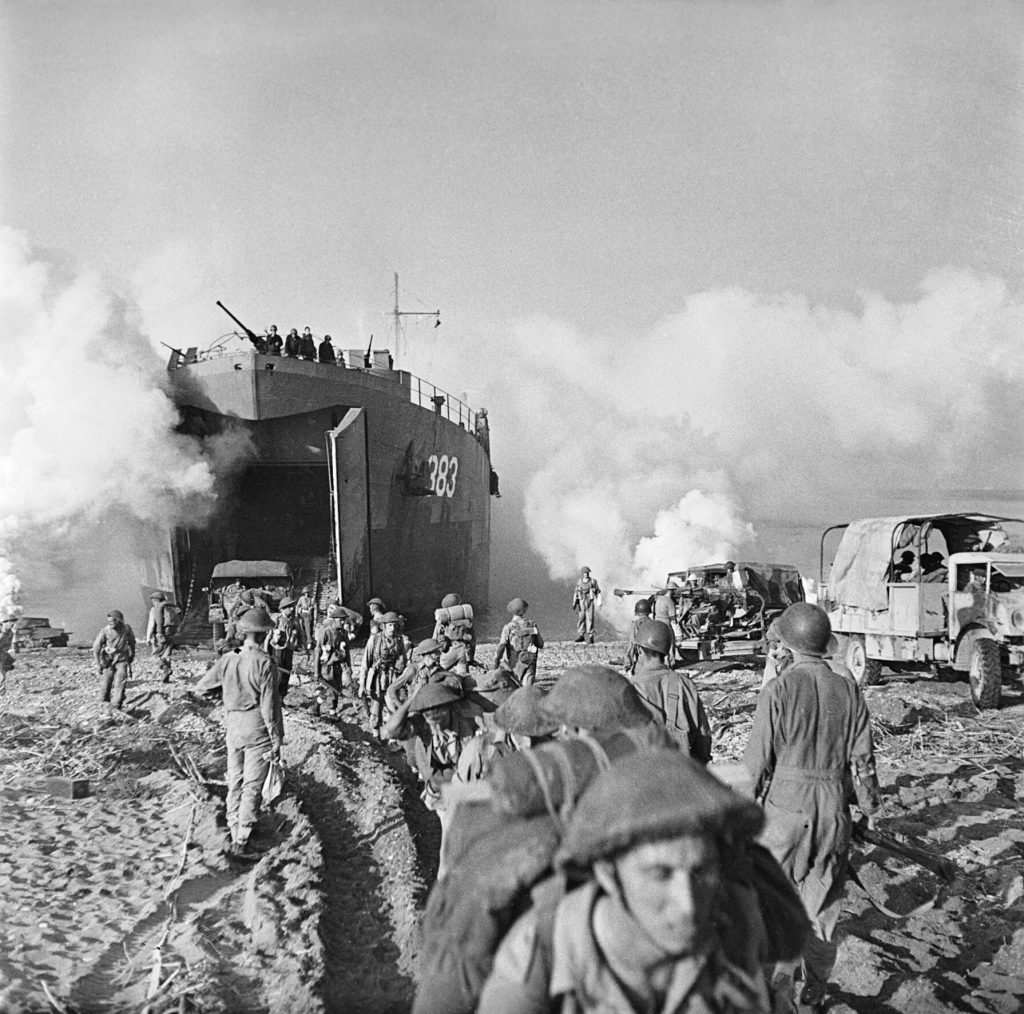
The day after Italy’s armistice is announced, Allied troops land on the beaches south of Salerno. They expect an easy landing. The Germans are waiting.
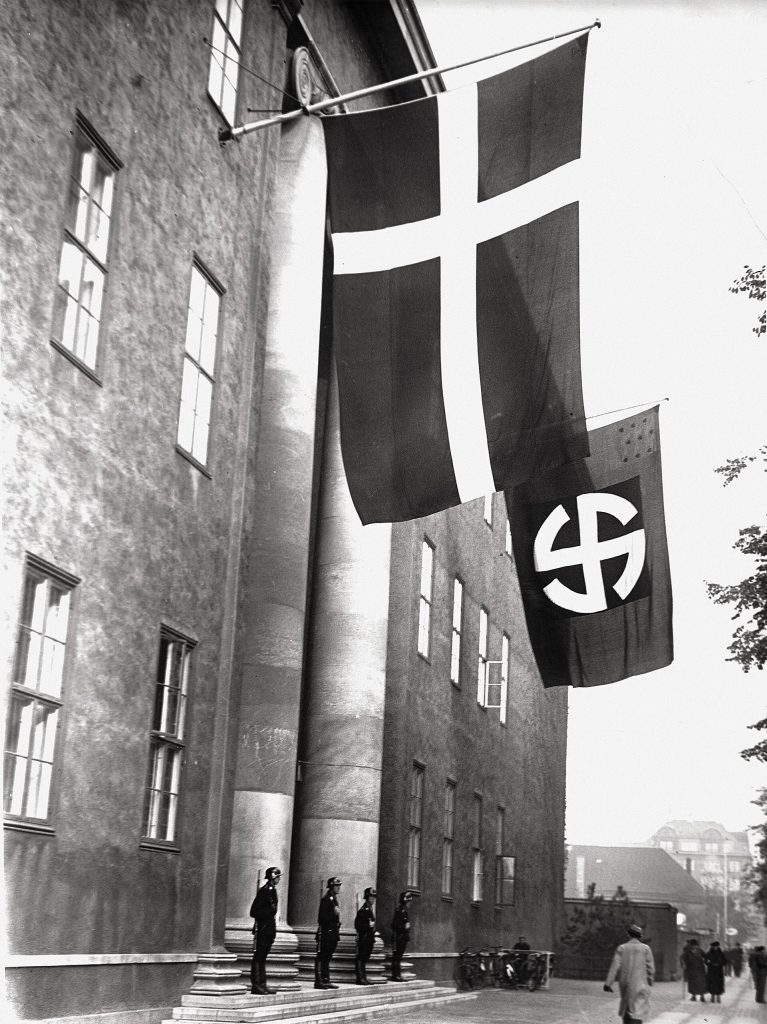
Faced with a German ultimatum to declare a state of emergency and impose the death penalty for sabotage, the Danish government refuses. The next day, Germany takes direct control.
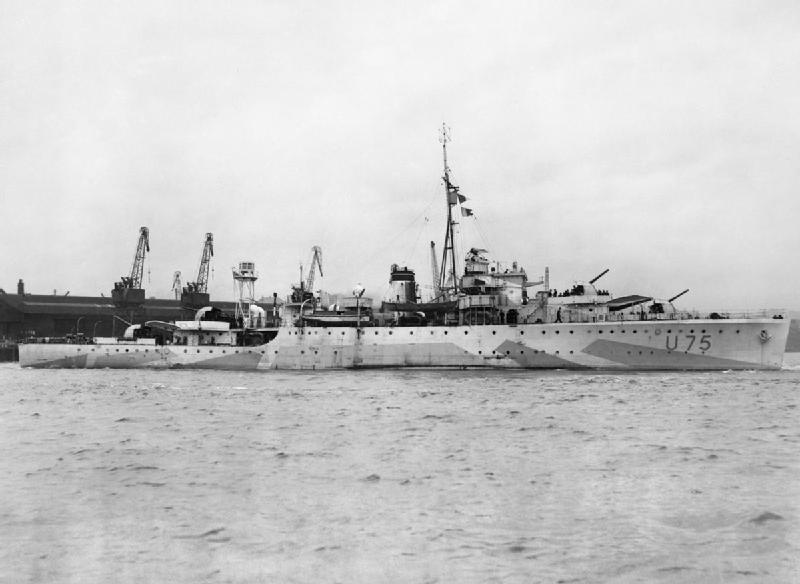
In the Bay of Biscay, a German bomber launches a radio-guided glide bomb at a British anti-submarine group. The sloop HMS Egret blows up and sinks. A new kind of weapon has arrived.
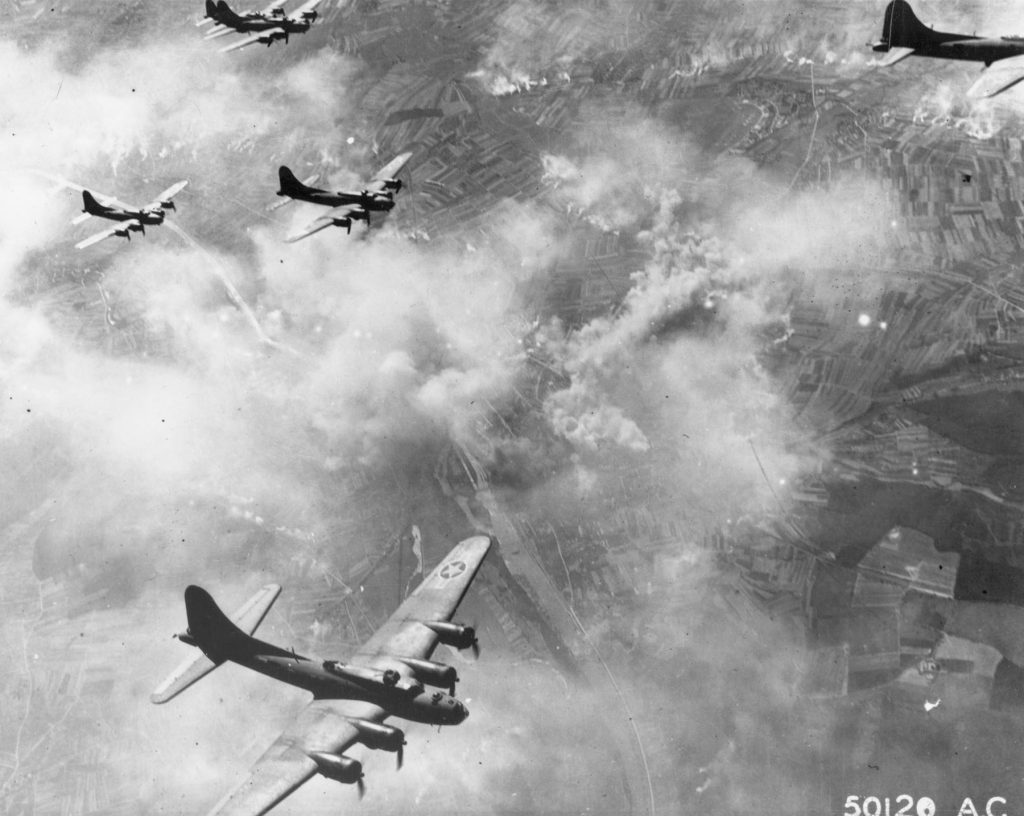
On the first anniversary of its first heavy bomber mission, the US Eighth Air Force strikes deep into Germany against ball-bearing plants and a Messerschmitt factory. Sixty bombers are lost.
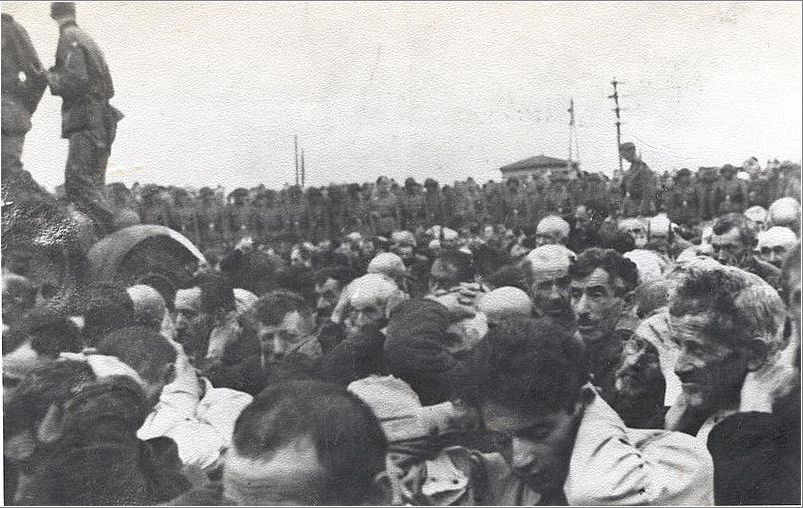
As German forces surround the ghetto to begin its final liquidation, Jewish resistance fighters in Białystok open fire. They know they cannot win.
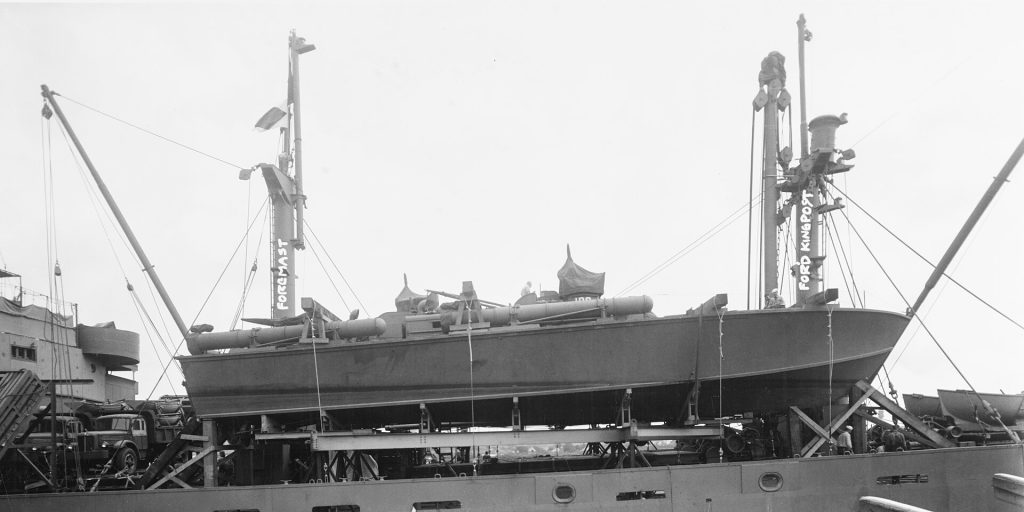
In the dark of Blackett Strait in the Solomons, a Japanese destroyer rams and slices through an American torpedo boat. Its young commander is Lieutenant John F. Kennedy.
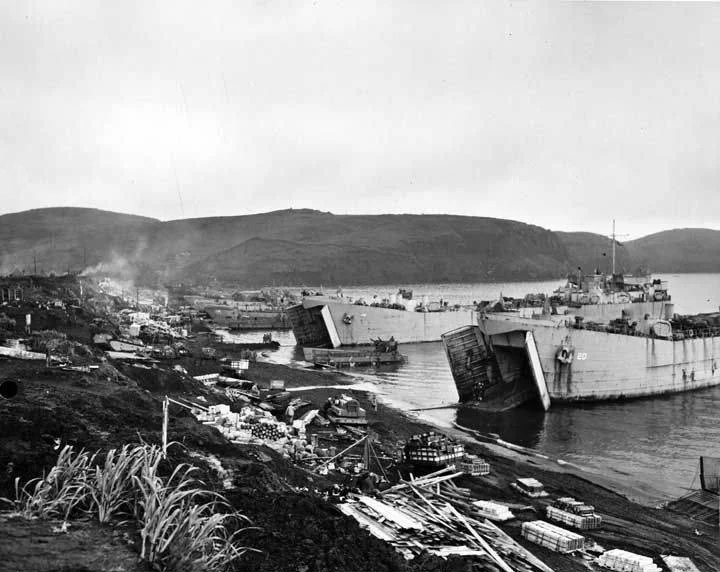
Under cover of thick Aleutian fog, Japanese warships slip into Kiska harbour and take off the entire garrison. The Americans and Canadians, unaware, prepare to invade an empty island.
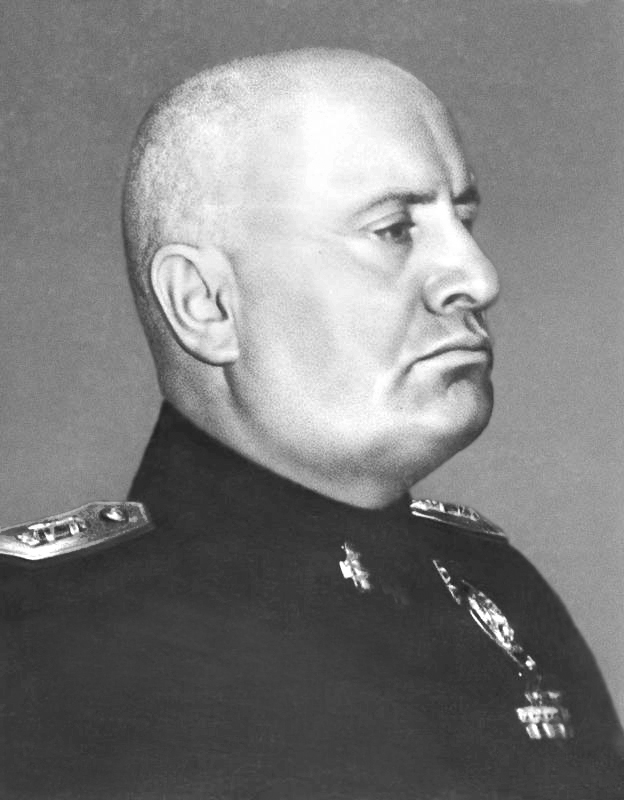
After an all-night meeting of the Fascist Grand Council votes against him, Mussolini goes to see the King. He leaves the royal villa under arrest. Twenty-one years of Fascist rule are over.
 United Kingdom
 United States
 Soviet Union
 Germany
 Japan
 France
 Poland
 South Africa