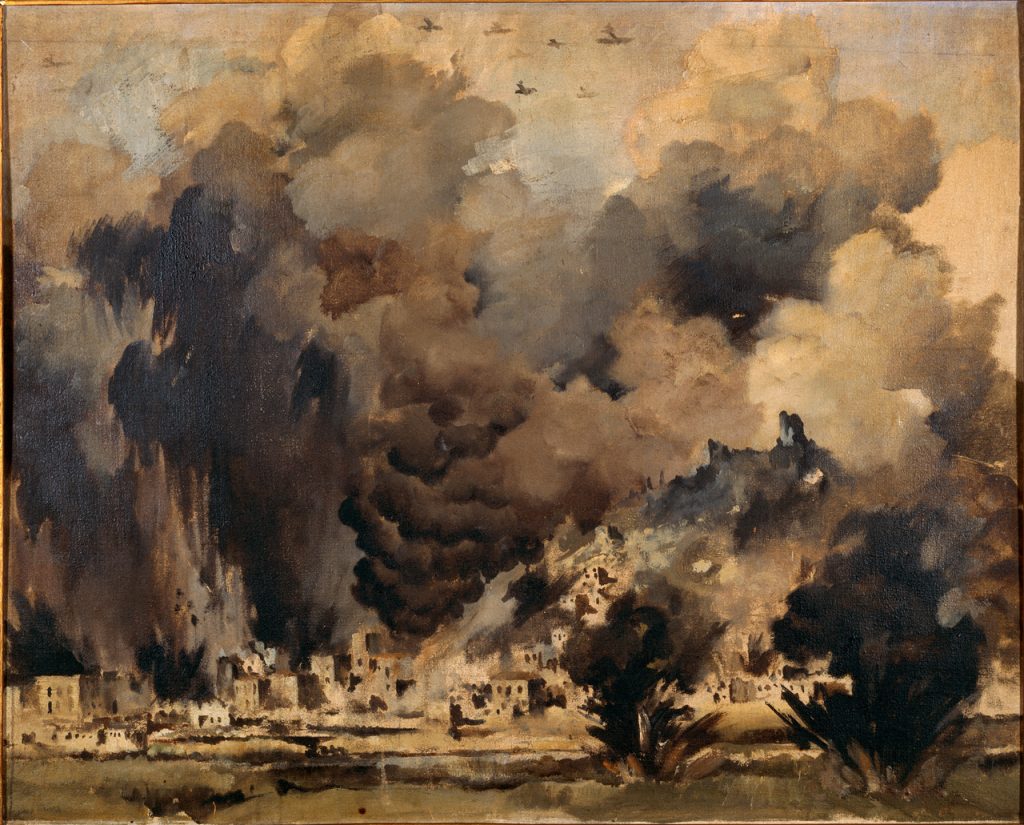
15 February 1944: The Bombing of Monte Cassino Abbey
Allied bombers destroy the ancient Benedictine abbey above Cassino, believing the Germans are using it. They are not, until the ruins hand them a fortress.
Dispatches involving New Zealand.
Allied bombers destroy the ancient Benedictine abbey above Cassino, believing the Germans are using it. They are not, until the ruins hand them a fortress.
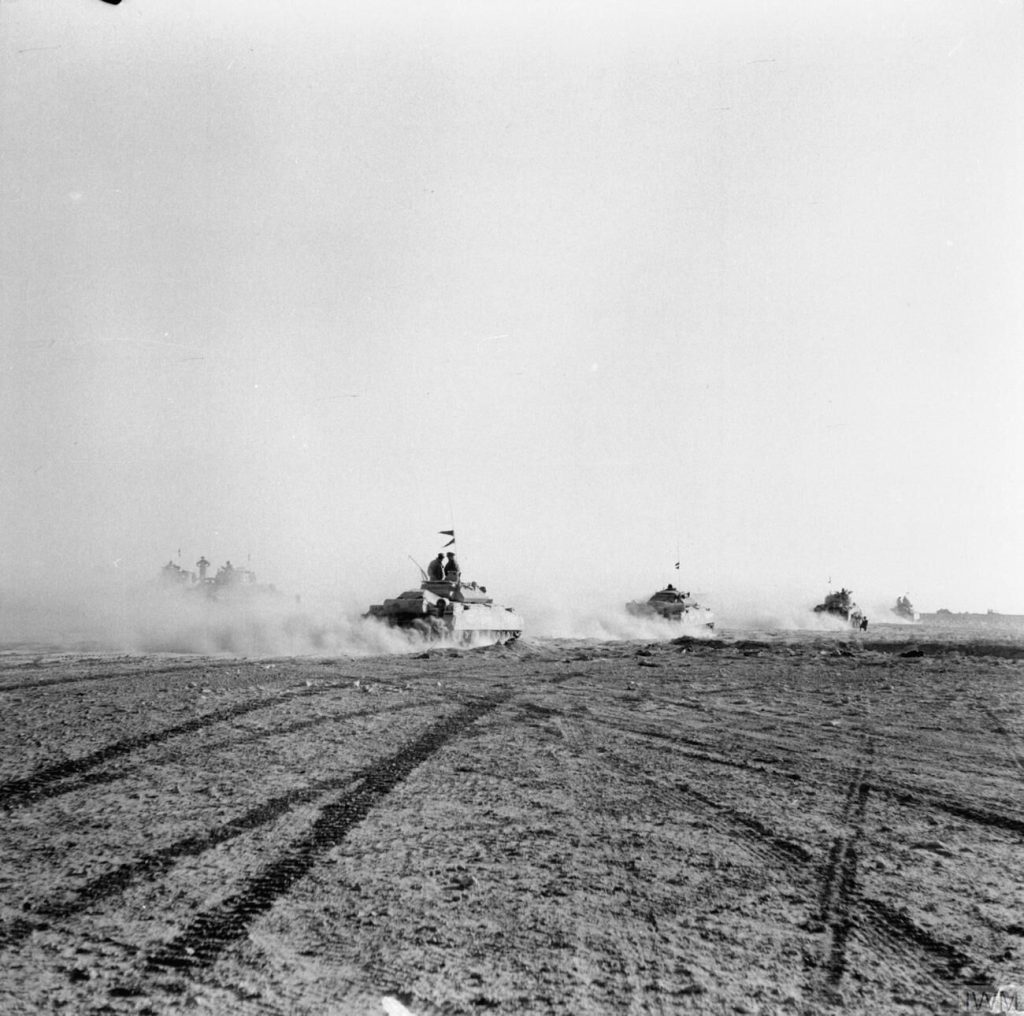
At 21:40, hundreds of guns open fire along the Alamein line. Montgomery’s Eighth Army begins the battle that will drive the Axis out of Egypt for good.
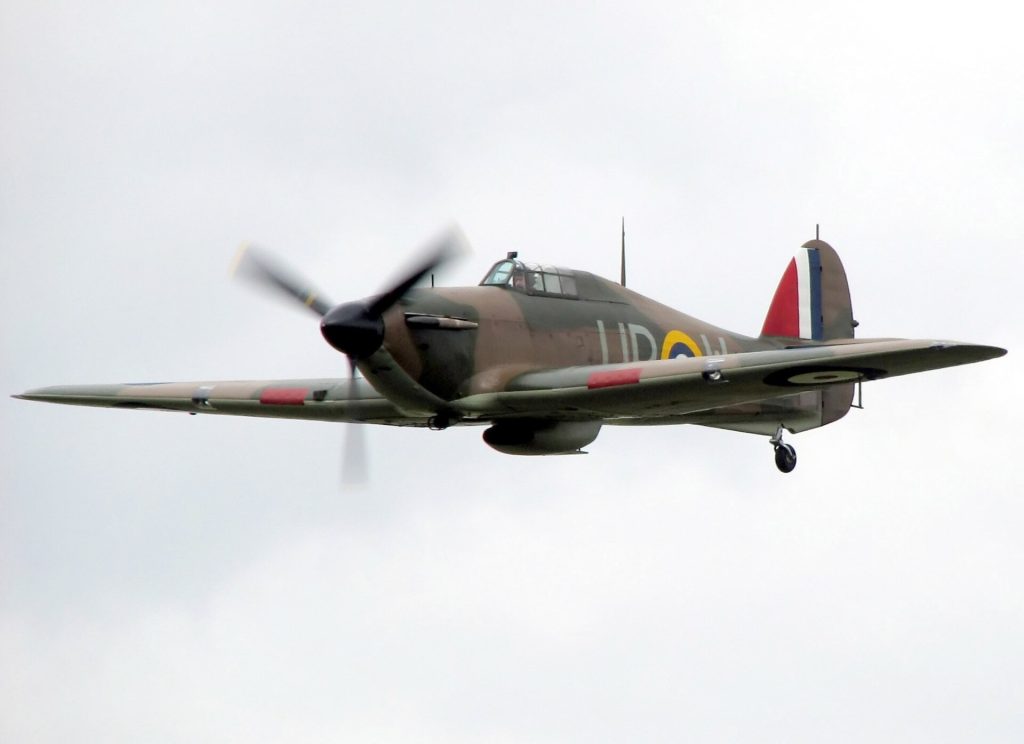
The Luftwaffe sends two great raids against London. Every RAF fighter squadron in the south-east is thrown in, and the attacks are broken up. Two days later, Hitler postpones the invasion of Britain.
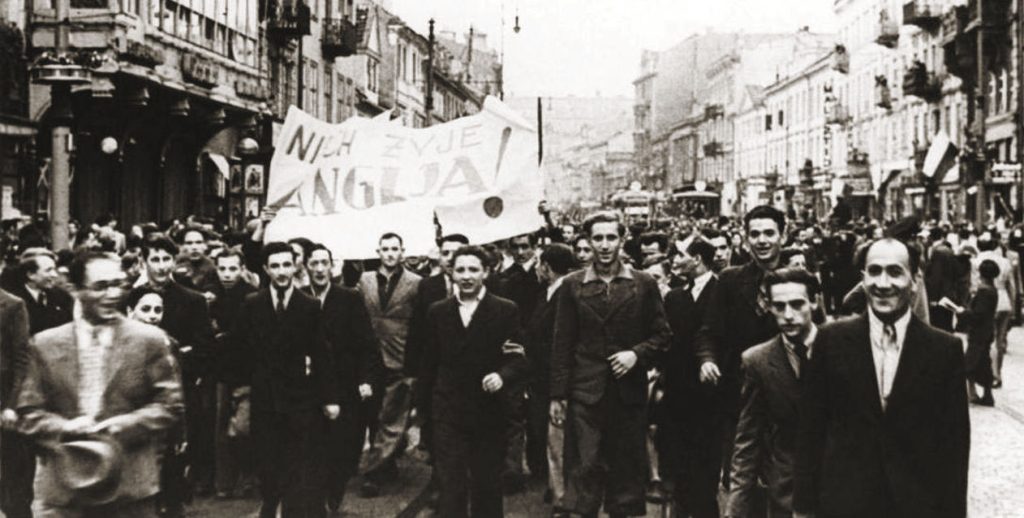
At 11:15, Neville Chamberlain tells the British people by radio that the country is at war with Germany. France follows that afternoon. In Warsaw, crowds cheer outside the British embassy.
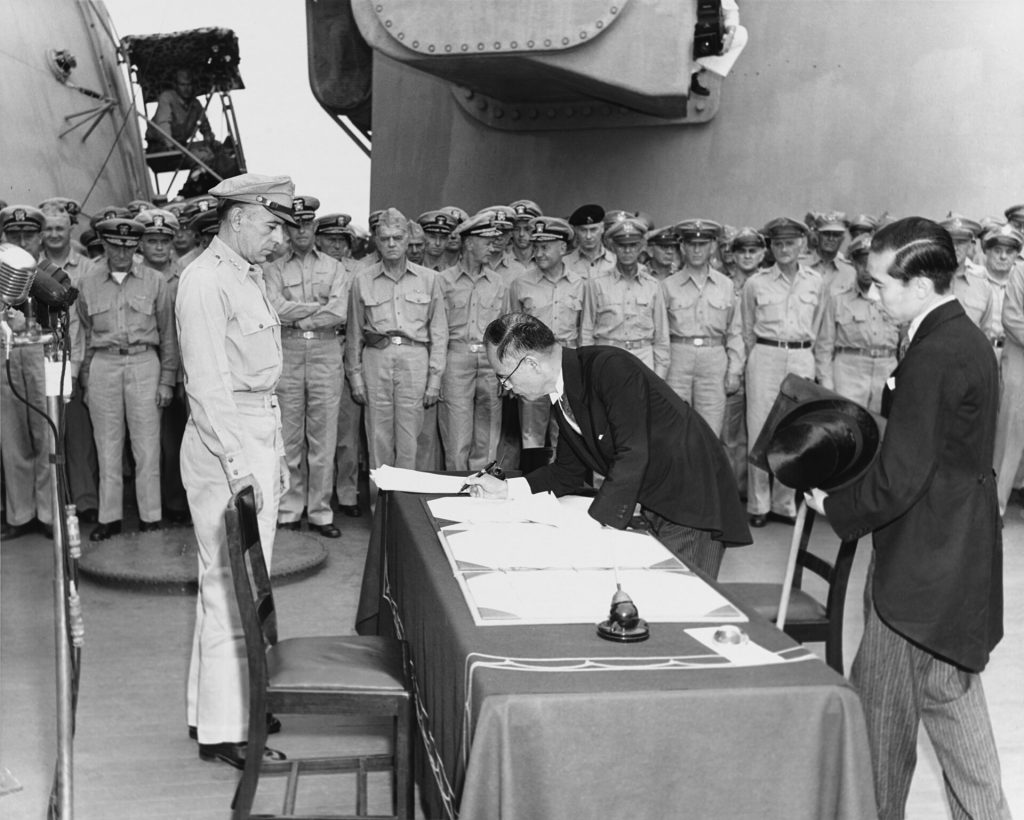
In Tokyo Bay, aboard the battleship USS Missouri, Japan’s representatives sign the Instrument of Surrender. After six years and a day, the Second World War is over.
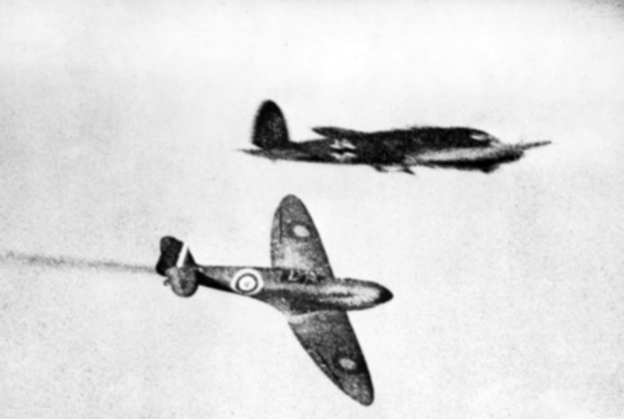
German bombers attack a convoy in the English Channel. The date will later be taken as the official start of the Battle of Britain.
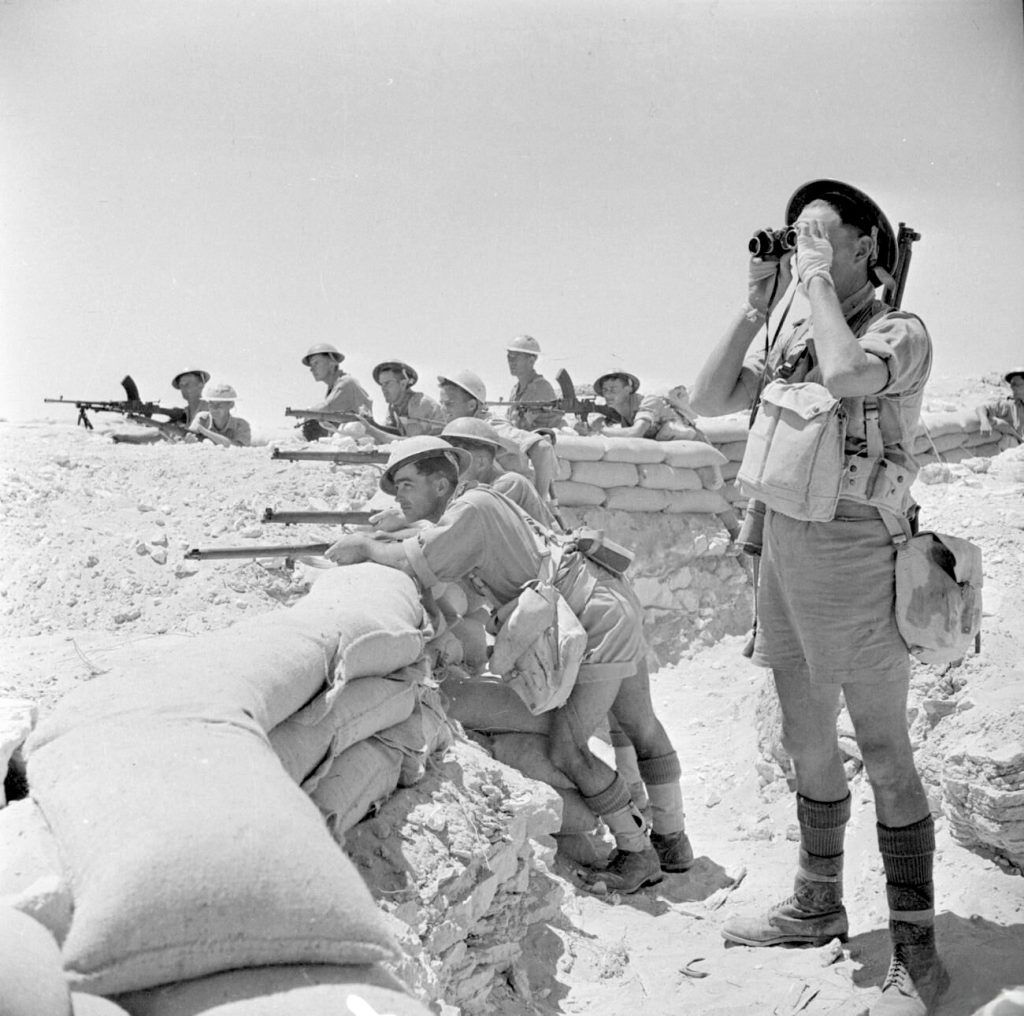
Rommel’s army, racing for the Nile, runs into the last British line at El Alamein. South African troops in the Alamein box help stop him.
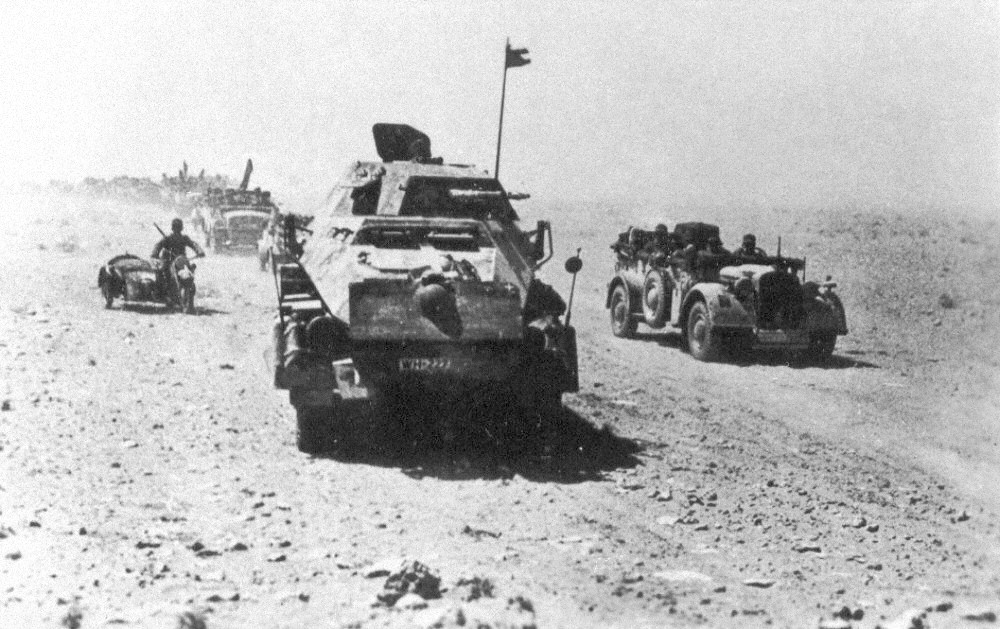
Rommel’s forces take the port of Mersa Matruh as the Eighth Army retreats into Egypt. The British fall back to a last line at a railway halt called El Alamein.
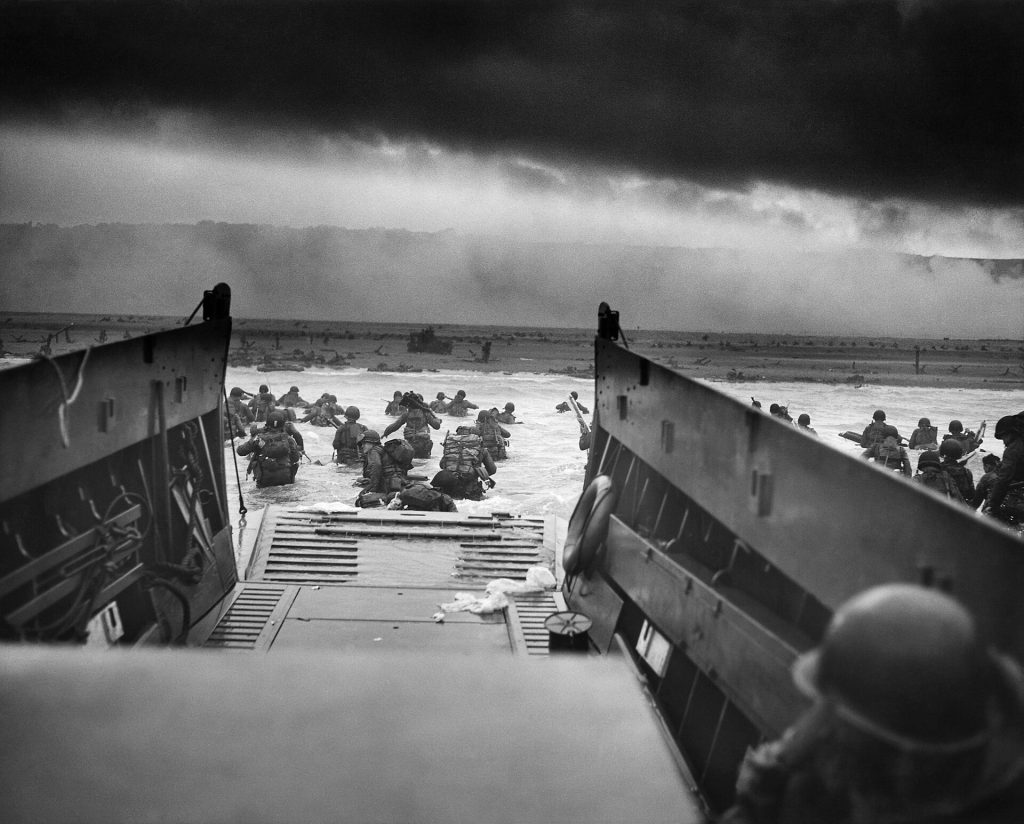
The largest seaborne invasion in history lands on the beaches of Normandy. By nightfall around 156,000 Allied troops are ashore, and the liberation of western Europe has begun.
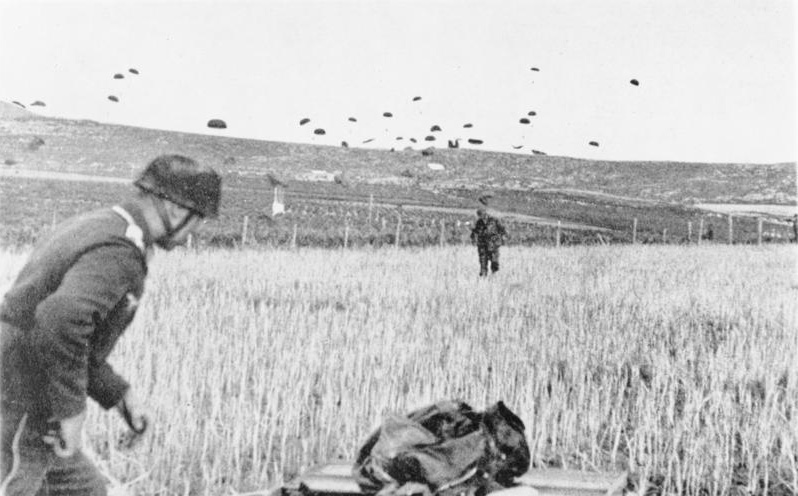
Thousands of German paratroopers descend on Crete in the first great airborne invasion in history. They suffer terrible losses, but they take an airfield, and that is enough.
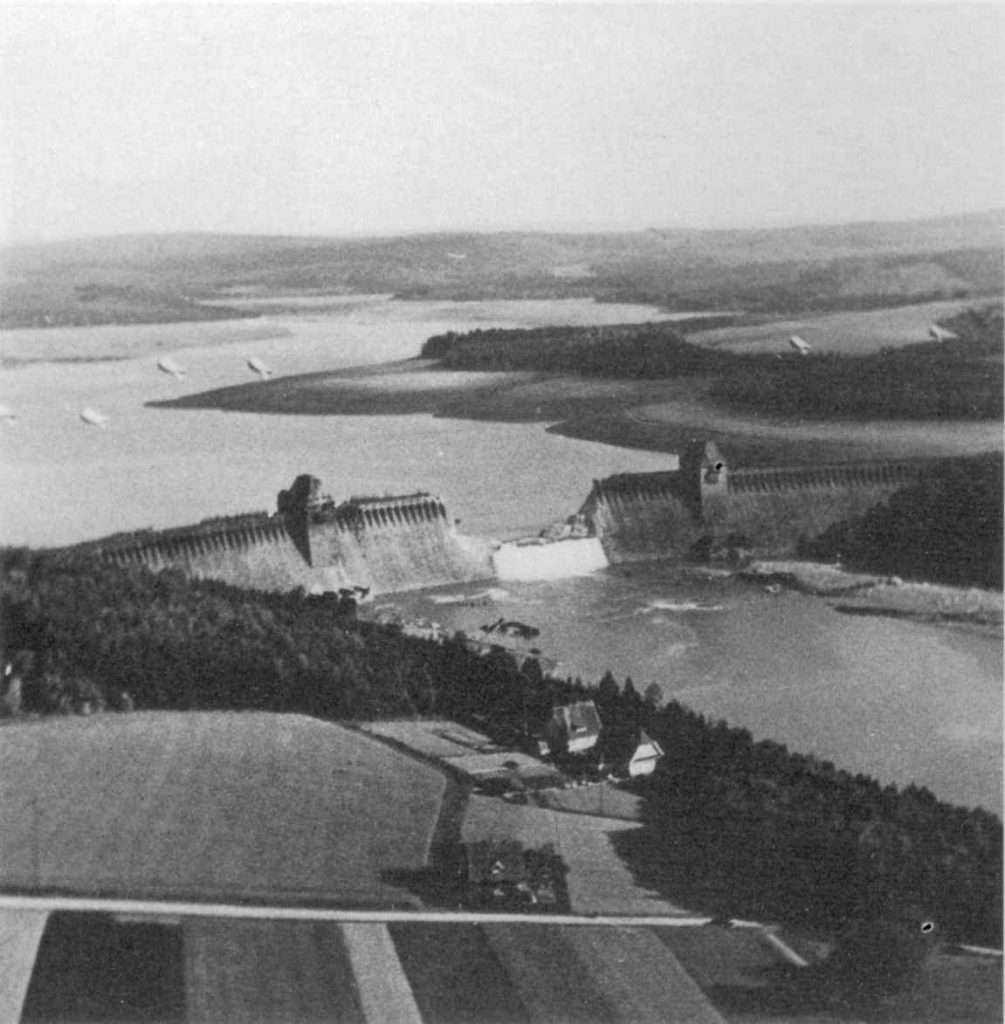
Nineteen Lancasters of a newly formed squadron fly low across the North Sea at night carrying bouncing bombs. Their targets are the great dams of the Ruhr.
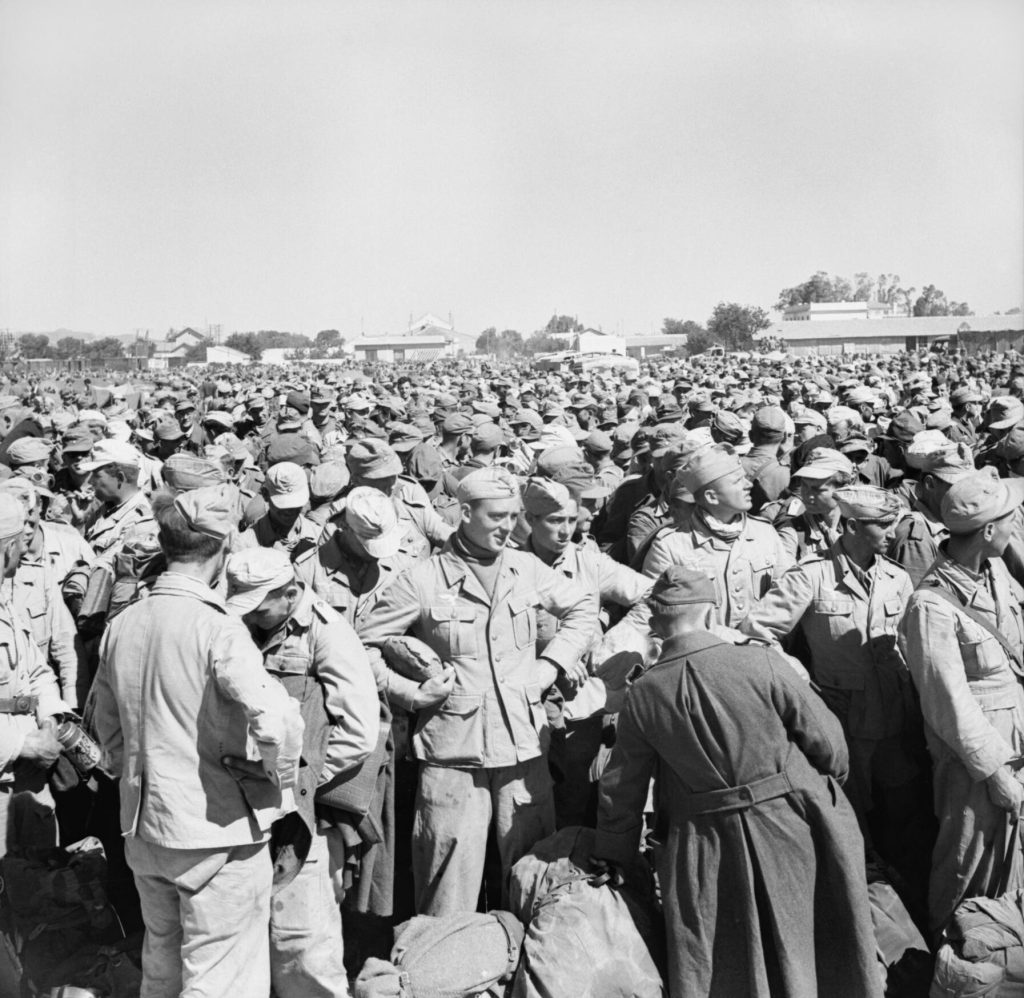
The last Axis army in Tunisia lays down its arms. Around a quarter of a million German and Italian soldiers become prisoners, and the war in North Africa is over.
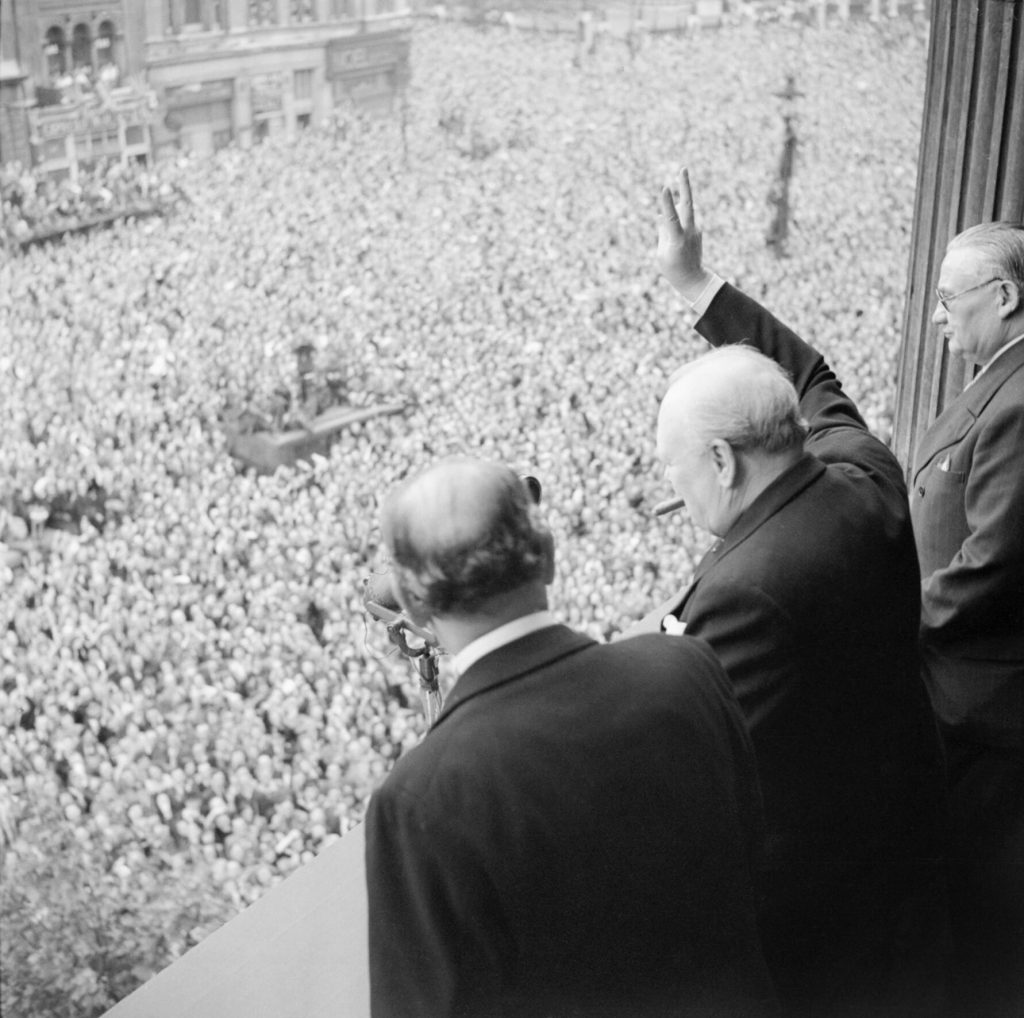
Victory in Europe. Crowds pour into the streets of London, Paris, New York and cities across the Allied world. After nearly six years, the war against Germany is over.
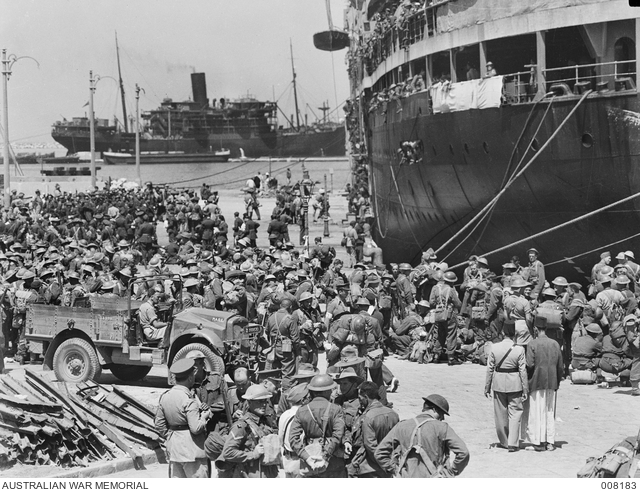
After a rearguard stand at Thermopylae, British, Australian and New Zealand troops begin to leave Greece by night from small harbours and open beaches.
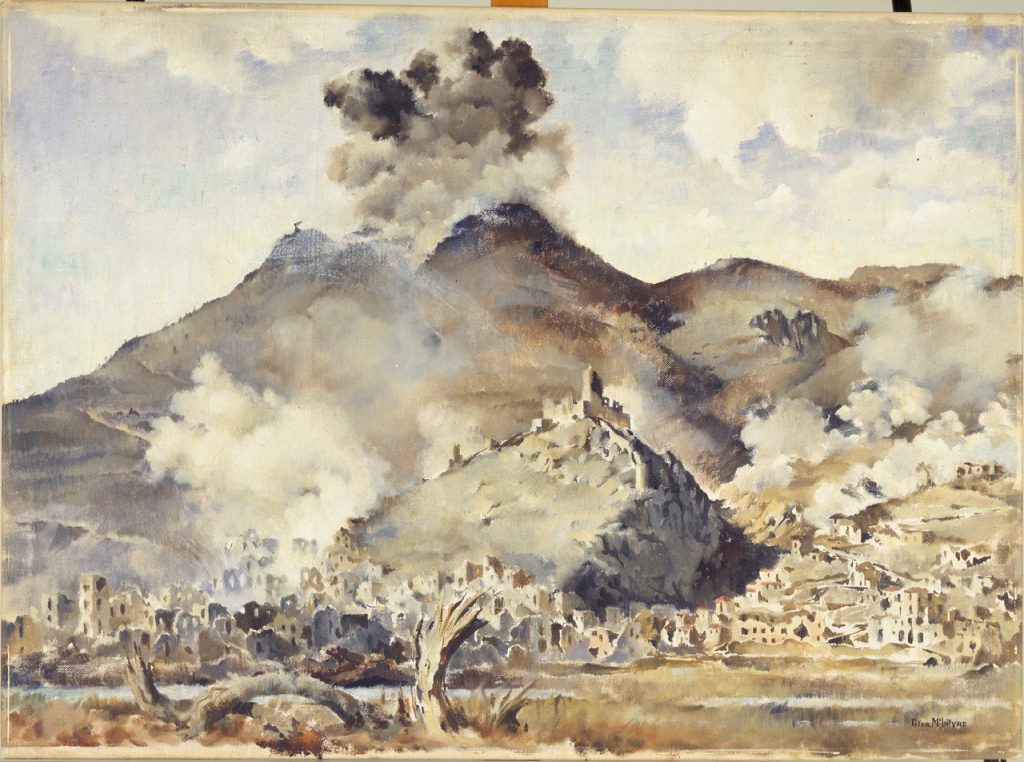
Hundreds of Allied bombers reduce the town of Cassino to rubble. New Zealand and Indian troops go in, but the German paratroopers are still there.
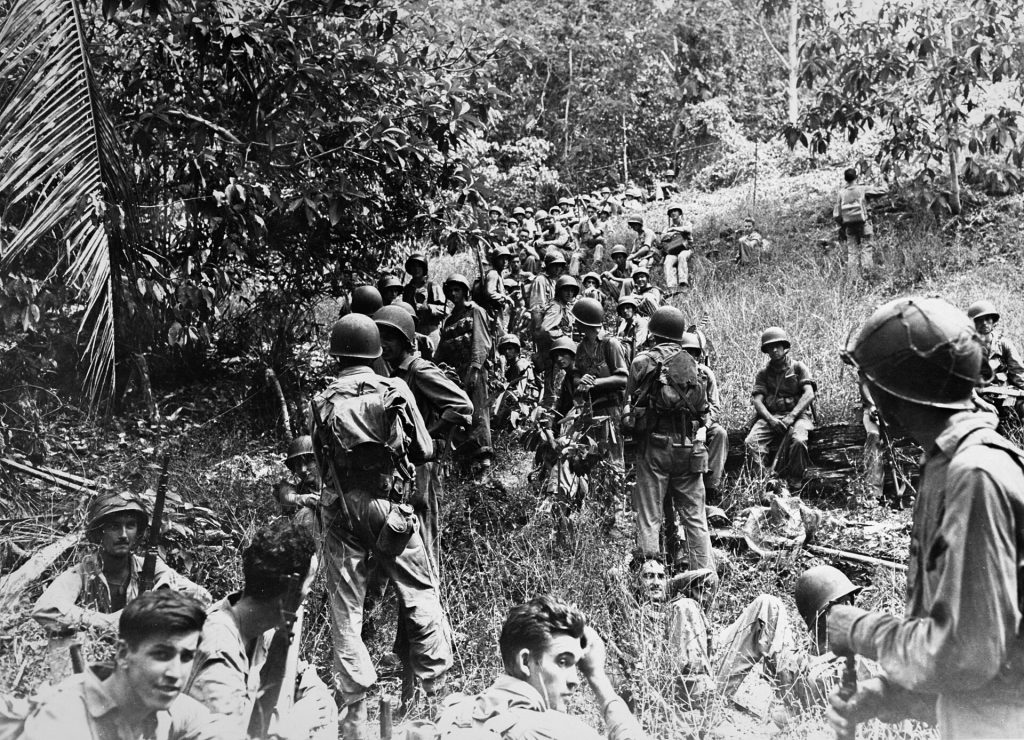
Six months after the Marines landed, the American commander on Guadalcanal reports that organised Japanese resistance has ended. The enemy has slipped away by night.
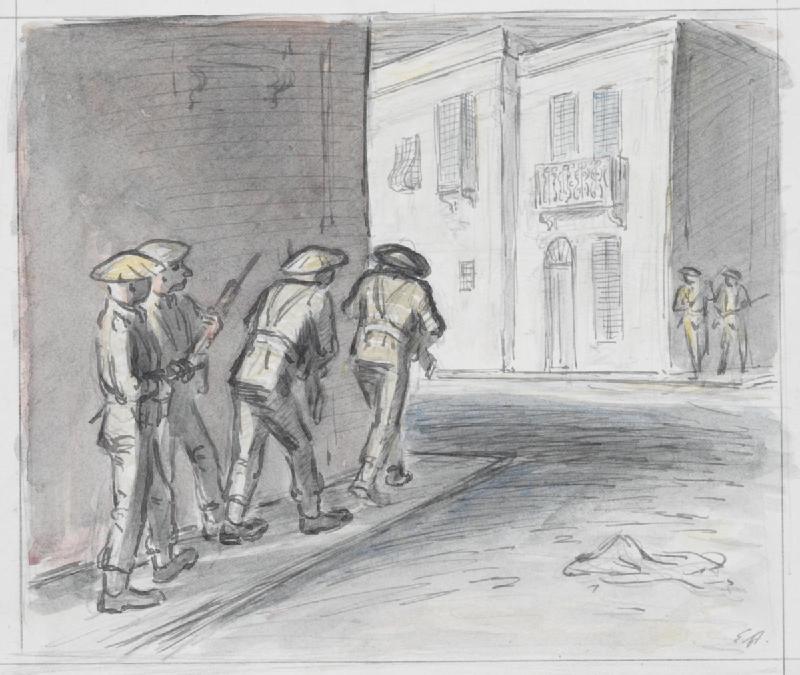
Three months after El Alamein, Montgomery’s Eighth Army enters the capital of Italian Libya. Mussolini’s North African empire is gone.
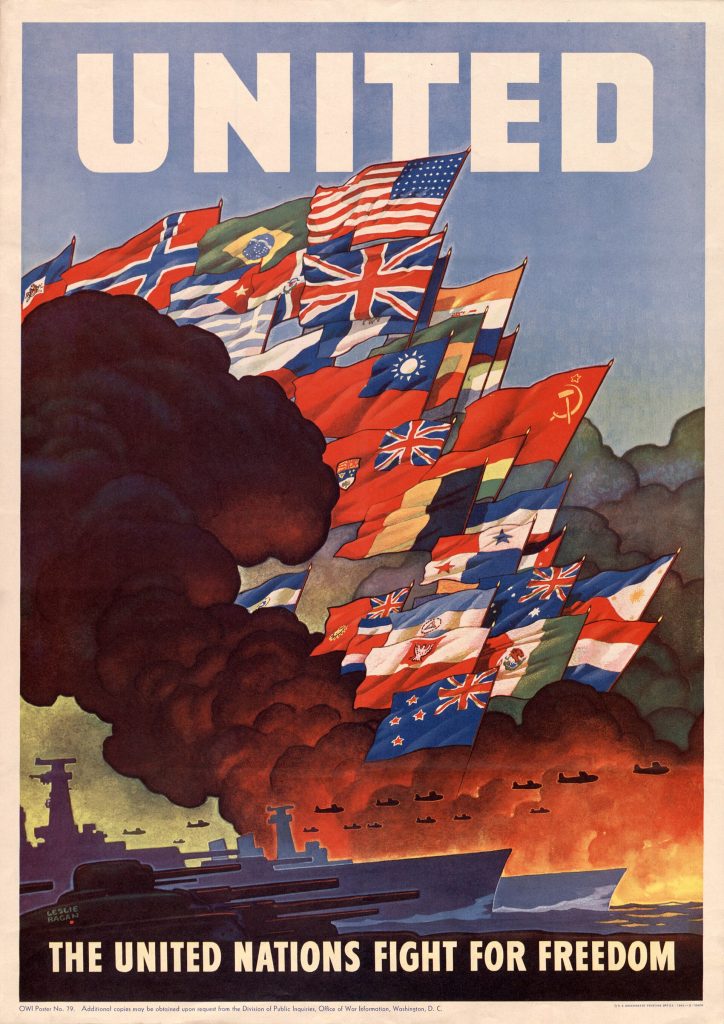
Weeks after Pearl Harbor, the nations fighting the Axis sign a single pledge in Washington. Their name for themselves will outlive the war.
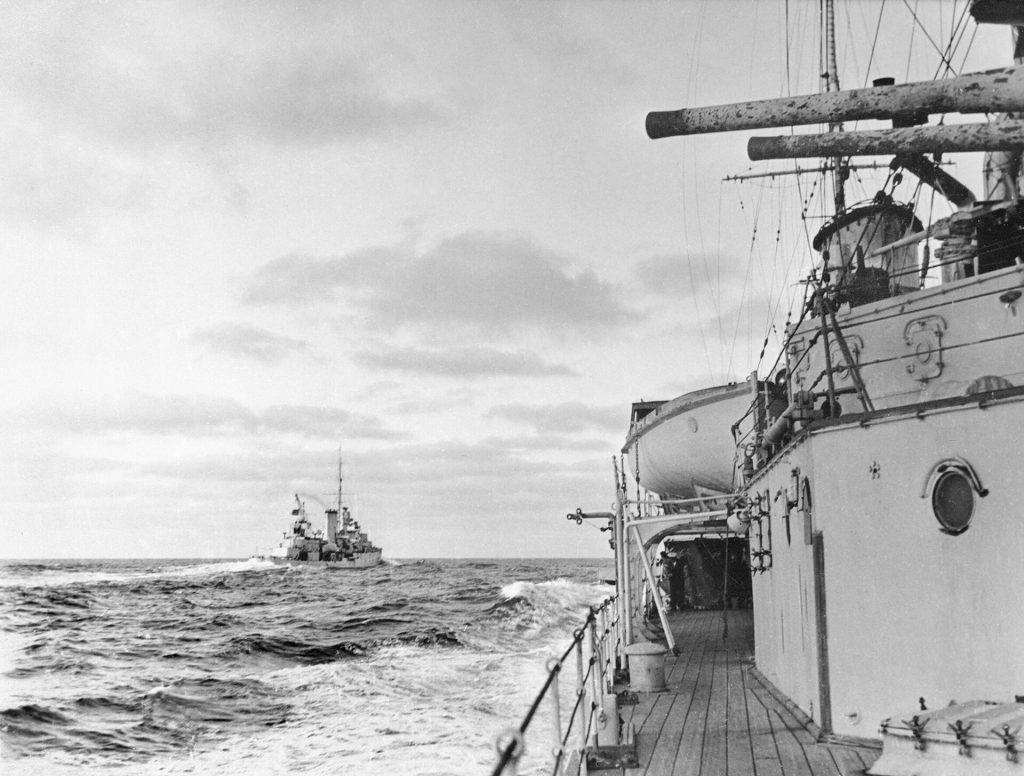
Three British cruisers take on the pocket battleship Admiral Graf Spee off the coast of South America. Battered, the raider runs for neutral Montevideo, and into a trap of nerves.
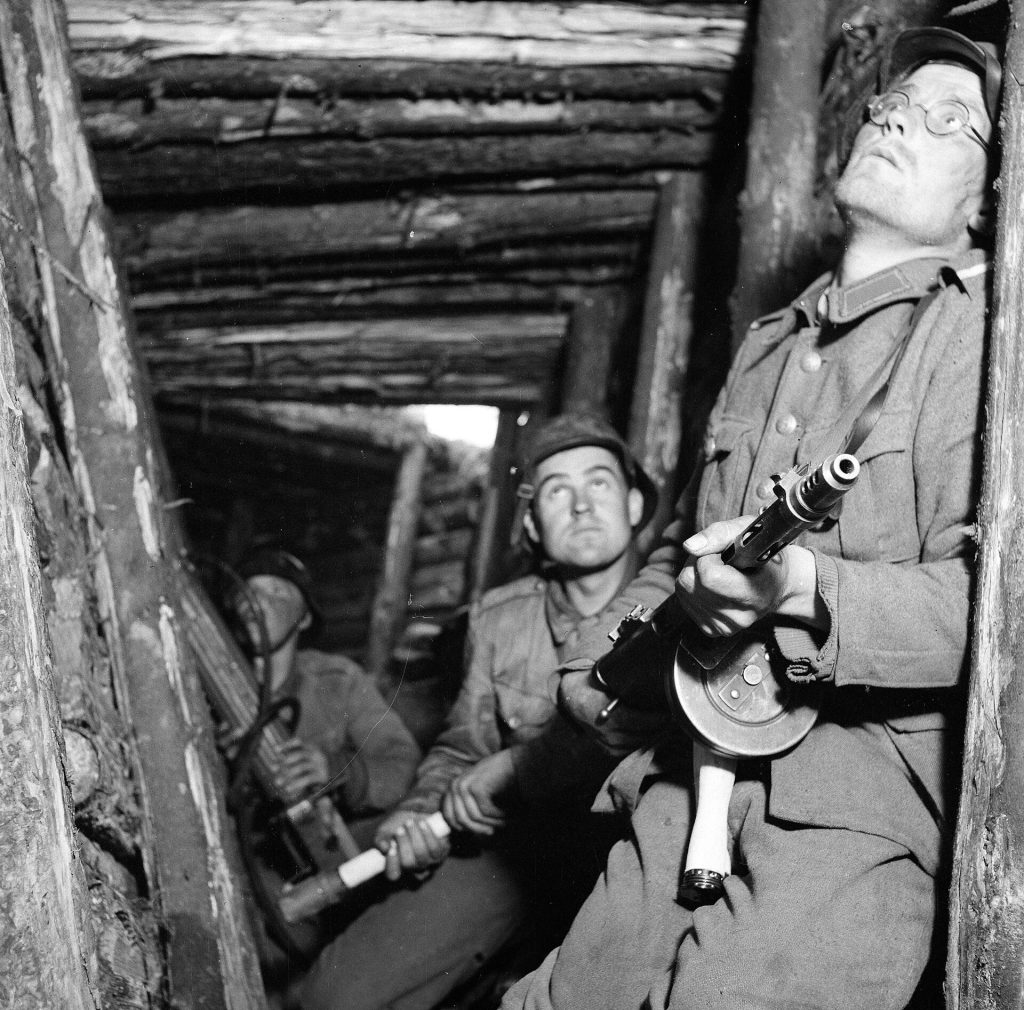
Under pressure from Stalin, Britain declares war on three of Germany’s partners in the invasion of the Soviet Union, including Finland, which Britain had cheered on against the Soviets two years earlier.
 United Kingdom
 United States
 Soviet Union
 Germany
 Japan
 France
 Poland
 South Africa