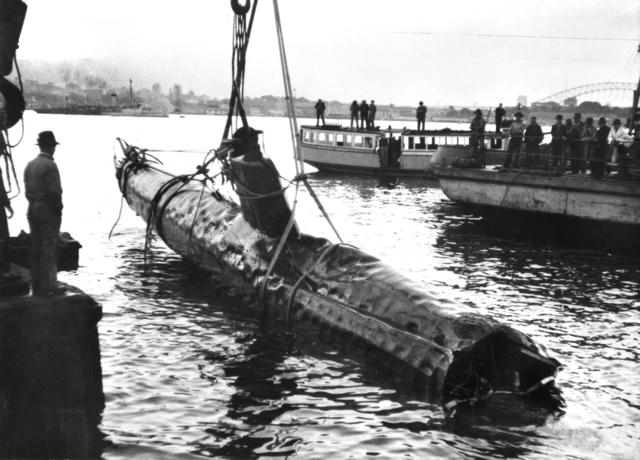
31 May 1942: The Attack on Sydney Harbour
Three Japanese midget submarines slip into Sydney Harbour at night. One fires torpedoes at an American cruiser, misses, and sinks a depot ship full of sleeping sailors.
Every dispatch dated in May, across all six years of the war.
Three Japanese midget submarines slip into Sydney Harbour at night. One fires torpedoes at an American cruiser, misses, and sinks a depot ship full of sleeping sailors.
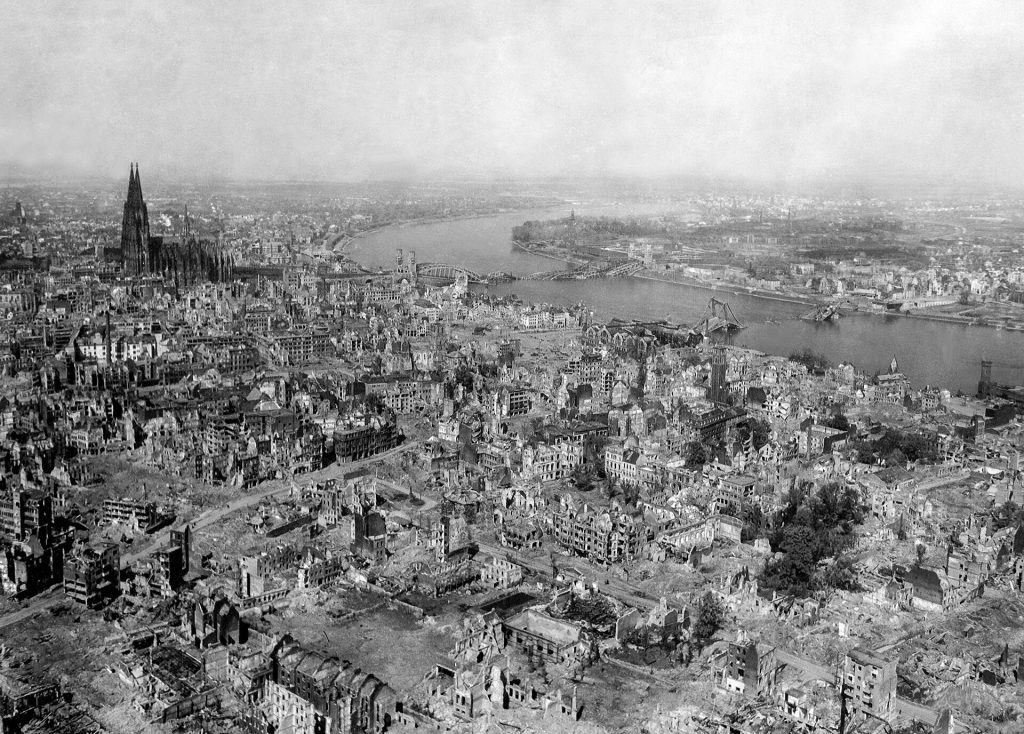
To prove what Bomber Command can do, Arthur Harris scrapes together over a thousand bombers, including training crews, and sends them against Cologne in a single night.
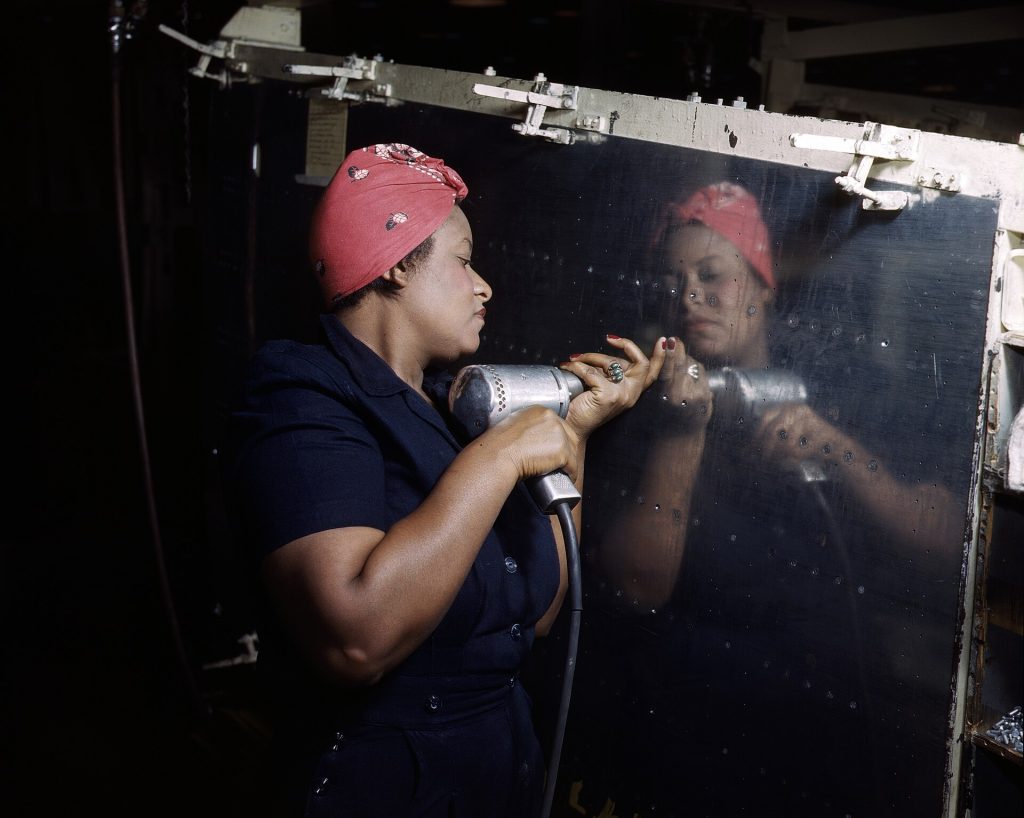
A muscular woman in overalls, with a rivet gun on her lap, appears on the cover of the Saturday Evening Post. Rosie the Riveter becomes the face of millions of women in war work.
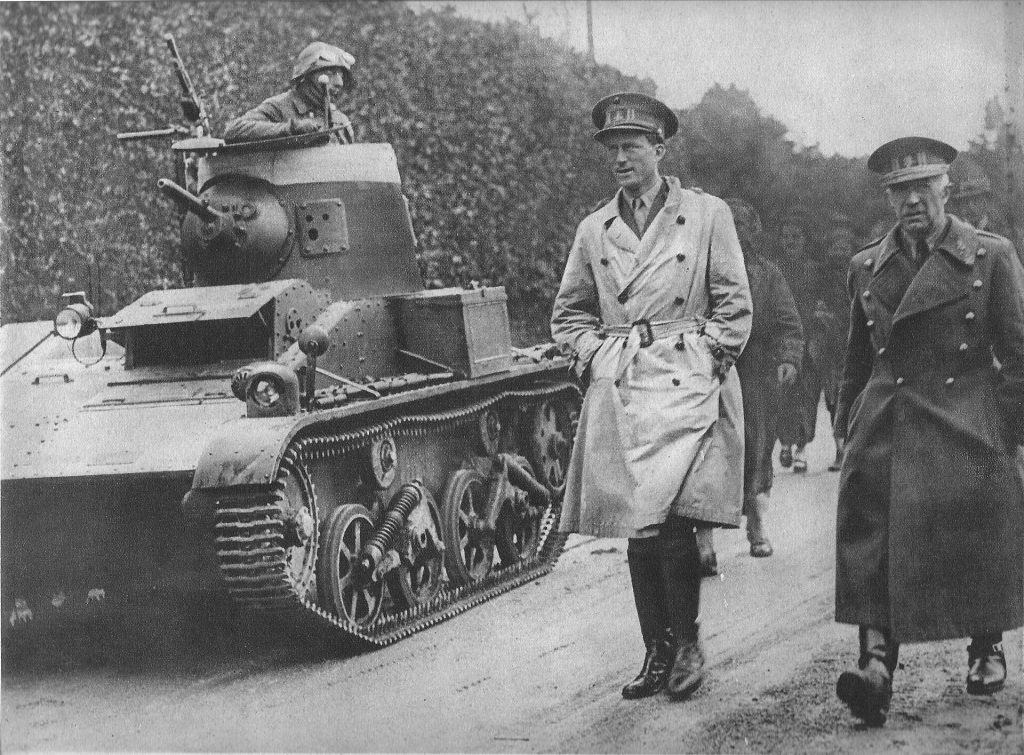
King Leopold III orders the Belgian army to lay down its arms. His government, against the decision, will carry on the war from abroad.
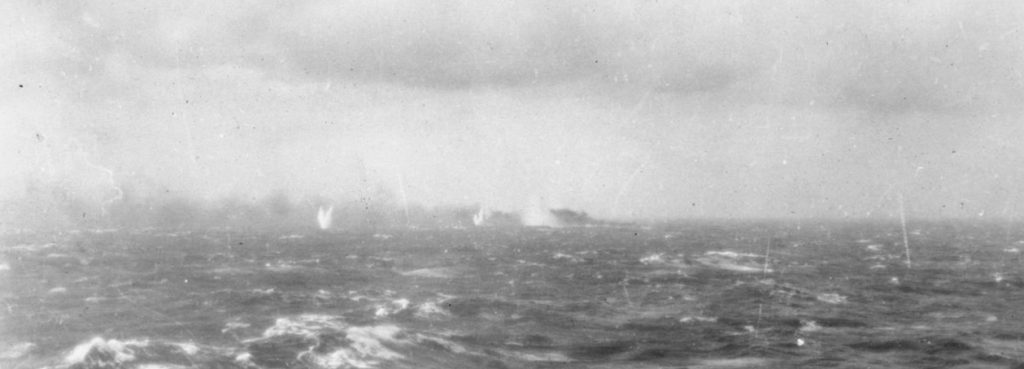
Crippled by a torpedo from an old biplane, the Bismarck can only steam in circles. At dawn, British battleships close in and pound her into a burning wreck.
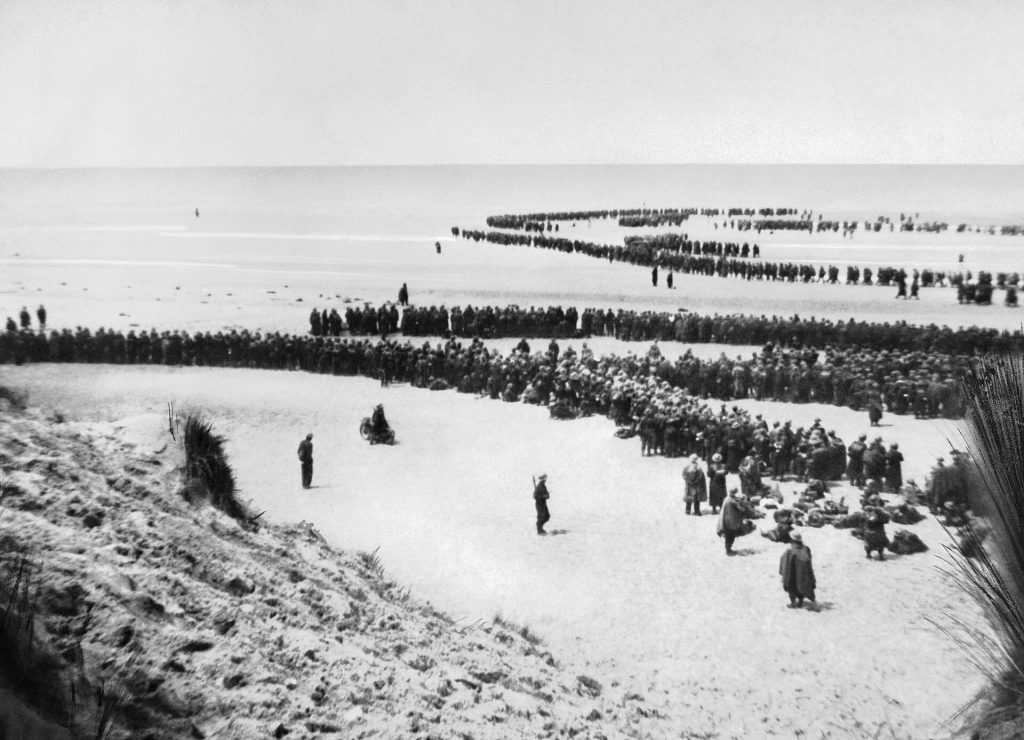
With the British army trapped against the Channel coast, the Admiralty orders the evacuation from Dunkirk to begin. Few expect more than a fraction of the men to get away.
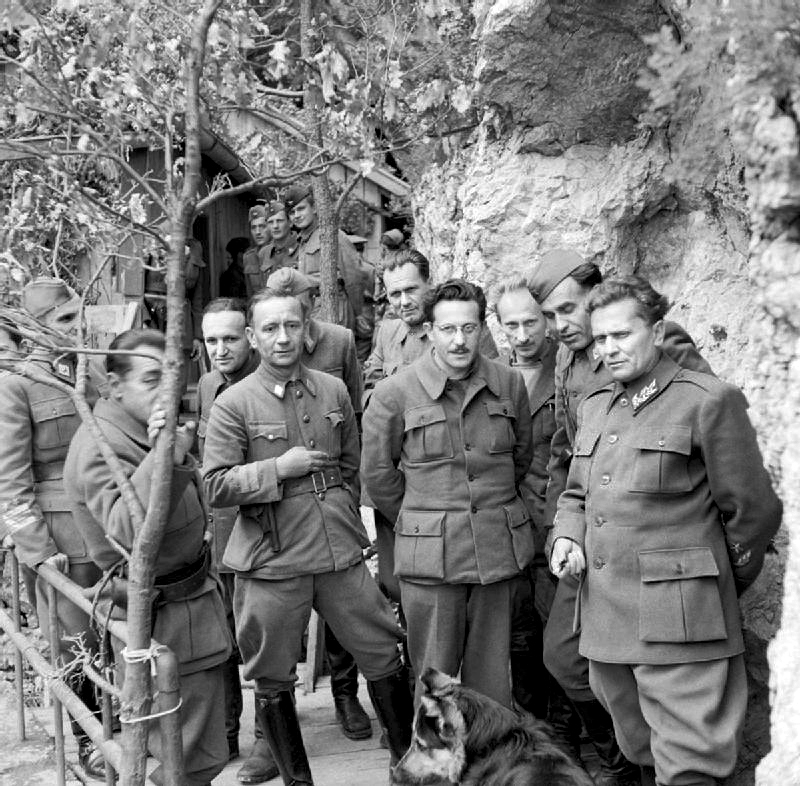
On Tito’s birthday, German paratroopers and glider troops descend on the Bosnian town of Drvar to capture or kill him. Tito escapes from his cave headquarters by a hair.
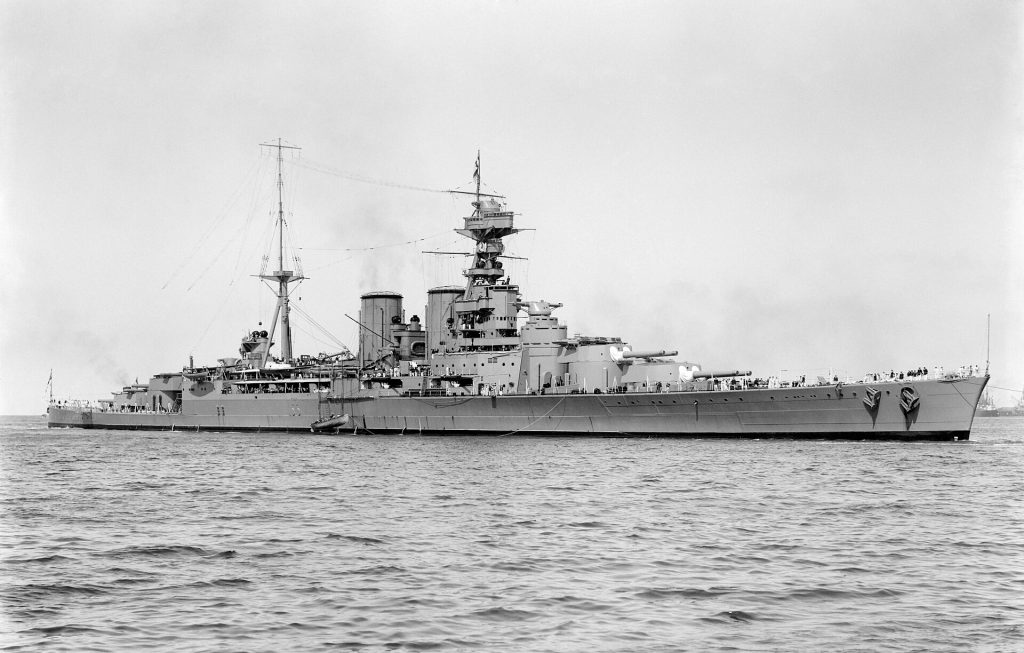
In the Denmark Strait, the battleship Bismarck opens fire on HMS Hood, the pride of the Royal Navy. Within minutes, Hood explodes and sinks. Three men survive.
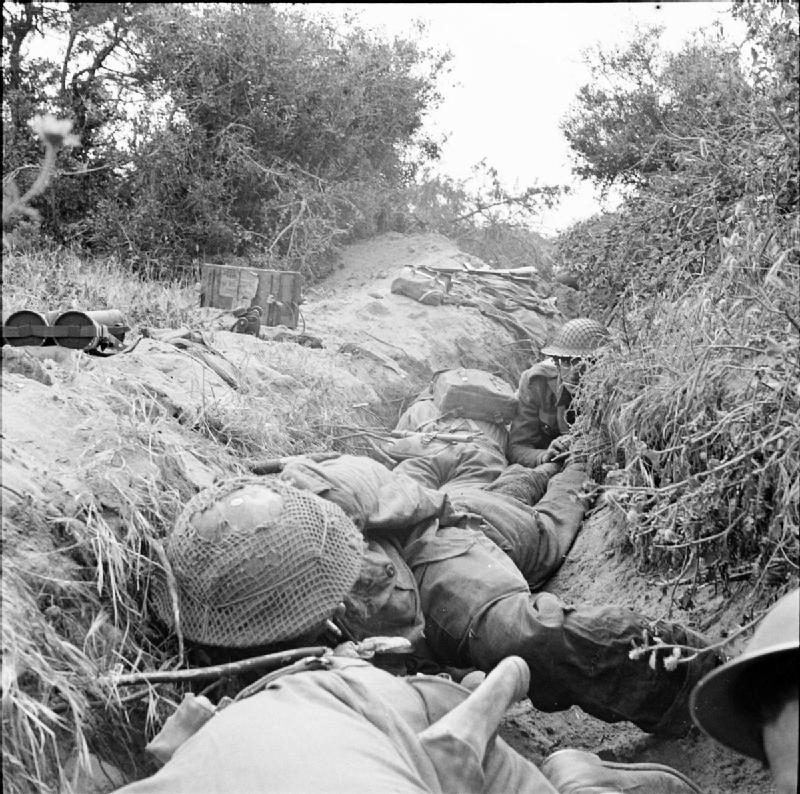
After four months penned into the beachhead, the Allied troops at Anzio attack. Within days they link up with the main armies, and a controversial decision sends them towards Rome.
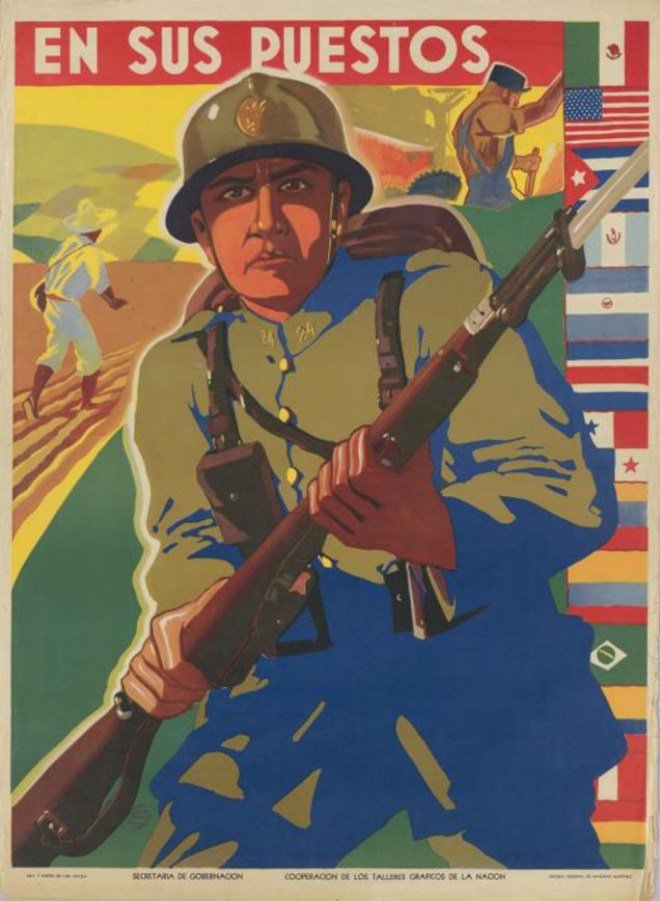
After German U-boats sink two Mexican tankers in the Gulf of Mexico, President Manuel Ávila Camacho declares that Mexico is at war with the Axis.
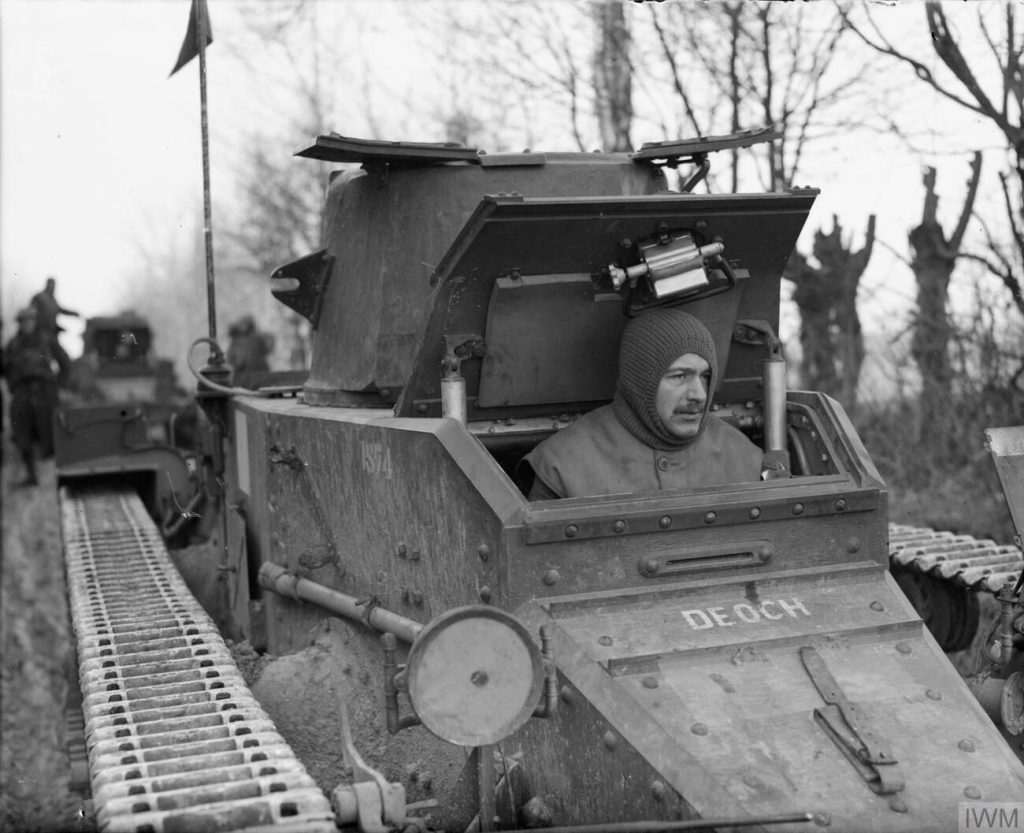
British Matilda tanks strike the flank of the German armoured advance south of Arras. The attack is beaten off, but it gives Rommel a scare and makes the German command nervous.
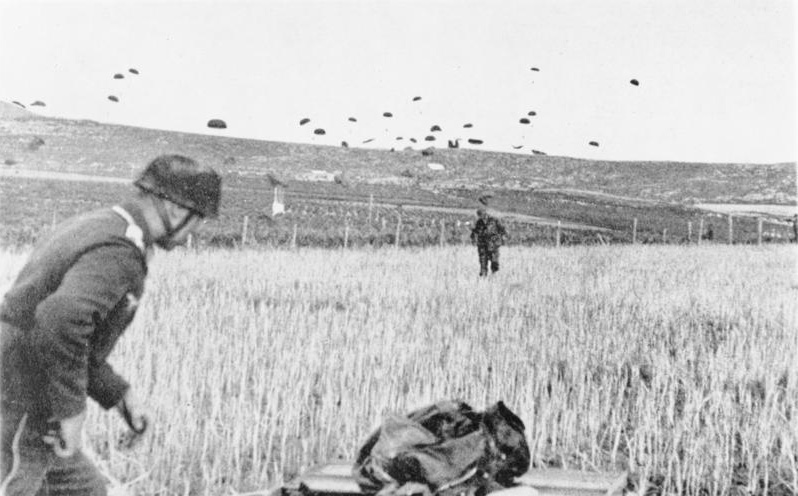
Thousands of German paratroopers descend on Crete in the first great airborne invasion in history. They suffer terrible losses, but they take an airfield, and that is enough.
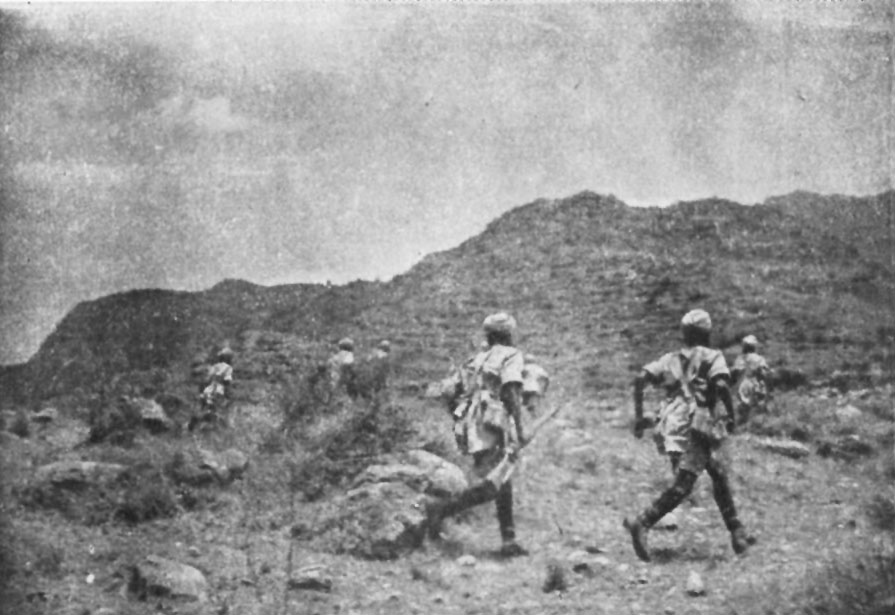
On a mountain stronghold in northern Ethiopia, the Duke of Aosta, Viceroy of Italian East Africa, surrenders with the honours of war. South African troops are among those who brought him to it.
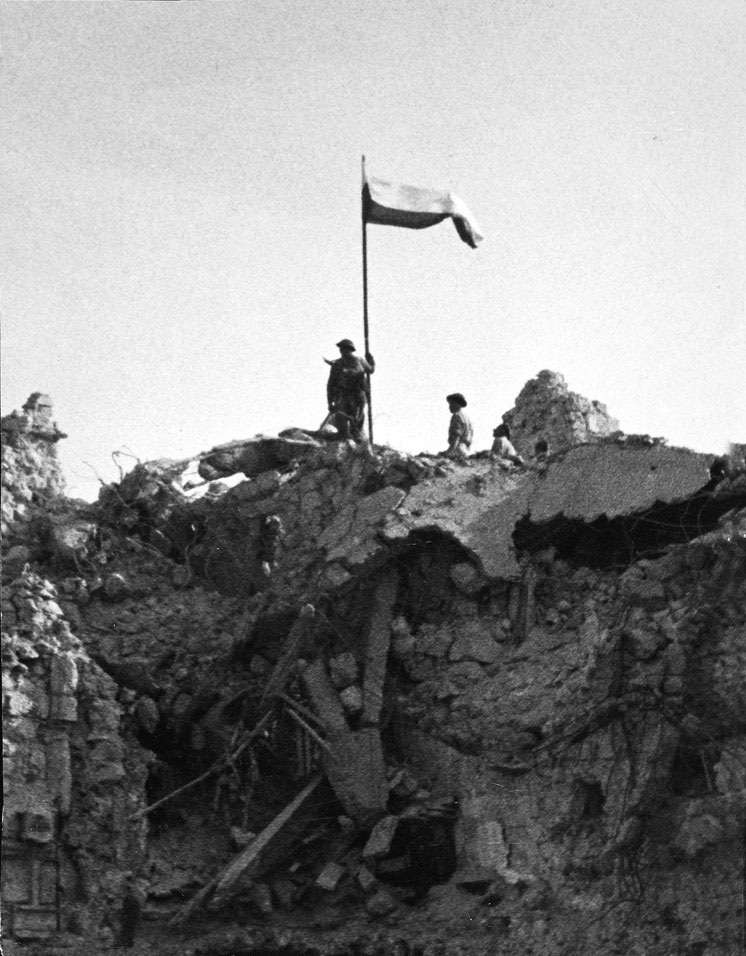
A patrol of Polish lancers climbs to the ruined abbey and raises a makeshift Polish flag. After four months and four battles, Monte Cassino has fallen.
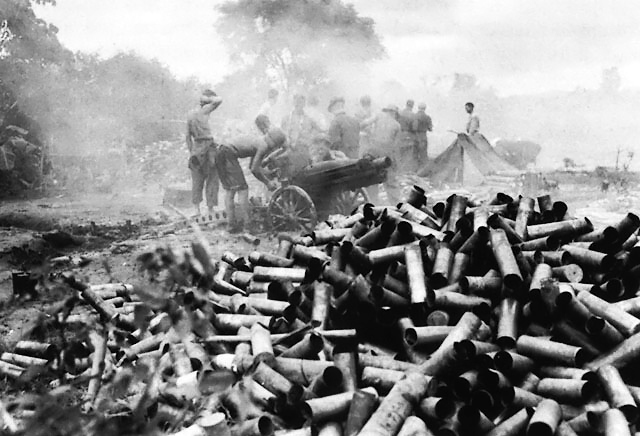
After a gruelling march over the Kumon mountains, American and Chinese troops seize the airfield at Myitkyina in northern Burma by surprise.
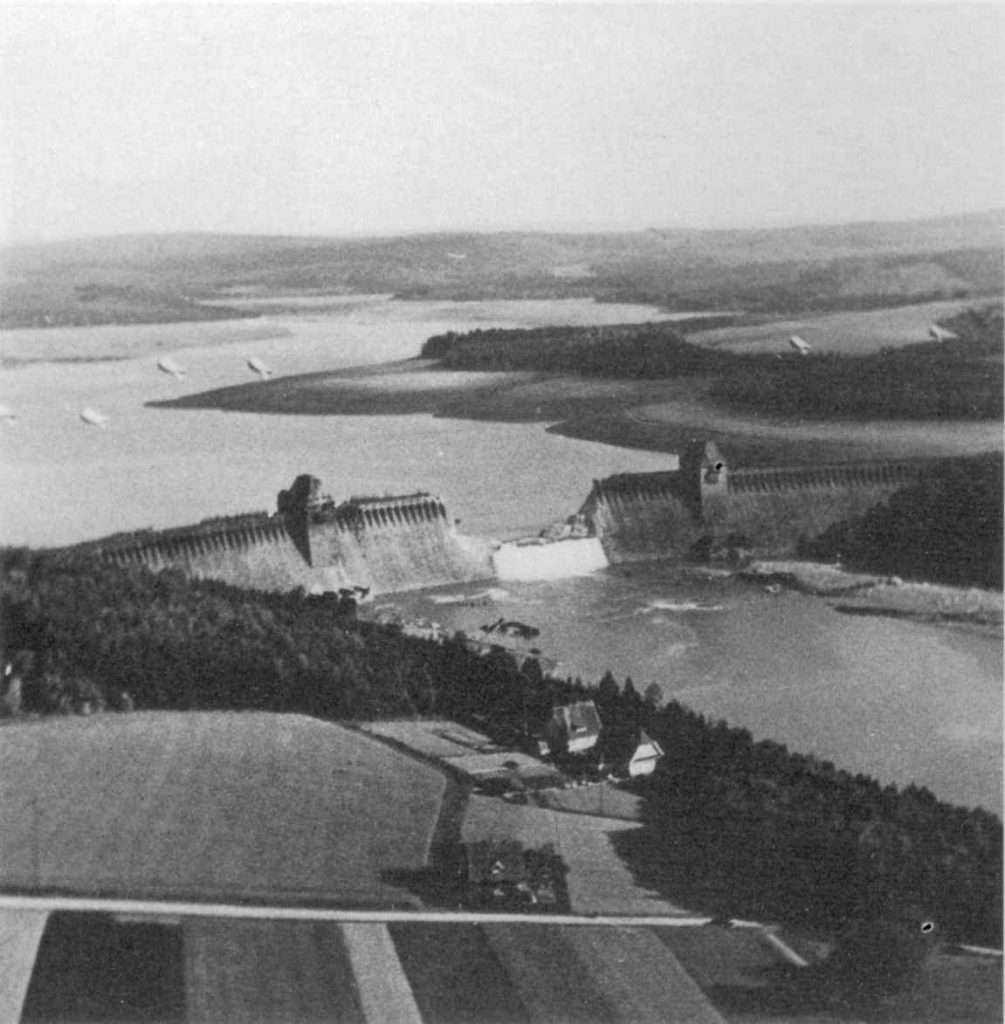
Nineteen Lancasters of a newly formed squadron fly low across the North Sea at night carrying bouncing bombs. Their targets are the great dams of the Ruhr.
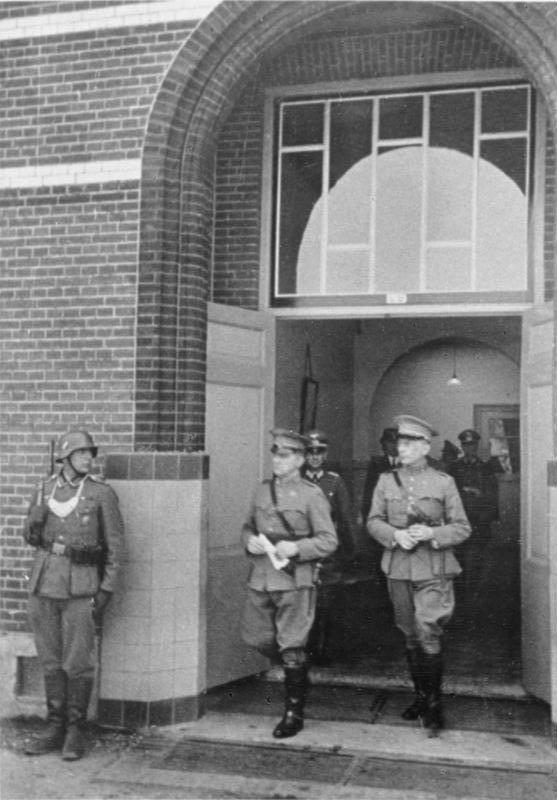
Five days after the invasion, General Winkelman signs the surrender of the Dutch army. In Paris, the French prime minister telephones Churchill with stark news.
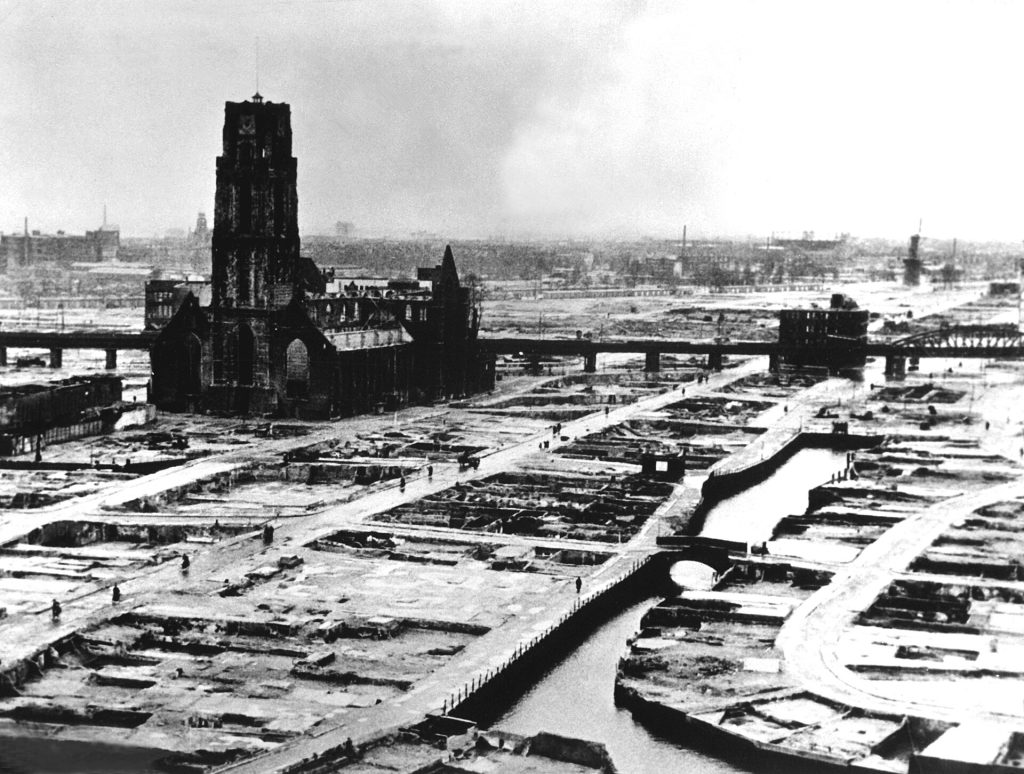
While surrender talks are under way, German bombers devastate the centre of Rotterdam. Threatened with the same fate for other cities, the Netherlands gives up.
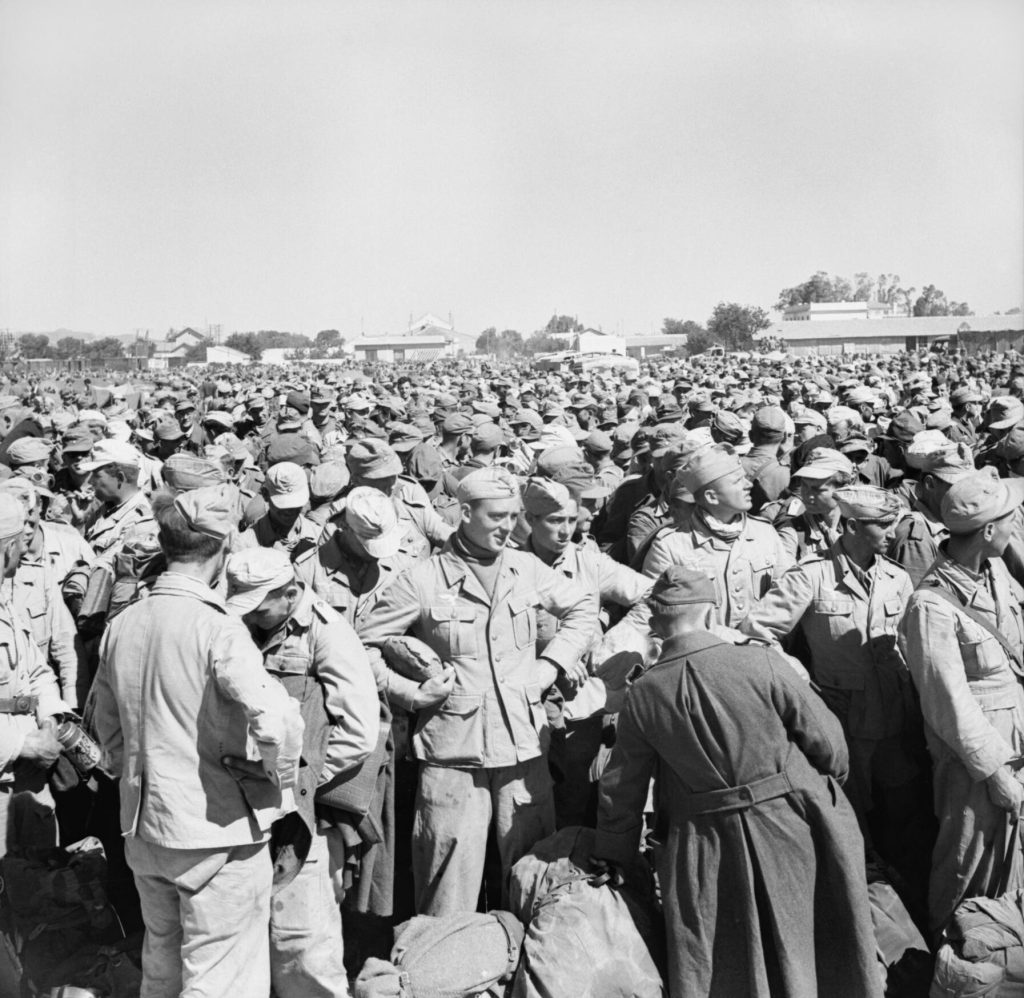
The last Axis army in Tunisia lays down its arms. Around a quarter of a million German and Italian soldiers become prisoners, and the war in North Africa is over.
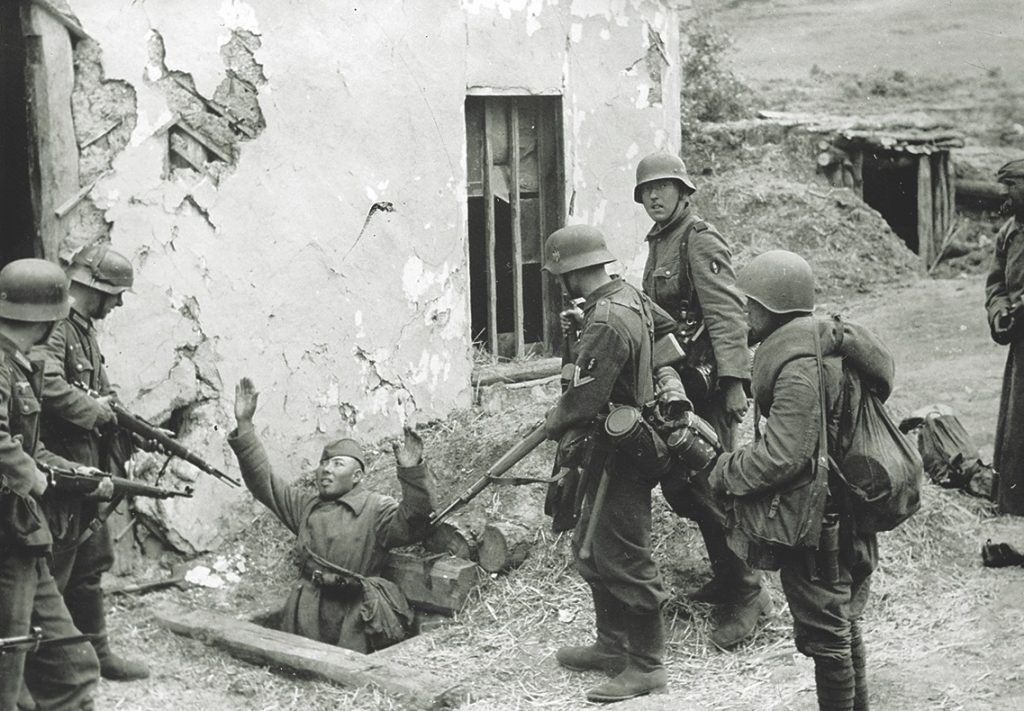
The Red Army launches an ambitious spring offensive to retake Kharkov. Within a week, a German counter-stroke turns it into a disaster.
 United Kingdom
 United States
 Soviet Union
 Germany
 Japan
 France
 Poland
 South Africa