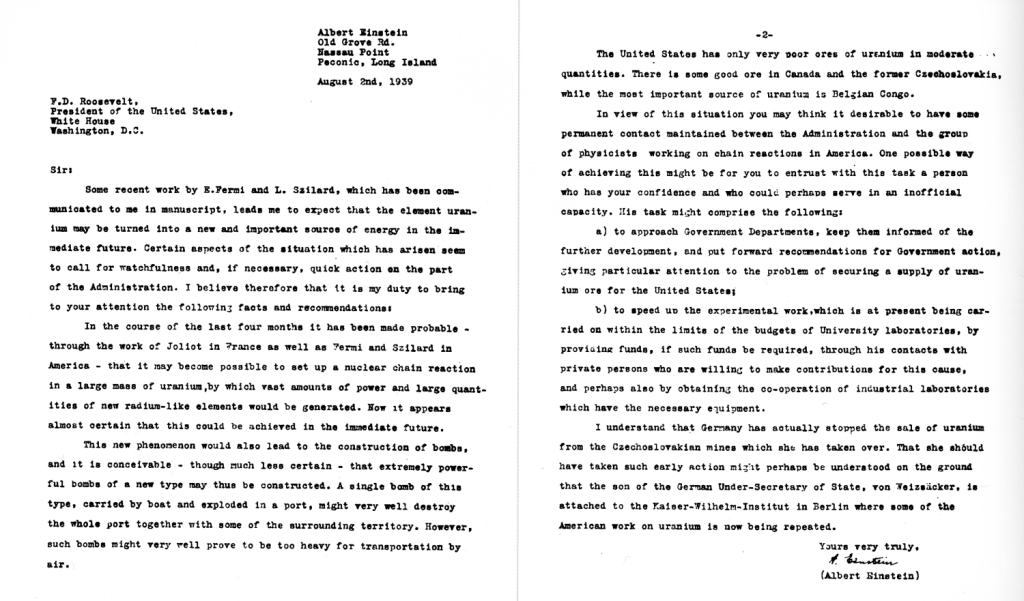
11 October 1939: The Einstein Letter Reaches Roosevelt
An economist with access to the White House reads President Roosevelt a letter signed by Albert Einstein. It warns that Germany might build an atomic bomb.
Every dispatch dated in October, across all six years of the war.
An economist with access to the White House reads President Roosevelt a letter signed by Albert Einstein. It warns that Germany might build an atomic bomb.
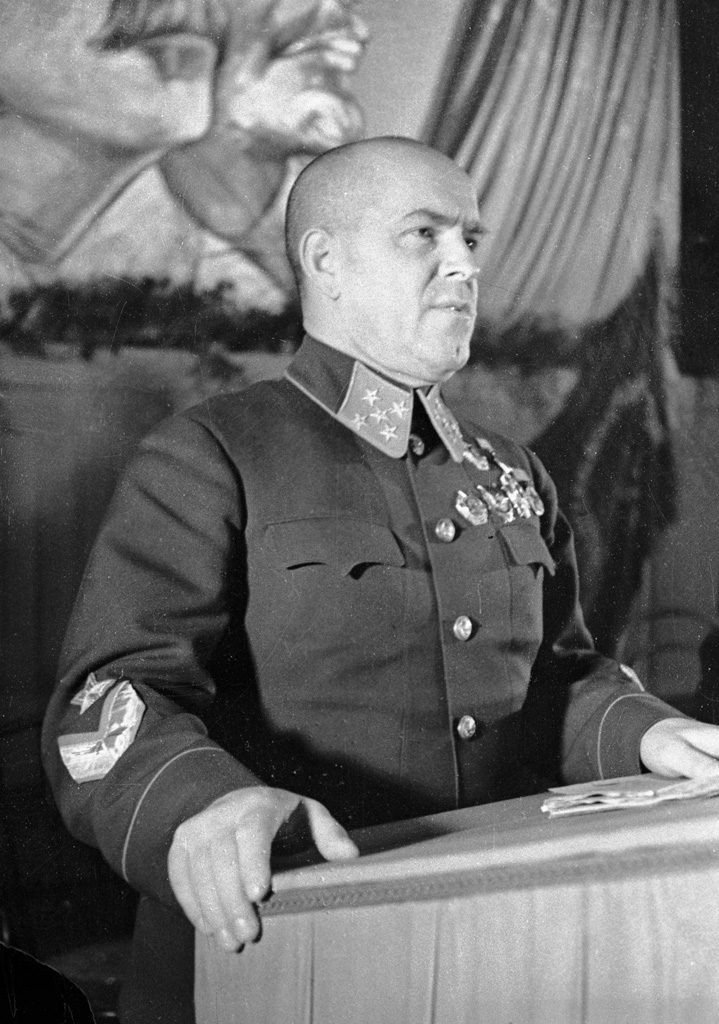
With the German armies breaking through towards Moscow, Stalin hands command of the Western Front to General Georgy Zhukov. His task is to save the capital.
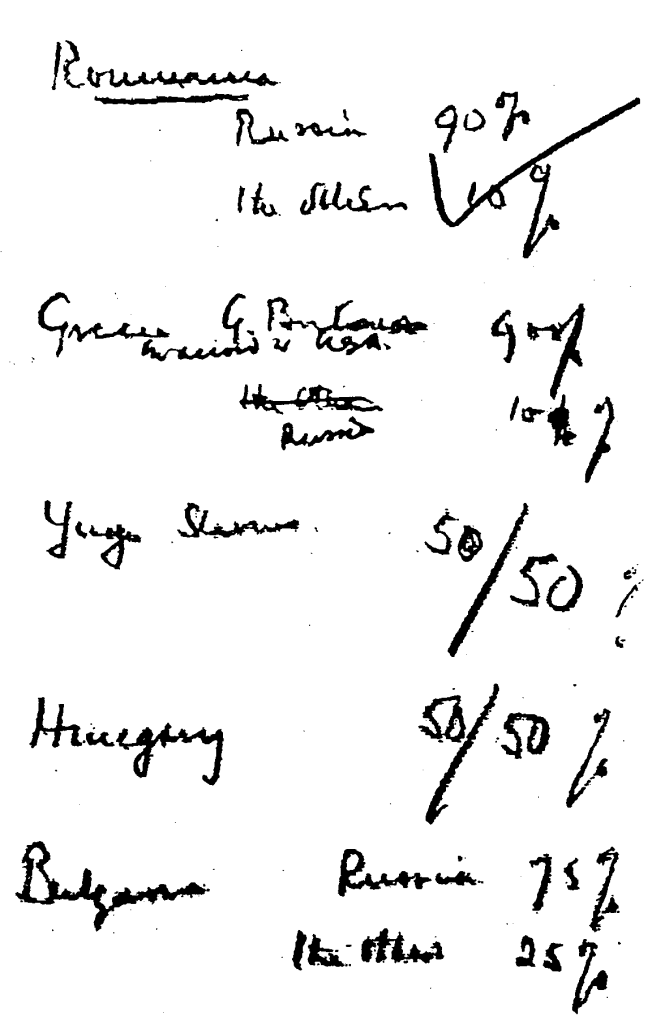
Late at night in the Kremlin, Churchill pushes a half-sheet of paper across the table to Stalin. On it he has written percentages of influence over five countries of south-eastern Europe.
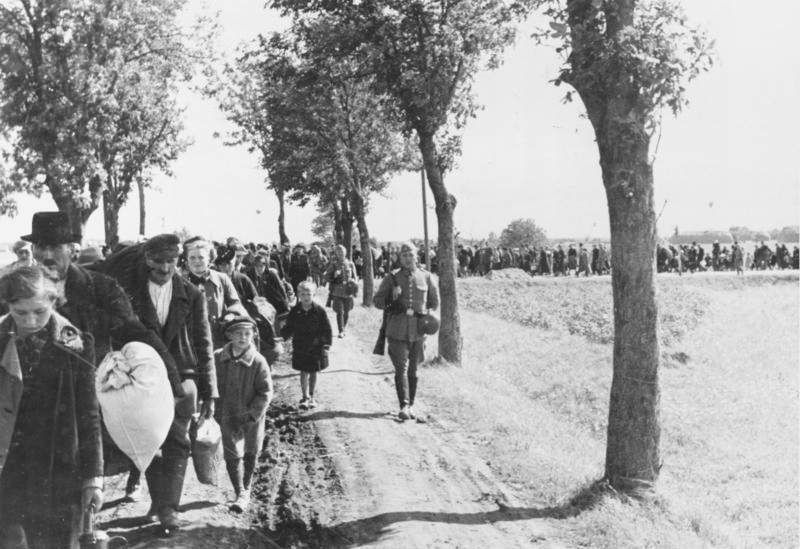
By decree, Hitler incorporates large parts of western Poland into Germany. Their Polish and Jewish inhabitants are to be expelled to make room for German settlers.
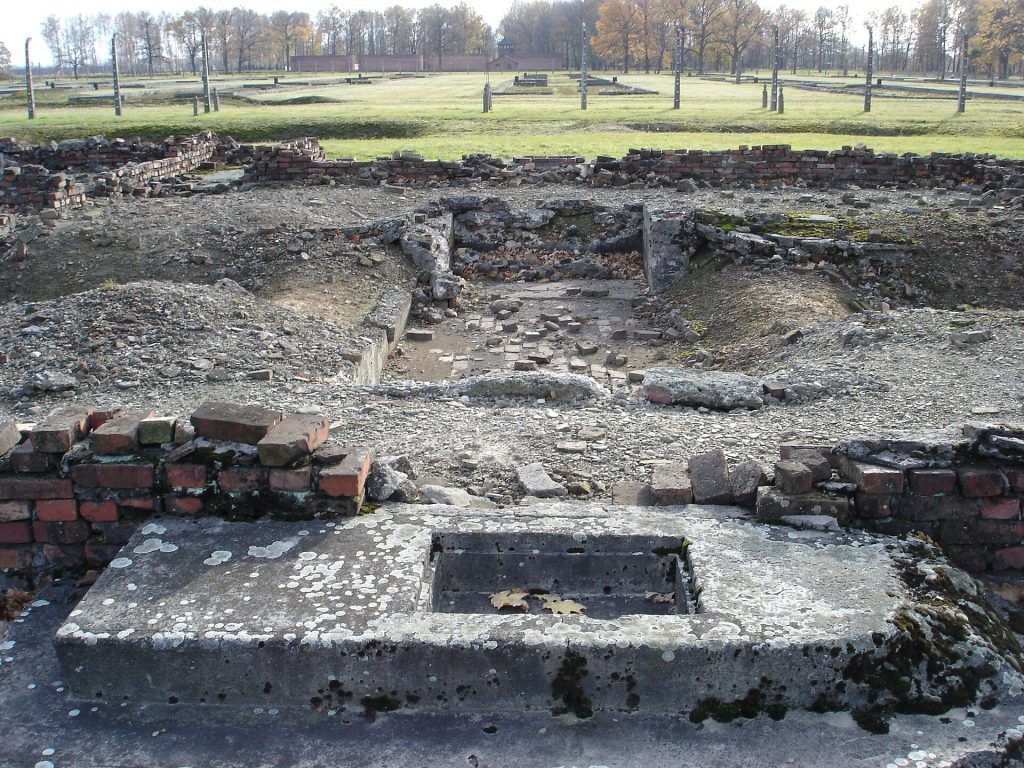
At Auschwitz-Birkenau, Jewish prisoners forced to work in the crematoria rise up against the SS. They set Crematorium IV on fire with smuggled explosives.
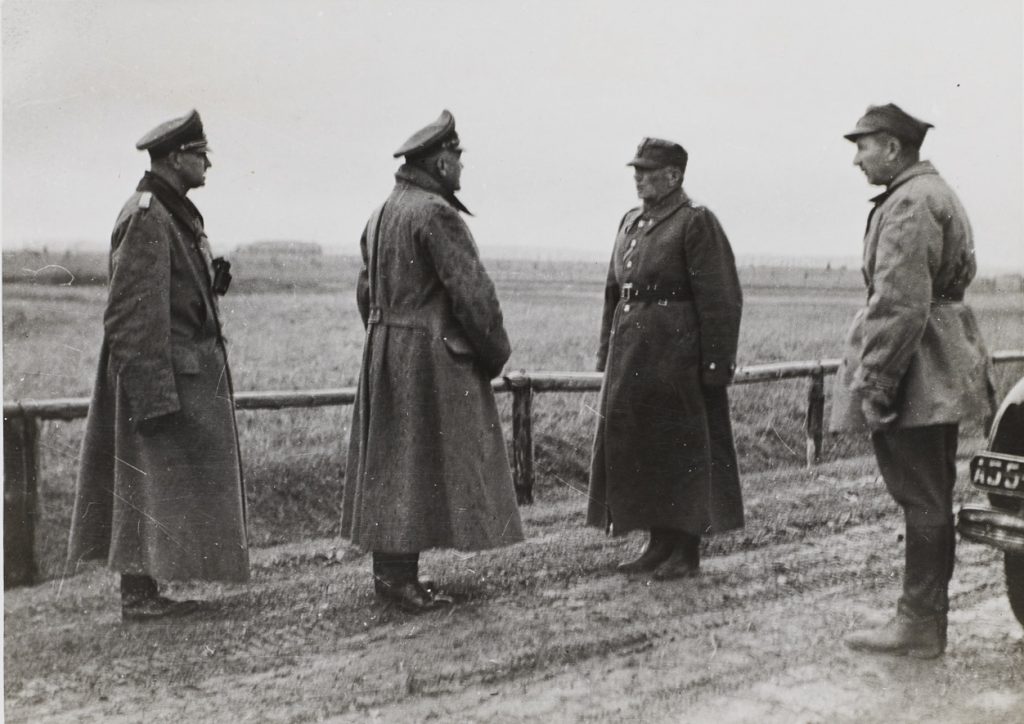
Out of ammunition after four days of fighting near Kock, General Franciszek Kleeberg surrenders the last Polish field army. The September campaign is over.
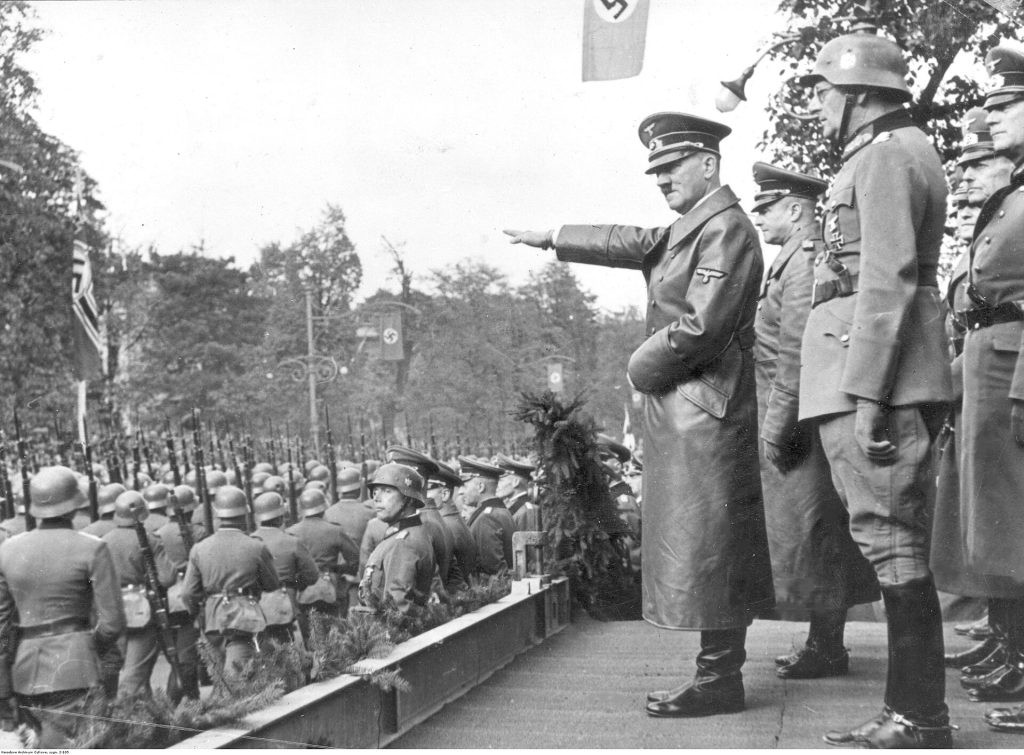
A week after Warsaw’s surrender, Hitler flies to the city to take a victory parade of German troops. To foreign journalists, he has a message: look at Warsaw.
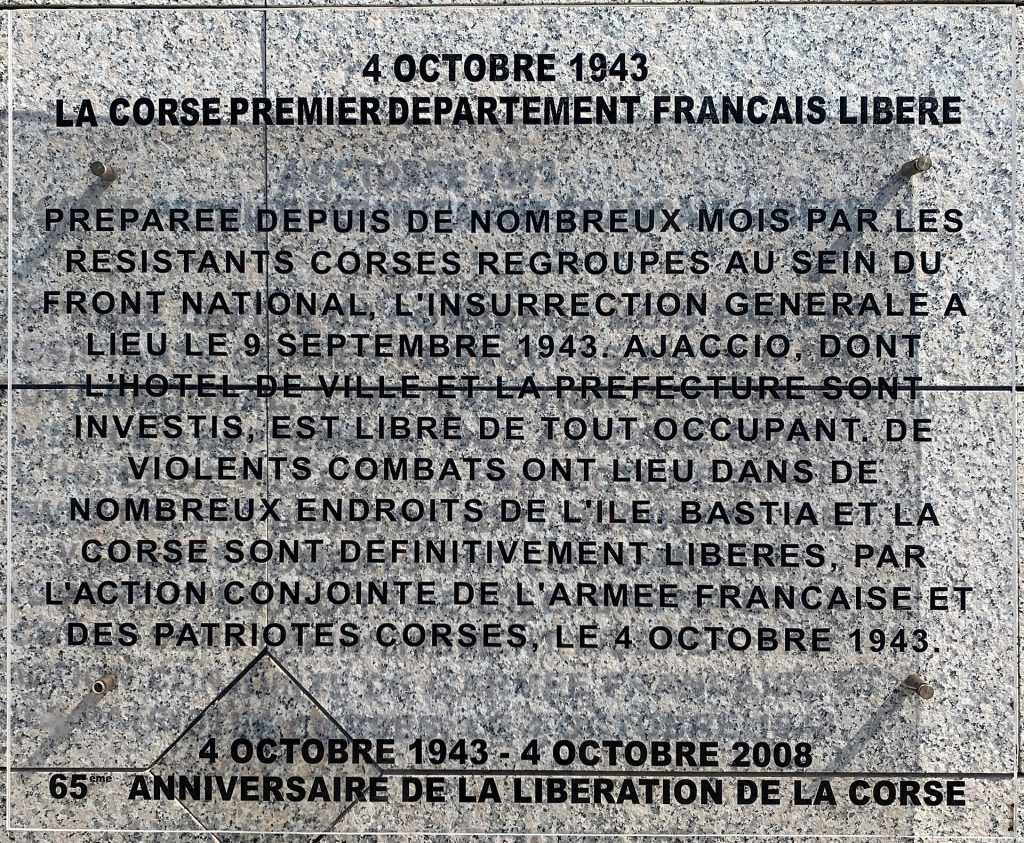
The last German troops leave Bastia. Corsica becomes the first part of metropolitan France to be freed, by French forces and the island’s own resistance.
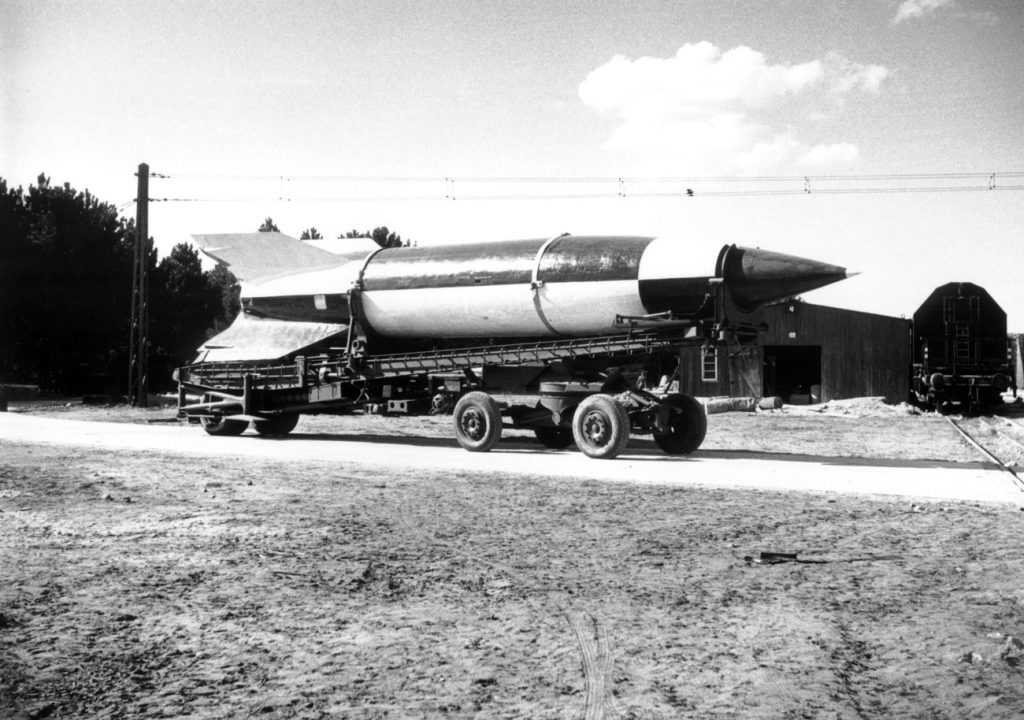
At Peenemünde on the Baltic coast, an A4 rocket climbs to the edge of space and comes down almost 200 kilometres away. Germany’s ballistic missile works.

After 63 days, the Home Army signs the capitulation of Warsaw. Its fighters go into captivity as prisoners of war. Hitler orders the city to be wiped off the map.
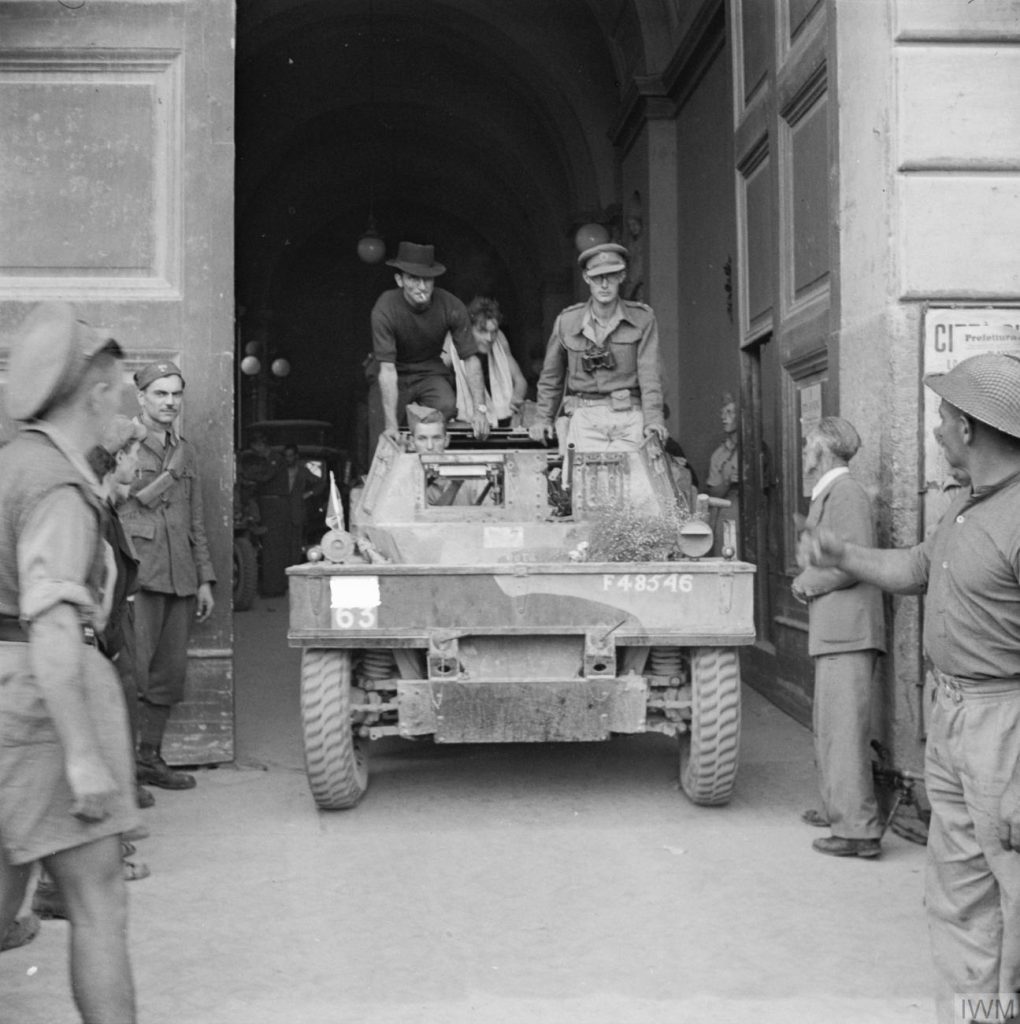
British armoured cars roll into Naples, followed by the US Fifth Army. The city’s people have already fought the Germans themselves. The port is a wreck.
 United Kingdom
 United States
 Soviet Union
 Germany
 Japan
 France
 Poland
 South Africa