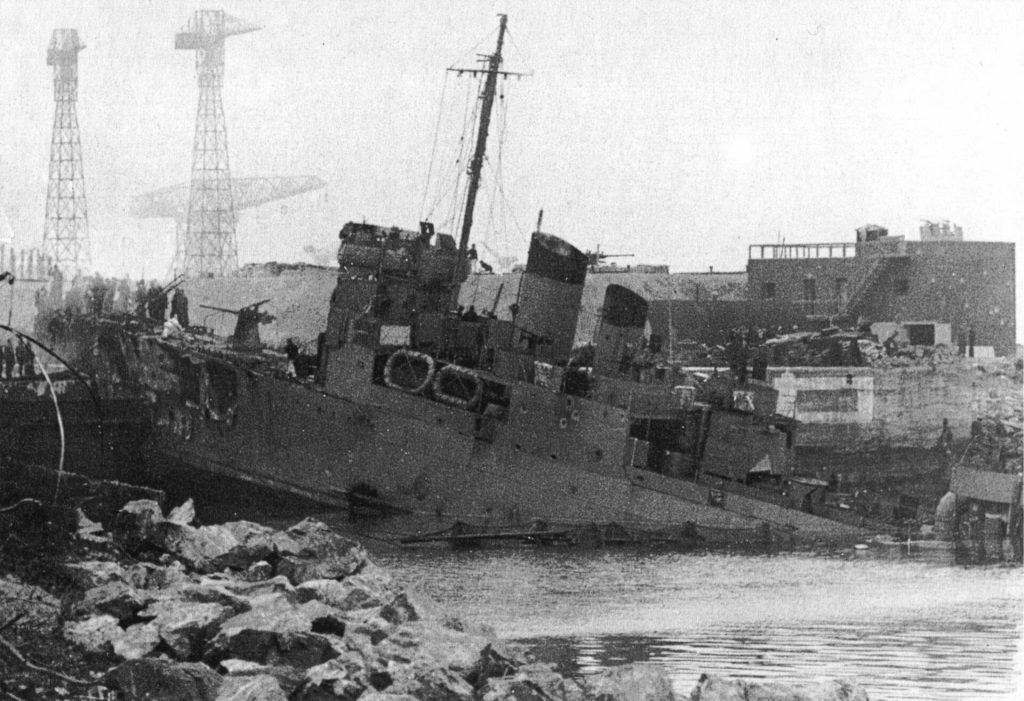
28 March 1942: The St Nazaire Raid
An old destroyer packed with explosives rams the gates of the only dry dock on the Atlantic coast big enough for the Tirpitz. Hours later, it blows up.
Life, resistance, persecution and the Holocaust under Axis occupation.
An old destroyer packed with explosives rams the gates of the only dry dock on the Atlantic coast big enough for the Tirpitz. Hours later, it blows up.
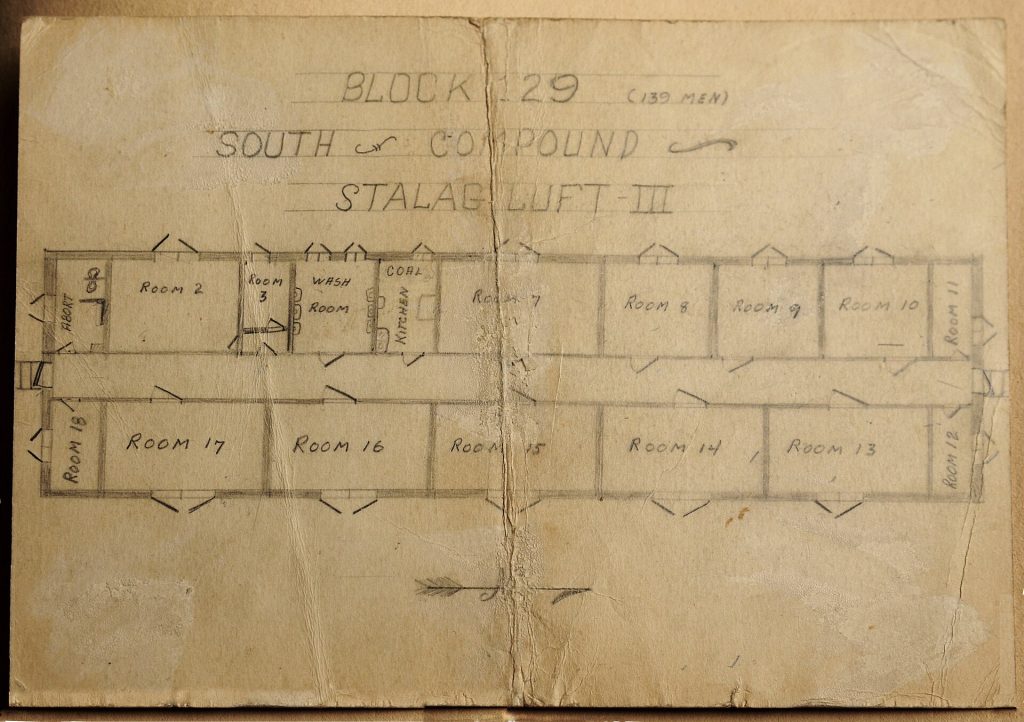
On a freezing night, Allied airmen begin crawling through a tunnel under the wire of Stalag Luft III. Seventy-six get out. Fifty will be shot.
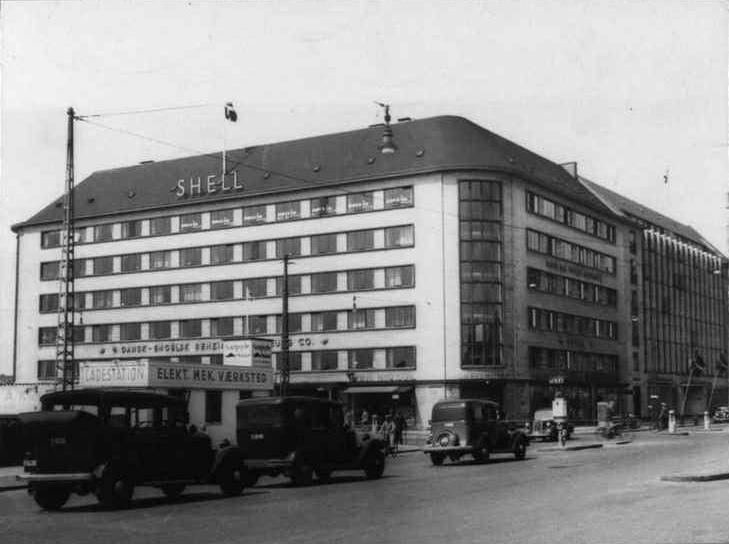
RAF Mosquitos attack the Gestapo headquarters in Copenhagen at rooftop height. Prisoners escape and records burn, but a tragic error kills dozens of children at a nearby school.
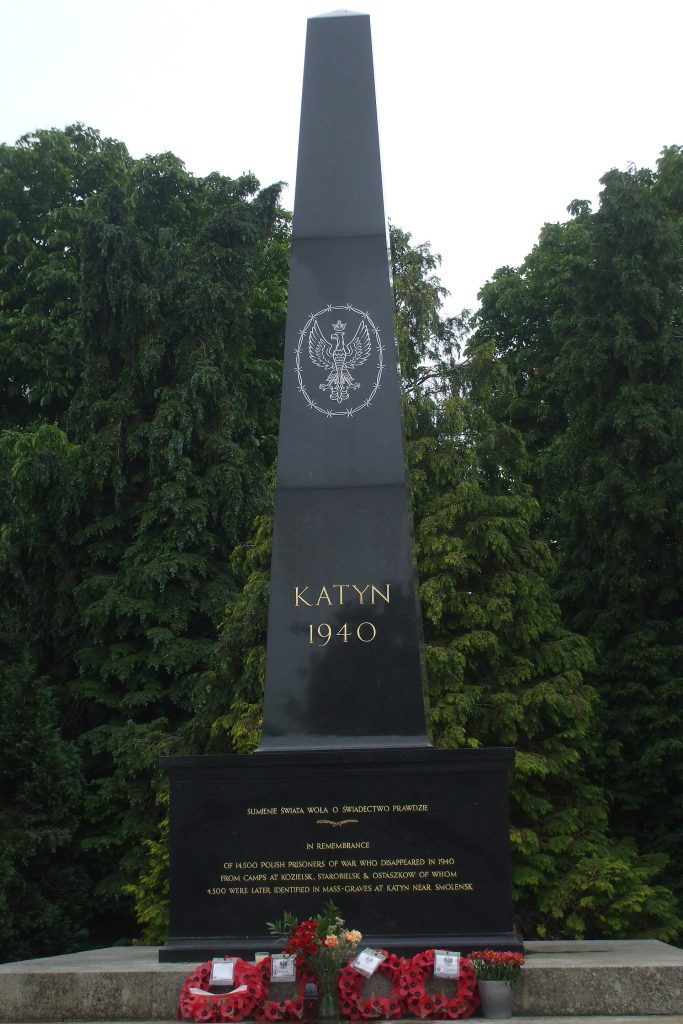
Stalin and the Politburo approve a proposal from the head of the NKVD: thousands of Polish officers and other prisoners are to be shot.
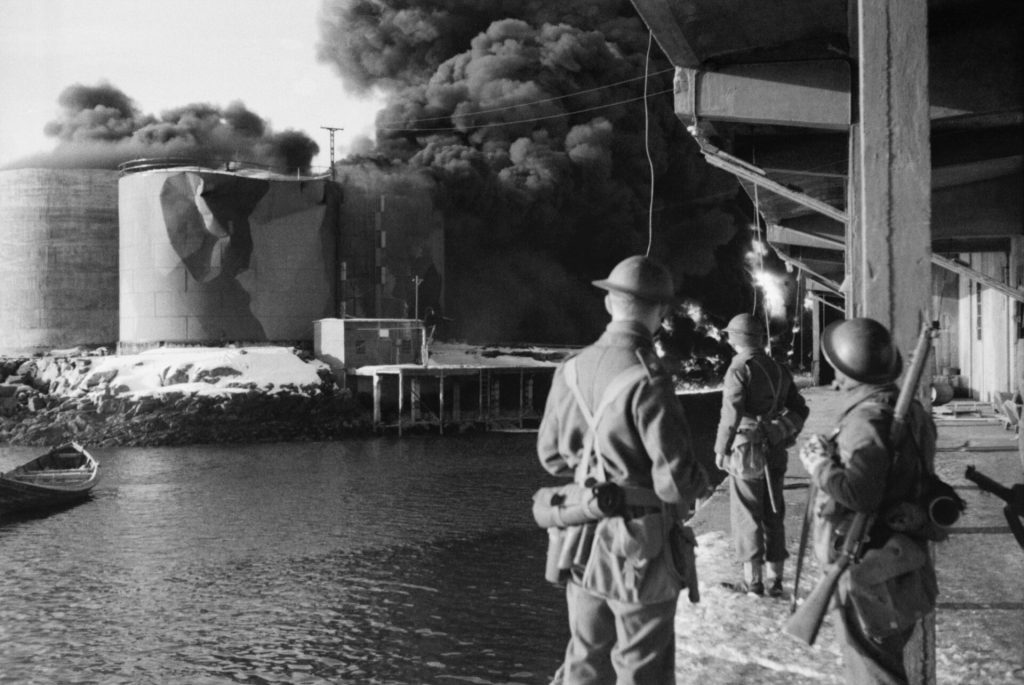
British commandos and Norwegian troops land unopposed in the Lofoten Islands, blow up fish oil factories and sail home with prisoners, volunteers and a secret prize.
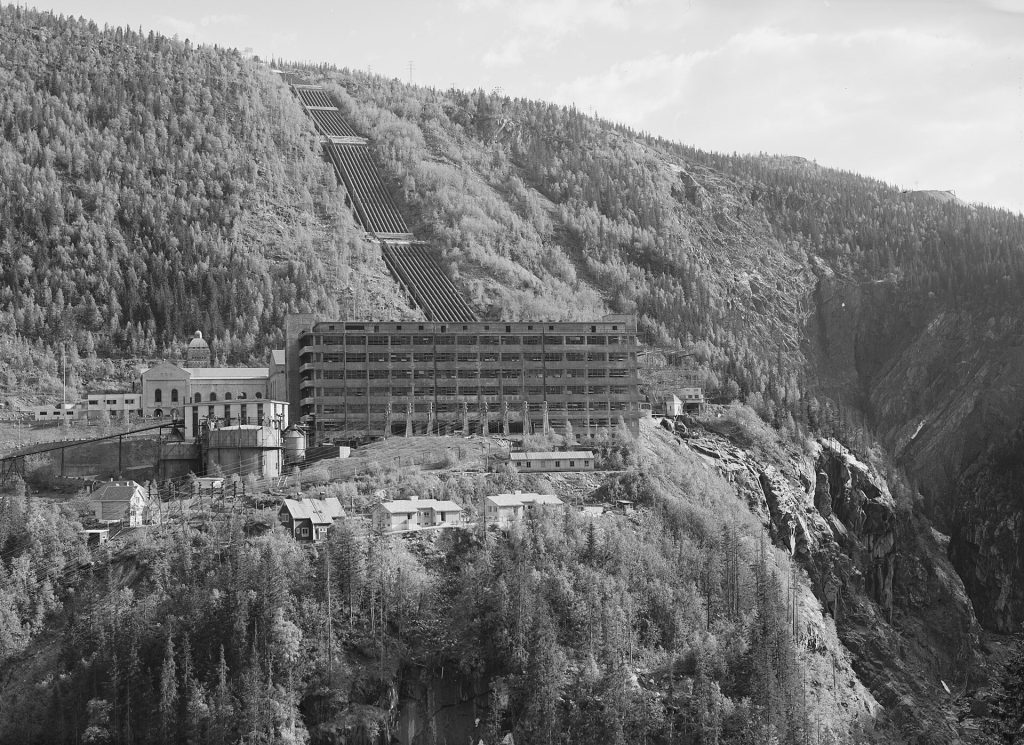
In the early hours, Norwegian commandos climb a frozen gorge, slip into the Vemork plant and destroy Germany’s supply of heavy water. Not a shot is fired.
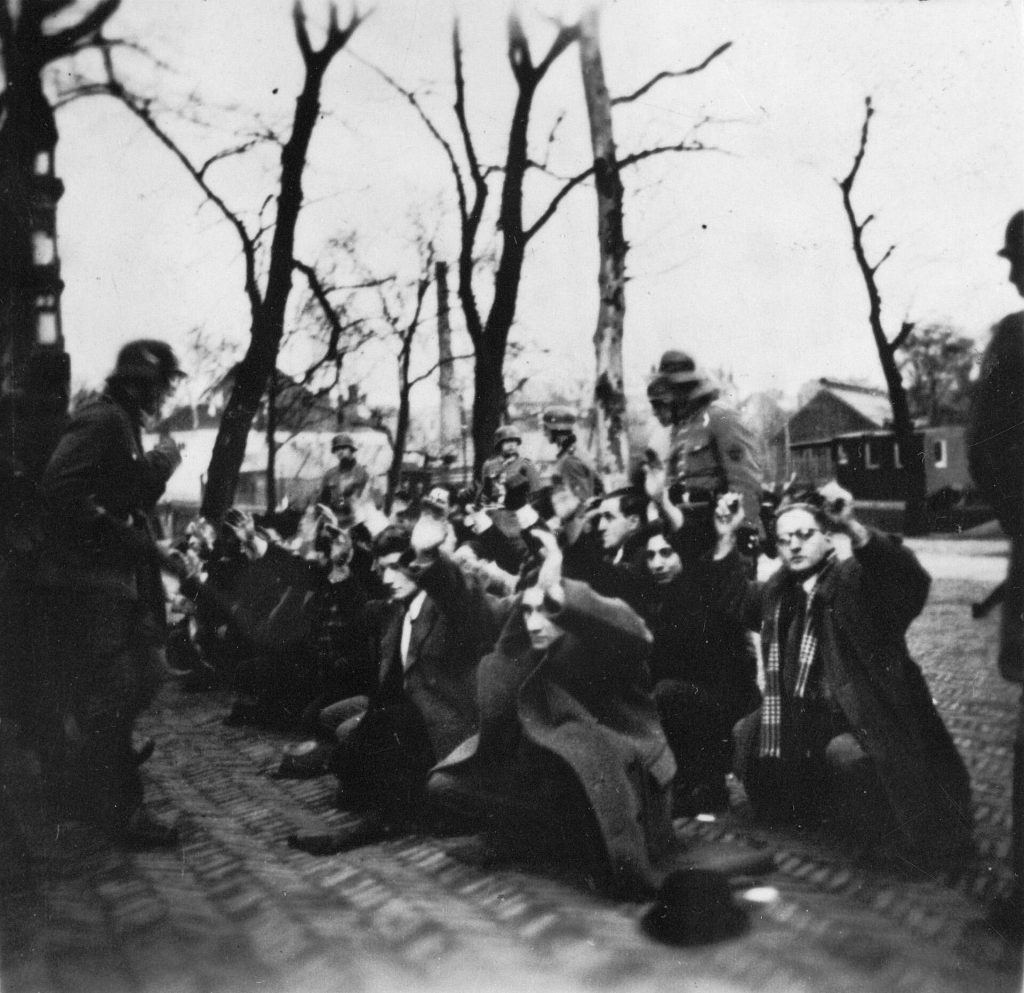
Days after the first mass round-ups of Jewish men in Amsterdam, tram drivers, dockers and factory workers walk out in protest. The city comes to a standstill.
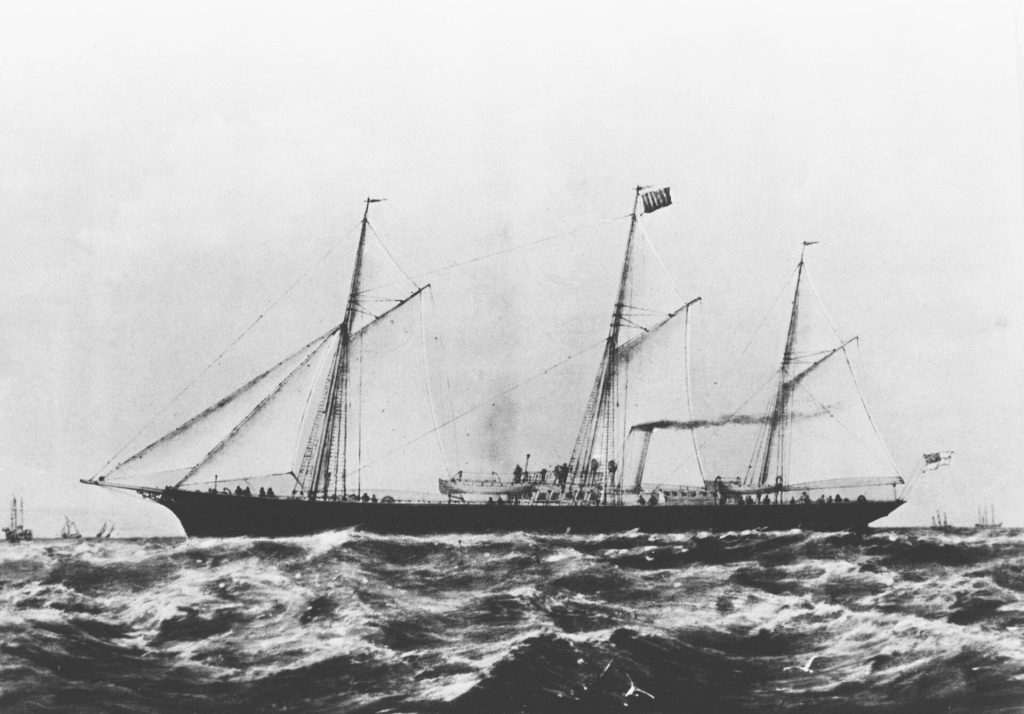
An old, overcrowded boat carrying Jewish refugees from Romania is towed out into the Black Sea and torpedoed. Of the nearly 800 people aboard, one survives.
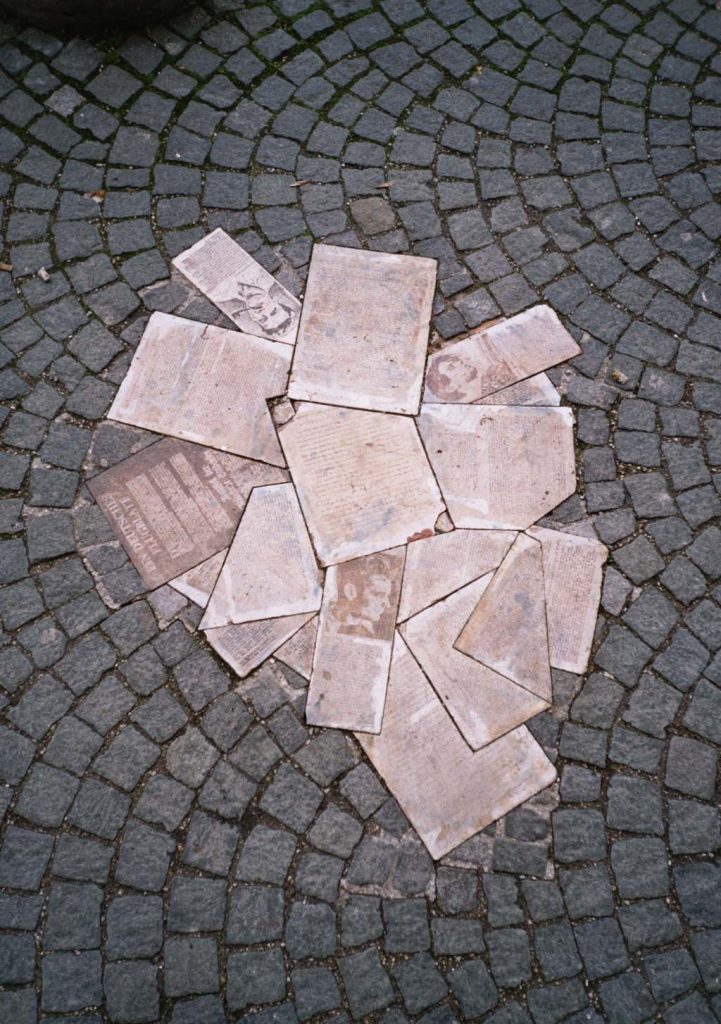
Four days after their arrest, the students Hans and Sophie Scholl and Christoph Probst are tried by the People’s Court and executed the same afternoon.
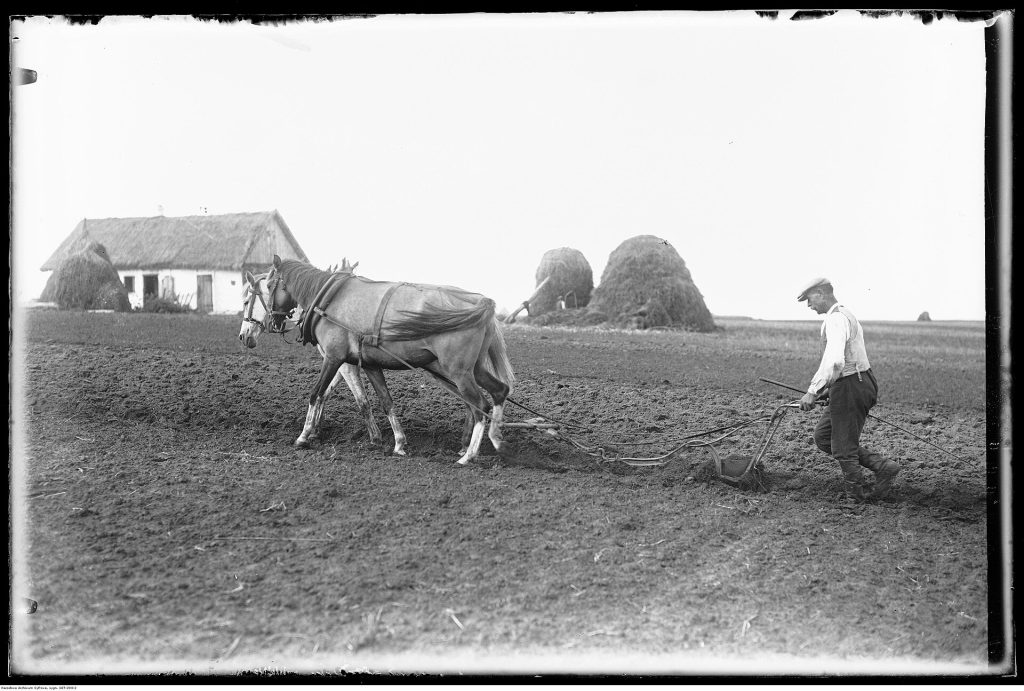
Before dawn, in bitter frost, Soviet security troops begin rounding up Polish families in the occupied east. They are loaded onto freight trains bound for Siberia and the far north.
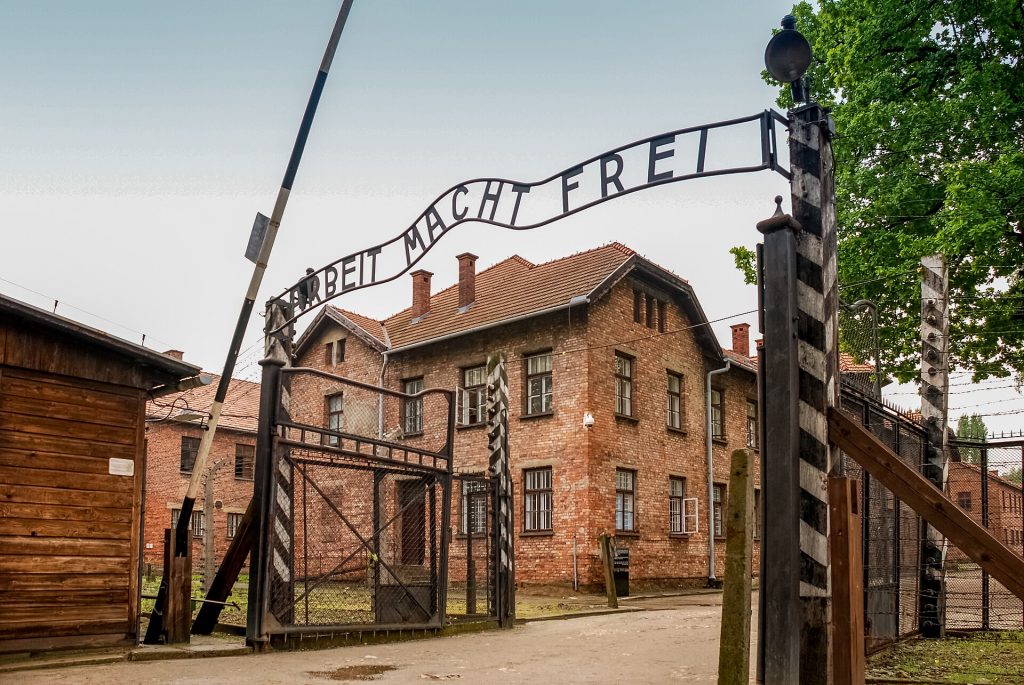
Soviet soldiers reach the largest of the Nazi killing centres. They find around 7,000 prisoners left behind, most of them sick or dying.
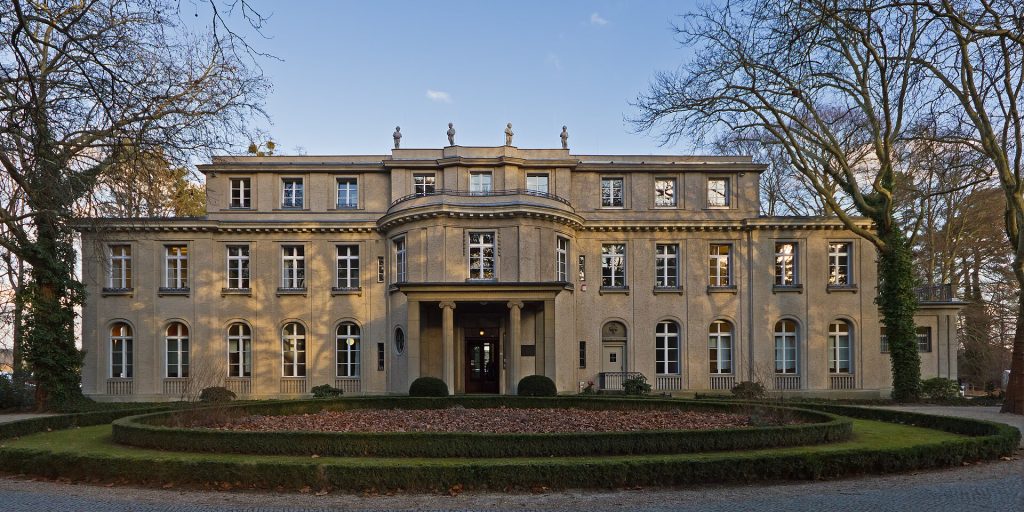
In a lakeside villa outside Berlin, senior Nazi officials meet for around ninety minutes to coordinate the murder of the Jews of Europe.
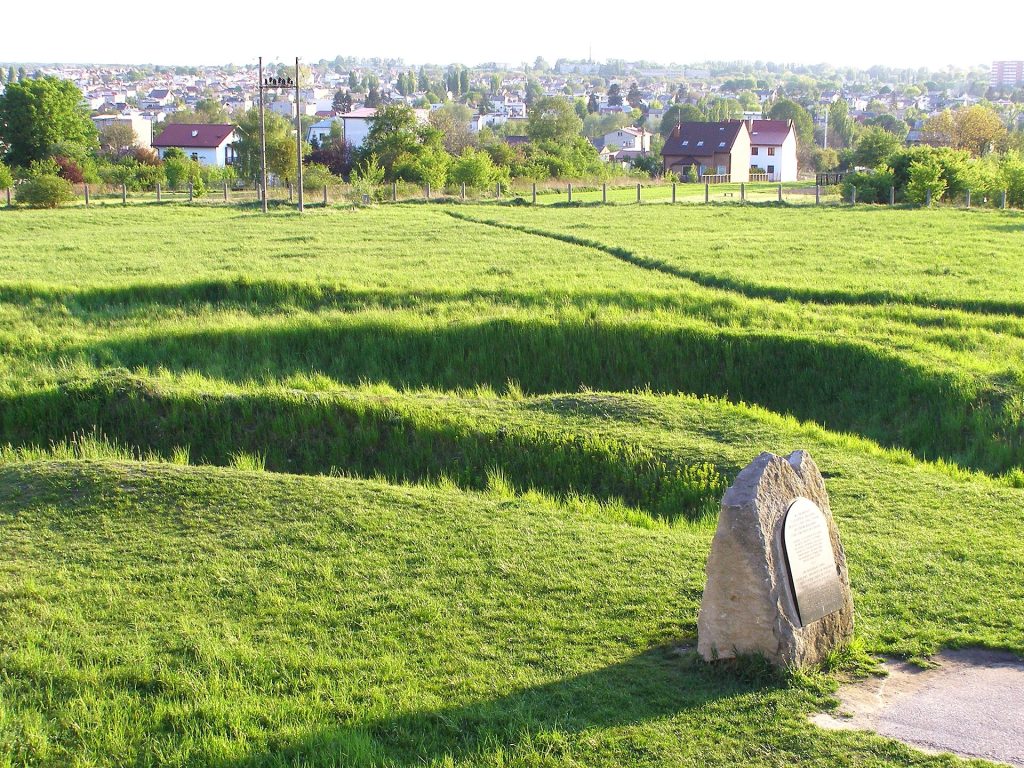
Over two days in the Lublin district of occupied Poland, SS and police units murder around 42,000 Jewish prisoners. It is one of the largest single massacres of the Holocaust.
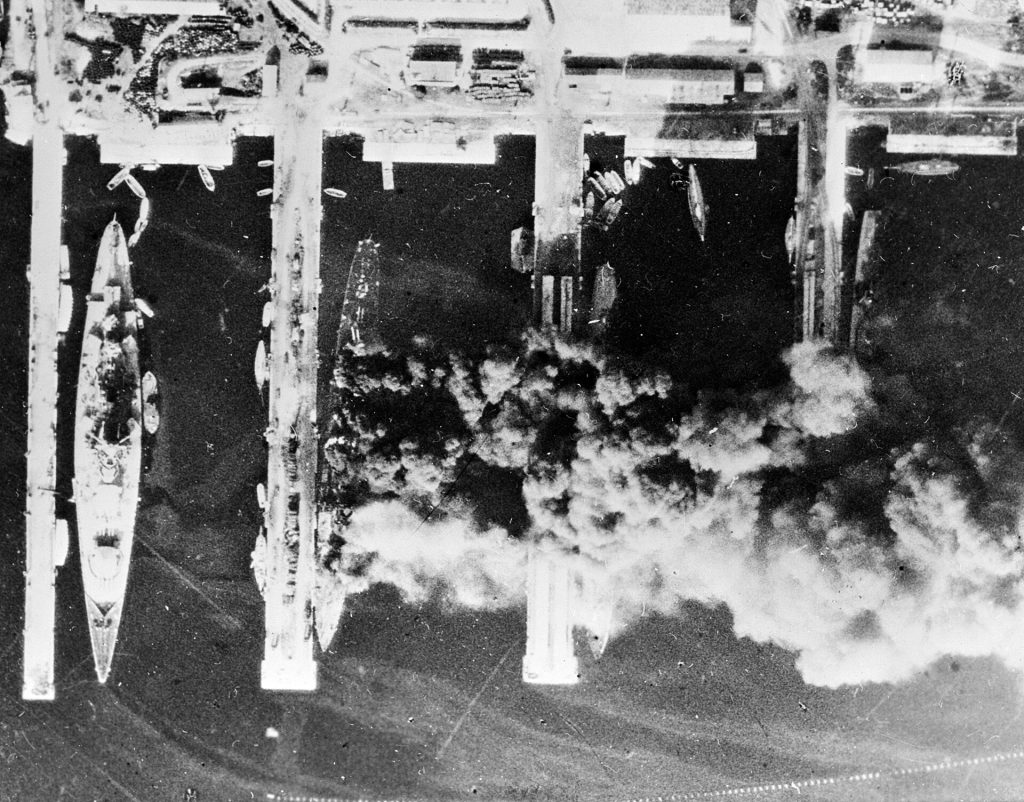
As German troops burst into the naval base, French crews open the sea cocks and set charges. In a few hours most of the French fleet is on the bottom of Toulon harbour.
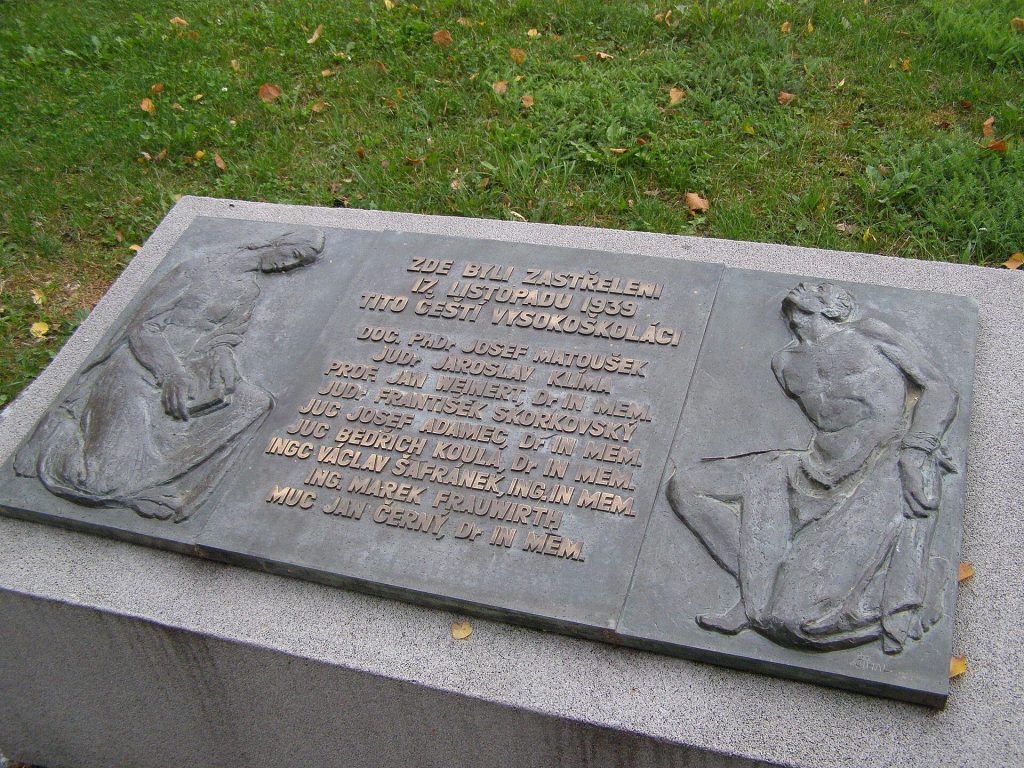
Nazi forces storm Czech university residences, execute nine students and staff without trial and send more than a thousand to a concentration camp. The date becomes International Students’ Day.
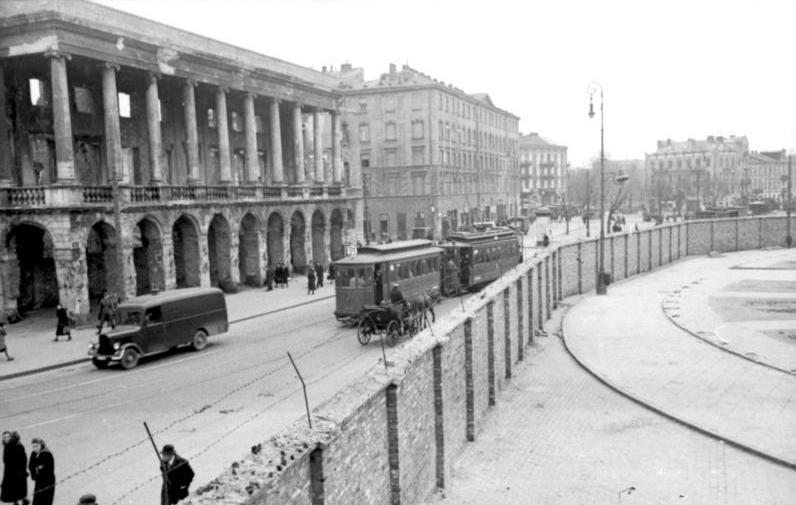
German authorities close the gates on the largest Jewish ghetto in occupied Europe, trapping some 400,000 people behind walls in a small fraction of the city.
 United Kingdom
 United States
 Soviet Union
 Germany
 Japan
 France
 Poland
 South Africa