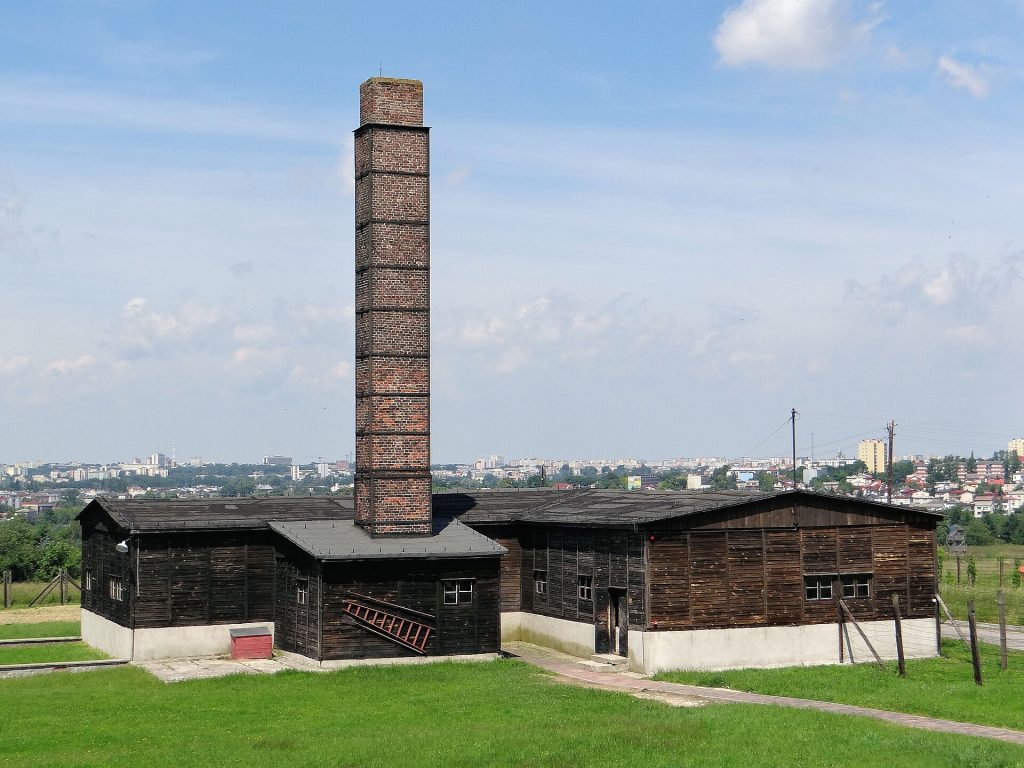
23 July 1944: Majdanek
Advancing on Lublin, the Red Army reaches the Majdanek concentration camp, which the SS had no time to destroy. It is the first major Nazi camp to be liberated.
Life, resistance, persecution and the Holocaust under Axis occupation.
Advancing on Lublin, the Red Army reaches the Majdanek concentration camp, which the SS had no time to destroy. It is the first major Nazi camp to be liberated.
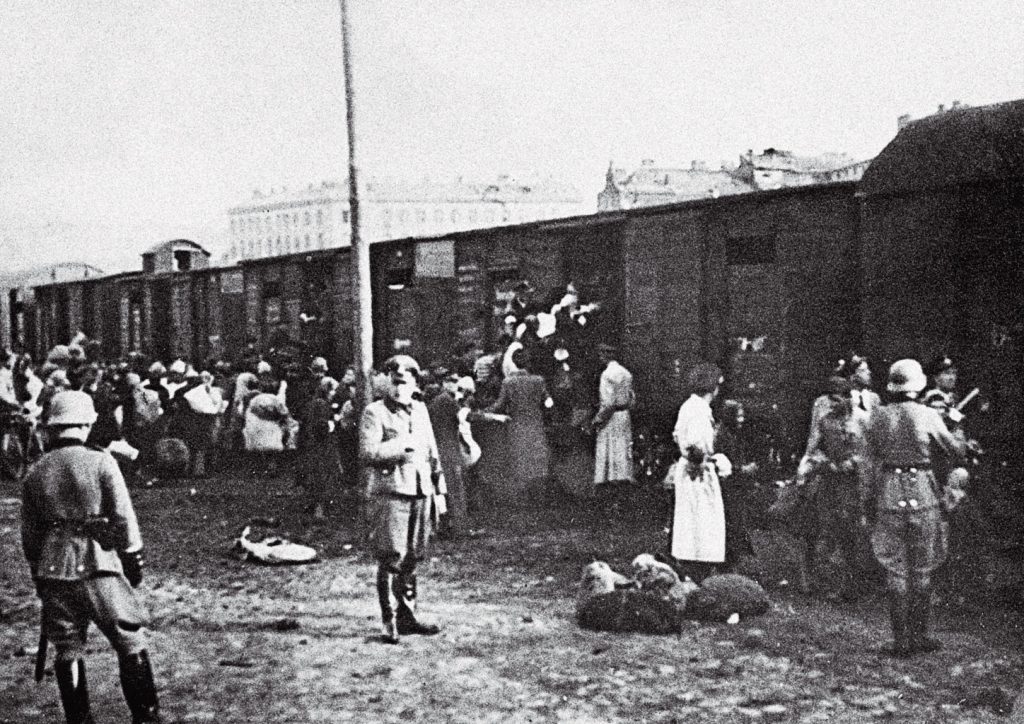
The SS orders the Jewish Council of the Warsaw Ghetto to deliver thousands of people a day for “resettlement in the east”. They are being sent to their deaths at Treblinka.
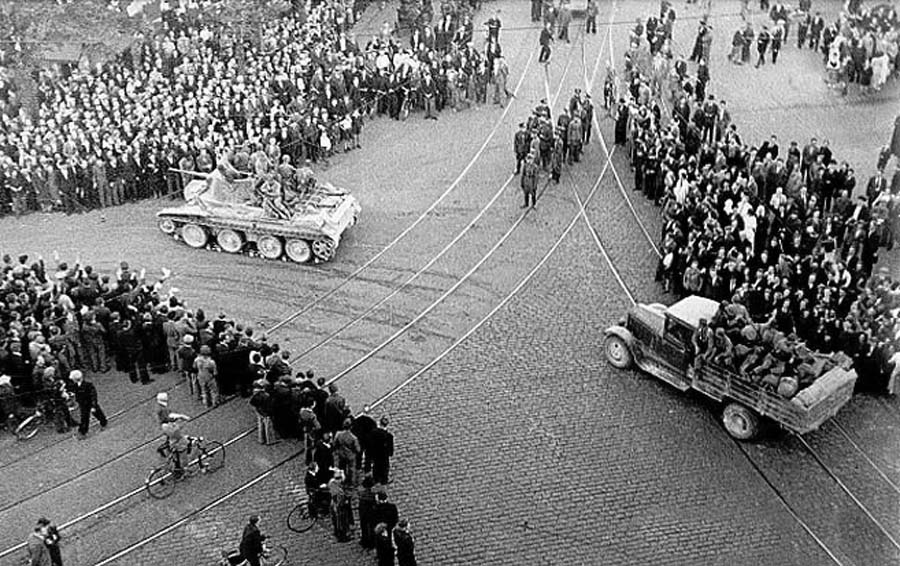
Weeks after the Red Army marches in, Estonia, Latvia and Lithuania hold elections in which only one list of candidates is allowed. The result is a foregone conclusion.
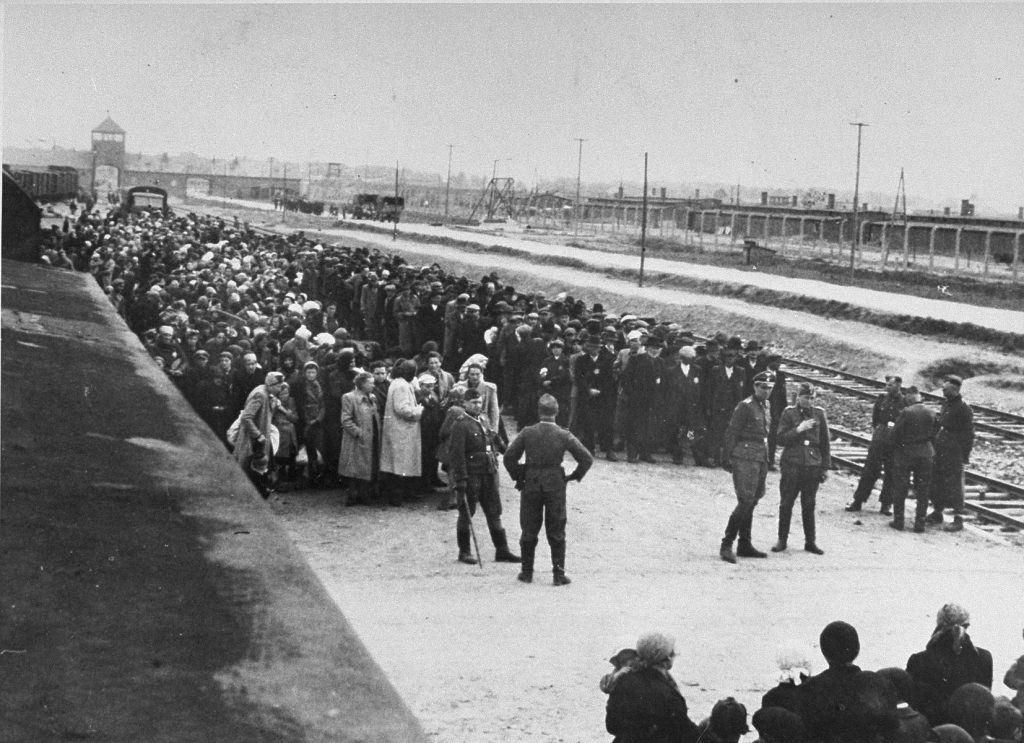
Under international pressure, Hungary’s regent orders a halt to the deportation of Jews. In less than two months, more than 430,000 have already been sent to Auschwitz.
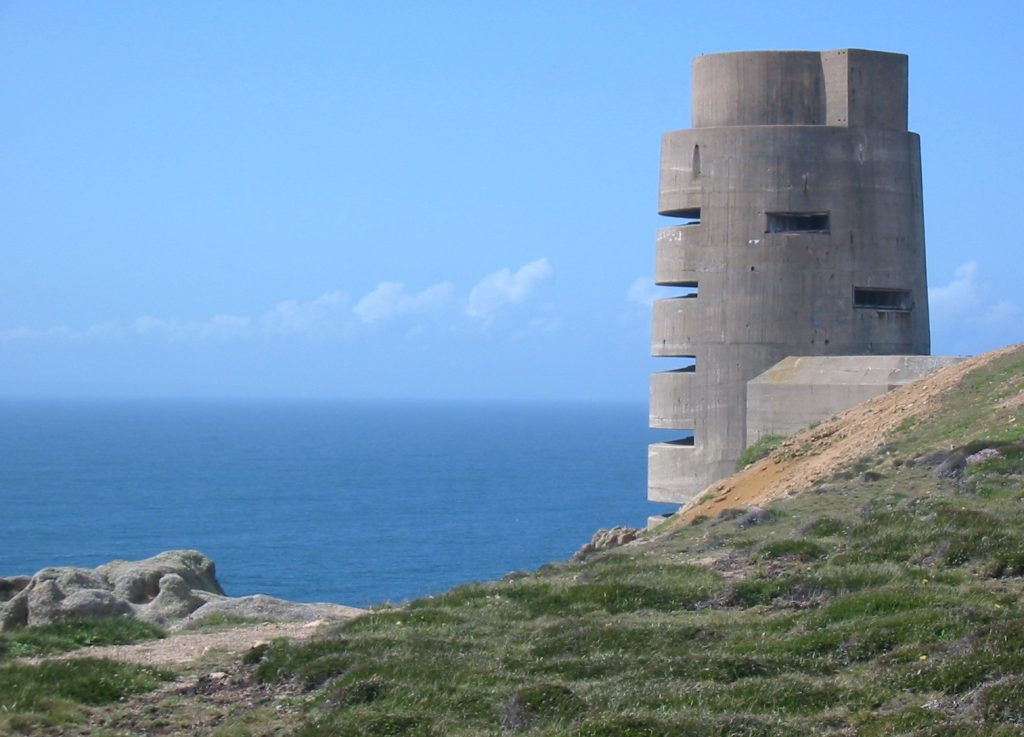
German aircraft land at Guernsey airport. Within days Jersey, Alderney and Sark are also occupied, the only part of the British Isles to fall under German rule.
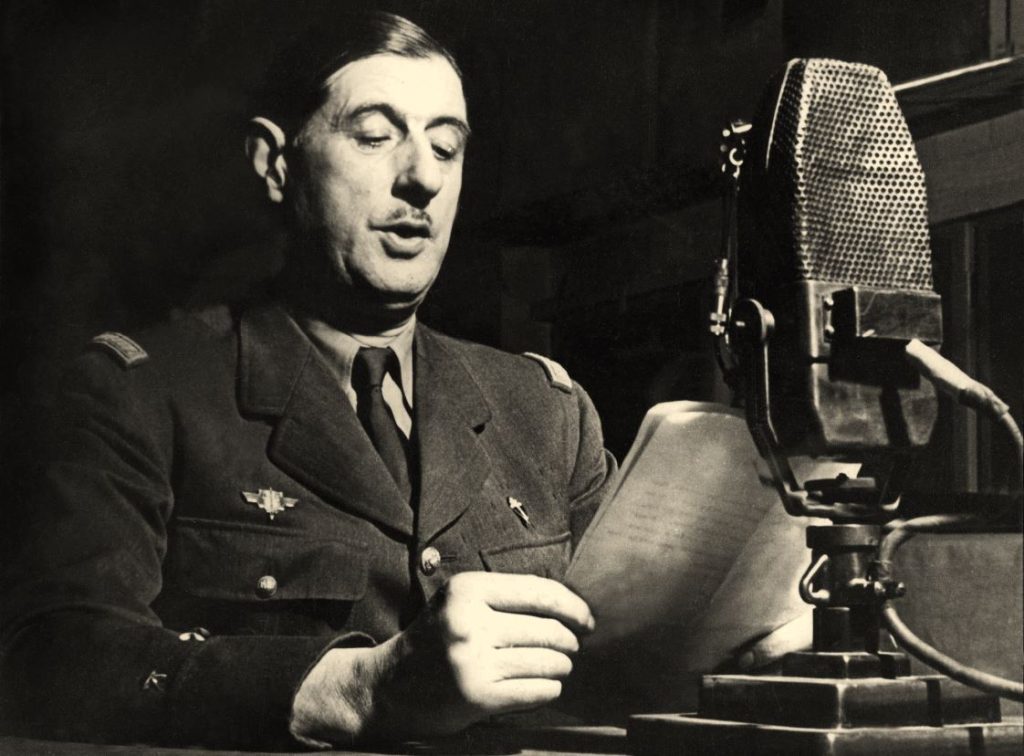
In a BBC studio in London, a little-known French general speaks to his country: France has lost a battle, but it must not give up. Few hear him. History will remember.
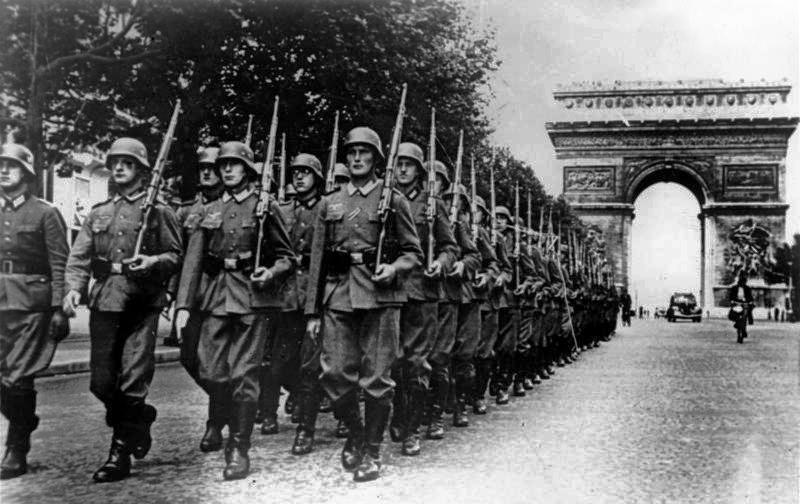
German troops march into a silent Paris, declared an open city. The swastika is raised over the Eiffel Tower and the Arc de Triomphe.
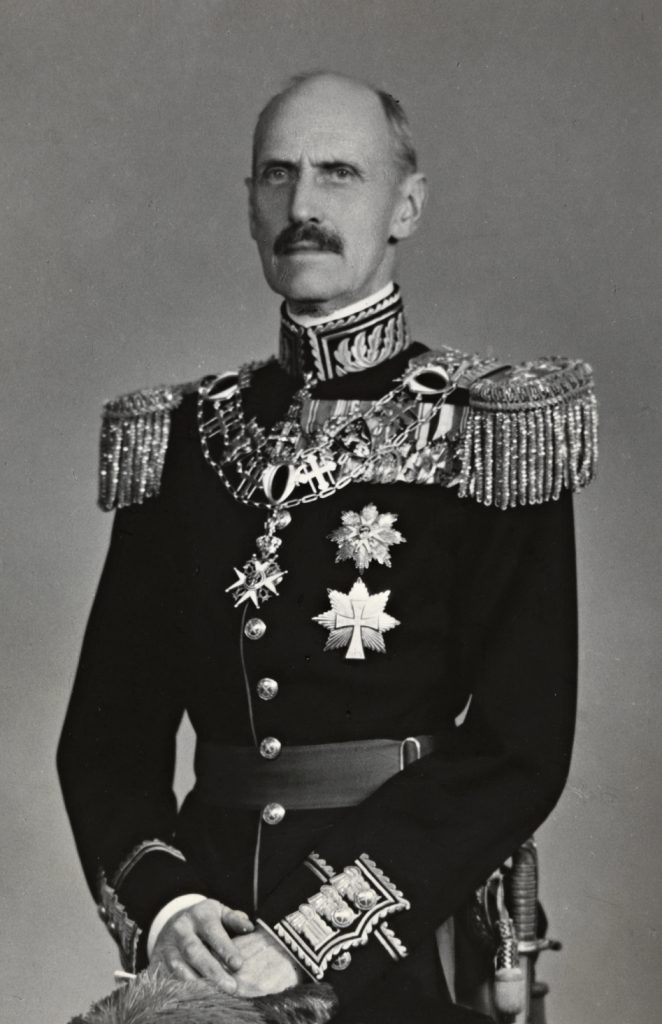
With the Allies withdrawing from Narvik, King Haakon VII and his government board a British cruiser at Tromsø. They will lead Norway’s fight from London.
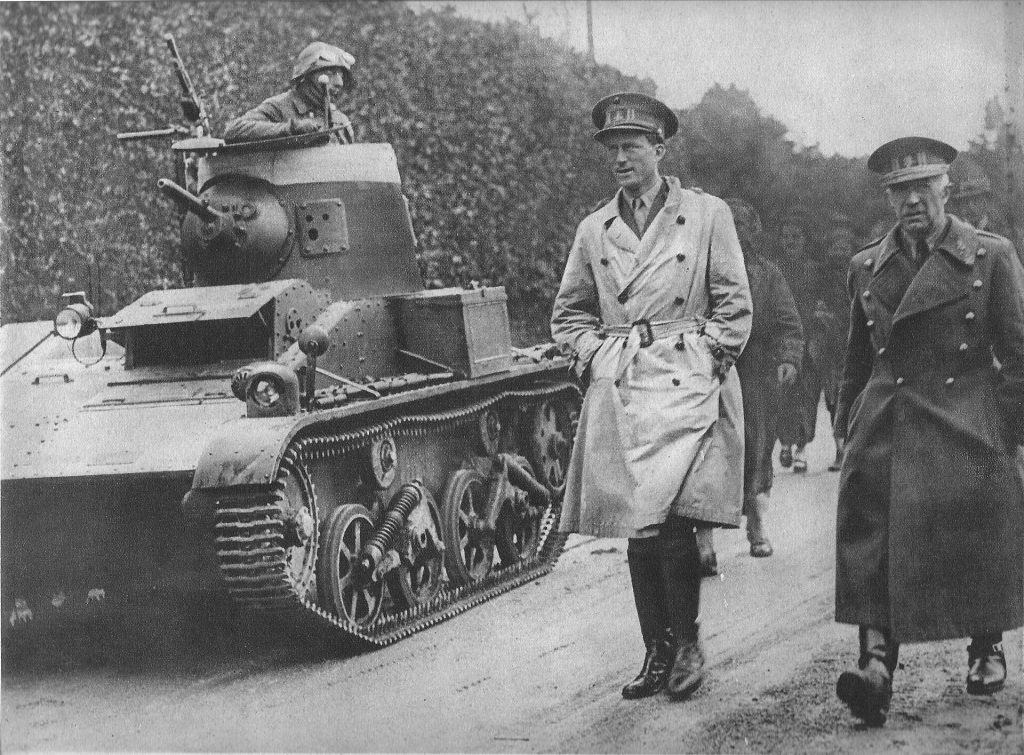
King Leopold III orders the Belgian army to lay down its arms. His government, against the decision, will carry on the war from abroad.
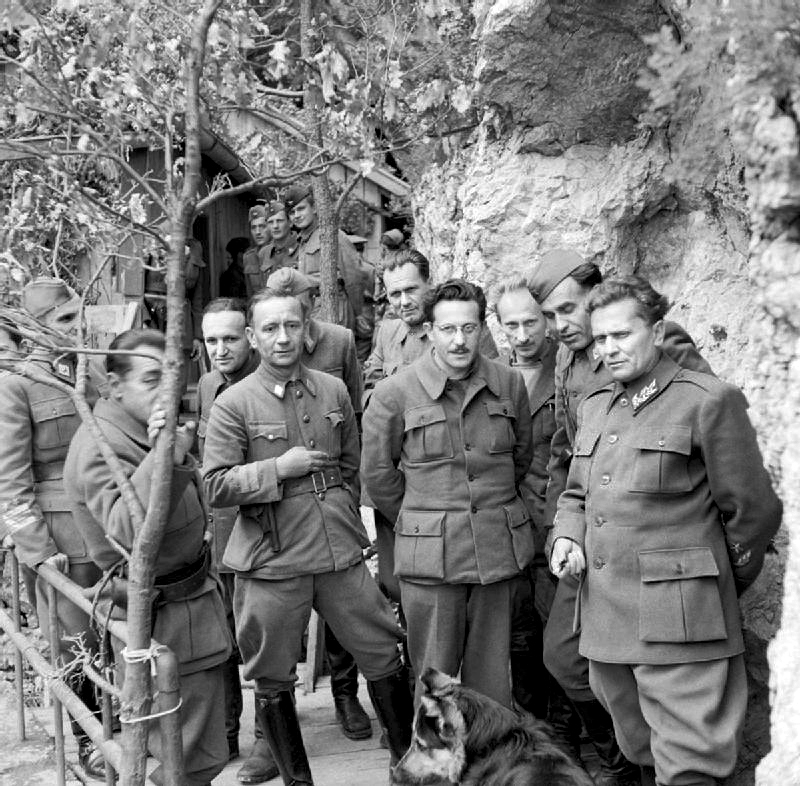
On Tito’s birthday, German paratroopers and glider troops descend on the Bosnian town of Drvar to capture or kill him. Tito escapes from his cave headquarters by a hair.
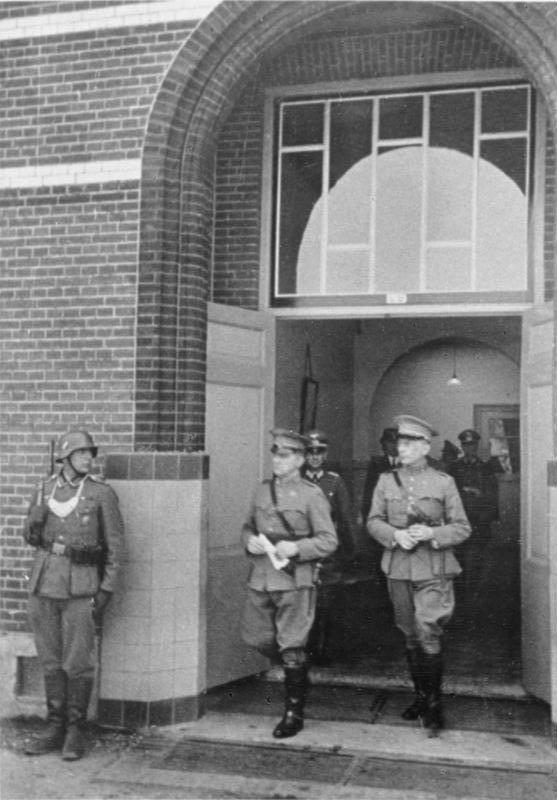
Five days after the invasion, General Winkelman signs the surrender of the Dutch army. In Paris, the French prime minister telephones Churchill with stark news.
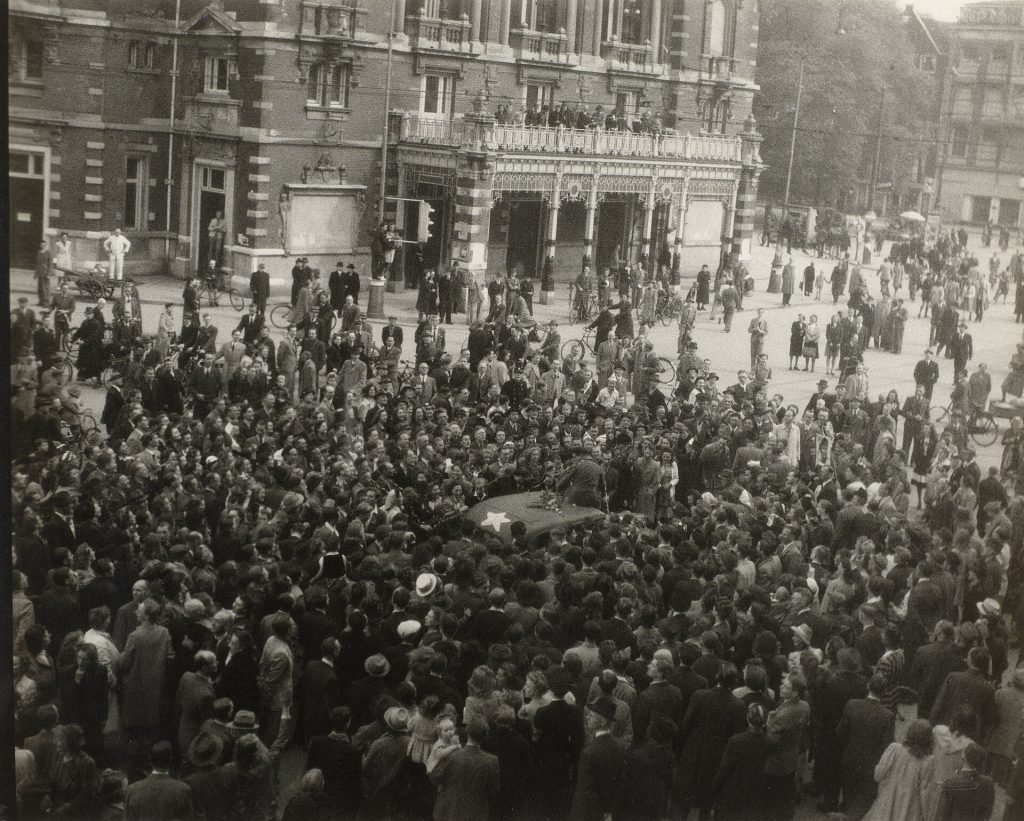
At a hotel in Wageningen, the German commander in the Netherlands meets the Canadian general facing him to arrange the surrender. After five years of occupation and a winter of famine, the Dutch are free.
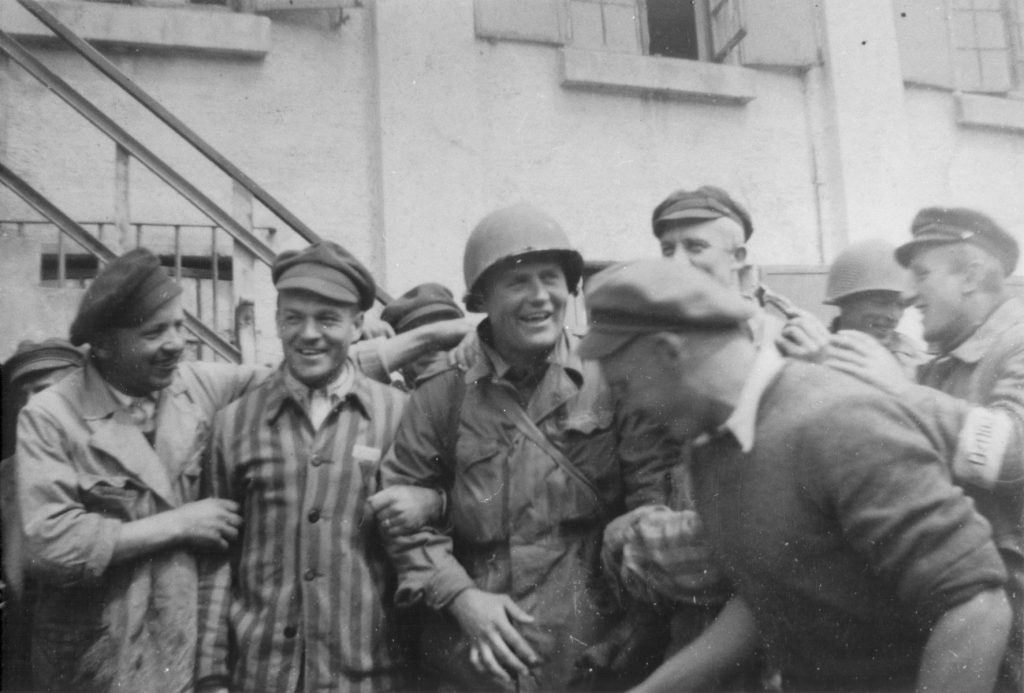
American soldiers reach Dachau, the first concentration camp set up by the Nazis. Outside its gates they find a train filled with dead prisoners; inside, around 30,000 survivors.
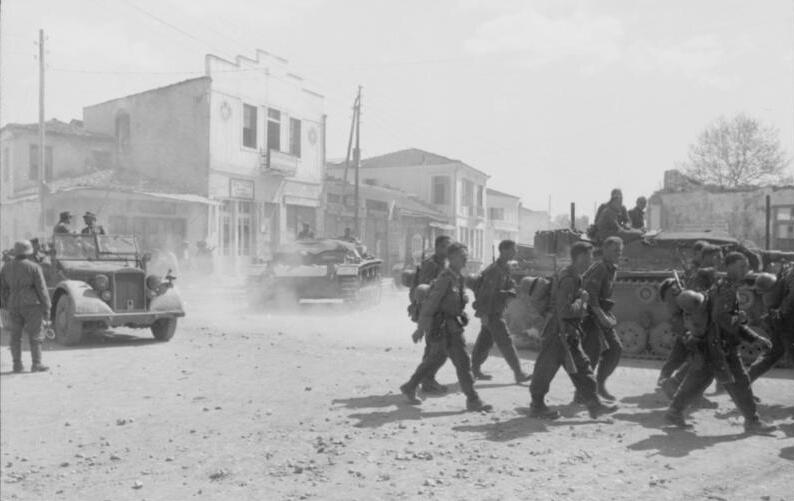
German motorcycle troops ride into the Greek capital. By the morning the swastika is flying over the Acropolis, and a long, hungry occupation has begun.
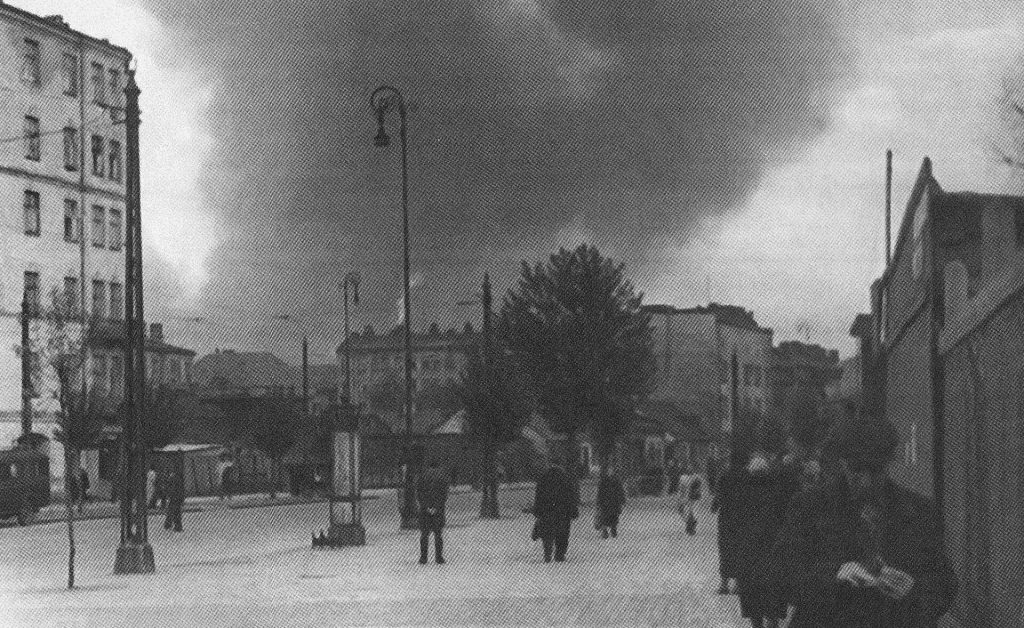
On the eve of Passover, German forces enter the Warsaw Ghetto to deport its remaining Jews. They are met by gunfire, grenades and petrol bombs.
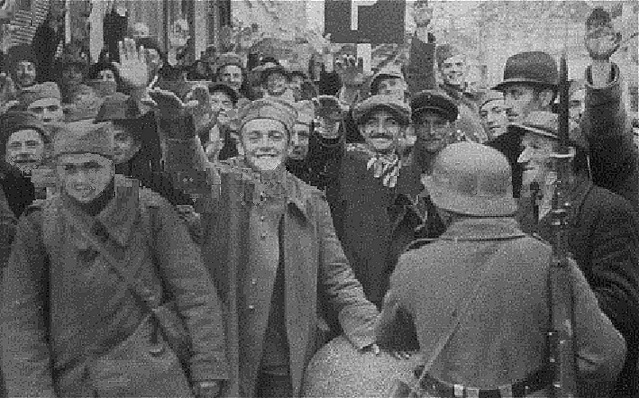
Eleven days after the invasion began, Yugoslav representatives sign an unconditional surrender in Belgrade. The country is carved up among its neighbours.
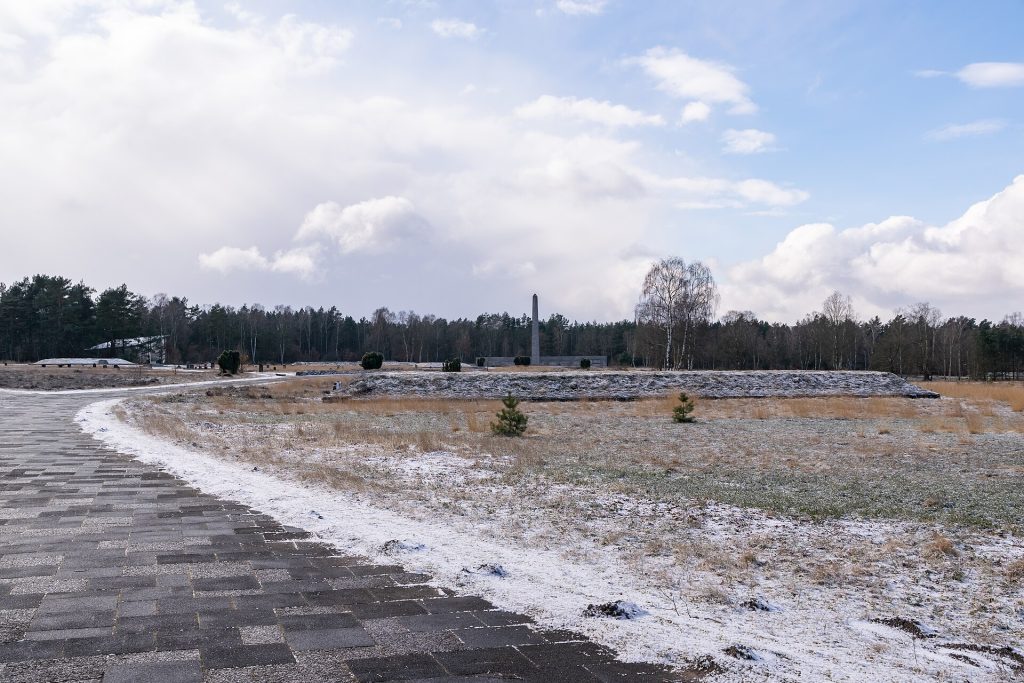
Under a local truce, British troops enter Bergen-Belsen. They find around 60,000 prisoners, many dying of typhus and starvation, and thousands of unburied dead.
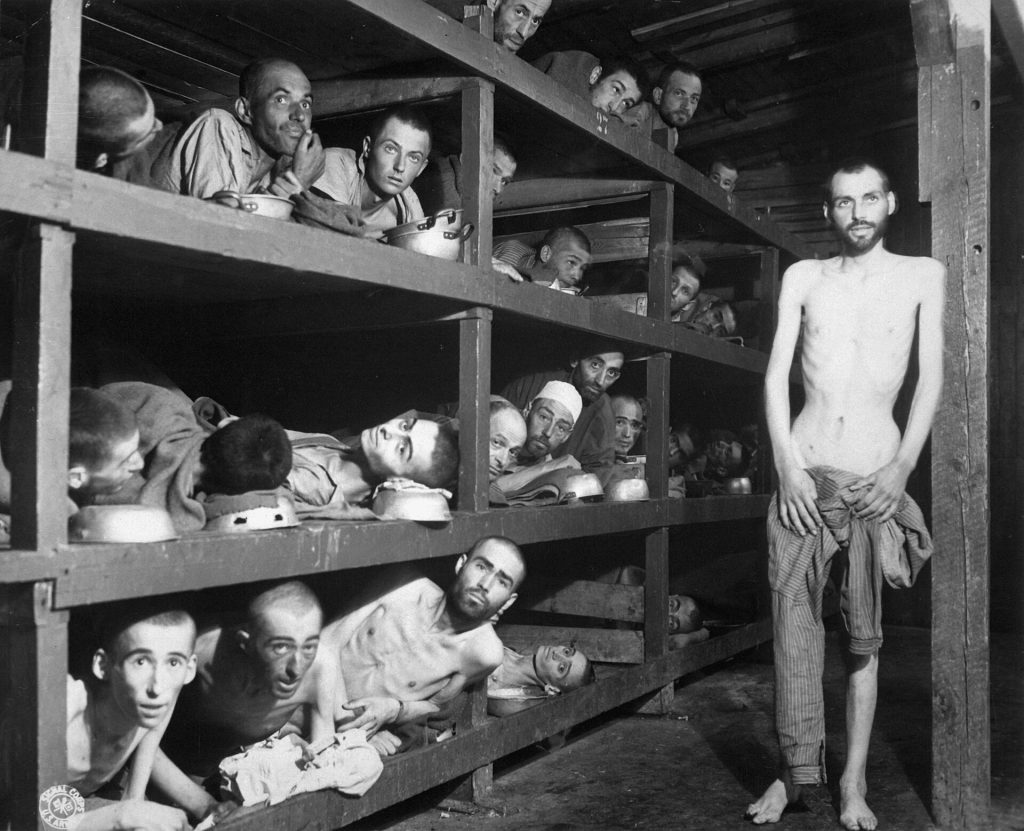
As the SS guards flee, prisoners take control of Buchenwald. That afternoon, American tanks arrive. More than 20,000 people are still alive inside.
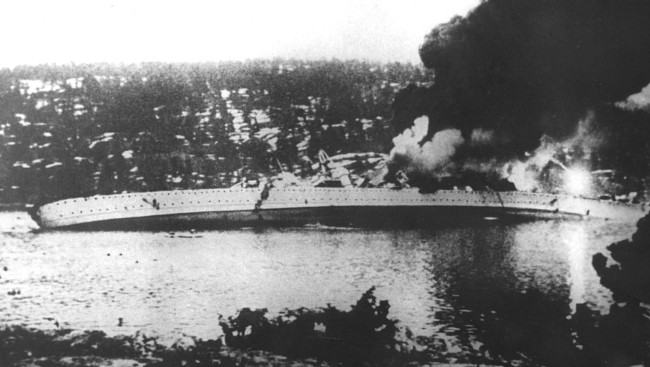
Before dawn, German forces strike Denmark and Norway at once. Denmark is occupied within hours. In Oslofjord, an old fortress sinks a German cruiser and buys Norway’s king time to escape.
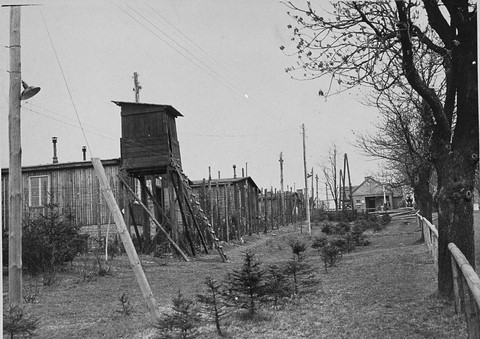
American troops enter a camp outside the town of Ohrdruf in Thuringia. It is the first Nazi camp to be liberated by the US Army.
 United Kingdom
 United States
 Soviet Union
 Germany
 Japan
 France
 Poland
 South Africa