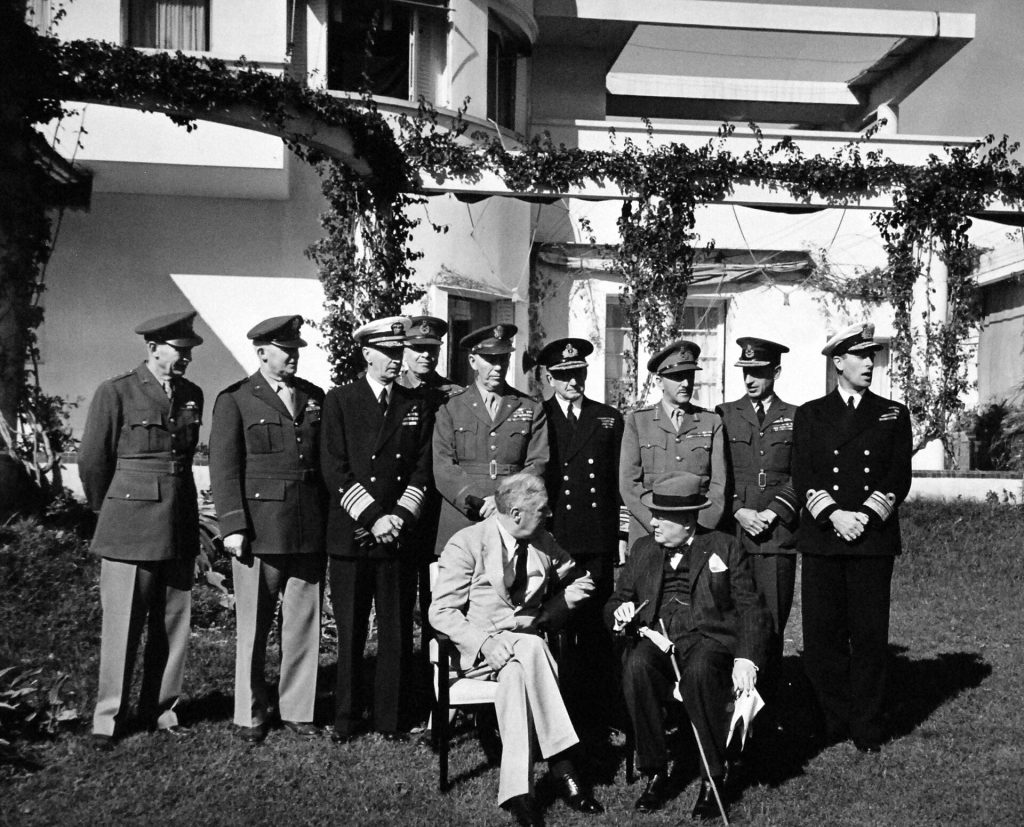
14 January 1943: The Casablanca Conference
Roosevelt and Churchill meet in liberated Morocco to plan the next year of the war. They leave with a decision on Sicily and a demand the Axis will hear loud and clear: unconditional surrender.
The leaders of the war and the words that defined it.
Roosevelt and Churchill meet in liberated Morocco to plan the next year of the war. They leave with a decision on Sicily and a demand the Axis will hear loud and clear: unconditional surrender.
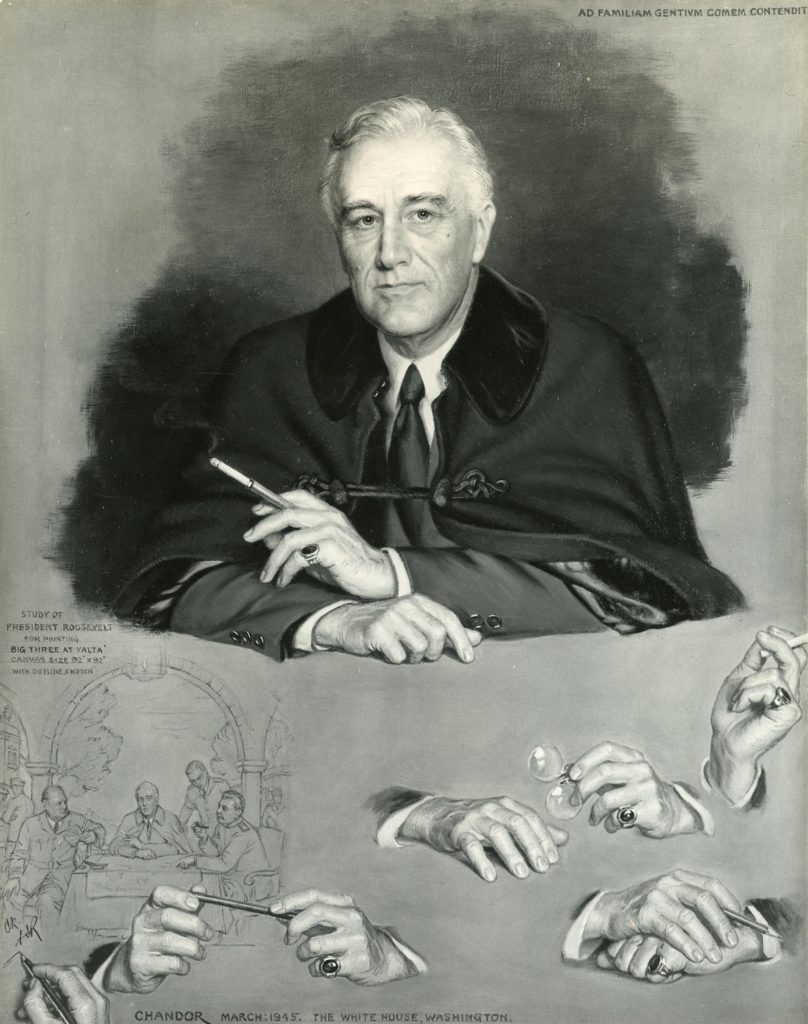
In his State of the Union address, Roosevelt sets out four freedoms that he says every person in the world should enjoy, and asks Congress to arm the nations defending them.
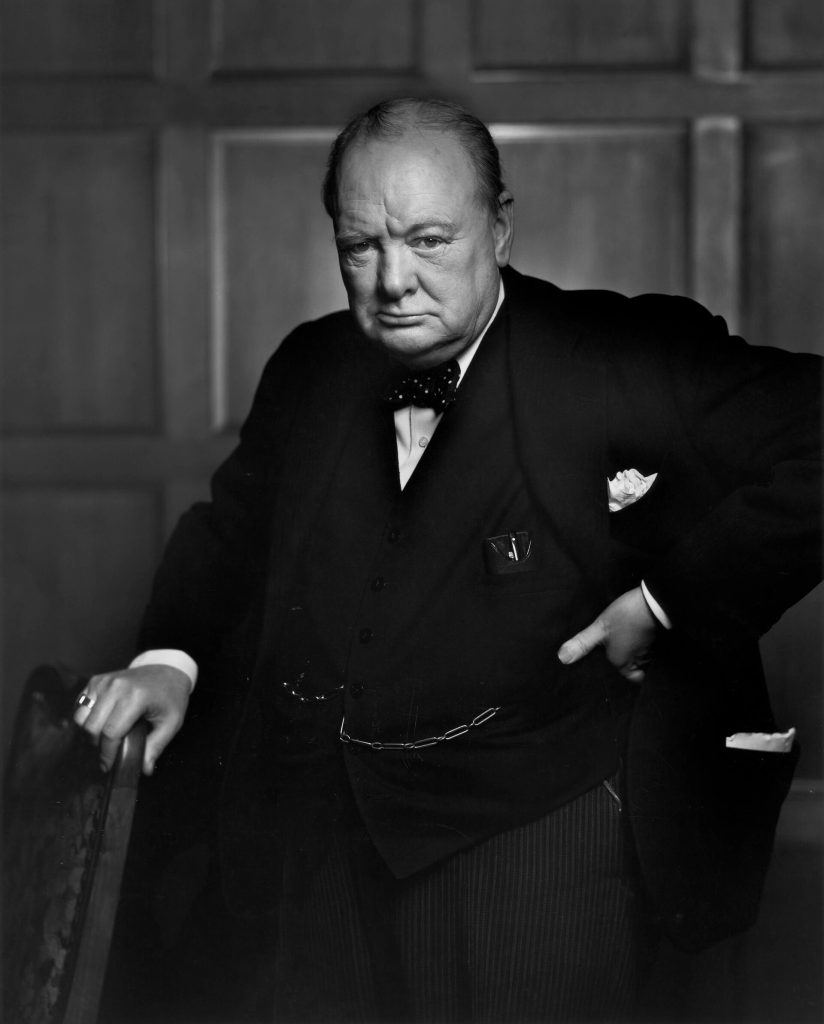
Churchill addresses the Canadian Parliament in Ottawa with one of his most famous jokes, then sits for a photographer who creates the defining image of his life.
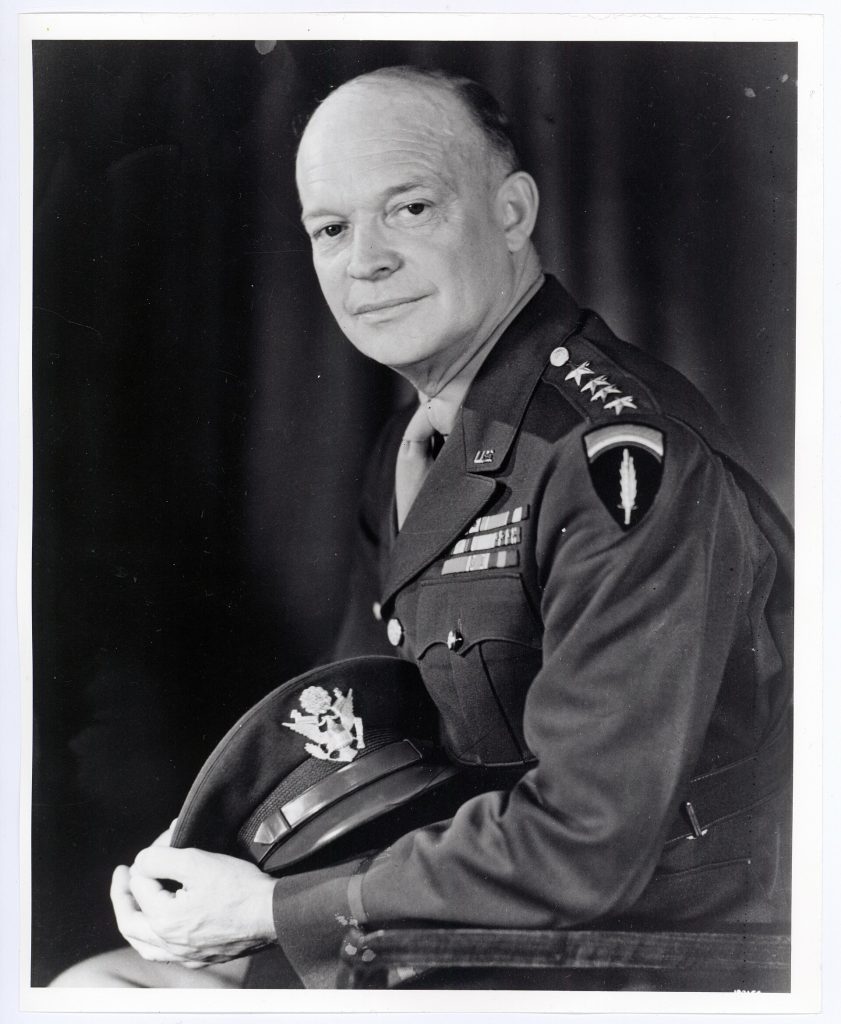
In a Christmas Eve radio address, Roosevelt announces that General Dwight D. Eisenhower will command the Allied invasion of Western Europe.
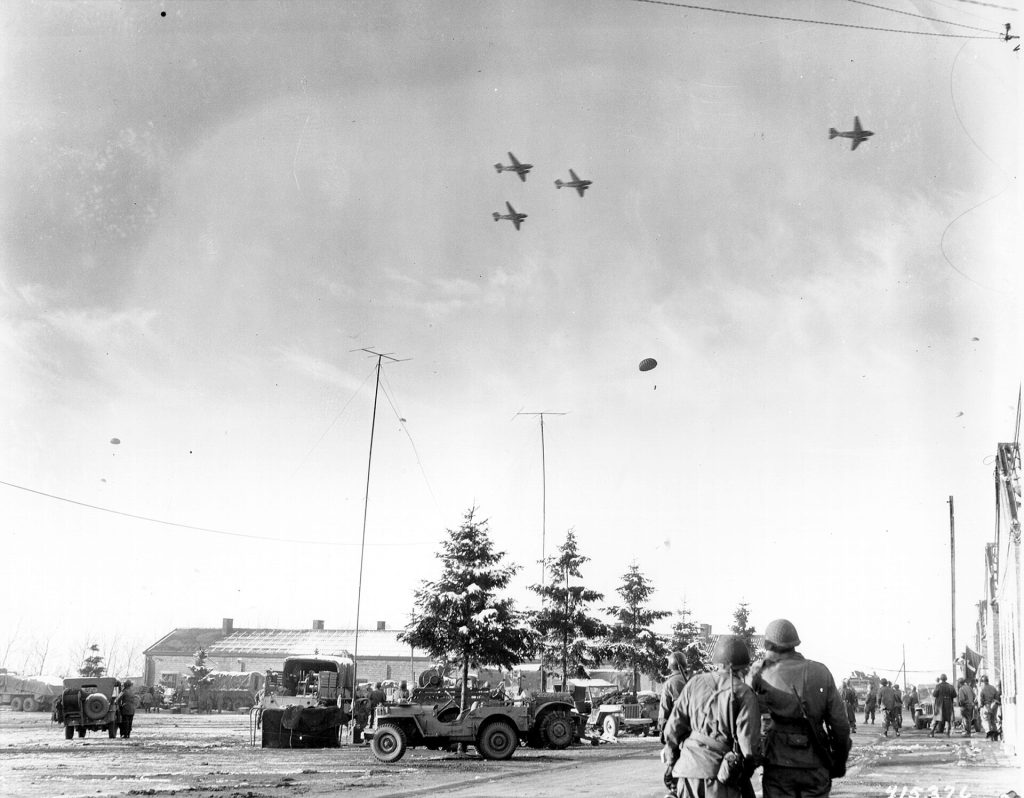
Surrounded at the Belgian crossroads town of Bastogne, the American commander receives a formal German demand to surrender. His one-word reply becomes legend.
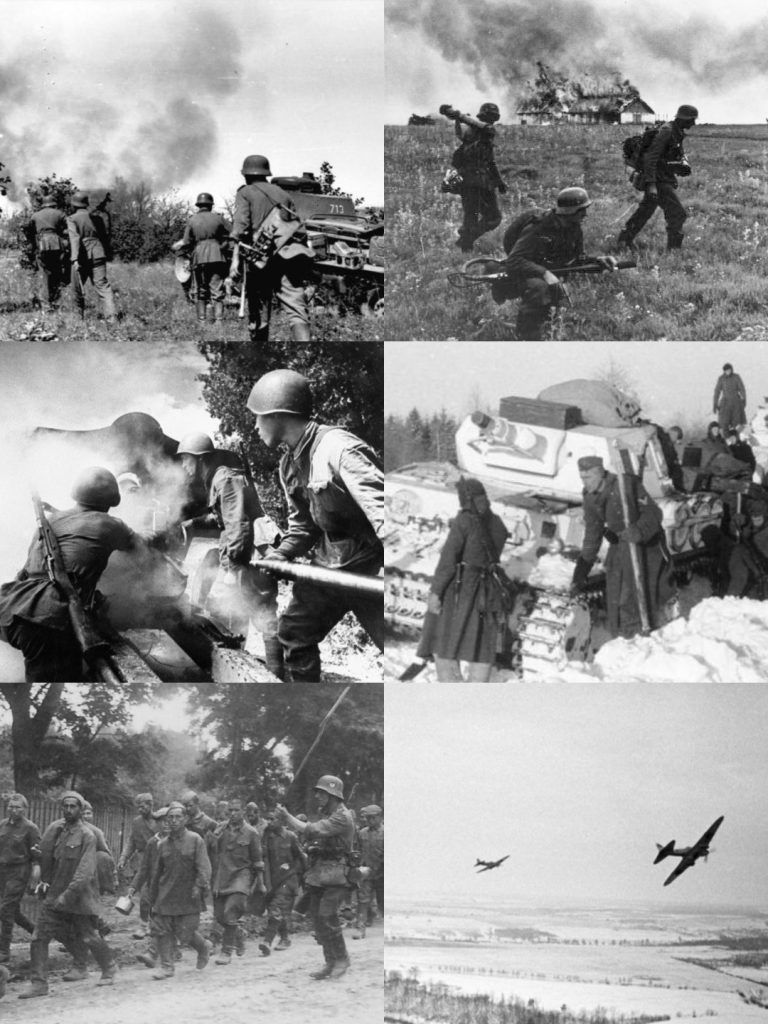
Hitler signs the order for Operation Barbarossa: the German armed forces must be ready to crush the Soviet Union in a rapid campaign, even before Britain is defeated.
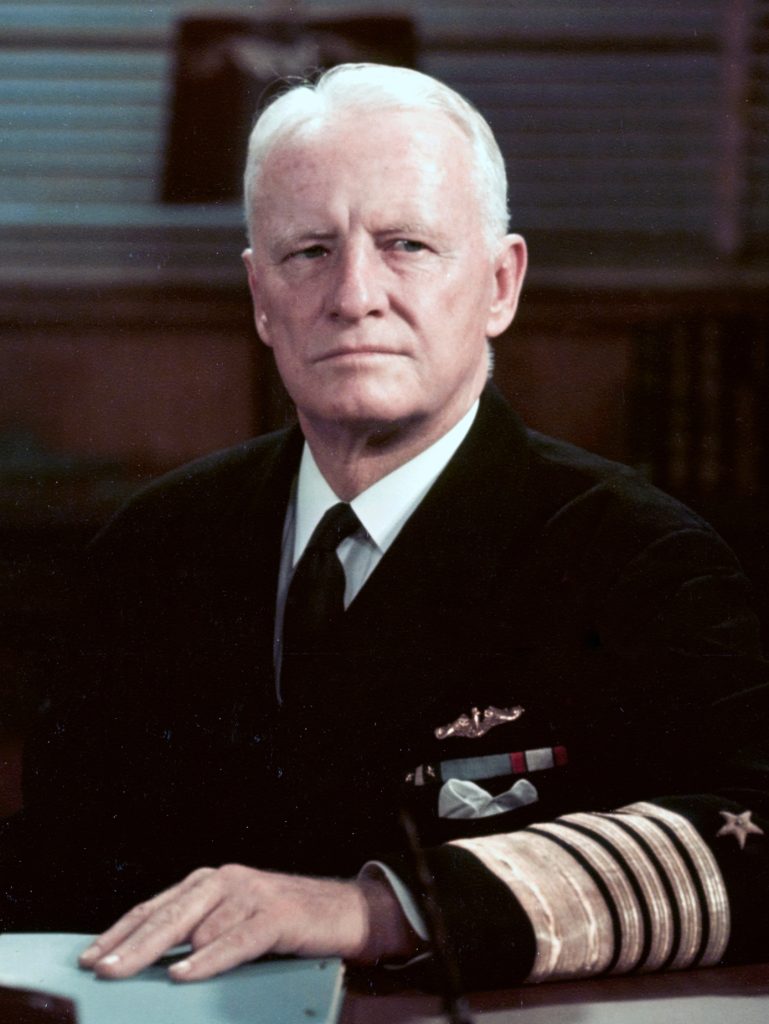
Ten days after Pearl Harbor, Roosevelt picks a quiet Texan admiral, Chester Nimitz, to take command of what is left of the Pacific Fleet.
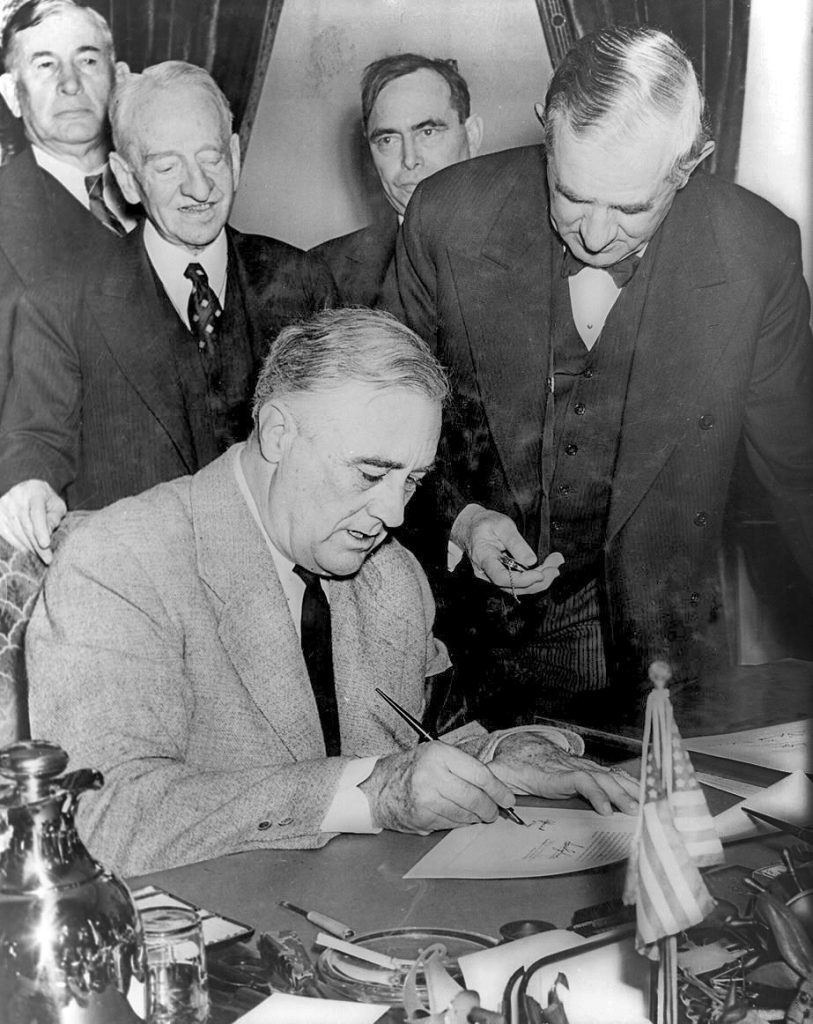
Under no treaty obligation to do so, Hitler declares war on the United States. Roosevelt no longer has to persuade Americans to fight Germany.
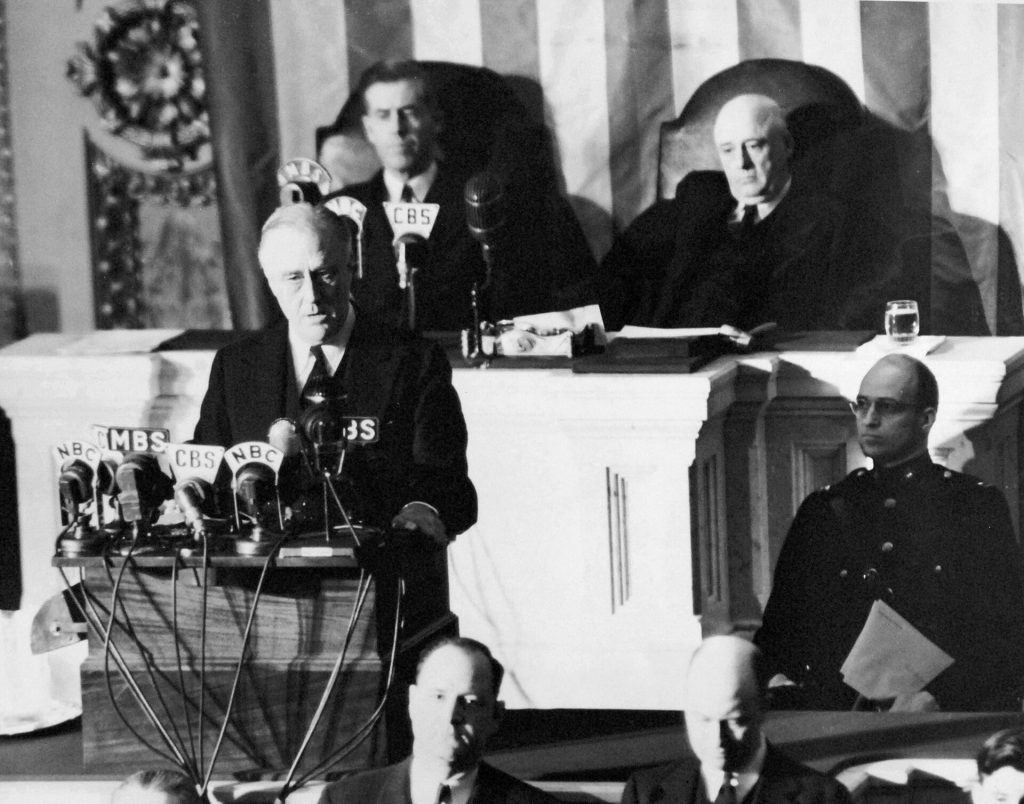
Roosevelt asks Congress for a declaration of war on Japan, as Japanese forces strike Malaya, Hong Kong, the Philippines, Guam and Wake across a front of thousands of kilometres.
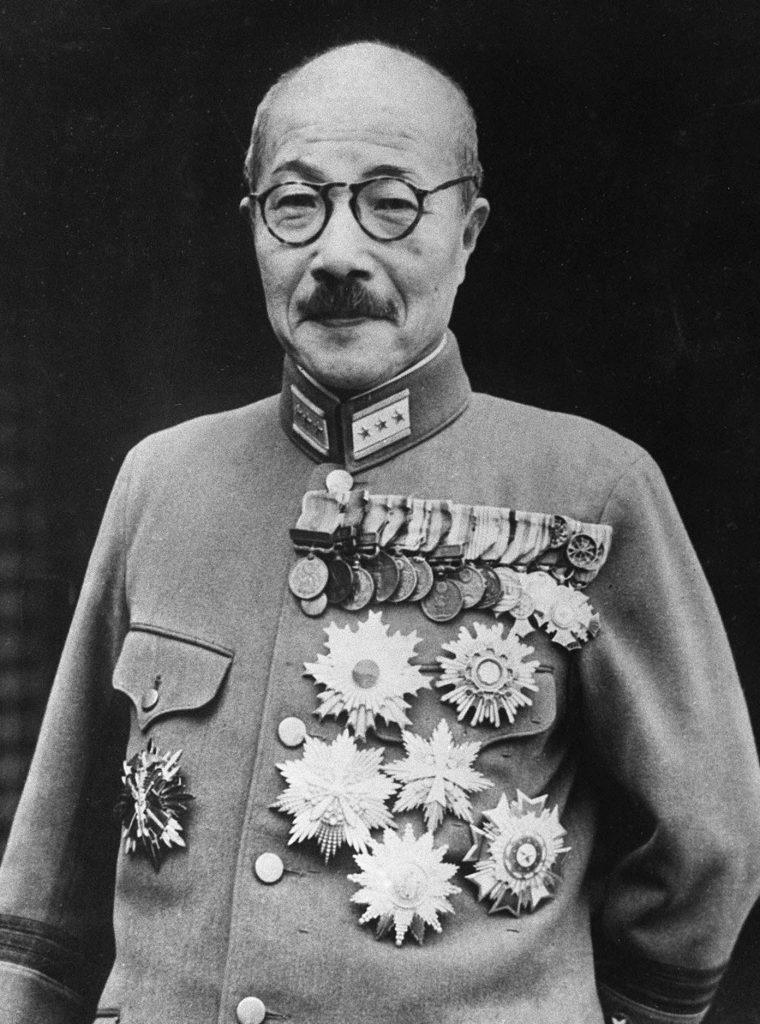
In the presence of Emperor Hirohito, an Imperial Conference in Tokyo formally approves war against the United States, Britain and the Netherlands. The carriers are already at sea.
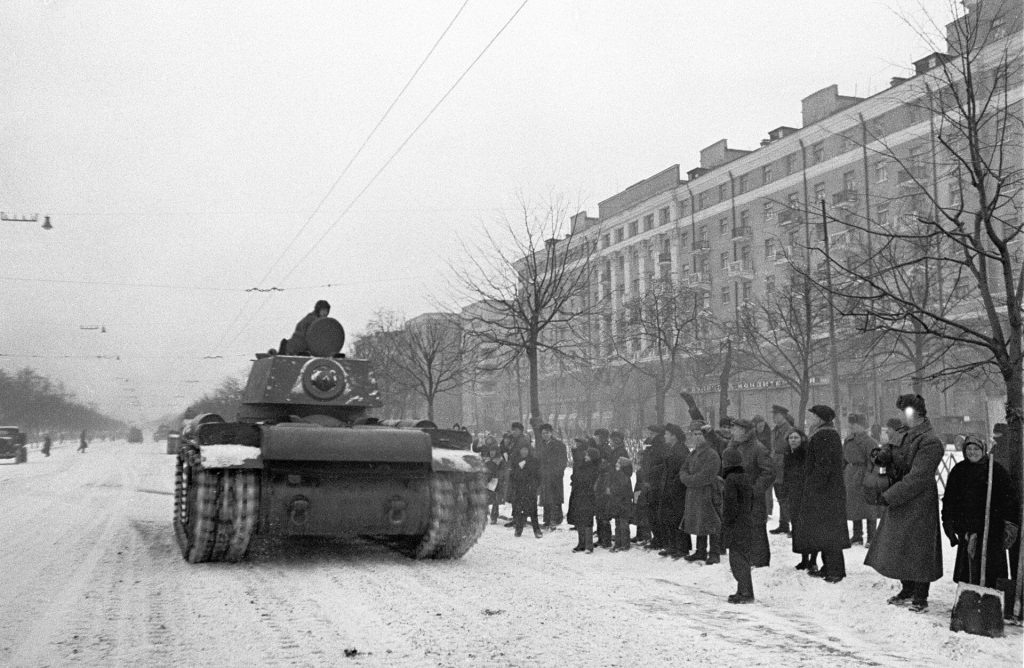
With German armies less than a hundred kilometres away, Stalin stages the traditional revolution parade in Moscow. The troops march past the Kremlin and straight on to the front.
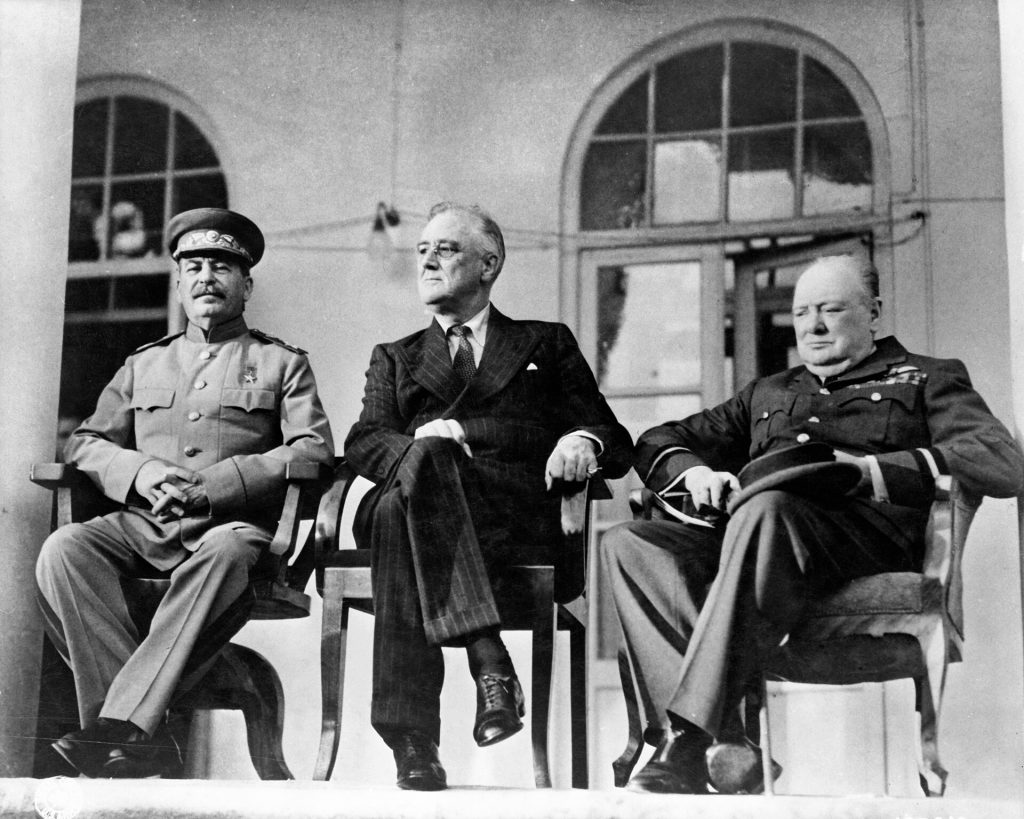
Roosevelt, Churchill and Stalin meet together for the first time. In four days they fix the date for the invasion of France and sketch the outline of the post-war world.
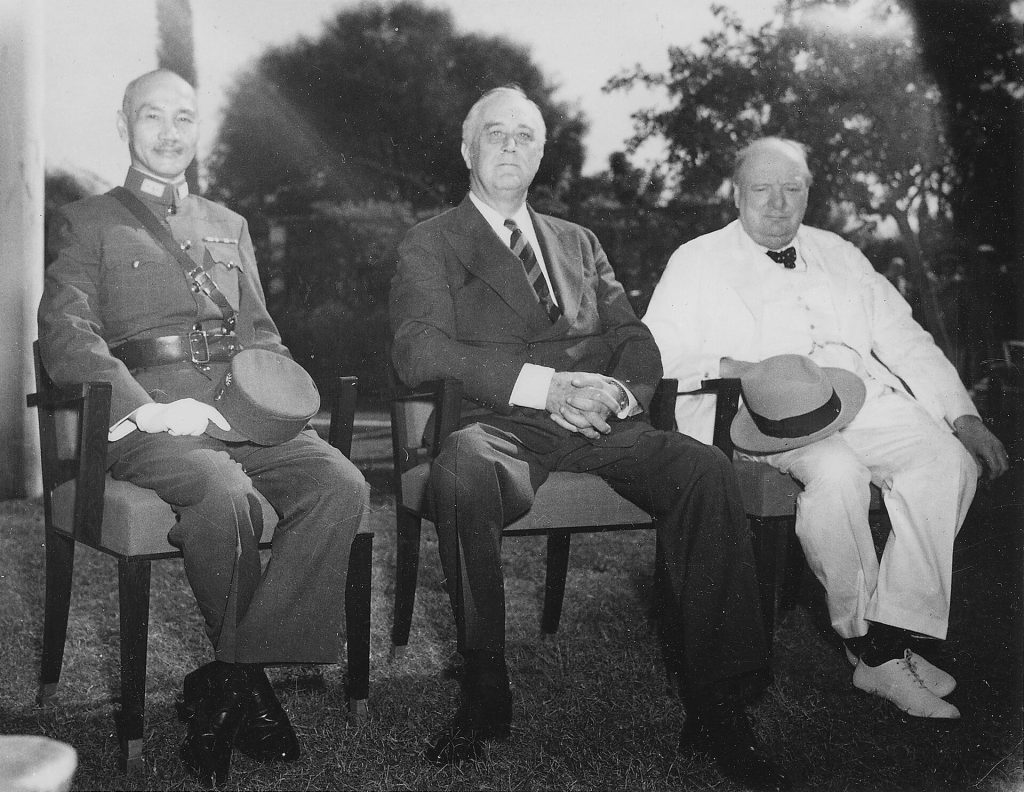
Roosevelt, Churchill and Chiang Kai-shek meet beside the pyramids to plan the defeat of Japan, and agree a declaration that will shape the map of East Asia for decades.
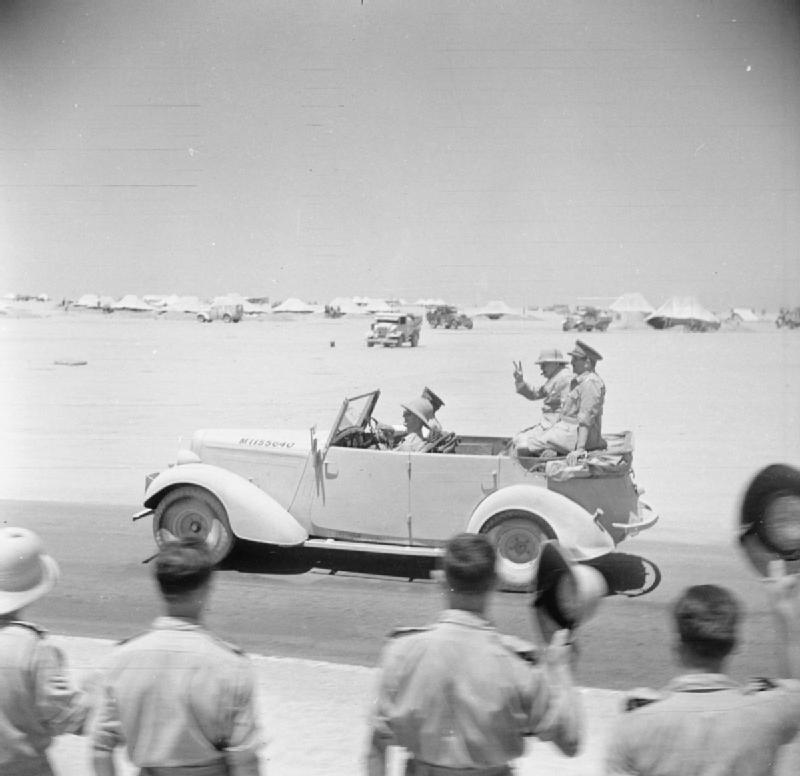
With Rommel in retreat from El Alamein and Allied armies ashore in French North Africa, Churchill gives Britain the most carefully measured victory speech of the war.
 United Kingdom
 United States
 Soviet Union
 Germany
 Japan
 France
 Poland
 South Africa