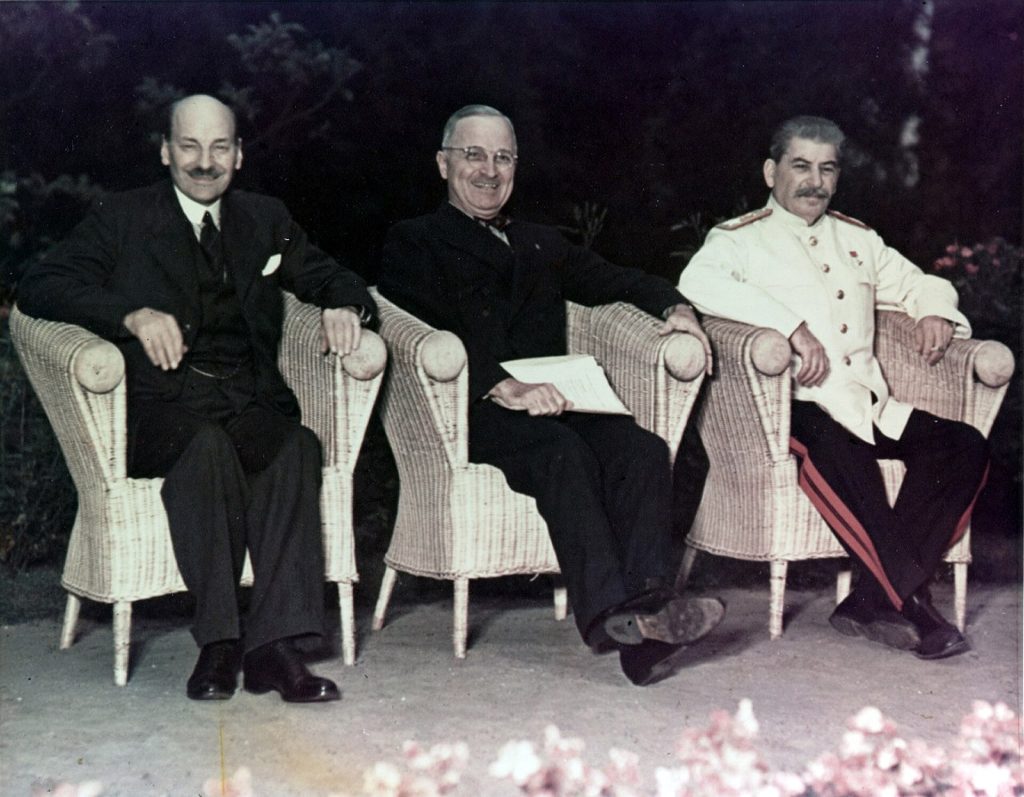
17 July 1945: The Potsdam Conference
In a palace outside ruined Berlin, Truman, Stalin and Churchill meet to settle the fate of Germany. Halfway through, Churchill is replaced by Attlee.
The leaders of the war and the words that defined it.
In a palace outside ruined Berlin, Truman, Stalin and Churchill meet to settle the fate of Germany. Halfway through, Churchill is replaced by Attlee.
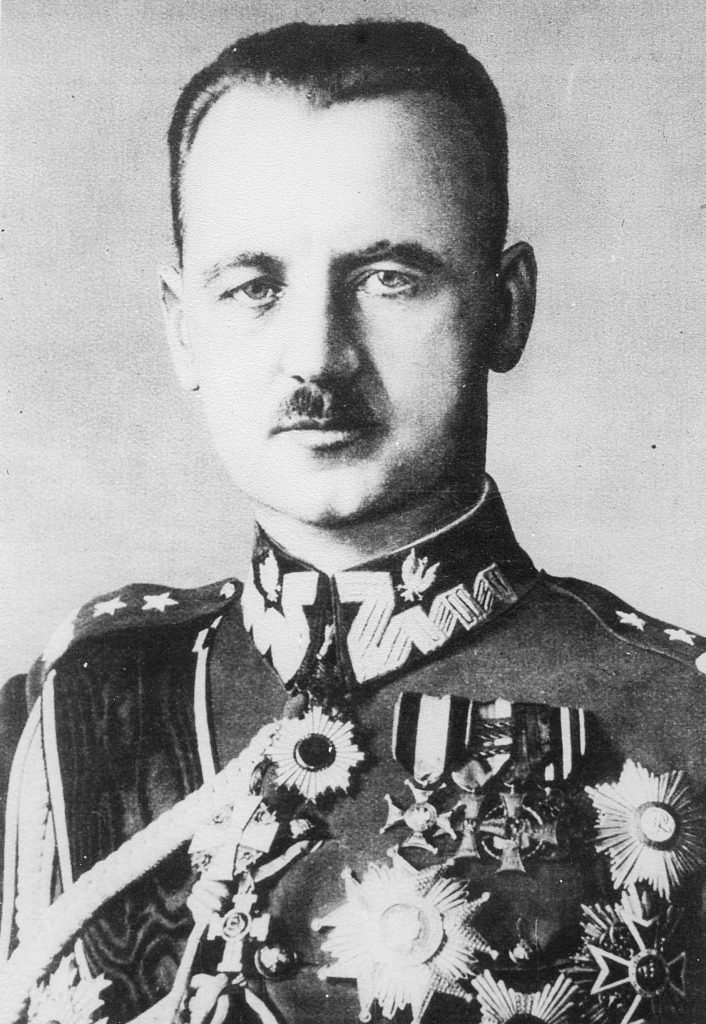
Seconds after taking off from Gibraltar, the aircraft carrying General Władysław Sikorski, leader of the Polish government in exile, plunges into the sea.
In San Francisco, delegates of fifty nations sign the Charter of the United Nations, creating a new organisation to keep the peace the war has cost so much to win.
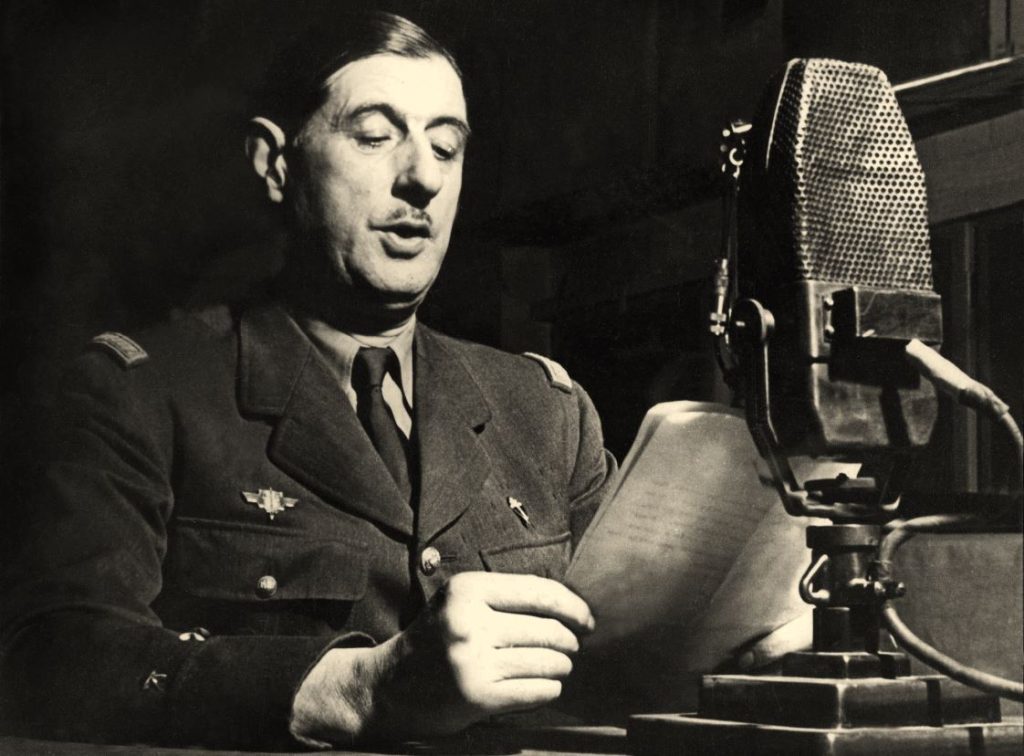
In a BBC studio in London, a little-known French general speaks to his country: France has lost a battle, but it must not give up. Few hear him. History will remember.
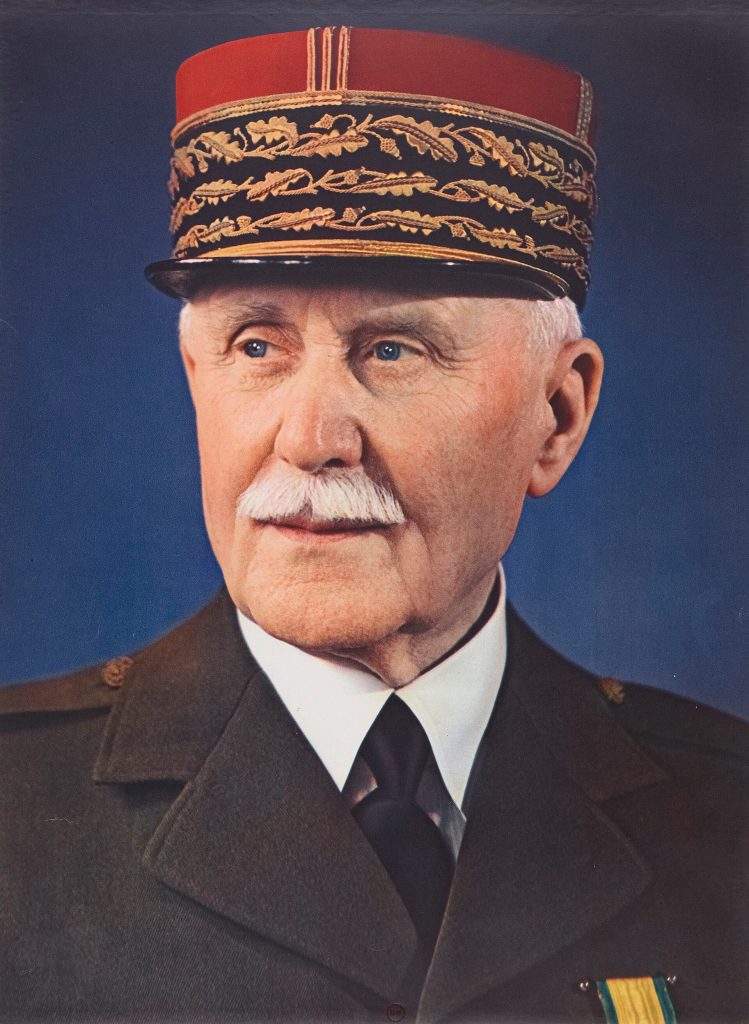
Britain offers France an extraordinary union of the two nations. The French cabinet rejects it, Paul Reynaud resigns, and 84-year-old Marshal Pétain becomes premier, determined to seek an armistice.
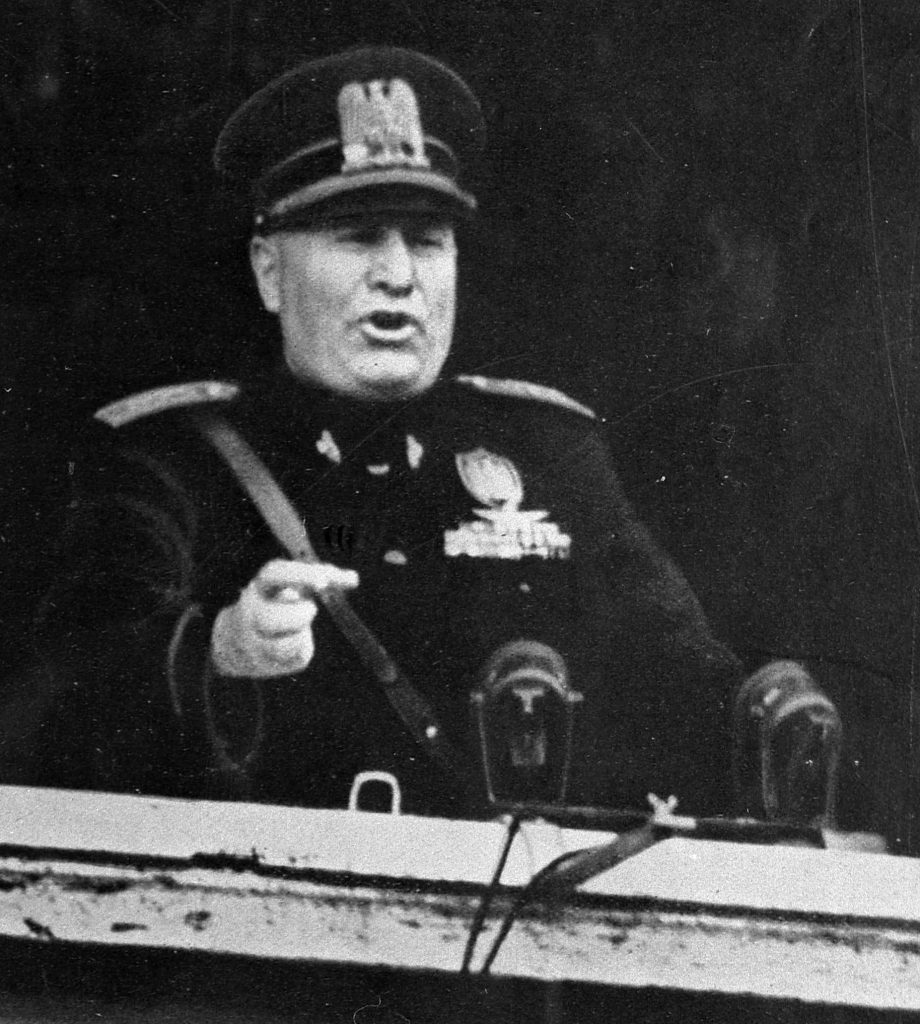
From the balcony of the Palazzo Venezia, Mussolini announces that Italy is at war with Britain and France. France is already collapsing.
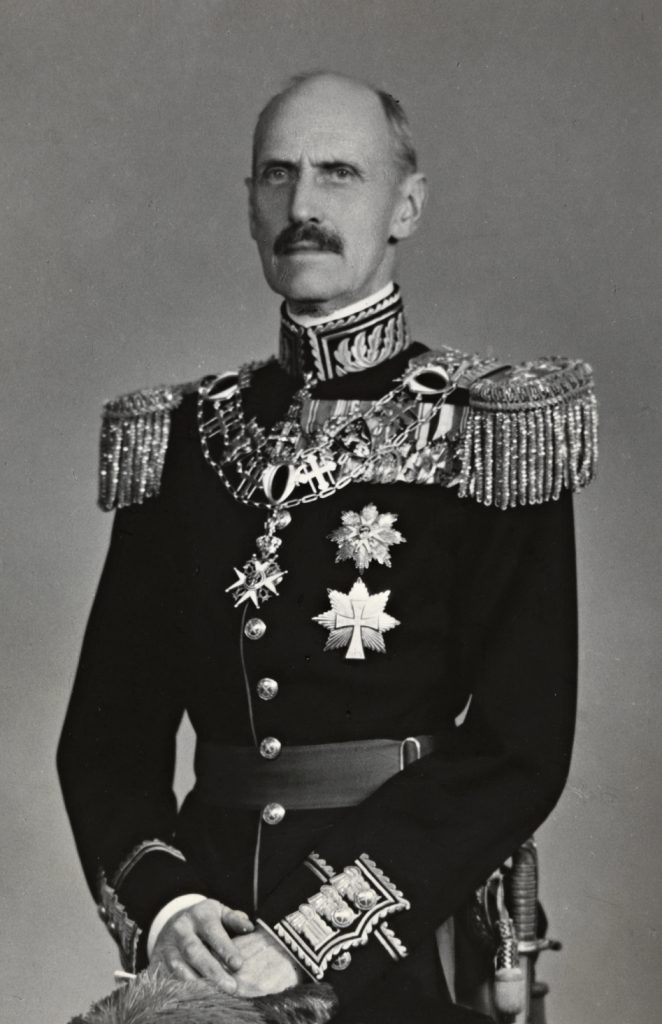
With the Allies withdrawing from Narvik, King Haakon VII and his government board a British cruiser at Tromsø. They will lead Norway’s fight from London.
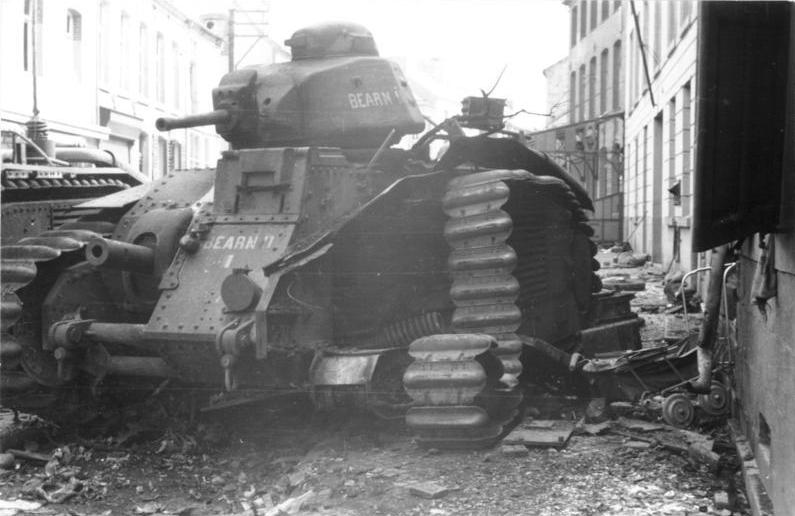
At dawn, German forces invade the Netherlands, Belgium and Luxembourg. By evening, Neville Chamberlain has resigned and Winston Churchill is Prime Minister.
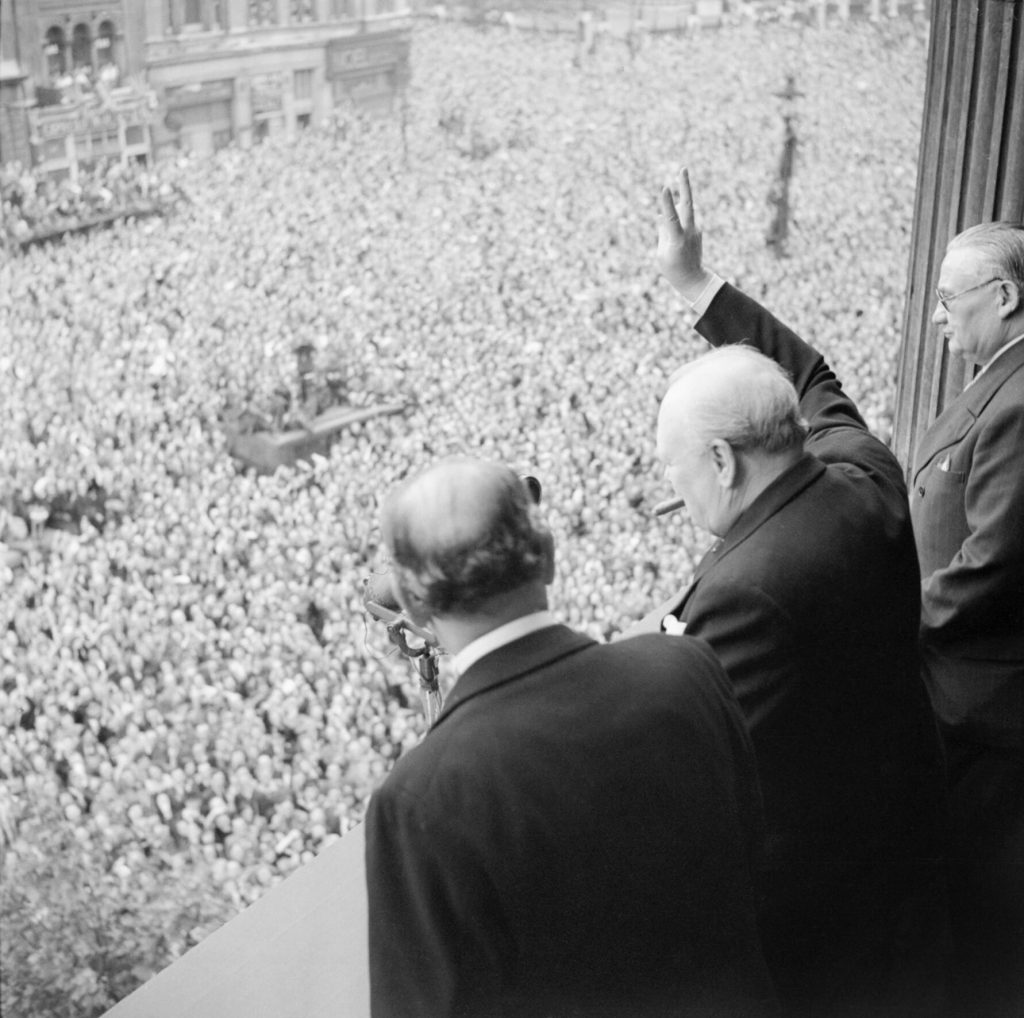
Victory in Europe. Crowds pour into the streets of London, Paris, New York and cities across the Allied world. After nearly six years, the war against Germany is over.
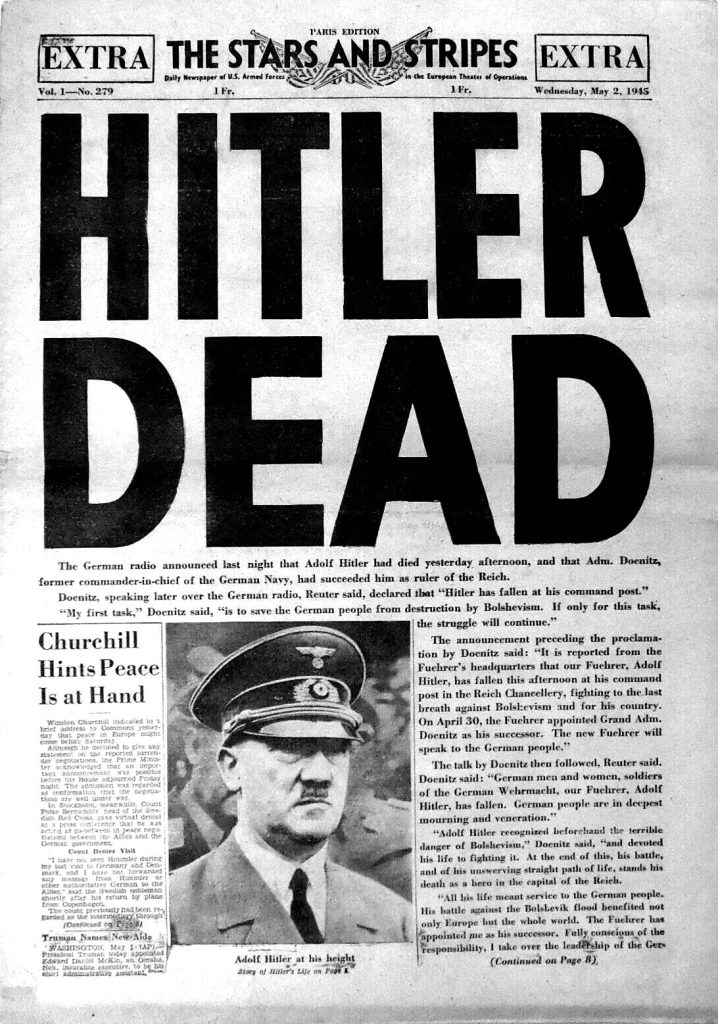
With Soviet troops only a few hundred metres away, Adolf Hitler takes his own life in the bunker beneath the Reich Chancellery.
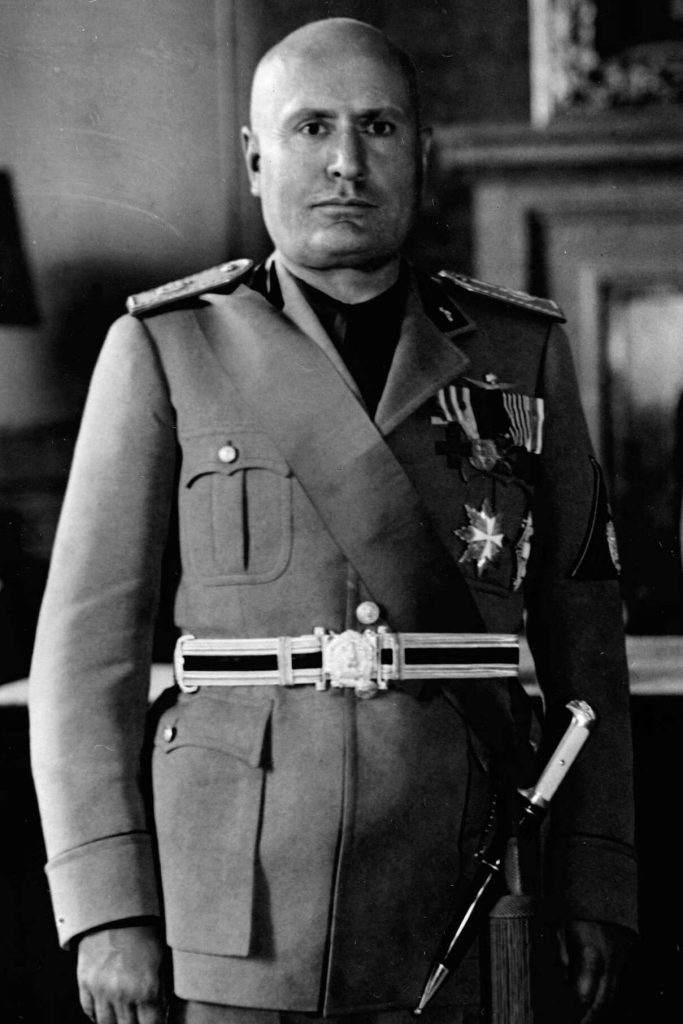
Captured by partisans while trying to escape with a German convoy, Benito Mussolini is shot near Lake Como. The man who ruled Italy for two decades is dead.
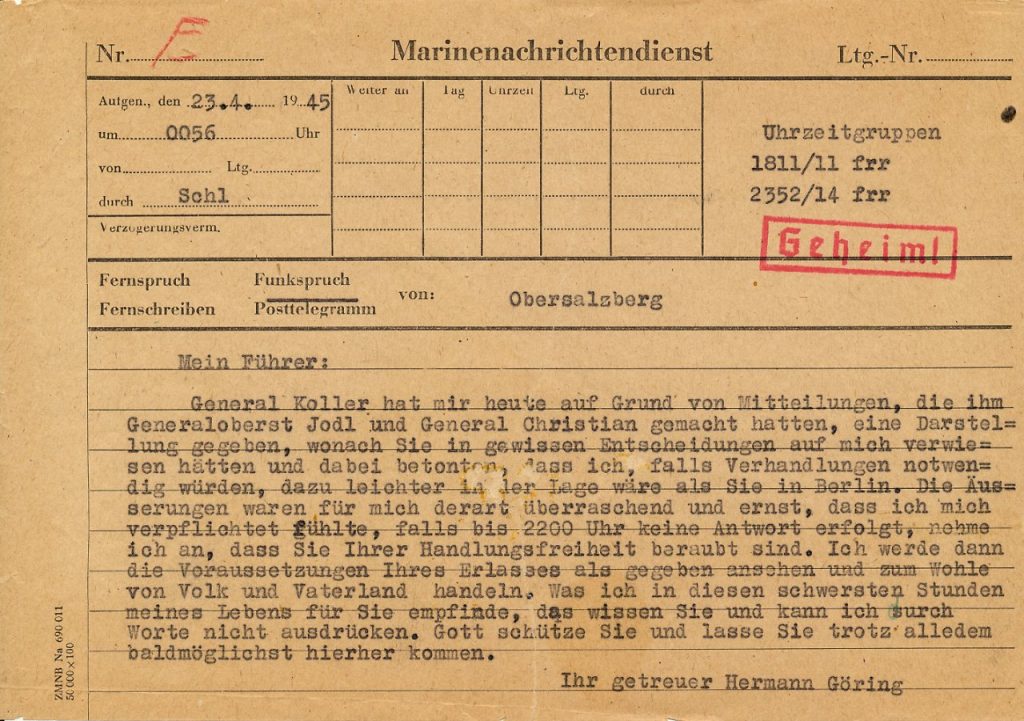
From the Bavarian Alps, Hermann Göring sends a telegram offering to take over the leadership of the Reich. In the bunker, Hitler is persuaded it is treason.
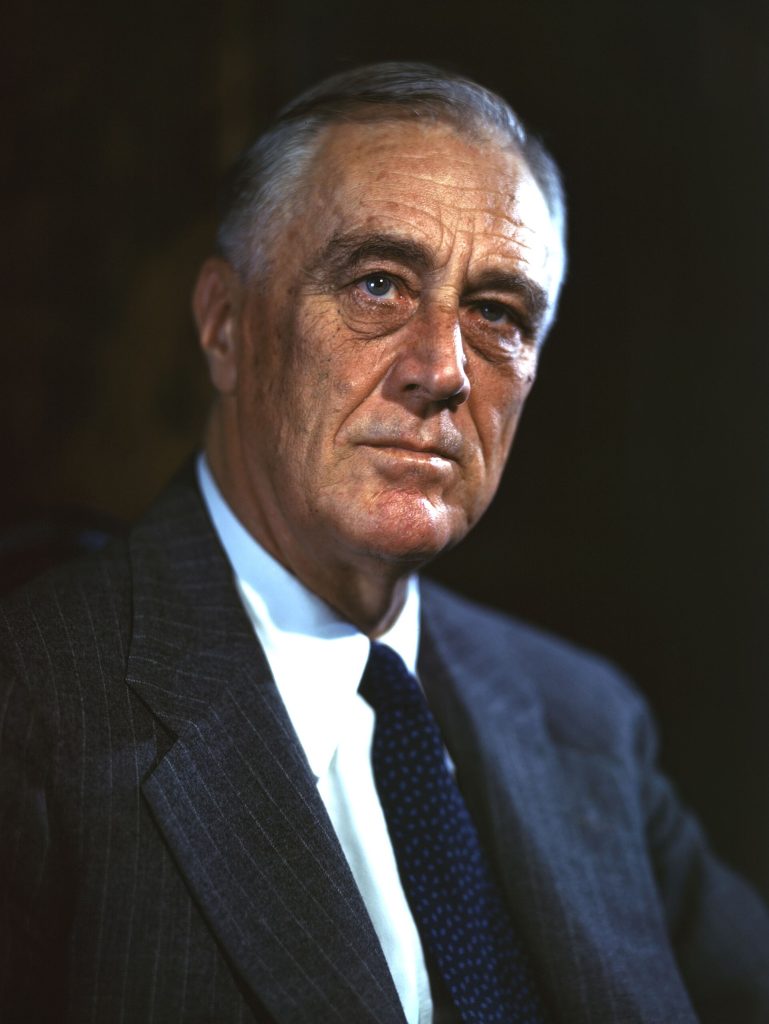
At his retreat in Warm Springs, Georgia, Franklin D. Roosevelt collapses while sitting for a portrait. Within hours, Harry Truman is president.
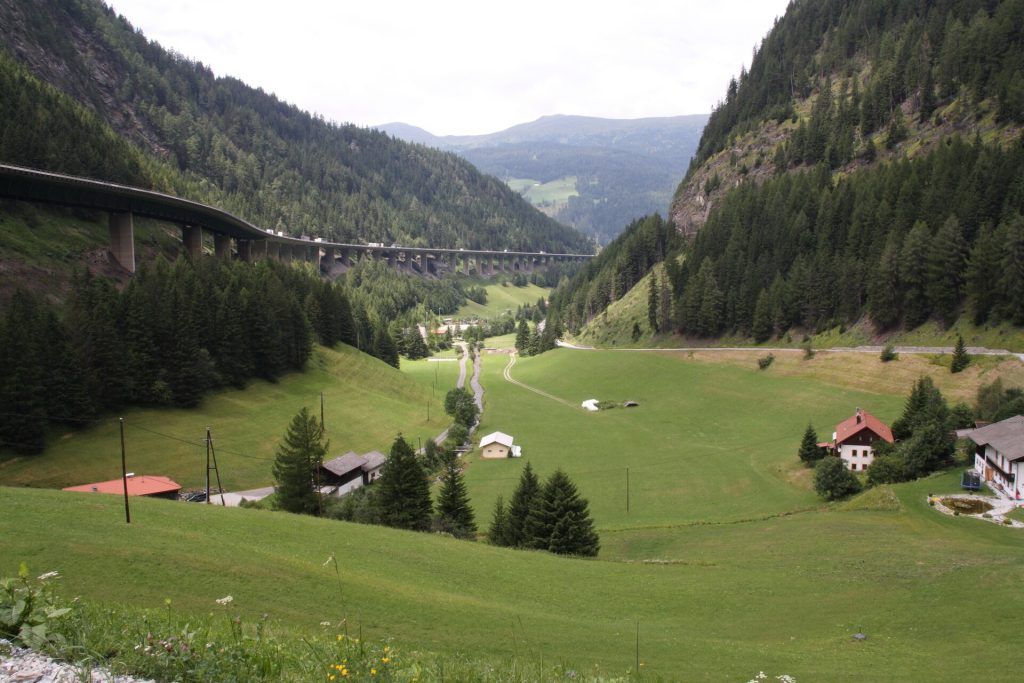
Hitler and Mussolini meet in a railway carriage at the Alpine frontier. Mussolini promises that Italy will enter the war, but only when the moment is right.
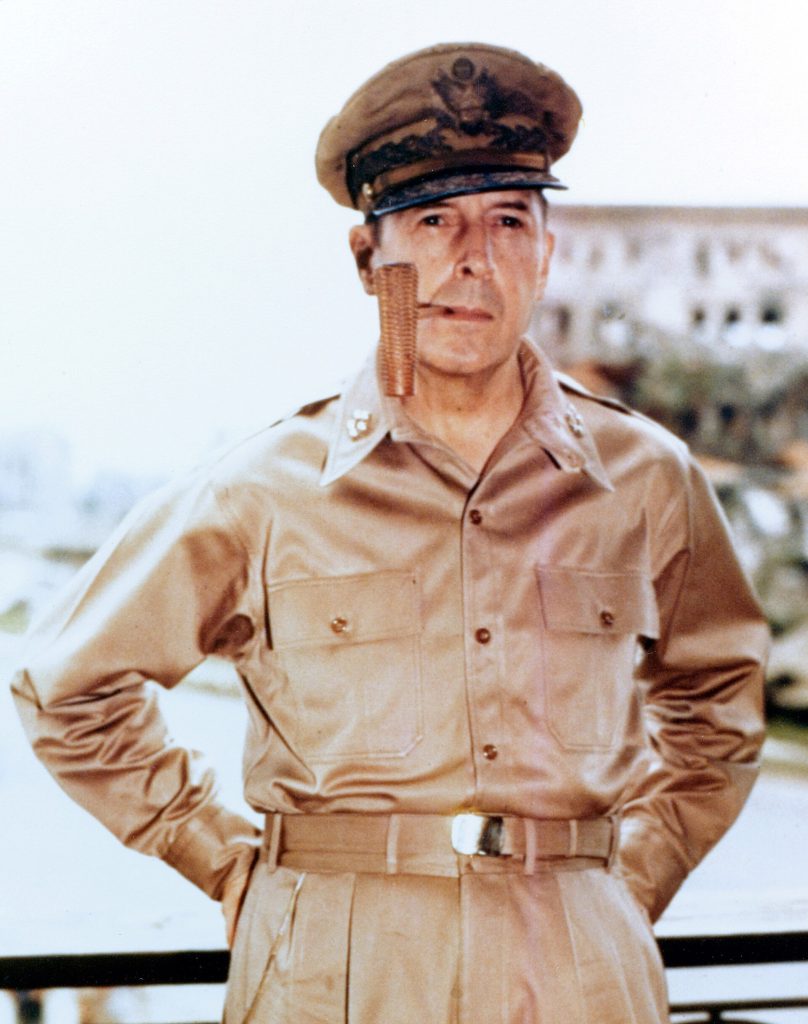
After a dangerous escape from Corregidor by torpedo boat and bomber, General Douglas MacArthur lands in northern Australia. Days later he promises: “I shall return.”
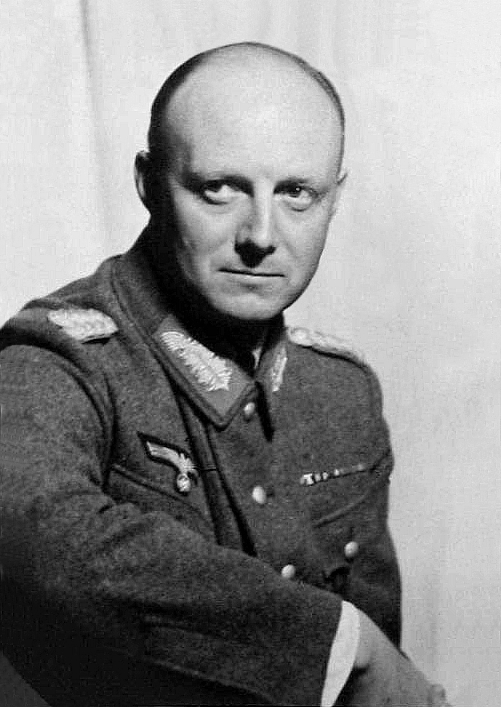
German officers plotting against Hitler smuggle a bomb disguised as bottles of brandy onto his aircraft at Smolensk. It flies all the way to East Prussia and never explodes.
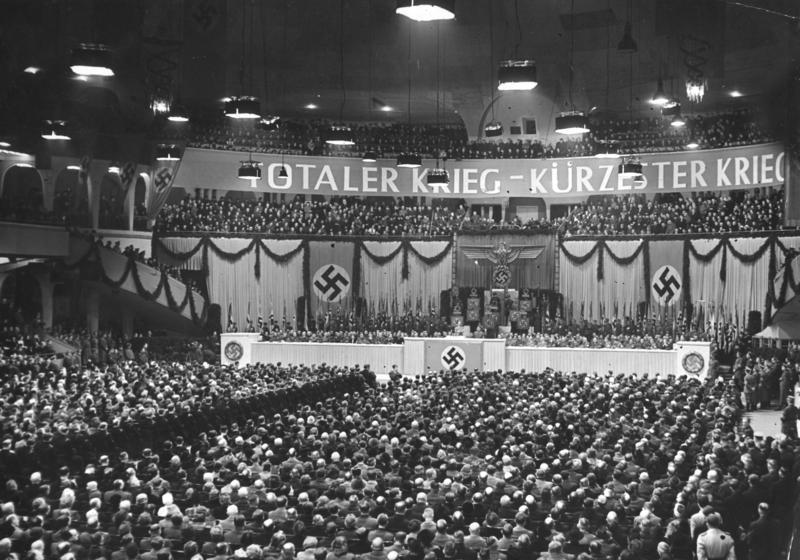
Two weeks after Stalingrad, Joseph Goebbels addresses a packed hall in Berlin and asks the crowd whether it wants total war. The answer is a roar of approval.
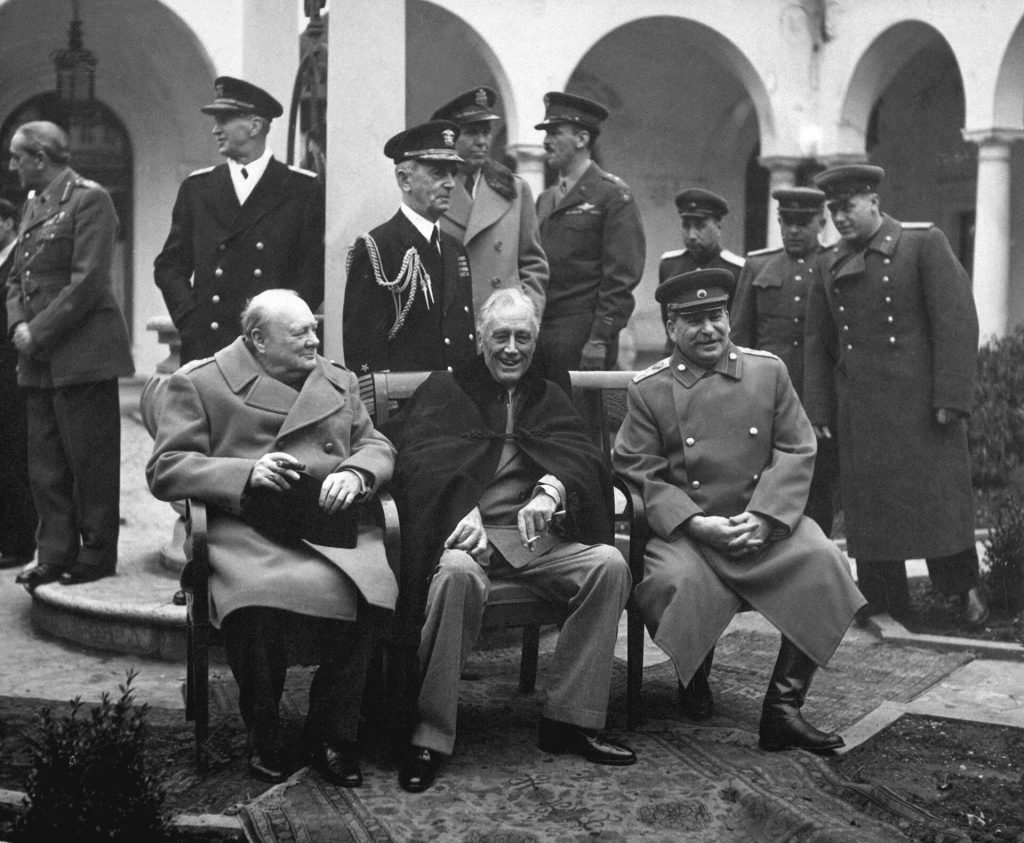
Roosevelt, Churchill and Stalin meet in a former tsar’s palace in the Crimea. They plan the end of the war and the shape of the peace.
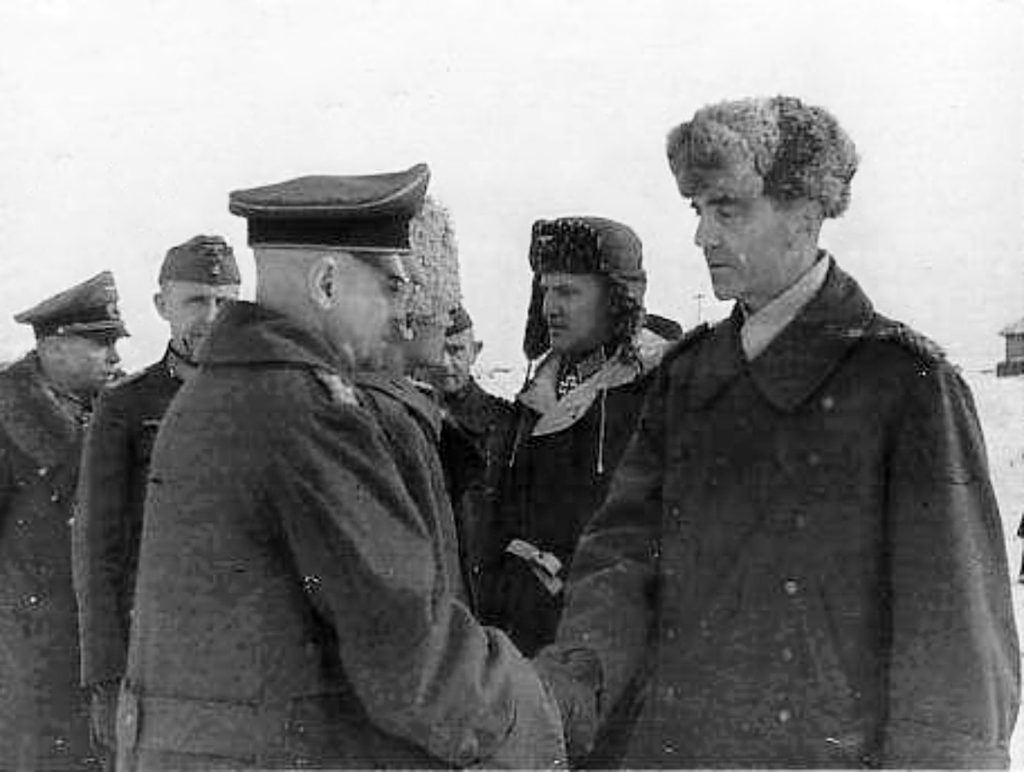
A day after Hitler promotes him to field marshal, expecting him to fight to the death, Friedrich Paulus is taken prisoner in the basement of a ruined department store.
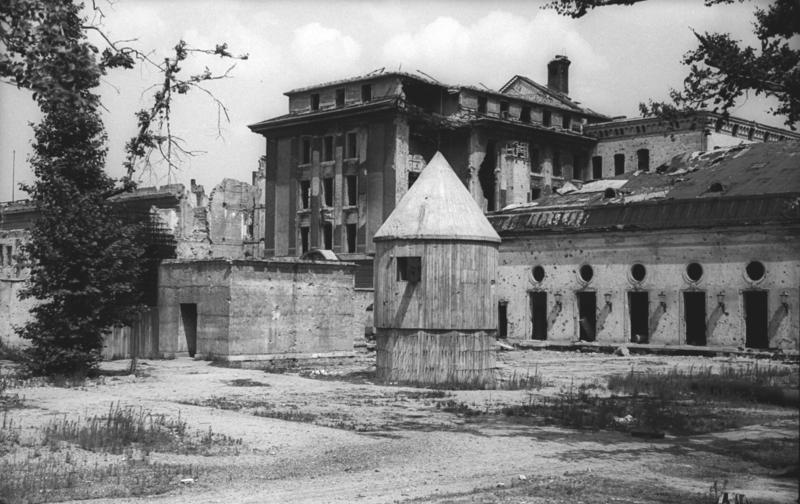
With the Ardennes offensive failed and the Red Army surging across Poland, Hitler returns to Berlin and takes up residence underground. He will never leave.
 United Kingdom
 United States
 Soviet Union
 Germany
 Japan
 France
 Poland
 South Africa