China, Burma and India · Politics · Thailand and Japan
Thailand Joins Japan
Two weeks after Japanese troops crossed its borders, Thailand signs a treaty of alliance with Japan in Bangkok. In Washington, the Thai ambassador quietly refuses to go along.
- Location
- Bangkok, Thailand
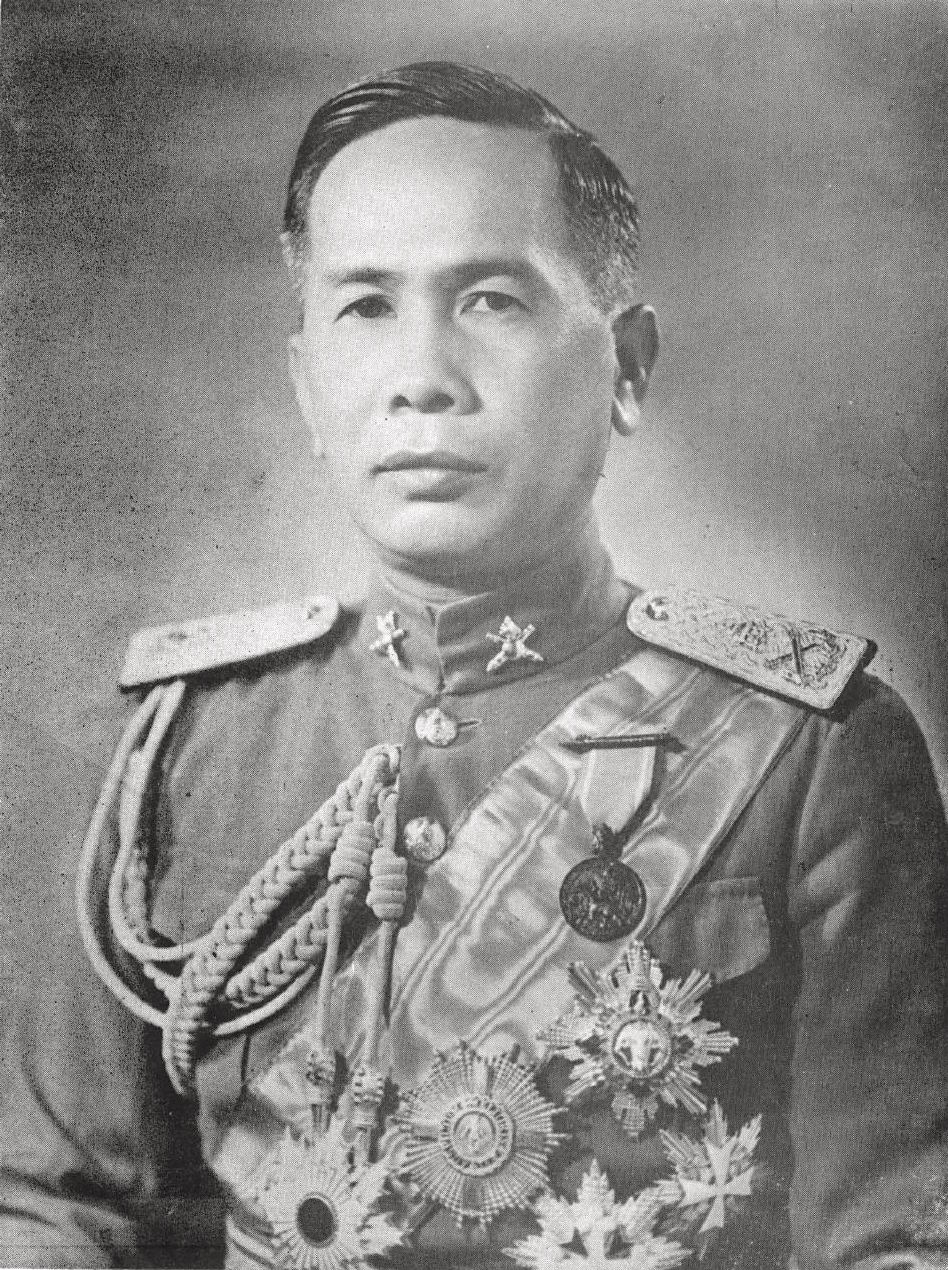
- Thai leader
- Field Marshal Plaek Phibunsongkhram
- Treaty
- Alliance between Thailand and Japan
- Followed by
- Declaration of war on Britain and the US, January 1942
- War clock
- Day 843 of 2,194
Thailand was the only nation in Southeast Asia that had never been colonised. Its leader, Field Marshal Plaek Phibunsongkhram, known as Phibun, had tried to balance between Japan and the Western powers. On 8 December 1941 Japanese forces landed on Thailand’s southern coast and crossed its border from French Indochina, heading for Malaya and Burma. After a few hours of fighting, Phibun ordered a ceasefire and allowed the Japanese passage.
The alliance
Phibun judged that Japan was likely to win in Asia and that resistance was hopeless. On 21 December 1941 Thailand signed a formal treaty of alliance with Japan in Bangkok. On 25 January 1942 Thailand declared war on Britain and the United States. In return Japan later allowed Thailand to annex territory in Burma and northern Malaya.
The Free Thai
Not every Thai official went along. In Washington, the Thai ambassador, Seni Pramoj, refused to deliver the declaration of war and organised the Free Thai movement to work with the Allies. The United States chose not to recognise Thailand’s declaration. A Free Thai network inside the country, supported by Allied intelligence, grew as the war turned against Japan.
Also on 21 December
- 1941Fighting continues on Hong Kong Island as Japanese troops push towards the centre of the island.
Sources and further reading
Lead image: Field Marshal Plaek Phibunsongkhram, Prime Minister of Thailand. Ministry of Defence of Thailand, Public domain, via Wikimedia Commons. See our sources and image policy.
 United Kingdom
 United States
 Soviet Union
 Germany
 Japan
 France
 Poland
 South Africa