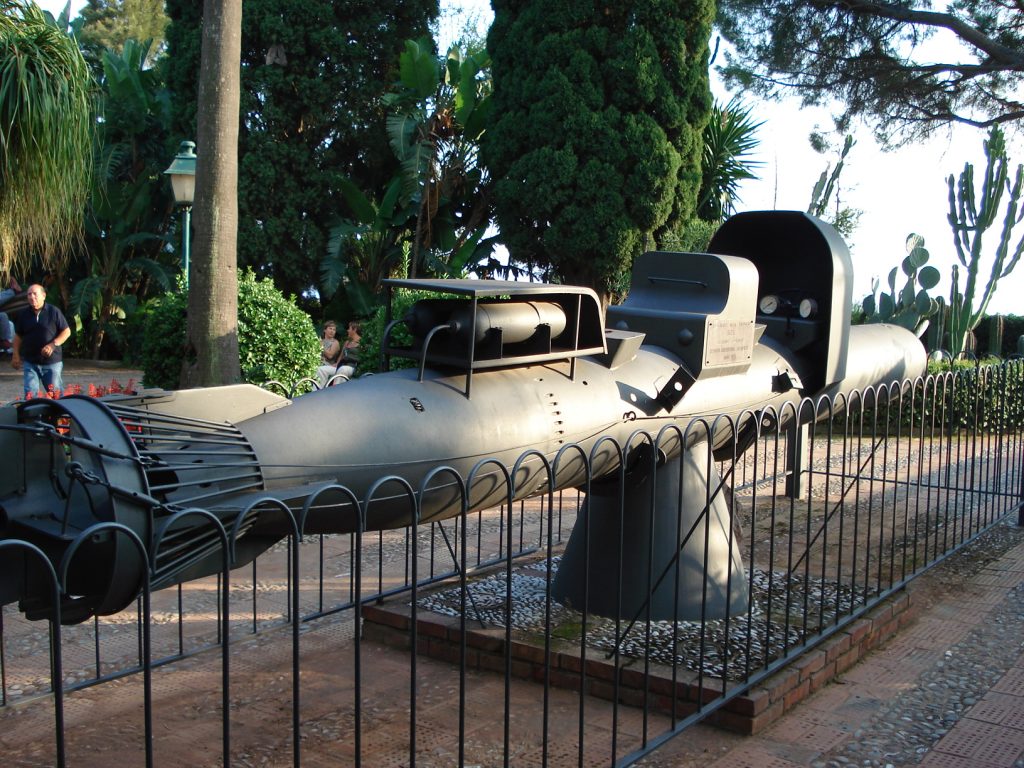
19 December 1941: The Raid on Alexandria
Six Italian frogmen riding human torpedoes slip into Alexandria harbour and sink two British battleships where they lie at anchor.
Every dispatch dated in December, across all six years of the war.
Six Italian frogmen riding human torpedoes slip into Alexandria harbour and sink two British battleships where they lie at anchor.
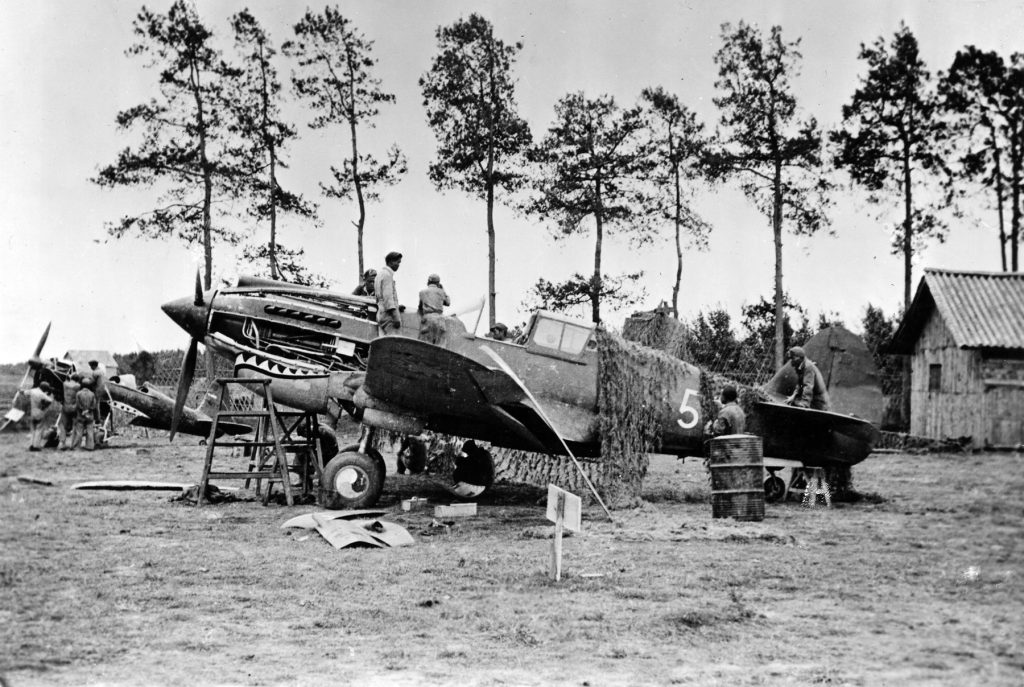
Shark-mouthed P-40 fighters of the American Volunteer Group intercept a Japanese bombing raid over Kunming, their first combat in defence of China.
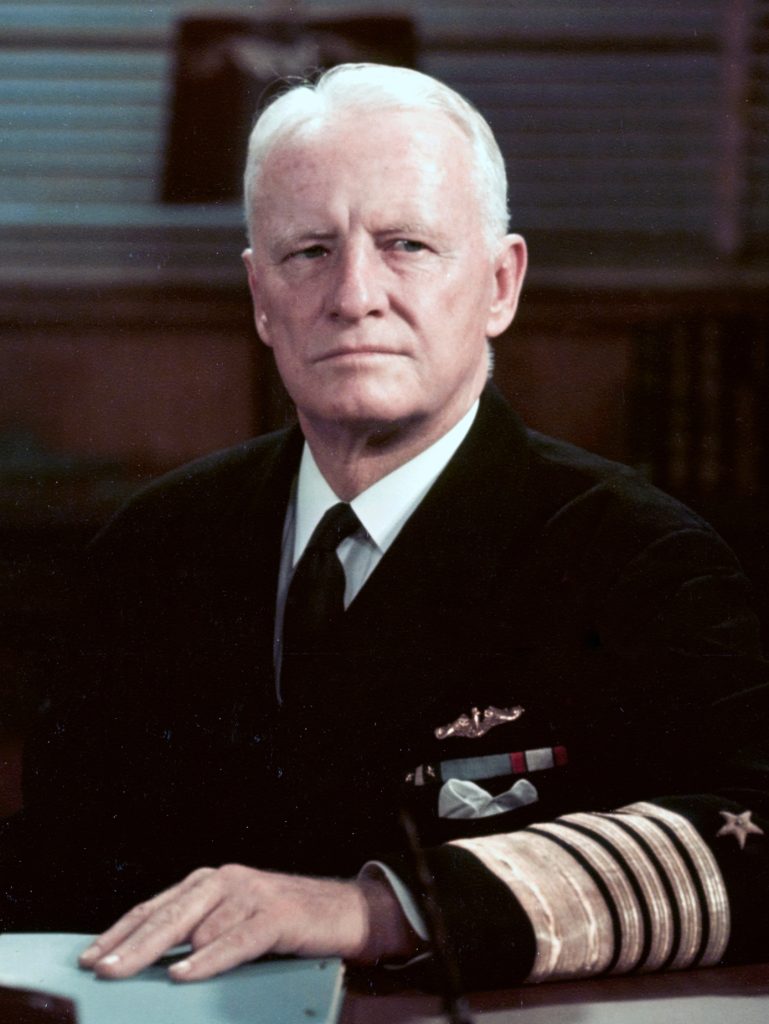
Ten days after Pearl Harbor, Roosevelt picks a quiet Texan admiral, Chester Nimitz, to take command of what is left of the Pacific Fleet.
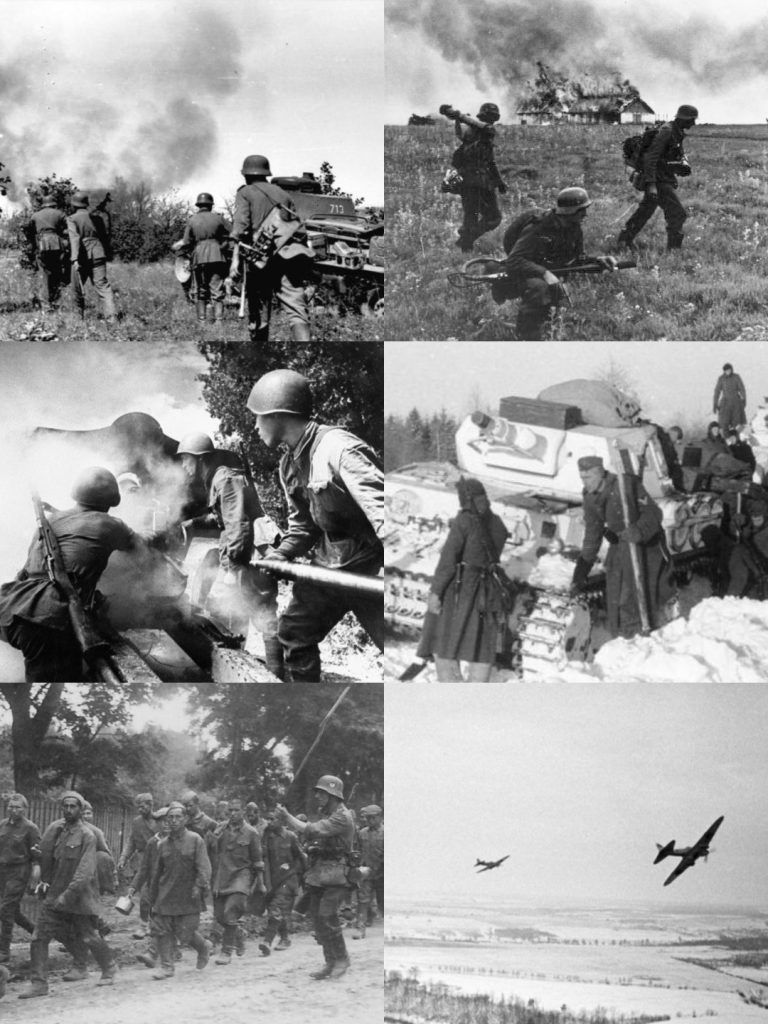
Hitler signs the order for Operation Barbarossa: the German armed forces must be ready to crush the Soviet Union in a rapid campaign, even before Britain is defeated.
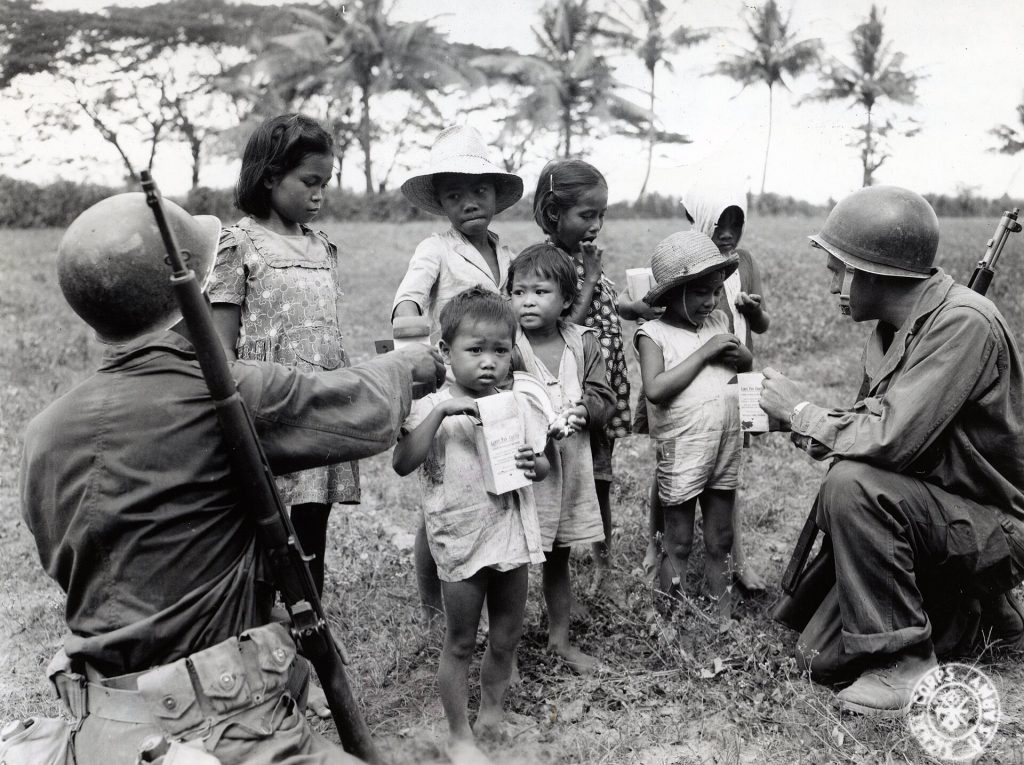
American troops land almost unopposed on Mindoro in the Philippines to build airfields for the coming invasion of Luzon. The real fight is at sea, against kamikazes.
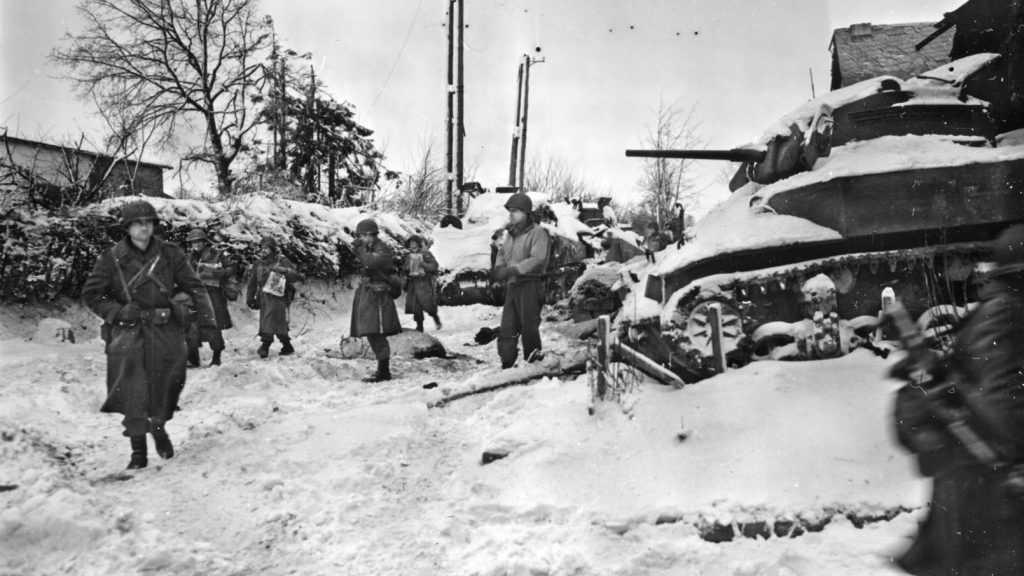
Out of the fog-bound forests of the Ardennes, three German armies smash into a thinly held American front. Hitler’s last great gamble in the west has begun.
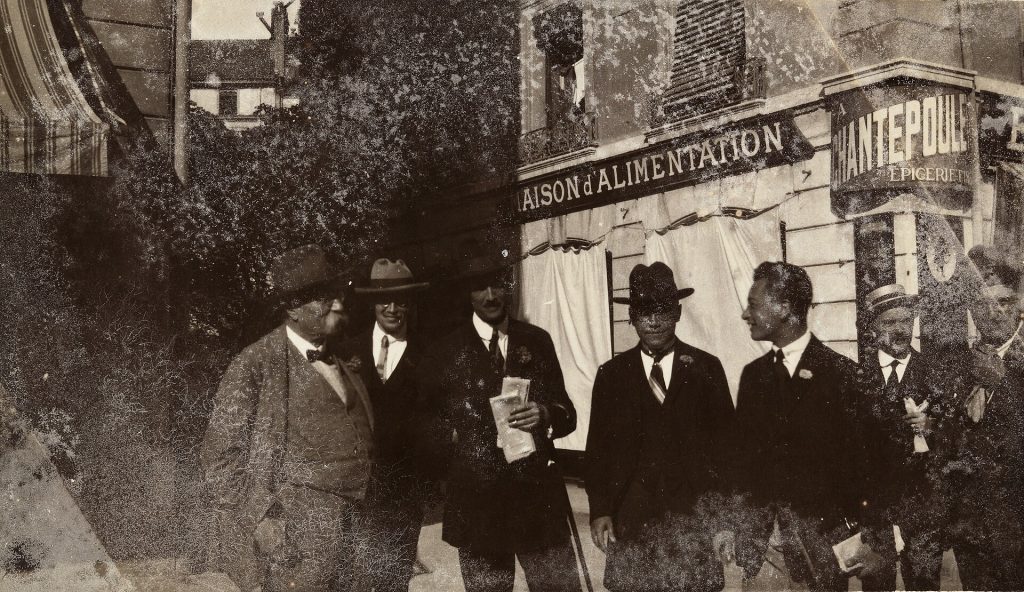
Two weeks after the invasion of Finland, the League of Nations expels the Soviet Union. It is the League’s last significant act.
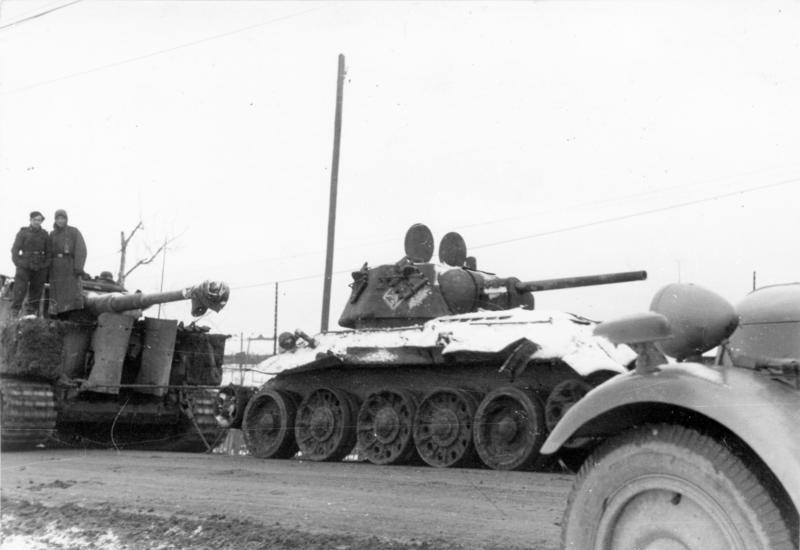
Field Marshal von Manstein launches a desperate attempt to break through to the German Sixth Army trapped at Stalingrad. His panzers get within about 50 kilometres, and no closer.
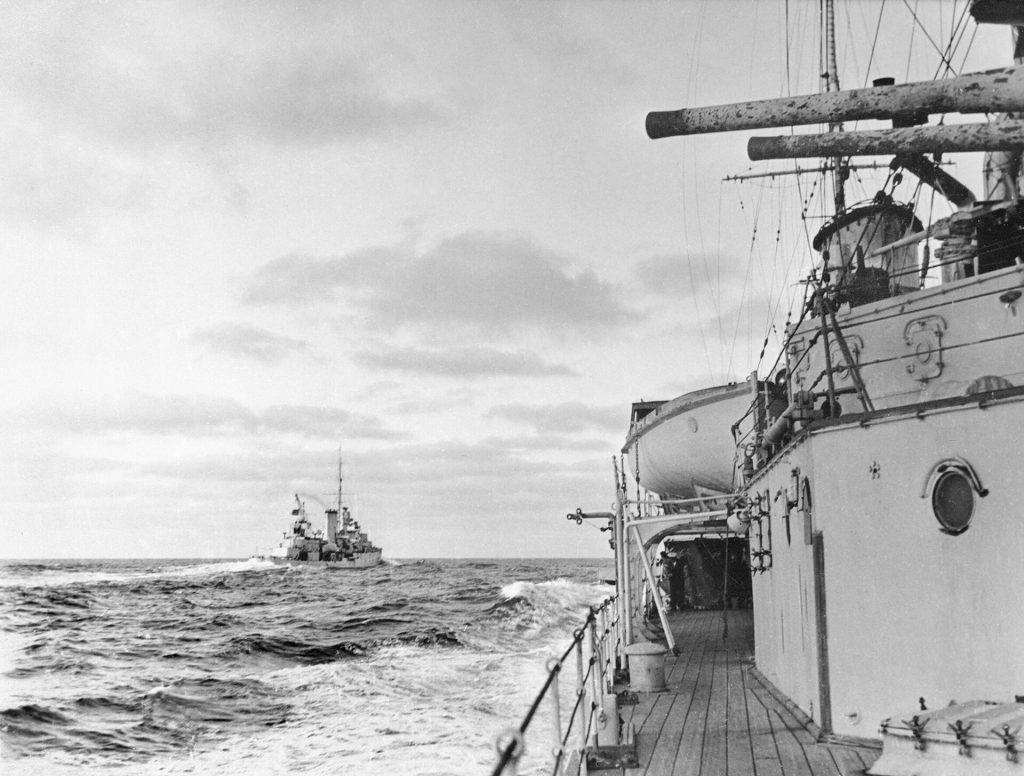
Three British cruisers take on the pocket battleship Admiral Graf Spee off the coast of South America. Battered, the raider runs for neutral Montevideo, and into a trap of nerves.
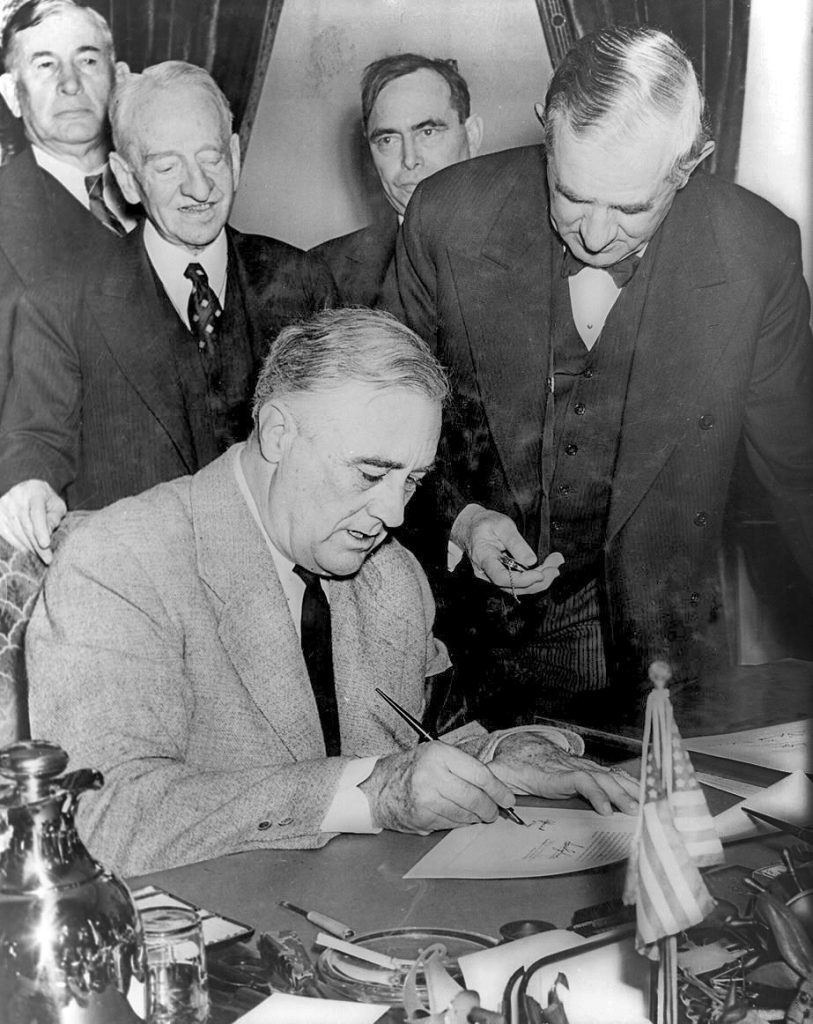
Under no treaty obligation to do so, Hitler declares war on the United States. Roosevelt no longer has to persuade Americans to fight Germany.
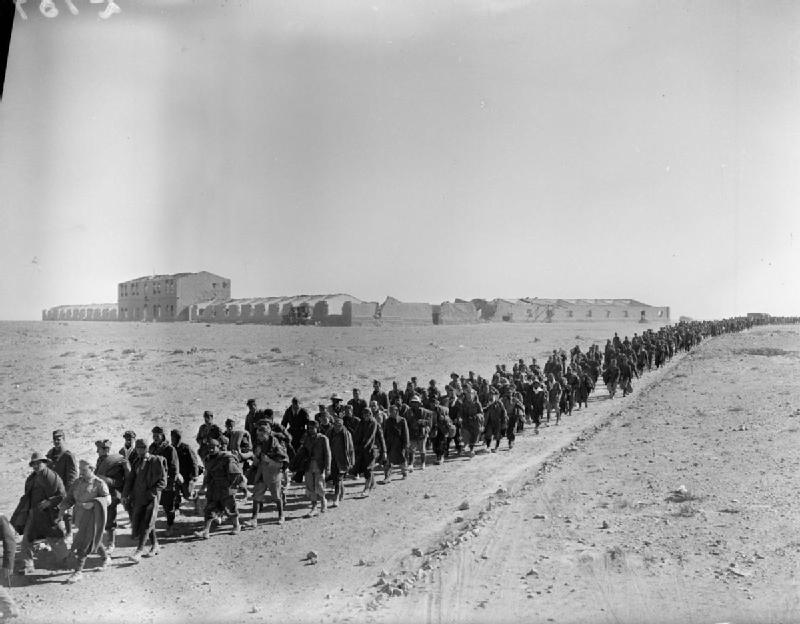
A small British and Indian force strikes the Italian army that has invaded Egypt. Planned as a five-day raid, it becomes a two-month rout that captures well over 100,000 prisoners.
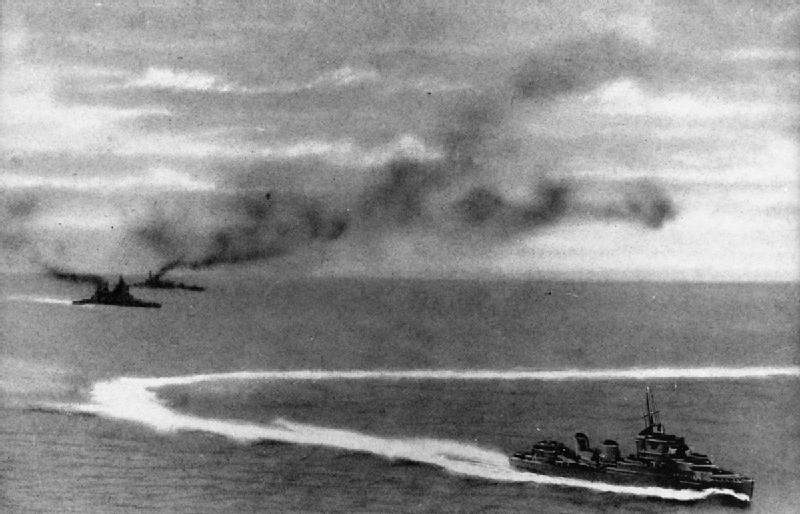
Without fighter cover, the battleship Prince of Wales and the battlecruiser Repulse are sunk off Malaya by Japanese land-based aircraft. Churchill calls it the most direct shock of the war.
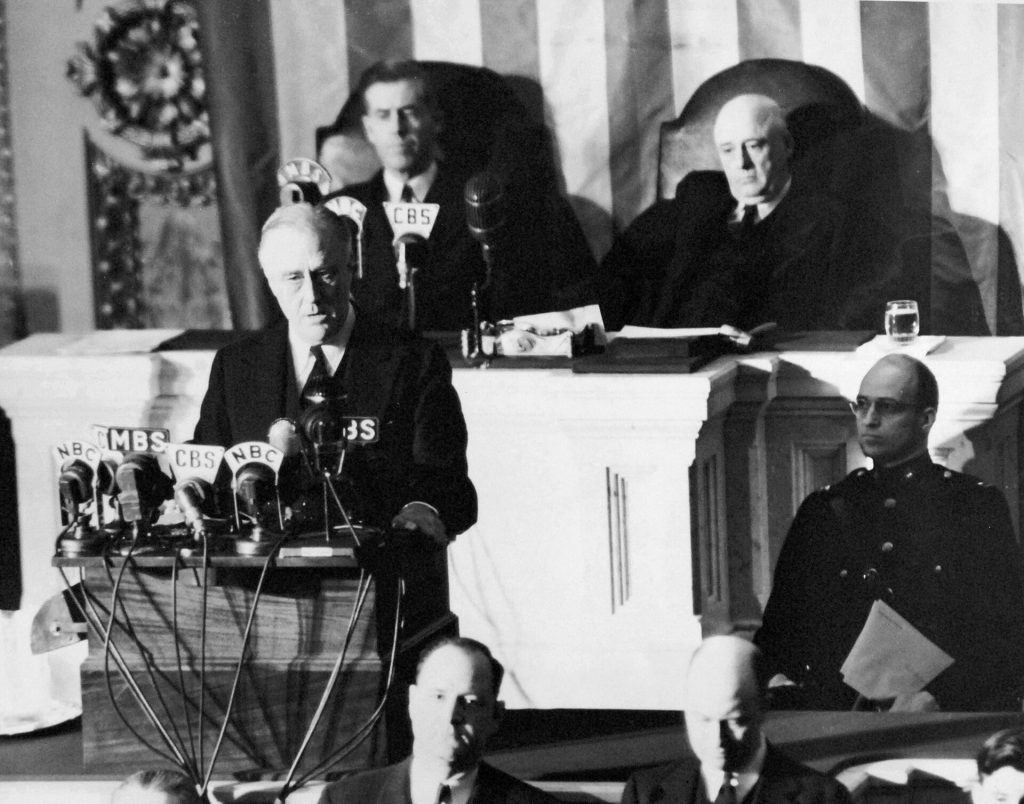
Roosevelt asks Congress for a declaration of war on Japan, as Japanese forces strike Malaya, Hong Kong, the Philippines, Guam and Wake across a front of thousands of kilometres.
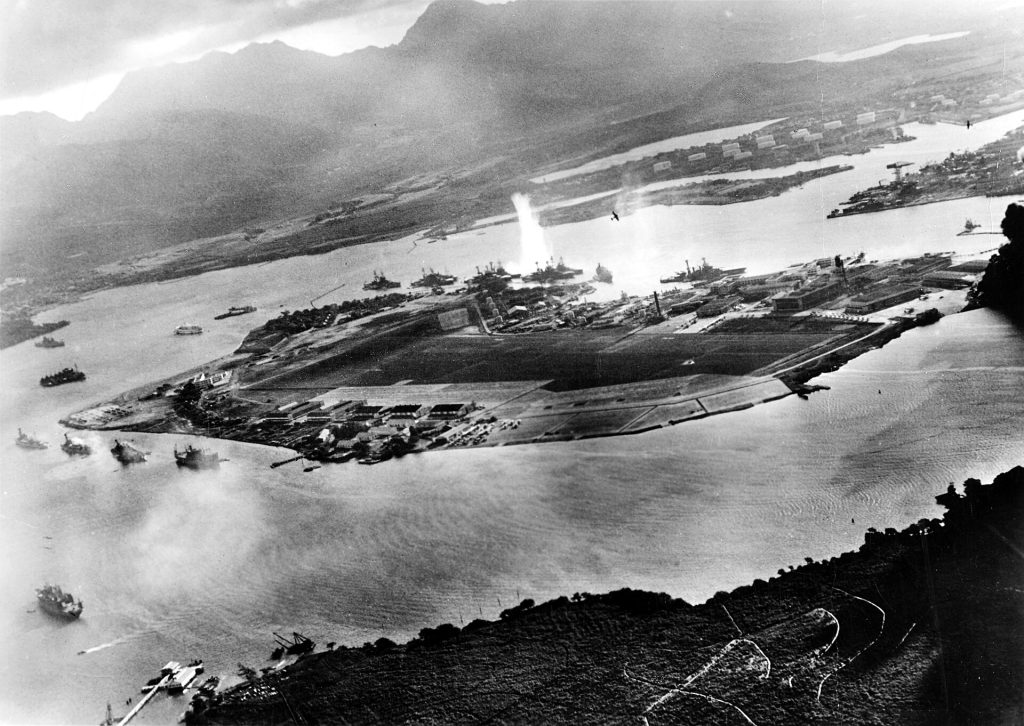
Just before 08:00 on a Sunday morning, more than 350 Japanese carrier aircraft strike the US Pacific Fleet at its base in Hawaii. In under two hours the war becomes global.
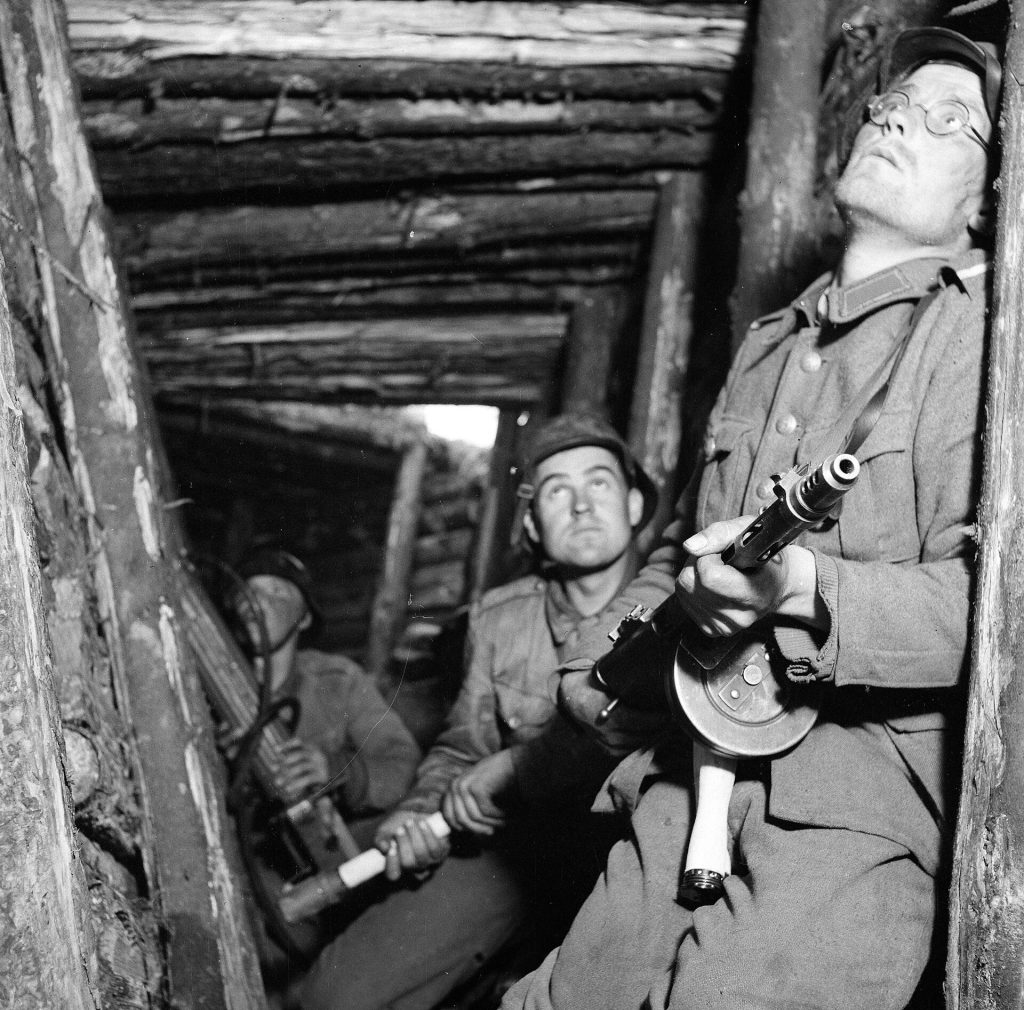
Under pressure from Stalin, Britain declares war on three of Germany’s partners in the invasion of the Soviet Union, including Finland, which Britain had cheered on against the Soviets two years earlier.
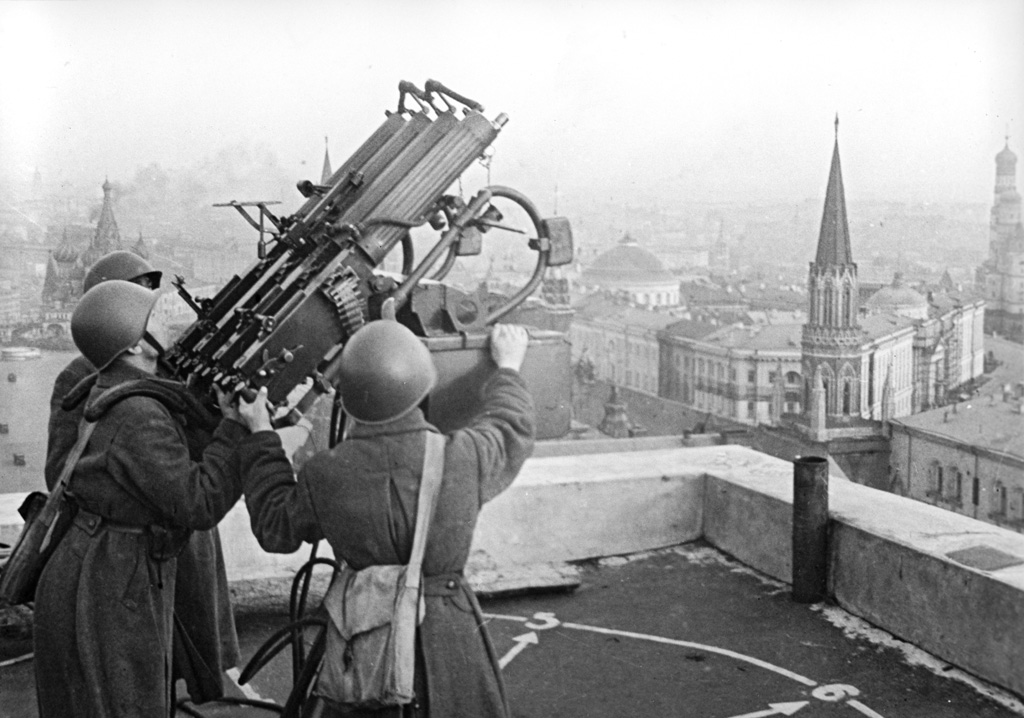
In temperatures far below freezing, the Red Army launches a surprise counter-offensive against the exhausted German armies outside Moscow. For the first time, the Wehrmacht is thrown back.
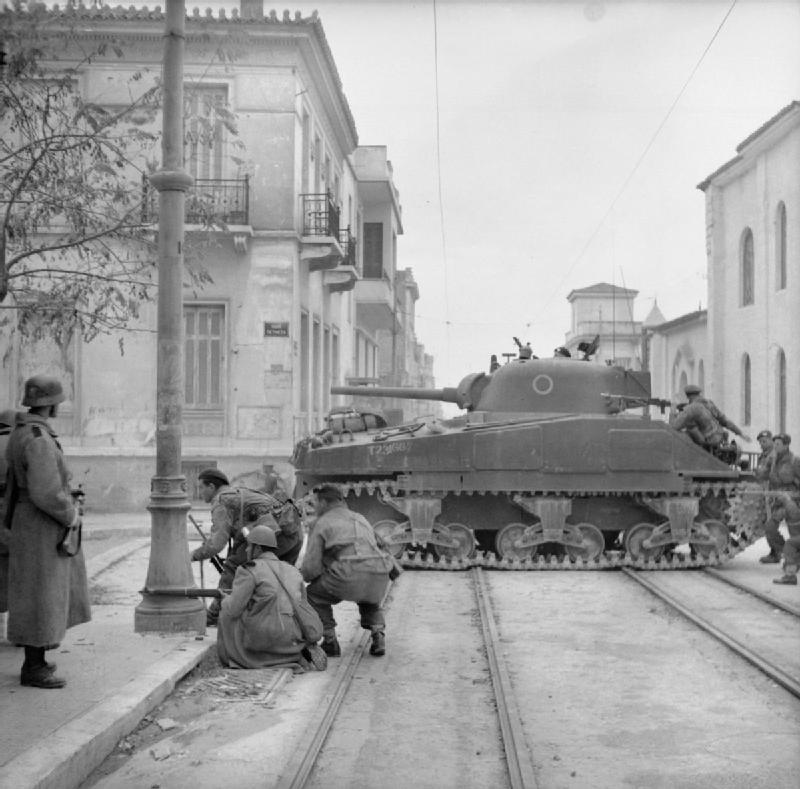
Weeks after the Germans leave Athens, police open fire on a left-wing demonstration in Syntagma Square. British troops and Greek resistance fighters are soon fighting street by street.
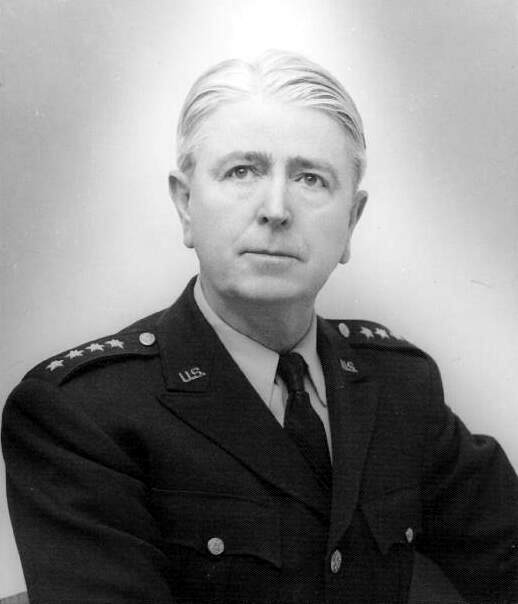
Three days before Pearl Harbor, an isolationist newspaper publishes America’s top-secret plan for fighting and winning a world war.
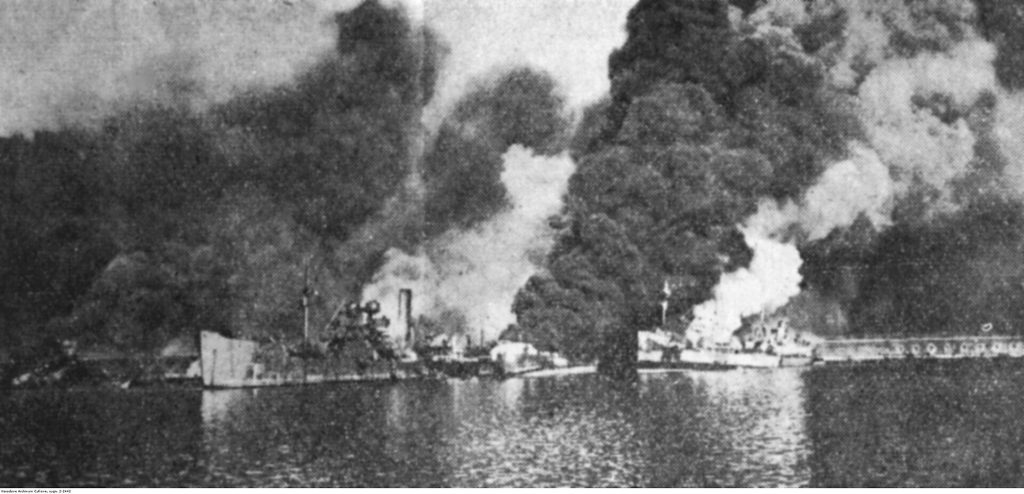
German bombers catch a crowded Allied supply port fully lit at dusk. Among the ships destroyed is an American freighter secretly carrying mustard gas bombs.
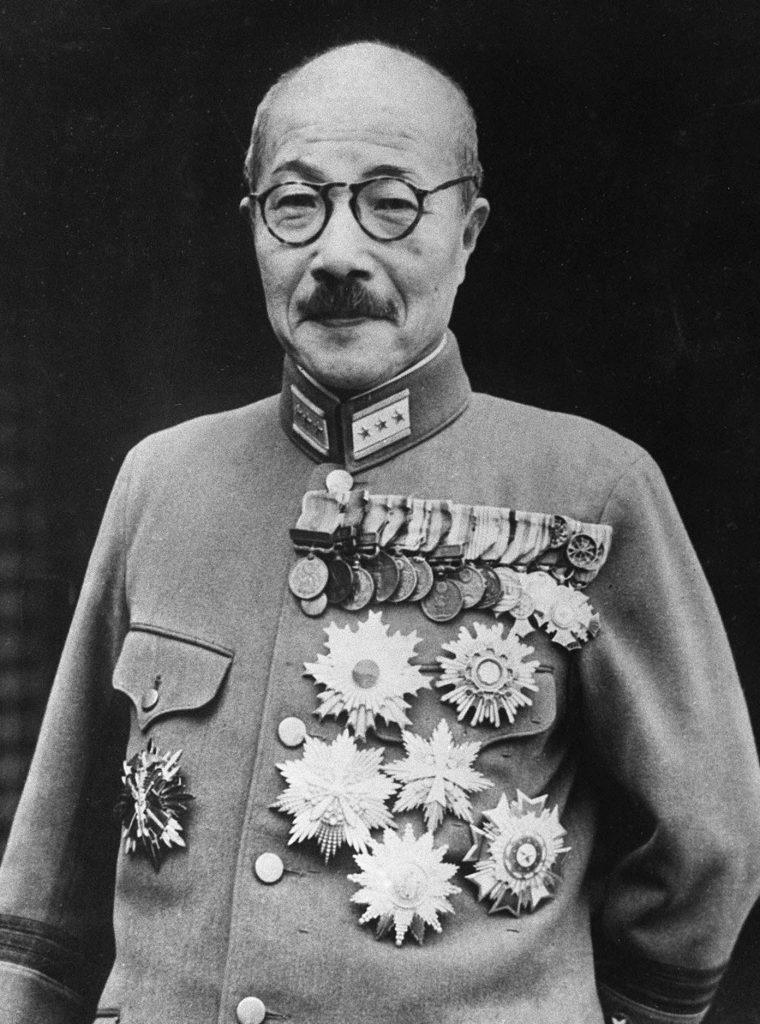
In the presence of Emperor Hirohito, an Imperial Conference in Tokyo formally approves war against the United States, Britain and the Netherlands. The carriers are already at sea.
 United Kingdom
 United States
 Soviet Union
 Germany
 Japan
 France
 Poland
 South Africa