26 June 1945: The United Nations Charter
In San Francisco, delegates of fifty nations sign the Charter of the United Nations, creating a new organisation to keep the peace the war has cost so much to win.
Dispatches involving France.
In San Francisco, delegates of fifty nations sign the Charter of the United Nations, creating a new organisation to keep the peace the war has cost so much to win.
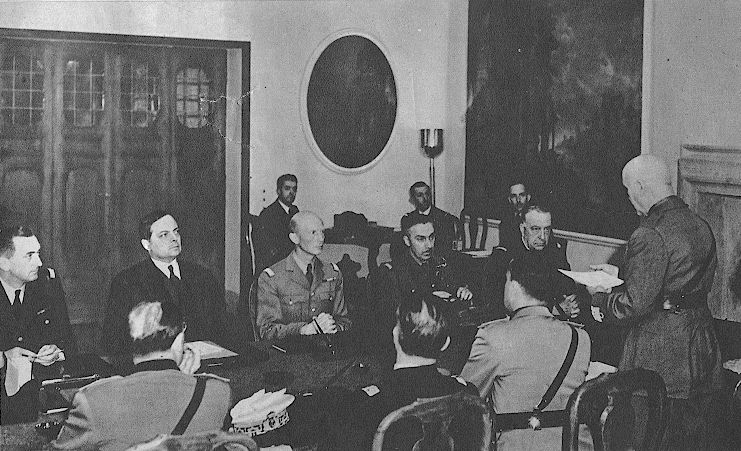
After an Alpine offensive that gained almost nothing, Italy signs an armistice with France at a villa near Rome. That night, the fighting in France ends.
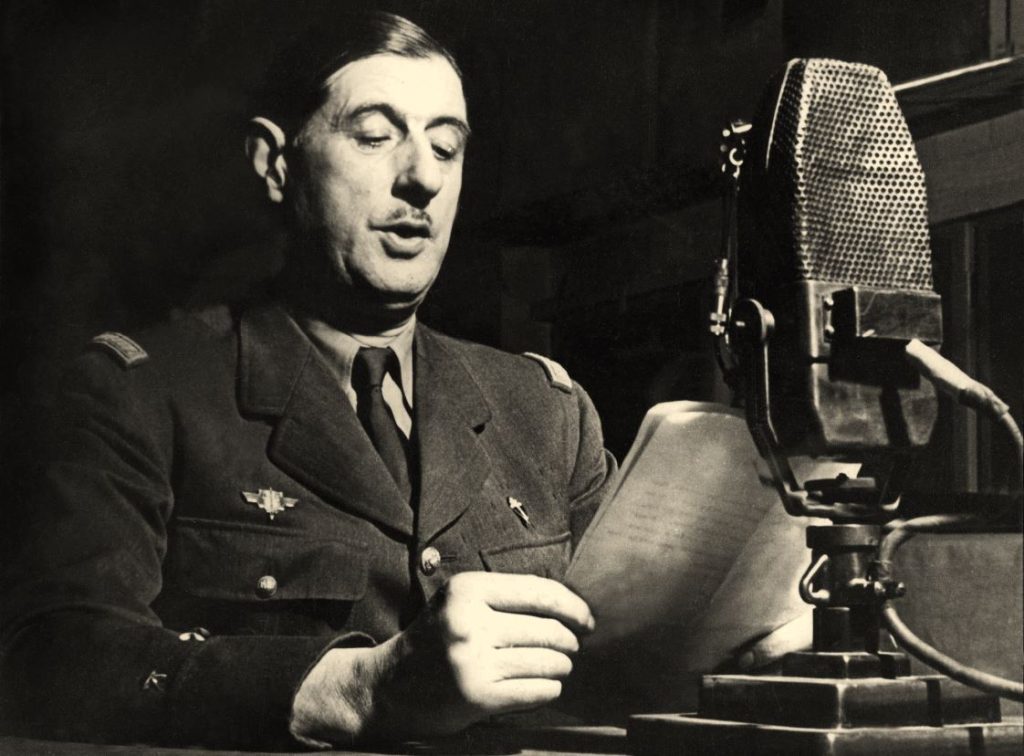
In a BBC studio in London, a little-known French general speaks to his country: France has lost a battle, but it must not give up. Few hear him. History will remember.
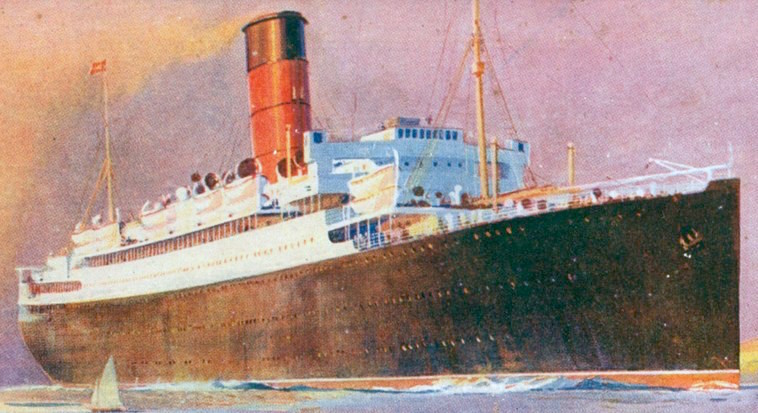
Off St Nazaire, German bombers sink a liner crammed with British troops and civilians being evacuated from France. More die than on the Titanic and the Lusitania combined.
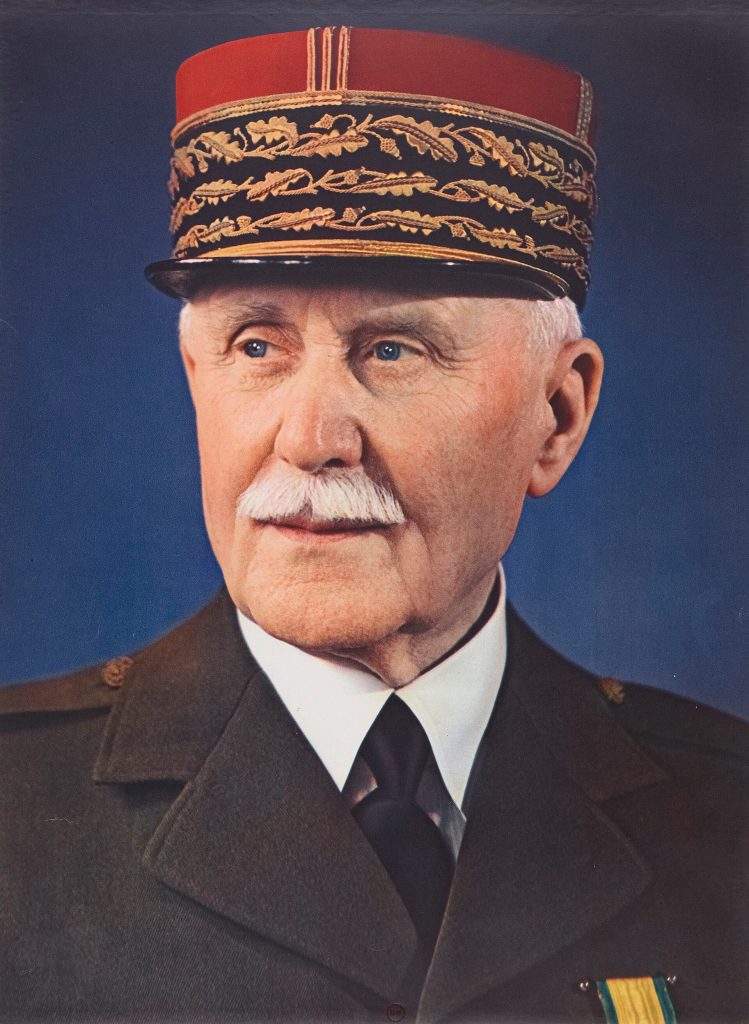
Britain offers France an extraordinary union of the two nations. The French cabinet rejects it, Paul Reynaud resigns, and 84-year-old Marshal Pétain becomes premier, determined to seek an armistice.
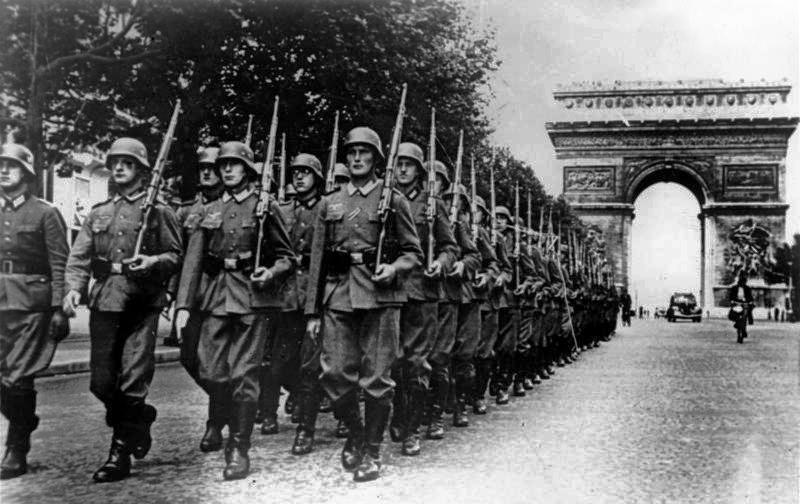
German troops march into a silent Paris, declared an open city. The swastika is raised over the Eiffel Tower and the Arc de Triomphe.
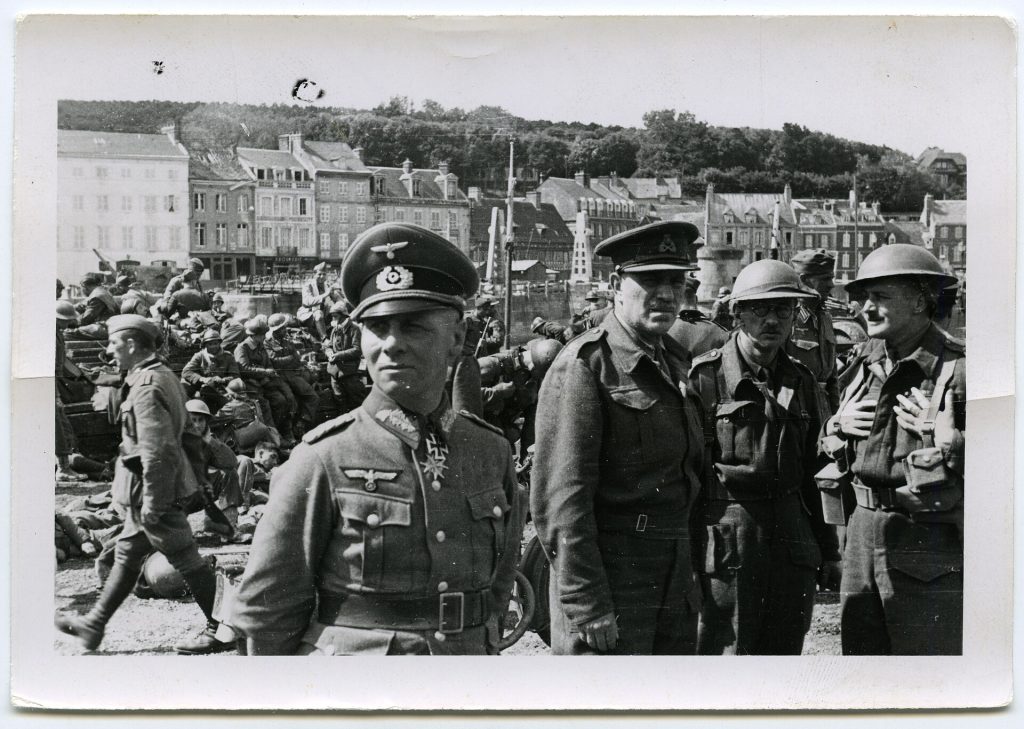
Trapped against the cliffs of Normandy with fog preventing rescue from the sea, the 51st Highland Division surrenders to Rommel.
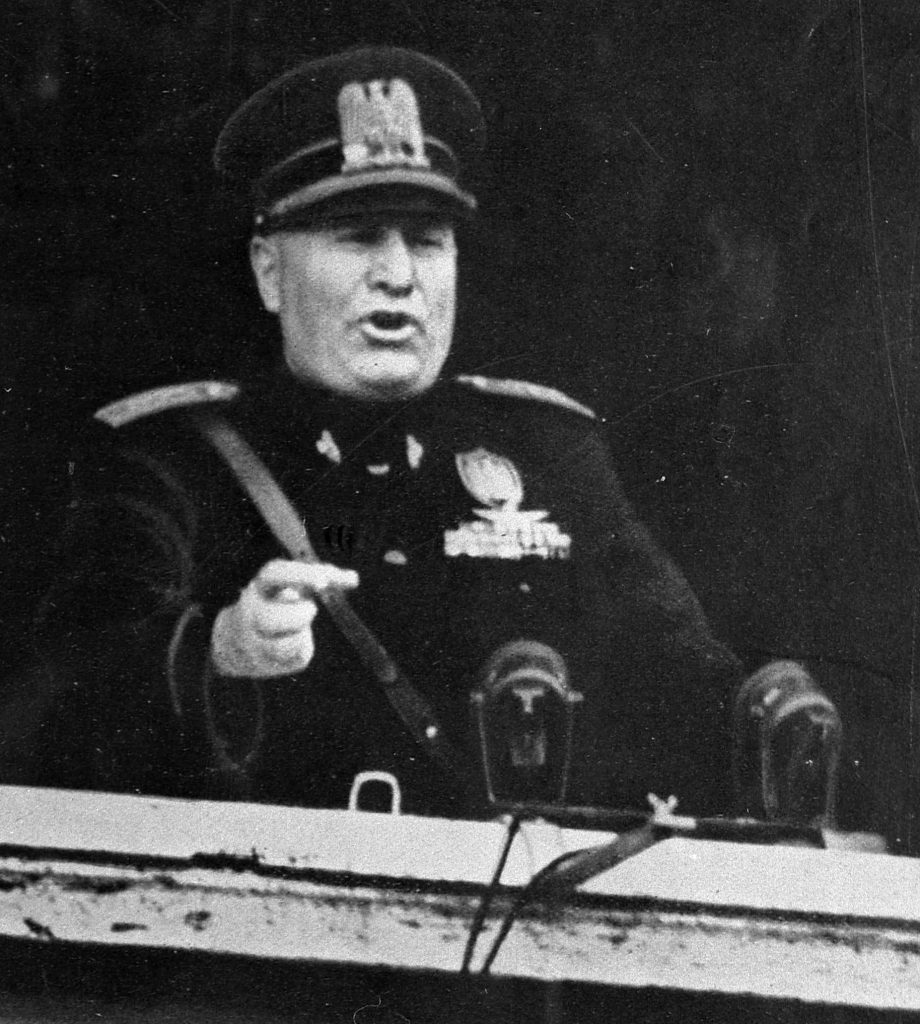
From the balcony of the Palazzo Venezia, Mussolini announces that Italy is at war with Britain and France. France is already collapsing.
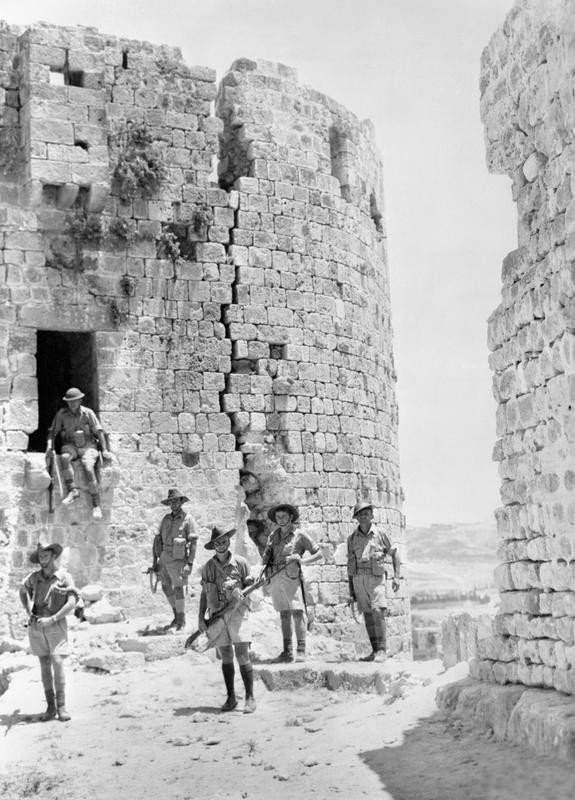
Australian, British, Indian and Free French troops cross into Vichy French Syria and Lebanon. They expect little resistance and find themselves in a bitter five-week campaign.
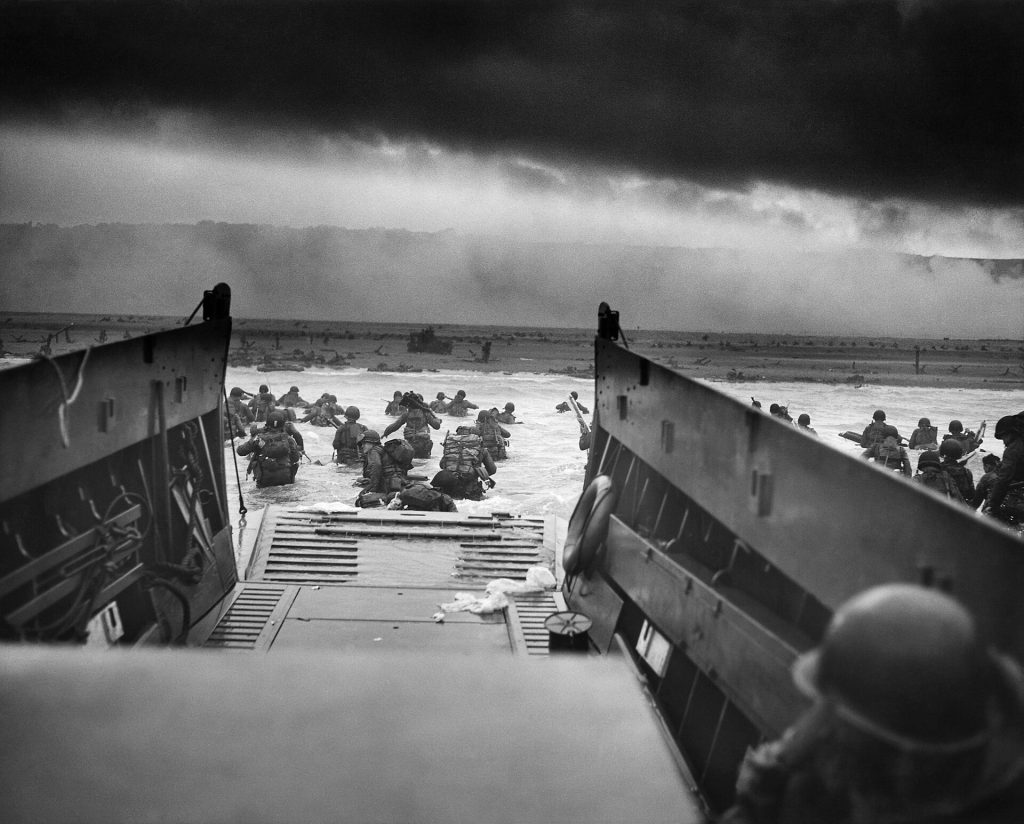
The largest seaborne invasion in history lands on the beaches of Normandy. By nightfall around 156,000 Allied troops are ashore, and the liberation of western Europe has begun.
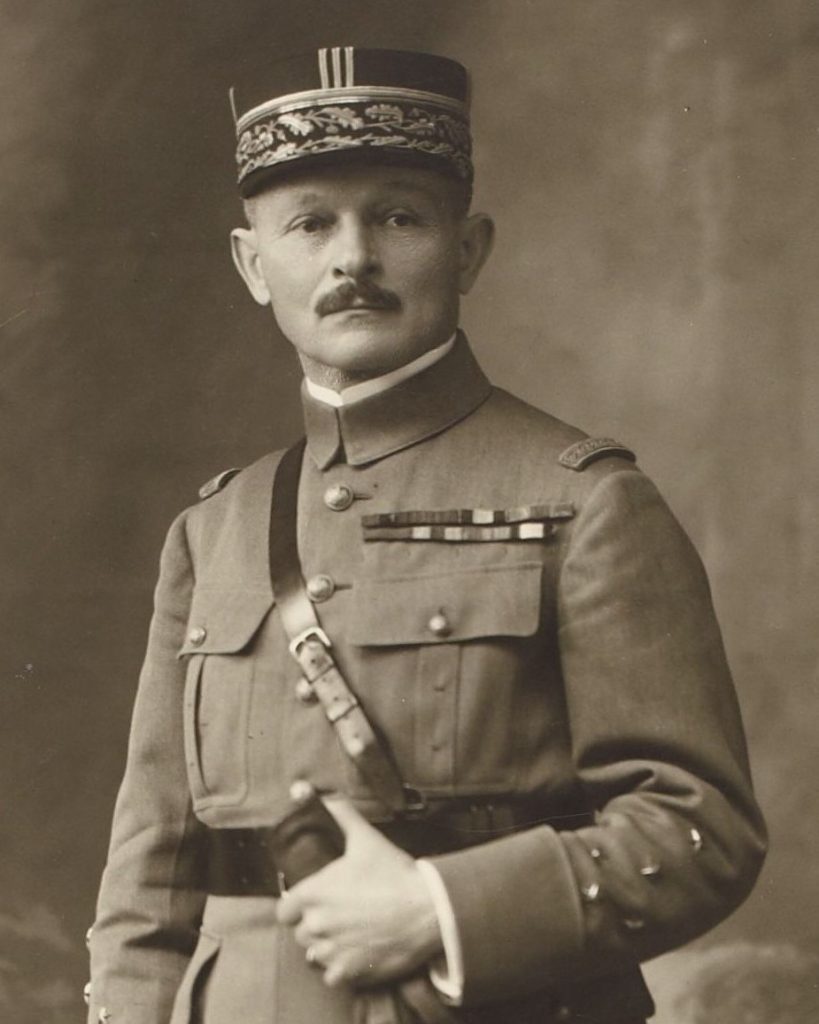
The day after Dunkirk falls, German armies attack along the Somme and the Aisne. The French fight hard behind the hastily built Weygand Line, but they cannot hold for long.
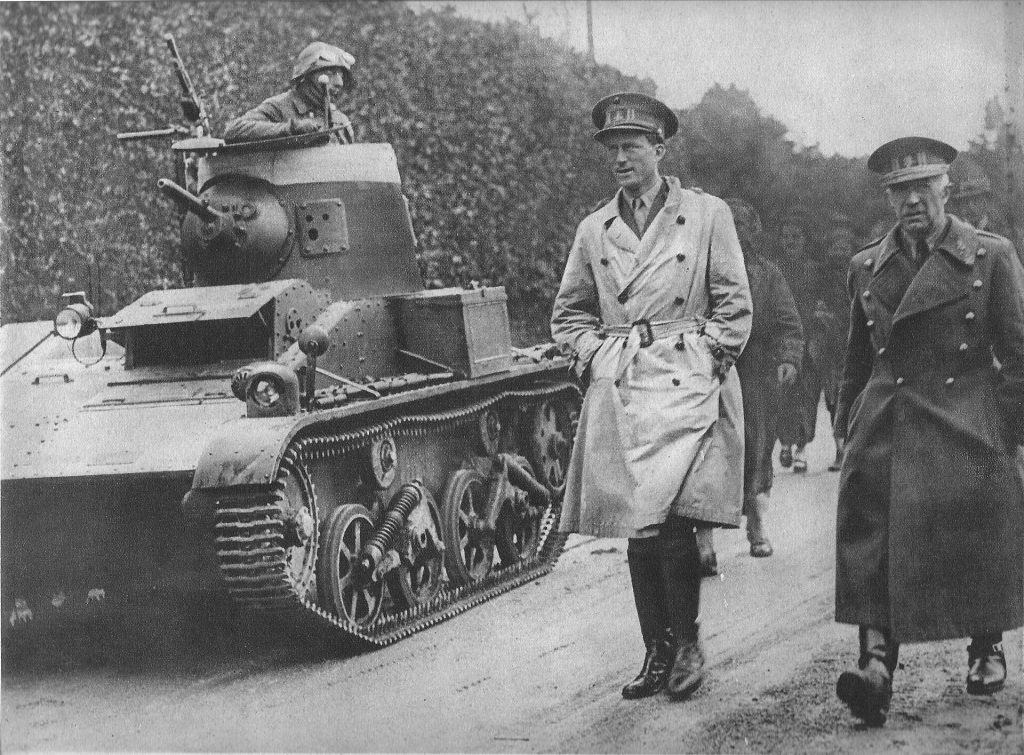
King Leopold III orders the Belgian army to lay down its arms. His government, against the decision, will carry on the war from abroad.
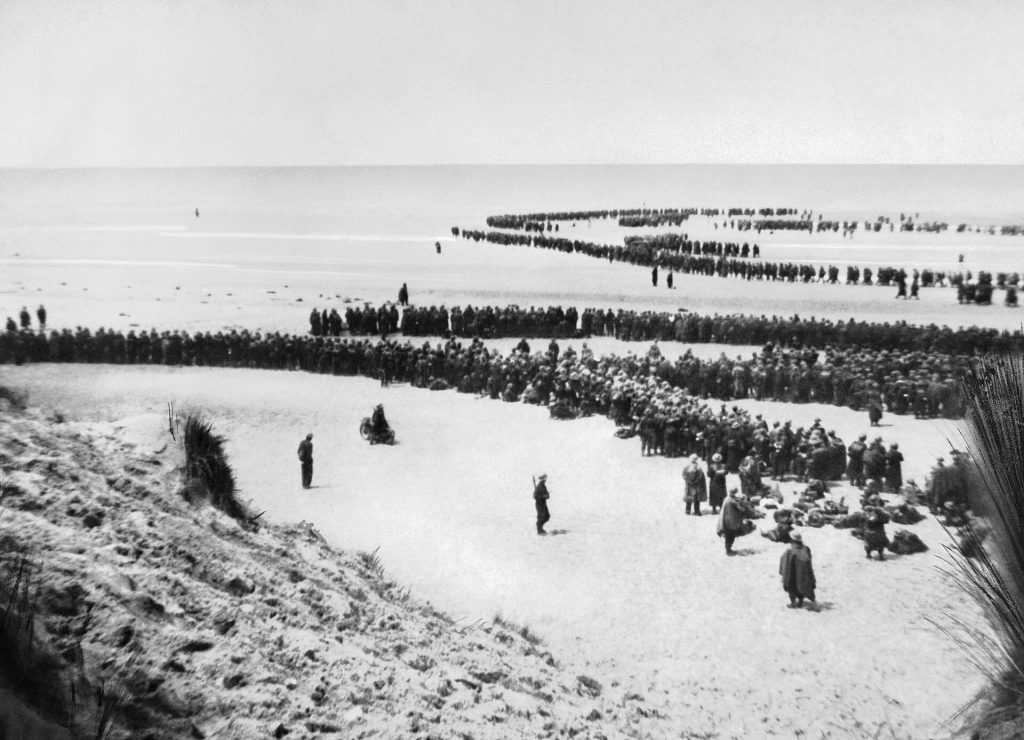
With the British army trapped against the Channel coast, the Admiralty orders the evacuation from Dunkirk to begin. Few expect more than a fraction of the men to get away.
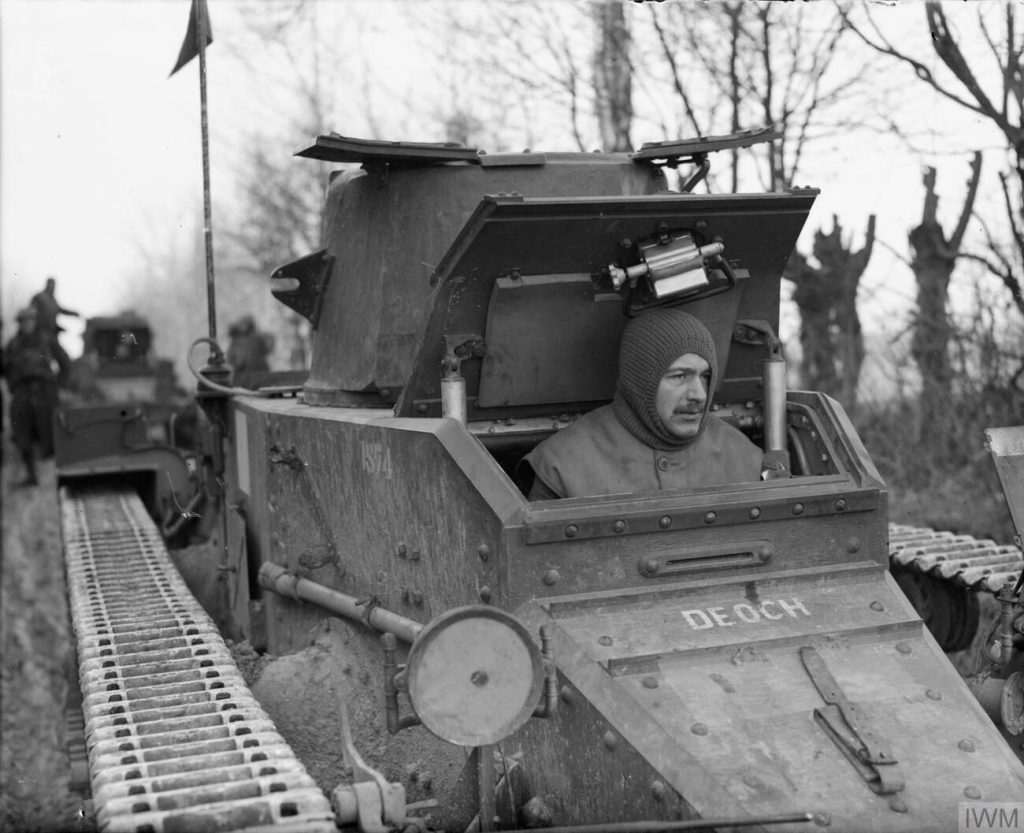
British Matilda tanks strike the flank of the German armoured advance south of Arras. The attack is beaten off, but it gives Rommel a scare and makes the German command nervous.
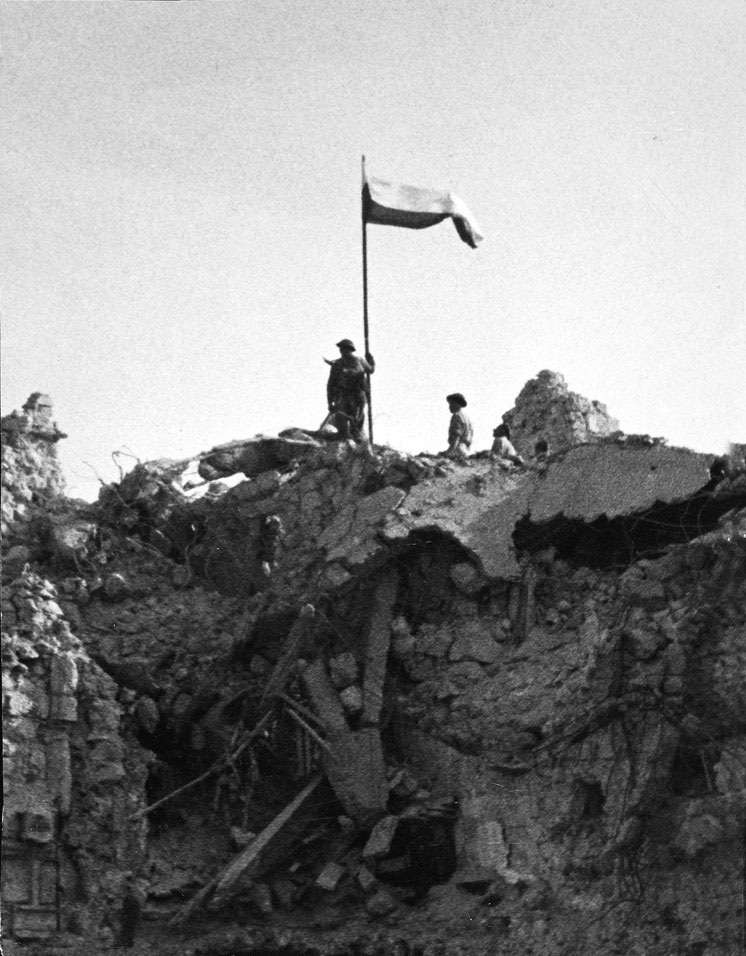
A patrol of Polish lancers climbs to the ruined abbey and raises a makeshift Polish flag. After four months and four battles, Monte Cassino has fallen.
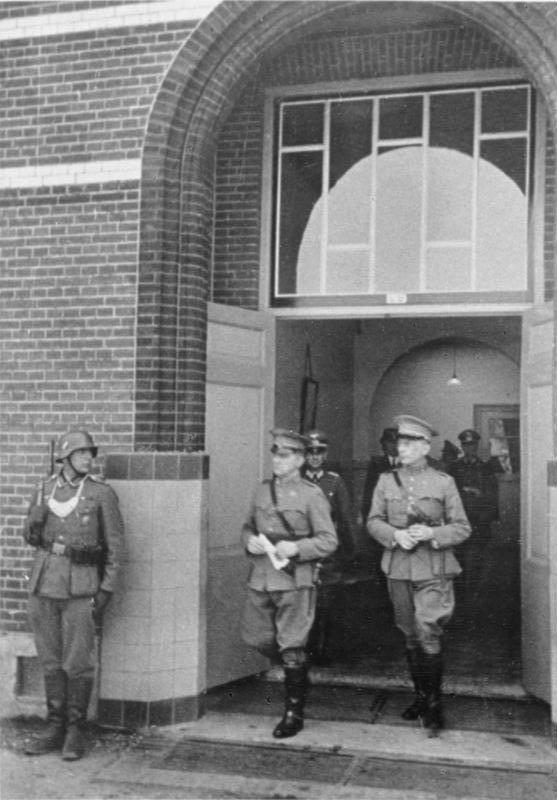
Five days after the invasion, General Winkelman signs the surrender of the Dutch army. In Paris, the French prime minister telephones Churchill with stark news.
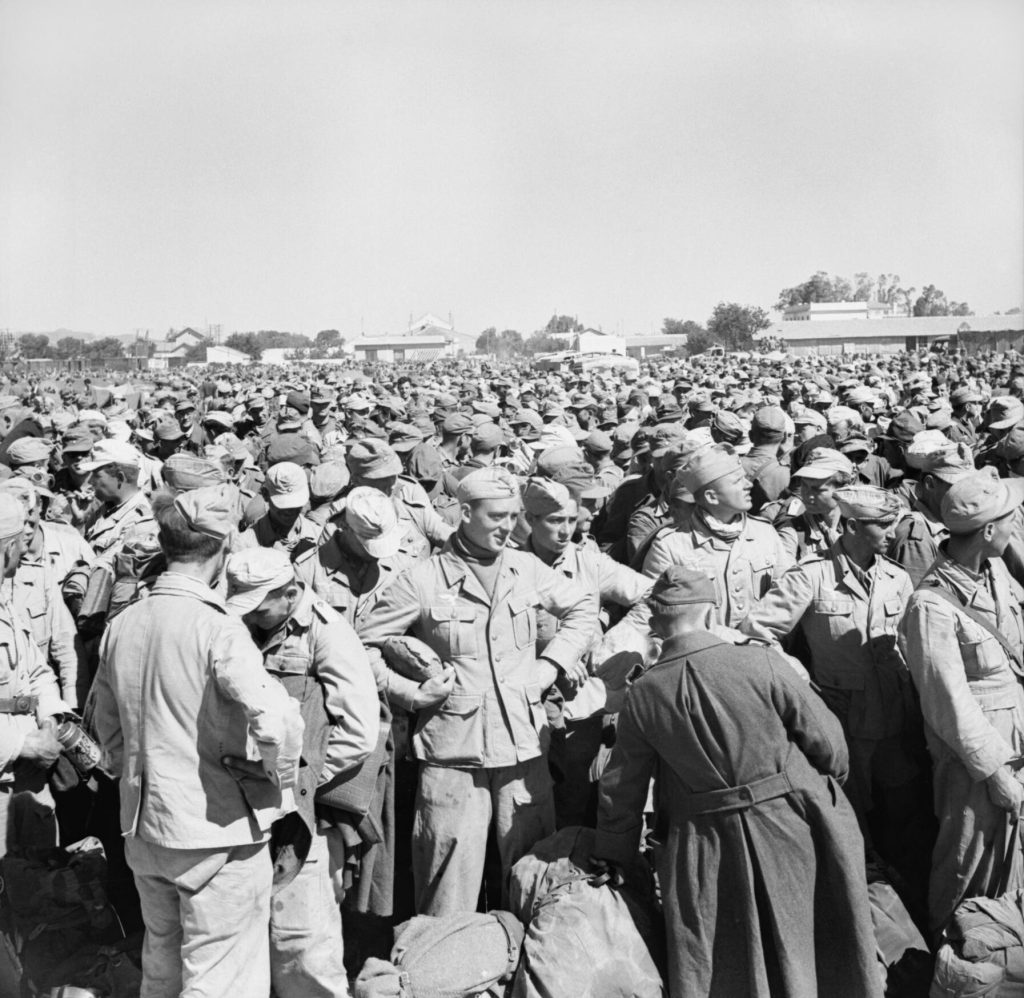
The last Axis army in Tunisia lays down its arms. Around a quarter of a million German and Italian soldiers become prisoners, and the war in North Africa is over.
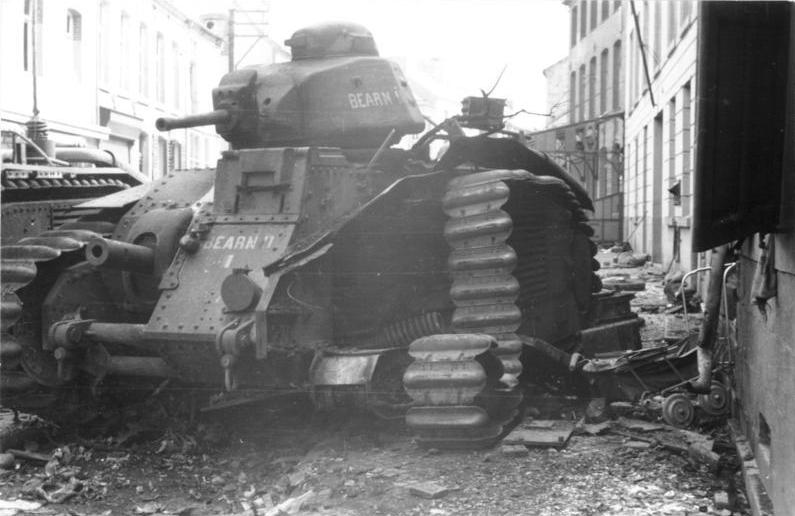
At dawn, German forces invade the Netherlands, Belgium and Luxembourg. By evening, Neville Chamberlain has resigned and Winston Churchill is Prime Minister.
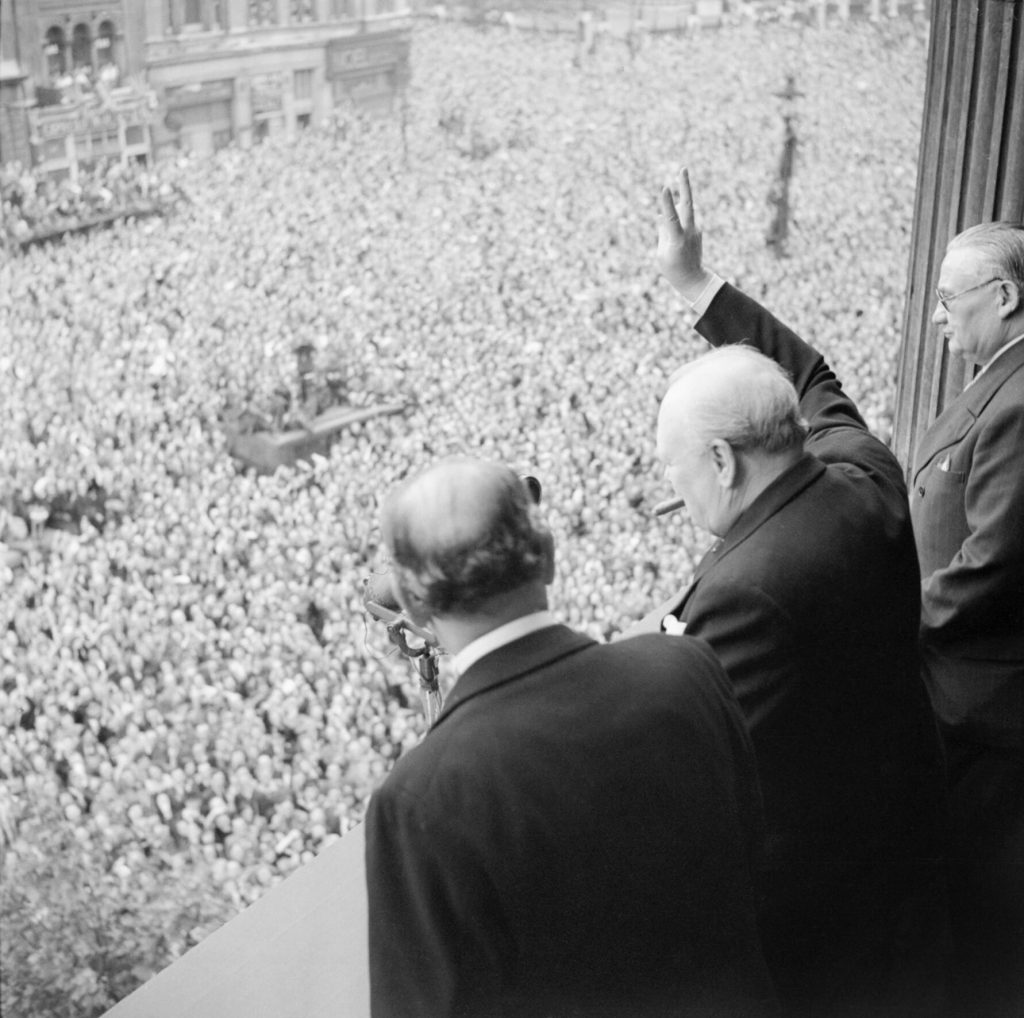
Victory in Europe. Crowds pour into the streets of London, Paris, New York and cities across the Allied world. After nearly six years, the war against Germany is over.
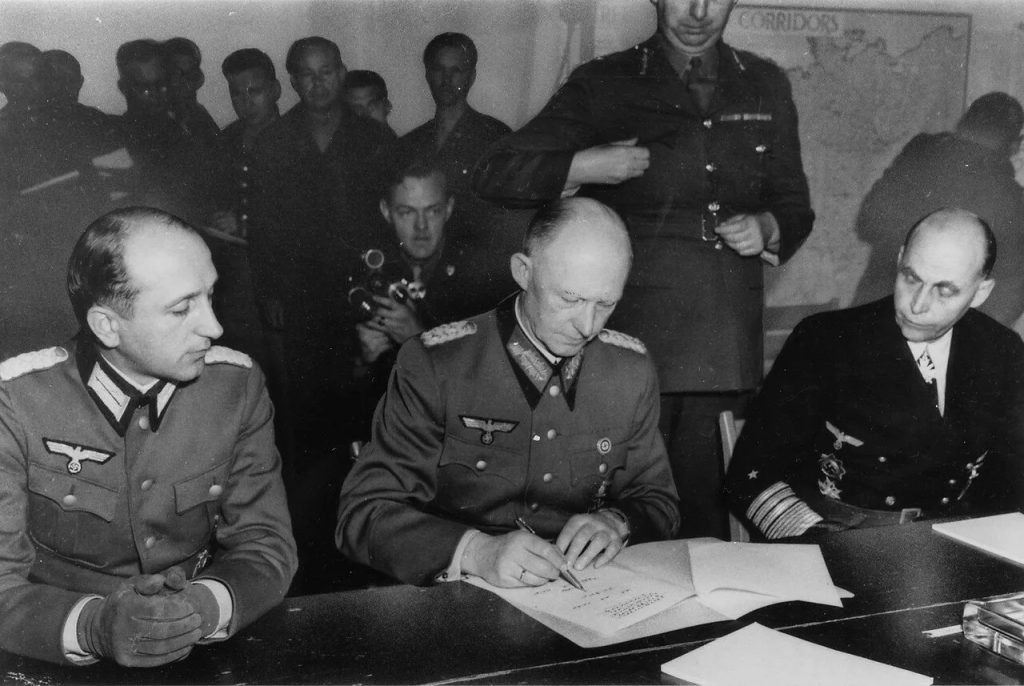
In the small hours, in a schoolhouse in Reims serving as Eisenhower’s headquarters, General Alfred Jodl signs Germany’s unconditional surrender.
 United Kingdom
 United States
 Soviet Union
 Germany
 Japan
 France
 Poland
 South Africa